Grounding techniques and nervous system stabilization strategies for managing acute trauma responses. Equips practitioners with somatic tools and distress tolerance interventions to foster emotional safety.
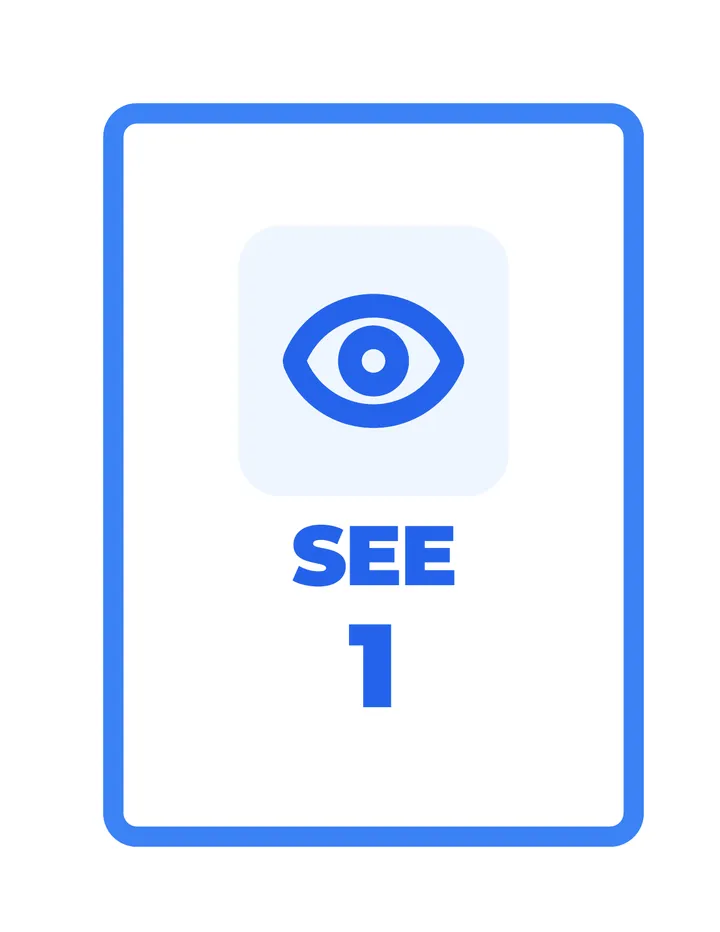
A set of ten high-impact, full-page classroom labels (See, Feel, Touch, Smell, Anchor) designed for sensory grounding. The first five pages feature the number '1' below the word, and the following five pages feature the number '2' below the word. Each page is color-coded and framed by a thick matching border.
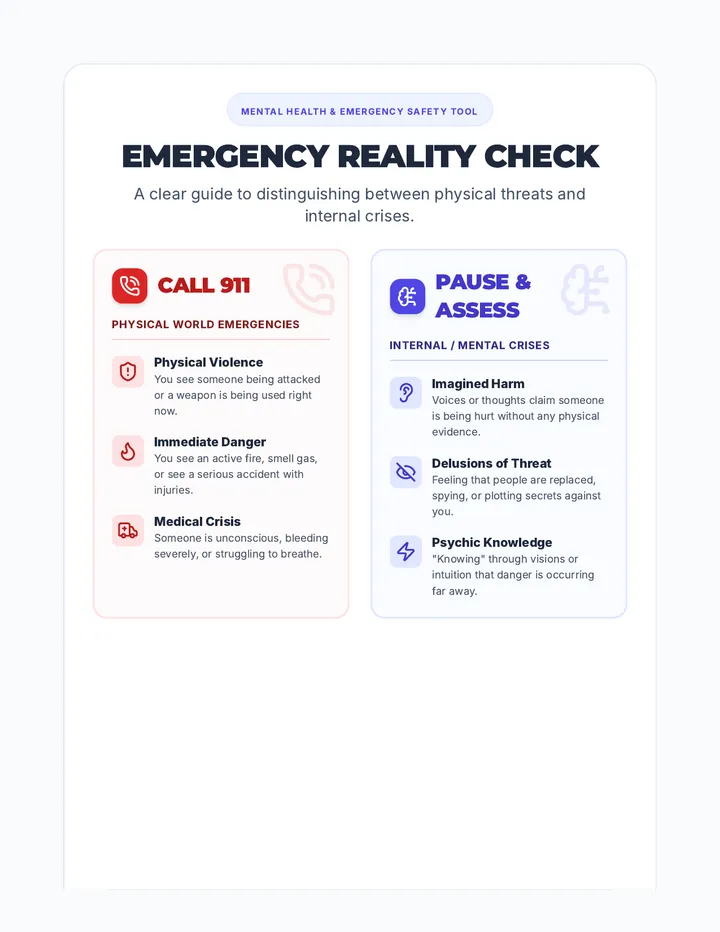
A refined, high-contrast one-page infographic for adults in mental health contexts. Optimized with page-break protection (break-inside-avoid) on all major objects to ensure clean printing on standard or legal sized paper. Includes actionable reality-checking steps and a personalized support network area.
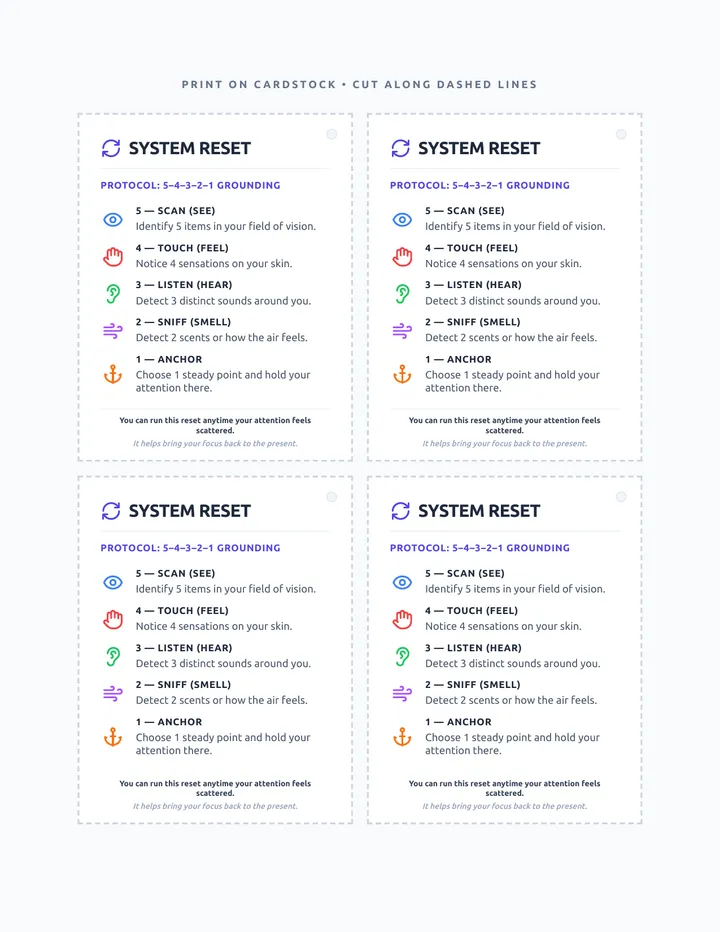
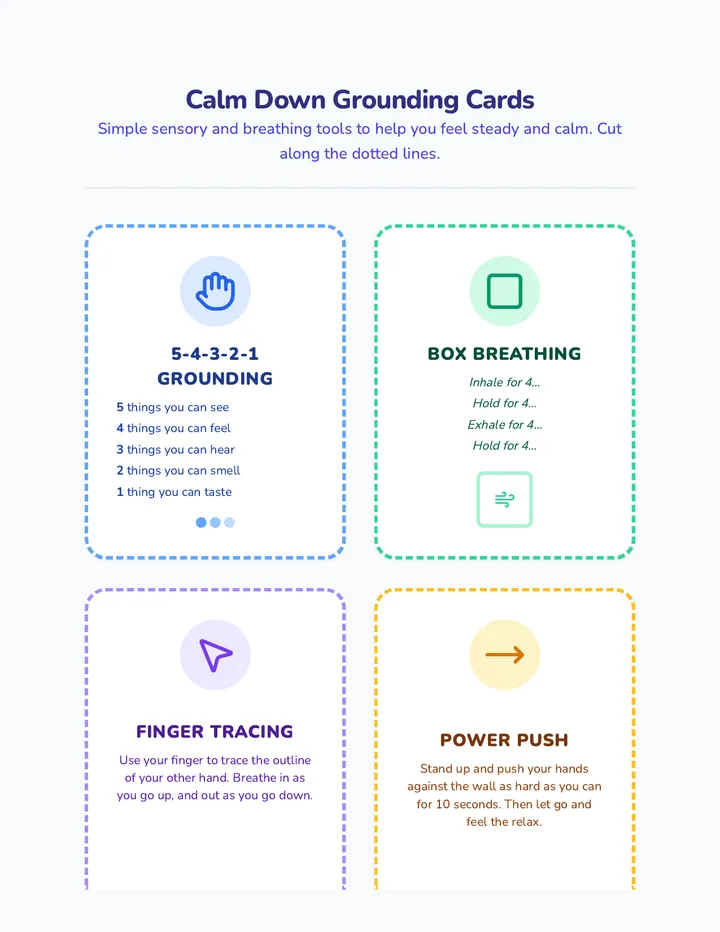
A printable set of 4 'System Reset' grounding cards with updated text, colored icons for each sensory step, and a clear 5-4-3-2-1 protocol layout.
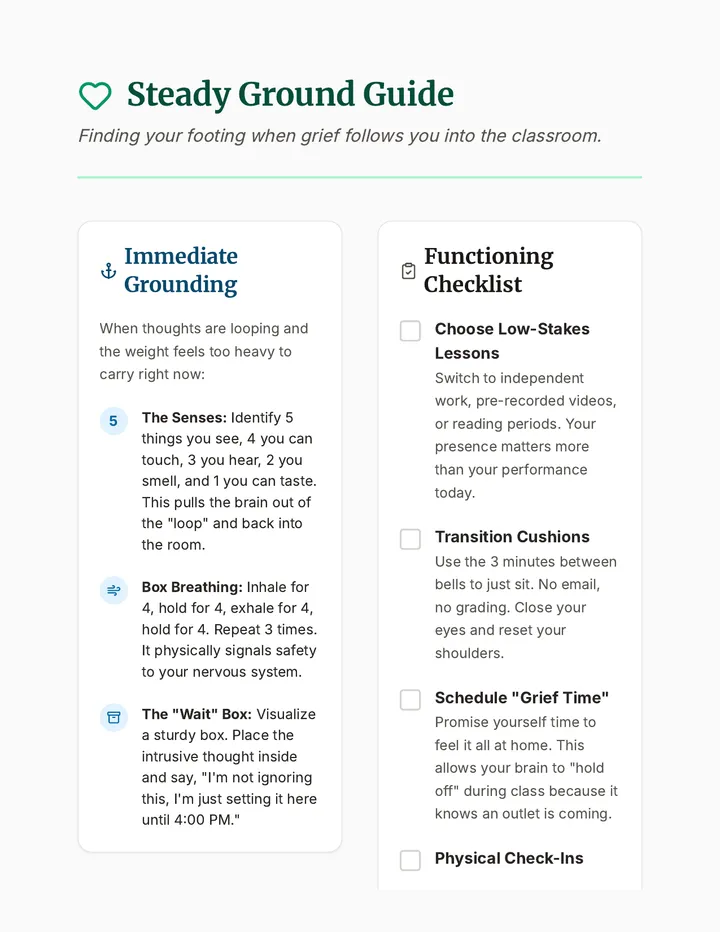
An updated version of the Steady Ground Guide with improved font sizes for readability and new self-advocacy scripts for teachers to communicate their needs to colleagues and leadership.
An updated 10-page clinical handbook for adjustment counselors, now including a concise overview of the 5 Stages of Grief (Kübler-Ross) integrated with modern meaning-making models and school-based interventions.
A set of two printable desk strips featuring a 1-10 numerical regulation scale. Includes one strip with space for custom coping strategies and a compact version featuring just the numerical chart.
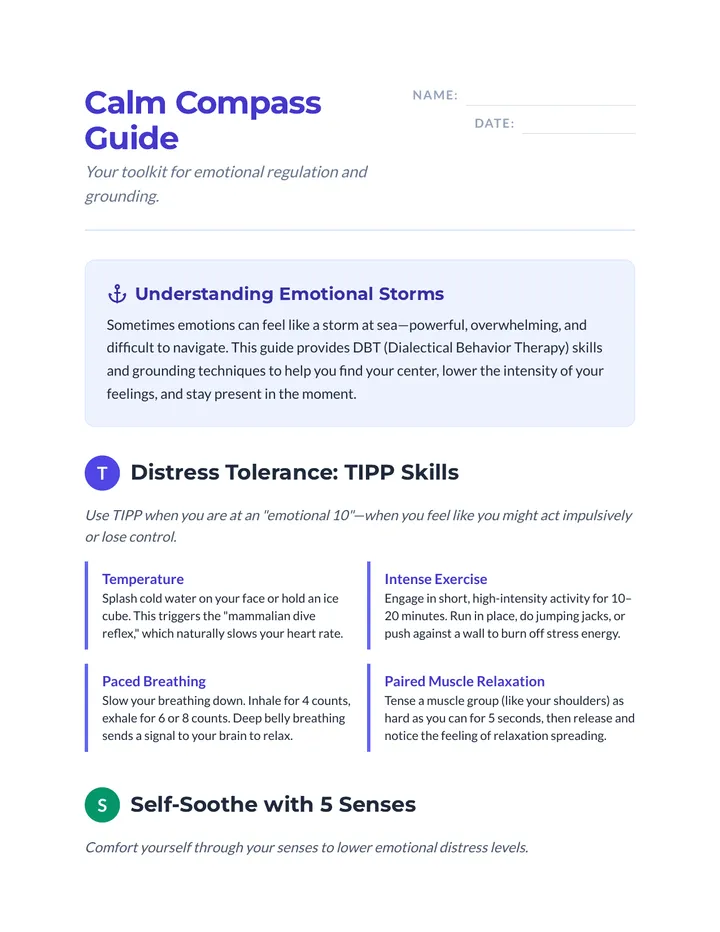
A comprehensive 4-page guide covering DBT emotion regulation skills (TIPP, PLEASE, Opposite Action) and grounding techniques (5-4-3-2-1, square breathing, PMR, cognitive defusion). Designed with a soothing blue and indigo theme for emotional support contexts.
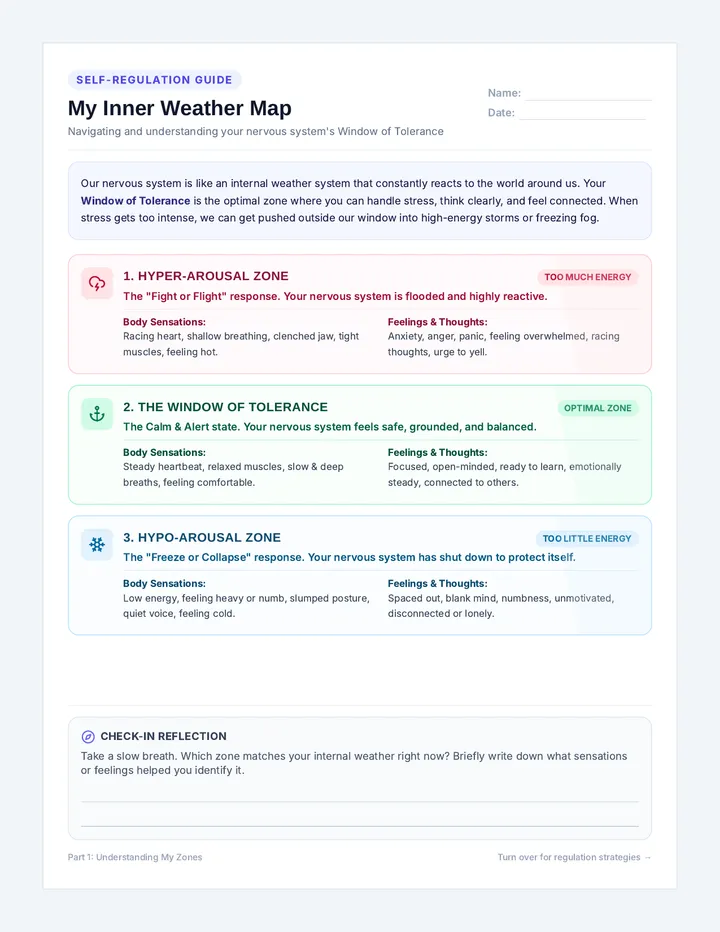
A beautifully designed, print-ready 2-page educational handout mapping the Window of Tolerance. It details the physical, mental, and emotional signs of Hyper-arousal, the Optimal Window, and Hypo-arousal, alongside a comprehensive self-regulation toolbox and a reflective personal action plan.
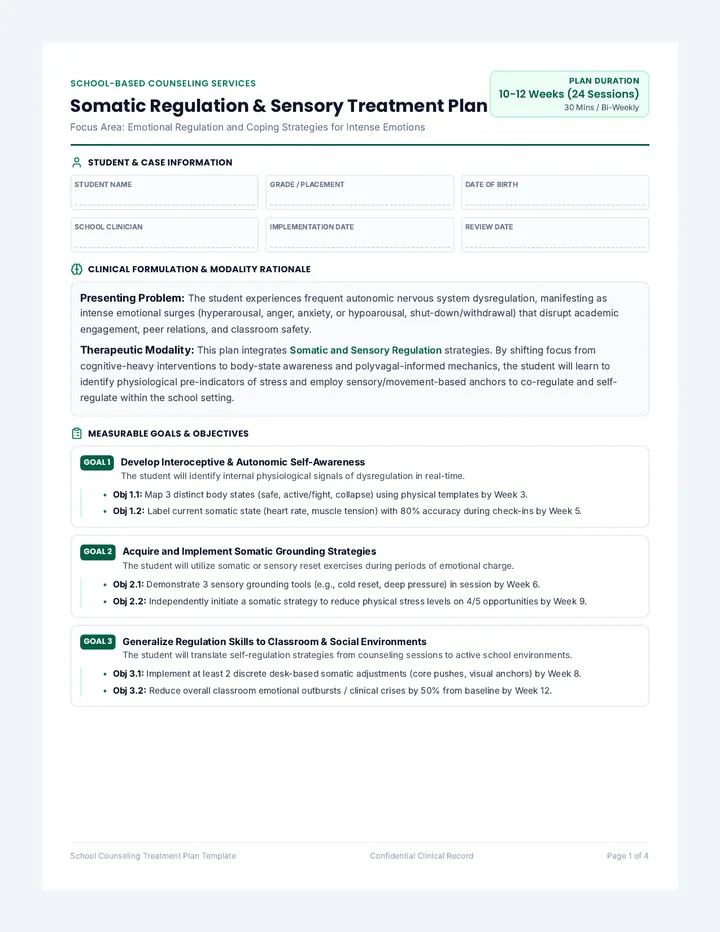
A comprehensive clinical school-based counseling treatment plan template structured for 10-12 weeks (2 sessions per week, 30 minutes each). Built around somatic and sensory regulation modalities, this clinical document includes a complete 24-session curriculum roadmap, measurable goals, objectives, grounding resources, and school-based accommodations.
A grounding and self-care worksheet designed for adults to navigate the immediate aftermath of conflict. It features sensory grounding exercises, a 24-hour physical wellness planner, and gentle boundary-setting reminders.
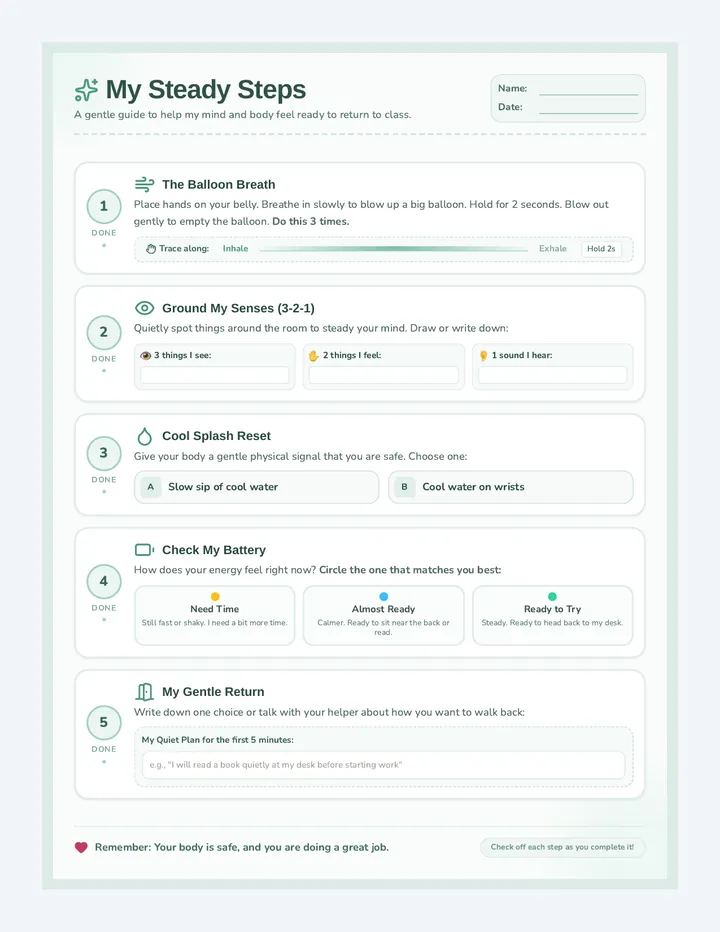
A single-page, beautifully structured visual return to class checklist designed to help students self-regulate, ground their senses, and transition back to the classroom after a panic episode. Includes tactile visual finger-tracing, a sensory countdown, physical reset prompts, an energy check, and customizable re-entry steps with calming sage-green styling and clean Lucide icons.
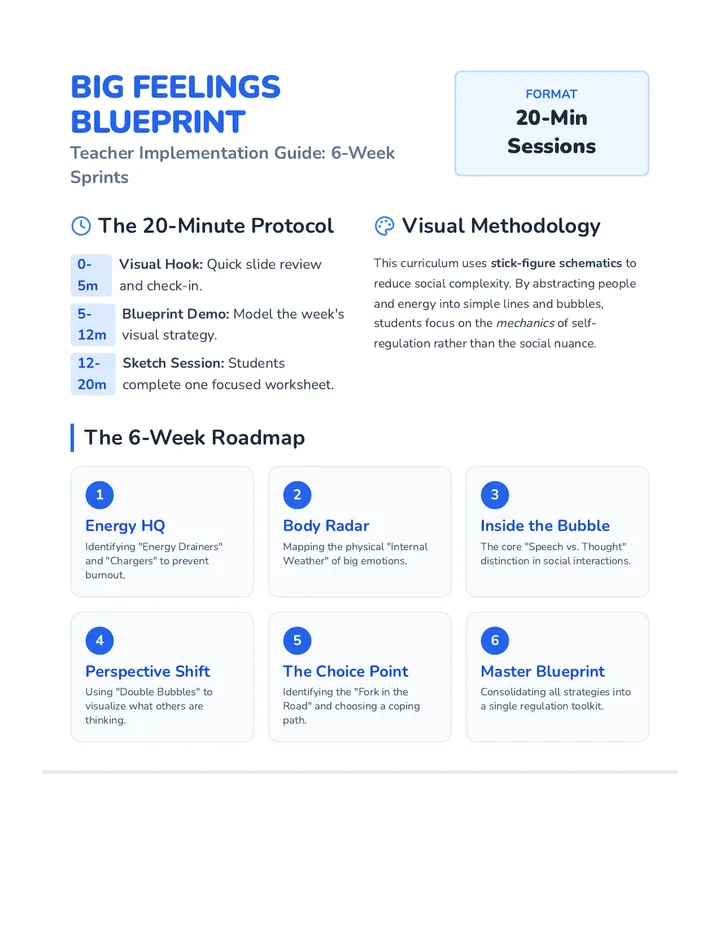
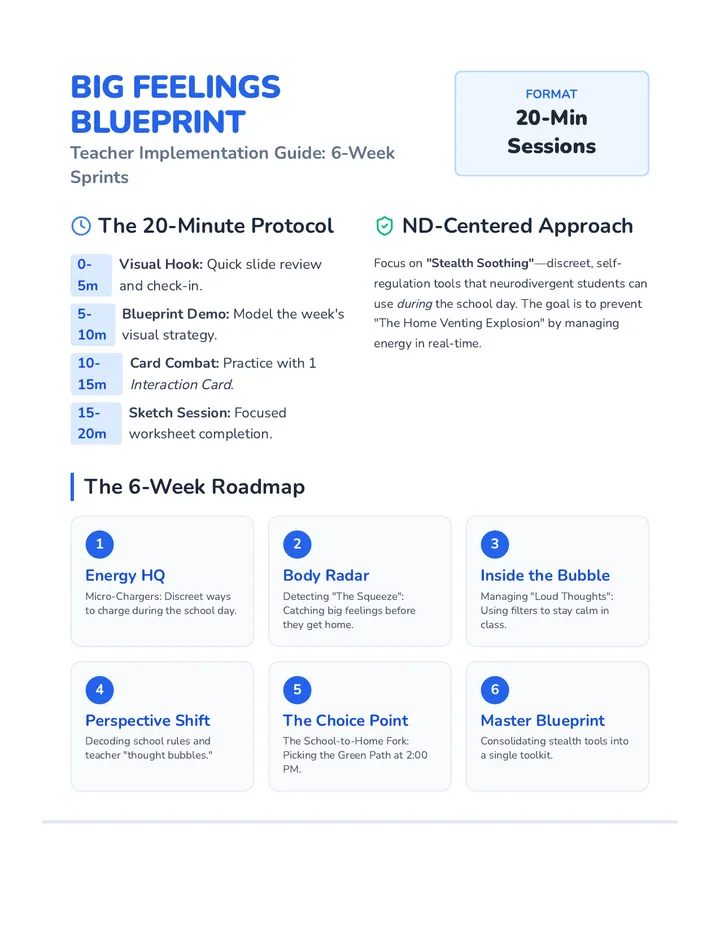
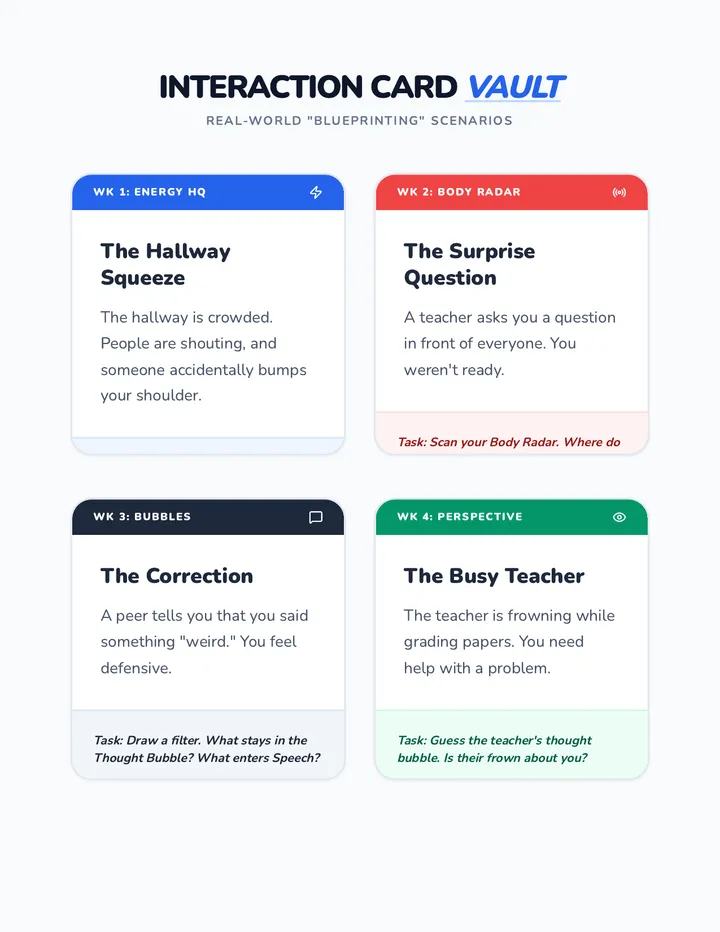
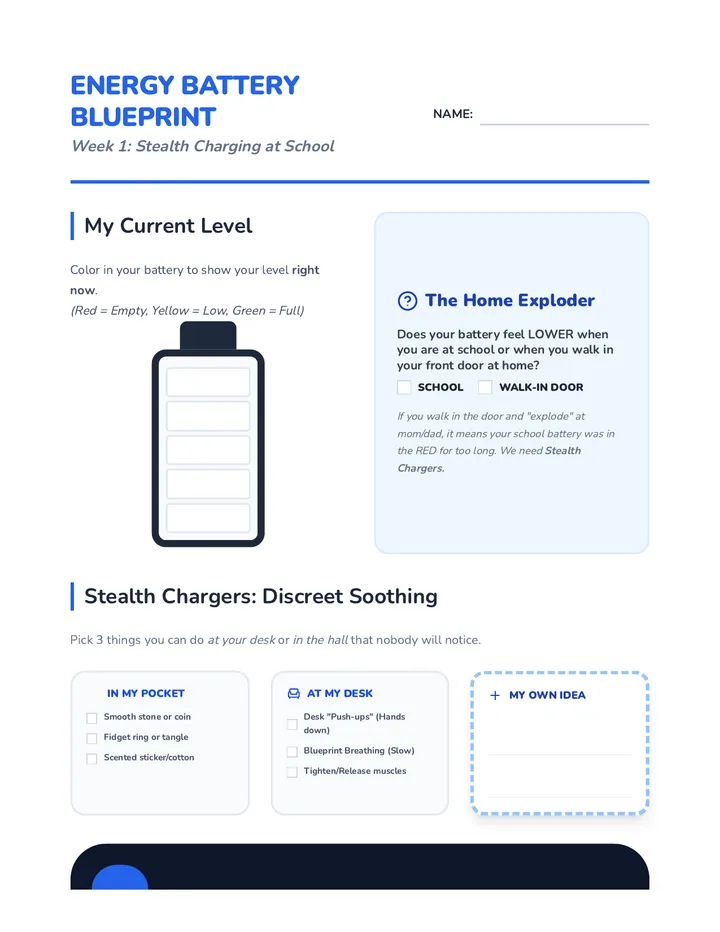
A 6-week social-emotional learning program for teenagers on the autism spectrum, delivered in focused 20-minute sessions. The program uses visual "blueprints" to teach energy management, body awareness, and Comic Strip Conversation techniques for emotional regulation and perspective taking.
An 8-week social-emotional learning unit for 4th graders focused on developing interpersonal problem-solving skills using the STEP process. Each 20-30 minute session includes behavior expectations, ice breakers, and interactive activities to build empathy, communication, and decision-making skills.
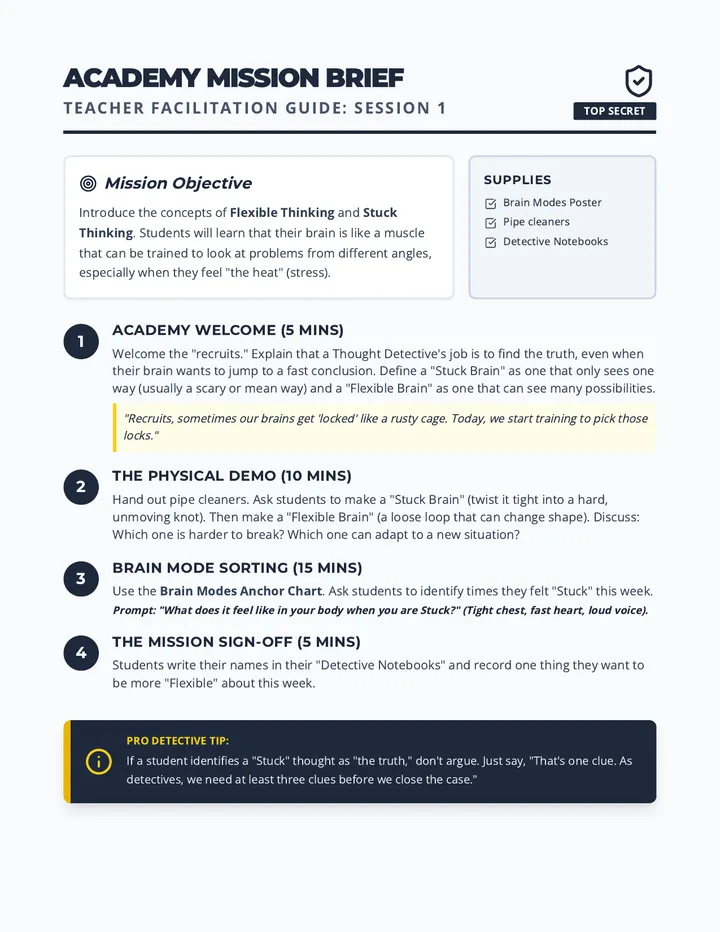
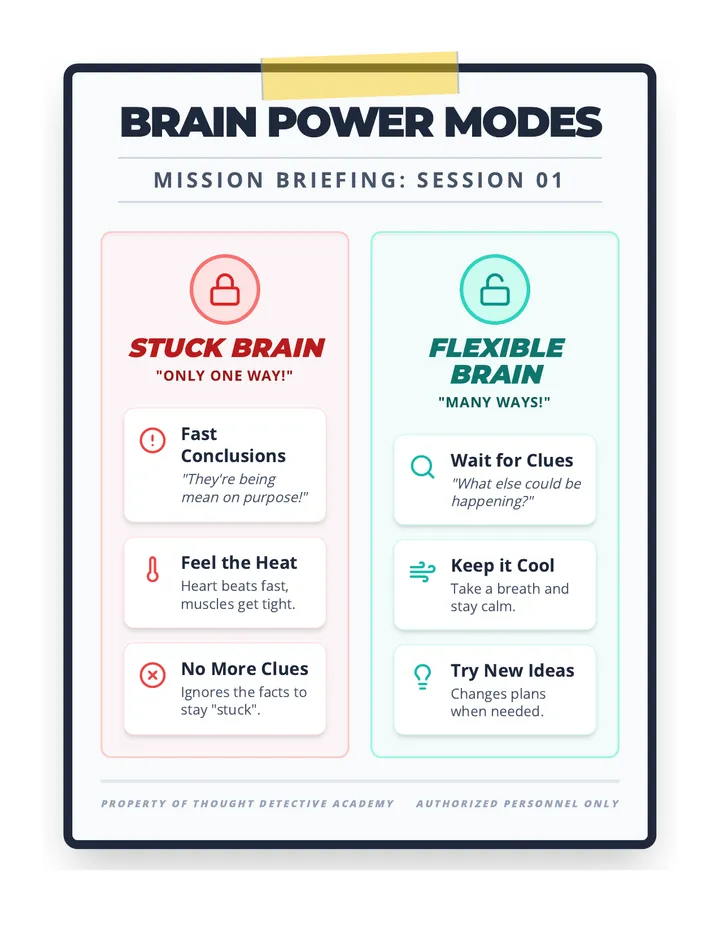
A 6-session counseling program focused on flexible thinking and reducing hostile attribution bias through the 'Thought Detective' metaphor, specifically designed for 4th-grade students with diverse social-emotional needs.
A 6-week Tier 2 small group intervention for students in grades 3-5, exploring the neuroscience of emotion regulation, brain development, and the nervous system through a 'Control Center' theme.
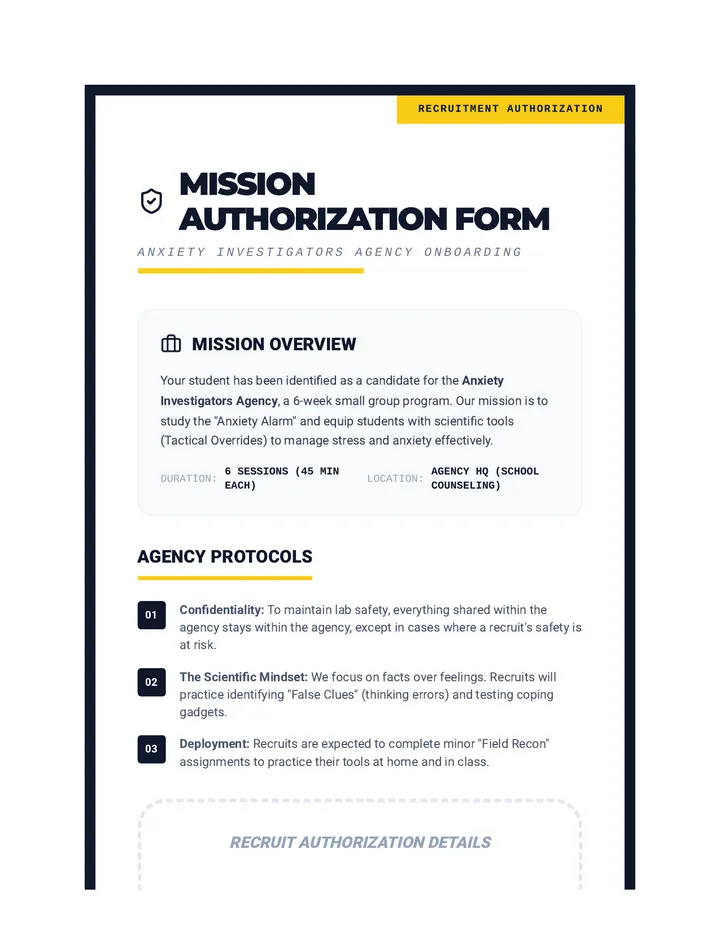
A 6-week small group program for middle schoolers that uses a detective and scientist theme to teach anxiety management, cognitive reframing, and coping skills.
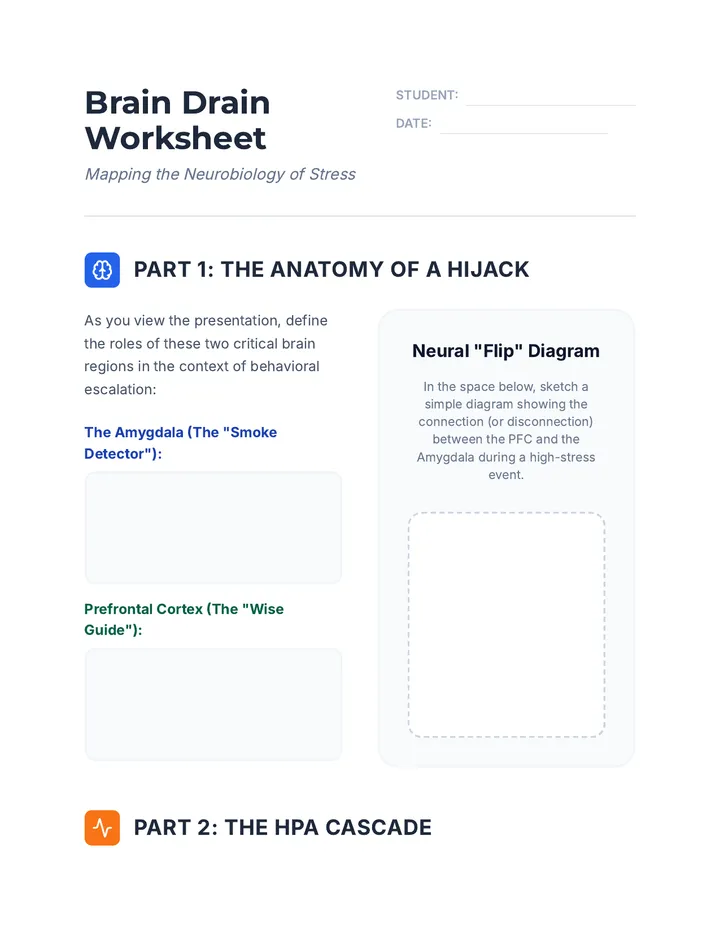
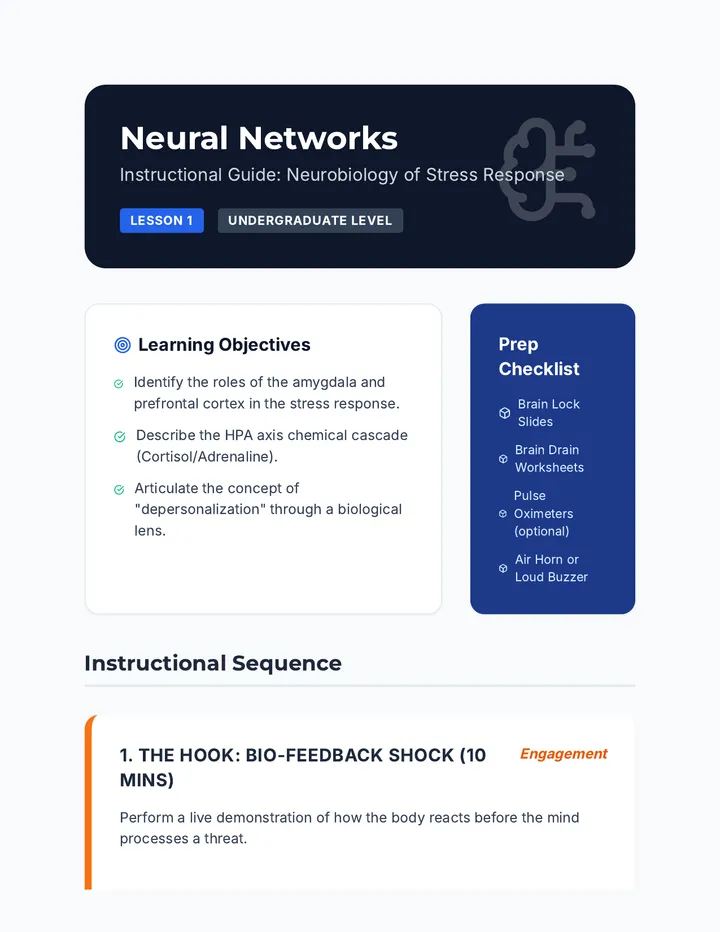
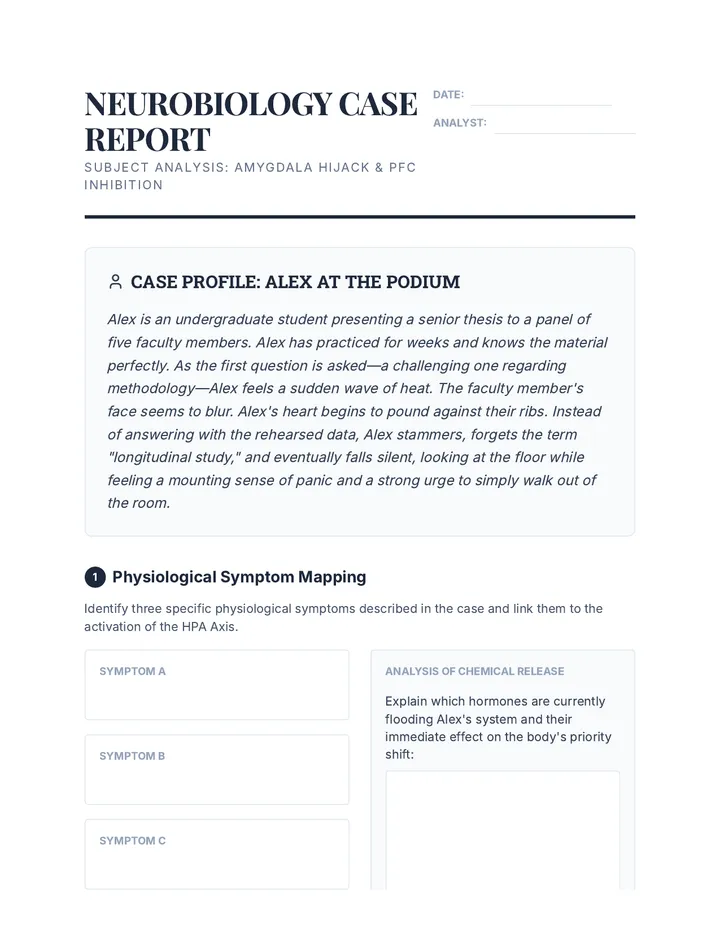
This sequence explores the neurobiological foundations of student escalation, connecting internal physiological stress responses (the 'amygdala hijack') to observable external warning signs. Students will learn to depersonalize behavior by understanding it as a biological survival mechanism, training them to recognize subtle somatic, respiratory, and muscular cues before a full behavioral outburst occurs.
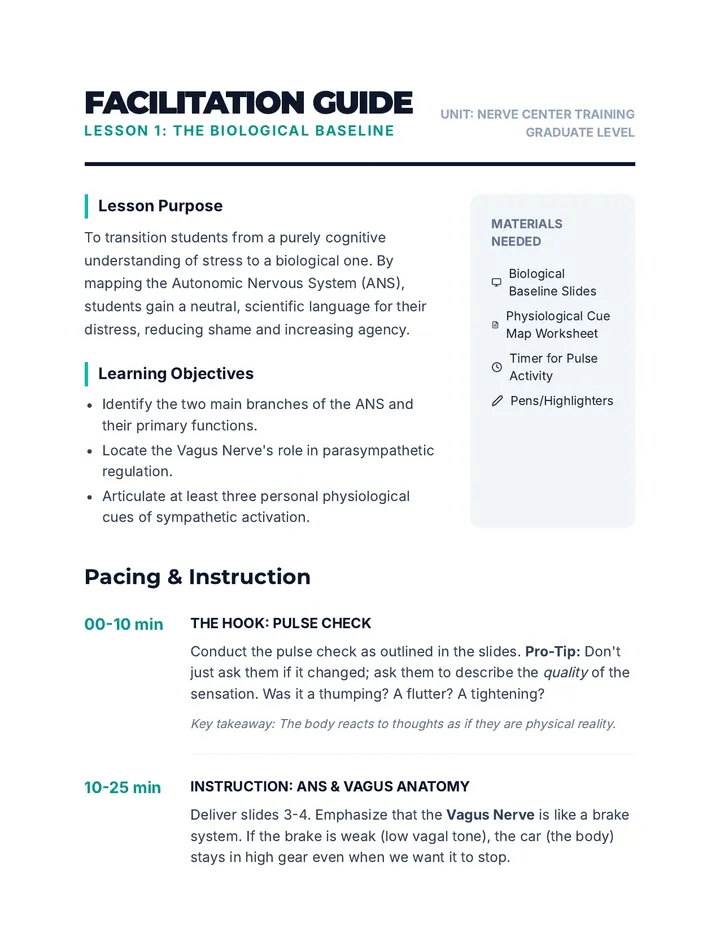
A graduate-level exploration of the biological underpinnings of stress. Students move from theoretical understanding of the autonomic nervous system and Polyvagal Theory to practical application of somatic regulation and interoceptive awareness, culminating in a personalized physiological safety plan.
Students design and create a personalized 'Coping Kit' (mental or physical) containing tools for managing crisis moments. This project-based sequence guides 3rd graders through self-reflection, visualization techniques, tool selection, and the creation of a comprehensive safety plan.
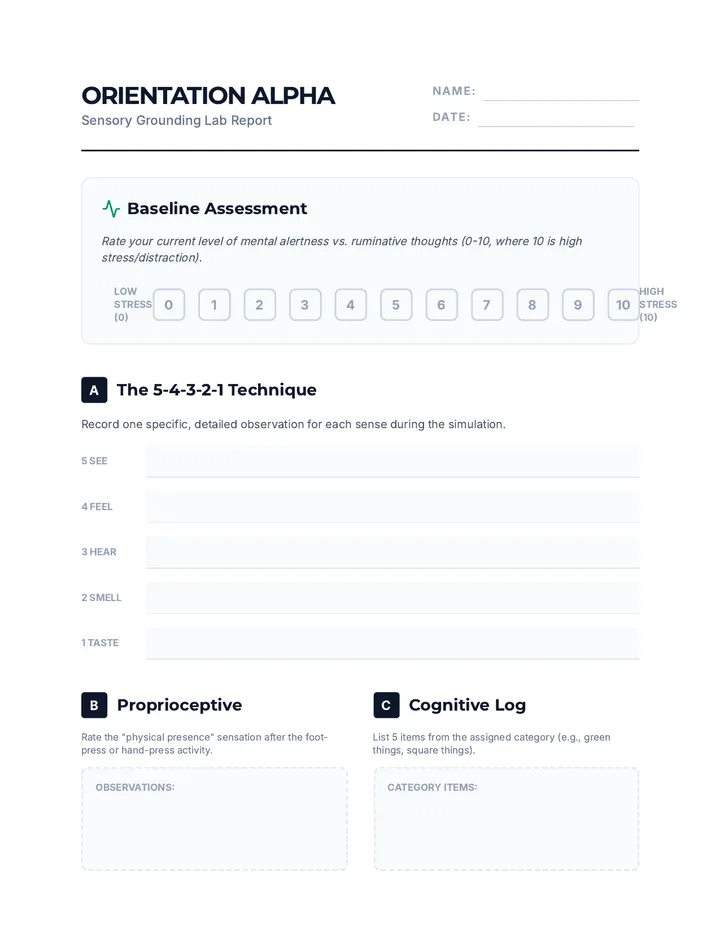
A technical and mastery-based sequence for undergraduate students to develop actionable emotional regulation and grounding strategies. Students move from physiological understanding to real-time application in high-pressure simulations.
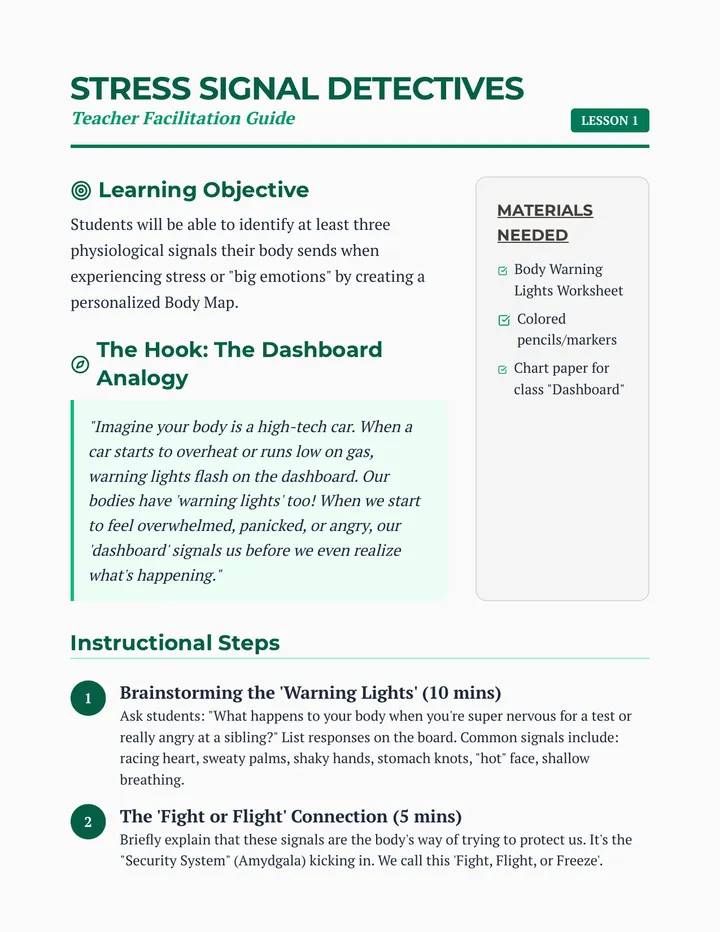
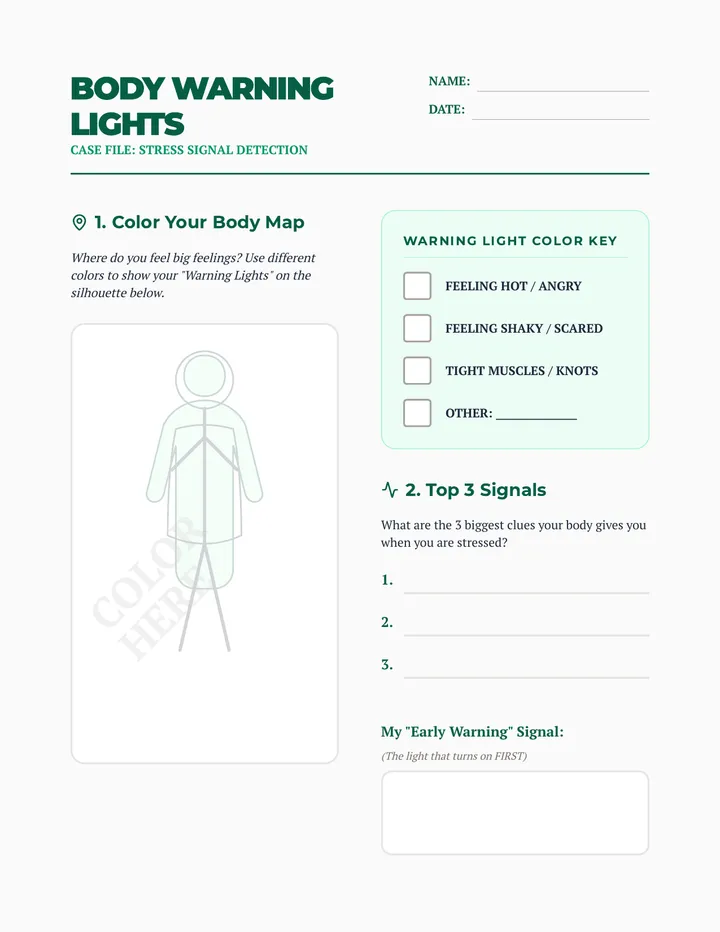
A comprehensive 5-lesson unit for 4th graders to learn somatic awareness and sensory grounding techniques for managing emotional distress. Students move from identifying physical stress signals to creating a personalized sensory safety plan.
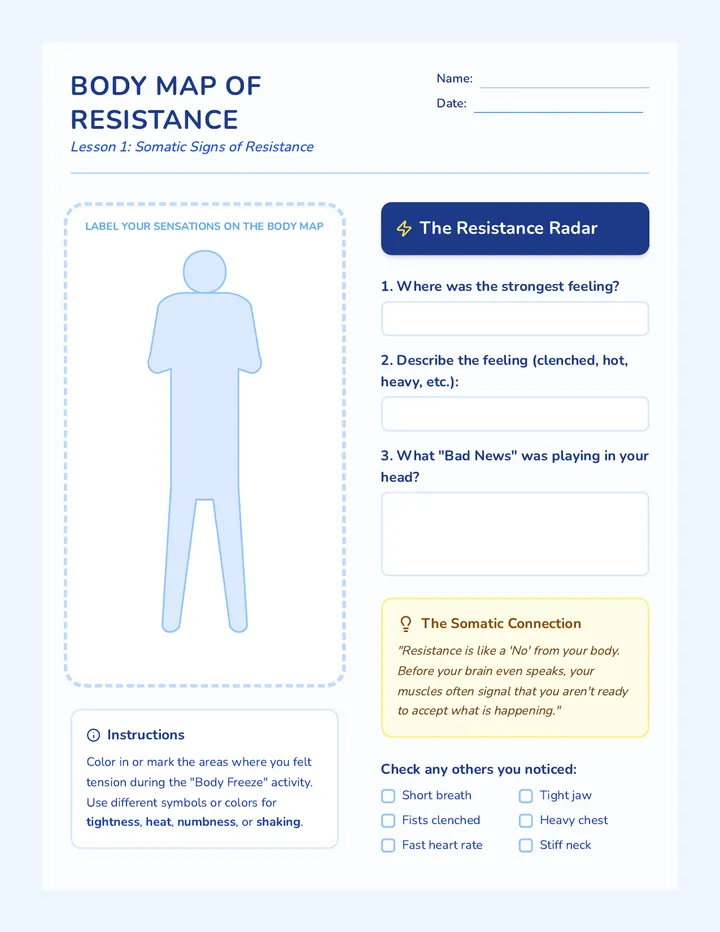
A 5-lesson workshop series focused on the somatic (body-based) connection to radical acceptance. Students learn to identify physical signs of resistance and use specific physiological techniques like Willing Hands and the Half-Smile to influence their emotional state and foster acceptance of difficult situations.
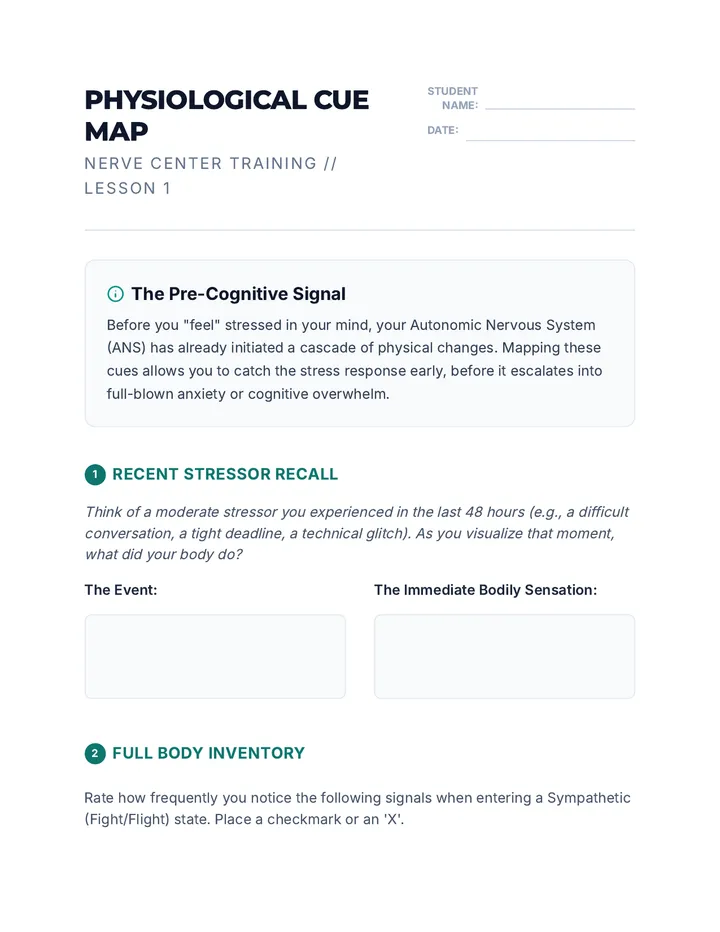
A comprehensive sequence for undergraduate students exploring the neurobiology of stress, the autonomic nervous system, and physiological self-regulation techniques. Students move from theoretical understanding of brain structures to practical mastery of interoception and vagal tone modulation.
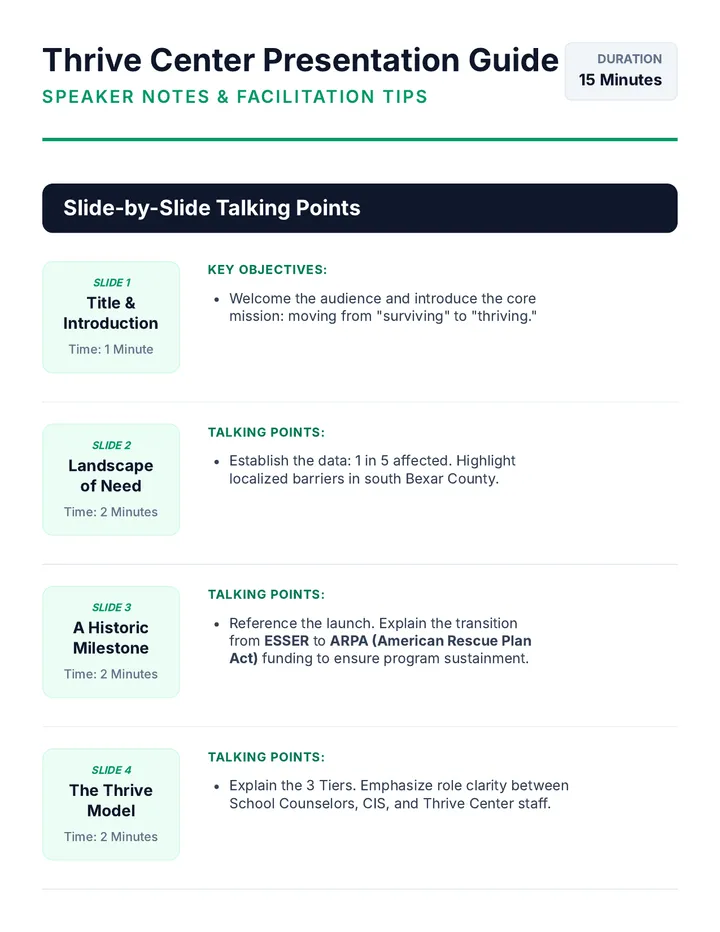
A comprehensive overview of Somerset ISD's Thrive Center model, transitioning from traditional barriers to a school-embedded mental health support system.
A resource pack for parents explaining the importance of productive struggle and stepping outside the comfort zone to foster student growth and resilience.
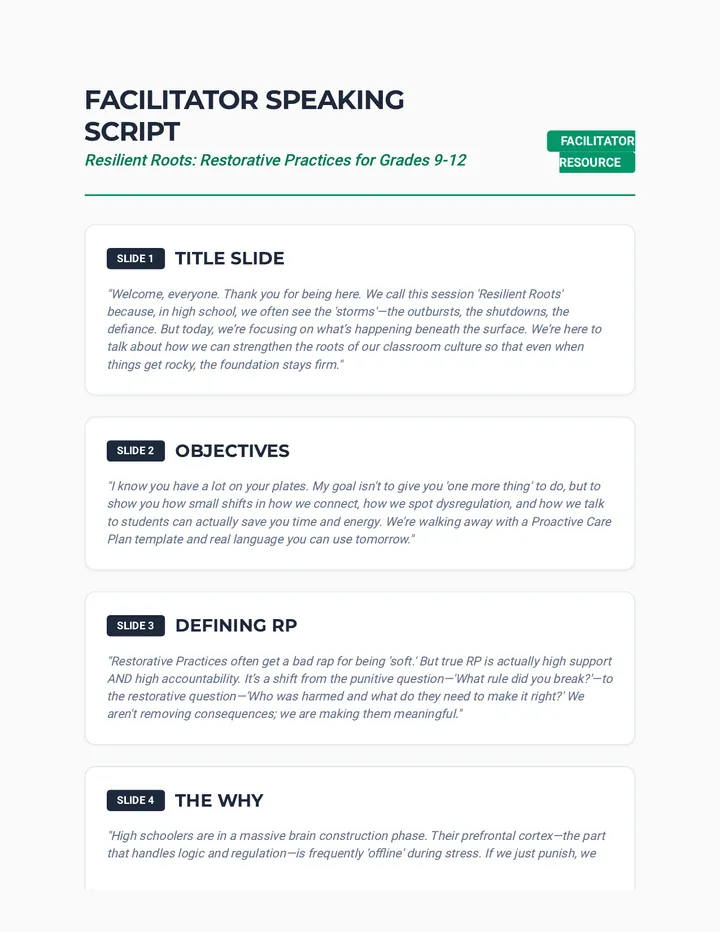
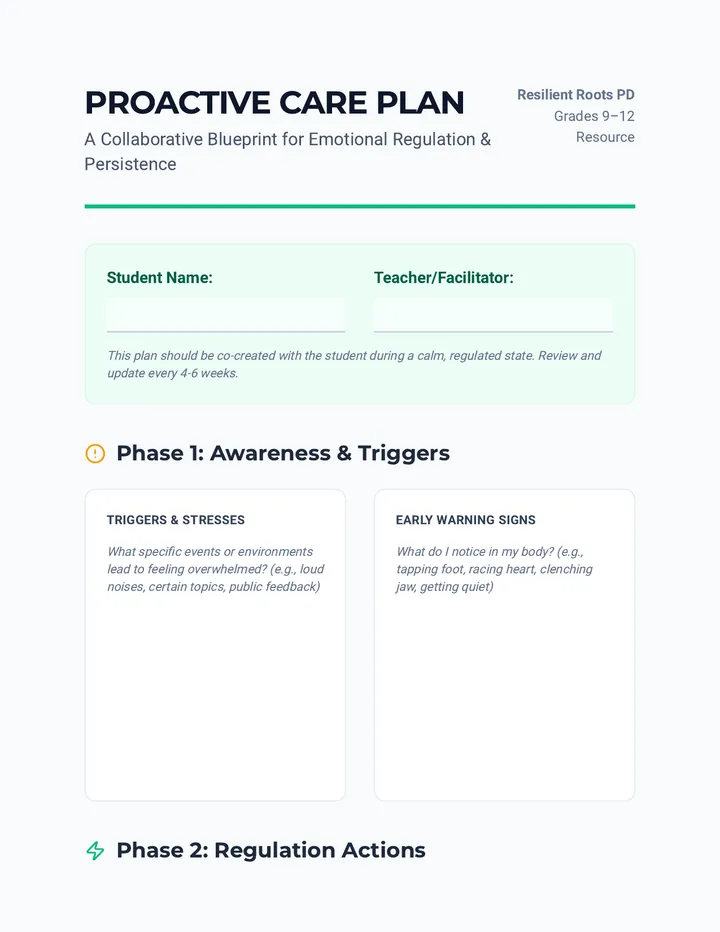
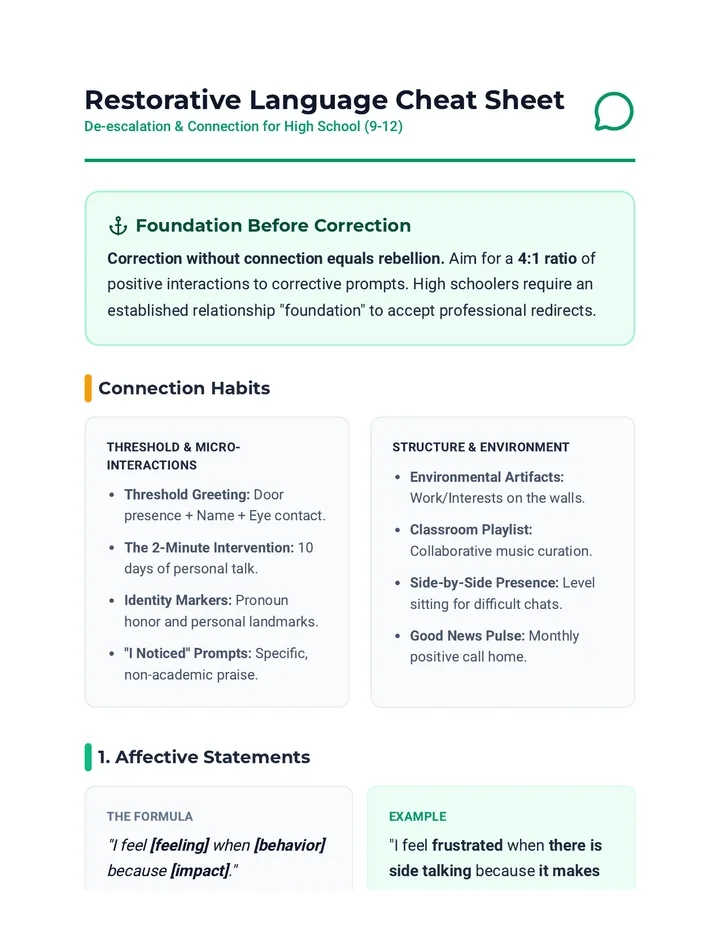
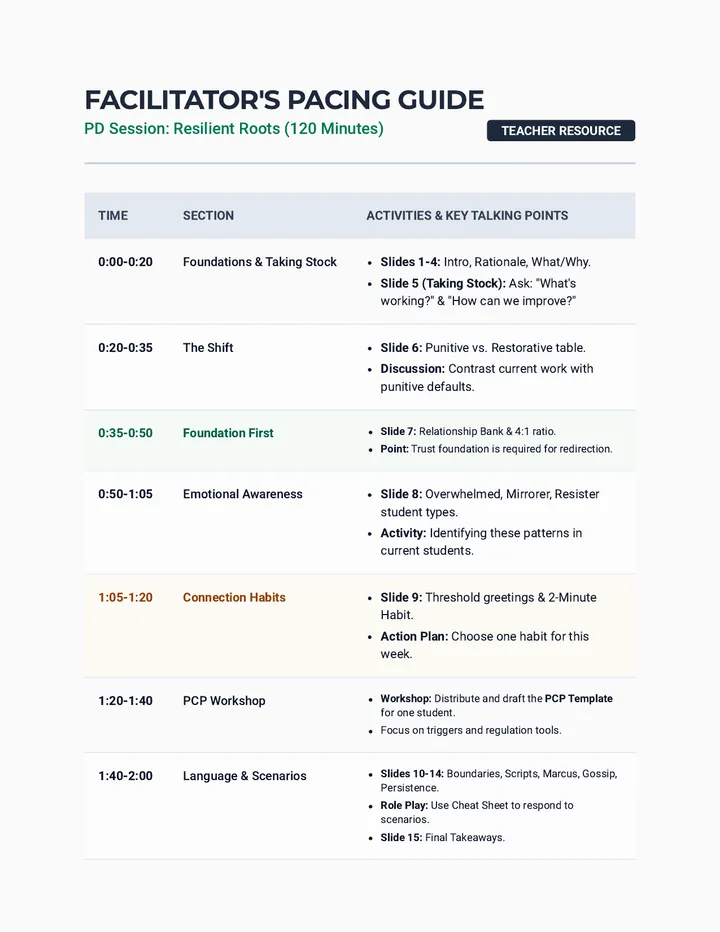
A professional development session for high school teachers focusing on restorative practices, emotional regulation, and the implementation of proactive care plans. This lesson equips educators with the tools to handle chronic emotional challenges and foster deep connection with students in grades 9-12.
A 6-week Tier 3 intervention for 4th-grade students focusing on self-regulation, anger management, and active listening. Students learn to identify triggers like personal space invasion and verbal threats, while practicing mindful breathing and calm communication.
A lesson introducing Daniel Siegel's Hand Model of the Brain to help students understand emotional dysregulation ('flipping the lid') and practical strategies for returning to a calm state.
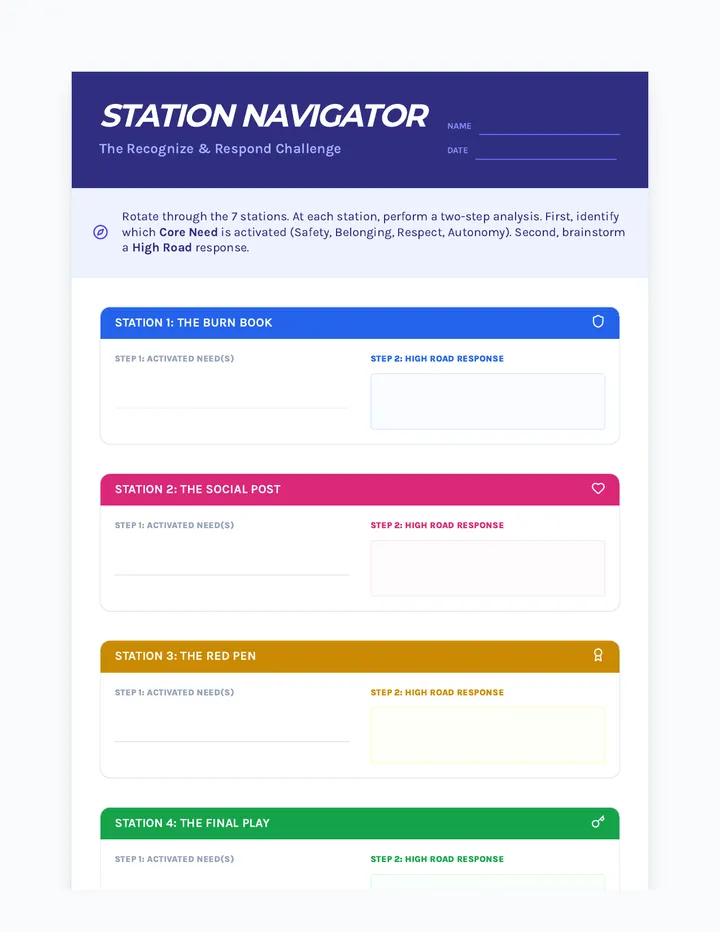
Students identify and categorize core human needs (safety, belonging, respect, autonomy) that drive behavior in conflicts.
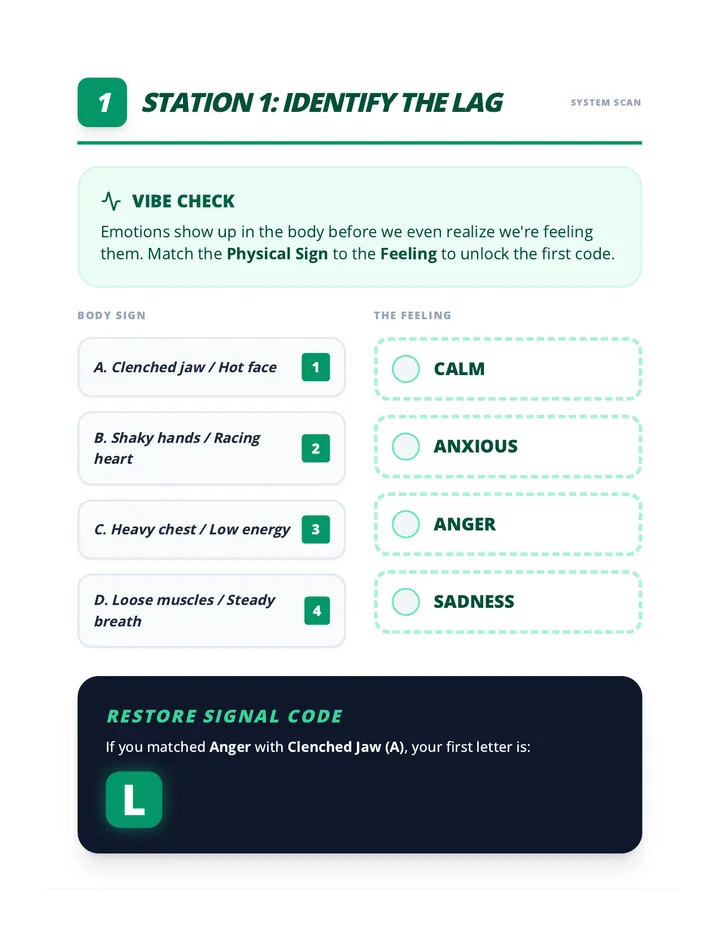
An interactive SEL mystery centered on a gaming-themed conflict. Students act as 'Moderators' to resolve a toxic server lockdown by identifying emotions, managing frustration, and practicing perspective-taking.
A visually charming and supportive lesson designed to teach students effective grounding techniques for managing anxiety and panic attacks in school settings.
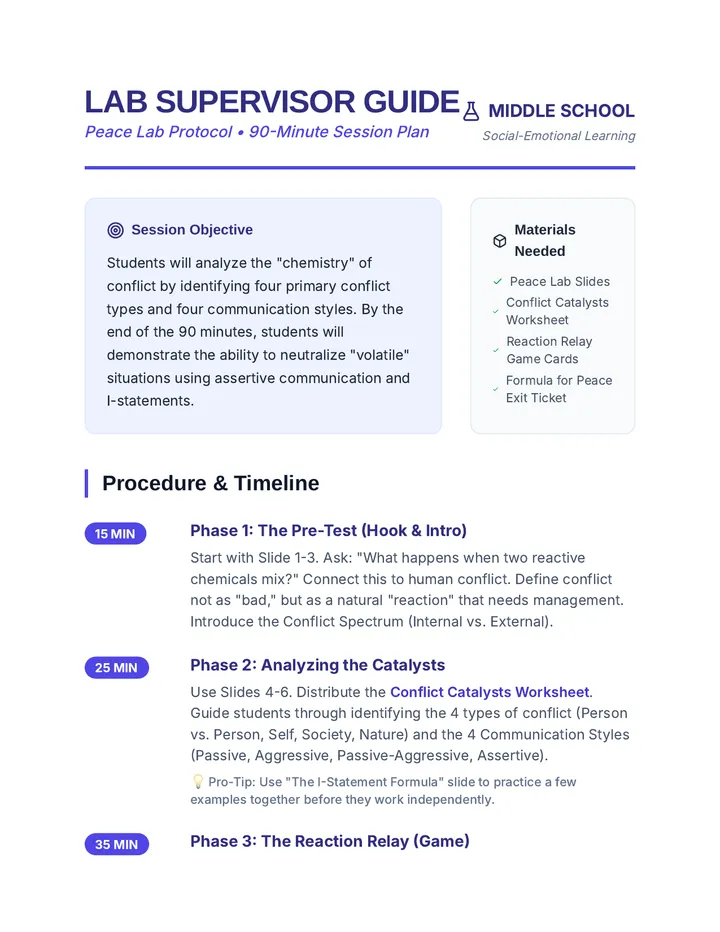
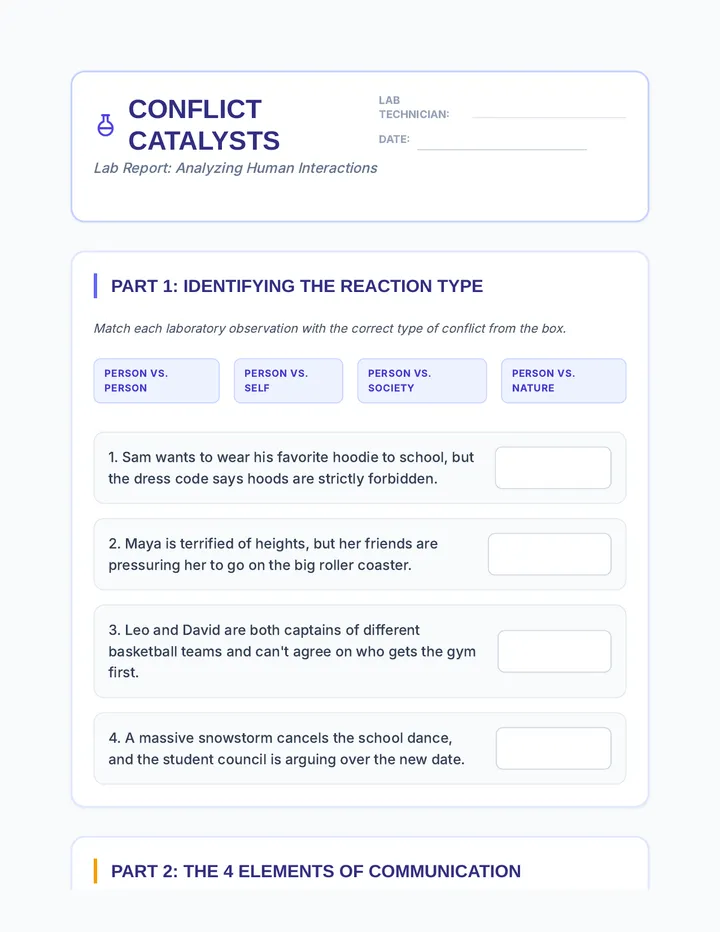
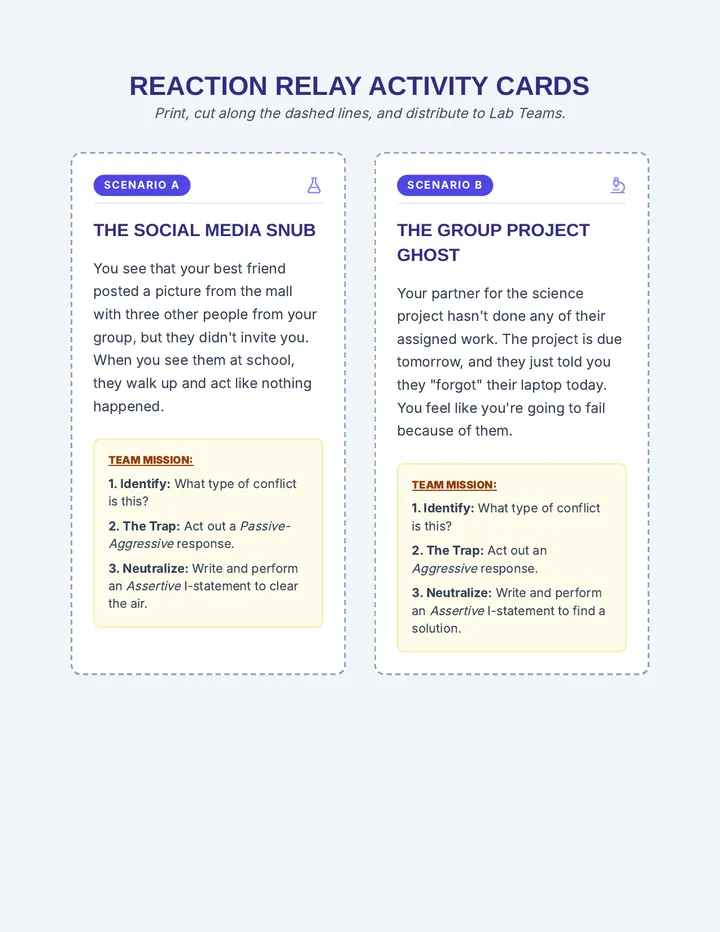
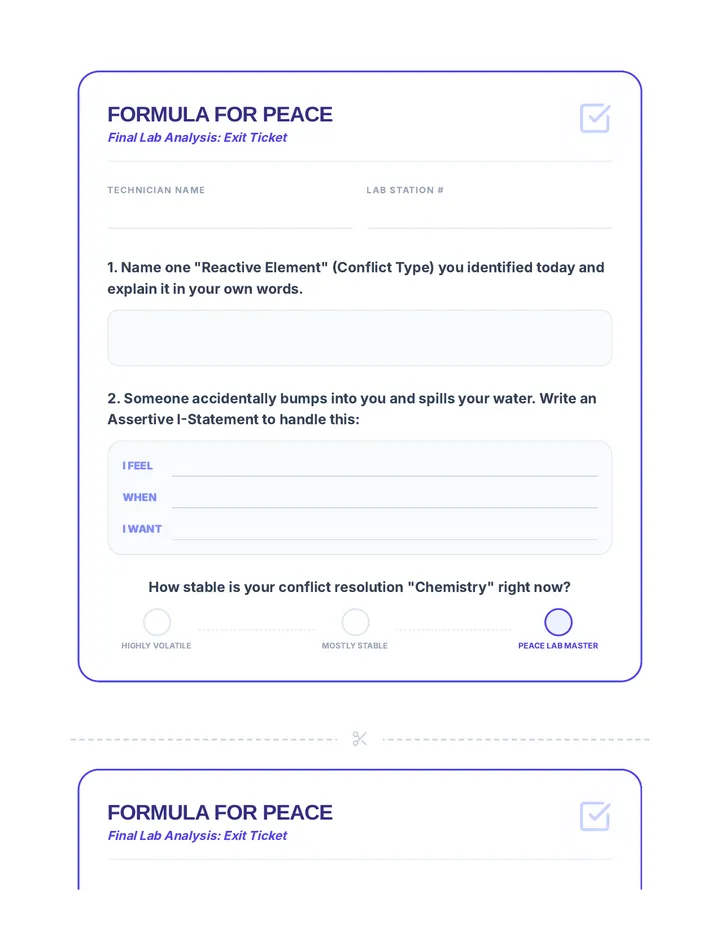
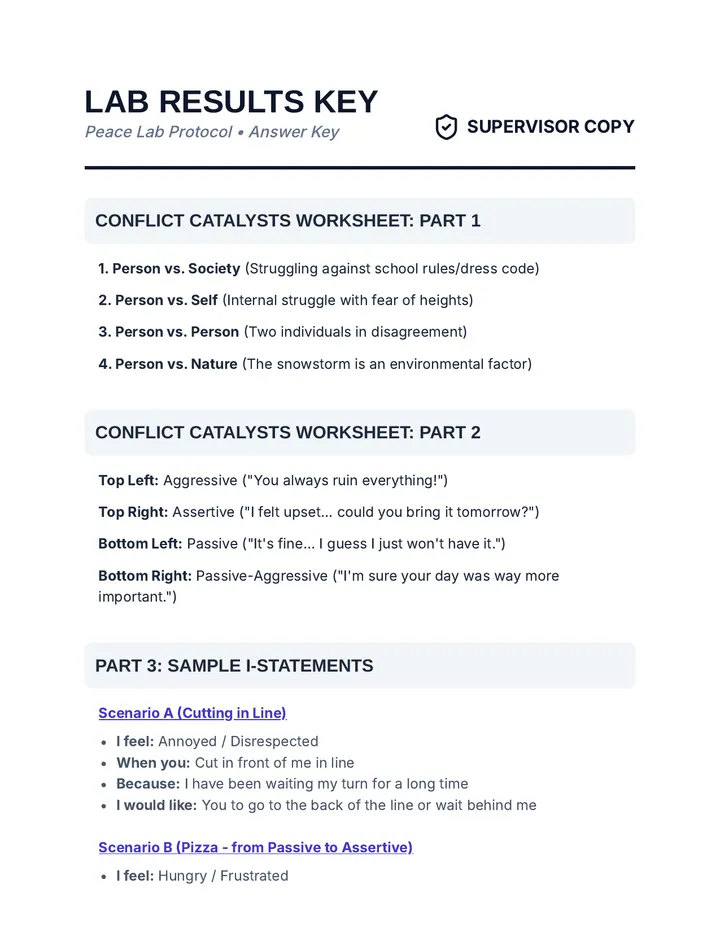
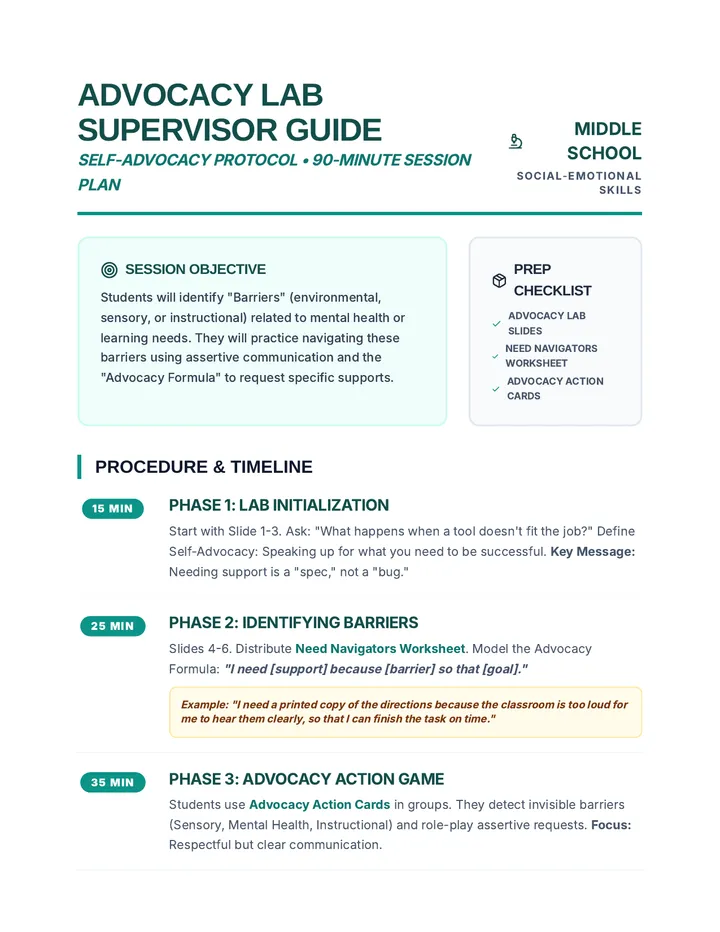
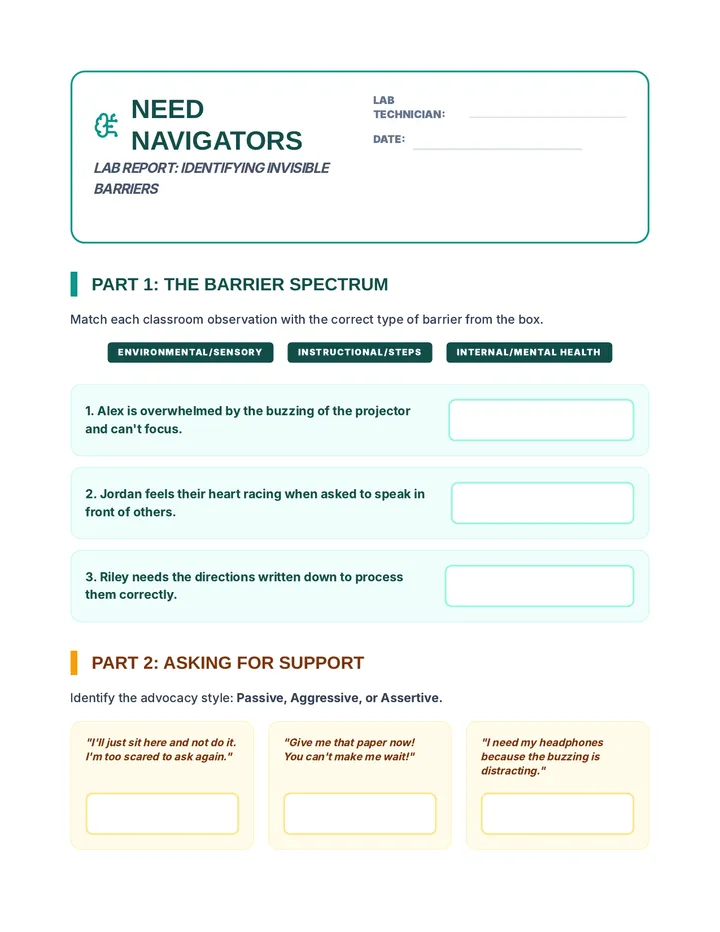
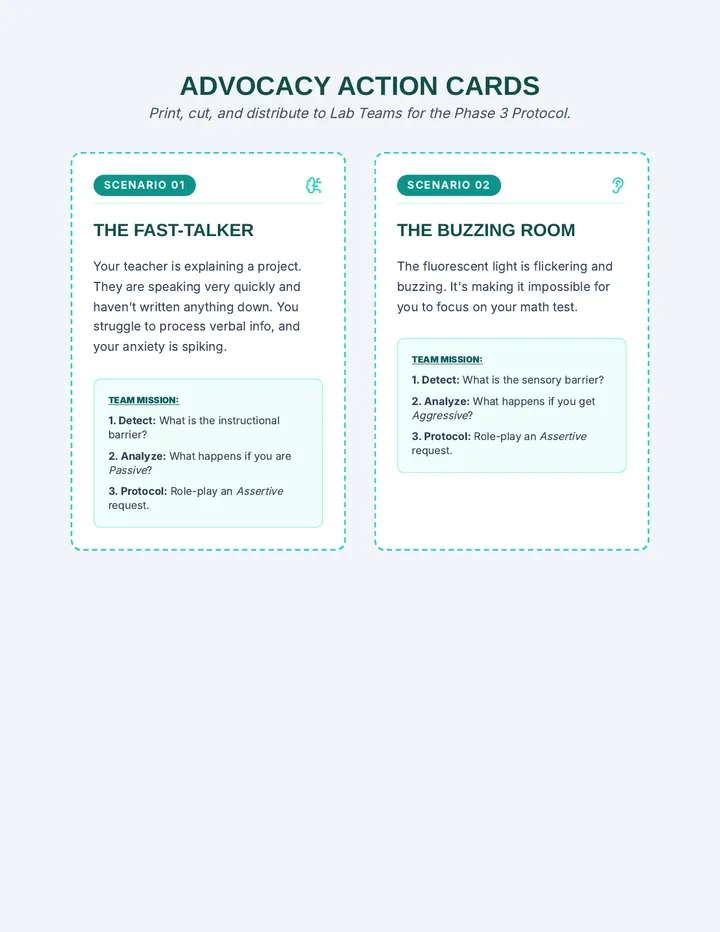
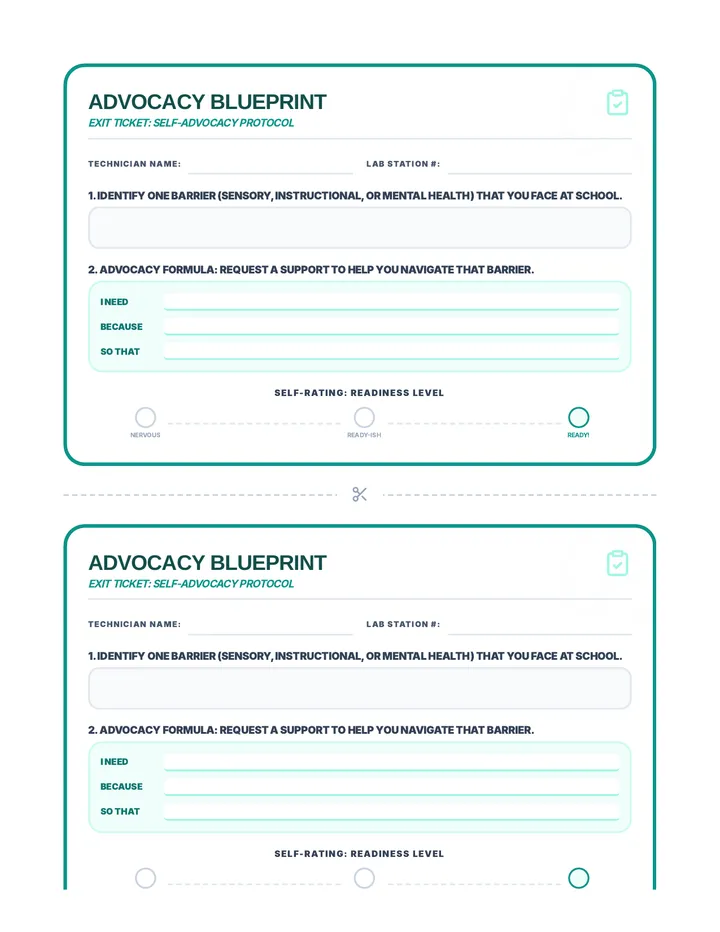
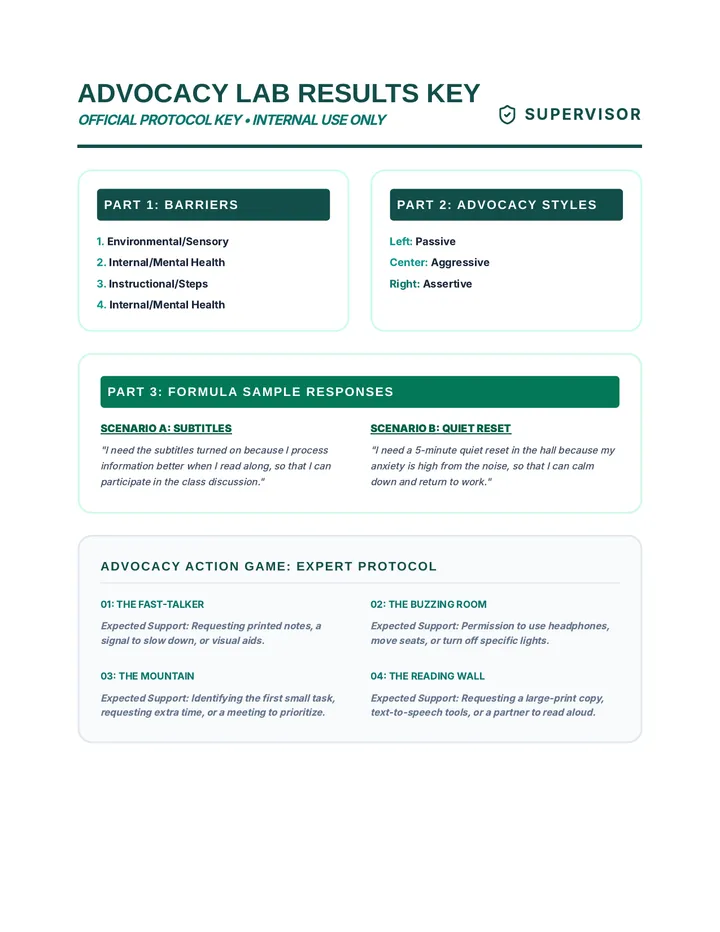
A 90-minute session empowering middle schoolers to identify barriers related to mental health or disabilities and practice assertive self-advocacy strategies through a laboratory-themed framework.
A comprehensive reflection and goal-setting workshop for middle school students attending Friday School to process their actions and plan for a successful week ahead.
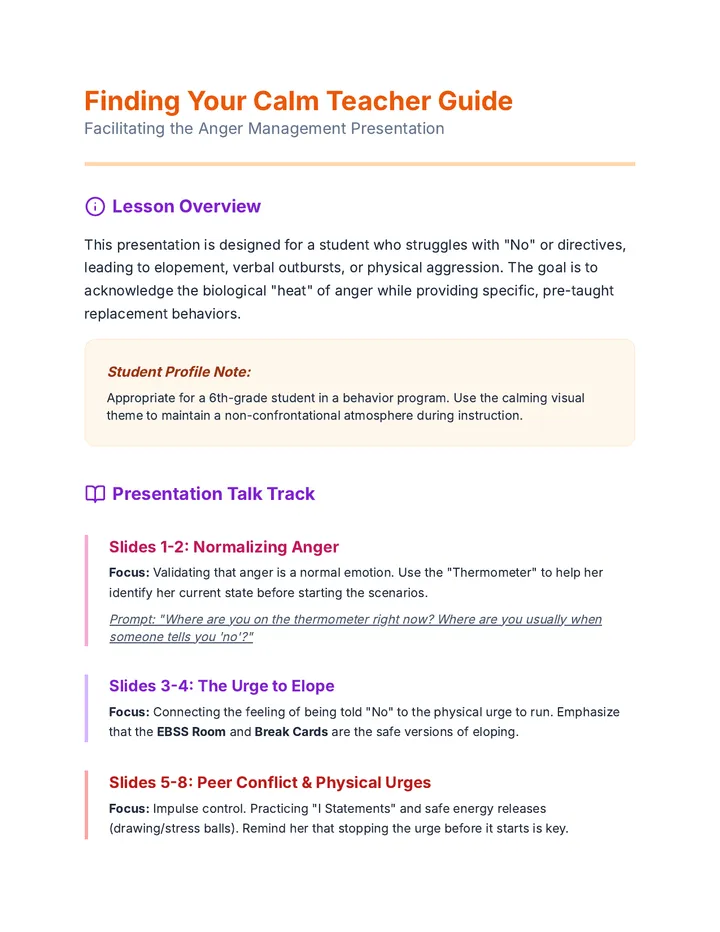
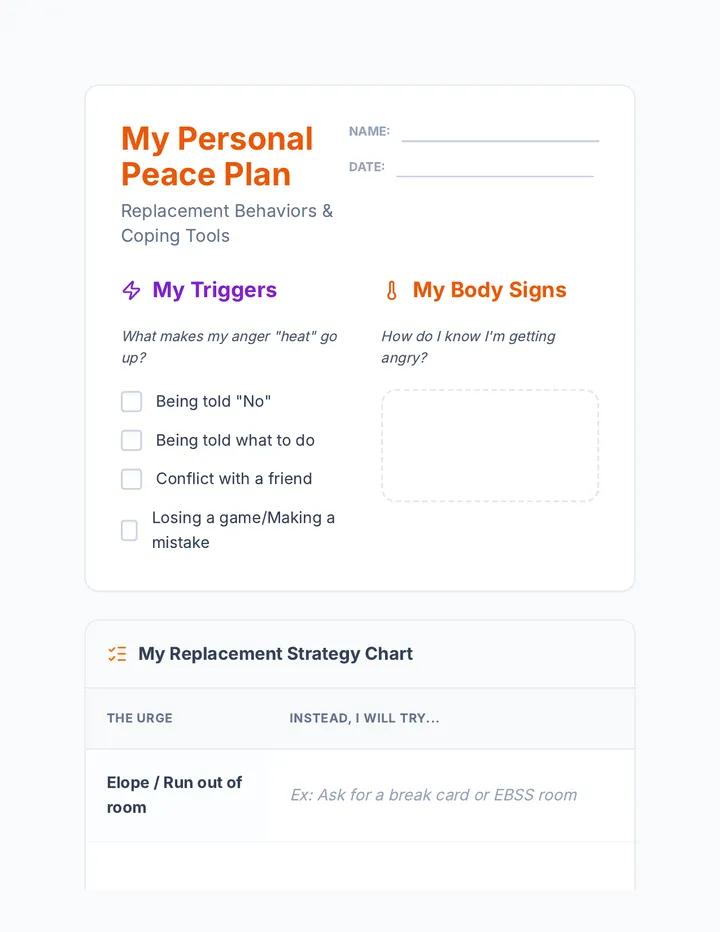
A visual and instructional lesson designed to help a student navigate anger triggers, particularly being told 'no' or experiencing conflict, by identifying urges and replacing them with grounding techniques and coping skills.
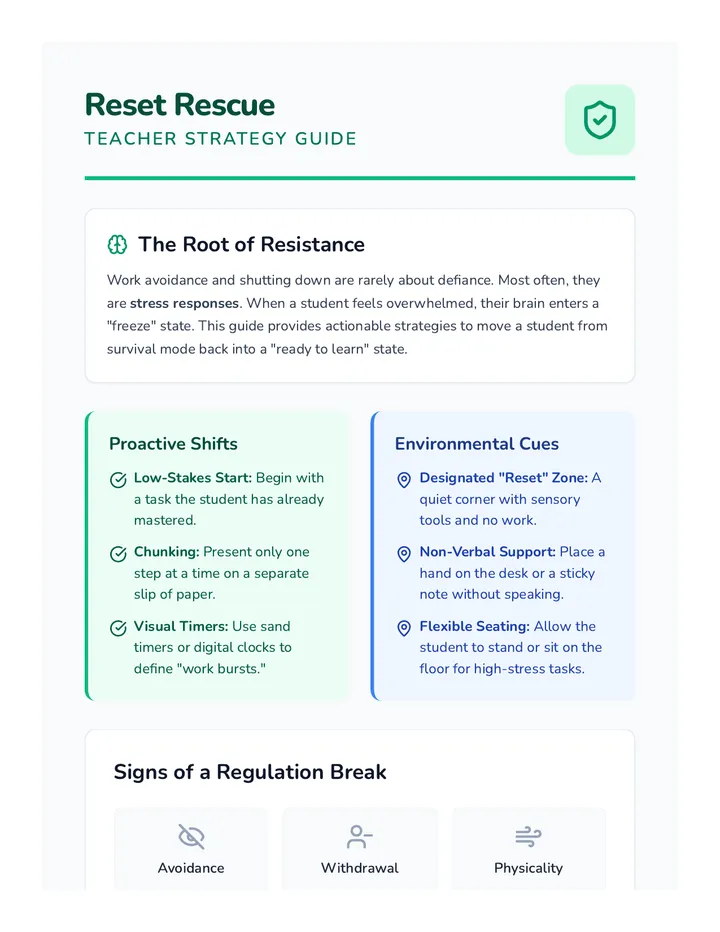
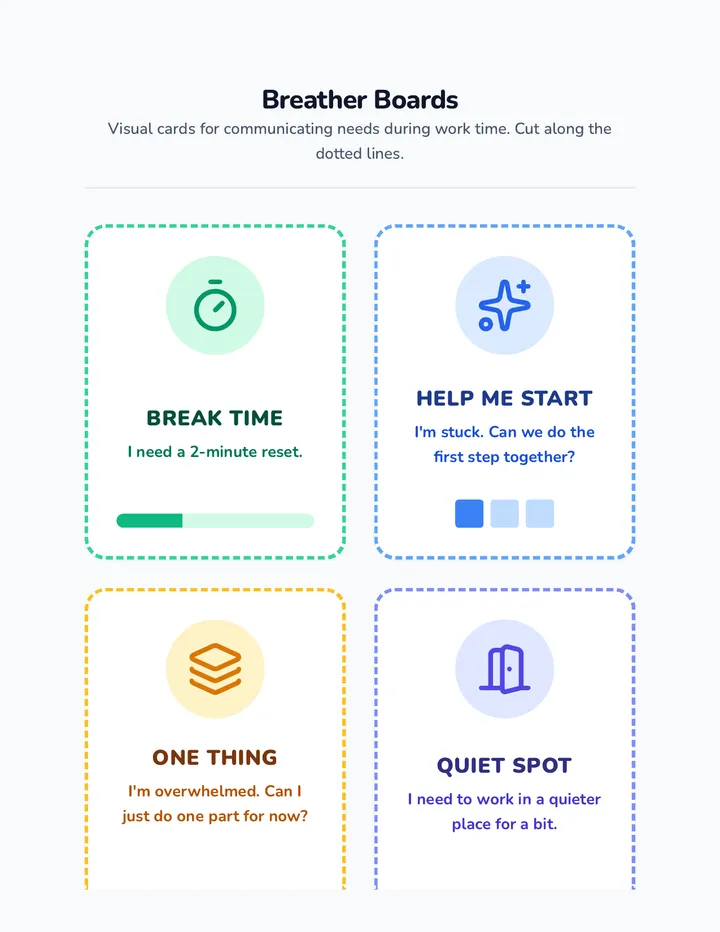
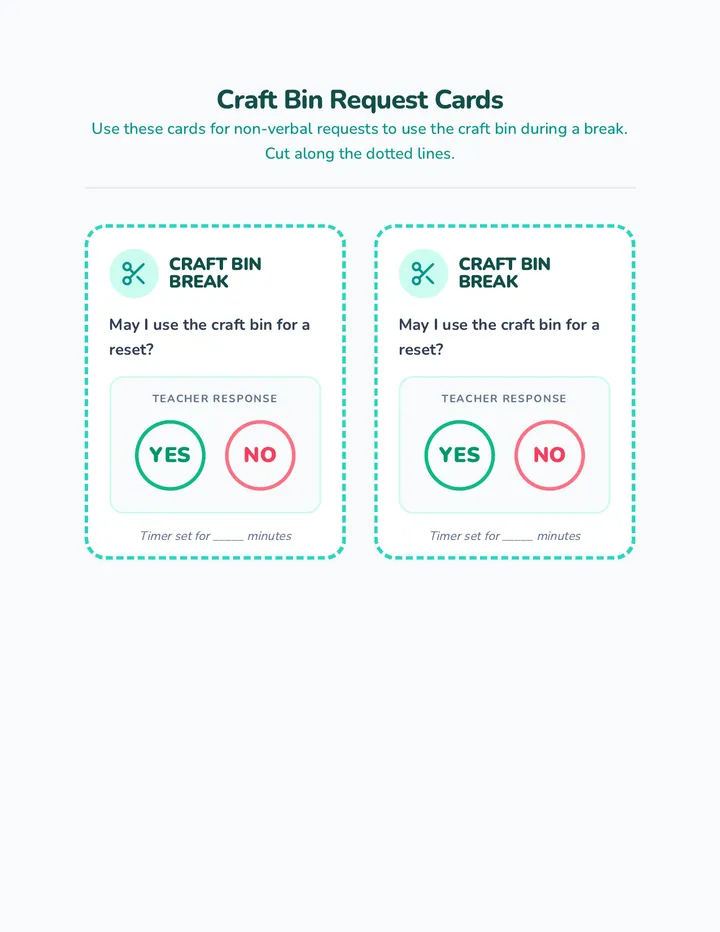
A comprehensive set of tools for teachers to support students experiencing work avoidance or shutting down, focusing on emotional regulation and proactive intervention.