An updated version of the Steady Ground Guide with improved font sizes for readability and new self-advocacy scripts for teachers to communicate their needs to colleagues and leadership.
A three-part DBT and CBT curriculum designed to help middle school students build patience, reframe negative mindsets, and comfortably adapt to school and home routines.
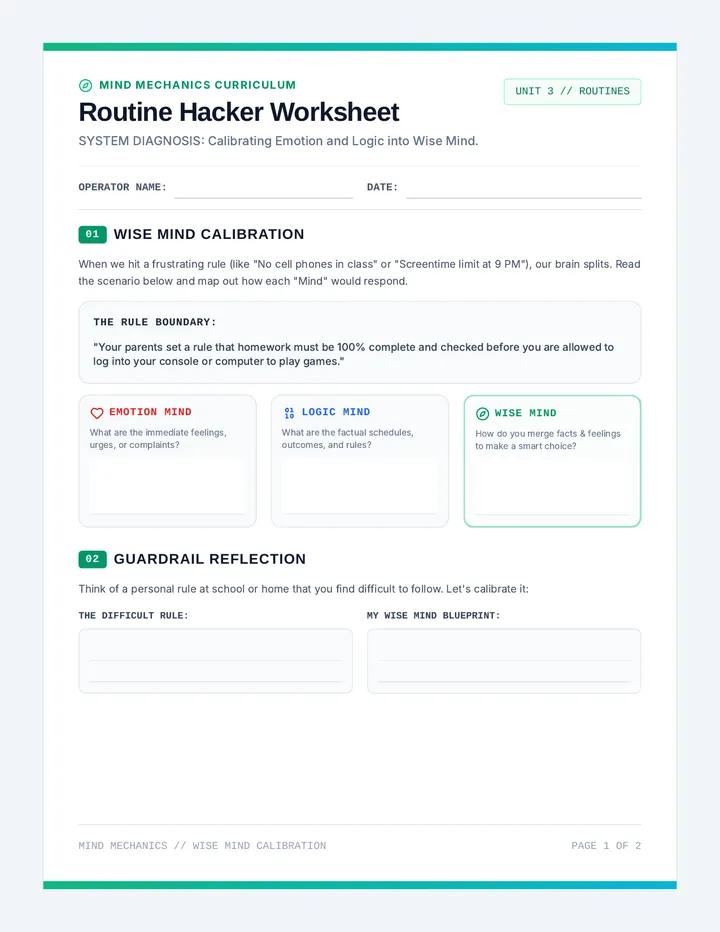
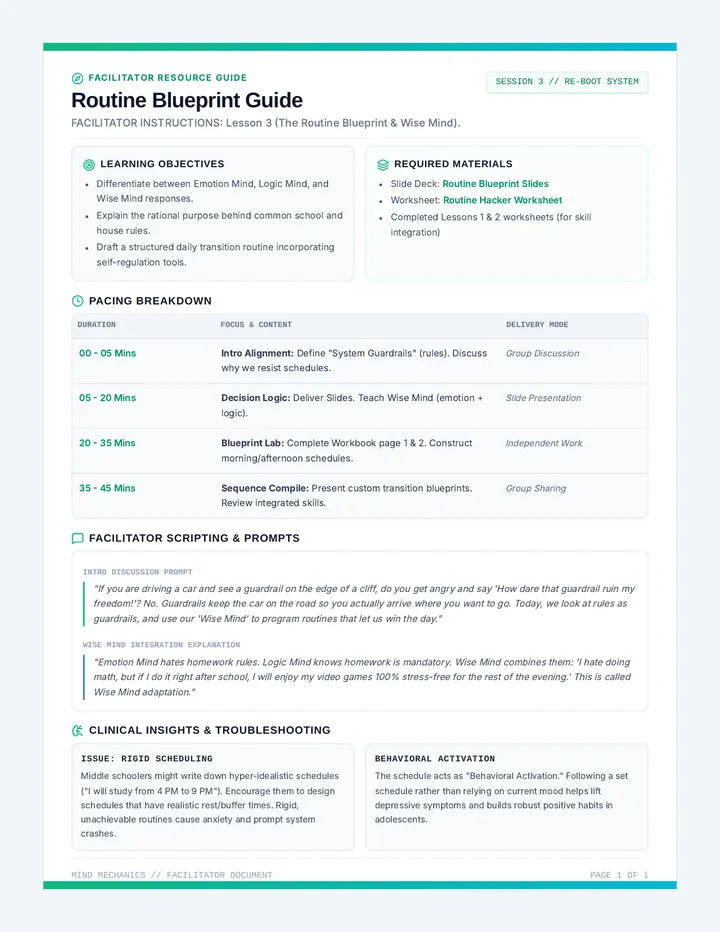
Focuses on adapting to rules, boundaries, and schedules by blending Wise Mind decision-making with practical self-regulation routines.
A comprehensive single-page facilitator guide outlining pacing, discussion scripts, activity mechanics, and clinical insights for delivering Lesson 3.
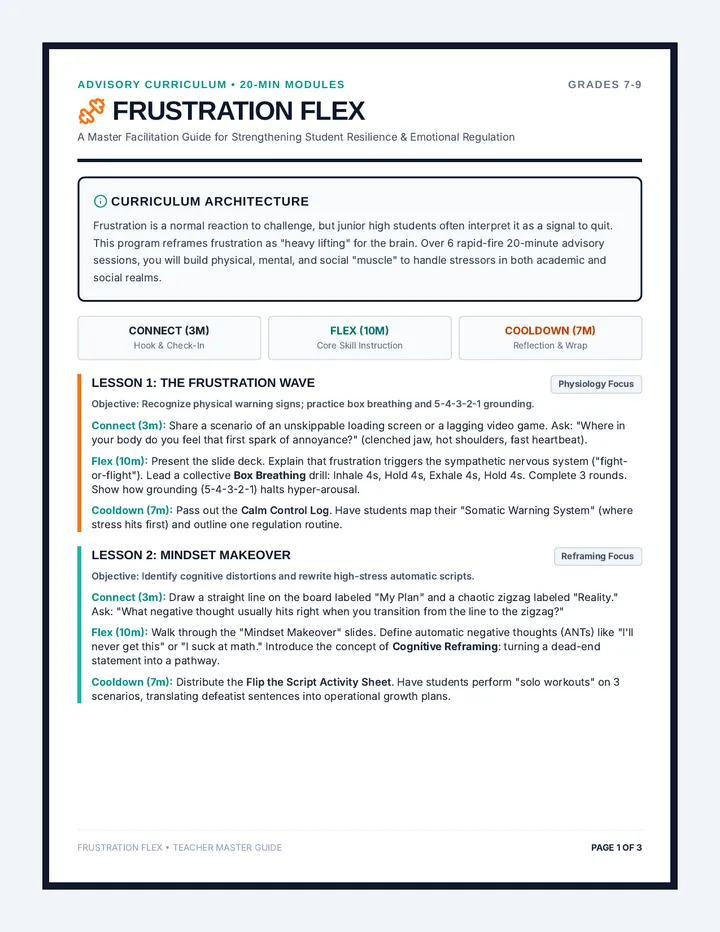
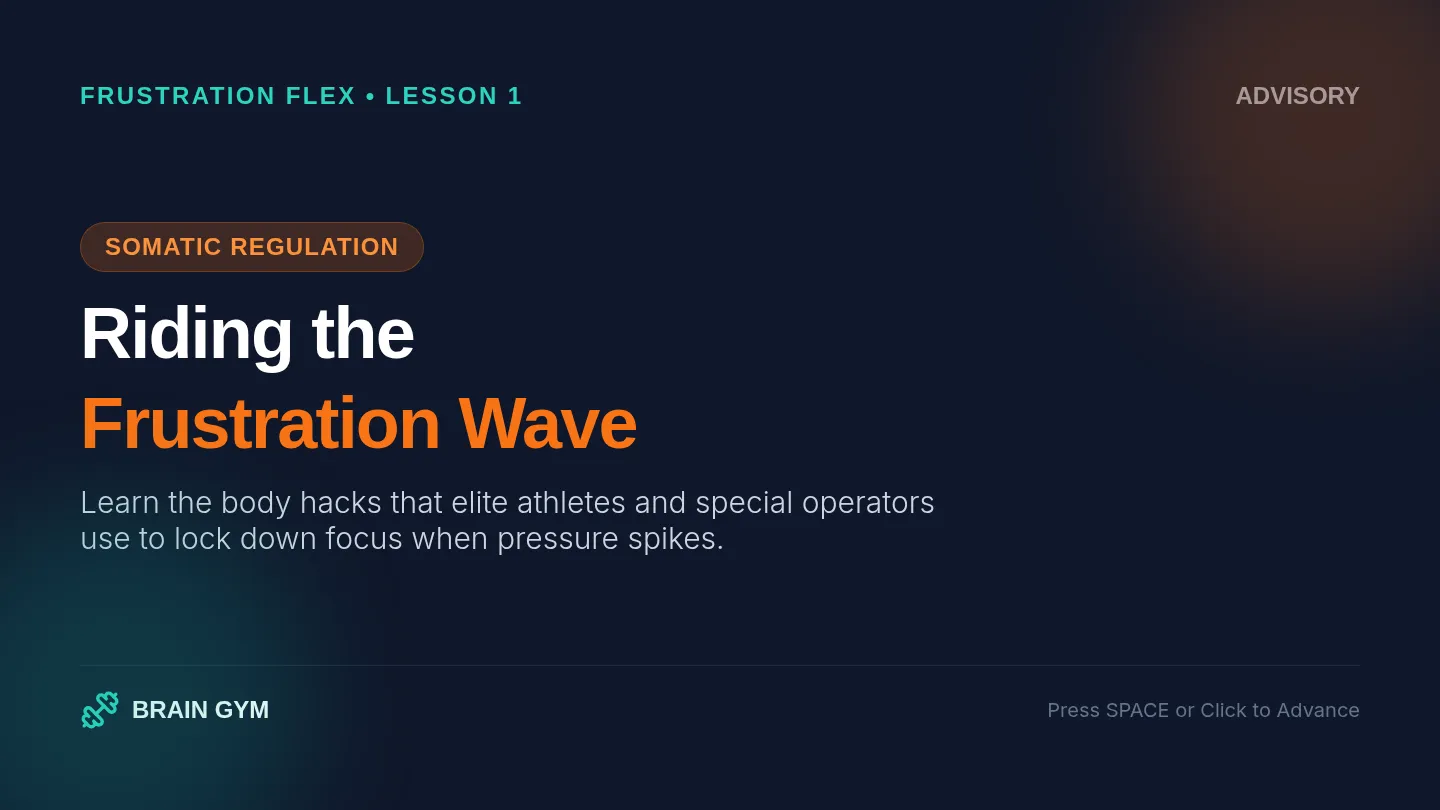
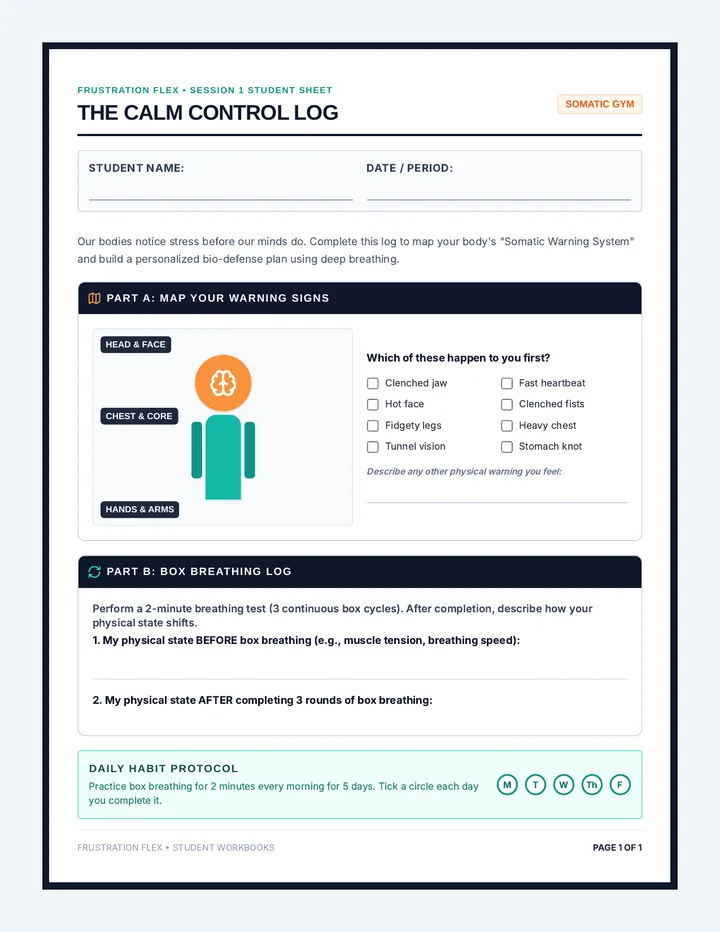
A six-lesson social-emotional learning sequence designed for 20-minute junior high advisory periods, equipping students with practical skills in physiological regulation, cognitive reframing, help-seeking, and social boundary setting.
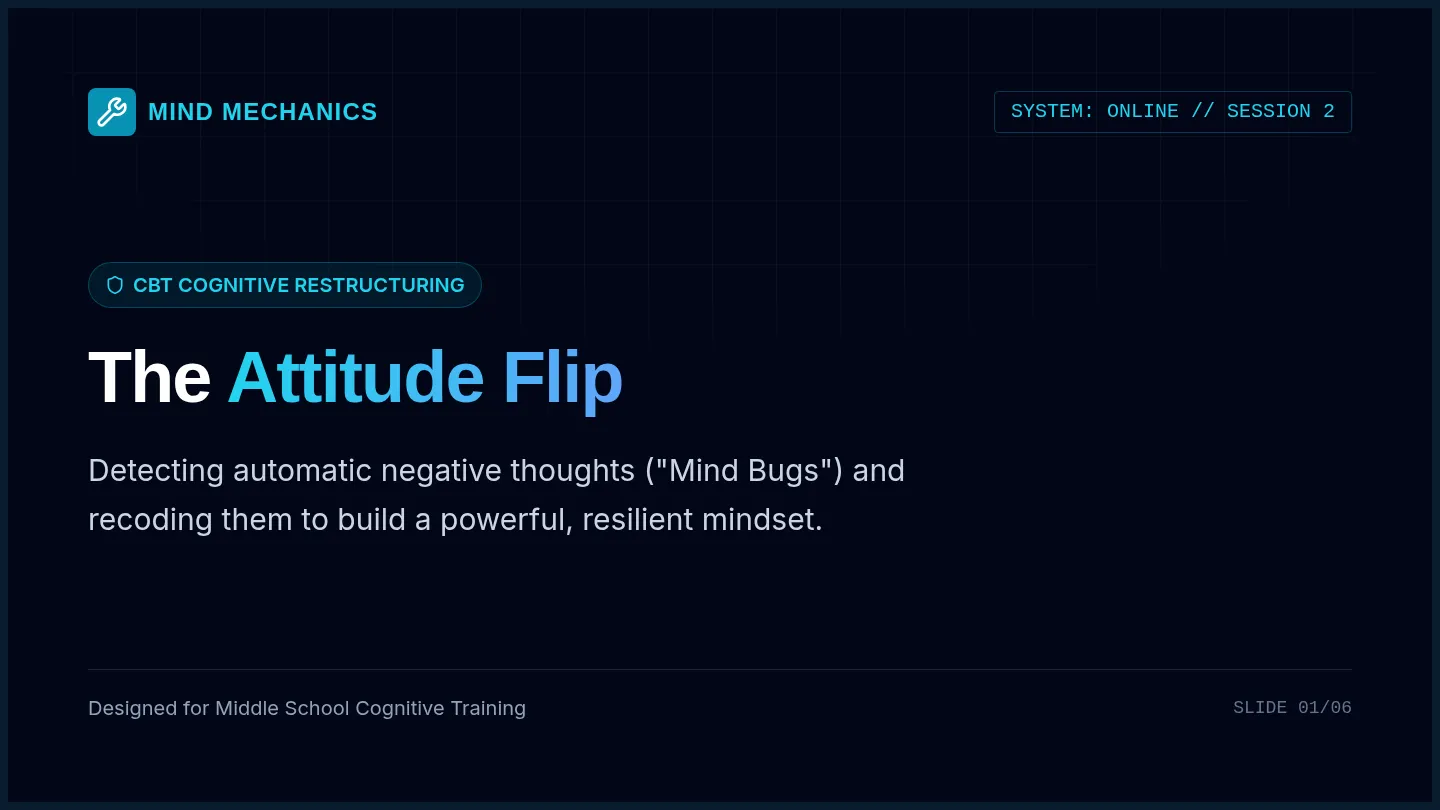
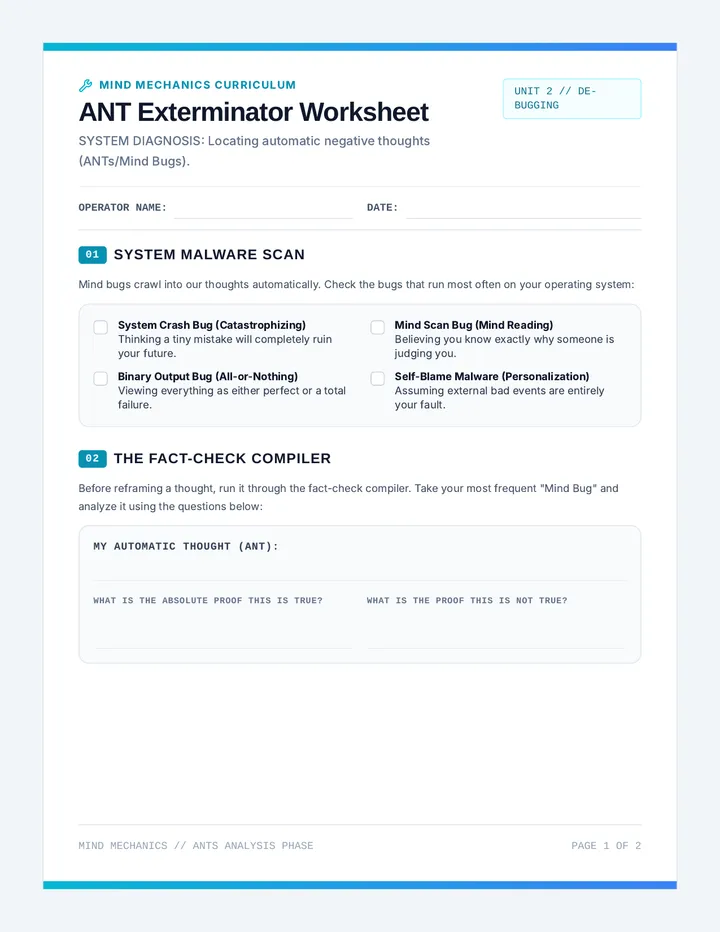
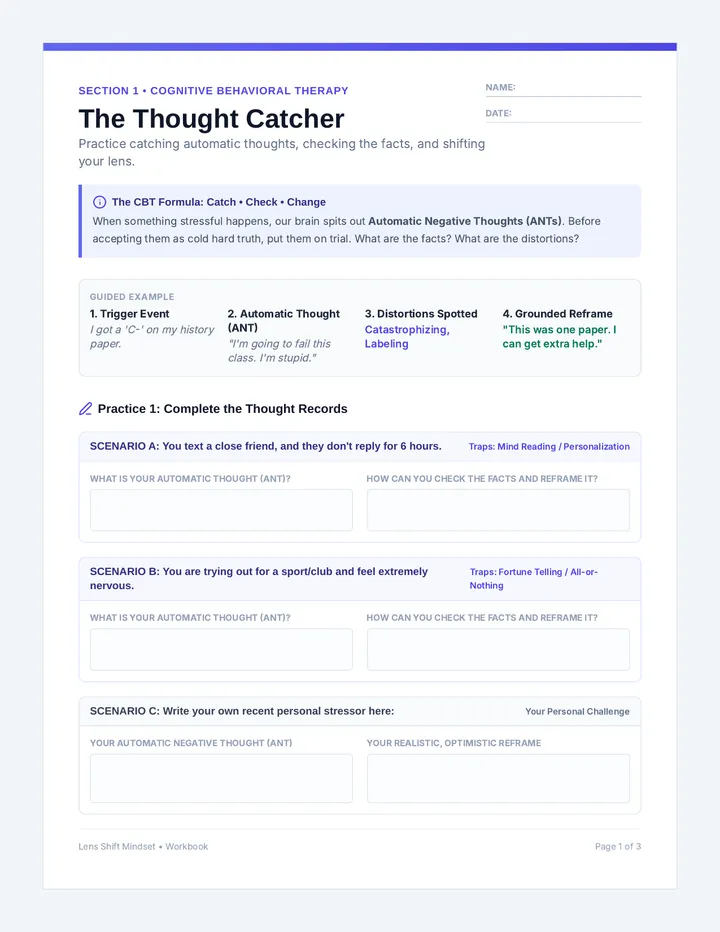
Teaches cognitive restructuring to identify automatic negative thoughts (ANTs), challenge cognitive distortions, and actively reframe mindsets for a more positive and adaptive attitude.
A 2-page student workbook packet focused on applying Wise Mind decision-making to rules and designing an actionable, stress-free daily routine.
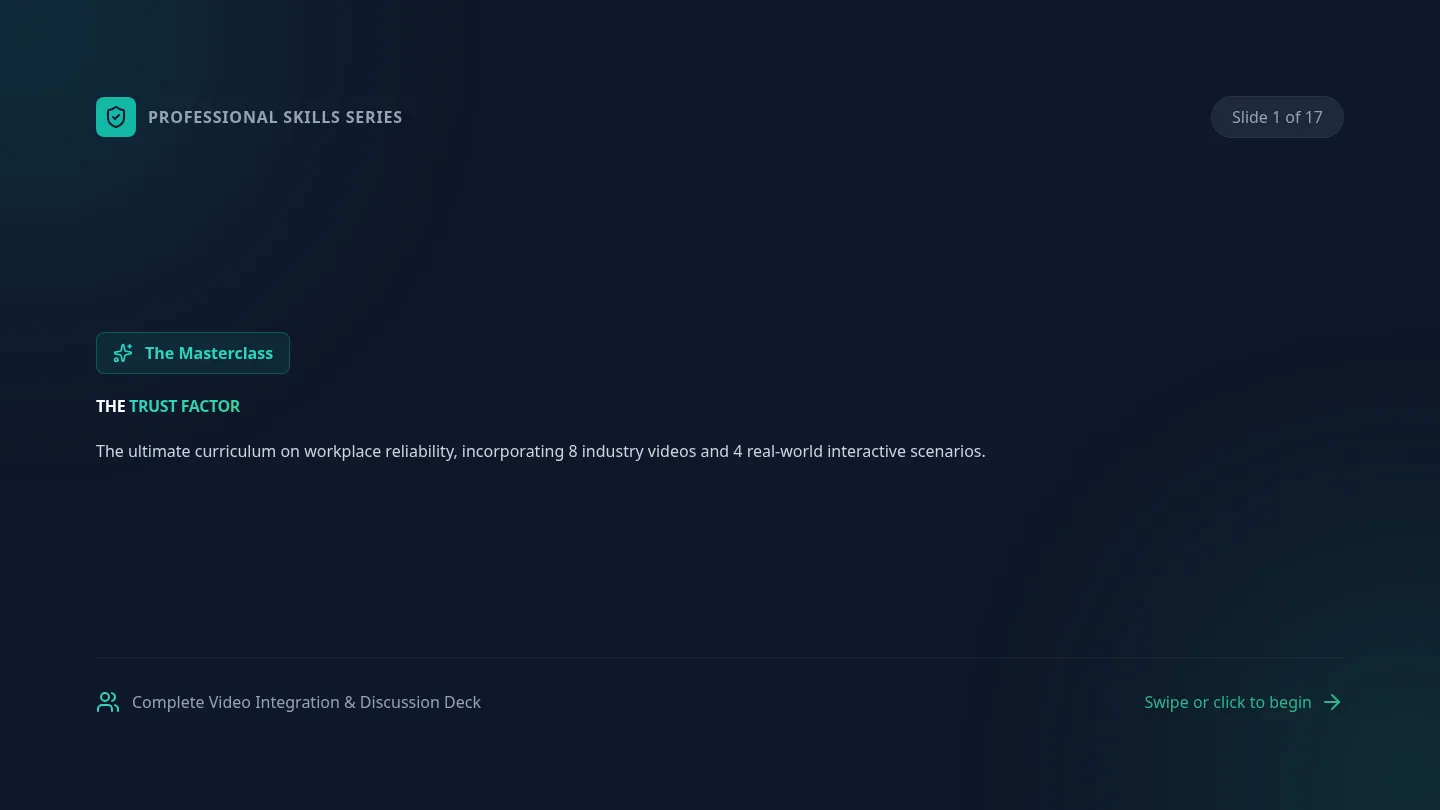
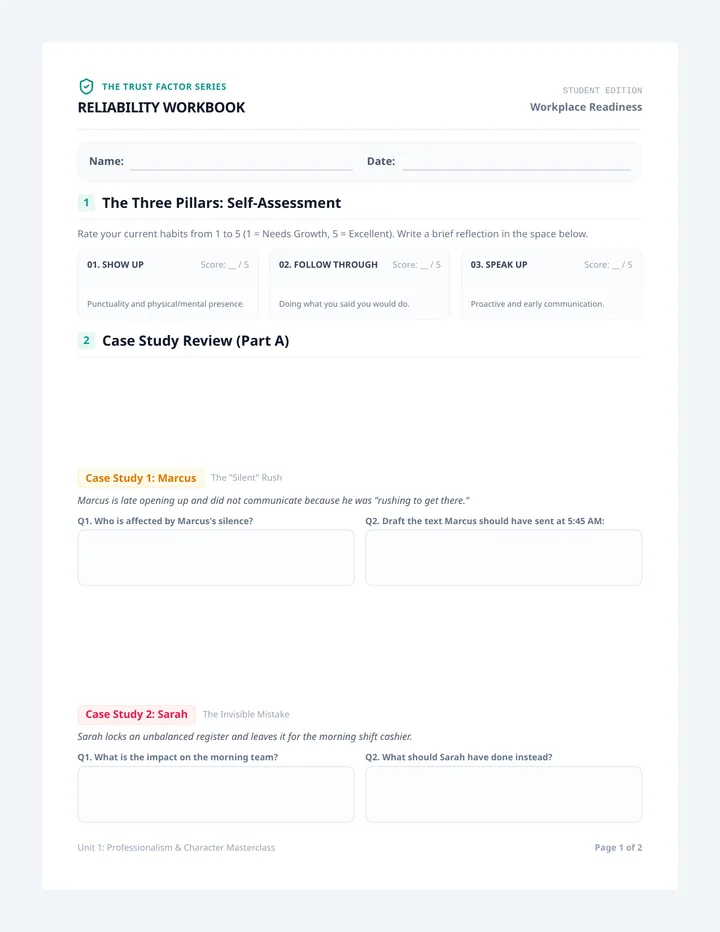
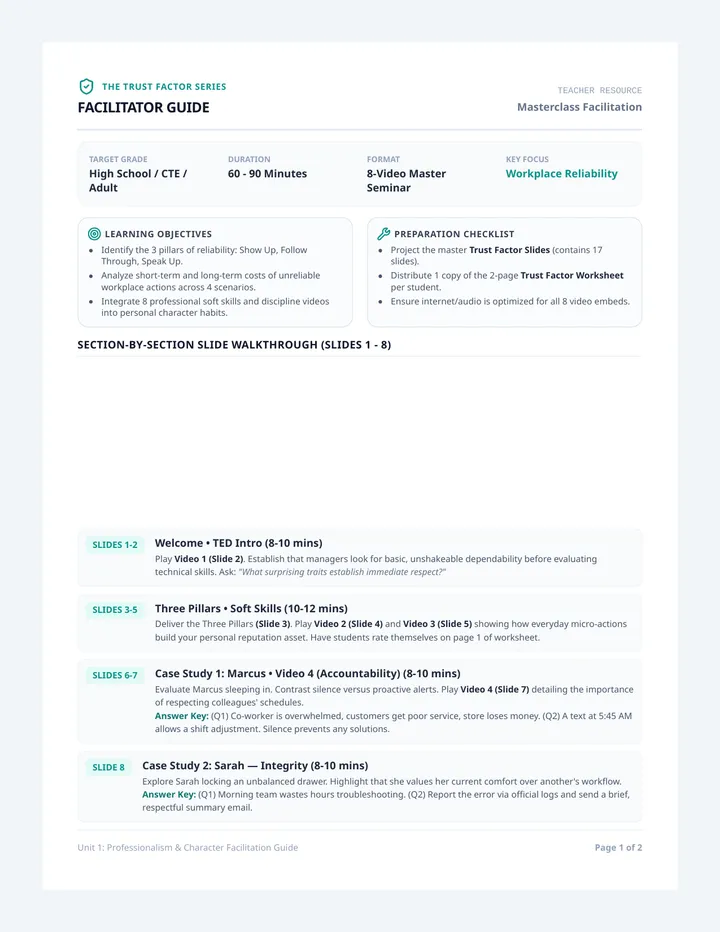
A 2-part unit sequence on workplace professionalism, reliability, and dependability. Students learn the foundational mindset of trust, daily accountability routines, and how to communicate effectively during crises.
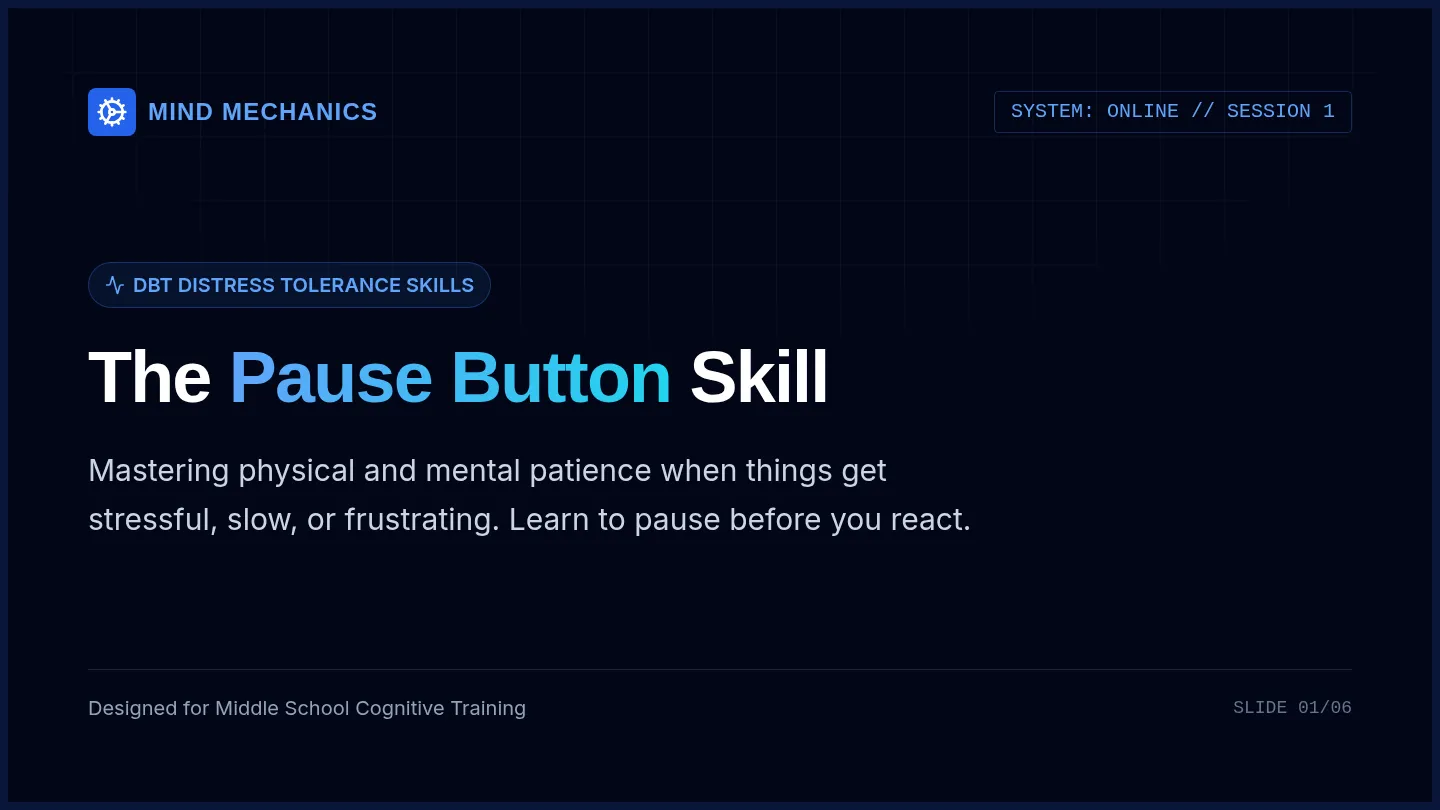
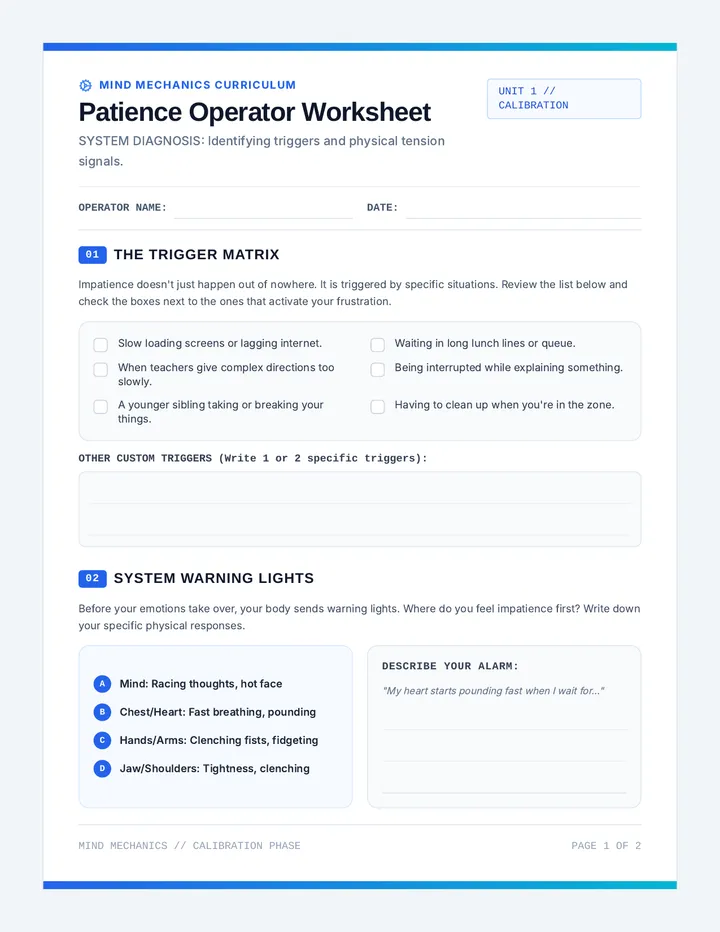
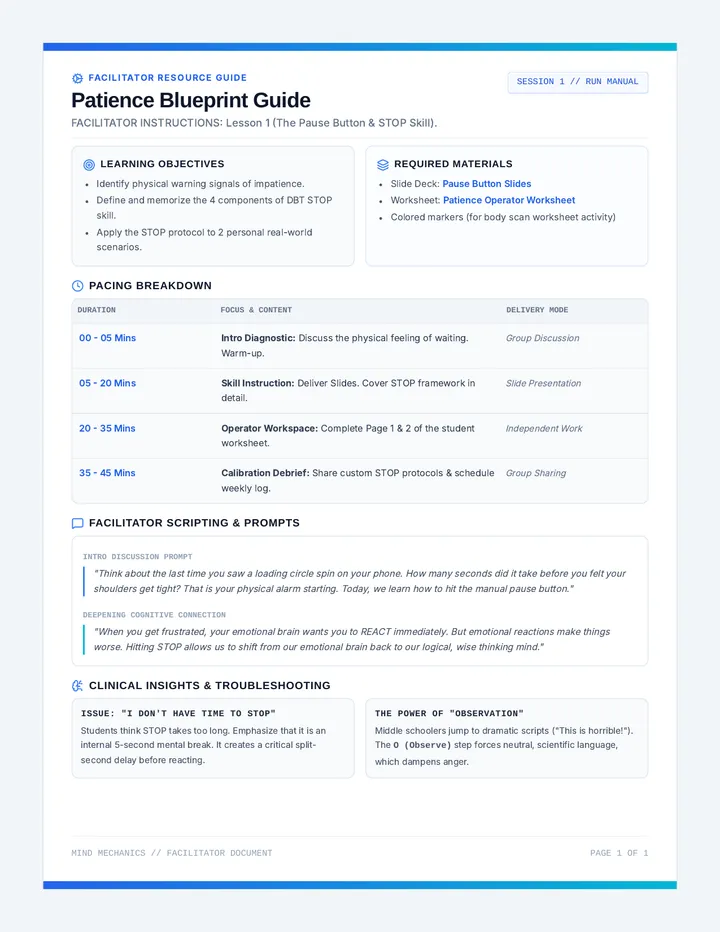
Focuses on building physical and mental patience under distress using the DBT STOP skill (Stop, Take a step back, Observe, Proceed mindfully).
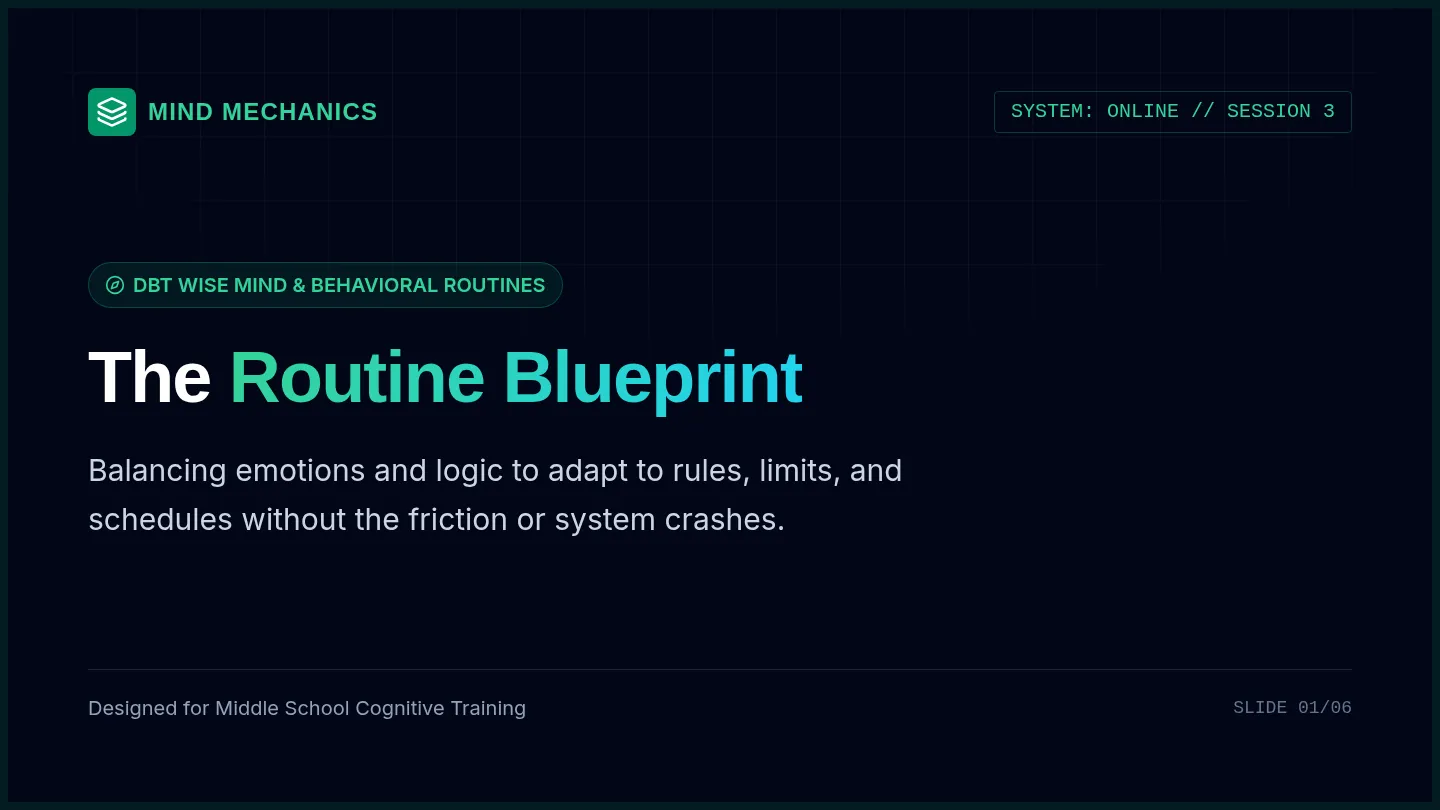
A 6-slide presentation for Lesson 3 (The Routine Blueprint) teaching Wise Mind and adaptation to routines. Connects emotional and logical mindsets to help students design structured, stress-free daily routines.
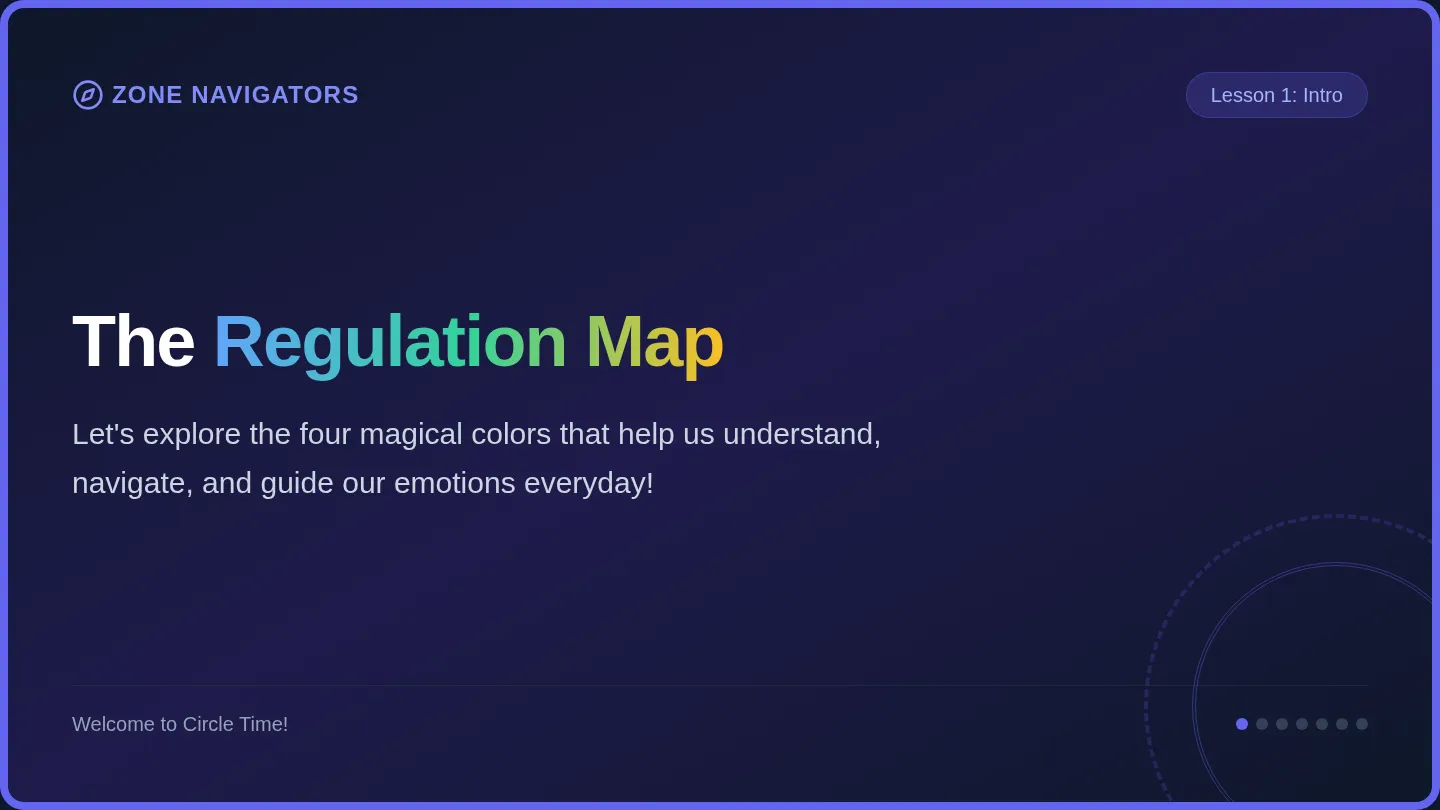
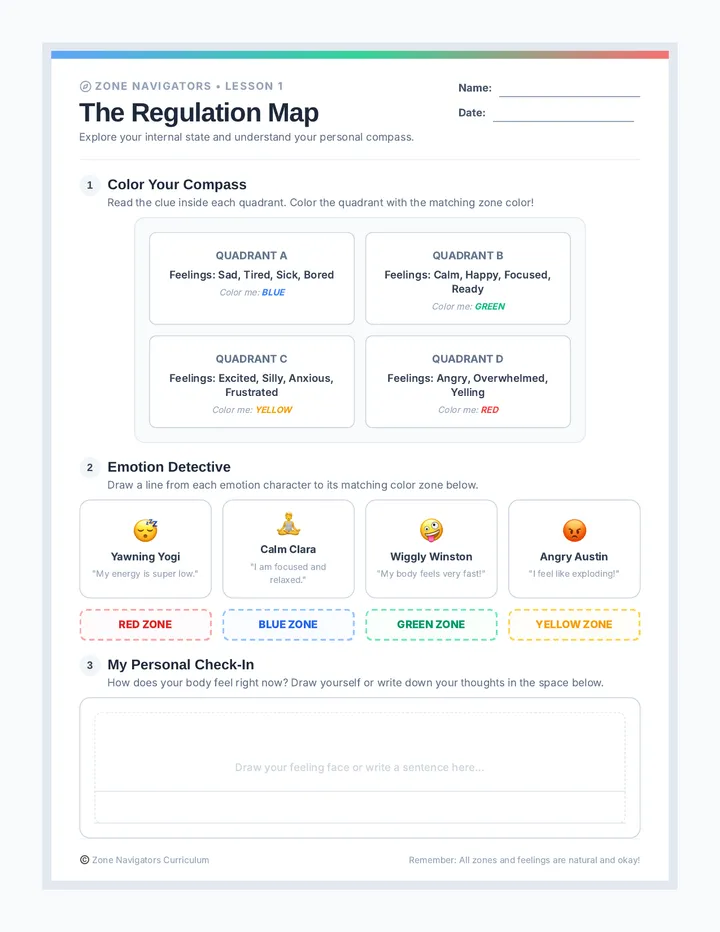
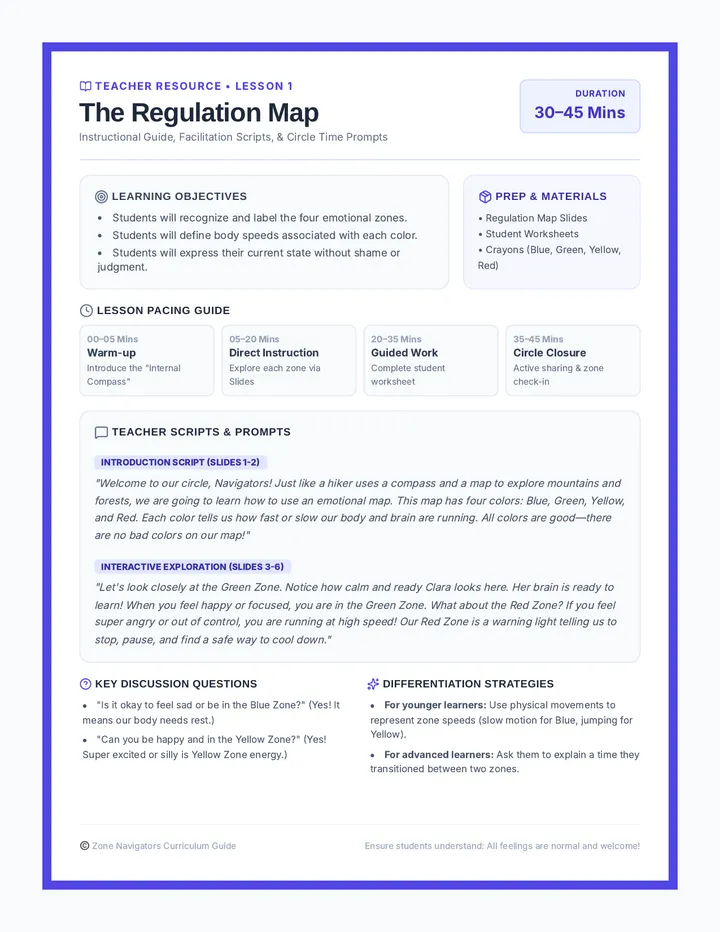
A comprehensive social-emotional learning curriculum designed to teach emotional regulation based on the four-zone framework. Students learn to recognize emotional states, identify body cues, and construct a personalized coping toolbox to transition between zones safely.
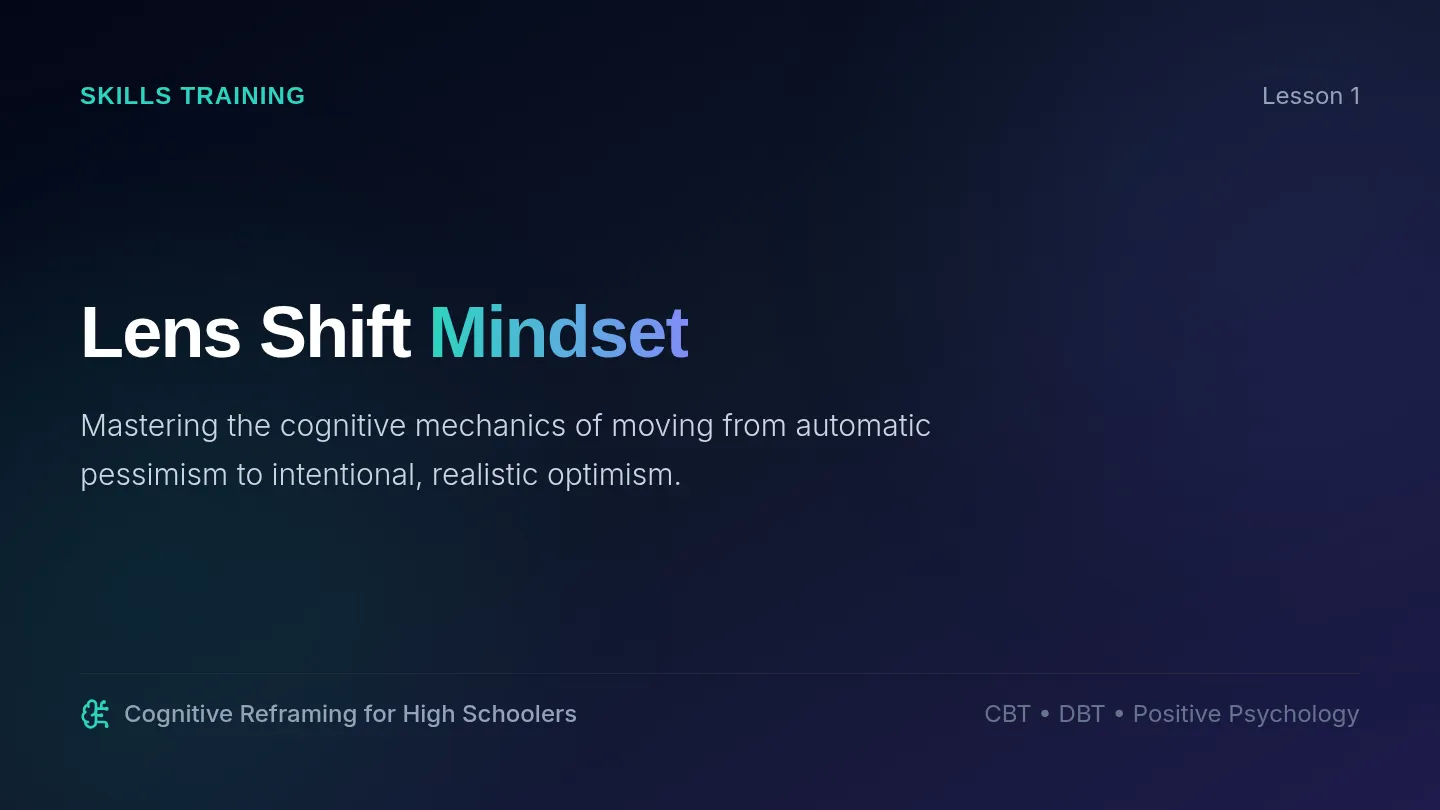
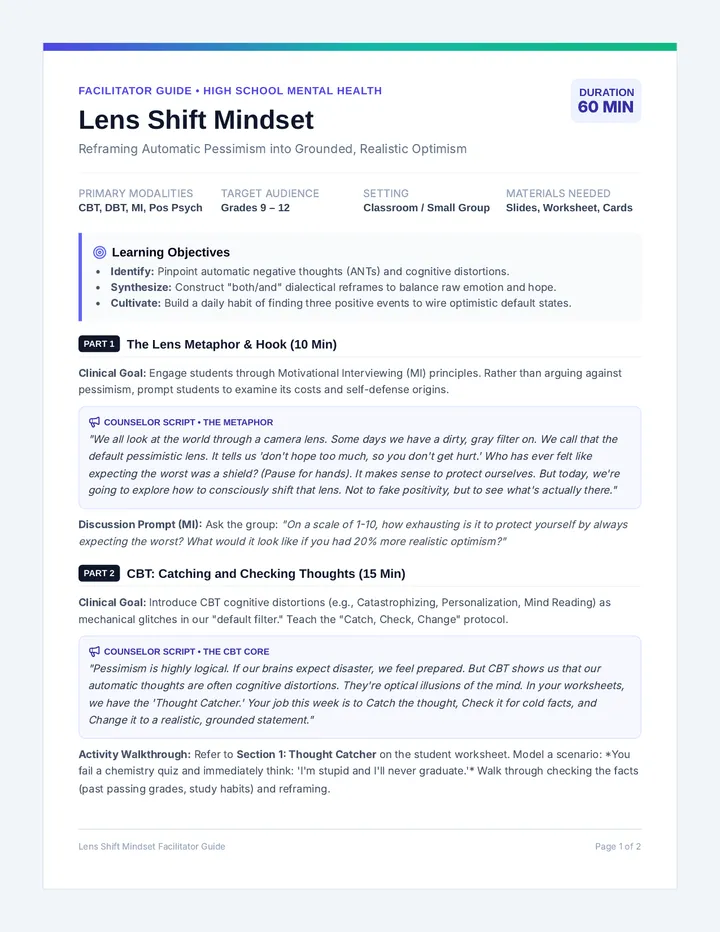
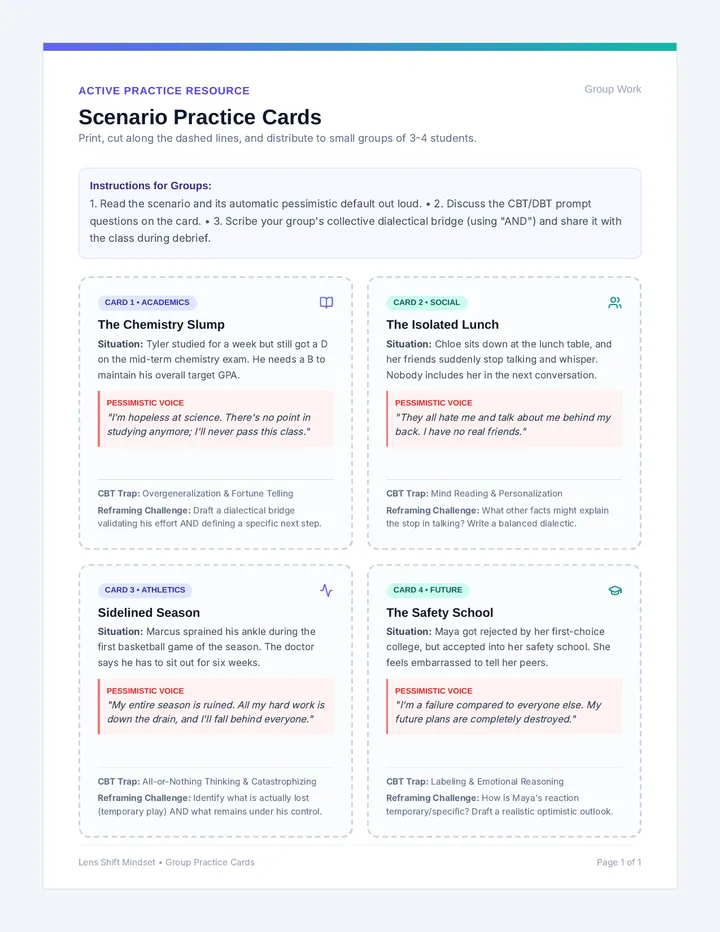
An evidence-based mental health lesson for high school students designed to teach the cognitive mechanics of moving from pessimism to realistic optimism. Using CBT, DBT, Positive Psychology, and Motivational Interviewing, students learn to catch, check, and change their automatic thoughts and build optimistic outlooks.
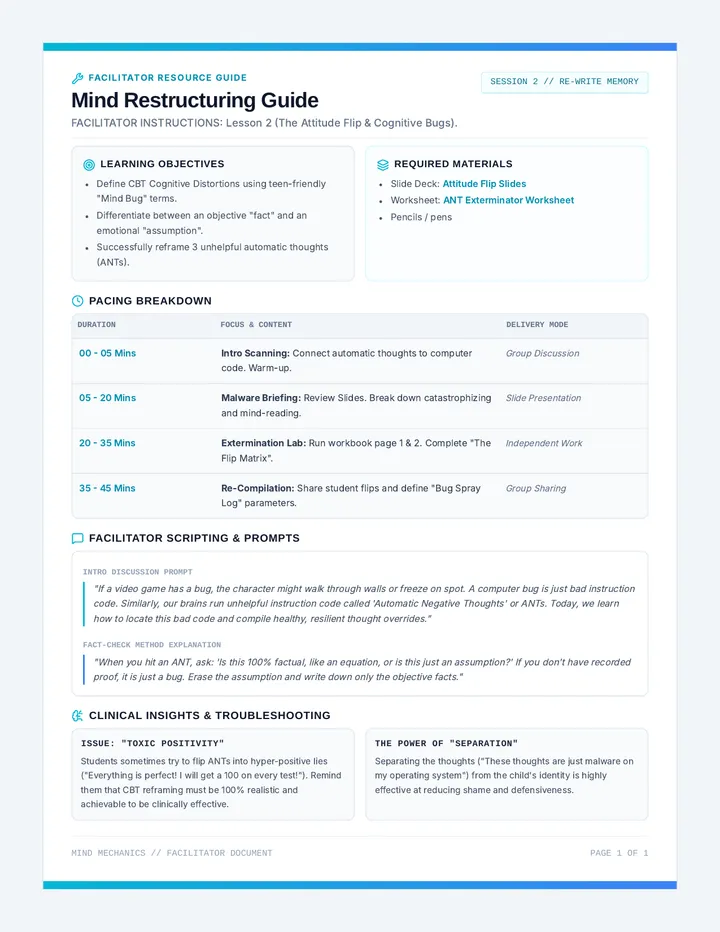
A comprehensive single-page facilitator guide outlining pacing, discussion scripts, activity mechanics, and clinical insights for delivering Lesson 2.