Lenny.com
Explore
Create
ActivitiesNewMathEnglish Language ArtsScience & EngineeringSocial StudiesGlobal LanguagesHealth & Physical EducationSpecial EducationCounseling & Life SkillsArts & CreativityESL
Lenny.com
Lenny.com
Explore
Create
ActivitiesNewMathEnglish Language ArtsScience & EngineeringSocial StudiesGlobal LanguagesHealth & Physical EducationSpecial EducationCounseling & Life SkillsArts & CreativityESL
Lenny.com
Lenny.com

Solutions

Lenny for EducatorsLenny for SchoolsLenny for Districts

Product

ExploreSign inCreateSupportAbout

Resources

Getting startedMTSS Acceleration Program

Newsletters

School Funding Newsletter

© 2026 Lenny Learning Inc.

TermsPrivacyAccessibility
LinkedInInstagramX
Lenny

Emotional Nuance & Mixed Feelings

Identification of complex emotional states and the coexistence of conflicting feelings. Develops emotional vocabulary and self-reflection skills to navigate internal contradictions.

Counseling & Life SkillsSelf-AwarenessBasic Emotion RecognitionComplex Emotion IdentificationEmotional Nuance & Mixed FeelingsBuilding Positive Self-ImageRecognizing Strengths & Growth AreasAccurate Self-AssessmentPersonal Values IdentificationCultural & Individual Identity ExplorationValues-Based Decision MakingSelf-ManagementStop-and-Think StrategiesDelaying GratificationIndependent Impulse ManagementIdentifying Stress TriggersShort-Term Goal SettingSMART Goals DevelopmentGoal Monitoring & AdjustmentBuilding Perseverance & ResilienceInternal Motivation DevelopmentComprehensive Stress Reduction PlanningSocial AwarenessRecognizing Others' FeelingsDemonstrating EmpathyRespecting Individual DifferencesUnderstanding Cultural DiversityComplex Empathetic ResponsesMultiple Viewpoint ConsiderationMulti-Perspective AnalysisChallenging Stereotypes & BiasRelationship SkillsActive ListeningClear Verbal & Nonverbal CommunicationBuilding Positive FriendshipsWorking Cooperatively in GroupsCommunicating Personal BoundariesRespecting Others' BoundariesAssertive ExpressionPeaceful Problem-SolvingContributing to Team GoalsComplex Conflict NavigationMediation & NegotiationHealthy Romantic RelationshipsResponsible Decision-MakingDaily Problem IdentificationBrainstorming Multiple SolutionsEvaluating Pros & ConsRecognizing Risks & ConsequencesApplying Ethical FrameworksInformed Risk-Benefit DecisionsRoot Cause AnalysisMindfulnessMindful BreathingBody Scan MeditationDaily Mindfulness ApplicationDaily Self-Care RoutinesBalancing Life DemandsAdvocating for Wellness NeedsMental Health SupportUnderstanding Anxiety SymptomsWorry Management StrategiesProgressive Muscle RelaxationRecognizing Depression SignsBuilding Mood-Supporting RoutinesBehavioral Activation for MoodUnderstanding Grief StagesHealthy Grief CopingCreative Expression of LossBehavioral SupportDaily Check-In ProceduresDaily Goal Setting & ReviewRecognizing Escalation Warning SignsRequesting Breaks & SupportSelf-Calming During DistressUnderstanding Positive ReinforcementToken Economy ImplementationBehavior Chart TrackingAnalyzing Behavior PatternsIdentifying Antecedents & ConsequencesDetermining Behavior FunctionFunction-Based InterventionsIndividualized Behavior ContractsData-Driven Behavior AdjustmentTherapeutic ApproachesThoughts-Feelings-Behaviors ConnectionRecognizing Thinking PatternsChallenging Negative ThoughtsPositive Self-Talk PracticeThought Record TrackingAdvanced Cognitive RestructuringComprehensive CBT PlansBehavioral Activation TechniquesBuilding Positive ExperiencesExposure Hierarchies for AnxietyPresent-Moment AwarenessNon-Judgmental ObservationSelf-Soothing & DistractionComplex Emotion LabelingReducing Emotional Vulnerability (PLEASE)DEAR MAN CommunicationGIVE Skills for RelationshipsFAST Skills for Self-RespectRadical Acceptance PracticeCrisis Survival Skills (TIPP)Understanding Trauma EffectsTrauma Responses & TriggersIdentifying Trauma FeelingsGrounding TechniquesRegulation During Trauma DistressSafe Place VisualizationProcessing Through NarrativeDeveloping Trauma StoryPersonalized Safety PlanningGroup SupportTurn-Taking & SharingGroup Conversation SkillsSharing in Supportive EnvironmentLearning from Similar ChallengesBuilding Community & BelongingNavigating Peer RelationshipsGroup Skill PracticeGroup Mental Health EducationStress & Anxiety UnderstandingCrisis Support & SafetyKnowing When to Seek HelpIdentifying Mental Health CrisesGrounding During CrisisUsing Crisis HotlinesBuilding Support NetworksAccessing Mental Health ResourcesWarning Signs & Coping StrategiesDeveloping Personal Safety PlansUnderstanding Suicide Warning SignsGatekeeper Skills for PeersDigital LiteracySocial MediaTechnology BasicsProductivity ToolsInternet and Online ResearchWeb Design and PublishingDigital CitizenshipOnline Safety and PrivacyEmerging TechnologiesFinancial LiteracyMaking Financial DecisionsBanking and AccountsConsumer SkillsSaving and InvestingCredit and DebtEmployment and IncomeTaxesInsuranceMajor PurchasesEconomic ConceptsFinancial PlanningCollege & Post-Secondary PlanningCareer ExplorationUnderstanding Post-Secondary OptionsCollege Research & SelectionAdmission RequirementsCollege Application ProcessPersonal Statement WritingFAFSA CompletionScholarship Search & ApplicationsUnderstanding Student LoansContinuing Education PlanningInterview PreparationResearching EmployersCommon Interview QuestionsSTAR Method ResponsesProfessional Interview PresenceVirtual Interview SkillsInterview Follow-UpJob Search SkillsUnderstanding Job PostingsEffective Job Search StrategiesNetworking for OpportunitiesResume Writing BasicsAction Verbs & AchievementsTailoring Resumes to JobsCover Letter WritingProfessional ReferencesProfessional CommunicationBusiness Email EtiquettePhone & Voicemail ProfessionalismMeeting ParticipationPresentation SkillsProfessional Work EthicTime Management & ProductivityTeamwork & CollaborationAdaptability & FlexibilityProblem-Solving at WorkConstructive FeedbackWorkplace RightsUnderstanding Employment LawsPay & Benefits UnderstandingWorkplace SafetyAnti-Discrimination & Harassment

Videos

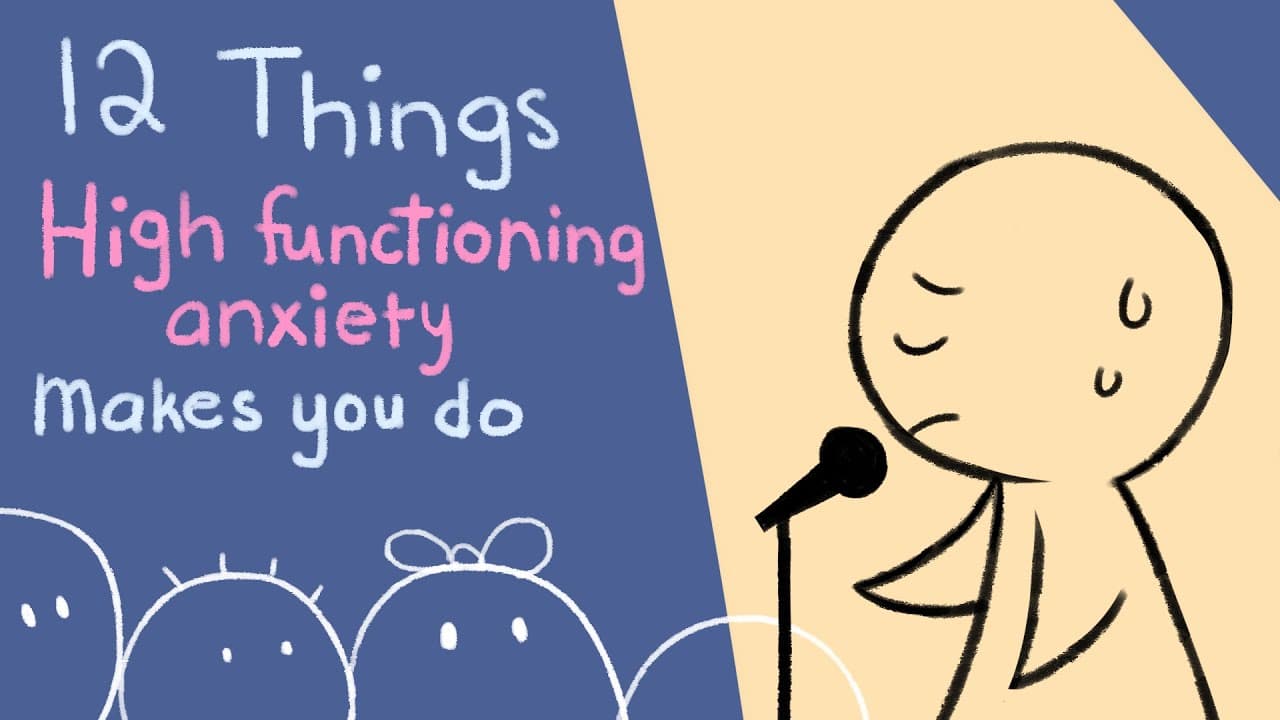
12 Things High Functioning Anxiety Makes you Do

12 Things High Functioning Anxiety Makes you Do

This educational animation explores the nuanced concept of "high-functioning anxiety," distinguishing it from stereotypical representations of anxiety disorders. While not a clinical diagnosis, the video validates the experiences of individuals who appear successful and calm on the outside but struggle with intense internal turmoil, worry, and stress. It breaks down complex emotional patterns into relatable, observable behaviors that students may recognize in themselves or others. Through twelve distinct points, the video illustrates how anxiety can manifest as perfectionism, people-pleasing, overthinking, and an inability to relax. It covers social scenarios like cancelling plans or fearing new introductions, as well as internal habits like fixating on minor details, replaying old conversations, and fearing the future. The content helps bridge the gap between external appearances and internal mental health realities. For educators, this resource is a powerful tool for social-emotional learning (SEL). It provides a vocabulary for students to discuss mental health without stigma, encourages empathy for peers who may be struggling silently, and offers a checklist for self-reflection. It is particularly useful for high-achieving students who may mask their anxiety behind good grades and busy schedules, helping them understand that their internal struggles are valid and common.

Psych2GoPsych2Go

7mins 37s

RSA Short | Vivek Murthy on Loneliness and the Power of Connection

RSA Short | Vivek Murthy on Loneliness and the Power of Connection

This animated video features former U.S. Surgeon General Vivek Murthy explaining the biological and evolutionary roots of loneliness. He reframes loneliness not as a character flaw or a sign of being broken, but as a natural biological signal—like hunger or thirst—alerting us that we lack necessary social connection. The narrative explores how our ancestors relied on community for safety and survival, and how modern loneliness can create a negative feedback loop that damages self-esteem and makes reconnection difficult. The video delves into the insidious nature of chronic loneliness, illustrating how it often manifests in unexpected ways such as anger, irritability, or withdrawal rather than just sadness. Murthy argues that recognizing these alternative expressions of loneliness can help us respond to others with compassion instead of judgment. By understanding that loneliness is a common human experience, we can break the cycle of shame often associated with it. For educators, this resource provides a powerful tool for social-emotional learning (SEL). It offers a vocabulary for students to discuss feelings of isolation and provides actionable advice on how to help others: simply showing up and listening with full attention. The video's message emphasizes that listening validates another person's worth, making it an excellent starting point for lessons on empathy, active listening, community building, and mental health awareness.

The RSAThe RSA

3mins 49s

OCD and Anxiety Disorders: Crash Course Psychology #29

OCD and Anxiety Disorders: Crash Course Psychology #29

This educational video provides a comprehensive overview of anxiety disorders, distinguishing between normal anxiety and clinical conditions. It specifically breaks down Obsessive-Compulsive Disorder (OCD), Generalized Anxiety Disorder (GAD), Panic Disorder, and Phobias, clarifying the specific diagnostic criteria for each. The host, Hank Green, explains how these disorders are characterized by distressful, persistent anxiety and often dysfunctional behaviors used to reduce that anxiety. The video explores the etiology of these disorders through two main lenses: the Learning Perspective (conditioning, observational learning, and cognition) and the Biological Perspective (genetics, natural selection, and brain chemistry). Key concepts such as stimulus generalization, reinforcement, and the evolutionary basis for fears are discussed to help viewers understand why these disorders persist. For educators, this resource is invaluable for psychology and health curriculums. It actively works to de-stigmatize mental illness by correcting common misuse of terms like "OCD" and "bipolar" in casual conversation. The clear definitions, relatable examples, and engaging animations make complex psychological concepts accessible for high school and early college students, serving as an excellent springboard for discussions on mental health awareness and neurobiology.
CrashCourseCrashCourse

11mins 32s

How to Deal with Negative Emotions: Daily Proven Techniques

How to Deal with Negative Emotions: Daily Proven Techniques

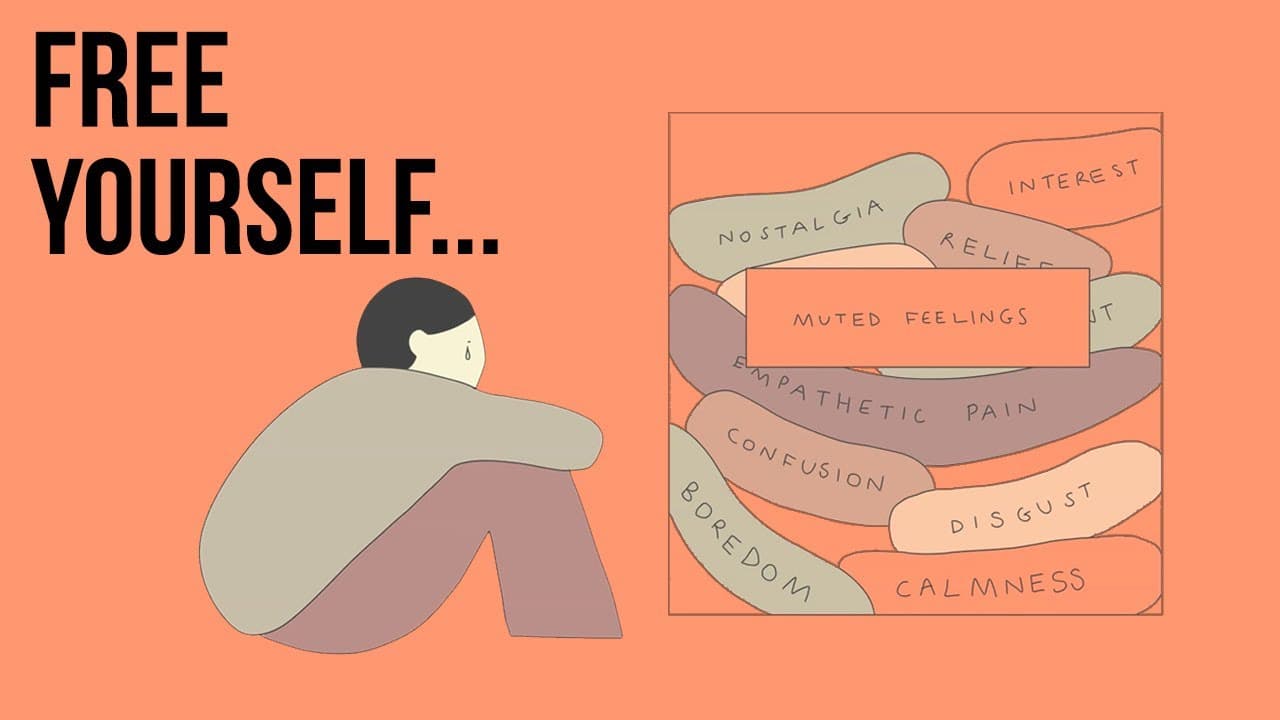
This animated video by The School of Life explores the importance of identifying and processing suppressed emotions to maintain psychological well-being. It argues that modern life often causes us to ignore our true feelings because they are too shocking, sad, or inconvenient to address in the moment. The video explains how "unfelt feelings" accumulate and manifest as anxiety, depression, or physical tension. Key themes include emotional intelligence, self-reflection, the mind-body connection, and the practice of introspection. The narrator suggests a specific daily technique involving quiet solitude and body scanning to "decode" these hidden emotions. It emphasizes that acknowledging difficult feelings like anger, grief, or resentment is necessary to transform them into manageable states and achieve peace of mind. For educators and students, this resource is a valuable tool for social-emotional learning (SEL). It provides a practical framework for understanding why we feel overwhelmed or anxious without an obvious cause. The video can be used to teach self-regulation strategies, mindfulness, and the vocabulary of emotions, helping students move from reactive states to responsive, self-aware behaviors.

The School of LifeThe School of Life

4mins 7s

Emotional Intelligence

Emotional Intelligence

This animated video provides a clear and accessible introduction to the concept of Emotional Intelligence (EI or EQ), based on the model developed by psychologists John Mayer and Peter Salovey. It breaks down EI into four distinct skills: perceiving emotions, using emotions, understanding emotions, and managing emotions. Through simple yet effective illustrations, the video explains how these skills function individually and collectively to help individuals navigate social interactions and personal feelings. Key themes include self-awareness, empathy, emotional regulation, and the connection between emotional intelligence and academic or professional success. The video emphasizes that while some people are naturally gifted with these skills, EI is something that can be improved and developed over time through mindfulness, education, and practice. It frames emotions not as obstacles but as data points that can be used for better decision-making. For educators, this video is a valuable tool for Social Emotional Learning (SEL) curriculums. It provides a shared vocabulary for students to discuss their feelings and offers a scientific framework for why emotions matter in learning and life. The video is short enough to serve as a perfect hook for lessons on conflict resolution, stress management, or interpersonal communication skills.

SproutsSprouts

3mins 24s

How to Get Out of an Unhealthy Relationship

How to Get Out of an Unhealthy Relationship

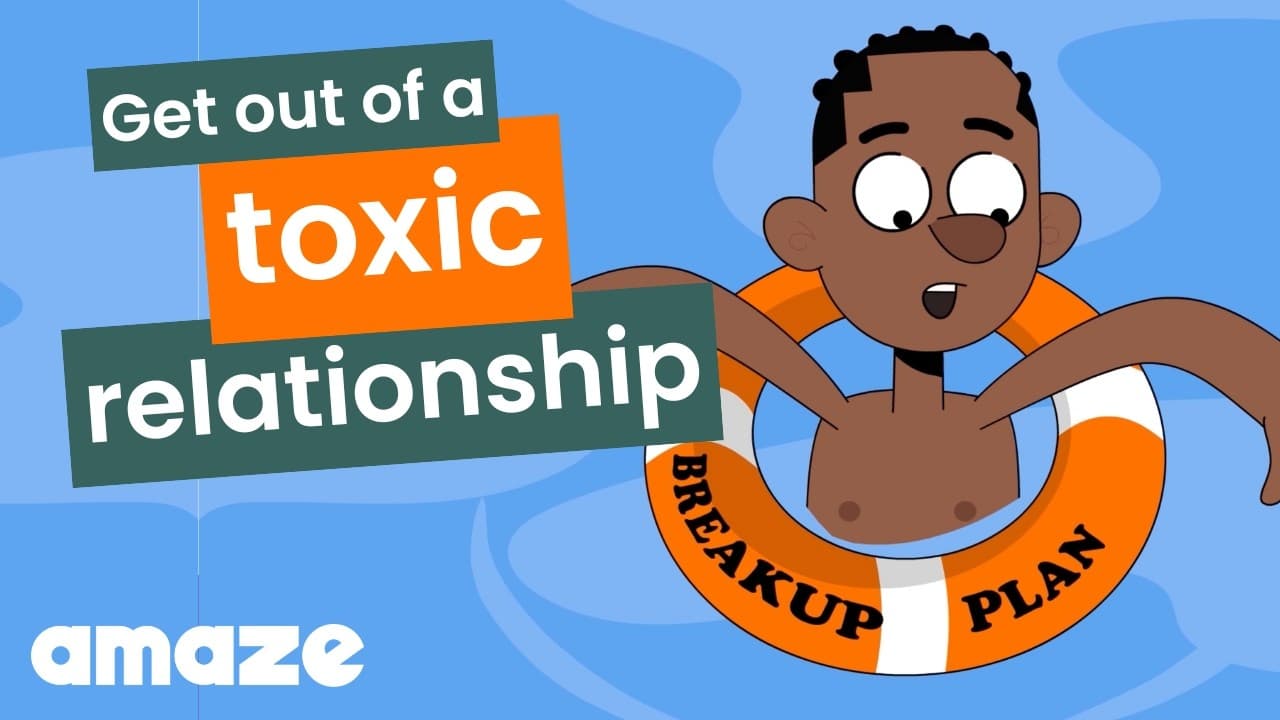
This animated video provides a compassionate and practical guide for young people on recognizing and leaving unhealthy relationships. It begins by contrasting the feelings associated with healthy versus unhealthy dynamics, such as safety and support versus fear and anxiety. The video clearly outlines "red flags" including teasing, blaming, controlling behavior, and physical harm, helping viewers identify toxic patterns in their own lives. The core of the video focuses on a step-by-step "breakup plan" designed to keep the individual safe and supported. It advises on choosing the right method of communication (phone, text, or public place), using clear language to state that the relationship isn't working, and setting boundaries without feeling obligated to manage the other person's emotions. It emphasizes the critical importance of involving a trusted adult, especially if safety is a concern. Finally, the video addresses the emotional aftermath of a breakup, validating feelings of sadness and loss even when the relationship was bad. It encourages self-care strategies like hobbies and spending time with friends. This resource is invaluable for health and guidance curriculums, providing students with the vocabulary and actionable steps needed to navigate difficult interpersonal situations and prioritize their emotional and physical well-being.

AMAZE OrgAMAZE Org

2mins 54s

Materials

Friend Moves Storybook

Friend Moves Storybook

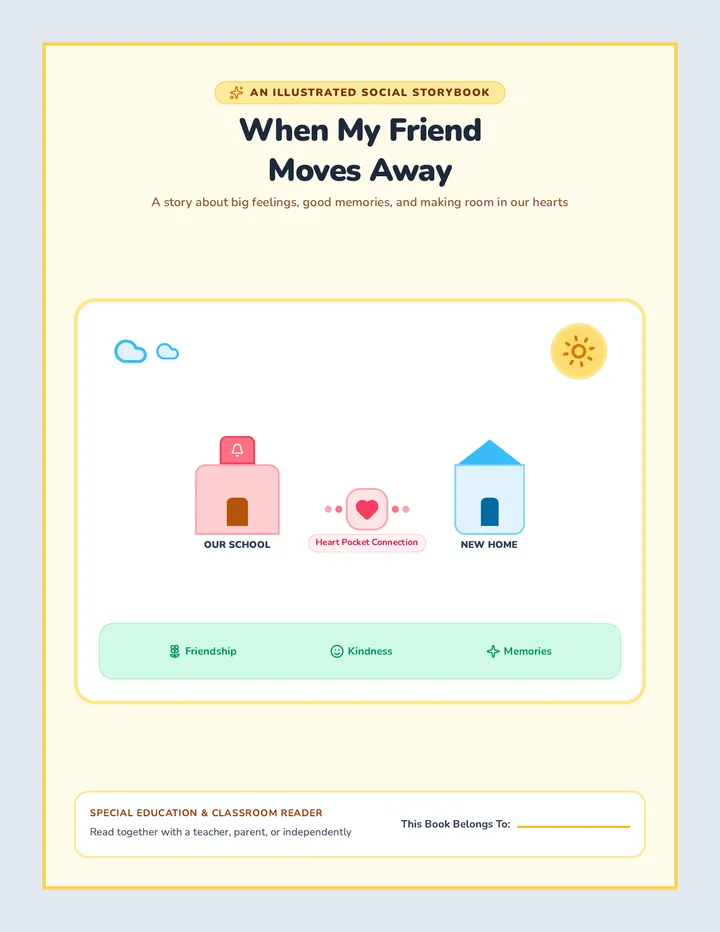
A 7-page illustrated children's picture-book social story titled 'When My Friend Moves Away', featuring rich full-page storybook illustrations, gentle narrative chapters, and an interactive reflection page.

M

mstacey

Conscious Discipline Monthly Guides

Conscious Discipline Monthly Guides

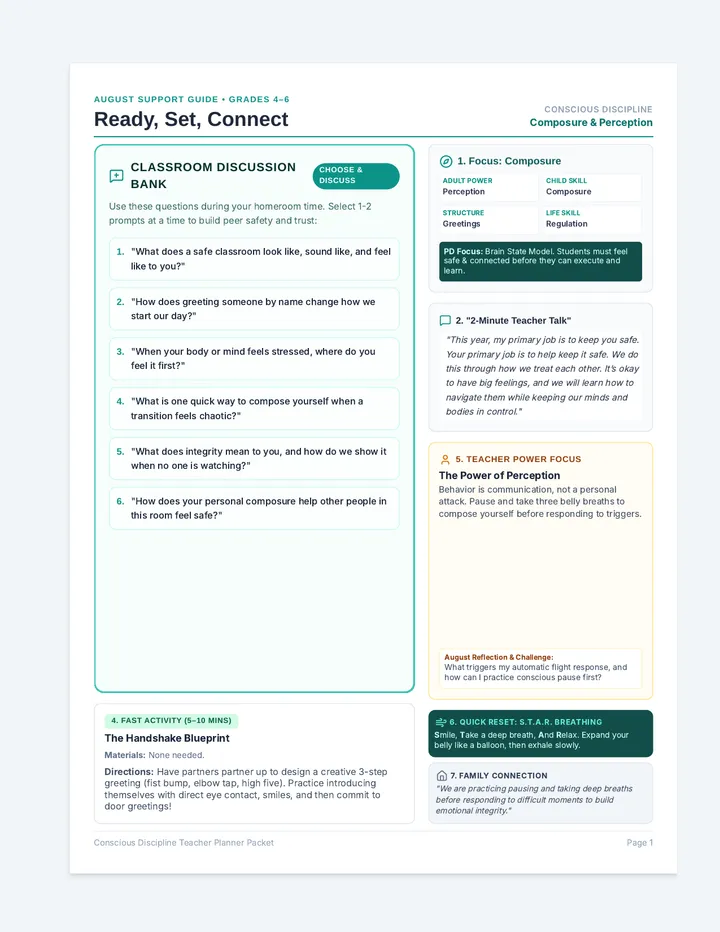
A professional, highly encouraging 9-page planner packet of monthly classroom support guides for elementary educators. Designed with the Classroom Discussion Bank as the dominant visual focal point on each page, featuring a dedicated list of highly engaging questions for grades 4–6 without subcategories, set to be utilized during homeroom time. Features 4 quick activity options (Connect, Calm, Commit, Celebrate) on each page. Optimized to fit perfectly on standard printable pages with zero layout overflow, with custom Kitley Counseling branding in the footer.

H

Heather.Koke

Map and Compass Worksheet

Map and Compass Worksheet

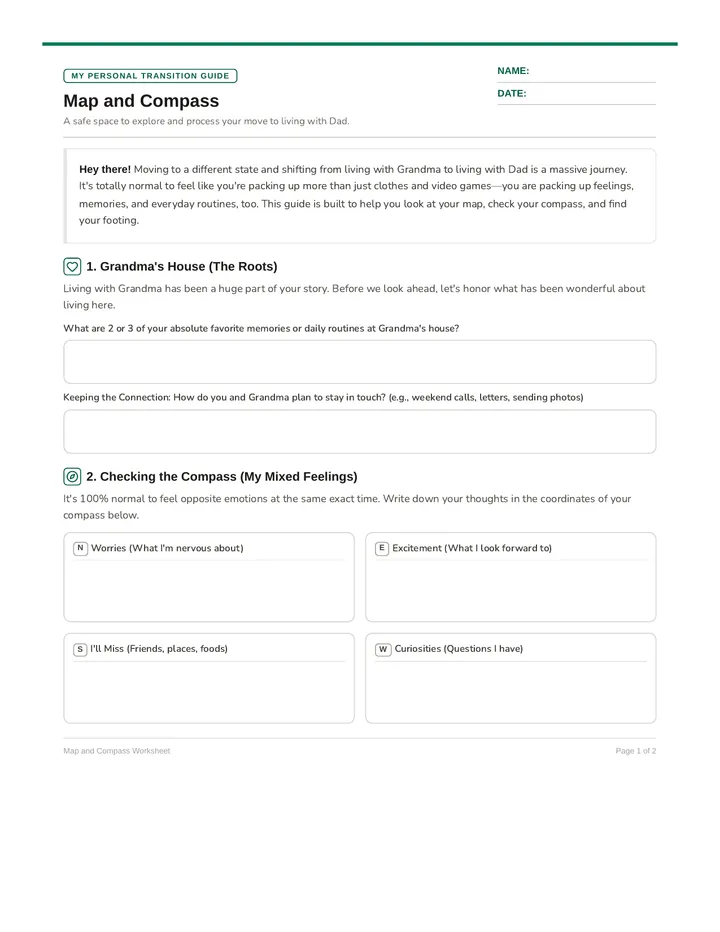
A reflective, gentle 2-page worksheet designed to help a 6th-grade student process thoughts, emotions, and practical transitions when moving from living with their grandmother to living with their dad in a new state. Fully redesigned with an ink-friendly, all-white print theme with fine borders and layout safety margins.

AH

Amaly H

Session Snapshot Notes Expanded Fixed Final v1

Session Snapshot Notes Expanded Fixed Final v1

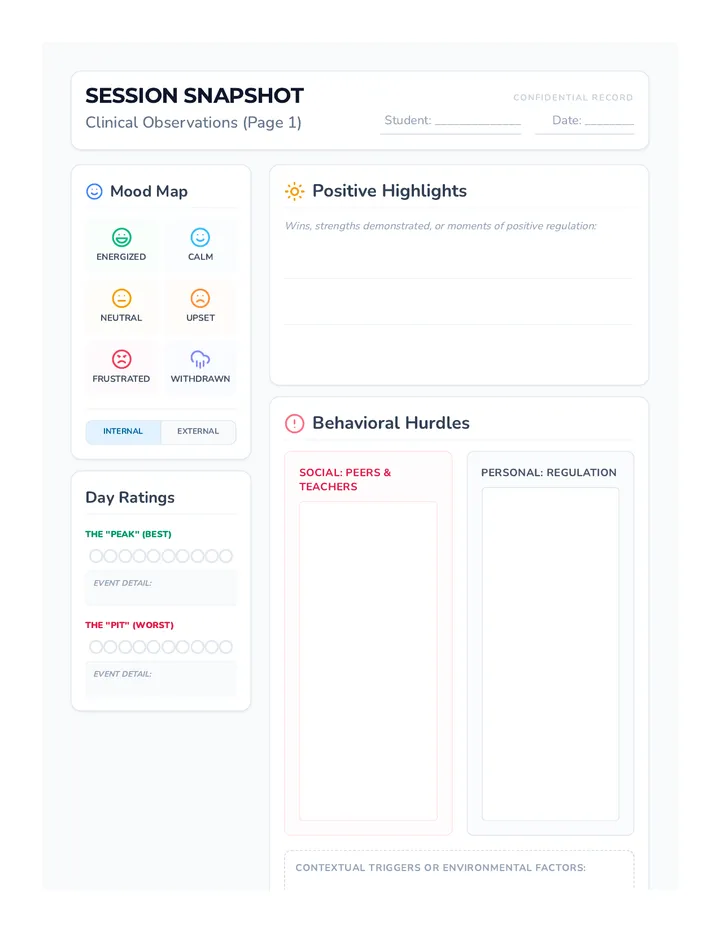
A comprehensive two-page session note-taking template for counselors. Page one tracks observation data like mood, day ratings, and behavior hurdles, while page two provides extensive space for clinical narrative, session synthesis, and planning. Strict page containment prevents messy overlap between printed pages.

G

gwadsworth

Dual Feelings Handout

Dual Feelings Handout

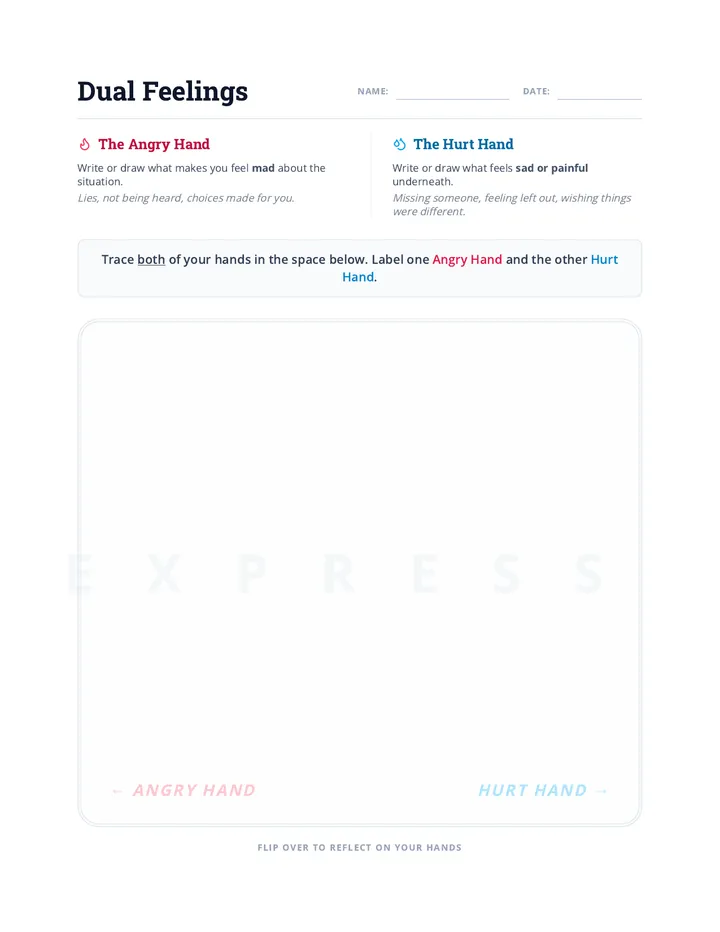
An updated dual-page handout for exploring anger and hurt. Page 1 features an expanded tracing area for teen hands with clear instructions. Page 2 provides deeper reflection questions, including a new section focused on the transition from "playing the adult" back to being a teenager.

A

angela_candelaria

Emotion Detectives Activity

Emotion Detectives Activity

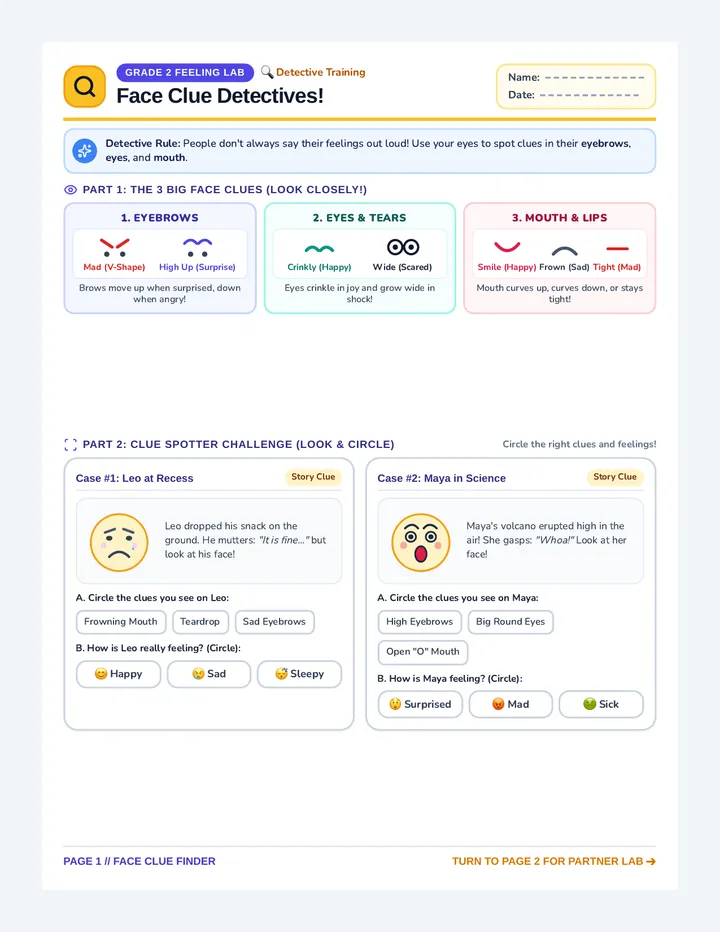
A highly visual, print-ready 2-page emotional intelligence activity adapted for 2nd graders. Features expressive illustrated facial cue diagrams, picture-based clue spotting challenges, blank face drawing templates, a partner mirror game, and primary lined empathy writing spaces.

BA

Beth Arinsburg

Sequences

Orientation Key Points Visual v2

DBT Skills for Young Explorers

A comprehensive DBT skills training sequence for elementary schools, split into K-2 and 3-5 curricula. This program covers Mindfulness, Distress Tolerance, Emotion Regulation, and Interpersonal Effectiveness using age-appropriate activities and narratives.

MB

Megan Bjork

173
Empowering You Teacher Guide

DBT Skills Empowering You

A 5-week individual lesson series for 8th-grade students with social-emotional disabilities, introducing core DBT modules: Mindfulness, Distress Tolerance, Emotion Regulation, Interpersonal Effectiveness, and Walking the Middle Path.

B

bbeldenscott

38
Space Bubble Shield Worksheet

Hero Habits Academy

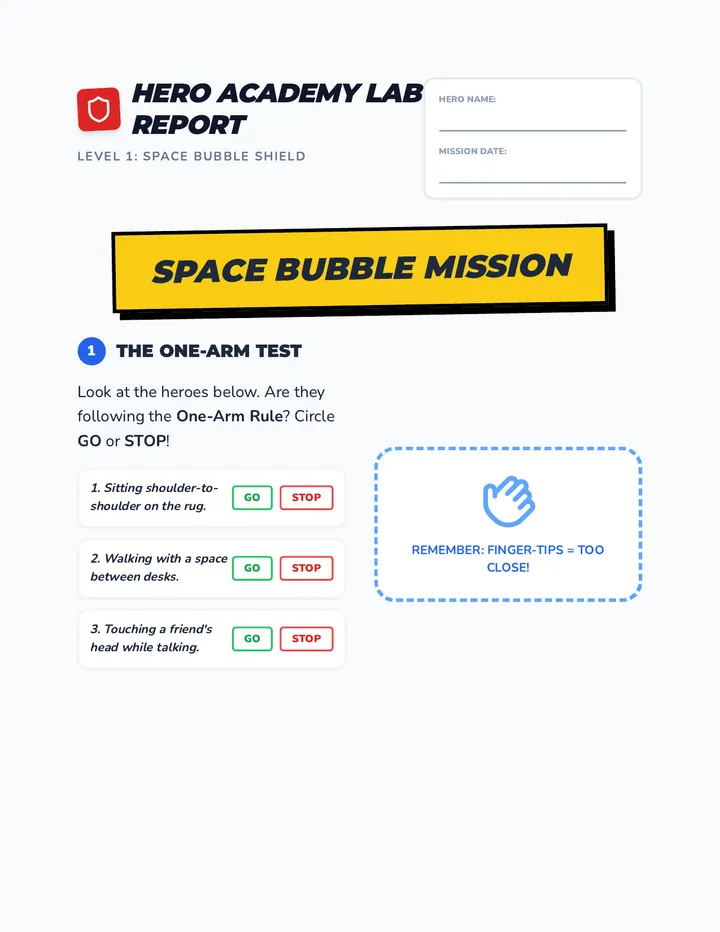
A 10-lesson curriculum designed for 2nd-grade boys to develop focus, personal space awareness, and kind communication through a superhero-themed 'Hero Habits' program. Students learn to 'Power Up' their social skills using comic-book-inspired visual aids and reflective activities.

K

KatheV

34
Energy HQ Slides

Big Feelings Blueprint 6-Week Edition

A 6-week social-emotional learning program for teenagers on the autism spectrum, delivered in focused 20-minute sessions. The program uses visual "blueprints" to teach energy management, body awareness, and Comic Strip Conversation techniques for emotional regulation and perspective taking.

MS

Minakshi Singal

18
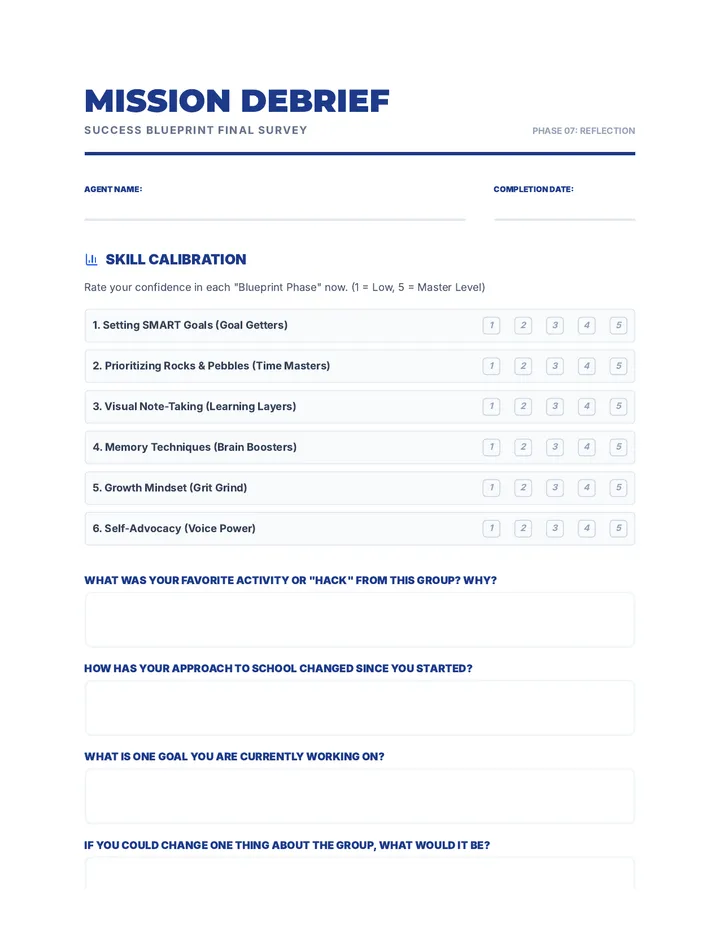
Success Blueprint Final Survey Document

Success Blueprint

A 6-session small group program designed for middle schoolers to build essential academic success habits through interactive games and hands-on activities. Topics include goal setting, time management, note-taking, study strategies, growth mindset, and self-advocacy.

AH

Amy Hill

33
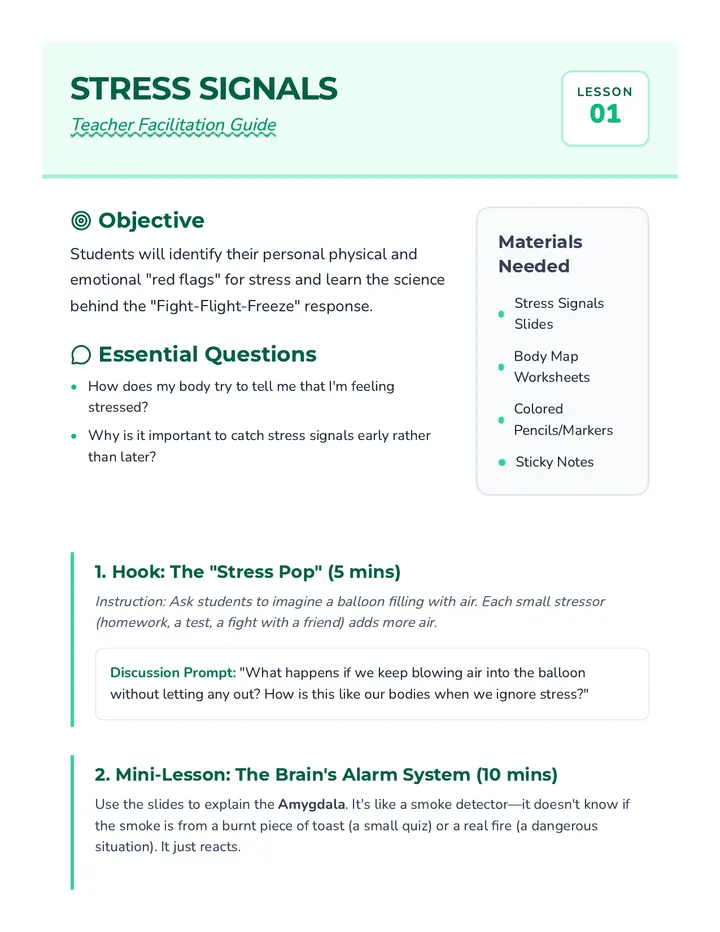
Stress Signals Teacher Guide

Mindful Masters

A 3-week comprehensive curriculum for middle schoolers focusing on identifying stress signals, developing healthy coping mechanisms, mastering positive self-talk, and building long-term resilience through interactive group activities and personal reflection.

KJ

Kayle Jordan

27