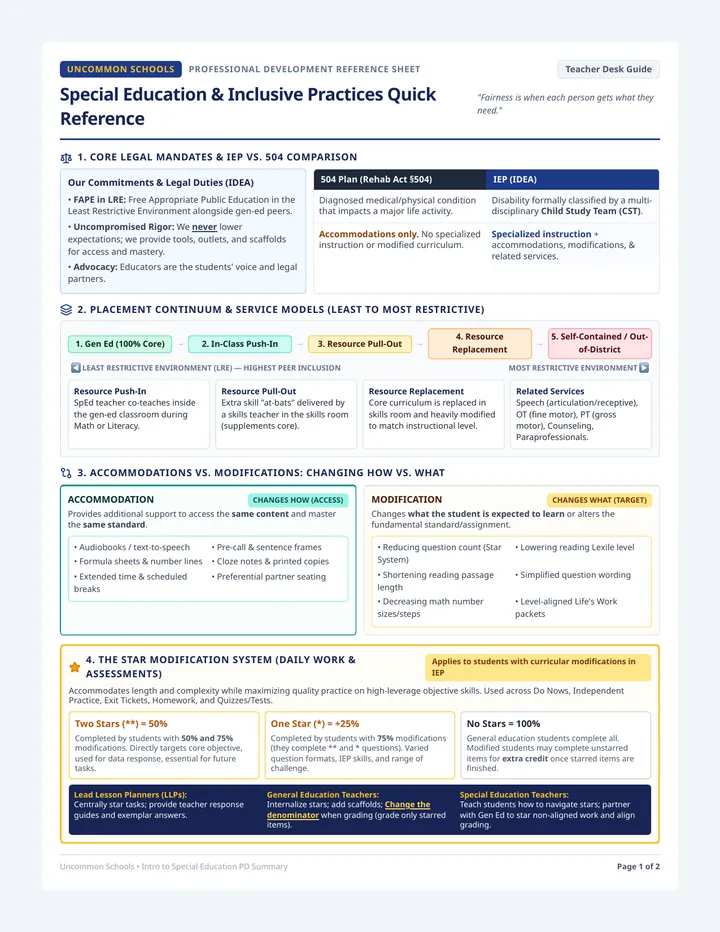
Individualized instruction, behavioral interventions, and specialized supports for students with diverse learning needs. Addresses legal frameworks, executive function development, and practical strategies for classroom and life transitions.
The ultimate compact version of the Adulting Celebration Chart with ultra-reduced line spacing and minimal vertical gaps. It utilizes tiny icons, condensed font sizes, and tight leading to provide a high-density workplace tracking experience that fits multiple players and comprehensive metrics in a single printable view. It moves metric descriptions inline to save vertical space.
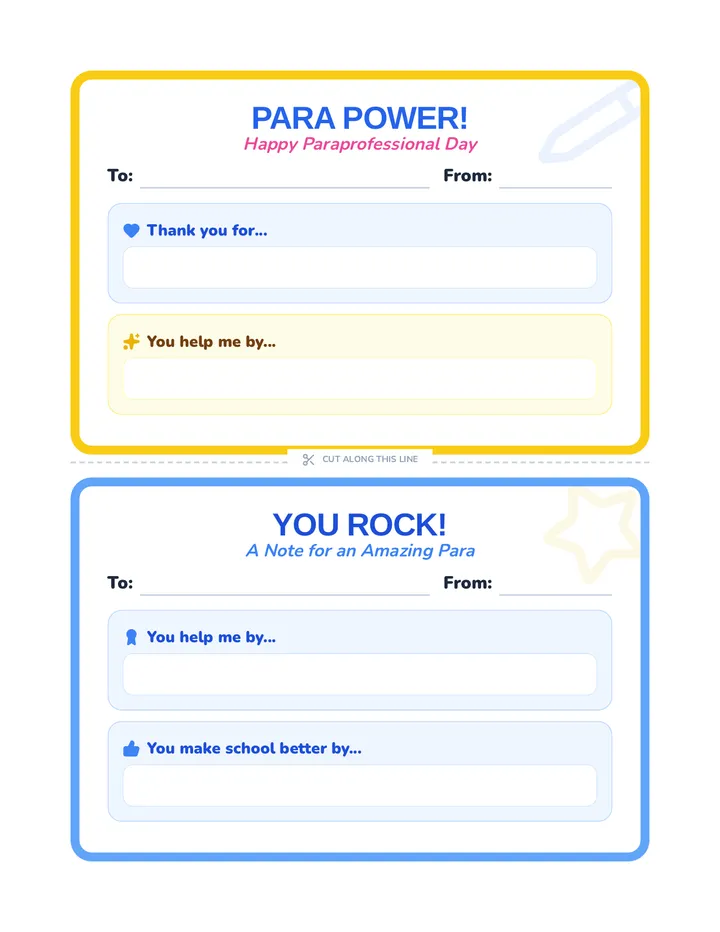
A set of 5 half-page Paraprofessional Appreciation templates with increased writing space and no drawing boxes. Features vibrant school-supply themes and three sentence stems per card.
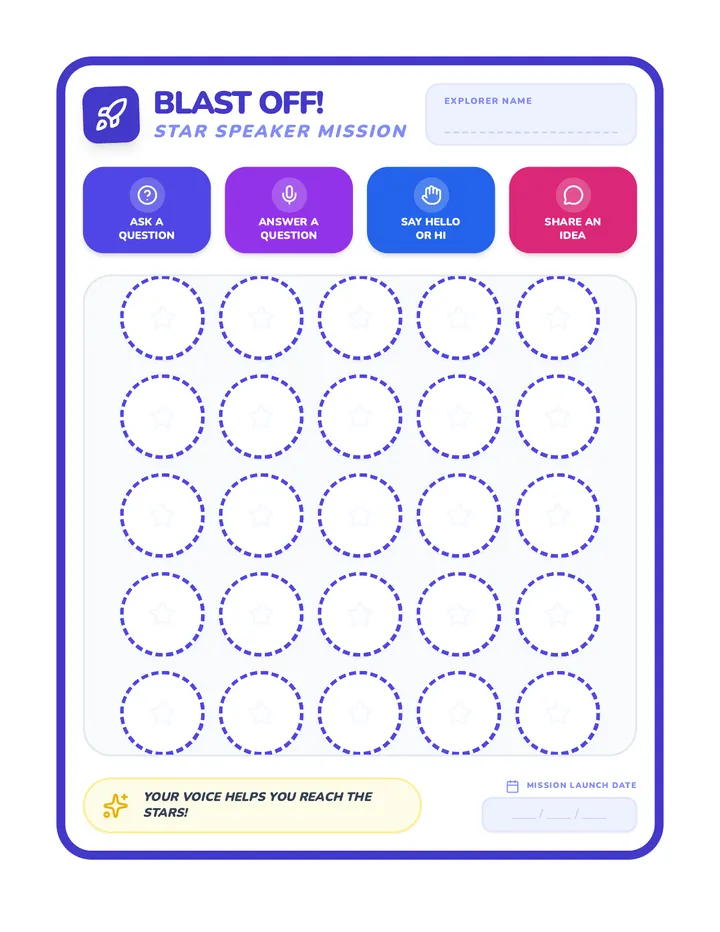
A high-contrast, print-optimized version of the Blast Off Sticker Chart. The grid background is now a neutral, very light slate wash, ensuring the pure white 1-inch sticker spots and their bold indigo-600 dashed outlines are extremely easy to see and use.
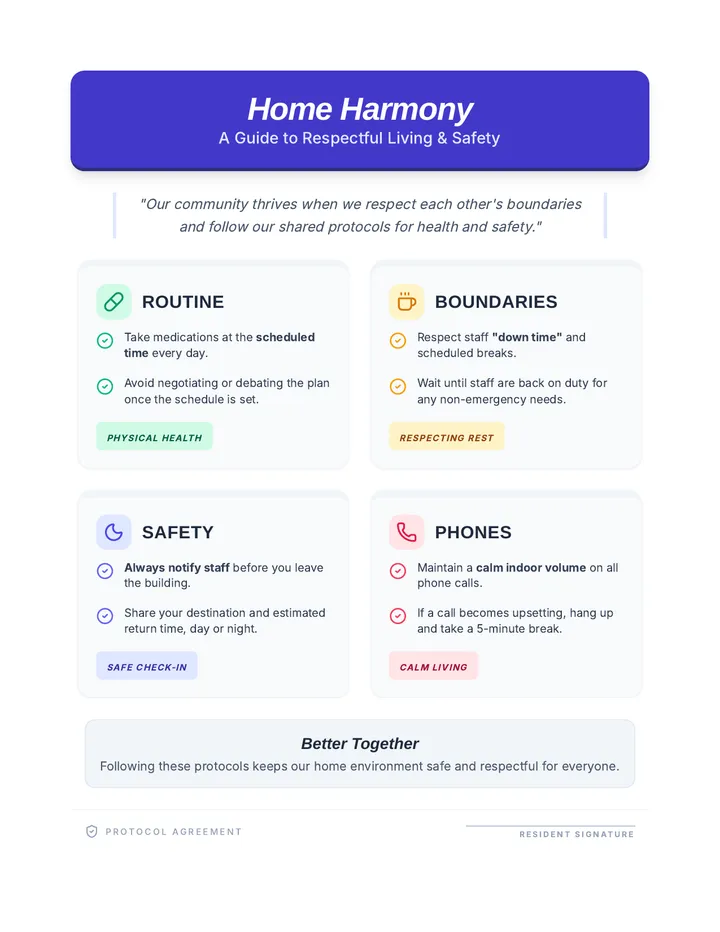
A single-page visual poster summarizing behavioral expectations for a client, strictly optimized to fit on exactly one side of a letter-sized sheet by using a fixed-height container and precise spacing.
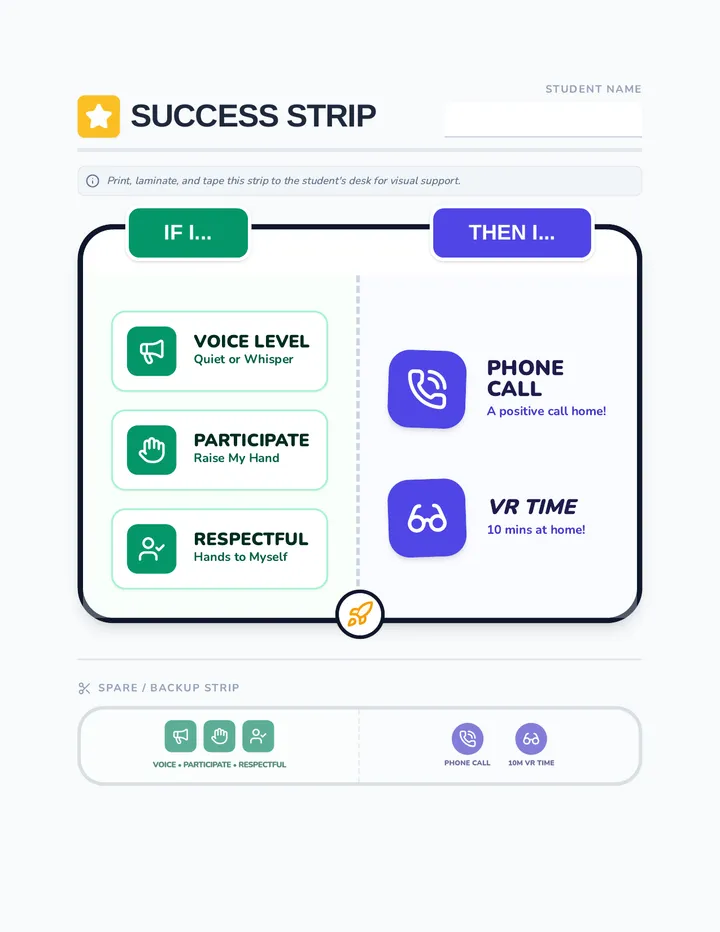
A behavior support strip for a 2nd grade student featuring an 'If-Then' visual reinforcement system. It outlines classroom expectations such as voice level and participation, linked to rewards like a positive phone call and VR time at home (now updated to 10 minutes).
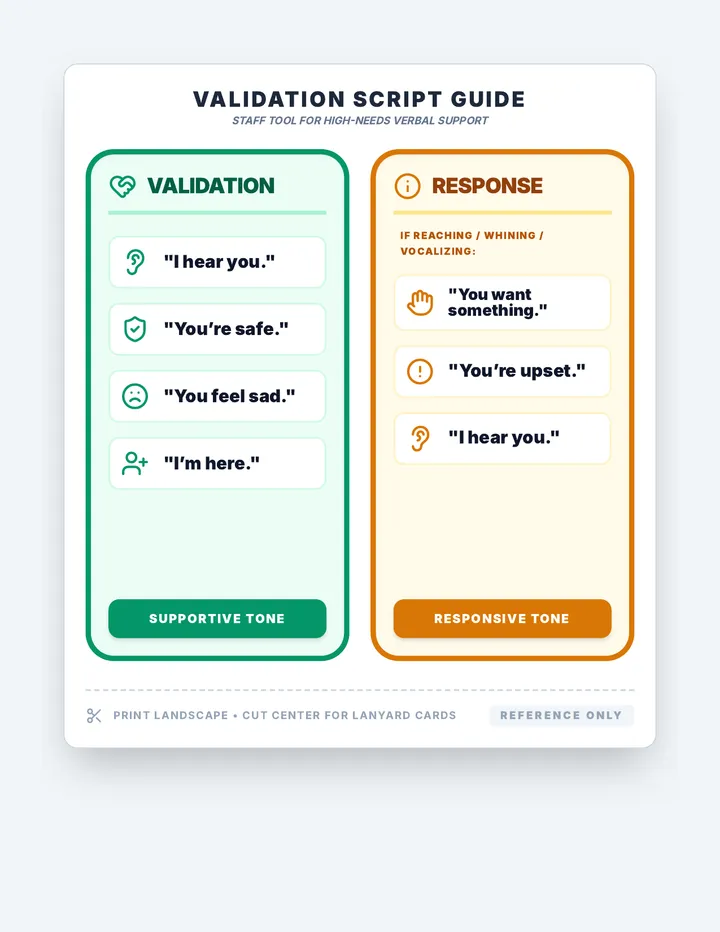
A quick-reference validation guide for staff. Features two color-coded cards with specific empathetic phrases for general validation and reactive behavior responses. Optimized for landscape printing and lanyard use with clear visual cues.
A set of six communication cards designed for use on a lanyard. Each card features a clear, colorful icon and a high-contrast social phrase to help students communicate needs like "Please Stop," "My Turn," or "Play With Me."
A sheet of high-contrast communication cards (2x2 inches) featuring icons for break, snack, and restroom needs. Includes alternate icons and blank spaces for customization.
A professional data collection sheet for a 7-student social skills group. It features specific tracking for three skills over two sessions: Y/N and # Prompts for Greetings and Self-Advocacy, and Tallies and # Prompts for Turn Taking.
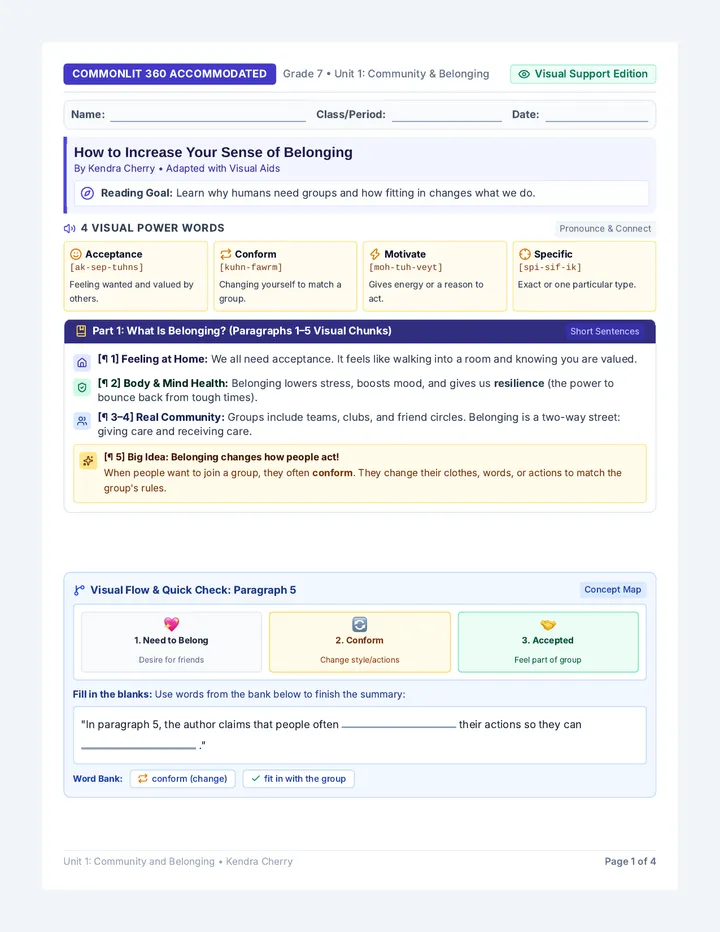
A 3-page comprehensive reading packet for 8th-grade students working at a 3rd-grade reading level. Includes a simplified article about the TogetherIV app, vocabulary exercises, comprehension questions, a sequencing activity, and a scaffolded writing response section.
A comprehensive student profile template designed for ESL and Special Education teachers to collaborate on English Learners in sub-separate settings. It features dedicated sections for assistive technology/AAC, detailed home language usage (including family patterns and community context), sensory needs, and academic supports.
An expanded set of nine large-format printable desk strips with high-contrast visual reminders, including specific calming techniques and a "Safe Choices" strip for unwanted behaviors.
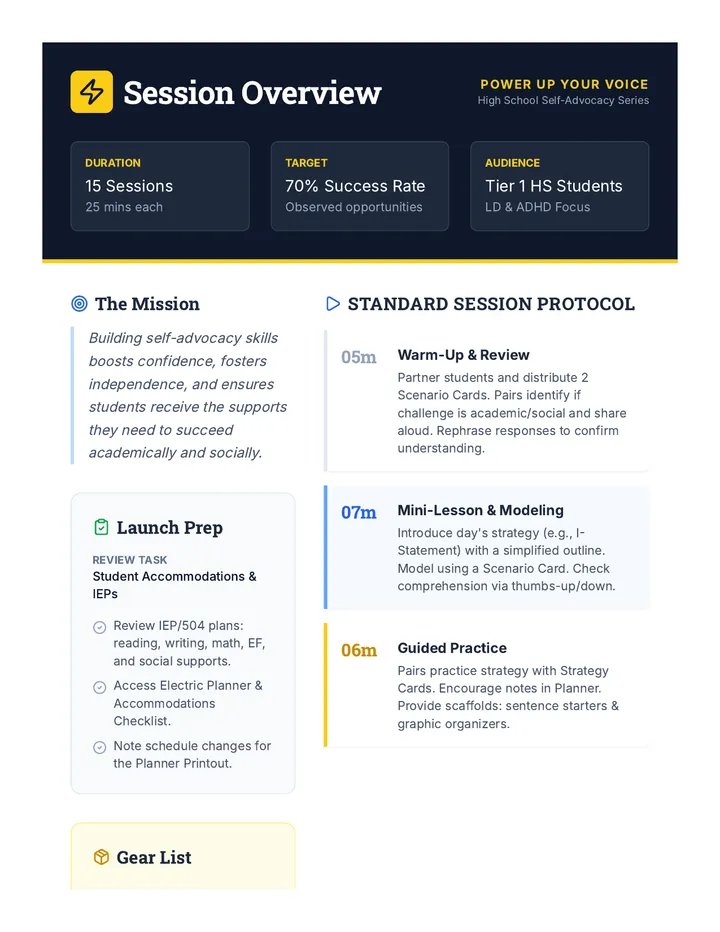
A comprehensive 15-session self-advocacy series designed for high school students with learning disabilities and ADHD, focusing on identifying challenges and requesting supports.
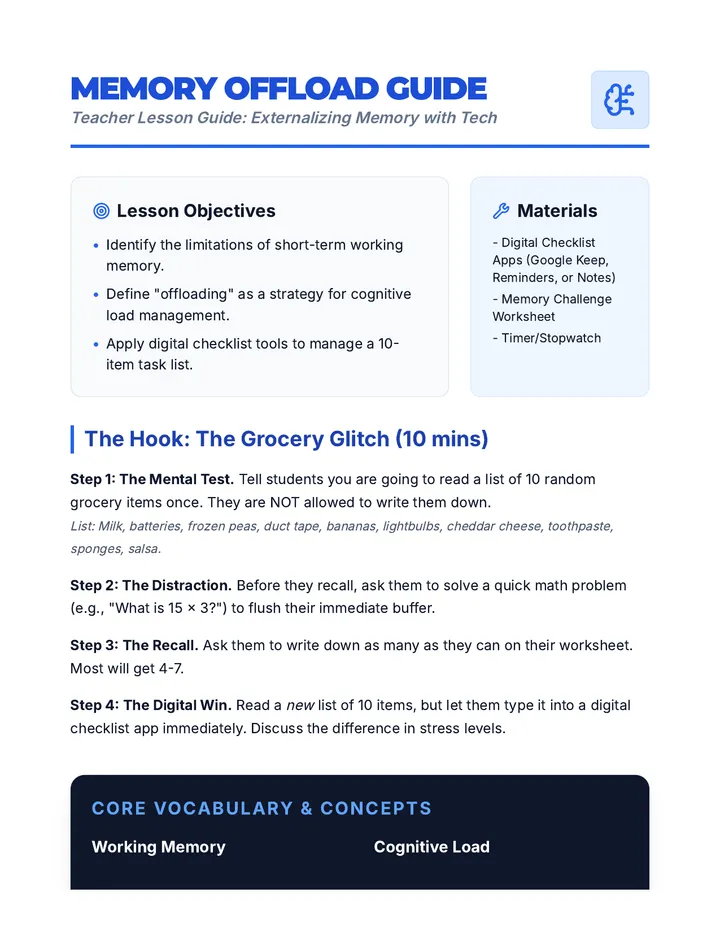
A 5-lesson unit for 8th-grade students focusing on using digital tools to offload working memory and manage cognitive load. Students learn to use task managers, focus modes, sequential reminders, and assistive speech technologies to create a personalized digital workflow for school success.
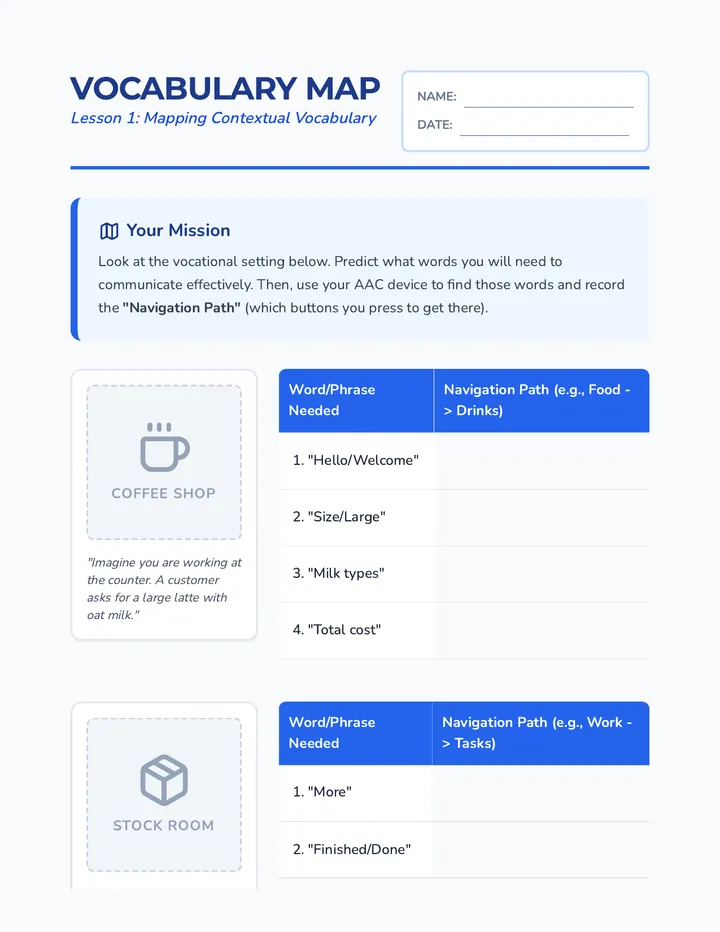
This sequence prepares 10th-grade students for the transition to community and vocational life by mastering the navigation of Augmentative and Alternative Communication (AAC) devices. Students progress from identifying context-specific vocabulary to navigating complex, multi-folder social and professional interactions.
A 5-lesson sequence designed for 6th-grade students, focusing on assistive technology through browser-based keyboard shortcuts. Students progress from basic interface navigation to complex, mouse-free research workflows.
This sequence empowers 9th-grade students to integrate Text-to-Speech (TTS) into their high school workflows through self-advocacy and digital organization. Students move from identifying reading barriers in their schedules to creating a professional Access Plan for their teachers.
This advanced graduate sequence focuses on the design and implementation of the Concrete-Representational-Abstract (CRA) framework for learners with mathematics disabilities. Students will move from diagnostic error analysis to the creation of comprehensive, evidence-based intervention plans.
A 5-lesson sequence designed for 2nd-grade students to master the use of visual timers and schedules for smoother activity transitions. Students explore time perception, learn to read various visual countdowns, and develop self-regulation strategies for independent transitions.
A 5-lesson sequence designed for 3rd-grade students to master the use of text-to-speech (TTS) technology for decoding informational texts, academic vocabulary, and non-linear text features like captions and sidebars. Students progress from decoding individual words to synthesizing information from multiple sources for research and presentation.
A sequence focused on empowering 3rd-grade students to customize their text-to-speech settings. Students experiment with speed, voice, and visual highlighting to create a personalized 'Assistive Tech Profile' for better reading retention and comfort.
This sequence teaches 3rd-grade students how to use text-to-speech (TTS) as a strategic tool for narrative comprehension. Students learn to use audio for identifying story elements, summarizing via the 'Listen-Stop-Think' routine, citing evidence by re-listening, and visualizing descriptive text.
A 5-lesson sequence for 3rd graders to master text-to-speech (TTS) technology. Students progress from identifying basic controls to independent 'ear reading' with grade-level digital texts.
A sequence for 2nd Grade students to master text-to-speech (TTS) as a tool for reading comprehension. Students transition from decoding mechanics to deep understanding by using auditory support to predict, pause, answer questions, visualize, and sequence stories.
A comprehensive 9-session curriculum for 6th-grade students to master executive functioning skills like organization, planning, self-control, and emotional regulation through the metaphor of becoming their own 'Brain CEO'.
A sequence for 6th-grade students focusing on identifying distractions, designing effective workspaces, and mastering time-management techniques like Pomodoro and single-tasking to improve executive function and focus.
A Kindergarten sequence focused on building cognitive flexibility and emotional regulation when visual schedules change. Students learn to use specific visuals like 'Oops' cards, substitution icons, and 'Surprise' markers to navigate transitions and unexpected events calmly.
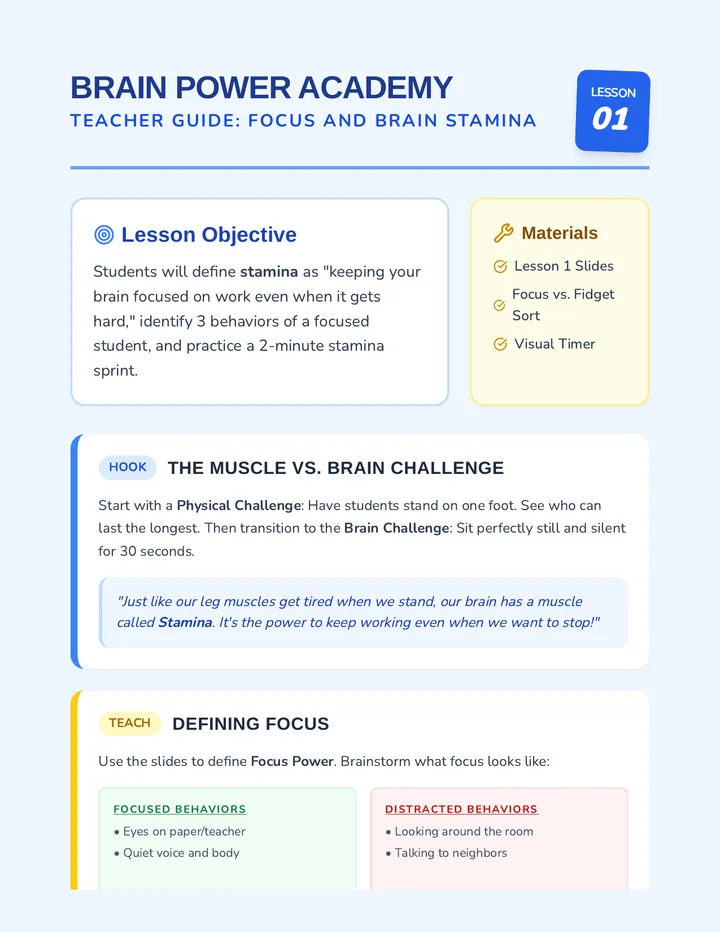
A comprehensive unit designed for 2nd-grade special education students to develop executive functioning skills, focusing on task persistence, stamina, and self-regulation through concrete strategies like chunking and positive self-talk.
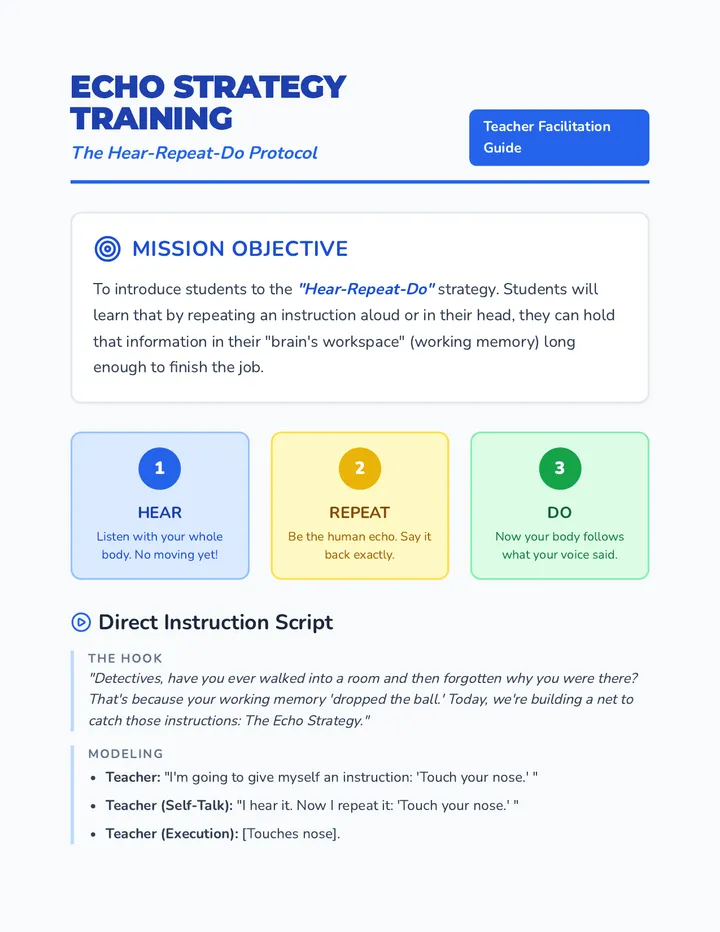
A specialized sequence for 4th-grade students to develop working memory through verbal rehearsal. Students practice the 'Hear-Repeat-Do' strategy, identify action keywords, utilize processing pauses, and verify their work to improve follow-through on single-step directions.
A 2nd-grade special education unit focused on executive function. Students learn to recognize the physical signs of being 'stuck' and categorize barriers into materials, comprehension, and environment.
A 2nd-grade Special Education sequence focused on cognitive flexibility, emotional regulation during transitions, and problem-solving when routines change. Students learn to transition from 'rigid' to 'flexible' thinking using the 'Plan B' detour metaphor.
This sequence teaches 11th-grade students with working memory challenges how to deconstruct complex academic prompts into single, manageable steps using masking, checklists, and verification protocols.
A 5-lesson sequence for 4th Grade students focused on developing metacognitive awareness of attention, utilizing timer techniques, internalizing positive self-talk, and designing supportive environments to sustain focus on complex tasks.
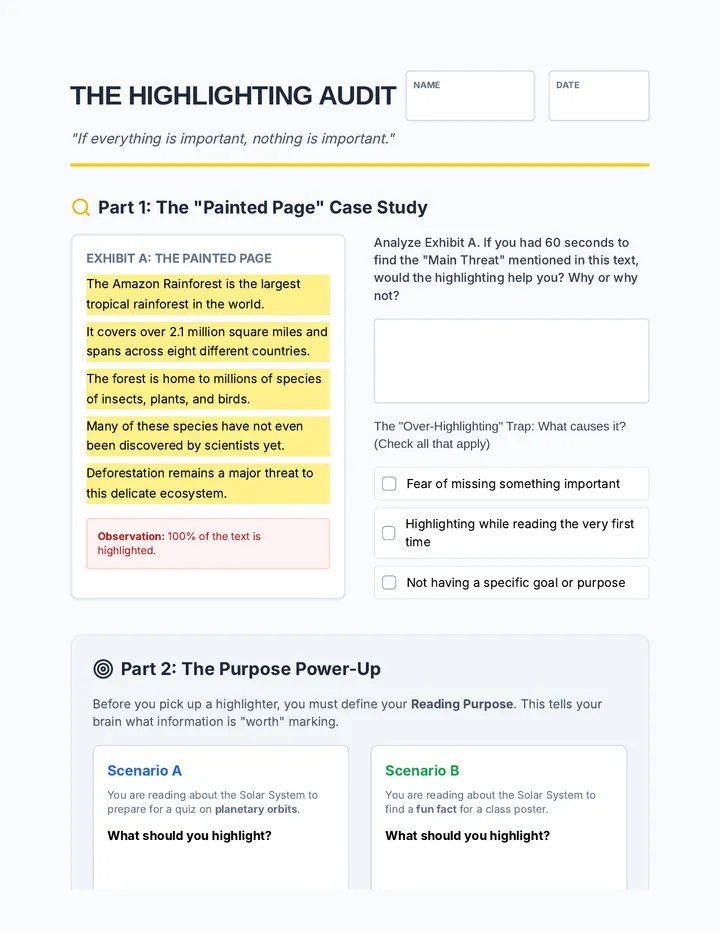
A 5-lesson sequence for 9th-grade students to master a systematic, three-color highlighting strategy, moving from identifying 'over-highlighting' pitfalls to independent application on non-fiction texts.
A specialized sequence for 6th-grade students focusing on working memory support through visual encoding. Students learn to transform auditory single-step directions into mental images and physical sketches to improve recall and task execution.
A 6-week social-emotional learning program for teenagers on the autism spectrum, delivered in focused 20-minute sessions. The program uses visual "blueprints" to teach energy management, body awareness, and Comic Strip Conversation techniques for emotional regulation and perspective taking.
An 8-week deep dive into Kafka's Metamorphosis for special education students, focusing on abstract thinking, social value, and the human condition through high-engagement activities and visual organizers.
A series of four 15-minute lessons designed for first-grade students with learning disabilities, focusing on developing attention skills to follow 1 and 2-step directions independently using kindergarten-level tasks.
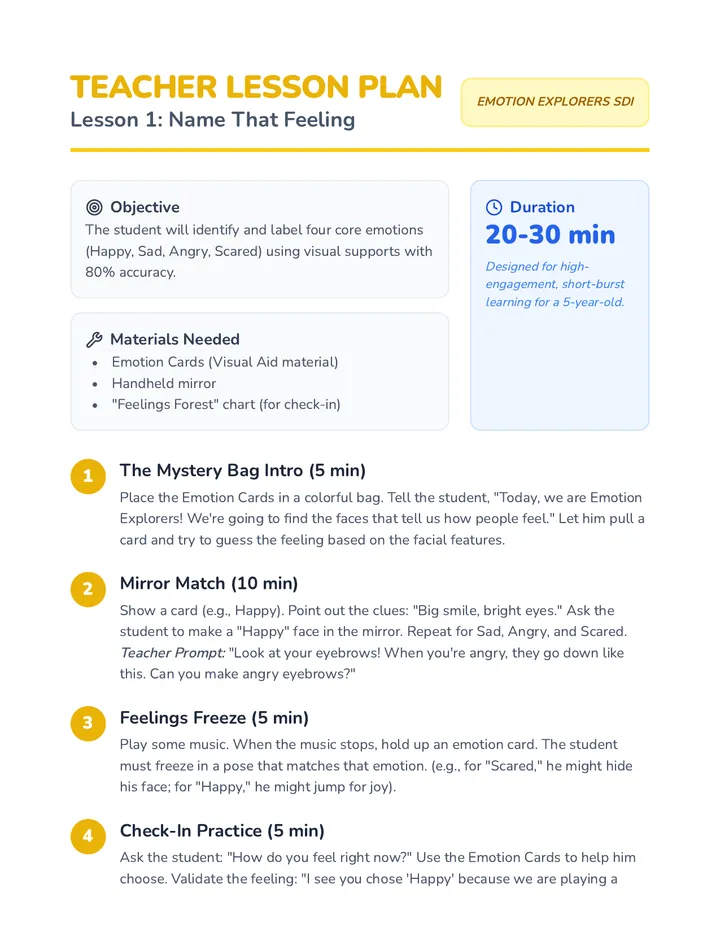
An 8-lesson SDI series designed for a 5-year-old student to develop emotional regulation skills, covering emotion identification, body awareness, and specific calming strategies like breathing and sensory tools.
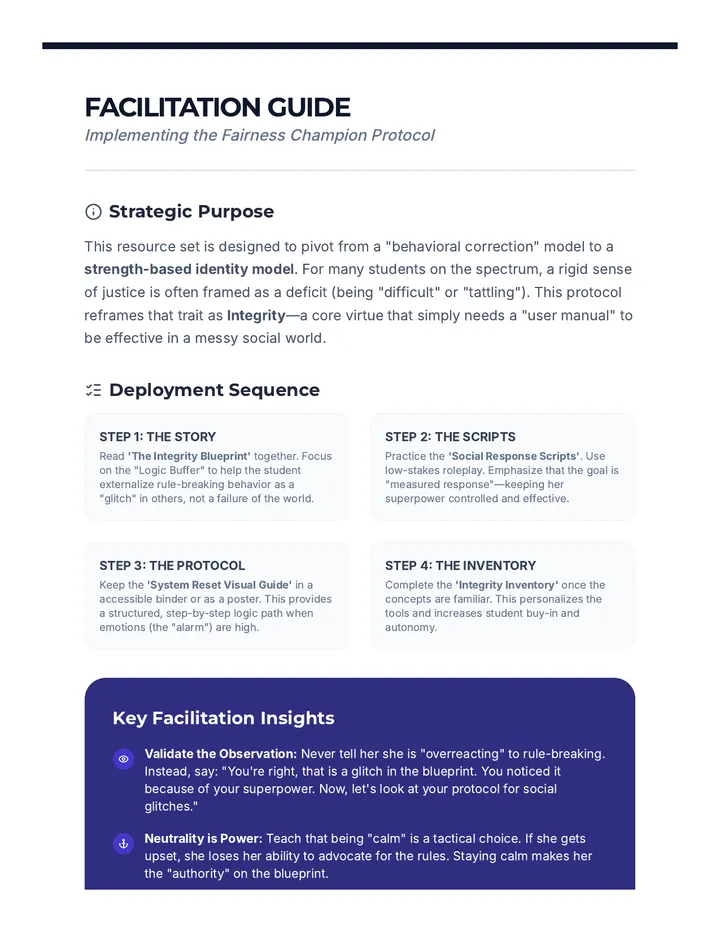
A 6-week social-emotional learning curriculum for a 13-year-old girl on the autism spectrum, focusing on managing specific triggers through a strength-based "Integrity Blueprint" lens.
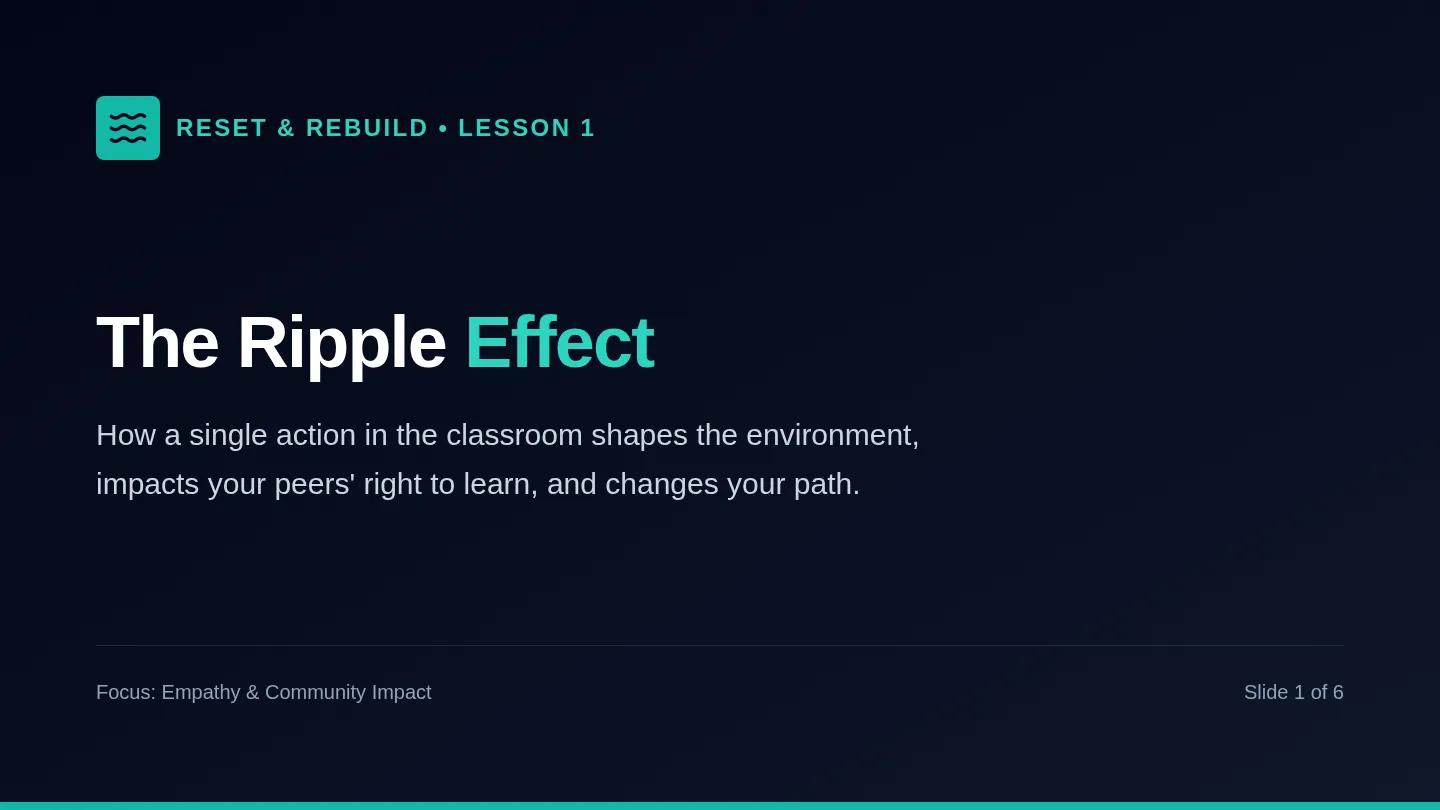
A ten-part progressive behavior intervention sequence designed for 7th and 8th-grade students who disrupt classroom environments. Each independent lesson contains a visual instructional slide deck and a reflective worksheet that guide the student through self-regulation, empathy, and accountability.
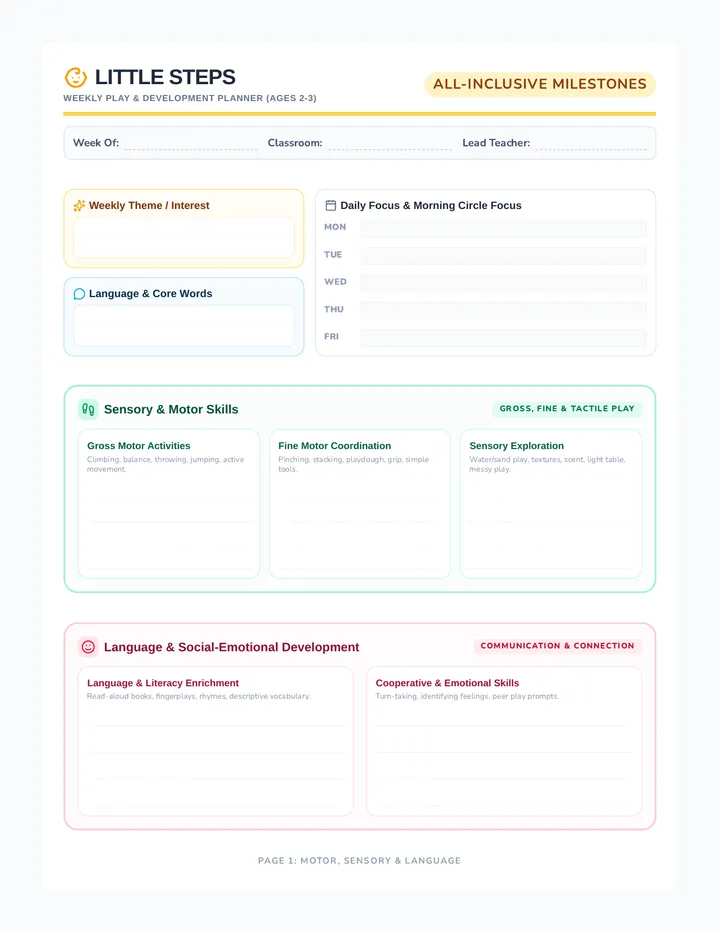
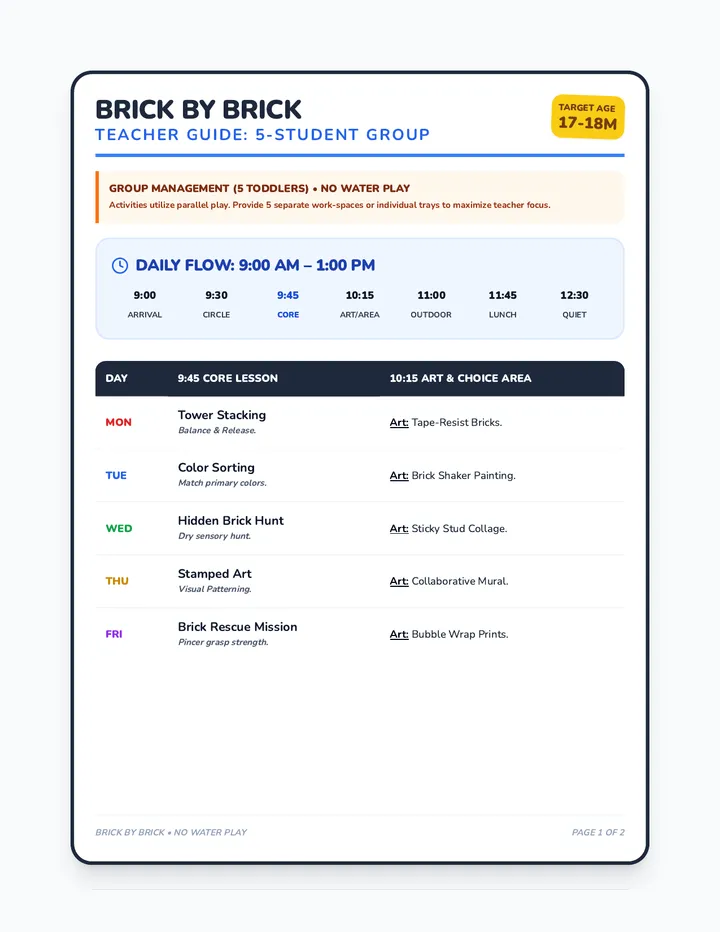
A collection of comprehensive week-long curricula for toddlers aged 17-18 months. Each themed week focuses on developmental play, sensory exploration, and fine motor skills for a group of 5 students with zero water play.
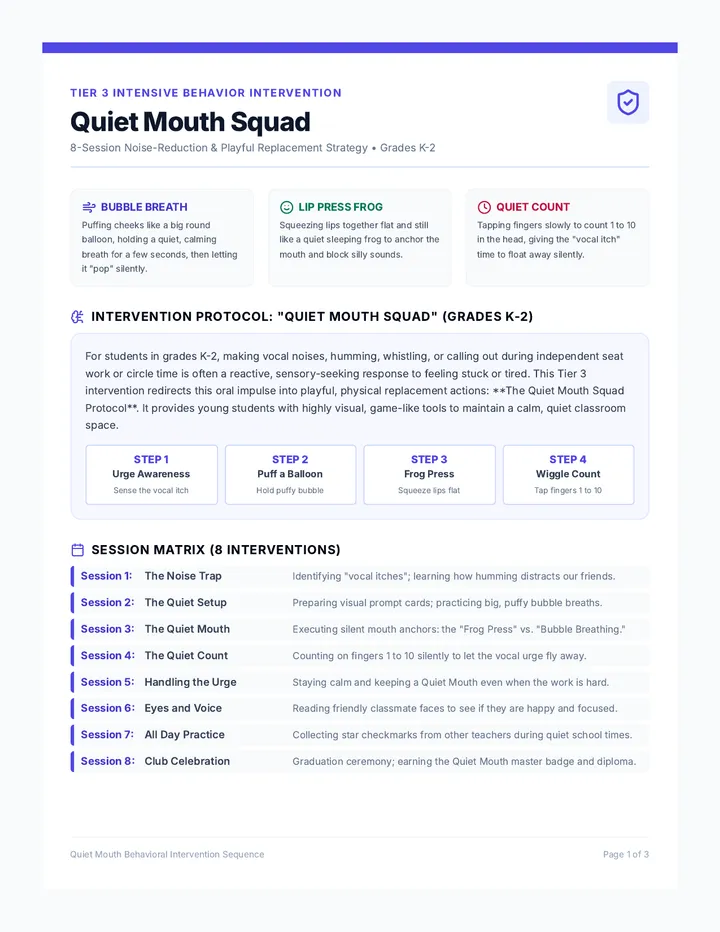
An 8-session intensive behavioral intervention sequence for students in grades K-2 targeting vocal noises, humming, or calling out during independent work. It teaches playful replacement behaviors: holding a quiet, puffy 'Bubble Breath' (like a balloon) or a firm 'Lip Press' (making a flat, silent mouth) to settle urges and maintain classroom focus.
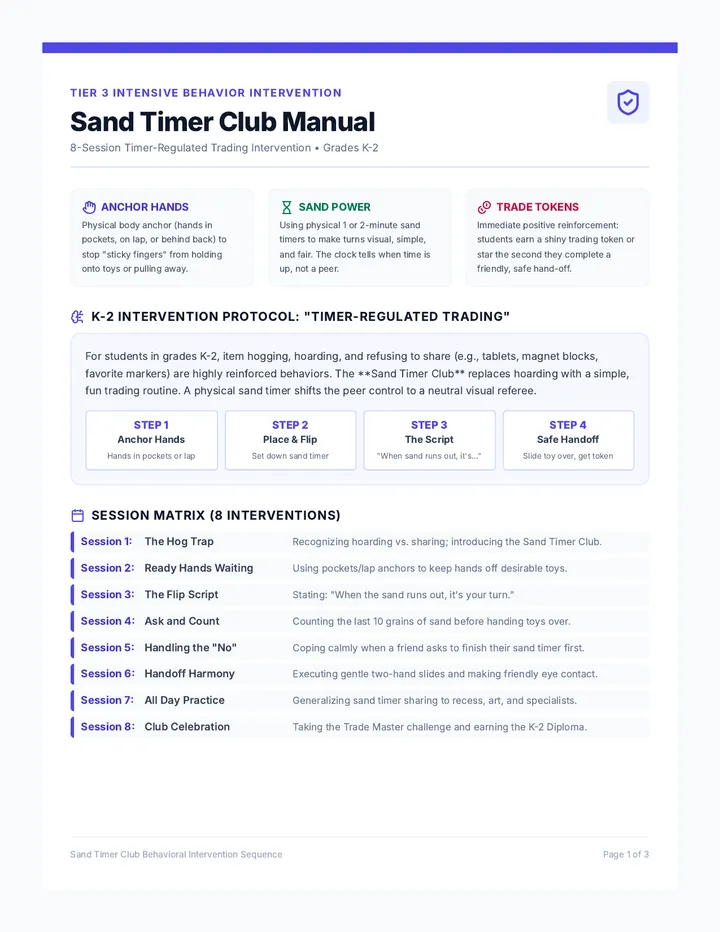
An 8-session intensive behavioral intervention sequence for students in grades K-2. It targets the reduction of item hogging and refusal to share, teaching a 'Timer-Regulated Trading' replacement behavior using sand timers, cooperative scripts, and token hand-offs.
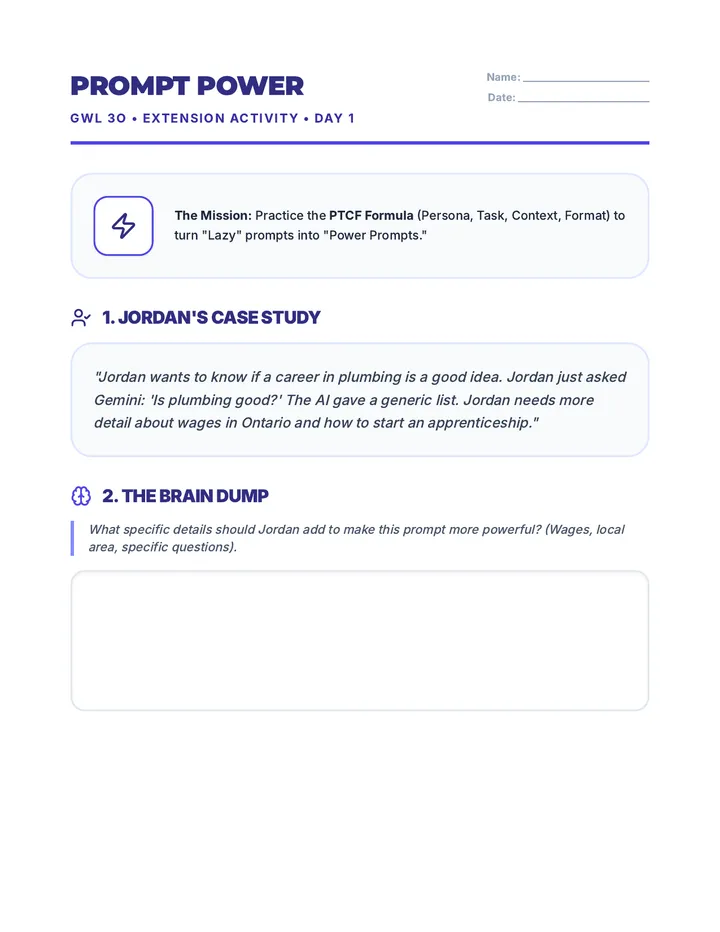
A comprehensive 7-day unit for Grade 11/12 Designing Your Future students, focusing on leveraging AI tools like Gemini for workplace and college success. Designed for special education contexts, it emphasizes self-advocacy, professional communication, research, and project management through visual and digital tasks.
A 6-week social-emotional learning curriculum designed for 4th-grade students with ADHD, focusing on self-regulation, flexible thinking, and respectful communication through a high-engagement 'Level Up' video game theme.
A 10-session social skills curriculum designed for 1st graders with autism and ADHD, focusing on social behaviors, boundaries, and emotional regulation using a "Social Stars" space quest theme.
A collection of highly visual, simplified resources designed for students with reading and word comprehension challenges to master the basics of Python programming.
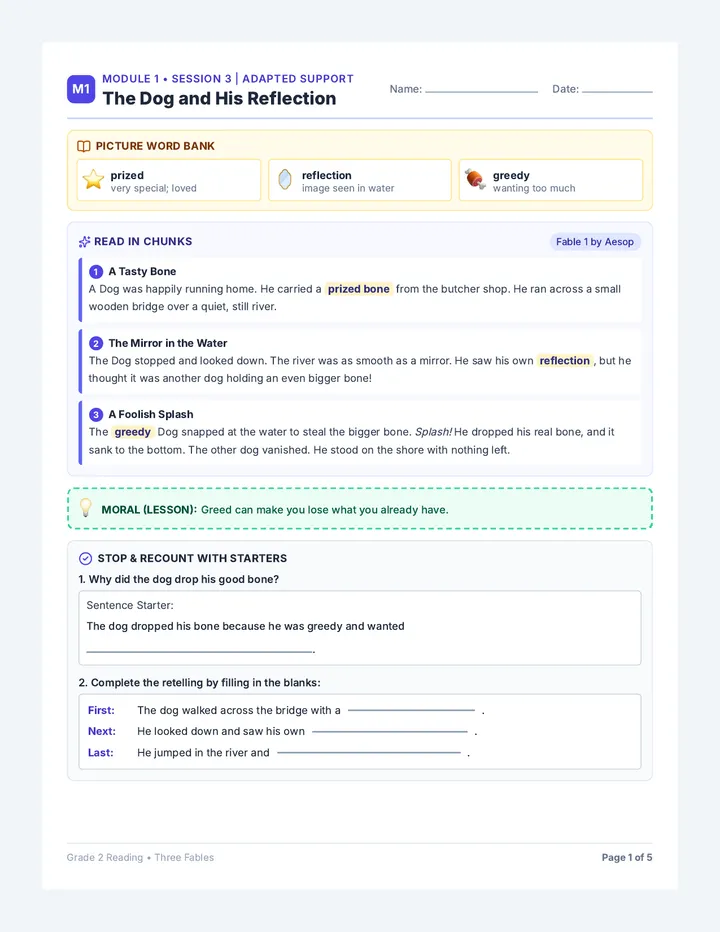
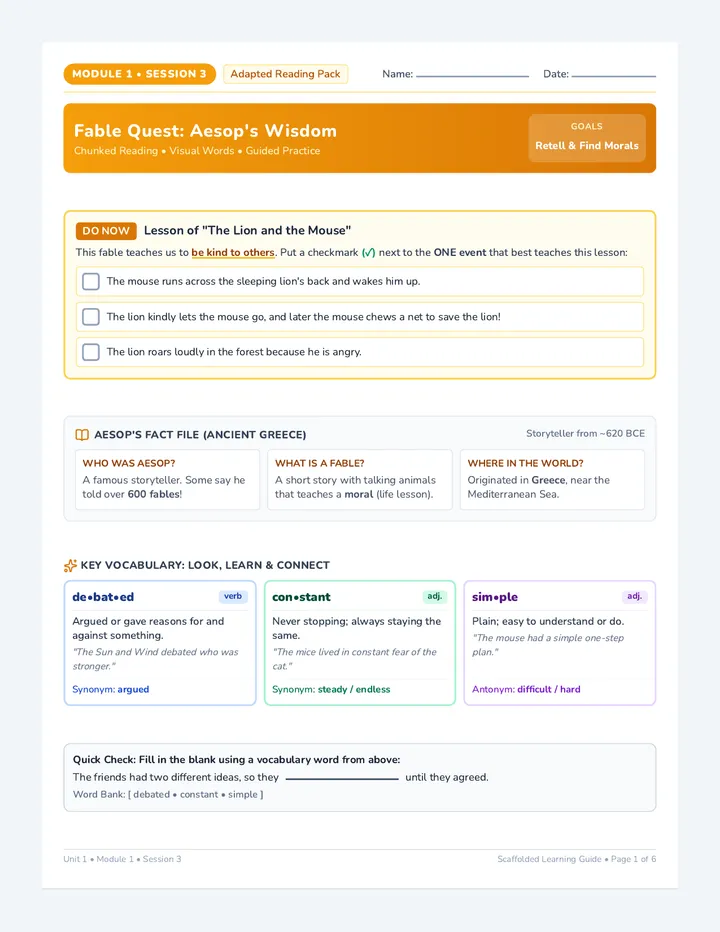
A collection of 10 longer, more complex short stories designed for 3th-4th grade level readers. Focuses on identifying character, setting, and plot elements through multi-paragraph narratives and literal comprehension questions.
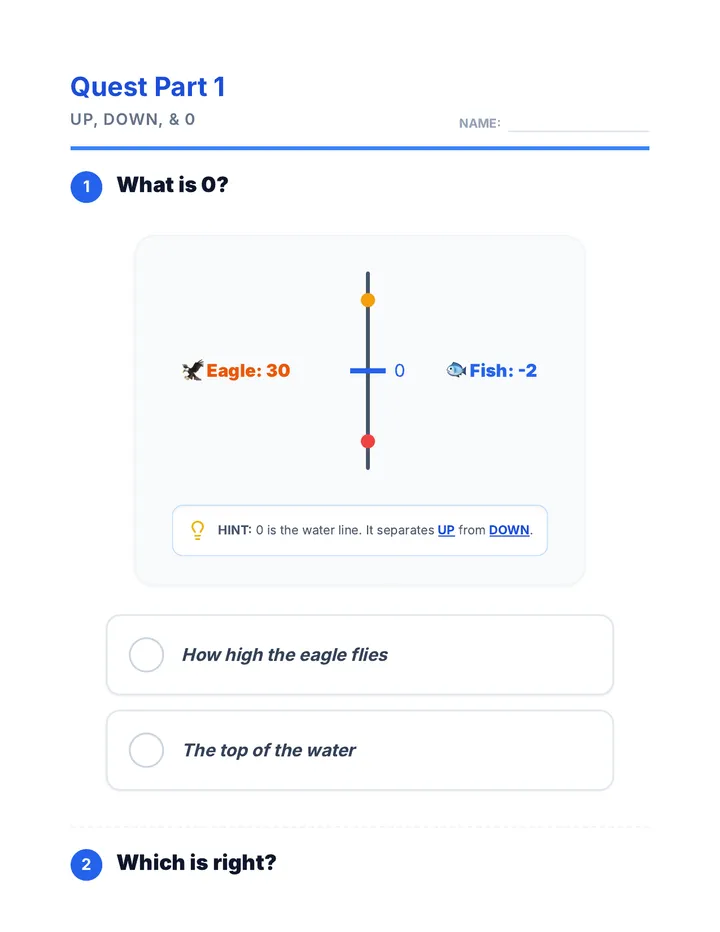
A modified version of the Grade 6 Module 6 Assessment, specifically designed for students with IEPs. The assessment is broken into bite-sized chunks with simplified language, visual supports, and reduced response options to increase accessibility.
A comprehensive lesson designed to help high school special needs students master counting mixed coins up to $1.00 using the Hairy Money visual strategy. Includes instructional slides, practice worksheets, and printable manipulatives.
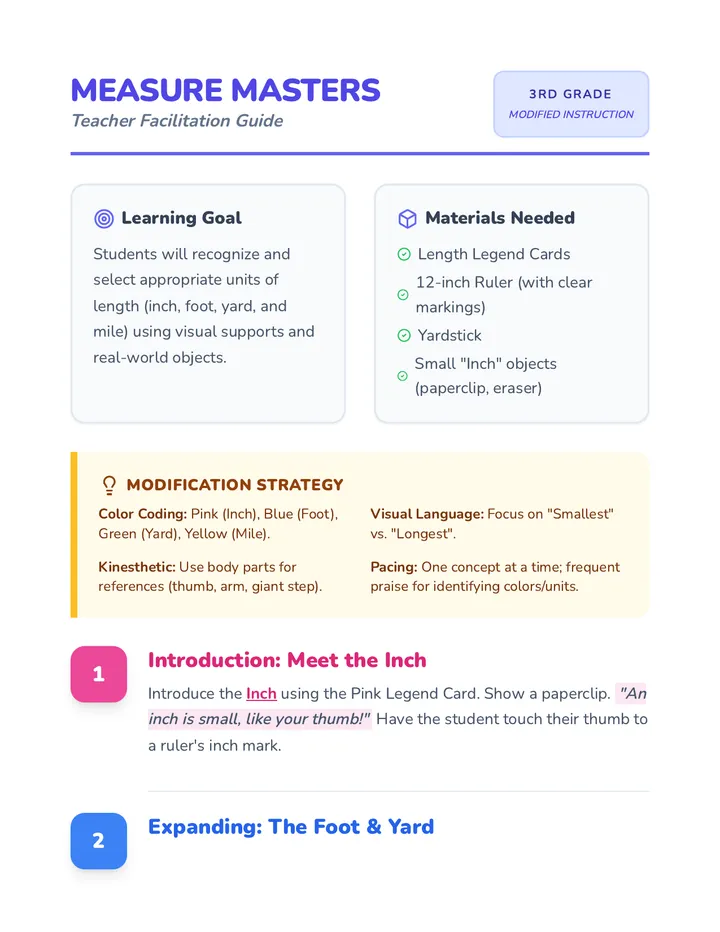
A modified math lesson for 3rd-grade students, focusing on understanding and comparing units of length (inch, foot, yard, and mile) through visual aids, color-coding, and hands-on activities.
A modified geometry lesson for 3rd grade students focusing on identifying sides, angles, and polygons through clear visuals and color-coded cues.
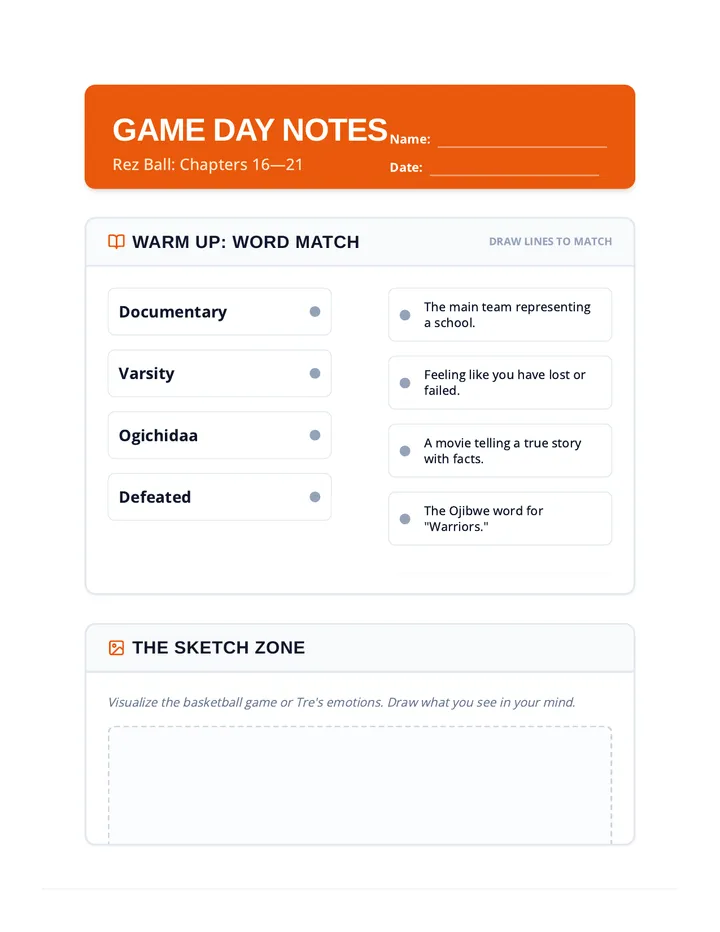
A reading guide and comprehension worksheet for Chapters 16-21 of 'Rez Ball', designed for 7th-grade Resource Room students to use during a class read-aloud.
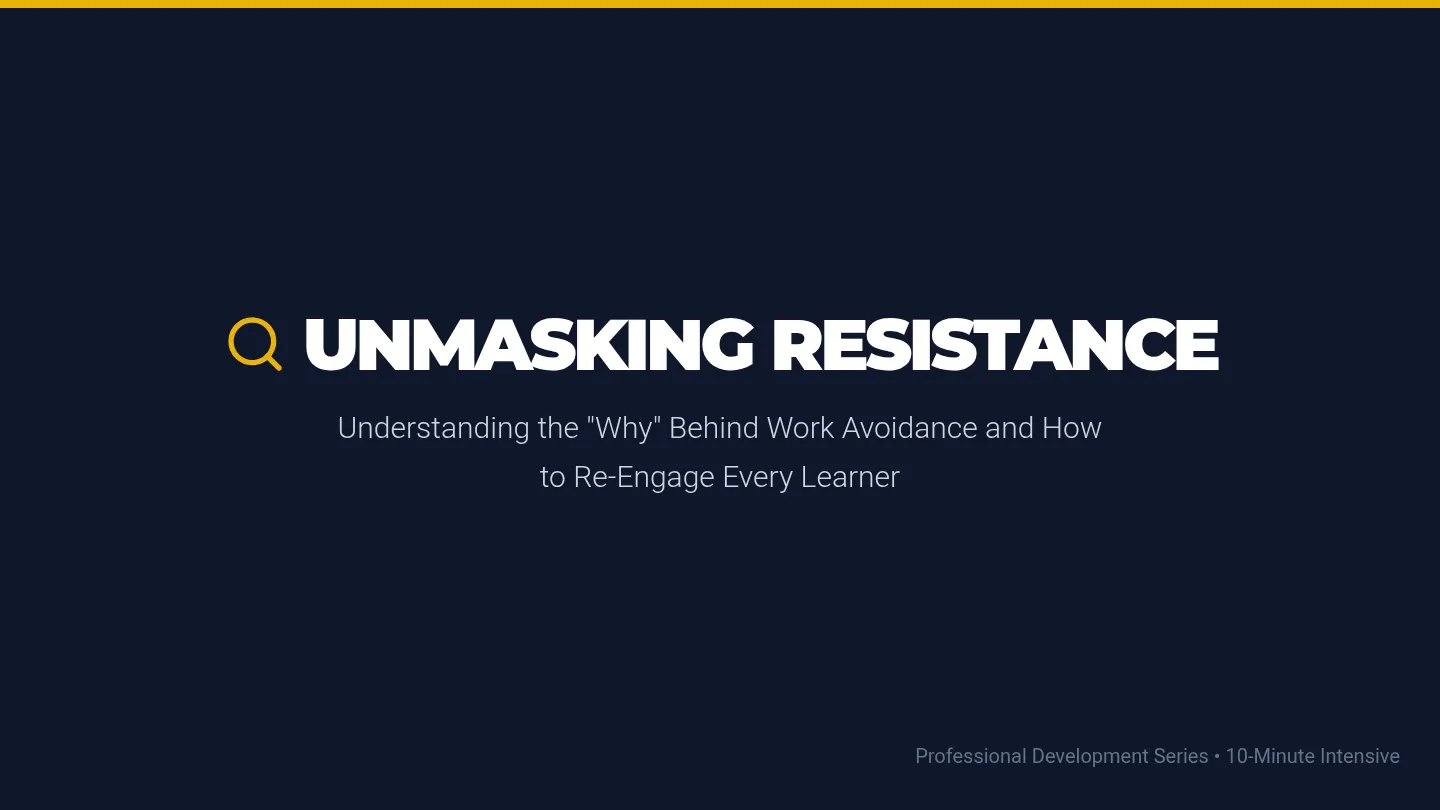
A short, high-impact PD session for school staff focusing on identifying the root causes of student work avoidance and implementing practical classroom strategies to boost engagement.
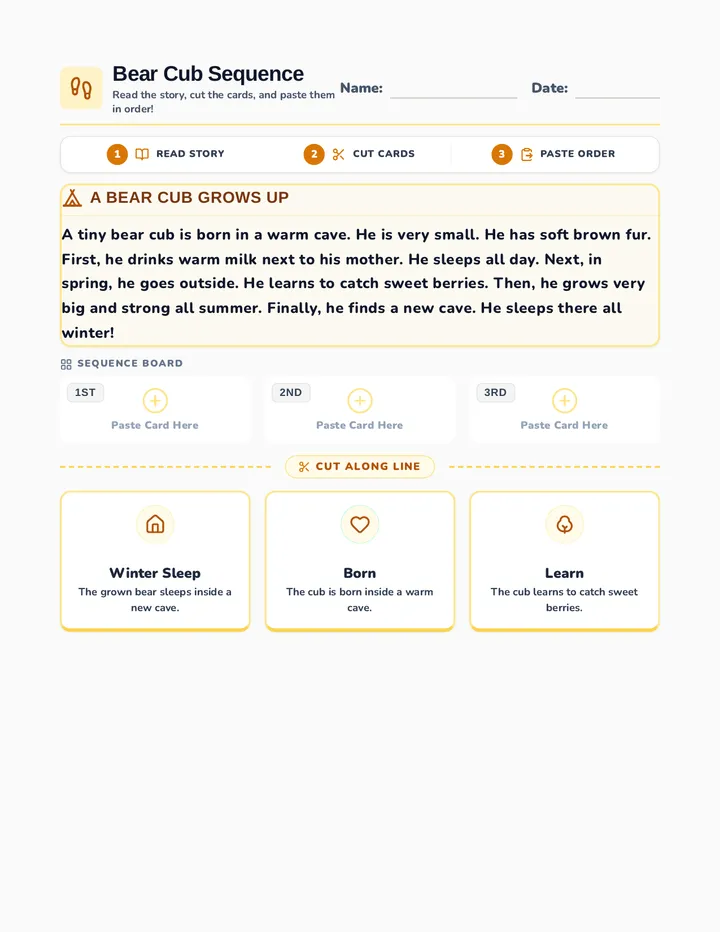
A structured, high-visual lesson designed for students with autism to practice 3-step sequencing using different animal life cycles. Includes printable worksheets with matching card designs.
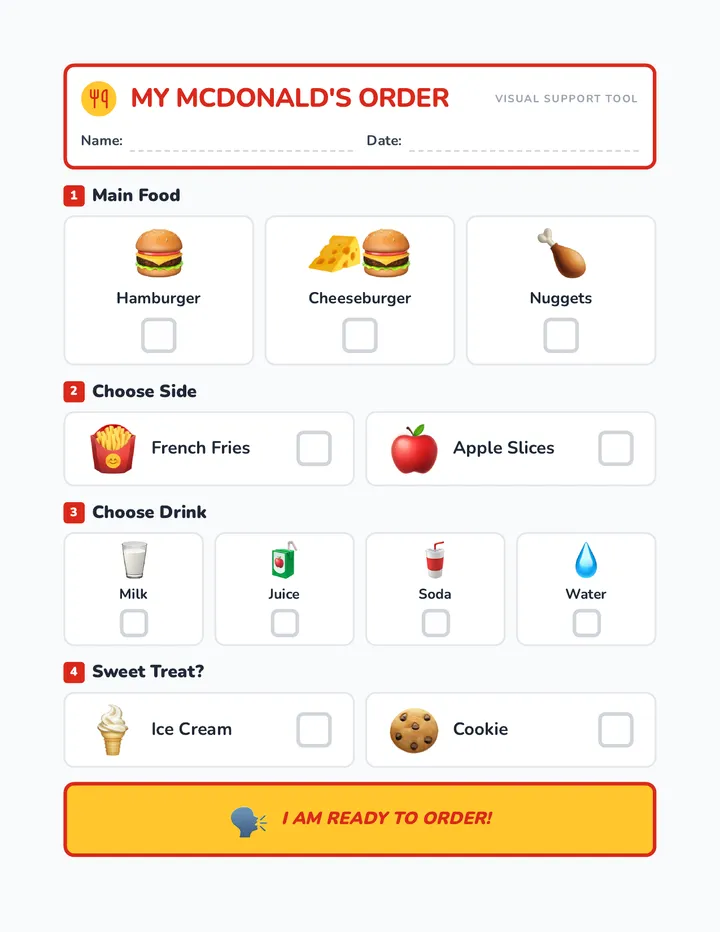
A set of visual supports to help students with special needs practice ordering and money skills at a fast food restaurant.
This lesson provides visual 'snapshot' cards for key moments and figures of the Battle of Gettysburg, specifically focusing on the environmental impact (wasteland) and General Robert E. Lee's leadership.
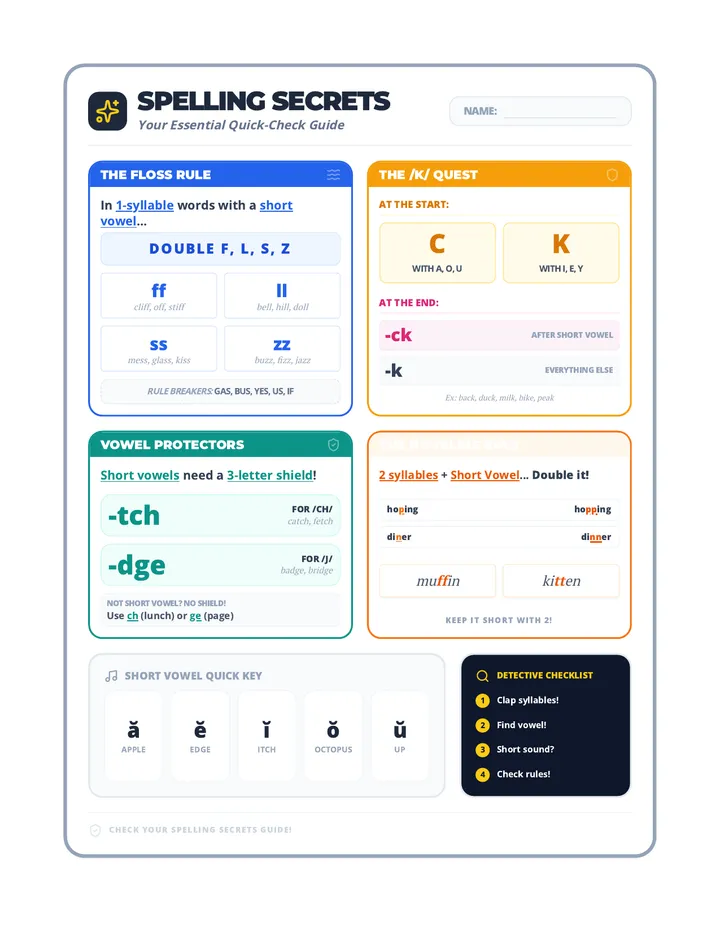
A focused 30-minute small group lesson for 2nd graders to master decoding CCVC and CVCC words with consonant blends through successive blending and hands-on sorting.
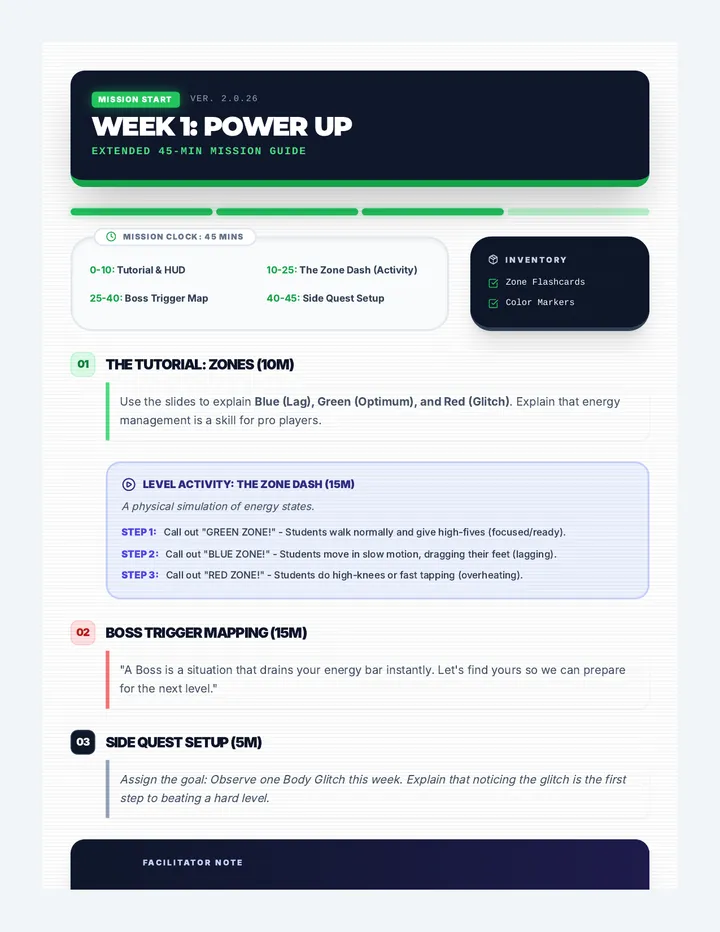
A professional development session focused on the GAIN MTSS framework for the Learning and Behavior Cycle. Participants will explore the neuroeducation of stress, stressload, and the eight specific zones of student regulation to implement more effective, attuned responses.
A comprehensive self-advocacy curriculum designed for young adults to navigate school, home, community, and the workplace with confidence. Focuses on personal identity (pronouns), legal rights (ADA/IDEA), and practical communication strategies.
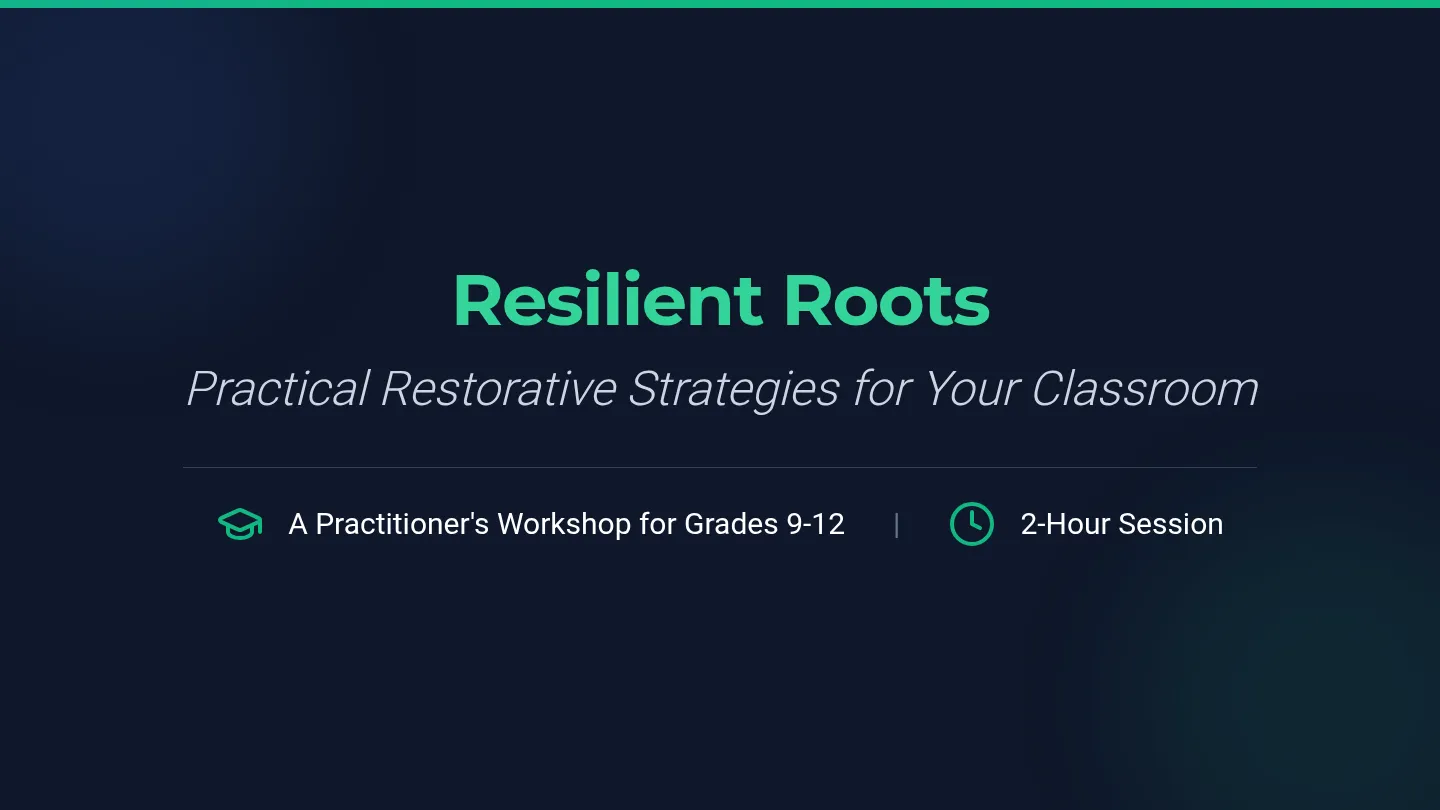
A professional development session for high school teachers focusing on restorative practices, emotional regulation, and the implementation of proactive care plans. This lesson equips educators with the tools to handle chronic emotional challenges and foster deep connection with students in grades 9-12.
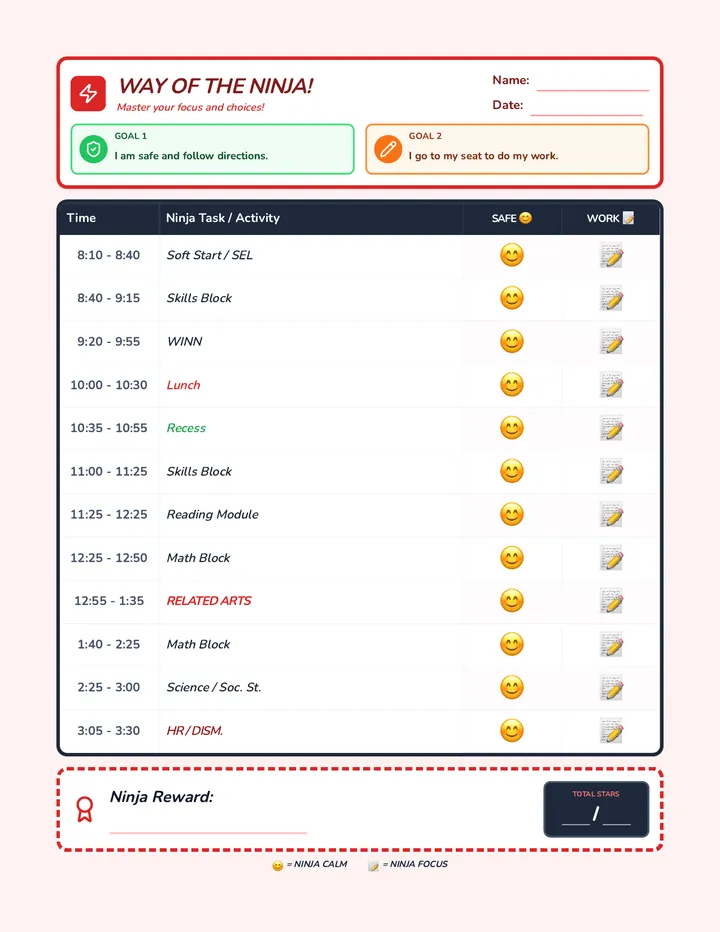
A comprehensive behavior tracking system designed for a 1st-grade student struggling with work refusal and transitions. The system uses a 30-minute incremental tracker, visual desk reminders, and a teacher implementation guide to foster safety and academic engagement.
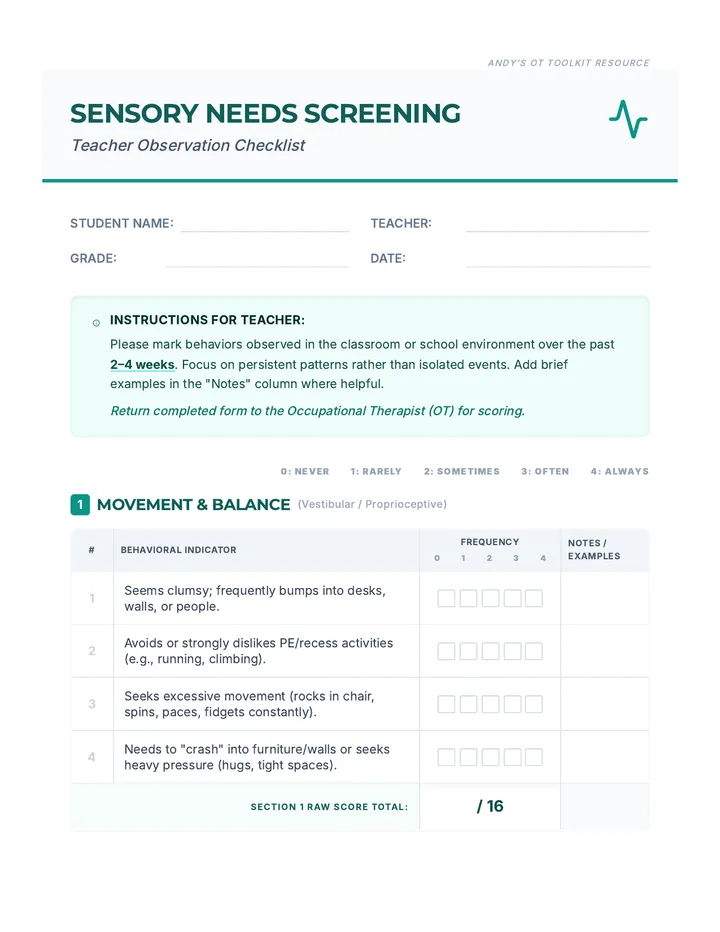
A comprehensive set of tools for teachers and occupational therapists to identify, score, and support students with sensory processing needs. Includes a screening checklist, a simplified scoring guide, and a classroom strategies handout.
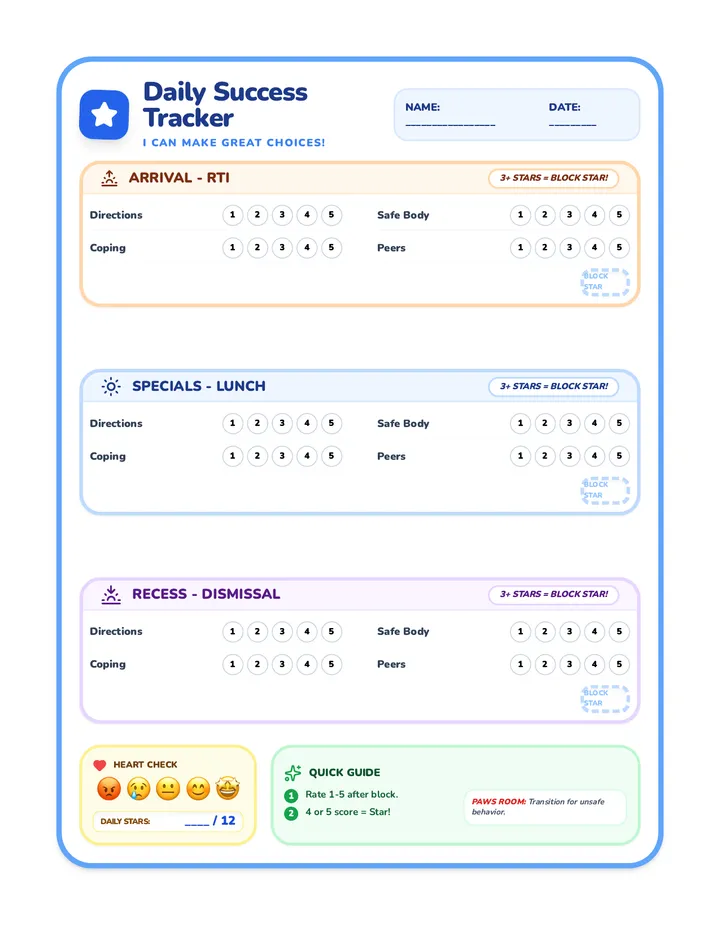
A comprehensive Tier 3 behavior support system for a second-grade student with ADHD, focusing on emotion regulation, safe choices, and positive reinforcement through a structured daily check-in/check-out (CICO) process.
A 20-minute Tier 1 lesson for exceptional children introducing the concept of personal space bubbles to improve social comfort and reduce task avoidance.
A comprehensive lesson designed to help a 3rd-grade student recognize and shift from 'stuck thinking' to 'flexible thinking' during transitions and writing tasks. Includes a social story, role-playing, and tangible strategy cards.
A comprehensive social story and supporting tools designed for an academically advanced 2nd grader to manage non-preferred tasks, transitions, and big emotions using verbal communication and solution-seeking strategies instead of screaming or eloping.
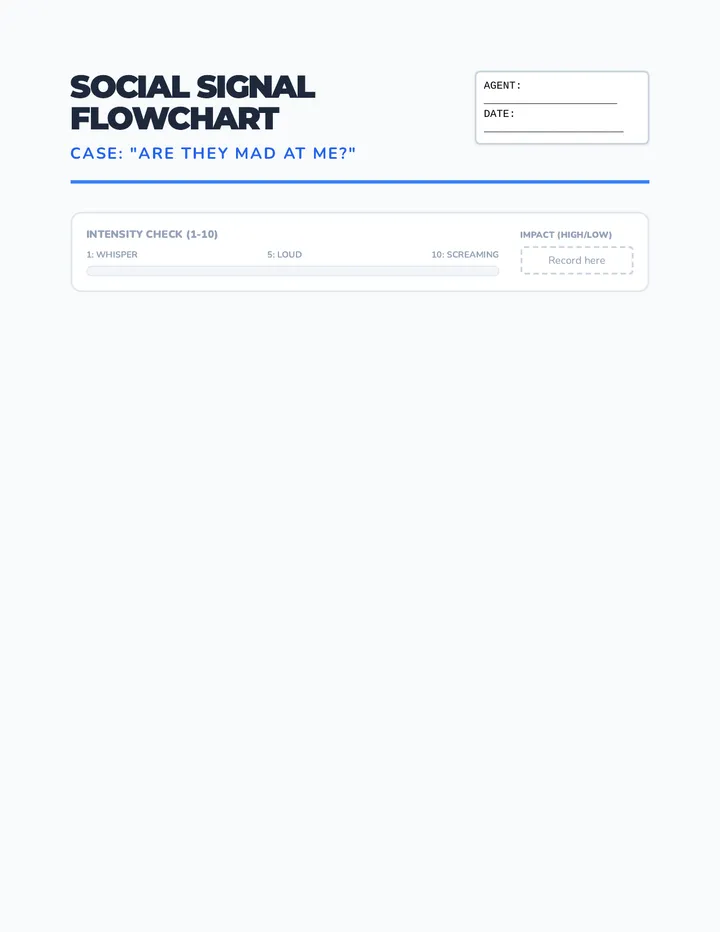
A set of cognitive behavioral tools and flowcharts designed to help students with OCD navigate intrusive thoughts about social rejection and moral scrupulosity.
A high-energy, superhero-themed lesson designed for students with autism to learn the 'superpower' of self-advocacy. This lesson covers standing up for oneself at home, school, and in the community through interactive slides, stories, and games.
A collection of graphic organizers and strategies designed specifically for AuDHD teenagers to manage executive functioning and stress during GCSE exam preparation.
A comprehensive 3-hour one-on-one session designed for adults with disabilities, covering pre-interview routines, professional presentation, and effective communication strategies during a job interview.
A behavioral tracking system designed to help students manage work completion and social interactions across subjects using daily point sheets and reflections.
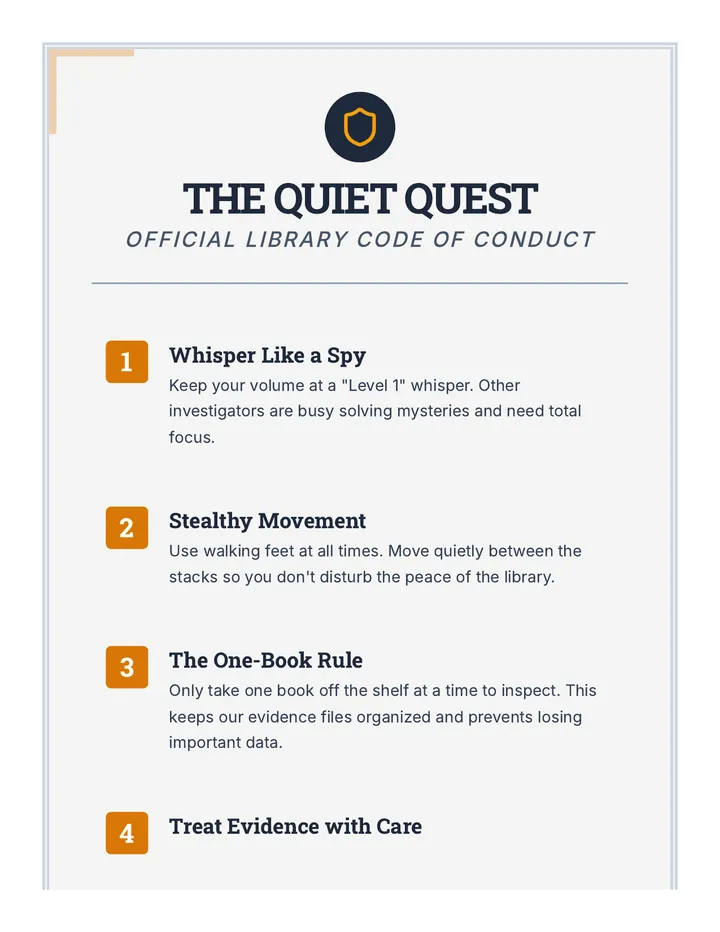
A comprehensive set of resources to teach students how to navigate the physical library and critically evaluate online information using a detective-themed approach.
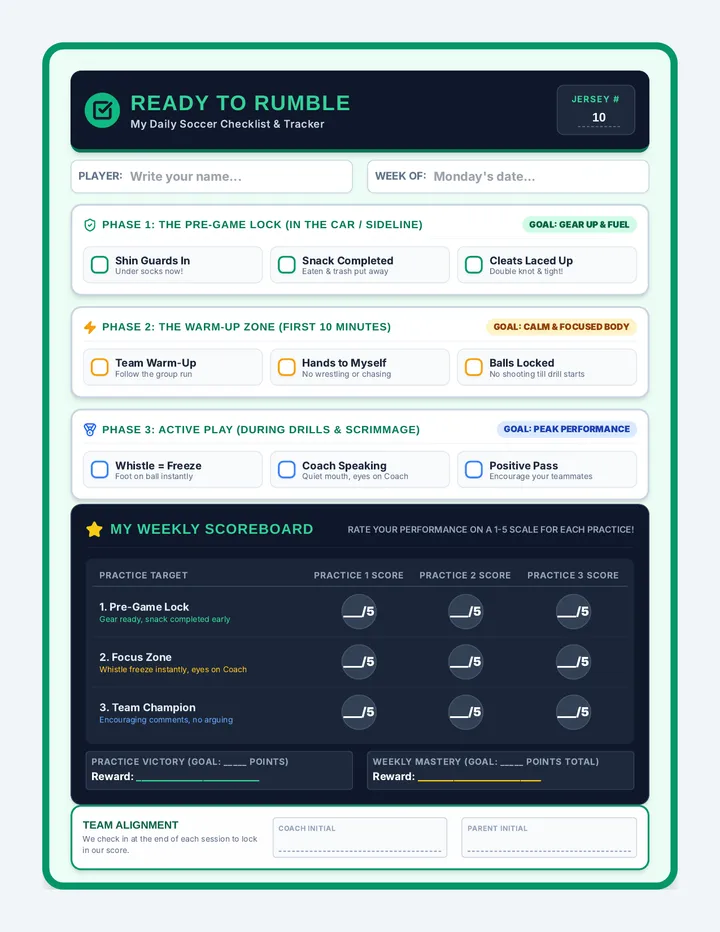
A comprehensive behavior modification support system designed for coaches, parents, and a high-energy 10-year-old player. It targets pre-practice preparation, in-session focus, impulse control, and emotional regulation during soccer practice.
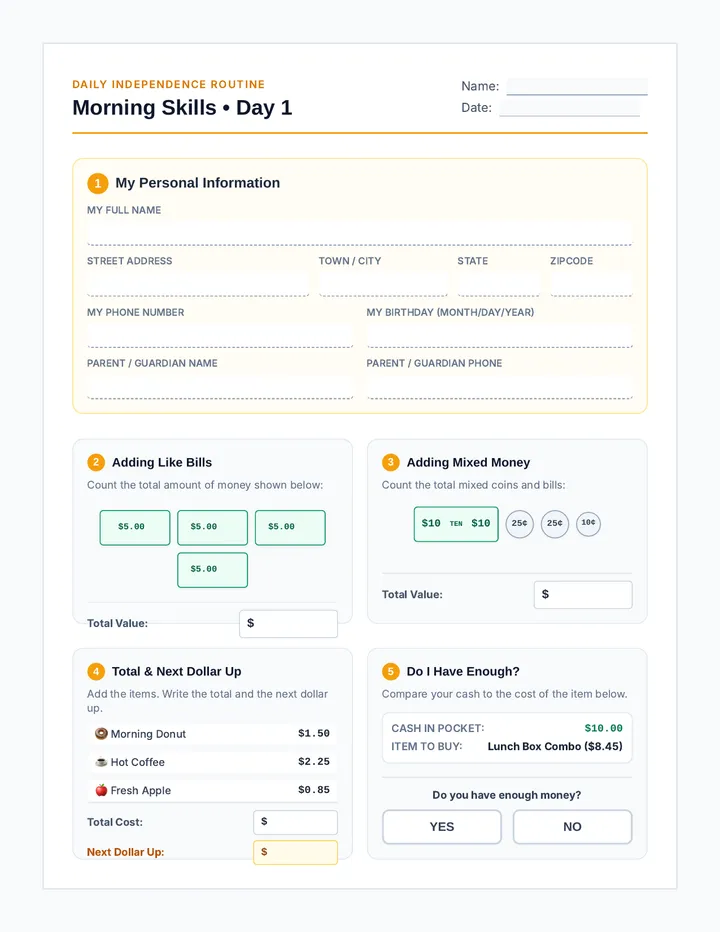
A comprehensive life skills rotation lesson covering budgeting, social interactions at a cafe, job skills (stocking/packing), and self-advocacy through role-play and game-based learning.