Mnemonic strategies, information chunking, and visual supports for processing and retaining classroom information. Strengthens focus on complex tasks and multi-step directions through organized note-taking and graphic organizers.
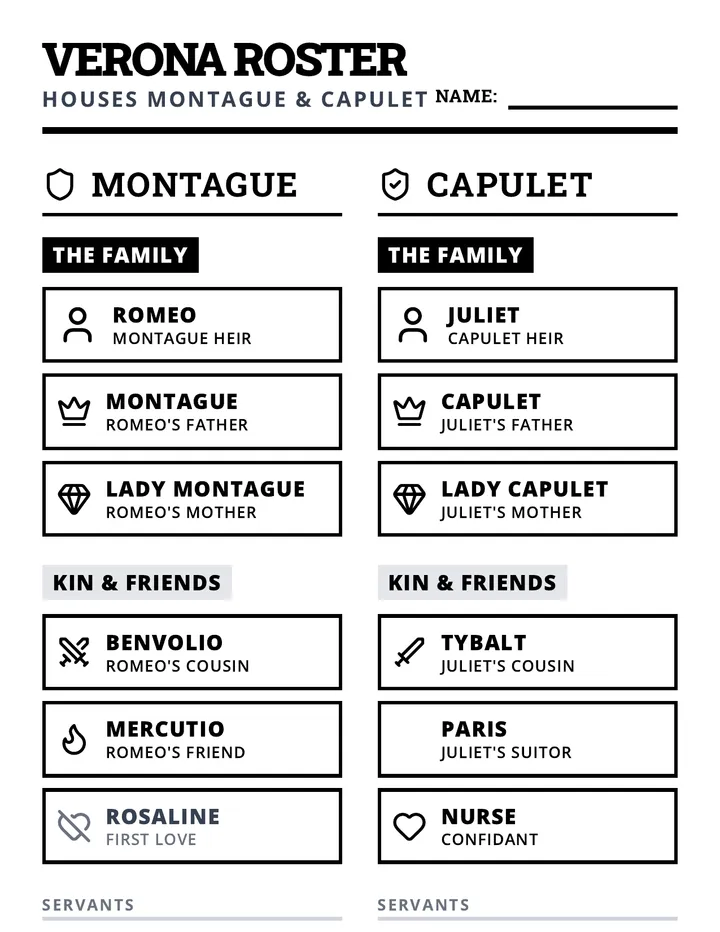
A specialized character list for Romeo and Juliet, optimized for dyslexia and vision impairments. Reverts to the two-column layout with 1-2 word descriptions, and is structured for front-and-back printing with family houses on the front and neutral characters with a large note area on the back.
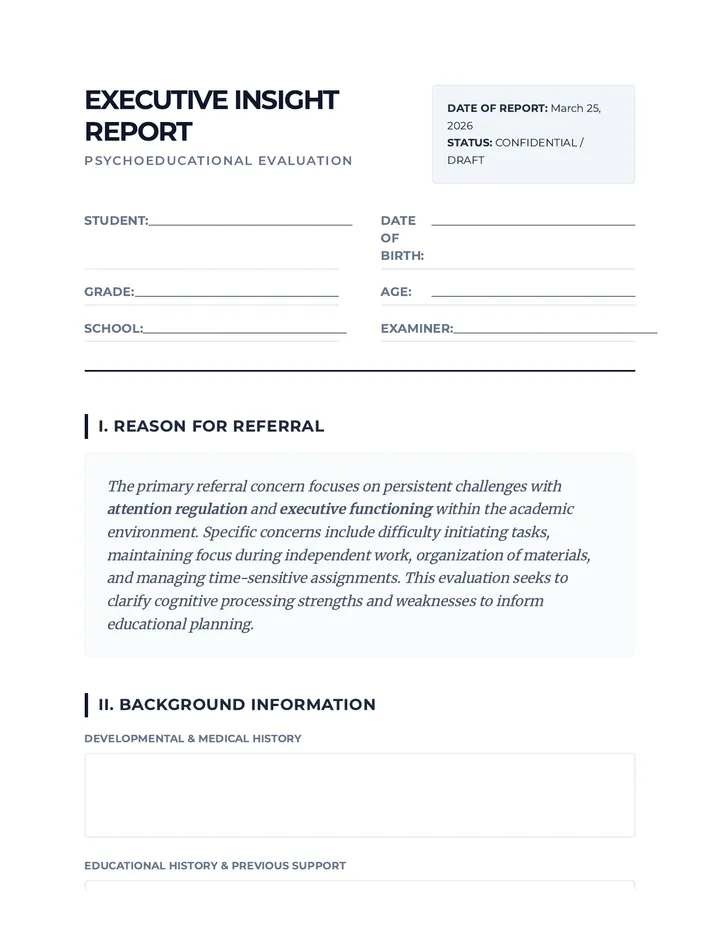
A professional and comprehensive psychoeducational report template specifically designed for evaluations focusing on attention and executive functioning. It includes structured sections for demographics, referral reasons, assessment batteries, behavioral observations, cognitive results, and detailed strategic recommendations.
A refined, compact one-page flyer for neurodiverse students featuring 8 free productivity and regulation apps. Includes specific search/URL instructions for each app and essential tips for managing low data/storage.
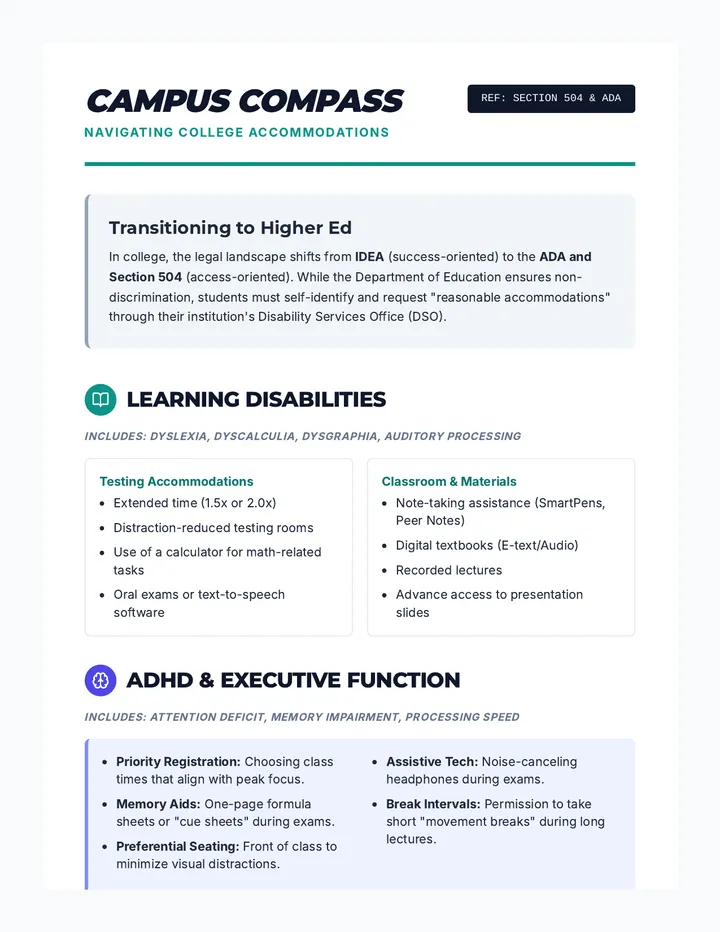
A two-page informational handout titled 'Campus Compass' detailing commonly approved college accommodations categorized by disability. It includes specific examples for learning disabilities, ADHD, physical mobility, sensory impairments, and psychological health, along with transition tips for students.
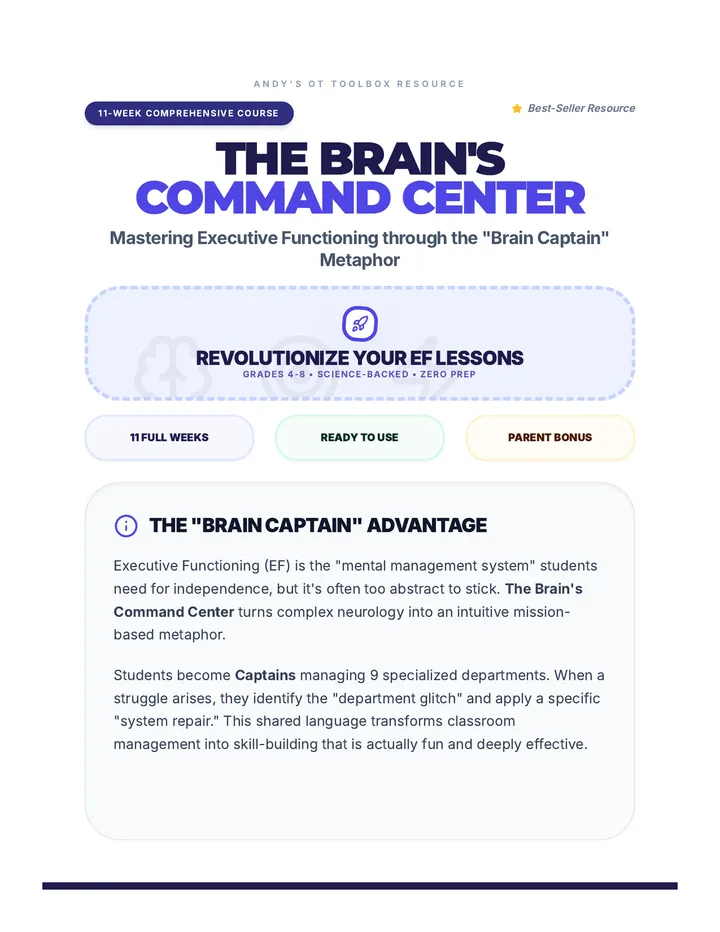
A 5-page Teachers Pay Teachers (TpT) product page for an 11-week Executive Functioning course, featuring a bold 'Command Center' theme, departmental skill highlights, parent guide mockups, and testimonials. Page 4 has been adjusted to ensure the 'missions' text is fully visible without cutoff.
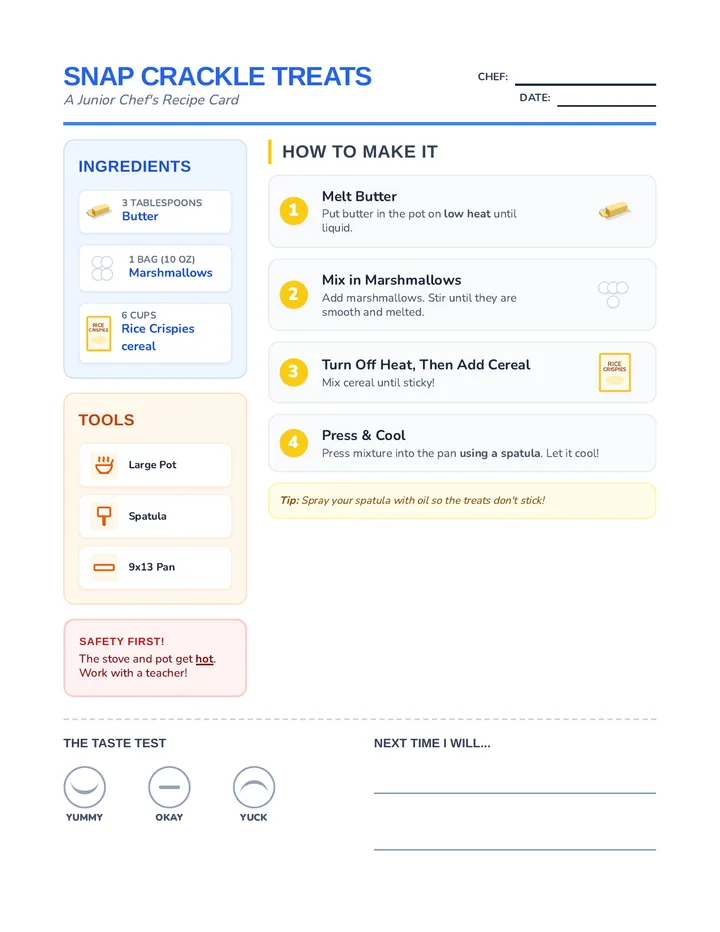
A simplified, single-page picture recipe for Rice Krispie treats. It features illustrations for the three core ingredients (including a labeled Rice Crispies box) and the three kitchen tools, with clear stovetop instructions and an expanded student reflection area. Safety instructions have been updated for a classroom setting. Step 3 heading explicitly includes turning off the heat. Cereal is labeled as "Rice Crispies cereal" in the ingredients list.
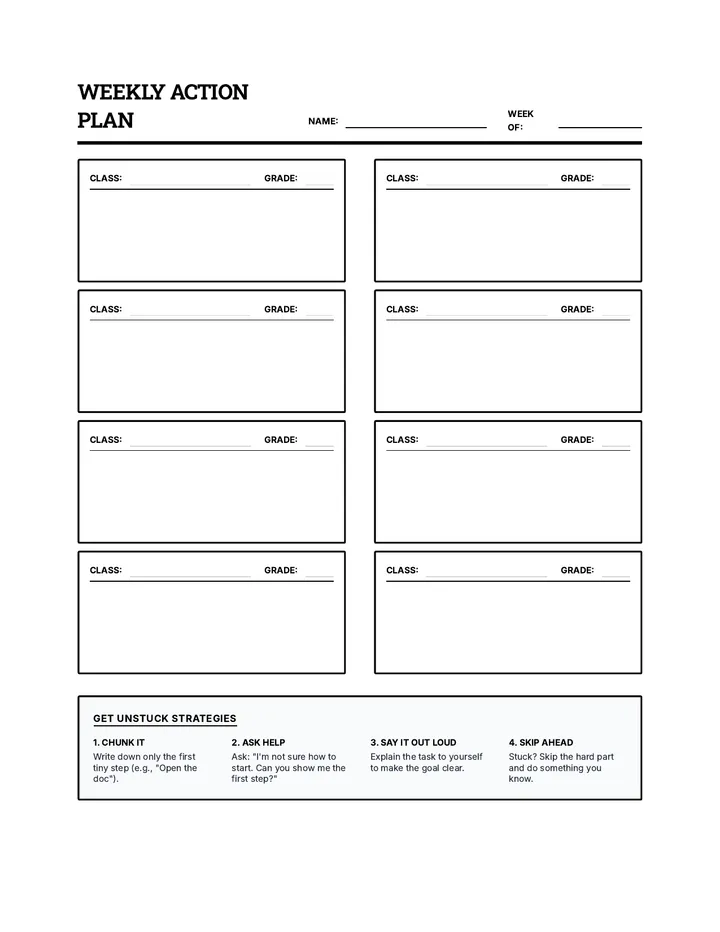
A highly efficient, single-page Weekly Action Plan designed for students with executive functioning needs. It features 8 streamlined class boxes with space for subjects and grades, plus a concise footer with 'Get Unstuck' strategies, all formatted to fit within a single printable page.
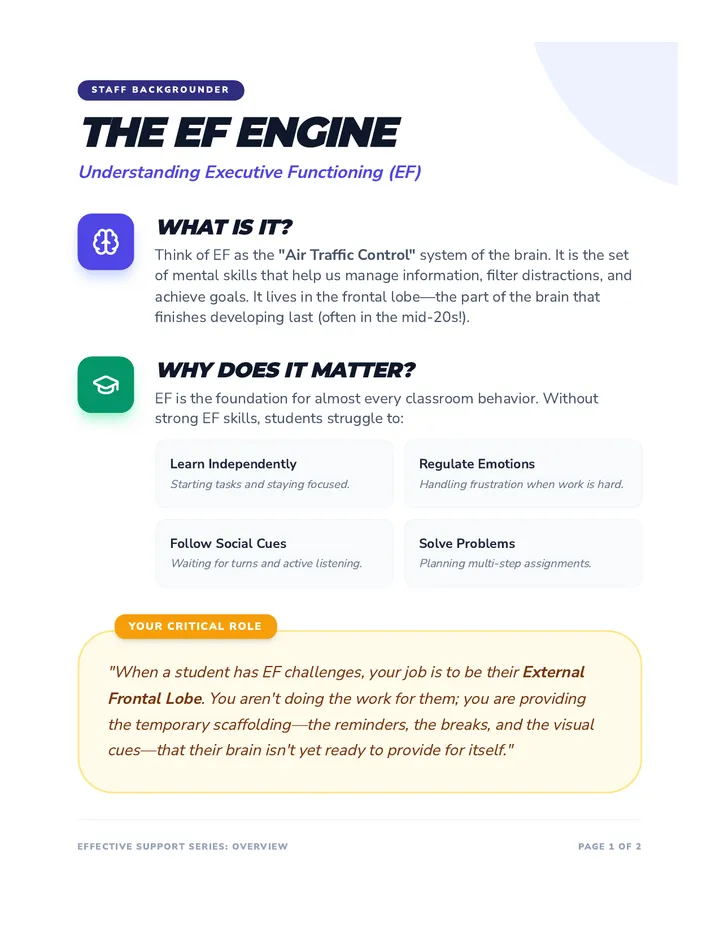
A two-page resource for teaching assistants. Page 1 provides a concise overview of what executive functioning is and why it's critical for student success. Page 2 contains four printable, color-coded reference cards with "look-fors" and actionable classroom strategies, sized to fit perfectly on a single sheet.
A bold, vertical "End of Day Checklist" for a student cubby. It includes visual icons for lunchboxes, water bottles, papers, jackets, shoes, and a cleared desk.
A 10-trial Minecraft-themed slide presentation that teaches students how to compare and contrast objects based on color, shape, size, function, and category. Each slide presents a pair of game items like blocks, tools, or mobs, prompting students to identify similarities and differences.
A set of large-format visual recipe task cards for 3-Ingredient Apple Muffins, with one card per page. Designed for easy viewing in a classroom or kitchen, these cards feature bold line-art illustrations, a tools checklist, and step-by-step baking instructions.
A professional teacher-facing diagnostic and therapeutic guide featuring 20 progressively complex Grade 2 sentences. Includes a structured step-by-step reauditorization cueing hierarchy, tracking checkboxes for clinical/classroom recording, and scoring guidelines.
A simplified, accessible, and high-contrast version of the editing checklist designed for students with challenges in reading, writing, and executive function. It uses chunked micro-steps, extremely clear visual symbols, direct vocabulary, and a distraction-free, structured layout to support self-regulation and focus.
An upgraded IEP-friendly inferencing worksheet featuring slightly more complex paragraphs, abstract inferences (emotions, changes over time, past memories), visual choices, and traceable sentence frames to build student reasoning.
A 12-step review workbook based on the Wilson Reading System, specifically designed with high-school appropriate vocabulary and a professional aesthetic. It includes clear explanations of each phonetic element, word lists, and student practice areas for structural analysis.
A comprehensive unit focused on developing core executive function skills for high school students, including planning, organization, cognitive flexibility, and self-regulation.
A foundational math sequence for special education students (grades 5-6) focusing on algebraic thinking and spatial reasoning through highly visual, themed units.
A multi-lesson unit for 4th-grade students with limited literacy, focusing on mastering and applying foundational academic vocabulary words like fact, information, alike, difference, and topic.
An 8-week comprehensive group program designed for high school students to develop core executive functioning skills through cognitive strategies and behavioral systems.
A comprehensive 10-week instructional module designed to build and refine 9 core executive functioning skills including goal setting, organization, and self-regulation.
A 9-week executive functioning curriculum for 9th-grade students, focusing on task initiation, self-monitoring, sustained engagement, and self-advocacy through a space-mission theme.
A 4-session executive functioning program designed for Grade 9-10 students to develop self-awareness, time management, organizational systems, and effective study habits.
A comprehensive 11-lesson module (Intro, 9 skill weeks, and Review) designed for 6th-12th grade students to master executive functioning skills through a neuroscience-informed, "Command Center" framework. Each lesson balances theoretical understanding of the prefrontal cortex with practical, high-level strategies for academic and personal success.
A comprehensive three-year executive functioning curriculum for middle school students in grades 6-8. This curriculum targets emotional control, focus, planning, time management, working memory, and metacognition through interactive lessons, student worksheets, and visual anchor charts.
A 5-lesson sequence designed for 11th-grade students to master the Cornell Note-Taking System. The curriculum focuses on reducing cognitive load and supporting working memory through structured page formatting, keyword identification, synthesis, and retrieval practice.
A professional development series designed to equip educational support staff with practical, grade-appropriate strategies for improving student independence and executive skills.
A 5th-grade sequence focused on using Text-to-Speech (TTS) technology as a cognitive strategy for reading comprehension. Students learn bi-modal reading, text chunking, evidence collection, and active annotation to transition from passive listening to active engagement with digital text.
A comprehensive series of lessons designed for high school special education students to master metacognitive skills. The unit focuses on 'Mind Mechanics'—teaching students how to monitor their own thinking processes and build a personalized 'toolbox' of learning strategies.
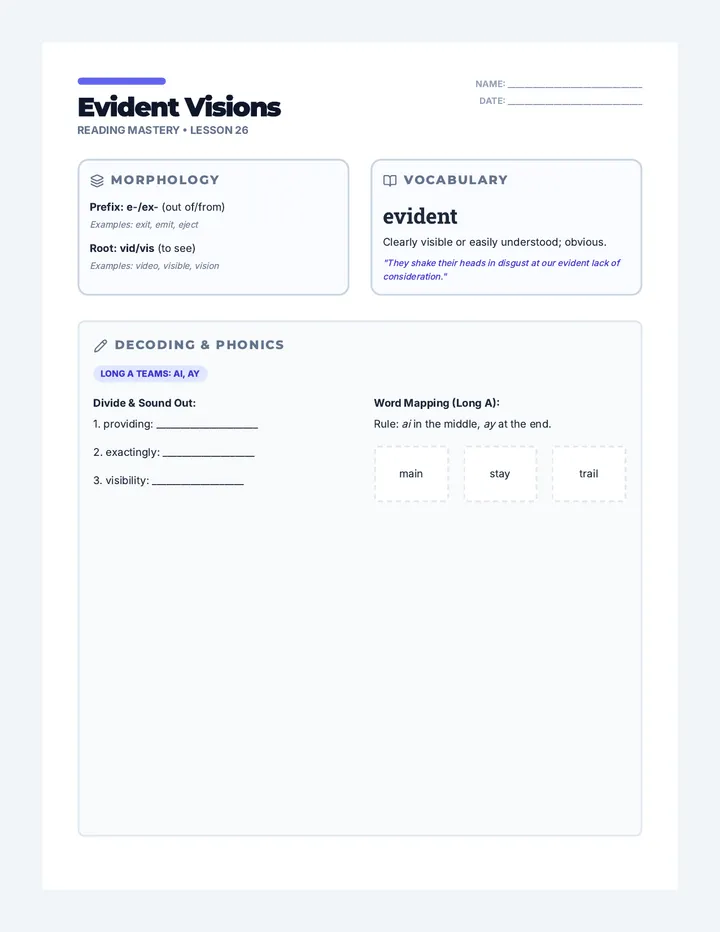
A comprehensive literacy intervention sequence for high school TESOL students (Lessons 16-25) focused on morphology, academic vocabulary, systematic decoding, and vowel mastery.
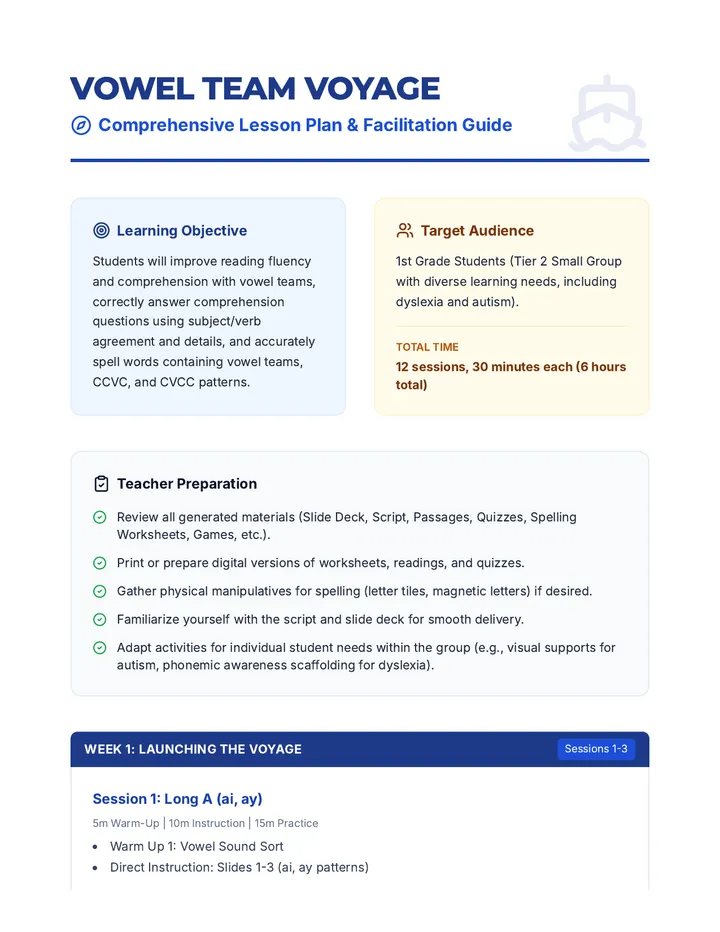
A 3-week Tier 2 intervention program for first-grade students, focusing on vowel teams, CCVC/CVCC patterns, and reading comprehension through a nautical-themed voyage.
A foundational skills unit covering literacy progress tracking and early numeracy strategies for decomposition and missing addends.
A multi-part speech-language therapy unit for middle schoolers focused on vocabulary development through the lens of NASA's Artemis II mission. Students use context clues strategies (IDEAS) to master mission-specific terminology.
A 6-week program designed to strengthen executive functioning skills, specifically targeting working memory, impulse control, and emotional regulation through interactive lessons and practical strategies.
A 6-day intensive test prep unit for NC.7.RP.1 focused on unit rates. Designed specifically for special education resource rooms with heavy scaffolding, visual aids, and real-world shopping and measurement applications. Includes 4 days of instruction, a collaborative review relay, and a final assessment.
A 3-day instructional sequence focused on NC.RI.8.1, helping students identify explicit information, make inferences, and select the strongest textual evidence in informational texts. Designed for special education resource rooms with clear scaffolding and visual supports.
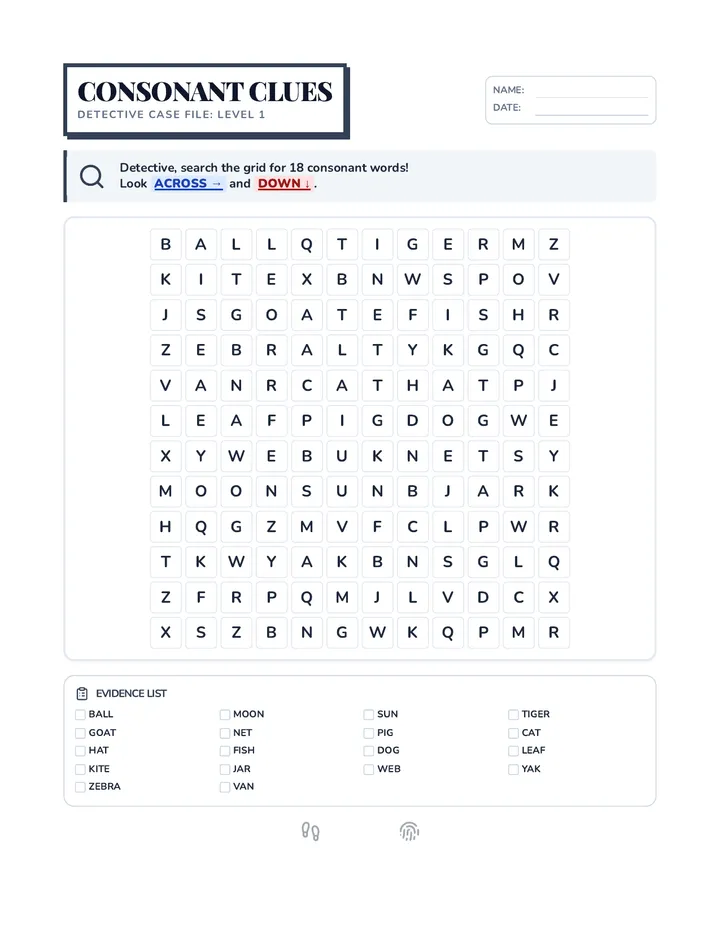
A systematic, multi-sensory phonics module designed to build foundational literacy skills through tactile, auditory, and visual reinforcement. This module supports learners of all ages in mastering decoding and early comprehension.
A comprehensive unit focusing on the complex suffixes -tion and -sion, following the SPIRE Level 5 curriculum. Students explore spelling patterns, pronunciation, and word meaning through a transit-themed instructional approach.
A series of four 15-minute lessons designed for first-grade students with learning disabilities, focusing on developing attention skills to follow 1 and 2-step directions independently using kindergarten-level tasks.
A complete phonics journey covering letter-name alphabetic spelling stages, featuring randomized word sort practice through interactive sentence completion.
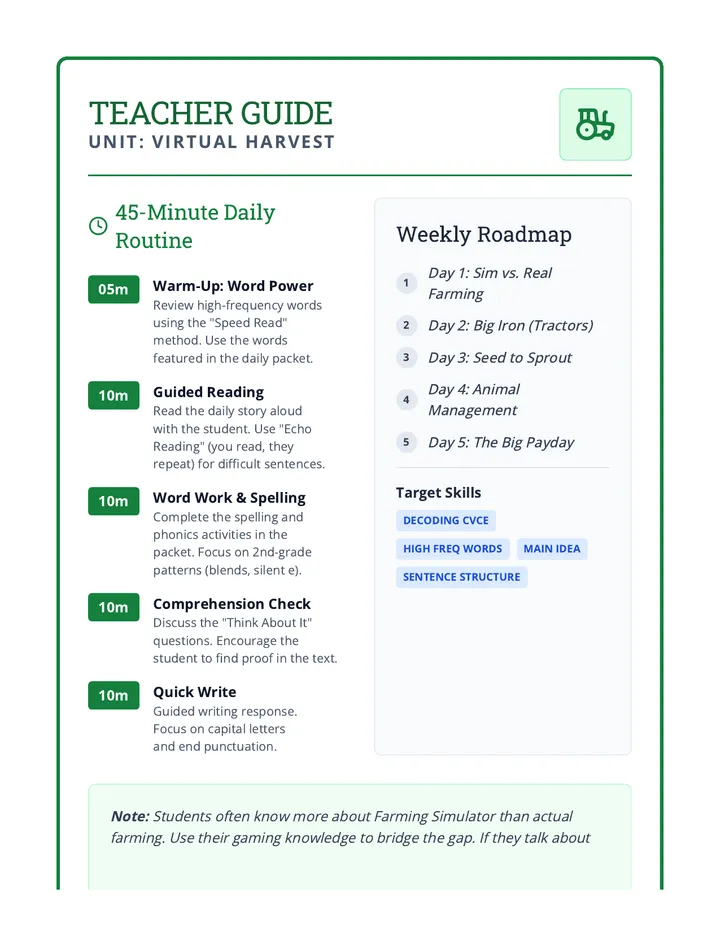
A 5-day reading comprehension and writing unit for struggling readers, blending the world of Farming Simulator with real-world agriculture. Focuses on 2nd-grade level literacy skills within a high-interest 5th-grade context.
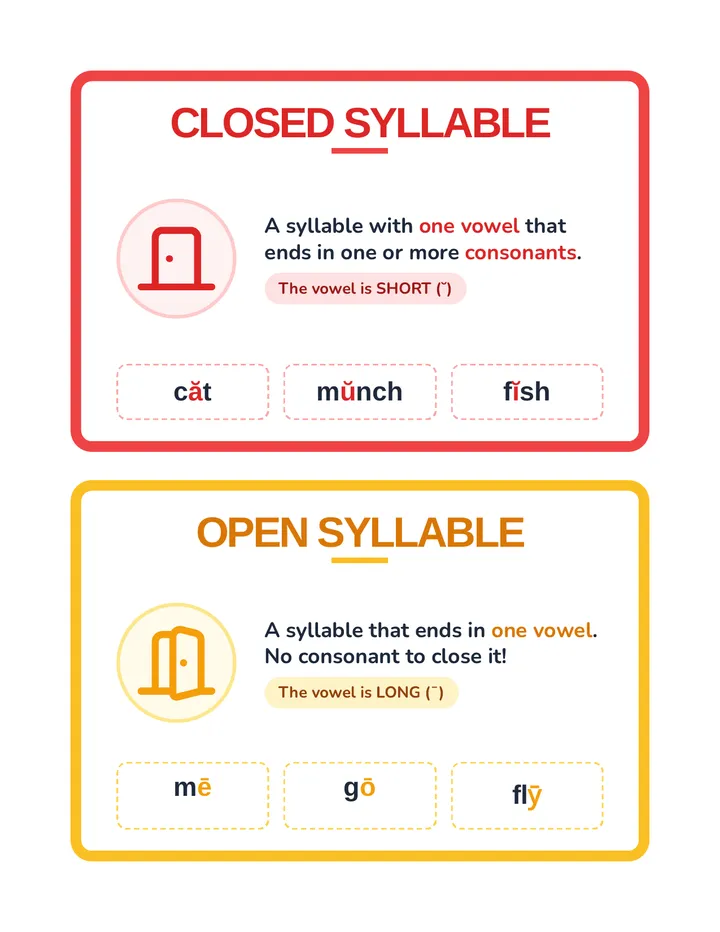
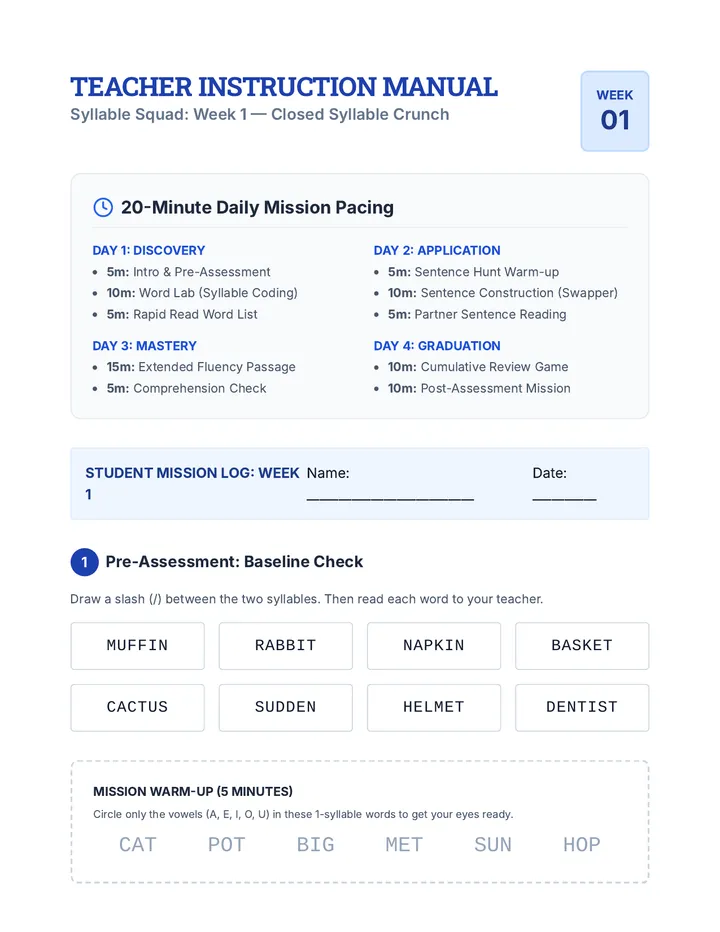
A comprehensive 5-week phonics intervention focused on decoding two-syllable words across five major syllable types. Each week includes a pre-assessment, daily lessons with specific targets, student practice sheets, and a post-assessment.
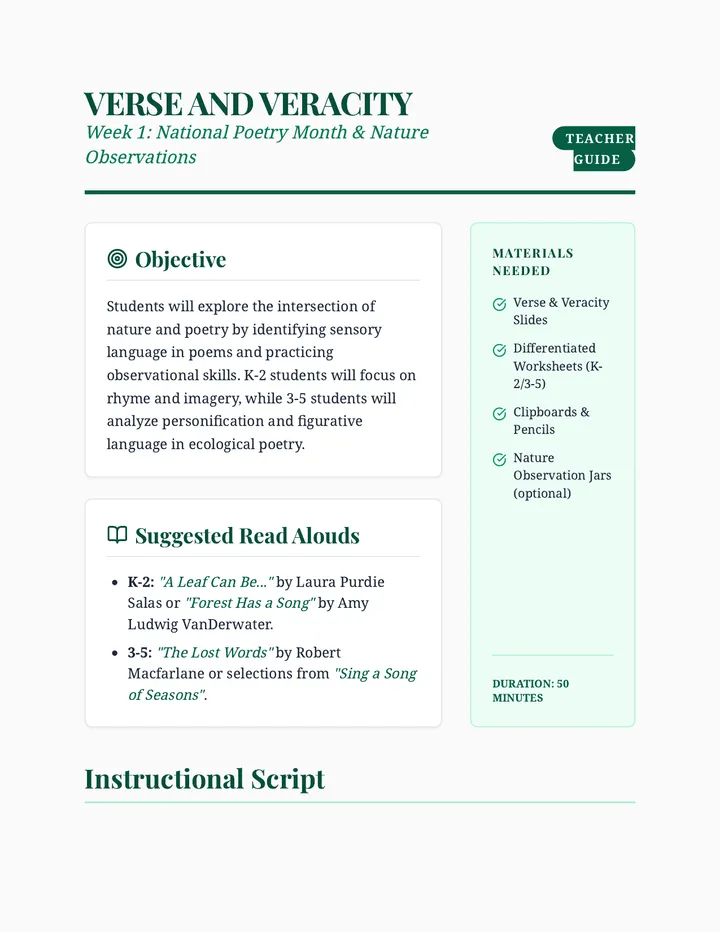
A comprehensive K-5 Media Center curriculum spanning August to May. Each month features a thematic unit integrating library skills (Dewey Decimal System, research, digital citizenship), literacy (poetry, biographies, informational texts), and STEM/Maker Space challenges. Resources are differentiated for K-2 and 3-5.
A collection of comprehensive week-long curricula for toddlers aged 17-18 months. Each themed week focuses on developmental play, sensory exploration, and fine motor skills for a group of 5 students with zero water play.
A comprehensive 7-day unit for Grade 11/12 Designing Your Future students, focusing on leveraging AI tools like Gemini for workplace and college success. Designed for special education contexts, it emphasizes self-advocacy, professional communication, research, and project management through visual and digital tasks.
A comprehensive sequence focused on phonics and morphology for Grade 4 special education students, covering vowel teams and common suffixes (-ed, -ing) to improve decoding, spelling, and reading comprehension.
A collection of decodable passages and activities aligned with UFLI Foundations, focusing on systematic phonics and heart word acquisition. Each lesson centers on a specific phonics skill and accompanying "heart words" to build reading fluency.
A comprehensive, space-themed 4-week Extended School Year (ESY) ELA curriculum designed for middle school students with disabilities (grades 5-8). It features daily scaffolded learning structures, differentiated materials spanning early emergent to early fluent readers, and visual sensory supports that make ELA skill acquisition accessible, engaging, and structured.
A 5-lesson unit for 8th-grade students focusing on using digital tools to offload working memory and manage cognitive load. Students learn to use task managers, focus modes, sequential reminders, and assistive speech technologies to create a personalized digital workflow for school success.
A 30-minute individualized Tier 3 lesson designed for a 3rd-grade student with autism, focusing on mastering 10 high-frequency words through multi-sensory and interactive activities.
A 30-minute Tier 3 individual lesson for a 1st-grade student focused on following 1 and 2-step visual directions using pictures and common objects.
A 10-day curriculum for Pre-K special education students to learn the concepts of 'whole' and 'half' through repetitive, hands-on, superhero-themed activities.
An introductory science lesson for 4th-grade adaptive students to identify common local plants and animals using simple vocabulary and hands-on observation.
A 30-minute individualized lesson for a 3rd-grade autistic student focused on following multi-step directions through engaging activities and visual supports.
A 30-minute Tier 3 lesson for 2nd-grade students focused on mastering two-step verbal directions through interactive practice, visual aids, and detective-themed activities.
A 15-minute Tier 3 intervention for Kindergarteners focusing on following one- and two-step directions through hands-on practice and interactive instruction.
An intensive, Tier 3 individual intervention focusing on segmenting and blending three-phoneme (CVC) words using tactile and visual supports for students requiring significant literacy support.
This individualized 30-minute speech therapy session targets s-blends (/sw/, /sl/, /st/, /sn/) at the word level for kindergarten students. Through engaging activities like sorting, bingo, and structured drills, students improve articulation, phonemic awareness, and speech intelligibility.
A professional development session for educators focused on practical instructional strategies and classroom environment adjustments to support students with ADHD. Teachers will explore structured routines, clear communication techniques, and positive reinforcement models to foster an inclusive learning space.
A Tier 3 individualized lesson designed for Kindergarten students with autism to develop color and shape recognition through tactile and visual matching activities.
A fast-paced, 20-minute lesson designed for 4th-grade boys to understand working memory as their 'mental scratchpad' and learn practical strategies to boost their brain power.
A 15-minute interactive literacy lesson for 1st-grade subseparate classrooms based on Jan Brett's 'The Mitten,' focusing on animal identification and narrative sequencing.
This lesson focuses on helping a 12th-grade student improve their ability to recall major details from narratives and expository texts using visualization, association, and note-taking strategies. It is designed for individual, highly structured sessions.
A targeted Tier 3 intervention for 9th-grade students focused on strengthening verbal working memory through repetition, chunking, and elaborative rehearsal strategies.
A specialized Tier 3 intervention for 10th-grade students focused on building working memory through direct instruction and personalized strategies.
A targeted 50-minute individual lesson for 6th graders to strengthen working memory using visualization, chunking, and rehearsal strategies through interactive games and exercises.
A targeted 50-minute individual lesson for 6th graders to strengthen working memory through visualization, chunking, and rehearsal strategies. This session includes interactive games, reading tasks, and structured reflection to build cognitive confidence.
A 30-minute Tier 2 group lesson for 3rd graders focusing on following multi-step directions and answering WH questions using a space-themed Mission Control concept.
An individualized Tier 3 learning plan for 3rd-grade students, focusing on targeted skill mastery through an adventure-themed learning quest. This lesson provides a structured 30-minute session including a warm-up, mini-lesson, guided practice, and reflection.
A Tier 3 multiplication lesson designed for students with exceptionalities, focusing on concrete strategies like arrays, equal groups, and number lines to master facts up to 5x5.
A cozy 15-minute literacy lesson for 1st-grade subseparate classrooms based on Jan Brett's 'The Mitten,' focusing on animal identification and sequencing.
A collection of highly visual, simplified resources designed for students with reading and word comprehension challenges to master the basics of Python programming.
A comprehensive lesson designed to help high school special needs students master counting mixed coins up to $1.00 using the Hairy Money visual strategy. Includes instructional slides, practice worksheets, and printable manipulatives.
A modified math lesson for 3rd-grade students, focusing on understanding and comparing units of length (inch, foot, yard, and mile) through visual aids, color-coding, and hands-on activities.
A modified geometry lesson for 3rd grade students focusing on identifying sides, angles, and polygons through clear visuals and color-coded cues.
A reading guide and comprehension worksheet for Chapters 16-21 of 'Rez Ball', designed for 7th-grade Resource Room students to use during a class read-aloud.
A set of visual supports to help students with special needs practice ordering and money skills at a fast food restaurant.
This lesson provides visual 'snapshot' cards for key moments and figures of the Battle of Gettysburg, specifically focusing on the environmental impact (wasteland) and General Robert E. Lee's leadership.
A comprehensive set of visual, interactive doodle notes and practice activities designed to help students with ADHD master the concept of finding a percent of a number through single-concept focus and hands-on elements.
A collection of graphic organizers and strategies designed specifically for AuDHD teenagers to manage executive functioning and stress during GCSE exam preparation.
A highly visual, scaffolded country research project bundle modified specifically for IEP students. Includes teacher instructions, simplified visual rubrics, tiered student worksheets, hands-on matching activities, and a friendly presentation template.
A complete reading exploration of 'The Last Book in the Universe', focusing on identifying main ideas and themes across all chapters (1-20). This lesson simplifies complex 8th-grade concepts for 5th-grade accessibility, specifically designed for special education students.
A series of targeted math worksheets for 3rd-grade RSP students to master 2nd-grade mental math and comparison standards using highly scaffolded place value supports.