Lenny.com
Explore
Create
ActivitiesNewMathEnglish Language ArtsScience & EngineeringSocial StudiesGlobal LanguagesHealth & Physical EducationSpecial EducationCounseling & Life SkillsArts & CreativityESL
Lenny.com
Lenny.com
Explore
Create
ActivitiesNewMathEnglish Language ArtsScience & EngineeringSocial StudiesGlobal LanguagesHealth & Physical EducationSpecial EducationCounseling & Life SkillsArts & CreativityESL
Lenny.com
Lenny.com

Solutions

Lenny for EducatorsLenny for SchoolsLenny for Districts

Product

ExploreSign inCreateSupportAbout

Resources

Getting startedMTSS Acceleration Program

© 2026 Lenny Learning Inc.

TermsPrivacyAccessibility
LinkedInInstagramX
Lenny

Sensory Overload Recognition

Identification of physiological and behavioral signs of sensory overstimulation in neurodivergent learners. Examines common triggers across auditory, visual, and tactile systems to facilitate proactive intervention.

Special EducationSensory Processing & RegulationSensory Preferences IdentificationSensory Tool UseCommunicating Sensory NeedsSensory Overload RecognitionDeep Breathing PracticeMovement Break UtilizationIndependent Calming Strategy UsePersonalized Calming RoutinePersonal Sensory Diet CreationProactive Sensory BreaksEmotion Intensity RecognitionDysregulation RecoveryPositive Behavior SupportUnderstanding Social StoriesPersonal Social Story CreationEmotional Regulation FrameworksPersonal Trigger IdentificationSelecting Regulation StrategiesReinforcement System ResponseSelf-Monitoring & RewardsLearning Positive AlternativesCross-Setting Skill GeneralizationSocial CommunicationEye Contact & Personal SpaceContext-Appropriate GreetingsAppropriate Volume & ToneConversation Turn-TakingTopic Maintenance in DiscussionEffective Help-SeekingBody Language InterpretationFacial Expression RecognitionIdioms & Figurative LanguageSocial Problem IdentificationSocial Solution GenerationSocial Decision EvaluationTask ManagementMinimal Prompting Task StartSelf-Talk for StartingStarter Strategies for Difficult TasksAge-Appropriate Task PersistenceStrategic Break ManagementSmooth Task TransitionsAdapting to Plan ChangesObstacle Problem-SolvingMulti-Day Project CompletionPlanning & OrganizationPhysical Material OrganizationVisual Schedule & Timer UseSequential Task BreakingTime Estimation SkillsTask PrioritizationDigital & Physical Workspace ManagementPersonalized Organization StrategiesDetailed Project PlanningMultiple Commitment BalancingAcademic Support StrategiesMath Manipulative UseVisual Math Problem RepresentationComplex Math Problem BreakdownText Highlighting & AnnotationVisualization While ReadingPredictions & Inferences from TextText Structure Graphic OrganizersWriting Graphic OrganizersSentence Frames & TemplatesStudy Guide CreationSpaced Repetition for MemoryAssistive Writing TechnologyWorking Memory SupportSingle-Step Direction FocusMulti-Step Direction FollowingInformation Chunking PracticeVisual Support Memory AidsMnemonic Device ApplicationEfficient Note-Taking SystemsGraphic Organizer Note-TakingNote Review & OrganizationSustained Complex Task AttentionAssistive TechnologySymbol-Word CommunicationAAC Device NavigationSpeech Recognition DictationDictation Text EditingText-to-Speech for ReadingDigital Calendar UseKeyboard Shortcuts NavigationProductivity App ManagementSelf-Advocacy SkillsCommunicating Learning NeedsRequesting AccommodationsAdvocating for Appropriate SupportsIEP & Student RightsUnderstanding IEP ComponentsMeaningful IEP Meeting ParticipationIDEA & Section 504 RightsProgress MonitoringTracking IEP Goal ProgressReflecting on AchievementData-Informed Instructional AdjustmentTransition PlanningCareer & Vocational Goal SettingExploring Post-Secondary OptionsIndependent Living Skills Planning

Videos

What is Autism? | Quick Learner

What is Autism? | Quick Learner

This concise, animated educational video provides a scientifically grounded overview of Autism Spectrum Disorder (ASD). Produced by the Duke Center for Autism and Brain Development, it defines autism as a neurodevelopmental disorder affecting social and communication abilities while highlighting that it affects approximately 1 in 54 children in the United States. The video utilizes simple, hand-drawn animations on graph paper to break down complex medical concepts into accessible information. The content explores several key themes, including the "spectrum" nature of the disorder (meaning support needs vary significantly from person to person), common traits such as repetitive behaviors and sensory sensitivities, and the potential strengths associated with autism, such as aptitude in math, music, and art. It also addresses the biological roots of autism, the importance of early diagnosis (as early as 18-24 months), and common co-occurring conditions like anxiety or ADHD. For educators, this video serves as an excellent primer for promoting neurodiversity and empathy in the classroom. It moves beyond stereotypes to present a balanced view of autism that acknowledges challenges while celebrating the unique contributions autistic individuals make to society. It is particularly useful for Health, Biology, and Social-Emotional Learning (SEL) curriculums to help destigmatize neurodivergence and foster an inclusive environment.
Duke UniversityDuke University

2mins 27s

How to (Explain) ADHD

How to (Explain) ADHD

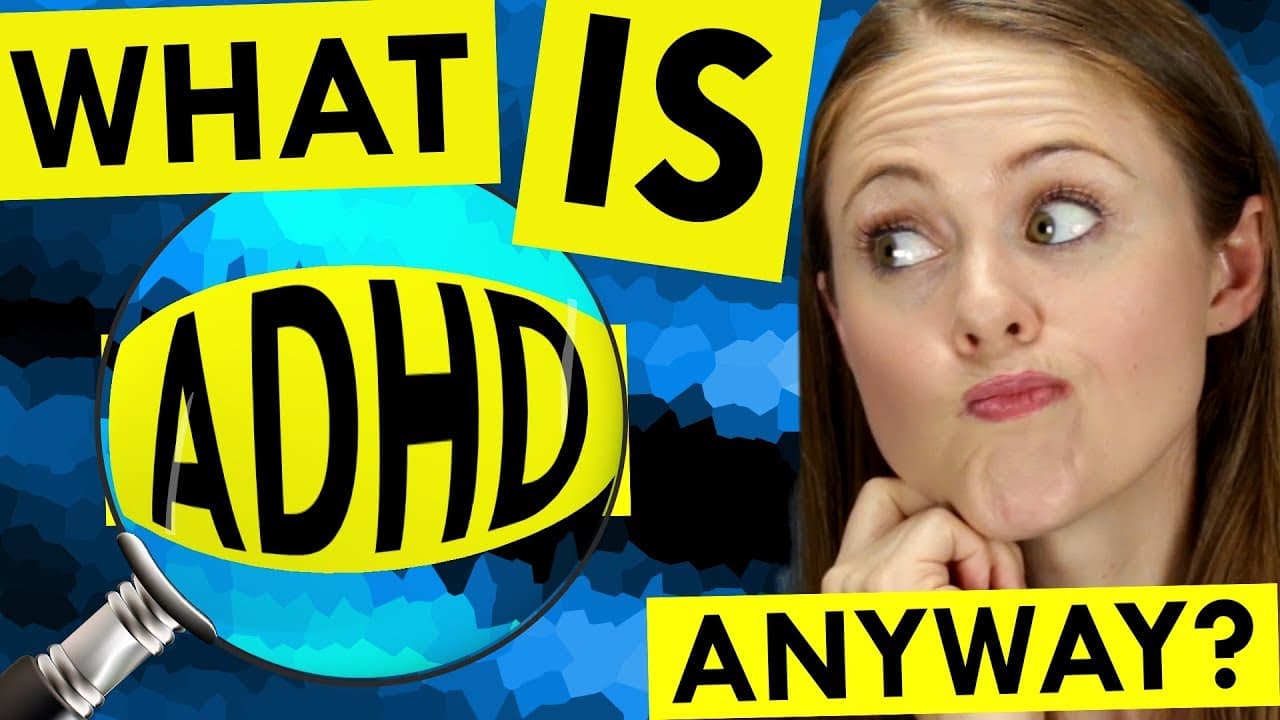
This educational video demystifies Attention Deficit Hyperactivity Disorder (ADHD) by exploring the internal experience of living with the condition. Hosted by Jessica McCabe, the video moves beyond clinical definitions to offer relatable, concrete metaphors that describe executive dysfunction, working memory challenges, and emotional dysregulation. It emphasizes that ADHD behaviors are not character flaws but rather neurological differences in how the brain regulates attention and emotion. The content breaks down complex neurological concepts into accessible analogies, such as comparing the brain to a CEO with a bad secretary, working memory to a whiteboard that constantly needs erasing, and emotional regulation to a severe sunburn. The video addresses key themes including the myth of "attention deficit" (versus attention regulation), the invisibility of the struggle, and the strengths that often accompany ADHD brains, such as creativity and out-of-the-box thinking. For educators, this resource is invaluable for fostering empathy and understanding in the classroom. It provides a shared language for teachers and students to discuss learning differences without stigma. By framing ADHD through mechanical and situational metaphors—like a race car with bicycle brakes—it offers students with ADHD a way to articulate their experiences and helps neurotypical peers understand why certain tasks are more challenging for their classmates.

How to ADHDHow to ADHD

7mins 39s

Materials

Calm Space Practice Worksheet

Calm Space Practice Worksheet

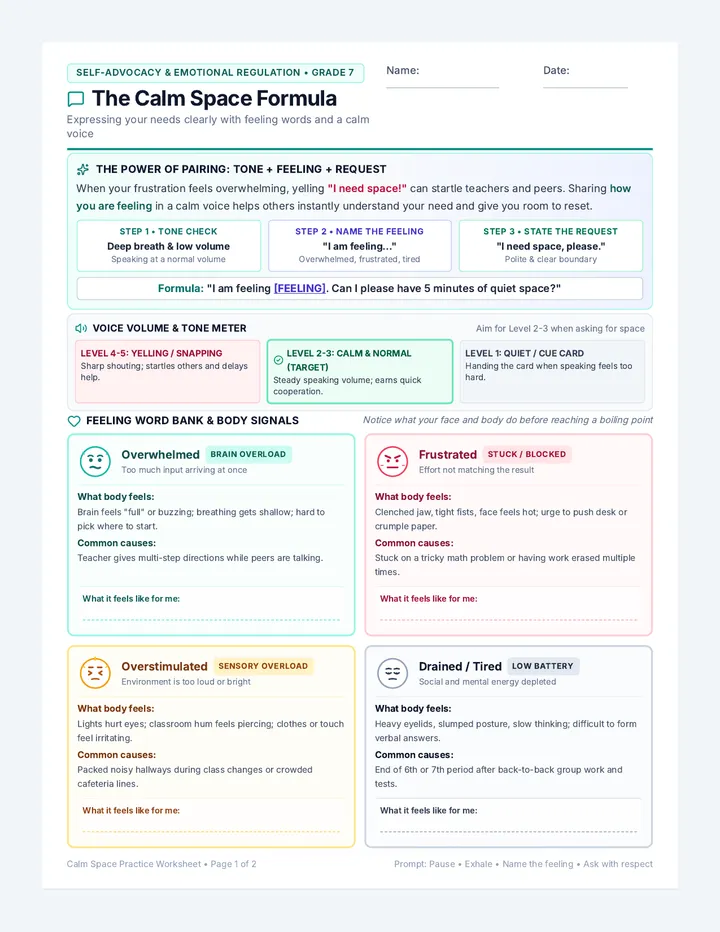
A two-page printable self-advocacy worksheet for a 7th-grade student. Page 1 includes the core formula, the voice volume meter, and large emotion cards with visual faces, body clues, common causes, and personal reflection spaces. Page 2 features multiple-choice classroom rehearsal scenarios, coping tools, and a cut-out visual desk cue card.

MM

Maura McCampbell

Everyday Voice Visual Boards

Everyday Voice Visual Boards

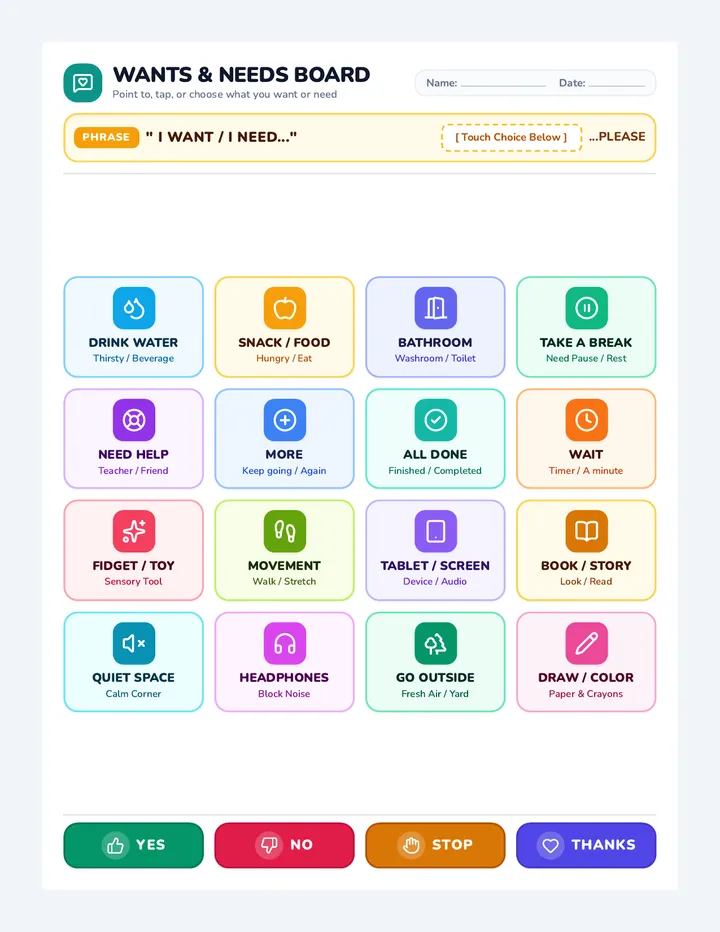
A 2-page printable visual communication board set designed for students who struggle with verbal communication, featuring a Daily Wants & Needs choice board and an Emotional Regulation & Comfort board with clear icons and labeled symbols.

L

Leslie.Kortzendorf

EL Student Profile TemplatePlus

EL Student Profile TemplatePlus

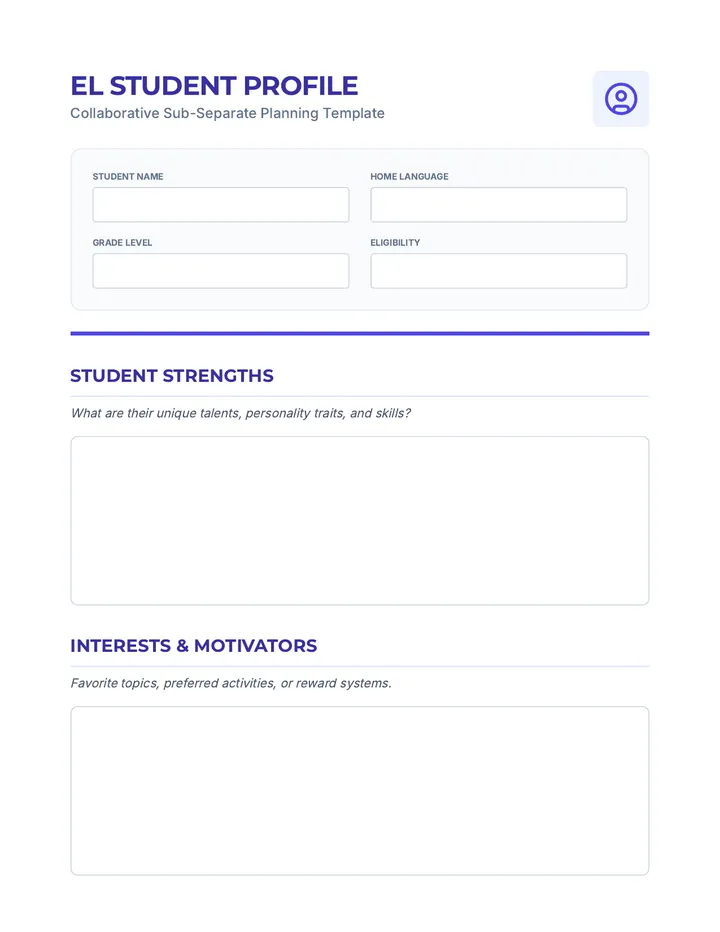
A comprehensive student profile template designed for ESL and Special Education teachers to collaborate on English Learners in sub-separate settings. It features dedicated sections for assistive technology/AAC, detailed home language usage (including family patterns and community context), sensory needs, and academic supports.

J

Jessica

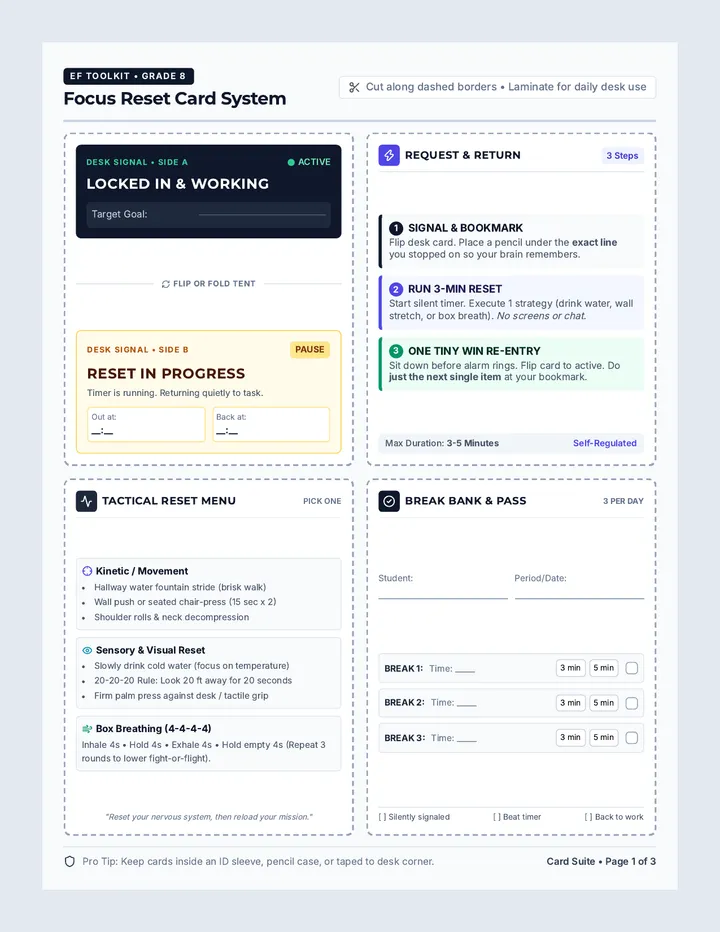
Focus Reset Break Cards

Focus Reset Break Cards

A comprehensive 3-page executive function break card system for an 8th-grade student, featuring desk signal cards and hallway passes that explicitly say 'I am on a break' with choices including walking the 8th grade hallway, along with a 3-step protocol, reset menu, and strategy guide.

N

nebouchard

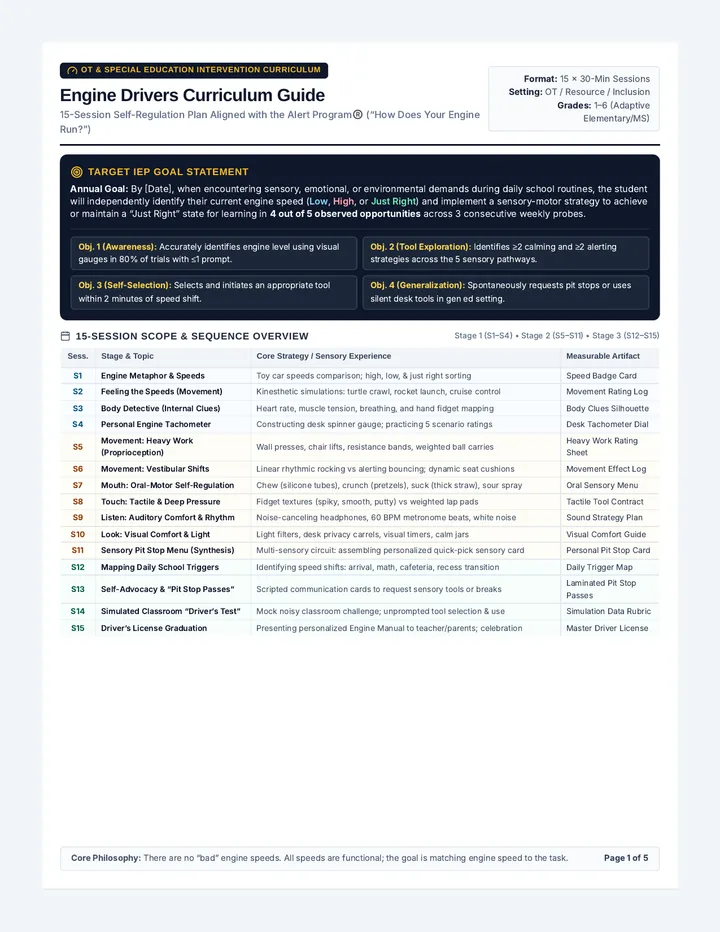
Engine Drivers Curriculum Guide

Engine Drivers Curriculum Guide

A comprehensive 5-page curriculum and clinical lesson plan guide for occupational therapists, special educators, and interventionists. It outlines 15 structured sessions aligned with the Alert Program for Self-Regulation ("How Does Your Engine Run?"), complete with standardized IEP annual goals, measurable objectives, sensory pathway activities, and progress tracking tools.

EH

Elle Hanover

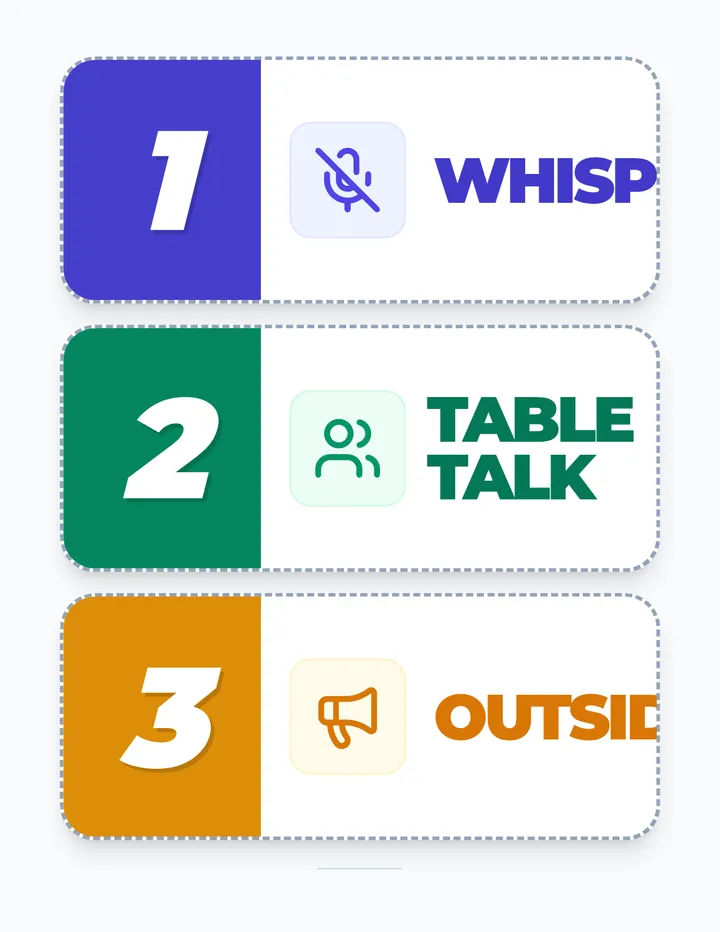
Voice Level Cards Visual Minimal

Voice Level Cards Visual Minimal

An ultra-minimalist set of voice level cards featuring large numbers, bold icons, and single labels for instant recognition.

AC

Ashley Converse

Sequences

Energy HQ Slides

Big Feelings Blueprint 6-Week Edition

A 6-week social-emotional learning program for teenagers on the autism spectrum, delivered in focused 20-minute sessions. The program uses visual "blueprints" to teach energy management, body awareness, and Comic Strip Conversation techniques for emotional regulation and perspective taking.

MS

Minakshi Singal

18
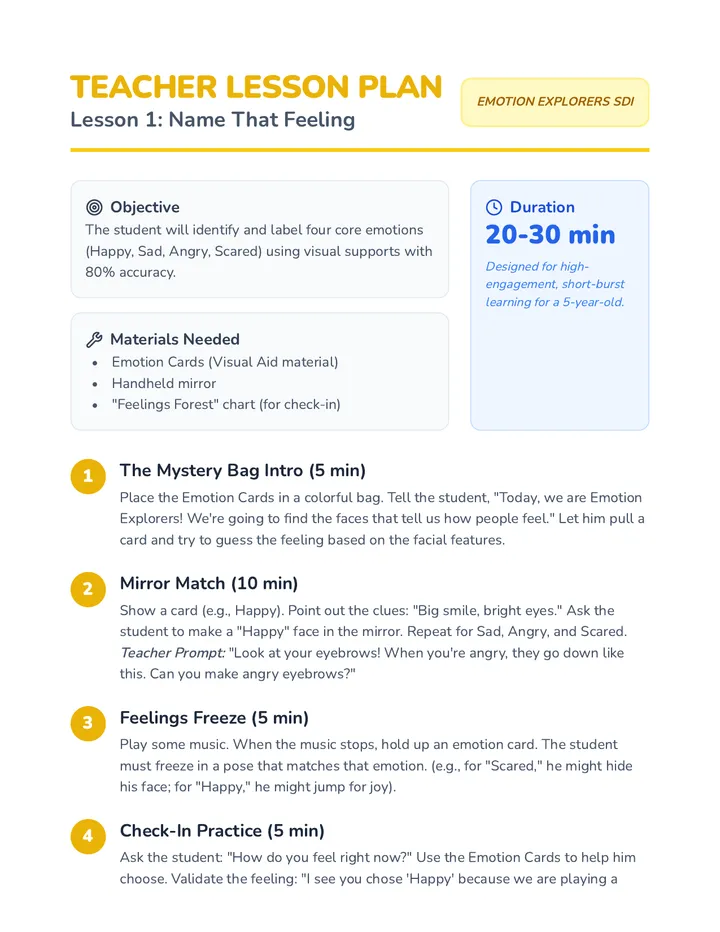
Name That Feeling Teacher Plan

Emotion Explorers

An 8-lesson SDI series designed for a 5-year-old student to develop emotional regulation skills, covering emotion identification, body awareness, and specific calming strategies like breathing and sensory tools.

W

winshipb

40
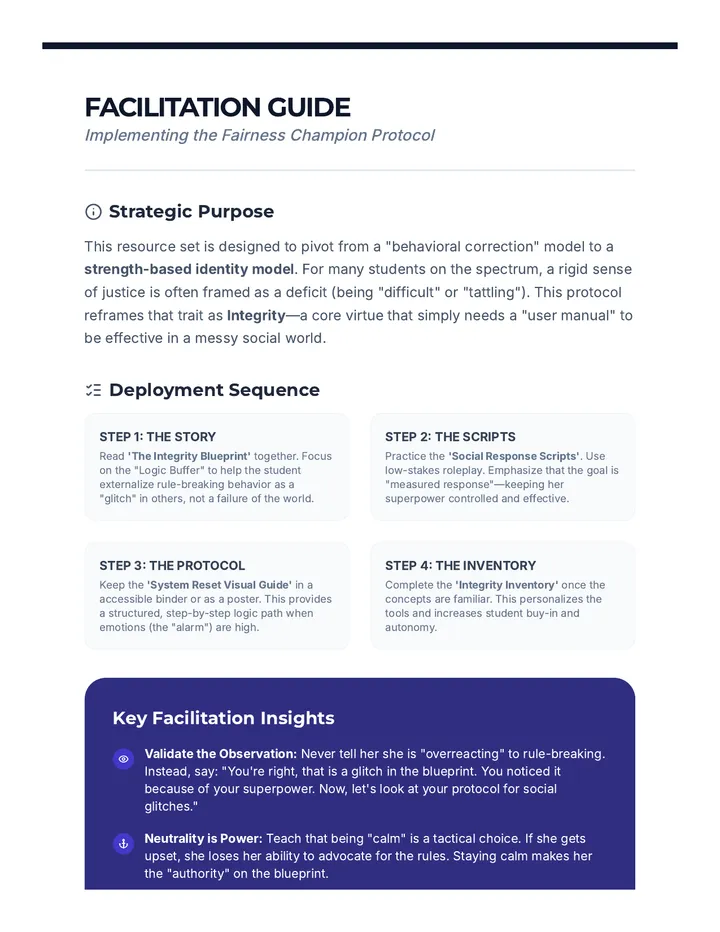
Champion Navigation Teacher Guide

Fairness Champion Curriculum

A 6-week social-emotional learning curriculum for a 13-year-old girl on the autism spectrum, focusing on managing specific triggers through a strength-based "Integrity Blueprint" lens.

MS

Minakshi Singal

18
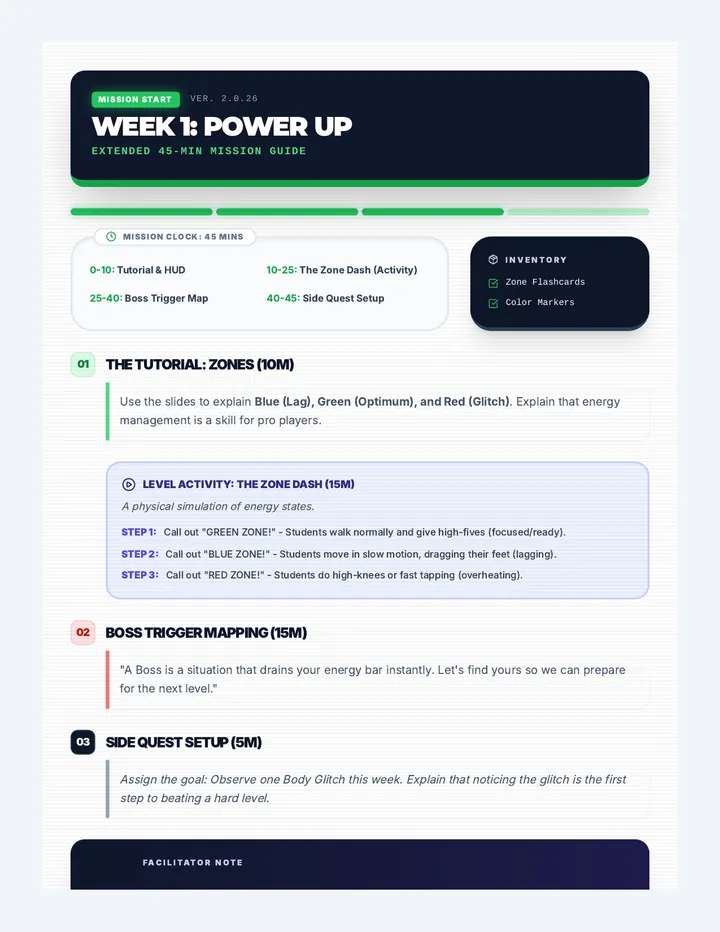
Week 1 Mission Materials

Level Up Curriculum

A 6-week social-emotional learning curriculum designed for 4th-grade students with ADHD, focusing on self-regulation, flexible thinking, and respectful communication through a high-engagement 'Level Up' video game theme.

AF

Ashley Favors

24
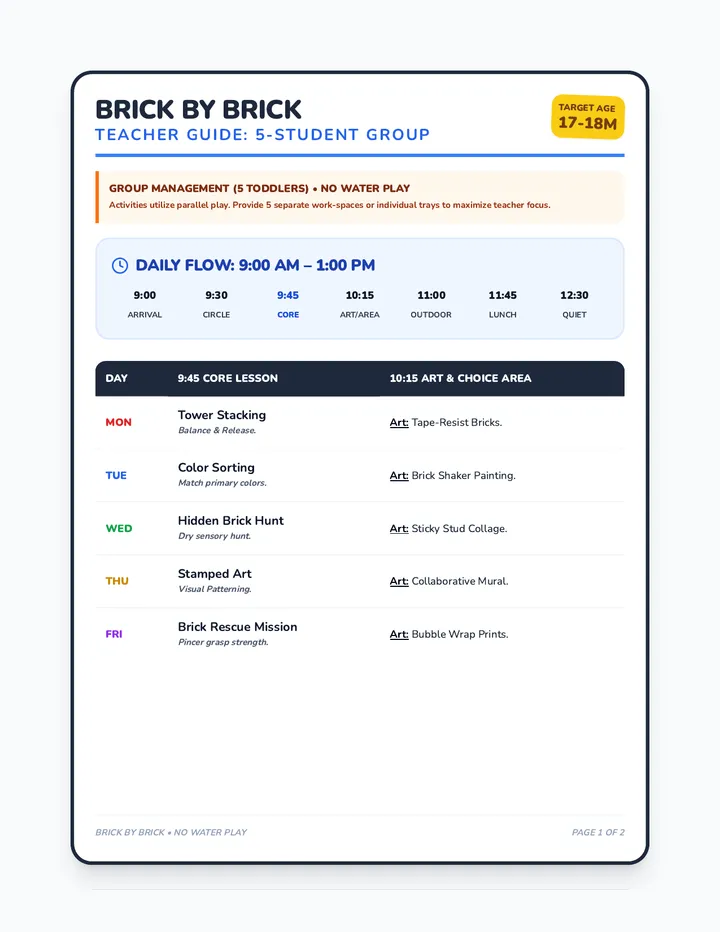
Weekly Curriculum Overview Teacher Guide

Toddler Theme Weeks

A collection of comprehensive week-long curricula for toddlers aged 17-18 months. Each themed week focuses on developmental play, sensory exploration, and fine motor skills for a group of 5 students with zero water play.

SN

Susan Nowlin

69
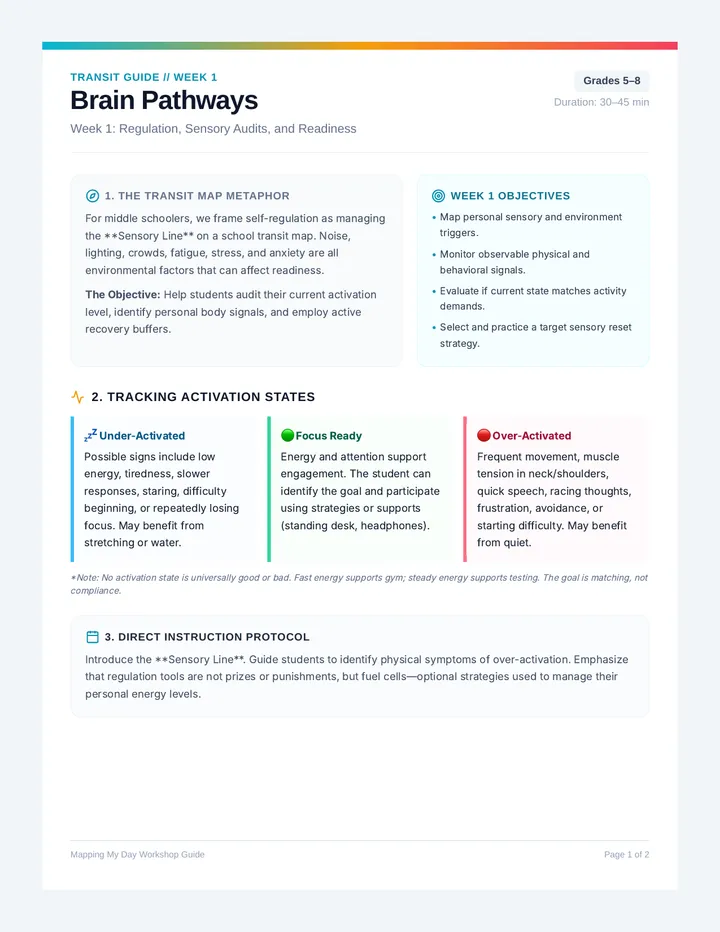
Middle School Teacher Guide

Brain Pathways Network

A developmentally scaffolded executive functioning workshop sequence designed to help neurodiverse students across elementary, middle, and high school map and optimize sensory, physical, and cognitive routines.

RS

R Silva

18