Lenny.com
Explore
Create
ActivitiesNewMathEnglish Language ArtsScience & EngineeringSocial StudiesGlobal LanguagesHealth & Physical EducationSpecial EducationCounseling & Life SkillsArts & CreativityESL
Lenny.com
Lenny.com
Explore
Create
ActivitiesNewMathEnglish Language ArtsScience & EngineeringSocial StudiesGlobal LanguagesHealth & Physical EducationSpecial EducationCounseling & Life SkillsArts & CreativityESL
Lenny.com
Lenny.com

Solutions

Lenny for EducatorsLenny for SchoolsLenny for Districts

Product

ExploreSign inCreateSupportAbout

Resources

Getting startedMTSS Acceleration Program

Newsletters

School Funding Newsletter

© 2026 Lenny Learning Inc.

TermsPrivacyAccessibility
LinkedInInstagramX
Lenny

Cultural & Individual Identity Exploration

Intersectionality, cultural heritage, and personal values as frameworks for self-understanding. Examines how social structures and traditions influence individual identity development.

Counseling & Life SkillsSelf-AwarenessBasic Emotion RecognitionComplex Emotion IdentificationEmotional Nuance & Mixed FeelingsBuilding Positive Self-ImageRecognizing Strengths & Growth AreasAccurate Self-AssessmentPersonal Values IdentificationCultural & Individual Identity ExplorationValues-Based Decision MakingSelf-ManagementStop-and-Think StrategiesDelaying GratificationIndependent Impulse ManagementIdentifying Stress TriggersShort-Term Goal SettingSMART Goals DevelopmentGoal Monitoring & AdjustmentBuilding Perseverance & ResilienceInternal Motivation DevelopmentComprehensive Stress Reduction PlanningSocial AwarenessRecognizing Others' FeelingsDemonstrating EmpathyRespecting Individual DifferencesUnderstanding Cultural DiversityComplex Empathetic ResponsesMultiple Viewpoint ConsiderationMulti-Perspective AnalysisChallenging Stereotypes & BiasRelationship SkillsActive ListeningClear Verbal & Nonverbal CommunicationBuilding Positive FriendshipsWorking Cooperatively in GroupsCommunicating Personal BoundariesRespecting Others' BoundariesAssertive ExpressionPeaceful Problem-SolvingContributing to Team GoalsComplex Conflict NavigationMediation & NegotiationHealthy Romantic RelationshipsResponsible Decision-MakingDaily Problem IdentificationBrainstorming Multiple SolutionsEvaluating Pros & ConsRecognizing Risks & ConsequencesApplying Ethical FrameworksInformed Risk-Benefit DecisionsRoot Cause AnalysisMindfulnessMindful BreathingBody Scan MeditationDaily Mindfulness ApplicationDaily Self-Care RoutinesBalancing Life DemandsAdvocating for Wellness NeedsMental Health SupportUnderstanding Anxiety SymptomsWorry Management StrategiesProgressive Muscle RelaxationRecognizing Depression SignsBuilding Mood-Supporting RoutinesBehavioral Activation for MoodUnderstanding Grief StagesHealthy Grief CopingCreative Expression of LossBehavioral SupportDaily Check-In ProceduresDaily Goal Setting & ReviewRecognizing Escalation Warning SignsRequesting Breaks & SupportSelf-Calming During DistressUnderstanding Positive ReinforcementToken Economy ImplementationBehavior Chart TrackingAnalyzing Behavior PatternsIdentifying Antecedents & ConsequencesDetermining Behavior FunctionFunction-Based InterventionsIndividualized Behavior ContractsData-Driven Behavior AdjustmentTherapeutic ApproachesThoughts-Feelings-Behaviors ConnectionRecognizing Thinking PatternsChallenging Negative ThoughtsPositive Self-Talk PracticeThought Record TrackingAdvanced Cognitive RestructuringComprehensive CBT PlansBehavioral Activation TechniquesBuilding Positive ExperiencesExposure Hierarchies for AnxietyPresent-Moment AwarenessNon-Judgmental ObservationSelf-Soothing & DistractionComplex Emotion LabelingReducing Emotional Vulnerability (PLEASE)DEAR MAN CommunicationGIVE Skills for RelationshipsFAST Skills for Self-RespectRadical Acceptance PracticeCrisis Survival Skills (TIPP)Understanding Trauma EffectsTrauma Responses & TriggersIdentifying Trauma FeelingsGrounding TechniquesRegulation During Trauma DistressSafe Place VisualizationProcessing Through NarrativeDeveloping Trauma StoryPersonalized Safety PlanningGroup SupportTurn-Taking & SharingGroup Conversation SkillsSharing in Supportive EnvironmentLearning from Similar ChallengesBuilding Community & BelongingNavigating Peer RelationshipsGroup Skill PracticeGroup Mental Health EducationStress & Anxiety UnderstandingCrisis Support & SafetyKnowing When to Seek HelpIdentifying Mental Health CrisesGrounding During CrisisUsing Crisis HotlinesBuilding Support NetworksAccessing Mental Health ResourcesWarning Signs & Coping StrategiesDeveloping Personal Safety PlansUnderstanding Suicide Warning SignsGatekeeper Skills for PeersDigital LiteracySocial MediaTechnology BasicsProductivity ToolsInternet and Online ResearchWeb Design and PublishingDigital CitizenshipOnline Safety and PrivacyEmerging TechnologiesFinancial LiteracyMaking Financial DecisionsBanking and AccountsConsumer SkillsSaving and InvestingCredit and DebtEmployment and IncomeTaxesInsuranceMajor PurchasesEconomic ConceptsFinancial PlanningCollege & Post-Secondary PlanningCareer ExplorationUnderstanding Post-Secondary OptionsCollege Research & SelectionAdmission RequirementsCollege Application ProcessPersonal Statement WritingFAFSA CompletionScholarship Search & ApplicationsUnderstanding Student LoansContinuing Education PlanningInterview PreparationResearching EmployersCommon Interview QuestionsSTAR Method ResponsesProfessional Interview PresenceVirtual Interview SkillsInterview Follow-UpJob Search SkillsUnderstanding Job PostingsEffective Job Search StrategiesNetworking for OpportunitiesResume Writing BasicsAction Verbs & AchievementsTailoring Resumes to JobsCover Letter WritingProfessional ReferencesProfessional CommunicationBusiness Email EtiquettePhone & Voicemail ProfessionalismMeeting ParticipationPresentation SkillsProfessional Work EthicTime Management & ProductivityTeamwork & CollaborationAdaptability & FlexibilityProblem-Solving at WorkConstructive FeedbackWorkplace RightsUnderstanding Employment LawsPay & Benefits UnderstandingWorkplace SafetyAnti-Discrimination & Harassment

Videos

There’s No Shame in Taking Care of Your Mental Health | Sangu Delle

There’s No Shame in Taking Care of Your Mental Health | Sangu Delle

In this powerful and personal TED Talk, Sangu Delle confronts the deep-seated stigma surrounding mental health, particularly among African men. He shares his own journey of grappling with anxiety while feeling pressured by cultural expectations to remain stoic and unemotional. Delle recounts a pivotal moment when he realized he could no longer suffer in silence, challenging the dangerous misconception that mental health struggles are a sign of weakness or spiritual failure. The video explores critical themes such as toxic masculinity, the scarcity of mental health resources in developing nations, and the human cost of ignoring psychological well-being. Delle provides startling statistics about the lack of psychiatrists in Nigeria and contrasts scientific understandings of mental illness with prevalent cultural superstitions like witchcraft or divine punishment. For educators, this video is an invaluable resource for discussing emotional intelligence, cultural perspectives on health, and the importance of empathy. It serves as a springboard for students to examine how societal norms influence individual behavior and to understand mental health as a universal human right rather than a taboo subject. It encourages vulnerability and seeks to normalize asking for help.

TEDTED

9mins 7s

Different types of stigma

Different types of stigma

This educational video provides a clear and structured breakdown of mental health stigma, defining it as viewing those with mental illness in a negative way. It categorizes stigma into three distinct types: Public Stigma (society's negative attitudes leading to discrimination), Self-Stigma (internalized negative beliefs about oneself), and Institutional Stigma (policies in government or organizations that limit opportunities). The narration explains each type with concrete examples, such as media stereotypes, feelings of being a burden, and unfair hiring practices. The video explores key themes of discrimination, self-esteem, and systemic inequality. It highlights how media representation fuels public misconceptions that people with mental illness are dangerous or incompetent. It also delves into the psychological toll of self-stigma, explaining how it prevents people from seeking necessary help, and touches upon the broader societal impact of institutional barriers in housing and employment. For educators, this video is a valuable resource for Health, Psychology, and Social-Emotional Learning (SEL) curriculums. It provides a shared vocabulary for discussing mental health and encourages students to recognize unfair treatment in their communities. By understanding these three layers of stigma, students can better identify harmful stereotypes in media, challenge their own negative self-talk, and advocate for fairer policies, ultimately fostering a more empathetic and supportive environment.

Brain Health BootcampBrain Health Bootcamp

3mins 8s

How To Find And Pursue Your Passion | Think Out Loud With Jay Shetty

How To Find And Pursue Your Passion | Think Out Loud With Jay Shetty

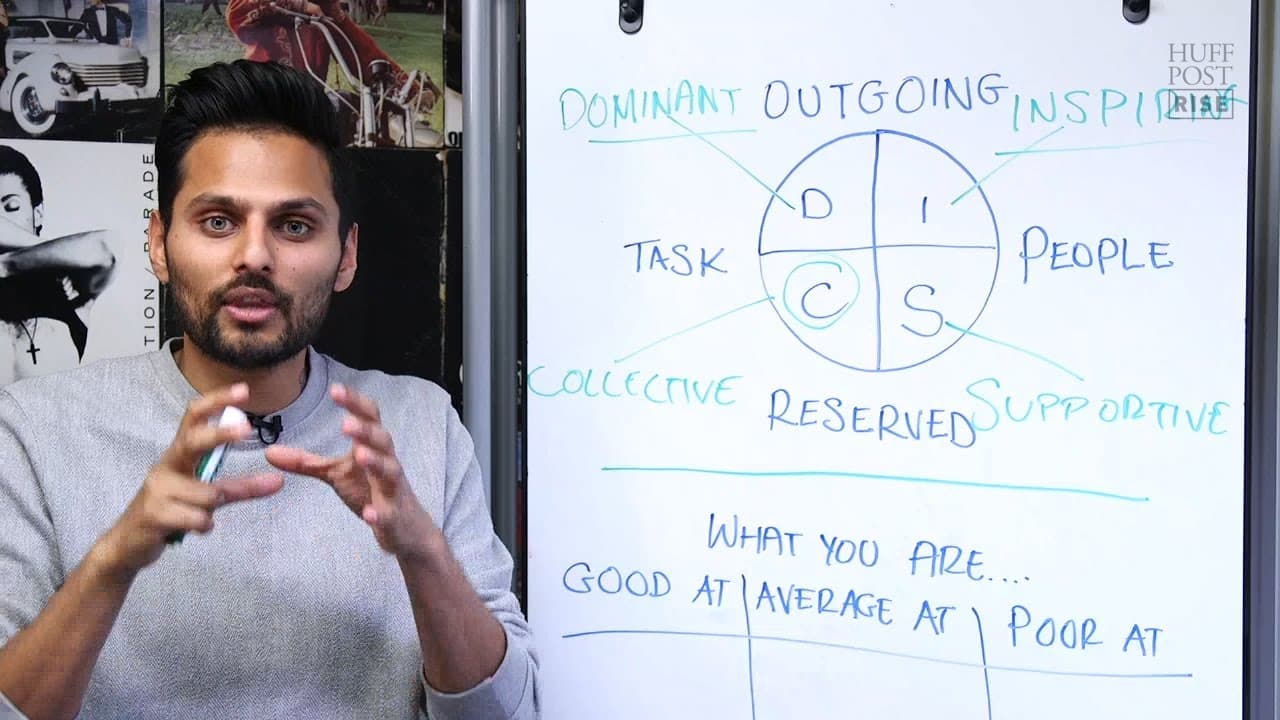
In this interactive workshop-style video, Jay Shetty guides viewers through a comprehensive process of self-discovery to identify their true passions and how to pursue them. Moving beyond the vague advice of "follow your dreams," Shetty introduces practical frameworks including the Japanese concept of Ikigai, the "Quadrant of Success," and the DISC personality assessment. The video combines high-energy motivational speaking with actionable exercises that require viewers to categorize their skills, interests, and behavioral traits. The content explores deep themes of self-awareness, career planning, and personal fulfillment. Shetty breaks down the misconception that passion is just a hobby, reframing it as an environment where an individual thrives. Key topics include distinguishing between "Passion" and "Potential," managing energy by auditing daily tasks, and understanding how different personality types (Outgoing vs. Reserved, People vs. Task-oriented) function best in leadership and team settings. For educators, this video is a goldmine for Career and Technical Education (CTE), Social-Emotional Learning (SEL), and psychology units. It provides ready-made frameworks for students to analyze their own strengths and weaknesses. The visual models drawn on the whiteboard serve as excellent graphic organizers for classroom activities, helping students map out their future paths, understand their communication styles, and develop a growth mindset regarding skills they love but haven't yet mastered.

HuffPostHuffPost

33mins 43s

Nietzsche - Overcome Shame, Become Who You Are

Nietzsche - Overcome Shame, Become Who You Are

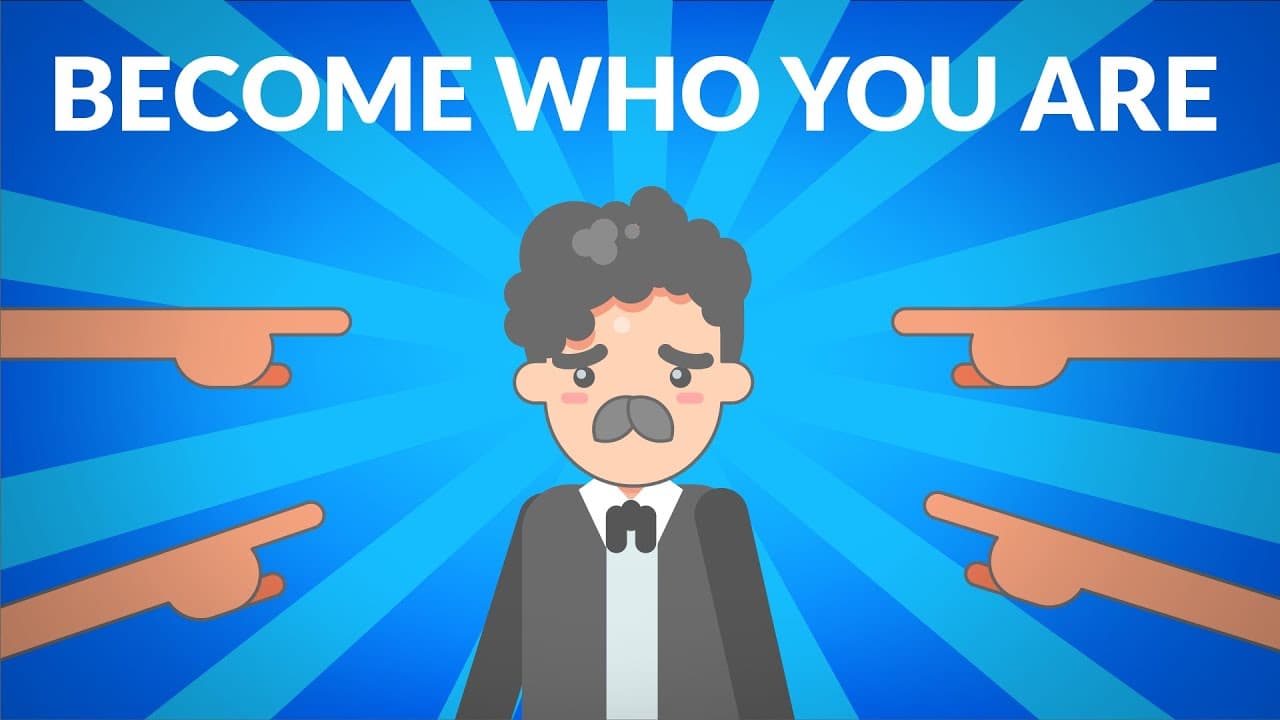
This animated educational video explores Friedrich Nietzsche's philosophy on shame, authenticity, and freedom, drawing primarily from his work 'The Joyous Science'. The video argues that true freedom is the ability to 'become who you are'—to realize one's innate potential like an acorn growing into an oak tree. It posits that toxic shame acts as a barrier to this self-actualization because it stems from comparing one's authentic self to societal ideals or 'shoulds', leading individuals to adopt false personas to gain acceptance. The narrative delves into key psychological themes including the 'true self' versus the 'false self', the origins of conscience and social conditioning, and the isolating effects of performing a role for others. Through the relatable case study of 'Timmy', a sensitive artistic boy who adopts a hyper-masculine persona to please his mother, the video illustrates the high cost of conformity: alienation, loneliness, and the loss of one's unique identity. For educators, this video serves as a powerful tool for Social Emotional Learning (SEL), philosophy, and psychology classes. It provides a framework for discussing identity formation, peer pressure, and mental health. The approachable animation style makes complex philosophical concepts accessible to high school students, fostering deep discussions about the difference between doing what one 'wants' versus what one 'should' do, and the courage required to live authentically.

Freedom in ThoughtFreedom in Thought

10mins 7s

Our Class is a Family Read Aloud | Animated Kids Book | Vooks Narrated Storybooks

Our Class is a Family Read Aloud | Animated Kids Book | Vooks Narrated Storybooks

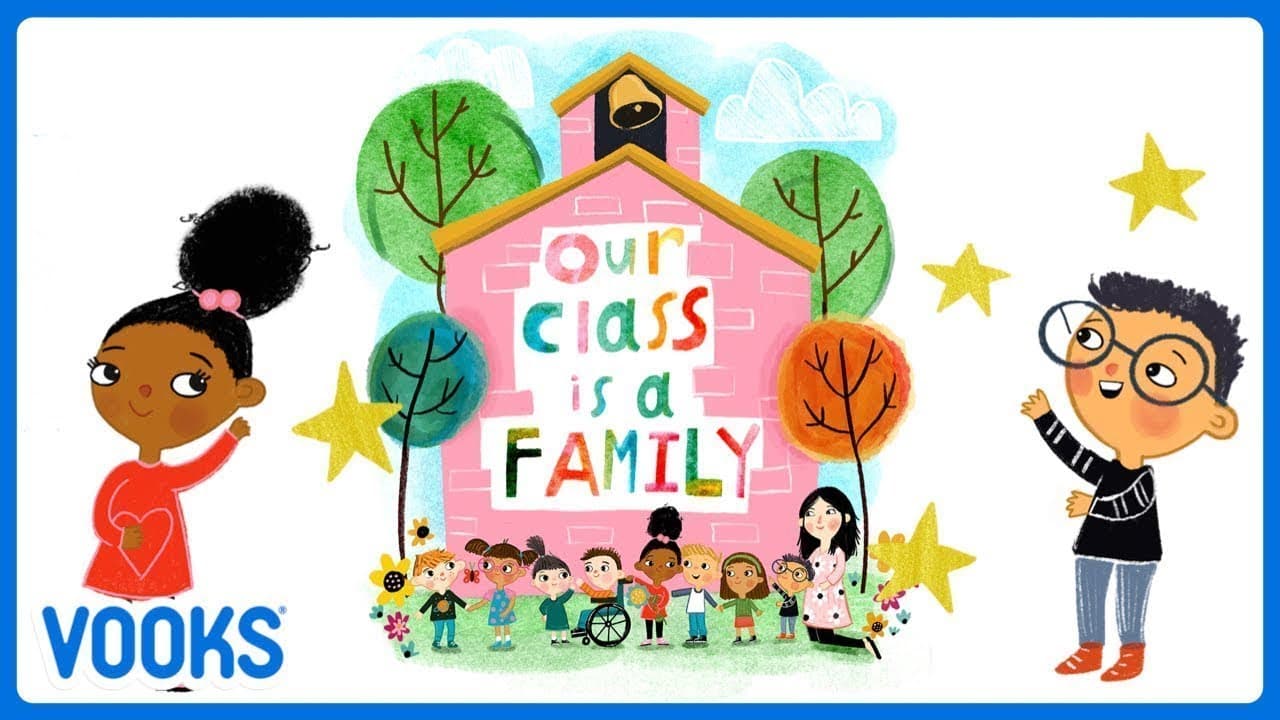
This animated read-aloud video brings Shannon Olsen's beloved picture book to life, exploring the concept that family extends beyond biological relatives to include the people we learn and grow with every day. The video begins with a live-action introduction by a young host who sets the stage by defining family through love rather than just relation, followed by a gentle, animated narration of the text. The story illustrates how a classroom serves as a "second home" where students spend most of their time, emphasizing that this shared space creates a unique bond among peers and teachers. Key themes include community building, social-emotional learning (SEL), diversity, and emotional safety. The narrative explicitly addresses that a classroom is a "haven" where it is safe to make mistakes, fostering a growth mindset. It highlights the importance of respecting differences, showing kindness, and sticking together through tough times. The illustrations depict a diverse group of students, including children of various races and abilities, reinforcing the message that everyone belongs. For educators, this video is an essential tool for establishing classroom culture, particularly during the back-to-school season. It provides a shared language for discussing how students should treat one another and helps define the classroom as a safe, supportive environment. Teachers can use this resource to spark discussions about class rules, conflict resolution, and the value of empathy, helping to transform a group of individual students into a cohesive, supportive team.

VooksVooks

5mins 17s

Materials

Connection Compass Worksheet

Connection Compass Worksheet

An ultra-accessible, low-reading-demand student counseling worksheet tailored for learners with disabilities, featuring visual icon-supported checkboxes, short direct prompts, large text, and flexible draw-or-write response areas.

JM

Jada Murray

Get to Know You Grid Worksheet

Get to Know You Grid Worksheet

A highly structured, pure black-and-white 'Get to Know You' graphic organizer dashboard for the beginning of the school year. Features six distinct profile cards for hobbies, screen time, screen-free hours, and a class playlist request with zero gray colors, optimized for clean print or photocopy reproduction.

KR

Kirstin Reed

Spotlight On Me Worksheet

Spotlight On Me Worksheet

A 2-page print-ready "Spotlight on Me" Back-to-School About Me worksheet featuring ultra-compact headers, significantly larger font sizes, taller handwriting lines, and maximum drawing canvas space.

PL

Patrick l

Respect Superheroes Daily Slides

Respect Superheroes Daily Slides

A vibrant, 11-slide presentation designed for K-3 elementary students during the Week of Respect. Features 5 daily 5-10 minute interactive mini-lessons covering personal space, kind words, celebrating differences, caring for school property, and taking a classroom respect pledge.

TJ

Tashanique Jefferson

Midlife Transition Infographic Poster

Midlife Transition Infographic Poster

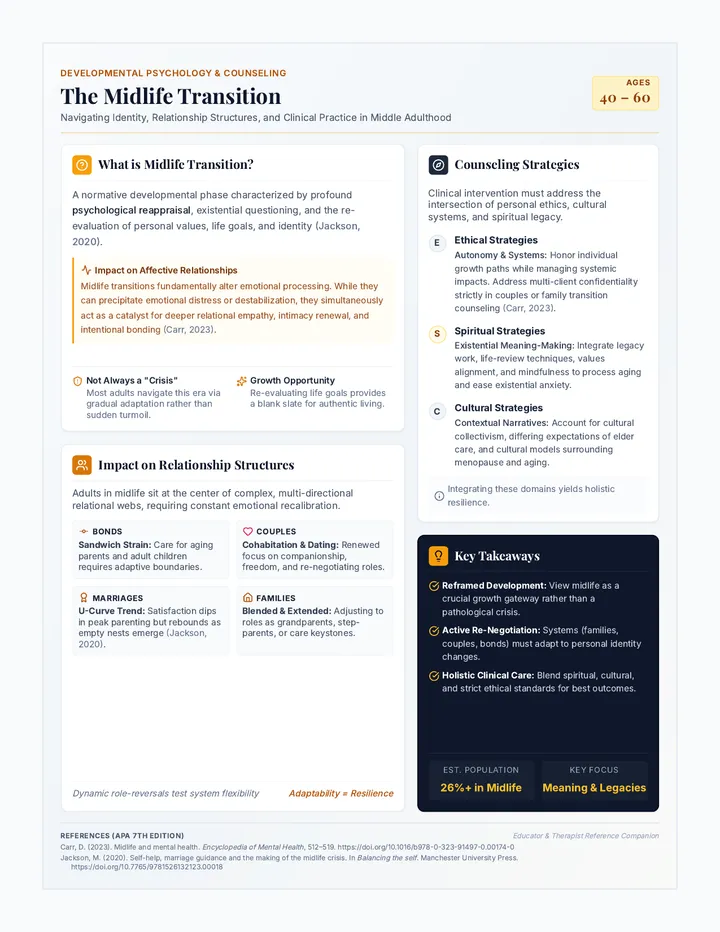
An informative single-page dashboard infographic for educators and counselors, presenting midlife transition insights including definitions, relationship systems, cultural and clinical strategies, and references. Edited to update the header sub-label to 'Lifespan and Development'.

ES

Emma Storm

Get to Know You Grid Worksheet

Get to Know You Grid Worksheet

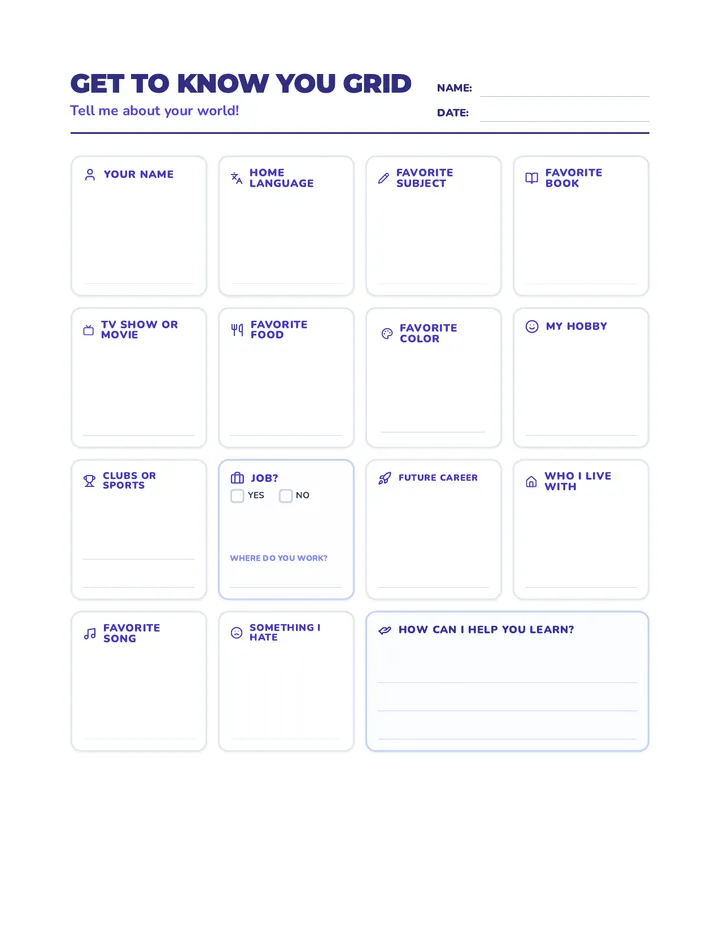
A compact 15-item 'Get to Know You Grid' optimized to fit on a single page. It features a smaller title font, reduced header spacing, and shortened grid heights while maintaining clear writing lines and supporting icons for ELL students.

KR

Kirstin Reed

Sequences

Freshness Slides (3) v2

Glow Up Guide (K-4)

A comprehensive SEL-integrated hygiene curriculum for elementary scholars (K-4), focusing on self-awareness, social impact, and personal responsibility through the lens of a 'Glow Up'.

T

tkeya.void

86
Space Bubble Shield Worksheet

Hero Habits Academy

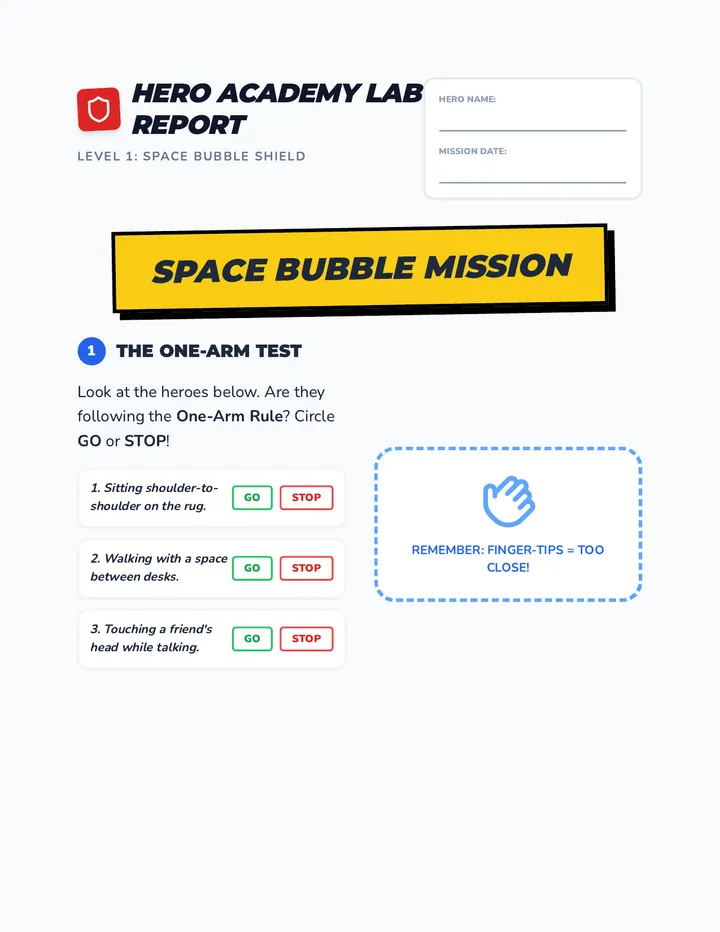
A 10-lesson curriculum designed for 2nd-grade boys to develop focus, personal space awareness, and kind communication through a superhero-themed 'Hero Habits' program. Students learn to 'Power Up' their social skills using comic-book-inspired visual aids and reflective activities.

K

KatheV

34
Impulse Heroes Teacher Guide

True North Identity Lab

A 6-week identity and self-esteem program for 5th graders titled 'True North: The Identity Lab.' Students explore their core values, strengths, mindset, and authentic selves through a scientific 'discovery' theme, preparing them for the social transitions of middle school.

BR

Beverly Rogers

41
Body Scan Activity Sheet

Inner Strength Lab

A comprehensive 9-week social-emotional learning curriculum for 8th graders focusing on anxiety, self-esteem, and healthy relationships. Designed for two 2-hour sessions per week, with structured instruction on Day 1 and independent creative or research projects on Day 2.

D

dmartinez

37
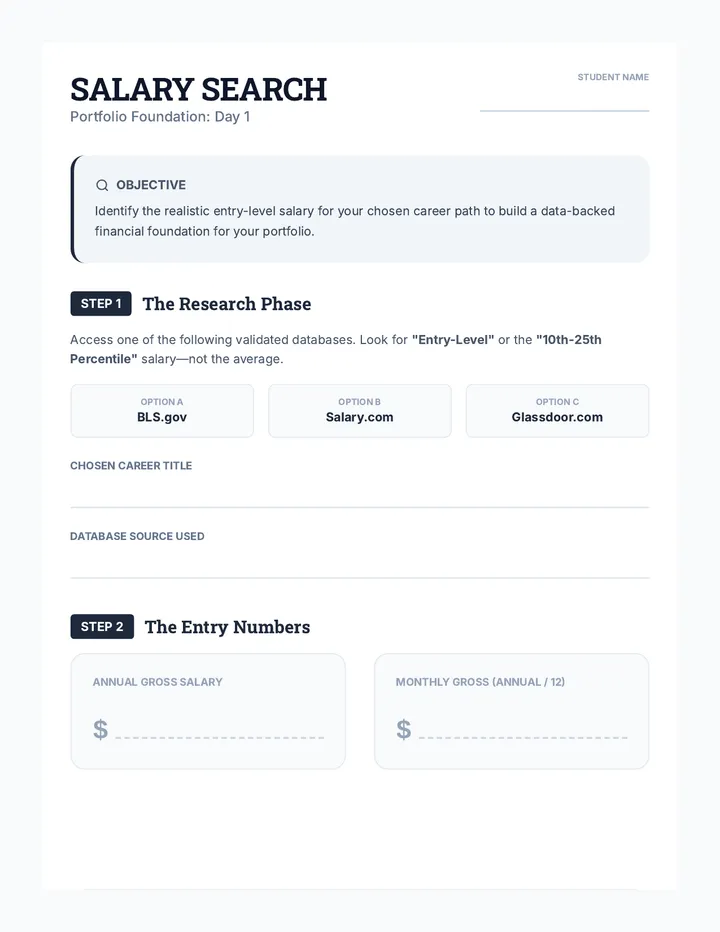
Salary Search Worksheet

Future Blueprint Portfolio

A comprehensive 5-week sequence for high school juniors to finalize their professional portfolio and career budget, culminating in a formal defense. Includes financial planning, executive summary refinement, resume building, and branding.

I

ihayden

59
Stress Survival Handout

The Launchpad

A comprehensive year-long curriculum for high school seniors focusing on college readiness, career planning, financial literacy, and social-emotional well-being. This sequence guides students through the complexities of post-secondary transitions with a special focus on arts-based pathways.

AM

Acacia McCombs

73