Identification of warning signs for mental health crises and suicide risk among peers. Equips learners with intervention frameworks for active listening, safety assessment, and connection to professional support systems.
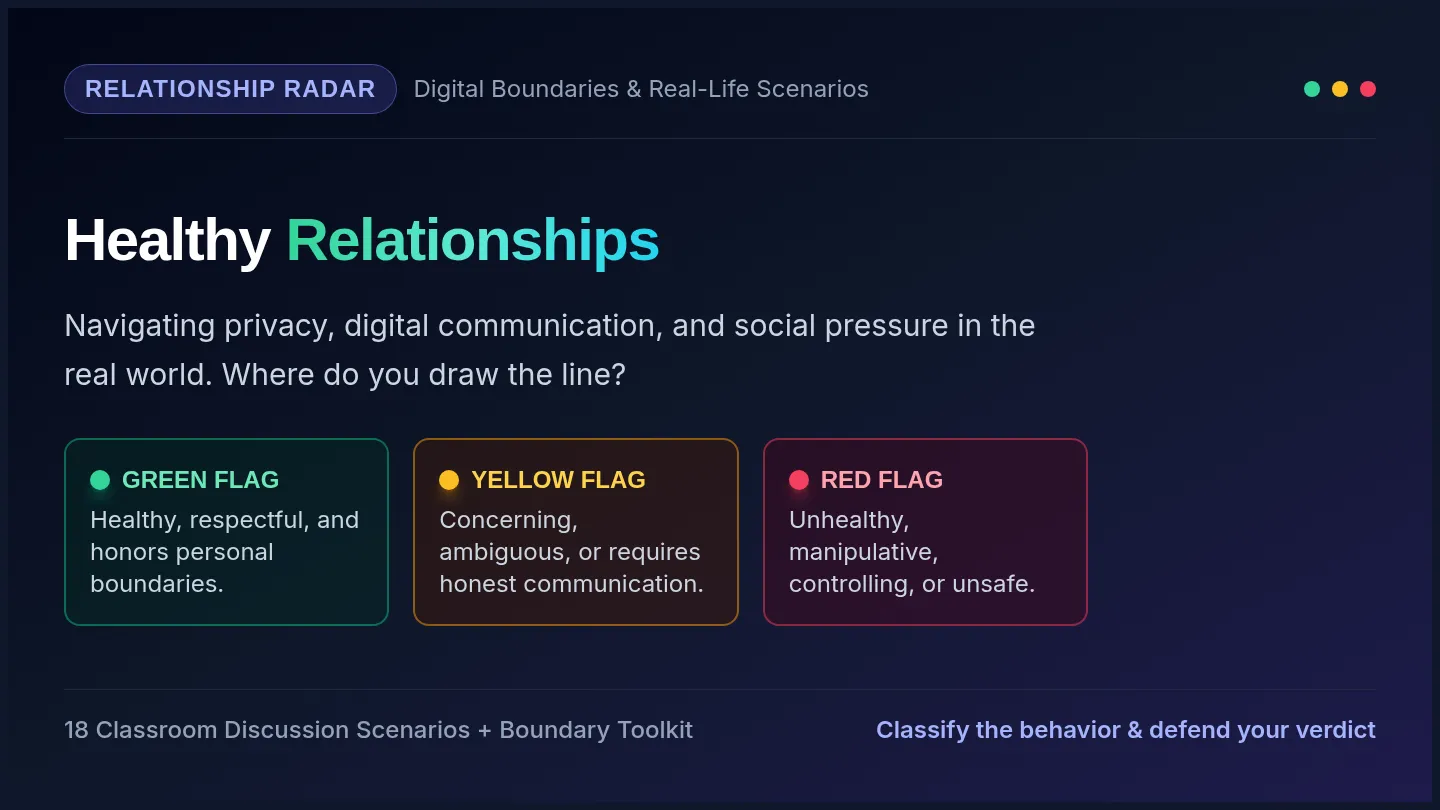
An interactive 20-slide presentation exploring 18 real-world relationship and digital boundary scenarios for students, complete with a dedicated Boundary Formula toolkit slide and a Green-Yellow-Red classification system.
A comprehensive bullying prevention curriculum for PK-6 students, featuring two distinct 30-minute sessions for every individual grade level. The program uses mentor texts by Kathryn Otoshi, Trudy Ludwig, Julia Cook, and others to scaffold concepts of power imbalance, upstander strategies, and school culture change.
A 6-session social skills program for 7th graders focusing on active listening, empathy, "I" statements, conflict resolution, peer support, and inclusivity through interactive activities and practical strategies.
A four-session Tier 2 small-group series for 7th-grade boys focused on mental health awareness, suicide prevention, and building supportive coping habits. Students will learn to recognize warning signs, practice self-care, and develop communication skills to help themselves and their peers.
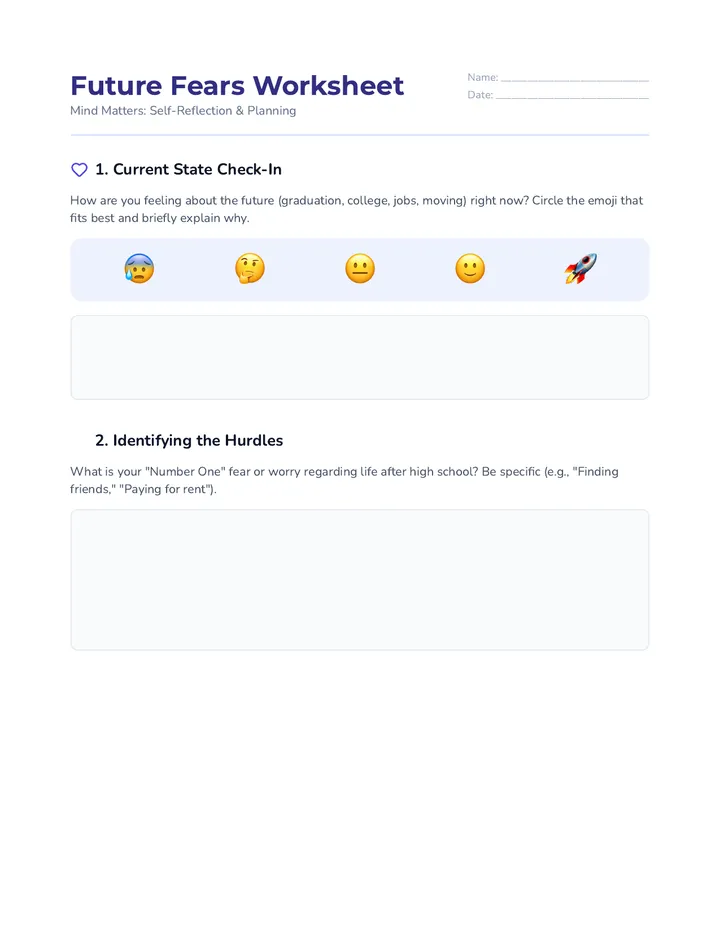
A 5-day mental health curriculum for high schoolers covering anxiety, depression, the transition after graduation, and building a sustainable safety net.
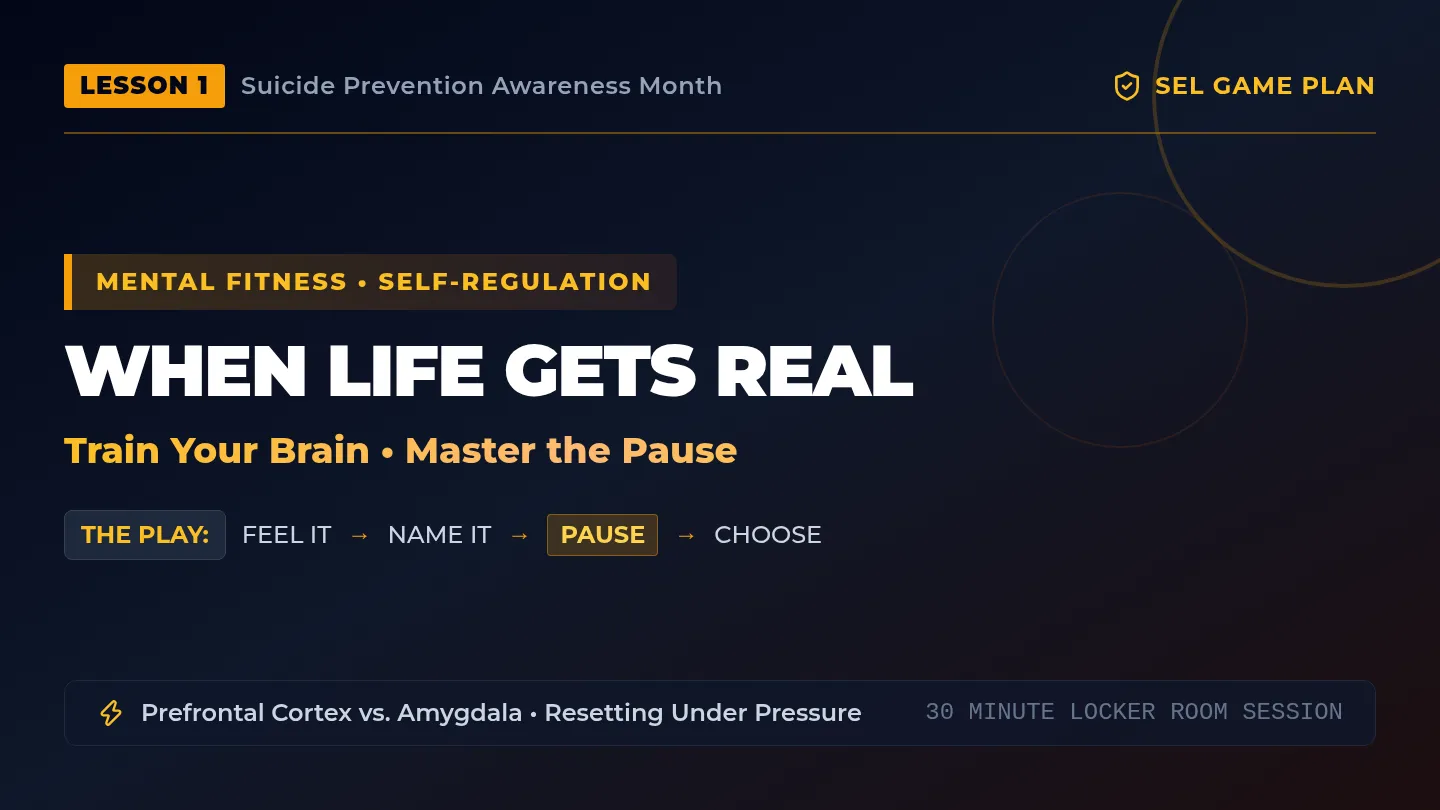
A two-part SEL and suicide prevention awareness sequence for middle school boys rooted in emotional regulation, peer support, and the African philosophy of Ubuntu. Students learn to master the pause under pressure and build support networks so no brother carries life alone.
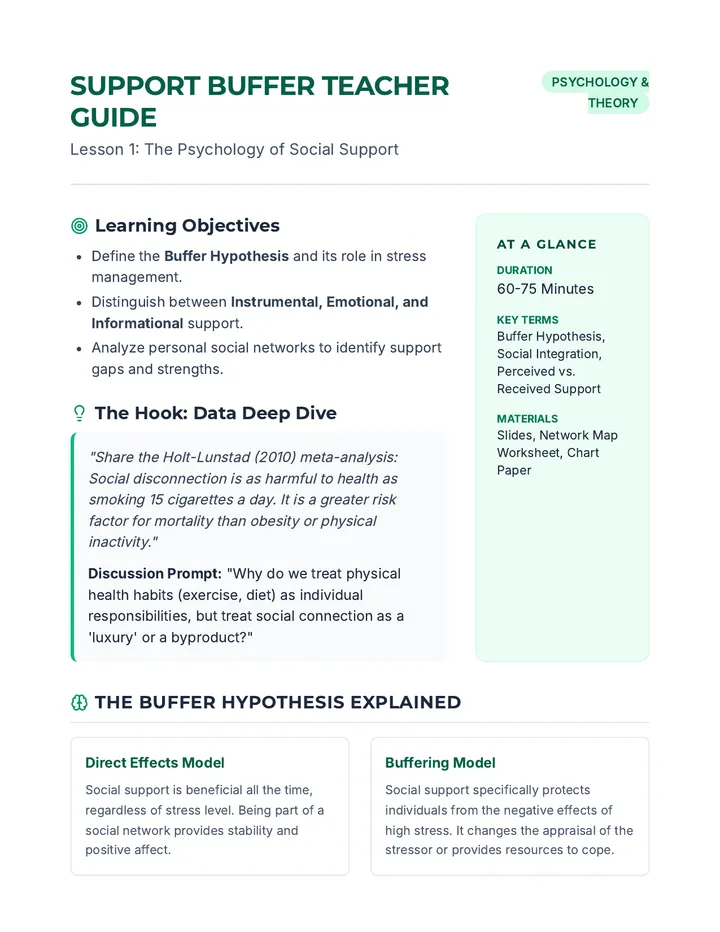
A comprehensive sequence for undergraduate students exploring the social psychology of stress and the practical skills needed to build resilient peer support networks. Students move from theoretical understanding to practical facilitation and community planning.
Ova lekcija usmjerena je na osvještavanje uloge promatrača u situacijama vršnjačkog nasilja kroz analizu pisanih scenarija i kritičko razmišljanje o mogućim intervencijama.
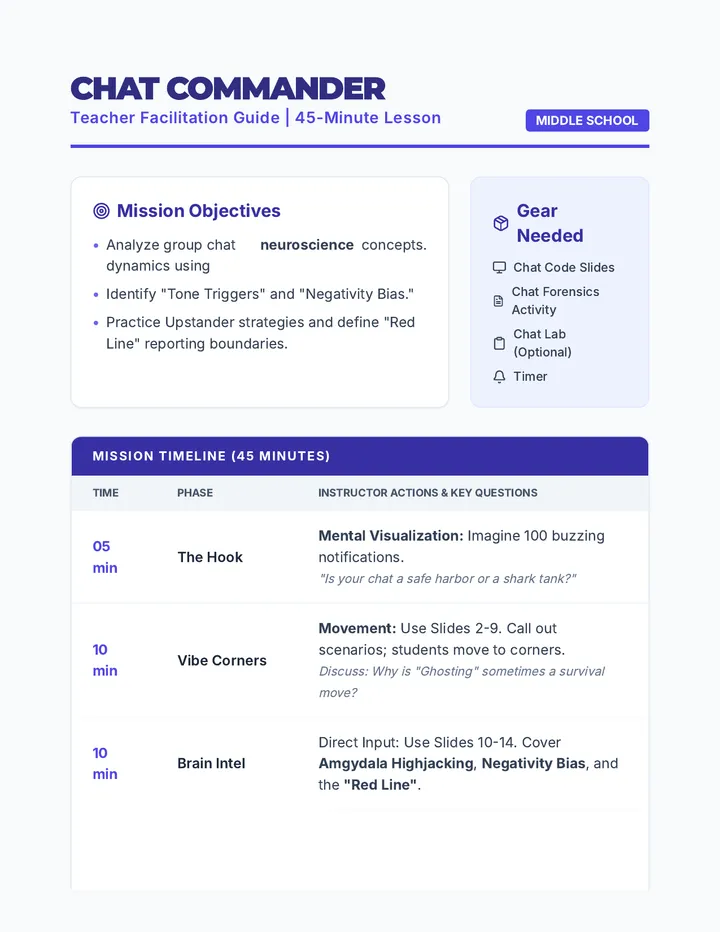
A 45-minute lesson designed for middle schoolers to navigate the social complexities of group chats, focusing on digital empathy, tone interpretation, and being a supportive 'upstander' in digital spaces.
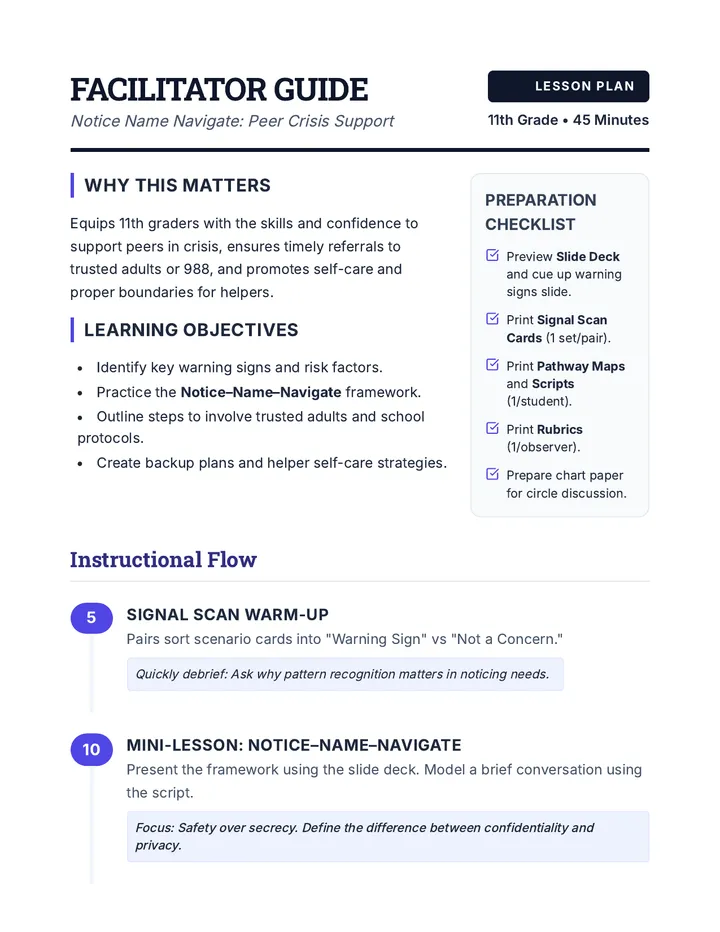
A 45-minute lesson for 11th graders on recognizing peer crisis warning signs and using the Notice–Name–Navigate framework to connect friends to support safely while maintaining self-care boundaries.
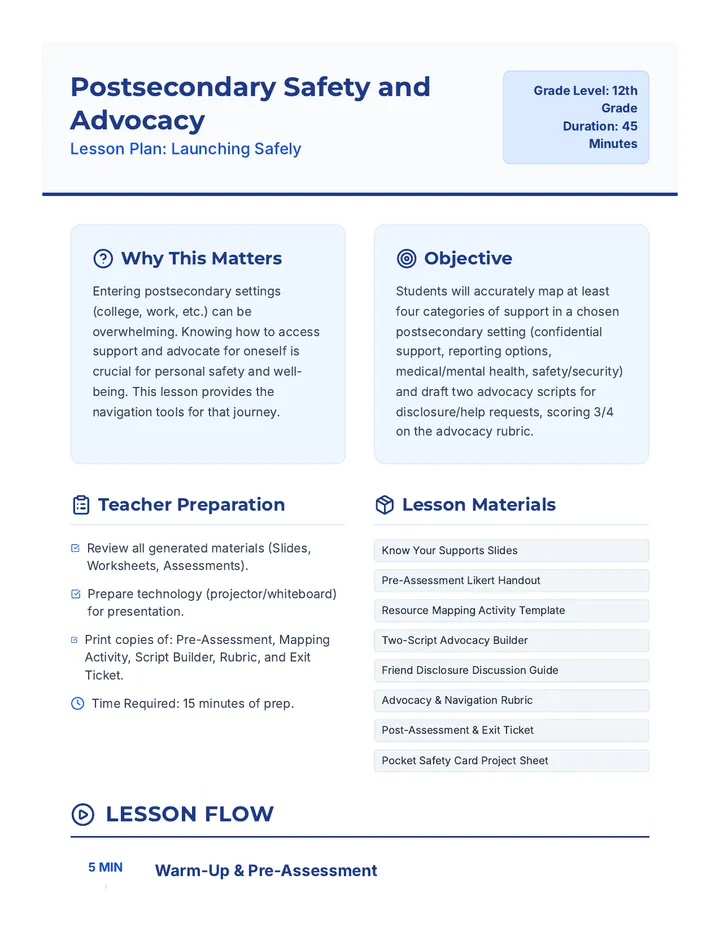
This 45-minute lesson for 12th-grade students helps them identify and utilize safety resources in postsecondary settings and develop effective advocacy skills. Students will gain practical tools for navigating new environments safely and confidently.
This lesson empowers 7th graders to move from passive bystanders to active upstanders. Students will learn the 4Ds of intervention, analyze the impact of their choices in social situations, and develop practical skills for building a supportive school culture.
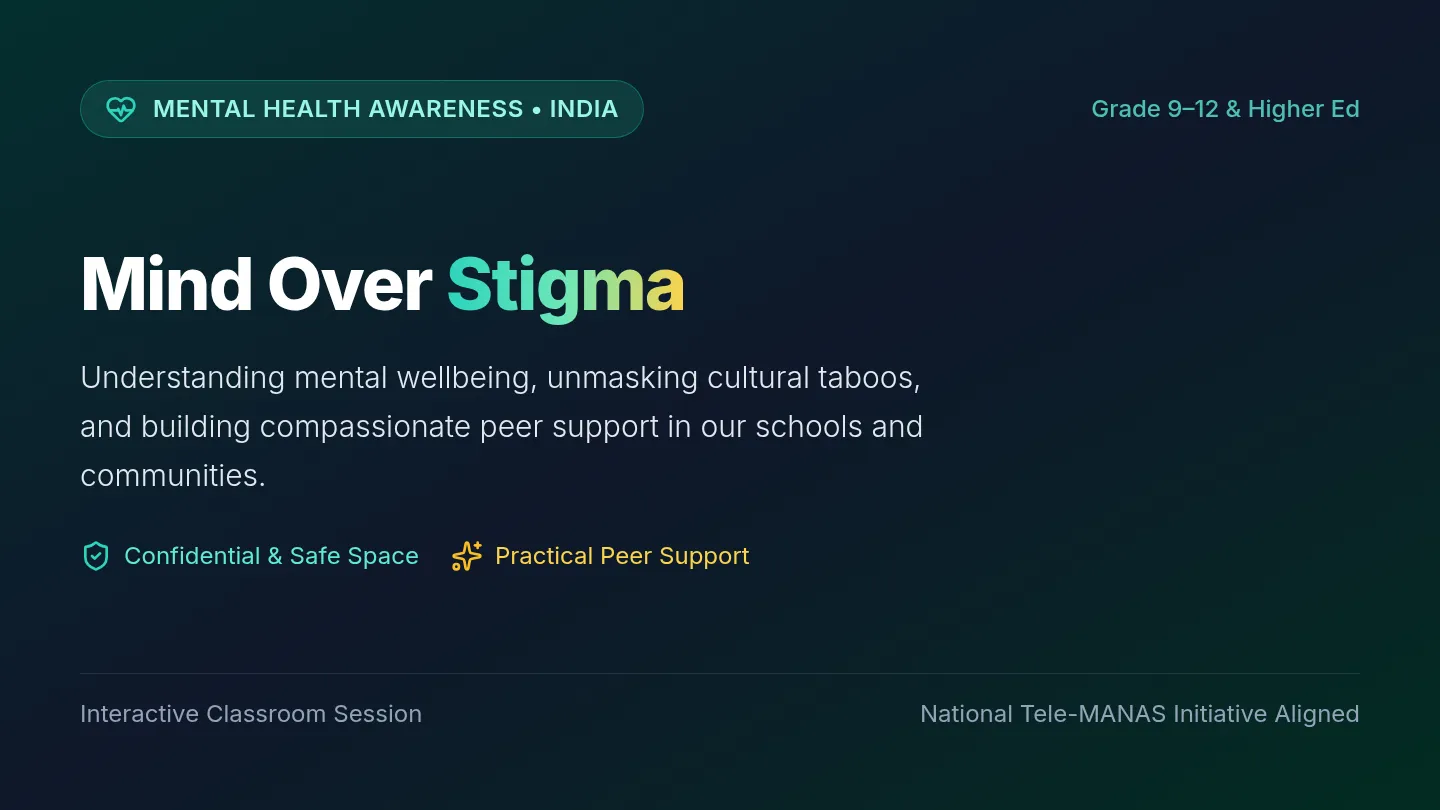
A comprehensive mental health awareness lesson tailored for Indian secondary and college classrooms. Students unpack cultural myths, identify early signs of emotional distress, practice empathetic peer listening, and learn actionable India-based support resources.