Identification of behavioral functions including escape, attention, and sensory needs to design targeted intervention plans. Connects assessment data to replacement behaviors and antecedent strategies.
A specialized counseling sequence focused on replacing physical aggression with functional communication and sensory regulation for students with high-needs autism. This sequence emphasizes 'Gentle Hands' and provides visual tools for managing frustration when denied access.
A comprehensive toolkit for elementary school counselors to design, implement, and monitor evidence-based Behavior Intervention Plans (BIPs) within a PBIS framework. Includes templates for FBA summaries, replacement behavior guides, and grade-specific reinforcement strategies aligned with TEKS for social-emotional development.
A practical, hands-on unit for 7th graders focusing on the essential skills and responsibilities of child care, from hygiene and feeding to safe handling and diapering.
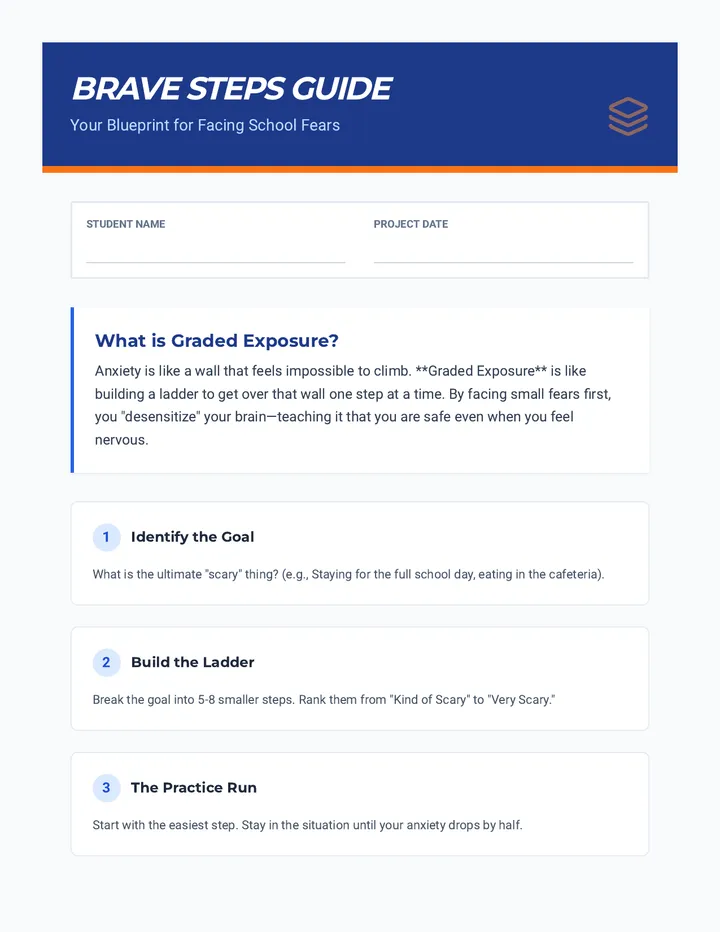
A 4-session small-group counseling program for grades 3-5 focused on identifying functional triggers for school avoidance, building coping strategies, and preparing for a successful fall transition. The program utilizes a mountain-climbing theme to empower students as 'navigators' of their own school journey.
A comprehensive 8-lesson intervention using the Prevent, Teach, Reinforce (PTR) model to help students transition from defiant avoidance to self-regulated break-taking.
A two-lesson unit for kindergarten students to learn appropriate attention-seeking behaviors and self-regulation techniques using the 'Spotlight Stars' theme.
A comprehensive week-long social-emotional learning unit designed for students who struggle with physical aggression as a means of seeking attention. The curriculum focuses on identifying underlying needs, mastering positive attention-seeking behaviors, and developing self-regulation and conflict resolution skills.
A professional development series designed for school social workers and counselors to address student work avoidance and navigate difficult conversations regarding academic retention and engagement across all grade levels.
This sequence applies Organizational Behavior Management (OBM) principles to improve employee performance and organizational systems through positive reinforcement, pinpointing, and evidence-based training models.
A capstone sequence for 11th-grade students to synthesize assessment, prevention, and teaching strategies into a comprehensive Behavior Intervention Plan (BIP). Students learn about reinforcement systems, crisis management, and data-based decision-making to create sustainable and ethical behavioral supports.
This sequence guides 8th-grade students through the process of viewing their behavior as data. Students learn to distinguish between subjective feelings and objective actions, identify triggers and antecedents, analyze trends over time, and develop proactive 'circuit breaker' plans to manage their behavior effectively for academic success.
A 9th-grade behavioral support sequence where students analyze their own check-in data to identify patterns, triggers, and trends, culminating in data-driven self-advocacy.
A 1-page printable kindergarten worksheet where students identify secure clothing items, trace a body boundaries pledge, and circle safe ways to get attention.
A 1-page printable resource featuring 6 pocket-sized visual reminder cards for teachers to cut out and use for real-time redirection and positive reinforcement.
A beautifully formatted 2-page visual social story for kindergarteners, explaining the importance of keeping clothes on and how to use positive alternatives to connect with peers.
An interactive 6-slide digital presentation designed for classroom instruction, defining private parts, body boundaries, and safe ways to get attention.
A comprehensive 2-page instructional guide for teachers, containing a step-by-step lesson plan, replacement behaviors, and a low-emotion intervention protocol for private part exposure.
A detailed facilitation guide for educators conducting the 'Gentle Hands' role-play lesson. Includes scripts for the 'Hands to Self' technique and safety protocols for high-needs autism management.
A portable visual tool for students with autism. Includes a communication choice board, a bilingual social story, and a 'Hands to Self' practice guide for role-playing calm responses to frustration.
A visually rich slide deck for a counseling lesson on physical aggression. It includes a social story, role-play practice for the 'Hands to Self' clasping technique, and communication starters.
A preparation tool for staff to structure their case presentations, featuring broad, multi-role inquiry prompts inclusive of General and Special Education contexts. Revised for improved writing space and single-page layout.
A comprehensive slide presentation for staff to introduce the Case Consultation Group, featuring a neutral title and professional tone, monthly meeting frequency, and explicit inclusion of Special Education contexts. Revised for neutrality and multi-role clarity.
A professional proposal for school leadership outlining the purpose, value, and structure of a Case Consultation Group, emphasizing voluntary participation and multi-role inclusion. Revised for improved readability and diplomatic tone, with the approval box removed.
A teacher guide for the Social Radar behavior intervention, providing implementation steps, classroom strategies, and discussion prompts for managing intrusive behaviors.
A positive, proactive kindergarten lesson designed to address attention-seeking private part exposure by teaching clear body boundaries and positive ways to get attention.
A 20-minute intensive counseling lesson focused on 'Gentle Hands' and 'Hands to Self' techniques. Includes a social story, role-play scenarios, and a visual choice board to replace hitting with functional communication.
A professional development framework for launching a complex case consultation group designed to move staff from venting to intentional peer-to-peer problem solving.
A behavior intervention lesson focused on teaching students how to recognize instructional 'flow' and apply a 'social filter' to avoid interrupting and asking inappropriate questions.
A neuroaffirming 10-minute session designed for a Grade 2 student to explore volume control and replacement behaviors for screaming. The lesson uses a 'Voice Explorer' theme to teach about personal volume levels and sensory tools.
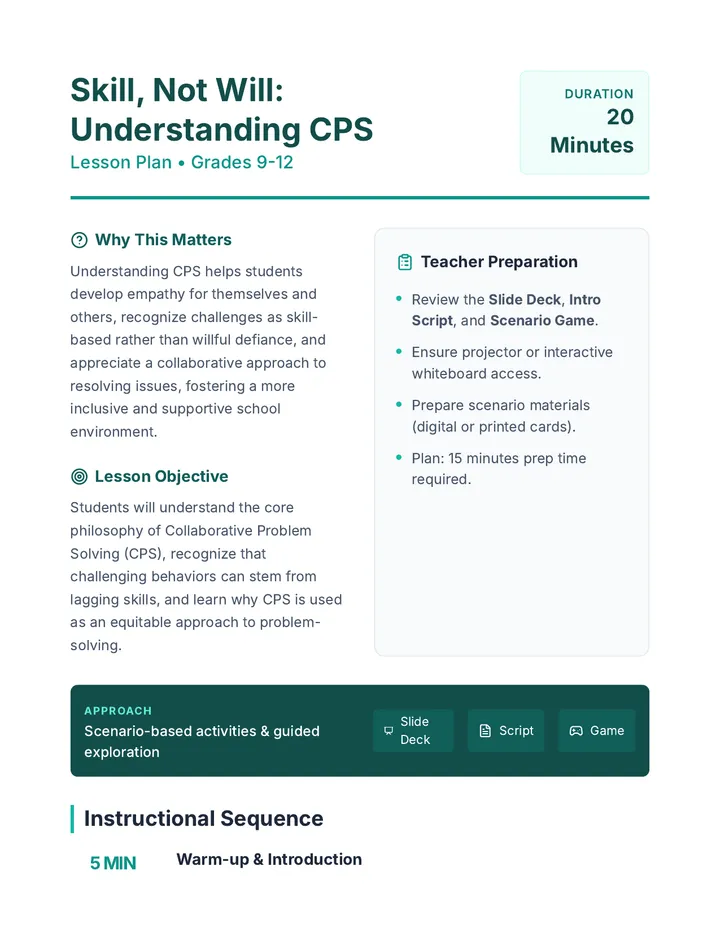
This lesson provides counselors with the foundational tools and templates needed to translate FBA data into actionable behavior intervention plans. It covers functional assessment summaries, replacement behavior selection, and data-driven monitoring.
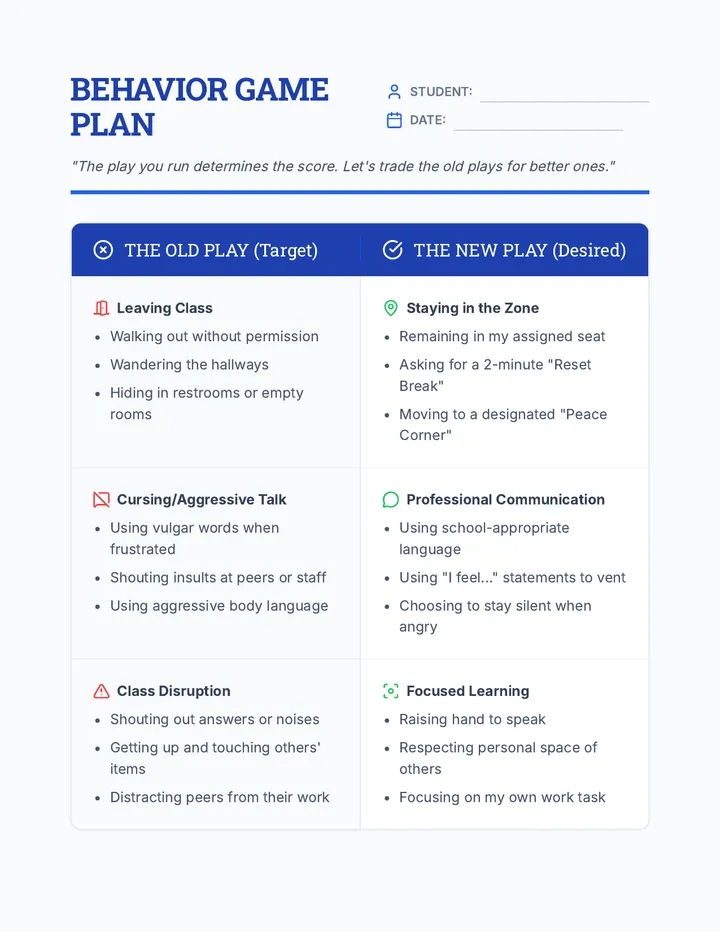
A high-engagement lesson using a retro video game theme to help students with ADHD and ODD understand the impact of cursing and develop 'Power-Up' replacement phrases for when they feel frustrated.
A therapeutic intervention lesson designed for a 6th-grade student returning from suspension, focusing on emotional identification and perspective-taking through art.
A comprehensive case conceptualization of Howard Hughes using a Behavioral Therapy framework, including a clinical presentation and a formal research paper.
A targeted 1-on-1 intervention for kindergarten students focusing on building the confidence to attempt tasks and the empathy to maintain safe physical boundaries. Includes a social story, facilitator guide, and student reflection tools.
A 20-minute social-emotional learning session for high-needs students focusing on replacement behaviors for hitting through social stories and visual supports.
A lesson focused on helping students recognize and redirect attention-seeking behaviors by using theater-based metaphors for social awareness and self-control.