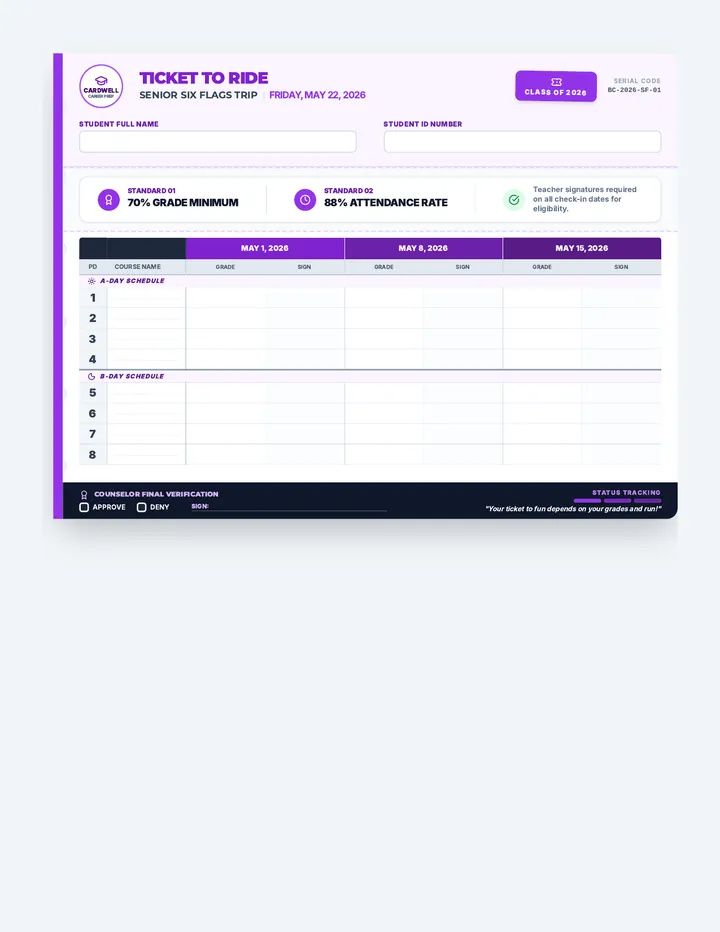
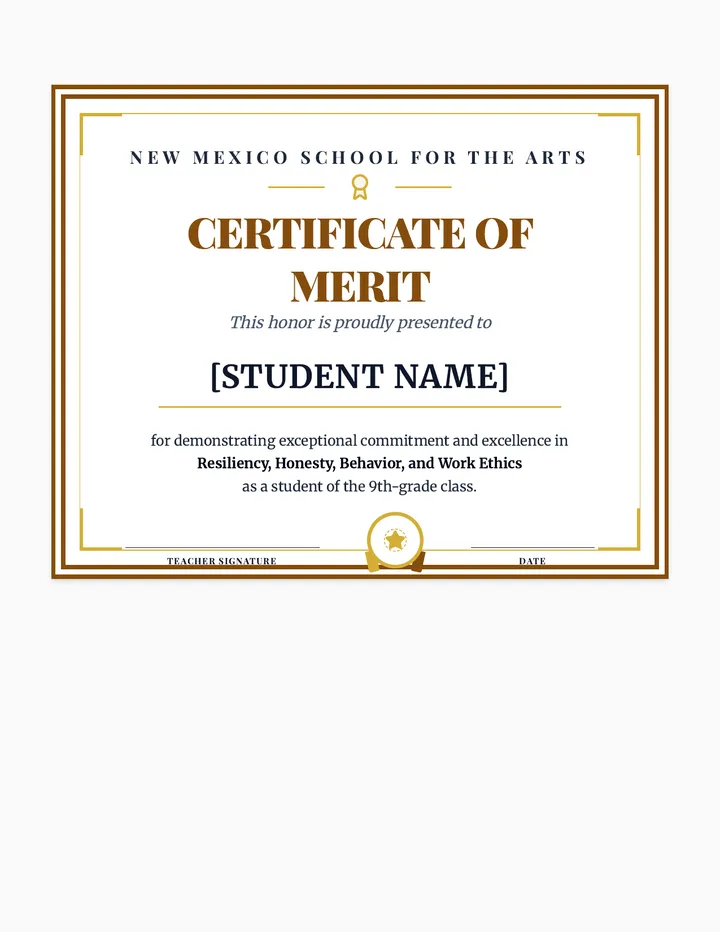
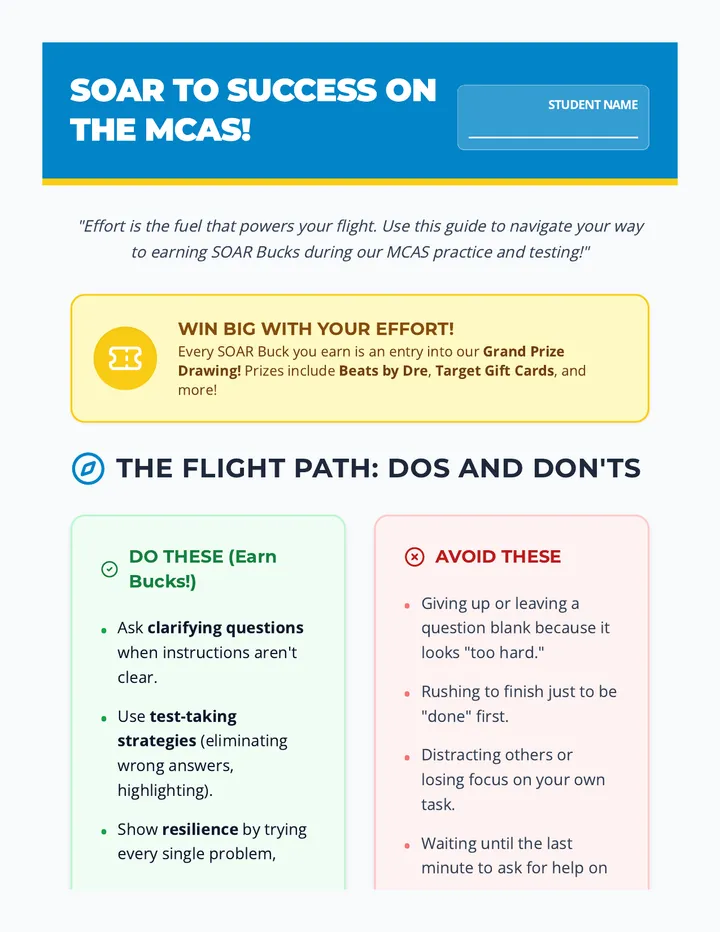
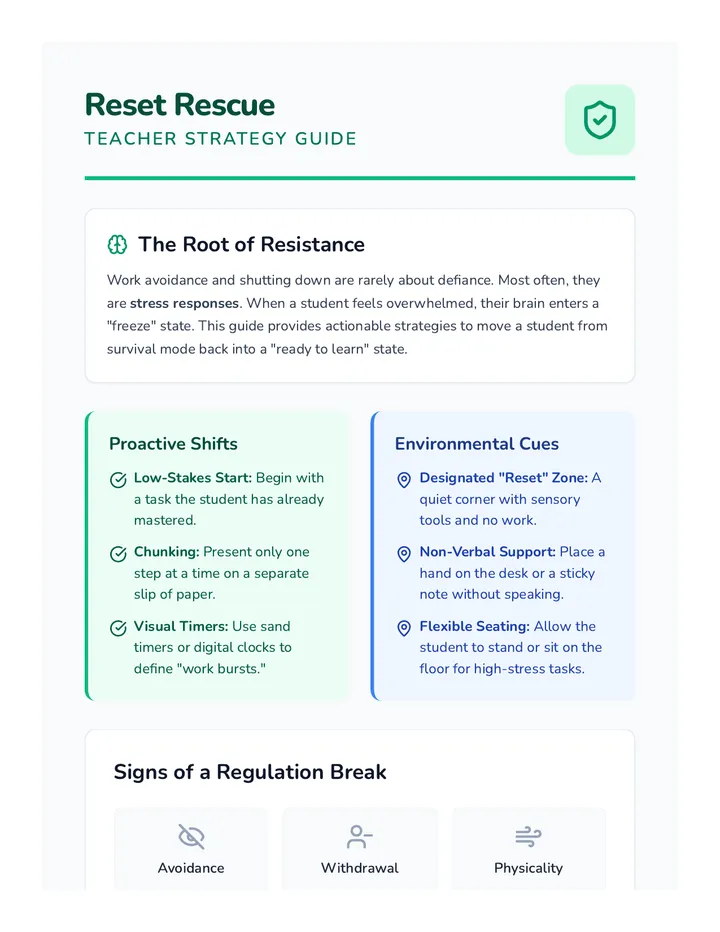
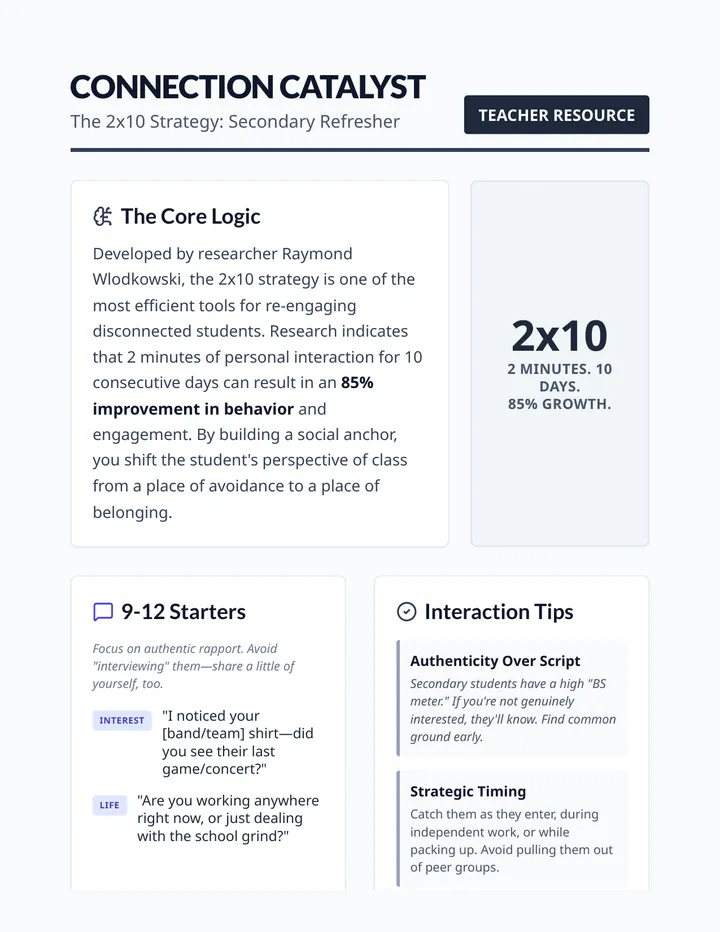
Principles of using praise and rewards to increase the frequency of desired behaviors. Addresses reinforcement schedules, selection of effective motivators, and methods for ensuring long-term habit formation.
A counseling and self-regulation lesson for middle school students, using a high-octane racing 'Pit Stop' metaphor to teach self-control, persistence, and double-checking work instead of rushing.
A comprehensive, highly engaging lesson that translates the core principles of Atomic Habits into practical academic, executive functioning, and social strategies for 7th graders. Through interactive slides, concrete worksheets, and structured small-group discussions, students learn to design and track habits that lead to continuous improvement.
A comprehensive kindergarten classroom management lesson that uses the fun metaphor of space bubbles to teach students how to line up, respect personal space, keep hands to themselves, and maintain physical distance.
An individual counseling intervention for 2nd-grade students to build impulse control and focus. Includes a step-by-step counselor guide with visual self-regulation tools and a child-friendly daily behavioral self-monitoring chart.
Week 4 of the Wellbeing program. Launches the daily desk-mate tracker routine in the live classroom, establishing goal-setting and long-term reinforcement of coping saves.
Week 3 of the Wellbeing program. Normalizes error-making by comparing student struggles to professional soccer players fumbling, failing, and practicing daily to train their brains.
Week 2 of the Wellbeing program. The student learns to formulate a personal action plan by designing specific, physicalized tactical 'plays' to run when academic frustration hits.
Week 1 of the Wellbeing program. The student takes on the role of the Head Coach to analyze soccer players who want to quit, building externalized positive self-talk and perspective.
An intensive social-emotional intervention kit designed for lower elementary students to promote self-regulation and keep hands to themselves. This kit includes a relational behavior contract, an interactive lesson plan with role-play scenarios, visual aids, and a daily progress tracker.
A comprehensive classroom management and family partnership kit designed to cultivate a warm, high-expectation, relationship-first classroom environment. It contains a warm family handbook introduction, positive outreach templates, student goal-tracking charts, curiosity-driven transition routines, and visual reflection/repair sheets for self-regulation.
A comprehensive Tier 2 small group counseling intervention designed to reduce verbal aggression referrals, teach self-regulation, and establish prosocial communication skills in chronic offenders.
A comprehensive classroom management toolkit designed specifically for middle schoolers, emphasizing autonomy, self-regulation, and collaborative norms. It contains a privilege menu, a brain-break choice board, a student coping guide, and a teacher intervention selector.
A high-octane, racing-themed student worksheet pack. Page 1 helps students identify personal rushing triggers (Yellow Flags) and design coping skills. Page 2 provides a desk-ready FIT Check checklist and a real-world persistence drill.
A comprehensive 2-page counselor guide for the Pit Stop Precision lesson. Includes structured facilitator scripts, step-by-step lesson pacing, and 4 high-octane printable roleplay cards to practice self-regulation and double-checking.
An interactive, racing-themed slide deck designed for 6th grade counseling. It teaches the 'Pit Stop Protocol' to help students identify rushing behaviors, recognize the need for double-checking, and master task persistence.
A teacher-facing exemplar key and grading guide for the student Habit Blueprint worksheet. It contains concrete examples of high-quality student responses for habit stacking, environment design, and habit loop deconstruction.
Printable small-group coaching cards featuring six real-world scenario prompts. Perfect for counseling groups, advisory classes, or peer-led executive functioning workshops.
A single-page high-impact visual anchor chart / reference sheet outlining James Clear's 4 Laws of Behavior Change adapted for middle schoolers to build positive study systems and break counterproductive habits.
Interactive student-facing worksheet featuring a 7-day habit tracking grid, a Habit Stack builder, and a physical/digital environment design mapping tool to optimize studying and planning routines.
A 6-slide visual presentation to introduce the concepts of 1% improvement, the 4 components of the Habit Loop, and specific executive functioning tricks like environment redesign and habit stacking.
A comprehensive 2-page teacher-facing lesson plan and facilitation guide. It includes step-by-step pacing, instructional scripts, implementation tips, and small-group counseling discussion outlines based on the habit loop.
An expanded 2-page premium plant-themed classroom sticker sheet. Page 1 contains 8 circle growth mindset stickers and 6 action reminder banners. Page 2 contains 8 ticket-style status tags, 8 directional arrow pointers, and 14 botanical accent mini-decals, detailed with 3D shadows and realistic borders.
Simple coloring and matching seatwork activities designed for kindergarteners to reinforce the concept of keeping hands to themselves and maintaining a safe body bubble.
A collection of lining-up chants, creative floor spot ideas, and a weekly success tracker to encourage and monitor positive lining-up behaviors.
A structured 4-week emotional regulation and growth mindset sequence for Year 2 students struggling with academic frustration. Designed for weekly 20-30 minute sessions with a Wellbeing Officer, using a soccer analogy to build resilience, introduce coping 'plays', normalize mistakes, and establish a daily desk goalie tracker.
A two-part SEL sequence for a one-on-one session. It introduces the "Gear Switch" metaphor for transitions and follows up with a deeper look at personal responsibility and how "focusing on yourself" translates to group success.
A specialized counseling sequence focused on replacing physical aggression with functional communication and sensory regulation for students with high-needs autism. This sequence emphasizes 'Gentle Hands' and provides visual tools for managing frustration when denied access.
A series of social-emotional and behavioral lessons to improve school-wide culture and student self-regulation.
A comprehensive social skills program for first graders, focusing on cooperative play, turn-taking, and polite communication through songs and visual supports.
A structured sequence for Kindergarten Unit 1 of the Second Step curriculum, focusing on self-regulation and attention skills through the engaging 'Attention Detective' instructional theme.
A comprehensive training program for early elementary students to learn personal space boundaries and healthy ways to manage frustration, specifically focusing on keeping hands to self.
A comprehensive collection of social emotional learning resources focused on developing pro-social behaviors and self-regulation skills in the classroom.
A comprehensive social-emotional learning unit designed for first graders to master listening skills, smooth transitions, and self-monitoring through a high-energy space mission theme.
A series of LEGO-themed lessons focusing on social-emotional learning, personal boundaries, and self-regulation skills for students. The sequence combines specialized behavioral supports with general life skills and counseling strategies.
A 5-lesson self-regulation sequence for Grade 9 Math students, focusing on executive functioning skills like task initiation, distraction management, and self-advocacy through a gamified 'Level Up' theme. Each lesson is designed for 15-20 minutes of high-impact, visual-heavy instruction and practice.
A supportive sequence designed to help the eldest child in a family transition from feeling burdened by expectations to feeling empowered as a 'Family Team Captain'. It uses sports metaphors to teach leadership, patience, and the rewards of being a role model.