Lenny.com
Explore
Create
ActivitiesNewMathEnglish Language ArtsScience & EngineeringSocial StudiesGlobal LanguagesHealth & Physical EducationSpecial EducationCounseling & Life SkillsArts & CreativityESL
Lenny.com
Lenny.com
Explore
Create
ActivitiesNewMathEnglish Language ArtsScience & EngineeringSocial StudiesGlobal LanguagesHealth & Physical EducationSpecial EducationCounseling & Life SkillsArts & CreativityESL
Lenny.com
Counseling & Life SkillsSelf-AwarenessBasic Emotion RecognitionComplex Emotion IdentificationEmotional Nuance & Mixed FeelingsBuilding Positive Self-ImageRecognizing Strengths & Growth AreasAccurate Self-AssessmentPersonal Values IdentificationCultural & Individual Identity ExplorationValues-Based Decision MakingSelf-ManagementStop-and-Think StrategiesDelaying GratificationIndependent Impulse ManagementIdentifying Stress TriggersShort-Term Goal SettingSMART Goals DevelopmentGoal Monitoring & AdjustmentBuilding Perseverance & ResilienceInternal Motivation DevelopmentComprehensive Stress Reduction PlanningSocial AwarenessRecognizing Others' FeelingsDemonstrating EmpathyRespecting Individual DifferencesUnderstanding Cultural DiversityComplex Empathetic ResponsesMultiple Viewpoint ConsiderationMulti-Perspective AnalysisChallenging Stereotypes & BiasRelationship SkillsActive ListeningClear Verbal & Nonverbal CommunicationBuilding Positive FriendshipsWorking Cooperatively in GroupsCommunicating Personal BoundariesRespecting Others' BoundariesAssertive ExpressionPeaceful Problem-SolvingContributing to Team GoalsComplex Conflict NavigationMediation & NegotiationHealthy Romantic RelationshipsResponsible Decision-MakingDaily Problem IdentificationBrainstorming Multiple SolutionsEvaluating Pros & ConsRecognizing Risks & ConsequencesApplying Ethical FrameworksInformed Risk-Benefit DecisionsRoot Cause AnalysisMindfulnessMindful BreathingBody Scan MeditationDaily Mindfulness ApplicationDaily Self-Care RoutinesBalancing Life DemandsAdvocating for Wellness NeedsMental Health SupportUnderstanding Anxiety SymptomsWorry Management StrategiesProgressive Muscle RelaxationRecognizing Depression SignsBuilding Mood-Supporting RoutinesBehavioral Activation for MoodUnderstanding Grief StagesHealthy Grief CopingCreative Expression of LossBehavioral SupportDaily Check-In ProceduresDaily Goal Setting & ReviewRecognizing Escalation Warning SignsRequesting Breaks & SupportSelf-Calming During DistressUnderstanding Positive ReinforcementToken Economy ImplementationBehavior Chart TrackingAnalyzing Behavior PatternsIdentifying Antecedents & ConsequencesDetermining Behavior FunctionFunction-Based InterventionsIndividualized Behavior ContractsData-Driven Behavior AdjustmentTherapeutic ApproachesThoughts-Feelings-Behaviors ConnectionRecognizing Thinking PatternsChallenging Negative ThoughtsPositive Self-Talk PracticeThought Record TrackingAdvanced Cognitive RestructuringComprehensive CBT PlansBehavioral Activation TechniquesBuilding Positive ExperiencesExposure Hierarchies for AnxietyPresent-Moment AwarenessNon-Judgmental ObservationSelf-Soothing & DistractionComplex Emotion LabelingReducing Emotional Vulnerability (PLEASE)DEAR MAN CommunicationGIVE Skills for RelationshipsFAST Skills for Self-RespectRadical Acceptance PracticeCrisis Survival Skills (TIPP)Understanding Trauma EffectsTrauma Responses & TriggersIdentifying Trauma FeelingsGrounding TechniquesRegulation During Trauma DistressSafe Place VisualizationProcessing Through NarrativeDeveloping Trauma StoryPersonalized Safety PlanningGroup SupportTurn-Taking & SharingGroup Conversation SkillsSharing in Supportive EnvironmentLearning from Similar ChallengesBuilding Community & BelongingNavigating Peer RelationshipsGroup Skill PracticeGroup Mental Health EducationStress & Anxiety UnderstandingCrisis Support & SafetyKnowing When to Seek HelpIdentifying Mental Health CrisesGrounding During CrisisUsing Crisis HotlinesBuilding Support NetworksAccessing Mental Health ResourcesWarning Signs & Coping StrategiesDeveloping Personal Safety PlansUnderstanding Suicide Warning SignsGatekeeper Skills for PeersDigital LiteracySocial MediaTechnology BasicsProductivity ToolsInternet and Online ResearchWeb Design and PublishingDigital CitizenshipOnline Safety and PrivacyEmerging TechnologiesFinancial LiteracyMaking Financial DecisionsBanking and AccountsConsumer SkillsSaving and InvestingCredit and DebtEmployment and IncomeTaxesInsuranceMajor PurchasesEconomic ConceptsFinancial PlanningCollege & Post-Secondary PlanningCareer ExplorationUnderstanding Post-Secondary OptionsCollege Research & SelectionAdmission RequirementsCollege Application ProcessPersonal Statement WritingFAFSA CompletionScholarship Search & ApplicationsUnderstanding Student LoansContinuing Education PlanningInterview PreparationResearching EmployersCommon Interview QuestionsSTAR Method ResponsesProfessional Interview PresenceVirtual Interview SkillsInterview Follow-UpJob Search SkillsUnderstanding Job PostingsEffective Job Search StrategiesNetworking for OpportunitiesResume Writing BasicsAction Verbs & AchievementsTailoring Resumes to JobsCover Letter WritingProfessional ReferencesProfessional CommunicationBusiness Email EtiquettePhone & Voicemail ProfessionalismMeeting ParticipationPresentation SkillsProfessional Work EthicTime Management & ProductivityTeamwork & CollaborationAdaptability & FlexibilityProblem-Solving at WorkConstructive FeedbackWorkplace RightsUnderstanding Employment LawsPay & Benefits UnderstandingWorkplace SafetyAnti-Discrimination & Harassment

Respecting Others' Boundaries

Distinguishes between physical, emotional, and digital boundaries while teaching communication strategies for consent and personal space. Develops empathy and situational awareness to foster healthy interpersonal relationships.

Lenny.com

Solutions

Lenny for EducatorsLenny for SchoolsLenny for Districts

Product

ExploreSign inCreateSupportAbout

Resources

Getting startedMTSS Acceleration Program

© 2026 Lenny Learning Inc.

TermsPrivacyAccessibility
LinkedInInstagramX
Lenny

Videos

The Power of Words -- OLD VERSION

The Power of Words -- OLD VERSION

This animated video explores the emotional impact of cyberbullying and provides young students with concrete strategies to handle negative online interactions. Through the story of two friends, 'Guts' (a yellow character) and a purple friend, the video demonstrates how mean comments in online games and social media can hurt just as much as face-to-face insults. It challenges the old adage "sticks and stones may break my bones, but words will never hurt me" by showing the reality of digital communication. The content focuses on three key themes: identifying cyberbullying behaviors (like trash-talking and mean comments), understanding the emotional consequences of online words, and learning the "STOP" acronym as a safety tool. The narrative validates a child's feelings of hurt when targeted online and emphasizes that they are not alone in these experiences. For educators, this video is a vital resource for Digital Citizenship curriculums. It provides a memorable mnemonic device (STOP: Step away, Tell a trusted adult, Okay sites first, Pause and think online) that serves as a practical classroom management tool. The video naturally sparks discussions about empathy, the "real person" behind every avatar, and the difference between friendly competition and bullying.

Common Sense EducationCommon Sense Education

2mins 43s

Cyber Bullying (UNICEF)

Cyber Bullying (UNICEF)

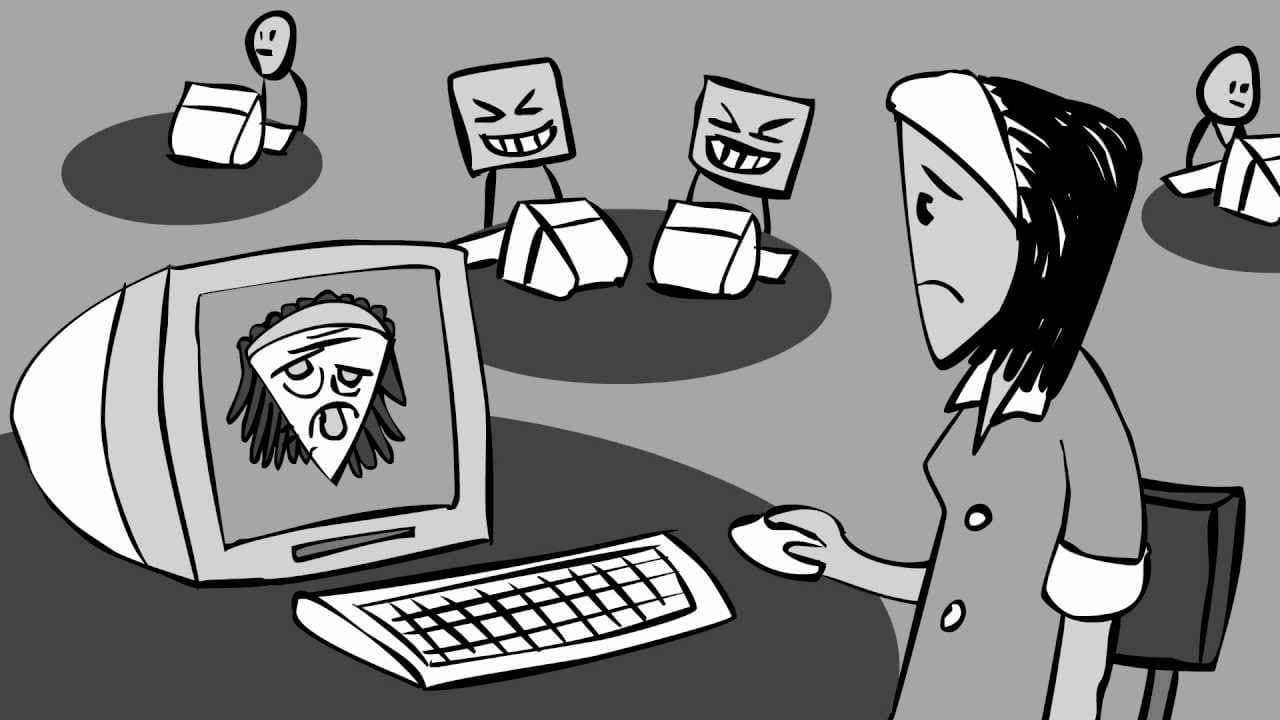
This wordless animated short film by UNICEF powerfully illustrates the pervasive nature of cyberbullying and the positive impact of bystander intervention. The story follows a young student who becomes the victim of online harassment when a cruel caricature of her is circulated among her peers. The video visualizes how cyberbullying follows a victim everywhere—from the schoolyard to the safety of their own bedroom—demonstrating that there is often no escape from digital harassment without external help. The narrative explores critical themes of isolation, the viral nature of digital content, and the responsibility of digital citizens. It highlights the emotional toll on the victim, showing her transition from a happy student to a withdrawn, fearful individual. Crucially, it models positive behavior through a male classmate who refuses to participate in the bullying and instead reports the issue to an adult, leading to a resolution that restores the victim's social standing and emotional well-being. For educators, this video is an exceptional resource because its lack of intelligible dialogue makes it universally accessible, regardless of language barriers or reading levels. It serves as a perfect anchor for Social Emotional Learning (SEL) lessons regarding empathy, digital footprints, and the specific steps students should take if they witness online bullying. The clear visual metaphors allow students to easily identify the roles of the bully, the victim, the bystander, and the upstander.

Google AfricaGoogle Africa

1min 21s

R.E.S.P.E.C.T. S8 E4

R.E.S.P.E.C.T. S8 E4

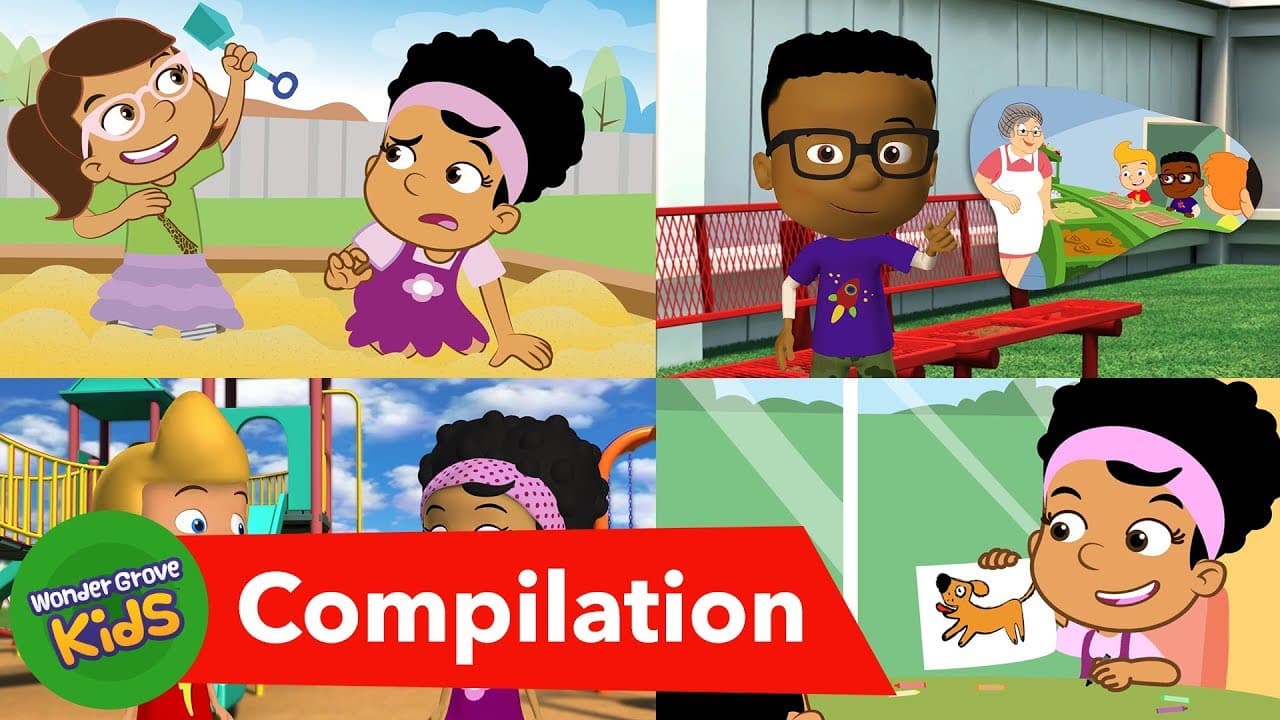
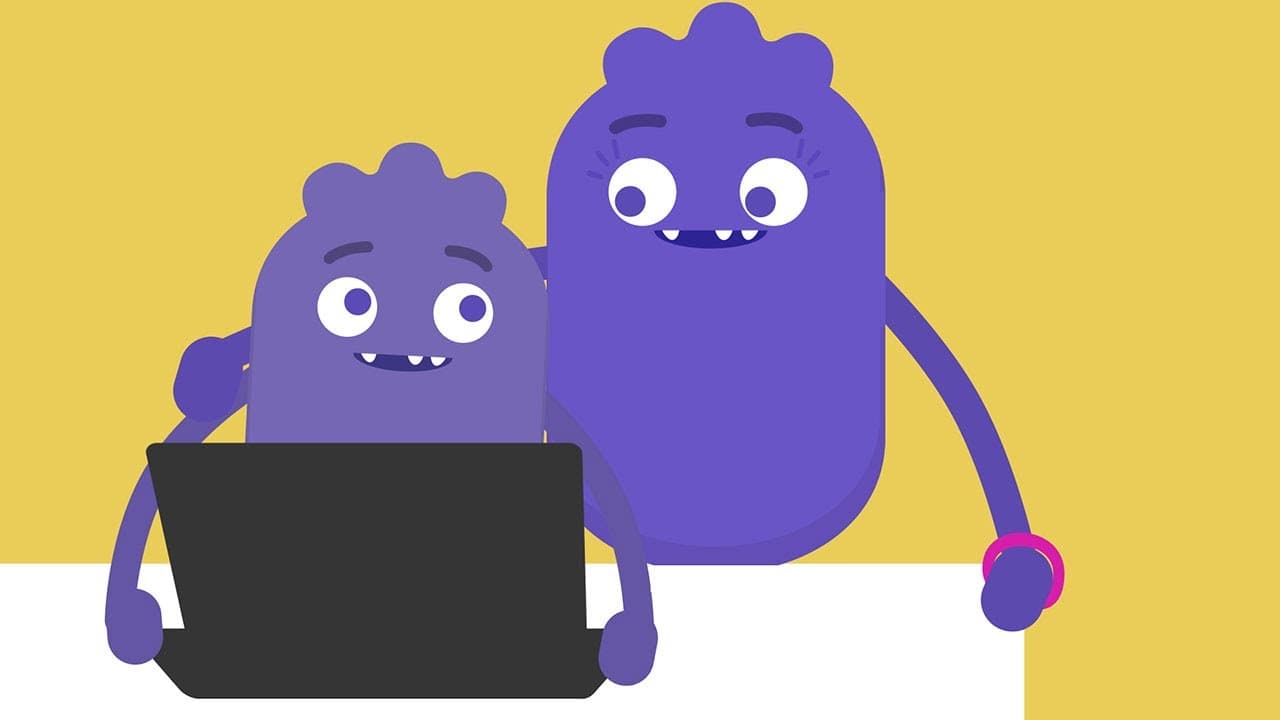
This comprehensive animated compilation features the Wonder Grove Kids exploring essential social-emotional skills through four distinct but related stories. The video covers critical topics for early childhood development: proper playground behavior, maintaining personal boundaries, using words instead of physical aggression, and respecting other people's property. Through relatable scenarios involving a cast of recurring characters like Maria, Peter, Dee, Chris, and Marcus, students witness both positive and negative examples of social interaction. Key themes include the "Golden Rule" (treating others how you want to be treated), the concept of personal space (visualized as an "invisible cone"), and the importance of asking for permission. The characters navigate common childhood conflicts—such as cutting in line, unwanted tickling, and taking items without asking—providing a safe, third-party context for students to analyze behavior and consequences without feeling personally targeted. For educators, this video serves as a versatile anchor for Social-Emotional Learning (SEL) units. It is particularly valuable for establishing classroom norms at the beginning of the year or addressing specific behavioral issues as they arise. The segmented nature of the video allows teachers to show specific clips relevant to immediate classroom needs, such as a lesson solely on "keeping hands to yourself" or a broader discussion on community respect.
WonderGrove KidsWonderGrove Kids

13mins 42s

Materials

Poster Collection Giant Newspaper

Poster Collection Giant Newspaper

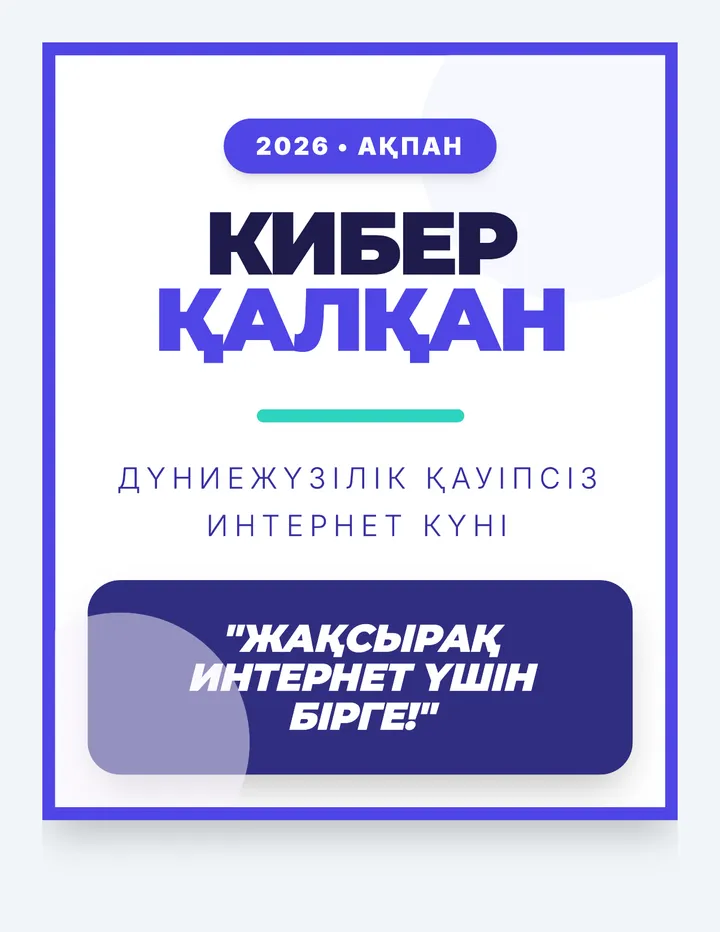
Set of 5 individual large-format posters for a school wall newspaper. Includes: Title Poster, Primary School Guide (1-4), Middle School Guide (5-9), Video/QR Poster, and an Interactive Quiz/Sticker Zone. Each page is designed as a high-visibility, standalone piece for World Safer Internet Day.

AT

Aidana Tusupova

Friendship Signals Social Story

Friendship Signals Social Story

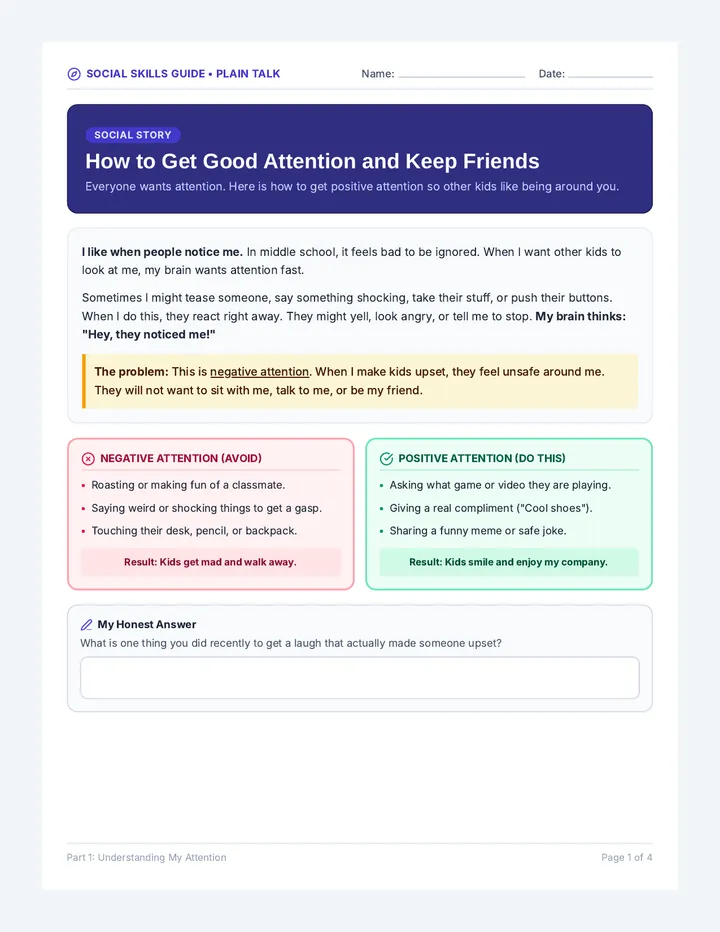
A simplified, highly concrete 4-page social story for an autistic 7th grade student. It uses plain language, direct rules, clear visual contrast, and step-by-step scripts to teach positive attention, safe humor, the STOP rule, and how to apologize.

SJ

Sokhorn Jerdan

Restorative Repair Reflection Packet

Restorative Repair Reflection Packet

A 3-page restorative reflection and accountability packet adapted for a 12-year-old (middle school) reading level with Staff/AP facilitator and administrative titles. It uses clear, direct language to explain bodily privacy, personal boundaries, and why pantsing is a serious violation rather than a joke, structured around the RAISE values framework with guided impact analysis, an apology repair plan, and a signed non-repetition contract.

B

beasleyc

Respect Superheroes Daily Slides

Respect Superheroes Daily Slides

A vibrant, 11-slide presentation designed for K-3 elementary students during the Week of Respect. Features 5 daily 5-10 minute interactive mini-lessons covering personal space, kind words, celebrating differences, caring for school property, and taking a classroom respect pledge.

TJ

Tashanique Jefferson

Conscious Discipline Monthly Guides

Conscious Discipline Monthly Guides

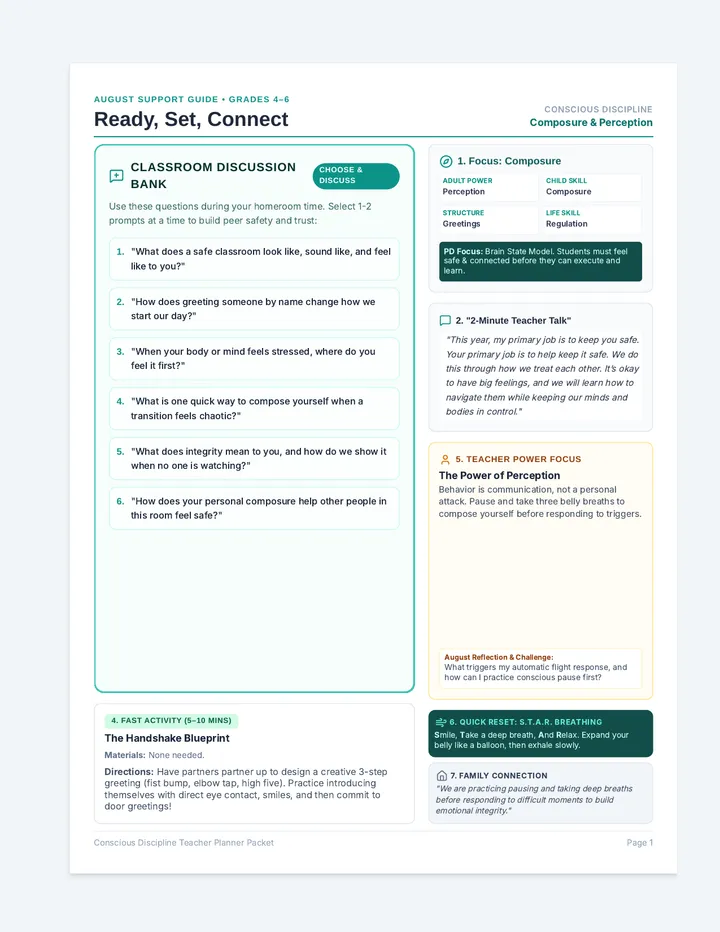
A professional, highly encouraging 9-page planner packet of monthly classroom support guides for elementary educators. Designed with the Classroom Discussion Bank as the dominant visual focal point on each page, featuring a dedicated list of highly engaging questions for grades 4–6 without subcategories, set to be utilized during homeroom time. Features 4 quick activity options (Connect, Calm, Commit, Celebrate) on each page. Optimized to fit perfectly on standard printable pages with zero layout overflow, with custom Kitley Counseling branding in the footer.

H

Heather.Koke

Aspire AntiBullying Workshop Slides

Aspire AntiBullying Workshop Slides

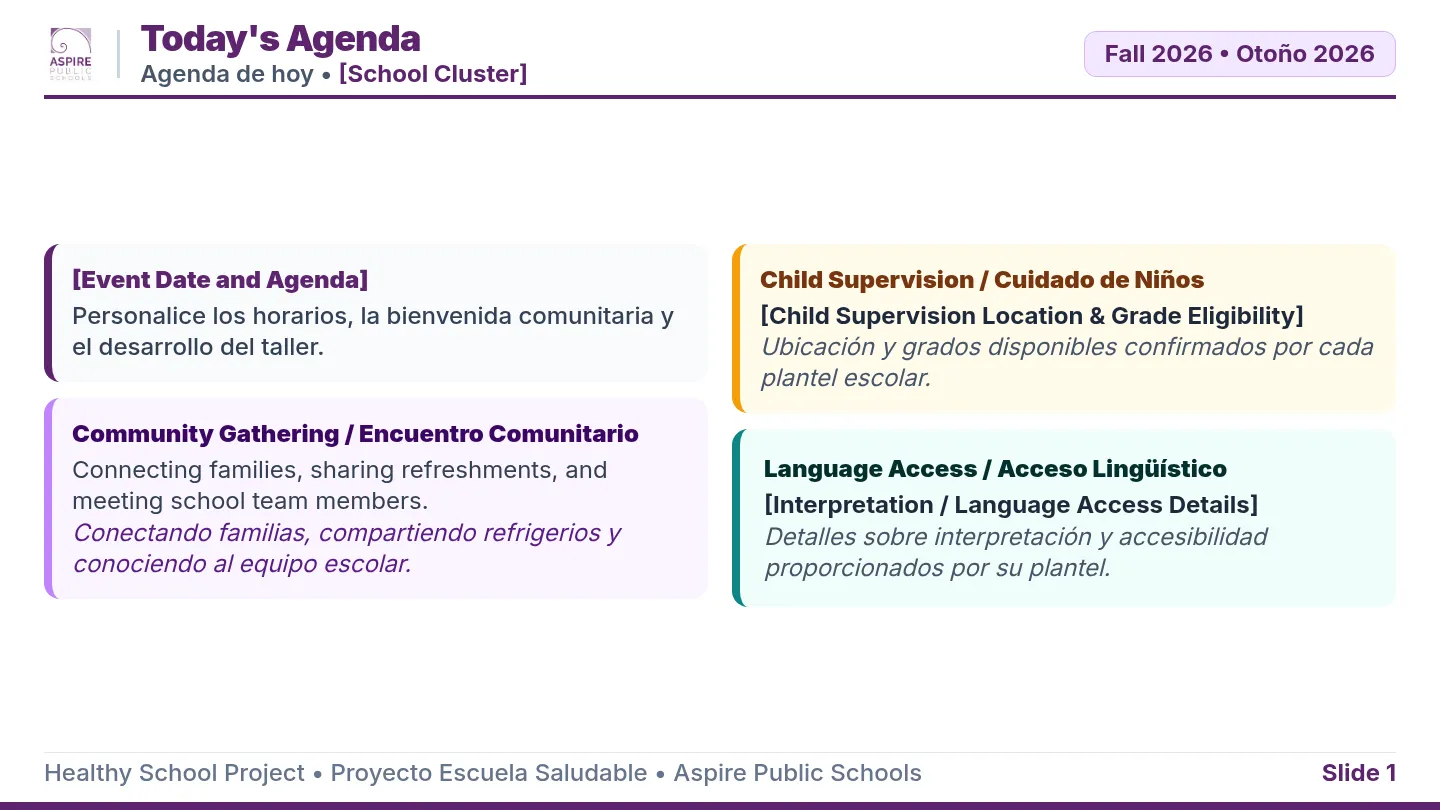
Added new bilingual Slide 34 ('Which One Is the Safest to Try? / ¿Cuál es la Opción Más Segura?') after Slide 33, providing the key answers and upstander guidance for the 3 practice scenarios in Aspire colors and 24px minimum font sizing. Updated subsequent slide numbers up to Slide 39.

DP

Denise Pineda

Sequences

Orientation Key Points Visual v2

DBT Skills for Young Explorers

A comprehensive DBT skills training sequence for elementary schools, split into K-2 and 3-5 curricula. This program covers Mindfulness, Distress Tolerance, Emotion Regulation, and Interpersonal Effectiveness using age-appropriate activities and narratives.

MB

Megan Bjork

173
Freshness Slides (3) v2

Glow Up Guide (K-4)

A comprehensive SEL-integrated hygiene curriculum for elementary scholars (K-4), focusing on self-awareness, social impact, and personal responsibility through the lens of a 'Glow Up'.

T

tkeya.void

86
Understanding School Community Teacher Guide

Respecting Norms and Community Values

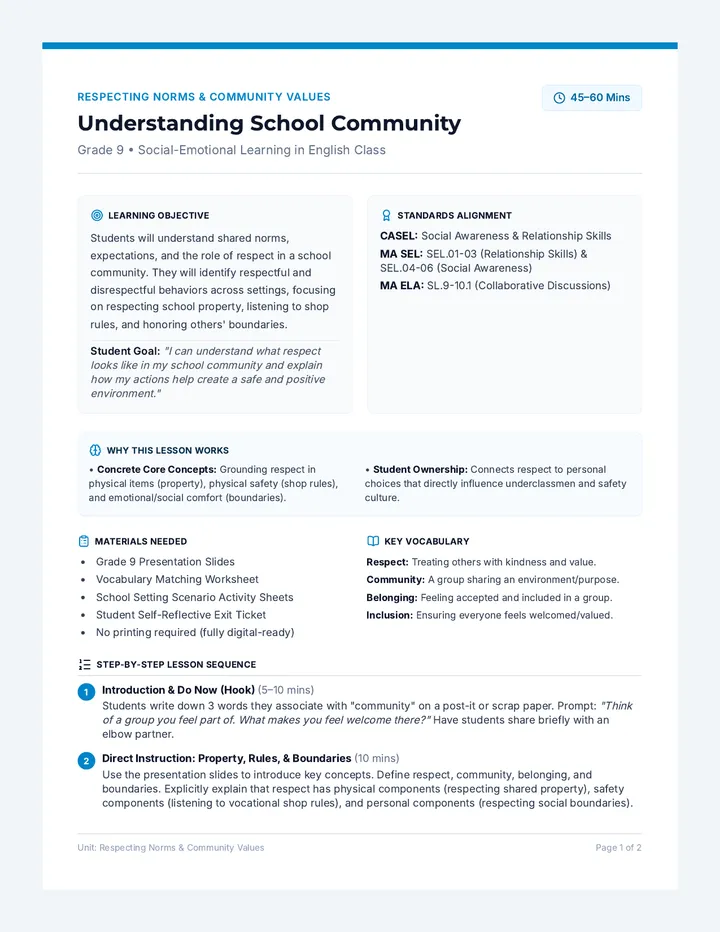
A comprehensive four-year scaffolded social-emotional learning unit for high schoolers (Grades 9-12) focused on building community, active communication, personal responsibility, and leadership around community norms and values.

J

jtoomey

36
Space Bubble Shield Worksheet

Hero Habits Academy

A 10-lesson curriculum designed for 2nd-grade boys to develop focus, personal space awareness, and kind communication through a superhero-themed 'Hero Habits' program. Students learn to 'Power Up' their social skills using comic-book-inspired visual aids and reflective activities.

K

KatheV

34
Impulse Heroes Teacher Guide

True North Identity Lab

A 6-week identity and self-esteem program for 5th graders titled 'True North: The Identity Lab.' Students explore their core values, strengths, mindset, and authentic selves through a scientific 'discovery' theme, preparing them for the social transitions of middle school.

BR

Beverly Rogers

41
Body Scan Activity Sheet

Inner Strength Lab

A comprehensive 9-week social-emotional learning curriculum for 8th graders focusing on anxiety, self-esteem, and healthy relationships. Designed for two 2-hour sessions per week, with structured instruction on Day 1 and independent creative or research projects on Day 2.

D

dmartinez

37