Lenny.com
Explore
Create
ActivitiesNewMathEnglish Language ArtsScience & EngineeringSocial StudiesGlobal LanguagesHealth & Physical EducationSpecial EducationCounseling & Life SkillsArts & CreativityESL
Lenny.com
Lenny.com
Explore
Create
ActivitiesNewMathEnglish Language ArtsScience & EngineeringSocial StudiesGlobal LanguagesHealth & Physical EducationSpecial EducationCounseling & Life SkillsArts & CreativityESL
Lenny.com
Lenny.com

Solutions

Lenny for EducatorsLenny for SchoolsLenny for Districts

Product

ExploreSign inCreateSupportAbout

Resources

Getting startedMTSS Acceleration Program

Newsletters

School Funding Newsletter

© 2026 Lenny Learning Inc.

TermsPrivacyAccessibility
LinkedInInstagramX
Lenny

Active Listening

Techniques for non-verbal engagement, reflective listening, and empathetic responding. Develops skills for clarifying understanding and validating others' perspectives in diverse social settings.

Counseling & Life SkillsSelf-AwarenessBasic Emotion RecognitionComplex Emotion IdentificationEmotional Nuance & Mixed FeelingsBuilding Positive Self-ImageRecognizing Strengths & Growth AreasAccurate Self-AssessmentPersonal Values IdentificationCultural & Individual Identity ExplorationValues-Based Decision MakingSelf-ManagementStop-and-Think StrategiesDelaying GratificationIndependent Impulse ManagementIdentifying Stress TriggersShort-Term Goal SettingSMART Goals DevelopmentGoal Monitoring & AdjustmentBuilding Perseverance & ResilienceInternal Motivation DevelopmentComprehensive Stress Reduction PlanningSocial AwarenessRecognizing Others' FeelingsDemonstrating EmpathyRespecting Individual DifferencesUnderstanding Cultural DiversityComplex Empathetic ResponsesMultiple Viewpoint ConsiderationMulti-Perspective AnalysisChallenging Stereotypes & BiasRelationship SkillsActive ListeningClear Verbal & Nonverbal CommunicationBuilding Positive FriendshipsWorking Cooperatively in GroupsCommunicating Personal BoundariesRespecting Others' BoundariesAssertive ExpressionPeaceful Problem-SolvingContributing to Team GoalsComplex Conflict NavigationMediation & NegotiationHealthy Romantic RelationshipsResponsible Decision-MakingDaily Problem IdentificationBrainstorming Multiple SolutionsEvaluating Pros & ConsRecognizing Risks & ConsequencesApplying Ethical FrameworksInformed Risk-Benefit DecisionsRoot Cause AnalysisMindfulnessMindful BreathingBody Scan MeditationDaily Mindfulness ApplicationDaily Self-Care RoutinesBalancing Life DemandsAdvocating for Wellness NeedsMental Health SupportUnderstanding Anxiety SymptomsWorry Management StrategiesProgressive Muscle RelaxationRecognizing Depression SignsBuilding Mood-Supporting RoutinesBehavioral Activation for MoodUnderstanding Grief StagesHealthy Grief CopingCreative Expression of LossBehavioral SupportDaily Check-In ProceduresDaily Goal Setting & ReviewRecognizing Escalation Warning SignsRequesting Breaks & SupportSelf-Calming During DistressUnderstanding Positive ReinforcementToken Economy ImplementationBehavior Chart TrackingAnalyzing Behavior PatternsIdentifying Antecedents & ConsequencesDetermining Behavior FunctionFunction-Based InterventionsIndividualized Behavior ContractsData-Driven Behavior AdjustmentTherapeutic ApproachesThoughts-Feelings-Behaviors ConnectionRecognizing Thinking PatternsChallenging Negative ThoughtsPositive Self-Talk PracticeThought Record TrackingAdvanced Cognitive RestructuringComprehensive CBT PlansBehavioral Activation TechniquesBuilding Positive ExperiencesExposure Hierarchies for AnxietyPresent-Moment AwarenessNon-Judgmental ObservationSelf-Soothing & DistractionComplex Emotion LabelingReducing Emotional Vulnerability (PLEASE)DEAR MAN CommunicationGIVE Skills for RelationshipsFAST Skills for Self-RespectRadical Acceptance PracticeCrisis Survival Skills (TIPP)Understanding Trauma EffectsTrauma Responses & TriggersIdentifying Trauma FeelingsGrounding TechniquesRegulation During Trauma DistressSafe Place VisualizationProcessing Through NarrativeDeveloping Trauma StoryPersonalized Safety PlanningGroup SupportTurn-Taking & SharingGroup Conversation SkillsSharing in Supportive EnvironmentLearning from Similar ChallengesBuilding Community & BelongingNavigating Peer RelationshipsGroup Skill PracticeGroup Mental Health EducationStress & Anxiety UnderstandingCrisis Support & SafetyKnowing When to Seek HelpIdentifying Mental Health CrisesGrounding During CrisisUsing Crisis HotlinesBuilding Support NetworksAccessing Mental Health ResourcesWarning Signs & Coping StrategiesDeveloping Personal Safety PlansUnderstanding Suicide Warning SignsGatekeeper Skills for PeersDigital LiteracySocial MediaTechnology BasicsProductivity ToolsInternet and Online ResearchWeb Design and PublishingDigital CitizenshipOnline Safety and PrivacyEmerging TechnologiesFinancial LiteracyMaking Financial DecisionsBanking and AccountsConsumer SkillsSaving and InvestingCredit and DebtEmployment and IncomeTaxesInsuranceMajor PurchasesEconomic ConceptsFinancial PlanningCollege & Post-Secondary PlanningCareer ExplorationUnderstanding Post-Secondary OptionsCollege Research & SelectionAdmission RequirementsCollege Application ProcessPersonal Statement WritingFAFSA CompletionScholarship Search & ApplicationsUnderstanding Student LoansContinuing Education PlanningInterview PreparationResearching EmployersCommon Interview QuestionsSTAR Method ResponsesProfessional Interview PresenceVirtual Interview SkillsInterview Follow-UpJob Search SkillsUnderstanding Job PostingsEffective Job Search StrategiesNetworking for OpportunitiesResume Writing BasicsAction Verbs & AchievementsTailoring Resumes to JobsCover Letter WritingProfessional ReferencesProfessional CommunicationBusiness Email EtiquettePhone & Voicemail ProfessionalismMeeting ParticipationPresentation SkillsProfessional Work EthicTime Management & ProductivityTeamwork & CollaborationAdaptability & FlexibilityProblem-Solving at WorkConstructive FeedbackWorkplace RightsUnderstanding Employment LawsPay & Benefits UnderstandingWorkplace SafetyAnti-Discrimination & Harassment

Videos

How to Stop A Bully

How to Stop A Bully

In this engaging and practical presentation, youth speaker Brooks Gibbs explains the sociology behind bullying, reframing it not as random meanness, but as 'dominance behavior' driven by a desire for power. He illustrates that bullying is a game of winners and losers: the bully wins when the victim gets upset, and the victim wins when they remain calm and resilient. Gibbs argues that teaching students to develop 'thick skin' and emotional resilience is more effective than merely telling bullies to stop. The video features a clear distinction between verbal bullying (hurting feelings) and physical violence (crimes like assault), emphasizing that crimes require adult intervention while social insults can often be handled by the students themselves. Gibbs posits that empowering students to solve their own social problems is the key to building genuine self-esteem, self-confidence, and self-worth. To demonstrate his method, Gibbs invites a student on stage for a role-play exercise. Through a humorous and memorable demonstration, he shows exactly how reacting with anger fuels the bully, while reacting with kindness, agreement, or indifference shuts the bullying down instantly. This video provides teachers with a concrete, actionable strategy for Social Emotional Learning (SEL) and conflict resolution units.

Brooks GibbsBrooks Gibbs

7mins 5s

are you okay? | Award-Winning Short Film

are you okay? | Award-Winning Short Film

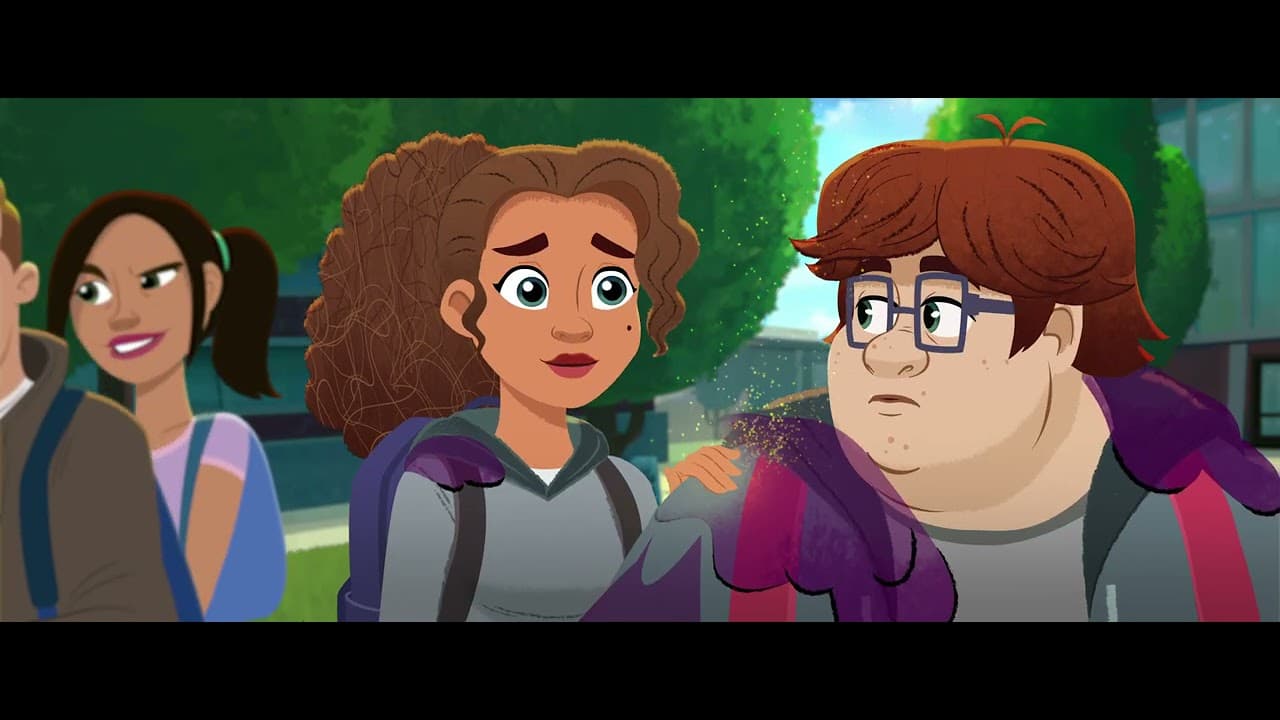
This poignant animated short film explores the suffocating impact of cyberbullying through the eyes of two students, Raquelle and Noah. The narrative follows Raquelle, a quiet artist who witnesses Noah being bullied both physically and online. When she attempts to help by reporting the incident to a school counselor, the system fails her; her anonymity is compromised, and she becomes the new target of harassment, labeled "Rat-quelle." The film utilizes a powerful visual metaphor—a heavy, purple sludge—to represent the lingering emotional weight of shame and abuse that clings to the victims, isolating them from their peers and families. Key themes include the failure of adult support systems, the reality of digital harassment, and the healing power of empathy. The story critically examines well-meaning but ineffective adult advice, such as a father telling his daughter to "just block them" or a counselor claiming they cannot "police the internet." It highlights the disconnect between the adult perception of online bullying and the visceral, 24/7 reality experienced by students. The narrative arc moves from isolation to connection, demonstrating how shared vulnerability can bridge the gap between victims. For educators, this video is a vital tool for Social-Emotional Learning (SEL) and digital citizenship curricula. It moves beyond generic "don't bully" messaging to address the nuance of bystander intervention and the emotional aftermath of harassment. The visual metaphor of the sludge provides a concrete language for students to articulate feelings of depression and anxiety. It is particularly useful for sparking discussions about how to genuinely support friends, the limitations of current anti-bullying policies, and the profound difference a simple check-in like "Are you okay?" can make.

Fight Child AbuseFight Child Abuse

8mins 46s

Emotional Intelligence

Emotional Intelligence

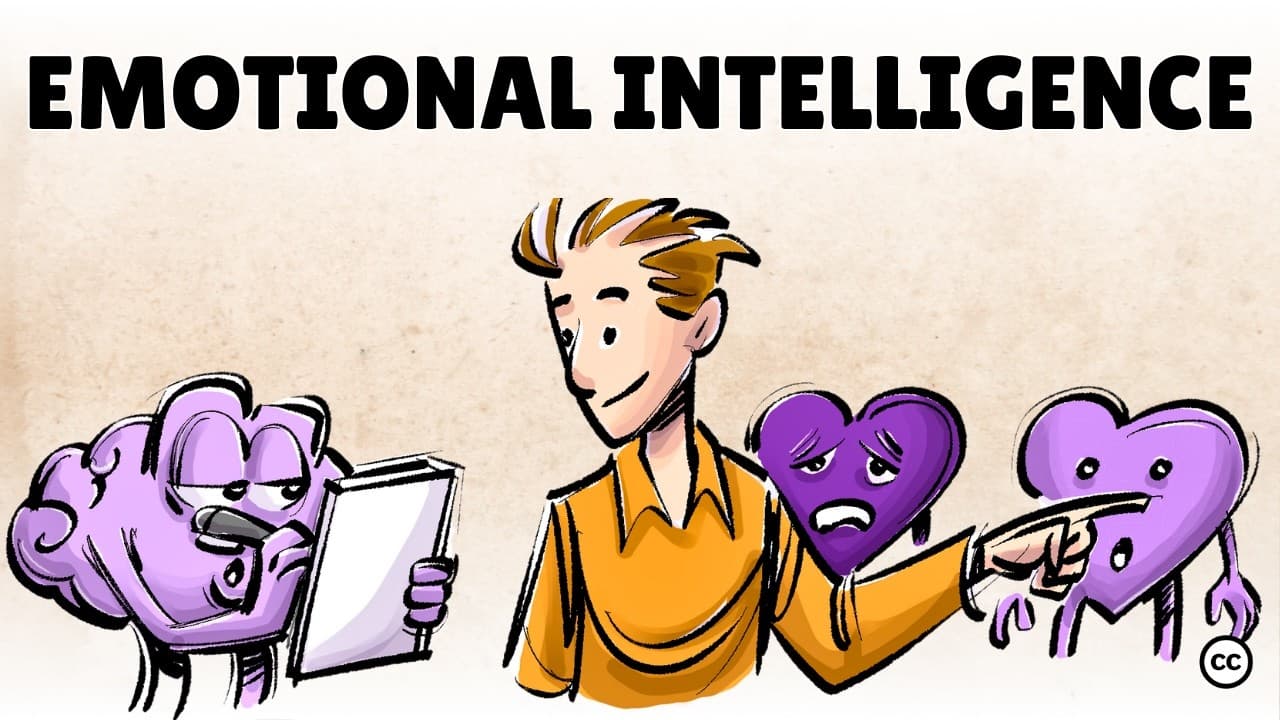
This animated video provides a clear and accessible introduction to the concept of Emotional Intelligence (EI or EQ), based on the model developed by psychologists John Mayer and Peter Salovey. It breaks down EI into four distinct skills: perceiving emotions, using emotions, understanding emotions, and managing emotions. Through simple yet effective illustrations, the video explains how these skills function individually and collectively to help individuals navigate social interactions and personal feelings. Key themes include self-awareness, empathy, emotional regulation, and the connection between emotional intelligence and academic or professional success. The video emphasizes that while some people are naturally gifted with these skills, EI is something that can be improved and developed over time through mindfulness, education, and practice. It frames emotions not as obstacles but as data points that can be used for better decision-making. For educators, this video is a valuable tool for Social Emotional Learning (SEL) curriculums. It provides a shared vocabulary for students to discuss their feelings and offers a scientific framework for why emotions matter in learning and life. The video is short enough to serve as a perfect hook for lessons on conflict resolution, stress management, or interpersonal communication skills.

SproutsSprouts

3mins 24s

You Don't Find Happiness, You Create It | Katarina Blom | TEDxGöteborg

You Don't Find Happiness, You Create It | Katarina Blom | TEDxGöteborg

In this engaging TEDx talk, psychologist Katarina Blom challenges the common misconception that happiness is something we stumble upon, instead arguing that it is a skill we must actively practice. Drawing on neuroscience and psychology, she explains why the human brain is evolutionarily wired for negativity—prioritizing survival over happiness—and how this "negativity bias" impacts our daily lives and relationships. Blom explores the science behind our thoughts and emotions, revealing that positive thinking alone is insufficient because our minds naturally wander and focus on threats. Instead, she advocates for "positive action"—concrete behavioral changes that rewire our brains for well-being. She emphasizes that we are socially driven creatures and that strengthening our relationships is the most powerful "psychological smoothie" for long-term happiness. For educators, this video is a powerful tool for teaching Social Emotional Learning (SEL) concepts. It provides a scientific basis for gratitude, kindness, and relationship-building. The content is practical and relatable, offering students tangible strategies to manage anxiety, build resilience, and cultivate a supportive community within the classroom.

TEDx TalksTEDx Talks

15mins 33s

RSA Short | Vivek Murthy on Loneliness and the Power of Connection

RSA Short | Vivek Murthy on Loneliness and the Power of Connection

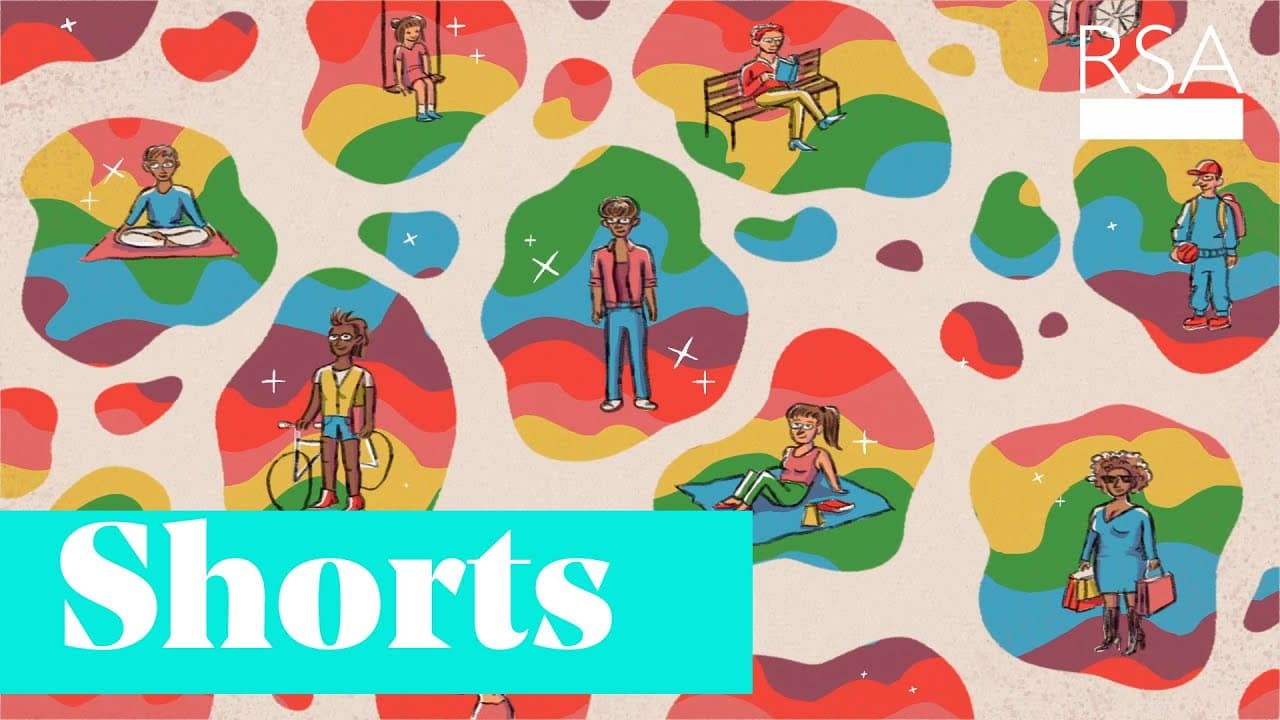
This animated video features former U.S. Surgeon General Vivek Murthy explaining the biological and evolutionary roots of loneliness. He reframes loneliness not as a character flaw or a sign of being broken, but as a natural biological signal—like hunger or thirst—alerting us that we lack necessary social connection. The narrative explores how our ancestors relied on community for safety and survival, and how modern loneliness can create a negative feedback loop that damages self-esteem and makes reconnection difficult. The video delves into the insidious nature of chronic loneliness, illustrating how it often manifests in unexpected ways such as anger, irritability, or withdrawal rather than just sadness. Murthy argues that recognizing these alternative expressions of loneliness can help us respond to others with compassion instead of judgment. By understanding that loneliness is a common human experience, we can break the cycle of shame often associated with it. For educators, this resource provides a powerful tool for social-emotional learning (SEL). It offers a vocabulary for students to discuss feelings of isolation and provides actionable advice on how to help others: simply showing up and listening with full attention. The video's message emphasizes that listening validates another person's worth, making it an excellent starting point for lessons on empathy, active listening, community building, and mental health awareness.

The RSAThe RSA

3mins 49s

How we can overcome stigma

How we can overcome stigma

This educational video outlines seven actionable strategies for combating the stigma surrounding mental illness, emphasizing both personal responsibility and community action. The content moves from broad societal goals like scientific research to specific interpersonal behaviors, such as careful language choice and compassionate listening. It provides a structured framework for understanding how individual actions contribute to a larger cultural shift in how mental health is perceived and treated. The video explores key themes including the power of language (person-first language), the importance of open dialogue, the normalization of mental health care as equal to physical health care, and the role of social media in advocacy. It directly addresses misconceptions that link mental illness to moral failings or character flaws, reinforcing the scientific basis of these conditions. The narrative promotes empathy, suggesting that small, consistent actions like checking in on friends can create significant positive change. For educators, this resource is a valuable tool for social-emotional learning (SEL) and health curricula. It serves as an excellent prompt for discussions about empathy, communication skills, and destigmatization. Teachers can use the video to launch projects about mental health awareness, role-play supportive conversations, or analyze media representations of mental illness. Its clear, numbered structure makes it easy for students to take notes and recall specific action items.

Brain Health BootcampBrain Health Bootcamp

5mins 16s

Materials

Tension Tamer Scenario Cards

Tension Tamer Scenario Cards

A 4-page set of printable conflict de-escalation scenario practice cards, featuring essential calm communication toolkits, five realistic school conflict role-play scenarios, and a structured peer observer scorecard.

J

jwhite

Survival Quest Final Log Form Trimmed

Survival Quest Final Log Form Trimmed

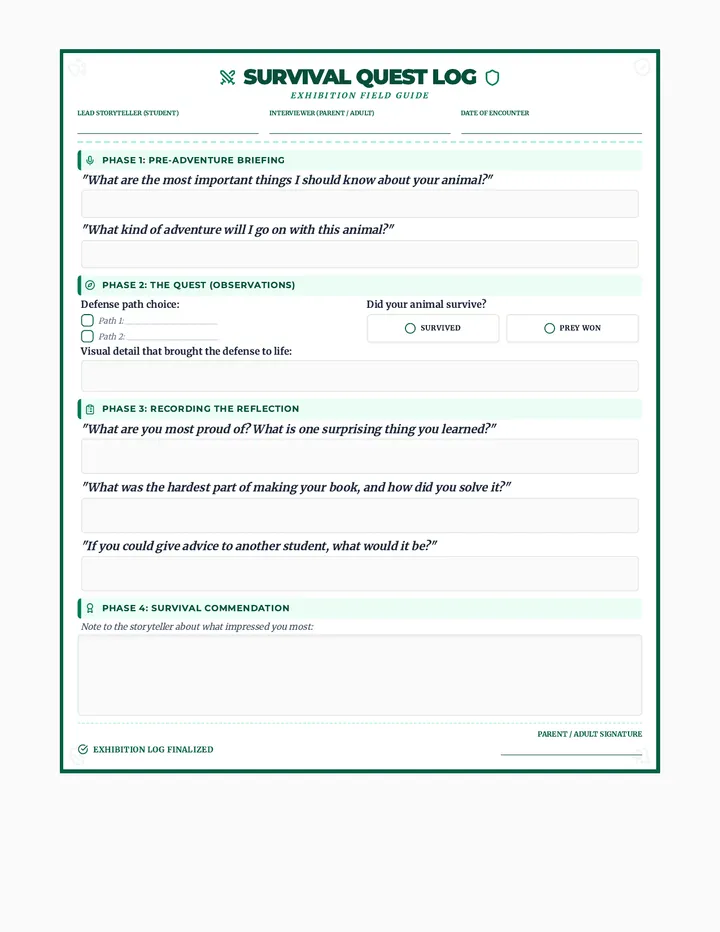
Final one-page Survival Quest parent feedback form. Optimized with a constrained 820px height and tightened vertical spacing to guarantee it fits on a single printed page while maintaining readable font sizes for the interview and reflection questions.

PM

Pam Muise

Respect Heroes Activity Pack

Respect Heroes Activity Pack

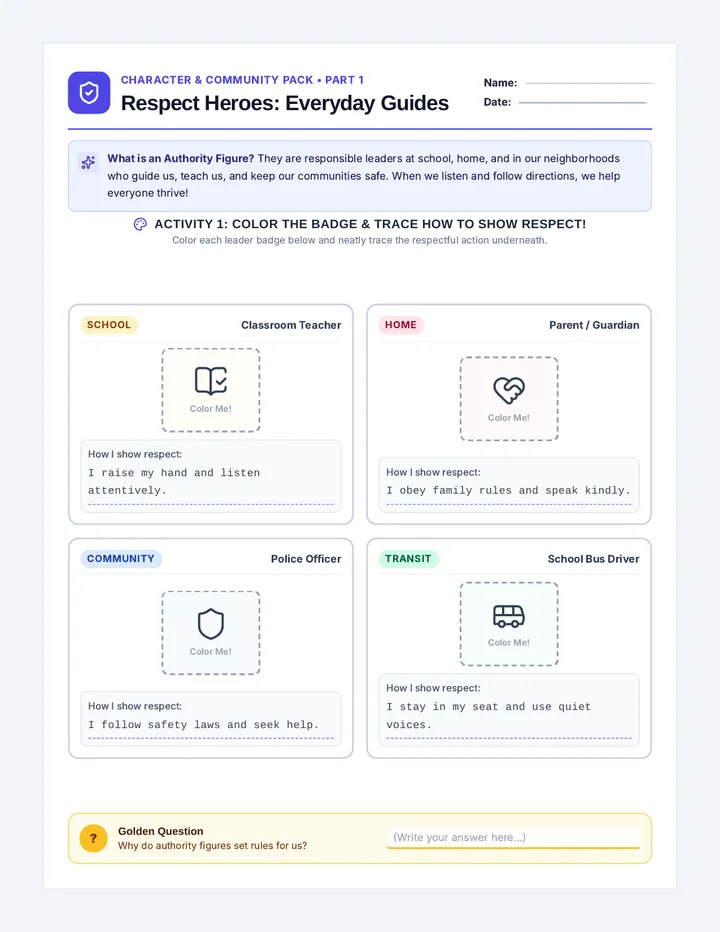
A four-page printable activity pack teaching respect for authority figures across school, home, and community settings. Features line-art coloring illustrations, figure-to-action matching, sentence and vocabulary tracing guides, and real-world scenario dilemmas with response prompts.

AM

Anthony mcleod

Respect Superheroes Daily Slides

Respect Superheroes Daily Slides

A vibrant, 11-slide presentation designed for K-3 elementary students during the Week of Respect. Features 5 daily 5-10 minute interactive mini-lessons covering personal space, kind words, celebrating differences, caring for school property, and taking a classroom respect pledge.

TJ

Tashanique Jefferson

Conscious Discipline Monthly Guides

Conscious Discipline Monthly Guides

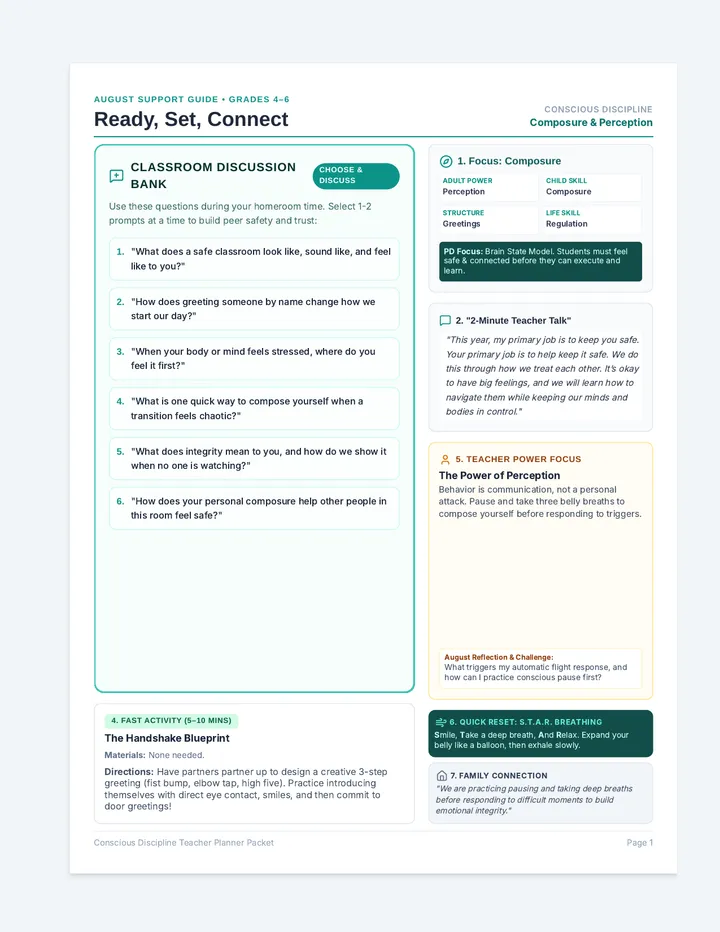
A professional, highly encouraging 9-page planner packet of monthly classroom support guides for elementary educators. Designed with the Classroom Discussion Bank as the dominant visual focal point on each page, featuring a dedicated list of highly engaging questions for grades 4–6 without subcategories, set to be utilized during homeroom time. Features 4 quick activity options (Connect, Calm, Commit, Celebrate) on each page. Optimized to fit perfectly on standard printable pages with zero layout overflow, with custom Kitley Counseling branding in the footer.

H

Heather.Koke

Aspire AntiBullying Workshop Slides

Aspire AntiBullying Workshop Slides

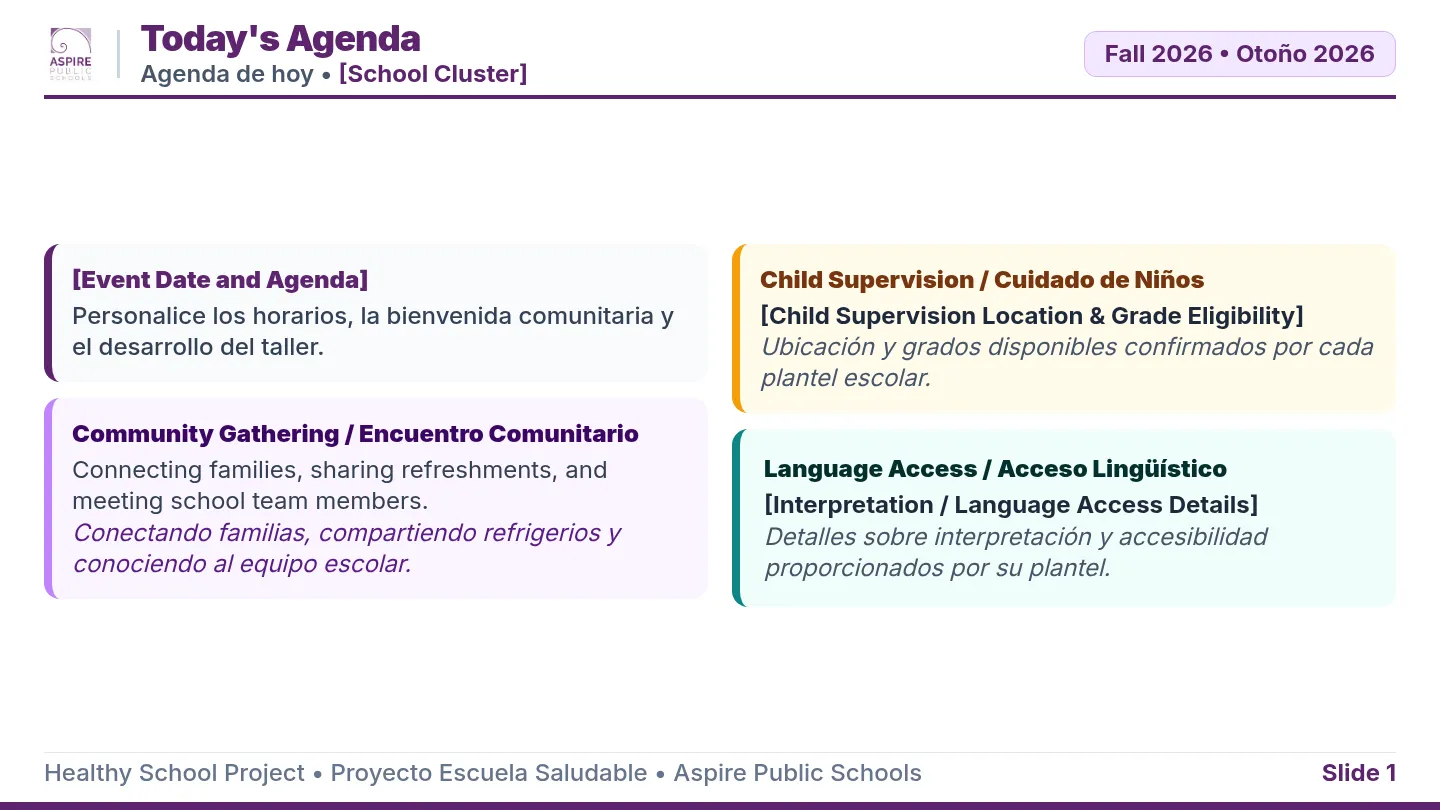
Added new bilingual Slide 34 ('Which One Is the Safest to Try? / ¿Cuál es la Opción Más Segura?') after Slide 33, providing the key answers and upstander guidance for the 3 practice scenarios in Aspire colors and 24px minimum font sizing. Updated subsequent slide numbers up to Slide 39.

DP

Denise Pineda

Sequences

Orientation Key Points Visual v2

DBT Skills for Young Explorers

A comprehensive DBT skills training sequence for elementary schools, split into K-2 and 3-5 curricula. This program covers Mindfulness, Distress Tolerance, Emotion Regulation, and Interpersonal Effectiveness using age-appropriate activities and narratives.

MB

Megan Bjork

173
Empowering You Teacher Guide

DBT Skills Empowering You

A 5-week individual lesson series for 8th-grade students with social-emotional disabilities, introducing core DBT modules: Mindfulness, Distress Tolerance, Emotion Regulation, Interpersonal Effectiveness, and Walking the Middle Path.

B

bbeldenscott

38
Freshness Slides (3) v2

Glow Up Guide (K-4)

A comprehensive SEL-integrated hygiene curriculum for elementary scholars (K-4), focusing on self-awareness, social impact, and personal responsibility through the lens of a 'Glow Up'.

T

tkeya.void

86
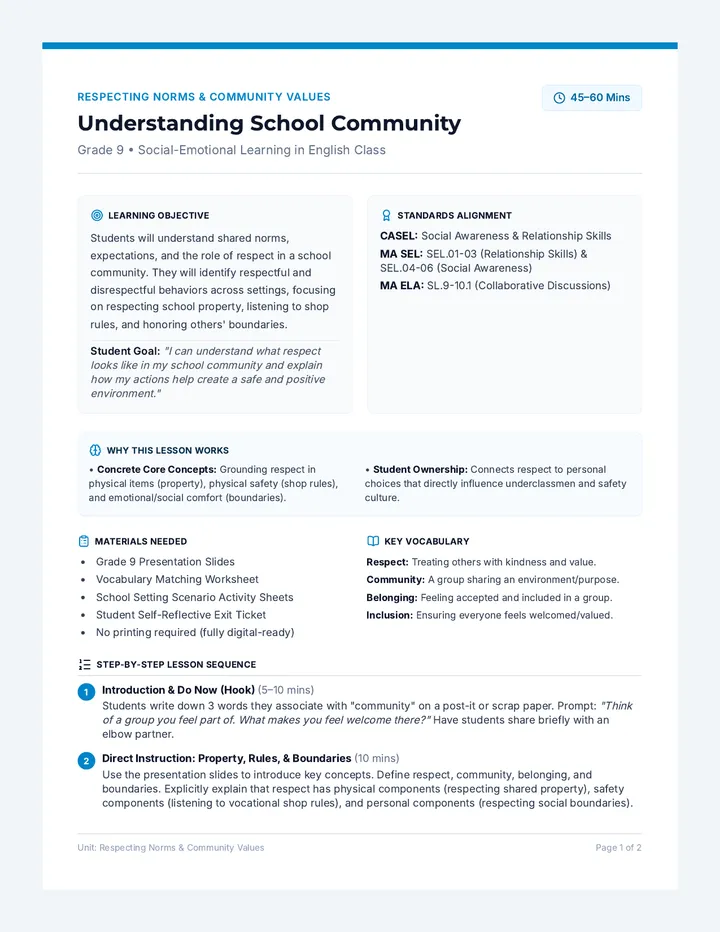
Understanding School Community Teacher Guide

Respecting Norms and Community Values

A comprehensive four-year scaffolded social-emotional learning unit for high schoolers (Grades 9-12) focused on building community, active communication, personal responsibility, and leadership around community norms and values.

J

jtoomey

36
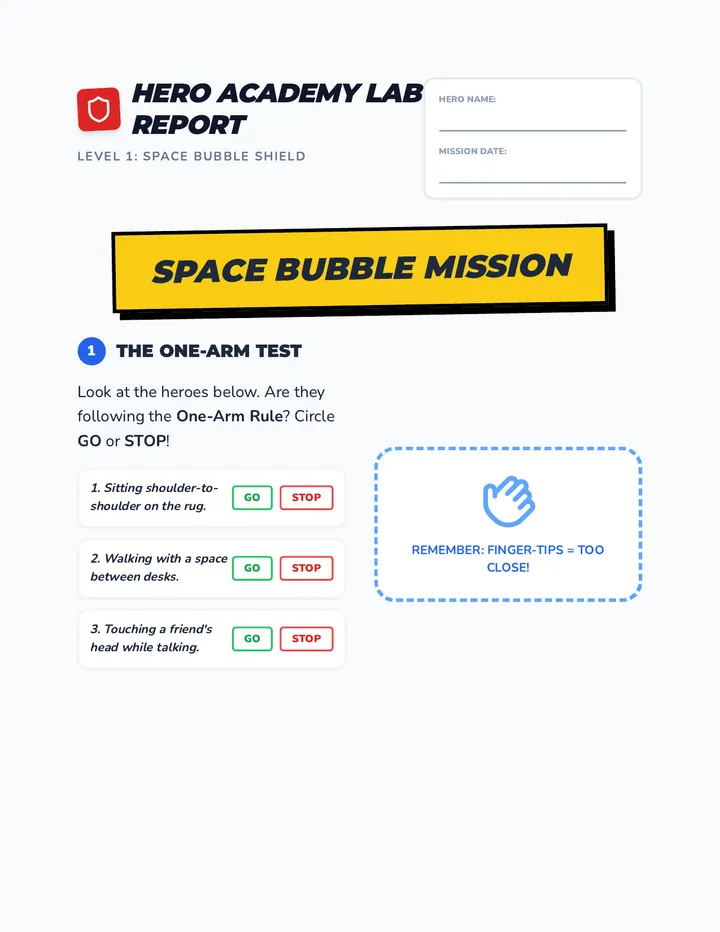
Space Bubble Shield Worksheet

Hero Habits Academy

A 10-lesson curriculum designed for 2nd-grade boys to develop focus, personal space awareness, and kind communication through a superhero-themed 'Hero Habits' program. Students learn to 'Power Up' their social skills using comic-book-inspired visual aids and reflective activities.

K

KatheV

34
Energy HQ Slides

Big Feelings Blueprint 6-Week Edition

A 6-week social-emotional learning program for teenagers on the autism spectrum, delivered in focused 20-minute sessions. The program uses visual "blueprints" to teach energy management, body awareness, and Comic Strip Conversation techniques for emotional regulation and perspective taking.

MS

Minakshi Singal

18