Lenny.com
Explore
Create
ActivitiesNewMathEnglish Language ArtsScience & EngineeringSocial StudiesGlobal LanguagesHealth & Physical EducationSpecial EducationCounseling & Life SkillsArts & CreativityESL
Lenny.com
Lenny.com
Explore
Create
ActivitiesNewMathEnglish Language ArtsScience & EngineeringSocial StudiesGlobal LanguagesHealth & Physical EducationSpecial EducationCounseling & Life SkillsArts & CreativityESL
Lenny.com
Lenny.com

Solutions

Lenny for EducatorsLenny for SchoolsLenny for Districts

Product

ExploreSign inCreateSupportAbout

Resources

Getting startedMTSS Acceleration Program

Newsletters

School Funding Newsletter

© 2026 Lenny Learning Inc.

TermsPrivacyAccessibility
LinkedInInstagramX
Lenny

Daily Problem Identification

Analysis of everyday challenges, situational triggers, and the distinction between minor inconveniences and significant issues. Equips learners to recognize obstacles before they escalate.

Counseling & Life SkillsSelf-AwarenessBasic Emotion RecognitionComplex Emotion IdentificationEmotional Nuance & Mixed FeelingsBuilding Positive Self-ImageRecognizing Strengths & Growth AreasAccurate Self-AssessmentPersonal Values IdentificationCultural & Individual Identity ExplorationValues-Based Decision MakingSelf-ManagementStop-and-Think StrategiesDelaying GratificationIndependent Impulse ManagementIdentifying Stress TriggersShort-Term Goal SettingSMART Goals DevelopmentGoal Monitoring & AdjustmentBuilding Perseverance & ResilienceInternal Motivation DevelopmentComprehensive Stress Reduction PlanningSocial AwarenessRecognizing Others' FeelingsDemonstrating EmpathyRespecting Individual DifferencesUnderstanding Cultural DiversityComplex Empathetic ResponsesMultiple Viewpoint ConsiderationMulti-Perspective AnalysisChallenging Stereotypes & BiasRelationship SkillsActive ListeningClear Verbal & Nonverbal CommunicationBuilding Positive FriendshipsWorking Cooperatively in GroupsCommunicating Personal BoundariesRespecting Others' BoundariesAssertive ExpressionPeaceful Problem-SolvingContributing to Team GoalsComplex Conflict NavigationMediation & NegotiationHealthy Romantic RelationshipsResponsible Decision-MakingDaily Problem IdentificationBrainstorming Multiple SolutionsEvaluating Pros & ConsRecognizing Risks & ConsequencesApplying Ethical FrameworksInformed Risk-Benefit DecisionsRoot Cause AnalysisMindfulnessMindful BreathingBody Scan MeditationDaily Mindfulness ApplicationDaily Self-Care RoutinesBalancing Life DemandsAdvocating for Wellness NeedsMental Health SupportUnderstanding Anxiety SymptomsWorry Management StrategiesProgressive Muscle RelaxationRecognizing Depression SignsBuilding Mood-Supporting RoutinesBehavioral Activation for MoodUnderstanding Grief StagesHealthy Grief CopingCreative Expression of LossBehavioral SupportDaily Check-In ProceduresDaily Goal Setting & ReviewRecognizing Escalation Warning SignsRequesting Breaks & SupportSelf-Calming During DistressUnderstanding Positive ReinforcementToken Economy ImplementationBehavior Chart TrackingAnalyzing Behavior PatternsIdentifying Antecedents & ConsequencesDetermining Behavior FunctionFunction-Based InterventionsIndividualized Behavior ContractsData-Driven Behavior AdjustmentTherapeutic ApproachesThoughts-Feelings-Behaviors ConnectionRecognizing Thinking PatternsChallenging Negative ThoughtsPositive Self-Talk PracticeThought Record TrackingAdvanced Cognitive RestructuringComprehensive CBT PlansBehavioral Activation TechniquesBuilding Positive ExperiencesExposure Hierarchies for AnxietyPresent-Moment AwarenessNon-Judgmental ObservationSelf-Soothing & DistractionComplex Emotion LabelingReducing Emotional Vulnerability (PLEASE)DEAR MAN CommunicationGIVE Skills for RelationshipsFAST Skills for Self-RespectRadical Acceptance PracticeCrisis Survival Skills (TIPP)Understanding Trauma EffectsTrauma Responses & TriggersIdentifying Trauma FeelingsGrounding TechniquesRegulation During Trauma DistressSafe Place VisualizationProcessing Through NarrativeDeveloping Trauma StoryPersonalized Safety PlanningGroup SupportTurn-Taking & SharingGroup Conversation SkillsSharing in Supportive EnvironmentLearning from Similar ChallengesBuilding Community & BelongingNavigating Peer RelationshipsGroup Skill PracticeGroup Mental Health EducationStress & Anxiety UnderstandingCrisis Support & SafetyKnowing When to Seek HelpIdentifying Mental Health CrisesGrounding During CrisisUsing Crisis HotlinesBuilding Support NetworksAccessing Mental Health ResourcesWarning Signs & Coping StrategiesDeveloping Personal Safety PlansUnderstanding Suicide Warning SignsGatekeeper Skills for PeersDigital LiteracySocial MediaTechnology BasicsProductivity ToolsInternet and Online ResearchWeb Design and PublishingDigital CitizenshipOnline Safety and PrivacyEmerging TechnologiesFinancial LiteracyMaking Financial DecisionsBanking and AccountsConsumer SkillsSaving and InvestingCredit and DebtEmployment and IncomeTaxesInsuranceMajor PurchasesEconomic ConceptsFinancial PlanningCollege & Post-Secondary PlanningCareer ExplorationUnderstanding Post-Secondary OptionsCollege Research & SelectionAdmission RequirementsCollege Application ProcessPersonal Statement WritingFAFSA CompletionScholarship Search & ApplicationsUnderstanding Student LoansContinuing Education PlanningInterview PreparationResearching EmployersCommon Interview QuestionsSTAR Method ResponsesProfessional Interview PresenceVirtual Interview SkillsInterview Follow-UpJob Search SkillsUnderstanding Job PostingsEffective Job Search StrategiesNetworking for OpportunitiesResume Writing BasicsAction Verbs & AchievementsTailoring Resumes to JobsCover Letter WritingProfessional ReferencesProfessional CommunicationBusiness Email EtiquettePhone & Voicemail ProfessionalismMeeting ParticipationPresentation SkillsProfessional Work EthicTime Management & ProductivityTeamwork & CollaborationAdaptability & FlexibilityProblem-Solving at WorkConstructive FeedbackWorkplace RightsUnderstanding Employment LawsPay & Benefits UnderstandingWorkplace SafetyAnti-Discrimination & Harassment

Videos

5 Signs You're An Independent Person

5 Signs You're An Independent Person

This animated video explores the concept of personal independence, breaking it down into five key behavioral indicators. It frames independence not just as living alone or paying bills, but as a holistic developmental milestone involving emotional maturity, financial responsibility, and resilience. The video uses the signature 'Psych2Go' character to guide viewers through relatable scenarios like fixing a leaky sink, grocery shopping, and dealing with criticism in the workplace. The content delves into themes of self-sufficiency, problem-solving, financial literacy, and emotional autonomy. It distinguishes between healthy independence (solving problems yourself but asking for help when needed) and isolation. It also emphasizes the importance of resilience when help isn't available and the maturity required to accept constructive criticism without letting others' opinions dictate one's self-worth. For educators, this video serves as an excellent resource for social-emotional learning (SEL) and life skills curriculums. It provides a structured way to discuss the transition from childhood dependence to adult autonomy. It can spark meaningful classroom discussions about what it really means to "grow up," how to handle failure, and the balance between self-reliance and community support.
Psych2GoPsych2Go

3mins 59s

How to Stop A Bully

How to Stop A Bully

In this engaging and practical presentation, youth speaker Brooks Gibbs explains the sociology behind bullying, reframing it not as random meanness, but as 'dominance behavior' driven by a desire for power. He illustrates that bullying is a game of winners and losers: the bully wins when the victim gets upset, and the victim wins when they remain calm and resilient. Gibbs argues that teaching students to develop 'thick skin' and emotional resilience is more effective than merely telling bullies to stop. The video features a clear distinction between verbal bullying (hurting feelings) and physical violence (crimes like assault), emphasizing that crimes require adult intervention while social insults can often be handled by the students themselves. Gibbs posits that empowering students to solve their own social problems is the key to building genuine self-esteem, self-confidence, and self-worth. To demonstrate his method, Gibbs invites a student on stage for a role-play exercise. Through a humorous and memorable demonstration, he shows exactly how reacting with anger fuels the bully, while reacting with kindness, agreement, or indifference shuts the bullying down instantly. This video provides teachers with a concrete, actionable strategy for Social Emotional Learning (SEL) and conflict resolution units.

Brooks GibbsBrooks Gibbs

7mins 5s

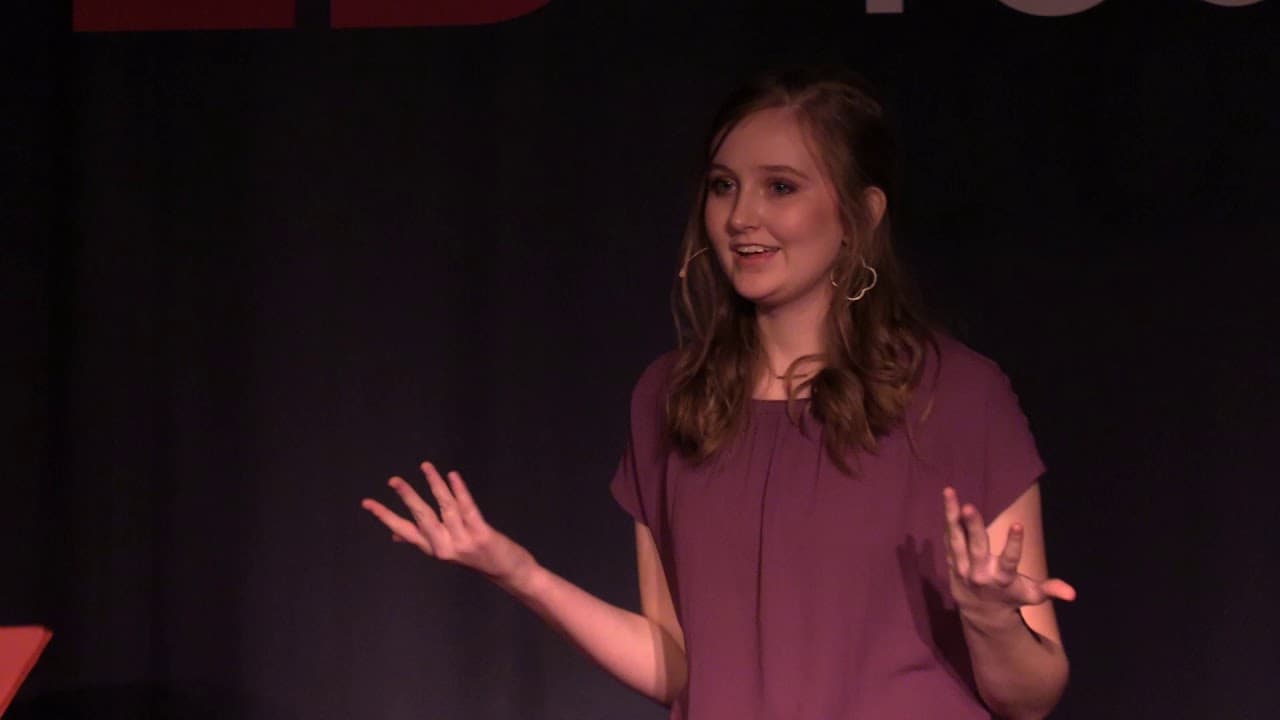
Choosing Optimism | Caroline Allen | TEDxYouth@MBJH

Choosing Optimism | Caroline Allen | TEDxYouth@MBJH

In this insightful TEDxYouth talk, student speaker Caroline Allen challenges the conventional understanding of optimism as merely a cheerful personality trait. Sharing her personal journey from a self-proclaimed optimist to someone who struggled with negativity, she redefines optimism not as constant happiness, but as a deliberate, actionable choice. She explores the factors that contribute to an optimistic outlook—including environment and genetics—but ultimately argues that individual choice is the most powerful determinant in how we face challenges. Key themes include the distinction between happiness and optimism, the role of resilience in overcoming failure, and the science behind positive thinking. Allen references studies from Harvard Business Review and King's College to support her points, moving the discussion beyond platitudes into evidence-based reasoning. She emphasizes that optimism is a skill that can be learned and practiced, rather than just an innate quality one is born with. For educators, this video is a powerful tool for social-emotional learning (SEL) and character education. It provides a relatable peer perspective for middle and high school students who may feel pressure to be constantly happy. The talk can spark meaningful classroom discussions about growth mindset, coping strategies for academic stress, and the power of reframing negative situations. It is particularly useful for helping students understand that they have agency over their emotional responses and that resilience is an active process.

TEDx TalksTEDx Talks

6mins 27s

Materials

Uno Regulate Coping Cards

Uno Regulate Coping Cards

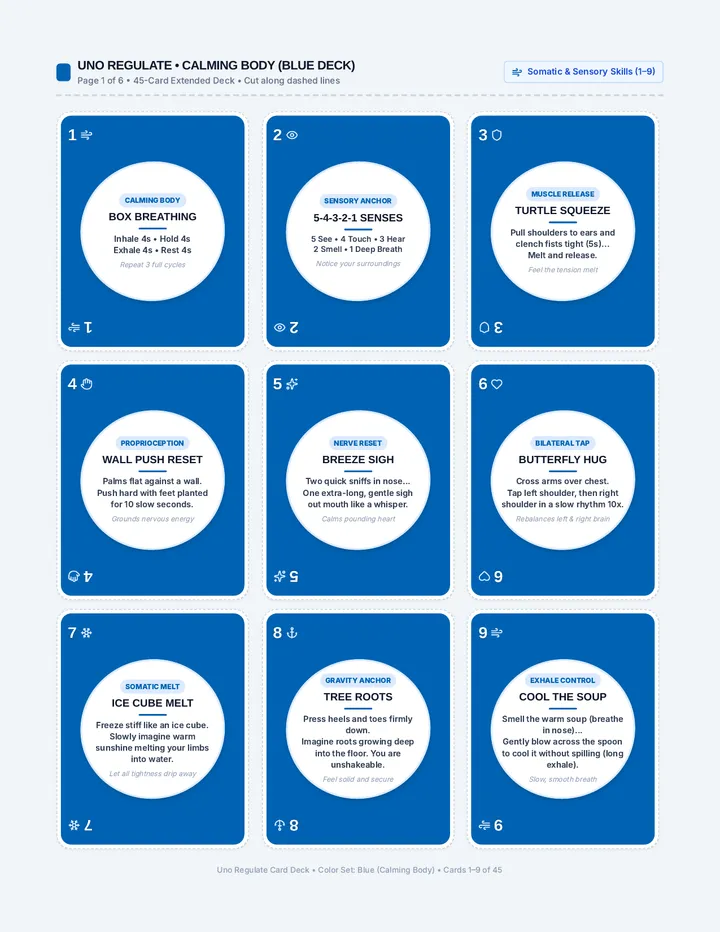
An expanded 6-page printable coping skills and self-regulation card deck styled after Uno, featuring 45 total cut-apart cards (complete 1–9 sets for all 4 color domains plus action and wild cards) and an in-depth gameplay and facilitation rulebook for classroom and small-group play.

RG

Rachel Garbutt

Upstander Squad Slides

Upstander Squad Slides

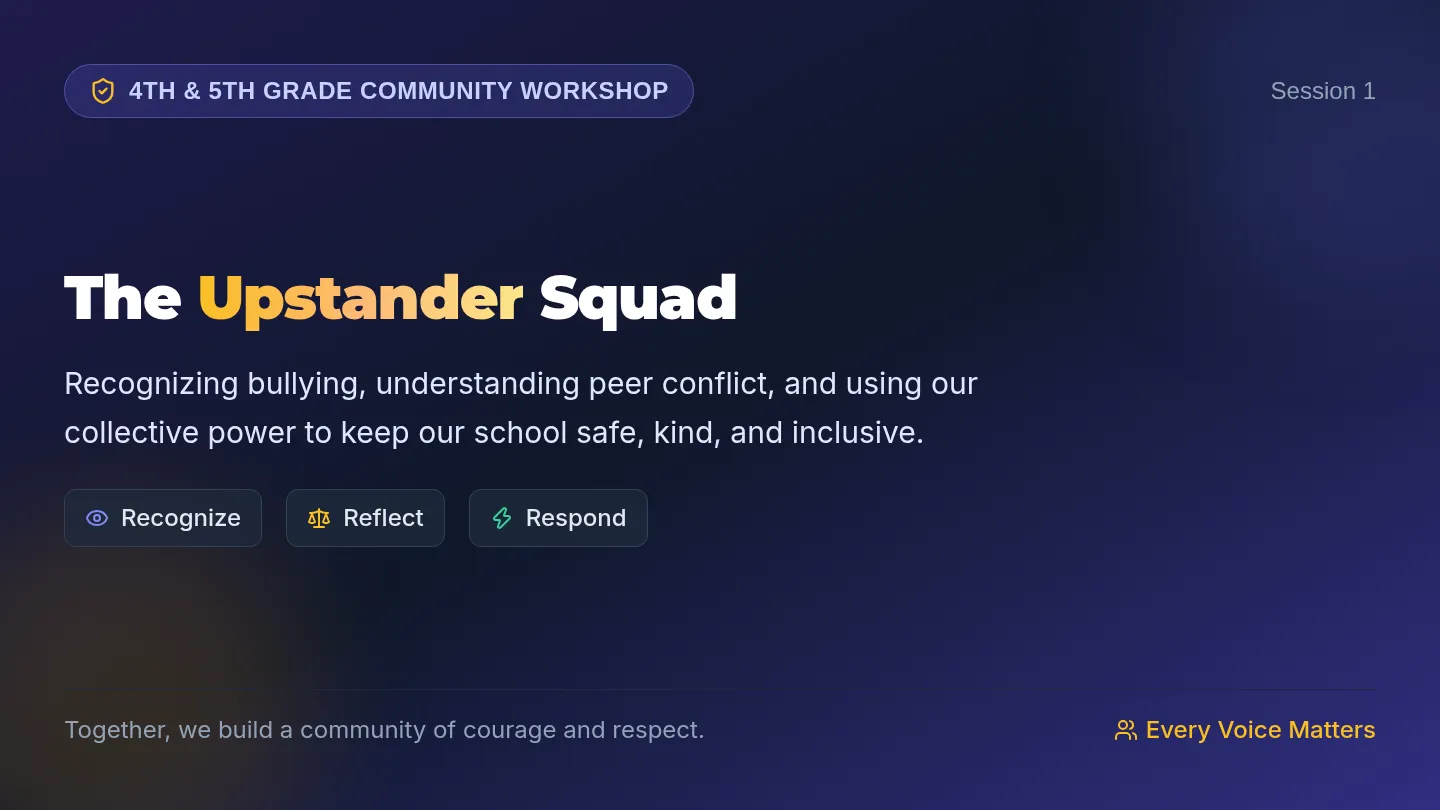
An engaging, age-appropriate 9-slide presentation for 4th and 5th graders covering bullying vs. conflict, the four types of bullying, upstander strategies (Direct, Distract, Delegate, Delay), video reflection, scenario practice, bus interactions and seating expectations, and a class pledge.

MP

Melissa Premo

Title Belt Tracker Document Scatter Round Final Print 2 One 2

Title Belt Tracker Document Scatter Round Final Print 2 One 2

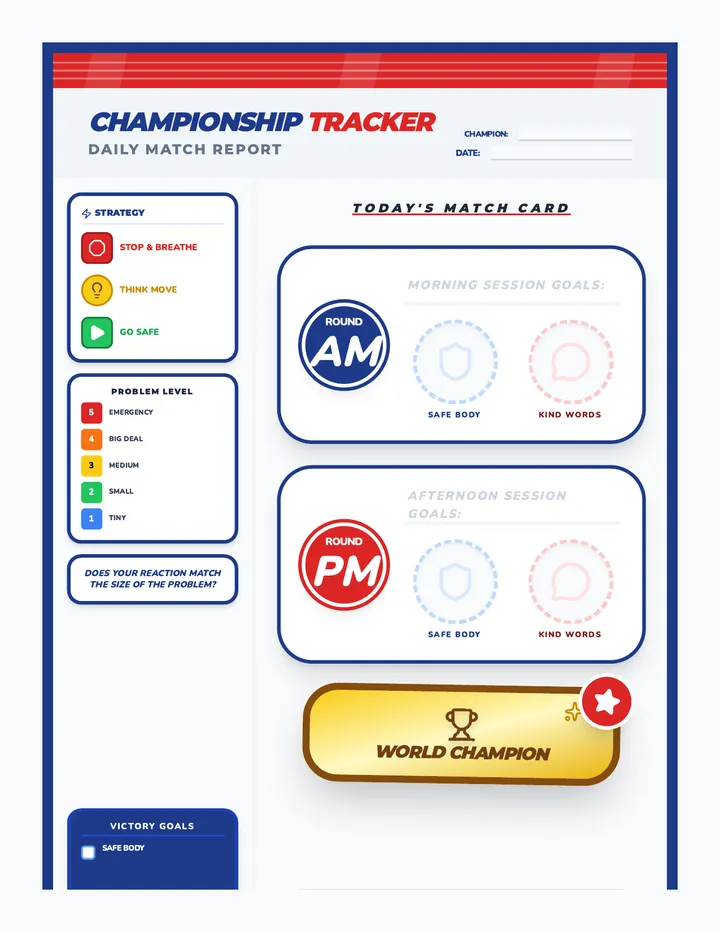
A wrestling-themed daily behavior chart optimized for a single 8.5x11 printable page. It features standardized bold blue-bordered boxes for both match rounds (Morning and Afternoon) and strategy guides. Every round includes clear sticker spots for Safe Body and Kind Words. A prominent "Strategy Check" question asks "Does your reaction match the size of the problem?", and it culminates in a World Champion belt reward area at the bottom. Title font size has been condensed for a perfect one-page fit.

A

acrisafulli

Command Center TpT Page

Command Center TpT Page

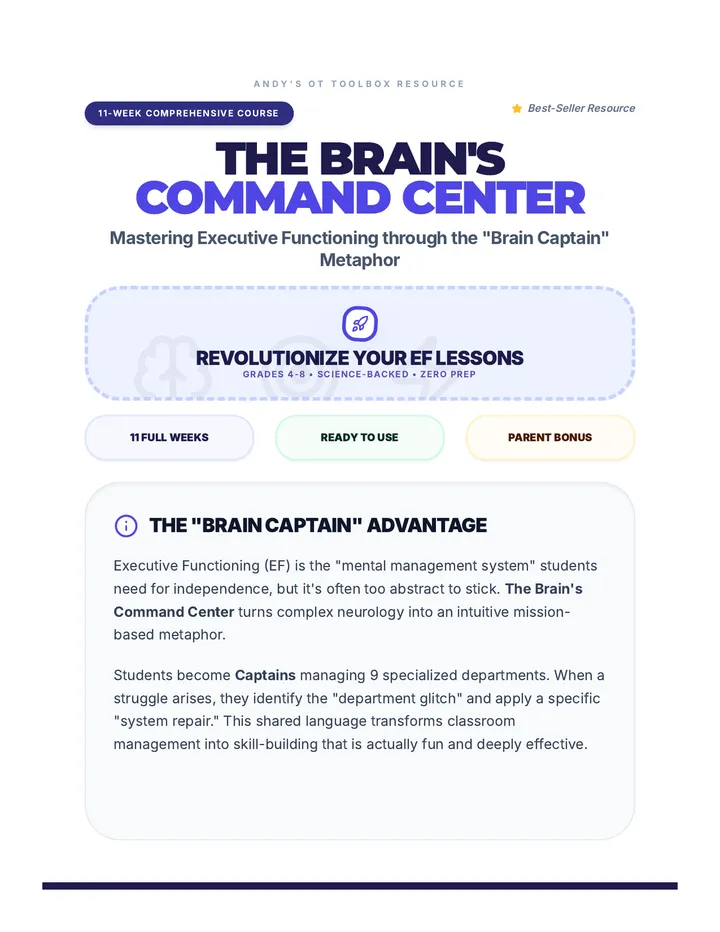
A 5-page Teachers Pay Teachers (TpT) product page for an 11-week Executive Functioning course, featuring a bold 'Command Center' theme, departmental skill highlights, parent guide mockups, and testimonials. Page 4 has been adjusted to ensure the 'missions' text is fully visible without cutoff.

AC

Andrew Casini

Recess Dilemmas Scenario Cards

Recess Dilemmas Scenario Cards

A 20-card printable set of recess dilemma task cards covering gaga ball, soccer, tag, football, 4-square, girl drama, and social exclusion. Written at an accessible 3rd-grade reading level with white backgrounds, dashed cut lines, and without the talk-it-out section.

MM

Melissa MacGregor

Peaceful Path Reflection Sheet Printable

Peaceful Path Reflection Sheet Printable

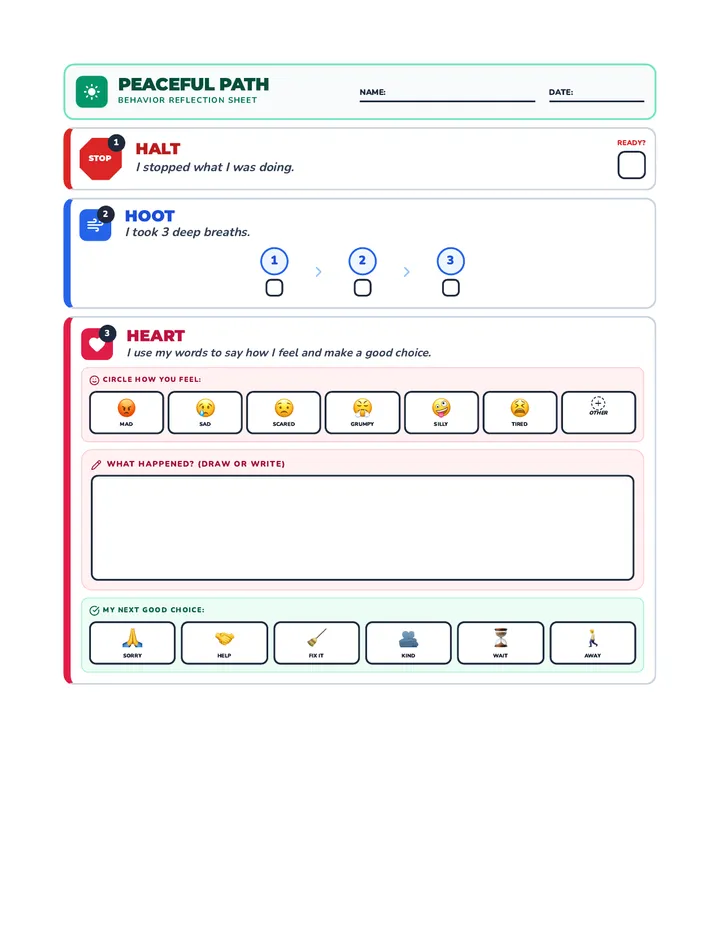
A highly optimized behavior reflection sheet for K-2 students. Uses flexbox to guarantee all content fits on one printable page, including a large "Draw or Write" section and dark slate borders (border-slate-800) for maximum print visibility and reliability.

CO

Christy Olivieri

Sequences

Orientation Key Points Visual v2

DBT Skills for Young Explorers

A comprehensive DBT skills training sequence for elementary schools, split into K-2 and 3-5 curricula. This program covers Mindfulness, Distress Tolerance, Emotion Regulation, and Interpersonal Effectiveness using age-appropriate activities and narratives.

MB

Megan Bjork

173
Freshness Slides (3) v2

Glow Up Guide (K-4)

A comprehensive SEL-integrated hygiene curriculum for elementary scholars (K-4), focusing on self-awareness, social impact, and personal responsibility through the lens of a 'Glow Up'.

T

tkeya.void

86
Understanding School Community Teacher Guide

Respecting Norms and Community Values

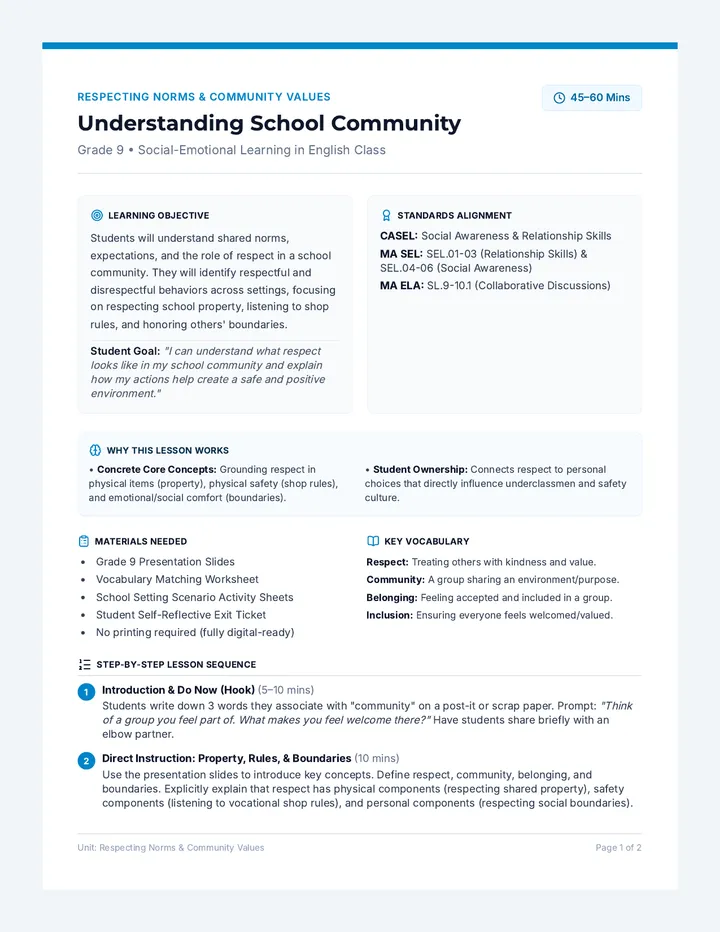
A comprehensive four-year scaffolded social-emotional learning unit for high schoolers (Grades 9-12) focused on building community, active communication, personal responsibility, and leadership around community norms and values.

J

jtoomey

36
Space Bubble Shield Worksheet

Hero Habits Academy

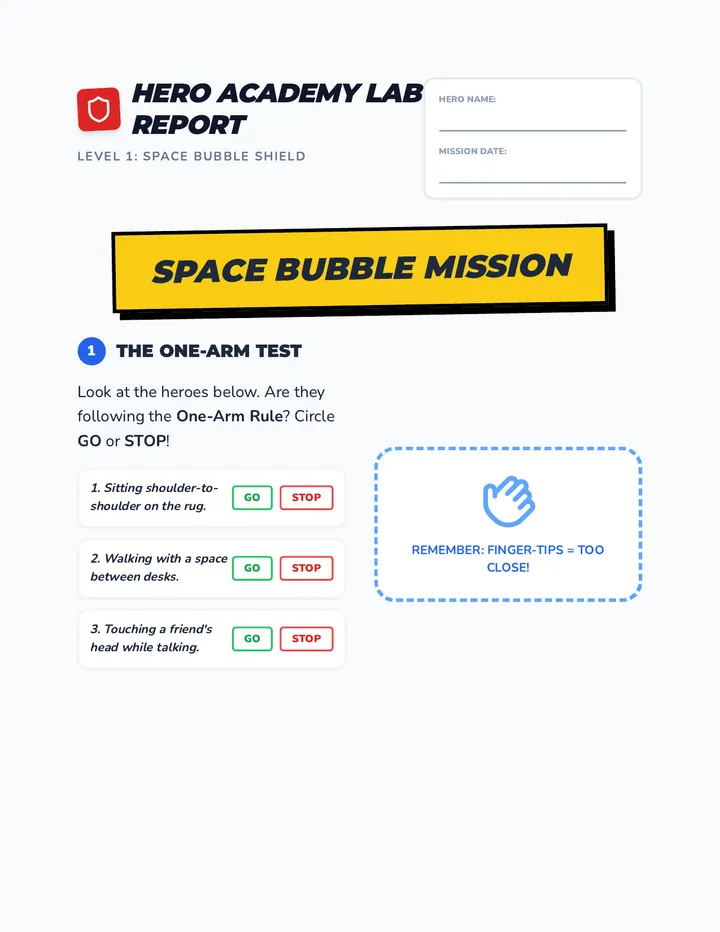
A 10-lesson curriculum designed for 2nd-grade boys to develop focus, personal space awareness, and kind communication through a superhero-themed 'Hero Habits' program. Students learn to 'Power Up' their social skills using comic-book-inspired visual aids and reflective activities.

K

KatheV

34
Energy HQ Slides

Big Feelings Blueprint 6-Week Edition

A 6-week social-emotional learning program for teenagers on the autism spectrum, delivered in focused 20-minute sessions. The program uses visual "blueprints" to teach energy management, body awareness, and Comic Strip Conversation techniques for emotional regulation and perspective taking.

MS

Minakshi Singal

18
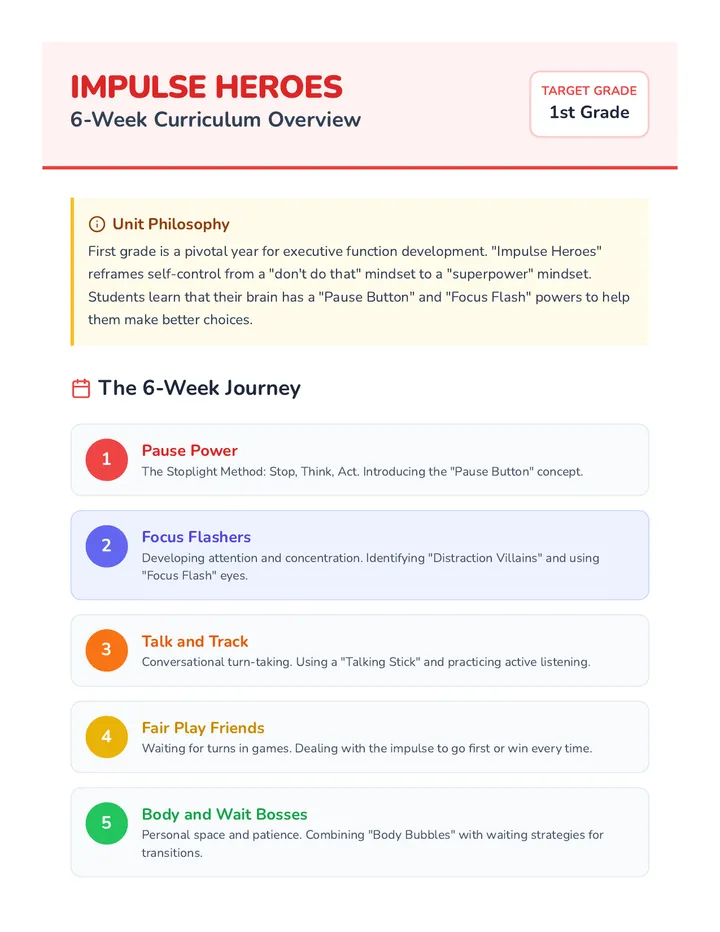
Impulse Heroes Teacher Guide

True North Identity Lab

A 6-week identity and self-esteem program for 5th graders titled 'True North: The Identity Lab.' Students explore their core values, strengths, mindset, and authentic selves through a scientific 'discovery' theme, preparing them for the social transitions of middle school.

BR

Beverly Rogers

41