Recognition of diverse cultural backgrounds, neurodiversity, and personal identities to foster inclusive communities. Strengthens empathy and perspective-taking skills by addressing stereotypes and valuing unique individual contributions.
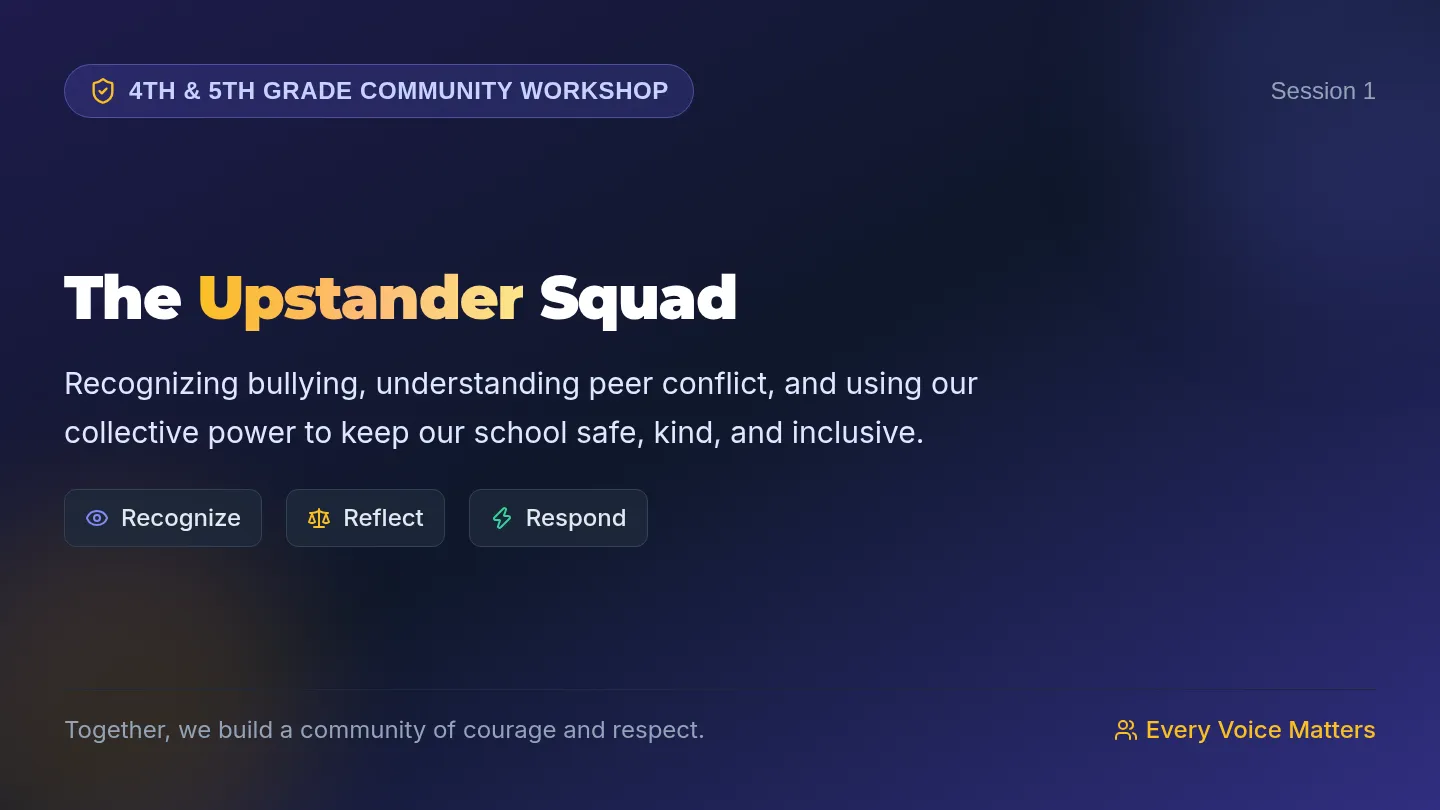
An engaging, age-appropriate 9-slide presentation for 4th and 5th graders covering bullying vs. conflict, the four types of bullying, upstander strategies (Direct, Distract, Delegate, Delay), video reflection, scenario practice, bus interactions and seating expectations, and a class pledge.
An ultra-accessible, low-reading-demand student counseling worksheet tailored for learners with disabilities, featuring visual icon-supported checkboxes, short direct prompts, large text, and flexible draw-or-write response areas.
A 20-card printable set of recess dilemma task cards covering gaga ball, soccer, tag, football, 4-square, girl drama, and social exclusion. Written at an accessible 3rd-grade reading level with white backgrounds, dashed cut lines, and without the talk-it-out section.
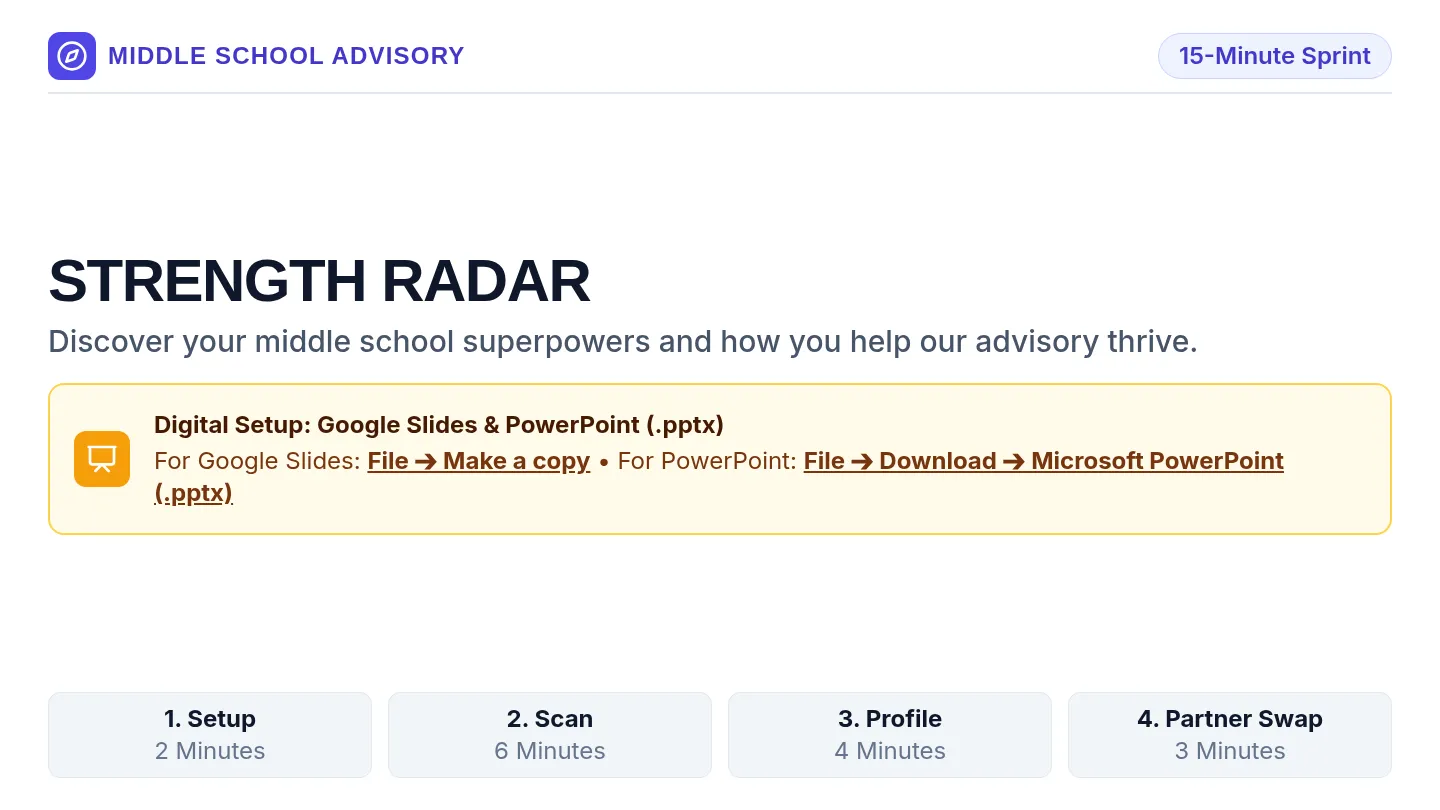
A digital 6-slide strengths inventory and reflection deck for 6th-8th graders formatted in standard 16:9 widescreen with setup instructions for both Google Slides and Microsoft PowerPoint.
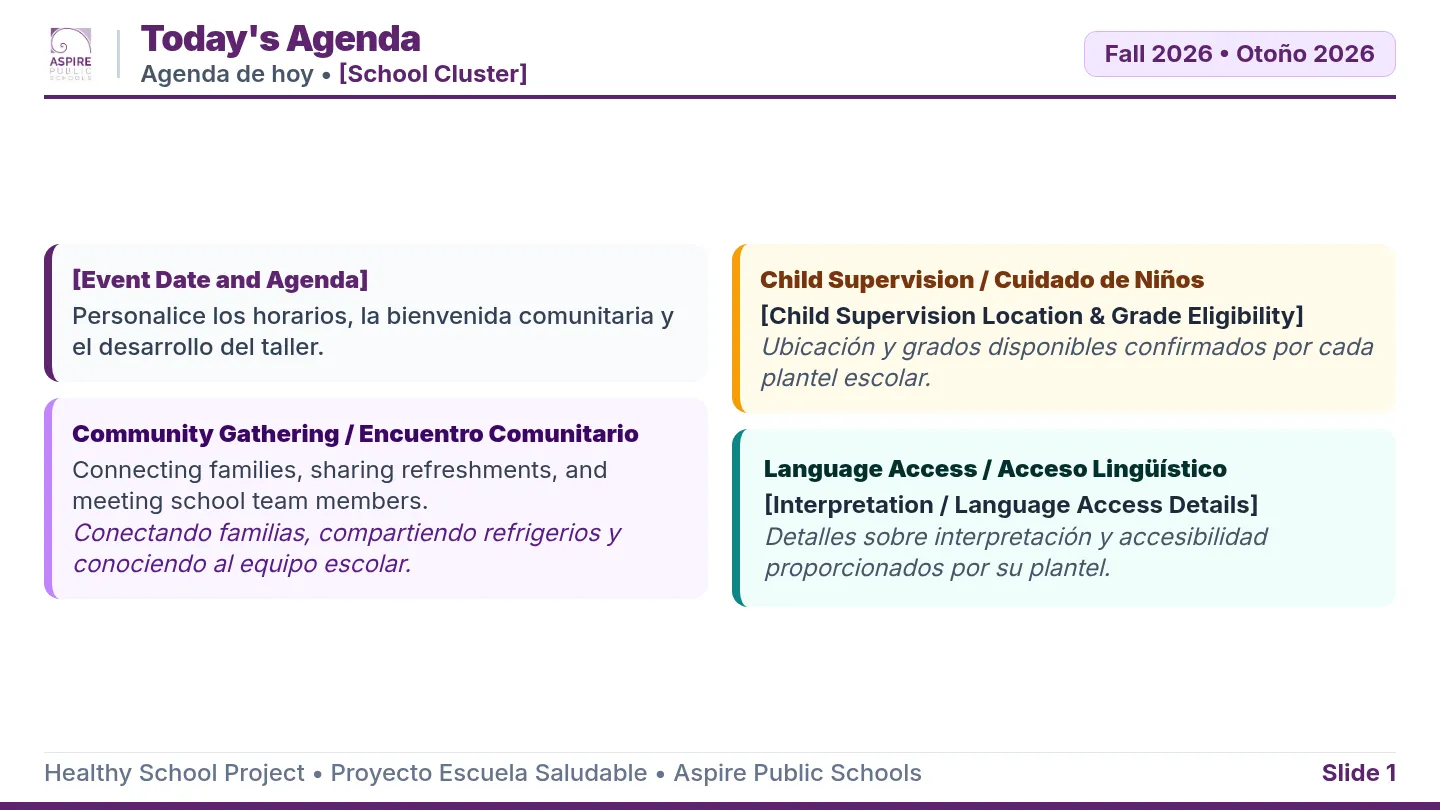
Added new bilingual Slide 34 ('Which One Is the Safest to Try? / ¿Cuál es la Opción Más Segura?') after Slide 33, providing the key answers and upstander guidance for the 3 practice scenarios in Aspire colors and 24px minimum font sizing. Updated subsequent slide numbers up to Slide 39.
A comprehensive 6-page printable K-6 bulletin board display kit centered on the theme of Support, featuring an assembly blueprint with CASEL and ASCA alignments, bold title banners, anchor cards for Social Awareness, Relationship Skills, and Self-Management, and interactive student shout-out printables.
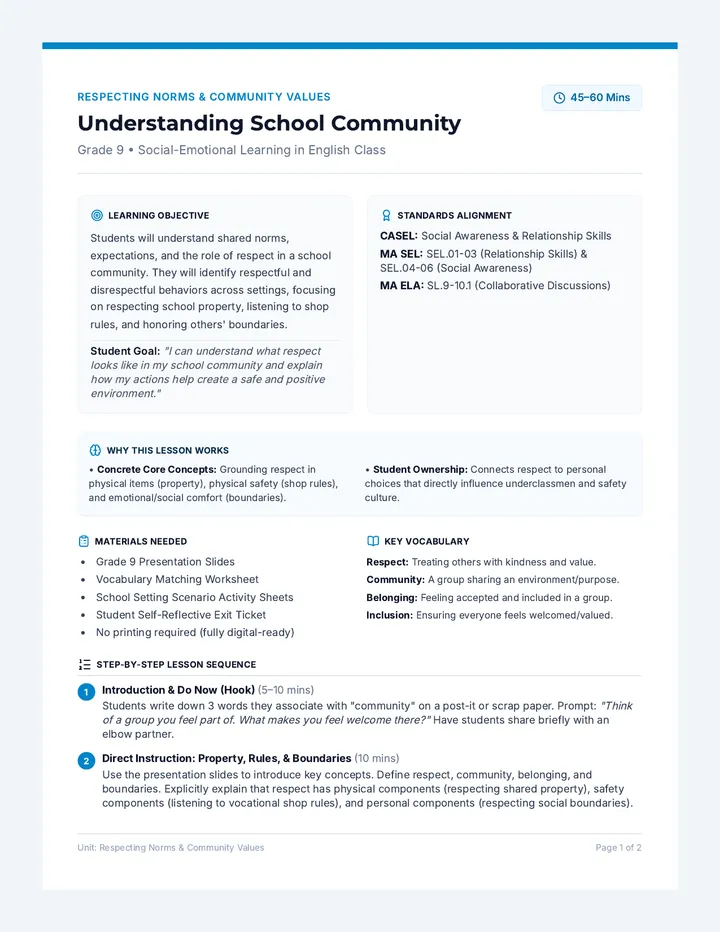
A comprehensive four-year scaffolded social-emotional learning unit for high schoolers (Grades 9-12) focused on building community, active communication, personal responsibility, and leadership around community norms and values.
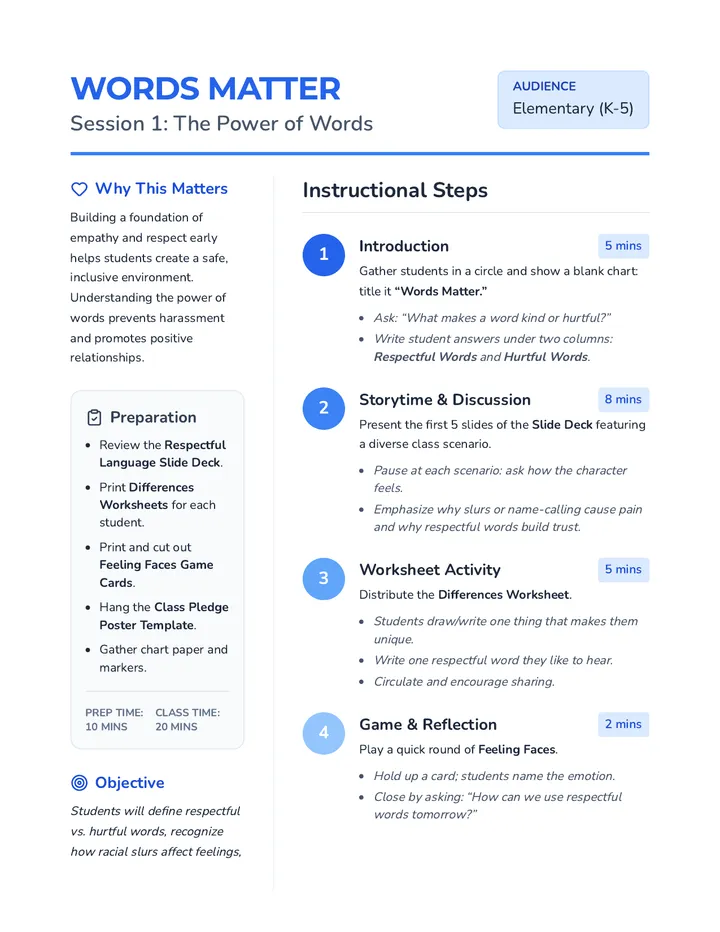
A 4-session Tier 1 sequence for K-5 students focused on racial slur prevention, respectful language, and celebrating diversity. Students learn empathy through role-play, sharing traditions, and creating a collective class pledge.
A 6-week social-emotional learning program for 6th-grade girls focused on building healthy friendships, resolving conflicts, practicing empathy, and setting boundaries.
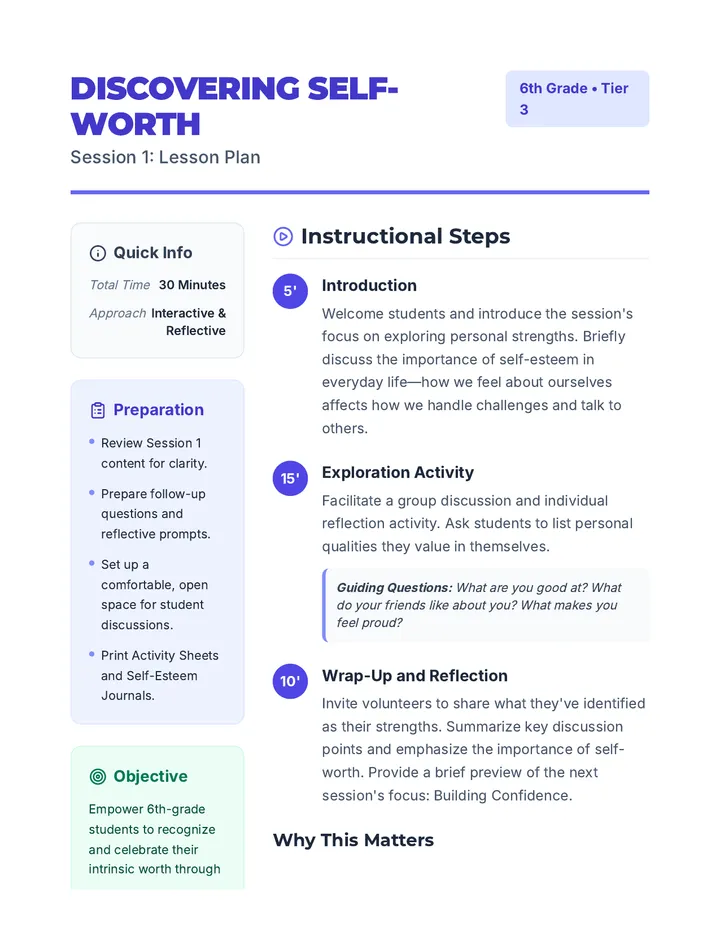
A 5-session Tier 3 intervention for 6th-grade students focused on building self-esteem, recognizing self-worth, and developing resilience through reflective activities and goal-setting.
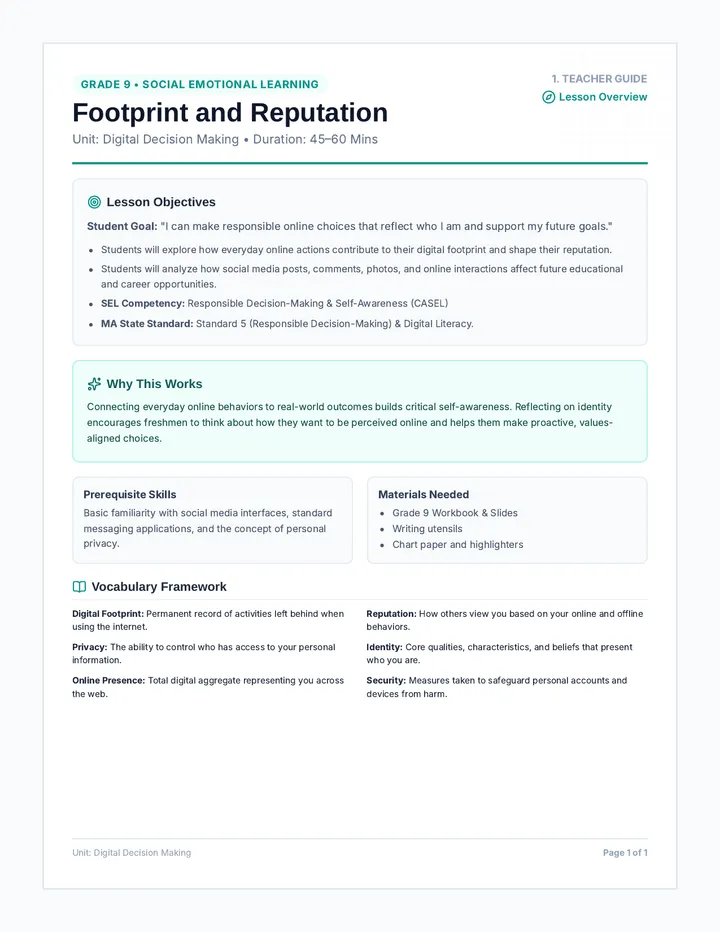
A comprehensive four-year high school SEL unit focusing on responsible digital choices, critical evaluation of online sources, ethical interactions, and positive digital leadership.
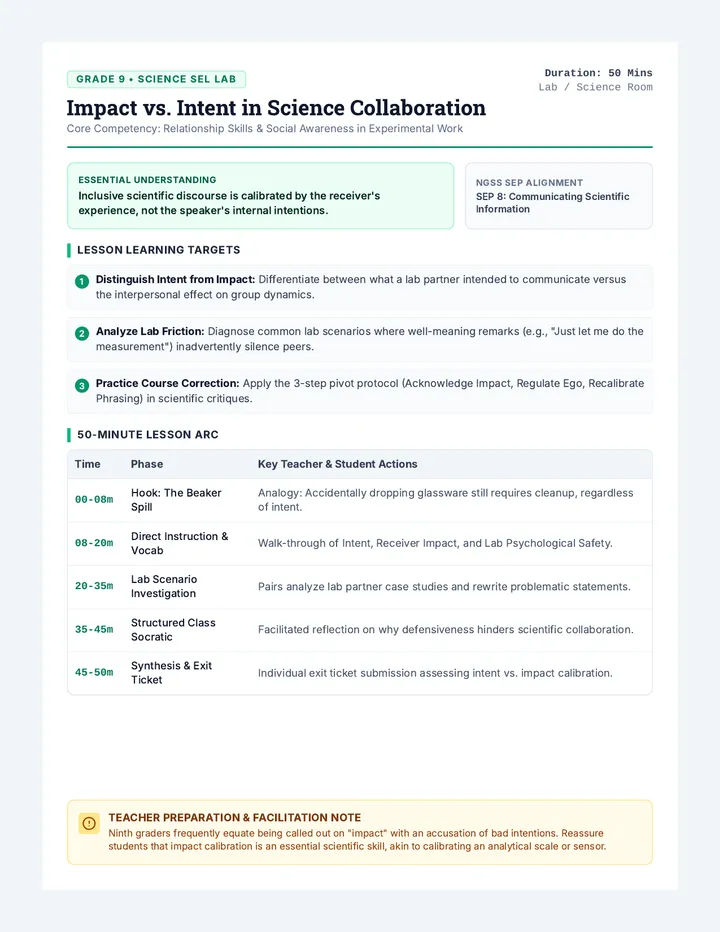
A high school science SEL sequence that builds positive teamwork, clear communication, and barrier-free collaboration between project partners in science class across grades 9 through 11.