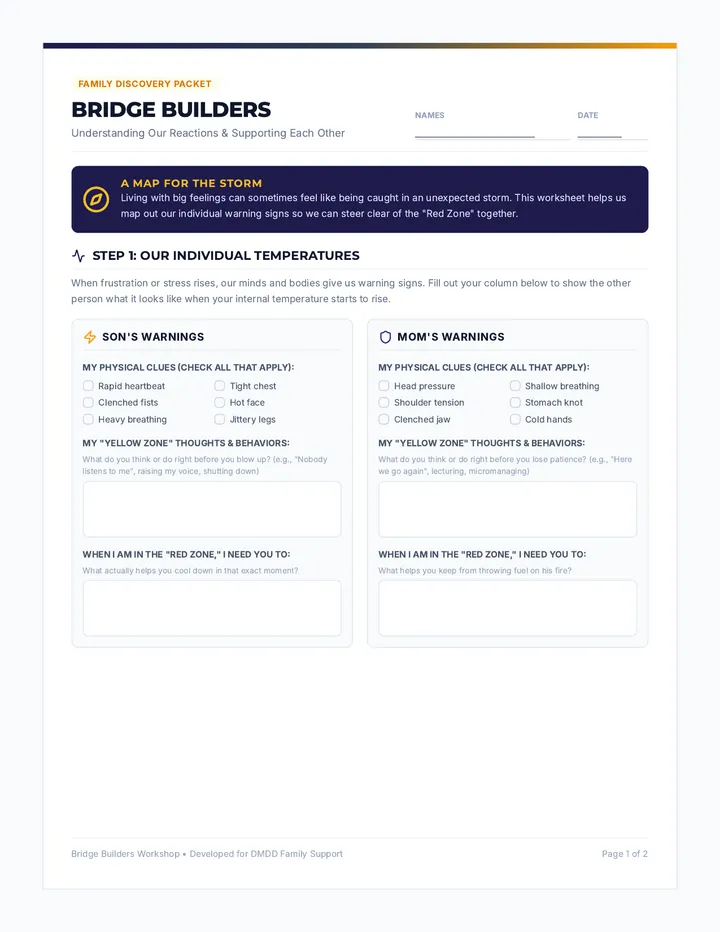
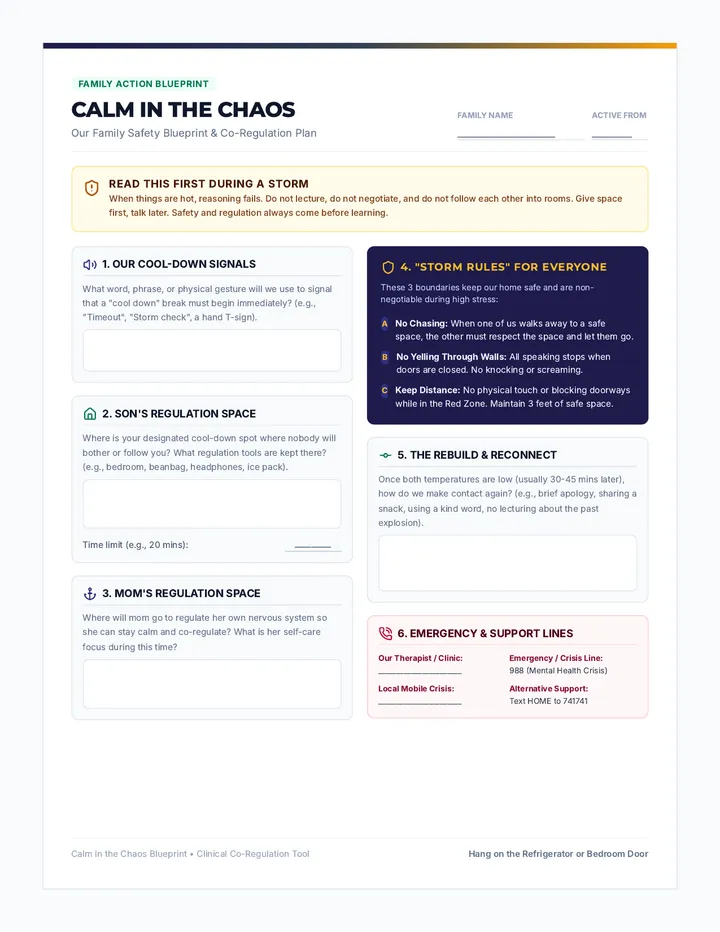
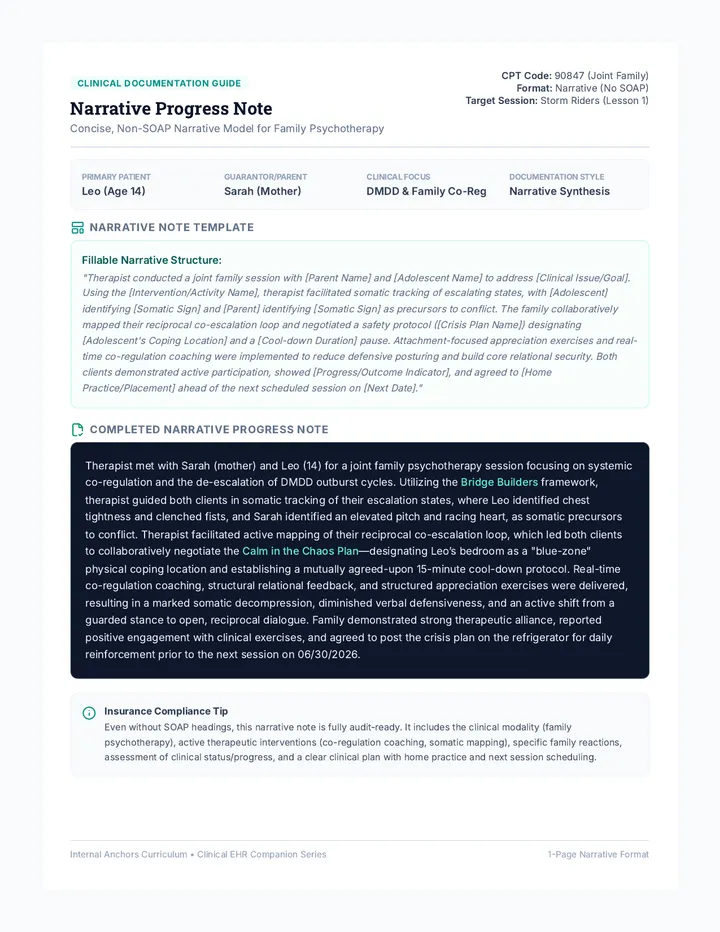
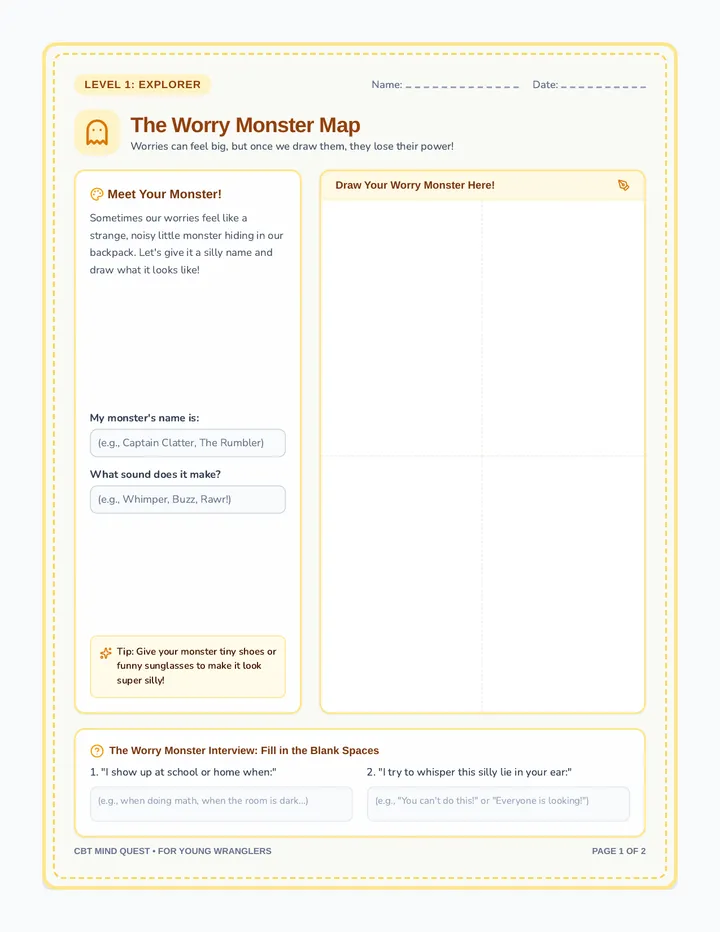
Sensory Grounding Slides Sensory Grounding
The Science of Present-Moment Orientation
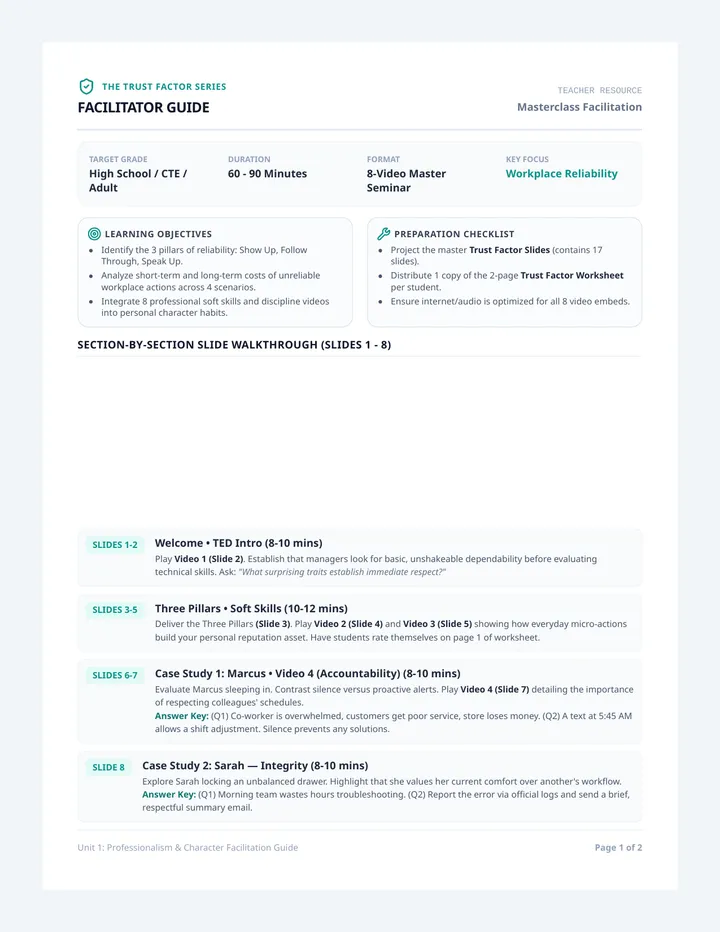
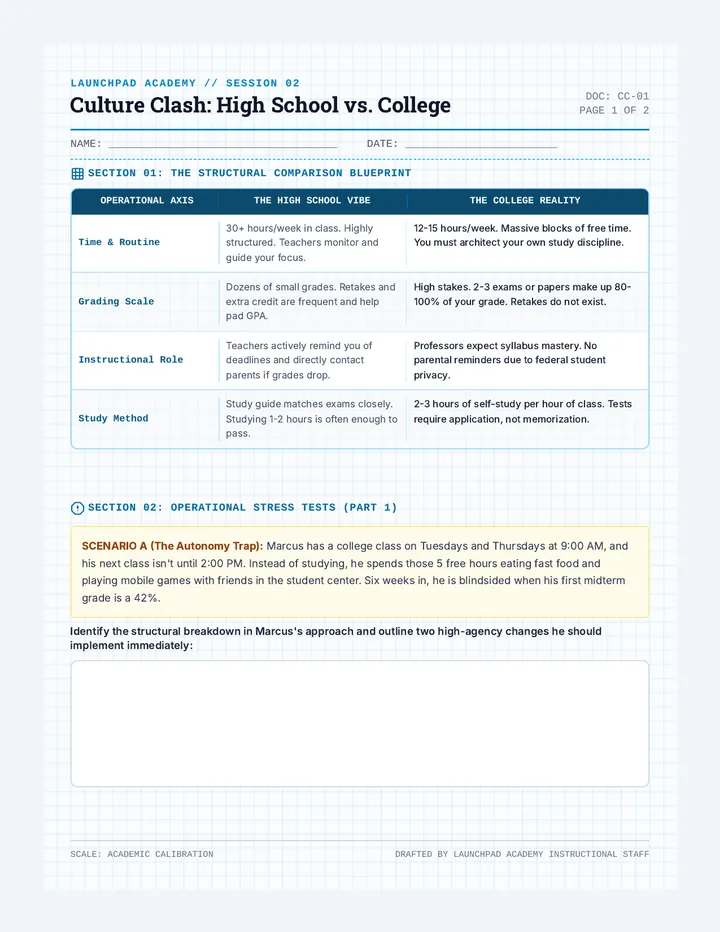
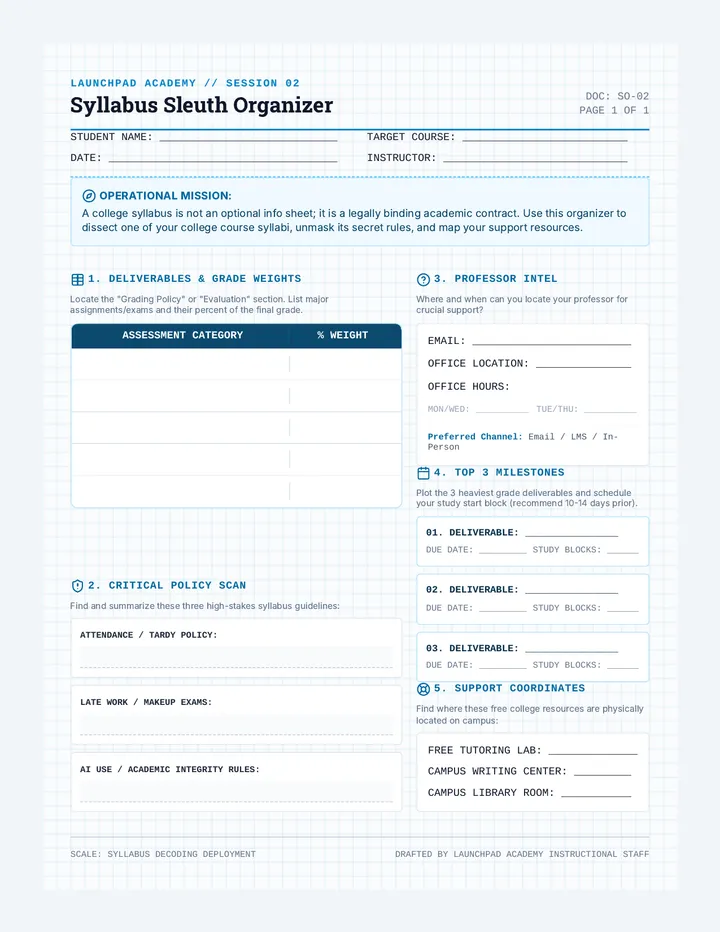
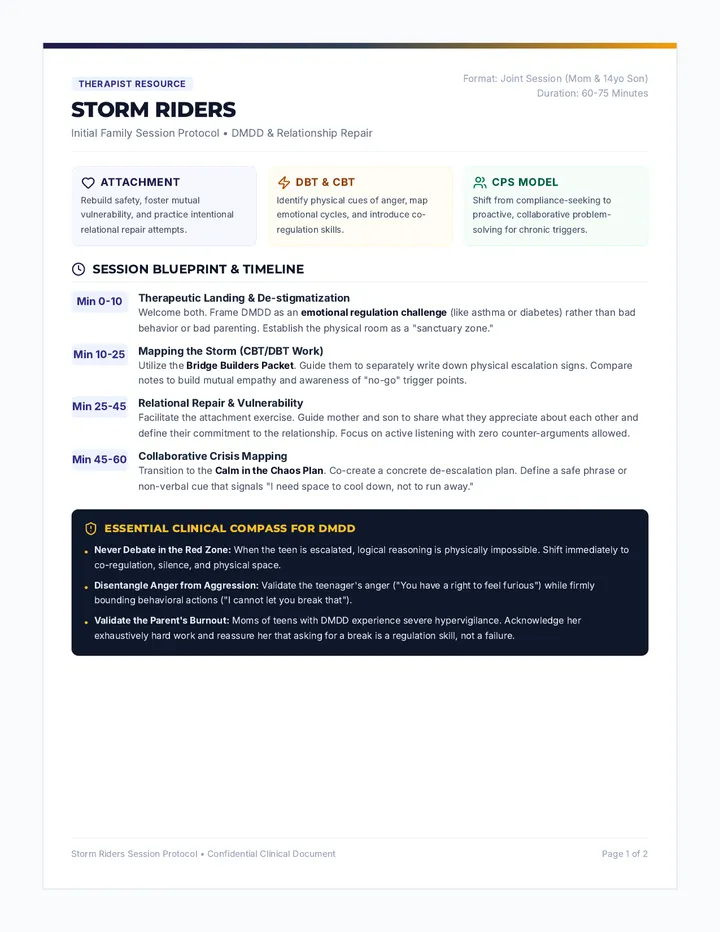
Equilibrium Lab
Thermal Shock
The Brain's Emergency Brake
"Take the ice cube in your palm. Hold it. Focus only on the sensation."
Where does your mind go?
Can you worry and feel the cold simultaneously?
Immediate Physiological Override
The brain prioritizes intense sensory input over ruminative internal states.
The Default Mode Network (DMN)
Ruminative Loops
When we are stressed, the brain engages in "time travel"—obsessing over the past or predicting the future. This creates a feedback loop of anxiety.
Sensory Anchoring
By engaging the 5 senses, we force the brain to process "Now." This inhibits the DMN and activates the Task-Positive Network (TPN).
Sensory Input = Physiological Reality
Mastering the 5-4-3-2-1
5
SEE
Distinct Objects
4
FEEL
Textures/Temp
3
HEAR
External Sounds
2
SMELL
Current Scents
1
TASTE
Mouthfeel/Flavor
Pro-tip: Don't just list them. Describe the color, texture, pitch, or specific quality.
"I see a navy blue coffee mug with a slight chip on the handle."
Beyond the Main Five
Proprioception: The Body-Map
Pushing your feet firmly into the floor or pushing your hands together. This sends signals to the brain about where your body ends and the world begins.
Vestibular: Balance & Movement
Slowly swaying or shifting weight from foot to foot. Gentle movement helps calibrate the inner ear and orient the nervous system.
Simulation: Orientation Alpha
The Objective
Test the efficacy of three different grounding methods in a semi-distracted state.
Method A: 5-4-3-2-1 Description
Method B: Proprioceptive (Foot-Press)
Method C: Cognitive "Category" Count
Data Collection
On your worksheet, you will record:
Pre vs. Post Subjective Units of Distress (SUDs)
Time to "Re-entry" (feeling present)
Orientation Alpha Worksheet Orientation Alpha
Sensory Grounding Lab Report
Name:
Date:
Baseline Assessment
Rate your current level of mental alertness vs. ruminative thoughts (0-10, where 10 is high stress/distraction).
Low Stress (0)
0
1
2
3
4
5
6
7
8
9
10
High Stress (10)
A
The 5-4-3-2-1 Technique
Record one specific, detailed observation for each sense during the simulation.
5 See
4 Feel
3 Hear
2 Smell
1 Taste
B
Proprioceptive
Rate the "physical presence" sensation after the foot-press or hand-press activity.
Observations:
C
Cognitive Log
List 5 items from the assigned category (e.g., green things, square things).
Category Items:
Efficiency Review
Which method resulted in the fastest "re-entry" to the present moment? Why?
Post-Activity SUDs (0-10):
Ease of Use (1-5):
Vagal Tone Slides Vagal Tone
Controlled Breathing Biofeedback
Equilibrium Lab
The 10th Cranial Nerve
The Vagus Nerve is the "information superhighway" of the parasympathetic nervous system, connecting the brain to the heart, lungs, and digestive tract.
Vagal Tone
The internal biological process that represents the activity of the vagus nerve. High vagal tone is associated with faster recovery from stress.
Visualizing the Brain-Heart Axis
The Autonomic Nervous System
Sympathetic
Gas Pedal
• Fight or Flight response
• Increased heart rate
• Shallow, rapid breathing
• Cortisol & Adrenaline spike
Parasympathetic
The Brake
• Rest and Digest state
• Lowered heart rate
• Deep, rhythmic breathing
• Vagus nerve stimulation
Breathing is the only autonomic function we can manually override.
Box Breathing
Developed by Navy SEALs to maintain tactical focus under high stress.
1
Inhale for 4 seconds
2
Hold for 4 seconds
3
Exhale for 4 seconds
4
Hold for 4 seconds
INHALE
HOLD
EXHALE
HOLD
The 4-7-8 Protocol
Designed for rapid de-escalation by maximizing the exhalation phase.
4
Inhale
Through nose
7
Hold
Breath suspension
8
Exhale
Whoosh through mouth
Why the 8?
The longer exhale forces the heart rate to slow down by mimicking the state of deep sleep and extreme safety.
Biofeedback Lab
The Metrics
Resting BPM
Active BPM (Post-Protocol)
Delta T (Recovery Speed)
Measurement Method
Use the pulse on your radial artery or the provided biofeedback sensors. Count for 15 seconds and multiply by 4.
Protocol Steps
Establish 2-minute baseline.
Apply Box Breathing (3 mins).
Vagal Tone Lab Report Biofeedback Log
Vagal Tone & Breathwork Analysis
Operator:
Date:
Phase 01: Baseline Metrics
Resting Heart Rate (BPM)
___ BPM
Sit quietly for 2 minutes. Measure pulse at the radial artery for 15s and multiply by 4.
Subjective Focus (0-10)
SCATTERED CENTERED
0
2
4
6
8
10
Protocol Efficacy Trials
Technique Post-Trial BPM Physical Sensation Notes Delta BPM Box Breathing 4-4-4-4 Ratio Relaxing Breath 4-7-8 Ratio Custom Ratio Targeted Exhale
Vagal Tone Synthesis
Based on the data, which ratio triggered the most significant parasympathetic response? Why?
Maximum BPM Reduction
______ BPM
Personal Mastery Choice
________________
Lab Protocol: VB-202
Equilibrium Lab Certified
PMR Mastery Slides Muscle Mastery
Progressive Muscle Relaxation (PMR)
Equilibrium Lab
The Contrast Effect
"Hold the book at arm's length. Keep holding. Don't let your arm drop."
Notice the Shift:
Initial effort: Tightness.
Fatigue: Burning sensation.
The Release: Immediate wave of relief.
The Feedback Loop
What is Residual Tension?
Muscle tension held unconsciously even when "resting." It signals the brain that a threat is still present, keeping you in a high-cortisol state.
"The brain cannot be fully calm if the body is telegraphing stress through its musculature."
Body-to-Brain Signal
PMR manually resets the nervous system by breaking the tension feedback loop.
The 3-Step Cycle
01. TENSE
Squeeze the target muscle group as hard as possible for 5 seconds. Hold your breath.
02. RELEASE
Drop the tension instantly. Exhale deeply. Feel the blood flow back.
03. NOTICE
Observe the difference for 10 seconds before moving to the next group.
Sequence of Engagement
1. Feet & Calves
Curl toes, flex ankles.
2. Thighs & Glutes
Squeeze legs together.
3. Abdomen
Tighten as if expecting a blow.
4. Hands & Arms
Clench fists, flex biceps.
5. Shoulders
Hunch up to your ears.
6. Neck & Throat
Gently pull chin to chest.
7. FACE
The Final Reset
Workshop: Hotspot Mapping
The Mission
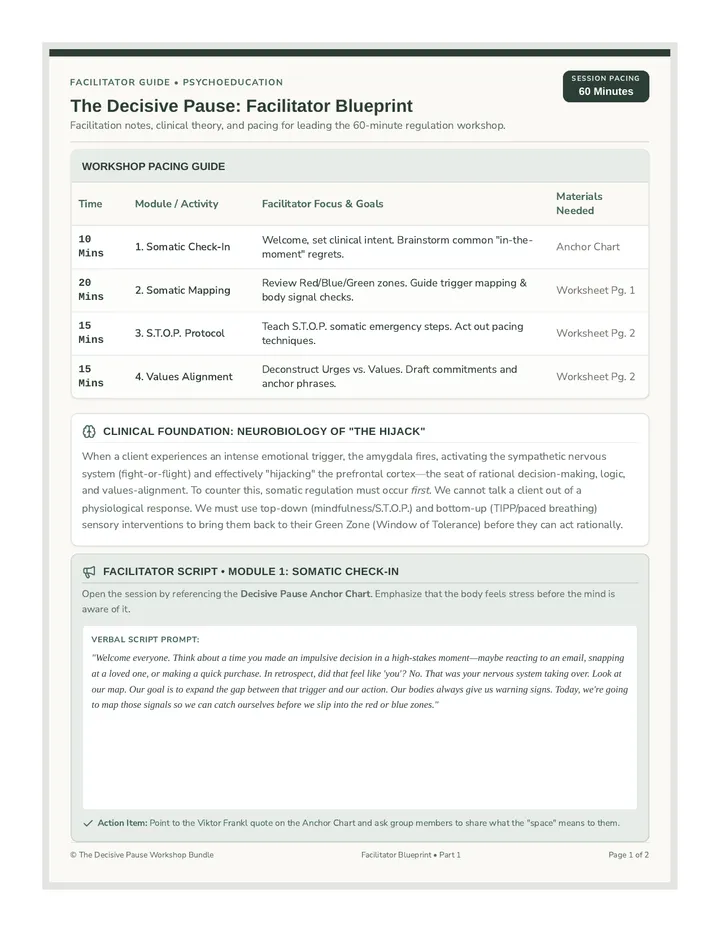
During our guided PMR session, your goal is to identify your Primary Hotspots—the areas where you hold the most residual tension.
Mark these hotspots on your Muscle Map Worksheet.
Reflection Prompts:
1. Which group was hardest to release?
2. Where did you feel the "Contrast Effect" most intensely?
3. How did your mental focus change as your body relaxed?
Muscle Map Worksheet Muscle Map
PMR Tension-Release Protocol
Subject Name
Lab Station
The Protocol
01 Feet & Calves
02 Thighs & Glutes
03 Lower Back & Abs
04 Chest & Shoulders
05 Hands & Forearms
06 Upper Arms
07 Neck & Throat
08 Jaw & Face
Full Body Sweep
Instructions
Tense for 5-7 seconds. Release for 10-15 seconds. Notice the tingling/warmth of the release phase. Mark your primary hotspots in the diagram.
Hotspot Inventory Mark with [X]
Primary Tension Hotspot:
Subjective Relaxation (Post-PMR):
TENSE (1)
FLUID (10)
Note on the "Release" sensation:
Mastery Protocol: PMR-ALPHA
Equilibrium Lab Certified
Sensory Kit Slides The Sensory Kit
Engineering Personalized Calm
Equilibrium Lab
Comfort by Design
Think about the hoodie you wear when you're stressed. The playlist you play on repeat. The way you fiddle with your ring.
Implicit Regulation
"You are already using sensory regulation. Today, we make it intentional, accessible, and high-performance."
Auditory
Tactile
Olfactory
Visual
Cognitive Offloading
The "Decision Fatigue" Problem
In a state of acute stress, the prefrontal cortex—the part of the brain that makes choices—is compromised.
The Solution: PRE-SET RESOURCES.
The Kit removes the need to "think" about how to calm down. You just open it.
Systemic Support
A kit is a physical externalization of your regulation skills.
The Design Matrix
Tactile (Touch)
Weighted objects, smooth stones, fidget spinners, soft fabric swatches, textured putty.
Olfactory (Smell)
Essential oil rollers (lavender, peppermint), scented wood, "memory" scents.
Auditory (Sound)
Noise-canceling loops, curated playlists (brown noise, lo-fi), rain sticks, guided audio.
Visual (Sight)
Photos of "Safe Places," sand timers, liquid motion bubblers, kaleidoscope cards.
Implementation Formats
Physical
• Pouch or Box for backpack
• Tangible grounding sensory input
• "The Ice Cube" effect (immediate)
• Discrete items (fidget ring, oil)
Digital
• Phone folder/Home screen
• Bookmarked breathing GIFs
• Audio recordings of loved ones
• High-resolution "Visual Escape" pics
Workshop: Blueprinting
The Assignment
Use your worksheet to design a kit that satisfies at least 3 different senses.
"Your kit must be portable enough to stay with you during a typical university day."
Evaluation Criteria:
Durability (Will it break in a bag?)
Accessibility (Can you reach it in 10s?)
Personal Resonance (Does it actually calm YOU?)
Sensory Kit Blueprint Personal Blueprint
Sensory Soothing Kit Design Document
Designer
Revision
01. Personal Resonance Profile
High-Aversion Inputs (AVOID):
List textures, smells, or sounds that increase your irritation or sensory overwhelm...
High-Affinity Inputs (SEEK):
List things you naturally reach for when you need to feel safe or centered...
02. Kit Engineering
Select 3-5 items that will form your portable regulation toolkit.
Tactile Item
Auditory Tool
Olfactory Tool
Visual / Digital Anchor
The "Emergency" Item (Immediate Impact)
03. Deployment Logistics
Carrier Format:
Small Pouch
Altoids Tin
Keychain / Clip
Phone Folder
Implementation Strategy:
Where will this kit live? Under what specific conditions (SUDs level) will you commit to opening it?
Project ID: SK-BLUEPRINT-04
Equilibrium Lab Certified
Stress Simulation Slides Stress Simulation
Real-Time Tactical Application
Simulation Lab 05
Bridging
Knowledge to Power
Understanding regulation is useless if you cannot access the tools when your heart rate is 120 BPM. Today we bridge that gap.
The Reality Check:
Can you execute a Box Breath while being timed? Can you ground your senses while solving a complex logic puzzle?
00:59
Critical Window
Simulation: Delta Pressure
The Challenge
Timed cognitive logic puzzles.
Auditory distraction (Classroom noise).
Visual "Performance Tracking" screen.
The Requirement
You must integrate one regulation technique per challenge round.
ROUND 1: PMR ROUND 2: BREATH ROUND 3: GROUND
Intervention Selection
Physiological
"I will use 4-7-8 breathing to lower my heart rate between puzzles."
Sensory
"I will press my feet into the floor to orient when the noise increases."
Kit-Based
"I will use my tactile object from my kit as a physical anchor during the timer."
Data Analysis: The After-Action Report
Reflective Metrics
• Sudden spike detection.
• Ease of technique recall.
• Efficiency vs. Accuracy trade-off.
Your Log
On your Tactical Application Log, you will map your performance across three rounds of increasing pressure.
Recording Phase begins now.
Ready Phase
Clear your workspace. Open your Tactical Log.
3
Orient
2
Breathe
1
Apply
Tactical Application Log Tactical Application Log
Simulation Performance Review: 05
Operator:
Station:
Mission Strategy
Identify the primary regulation strategy you intend to use when the pressure increases.
Round Pressure Level Regulation Used Subjective Mastery (1-10) 01 Low-Pressure Timer ___ / 10 02 Auditory Distraction ___ / 10 03 Critical Intensity ___ / 10
Performance Insights
Technique Recall Speed:
DELAYED INSTANT
Most Effective Anchor:
Critical Reflection
In your own words: How did the physical sensation of grounding change your ability to solve the puzzles?
5-4-3-2-1
Box Breath
PMR Sweep
MASTERED