Recognition of emotional and physiological signatures associated with traumatic experiences. Targets awareness of triggers, somatic markers, and the distinction between past reactions and present safety.
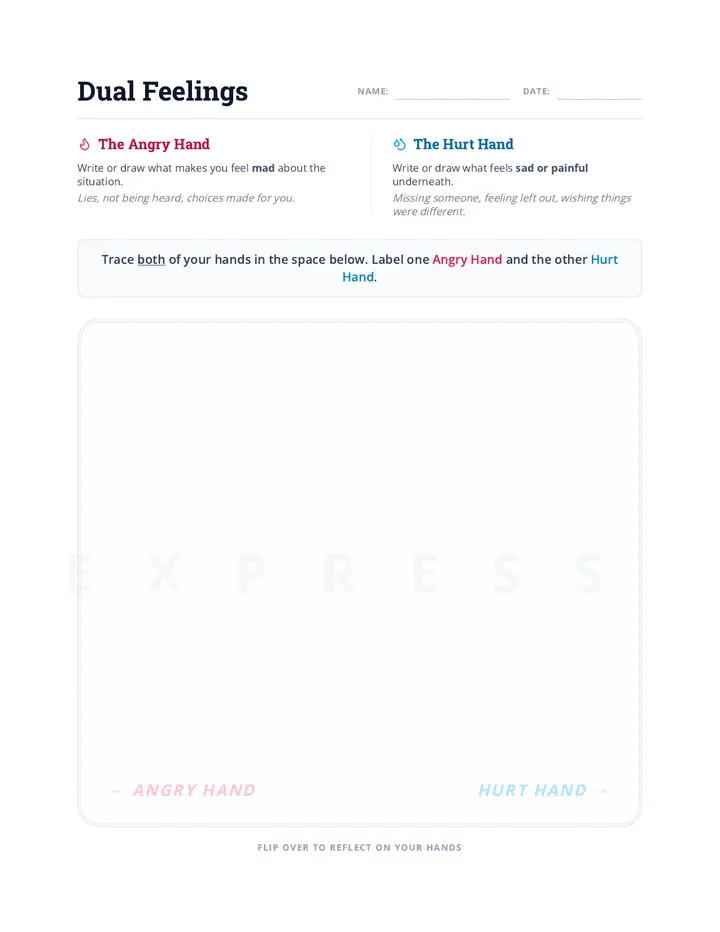
An updated dual-page handout for exploring anger and hurt. Page 1 features an expanded tracing area for teen hands with clear instructions. Page 2 provides deeper reflection questions, including a new section focused on the transition from "playing the adult" back to being a teenager.
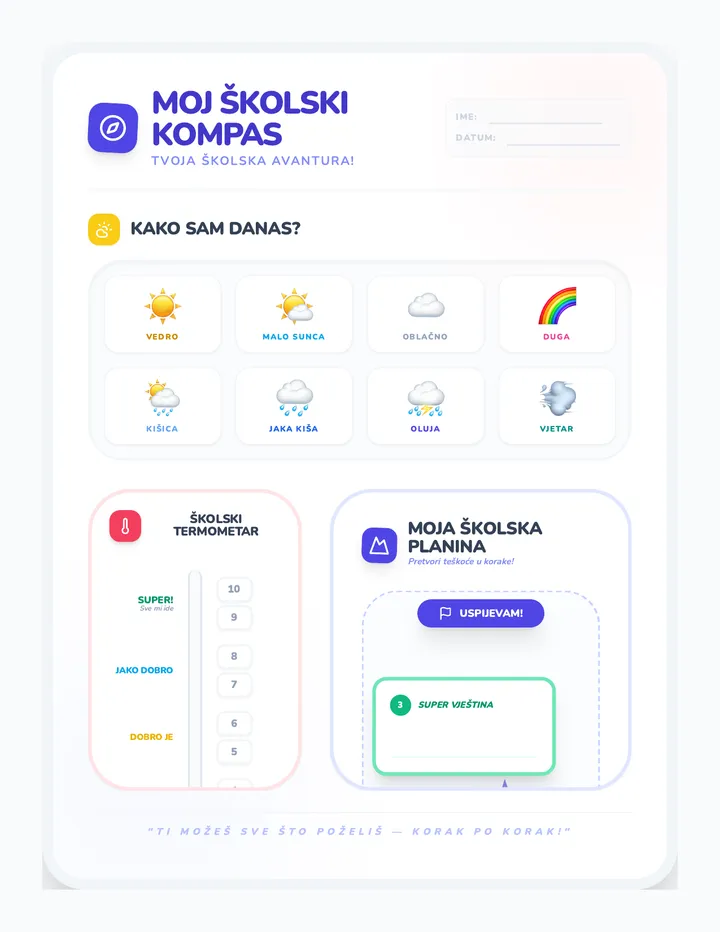
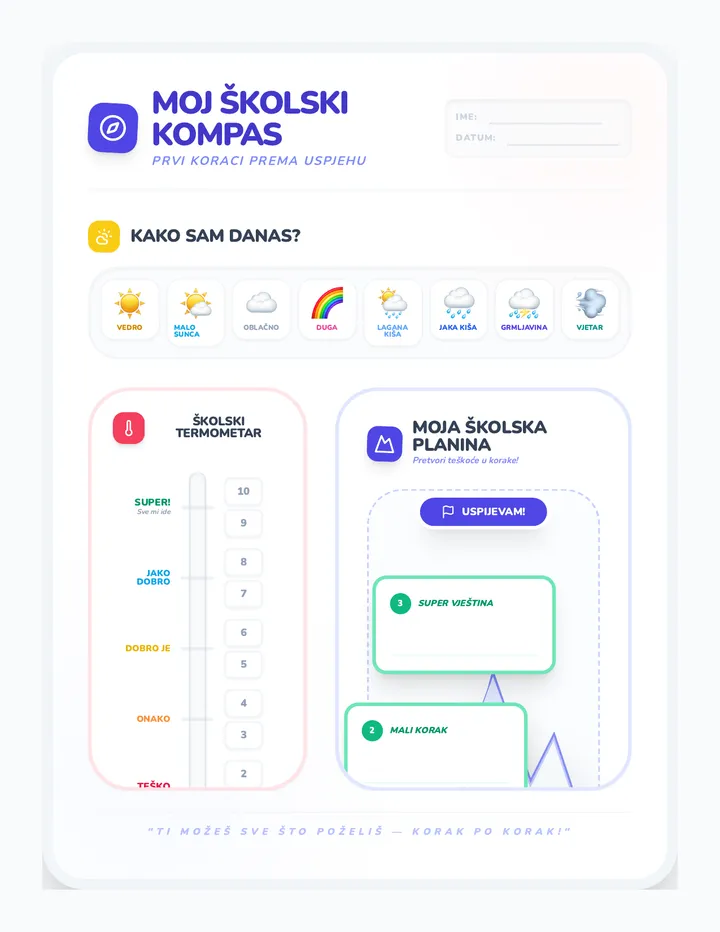
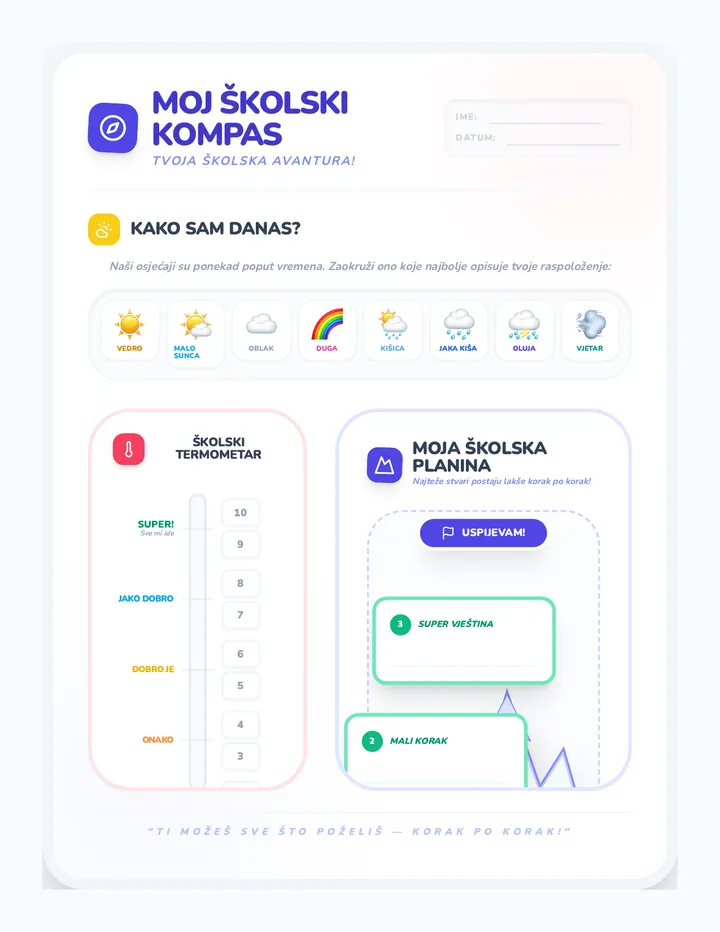
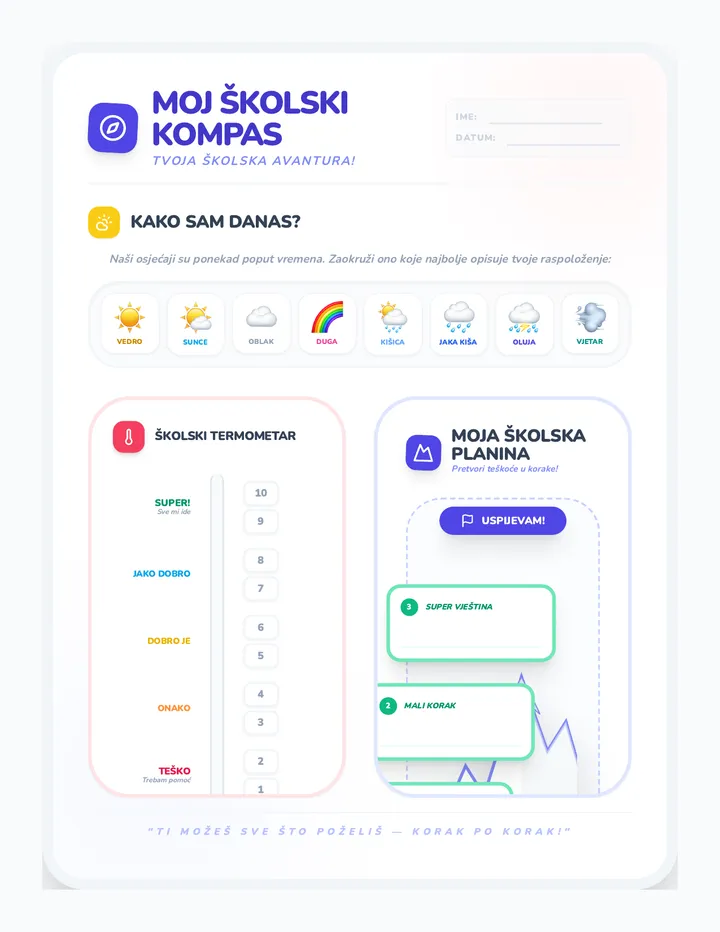
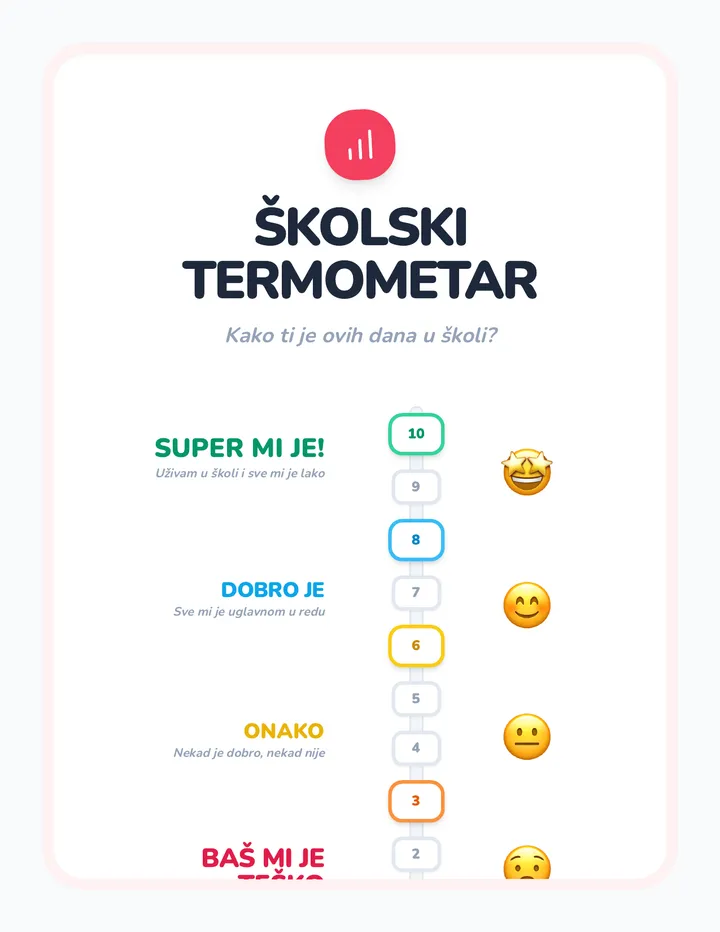
A detailed feelings thermometer poster with a 1-10 scale and color-coded zones: Green (1-3), Yellow (4-5), Orange (6-7), and Red (8-10). The green zone has been lightened to the palest shades to ensure a soft visual base while maintaining the light-to-dark gradient across the entire scale. Writing lines are included for student responses.
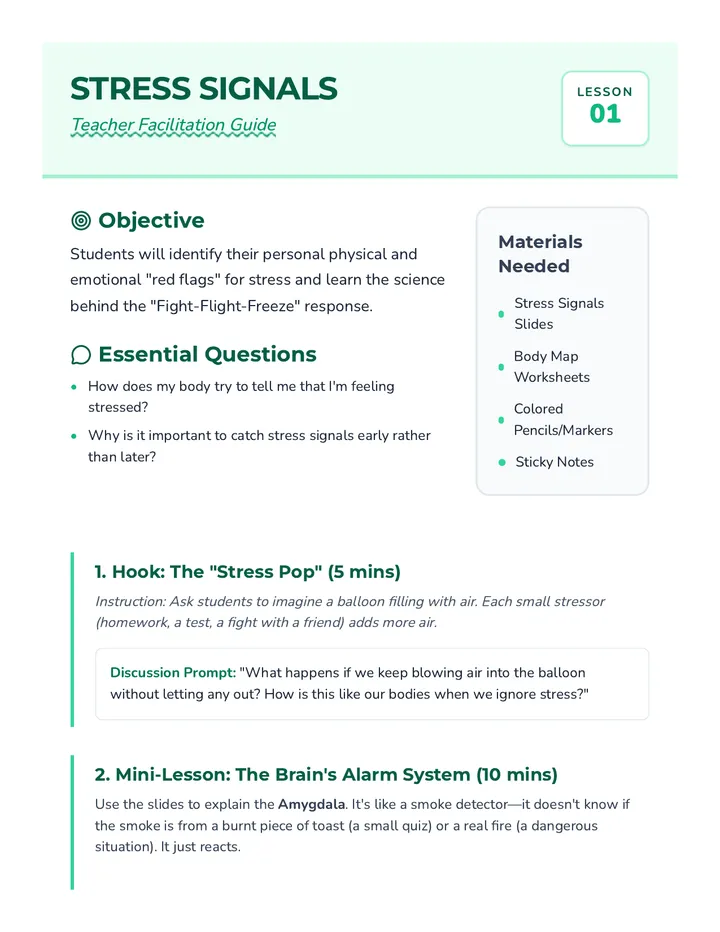
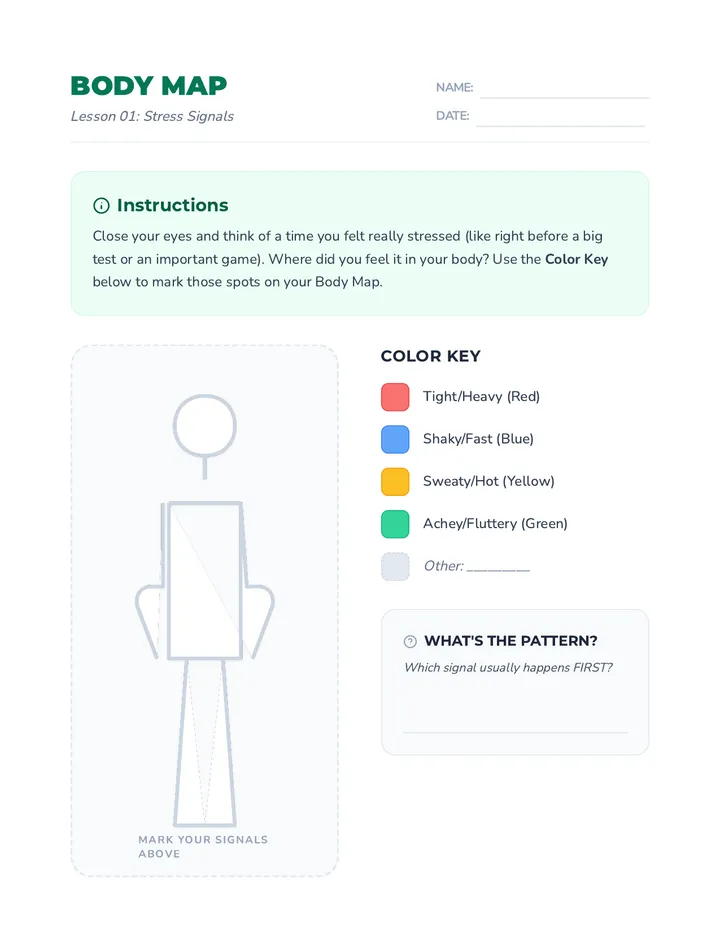
A 3-week comprehensive curriculum for middle schoolers focusing on identifying stress signals, developing healthy coping mechanisms, mastering positive self-talk, and building long-term resilience through interactive group activities and personal reflection.
A comprehensive 9-week social-emotional learning curriculum for 8th graders focusing on anxiety, self-esteem, and healthy relationships. Designed for two 2-hour sessions per week, with structured instruction on Day 1 and independent creative or research projects on Day 2.
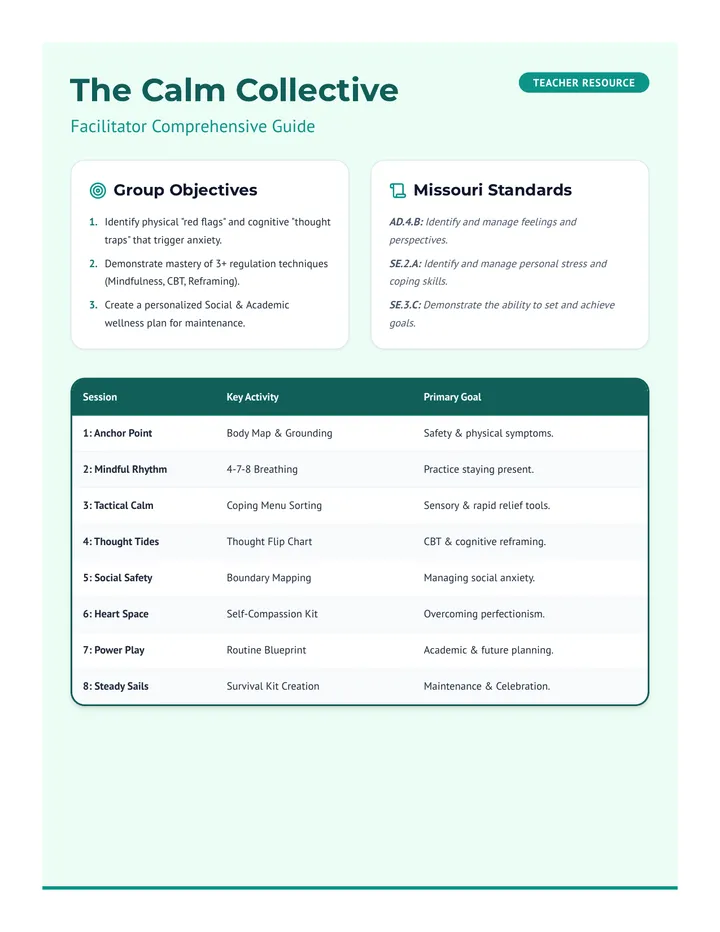
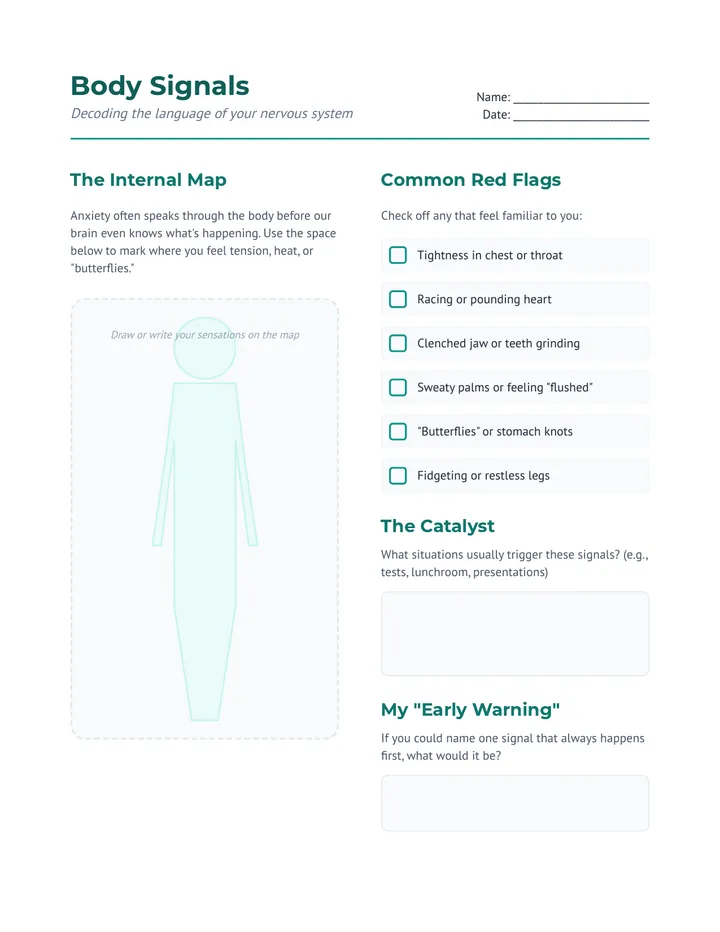
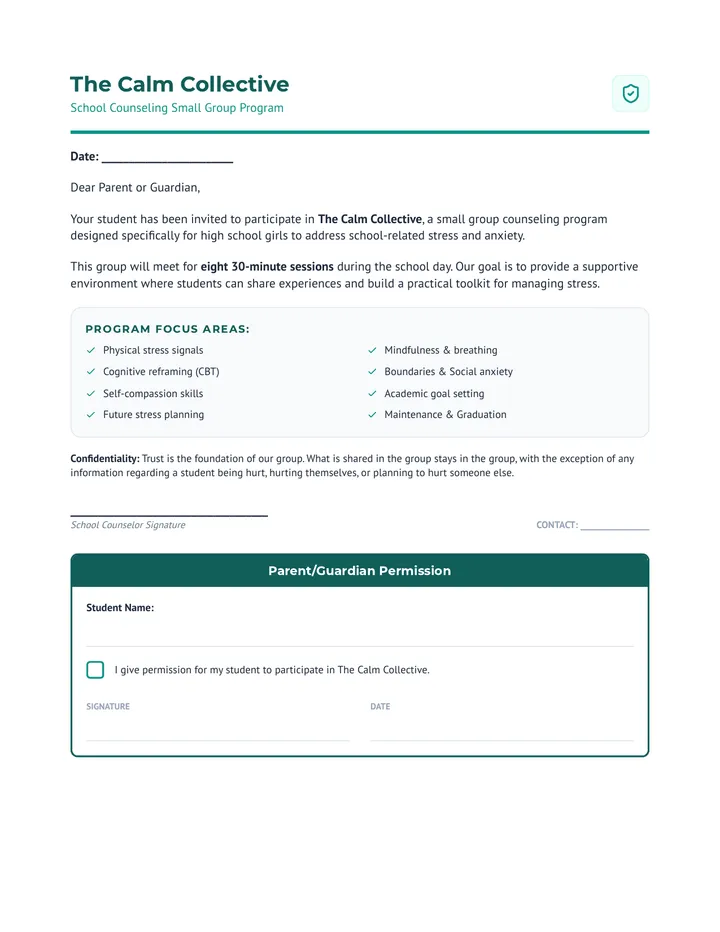
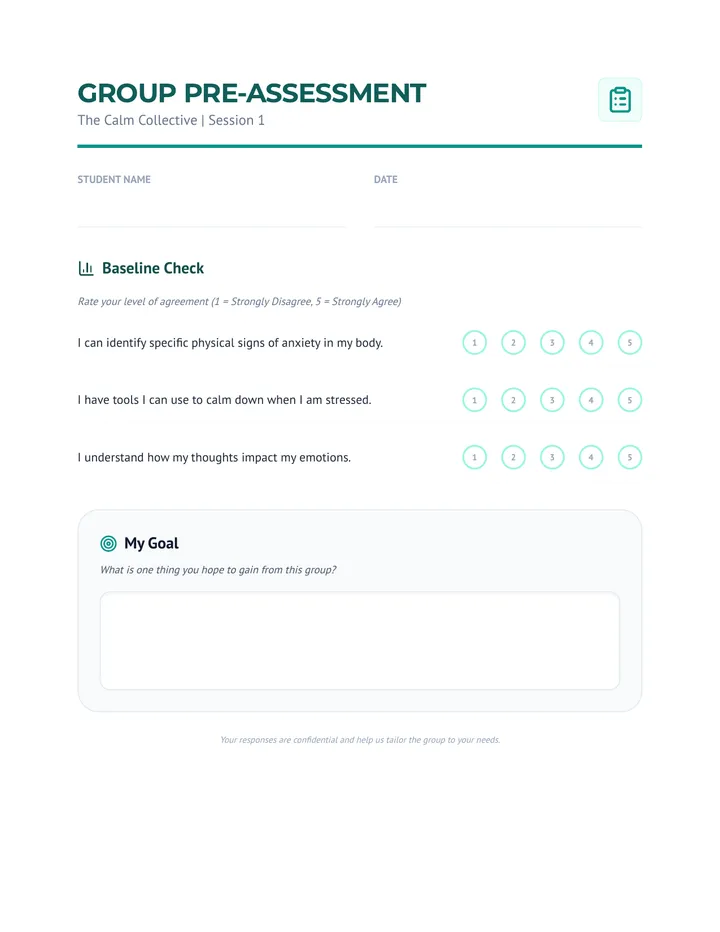
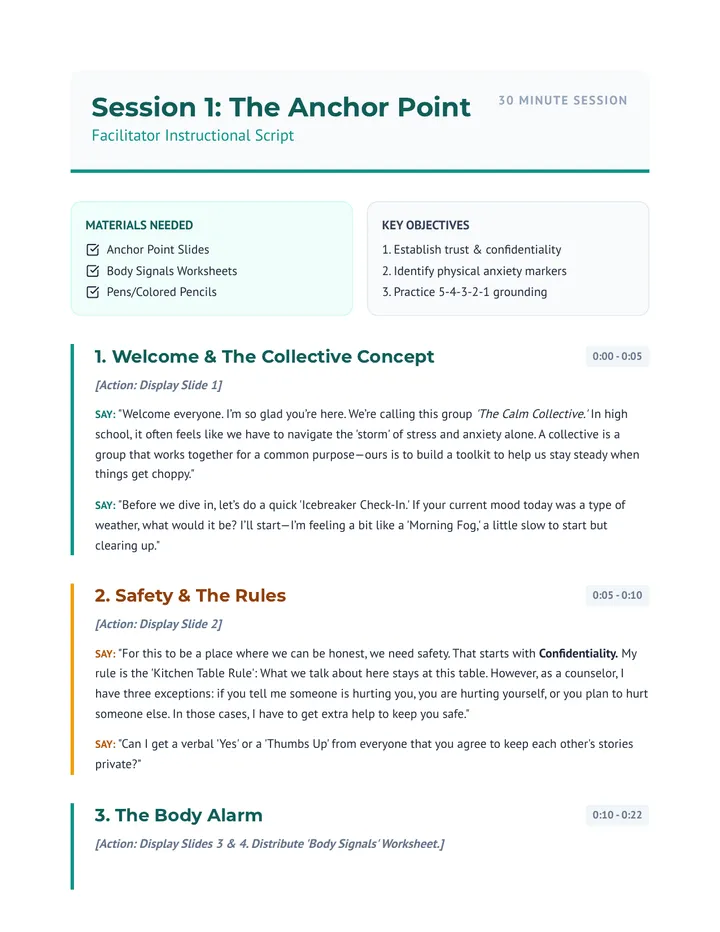
An 8-session small group counseling program for high school girls focused on identifying anxiety triggers, practicing mindfulness, cognitive reframing, and developing a personalized toolkit of coping strategies. The sequence emphasizes peer support, empowerment, and practical application within the school environment.
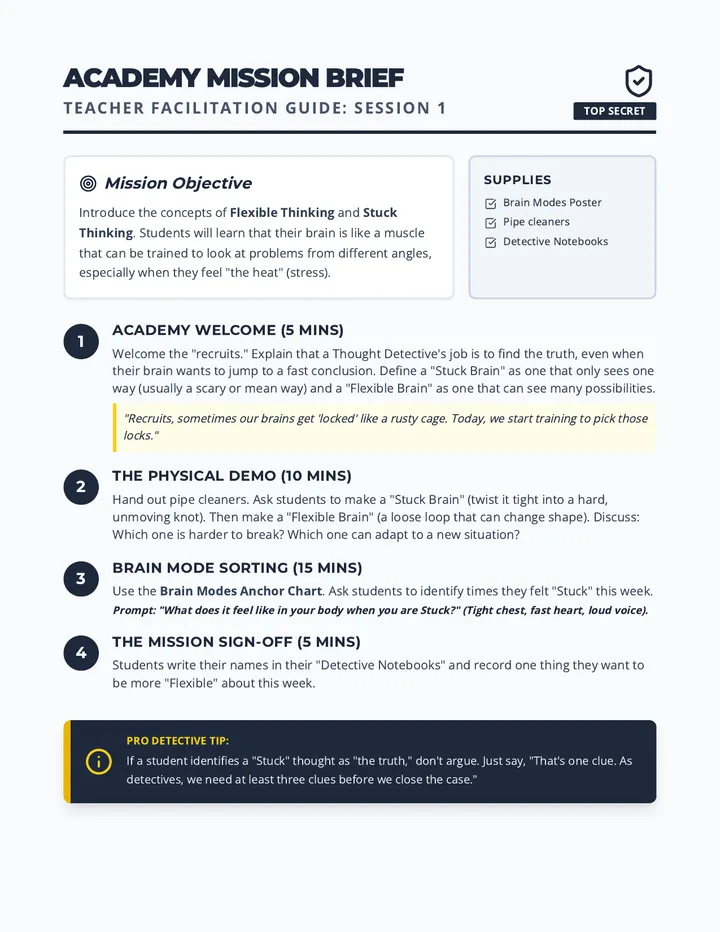
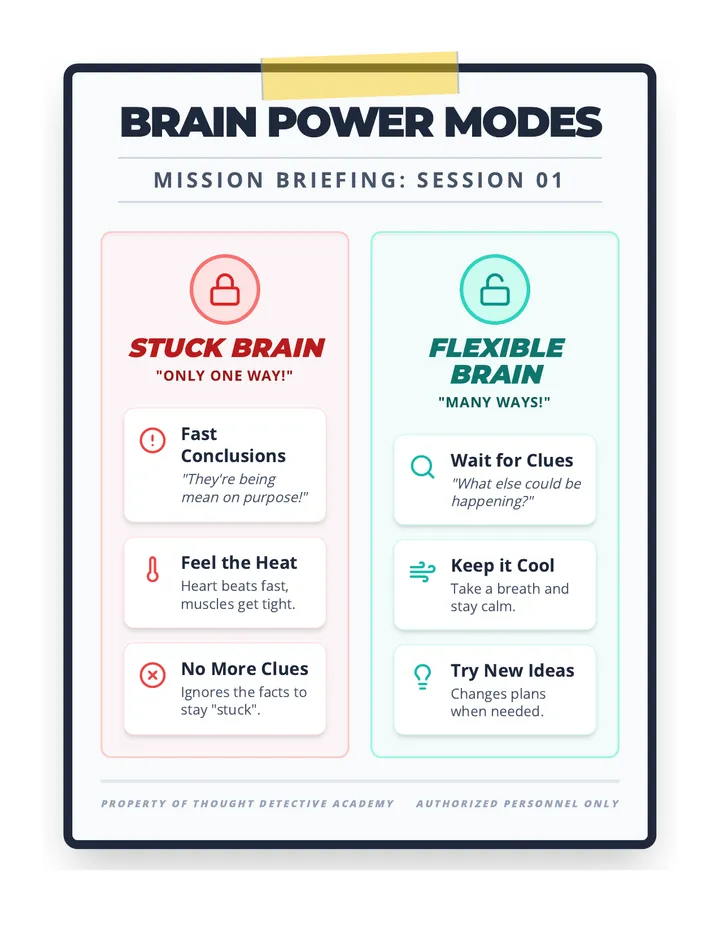
A 6-session counseling program focused on flexible thinking and reducing hostile attribution bias through the 'Thought Detective' metaphor, specifically designed for 4th-grade students with diverse social-emotional needs.
A 6-week Tier 2 small group intervention for students in grades 3-5, exploring the neuroscience of emotion regulation, brain development, and the nervous system through a 'Control Center' theme.
A four-part therapeutic sequence designed to help quiet students develop and implement coping skills for anxiety and depression, focusing on seeking support, journaling, and creative expression.
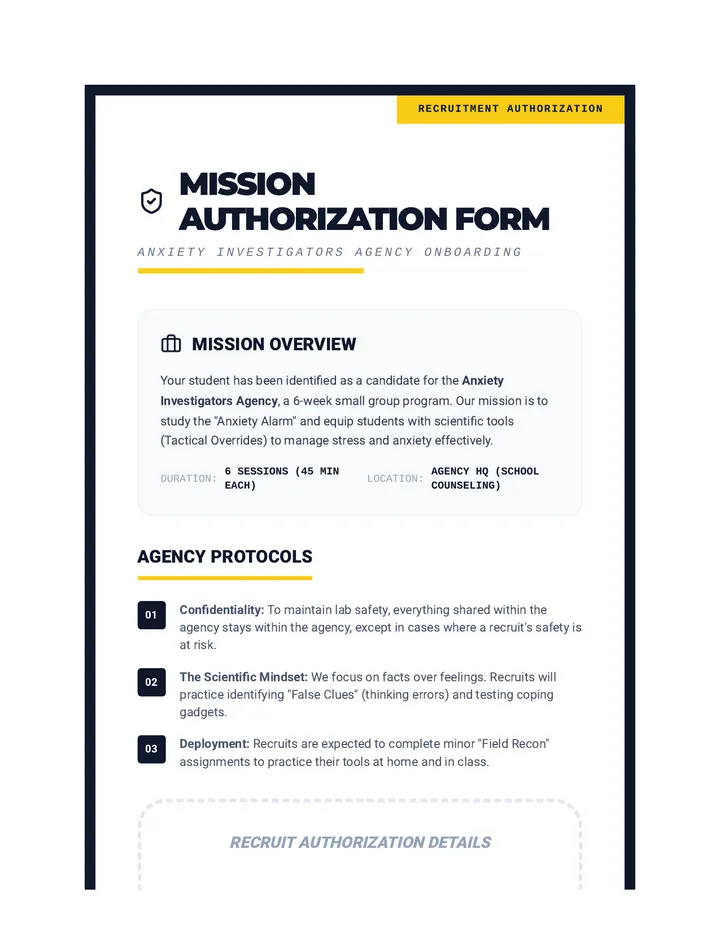
A 6-week small group program for middle schoolers that uses a detective and scientist theme to teach anxiety management, cognitive reframing, and coping skills.
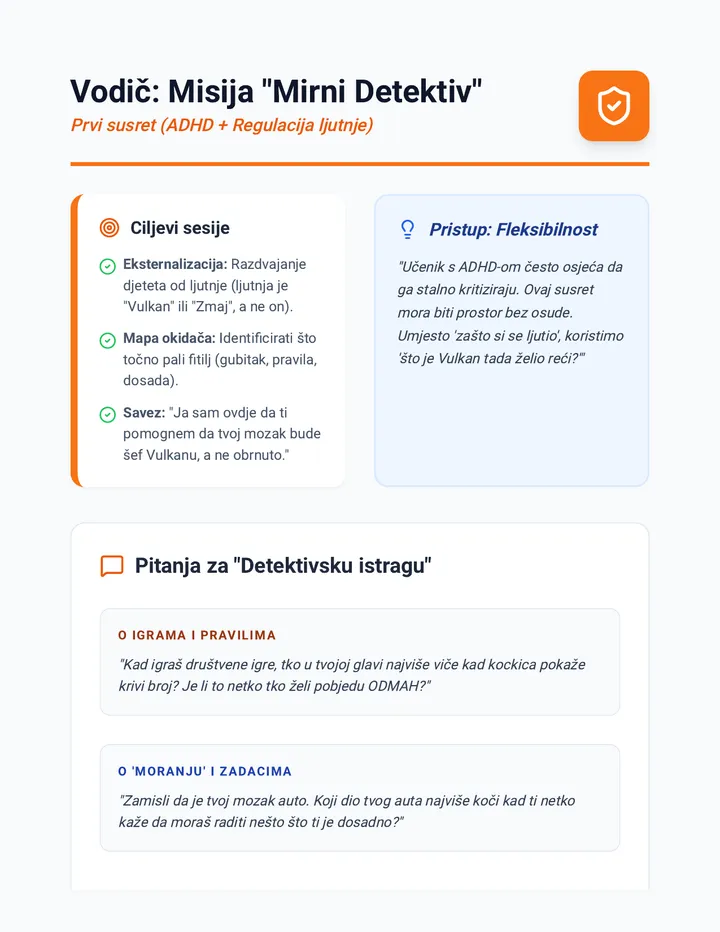
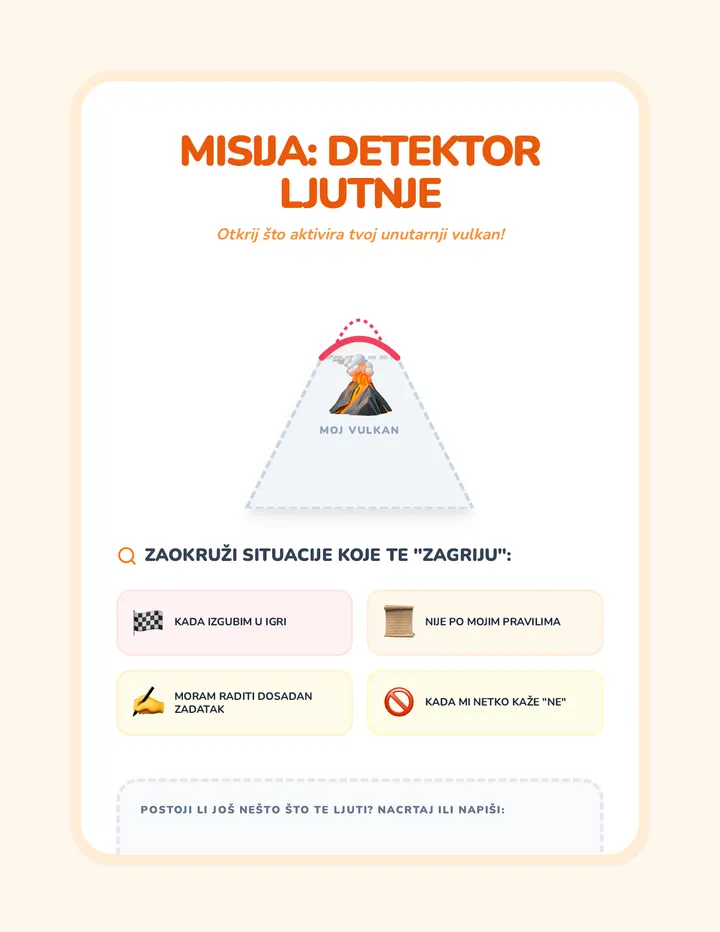
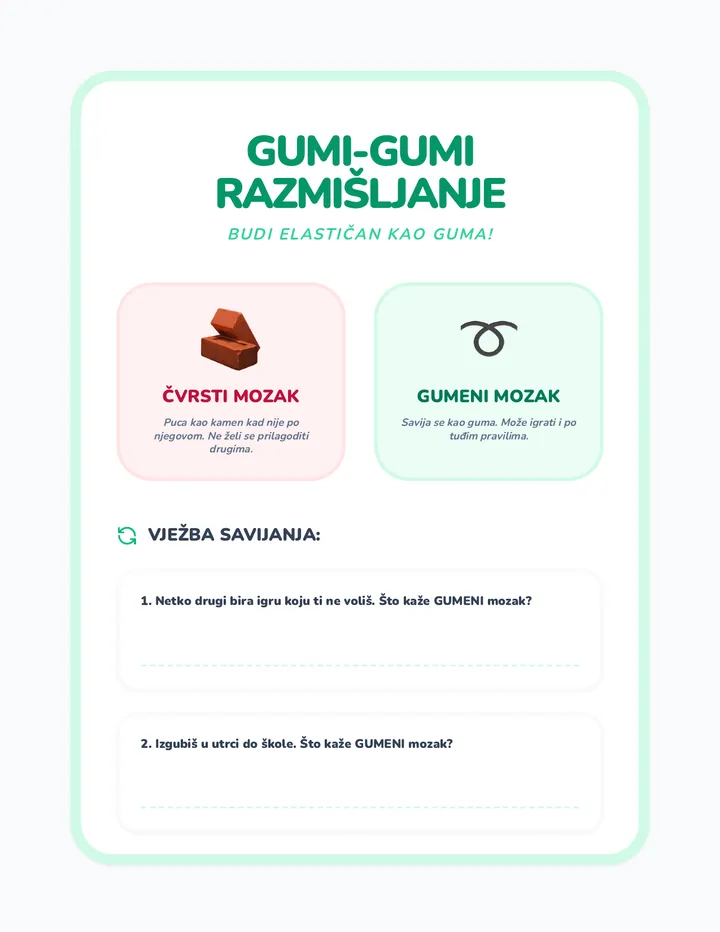
A comprehensive individual anger management curriculum for middle school students, focusing on tactical strategies for managing triggers, navigating feelings of injustice, and rebuilding community connections. The curriculum uses a 'Mission Briefing' aesthetic to engage students through visual mapping and low-writing, conversational activities.
A counseling series using the iceberg analogy to help students with ADHD understand their neurodiversity, master emotional regulation, and develop self-advocacy skills. Each lesson dives deeper into specific 'underwater' challenges.
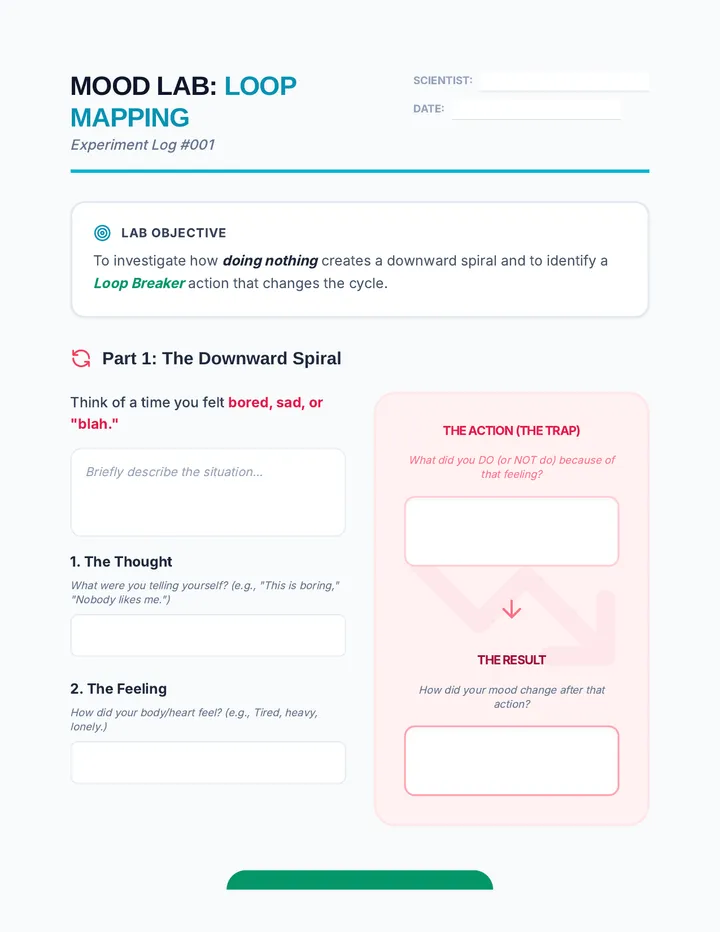
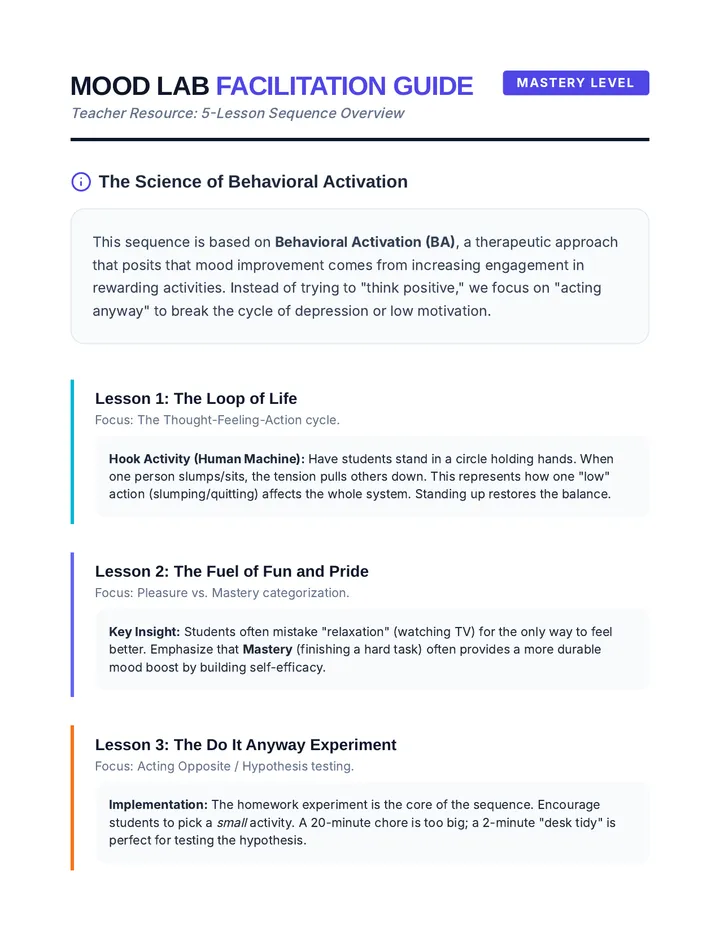
In this inquiry-driven sequence, students explore behavioral activation, investigating how their actions influence their emotions. They learn to distinguish between pleasure and mastery activities, conduct personal experiments to track mood changes, and create a personalized evidence-based plan for mood regulation.
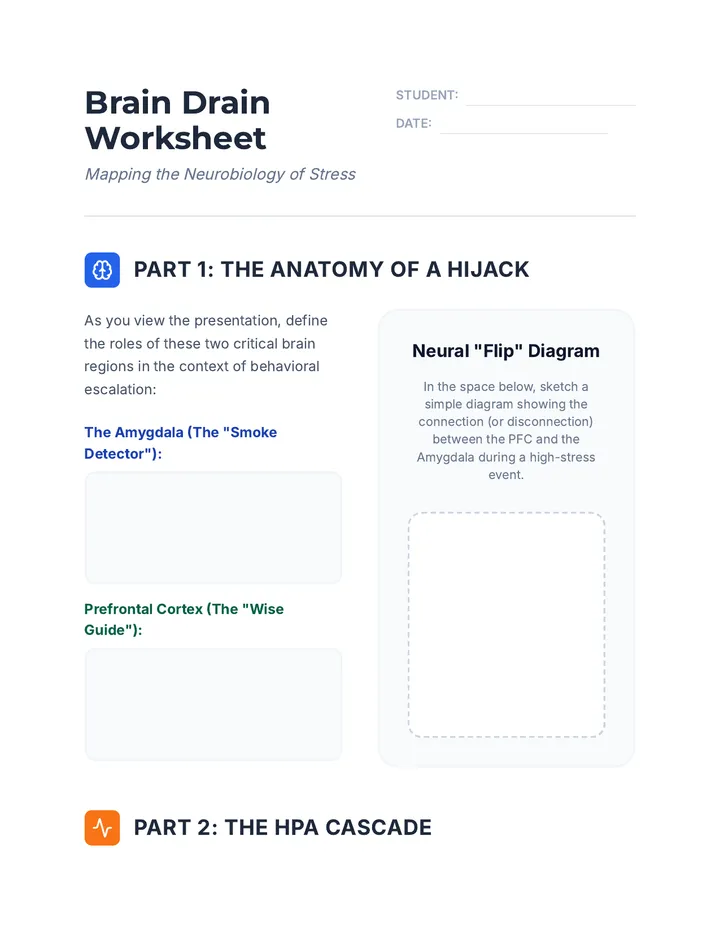
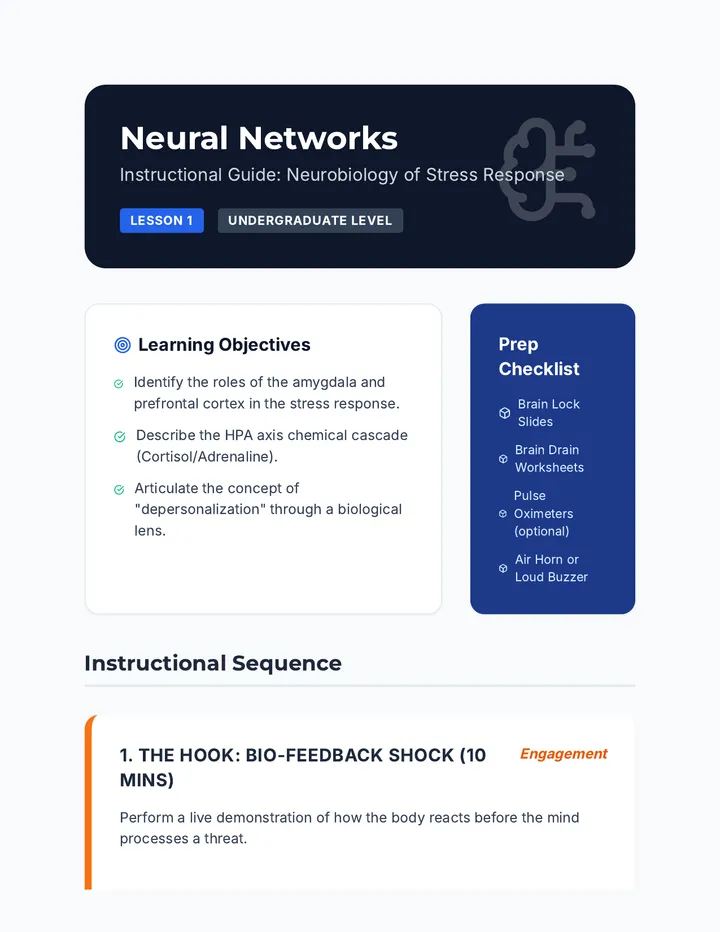
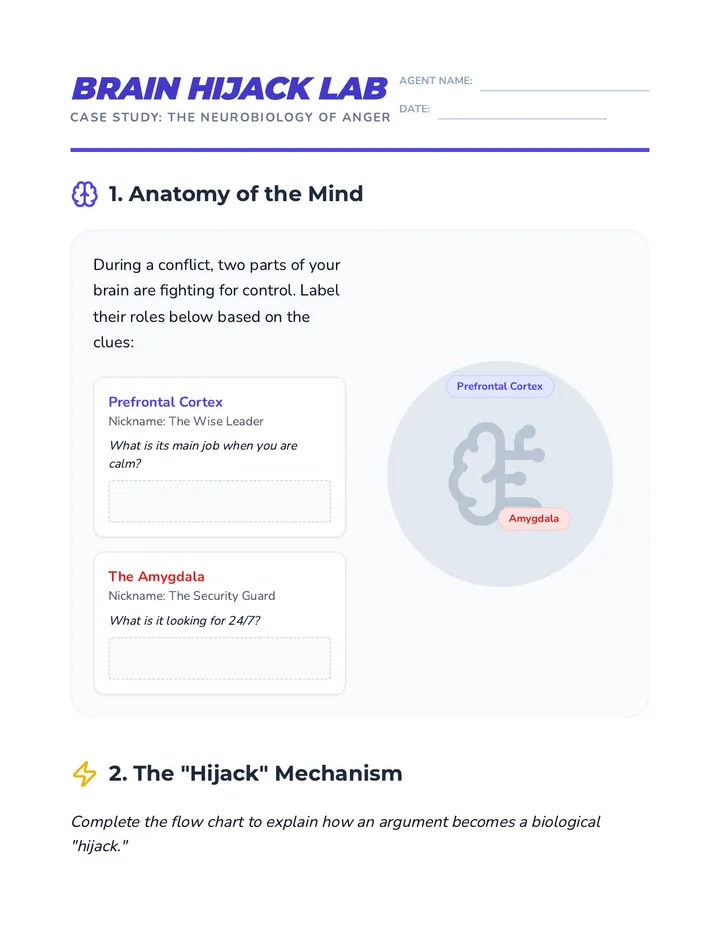
This sequence explores the neurobiological foundations of student escalation, connecting internal physiological stress responses (the 'amygdala hijack') to observable external warning signs. Students will learn to depersonalize behavior by understanding it as a biological survival mechanism, training them to recognize subtle somatic, respiratory, and muscular cues before a full behavioral outburst occurs.
A 5-lesson sequence for 6th graders on emotional regulation and de-escalation during conflict. Students learn the science of the 'amygdala hijack', identify personal triggers, practice calming strategies, and learn to de-escalate peer conflicts.
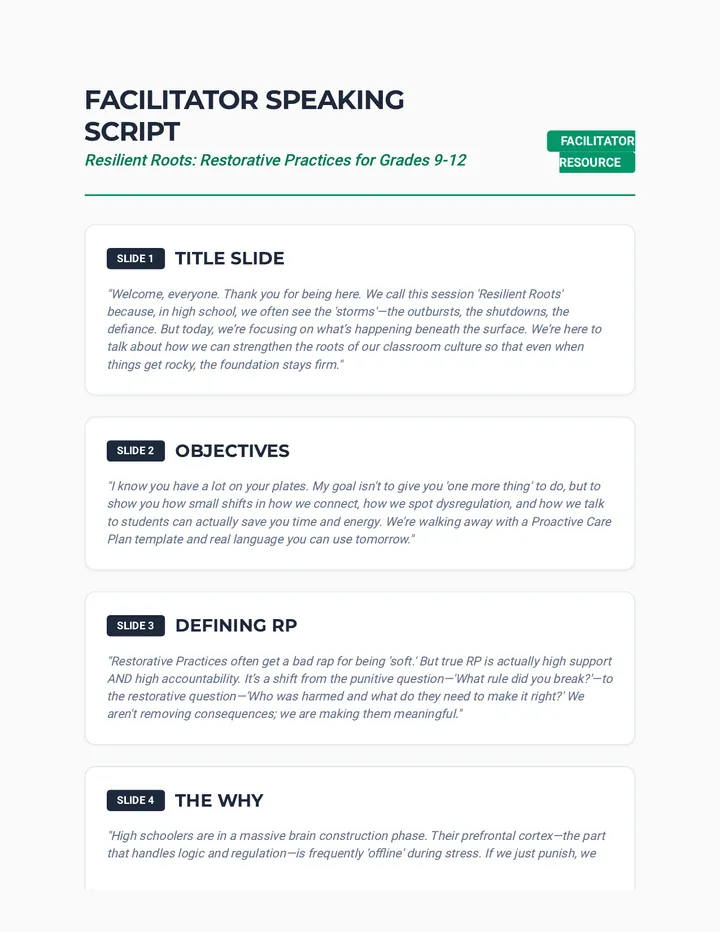
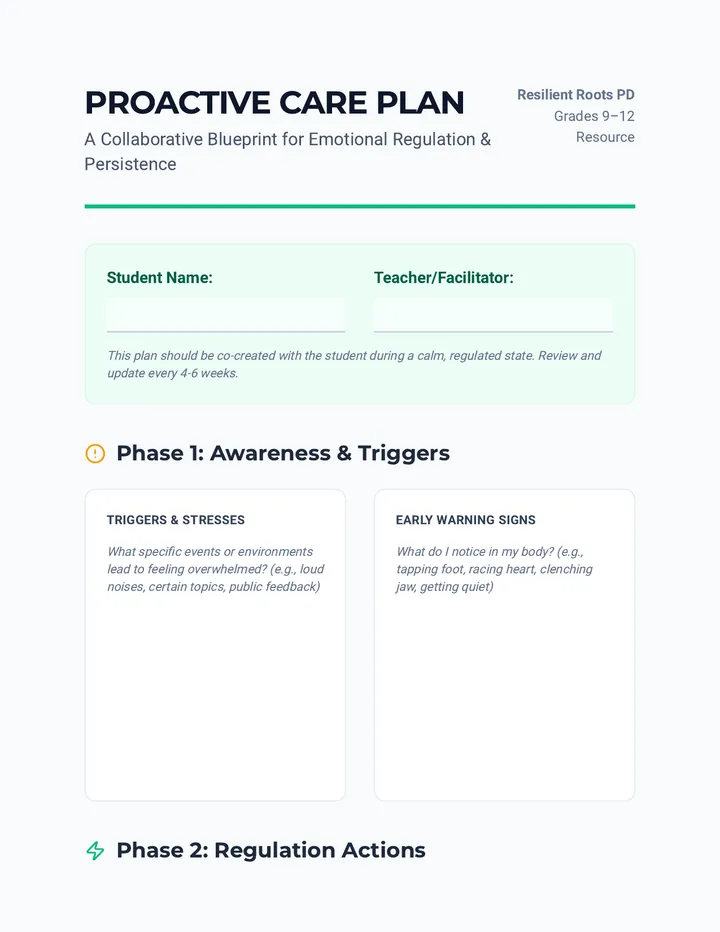
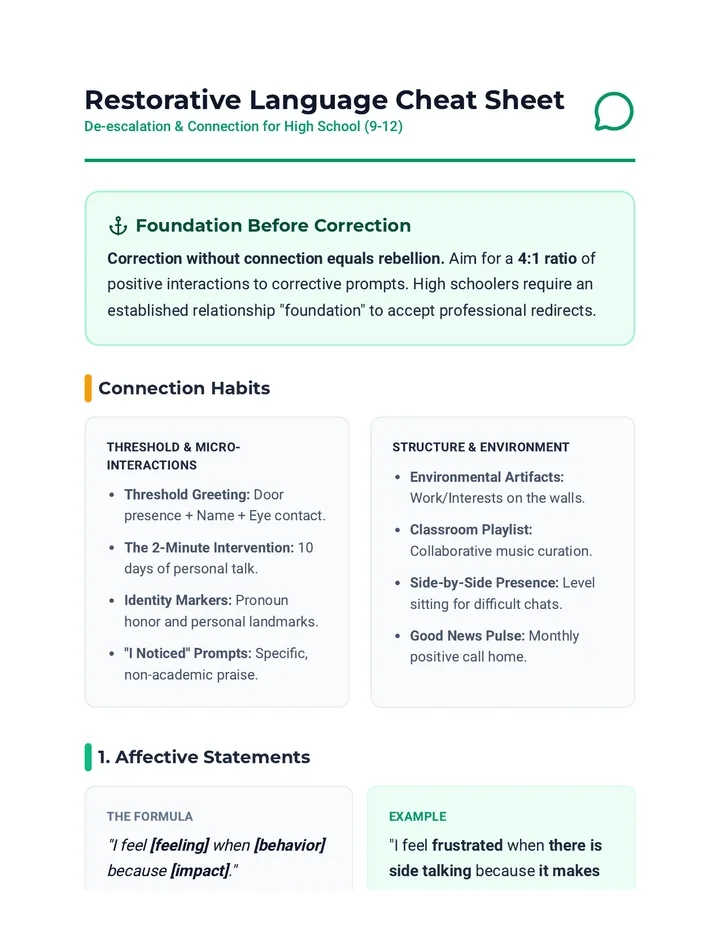
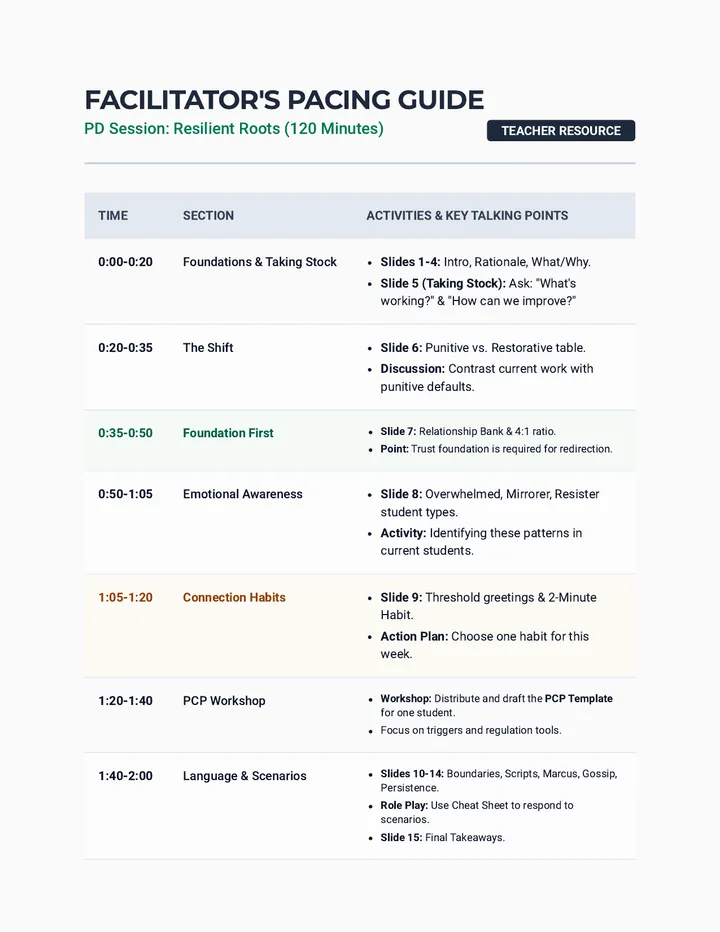
A professional development session for high school teachers focusing on restorative practices, emotional regulation, and the implementation of proactive care plans. This lesson equips educators with the tools to handle chronic emotional challenges and foster deep connection with students in grades 9-12.
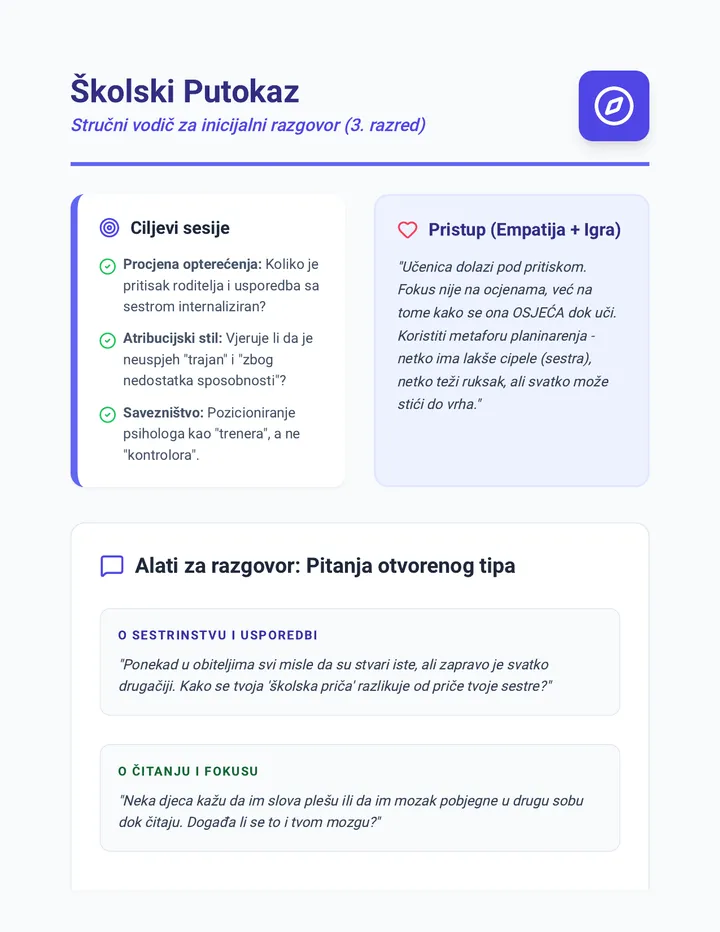
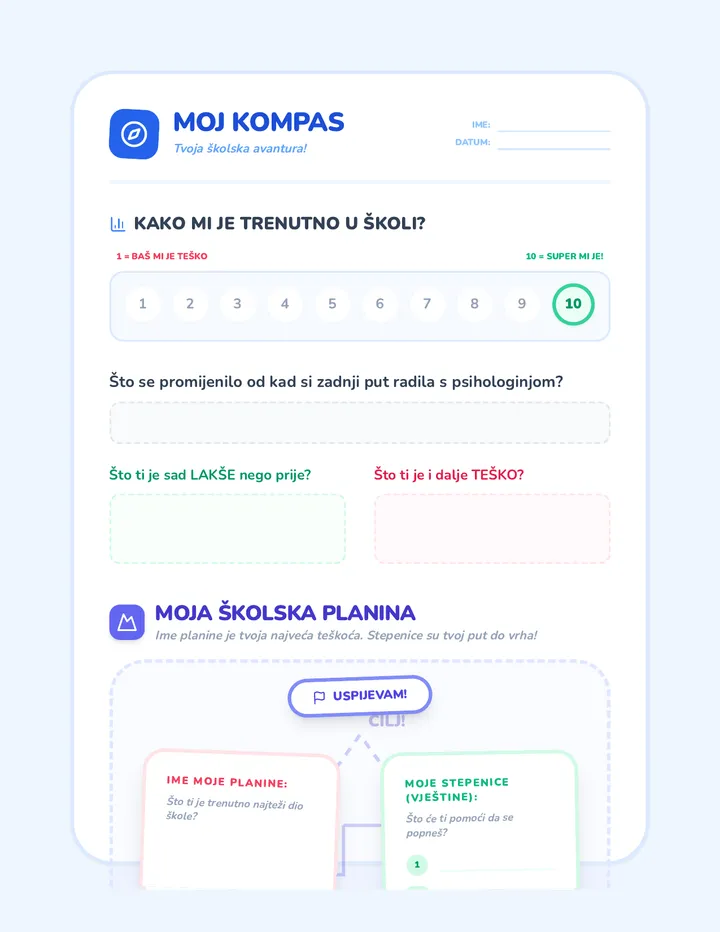
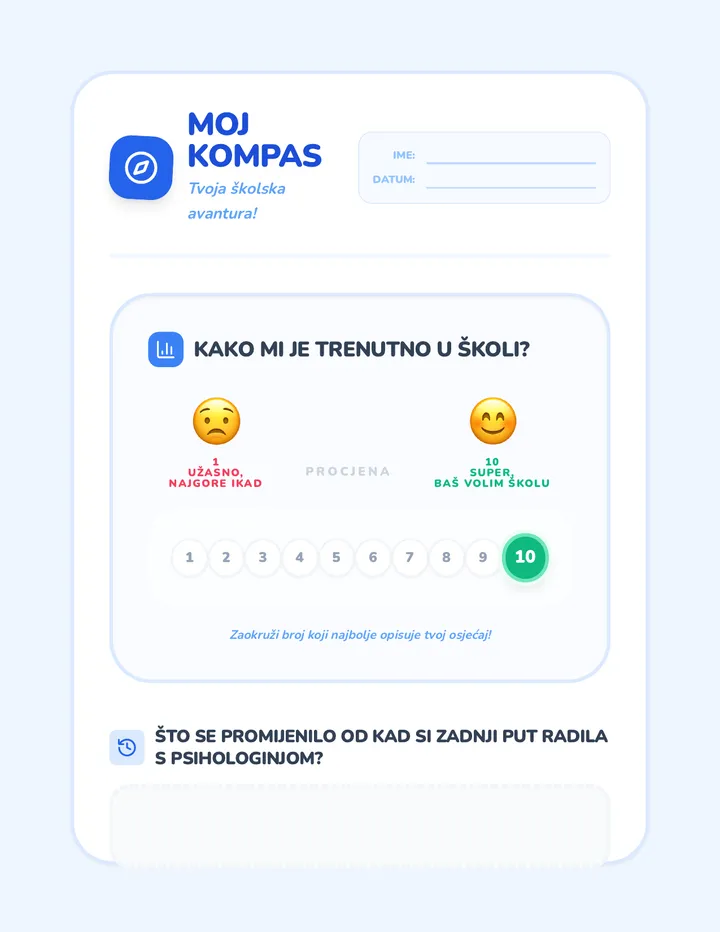
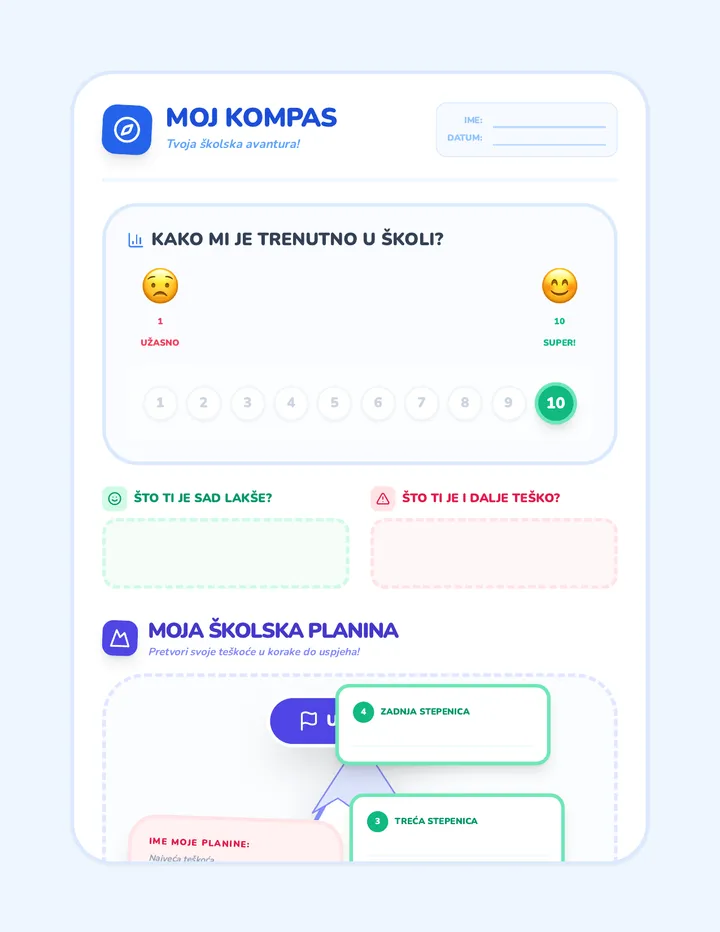
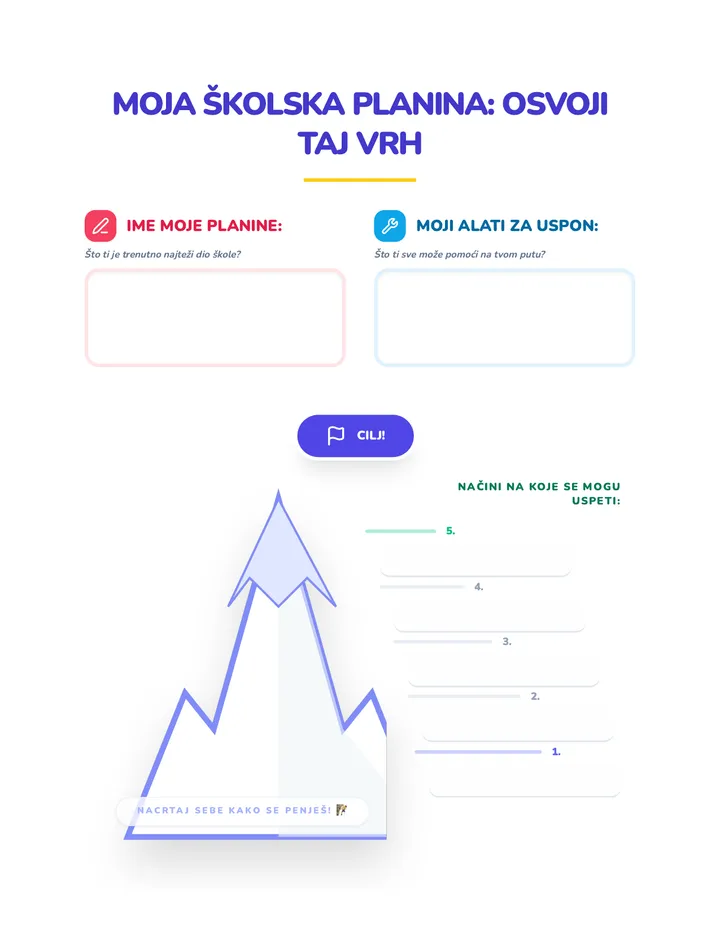
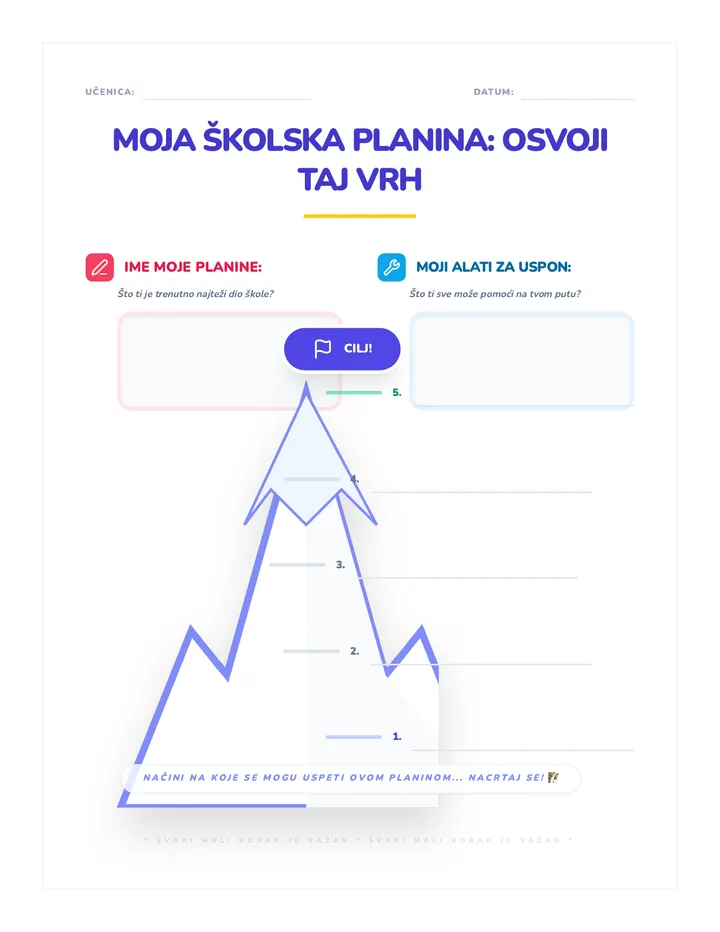
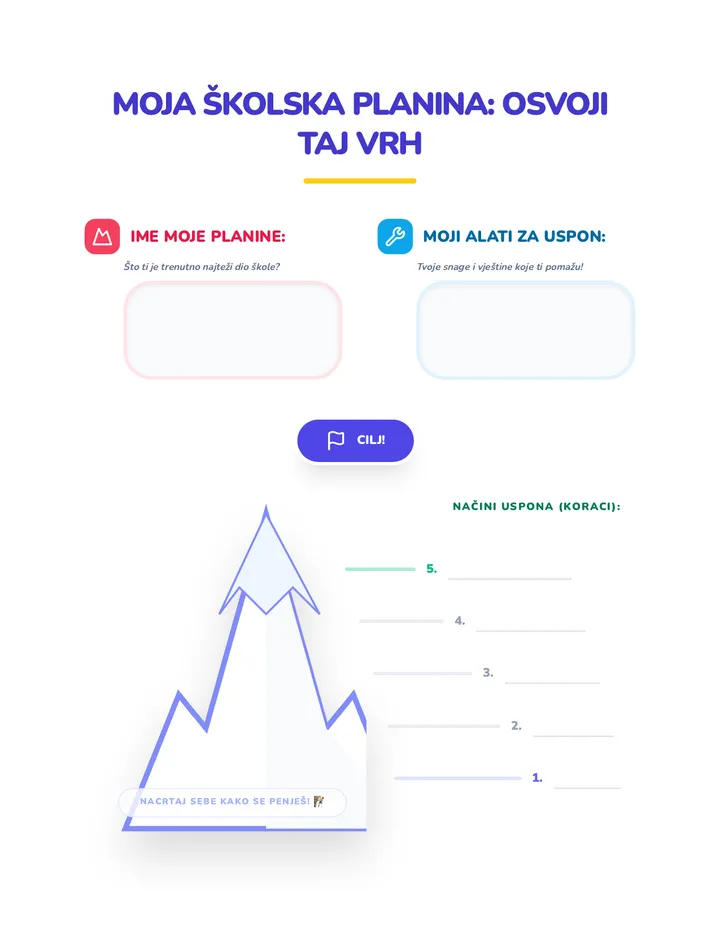
Prvi susret s učenicom trećeg razreda usmjeren na procjenu motivacije, atribucijskih stilova i uspostavljanje povjerenja kroz kreativne aktivnosti.
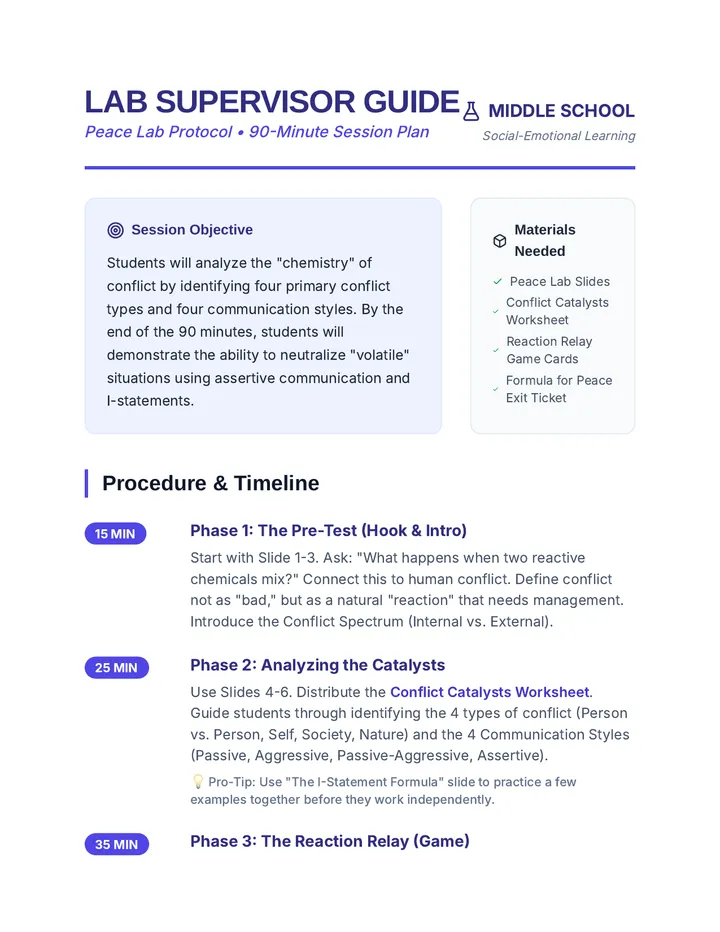
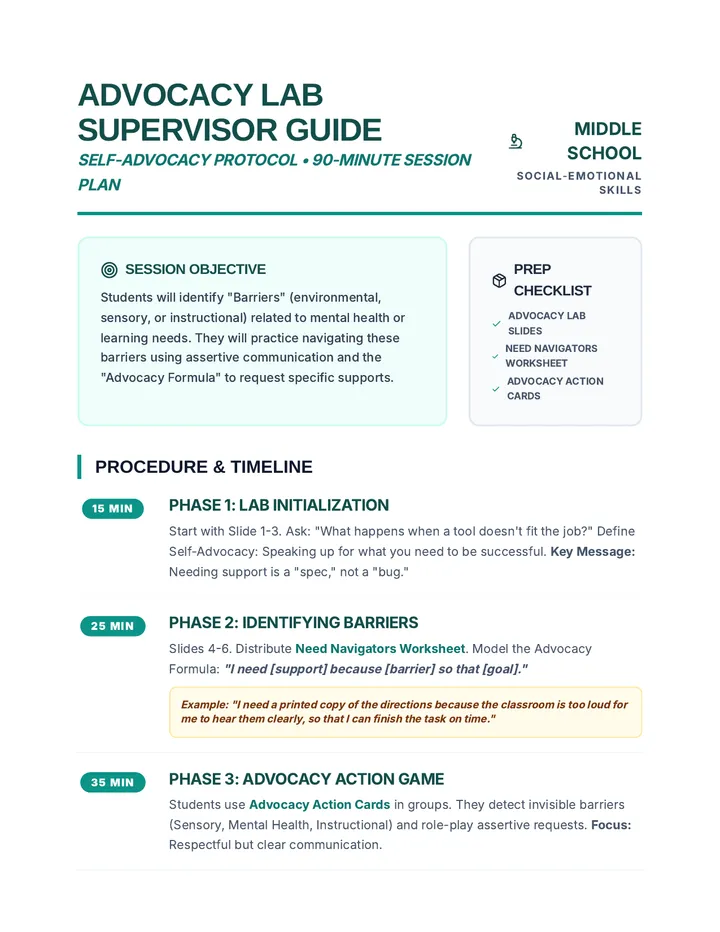
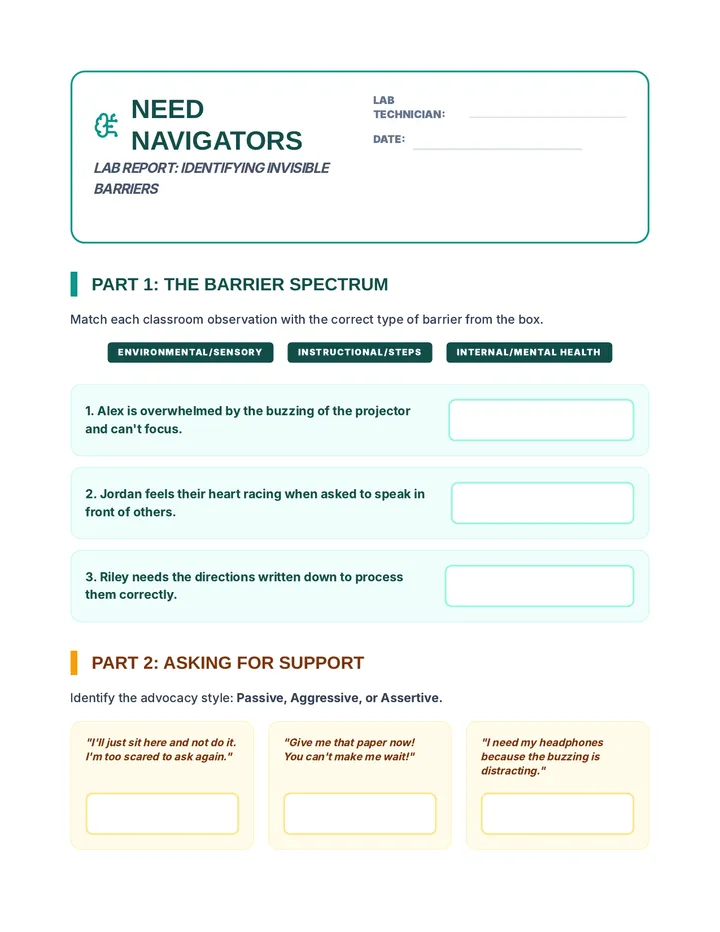
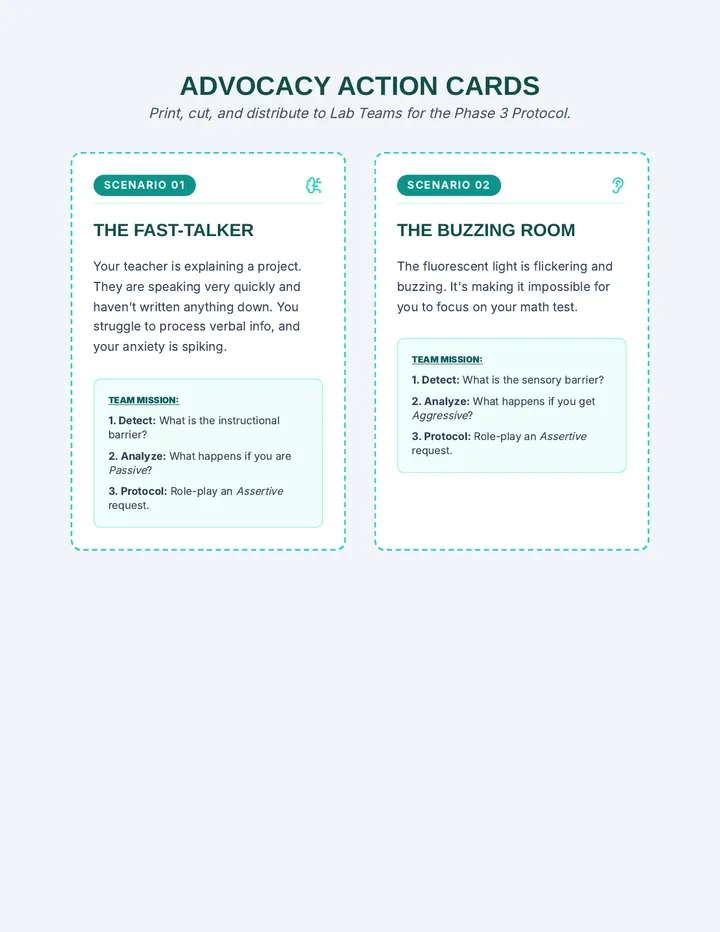
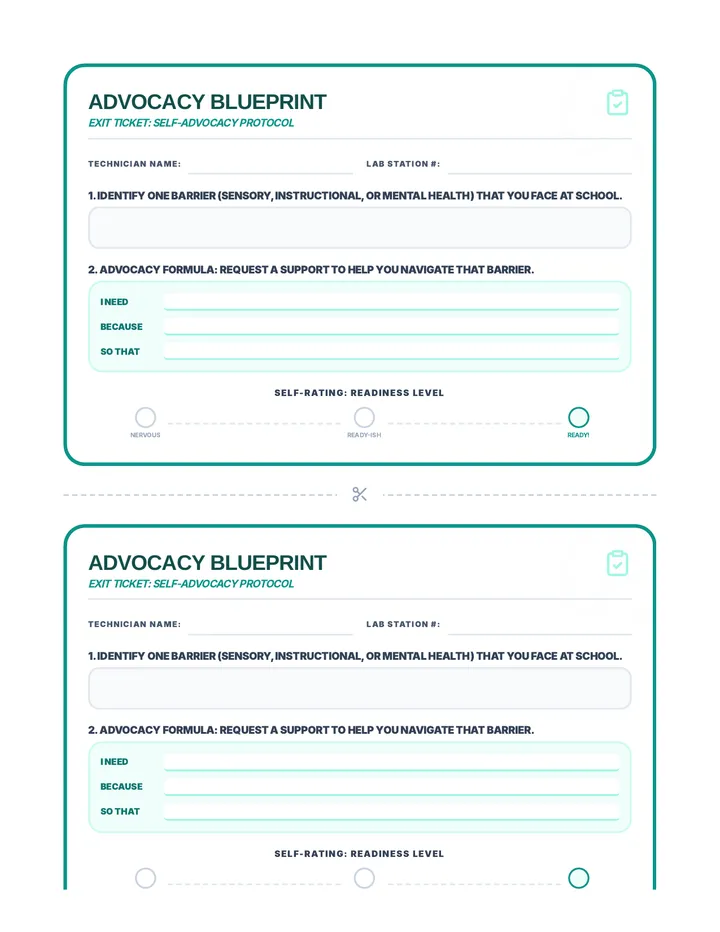
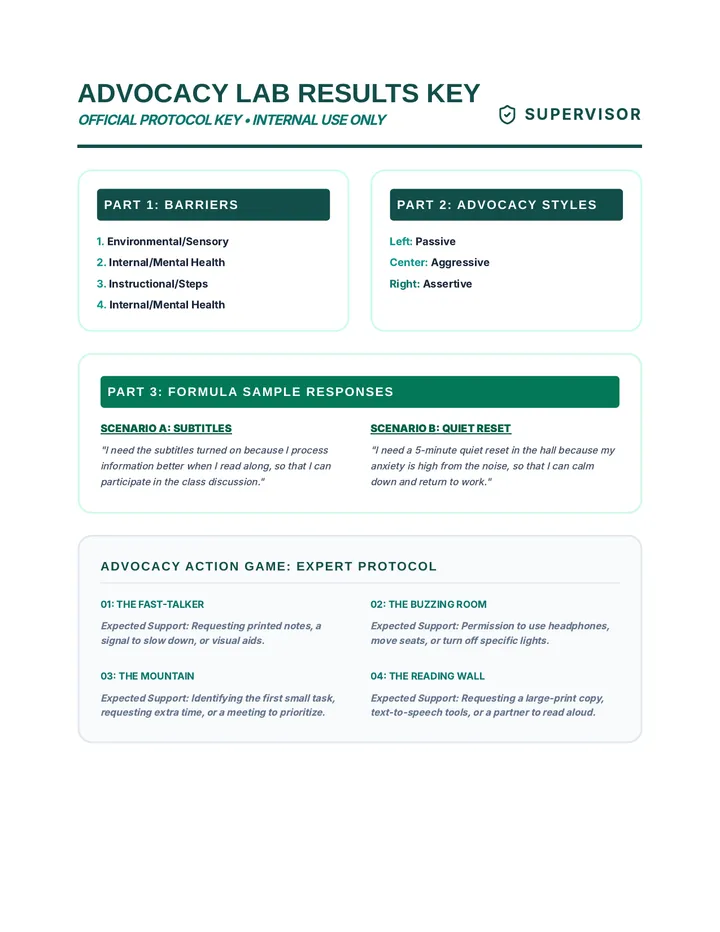
A 90-minute session empowering middle schoolers to identify barriers related to mental health or disabilities and practice assertive self-advocacy strategies through a laboratory-themed framework.
A comprehensive final exam for a high school Relationships and Emotions course, covering emotional literacy, grief, power dynamics, boundaries, and communication. The lesson includes the 50-question traditional exam and a detailed answer key.
An introductory lesson that reframes anxiety as an over-sensitive internal security system, teaching students to audit their reactions and install new coping 'tools'.
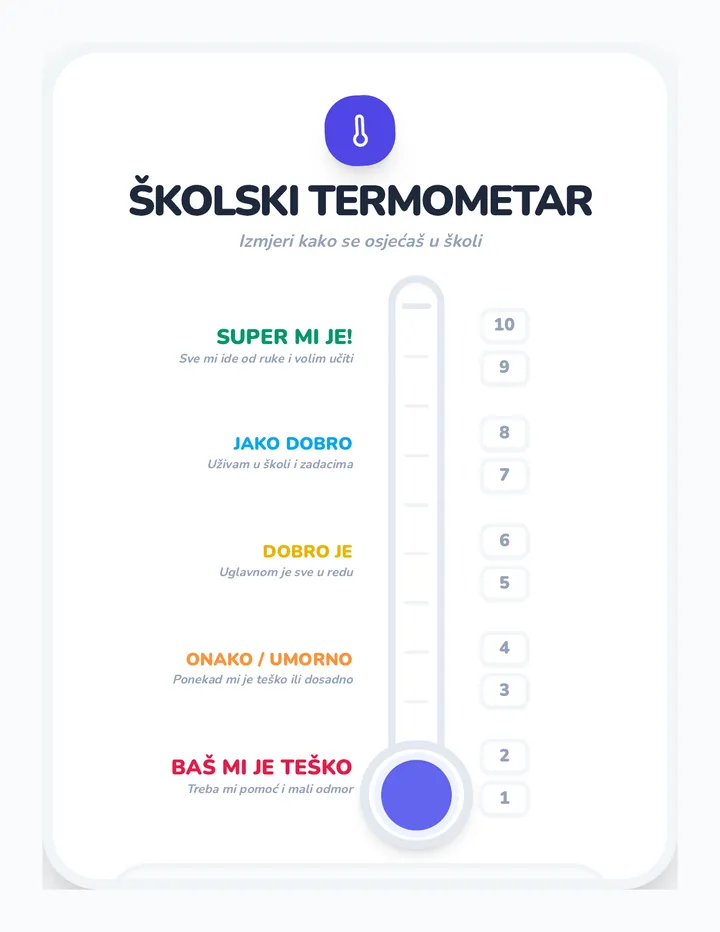
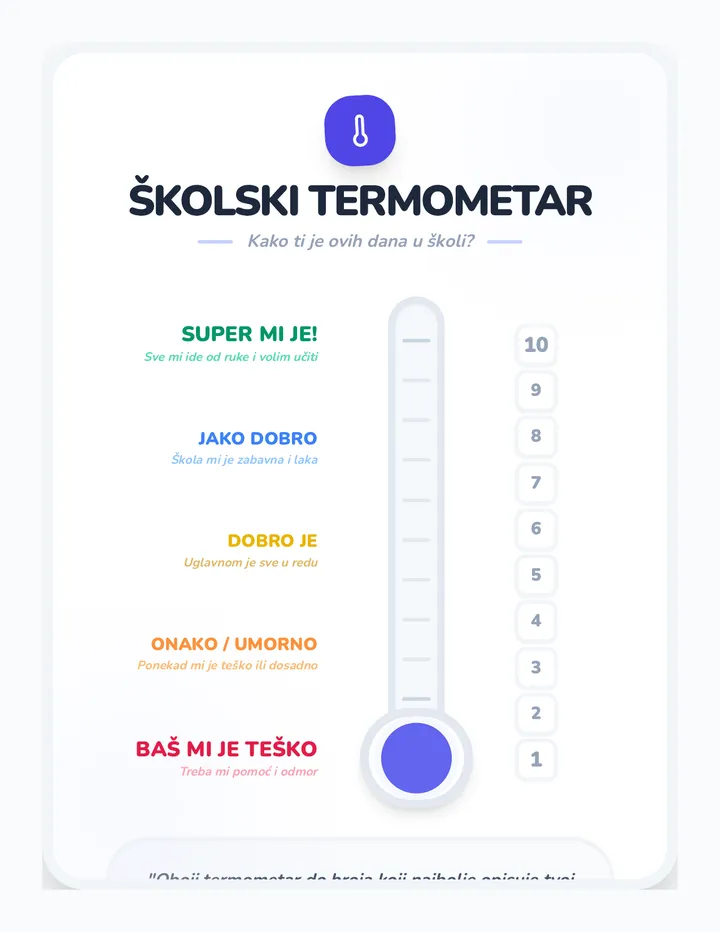
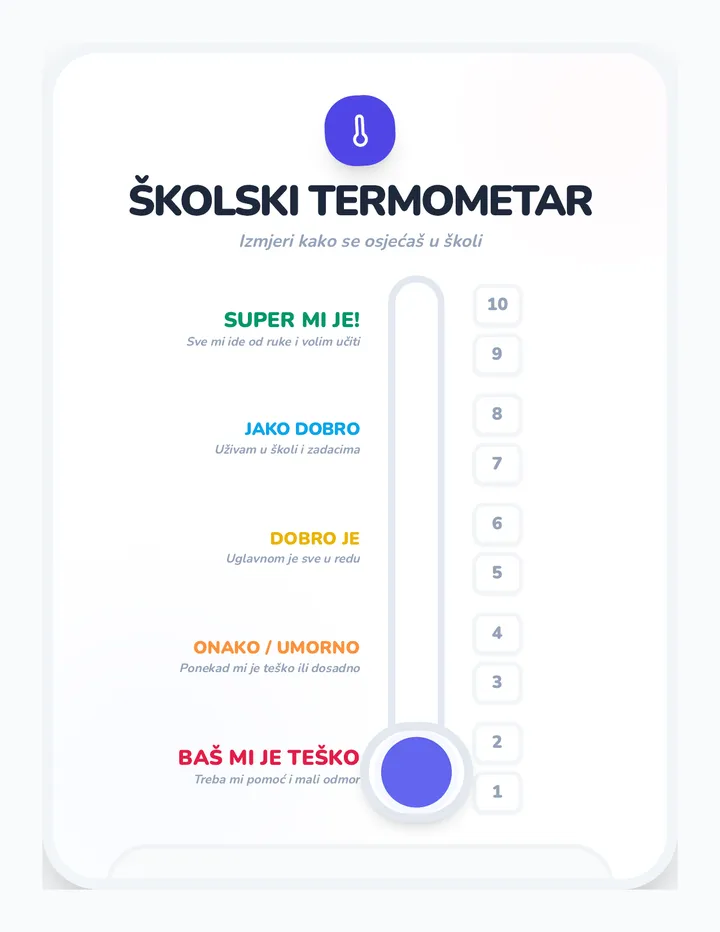
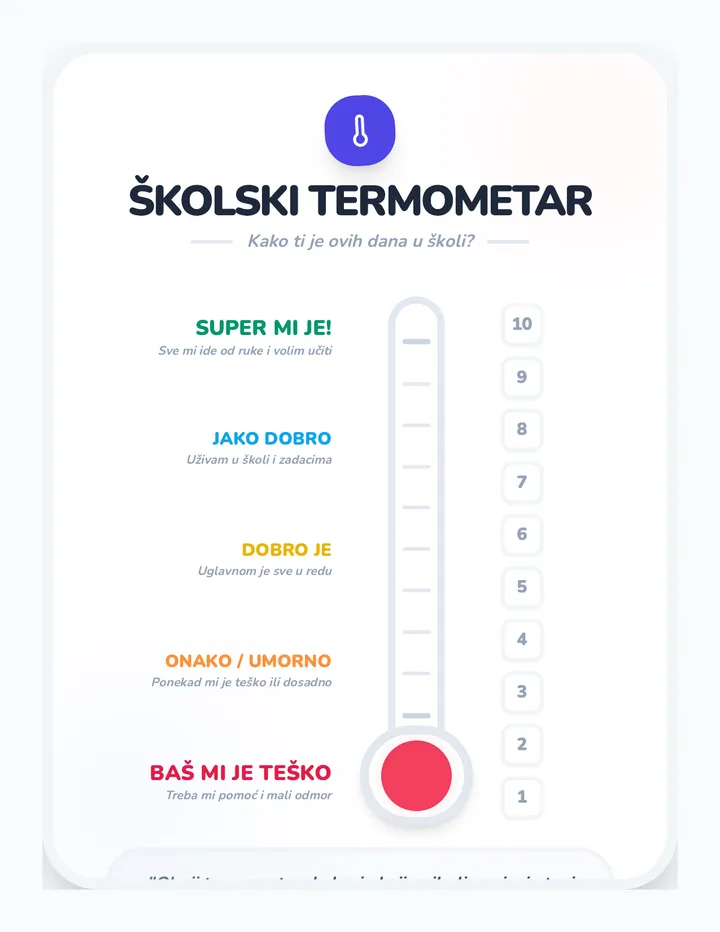
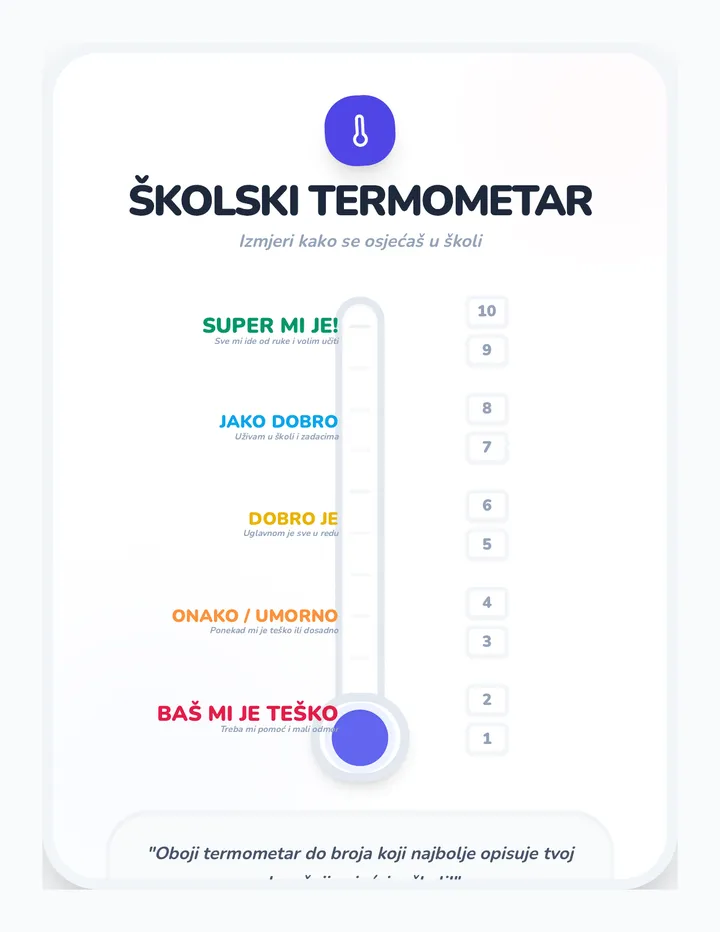
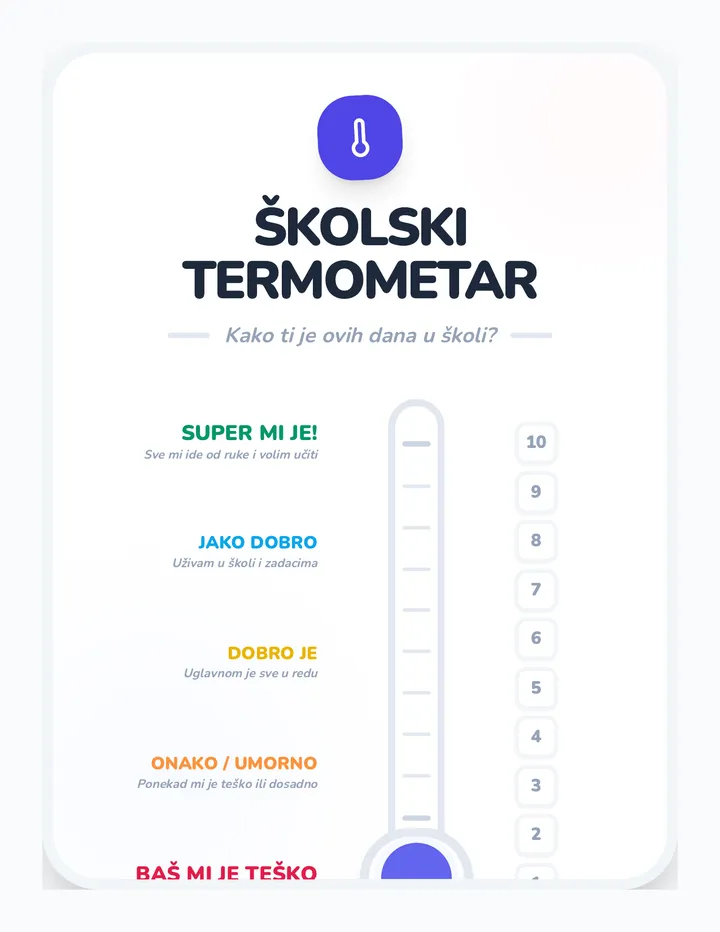
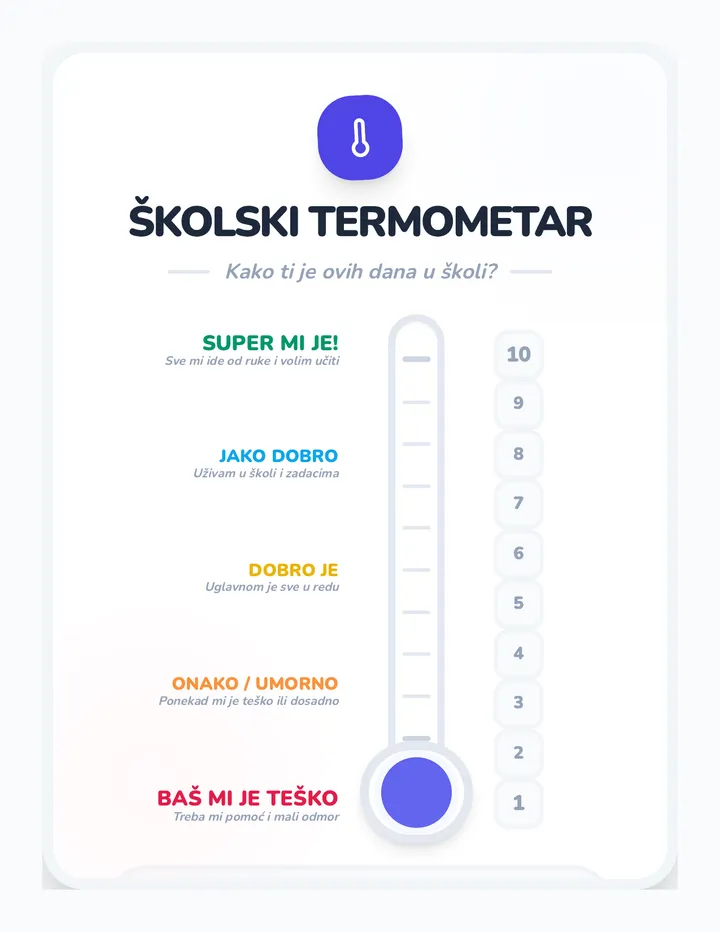
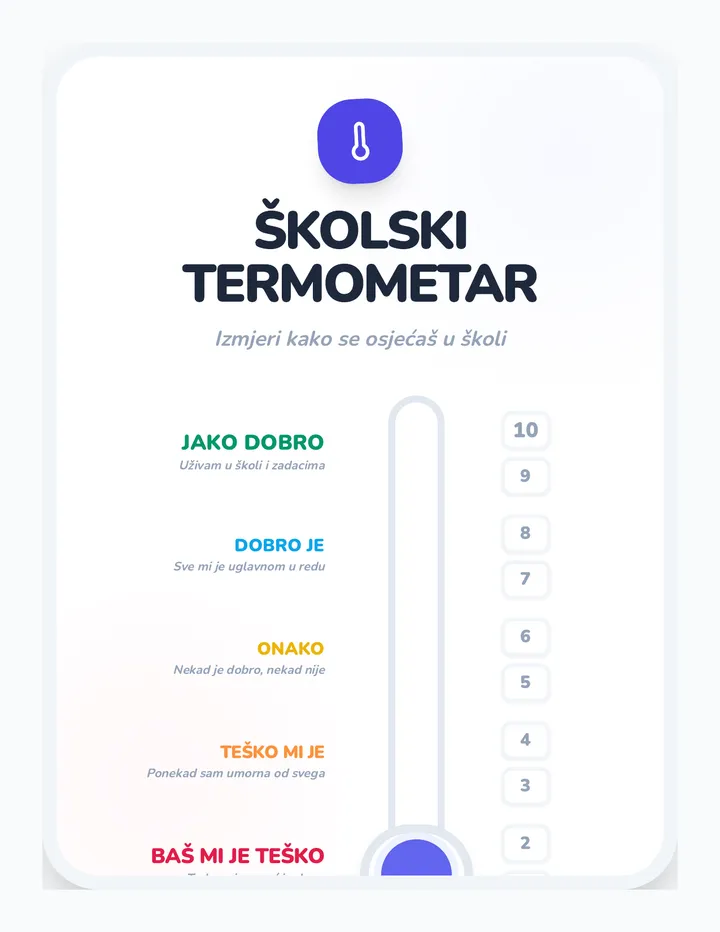
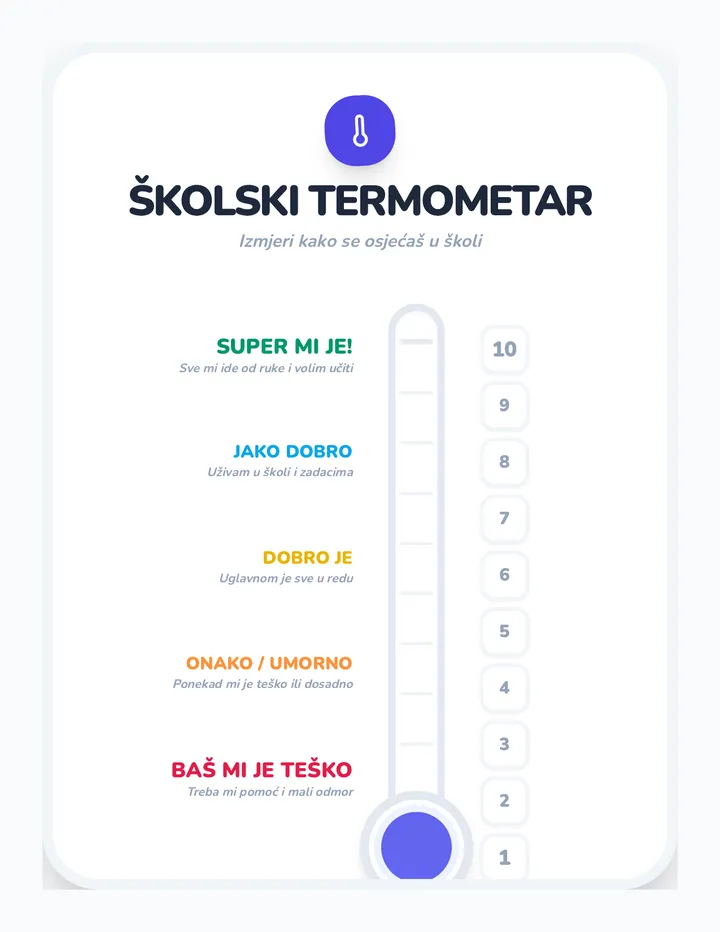
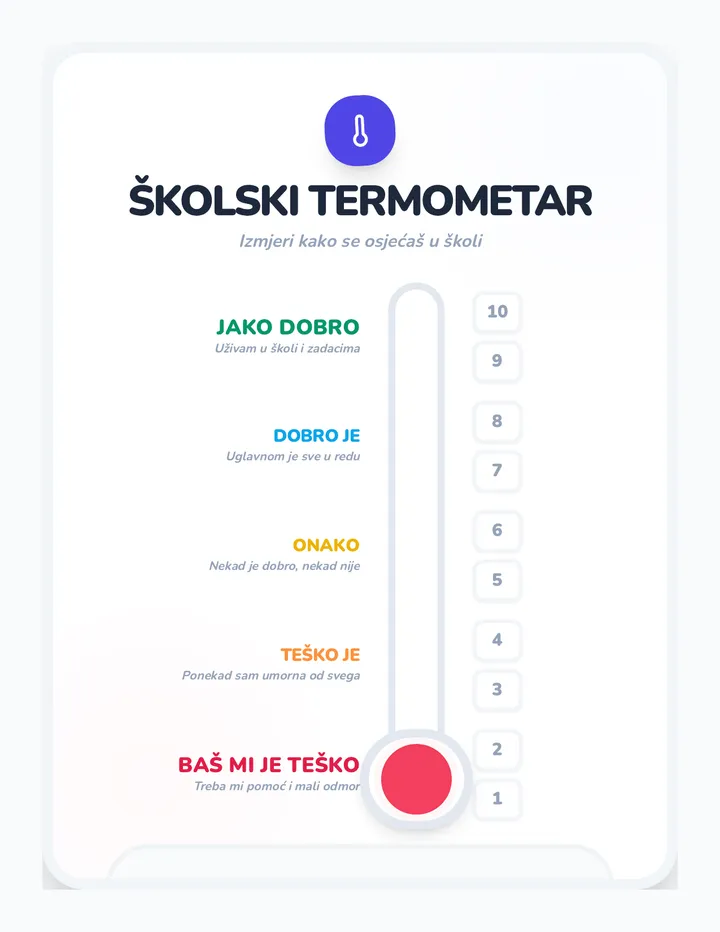
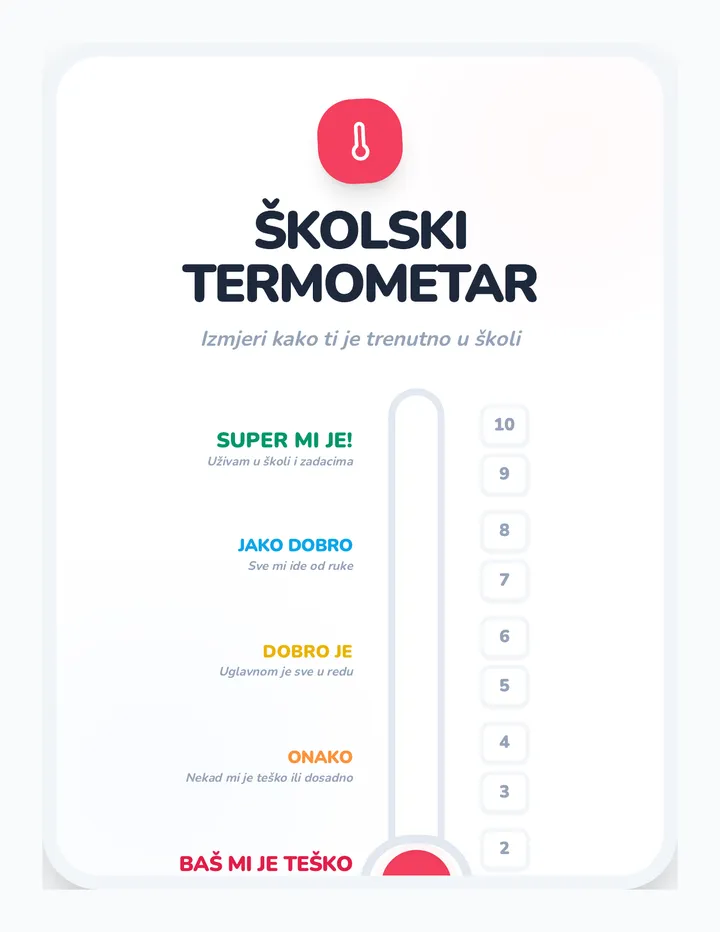
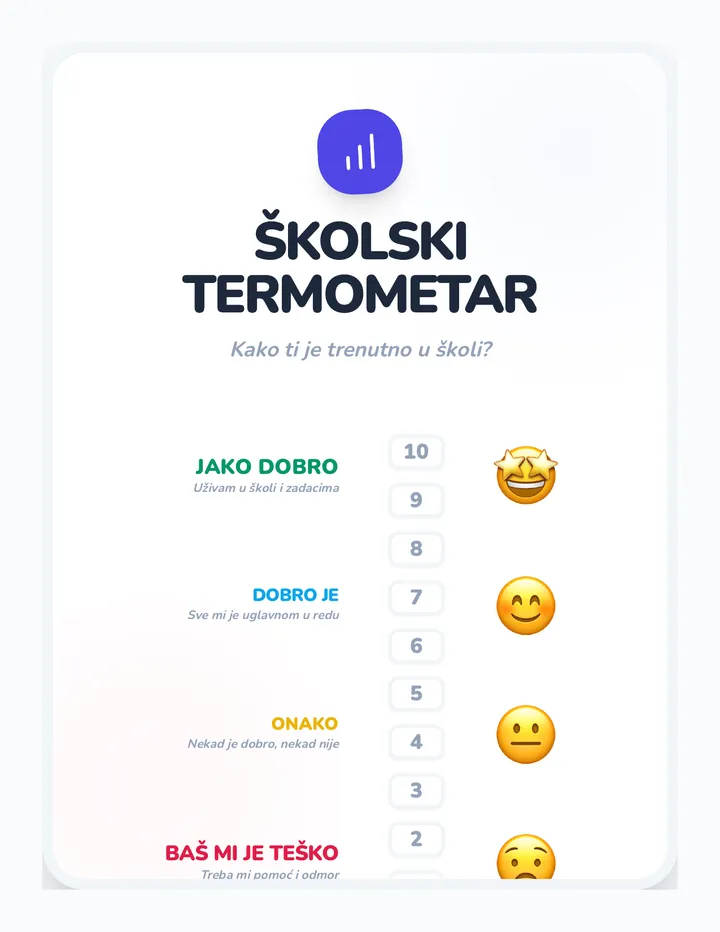
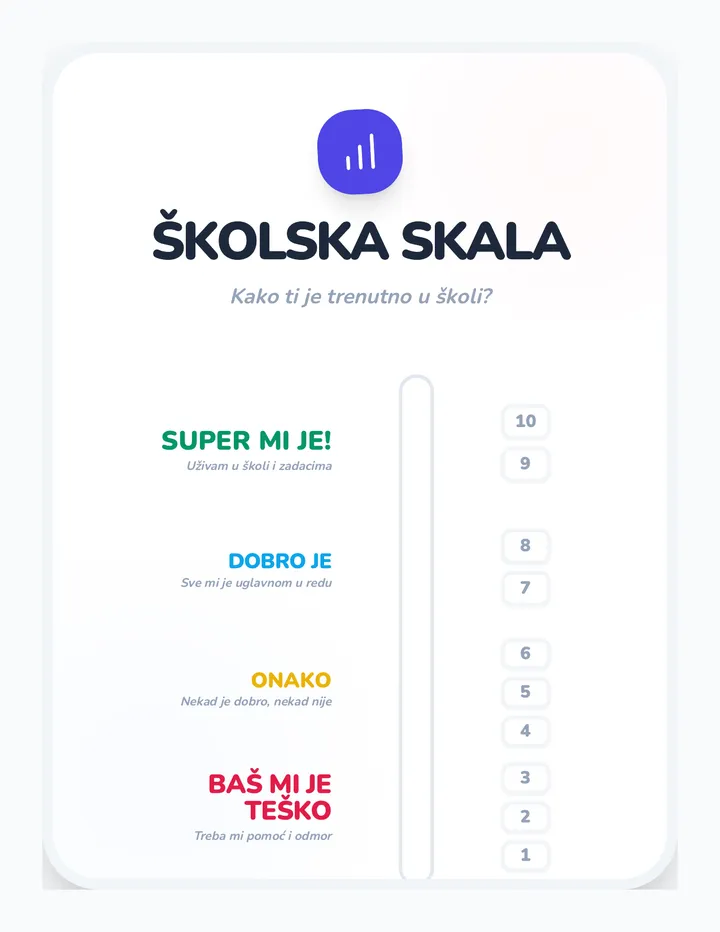
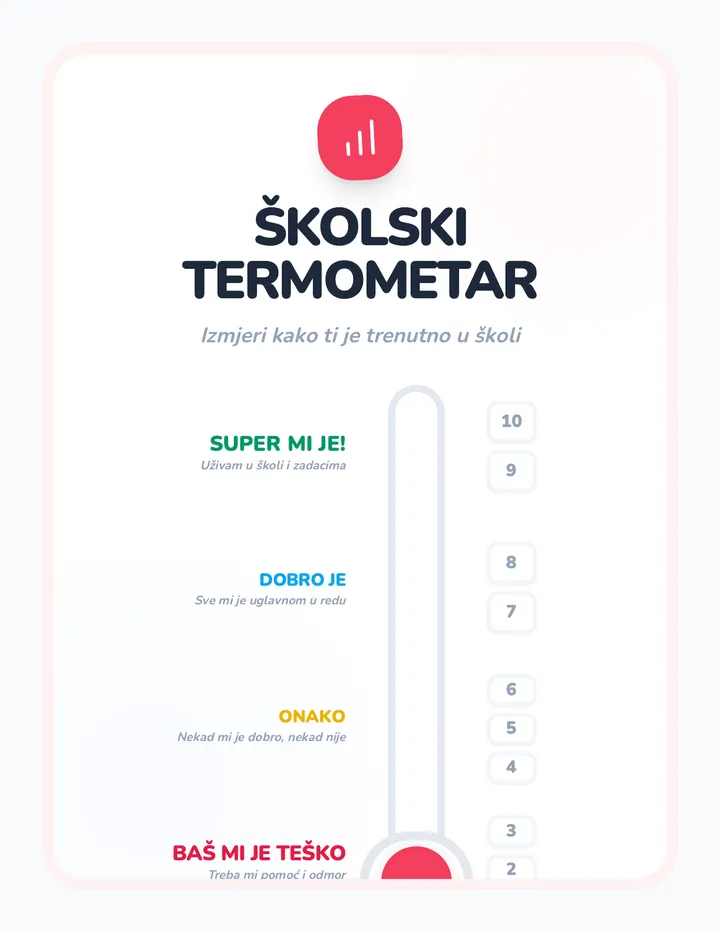
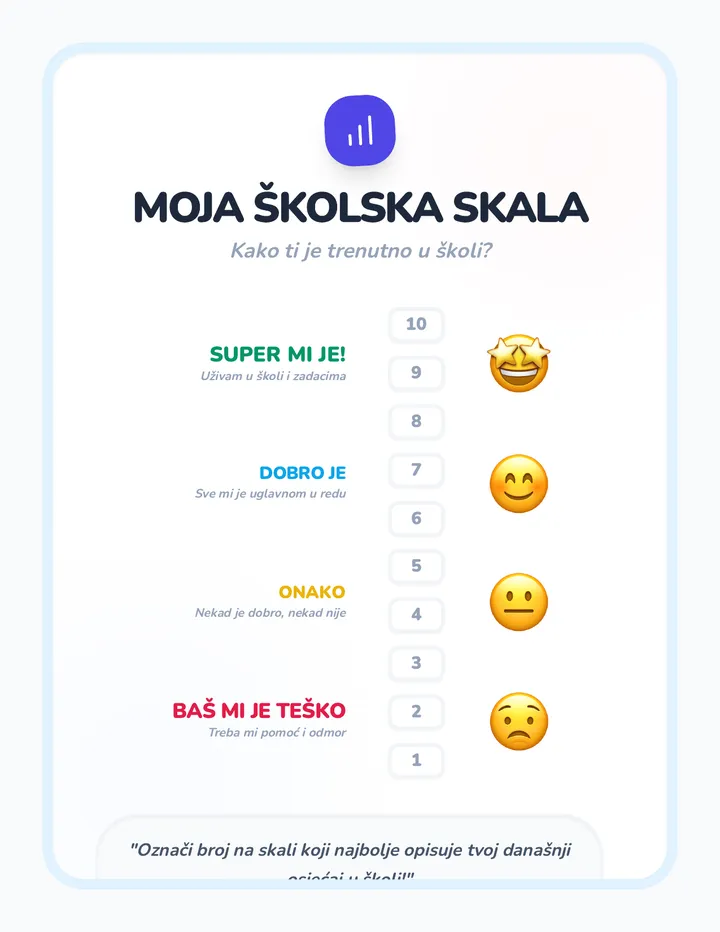
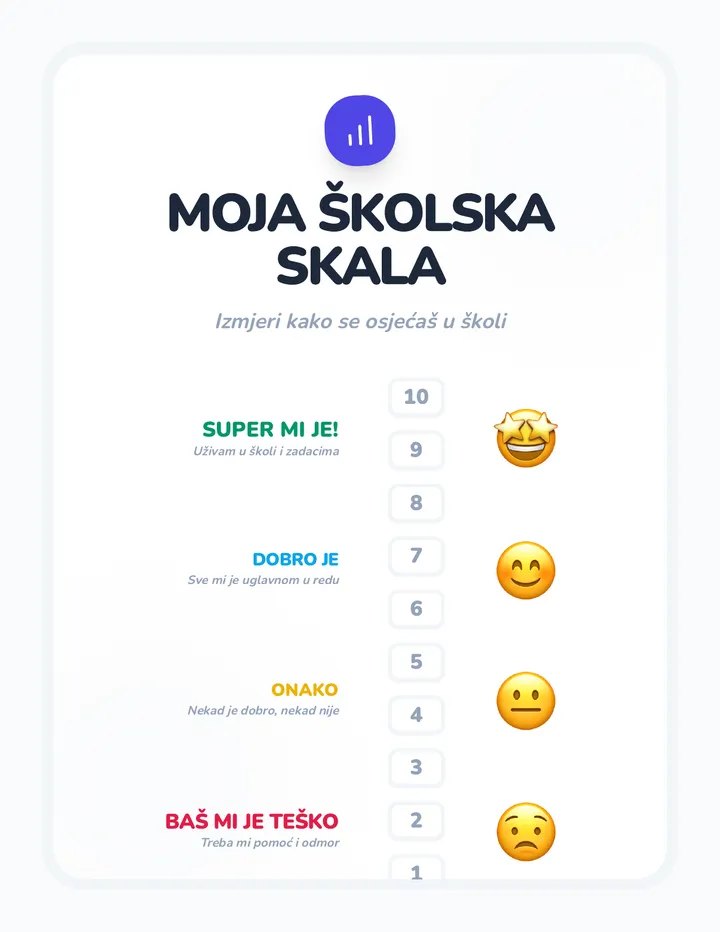
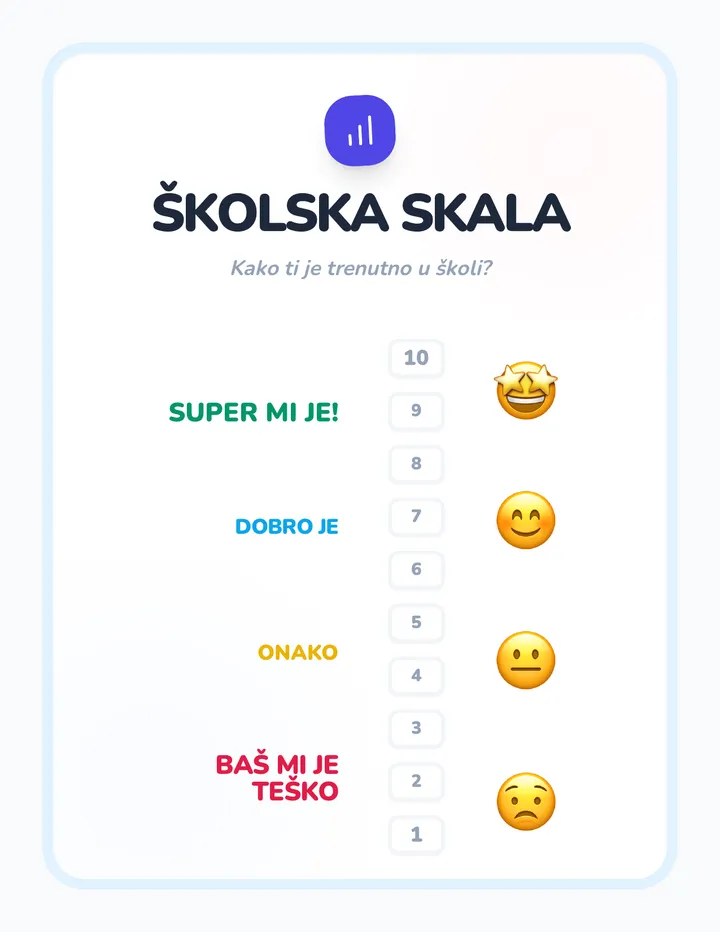
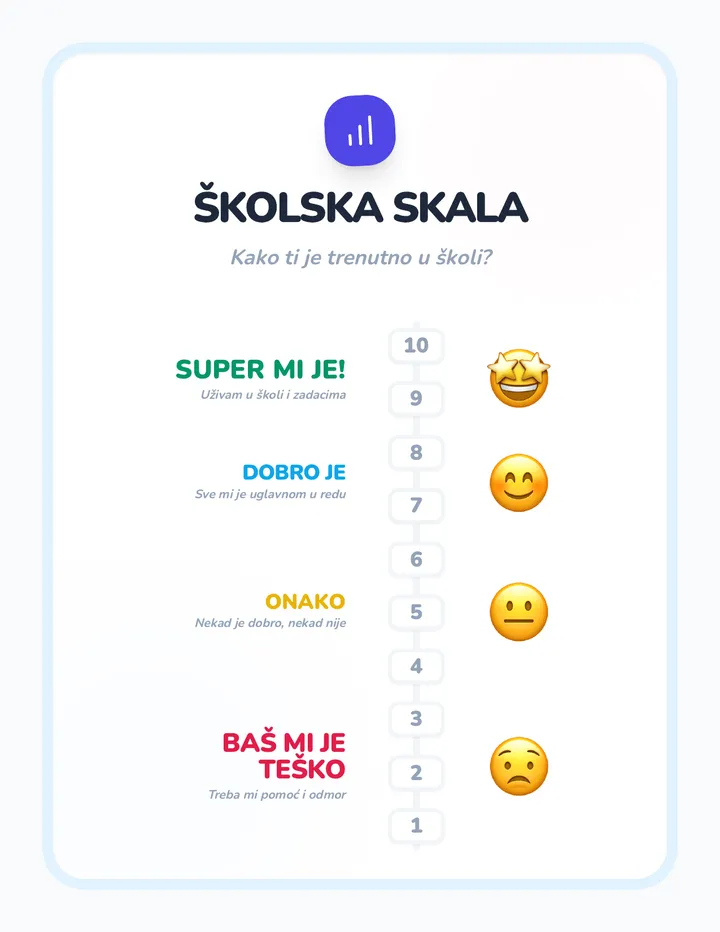
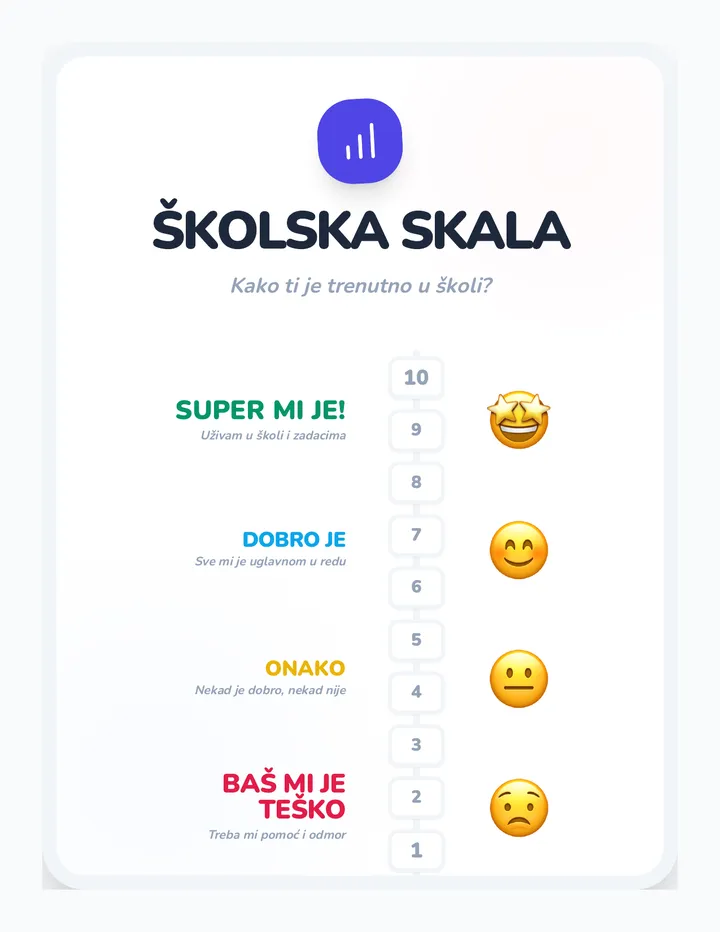
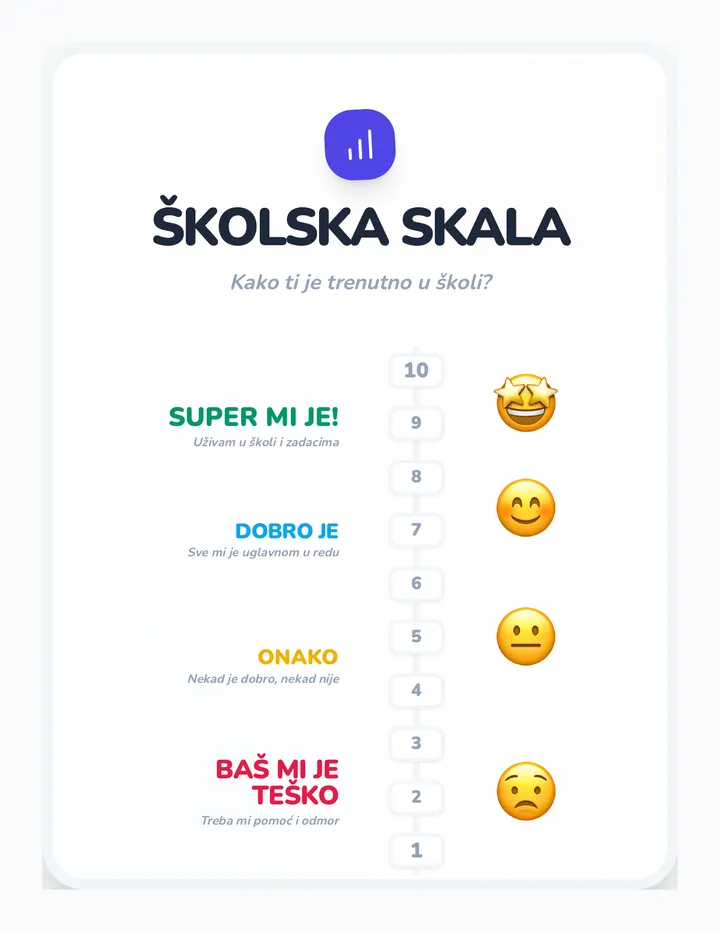
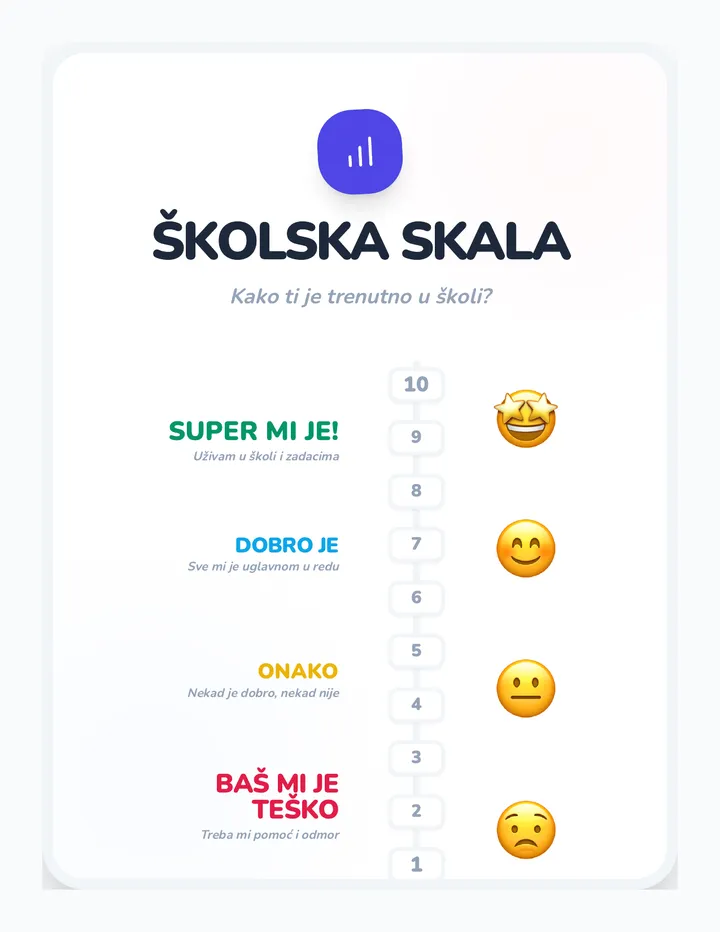
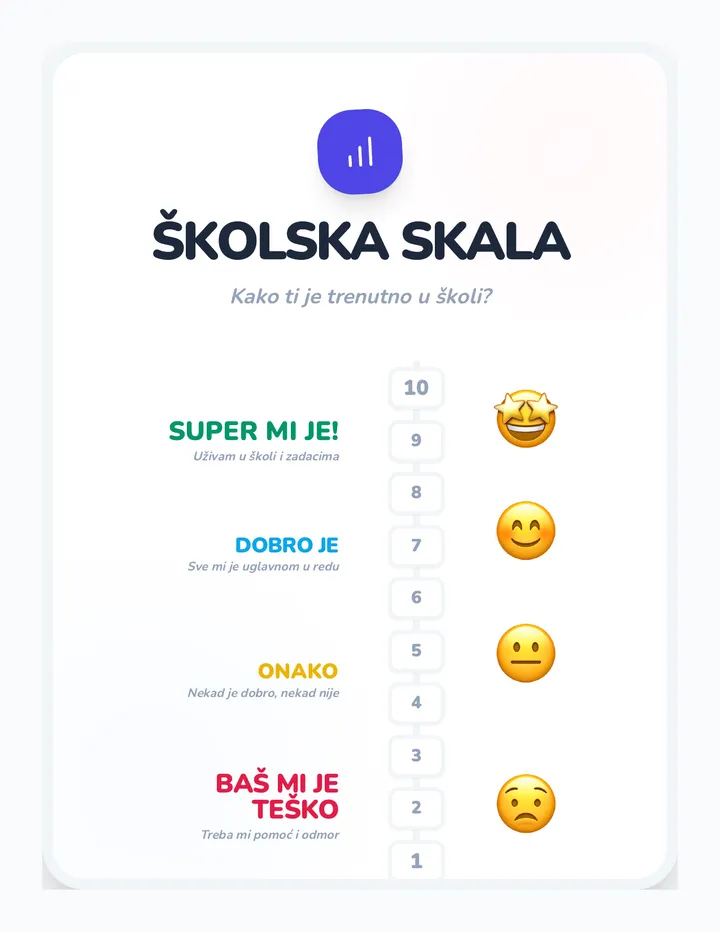
A lesson designed to help students identify and track their anxiety levels using a 10-level thermometer. It includes reflective tools to distinguish between anxiety-driven fear and simple avoidance.
A comprehensive set of resources for parents to help them understand and support their children struggling with generalized anxiety, featuring a workshop script, a detailed guide, a daily checklist, and a quick-reference infographic.
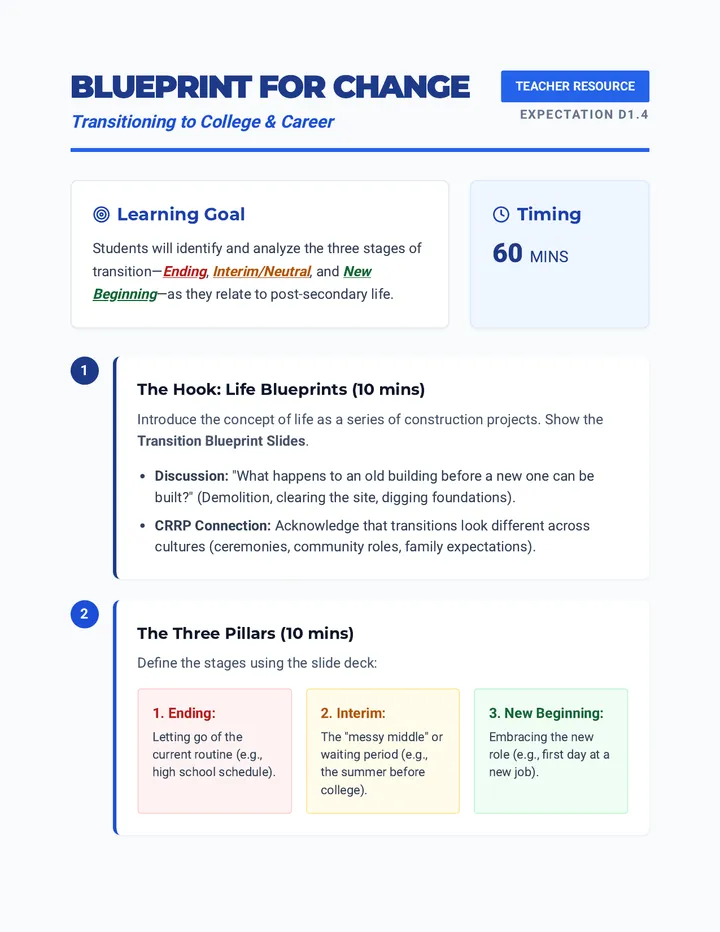
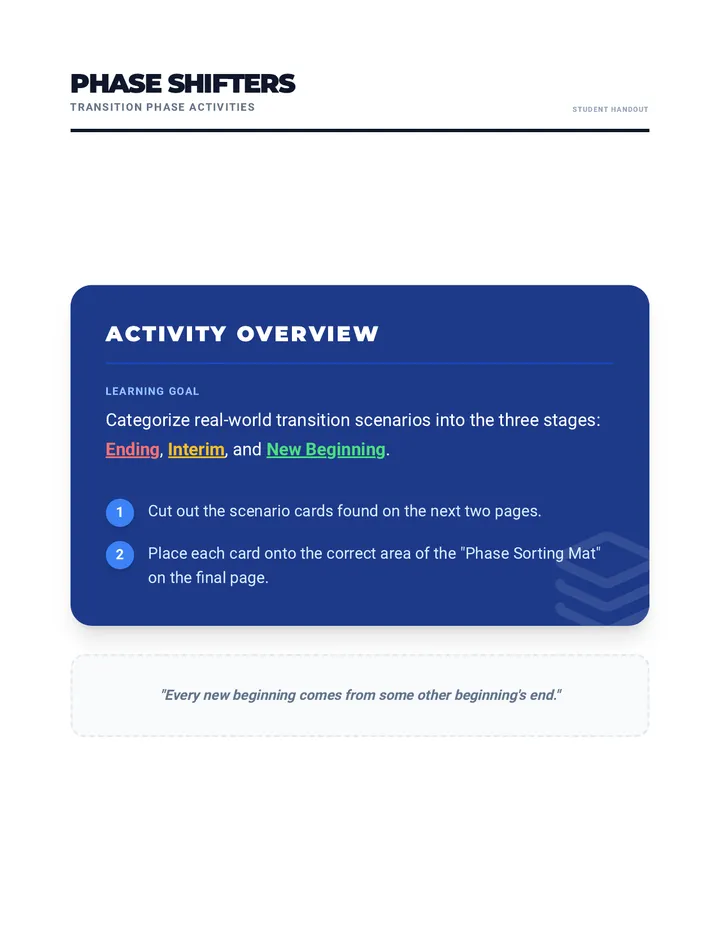
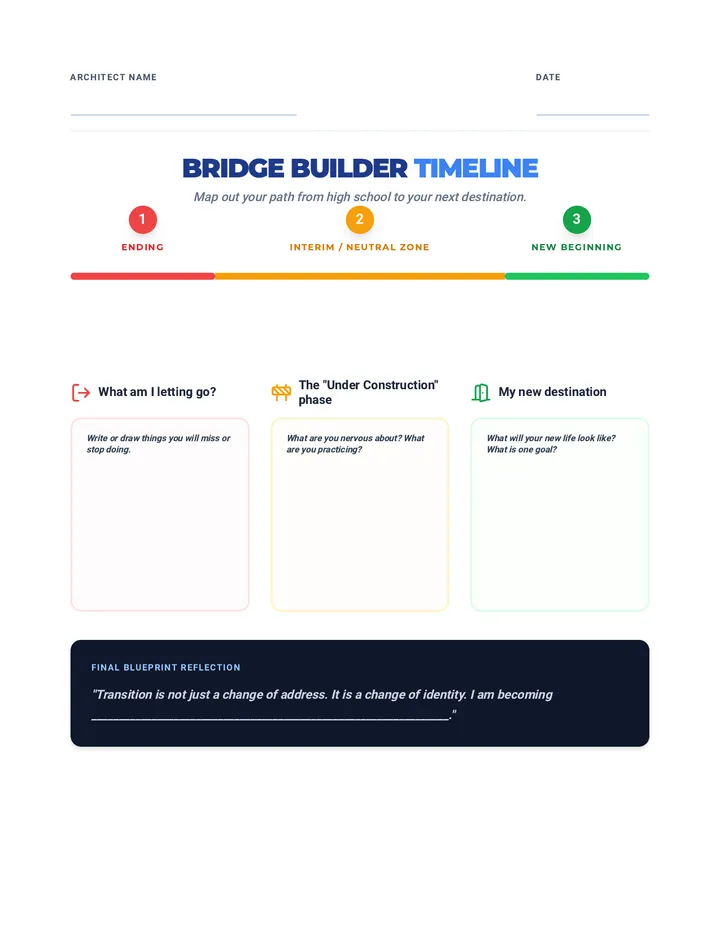
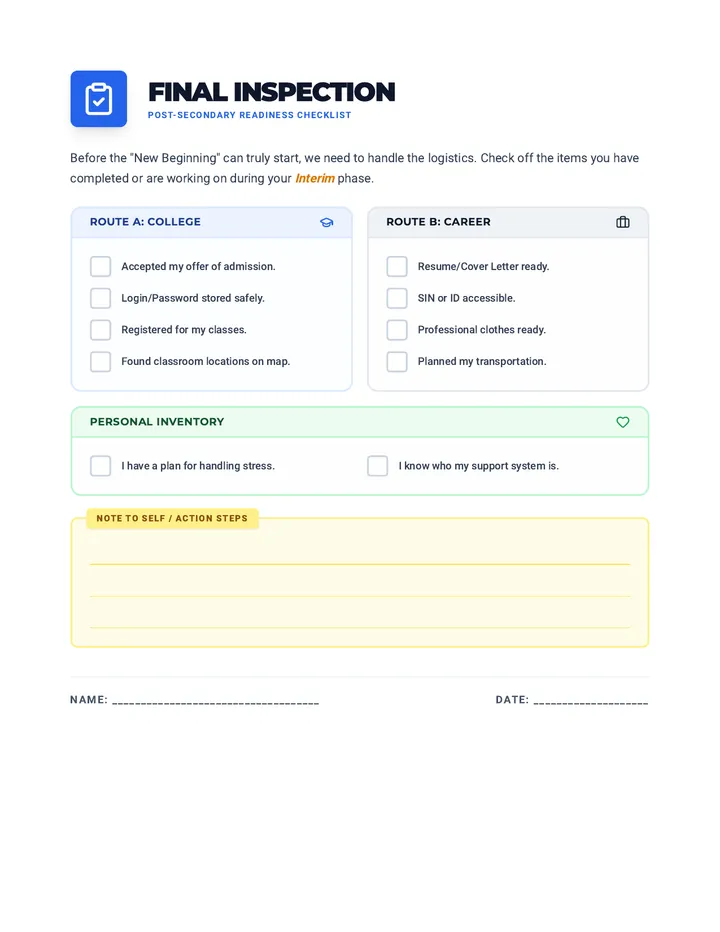
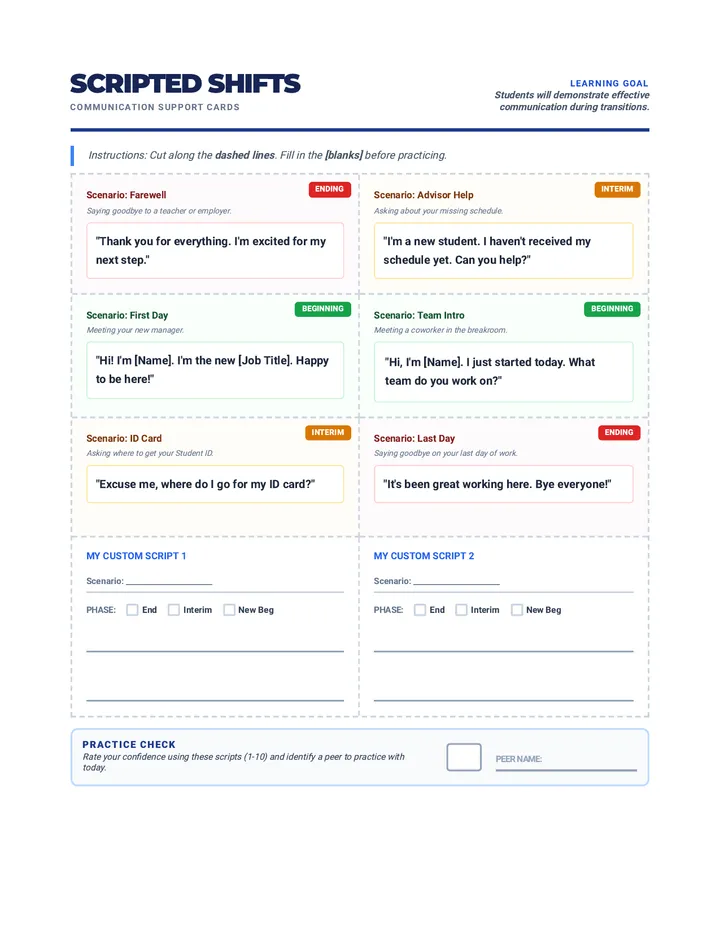
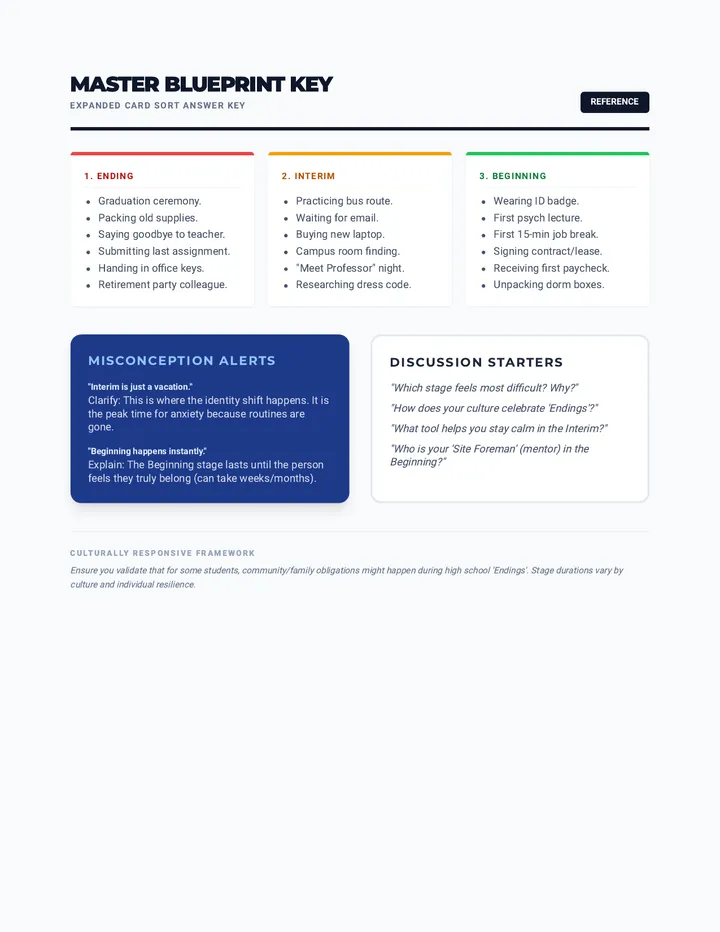
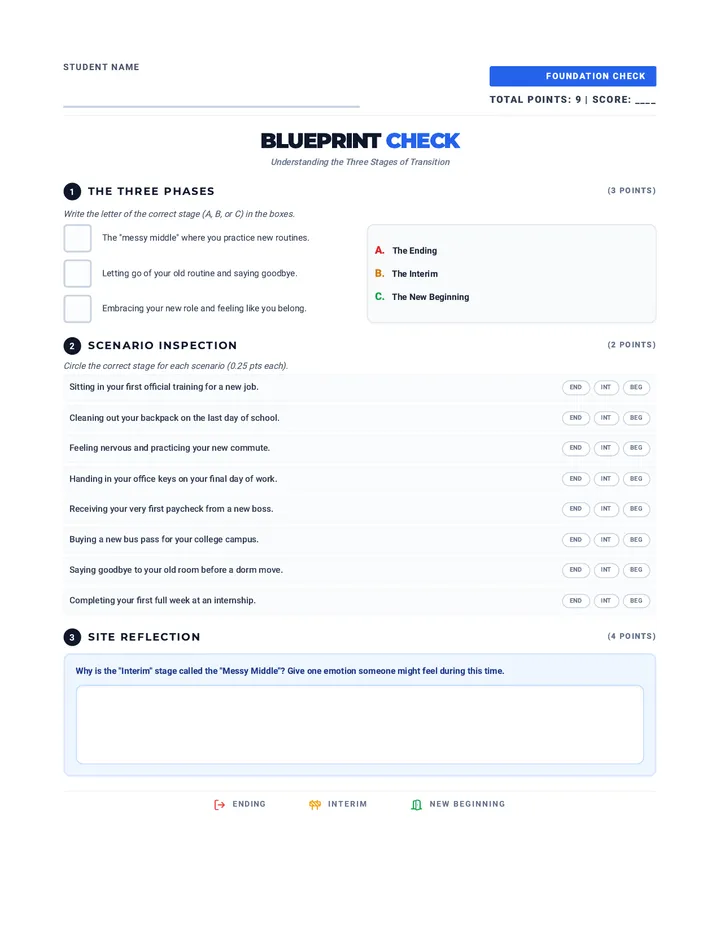
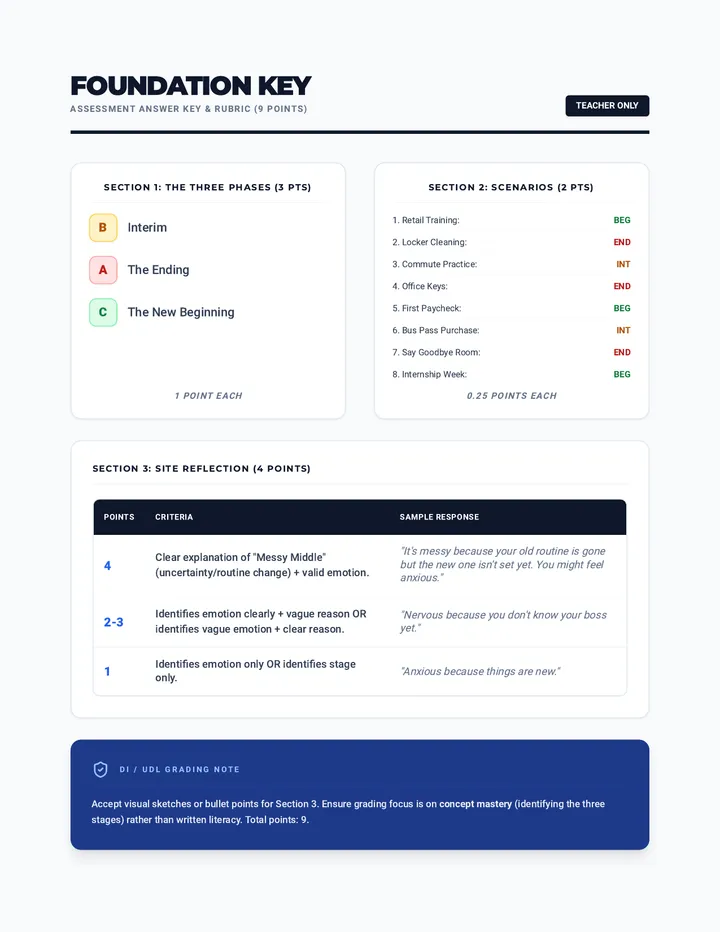
A comprehensive 60-minute lesson focused on the three stages of transition (Ending, Interim, and New Beginning) specifically tailored for students moving toward college or the workplace. This lesson employs UDL and DI strategies to support students with LD, autism, and those who are selectively mute through visual mapping and structured role-play.
A CBT-based counseling session for high-functioning autistic students focused on identifying healthy friendship qualities, recognizing red flags, and developing coping strategies for social rejection.
A lesson focused on identifying personal triggers (the 'wires') that activate the body's alarm system, using a coding-inspired visual theme to explore academic, social, and everyday stressors.
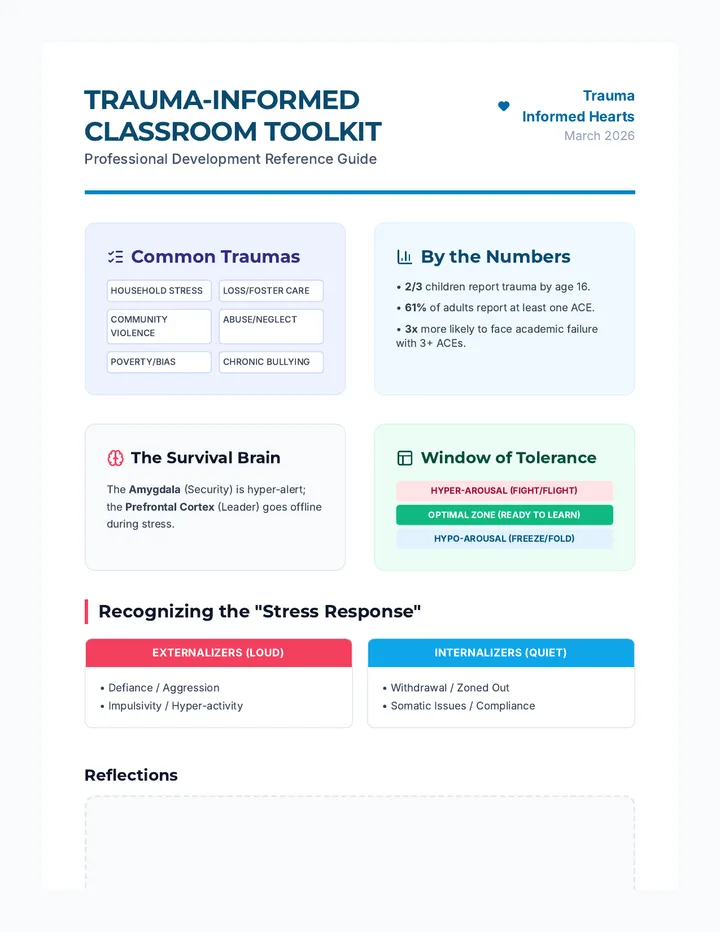
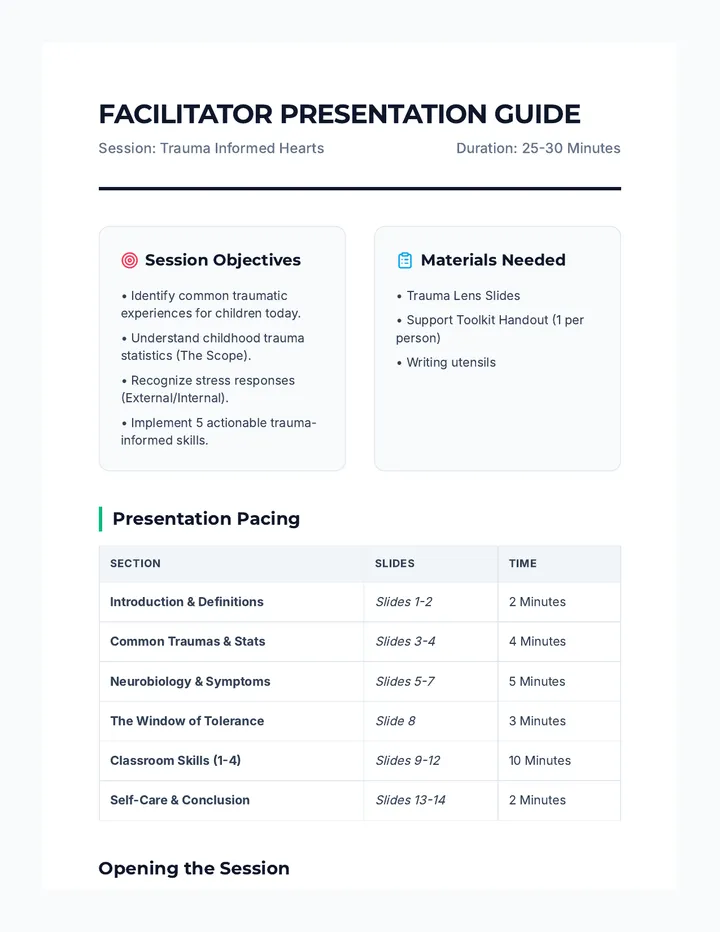
A comprehensive 20-minute professional development session for school staff focused on understanding childhood trauma, recognizing its symptoms in a classroom setting, and implementing practical trauma-informed teaching strategies.
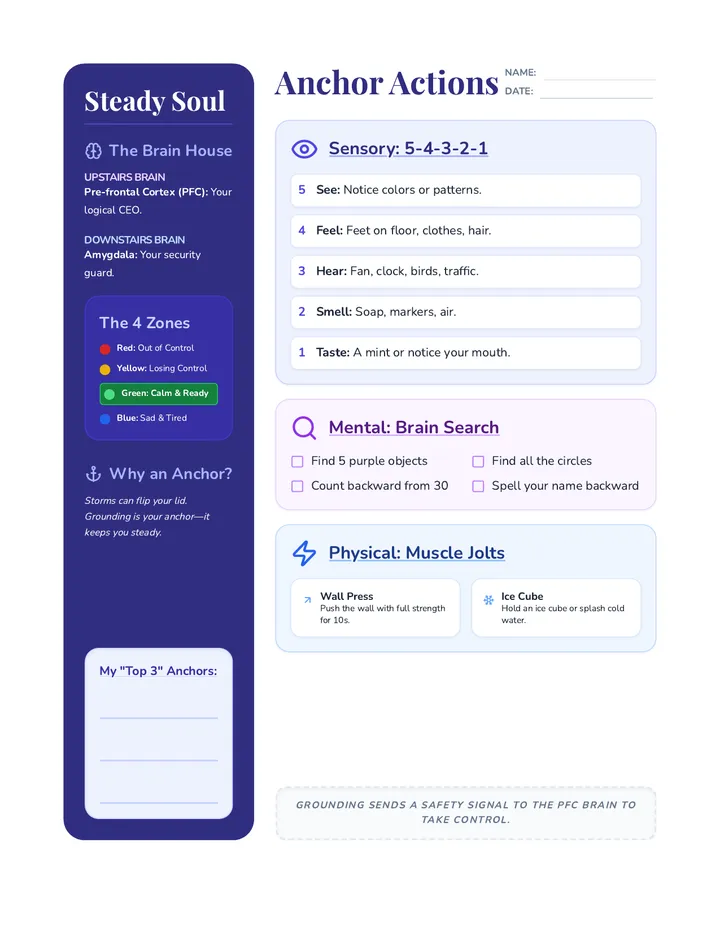
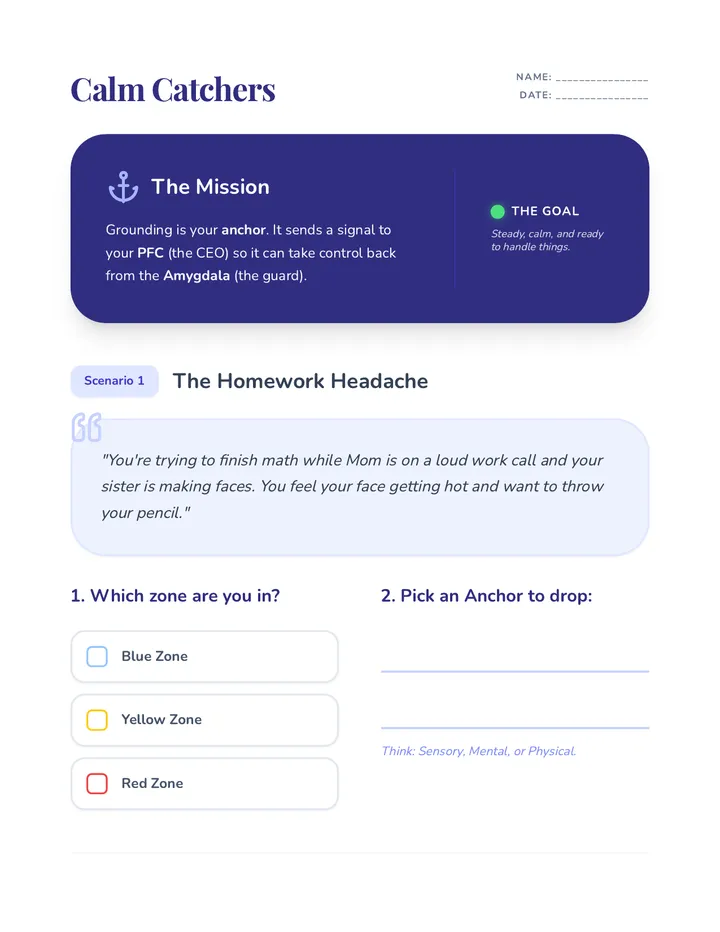
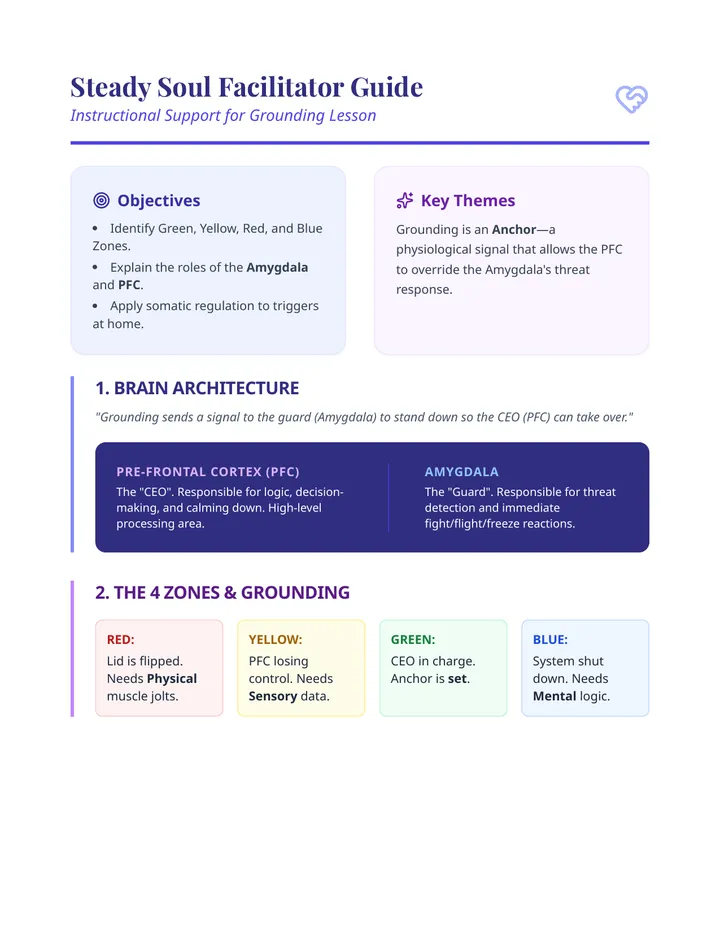
A lesson designed for a 6th-grade student to understand the neuroscience of grounding and practice specific techniques (Sensory, Mental, Physical) to manage anger and grief at home.