Examines diverse viewpoints and social contexts to build empathy and critical thinking skills. Targets identifying personal biases and resolving interpersonal conflicts through active perspective-taking.
A 5-week individual lesson series for 8th-grade students with social-emotional disabilities, introducing core DBT modules: Mindfulness, Distress Tolerance, Emotion Regulation, Interpersonal Effectiveness, and Walking the Middle Path.
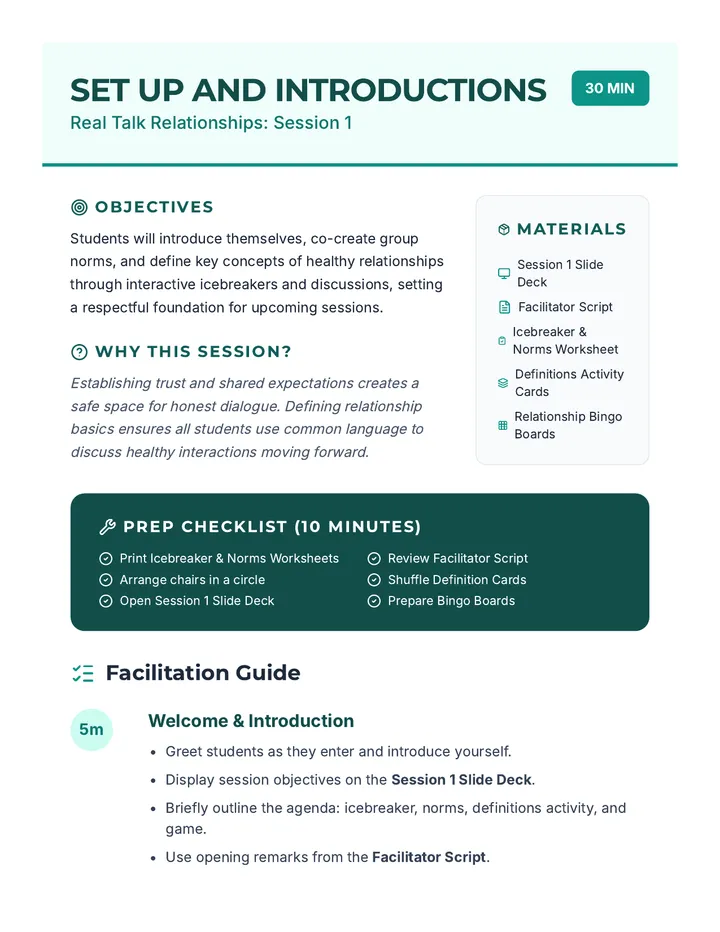
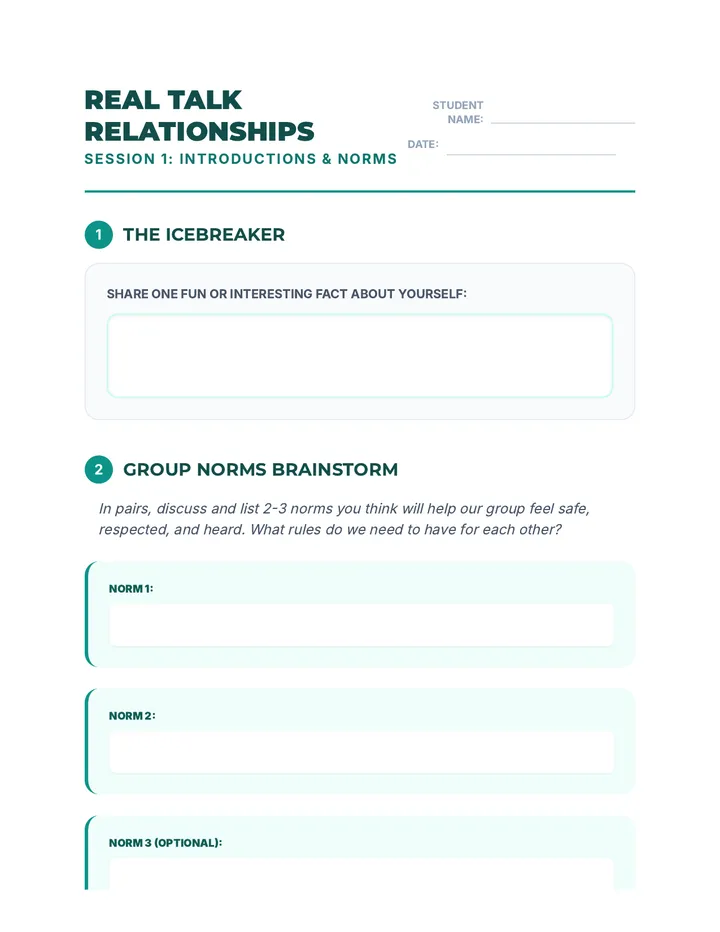
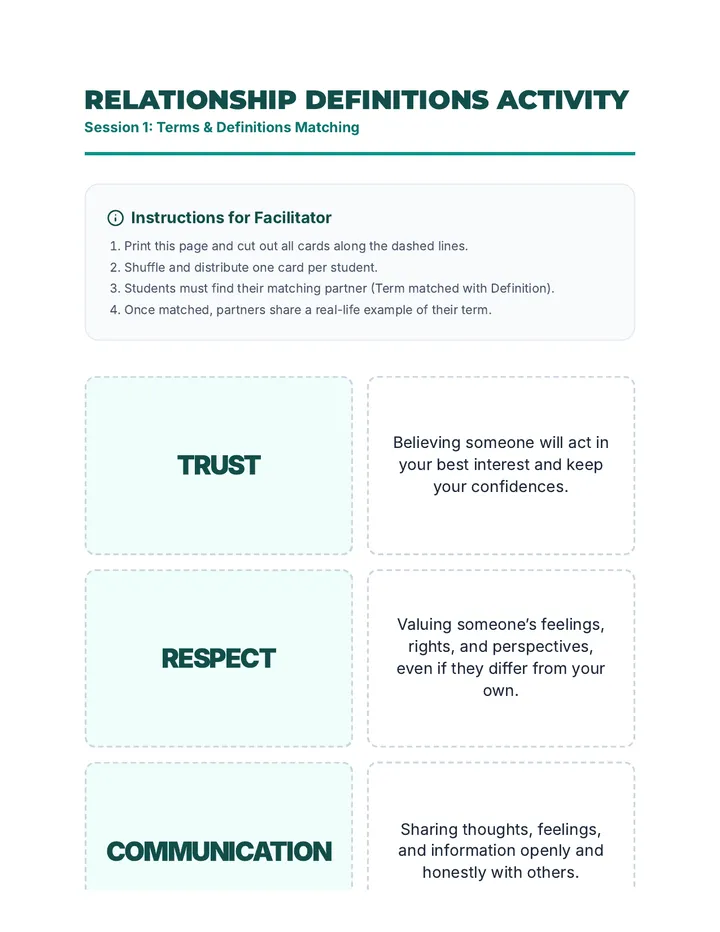
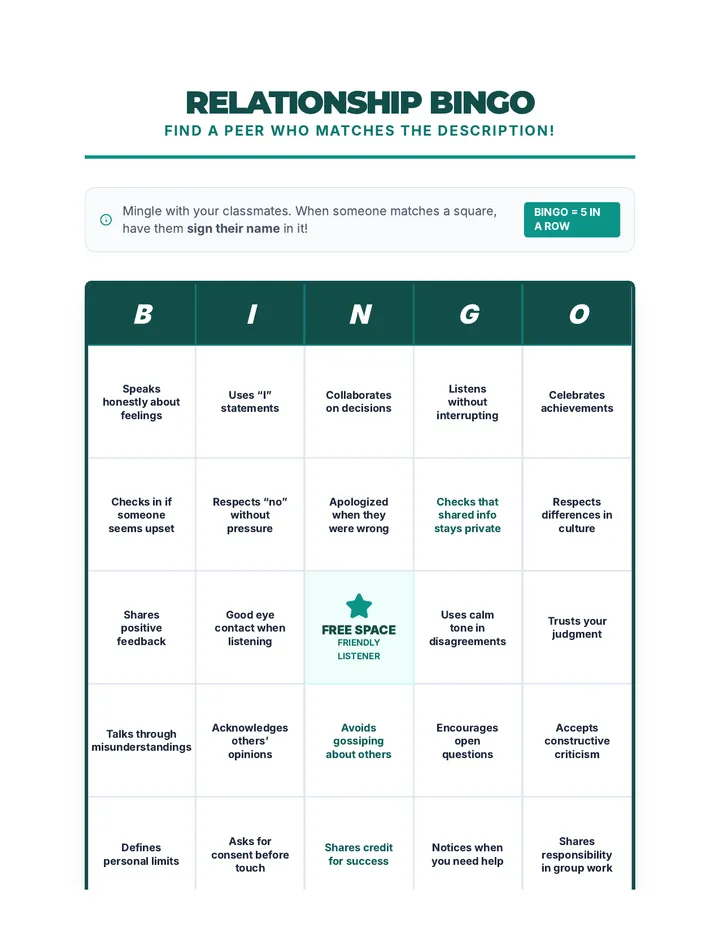
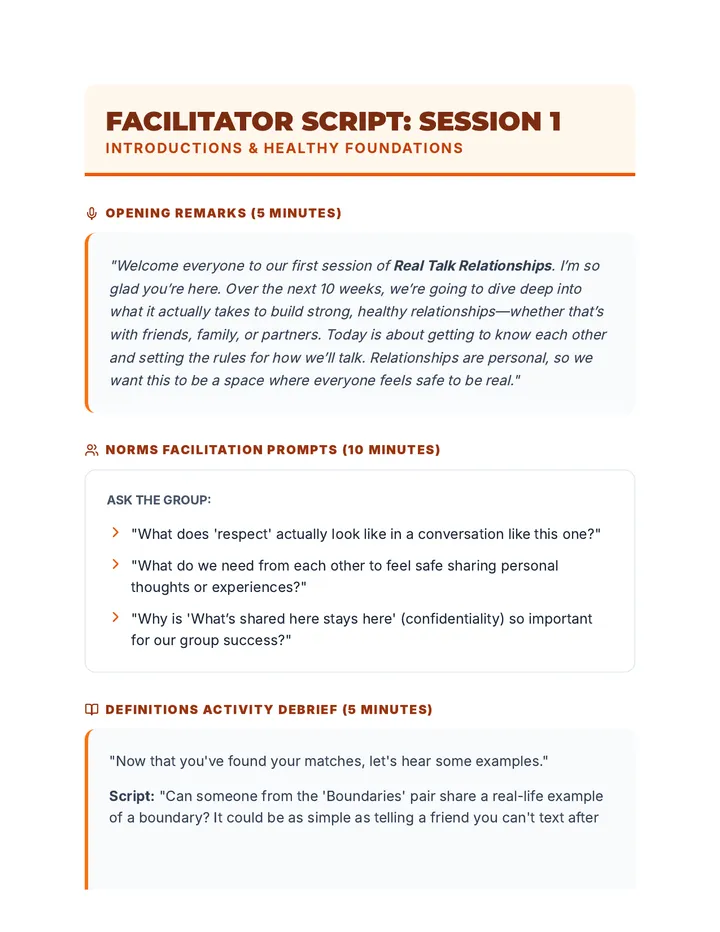
A 10-session course for high school students exploring communication, boundaries, consent, and conflict resolution across romantic, platonic, and digital relationships.
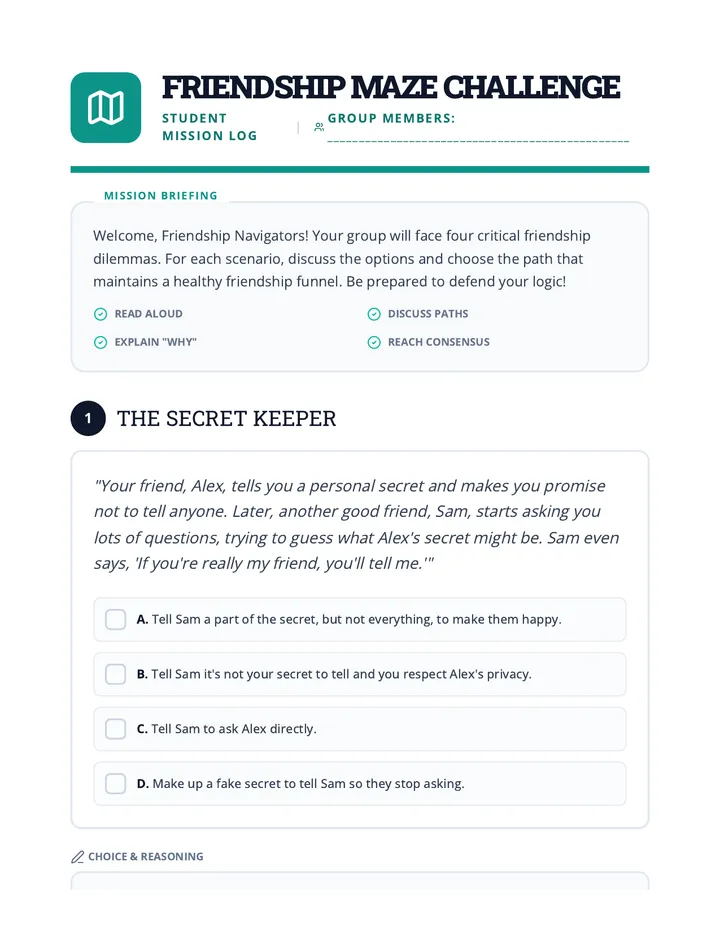
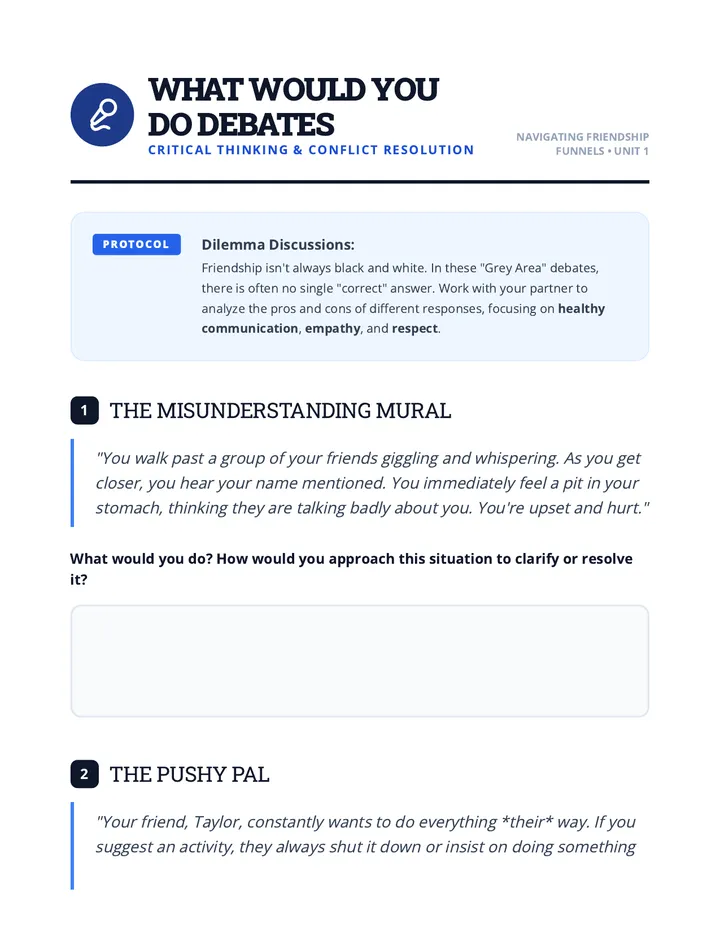
A 6-week social-emotional learning program for 6th-grade girls focused on building healthy friendships, resolving conflicts, practicing empathy, and setting boundaries.
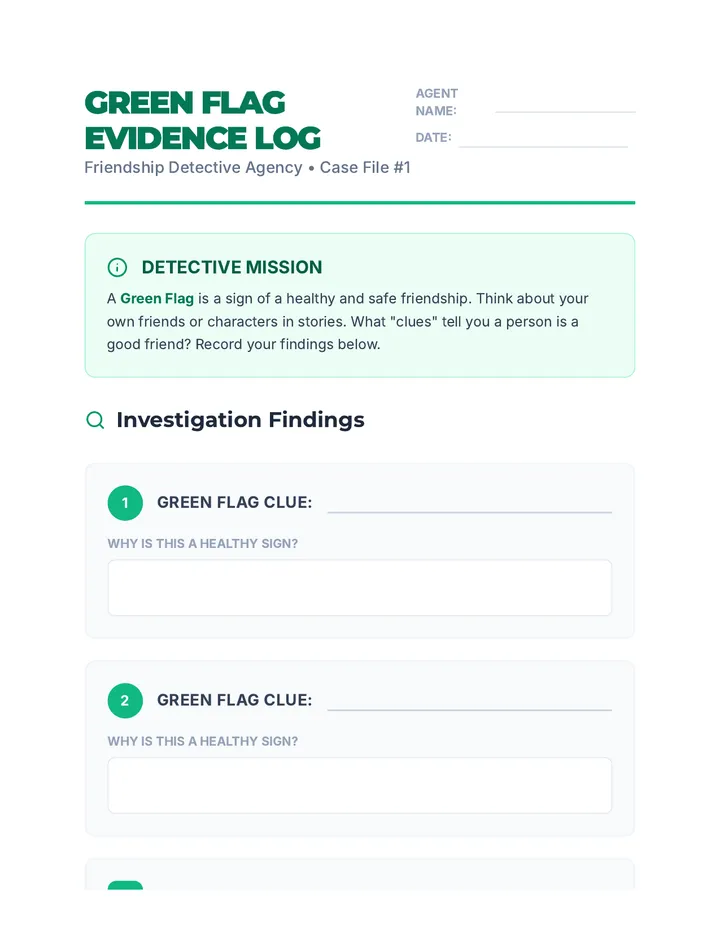
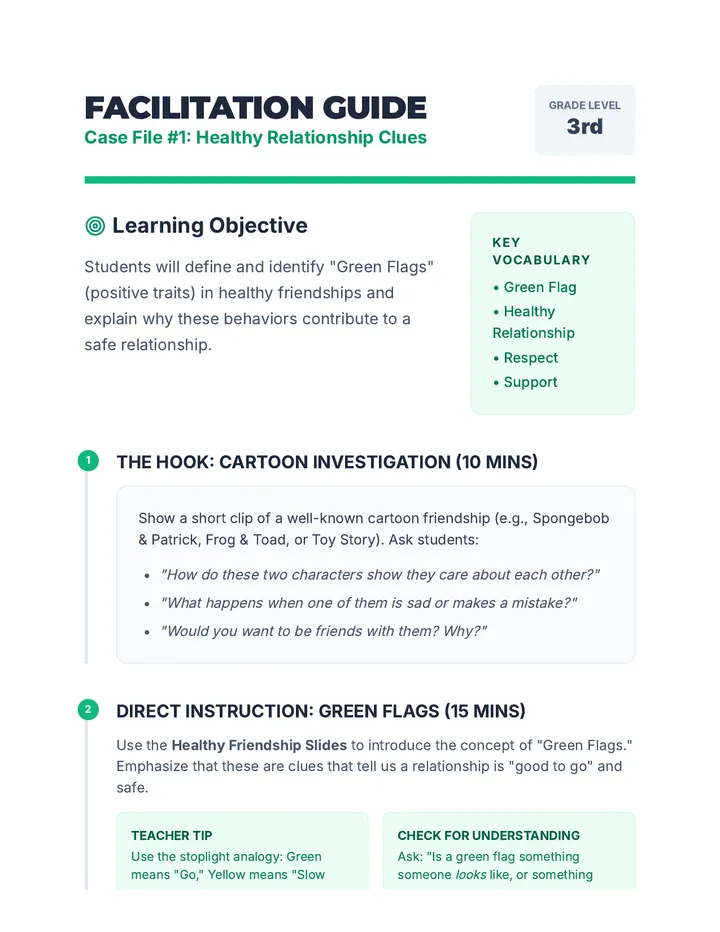
A 5-lesson unit where students become 'Friendship Detectives' to identify healthy and unhealthy relationship dynamics. Using case studies, sorting games, and creative projects, students learn to recognize green and red flags, distinguish between teasing and bullying, and resolve conflicts safely.
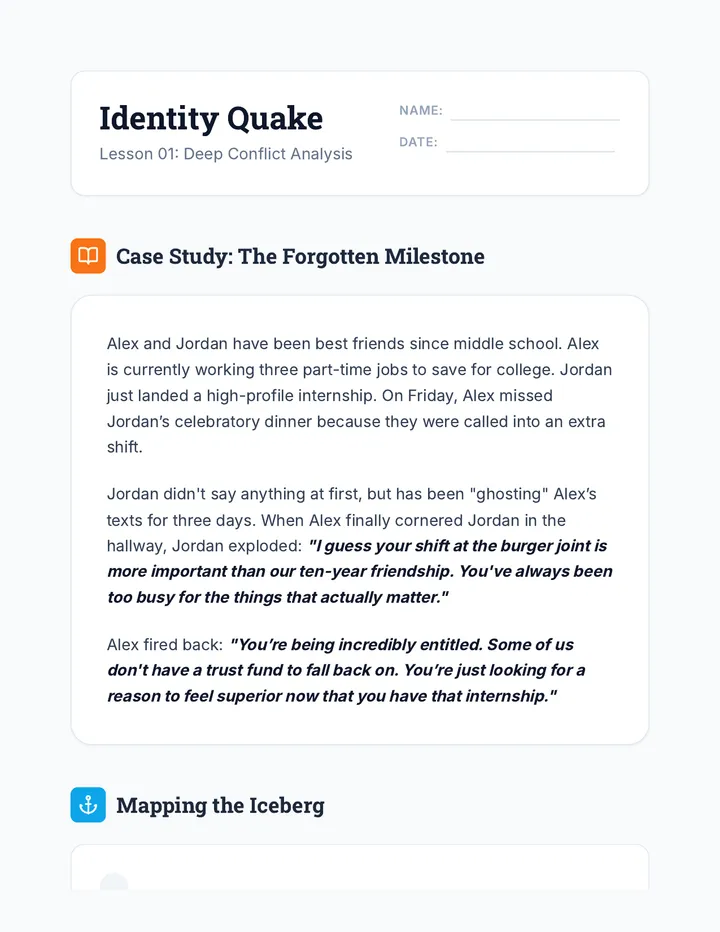
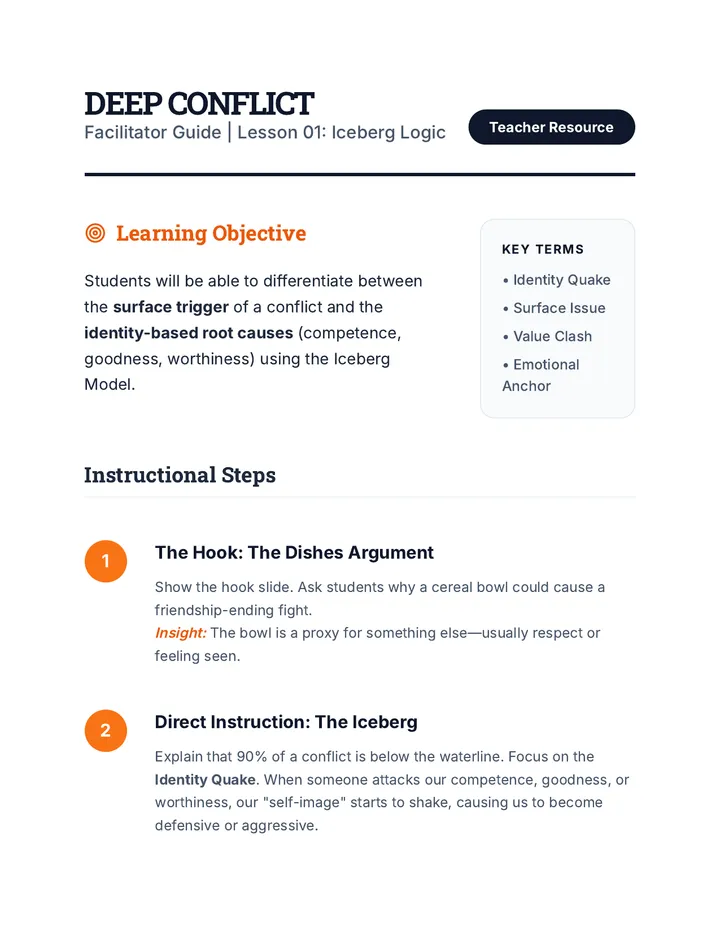
This sequence explores complex conflict navigation for 12th graders, moving from the psychological roots of identity-based conflict to the practical application of restorative circles and sustainable resolution design.
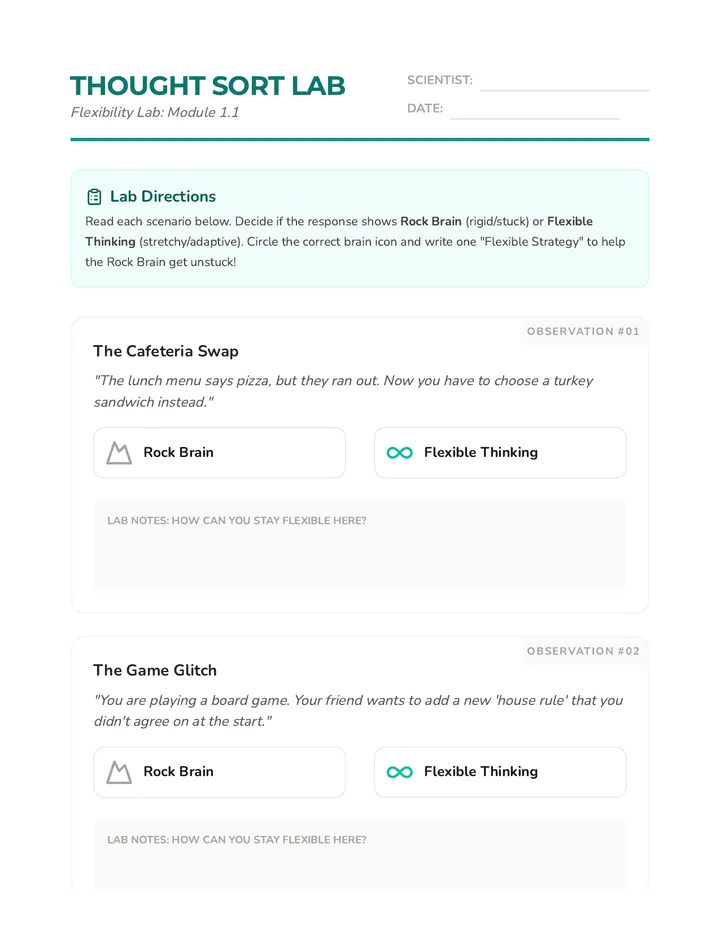
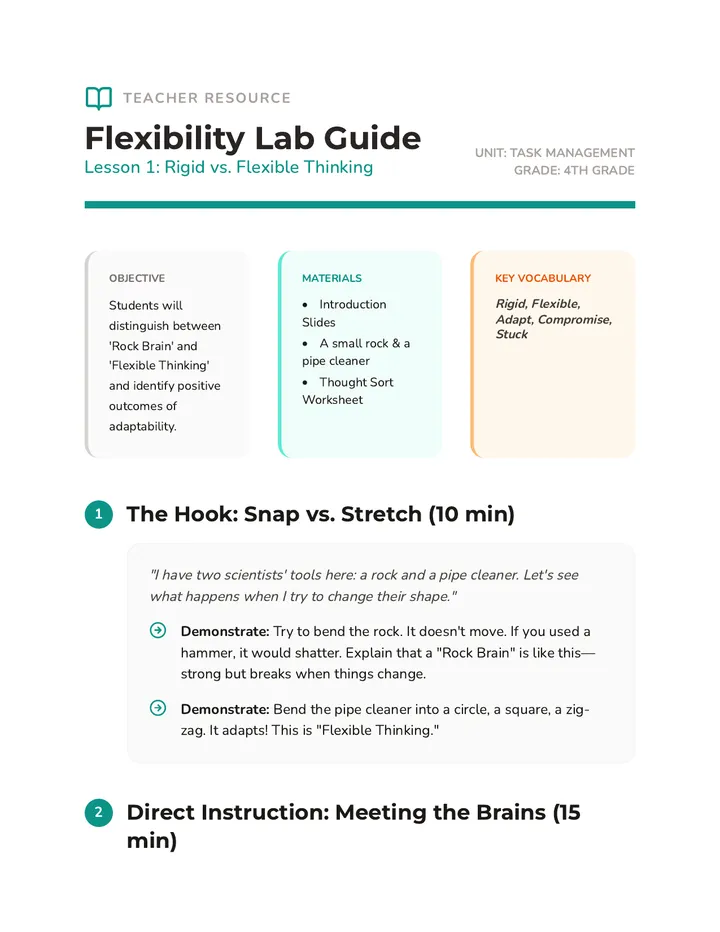
A 5-lesson sequence designed for 4th-grade students to build cognitive flexibility. Students learn to identify rigid versus flexible thinking, recognize physical stress responses to change, practice rapid task-switching, and apply emotional regulation strategies through role-play and a final 'flexibility obstacle course'.
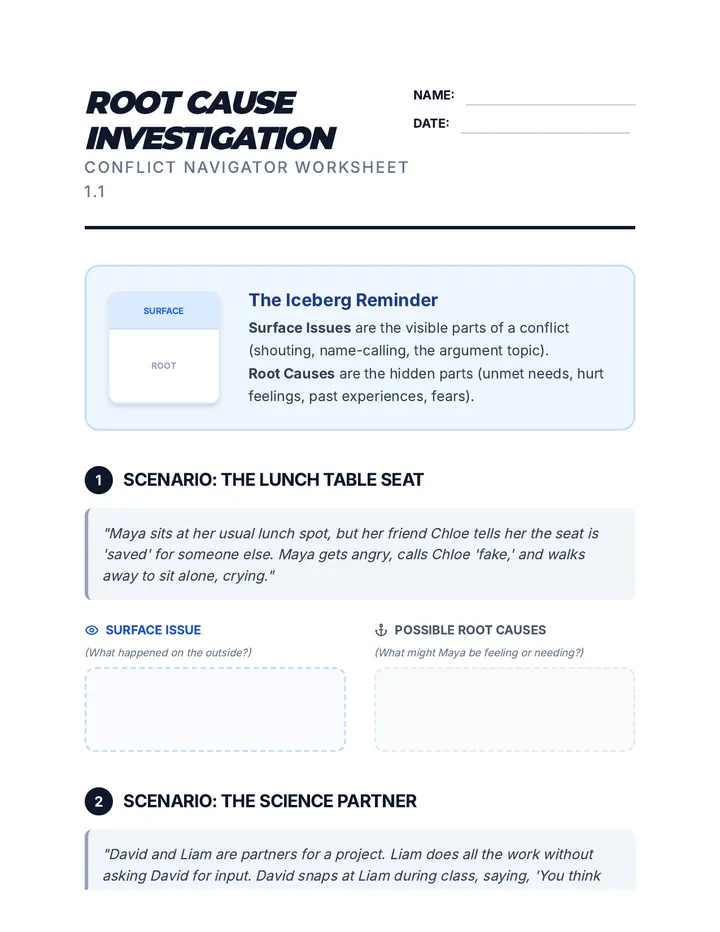
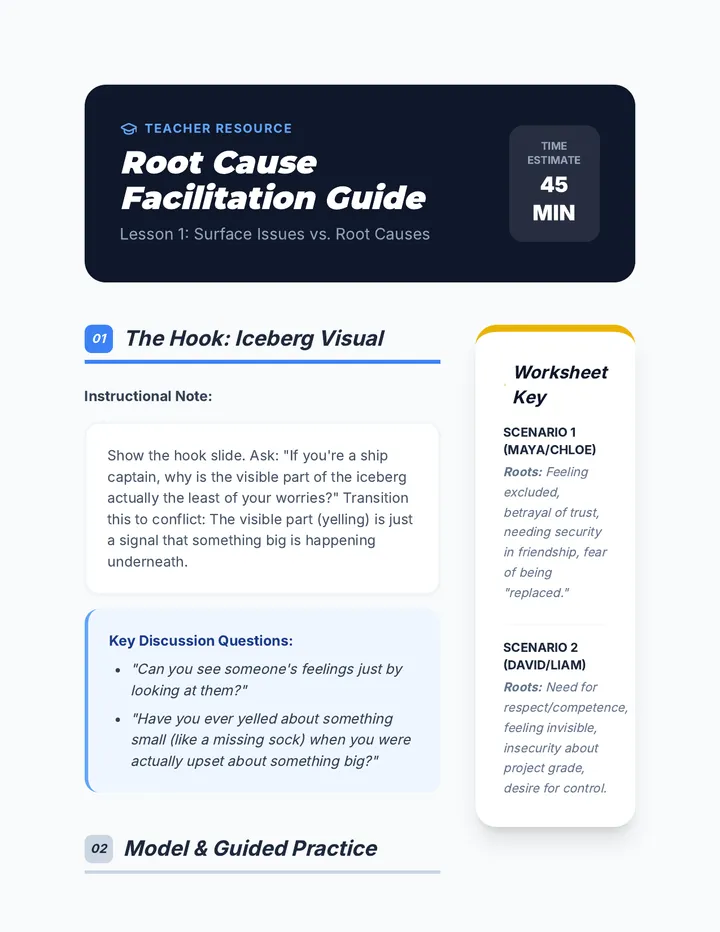
A comprehensive 6th-grade sequence on conflict navigation, teaching students to identify root causes, recognize personal conflict styles, practice perspective-taking, understand escalation, and diagnose complex disputes.
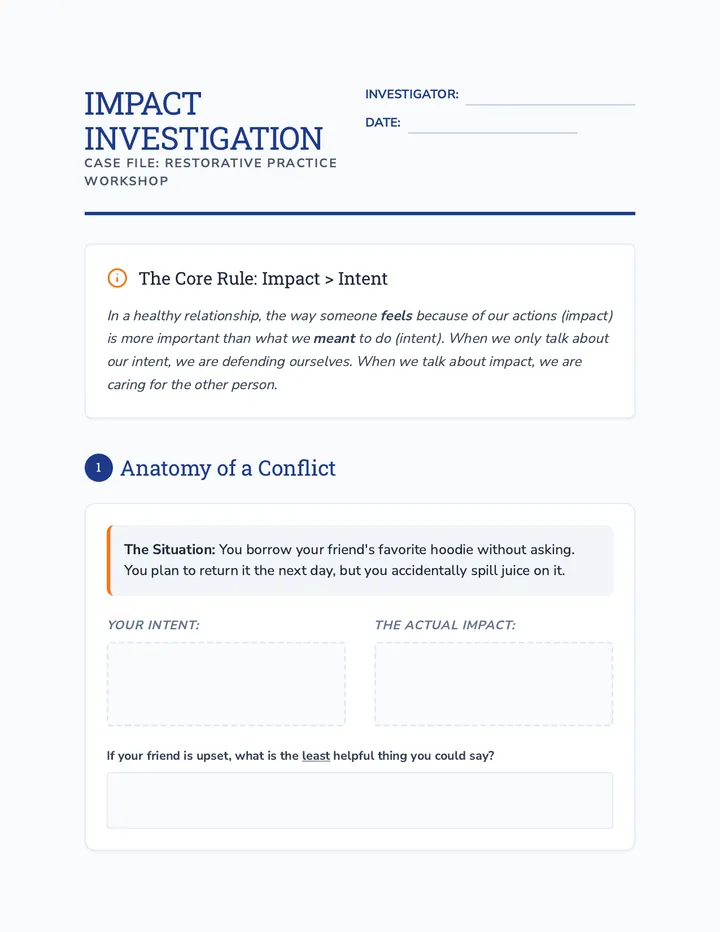
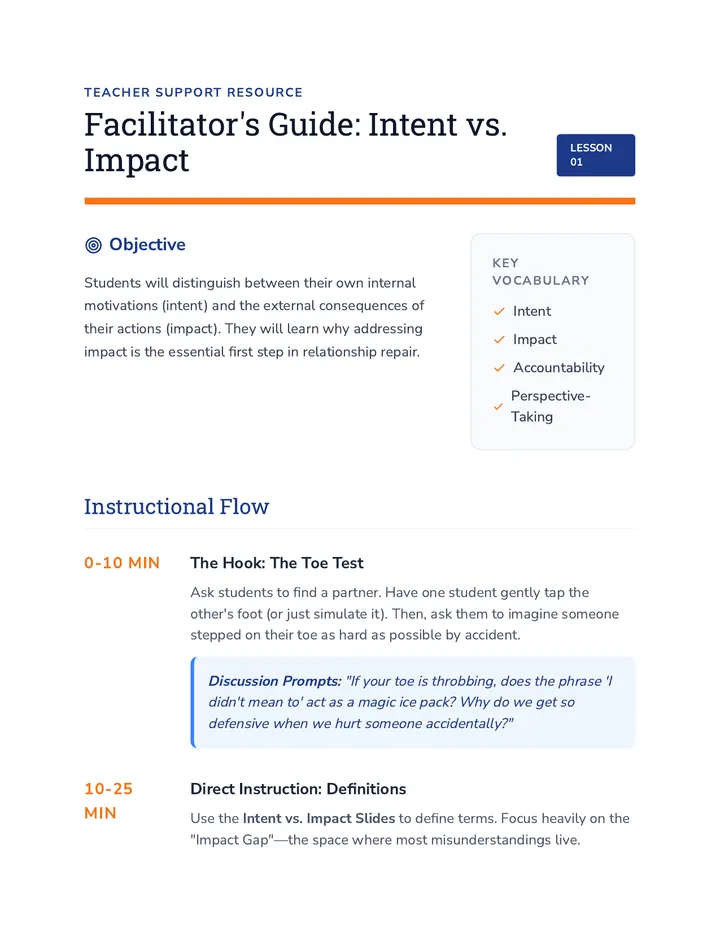
A 5-lesson sequence for 7th grade students focusing on restorative practices, the difference between intent and impact, crafting genuine apologies, and the long-term process of rebuilding trust after conflict.
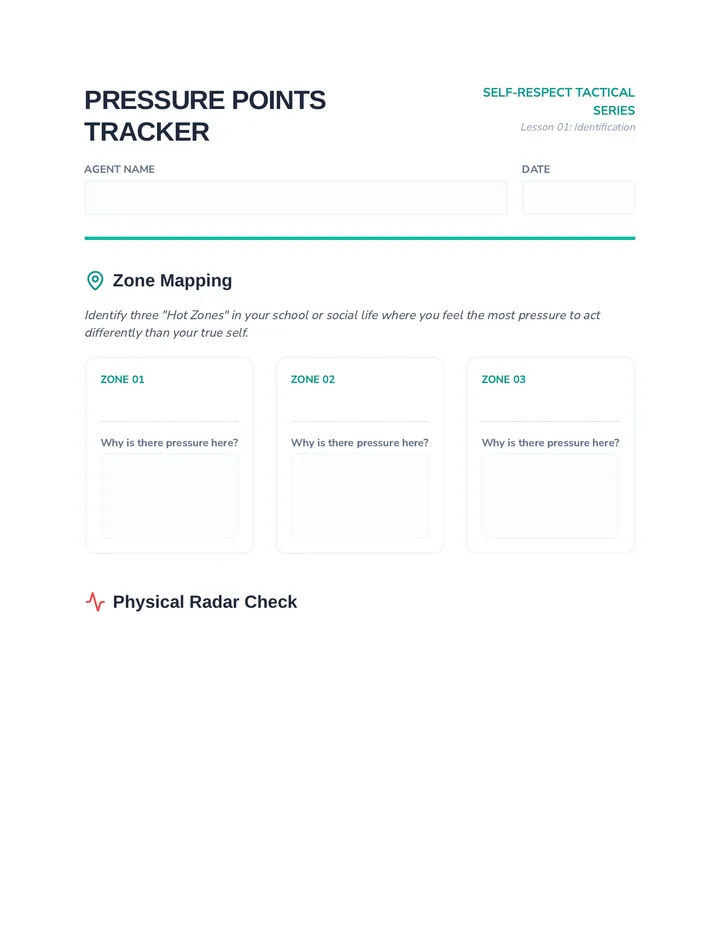
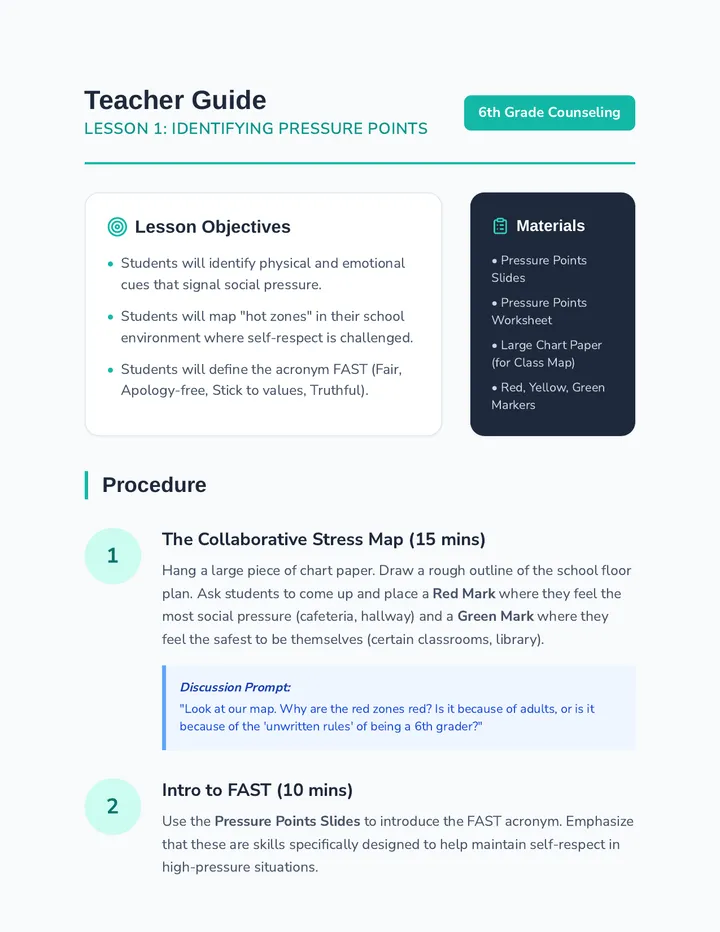
A simulation-heavy sequence teaching 6th graders to use DBT FAST skills (Fair, Apology-free, Stick to values, Truthful) to maintain self-respect during social challenges. Students engage in role-play and real-world scenarios to build integrity and refusal skills.
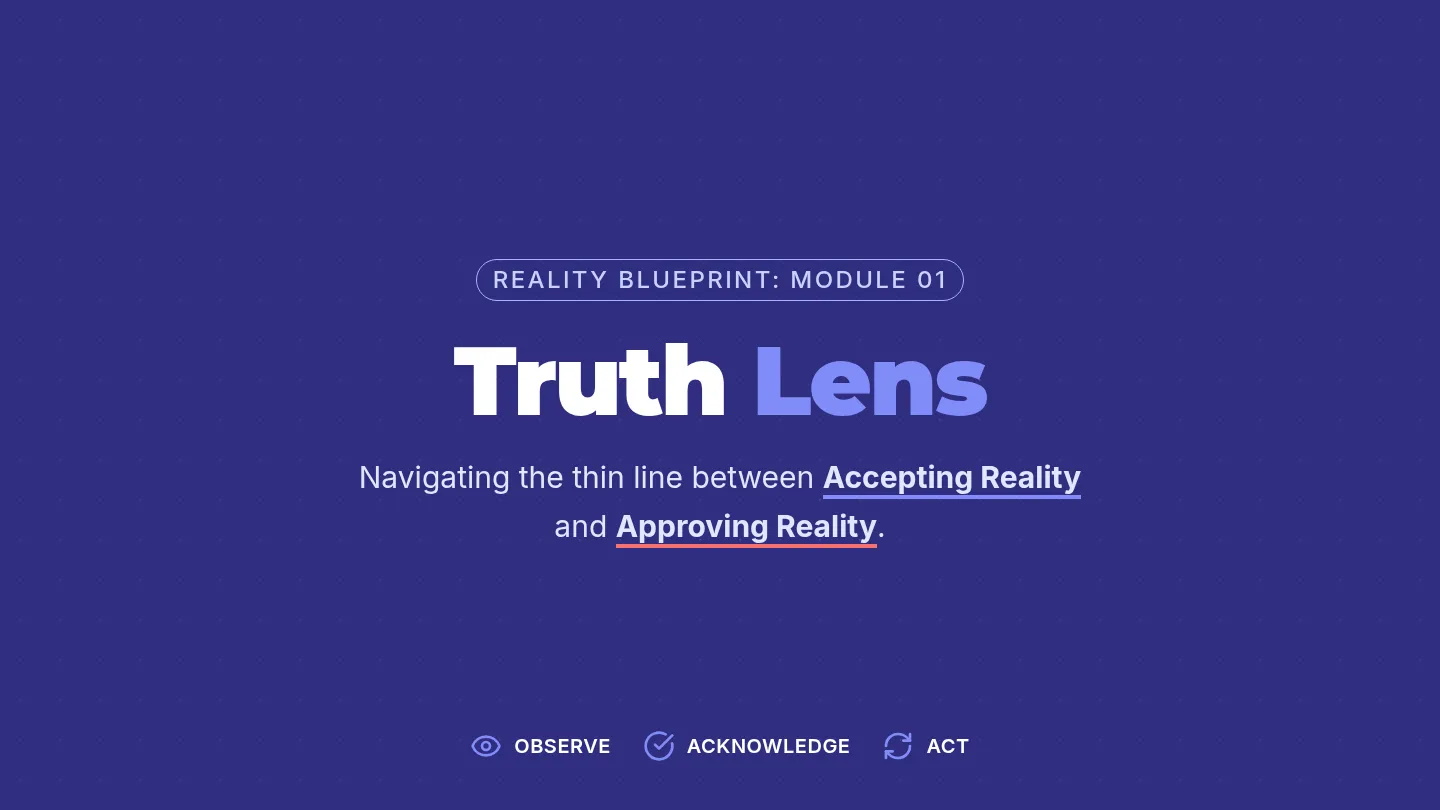
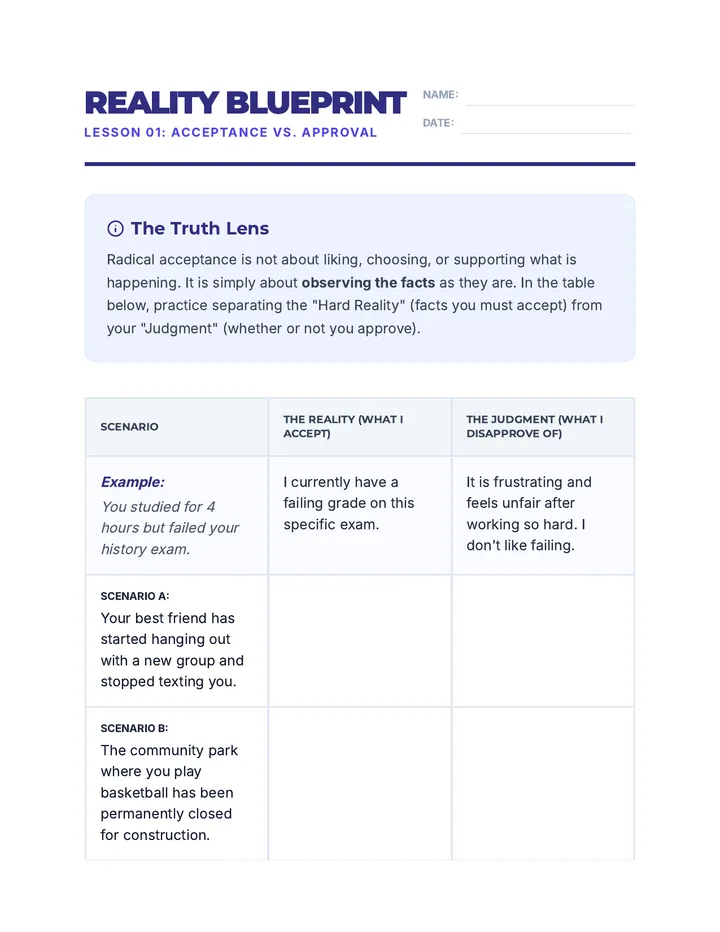
This sequence explores the psychological concept of Radical Acceptance, teaching students to distinguish between acceptance and approval. Students will analyze case studies, relationship dynamics, and civic advocacy to understand how acknowledging reality is the first step toward effective change.
A 10-session course for high school students focused on building and maintaining healthy romantic, platonic, and digital relationships through communication, boundaries, and empathy.
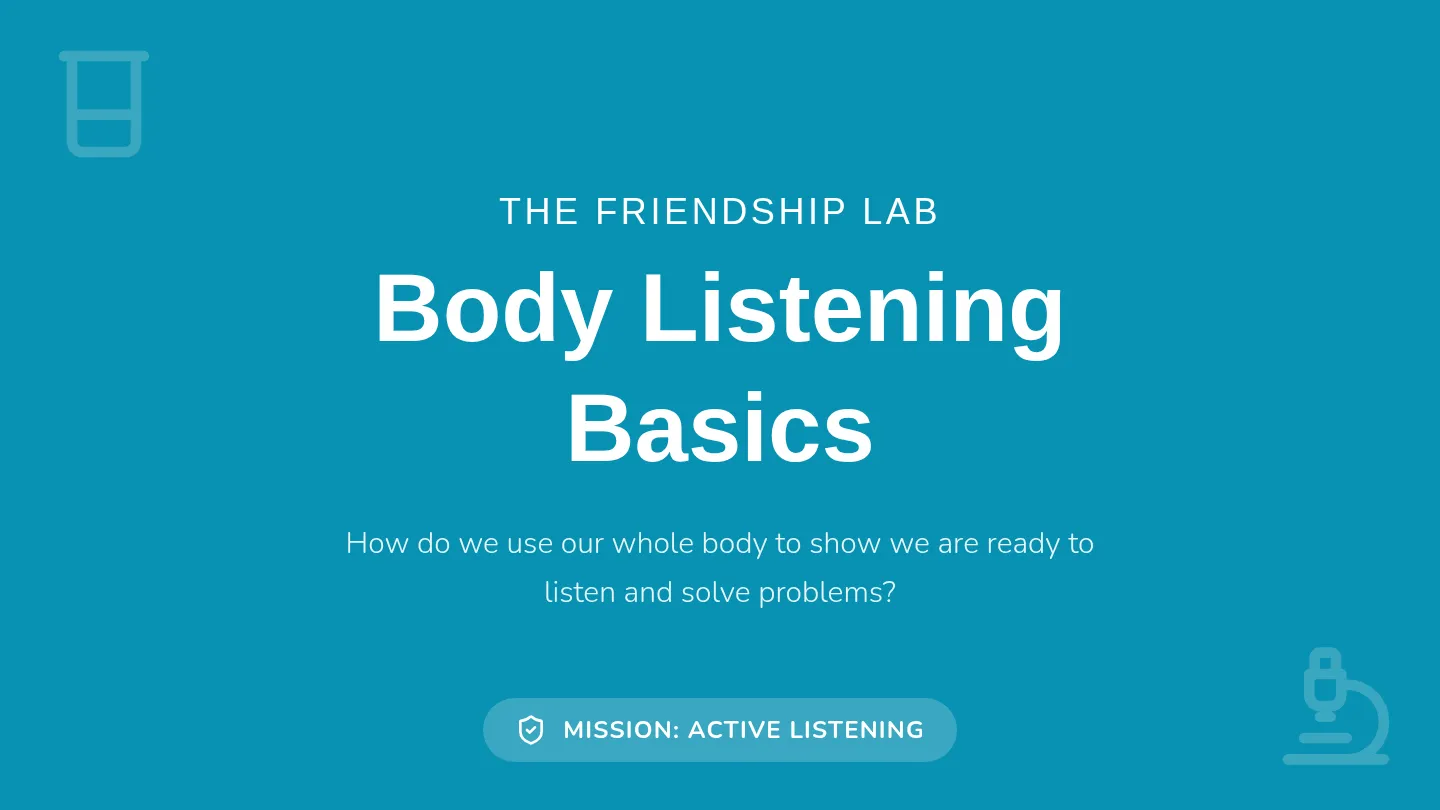
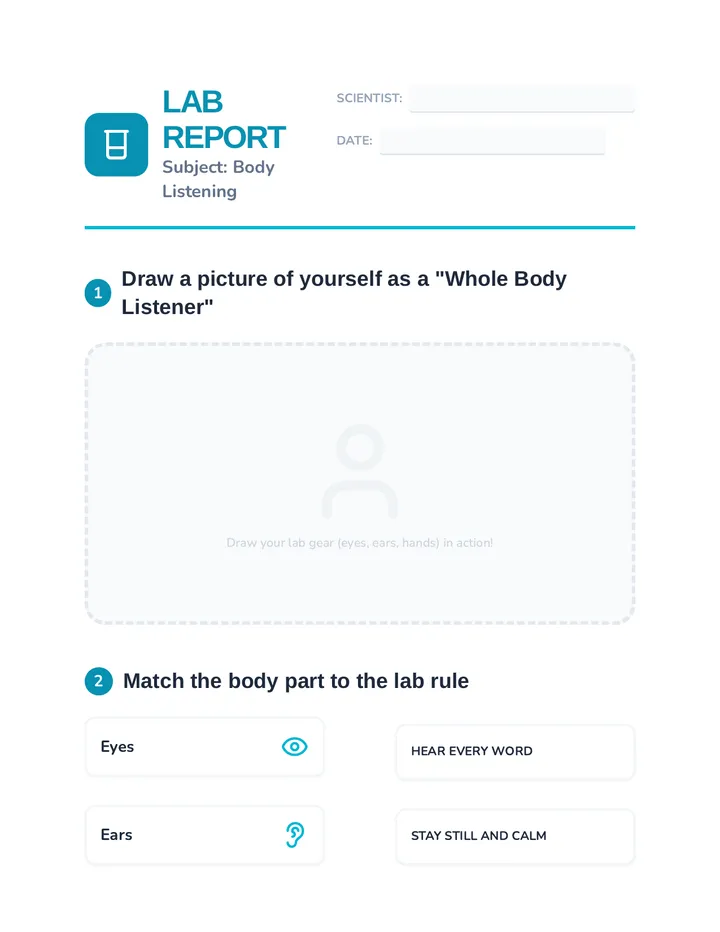
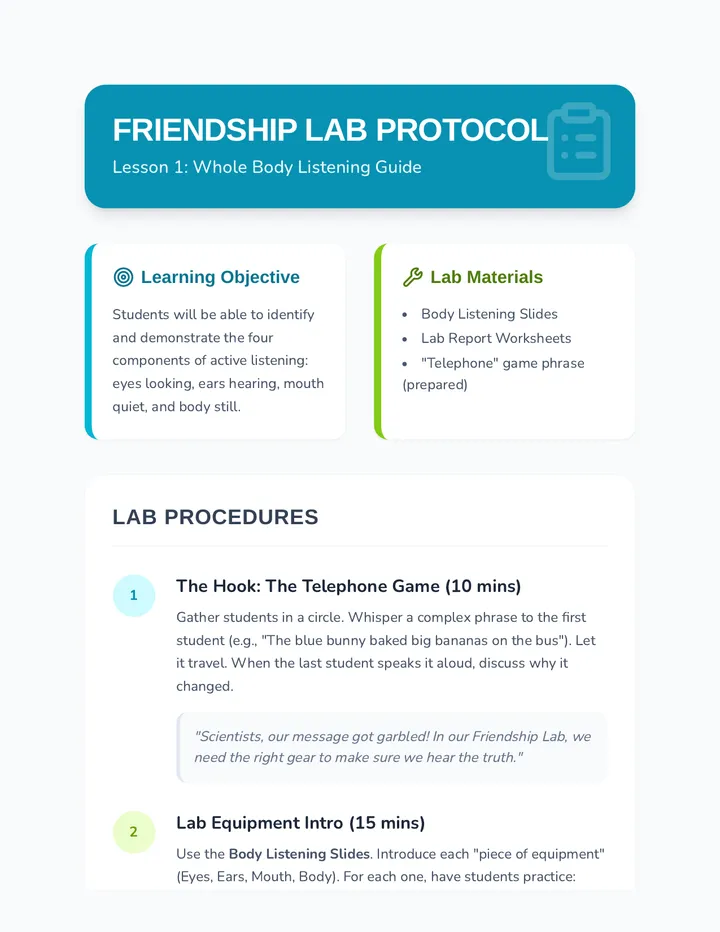
This sequence teaches 1st Grade students the foundational skills of active listening and empathy as tools for conflict resolution. Through the 'Friendship Lab' theme, students learn how to use their bodies to listen, wait for their turn to speak, reflect others' thoughts, and identify feelings to better understand their peers.
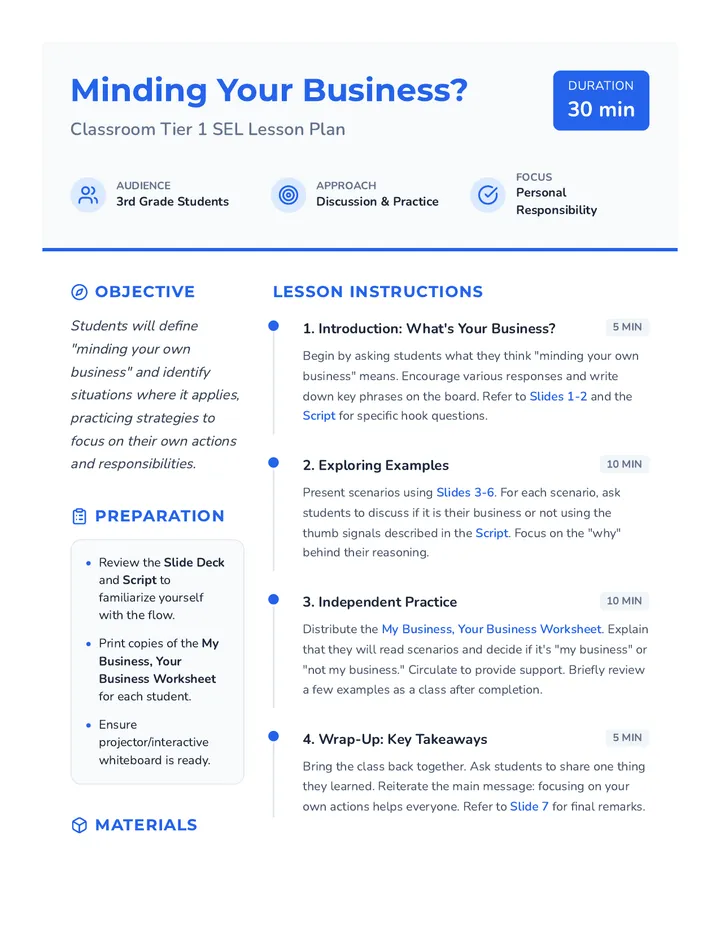
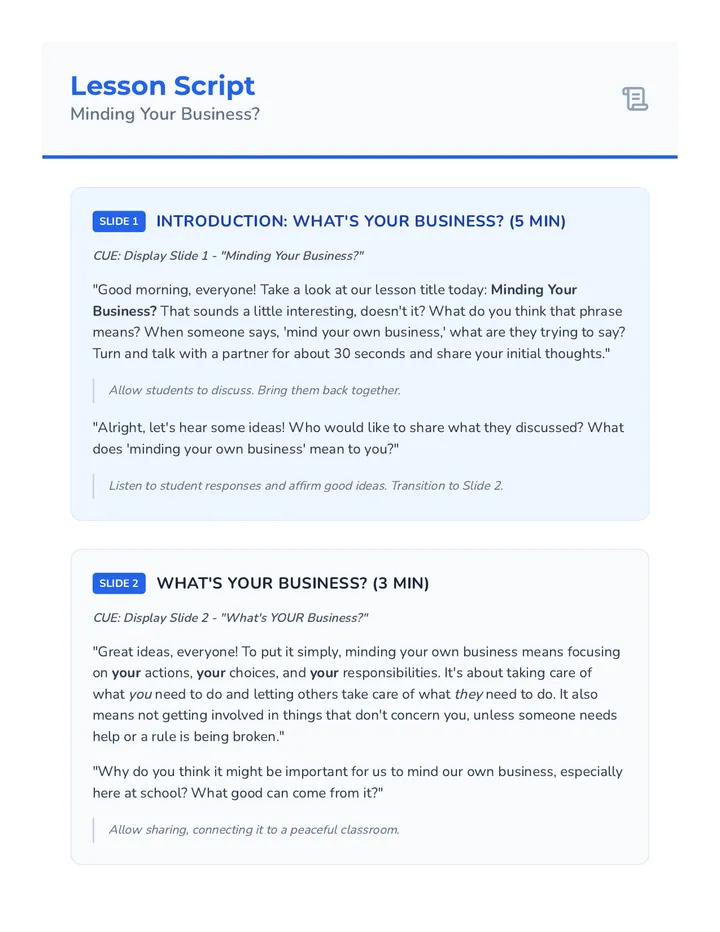
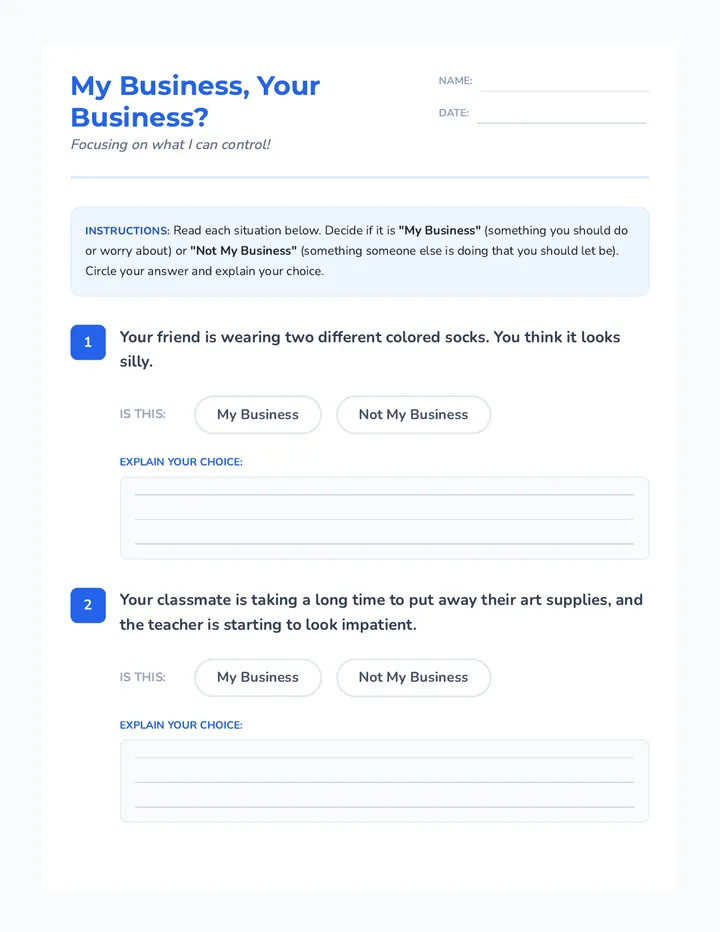
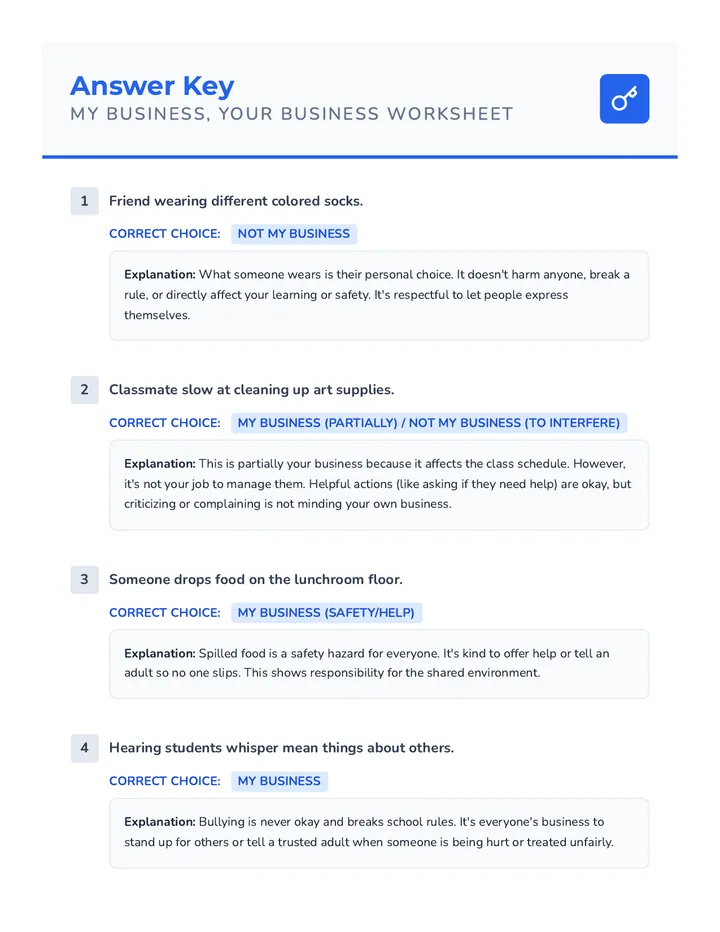
A 30-minute social-emotional learning lesson for 3rd graders that teaches the difference between personal responsibility and interfering in others' affairs through scenarios and discussion.
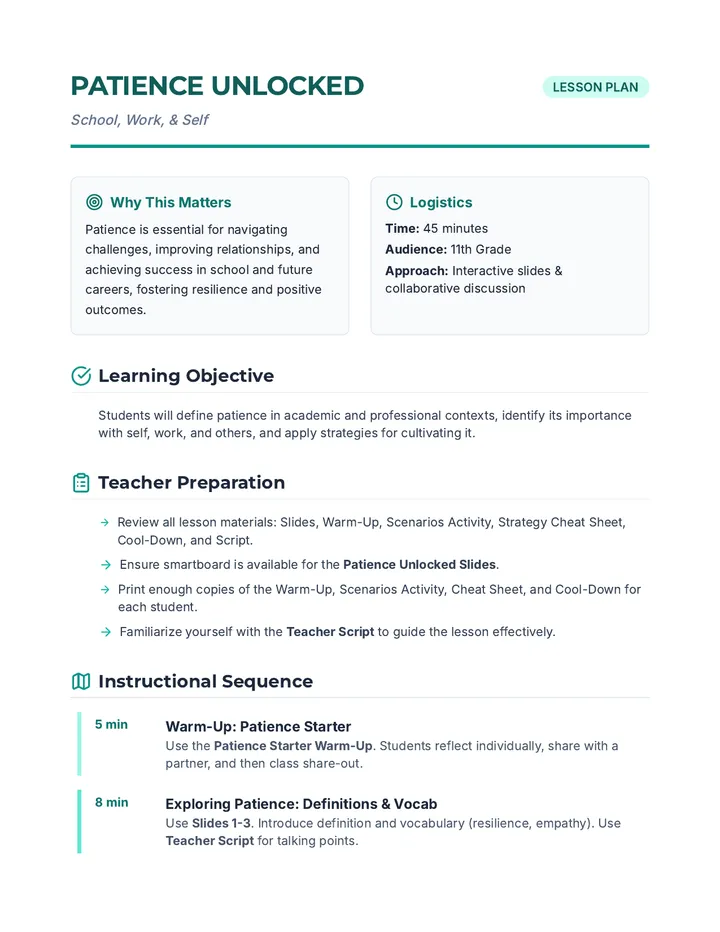
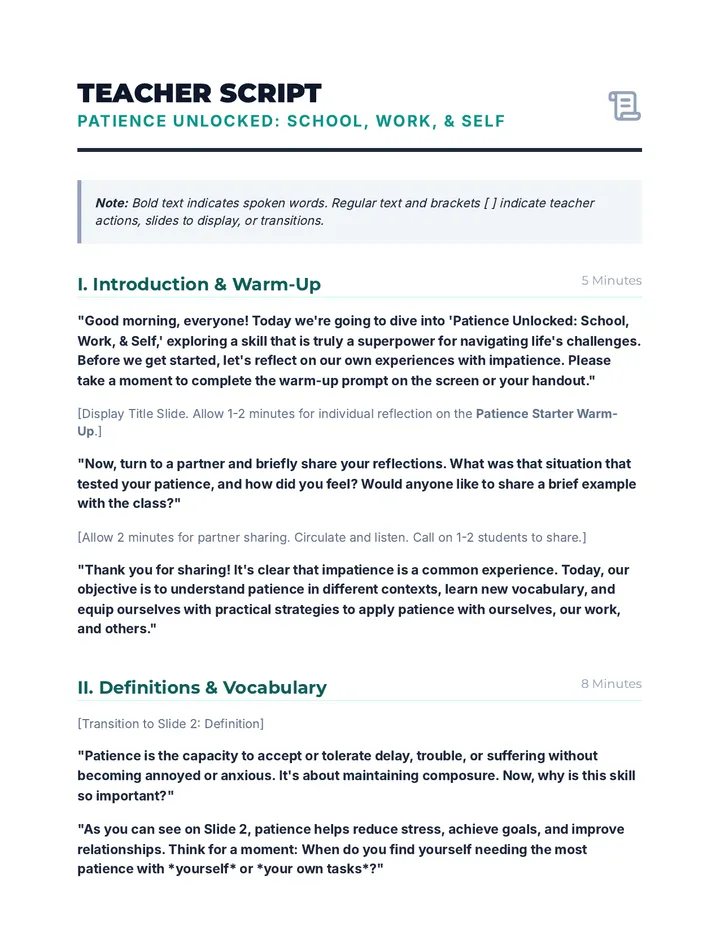
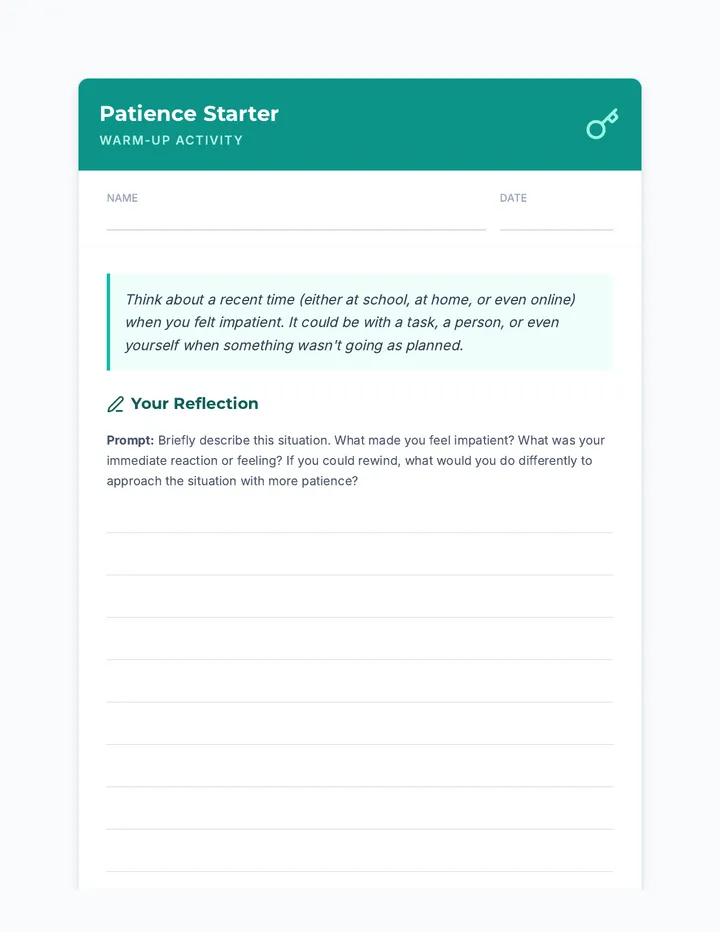
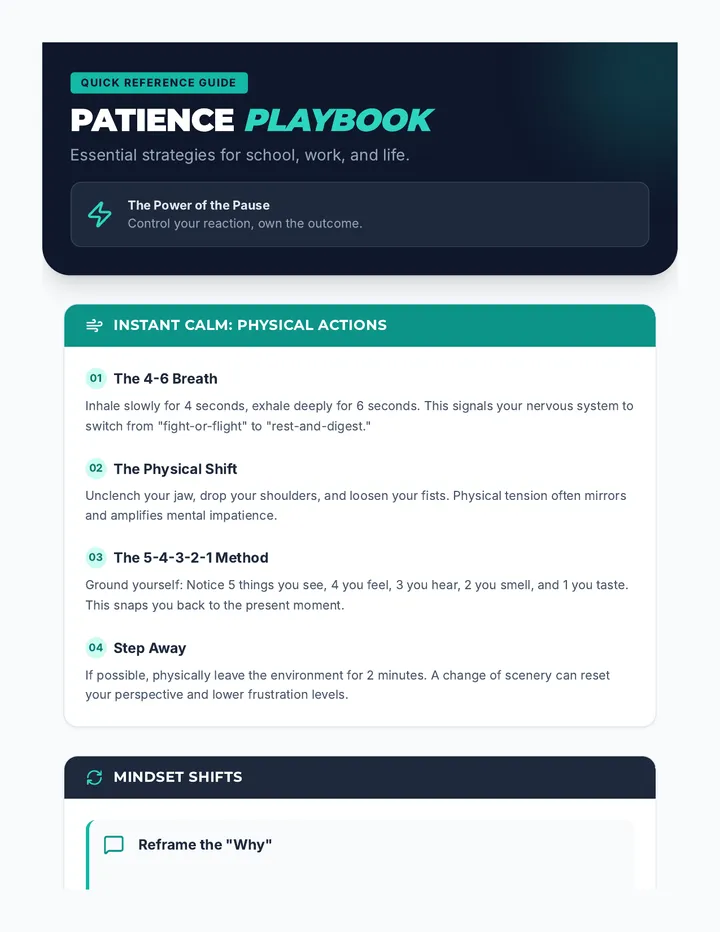
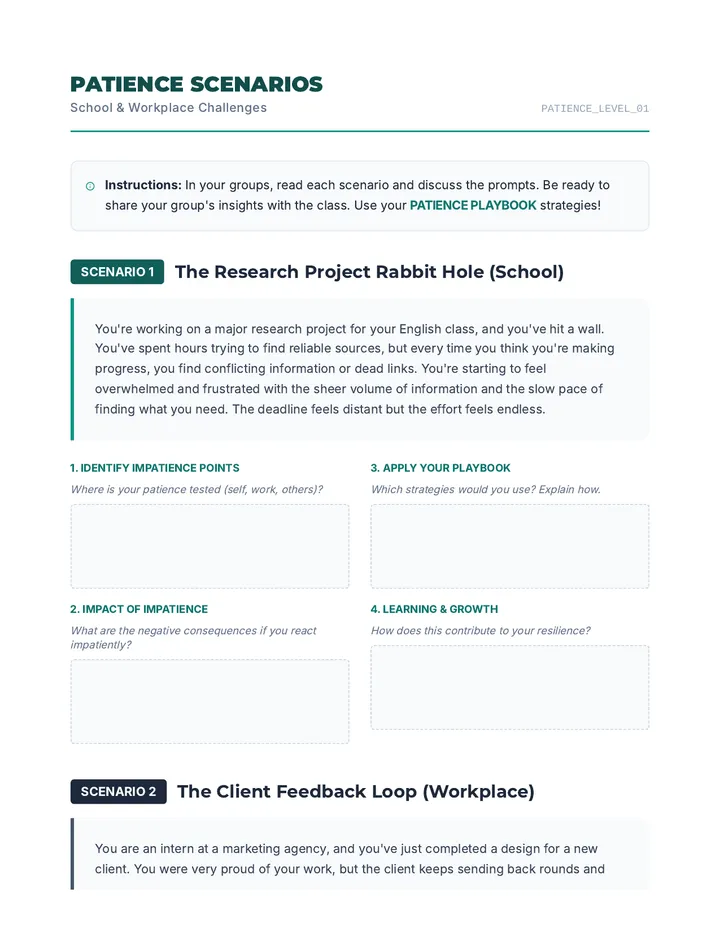
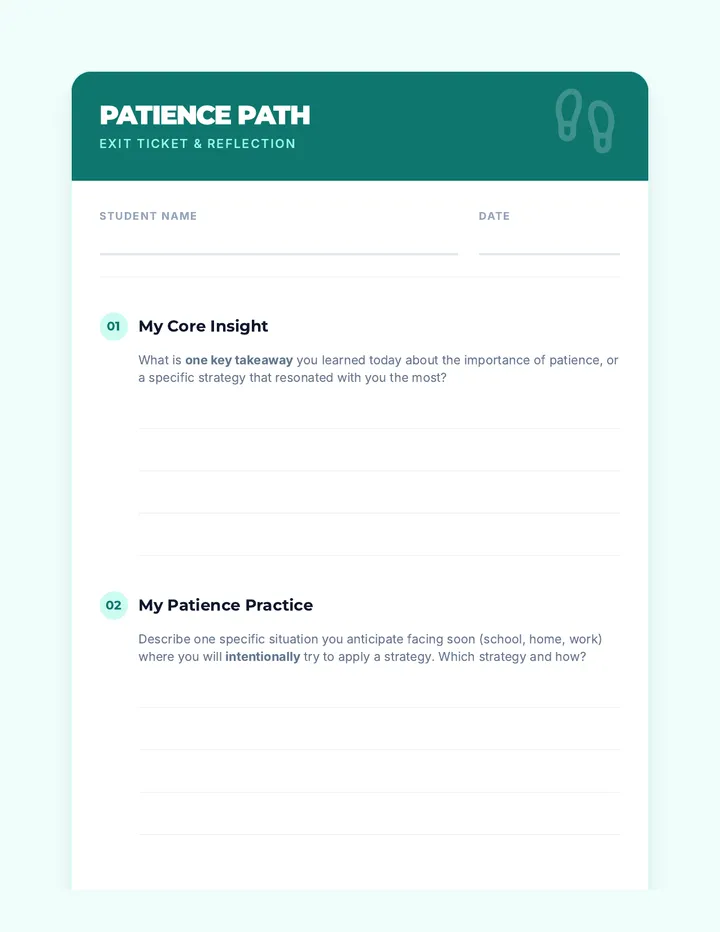
This lesson empowers 11th-grade students to cultivate patience as a critical skill in academic and professional settings. Students will explore strategies for managing impatience with themselves, their work, and others, fostering resilience and positive relationships.
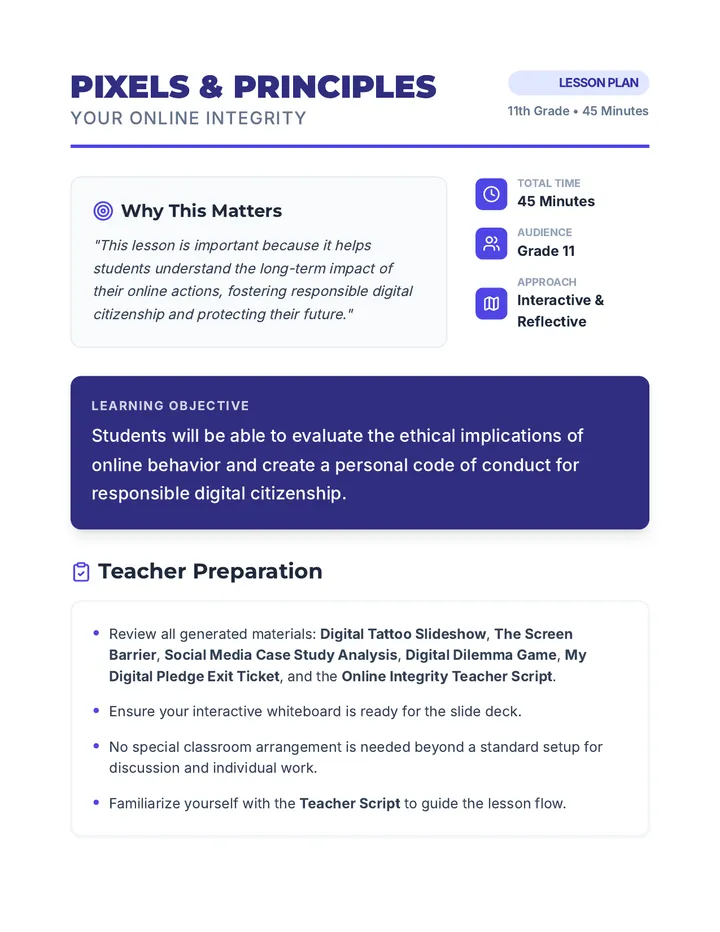
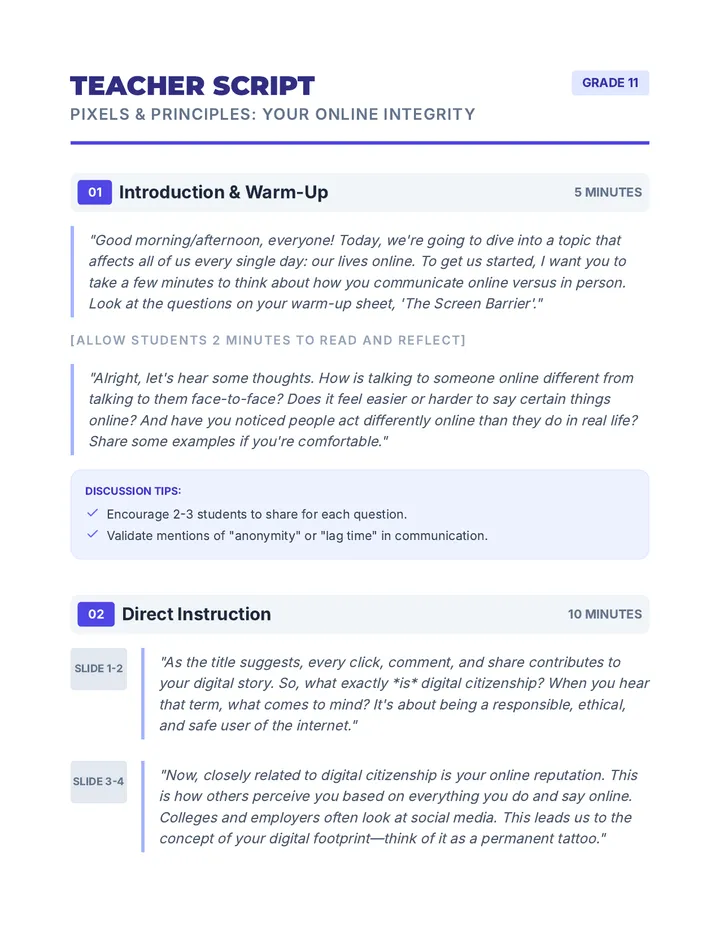
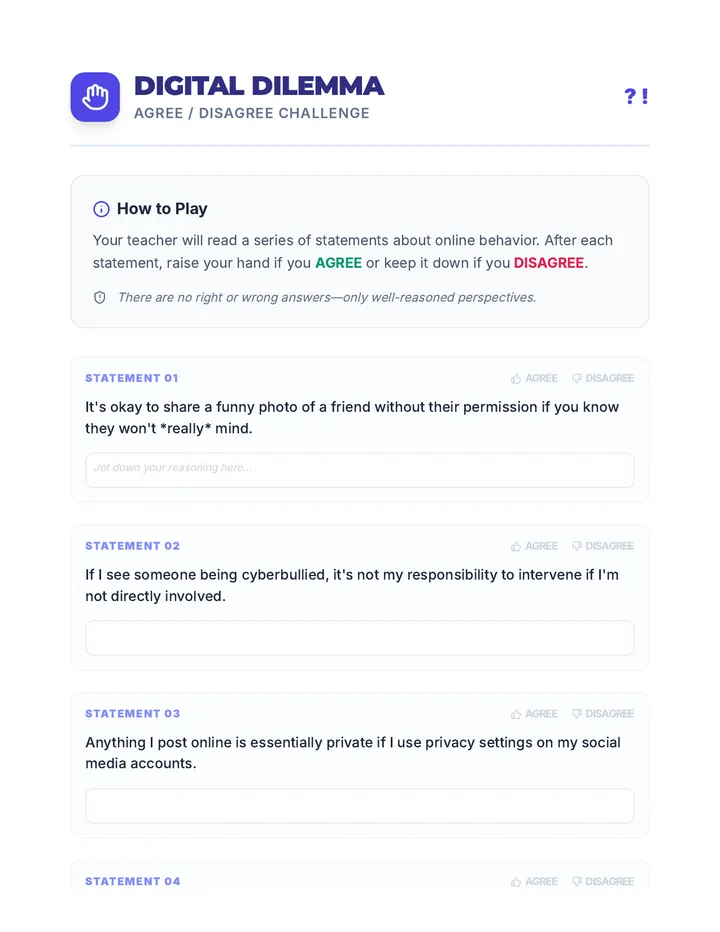
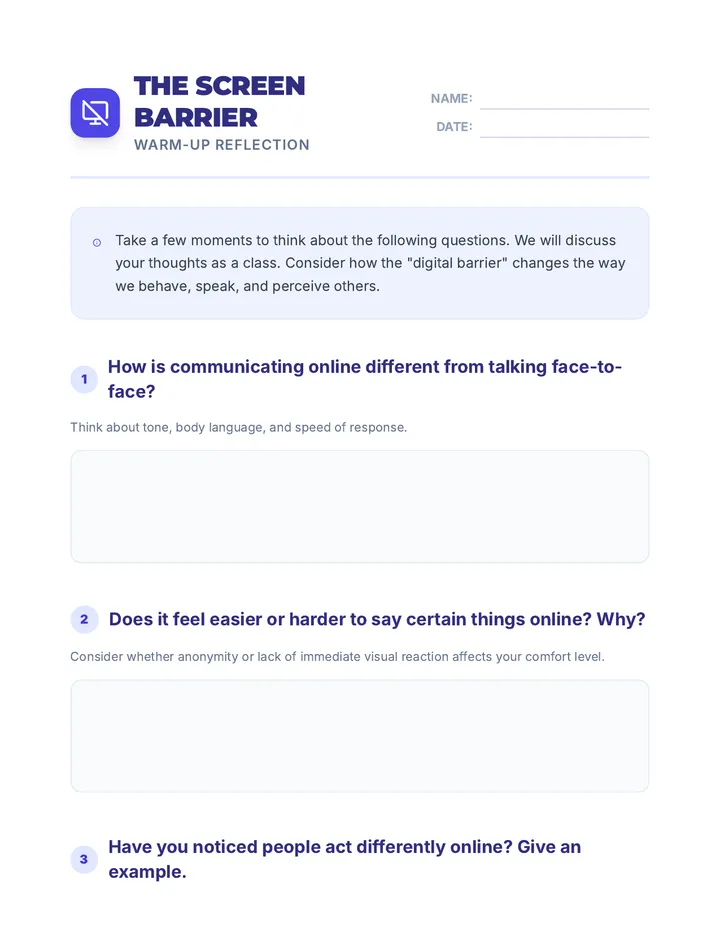
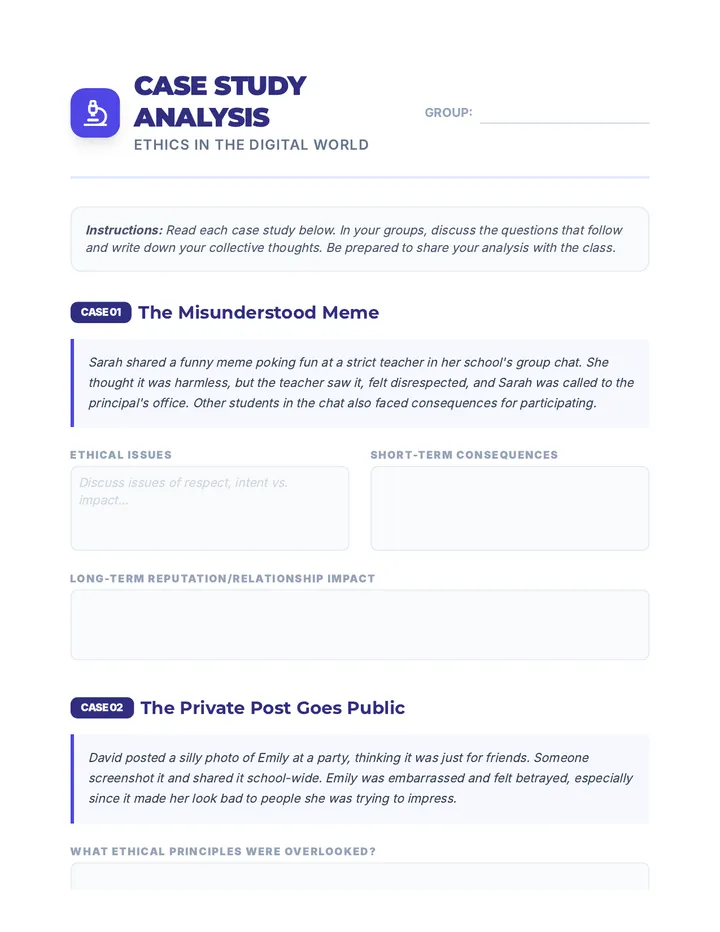
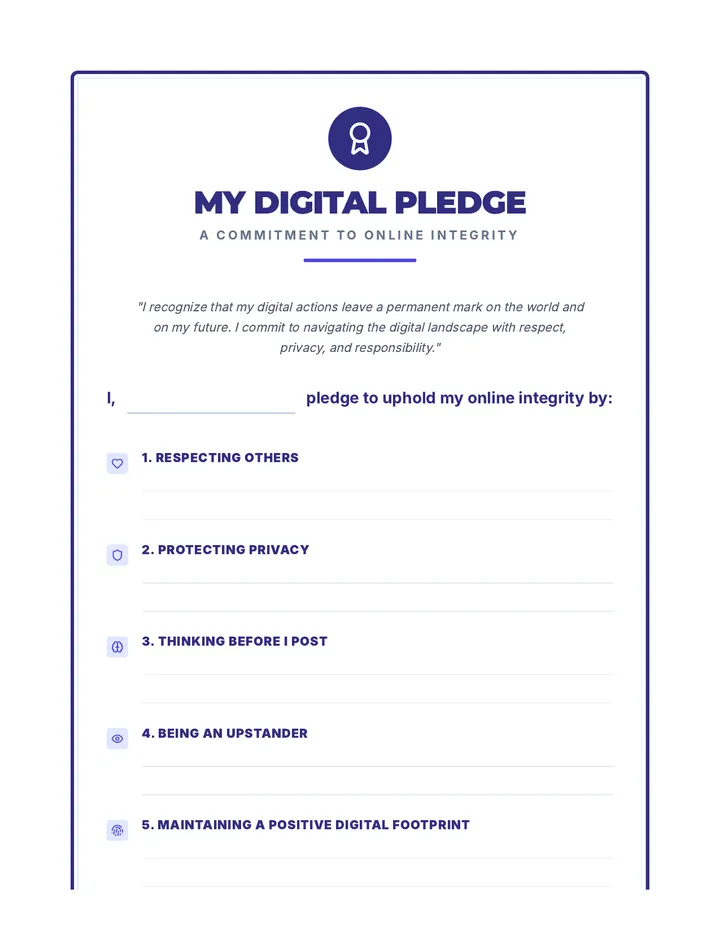
This lesson empowers 11th-grade students to critically evaluate ethical online behavior and develop a personal code for responsible digital citizenship through case studies, discussions, and a personal pledge.
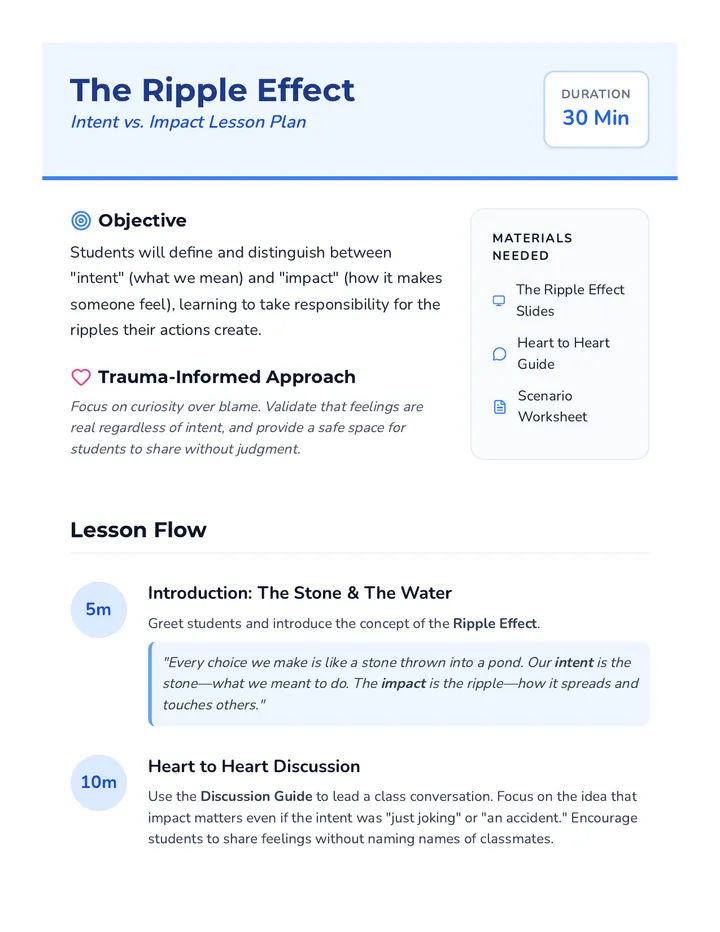
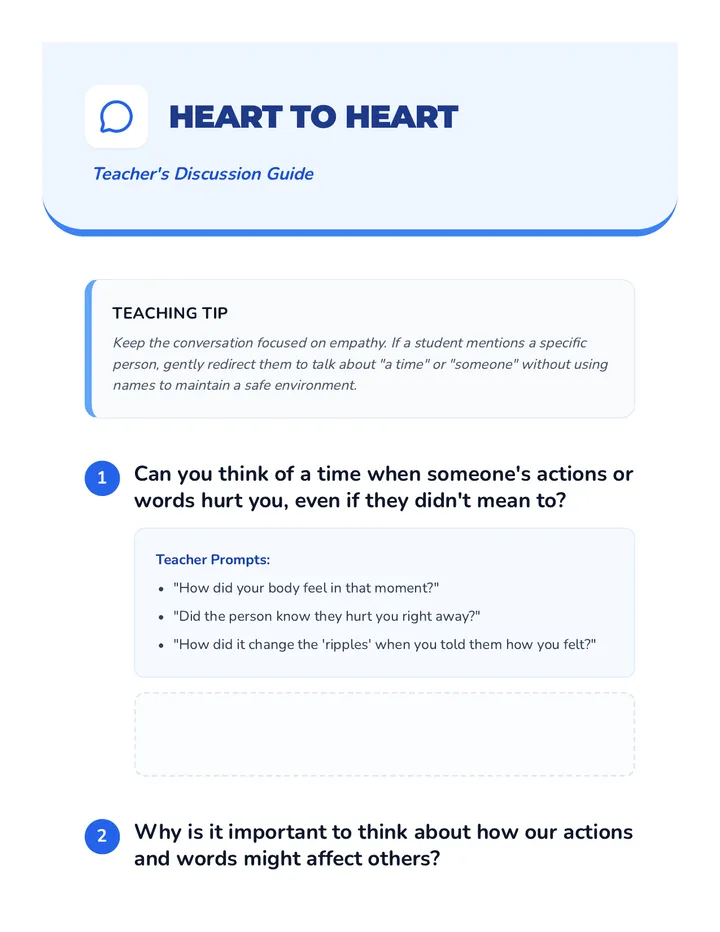
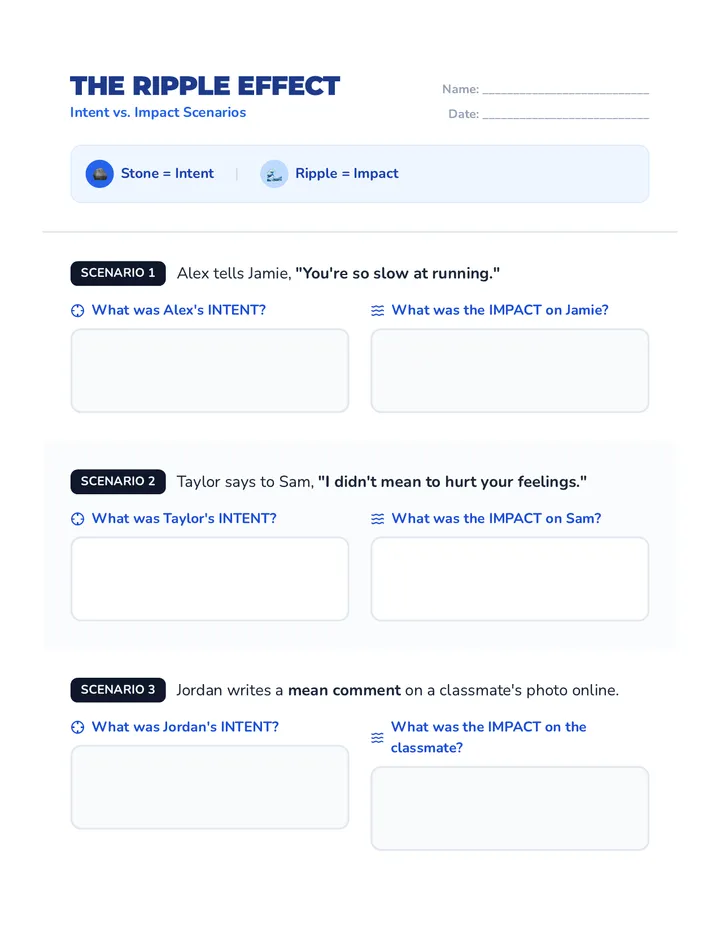
Students explore the difference between what we mean (intent) and how others feel (impact) through the 'Ripple Effect' metaphor, developing empathy and social awareness.
An interactive lesson for 11th-grade students focused on developing empathy and perspective-taking skills to foster ethical relationships and resolve conflicts. Students engage in discussions, scenario analysis, and personal reflection to understand the impact of empathy on social interactions.
A 30-minute Tier 2 group lesson for 4th and 5th graders focused on developing conflict resolution skills, effective communication through 'I-Messages', and aggression management techniques. Students learn to navigate peer disagreements peacefully through interactive discussion and role-play.
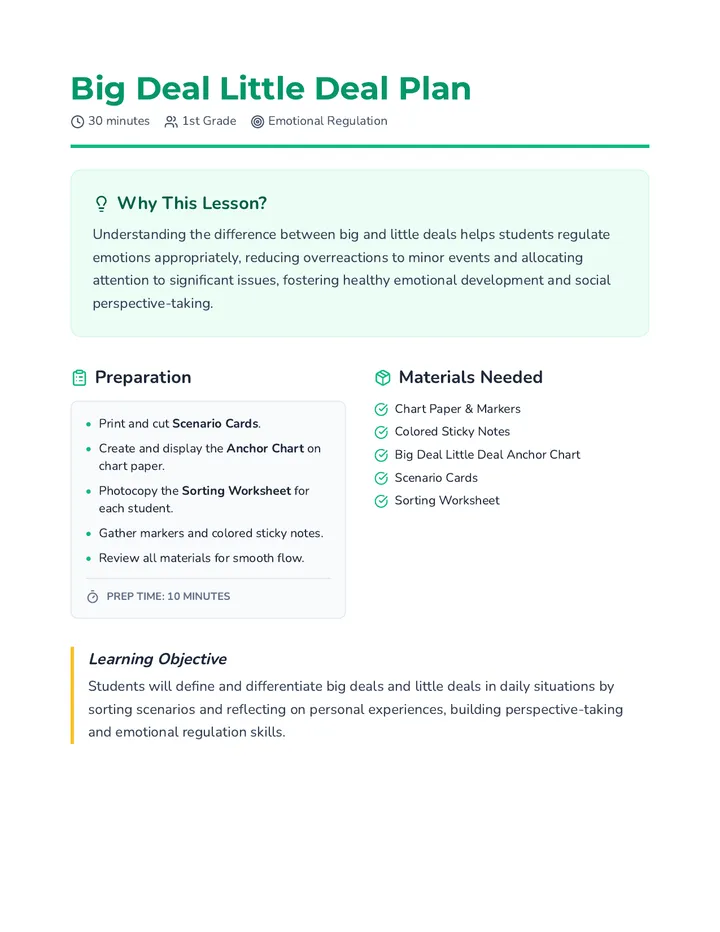
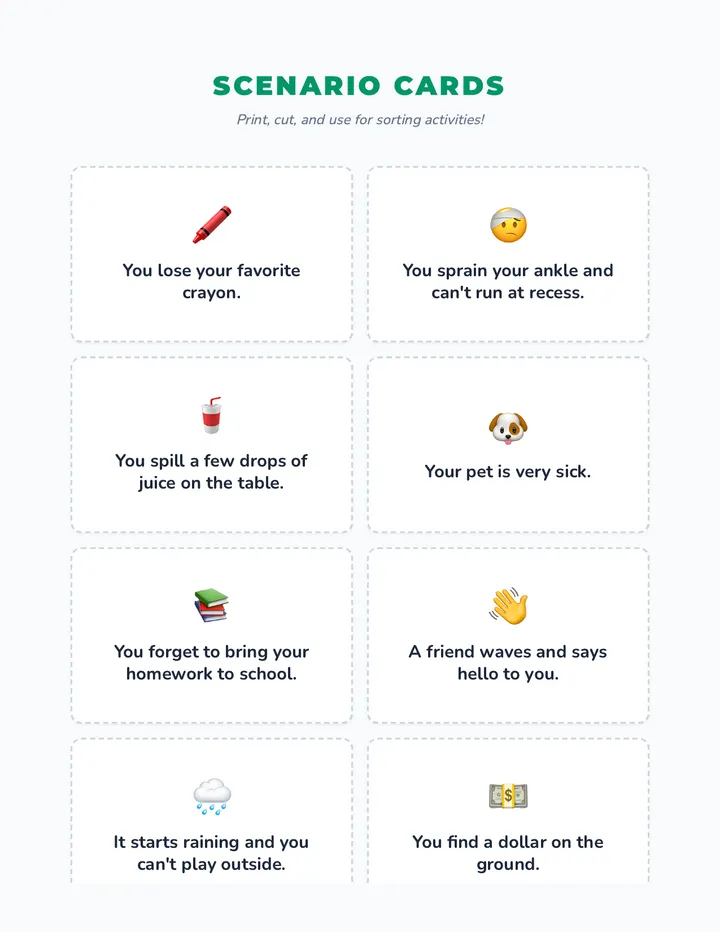
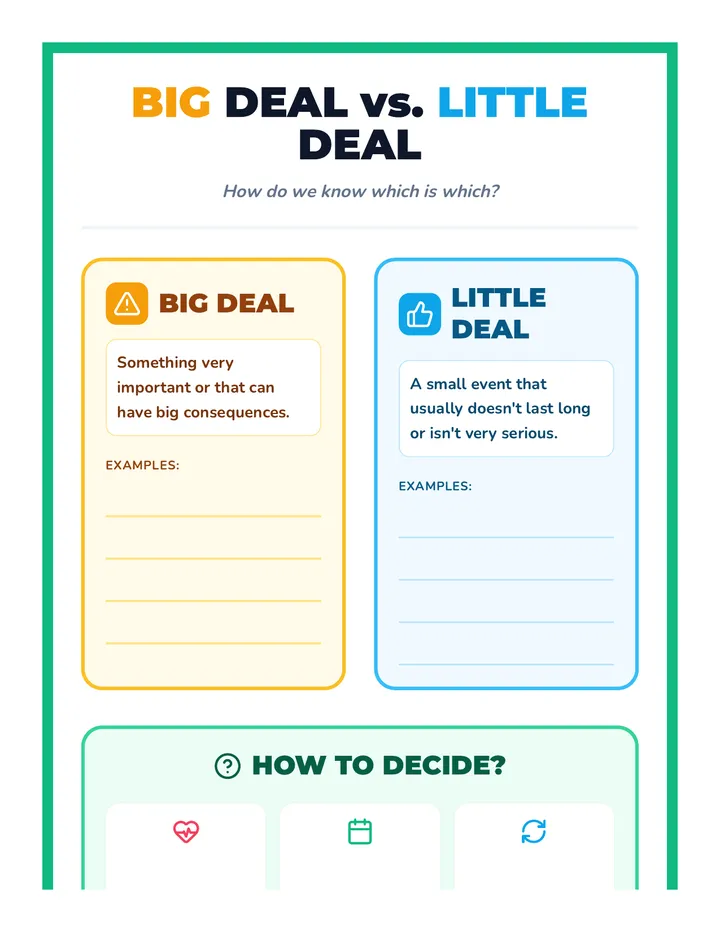
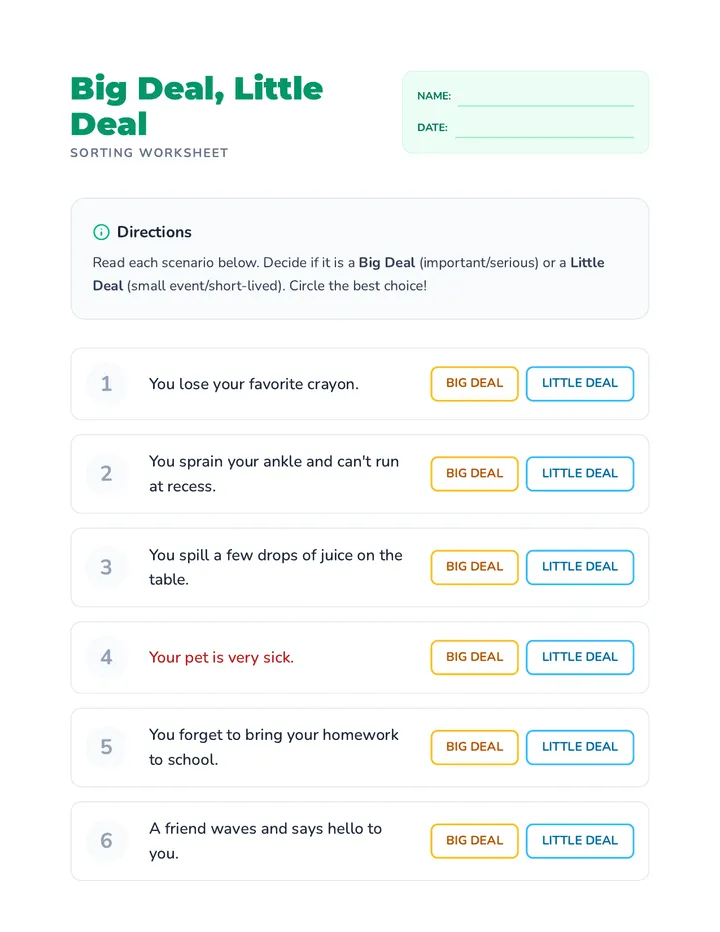
A 30-minute lesson for 1st graders to distinguish between big deals and little deals, building perspective-taking and emotional regulation skills.
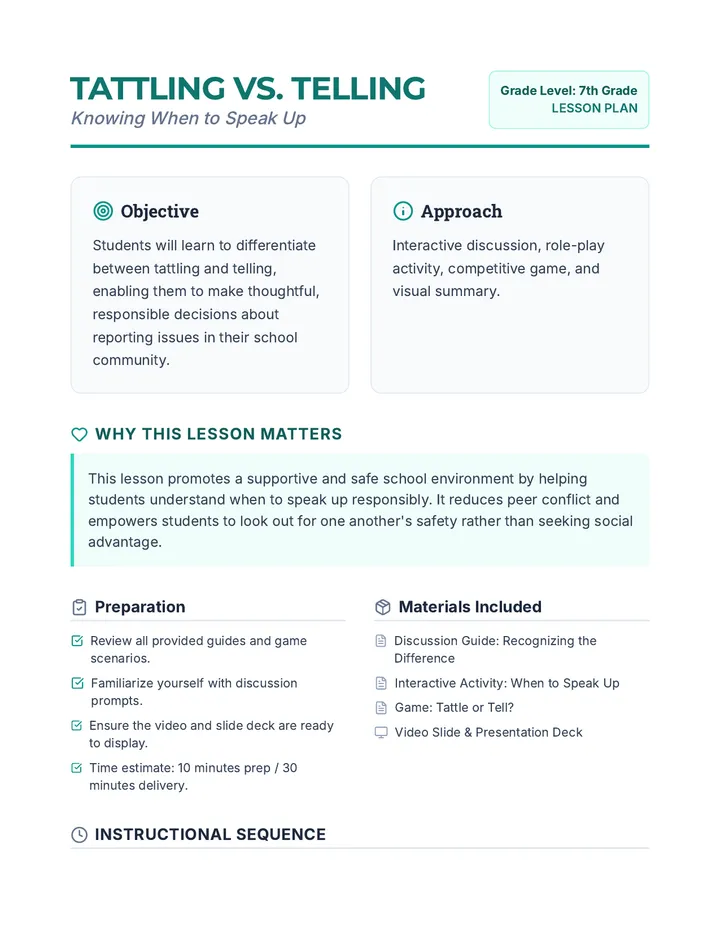
A 30-minute interactive lesson for 7th graders to distinguish between tattling and telling, fostering a safe school environment through role-play and games.
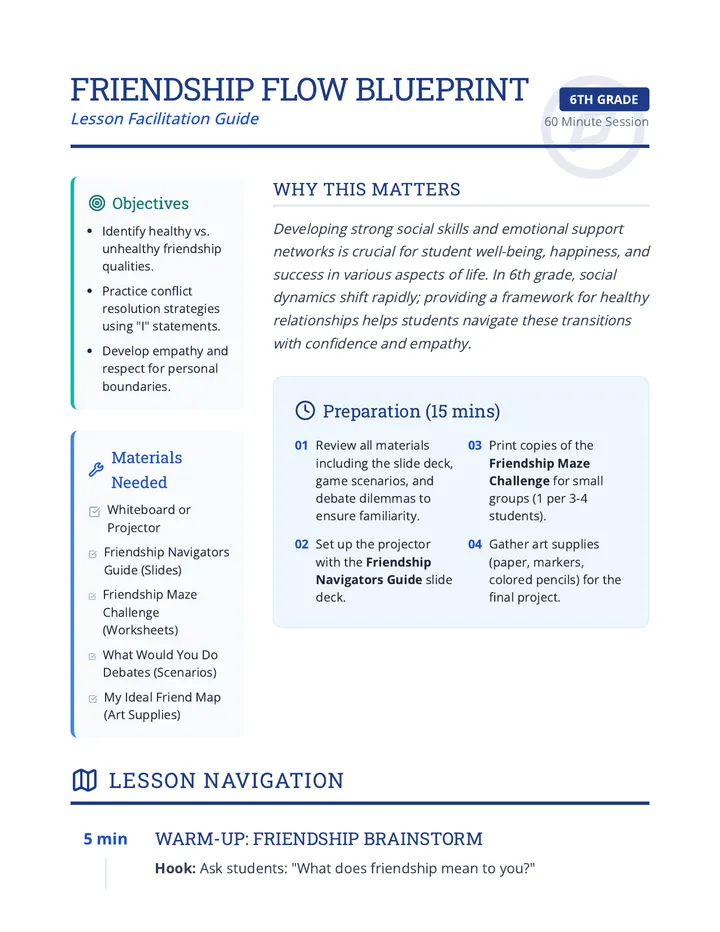
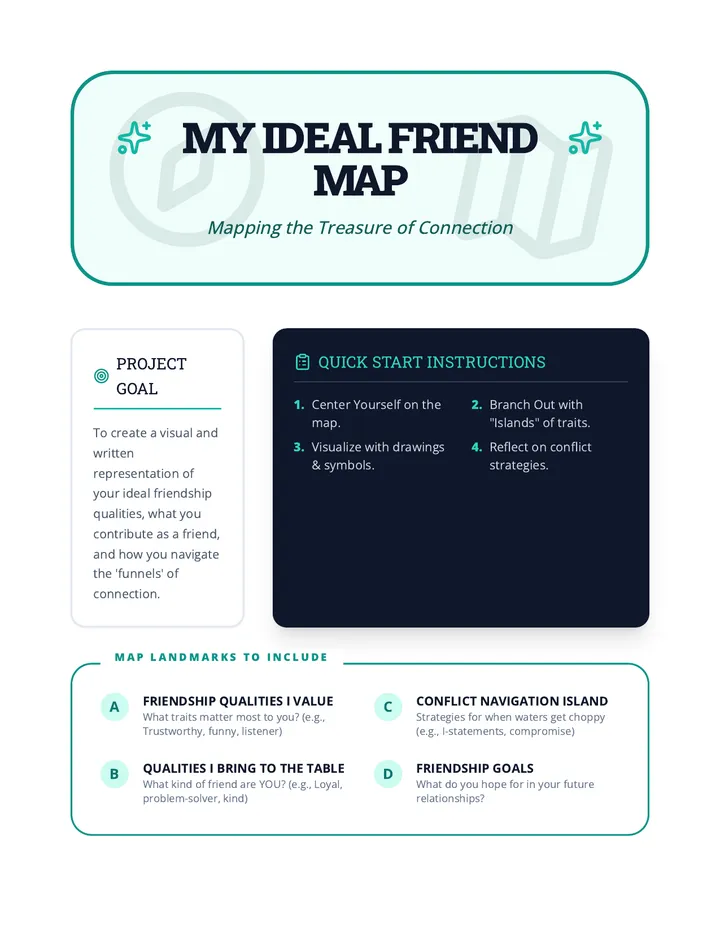
A 60-minute lesson for 6th graders to explore healthy friendship dynamics, communication styles, and conflict resolution through interactive games and creative projects.
A 30-minute Tier 1 guidance lesson for 5th graders to distinguish everyday drama from bullying and learn practical strategies for maintaining a respectful classroom environment.
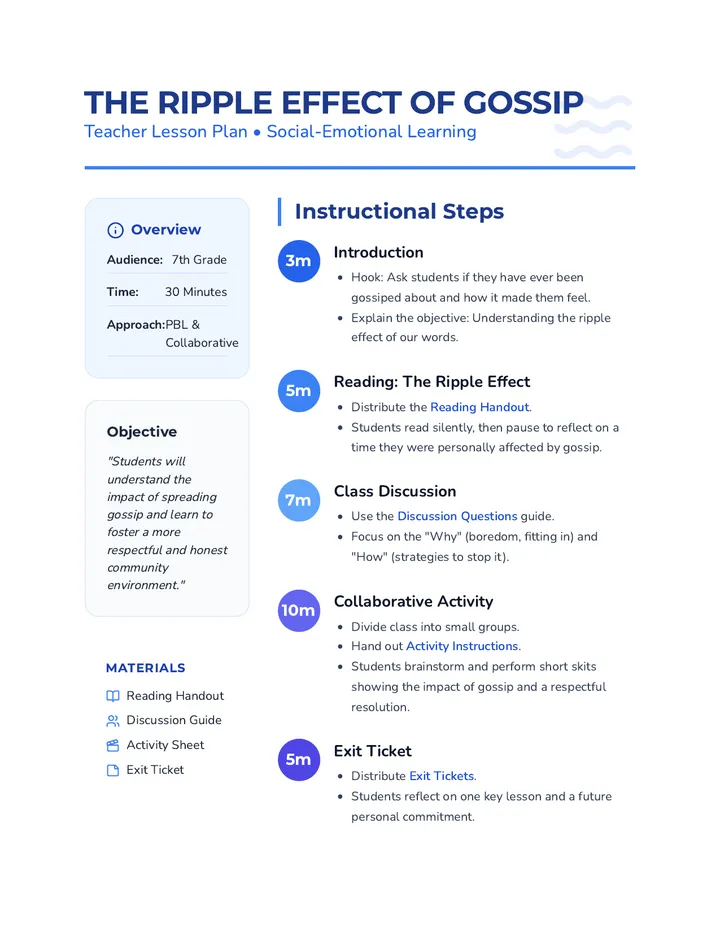
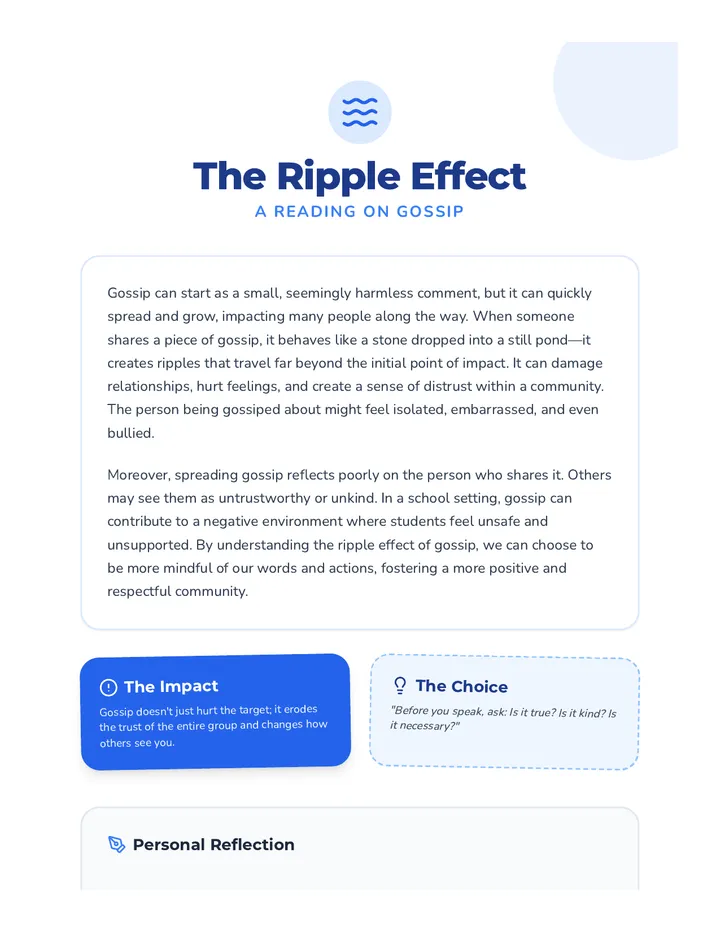
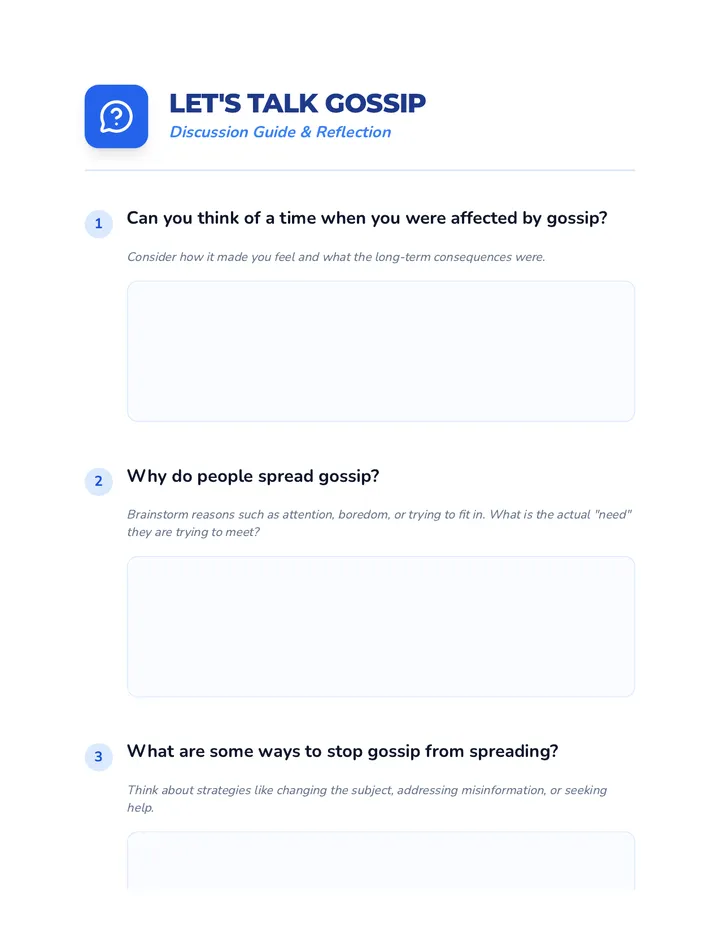
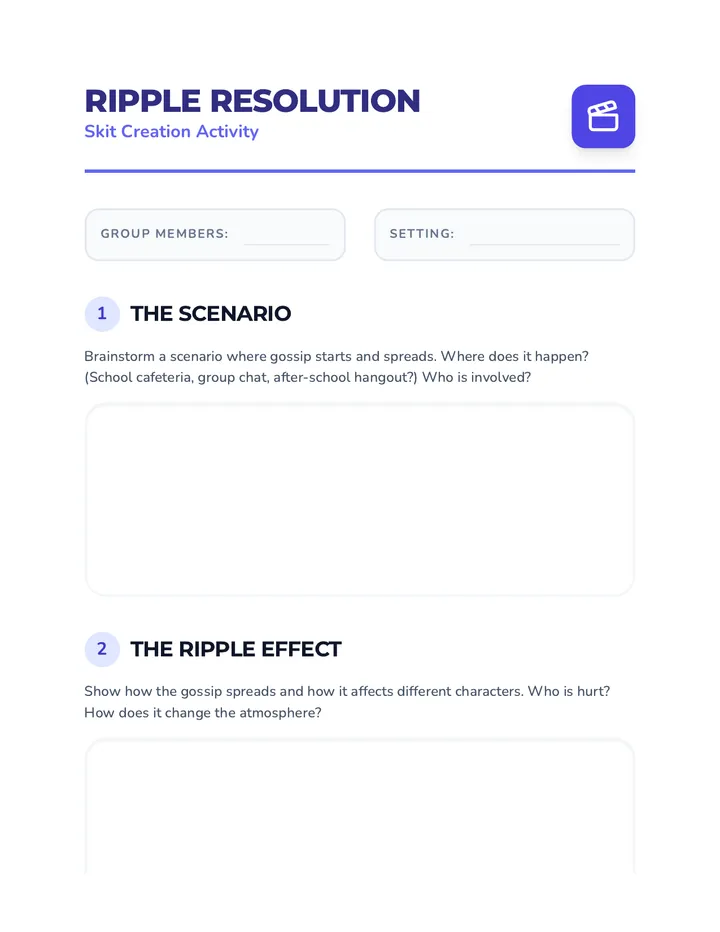
A 30-minute lesson for 7th graders to understand the negative consequences of gossip and learn strategies to foster a respectful community. Students engage in a reading passage, reflection, and collaborative skit-building.
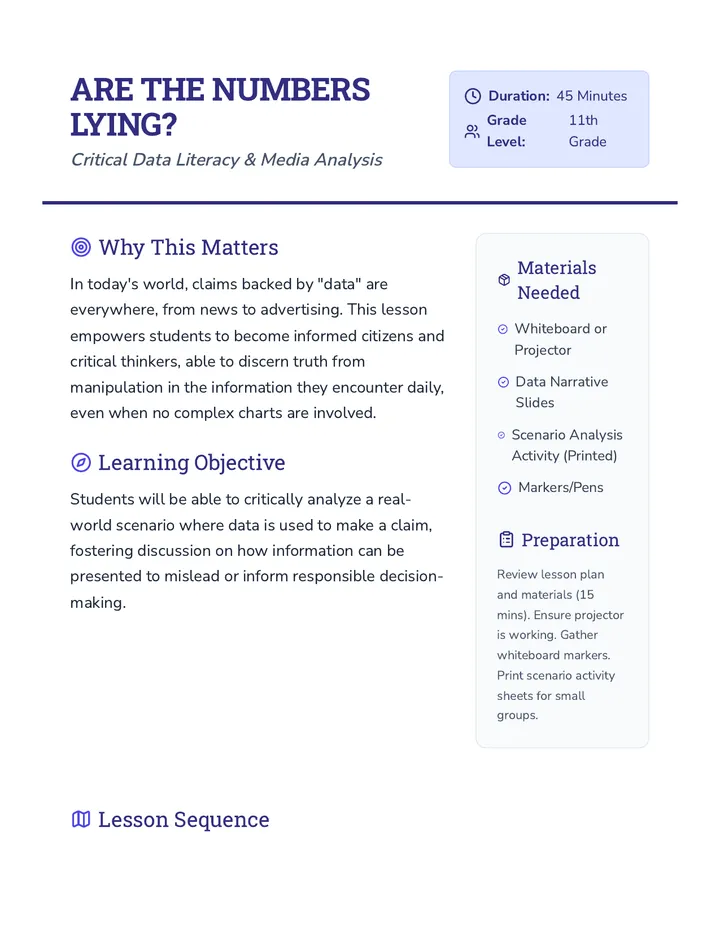
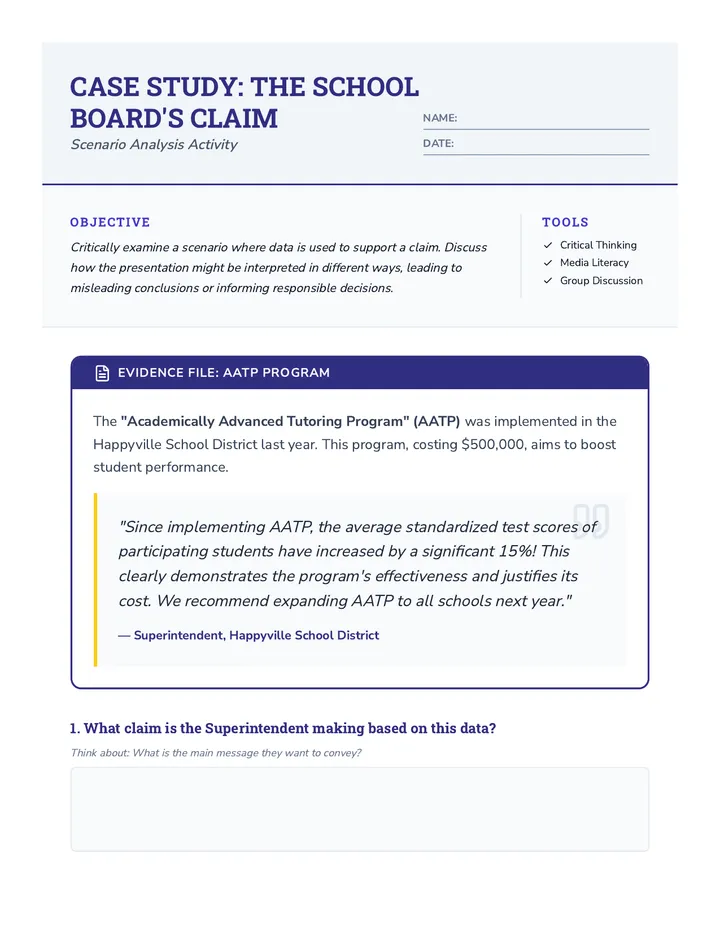
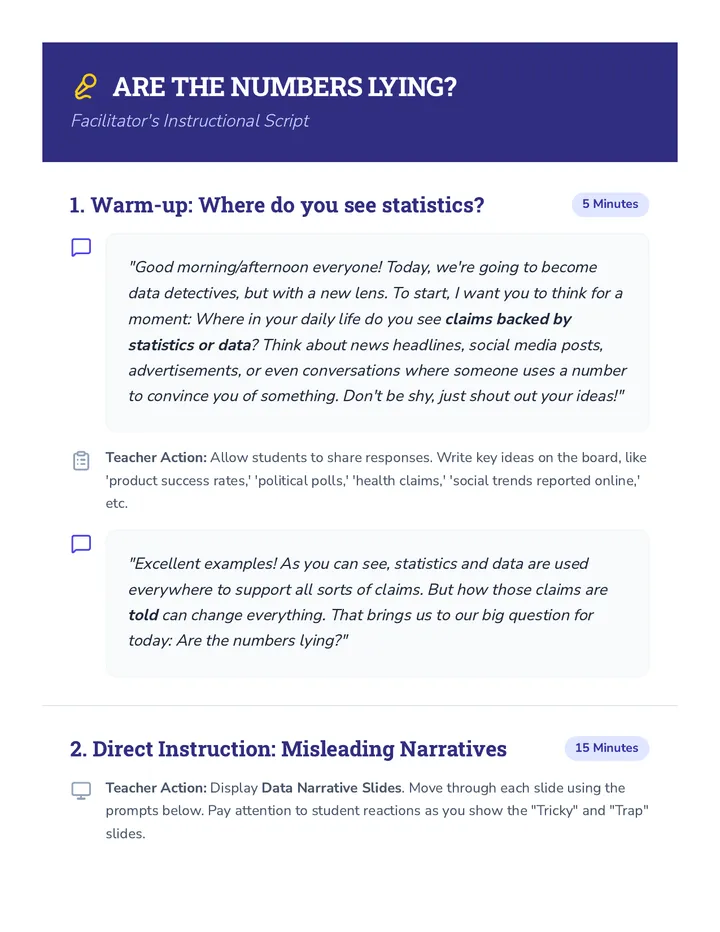
This 45-minute lesson for 11th-grade students explores how data narratives can be used to mislead or inform. Students critically analyze real-world scenarios to develop media literacy and responsible decision-making skills.