A 30-minute lesson for 1st graders to distinguish between big deals and little deals, building perspective-taking and emotional regulation skills.
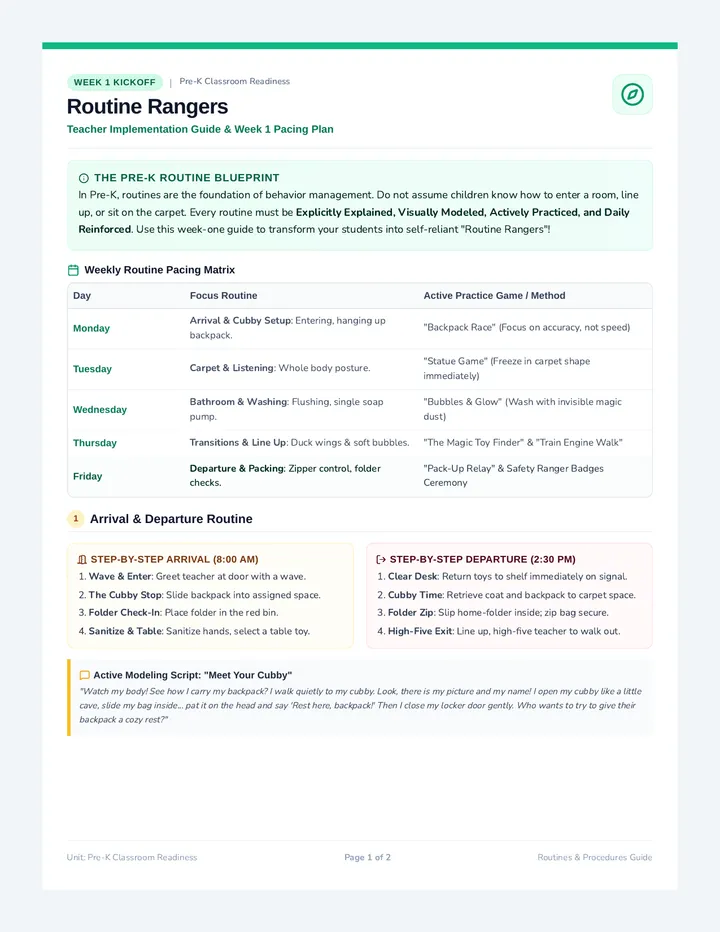
A foundational unit designed to establish essential routines, behavioral expectations, and self-regulation skills in Pre-K students during the critical first weeks of school. Features visual supports, structured practice, and school-to-home partnership resources.
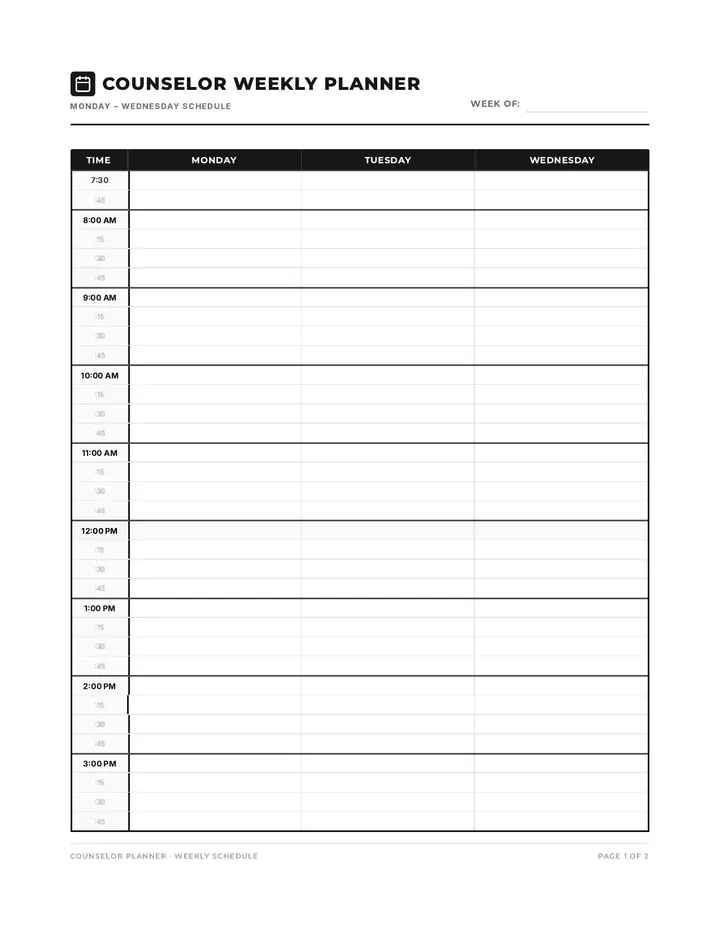
A comprehensive, high-contrast school counselor planning suite to streamline schedule management, student tracker logs, monthly academic organization, and small group counseling plans.
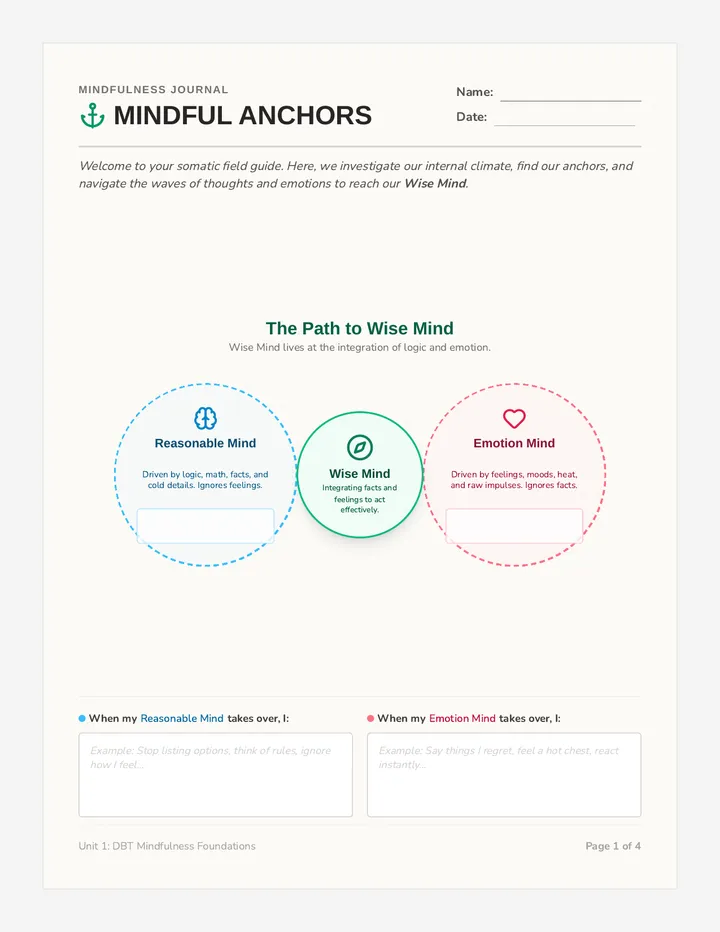
A comprehensive unit on Dialectical Behavior Therapy (DBT) mindfulness skills, taking students from somatic anchoring and cognitive understanding to collaborative, station-based performances that demonstrate 'What' and 'How' skills.
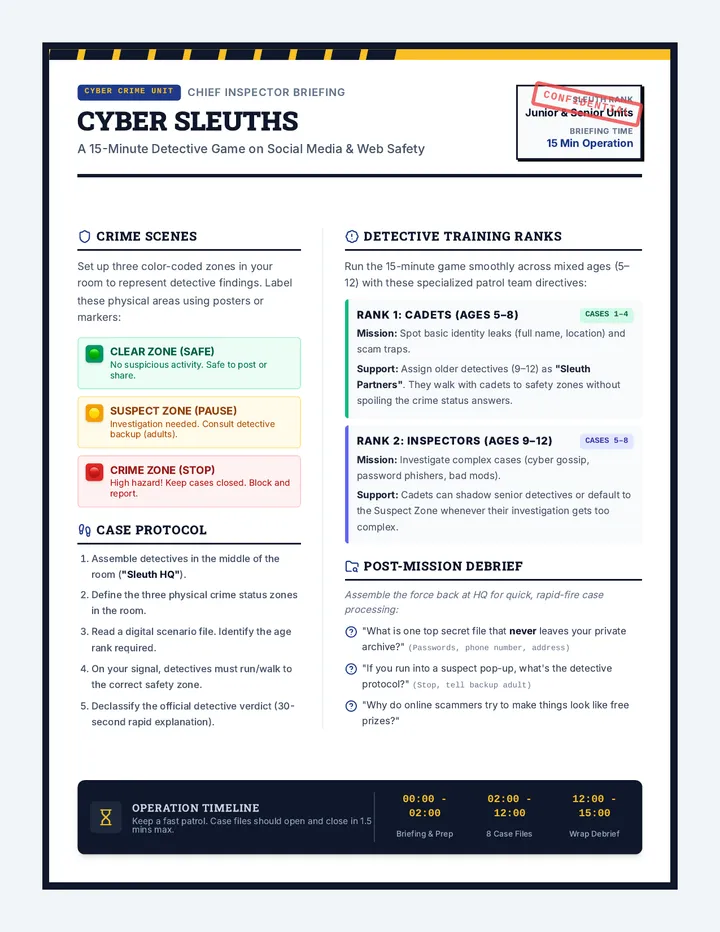
A high-energy, 15-minute movement game designed to teach kids ages 5-12 how to make smart, safe decisions online. Through rapid-fire scenario cards, students act as Cyber Sleuths to solve digital cases and investigate cyber threats.
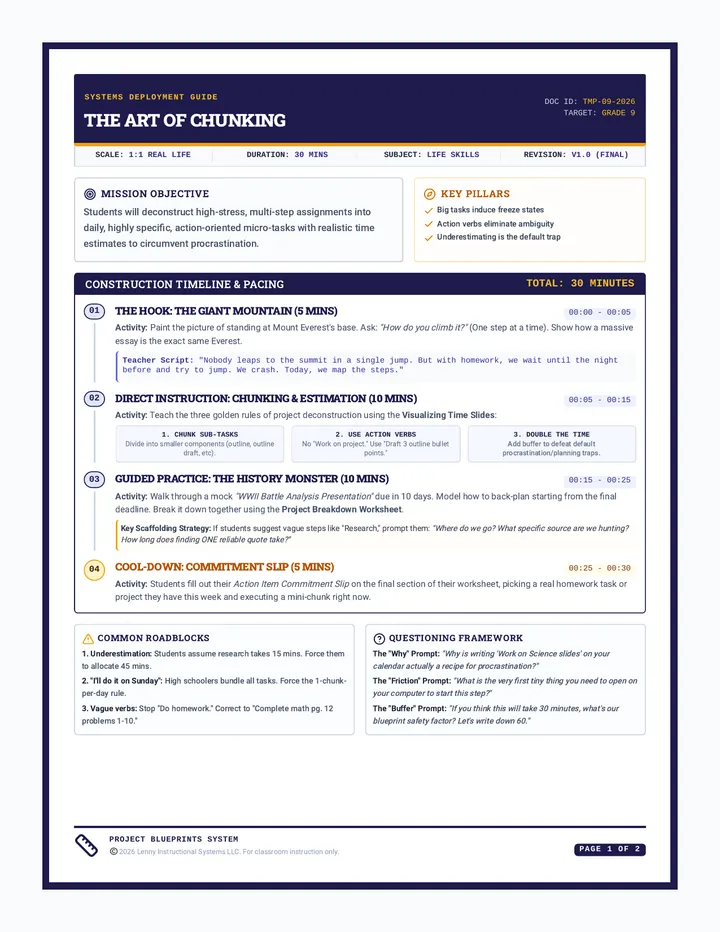
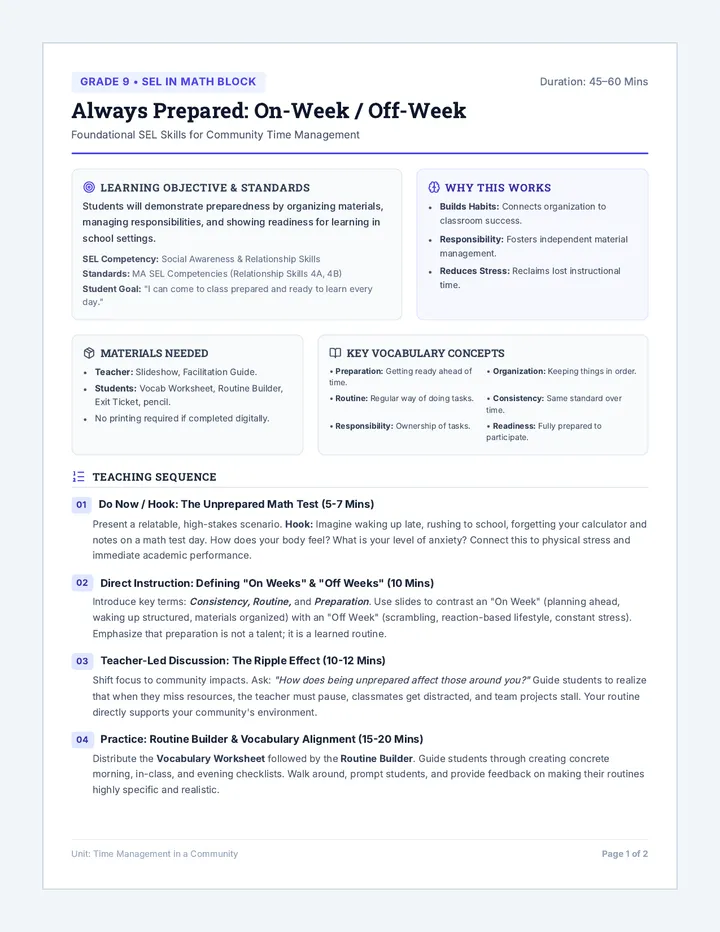
A comprehensive systems-based study skills sequence designed to transform 9th-grade students' planning and project management habits. Over multiple targeted sessions, students master backwards planning, time allocation, and systematic progress tracking.
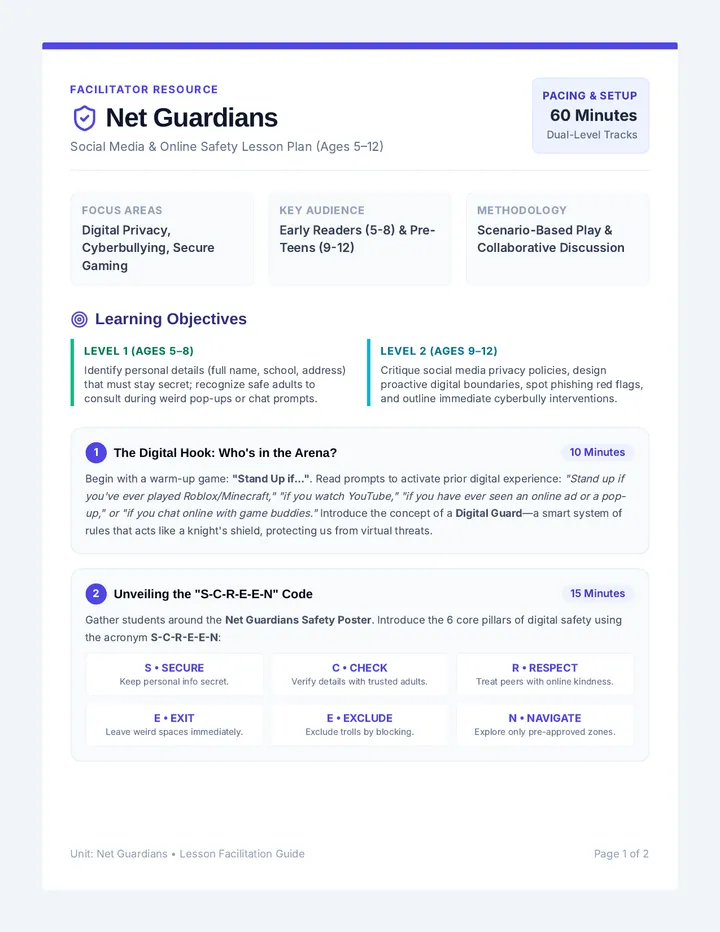
An interactive, dual-level digital safety lesson designed for youth ages 5-12, covering key concepts of digital privacy, cyberbullying, and safe gaming through collaborative activities and differentiated scenario cards.
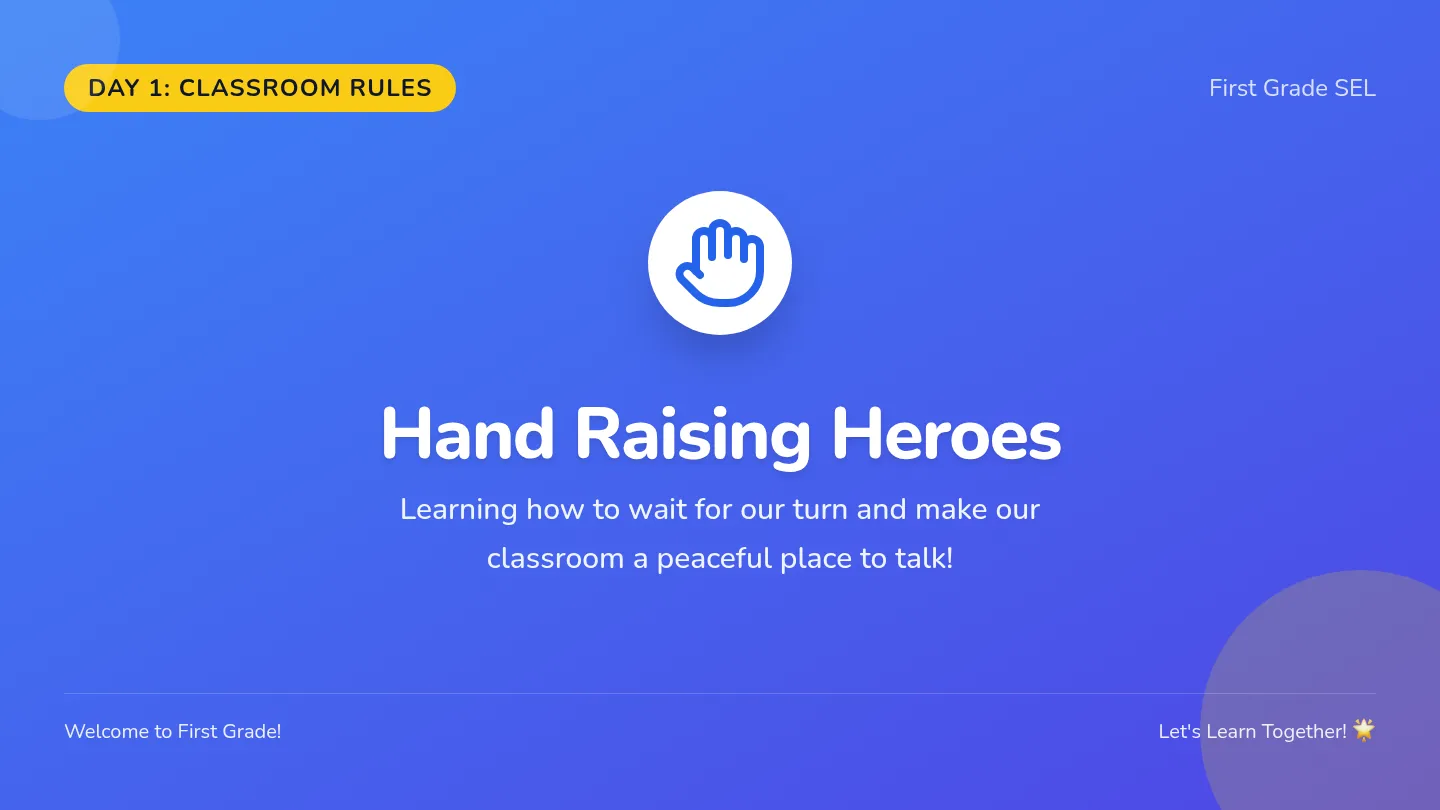
A five-day social-emotional learning sequence for the first week of first grade. Students learn essential classroom expectations—hand-raising, active listening, sharing, kindness, and respect—through interactive slides, colorful anchor charts, and daily carpet-time pocket chart sorting activities.
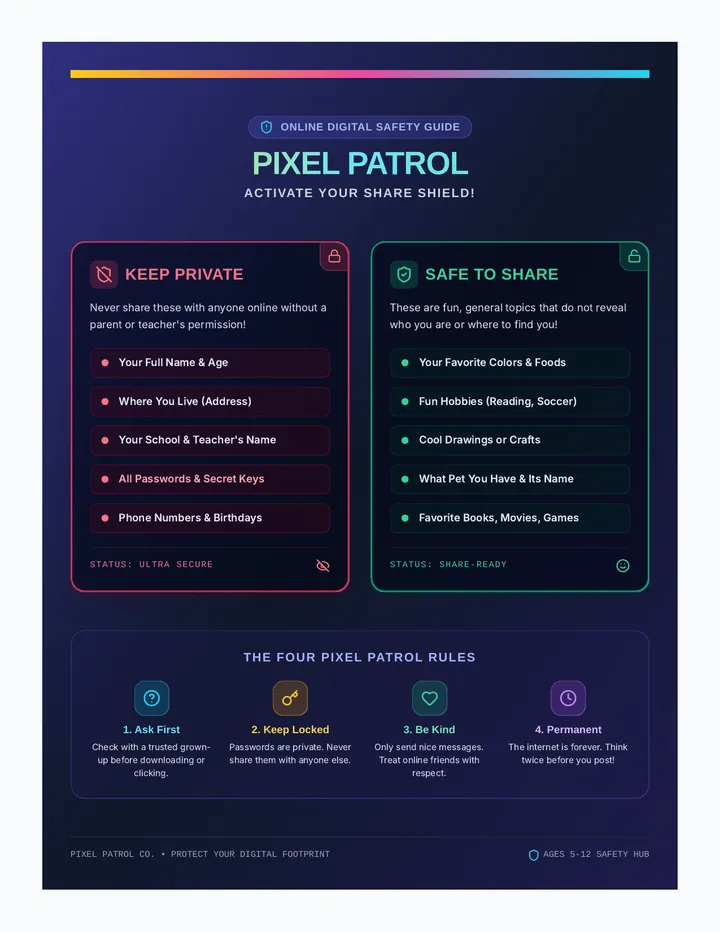
An interactive, gamified lesson on social media and digital safety designed for youth aged 5-12. Features differentiated pathways for early readers and pre-teens to learn about privacy, sharing limits, and online community respect.
A four-part scaffolded social-emotional learning unit for high schoolers (grades 9-12) focused on developing time management, personal responsibility, balance, goal-setting, and leadership within a community context. Each grade level builds on the prior, transitioning from individual preparation to community leadership.
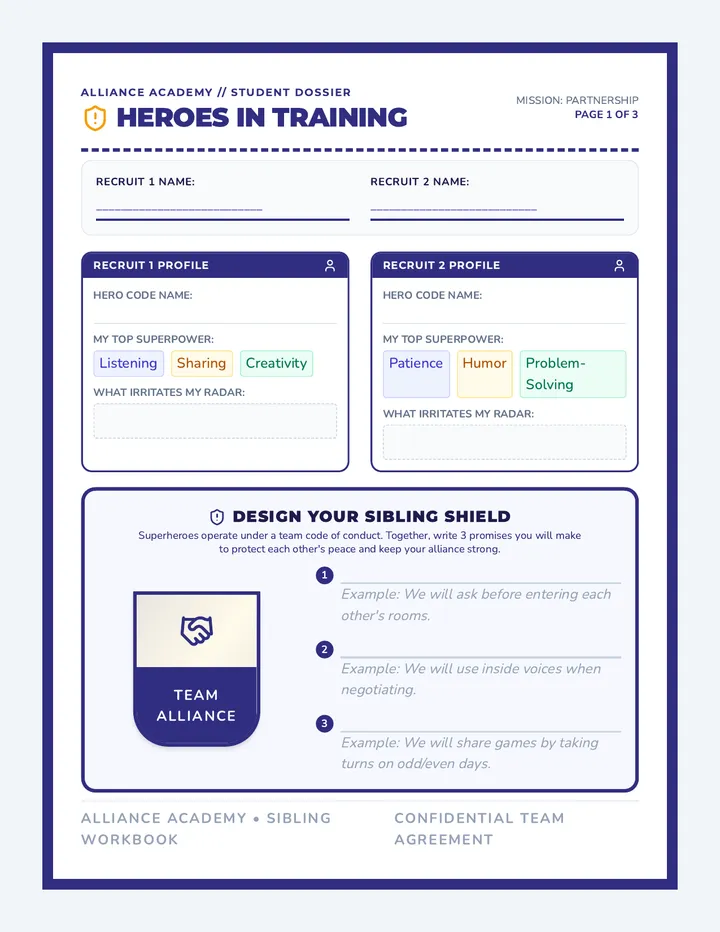
A comprehensive social skills and therapeutic training program designed to help siblings transition from rivals to teammates. This lesson provides facilitators, parents, and siblings with concrete strategies for conflict resolution, emotional regulation, boundary setting, and collaborative play.
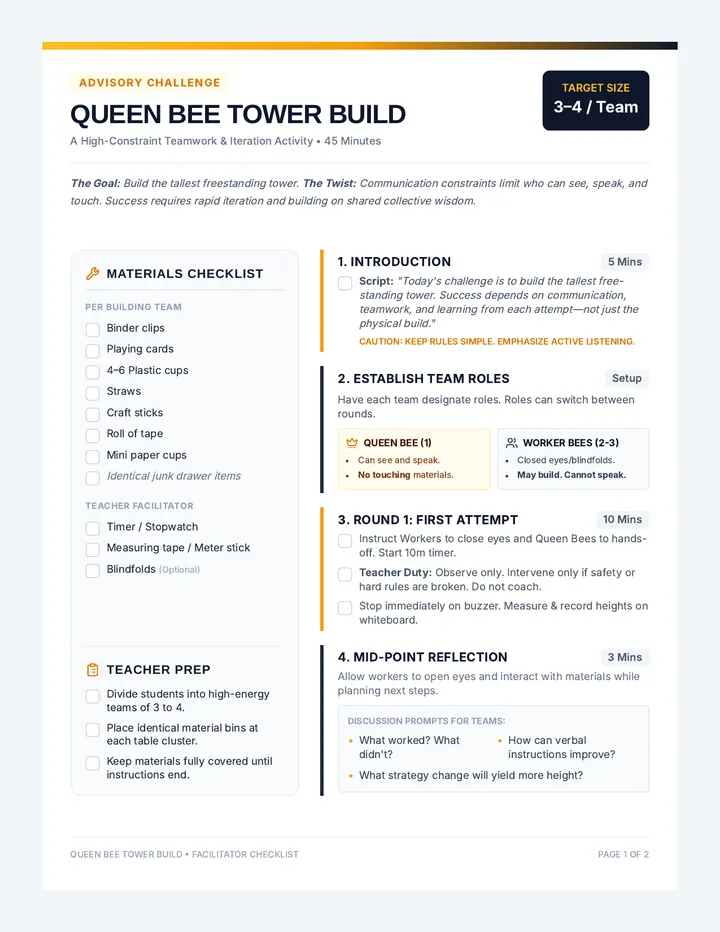
A dynamic, high-energy advisory lesson focused on collaboration, communication, and learning from failure through an interactive tower-building constraint challenge.