Nuanced perspective-taking strategies and the integration of cognitive and affective empathy. Develops skills for identifying subtle social cues and validating multifaceted emotional experiences.
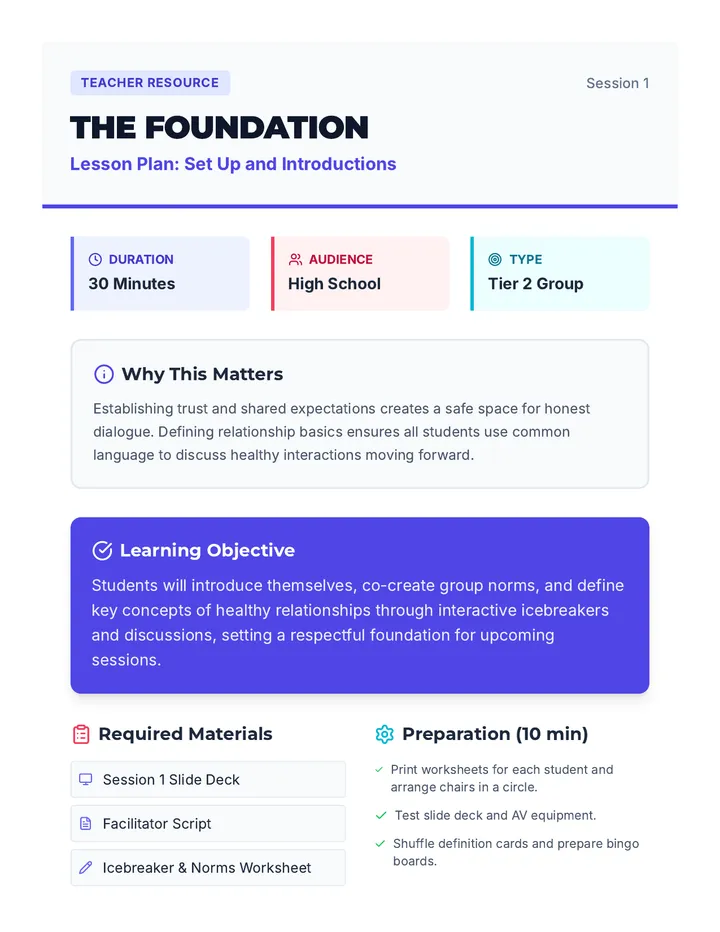
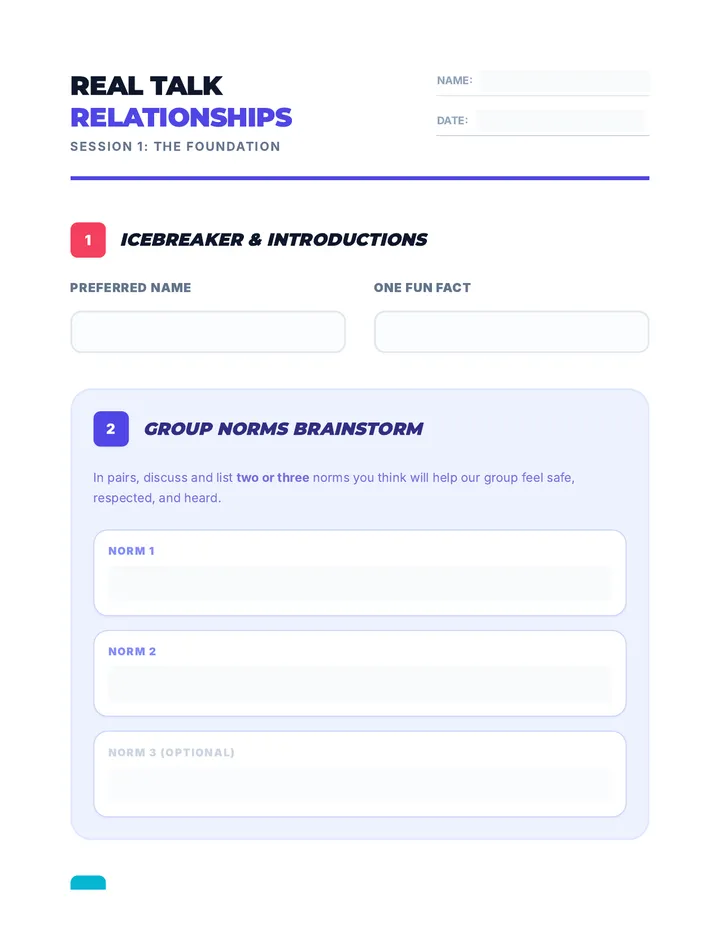
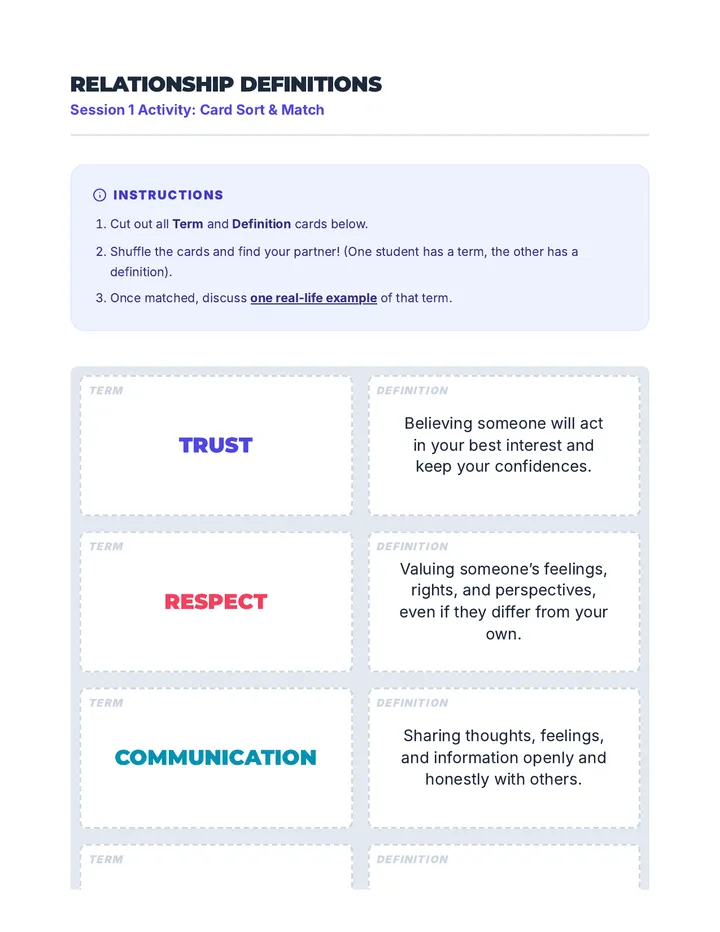
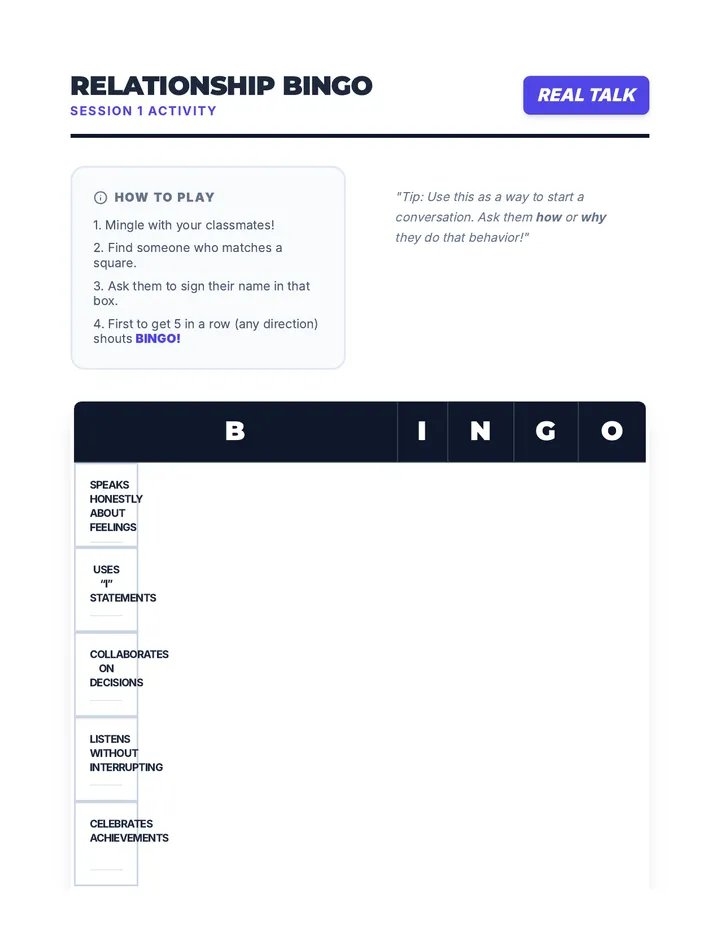
A 10-session course for high school students exploring communication, boundaries, consent, and conflict resolution across romantic, platonic, and digital relationships.
A comprehensive 16-week DBT-based curriculum for K-5 students in Tier 2 group support, focusing on mindfulness, distress tolerance, emotion regulation, and interpersonal effectiveness.
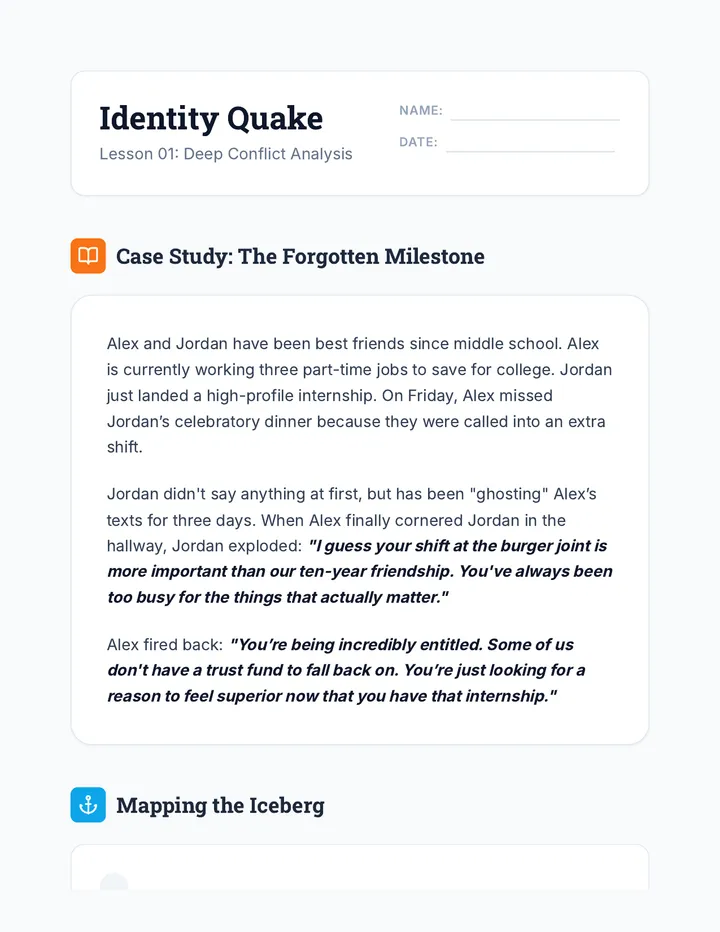
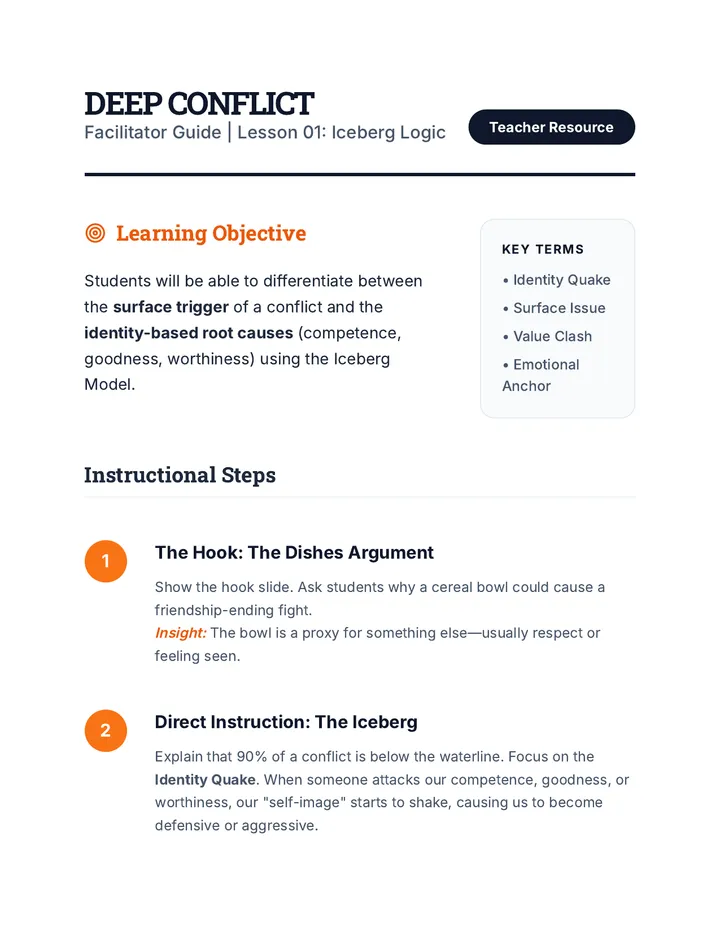
This sequence explores complex conflict navigation for 12th graders, moving from the psychological roots of identity-based conflict to the practical application of restorative circles and sustainable resolution design.
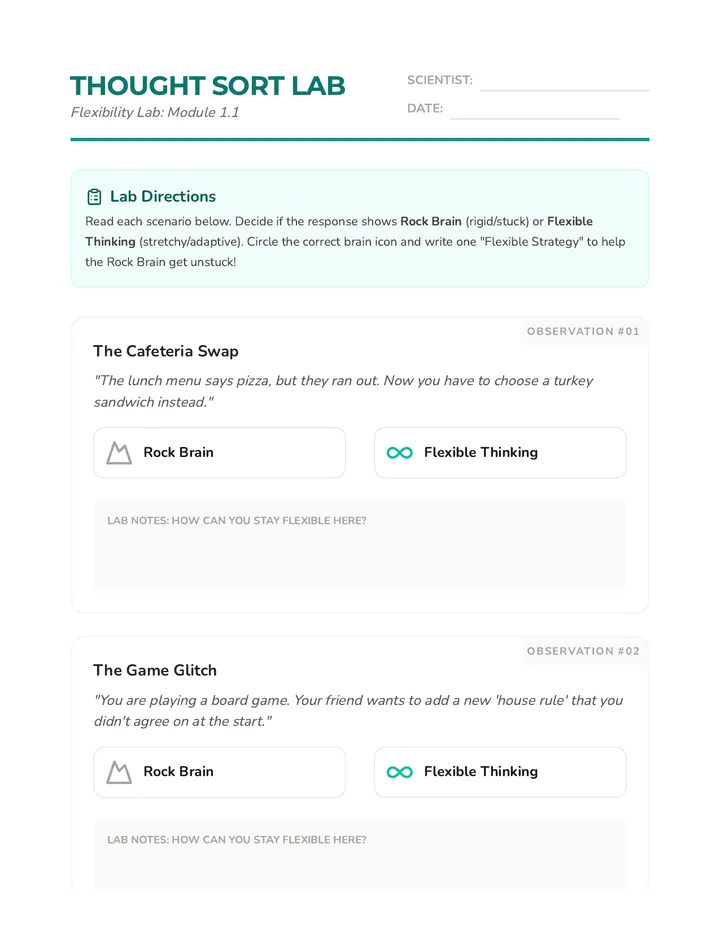
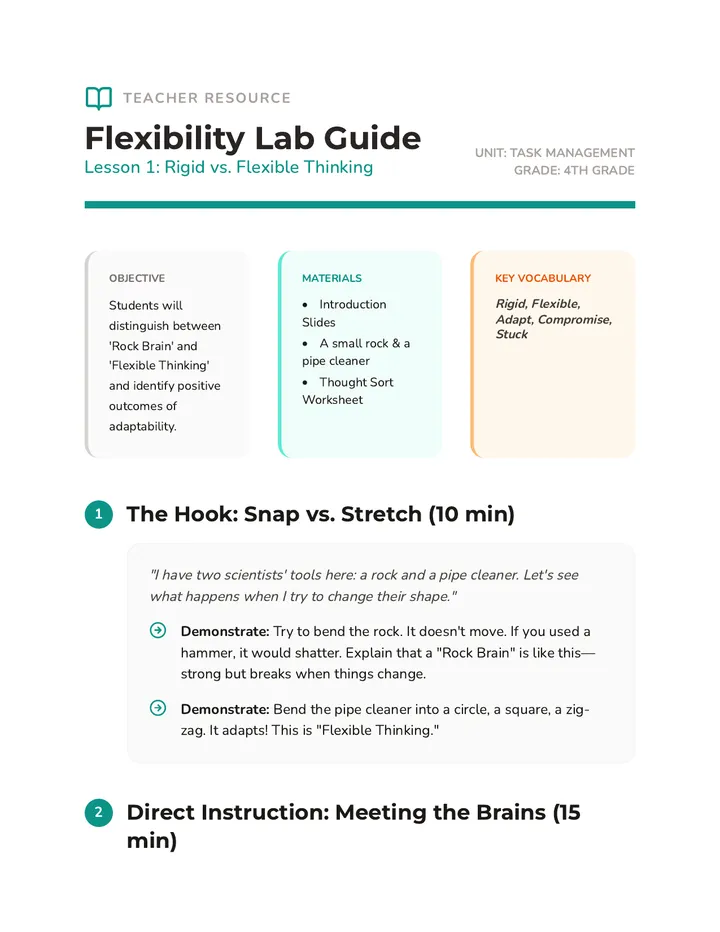
A 5-lesson sequence designed for 4th-grade students to build cognitive flexibility. Students learn to identify rigid versus flexible thinking, recognize physical stress responses to change, practice rapid task-switching, and apply emotional regulation strategies through role-play and a final 'flexibility obstacle course'.
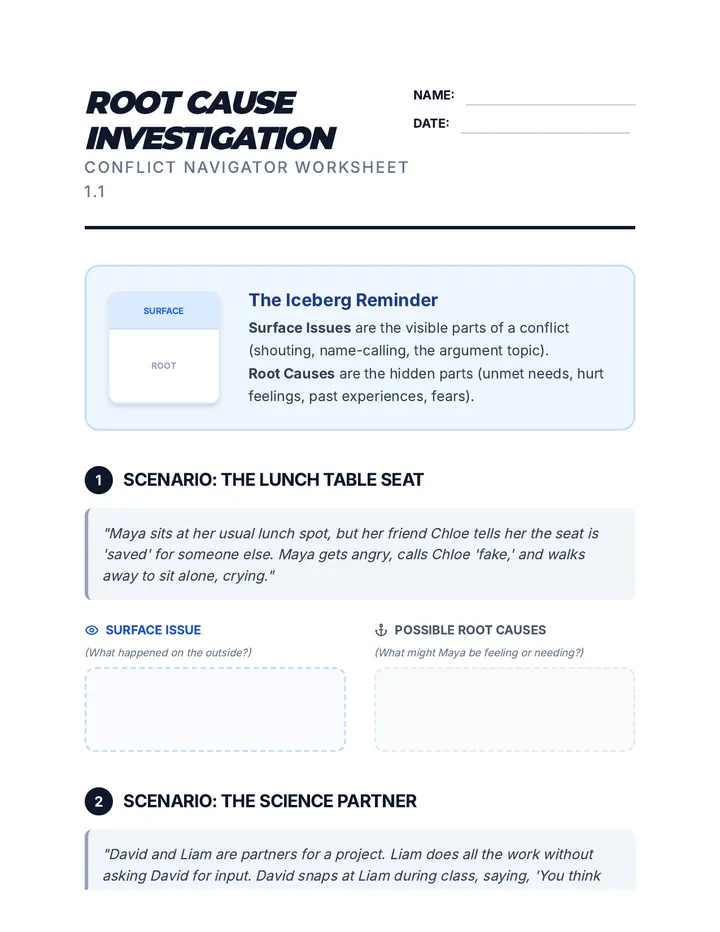
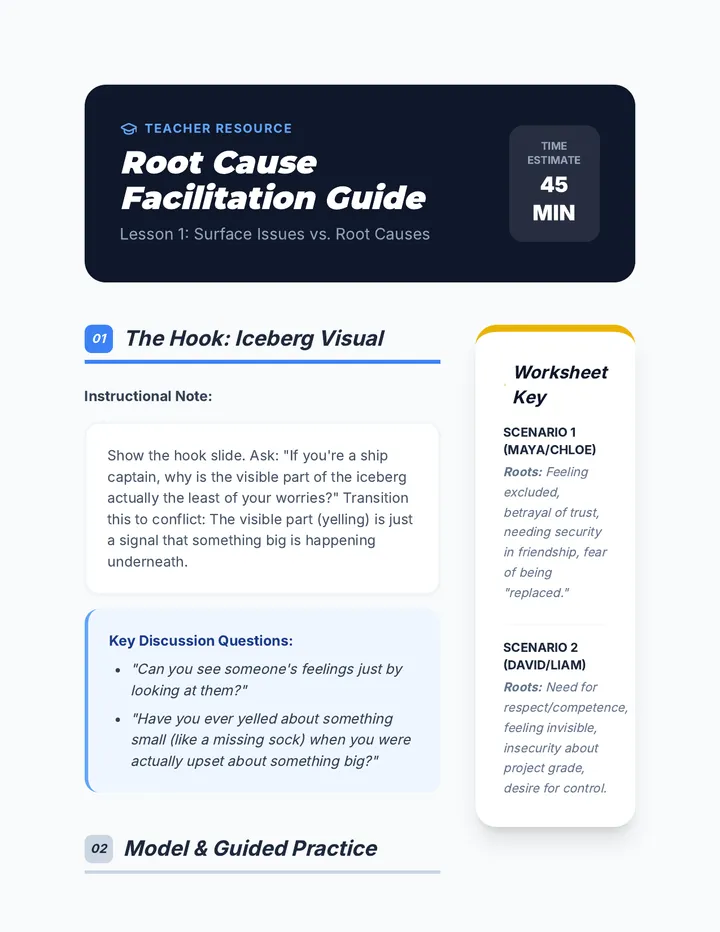
A comprehensive 6th-grade sequence on conflict navigation, teaching students to identify root causes, recognize personal conflict styles, practice perspective-taking, understand escalation, and diagnose complex disputes.
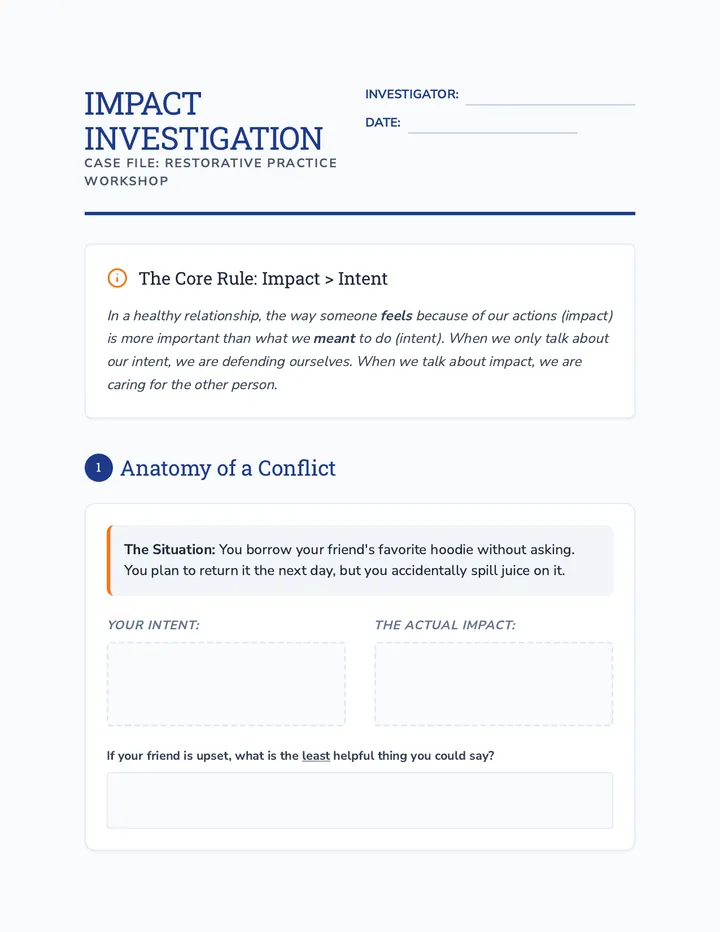
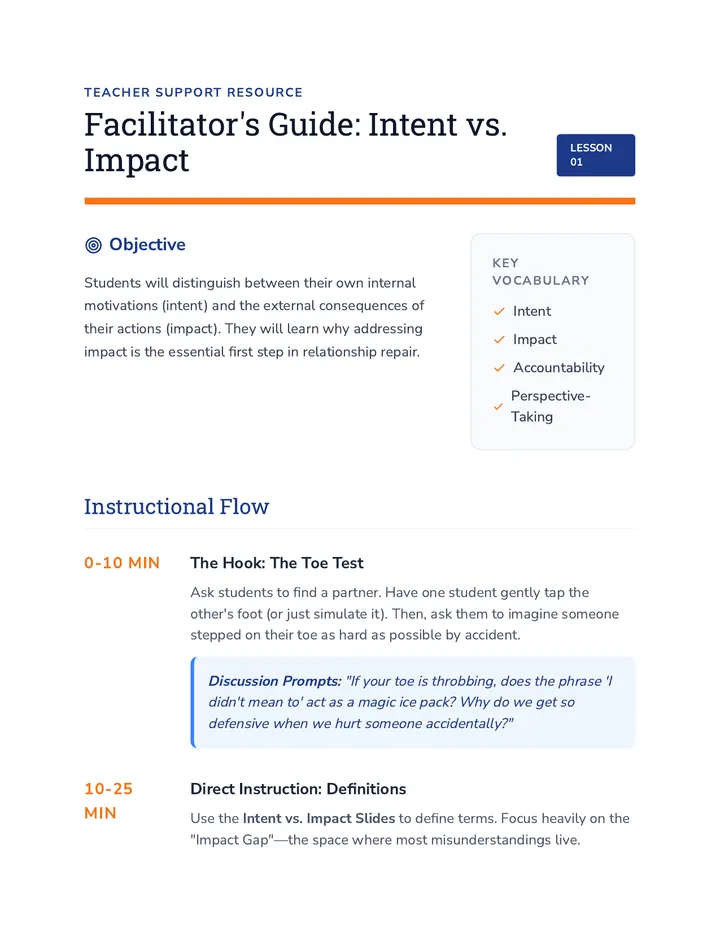
A 5-lesson sequence for 7th grade students focusing on restorative practices, the difference between intent and impact, crafting genuine apologies, and the long-term process of rebuilding trust after conflict.
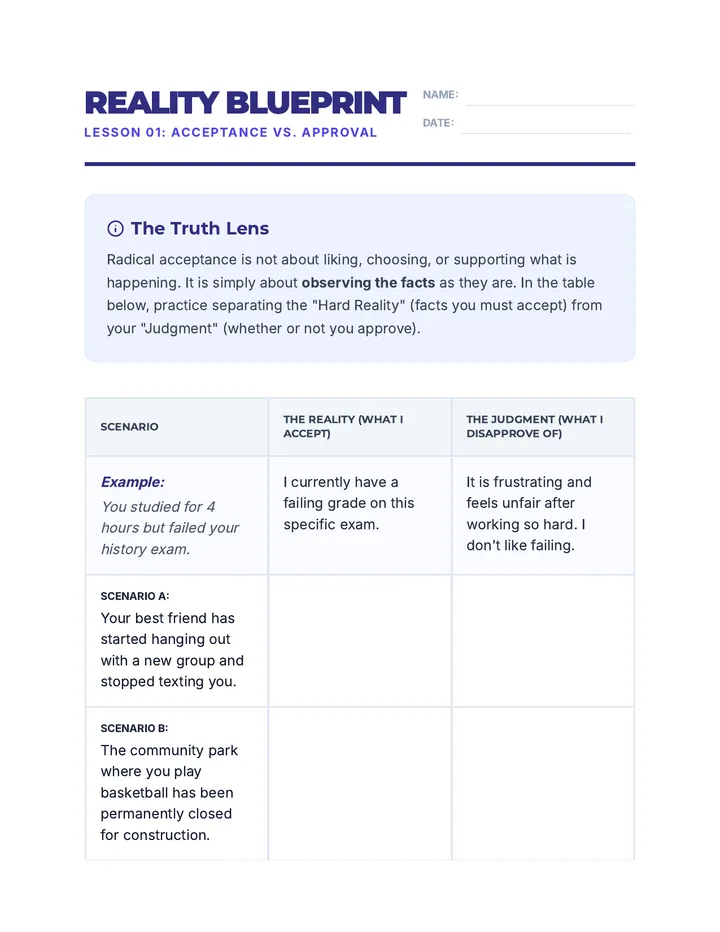
This sequence explores the psychological concept of Radical Acceptance, teaching students to distinguish between acceptance and approval. Students will analyze case studies, relationship dynamics, and civic advocacy to understand how acknowledging reality is the first step toward effective change.
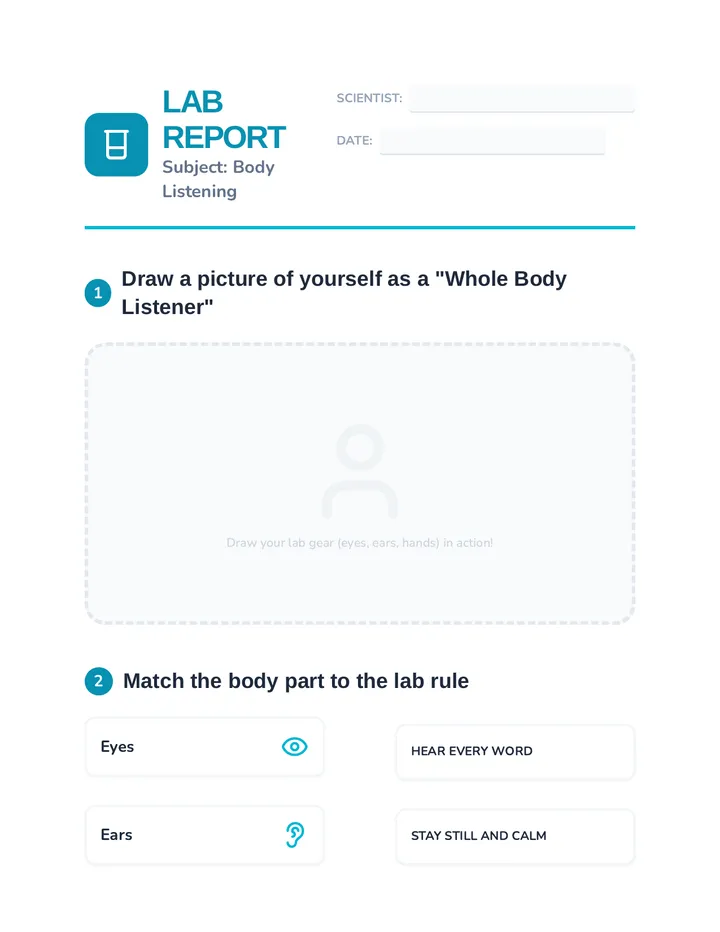
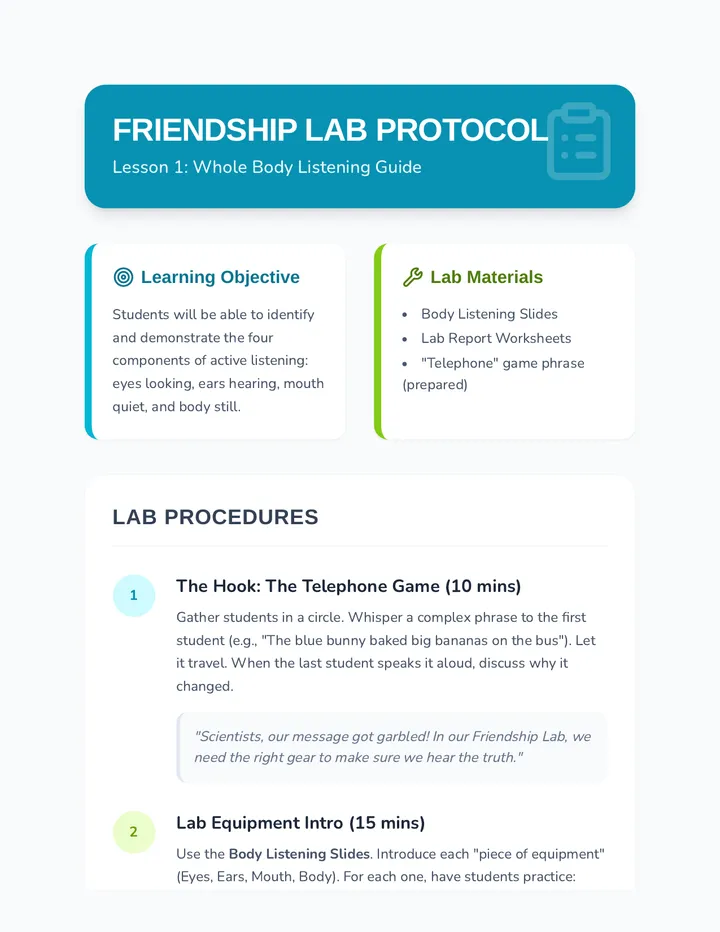
This sequence teaches 1st Grade students the foundational skills of active listening and empathy as tools for conflict resolution. Through the 'Friendship Lab' theme, students learn how to use their bodies to listen, wait for their turn to speak, reflect others' thoughts, and identify feelings to better understand their peers.
A 10-session course for high school students focused on developing healthy communication, boundaries, and empathy across romantic, platonic, and digital relationships. Students engage in interactive role-plays, games, and reflections to build practical social-emotional skills.
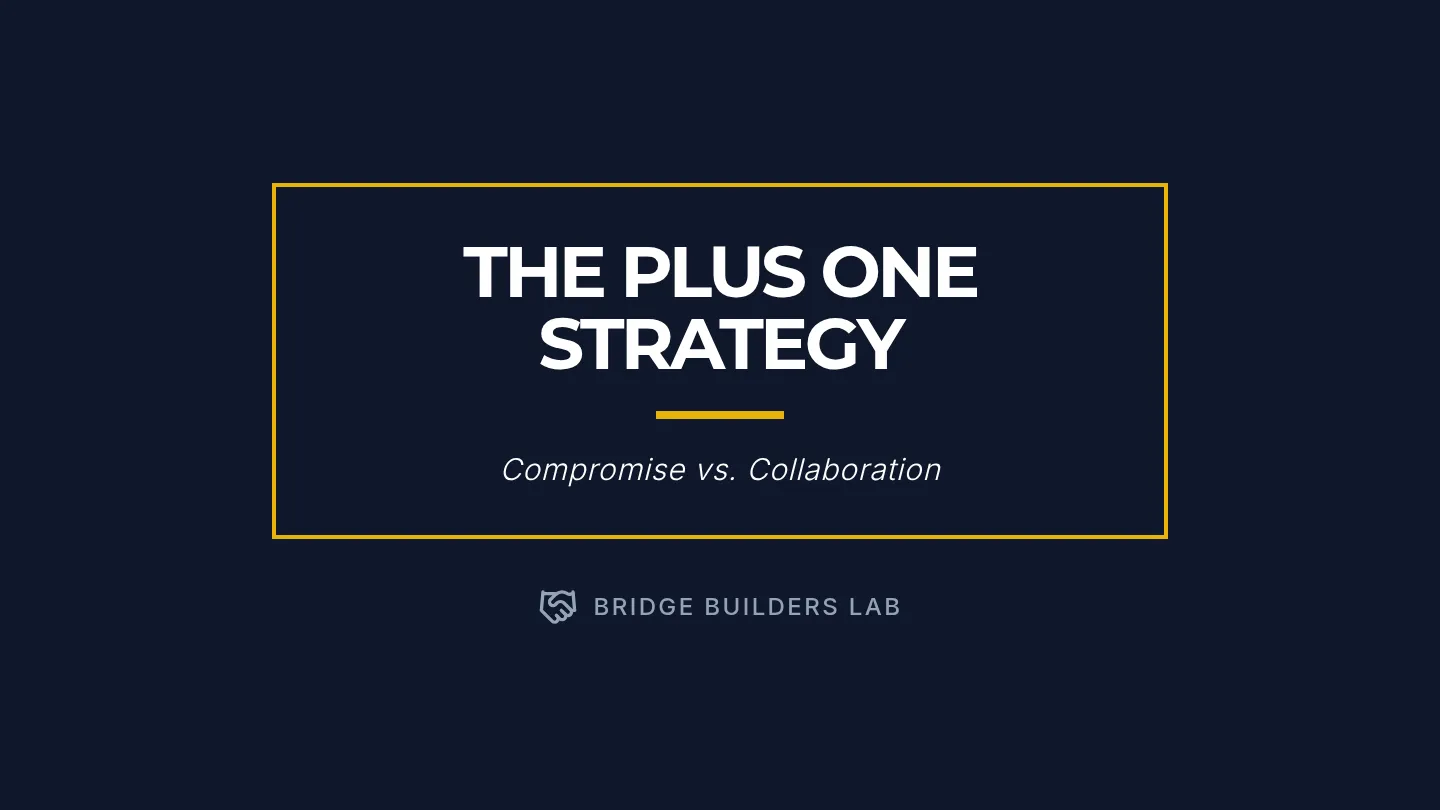
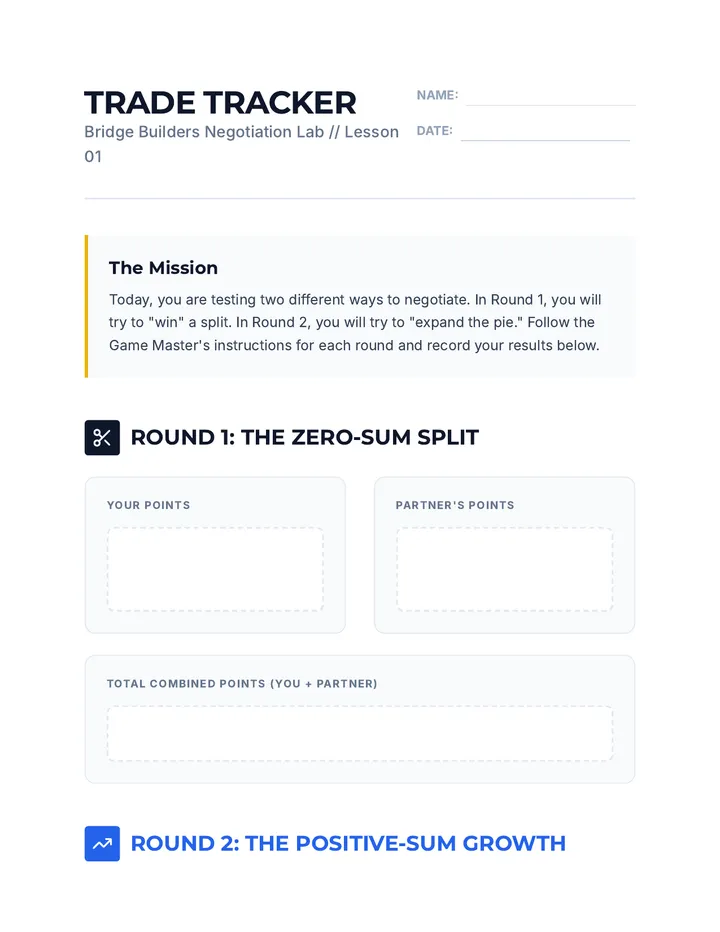
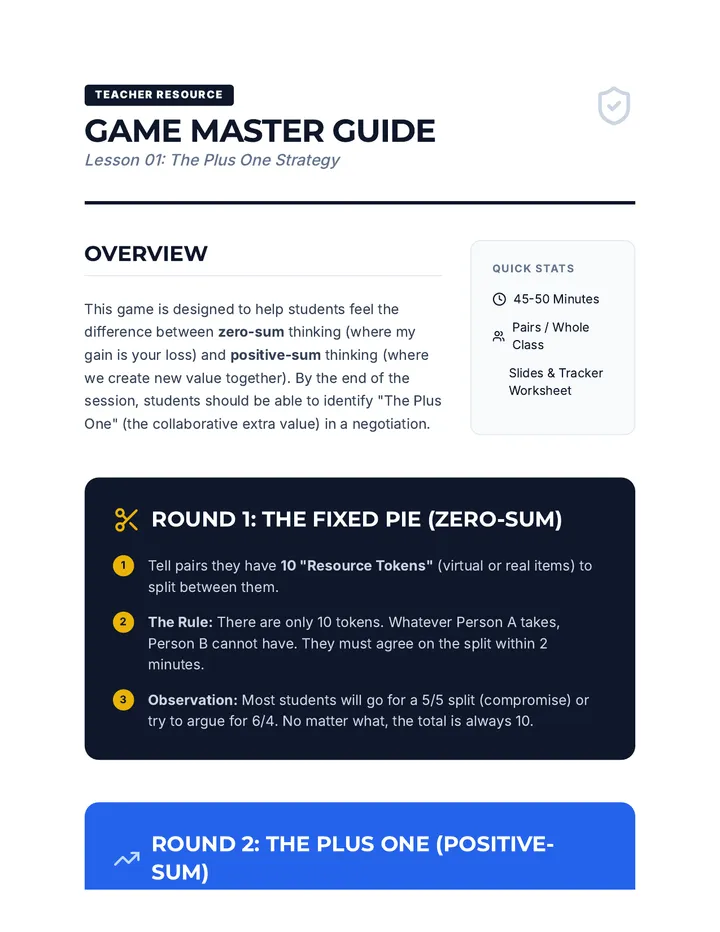
This sequence teaches 7th-grade students how to move beyond simple compromise to collaborative negotiation. Students learn to separate people from problems, brainstorm creative 'win-win' options, use objective criteria for fairness, and develop a BATNA (Best Alternative to a Negotiated Agreement) to handle complex conflicts effectively while preserving relationships.
A comprehensive unit for 2nd graders to expand their emotional vocabulary, recognize non-verbal cues, understand emotional intensity, identify mixed feelings, and practice constructive communication using 'I statements'. Students move from basic emotion recognition to nuanced expression and conflict resolution.
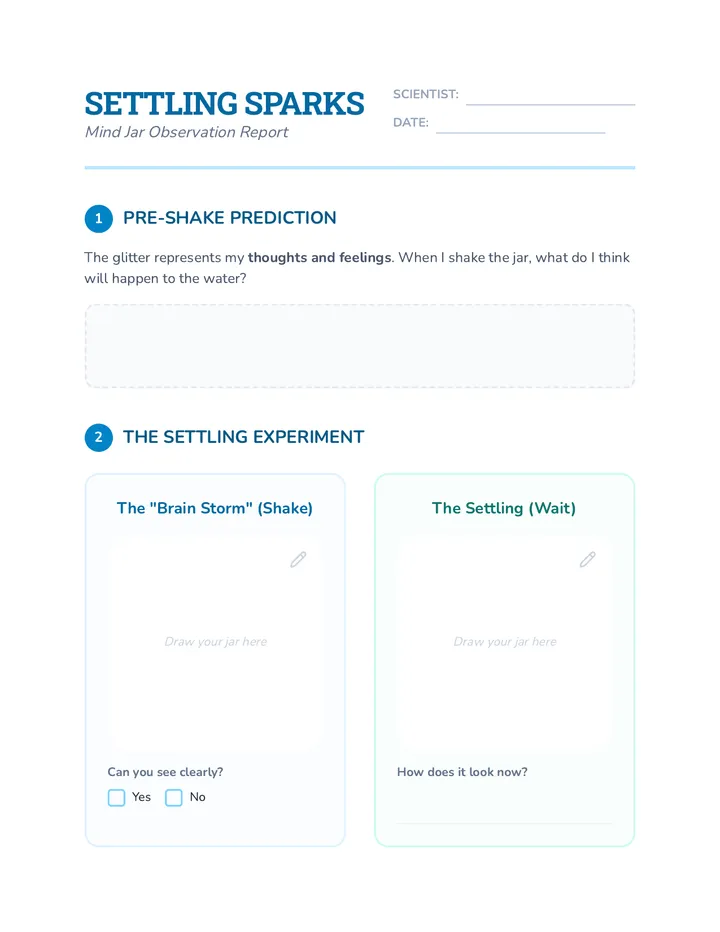
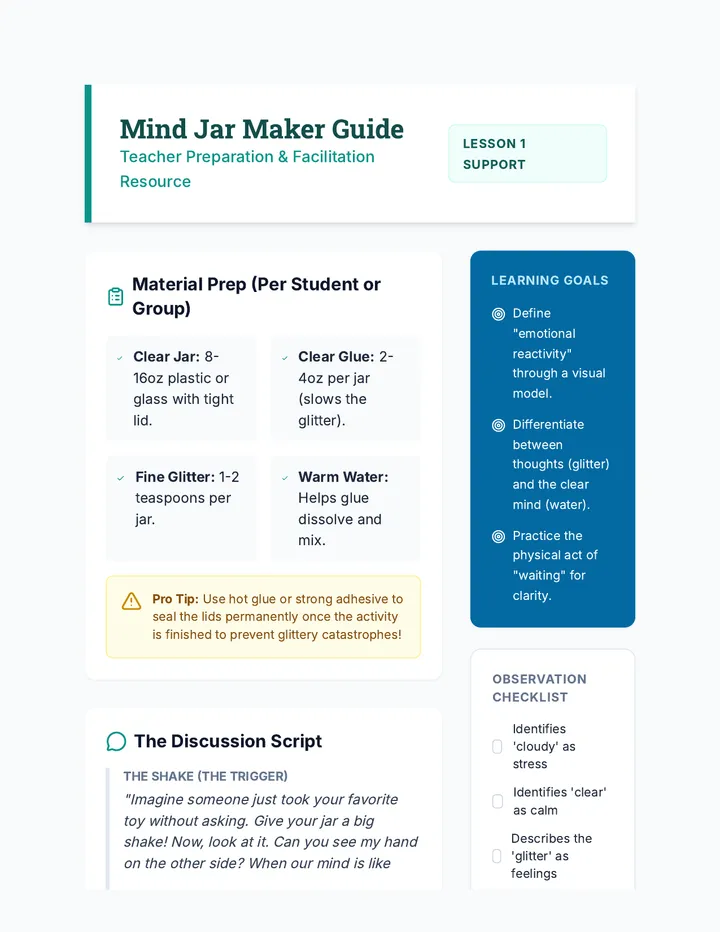
A 3rd-grade mindfulness sequence exploring emotional regulation through metaphors like mind jars, weather reporting, and visualization to help students widen the gap between triggers and reactions.
A 30-minute Tier 1 guidance lesson for 5th graders to distinguish everyday drama from bullying and learn practical strategies for maintaining a respectful classroom environment.
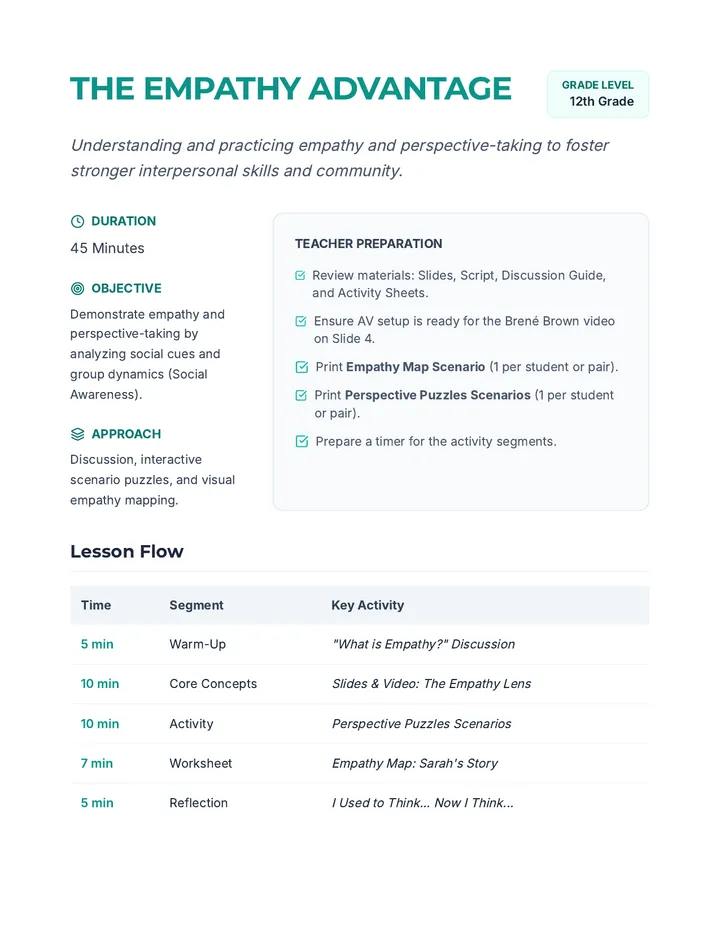
A 45-minute Social-Emotional Learning lesson for 12th graders focused on developing empathy and perspective-taking through scenario analysis and active listening. Students explore the 'Empathy Advantage' by distinguishing empathy from sympathy and applying tools like Empathy Maps to real-world social dynamics.
A 1-hour lesson for IGCSE students focusing on the consequences of actions and decisions through the metaphor of the ripple effect. Students engage in discussions, scenario mapping, and reflective activities to develop responsible decision-making skills.
Students explore the Wheel of Emotions to categorize feelings and develop emotional intelligence through interactive scenarios and discussions.
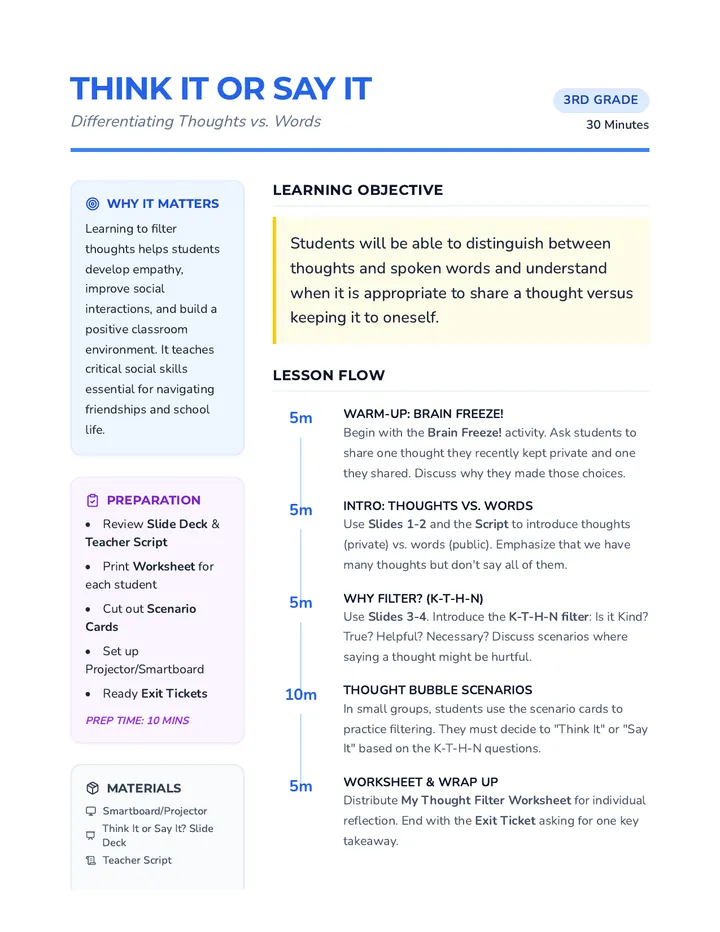
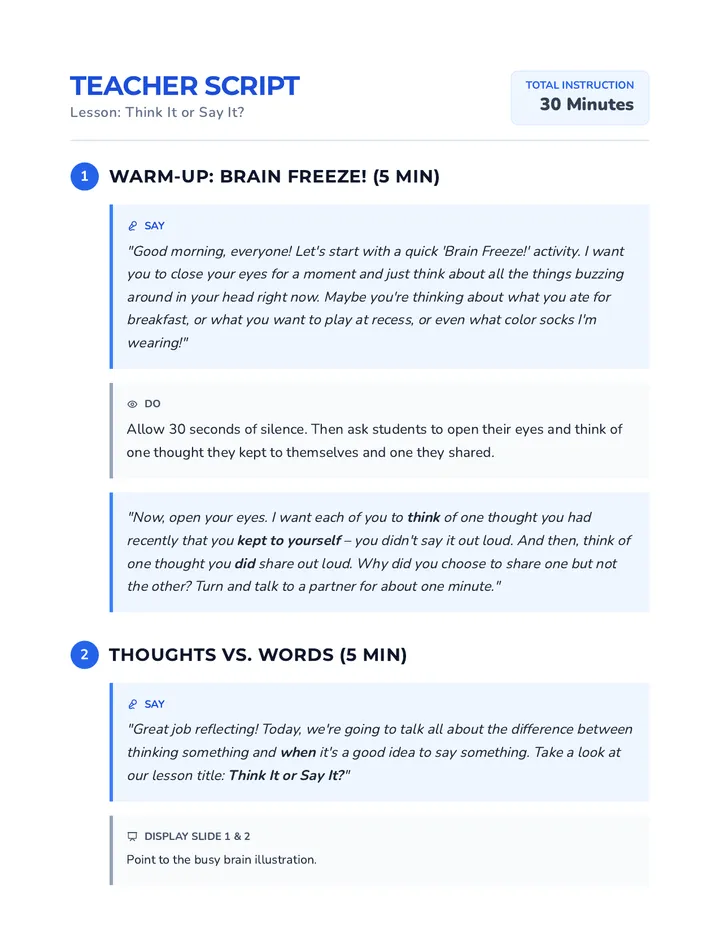
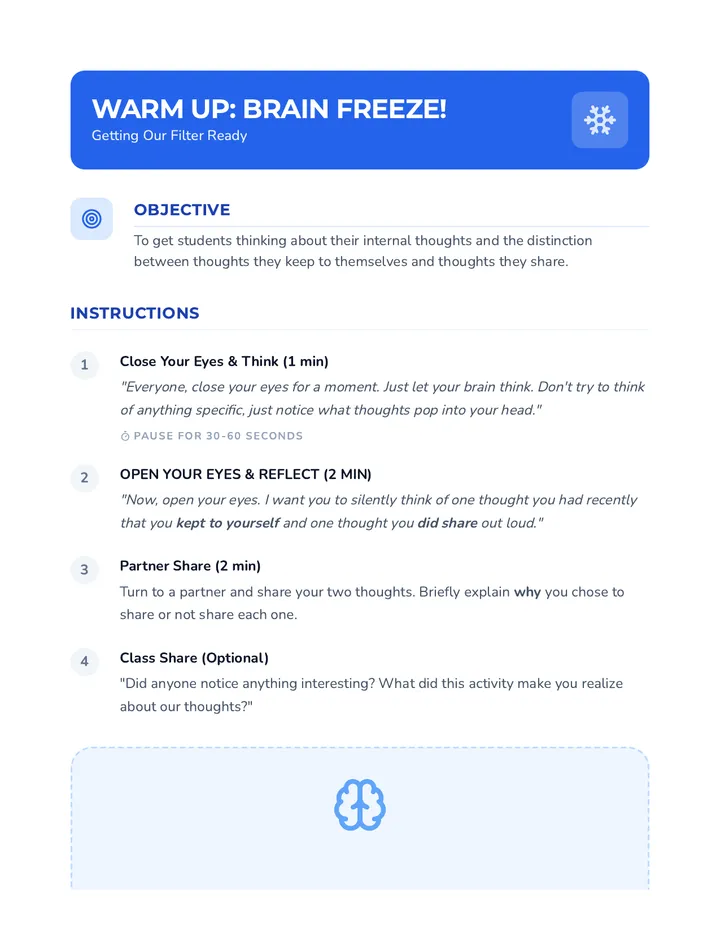
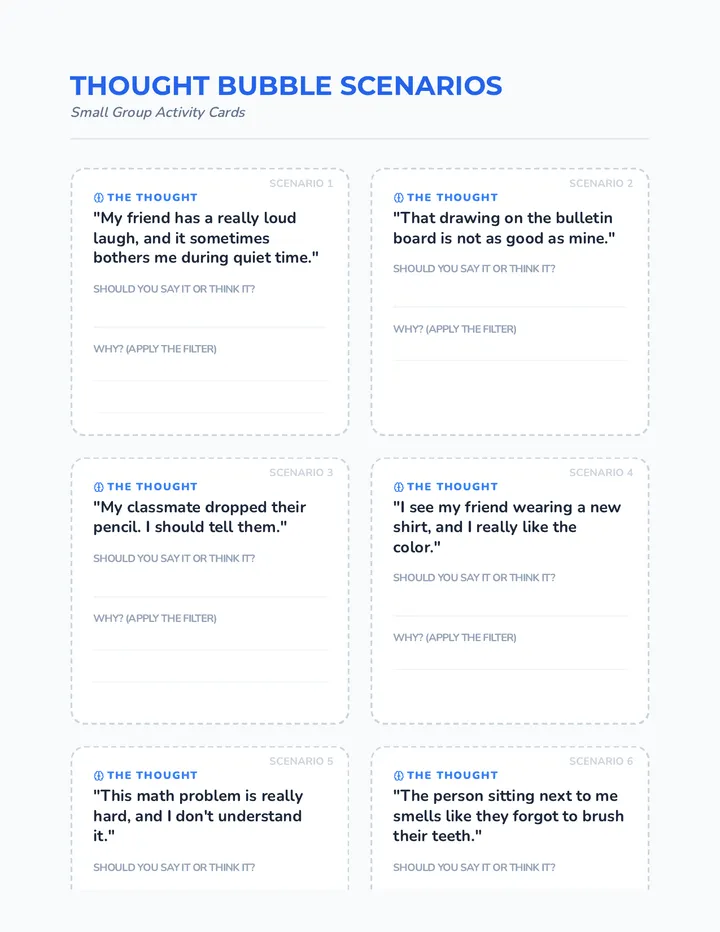
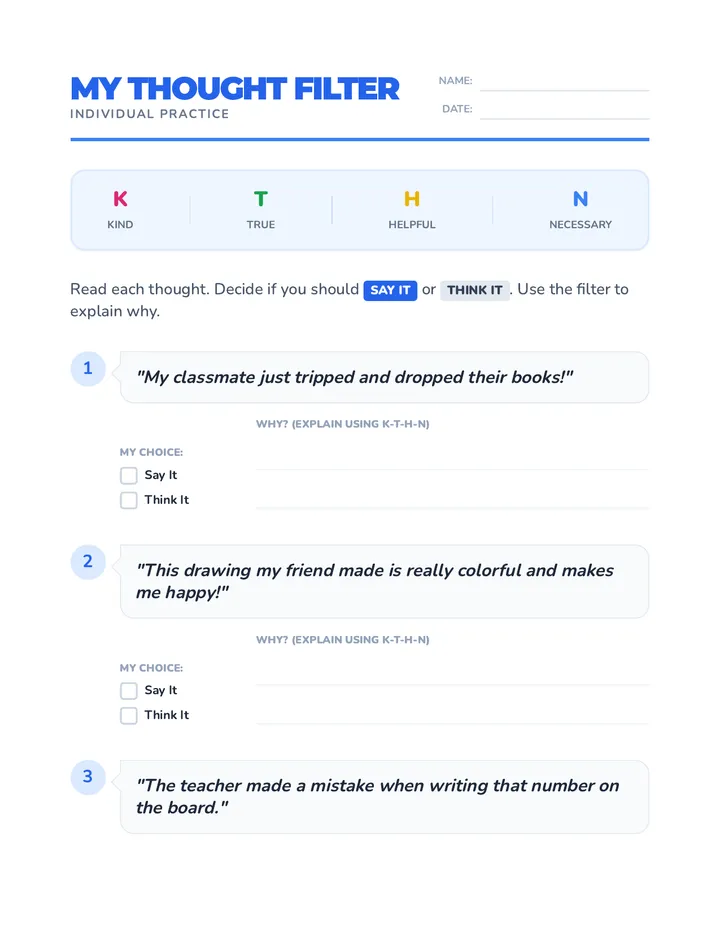
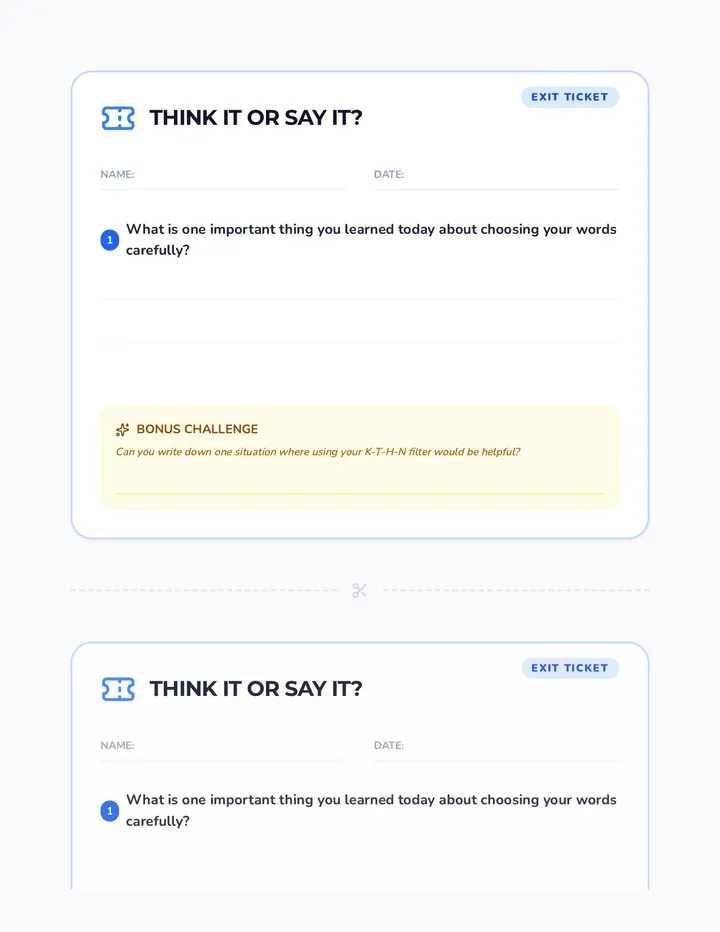
This 30-minute lesson for 3rd graders teaches students to differentiate between thoughts and words, promoting thoughtful communication and social awareness using the K-T-H-N filter.
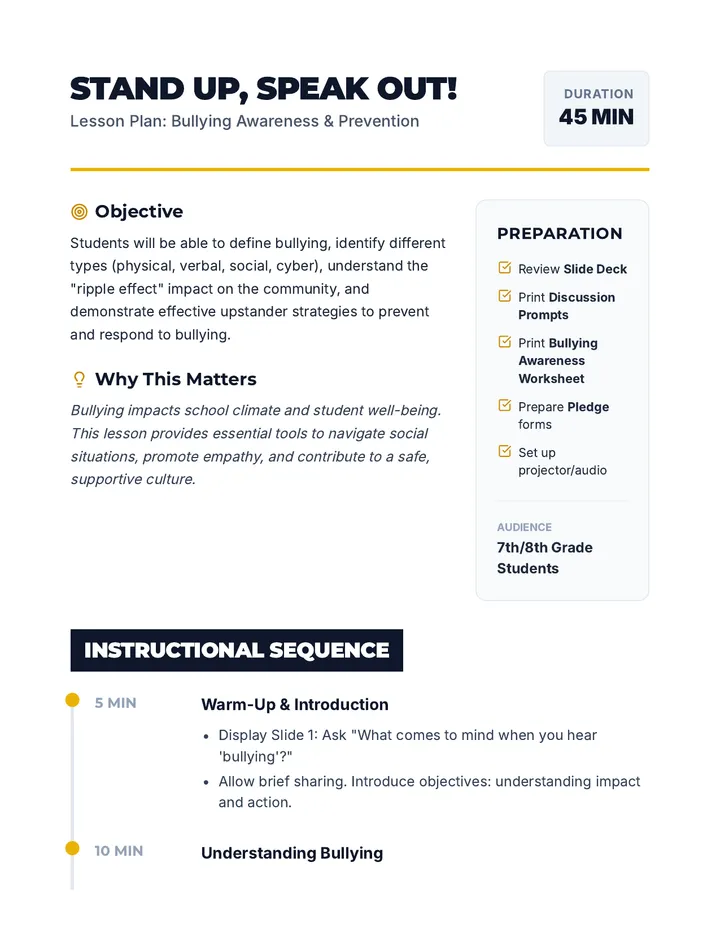
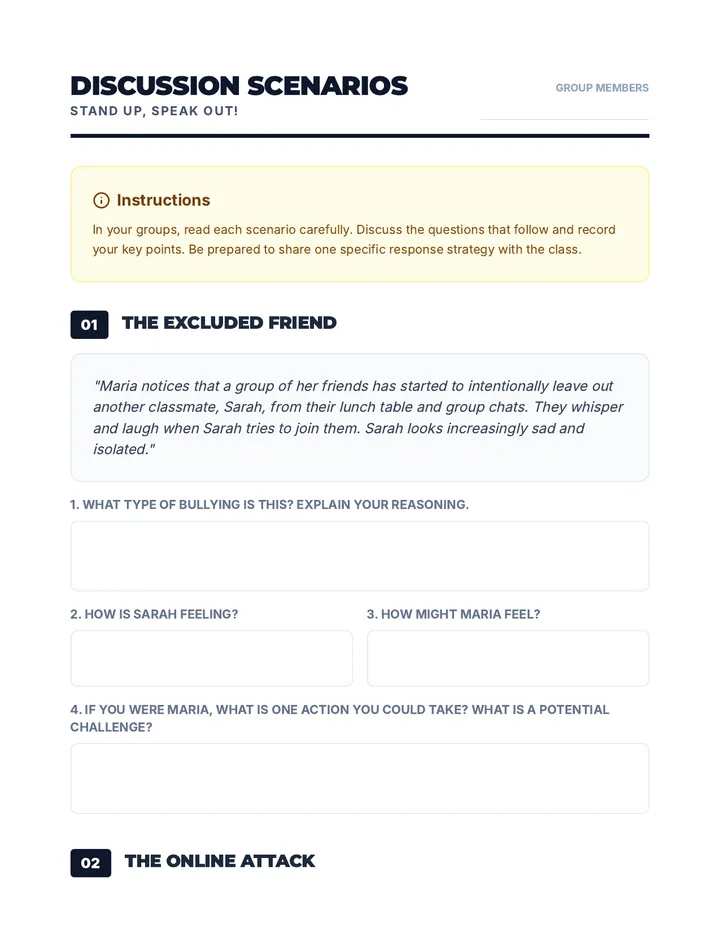
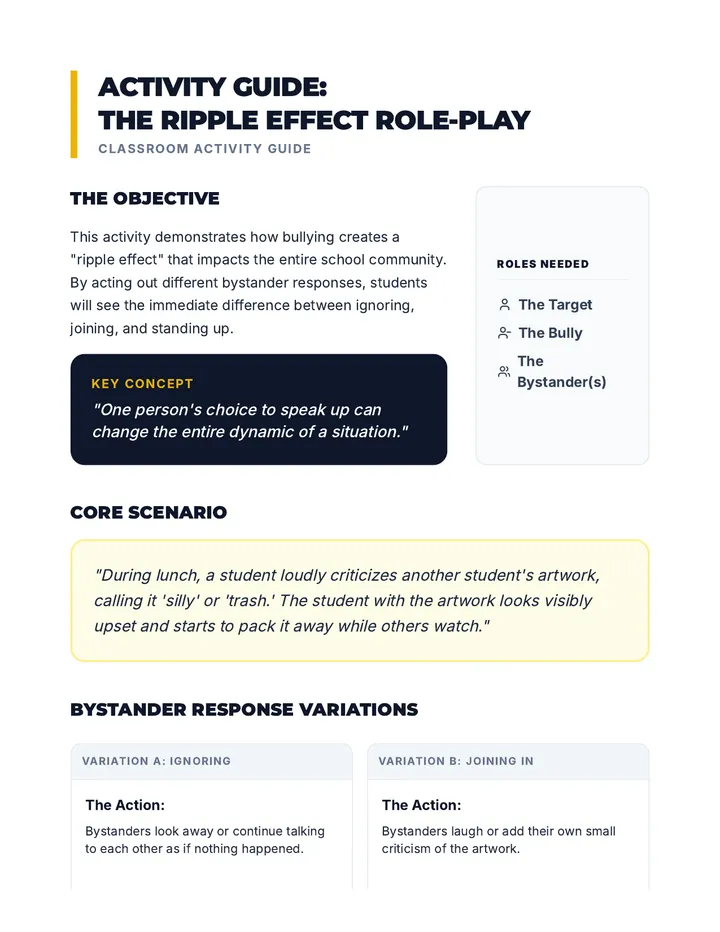
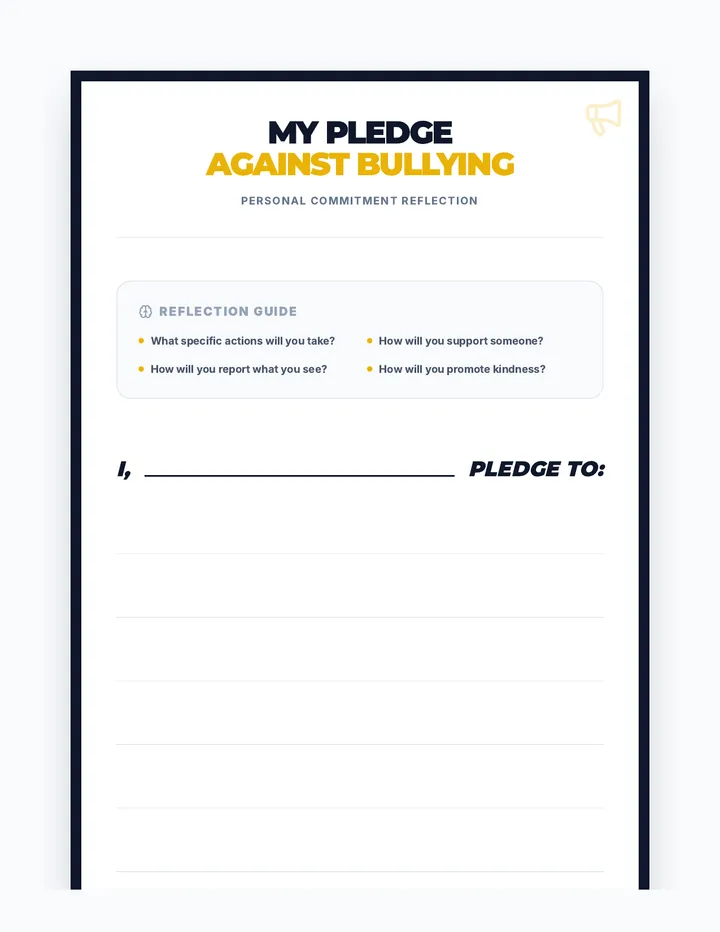
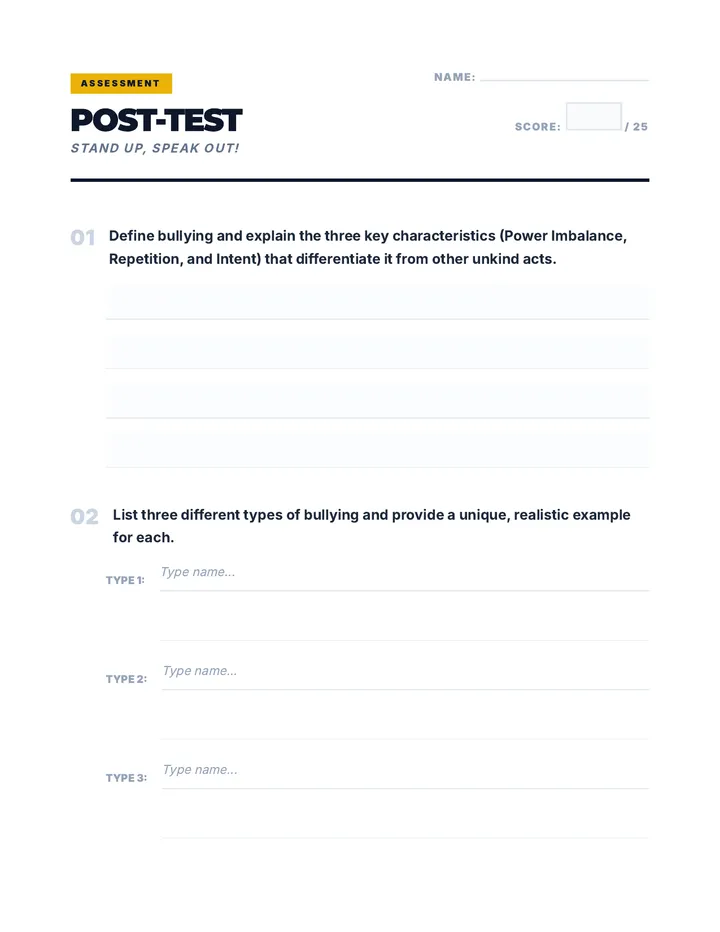
A 45-minute lesson designed for 8th-grade students to recognize, respond to, and prevent bullying through interactive discussion and role-play. Students develop empathy and actionable strategies to foster a safer, more inclusive school environment.
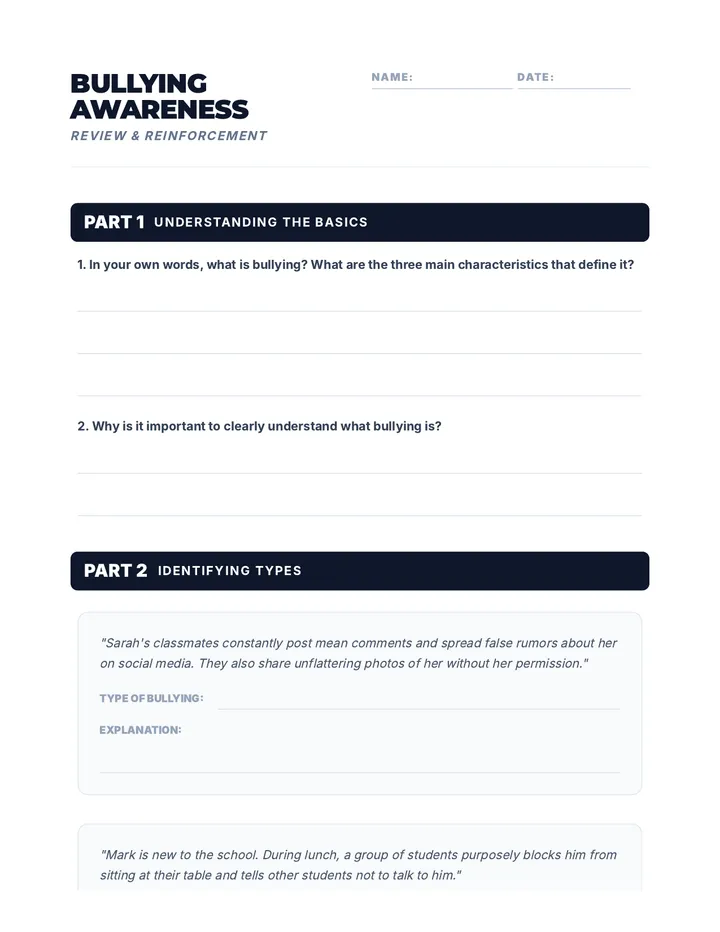
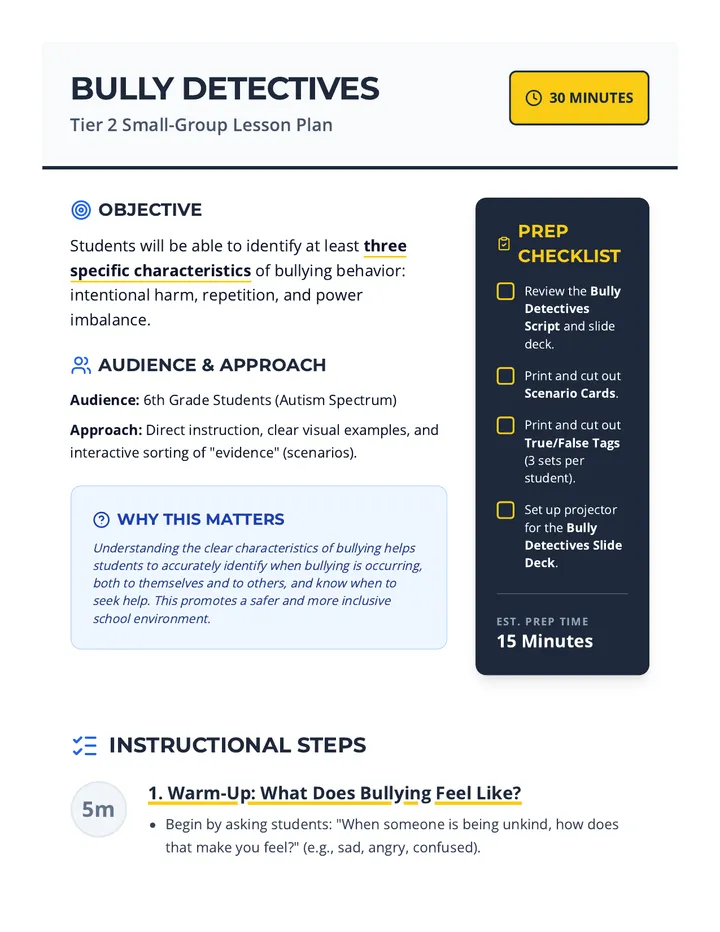
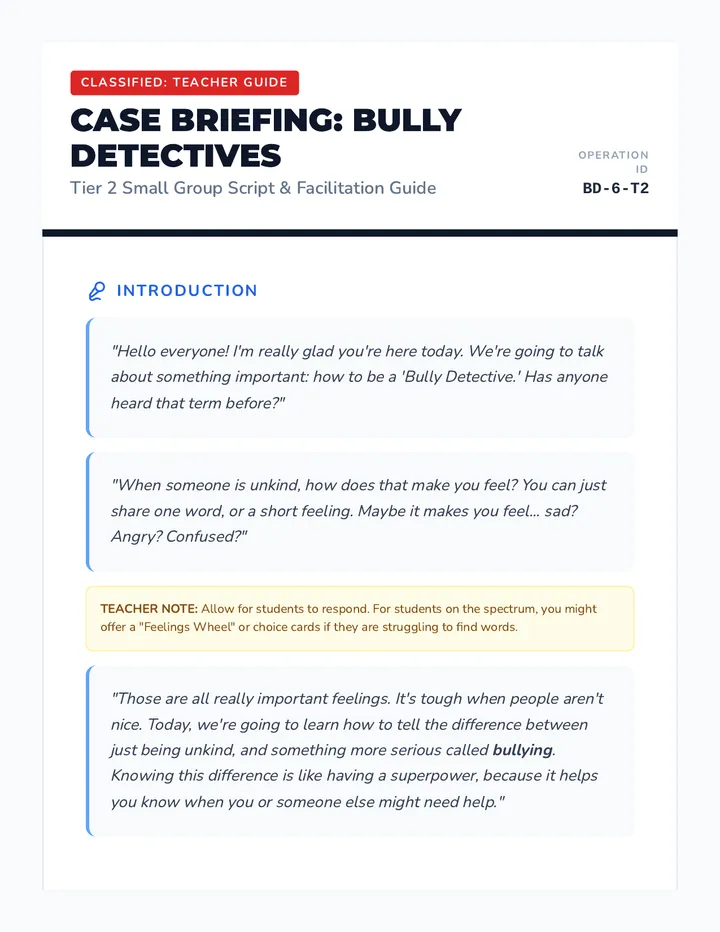
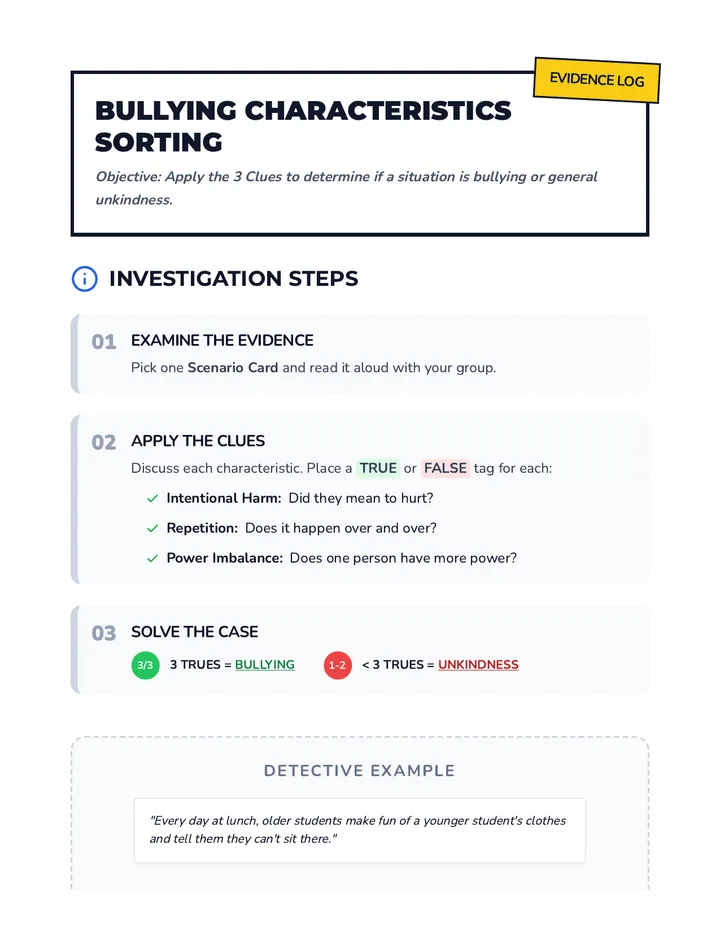
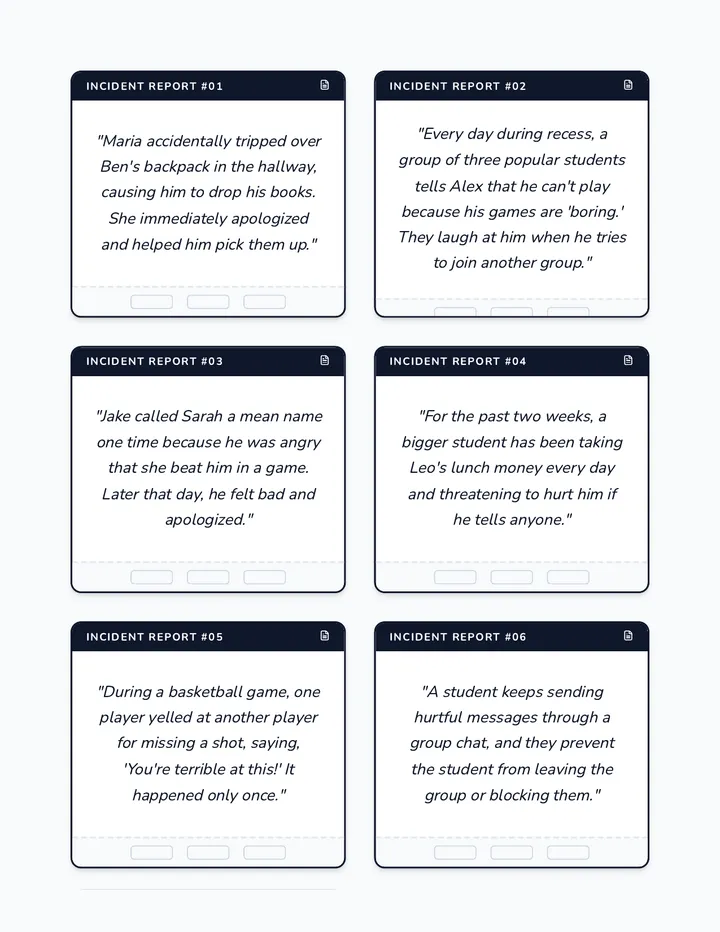
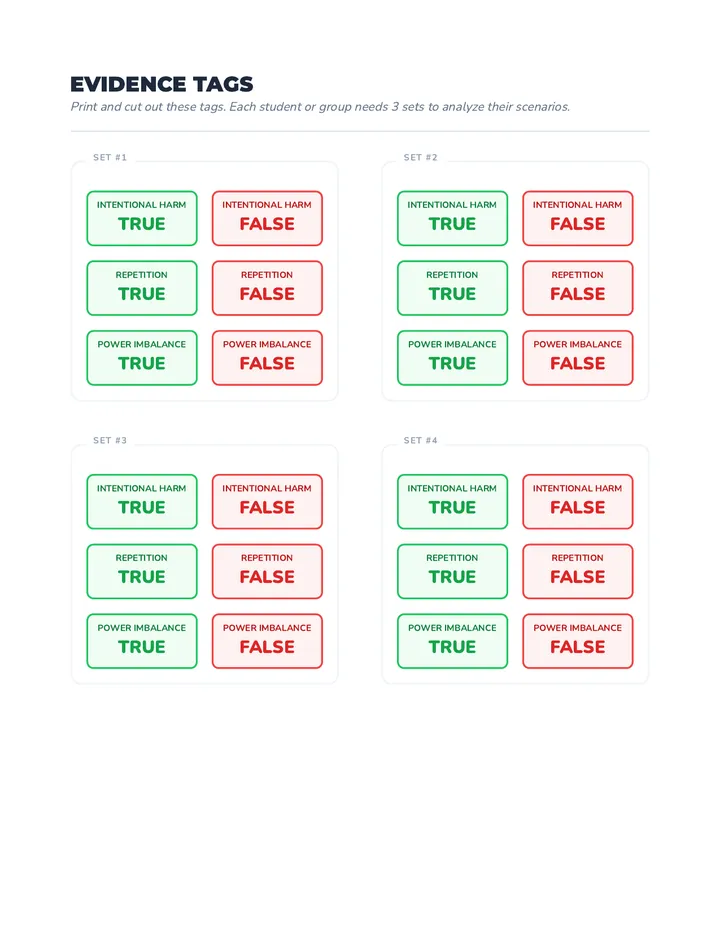
A 30-minute Tier 2 small-group lesson designed for 6th-grade students on the autism spectrum to identify the three key characteristics of bullying: intentional harm, repetition, and power imbalance.
A 45-minute restorative circle lesson for 4th grade focused on communication, empathy, and personal goal-setting through SMART goals. Students participate in a structured circle process, draft growth-oriented goals, and reflect on their progress toward building a more harmonious classroom community.
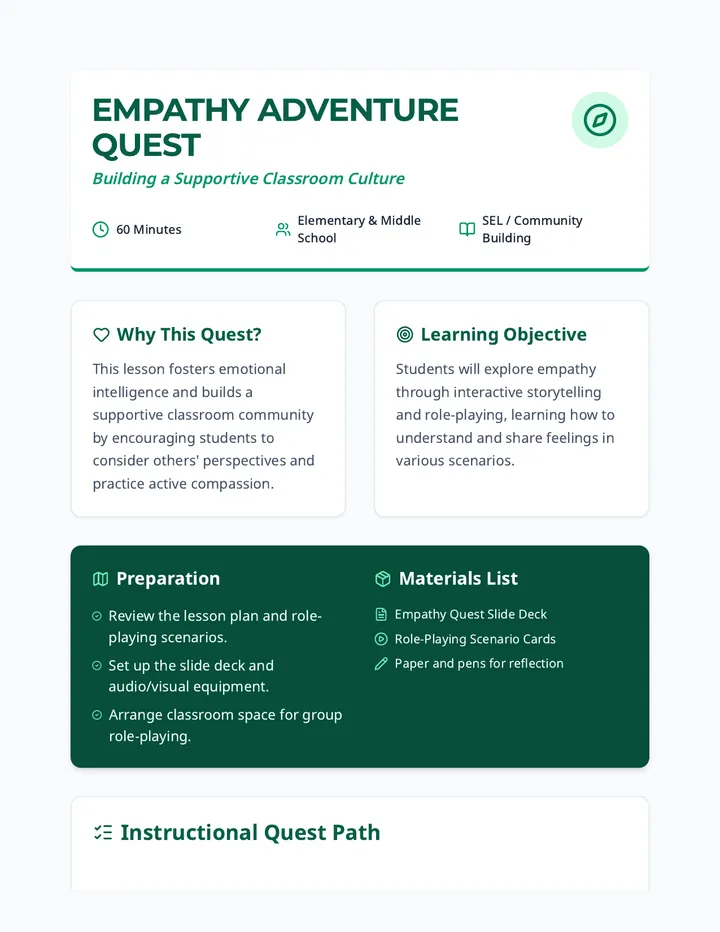
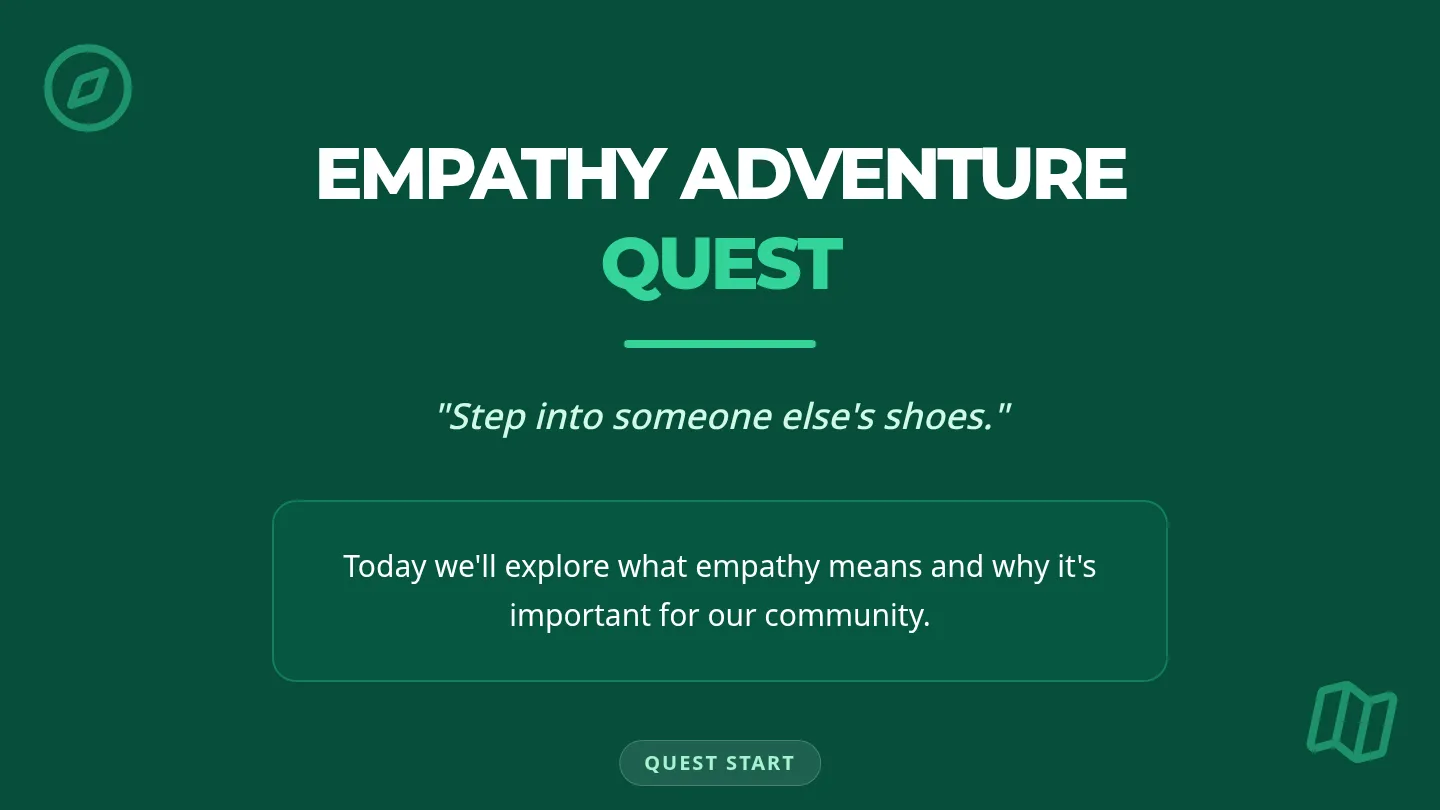
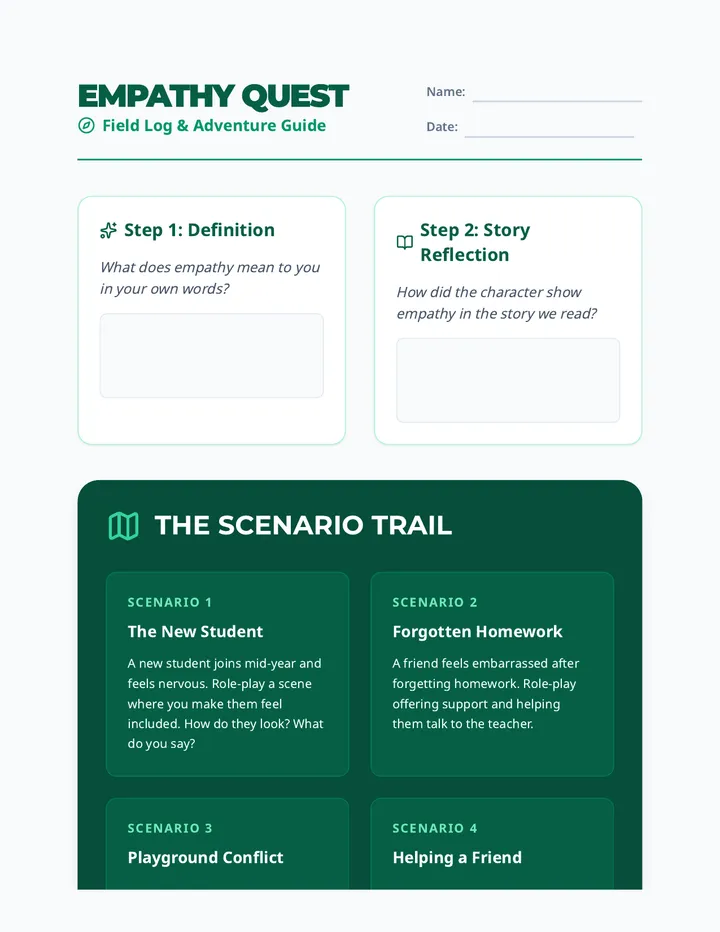
Students embark on a quest to explore empathy through storytelling and role-playing, learning to understand and share the feelings of others to build a supportive classroom culture.
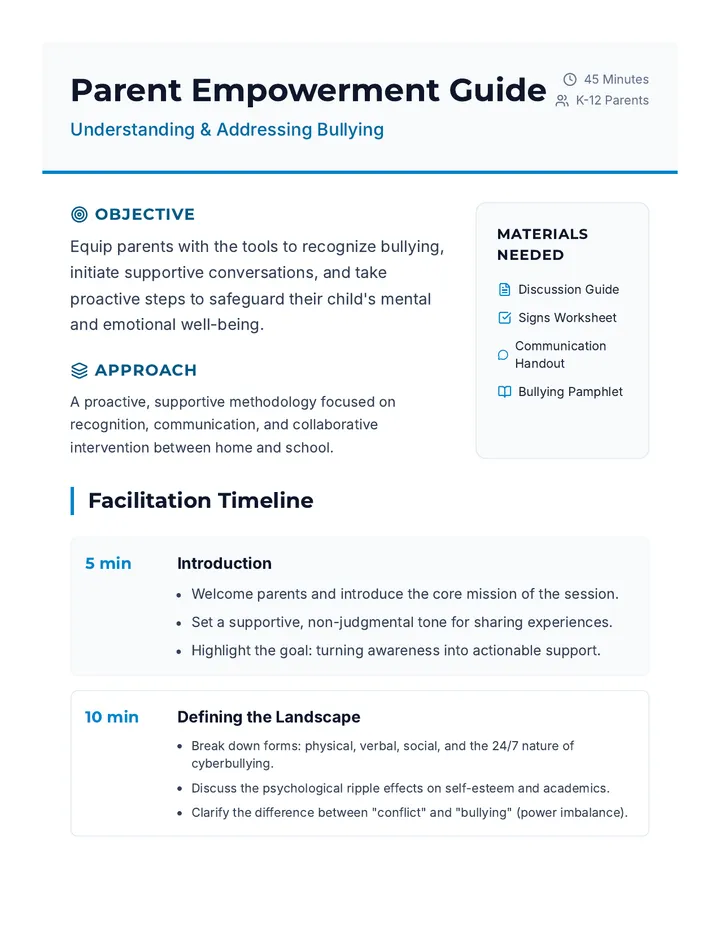
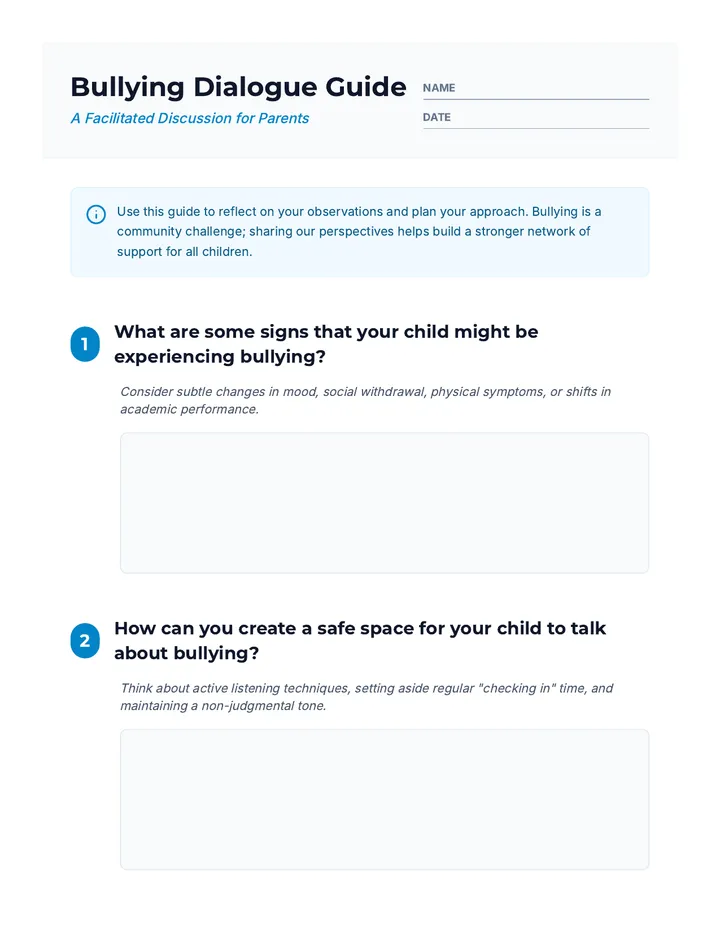
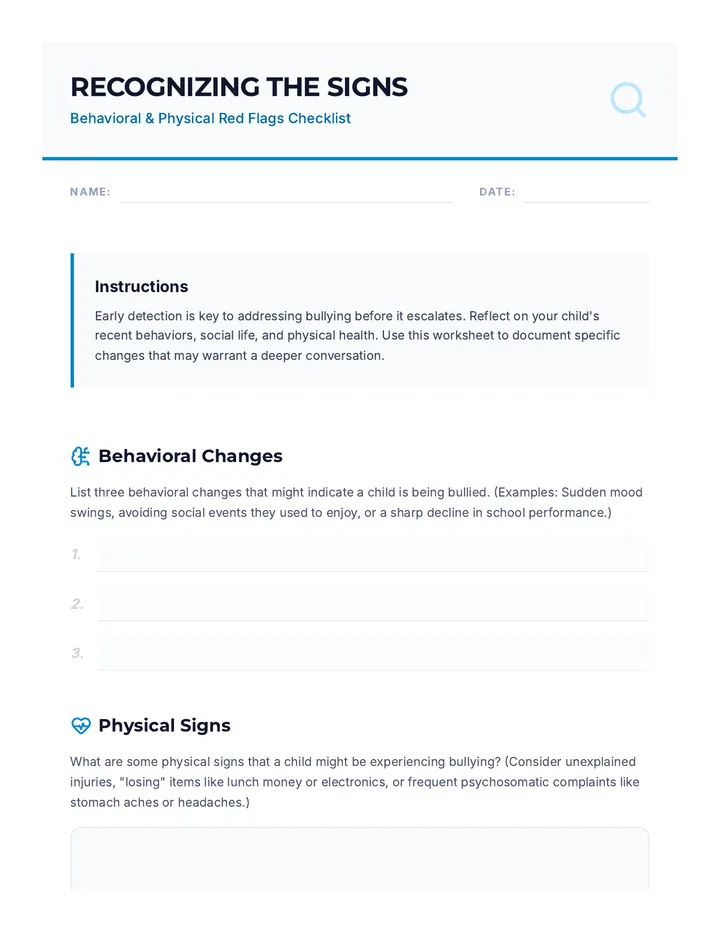
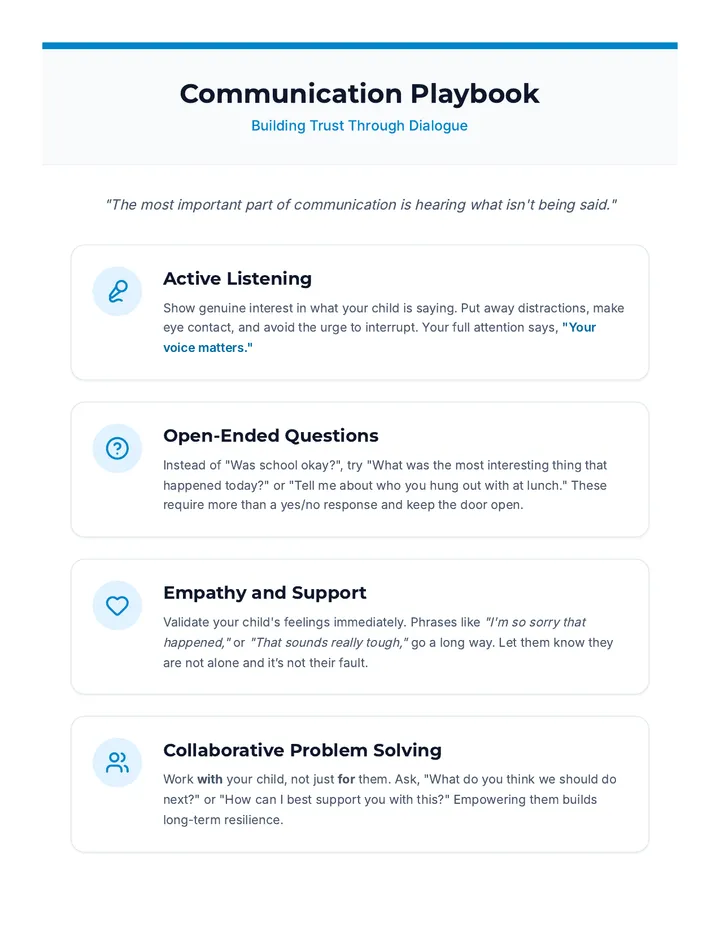
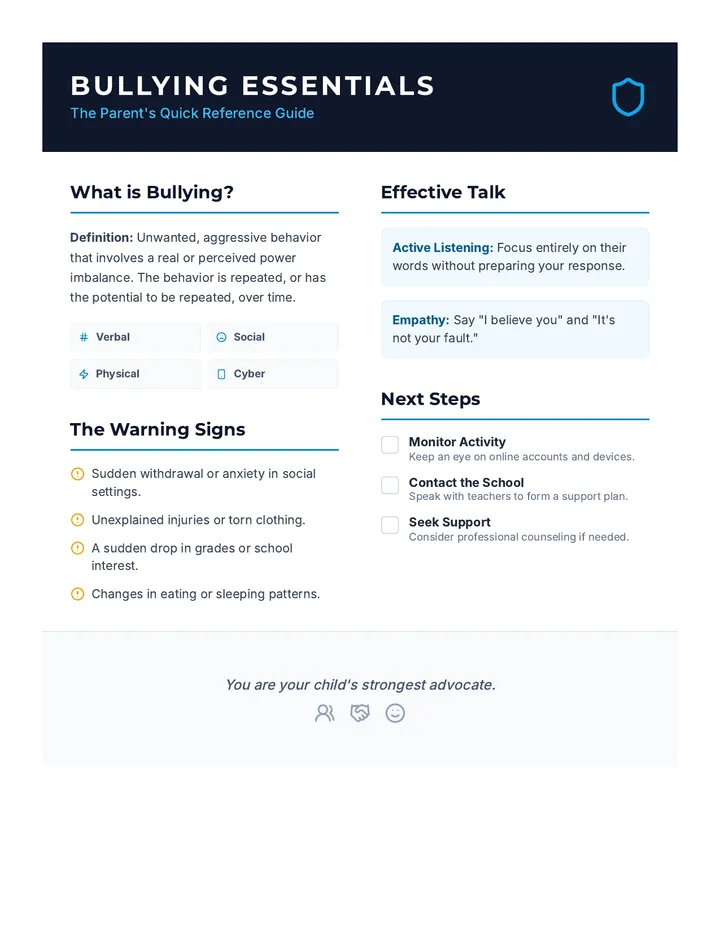
This lesson empowers parents to recognize the signs of bullying, communicate effectively with their children, and collaborate with schools to ensure a safe environment. It covers various forms of bullying and provides practical strategies for support and intervention.
This 30-minute lesson for 5th-grade students explores the powerful connection between tone of voice and the meaning of words. Students will learn how their tone can impact others, helping them communicate more effectively and empathetically.
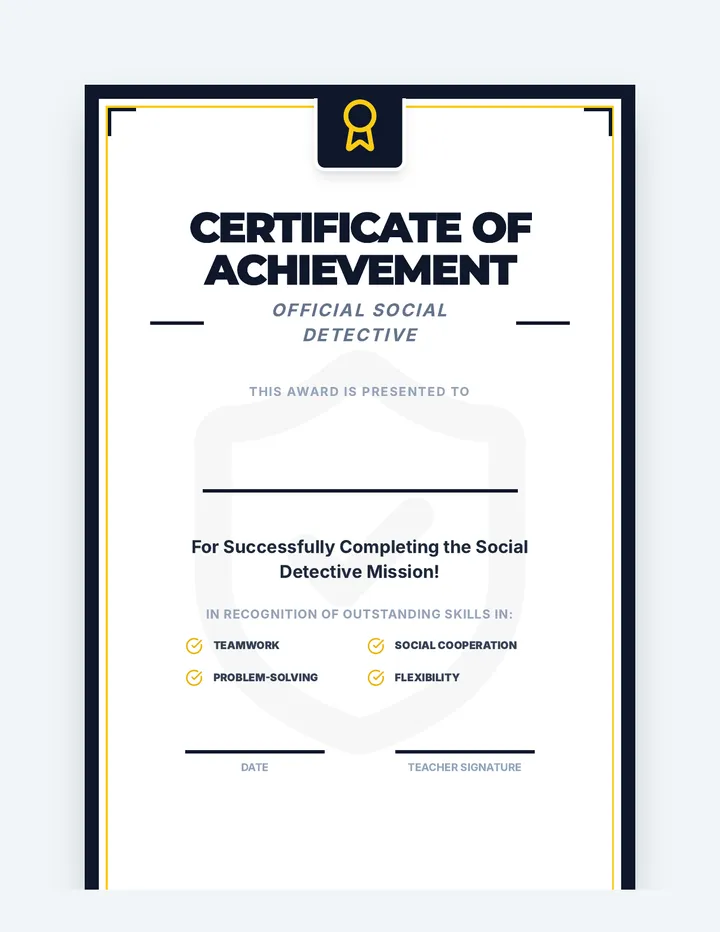
A 30-minute interactive lesson for 5th-6th graders focused on applying social and regulation skills through a collaborative building mission. Students work in teams to solve challenges, fostering cooperation, flexibility, and problem-solving.