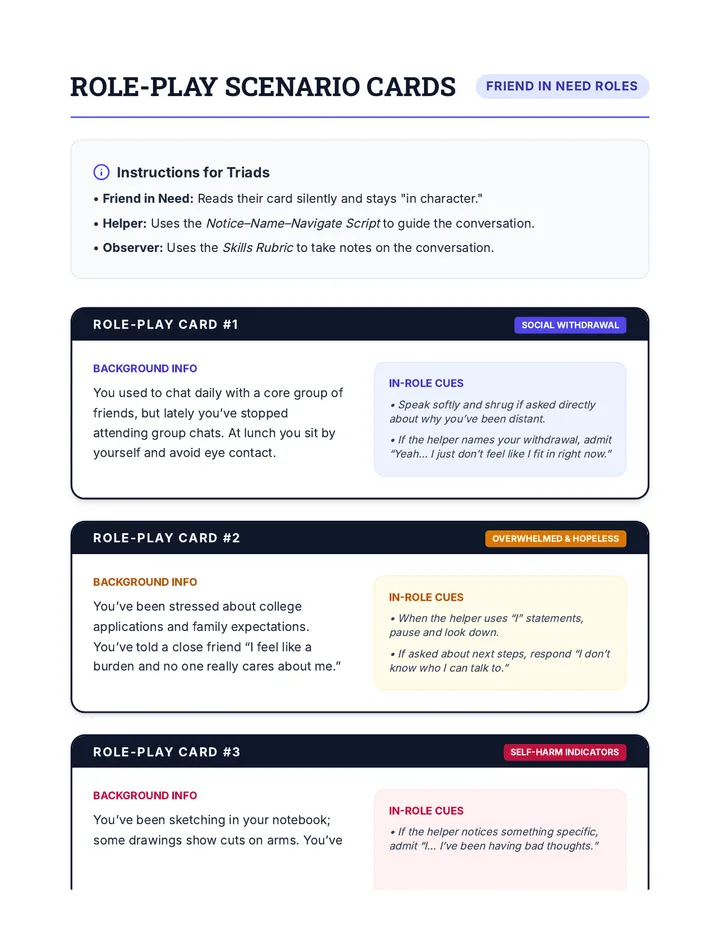
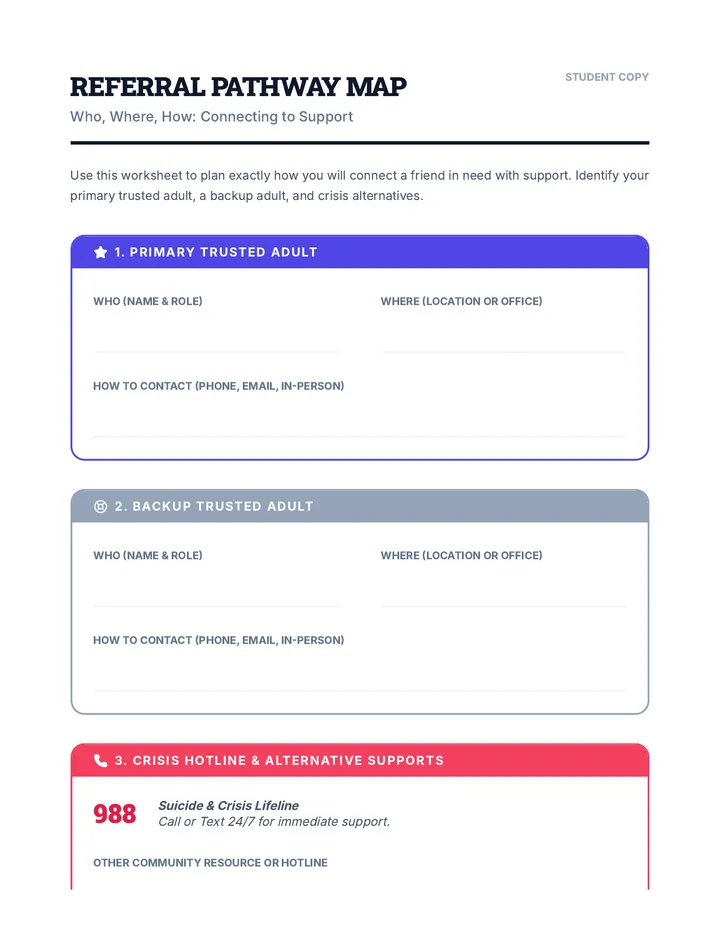
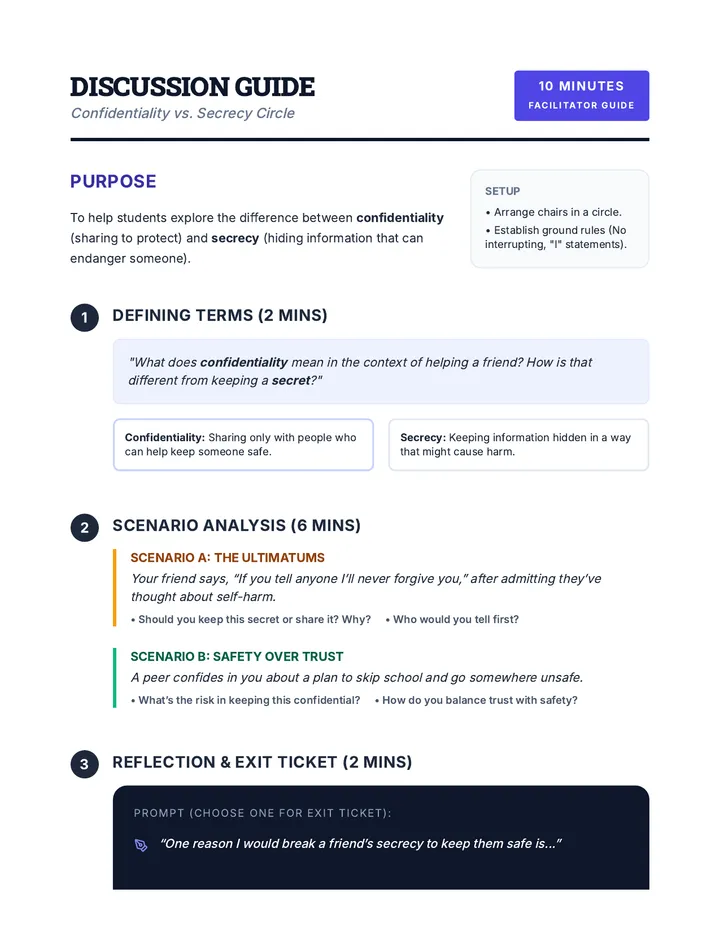
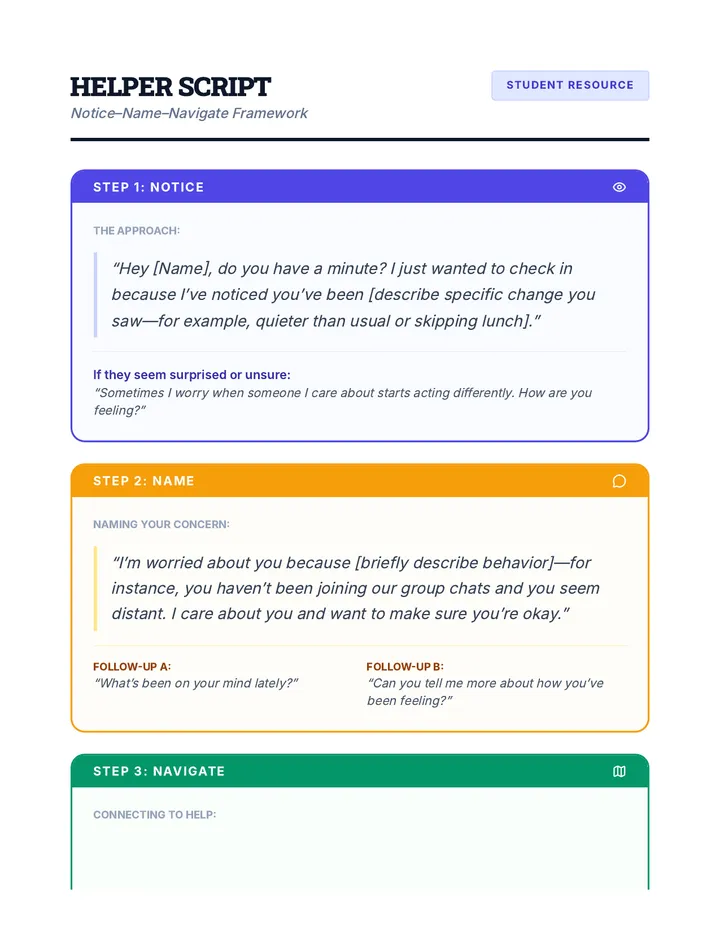
Identification of warning signs for mental health crises and suicide risk among peers. Equips learners with intervention frameworks for active listening, safety assessment, and connection to professional support systems.
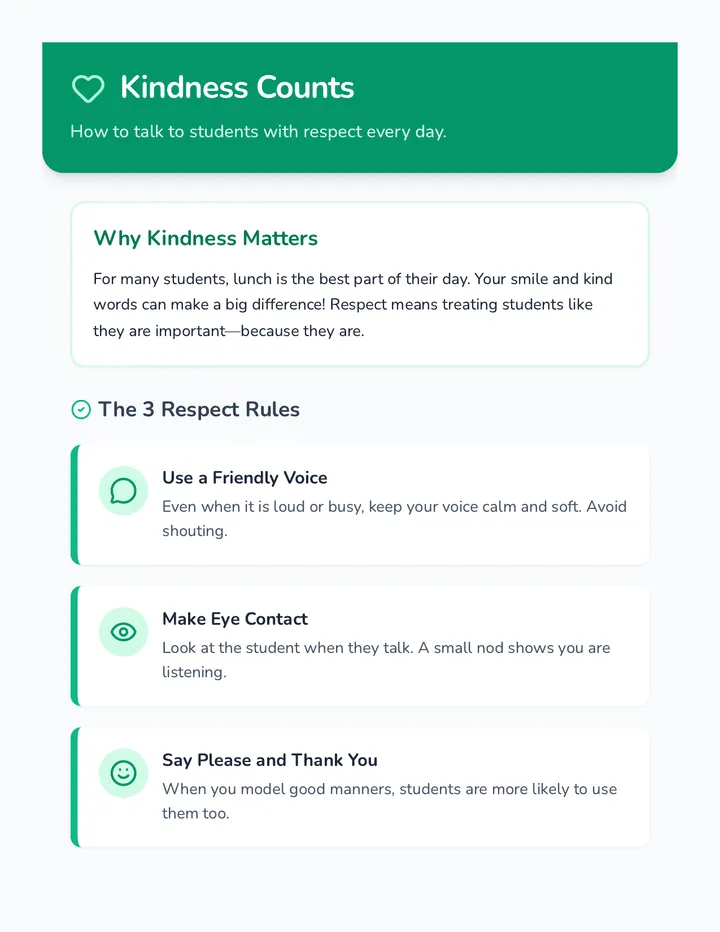
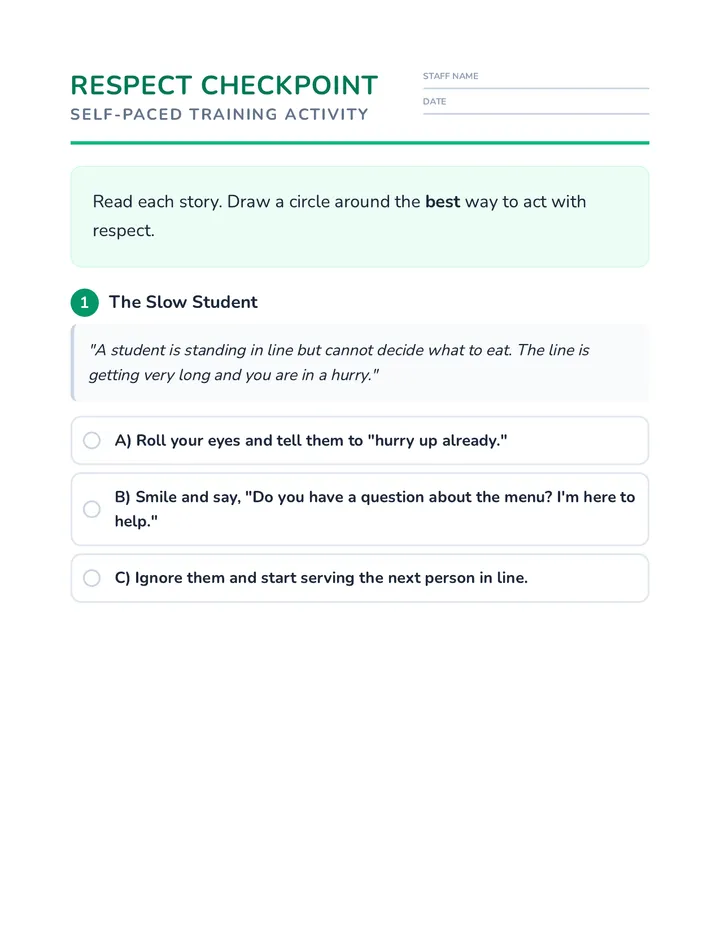
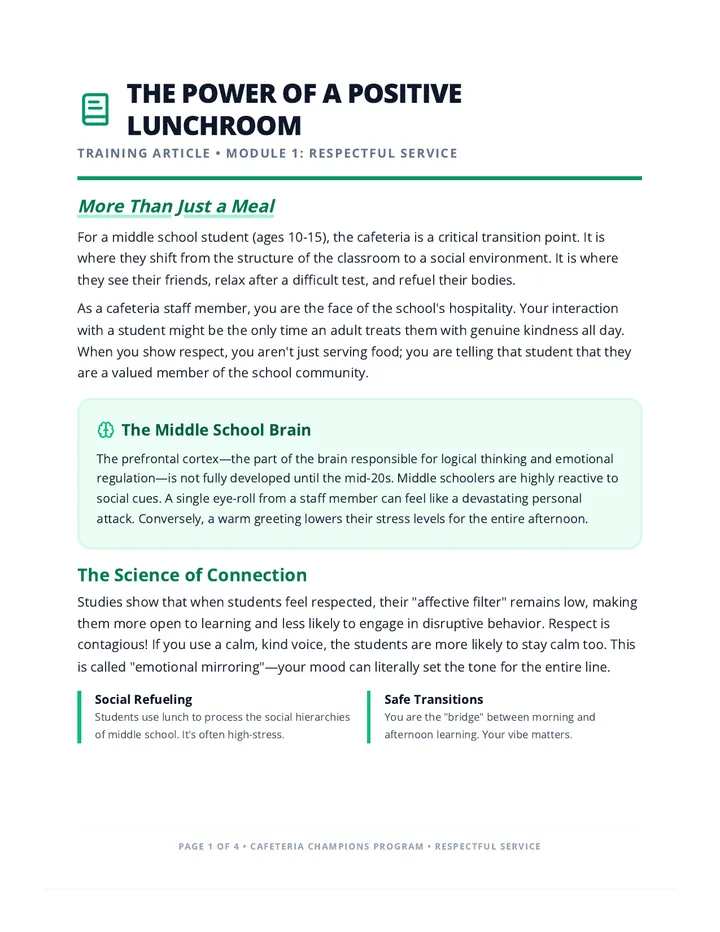
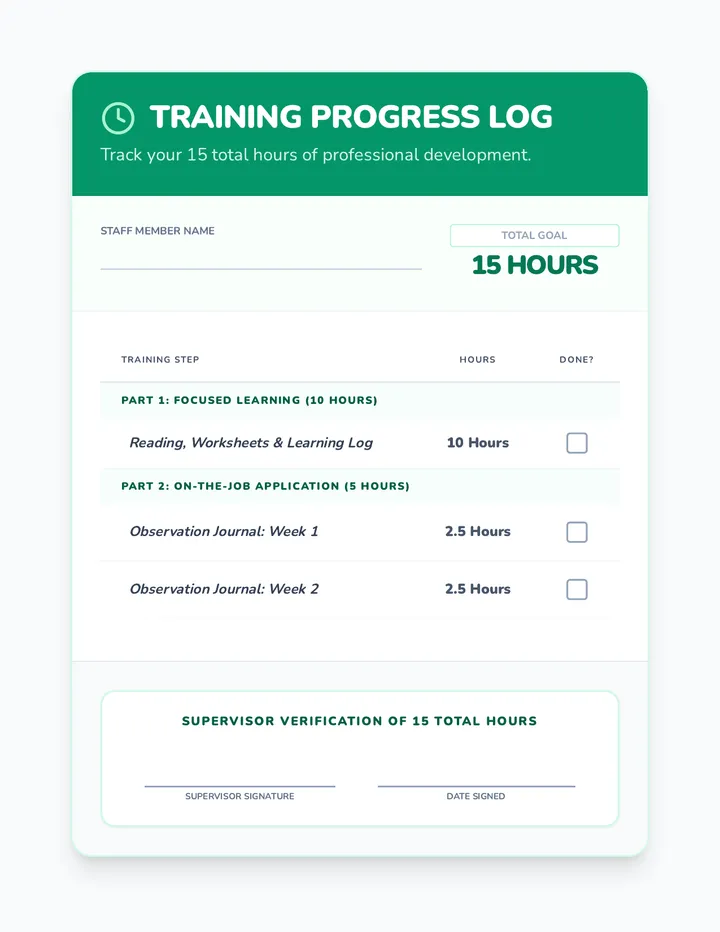
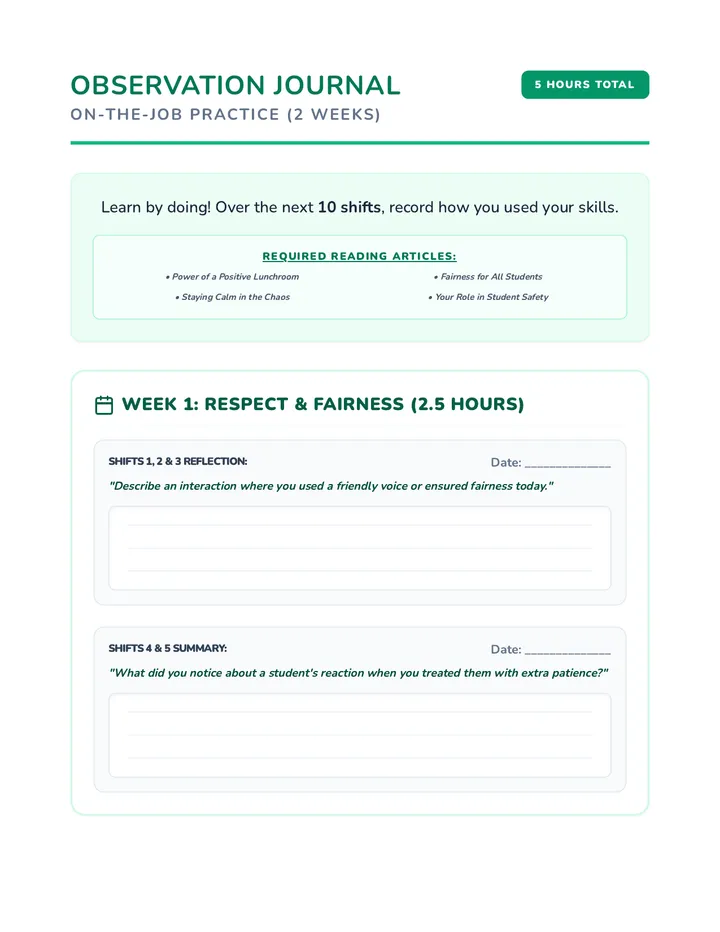
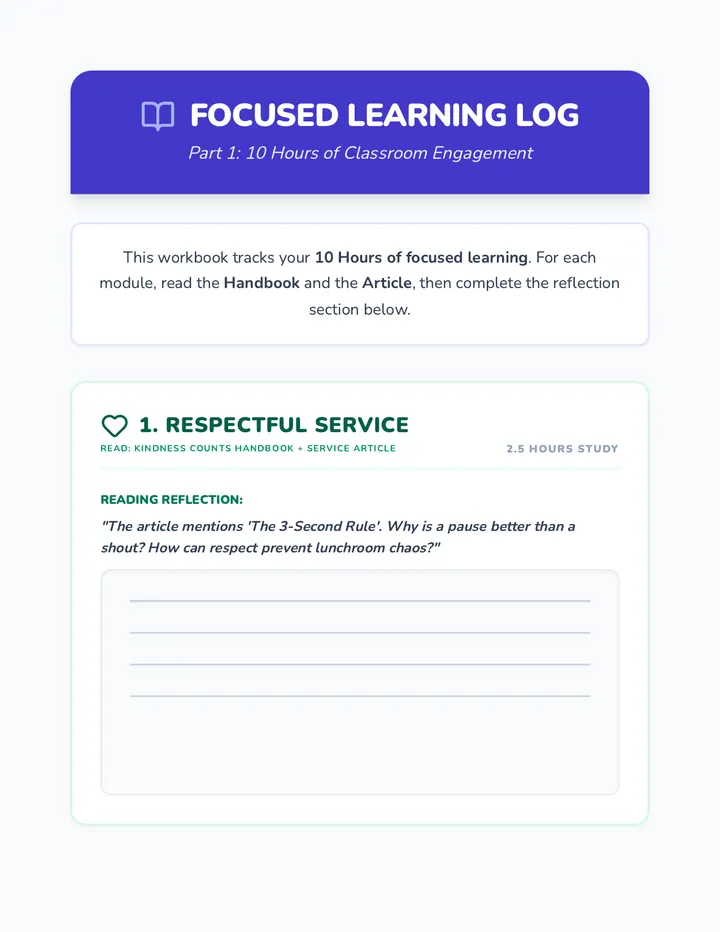
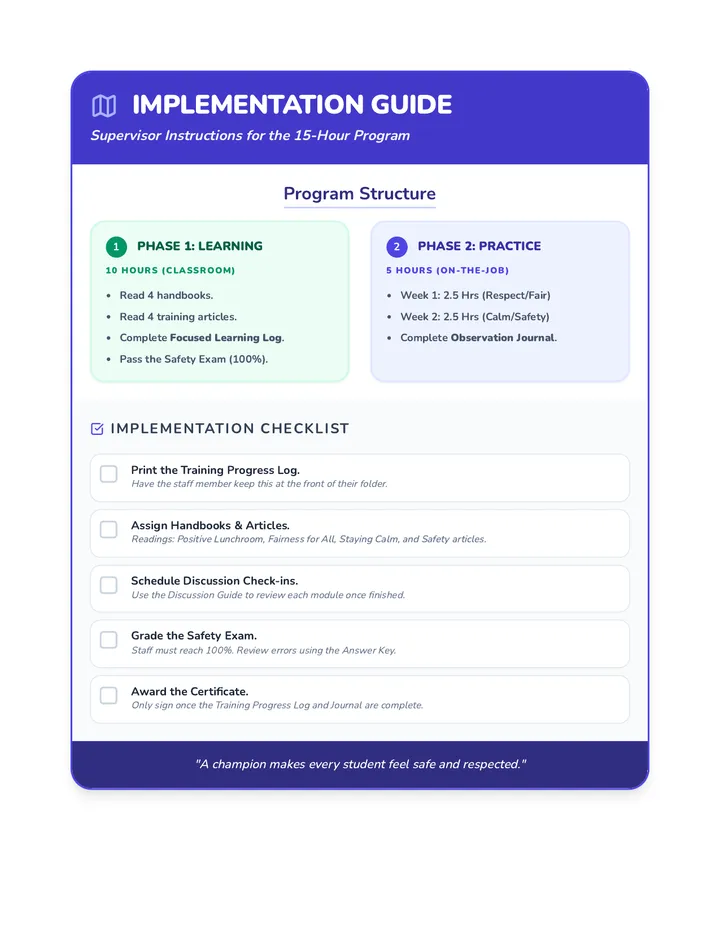
A 15-hour training program for middle school cafeteria staff focusing on respect, anti-bias, and child safety. This visually-heavy program is split into 10 hours of focused classroom-style learning and 5 hours of on-the-job application.
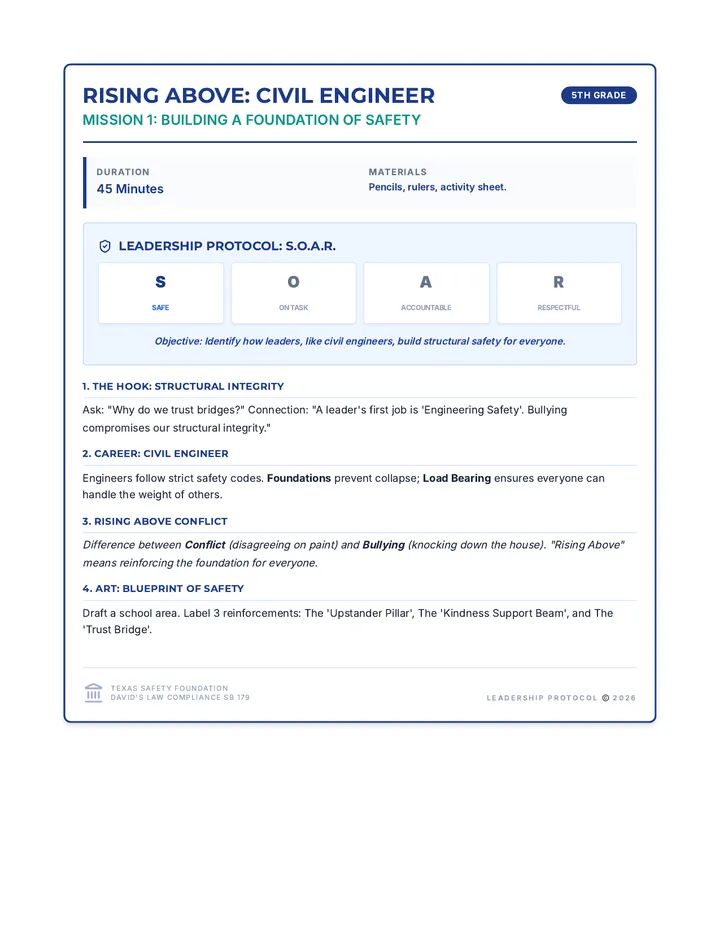
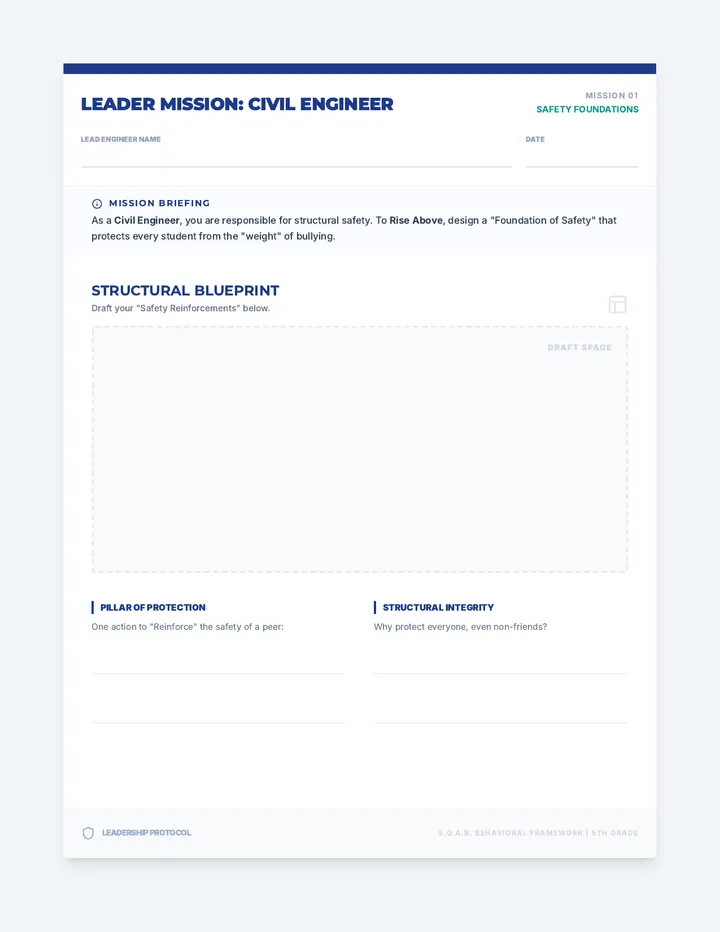
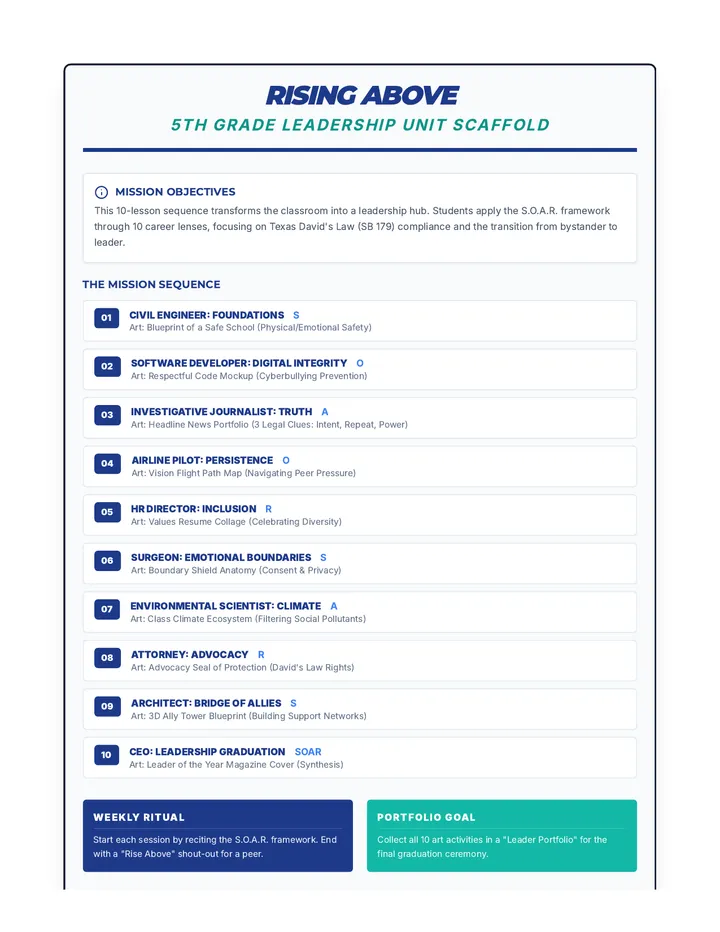
A comprehensive K-12 bullying prevention curriculum strictly aligned with Texas David's Law and TEC Chapter 37, focusing on the distinction between conflict and bullying, cyberbullying, and school safety. Now renamed to the Leadership Protocol.
A comprehensive bullying prevention curriculum for PK-6 students, featuring two distinct 30-minute sessions for every individual grade level. The program uses mentor texts by Kathryn Otoshi, Trudy Ludwig, Julia Cook, and others to scaffold concepts of power imbalance, upstander strategies, and school culture change.
A six-lesson series for K-3 students with communication IEPs, specifically those who stutter. The sequence focuses on defining bullying, identifying feelings, building self-advocacy through brave words and I-statements, and fostering empathy to become upstanders.
A series of three 10-minute lessons for preschool and kindergarten students on how to identify and respond to unkind behavior and bullying using simple, empowering strategies.
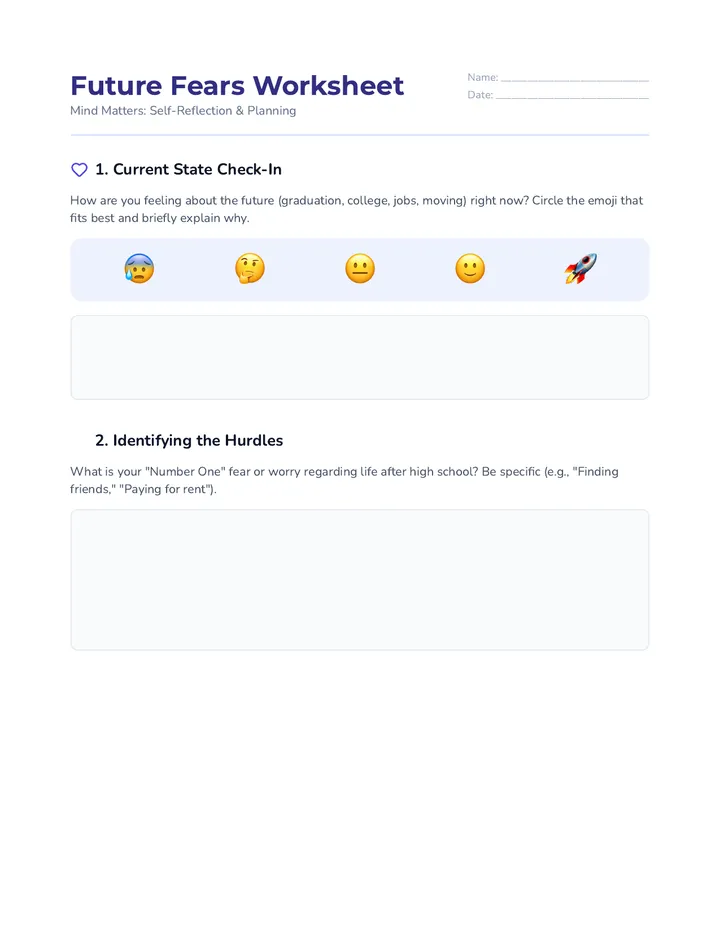
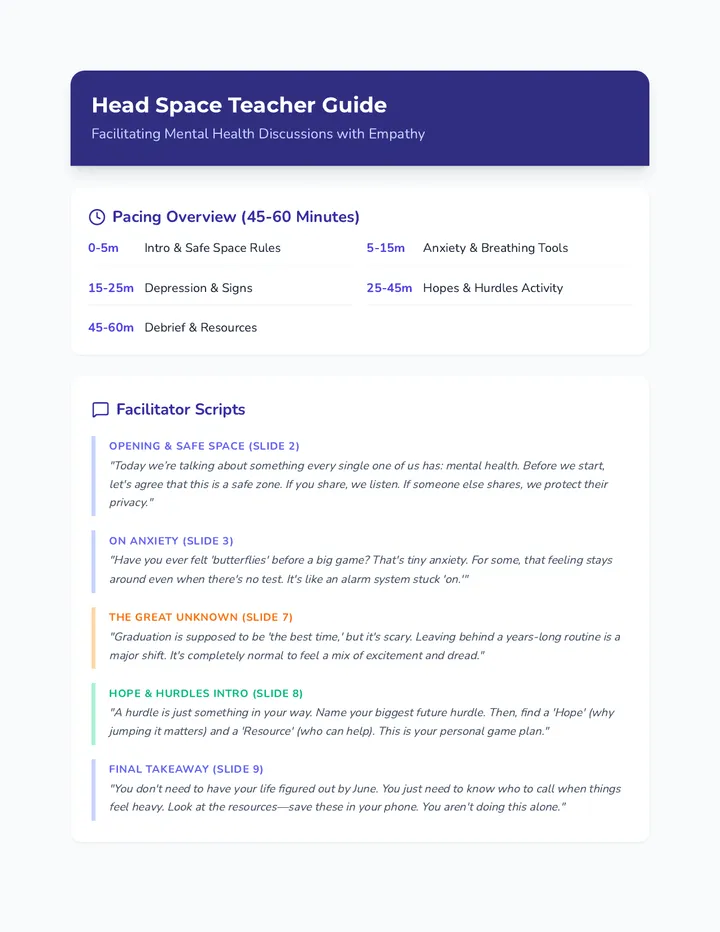
A 5-day mental health curriculum for high schoolers covering anxiety, depression, the transition after graduation, and building a sustainable safety net.
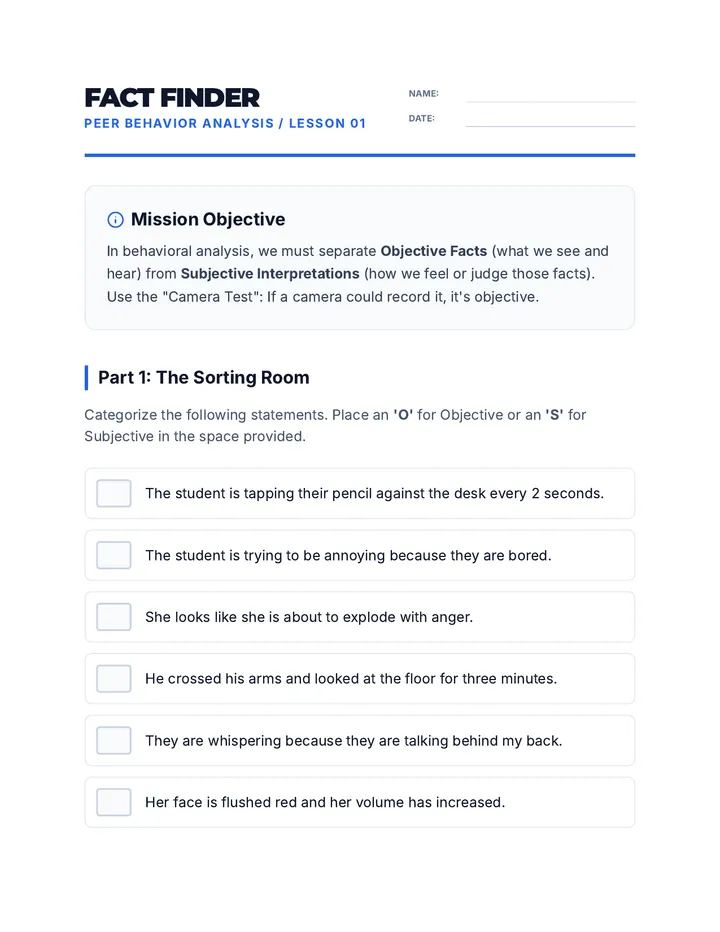
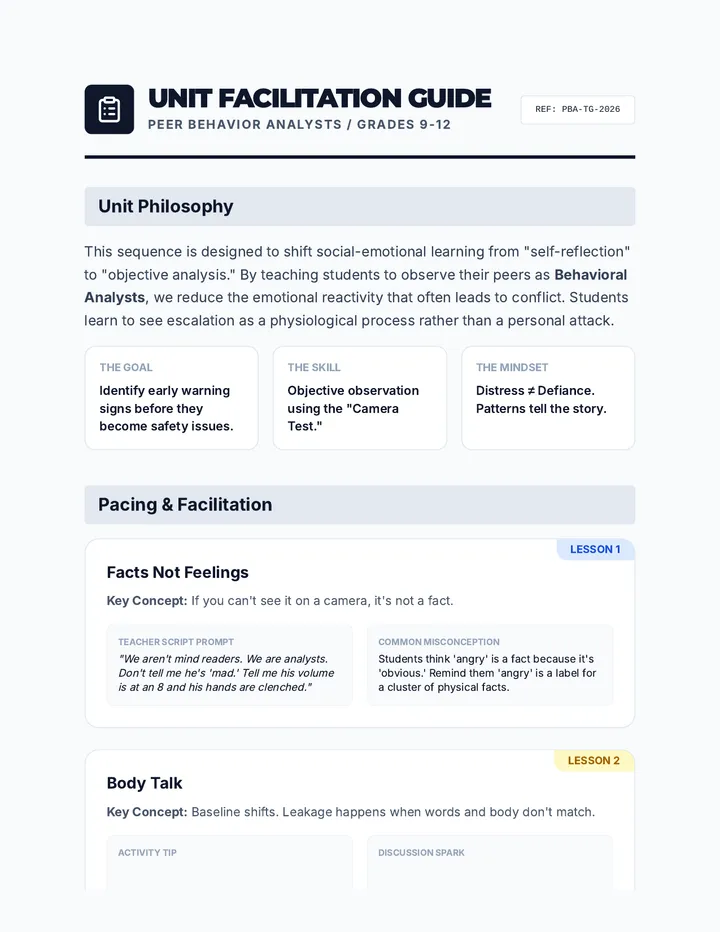
A 5-lesson sequence for 9th-grade students focused on developing social awareness and safety by identifying peer behavioral shifts and escalation warning signs through objective observation and non-verbal analysis.
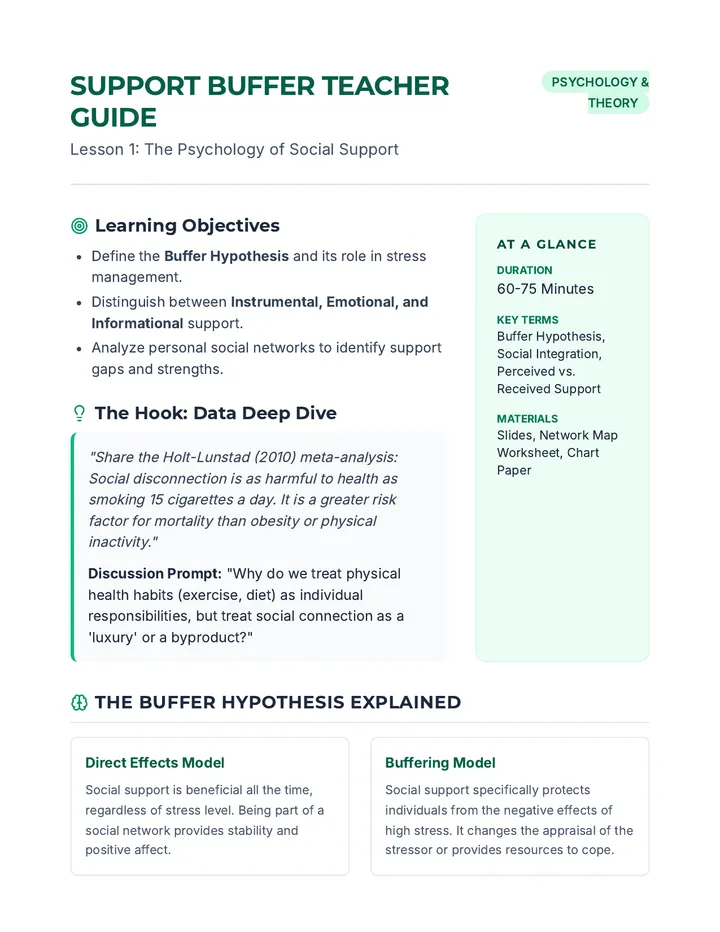
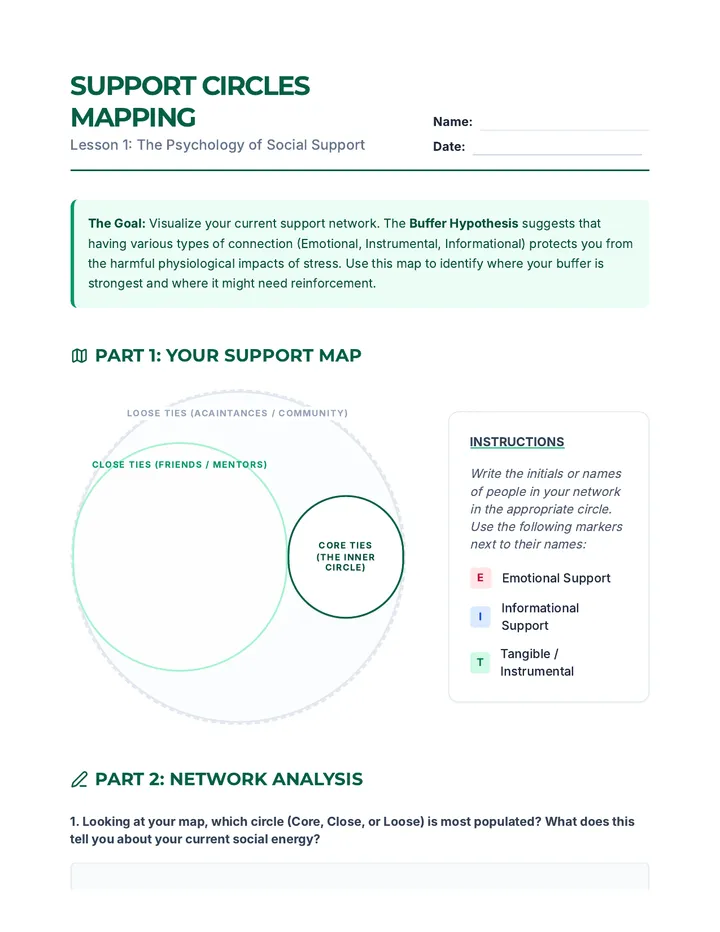
A comprehensive sequence for undergraduate students exploring the social psychology of stress and the practical skills needed to build resilient peer support networks. Students move from theoretical understanding to practical facilitation and community planning.
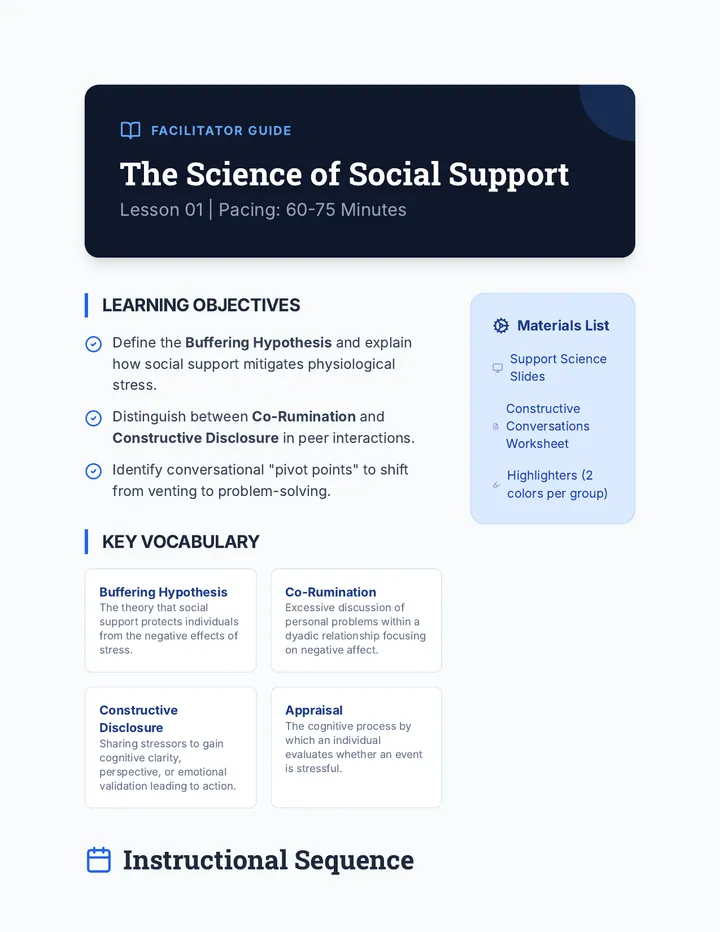
A graduate-level training sequence on facilitating peer support systems to mitigate stress and anxiety. Students learn the science of social support, micro-skills for active listening, boundary setting to prevent burnout, and group facilitation techniques to create sustainable communities of care.
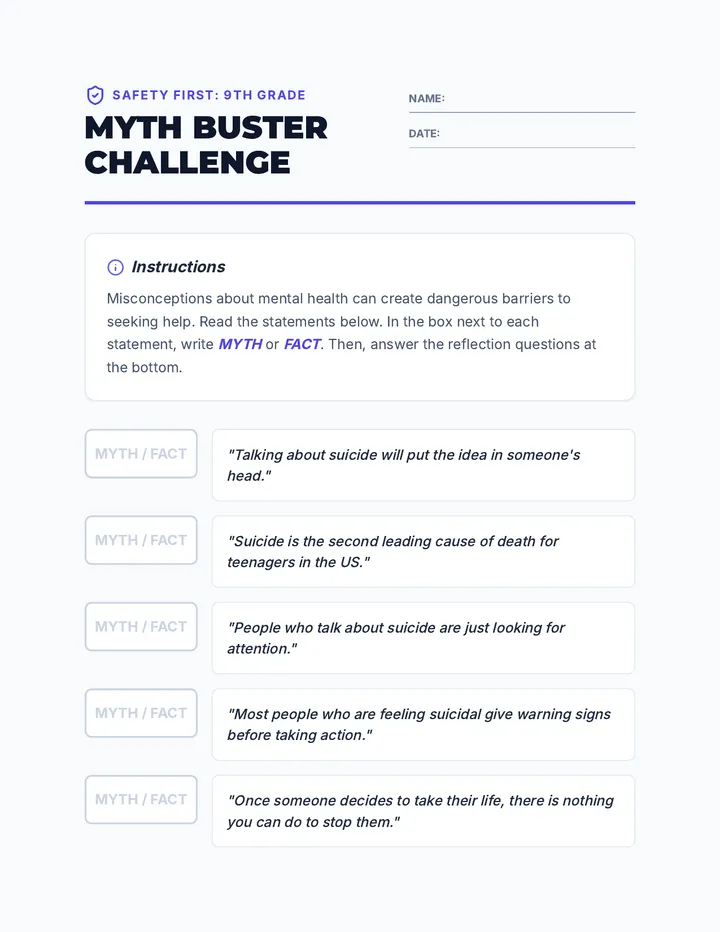
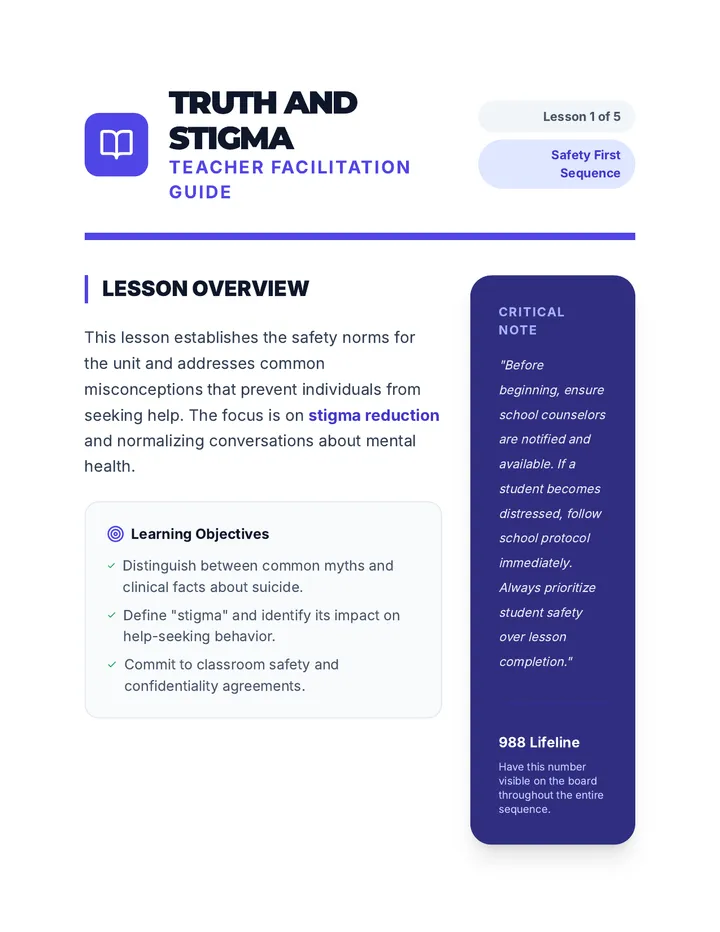
This sequence equips 9th-grade students to recognize signs of emotional distress and suicidal ideation using a safety-first framework. Students progress from debunking myths to identifying warning signs, understanding situational context, practicing the ACT (Acknowledge, Care, Tell) model, and mapping out support resources.
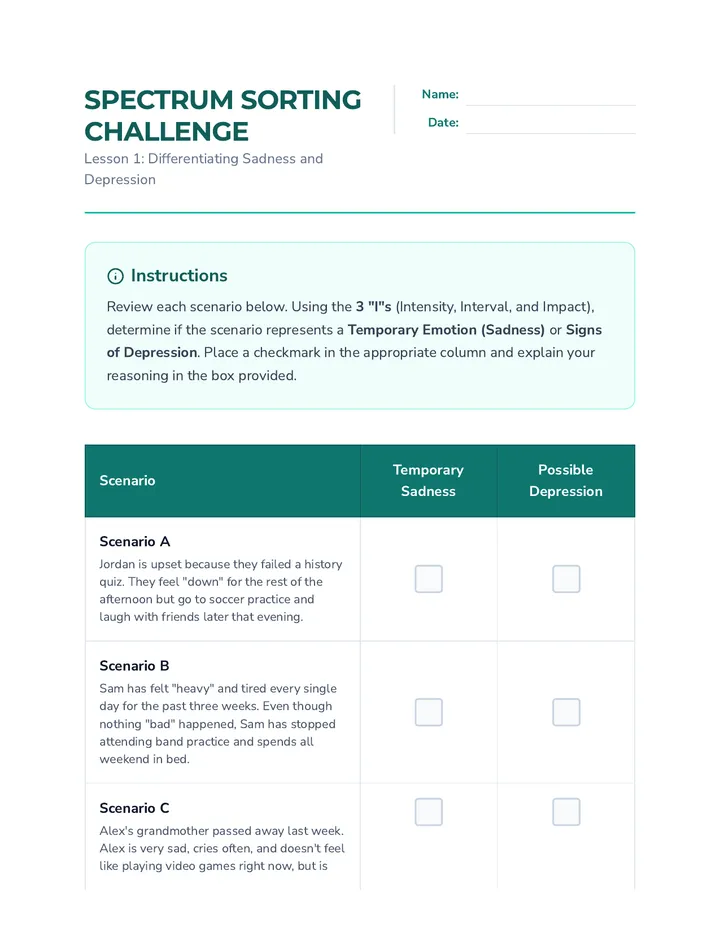
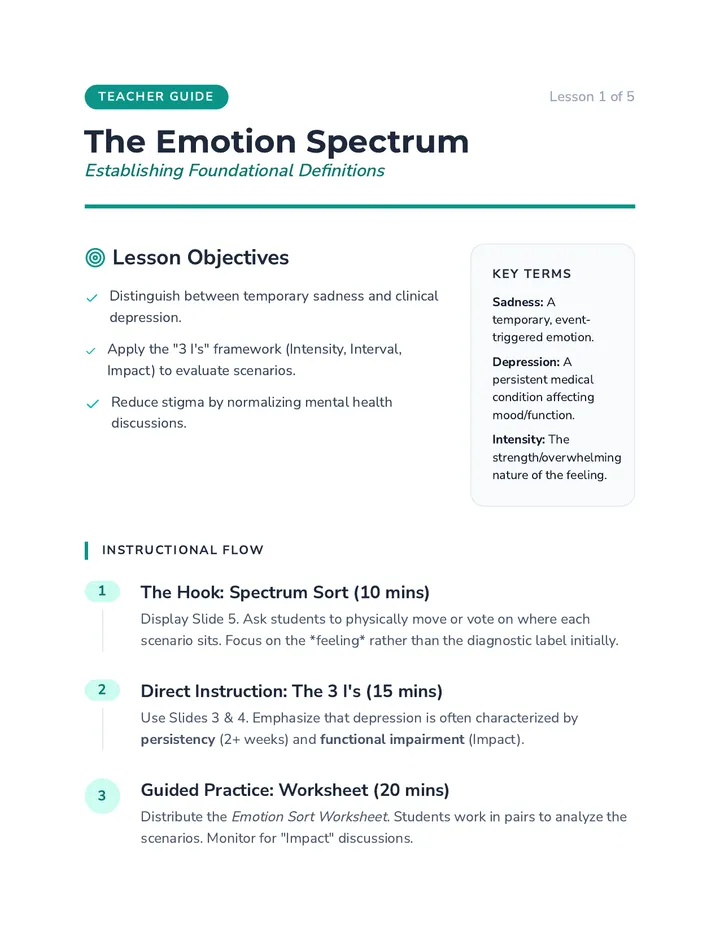
This sequence helps 8th-grade students distinguish between temporary sadness and clinical depression by analyzing behavioral, physical, and emotional indicators. It culminates in learning the ACT (Acknowledge, Care, Tell) strategy for seeking help from trusted adults.
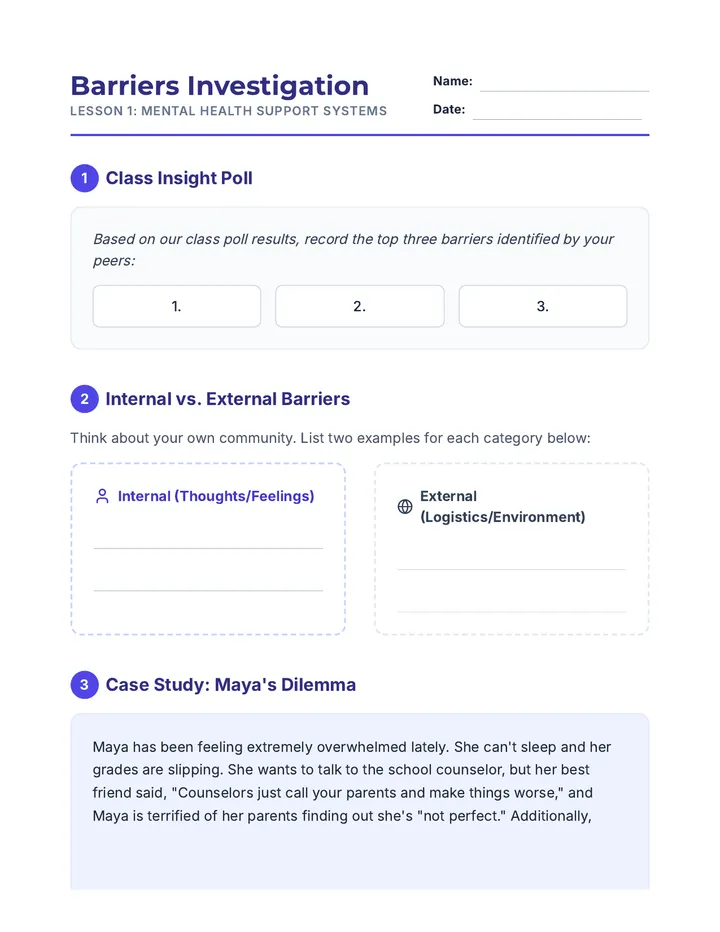
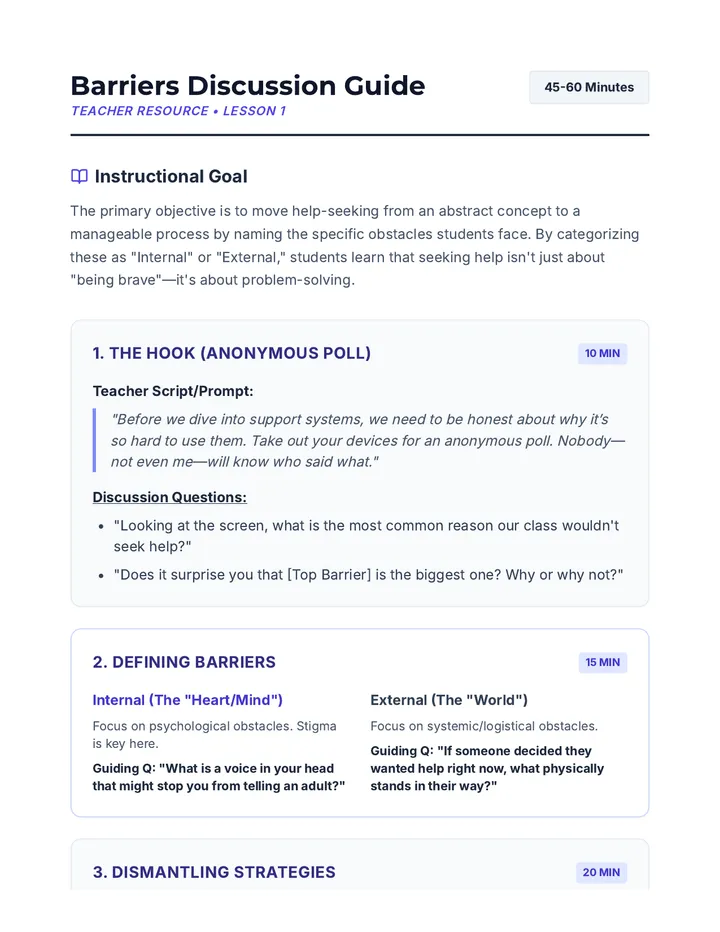
This 8th-grade sequence empowers students to overcome the psychological and logistical hurdles of seeking mental health help. Through barrier analysis, resource mapping, and verbal script practice, students build the literacy and confidence needed to advocate for themselves and their peers.
Ova lekcija usmjerena je na osvještavanje uloge promatrača u situacijama vršnjačkog nasilja kroz analizu pisanih scenarija i kritičko razmišljanje o mogućim intervencijama.
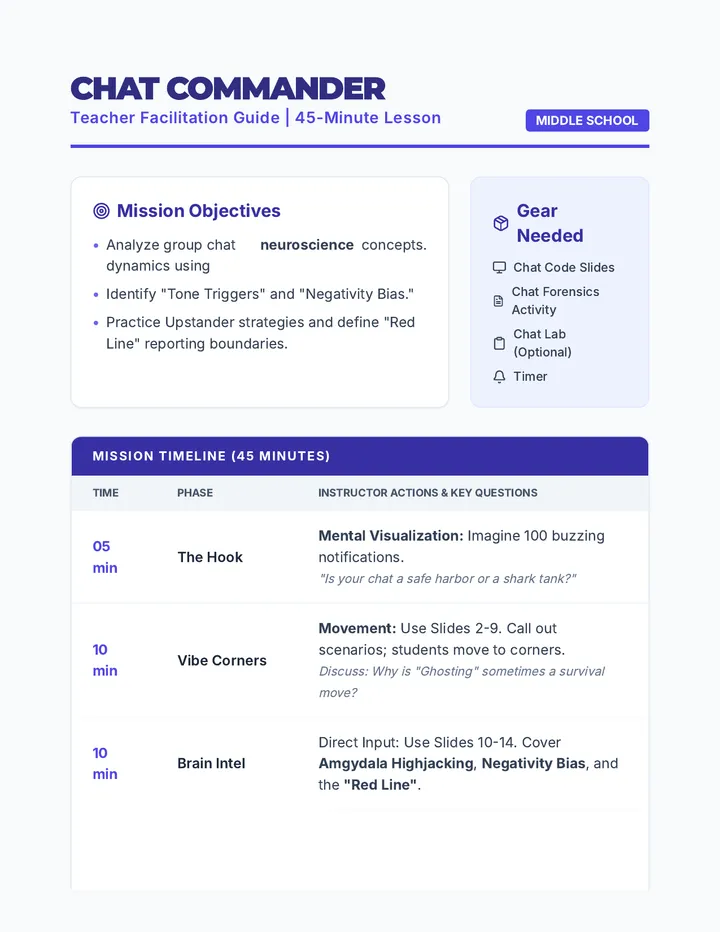
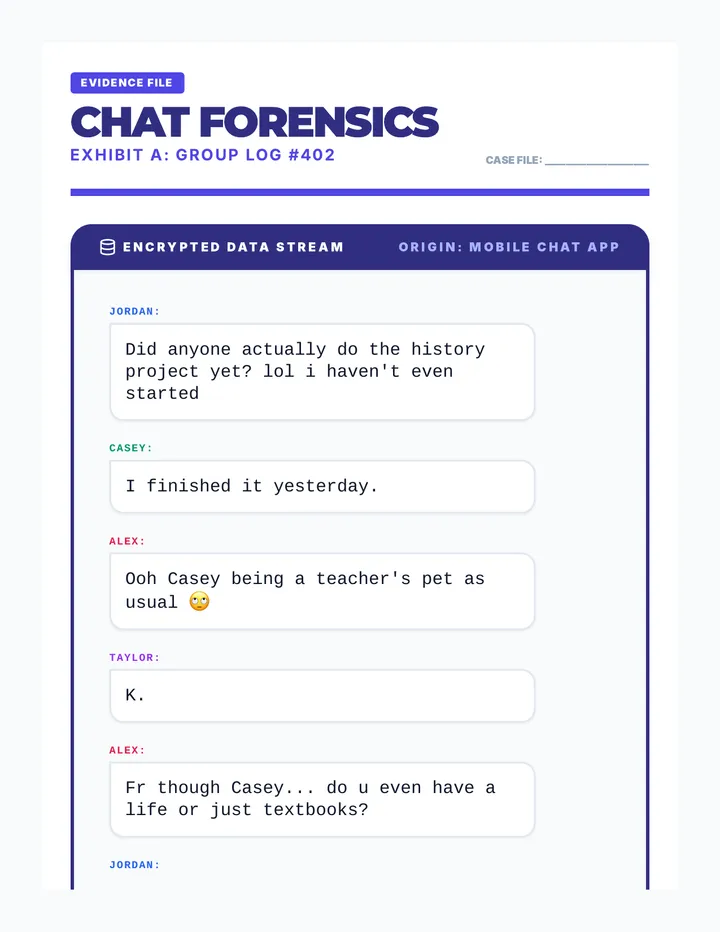
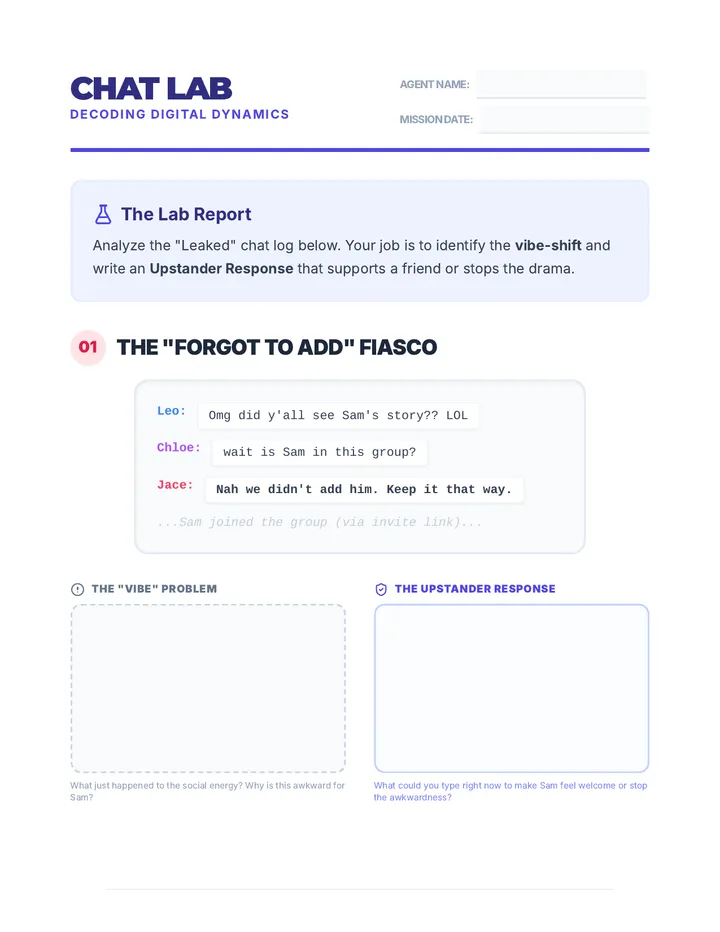
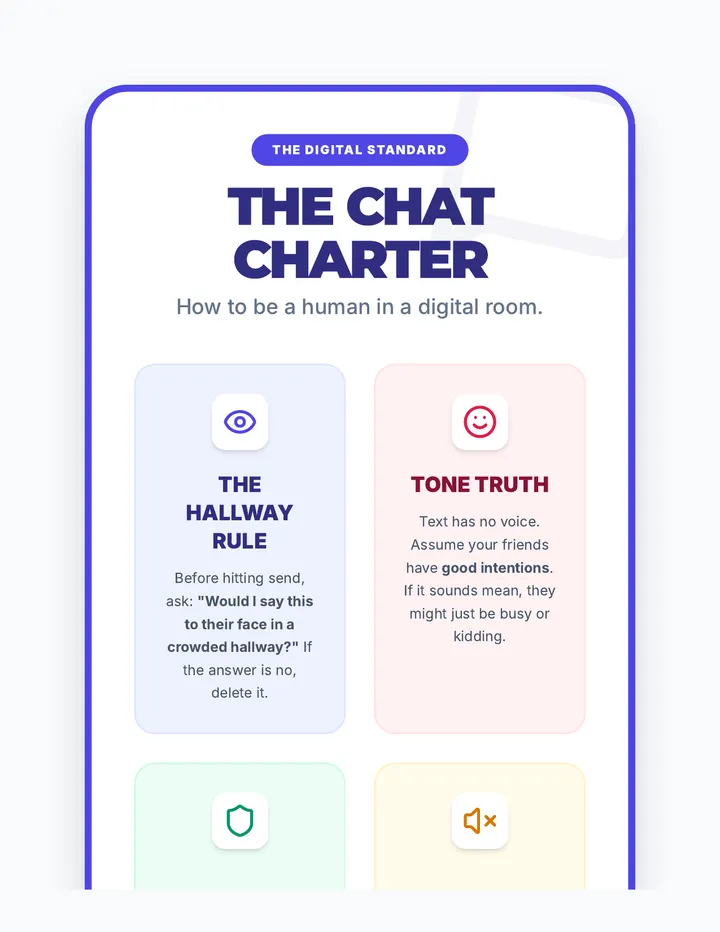
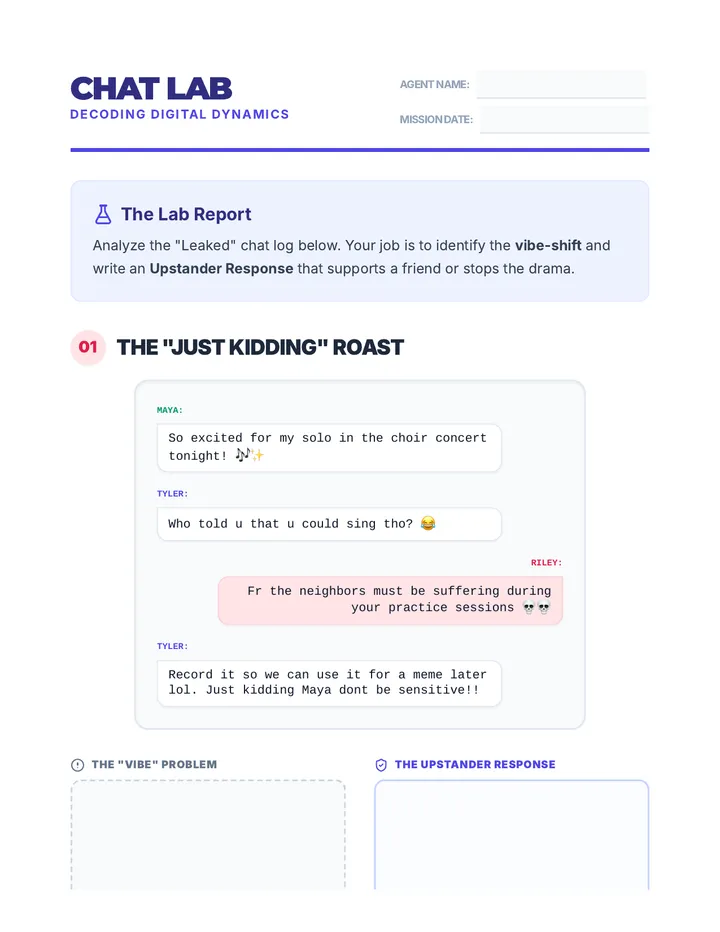
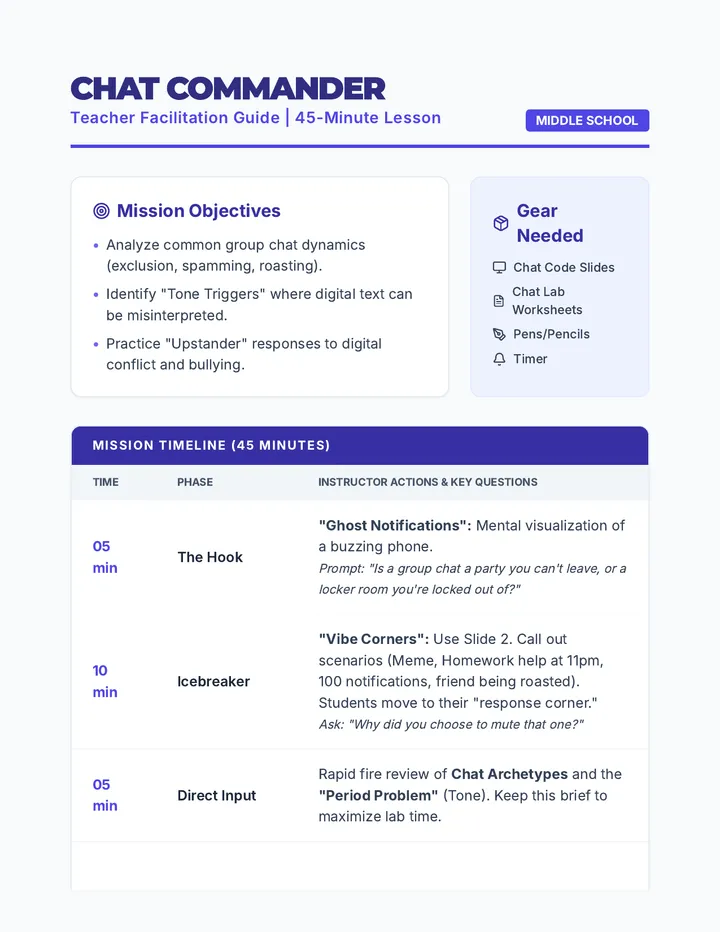
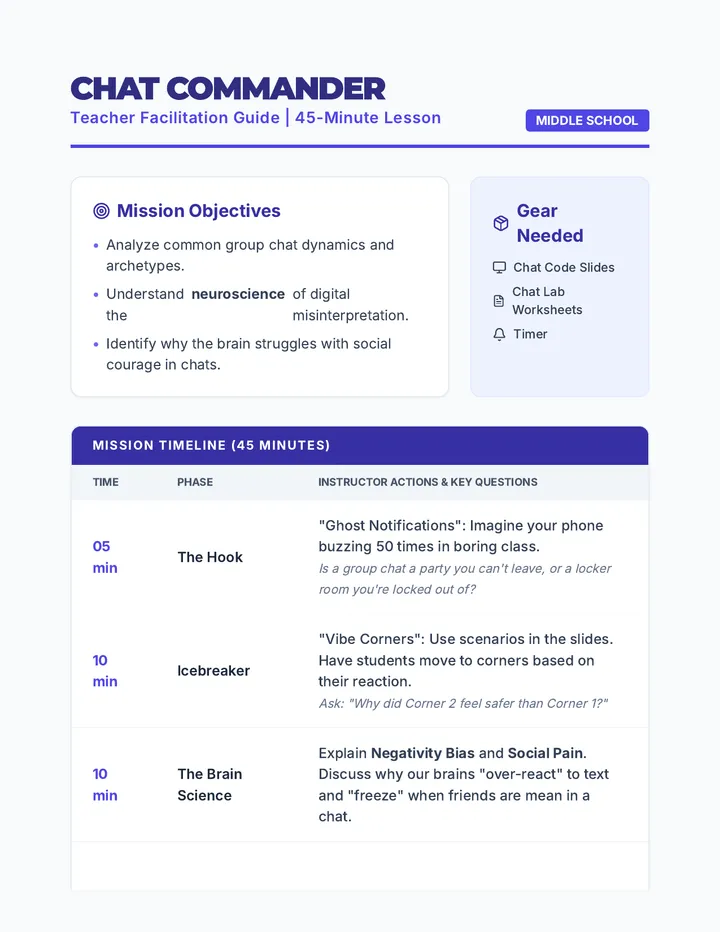
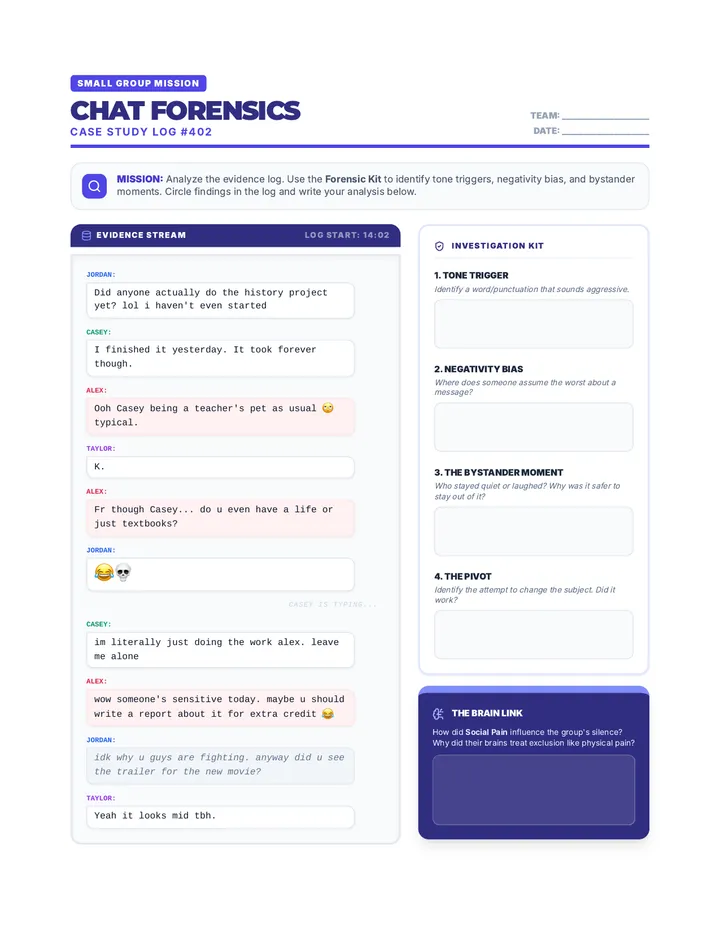
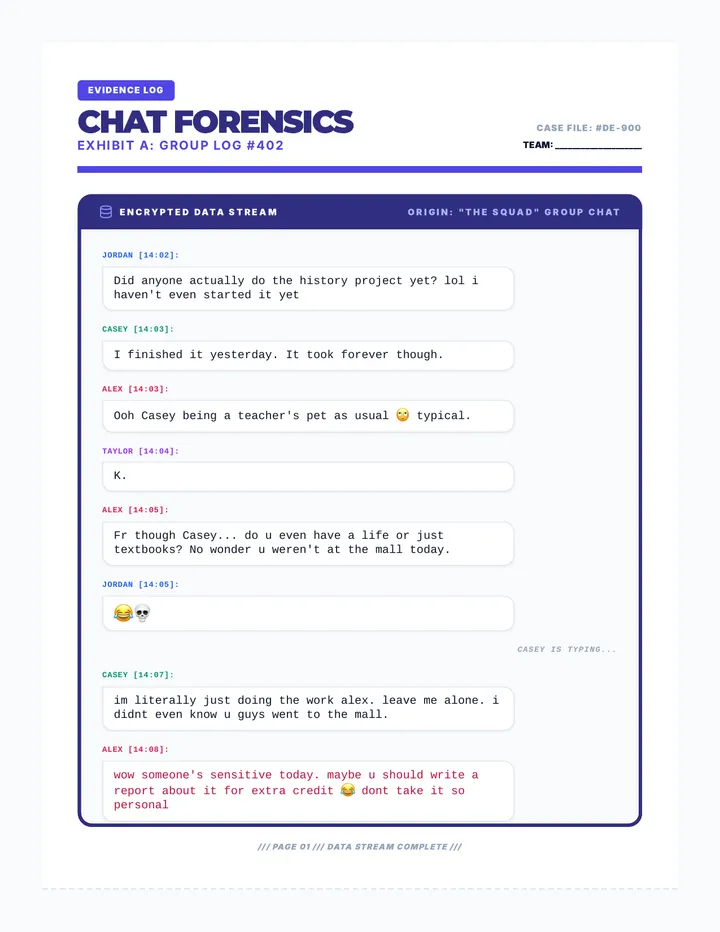
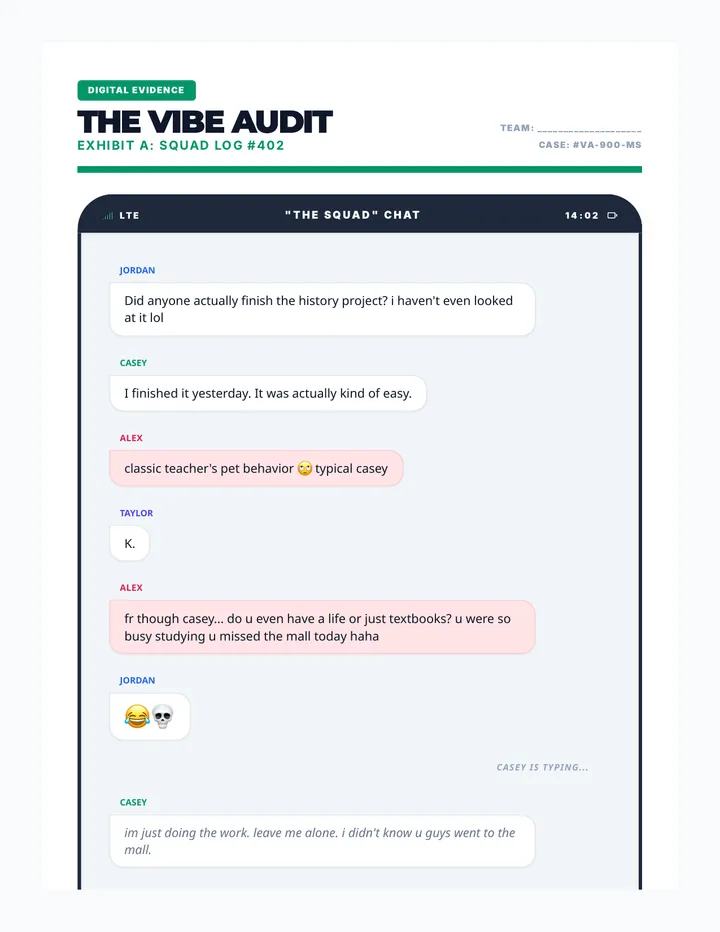
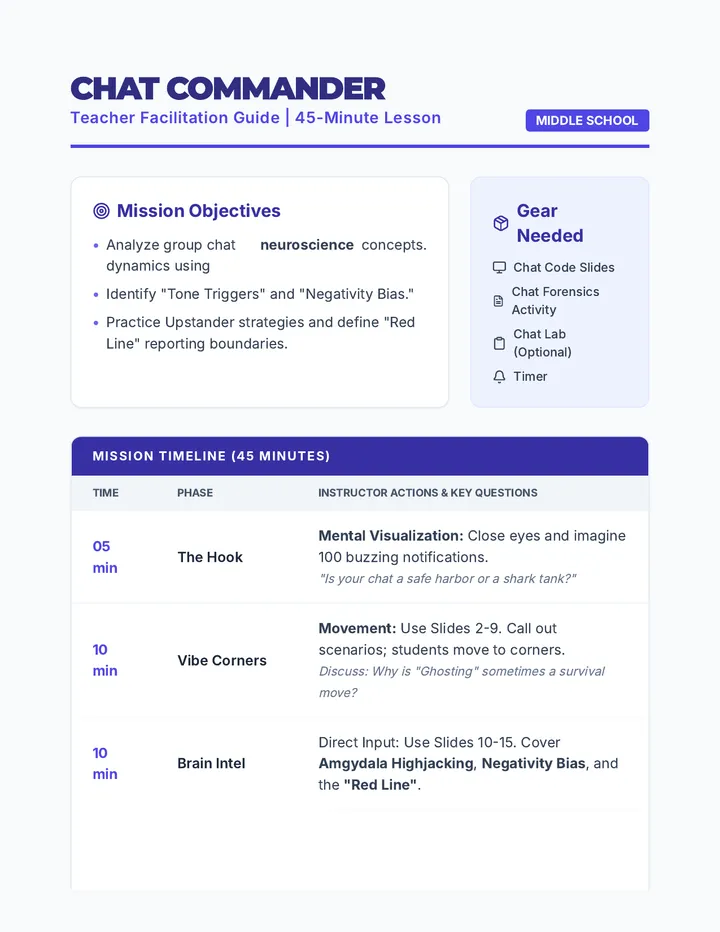
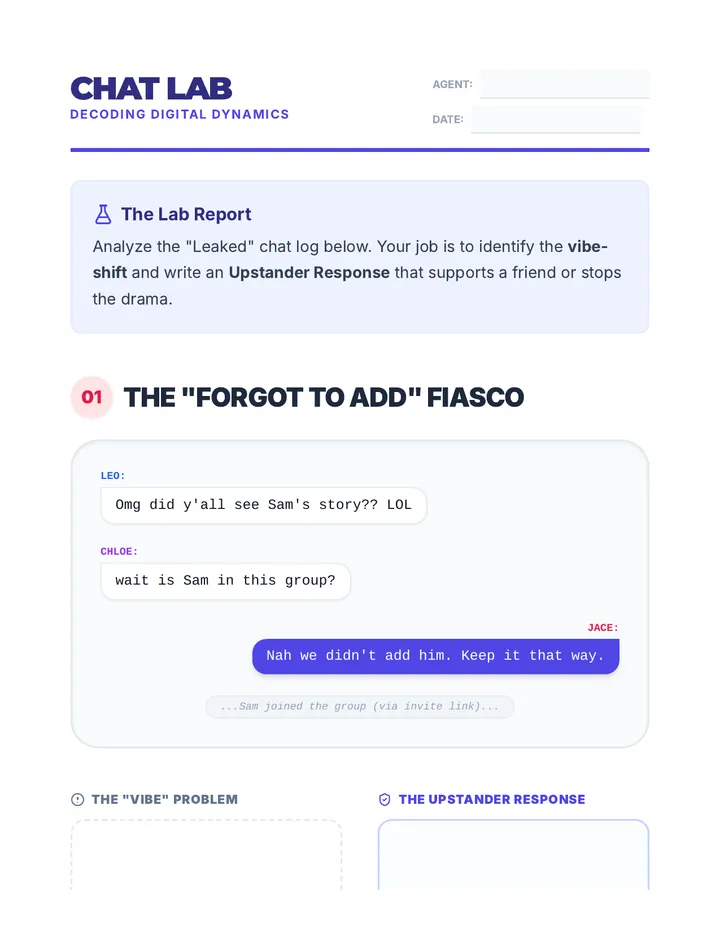
A 45-minute lesson designed for middle schoolers to navigate the social complexities of group chats, focusing on digital empathy, tone interpretation, and being a supportive 'upstander' in digital spaces.
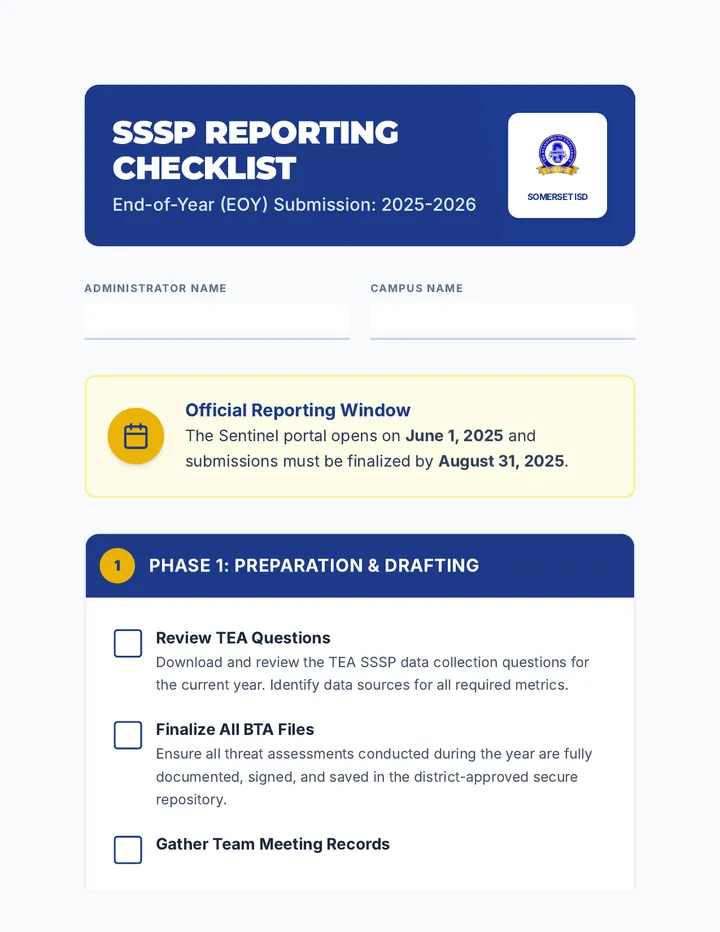
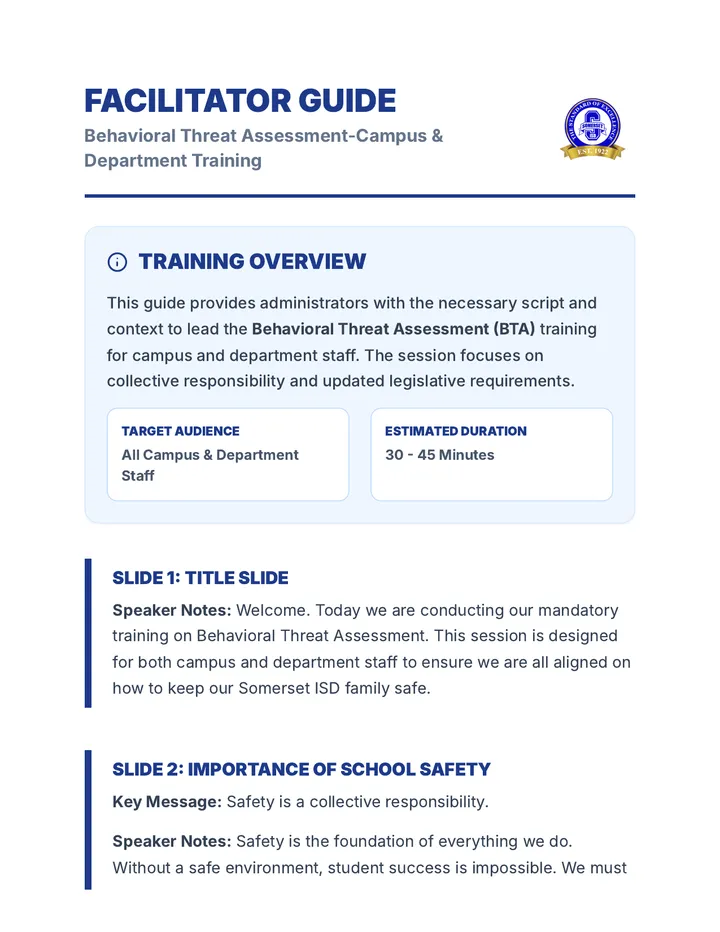
A professional presentation and administrative guide for school leaders regarding the end-of-year Behavioral Threat Assessment (BTA) and Safe and Supportive School Program (SSSP) reporting processes and future planning.
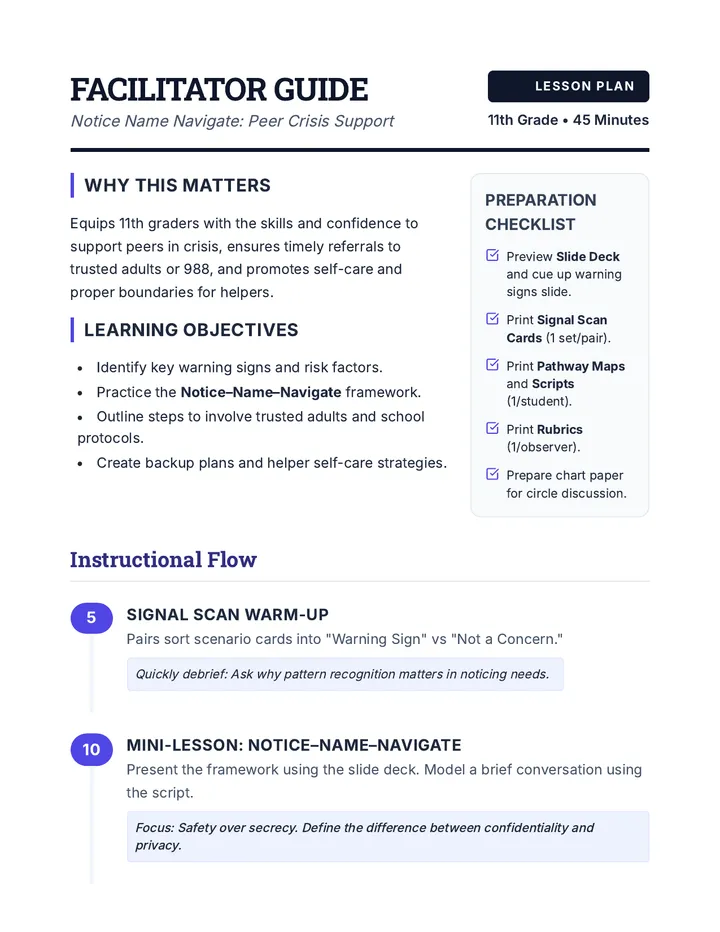
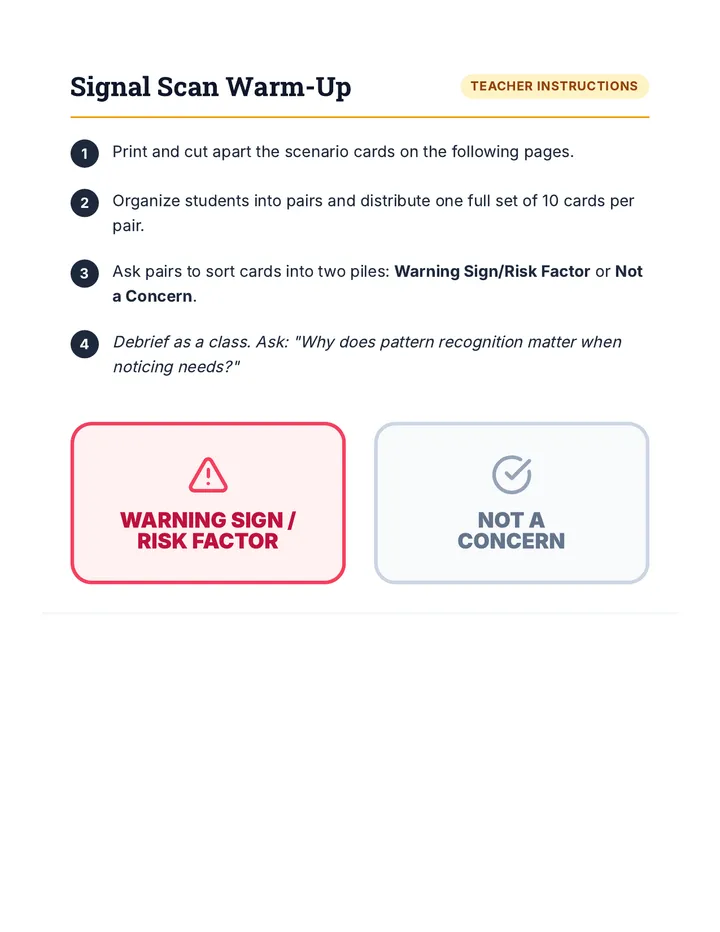
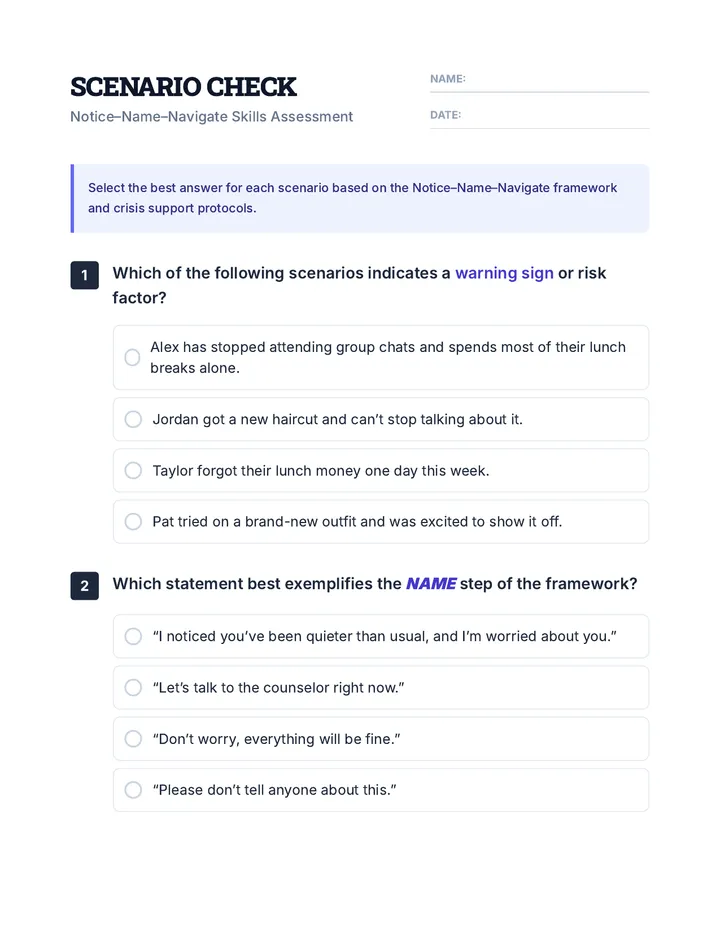
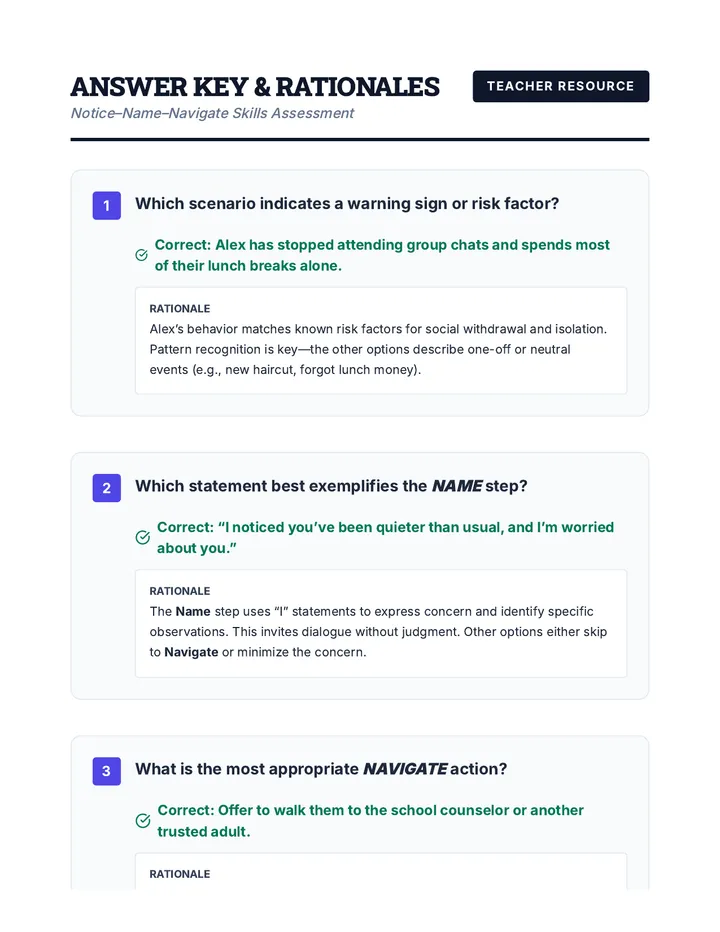
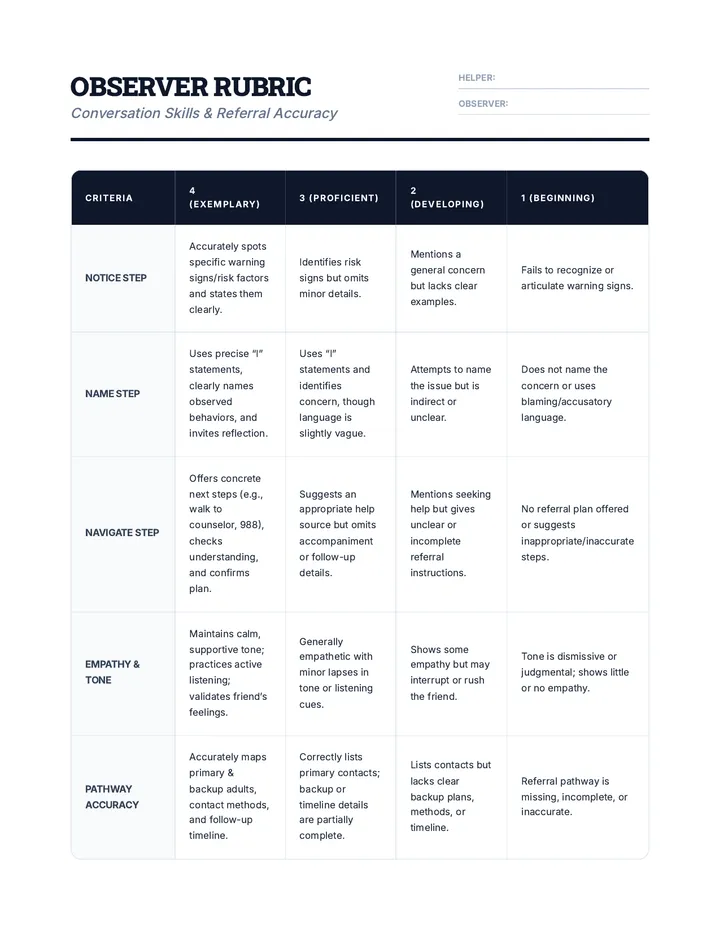
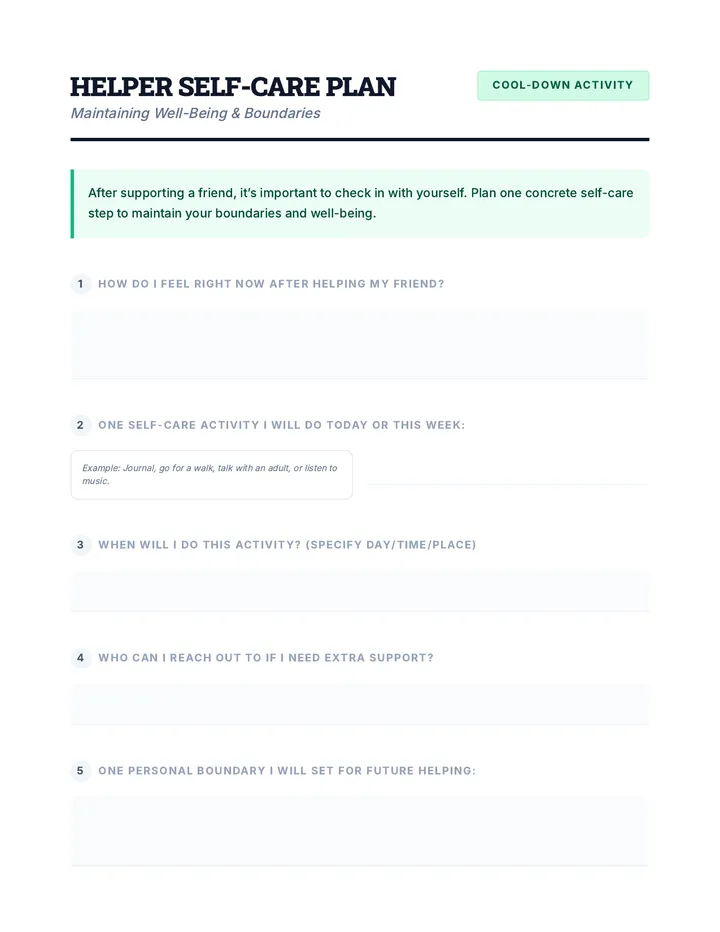
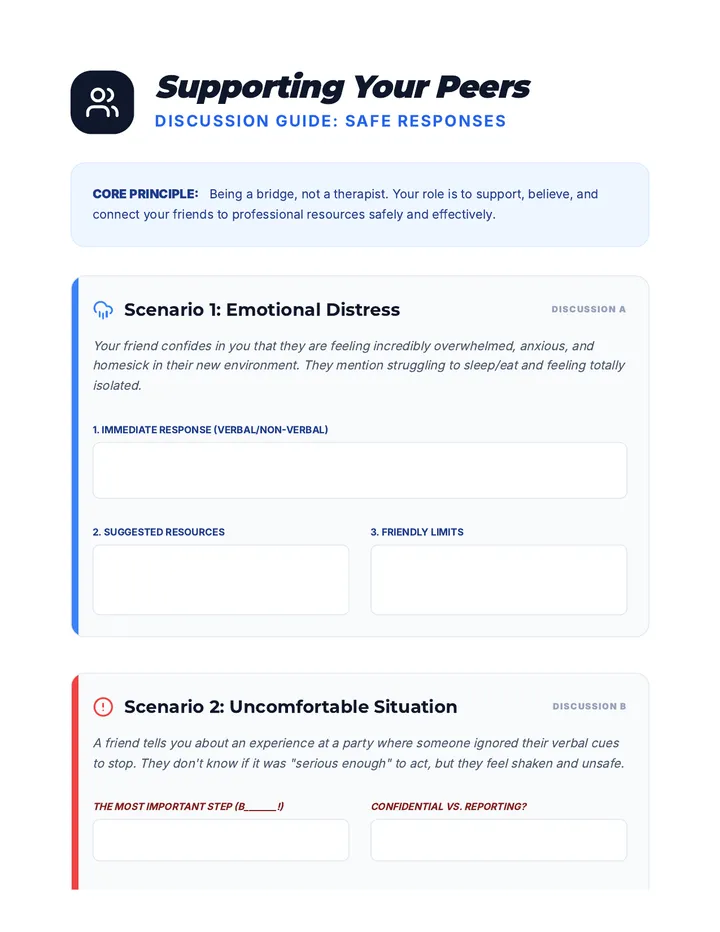
A 45-minute lesson for 11th graders on recognizing peer crisis warning signs and using the Notice–Name–Navigate framework to connect friends to support safely while maintaining self-care boundaries.
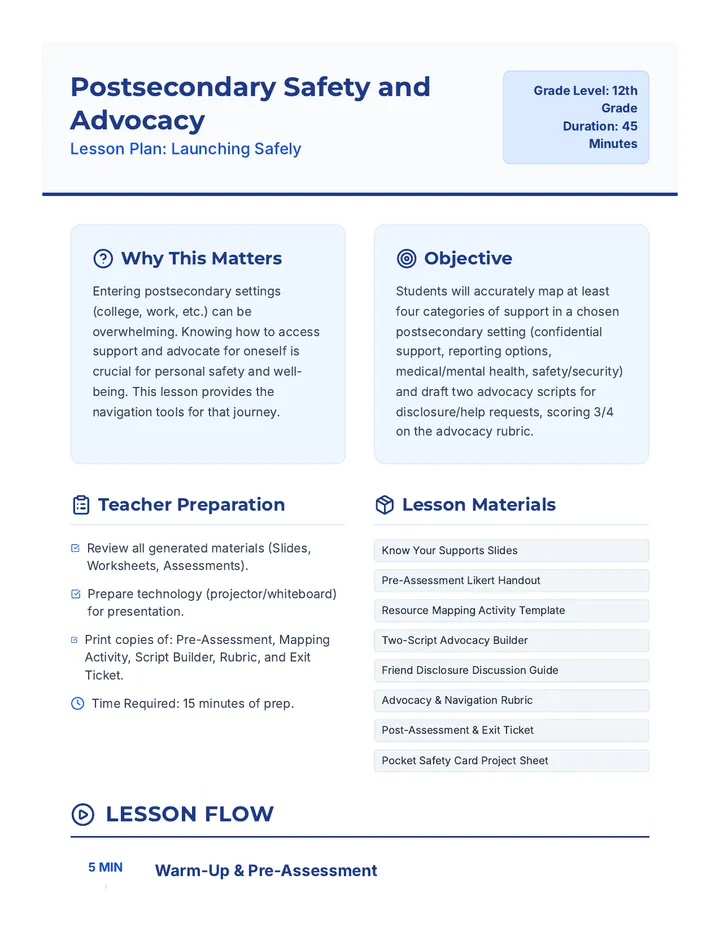
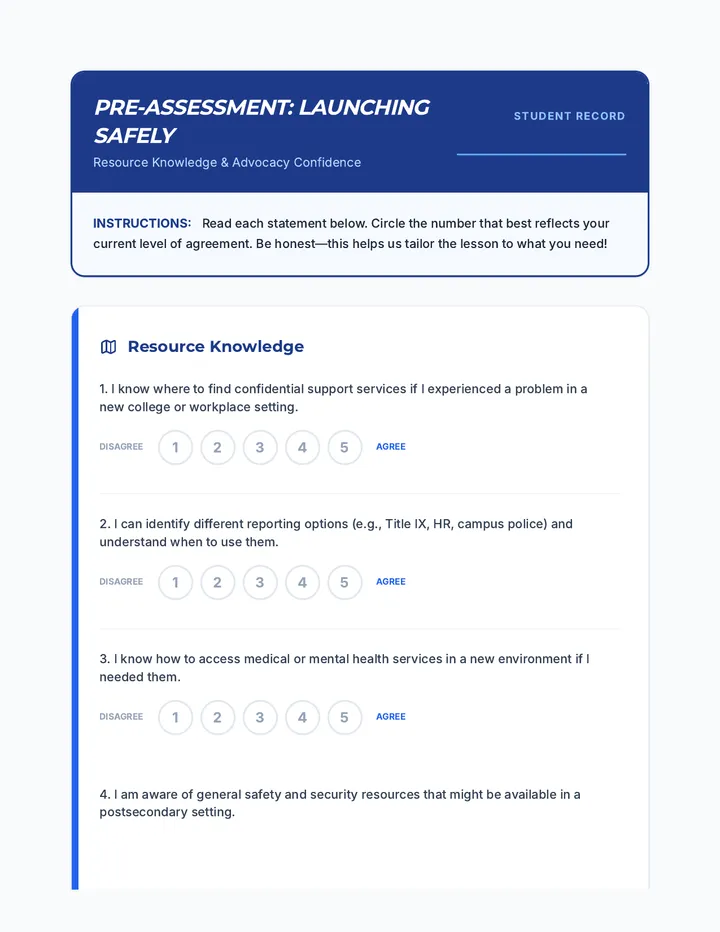
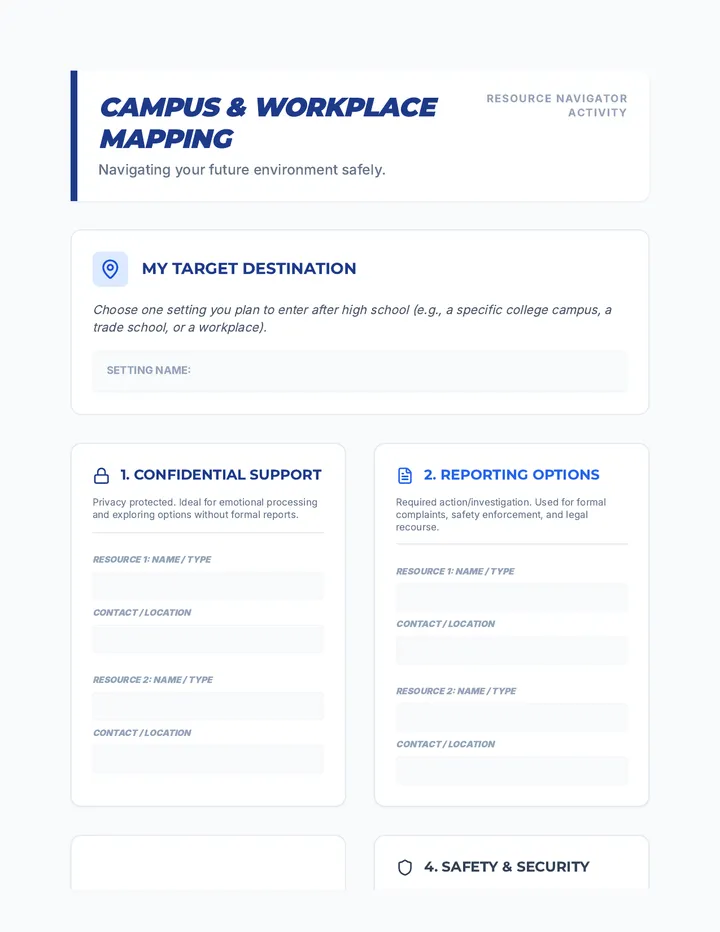
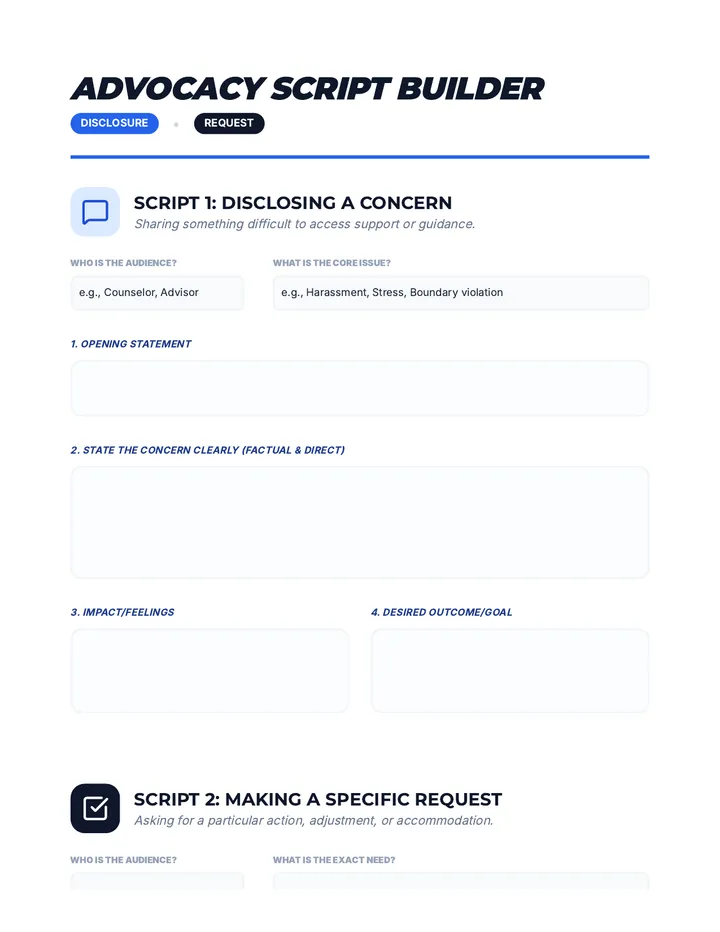
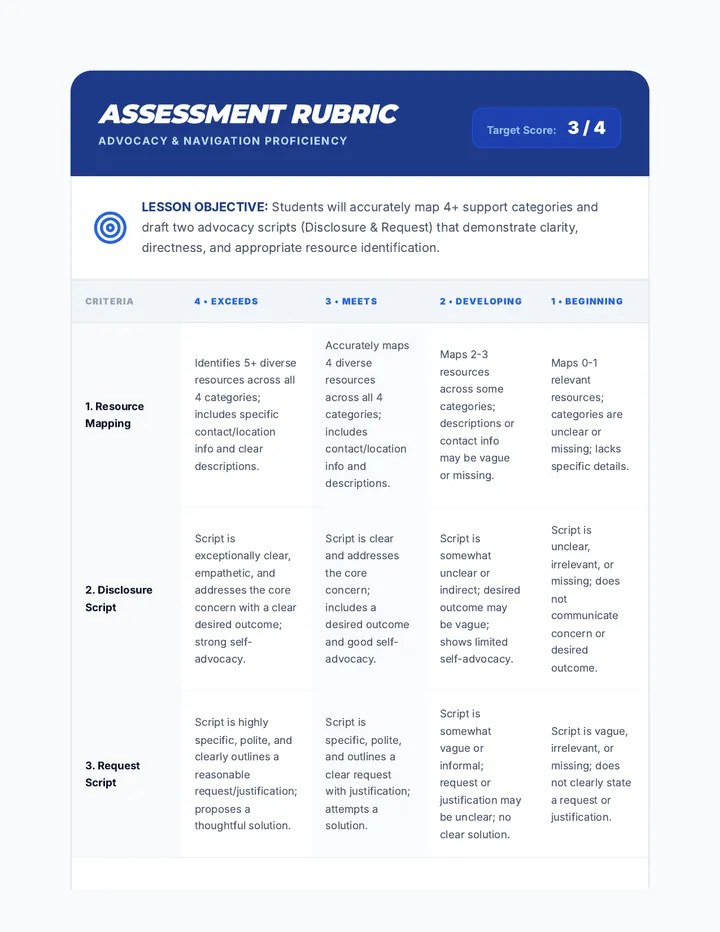
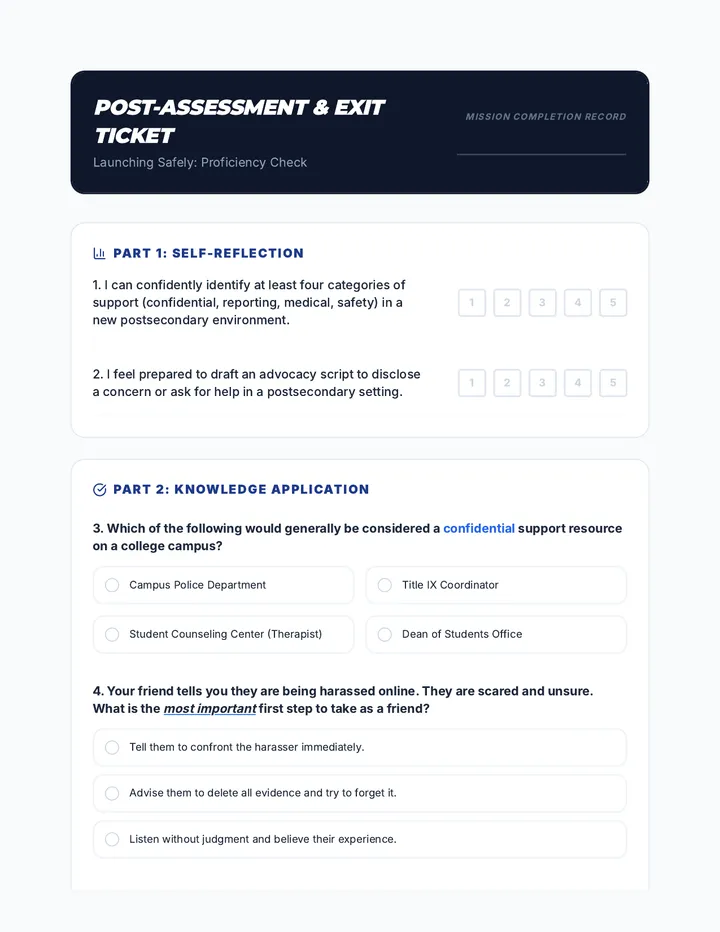
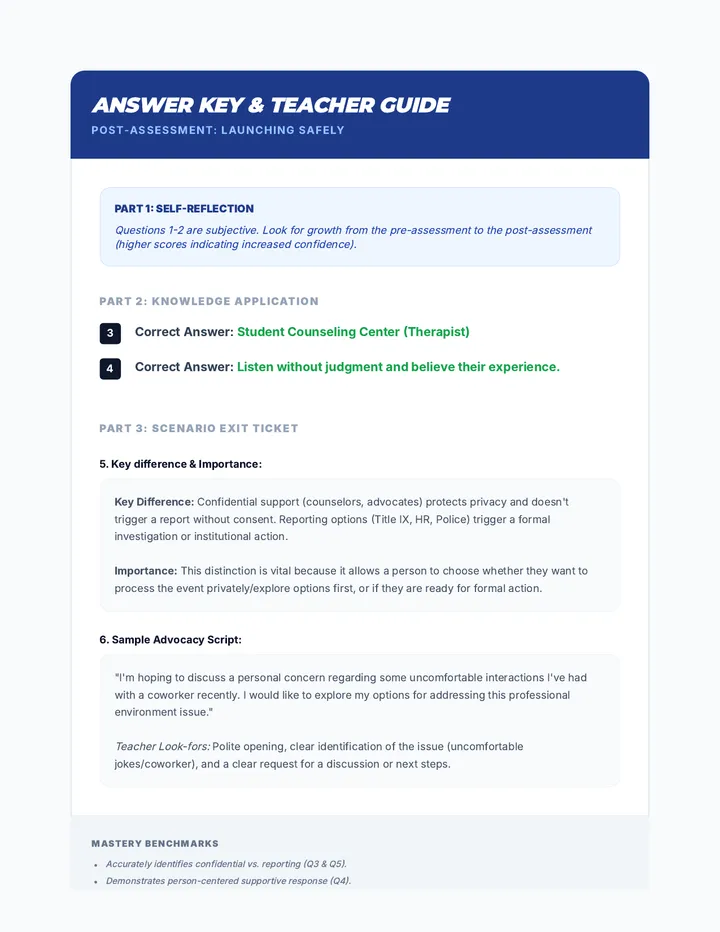
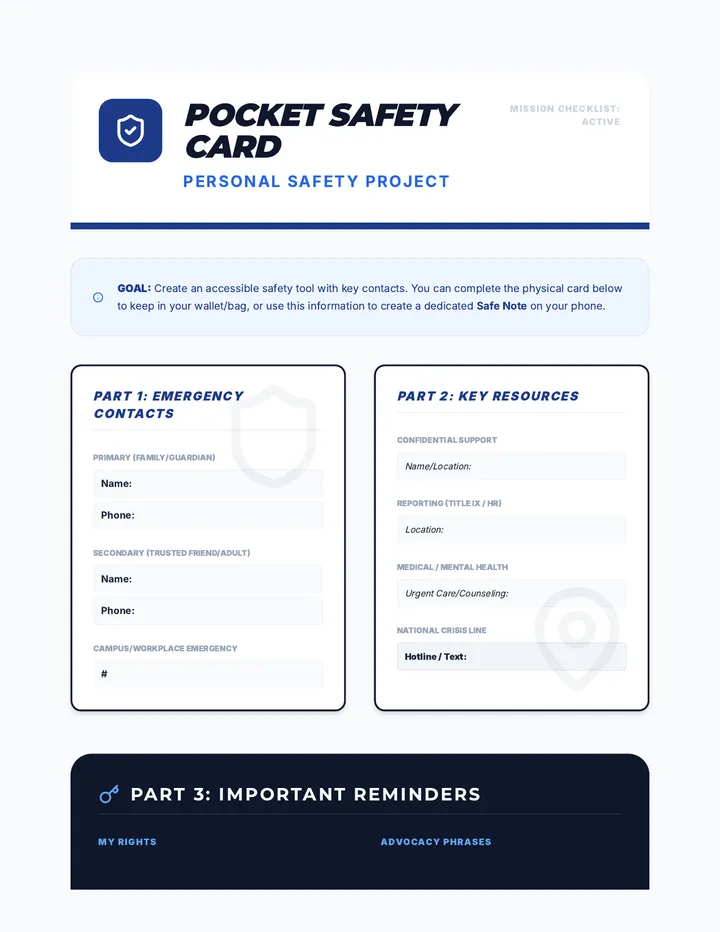
This 45-minute lesson for 12th-grade students helps them identify and utilize safety resources in postsecondary settings and develop effective advocacy skills. Students will gain practical tools for navigating new environments safely and confidently.
This lesson empowers 7th graders to move from passive bystanders to active upstanders. Students will learn the 4Ds of intervention, analyze the impact of their choices in social situations, and develop practical skills for building a supportive school culture.
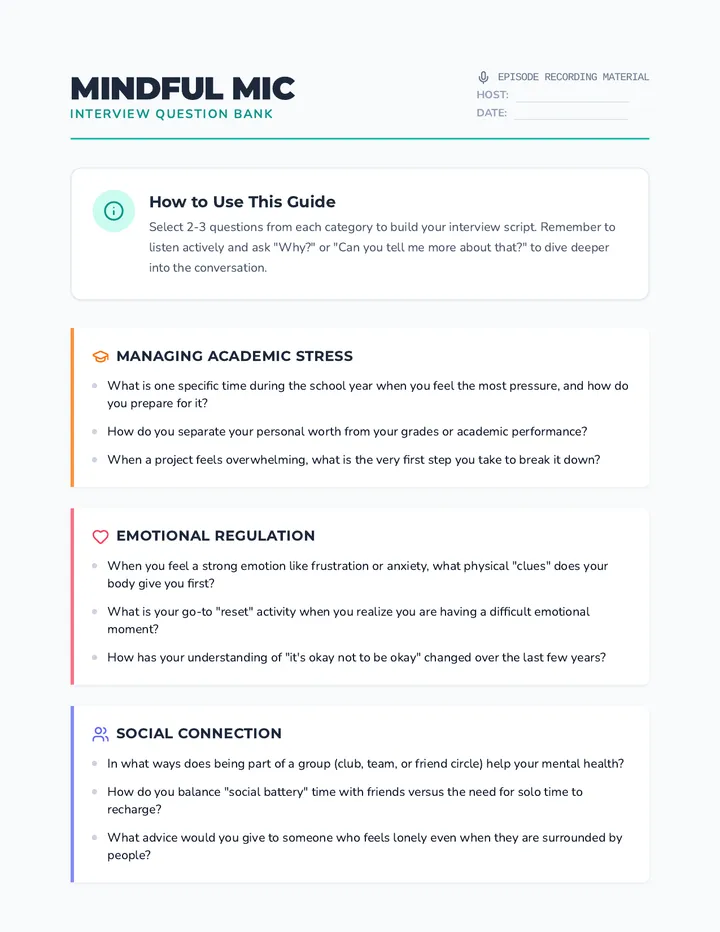
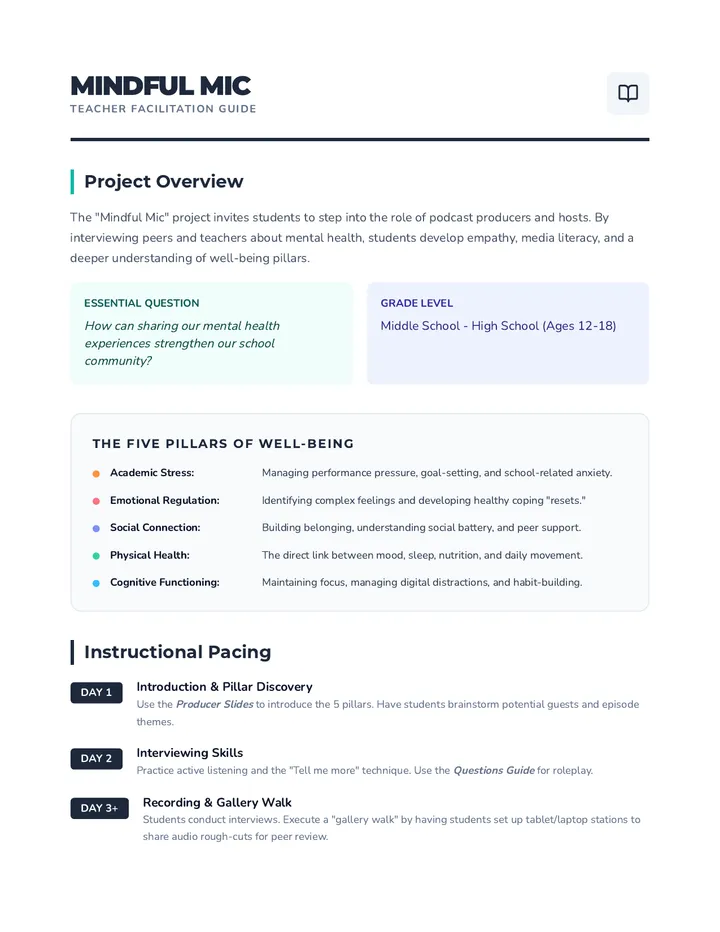
A comprehensive guide for students to produce a podcast exploring mental health through peer and teacher interviews. This lesson covers interview techniques and categorizes questions across five key pillars of well-being.
A kindergarten through second grade lesson focused on identifying bullying behaviors, empowering students with the 'Stop, Walk, Talk' strategy, and promoting prosocial friendship skills through a creative superhero theme.
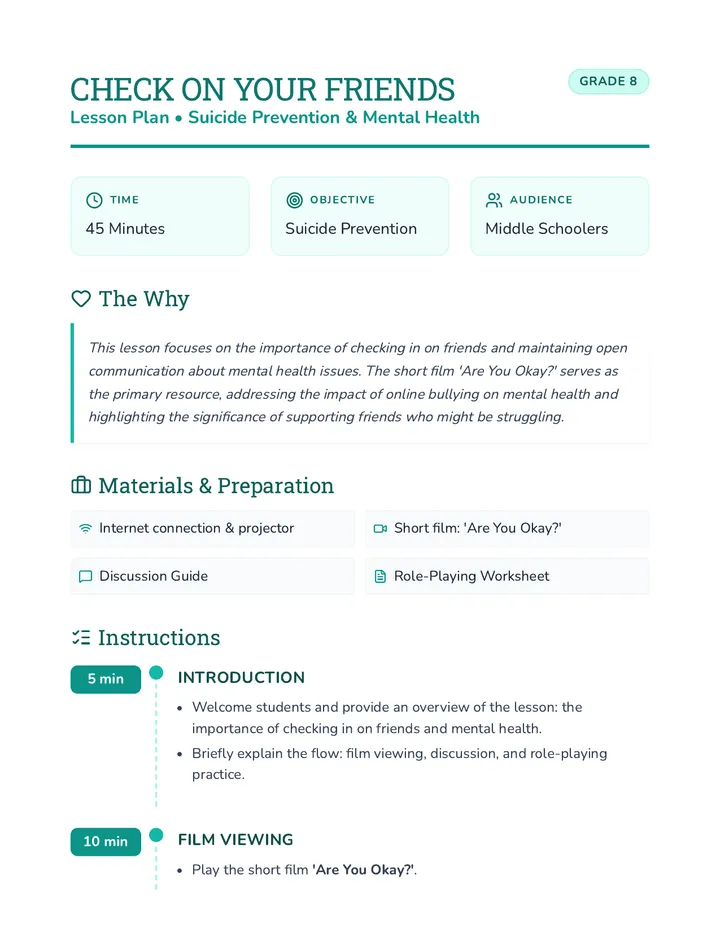
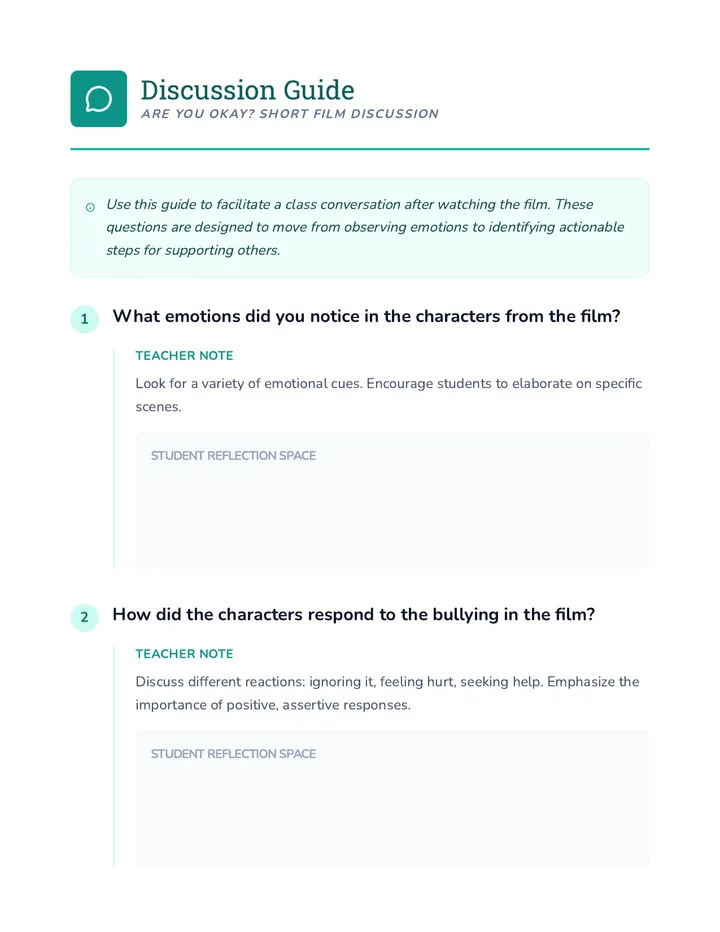
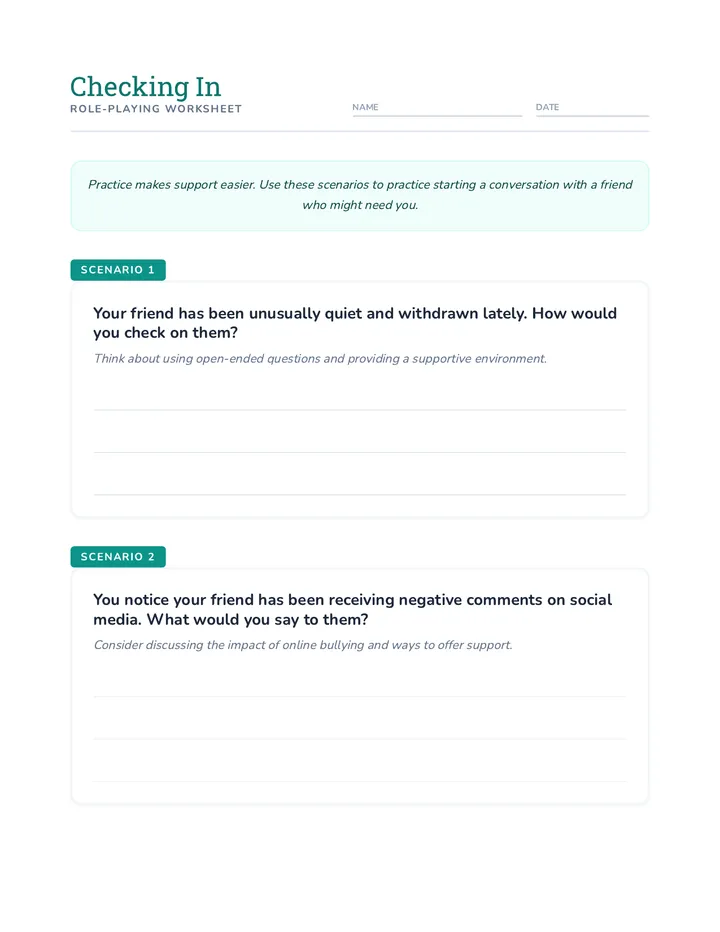
A mental health awareness lesson for Grade 8 students focusing on empathy, recognizing bullying, and the importance of checking in on friends using the short film 'Are You Okay?'.
A workshop designed to help parents navigate sensitive conversations with their 7th-grade sons about depression, focusing on empathy, active listening, and building trust.
A trauma-informed lesson for kindergarten students focusing on personal boundaries, physical safety, and safety-based listening. This lesson uses a 'Safety Squad' theme to teach students how to keep their bodies safe and follow classroom rules to maintain a secure environment.
A comprehensive lesson designed for 2nd graders to distinguish between tattling and reporting while fostering independence through the concept of 'being your own boss.' Students learn to identify when to intervene and when to focus on their own actions.