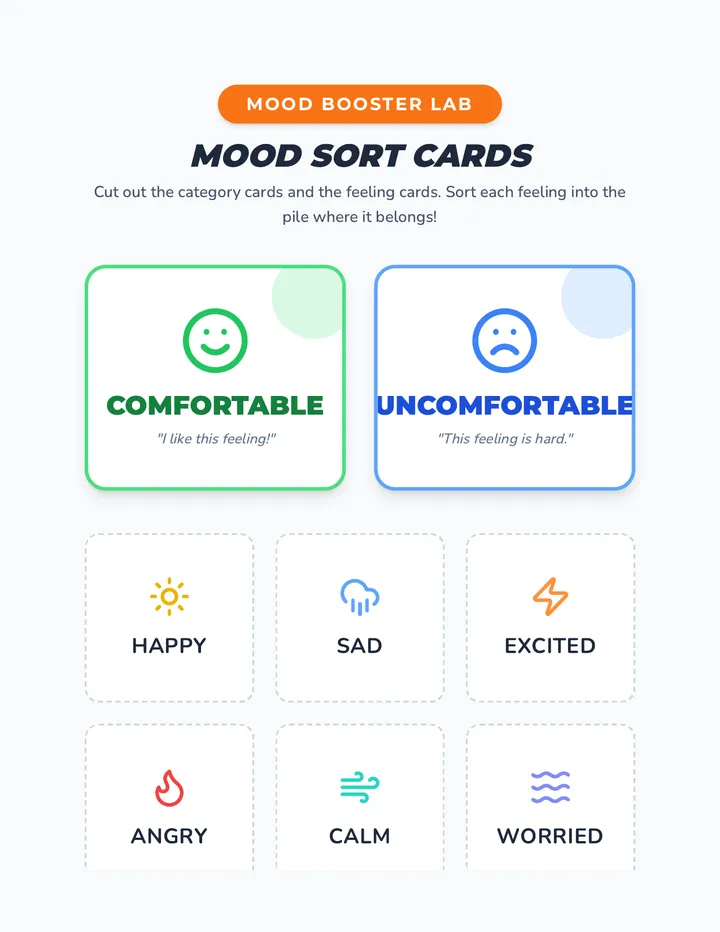
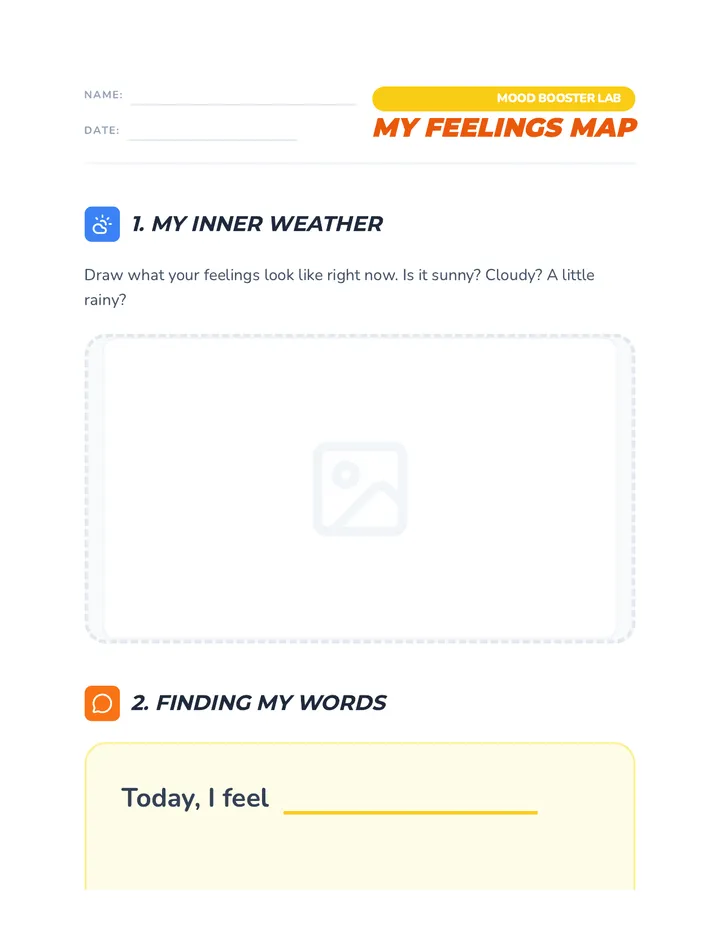
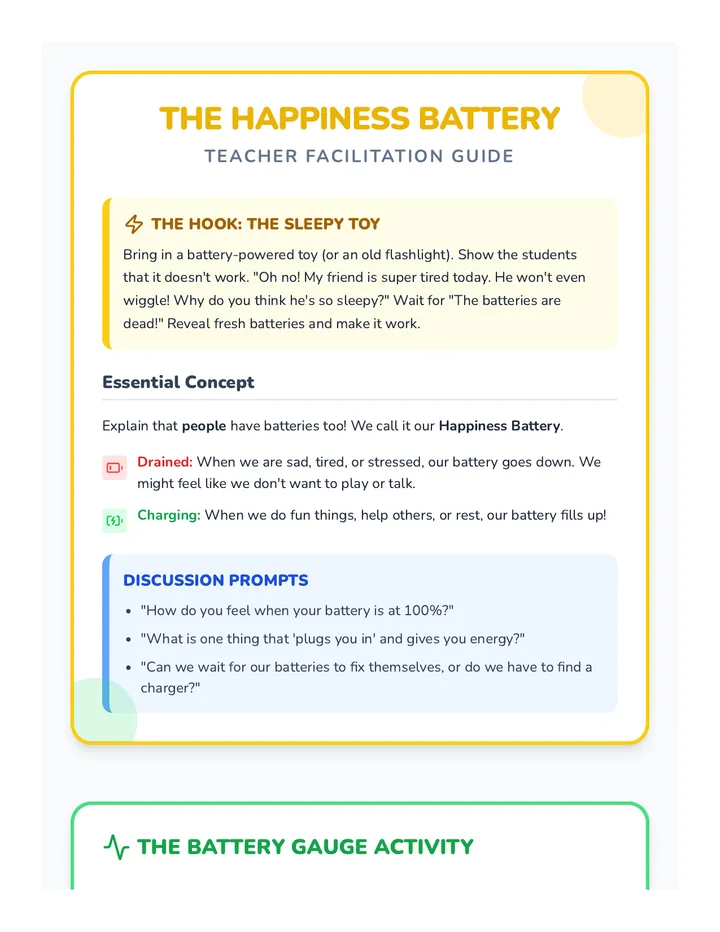
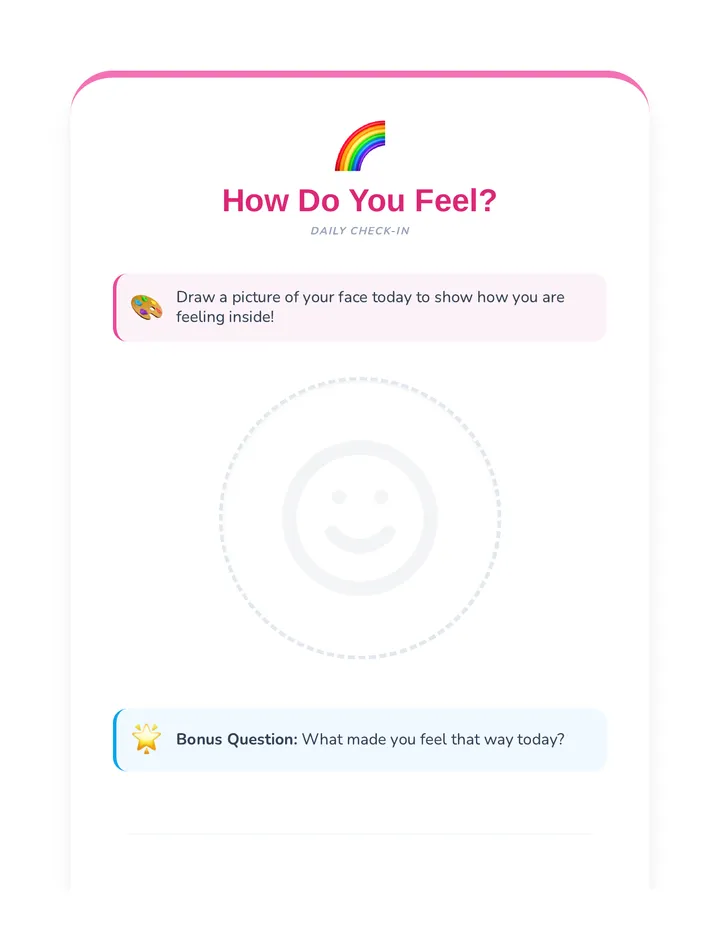
Identification of primary emotions through facial expressions, body language, and physical sensations. Builds foundational emotional literacy to help students accurately label their feelings.
A 5-week individual lesson series for 8th-grade students with social-emotional disabilities, introducing core DBT modules: Mindfulness, Distress Tolerance, Emotion Regulation, Interpersonal Effectiveness, and Walking the Middle Path.
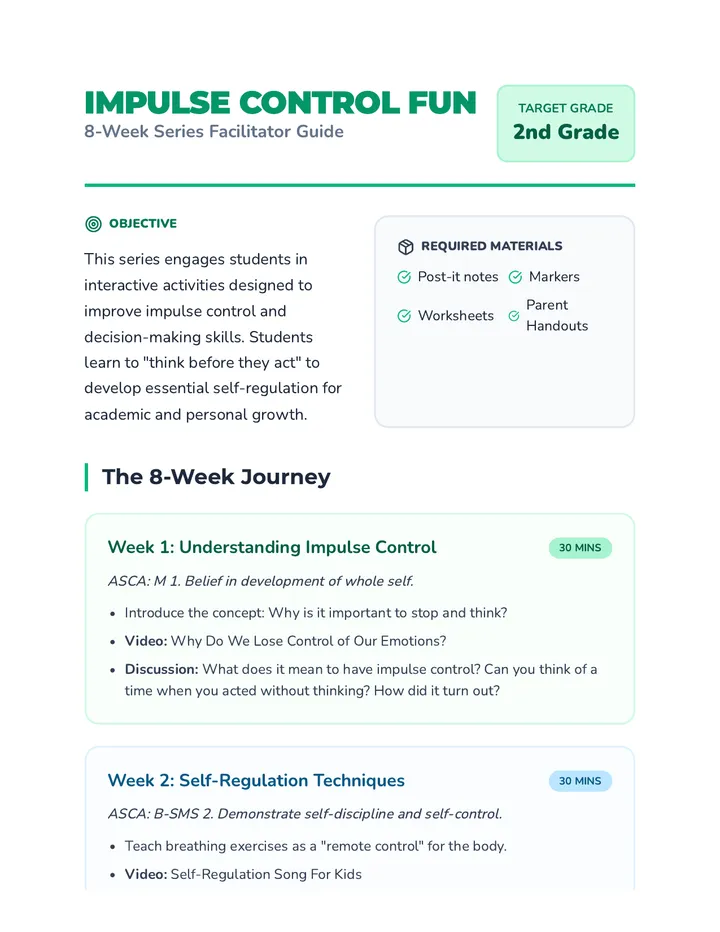
An 8-week series for 2nd graders to develop impulse control, self-regulation, and decision-making skills through interactive activities and reflection.
A comprehensive 5-session sequence for 6th-grade girls to manage anxiety through grounding, body awareness, cognitive reframing, support systems, and sensory mindfulness. Each 30-minute session provides practical 'chill skills' in a supportive small-group environment.
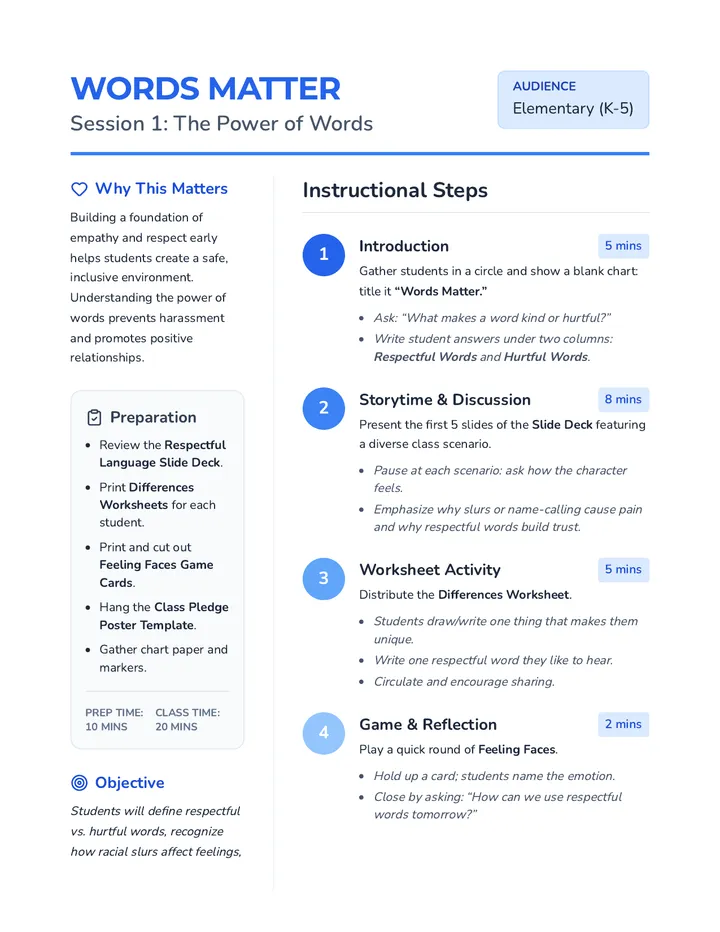
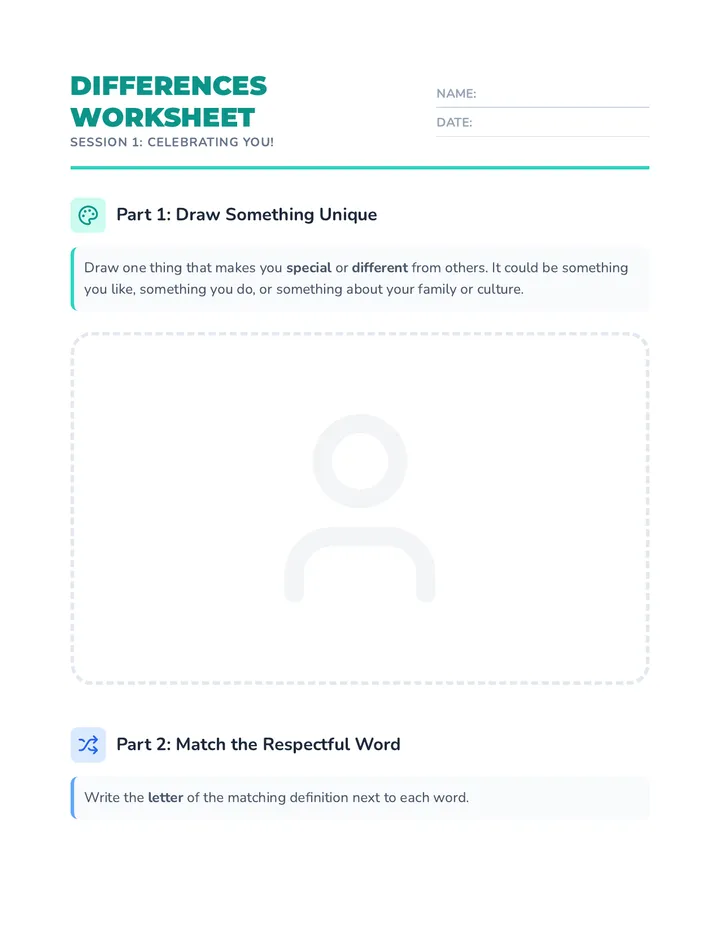
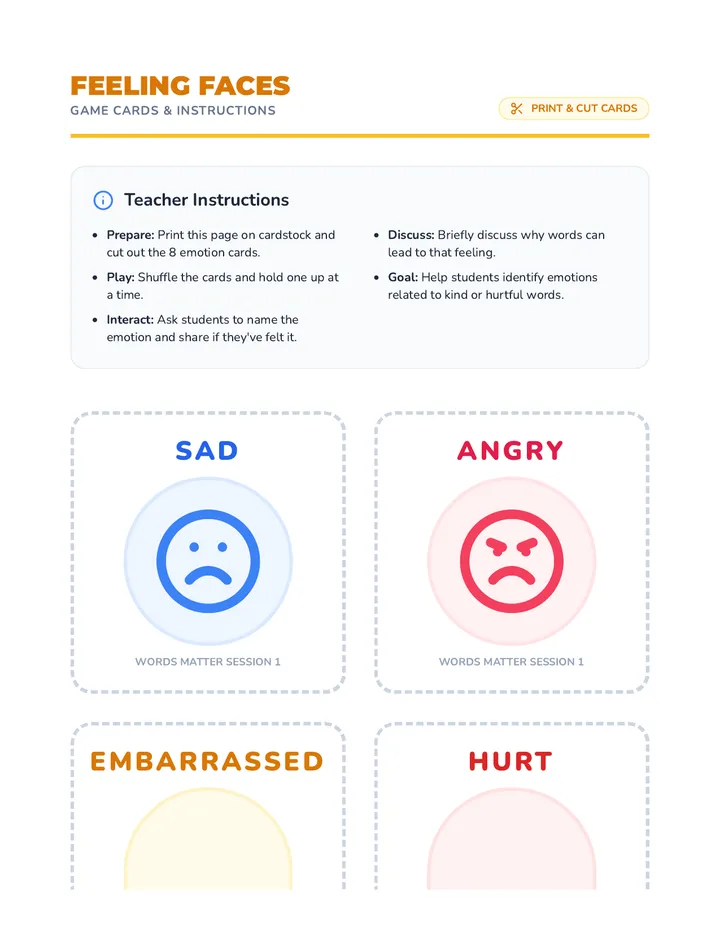
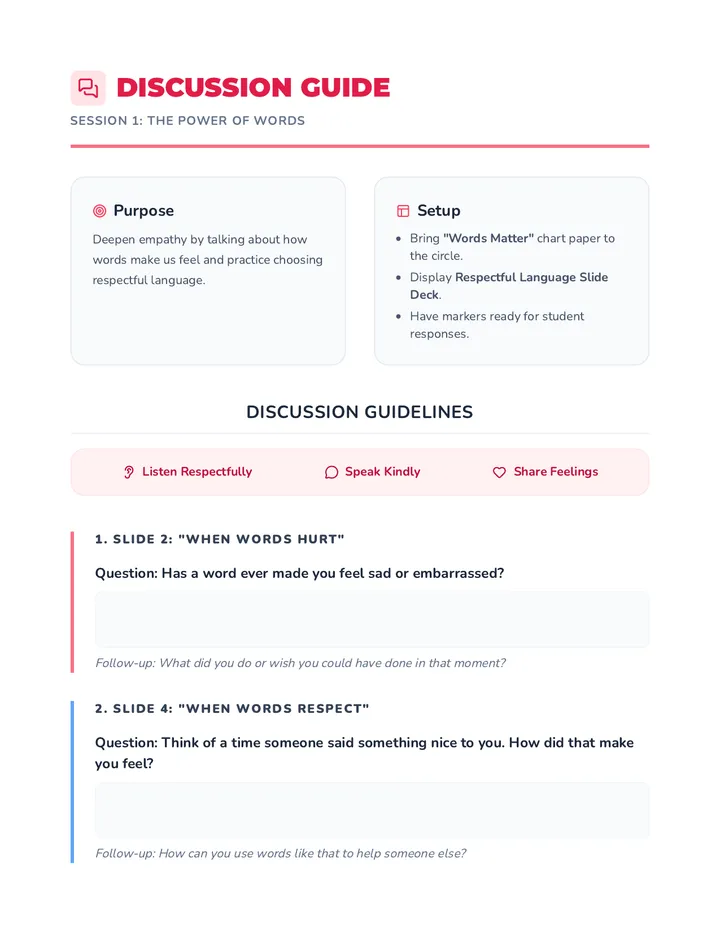
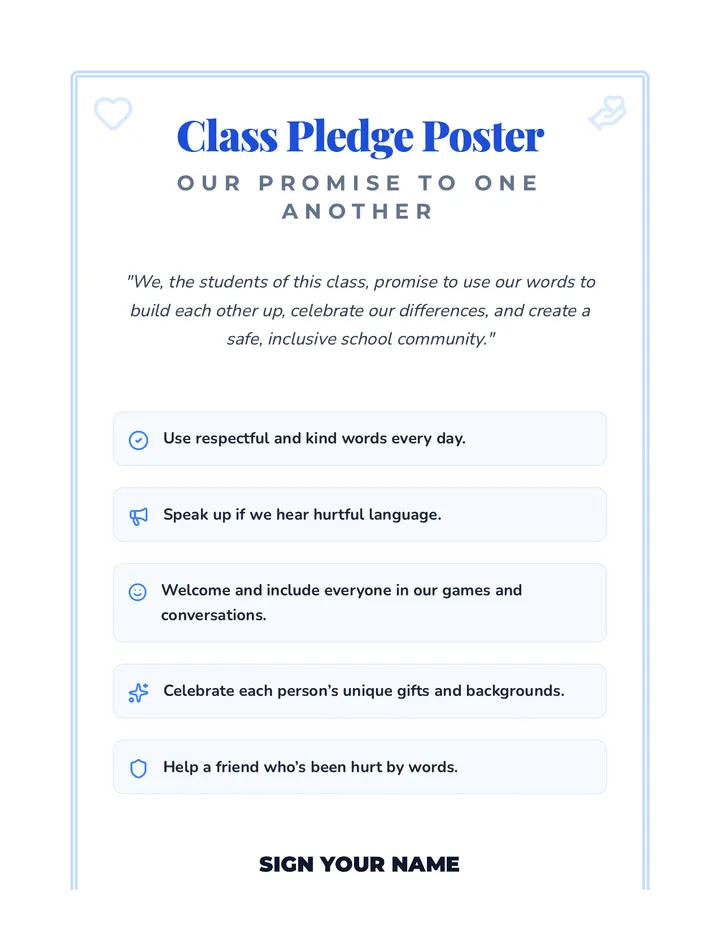
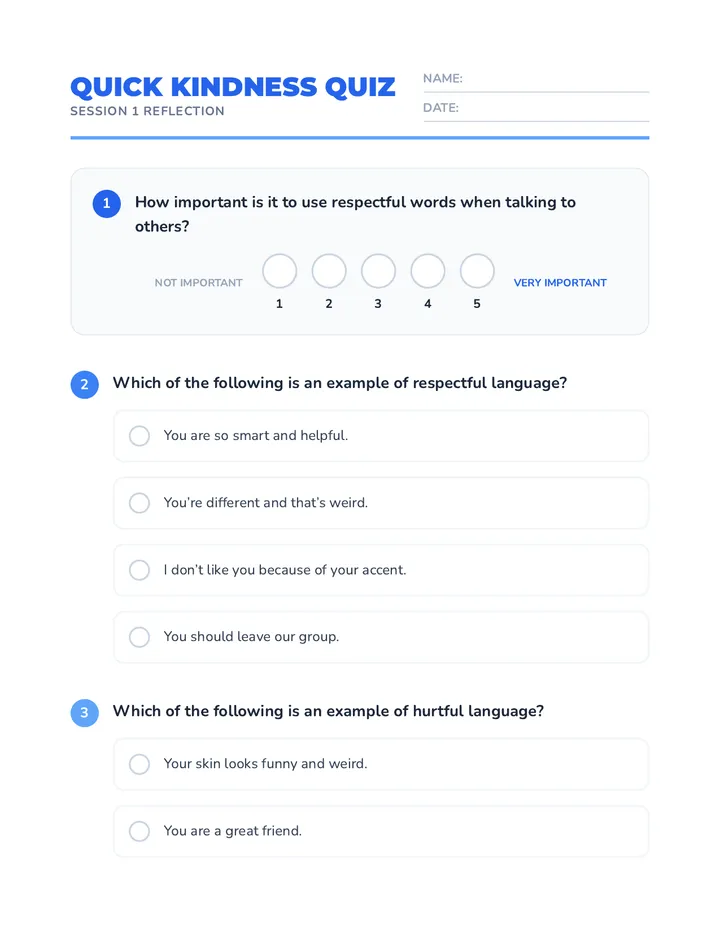
A 4-session Tier 1 sequence for K-5 students focused on racial slur prevention, respectful language, and celebrating diversity. Students learn empathy through role-play, sharing traditions, and creating a collective class pledge.
A 6-week social-emotional learning program for 6th-grade girls focused on building healthy friendships, resolving conflicts, practicing empathy, and setting boundaries.
A 10-week series of 30-minute group lessons for high school students exploring Cognitive Behavioral Therapy. Each session builds practical skills in identifying and reframing thoughts, managing emotions, and engaging in healthy behaviors through interactive activities. This Tier 2 program develops resilience and mental wellness.
A Kindergarten sequence focused on teaching emotional regulation through positive actions. Students learn to use activities like physical movement, deep breathing, and creative expression to 'switch the channel' from negative to positive emotions, building a toolkit of coping strategies.
A 10-session Tier 3 social-emotional learning unit for students with ASD, focusing on identifying emotions, recognizing dysregulation, and applying self-regulation strategies through a space-themed journey.
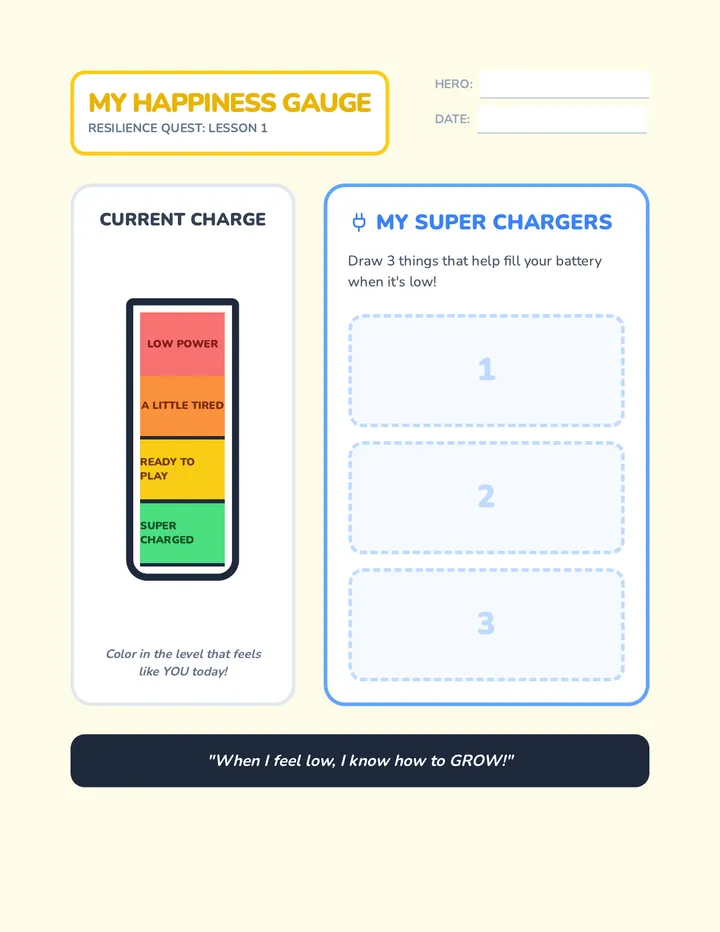
This sequence introduces first-grade students to the fundamental connection between their actions and their emotions, serving as a foundational introduction to behavioral activation. Students explore how specific activities can shift their mood and create a personalized action plan for emotional regulation.
A 1st-grade counseling sequence that uses game-based mechanics and metaphors to teach behavioral activation, emotional resilience, and the importance of daily positive routines.
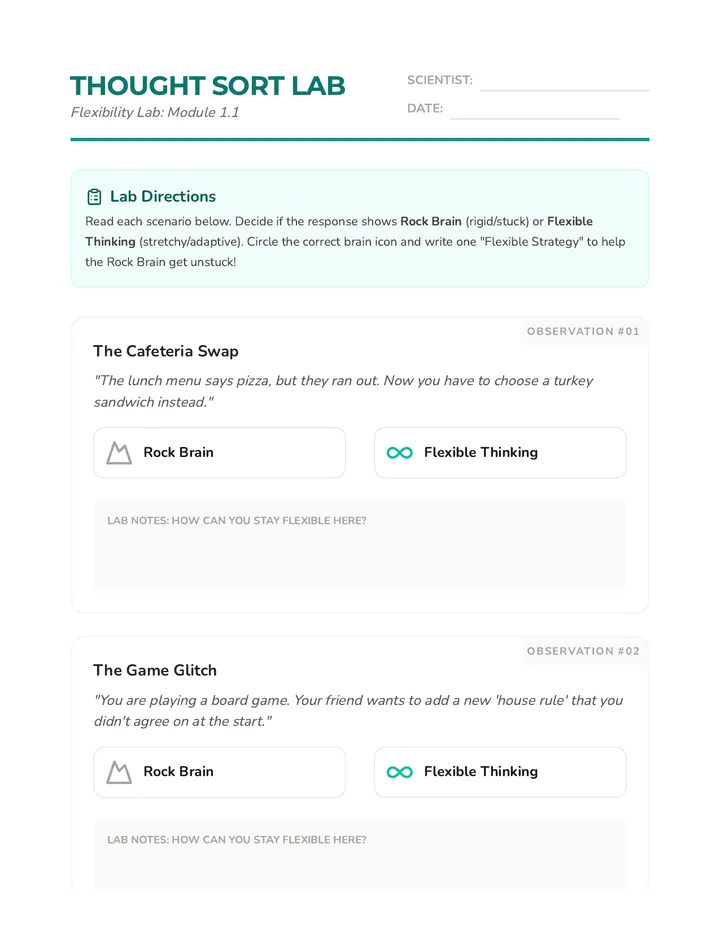
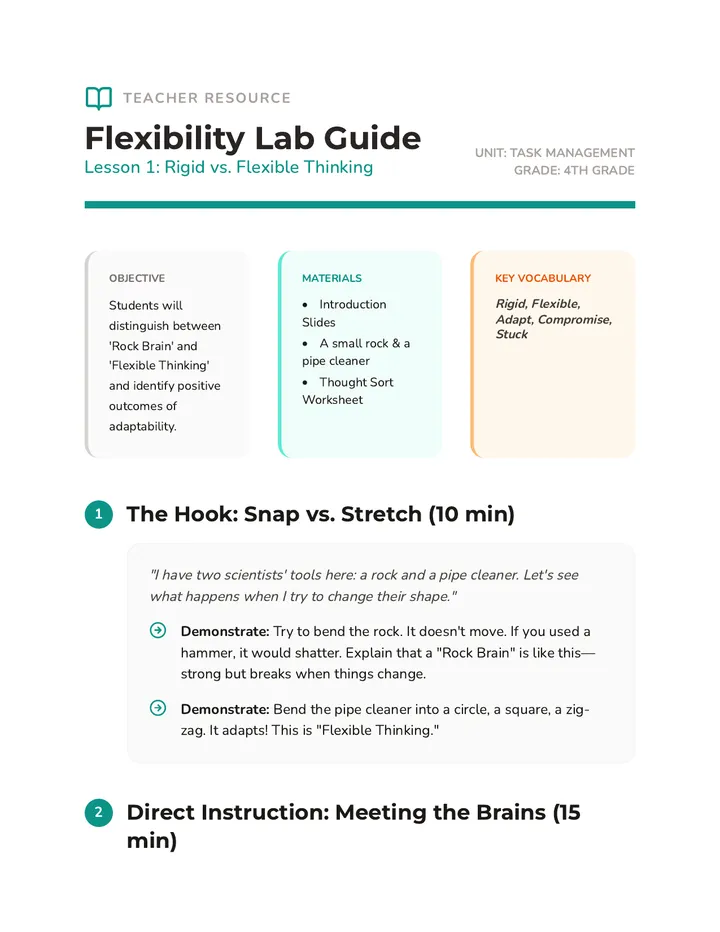
A 5-lesson sequence designed for 4th-grade students to build cognitive flexibility. Students learn to identify rigid versus flexible thinking, recognize physical stress responses to change, practice rapid task-switching, and apply emotional regulation strategies through role-play and a final 'flexibility obstacle course'.
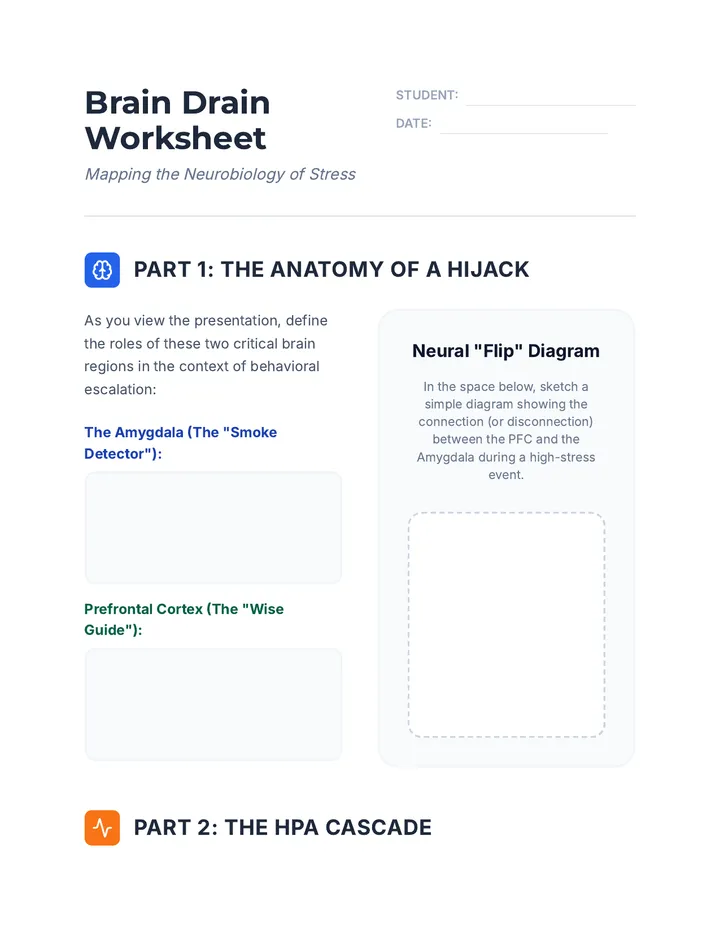
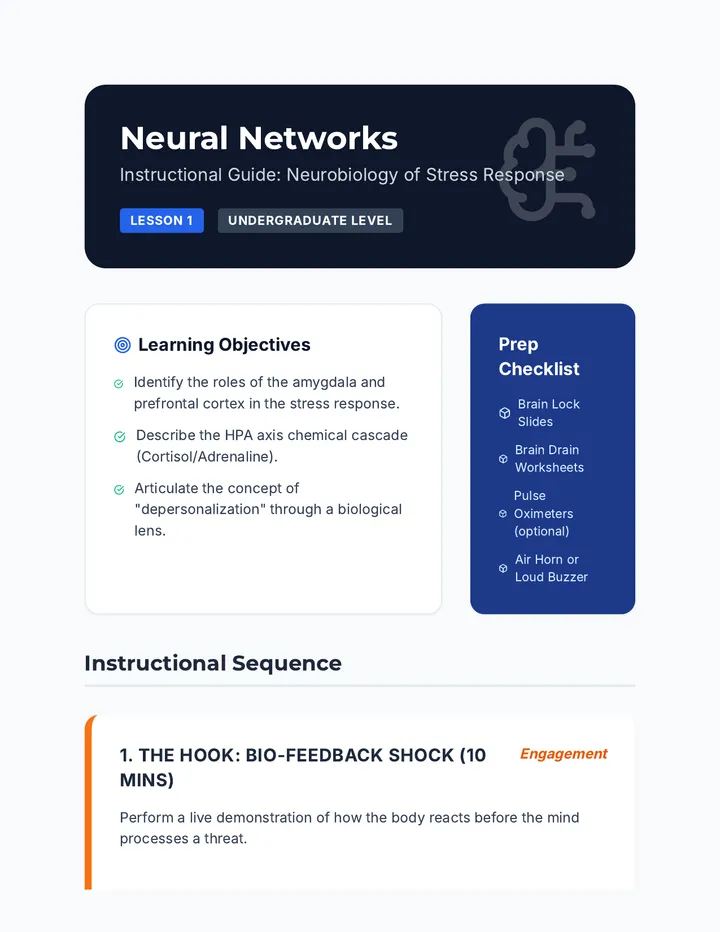
This sequence explores the neurobiological foundations of student escalation, connecting internal physiological stress responses (the 'amygdala hijack') to observable external warning signs. Students will learn to depersonalize behavior by understanding it as a biological survival mechanism, training them to recognize subtle somatic, respiratory, and muscular cues before a full behavioral outburst occurs.
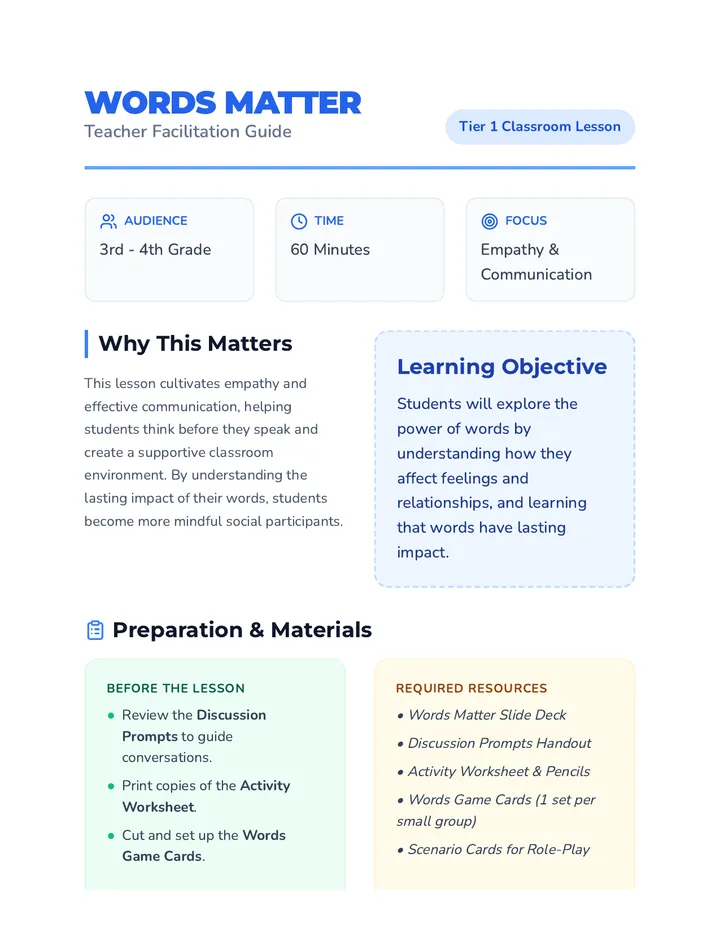
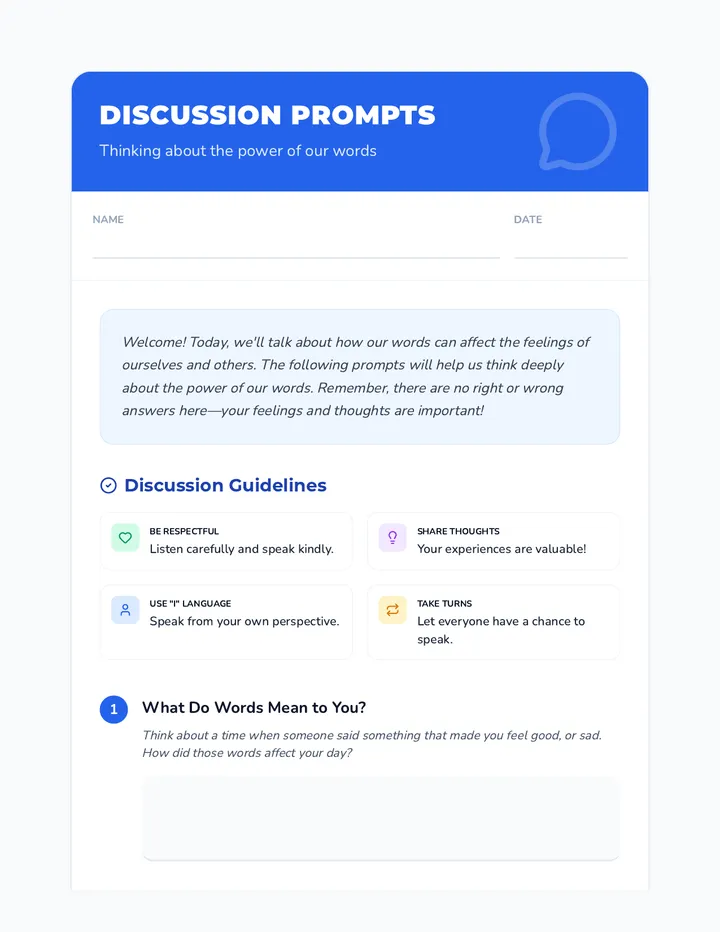
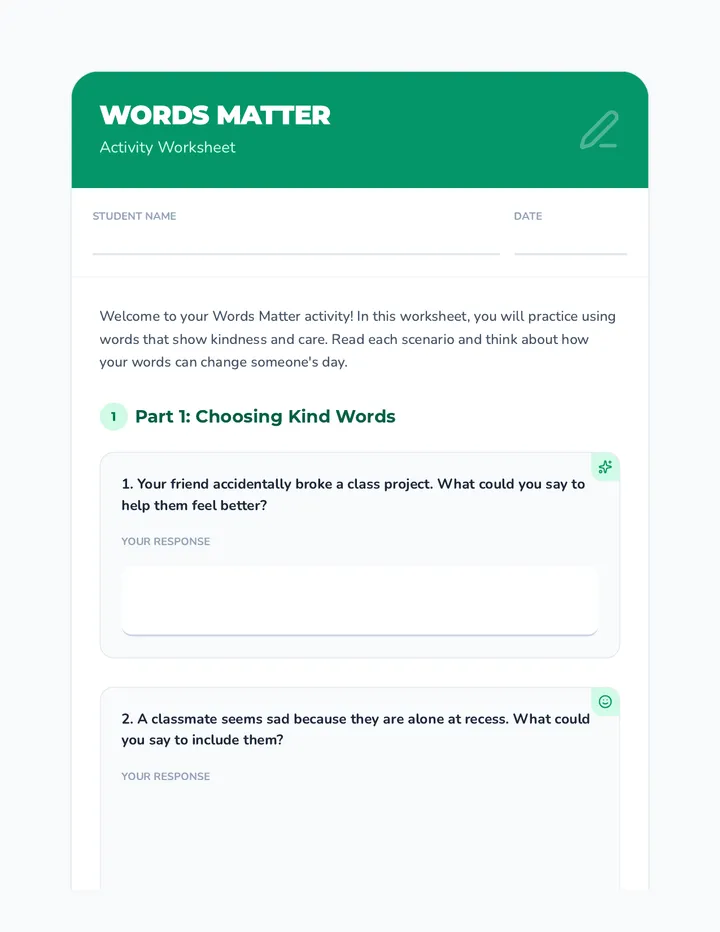
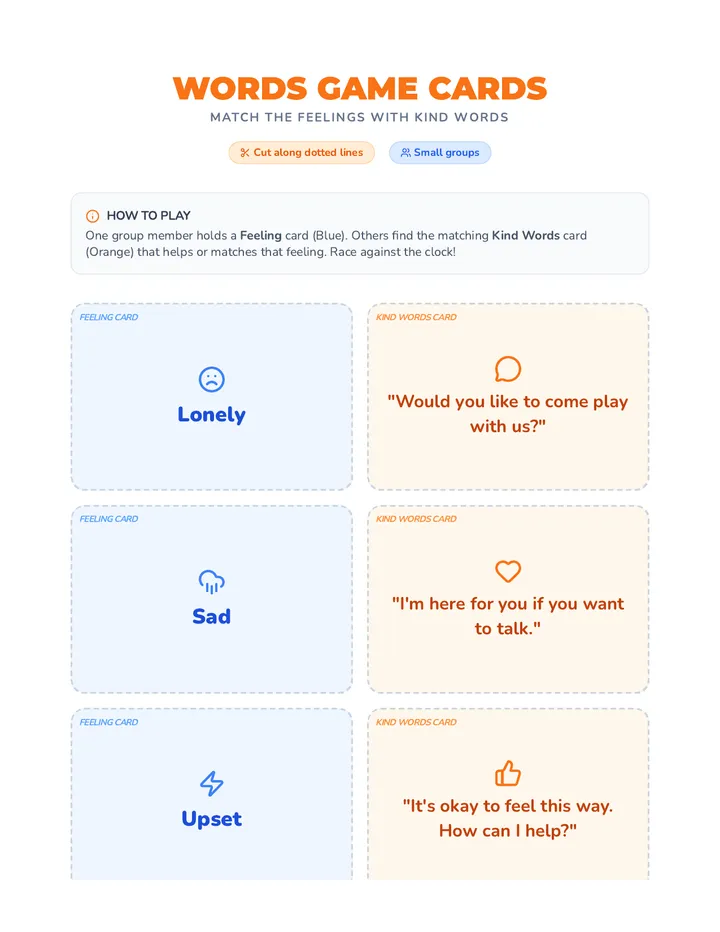
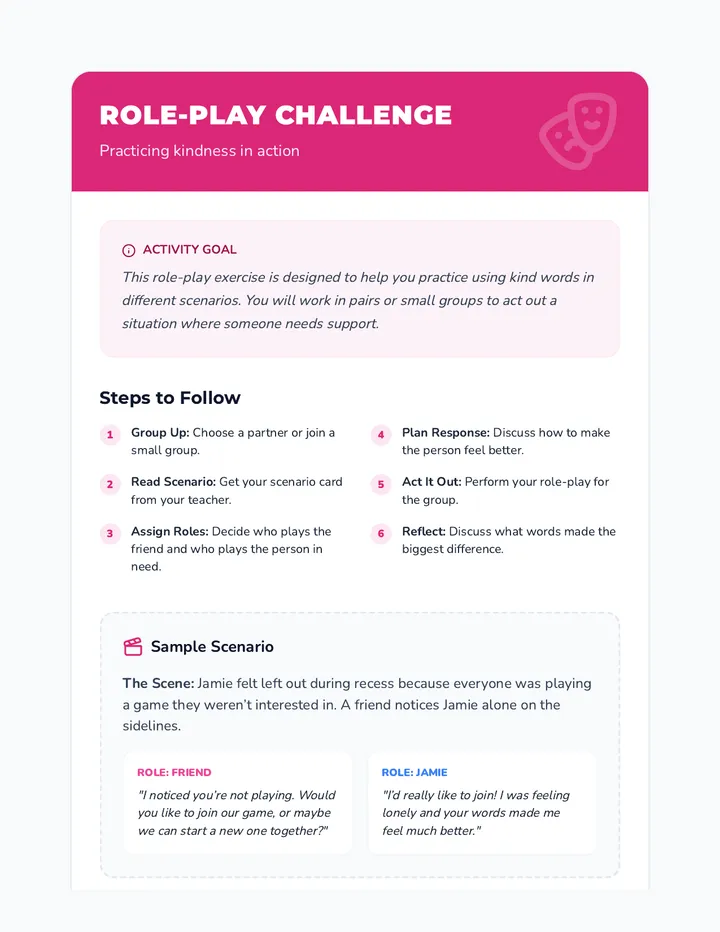
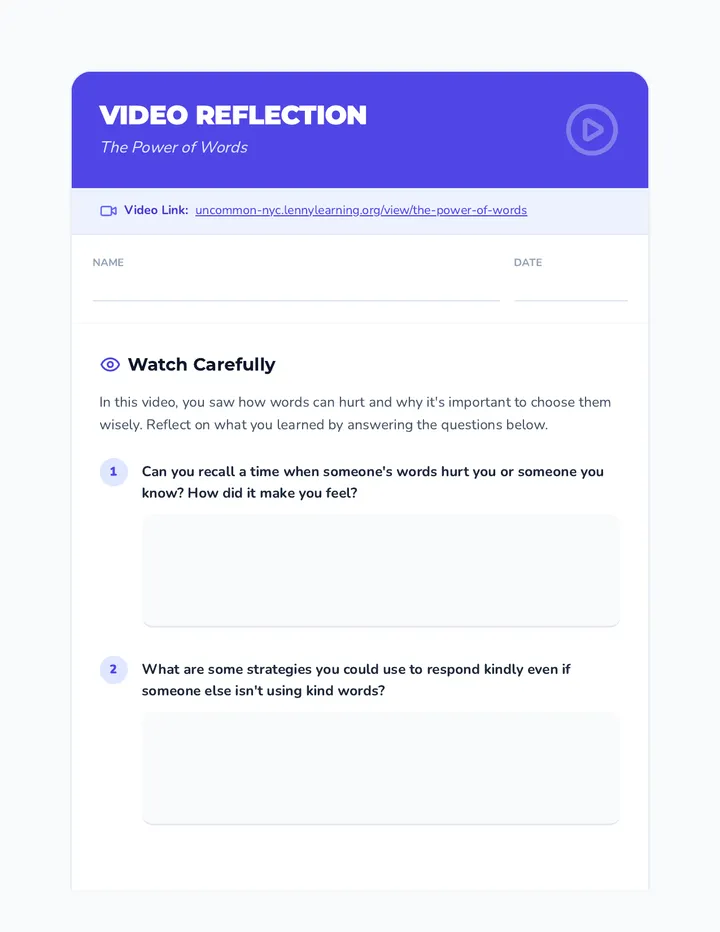
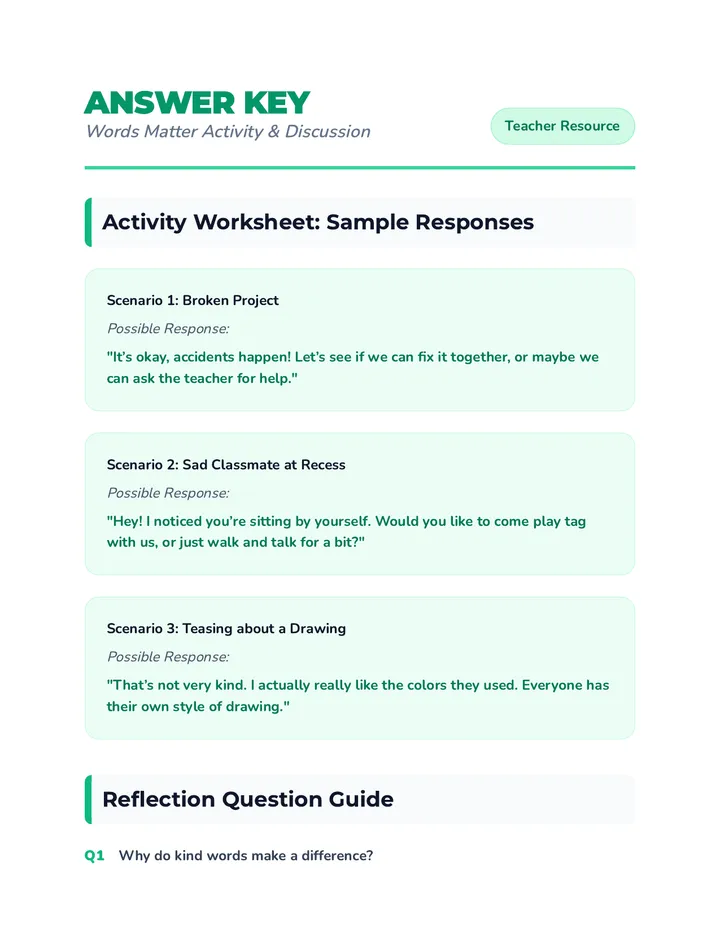
An interactive lesson for 3rd and 4th graders exploring how words impact emotions and relationships. Students learn that words have a lasting effect through discussion, role-play, and hands-on activities.
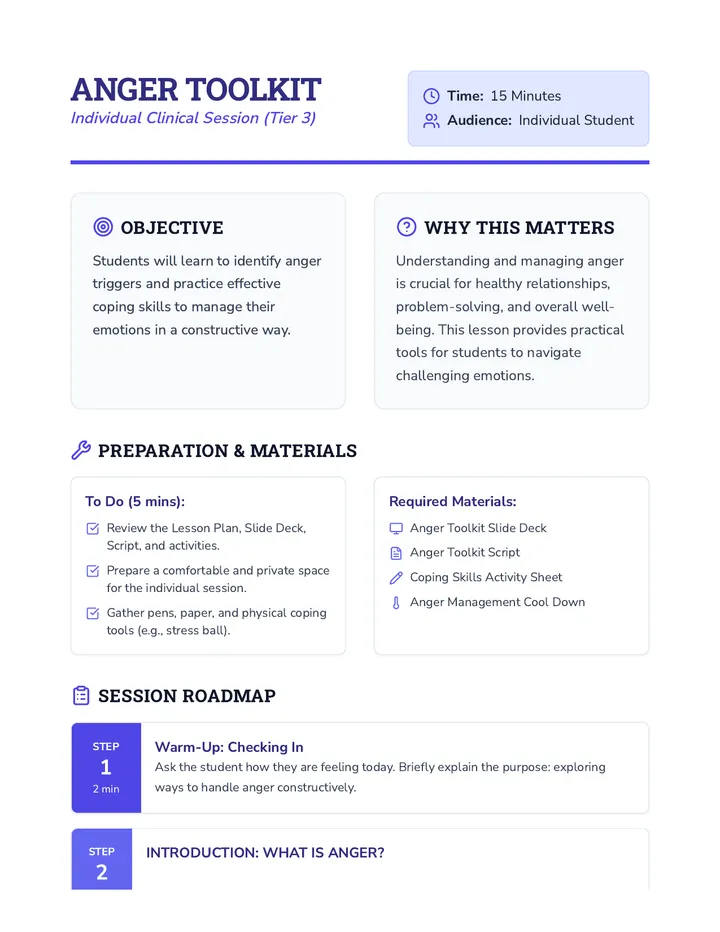
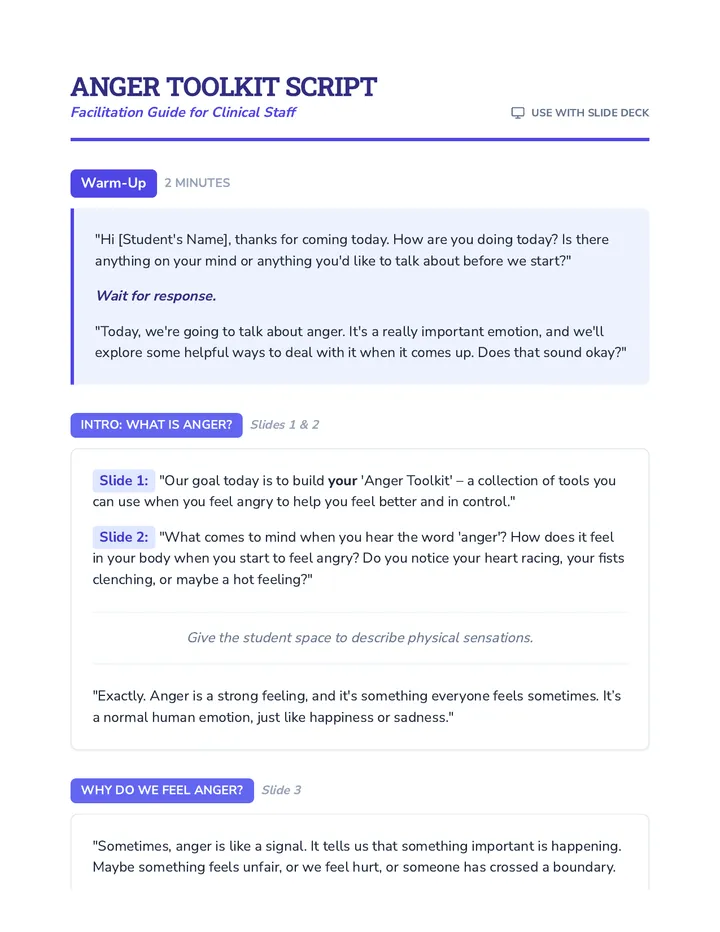
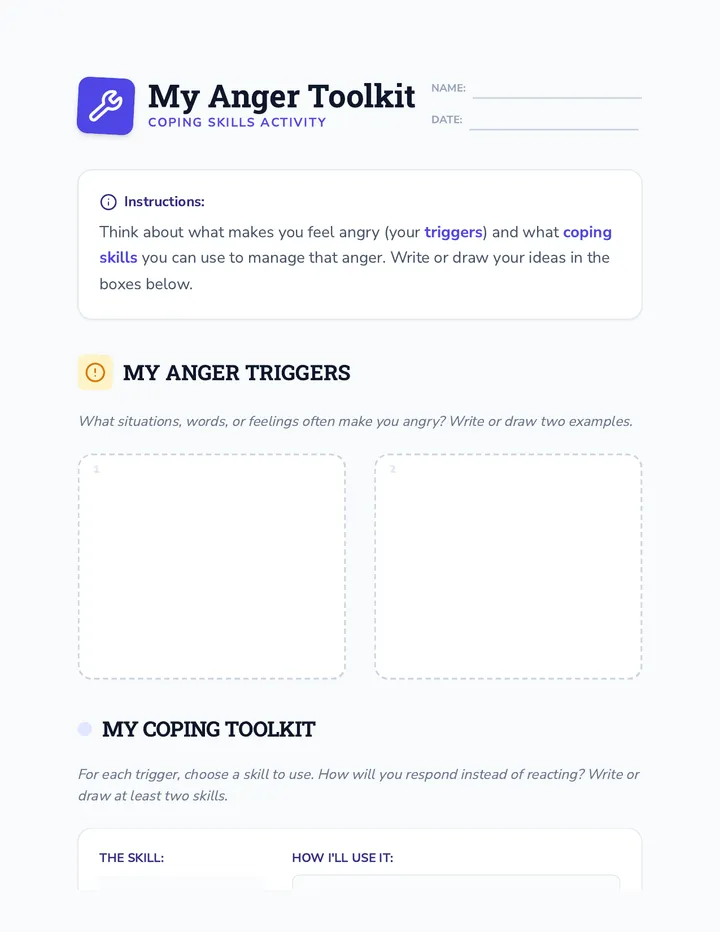
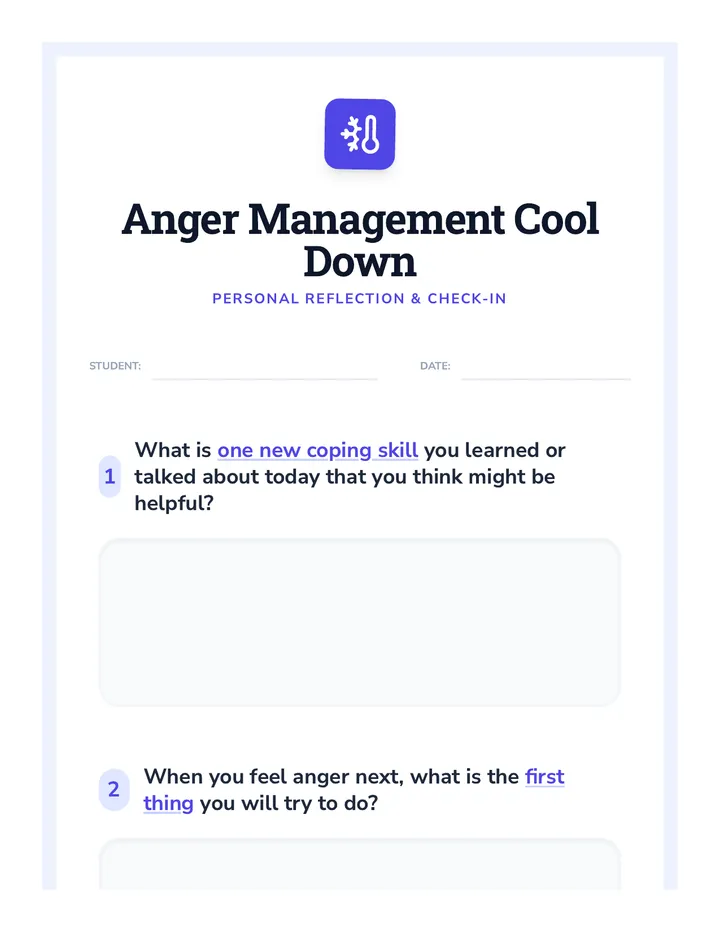
A 15-minute Tier 3 clinical lesson designed to equip individual students with practical anger coping strategies, trigger identification, and emotional regulation tools.
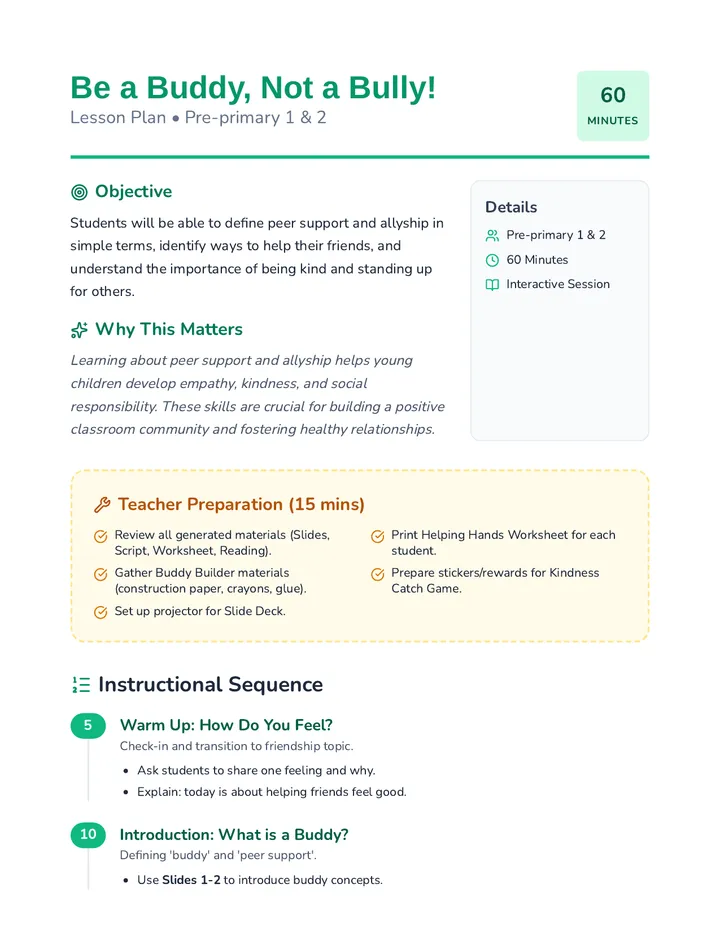
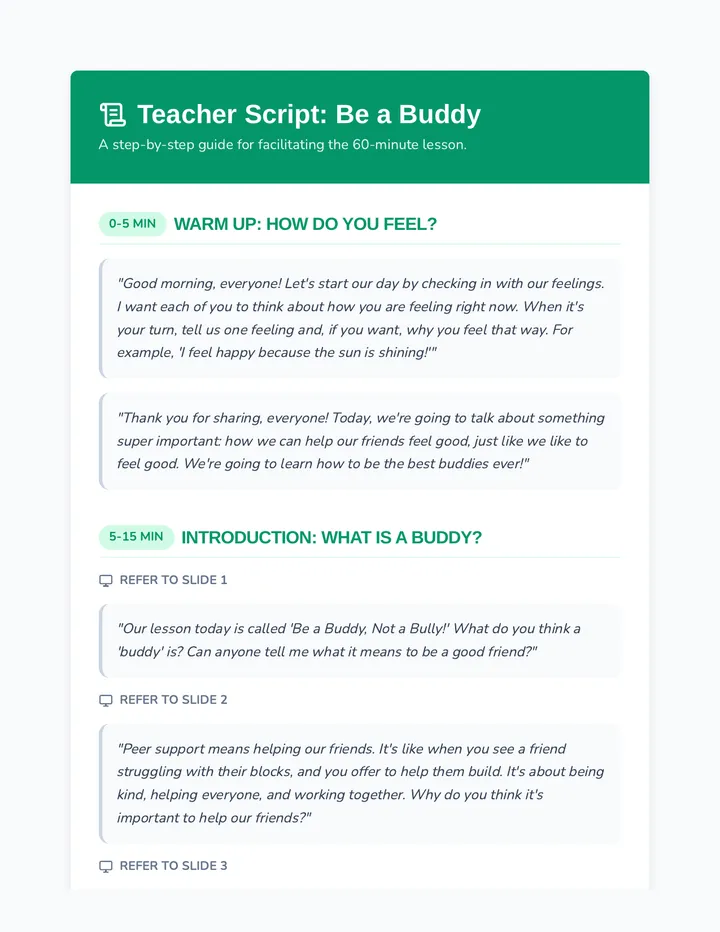
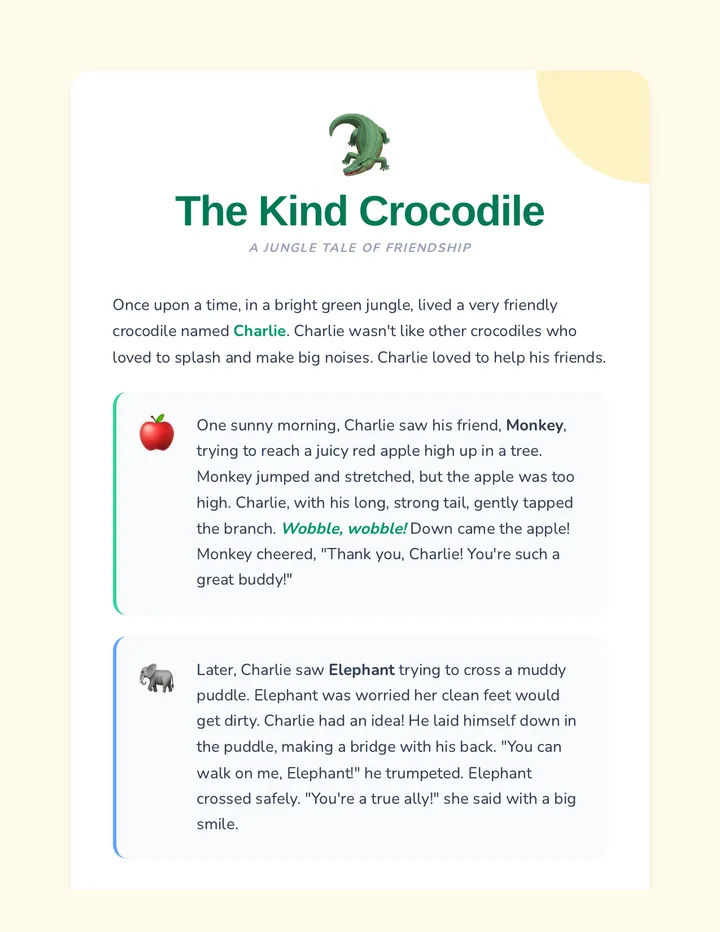
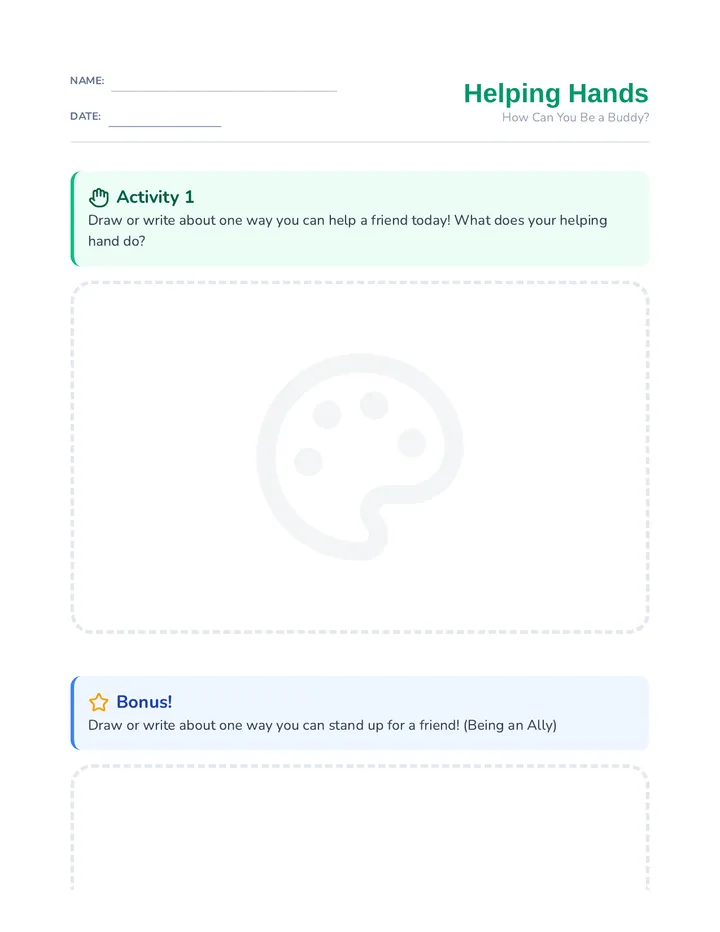
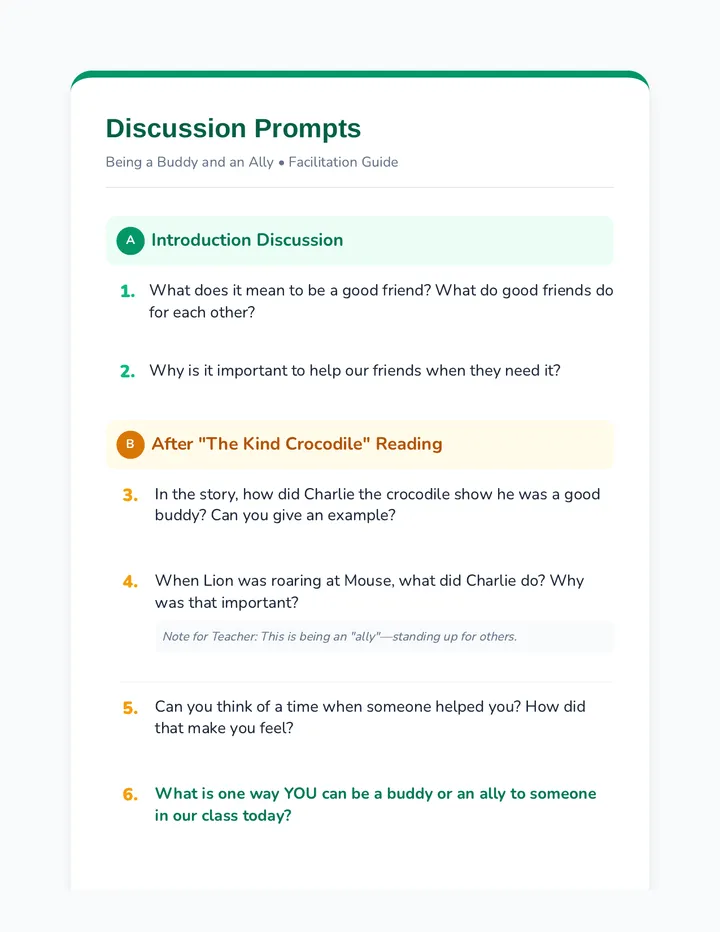
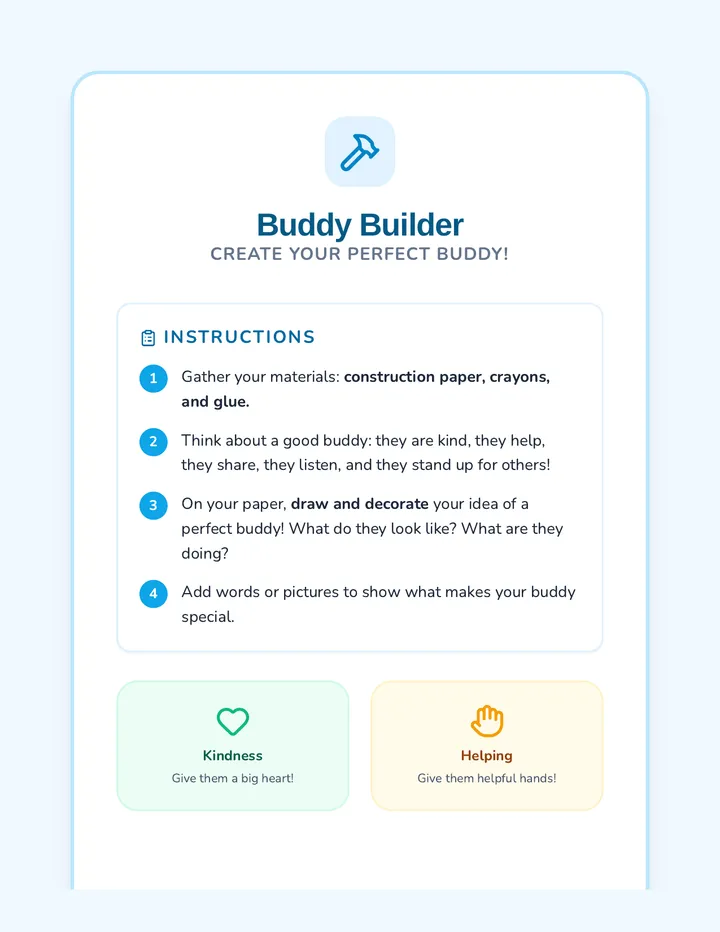
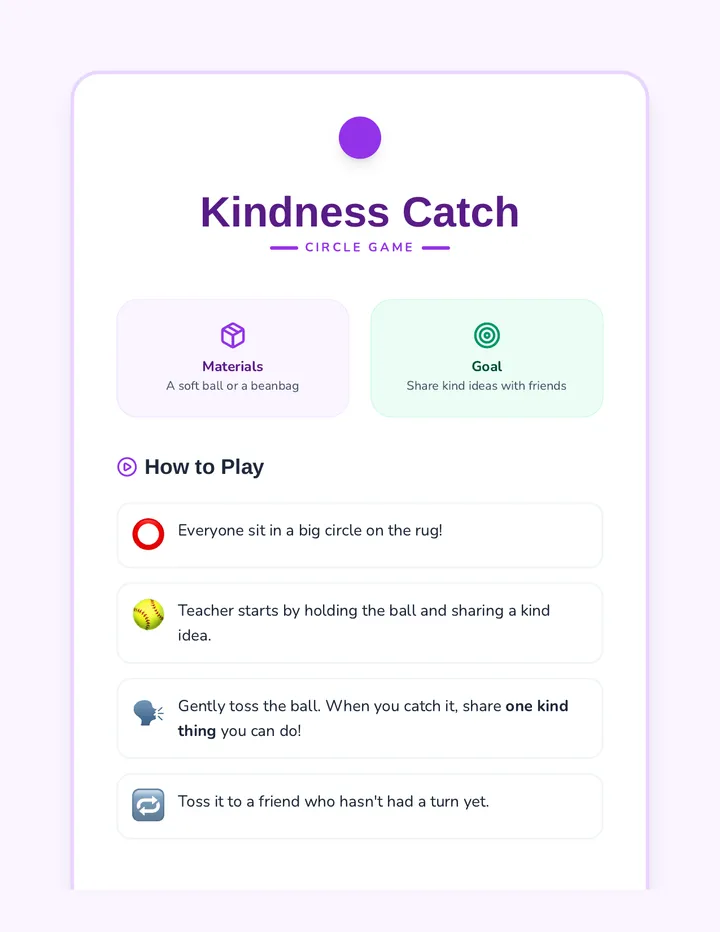
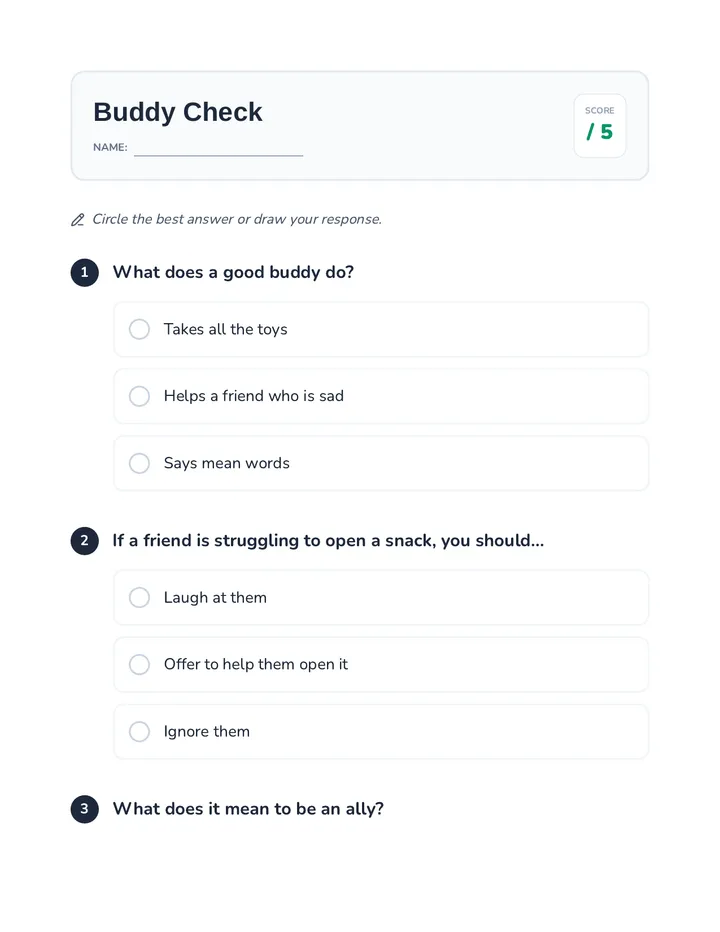
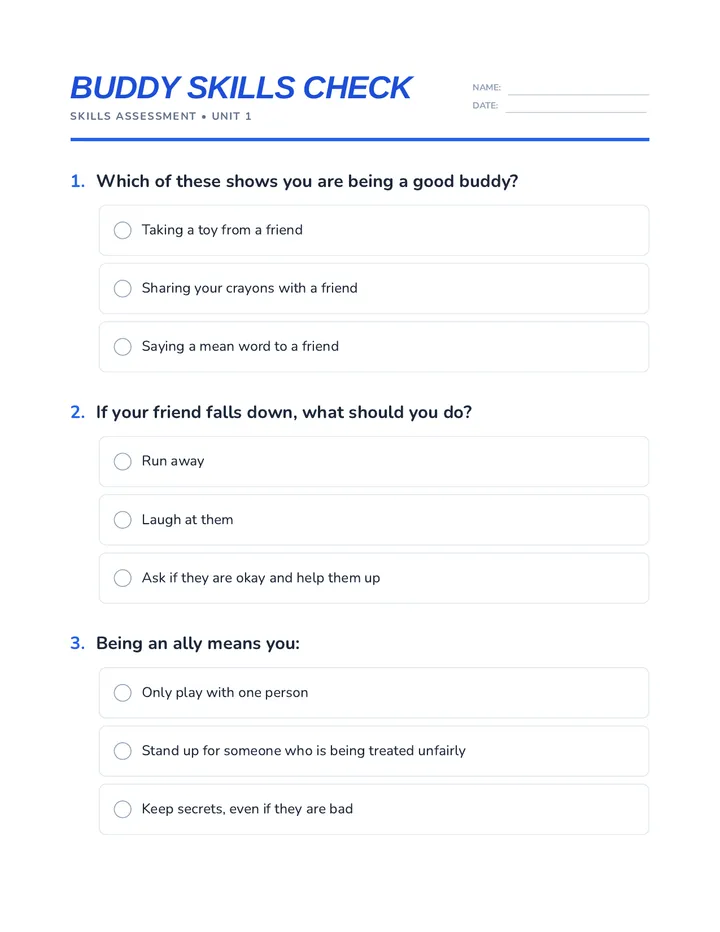
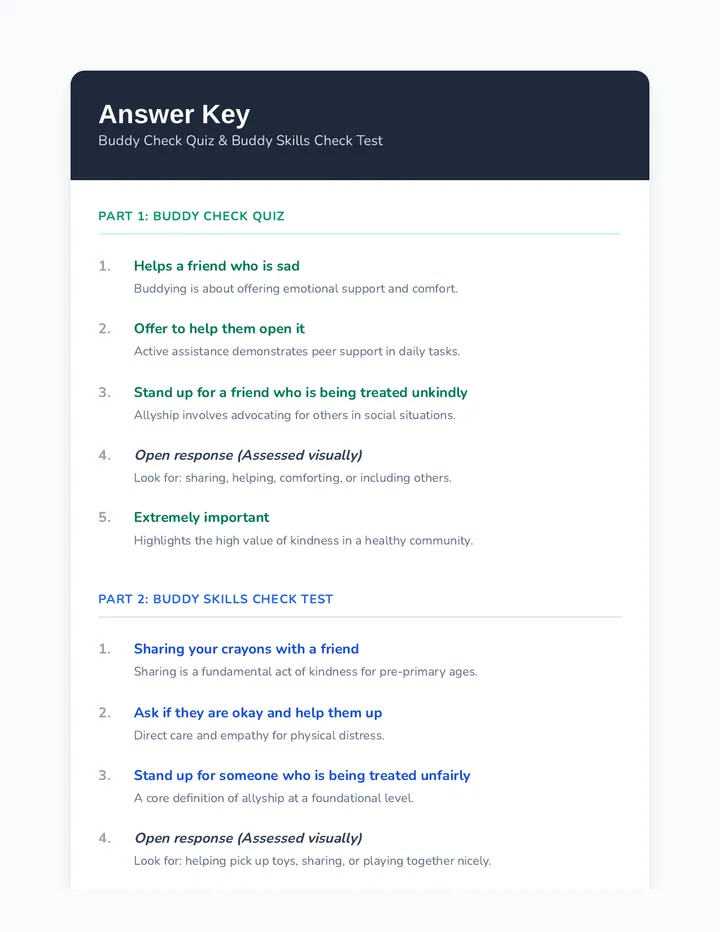
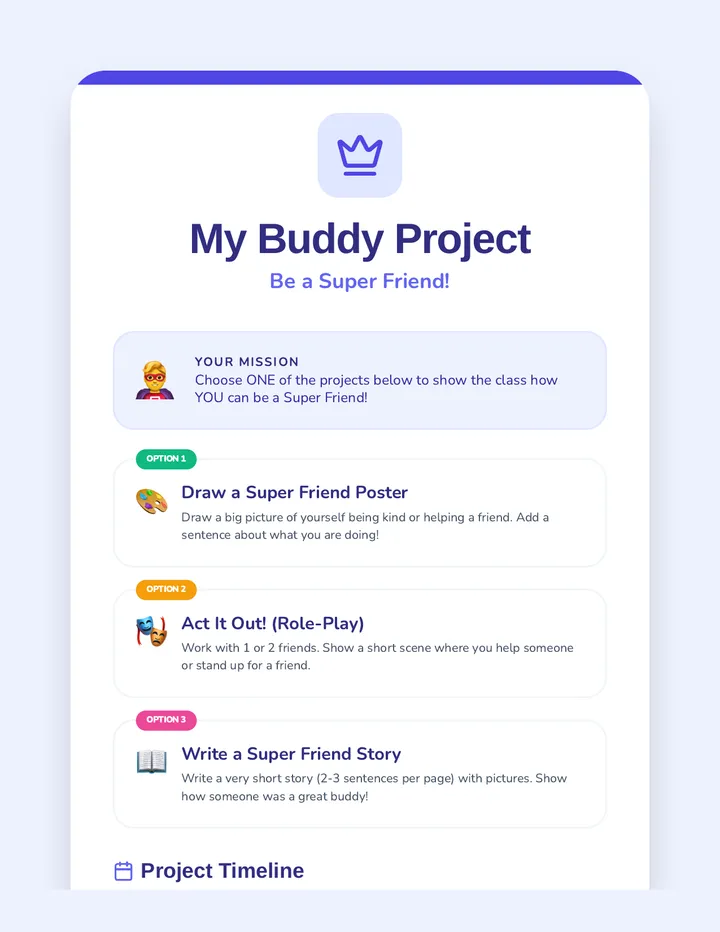
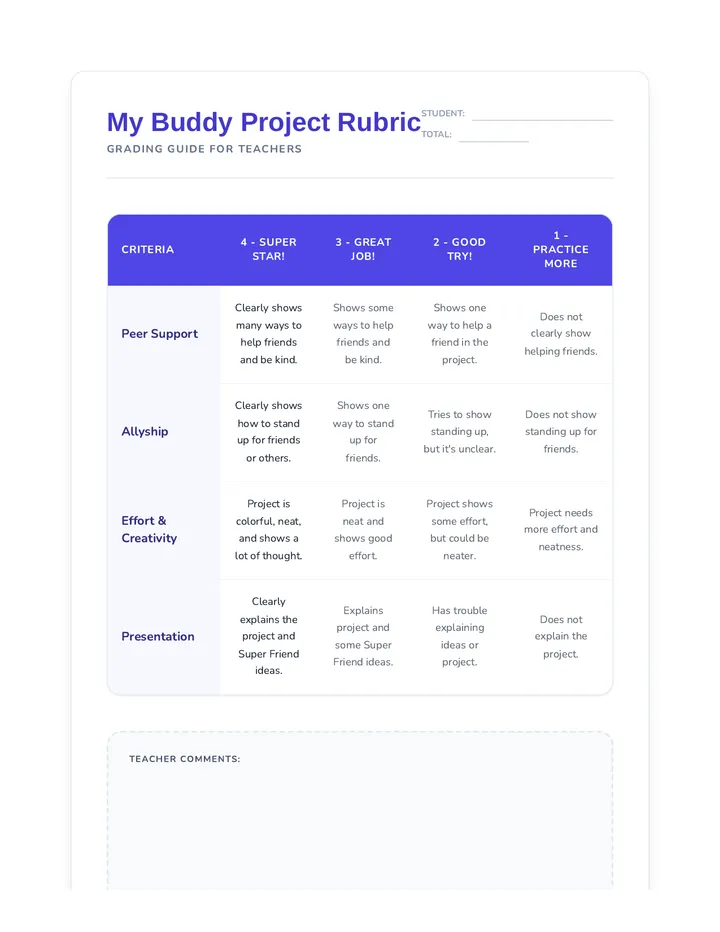
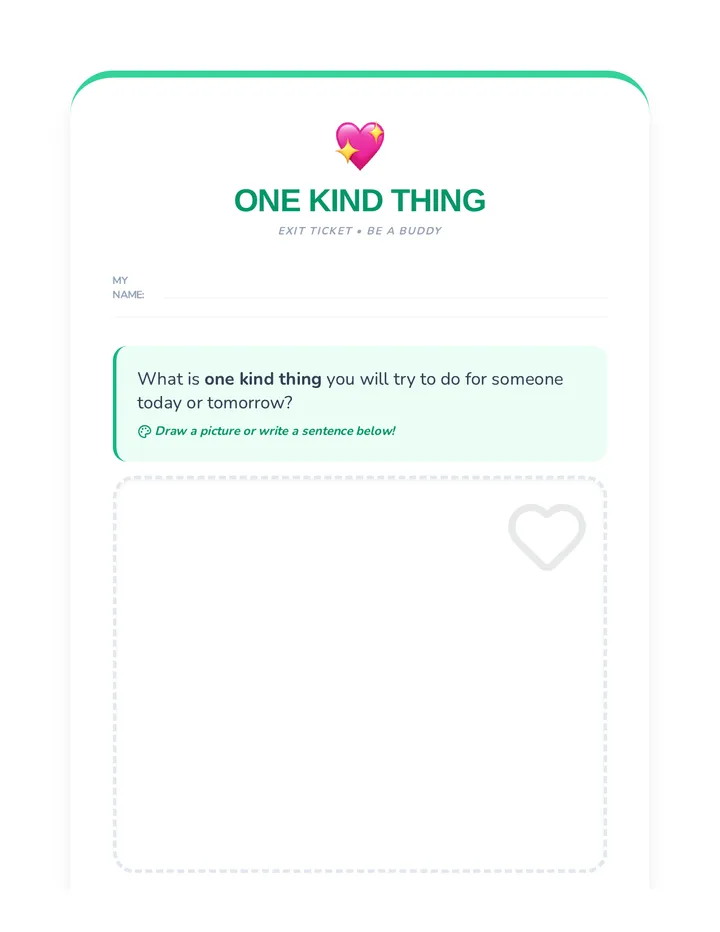
This lesson introduces Pre-primary 1 and 2 students to the concepts of peer support and allyship. Students will learn how to be kind, helpful friends and stand up for others through stories, activities, and games.
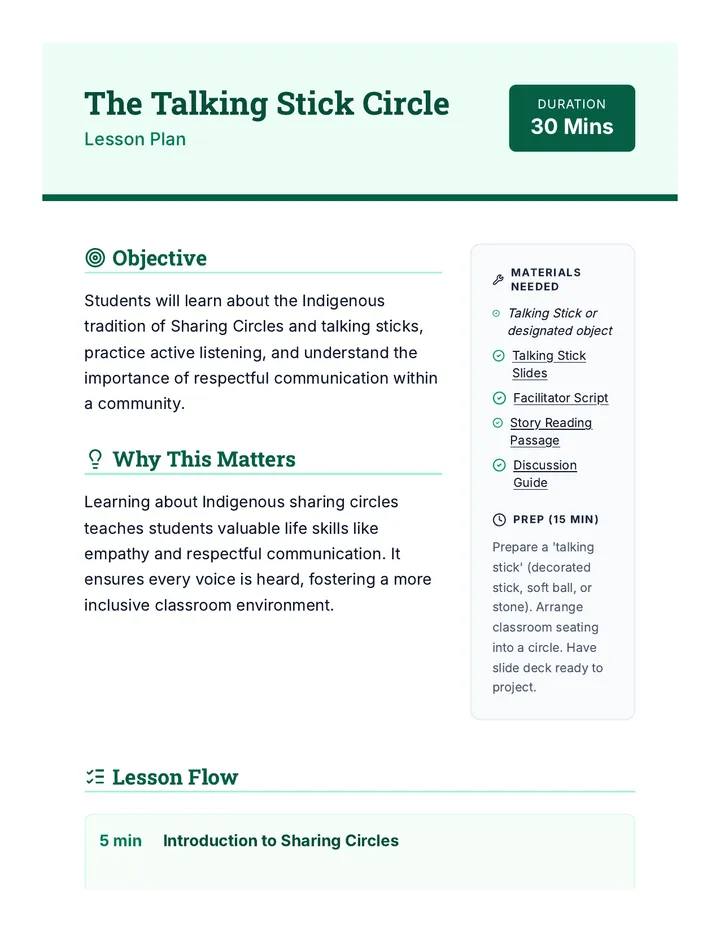
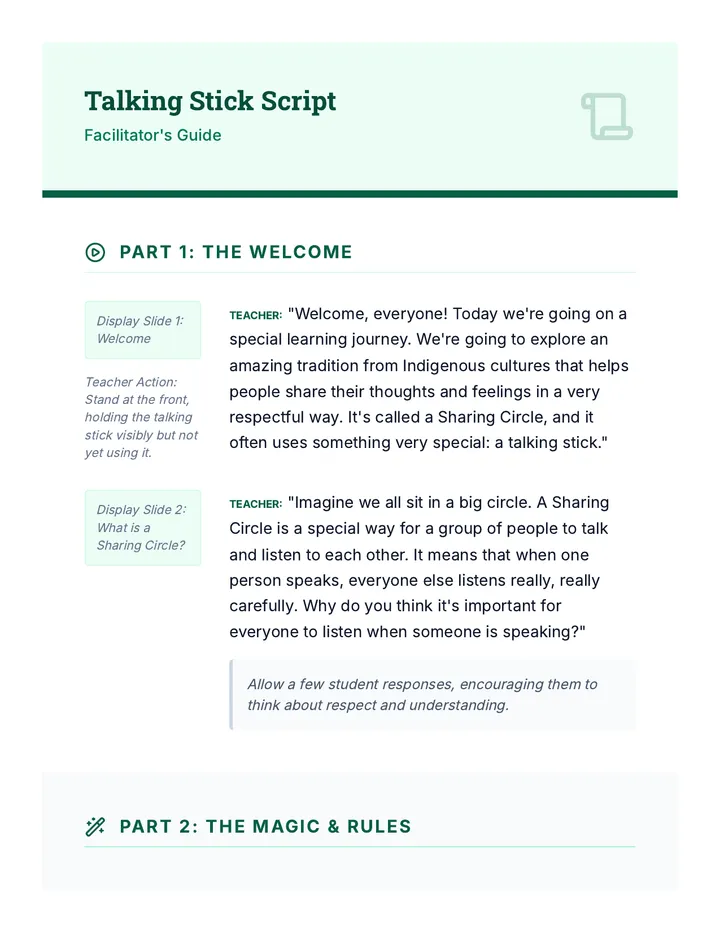
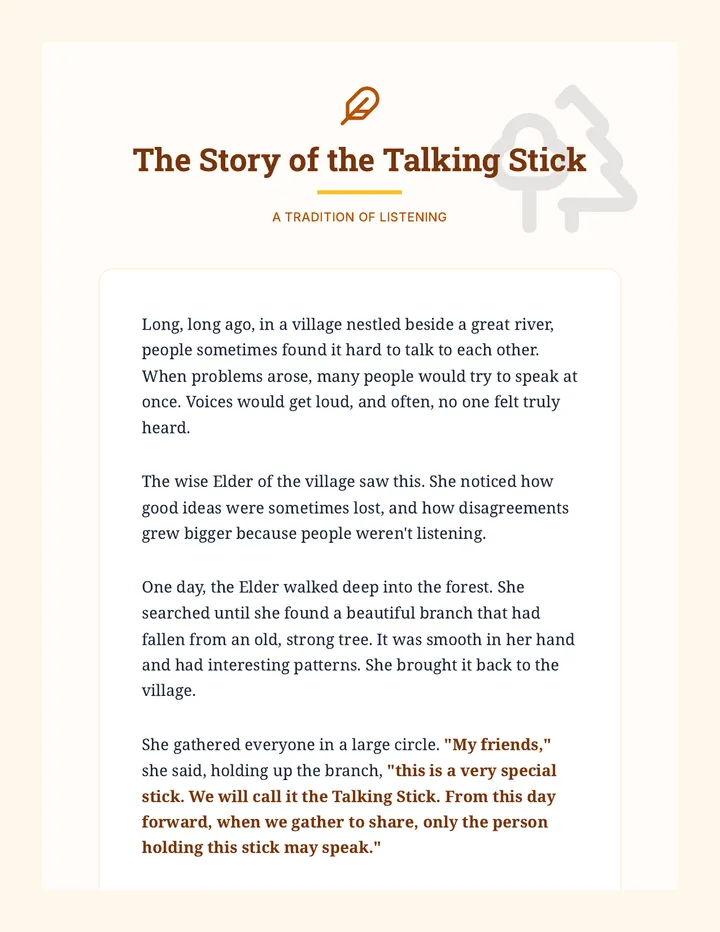
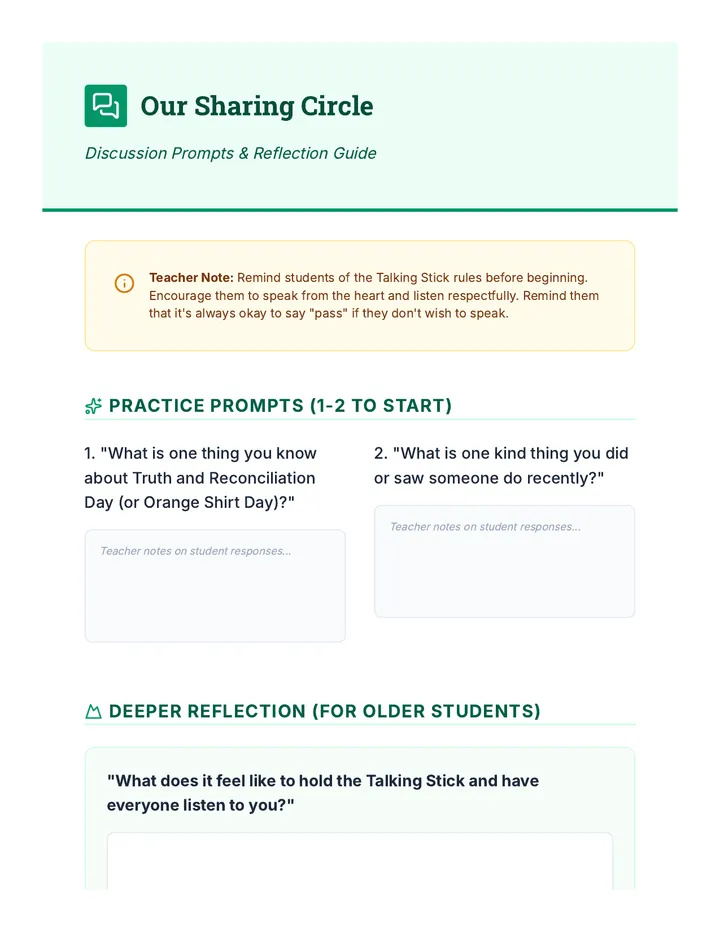
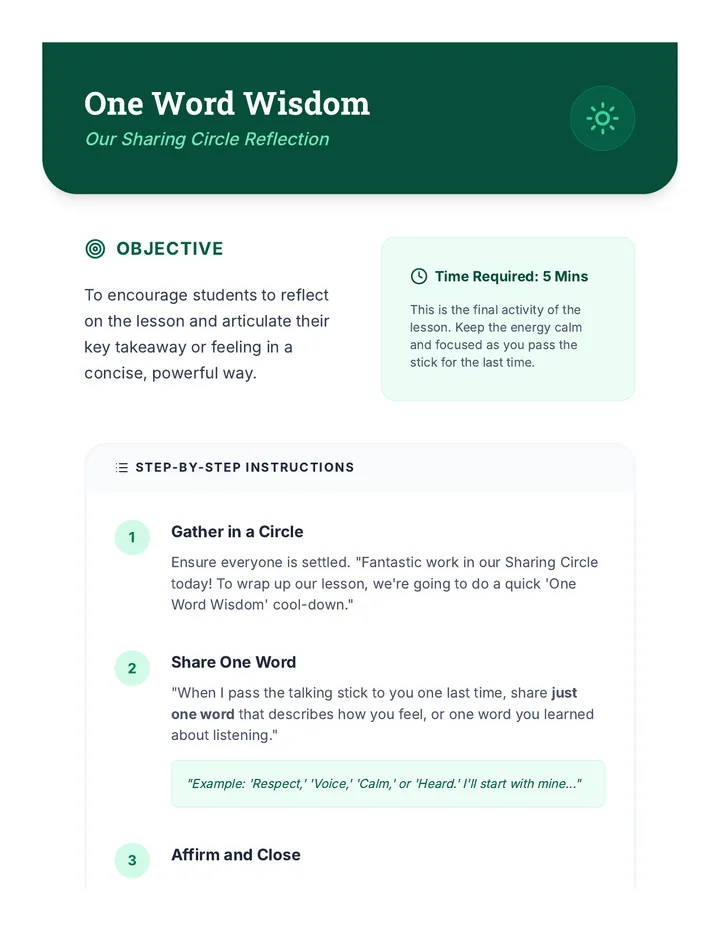
This lesson introduces K-6 students to the Indigenous tradition of Sharing Circles and talking sticks, fostering respectful communication and active listening skills. Students will learn the significance of everyone's voice through storytelling and guided practice.
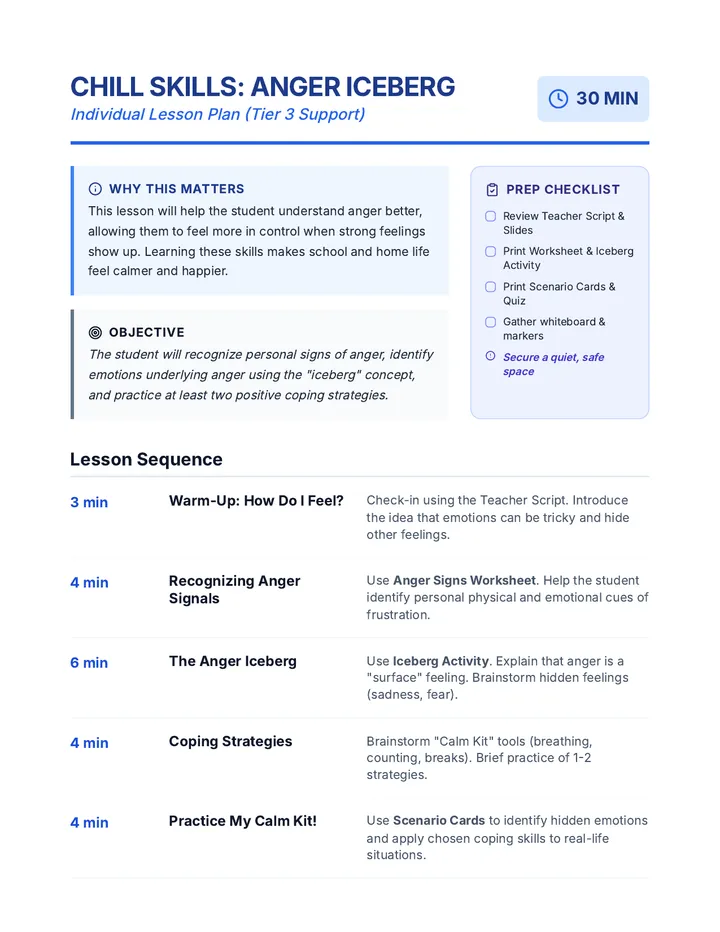
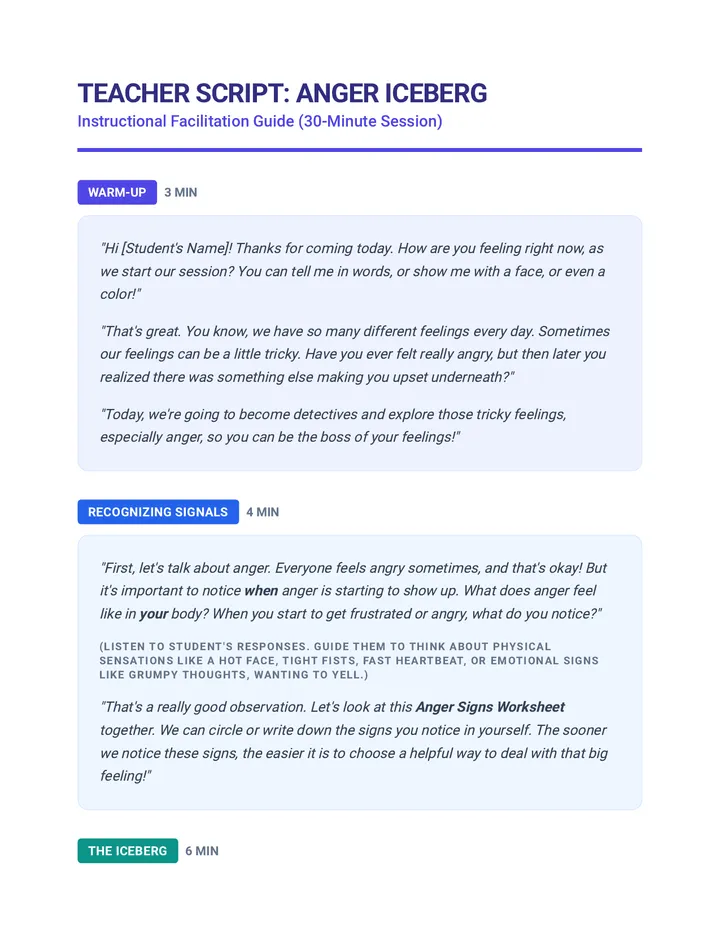
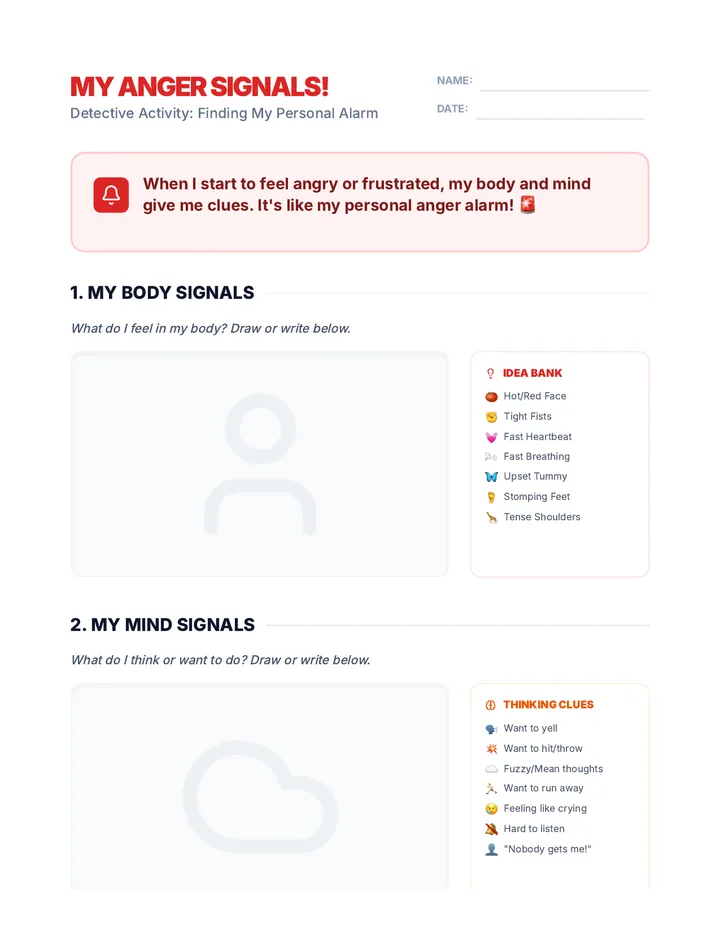
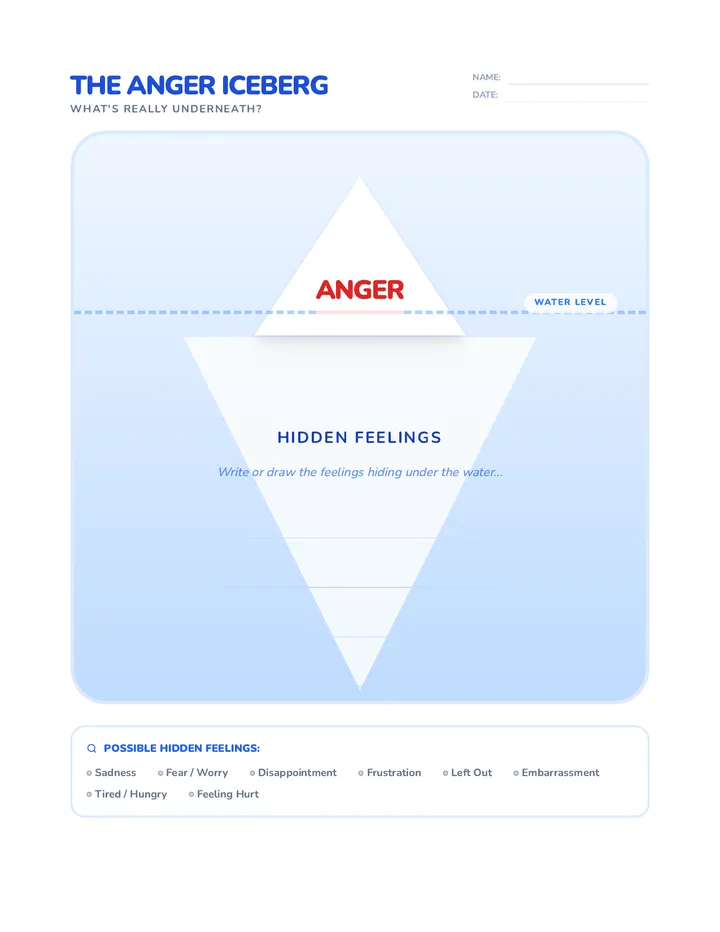
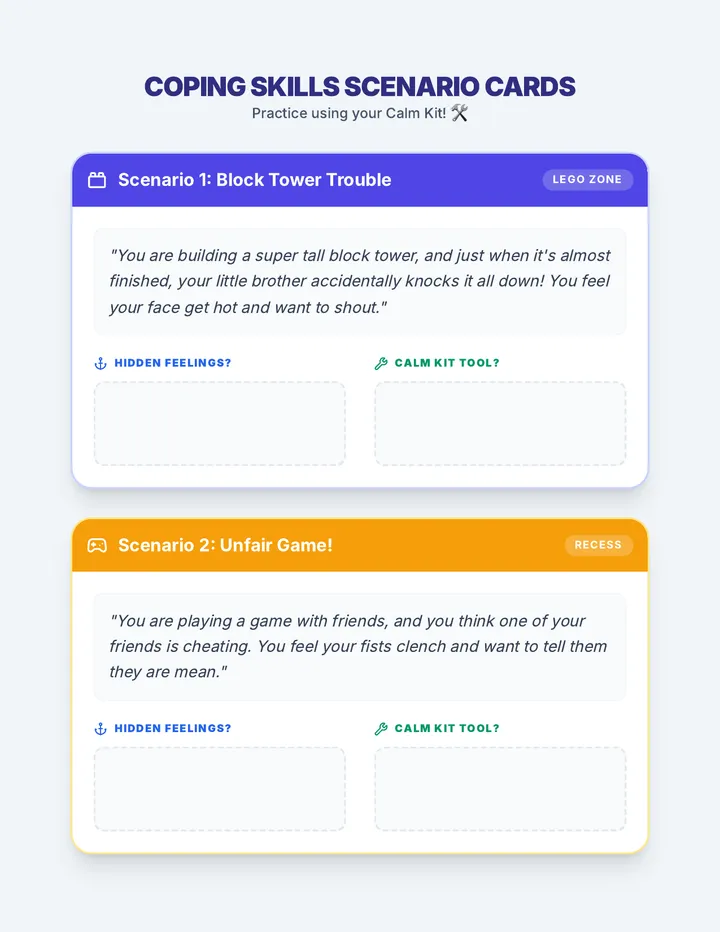
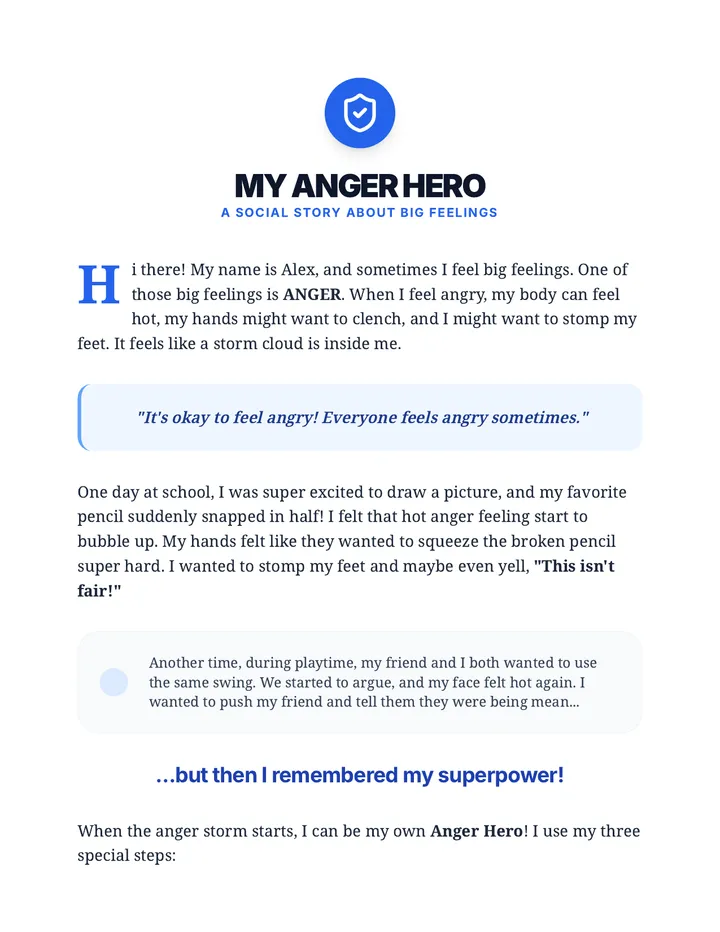
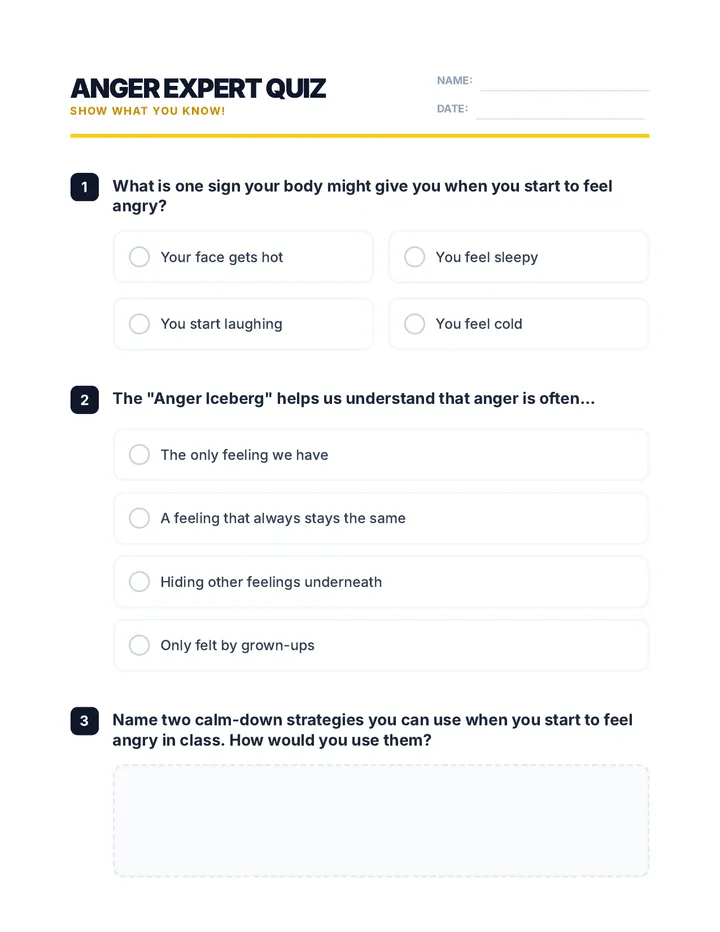
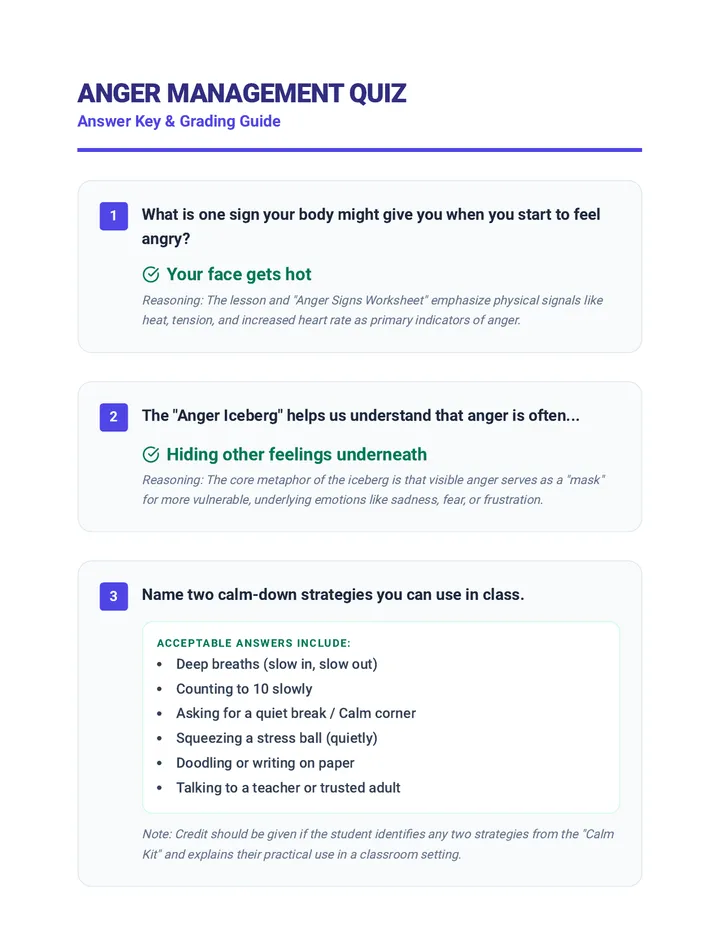
A 30-minute individual Tier 3 lesson for 3rd-grade students focused on identifying anger signals, understanding underlying emotions through the anger iceberg concept, and practicing coping strategies.
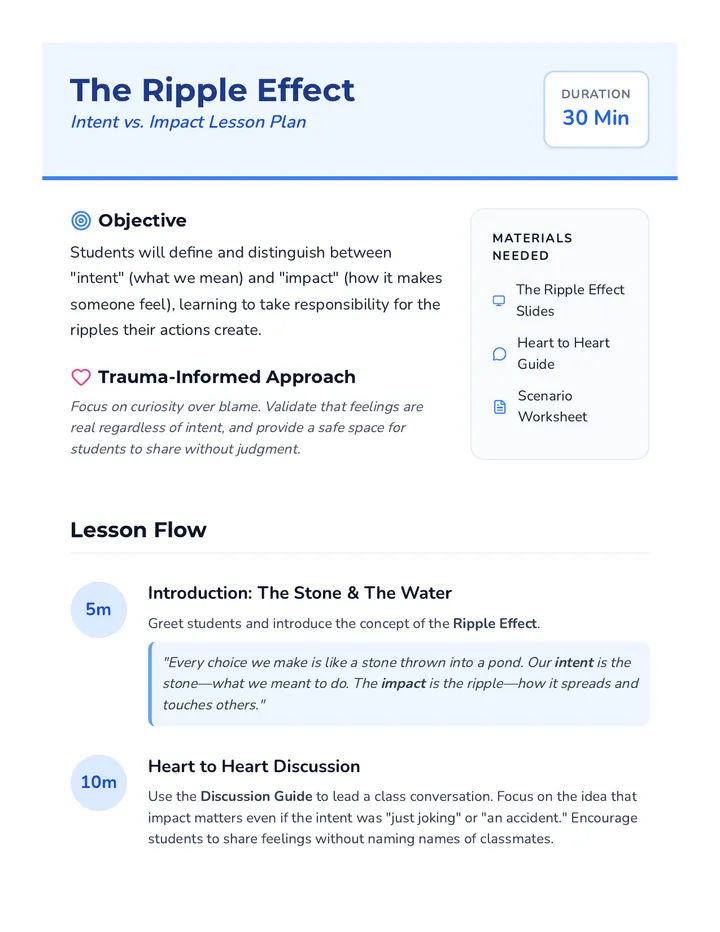
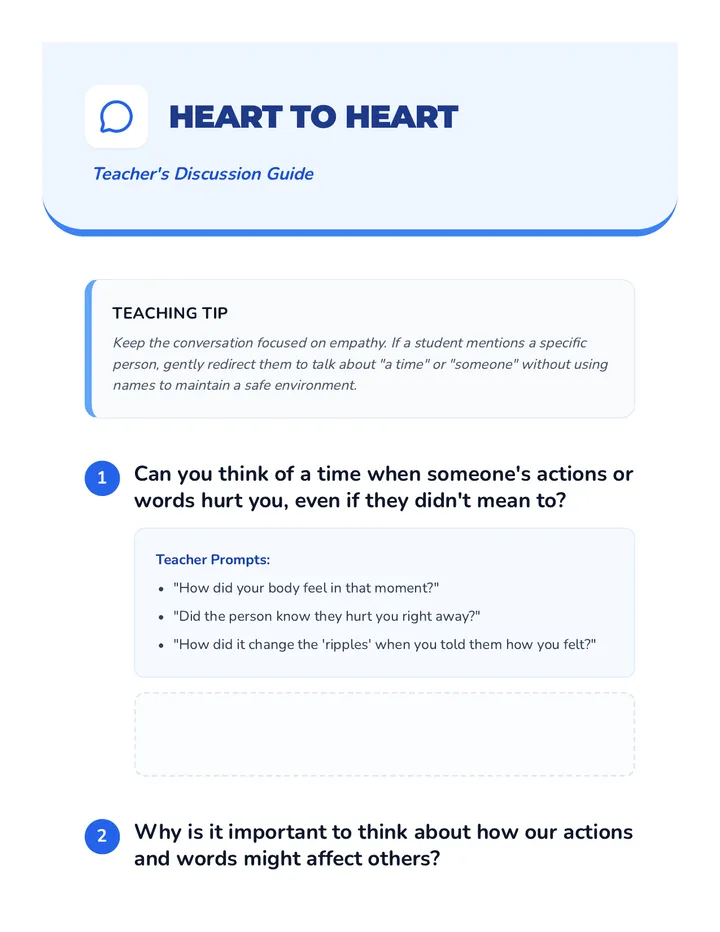
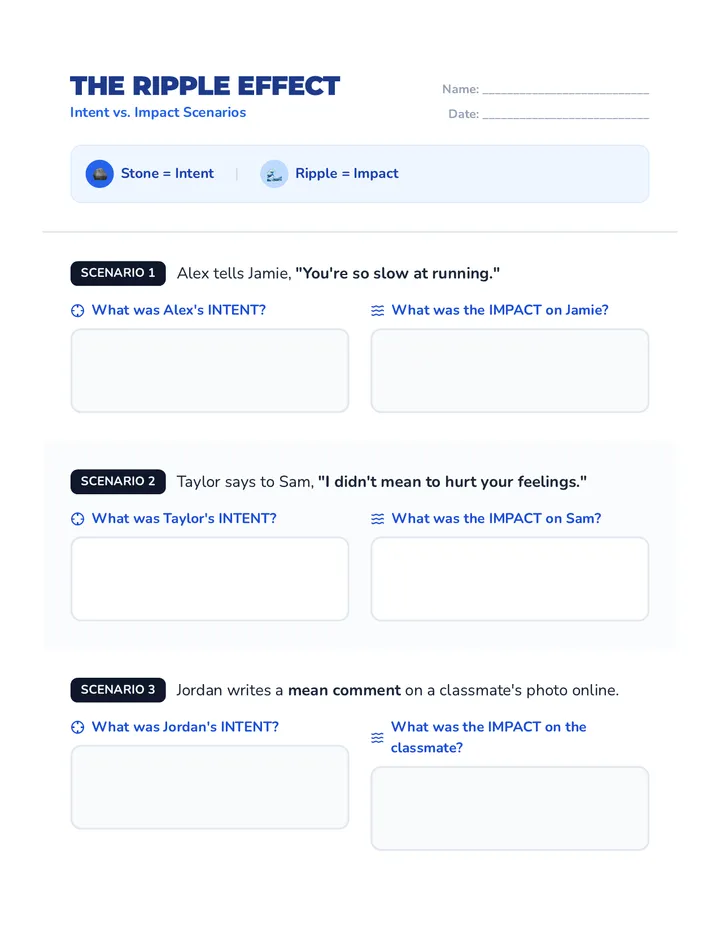
Students explore the difference between what we mean (intent) and how others feel (impact) through the 'Ripple Effect' metaphor, developing empathy and social awareness.
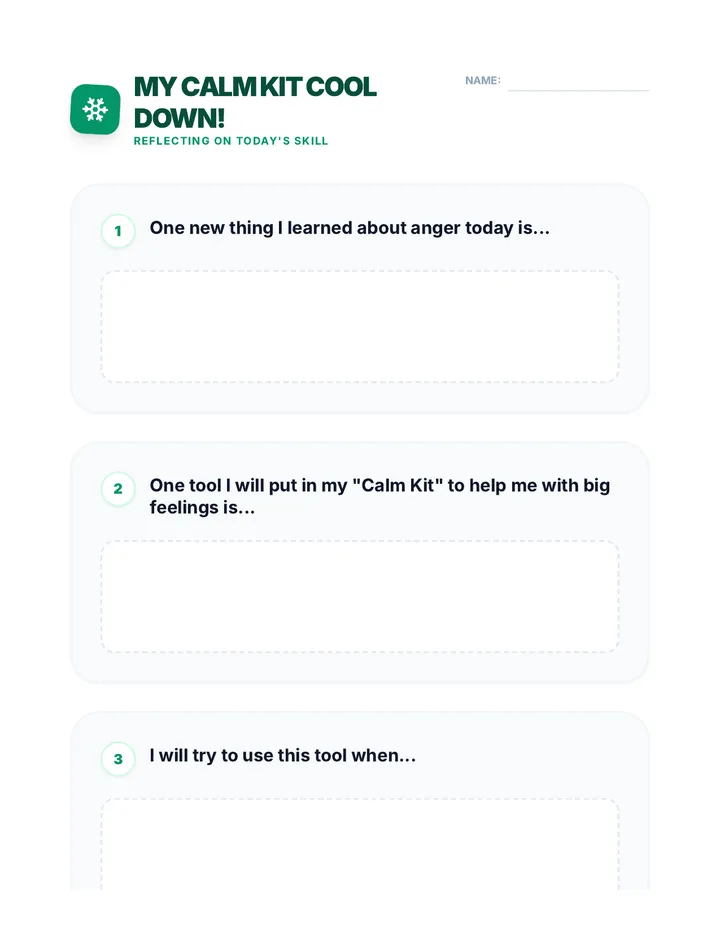
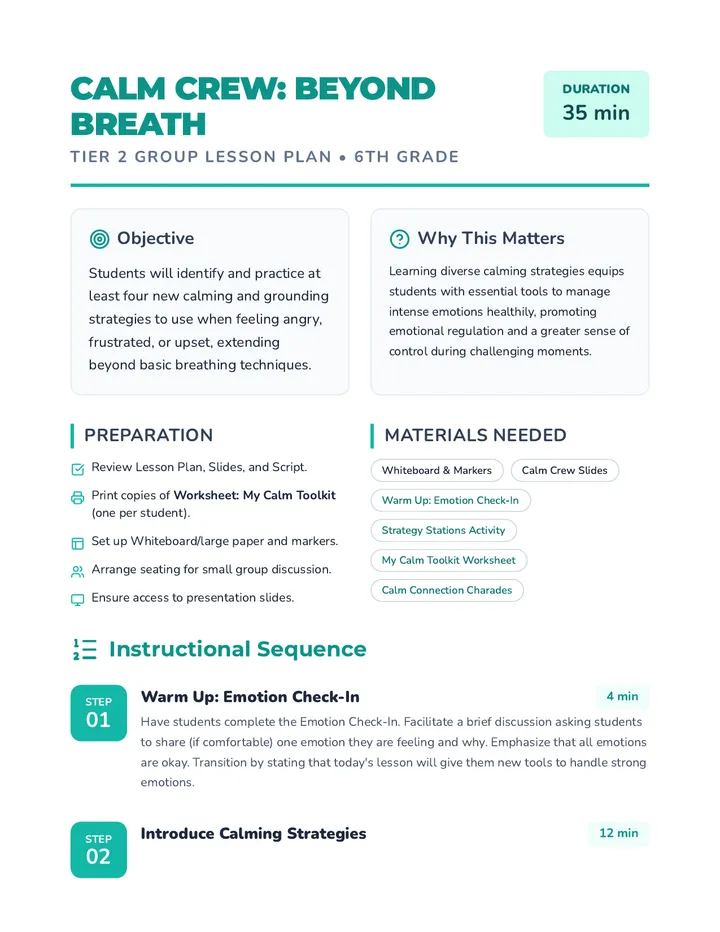
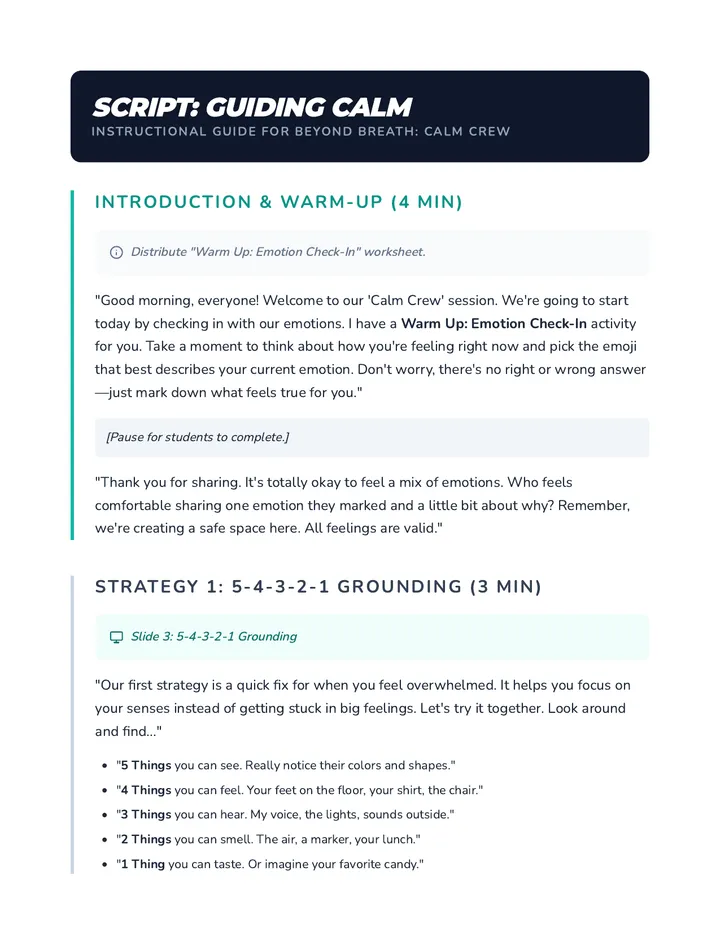
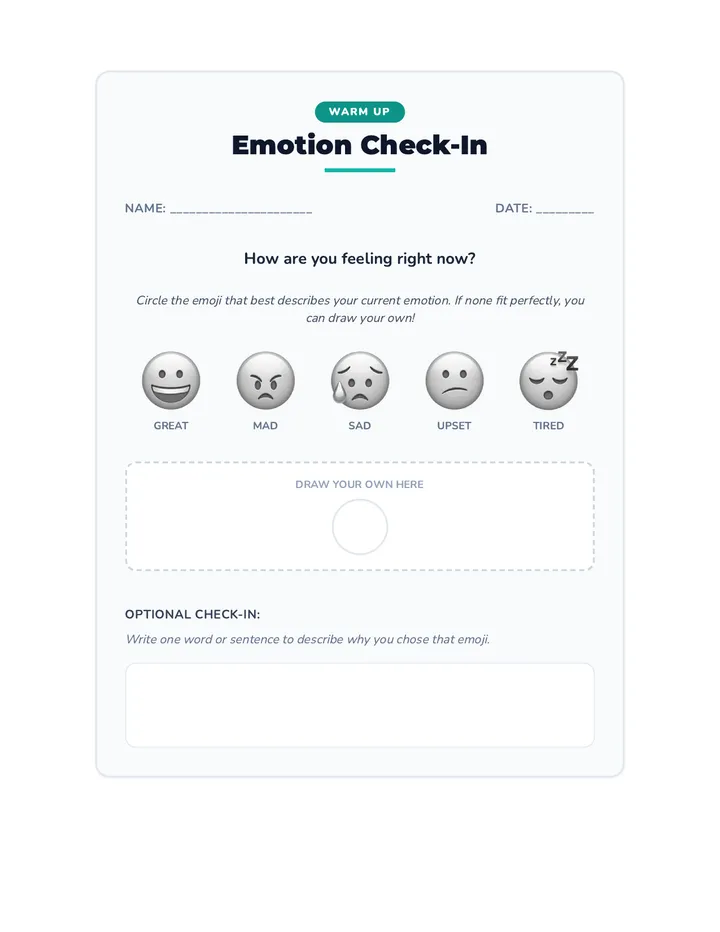
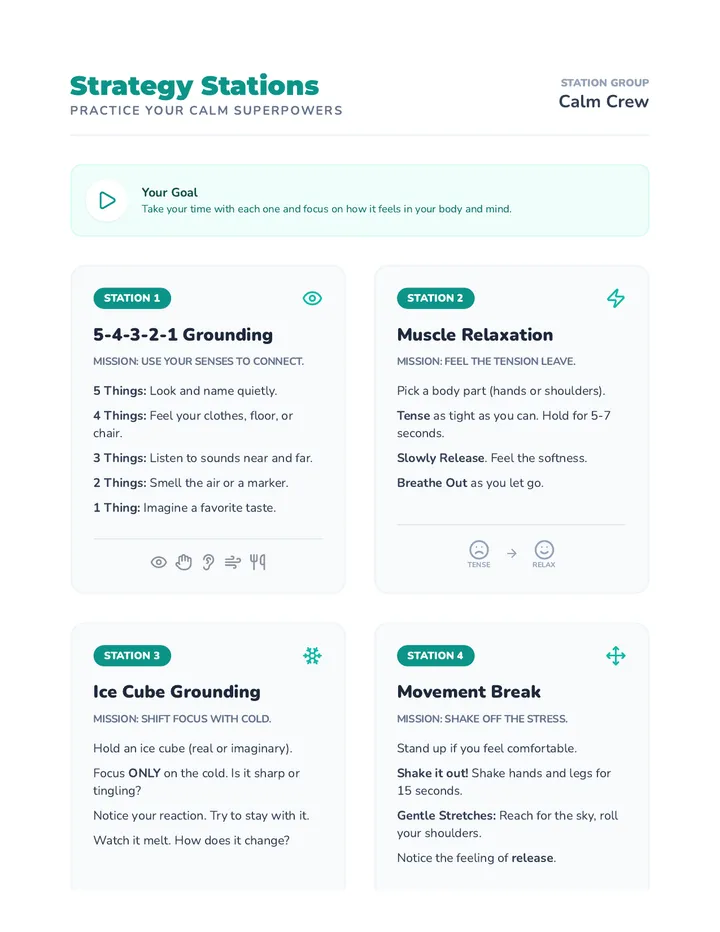
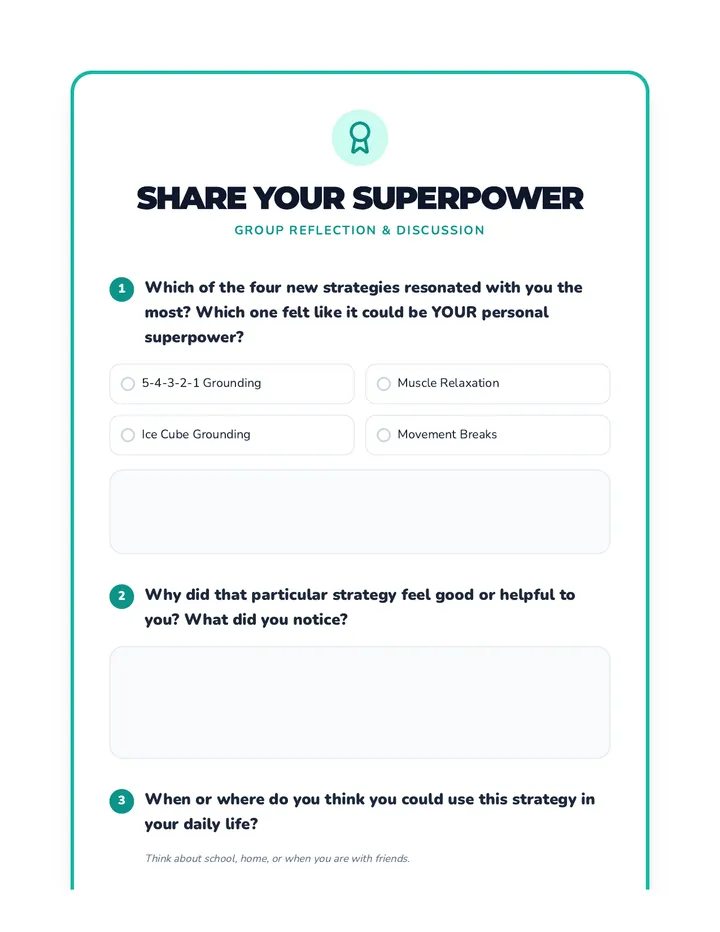
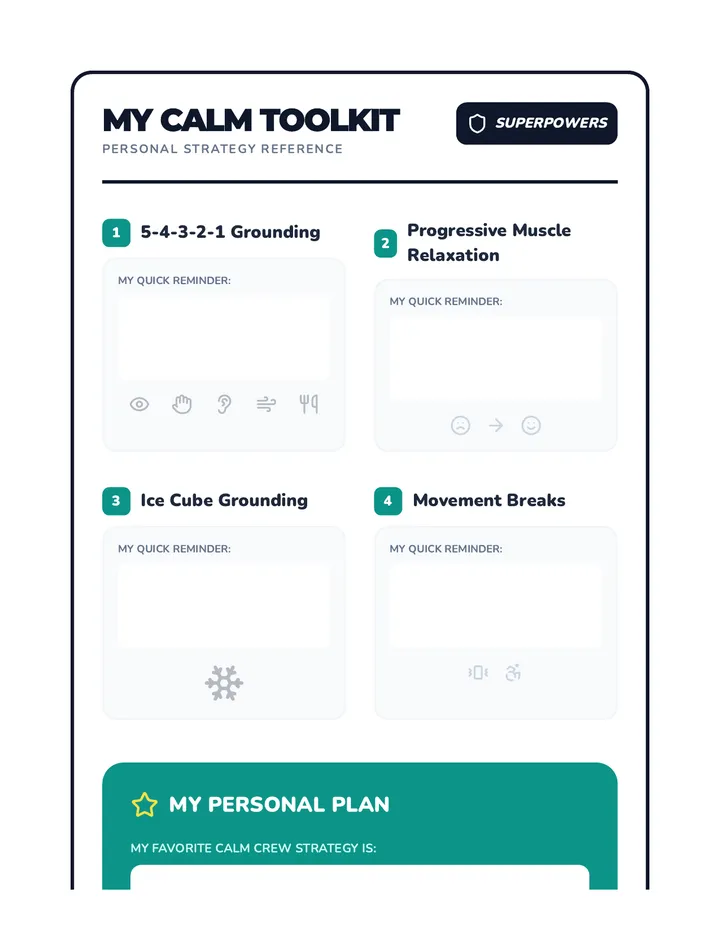
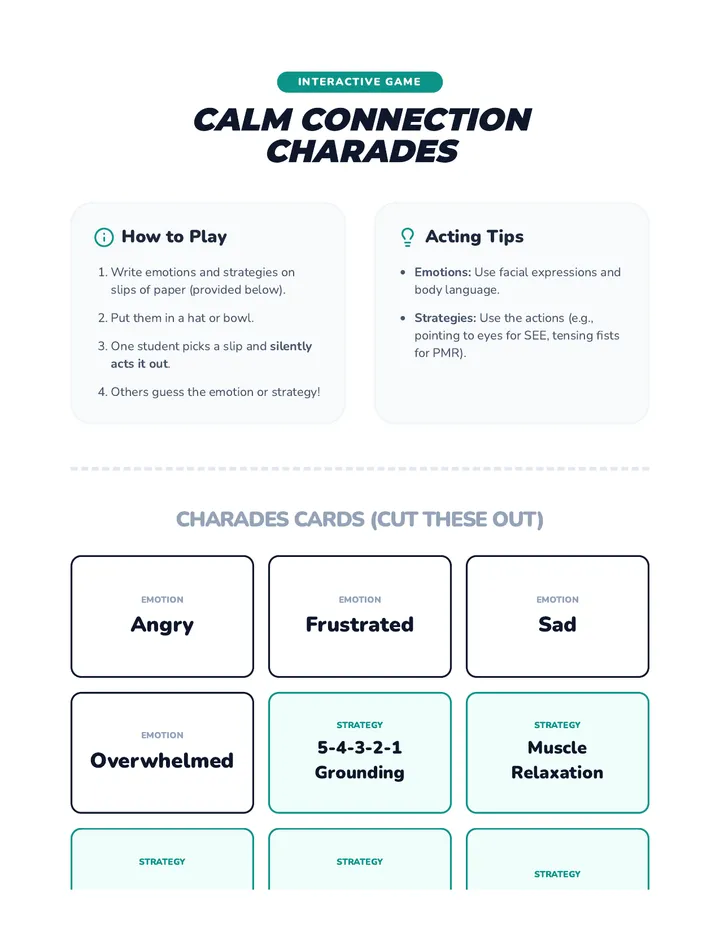
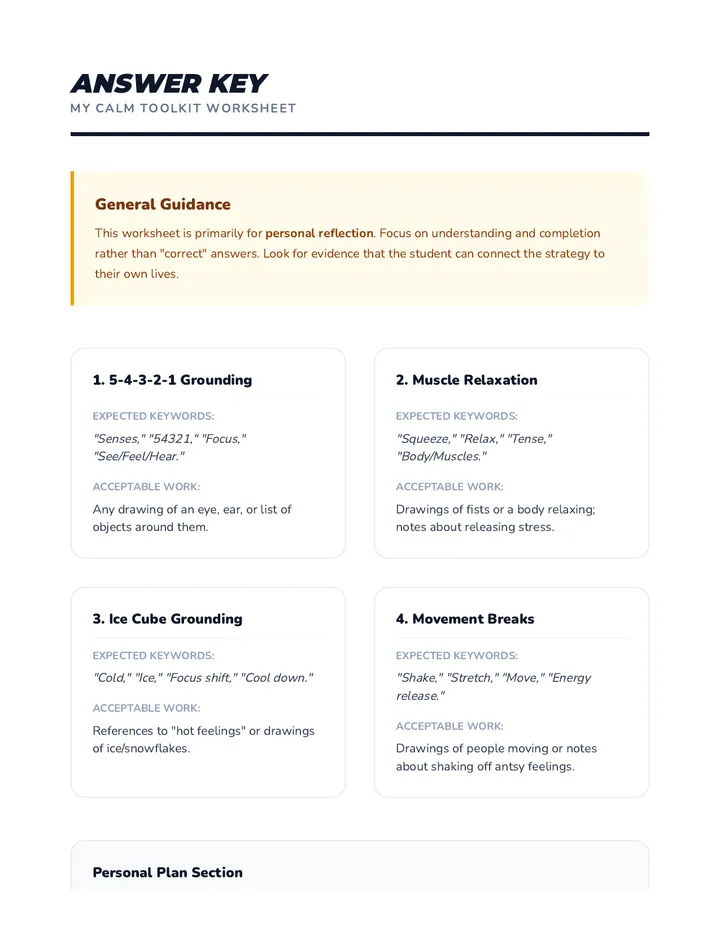
A 35-minute Tier 2 group lesson for 6th graders that introduces and practices various calming and grounding strategies beyond basic breathing, providing students with a toolkit to manage anger, frustration, and upset feelings.
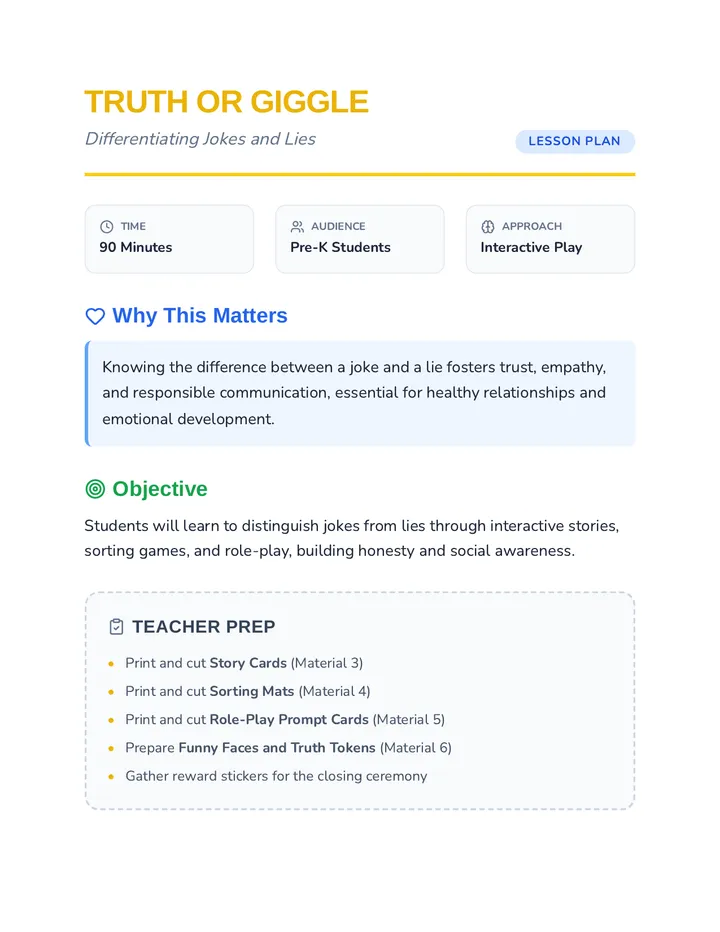
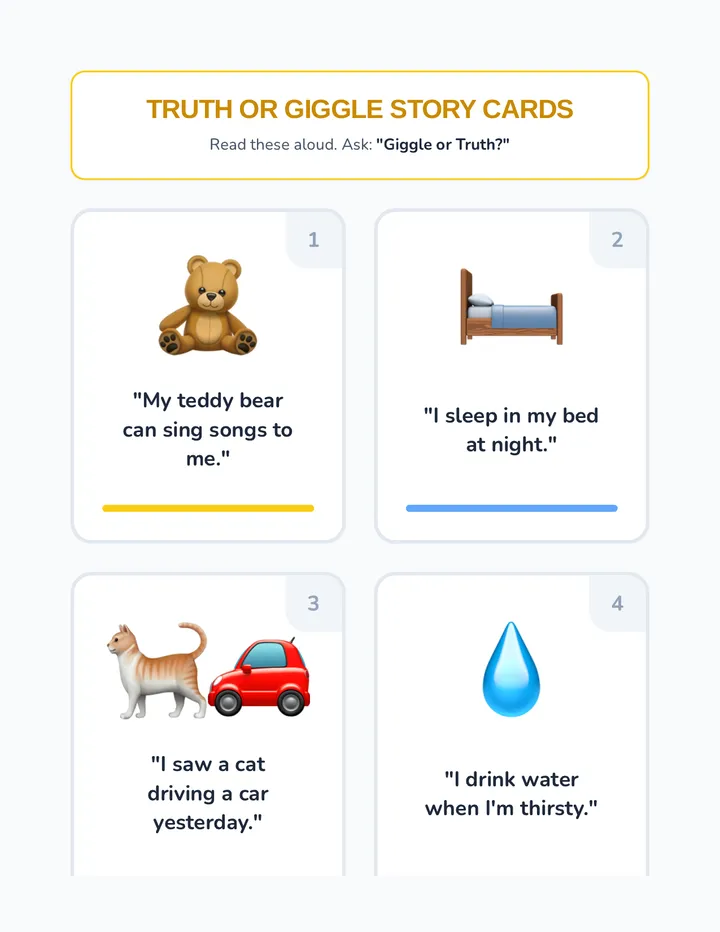
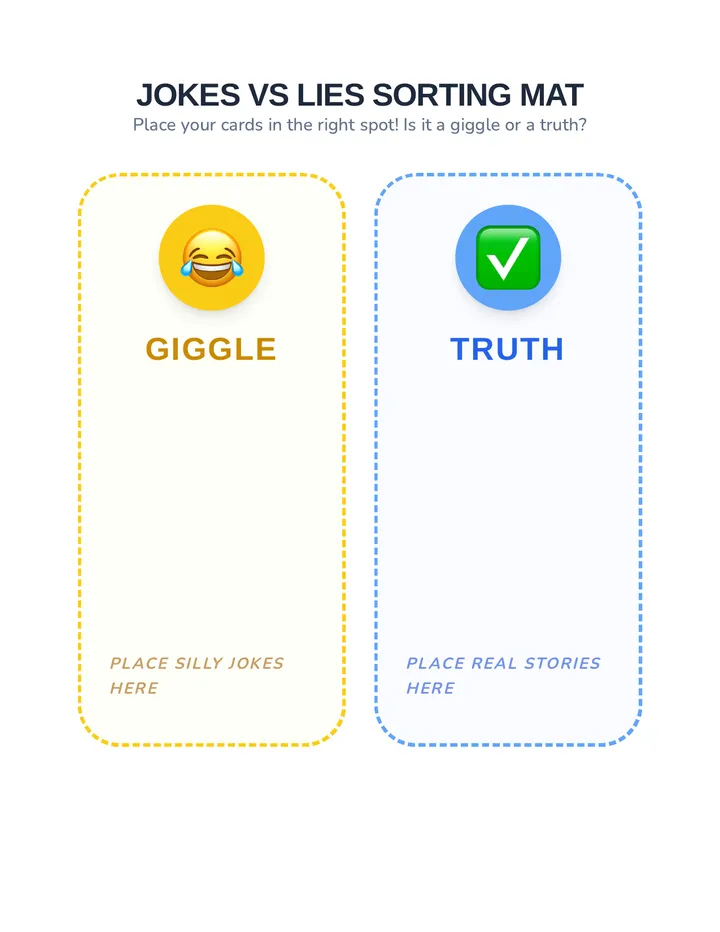
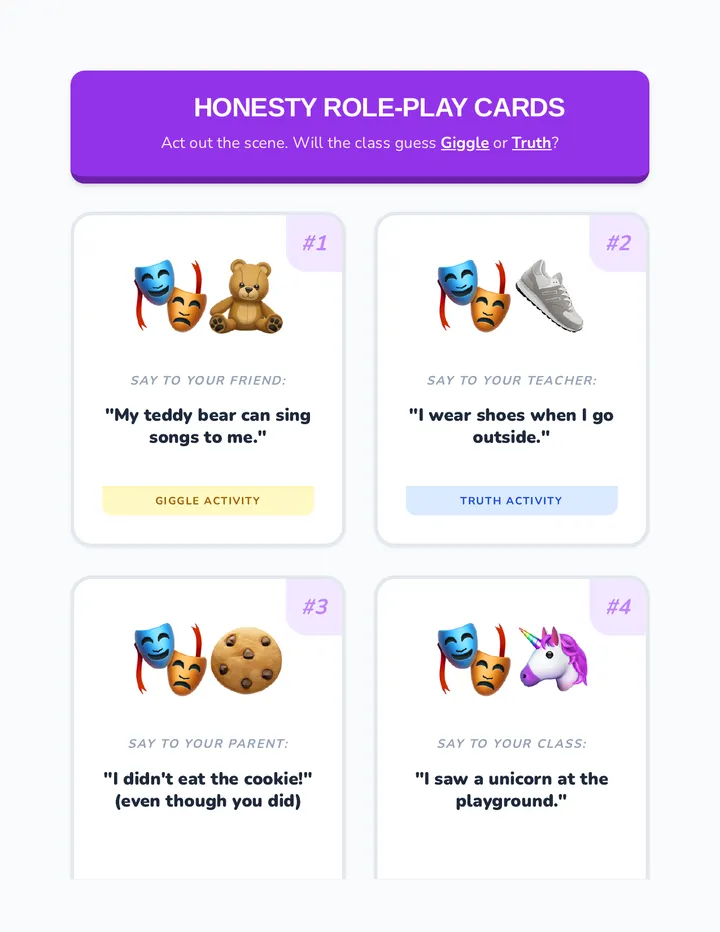
In this fun 90-minute pre-K lesson, students will explore the difference between jokes and lies through storytelling, role-play, and interactive games. Learning this skill helps children develop honesty and social understanding essential for healthy relationships.
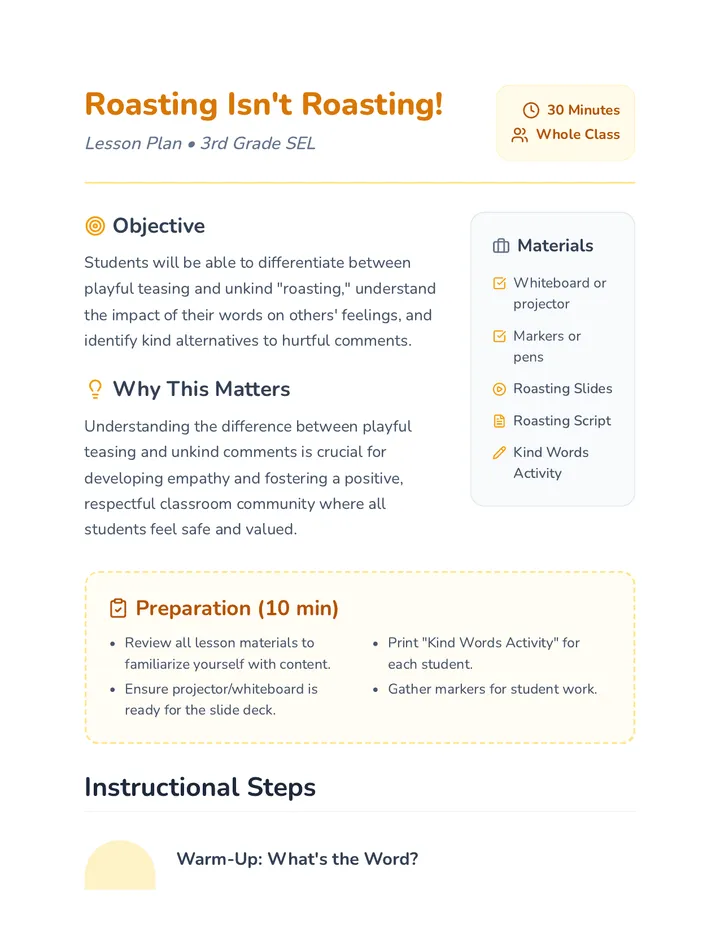
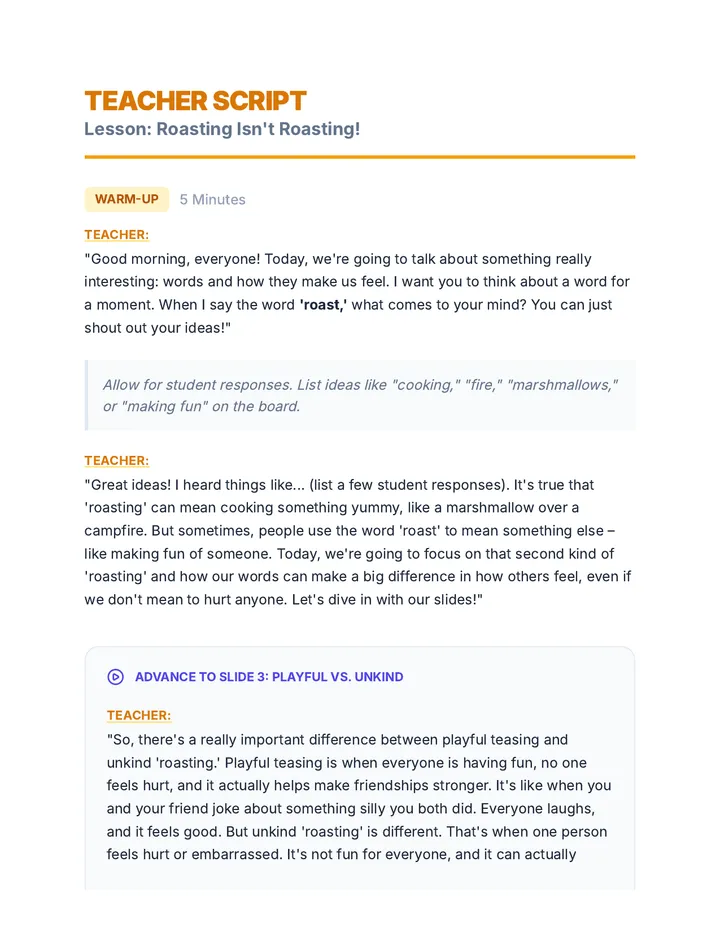
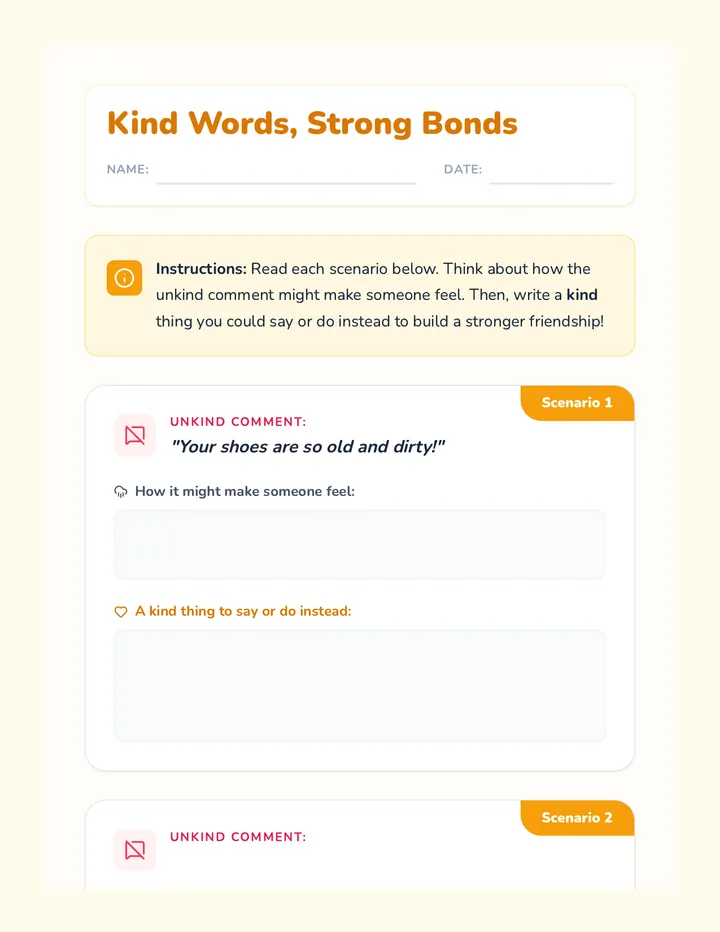
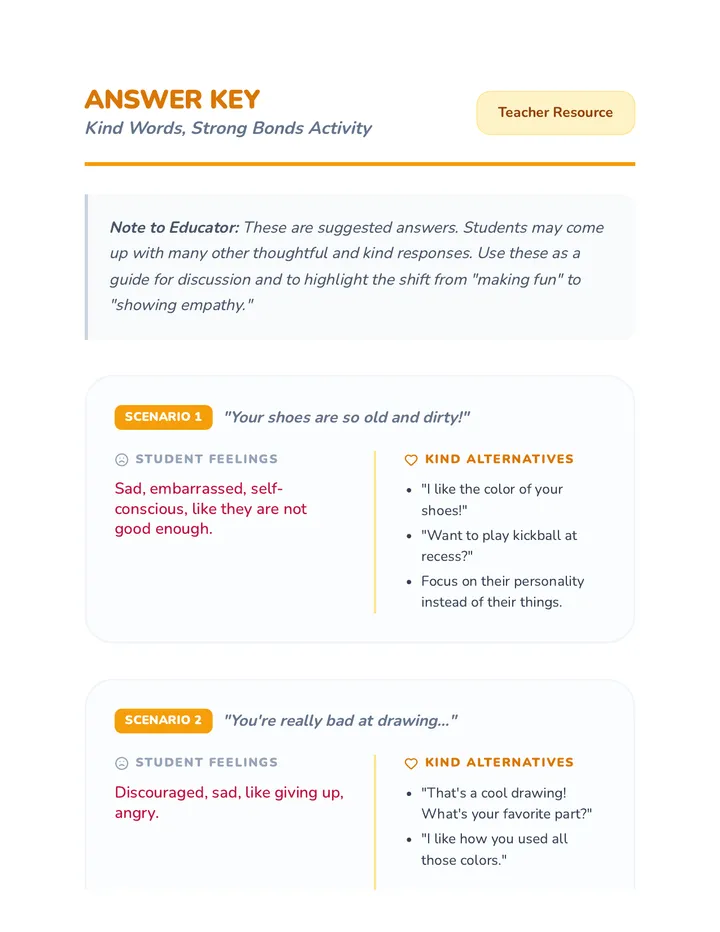
A 30-minute SEL lesson for 3rd graders focusing on the impact of words, differentiating between playful teasing and unkind roasting, and practicing empathy through kind alternatives.
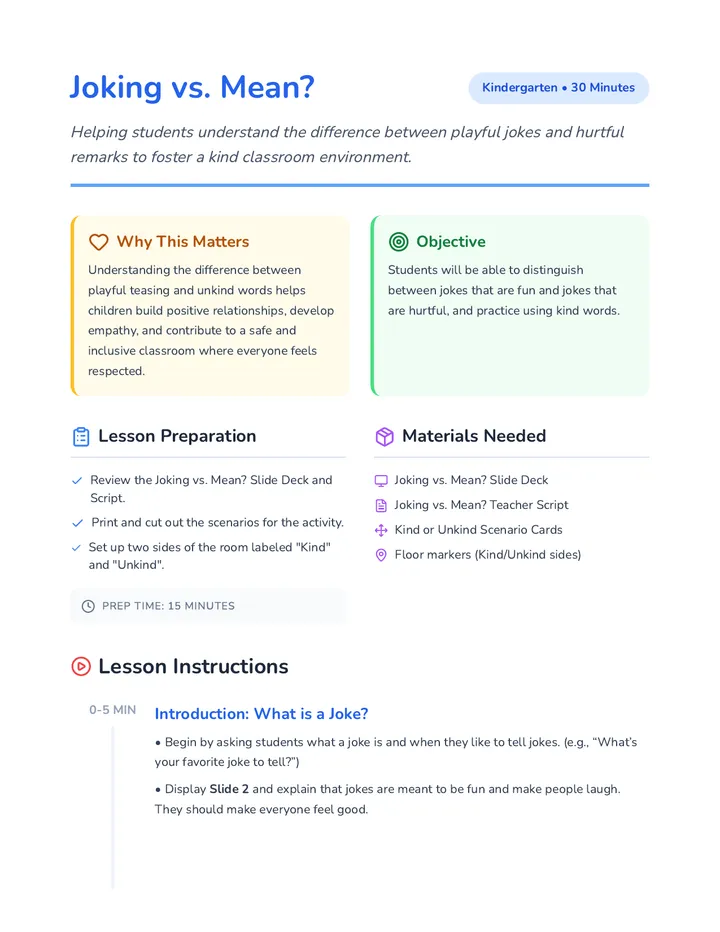
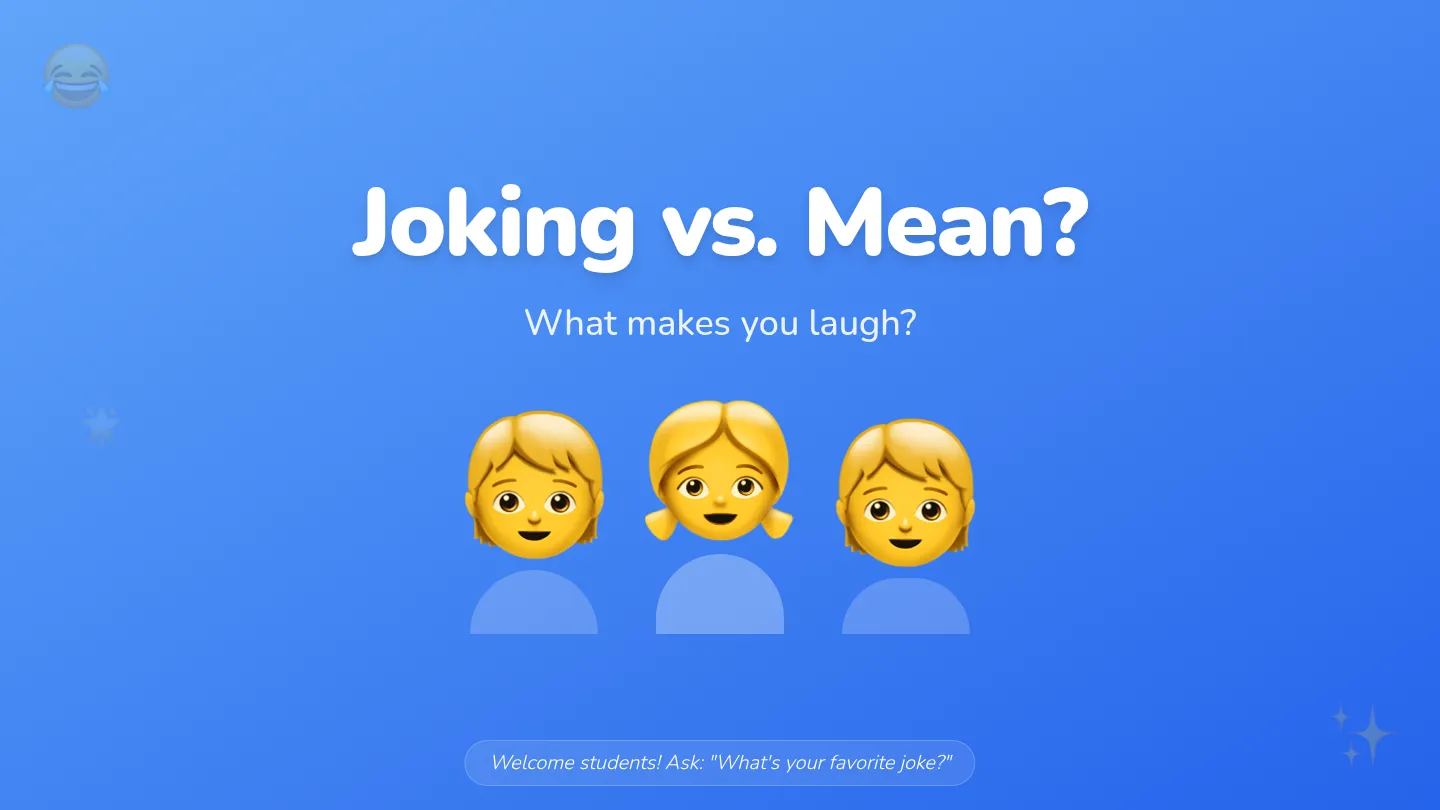
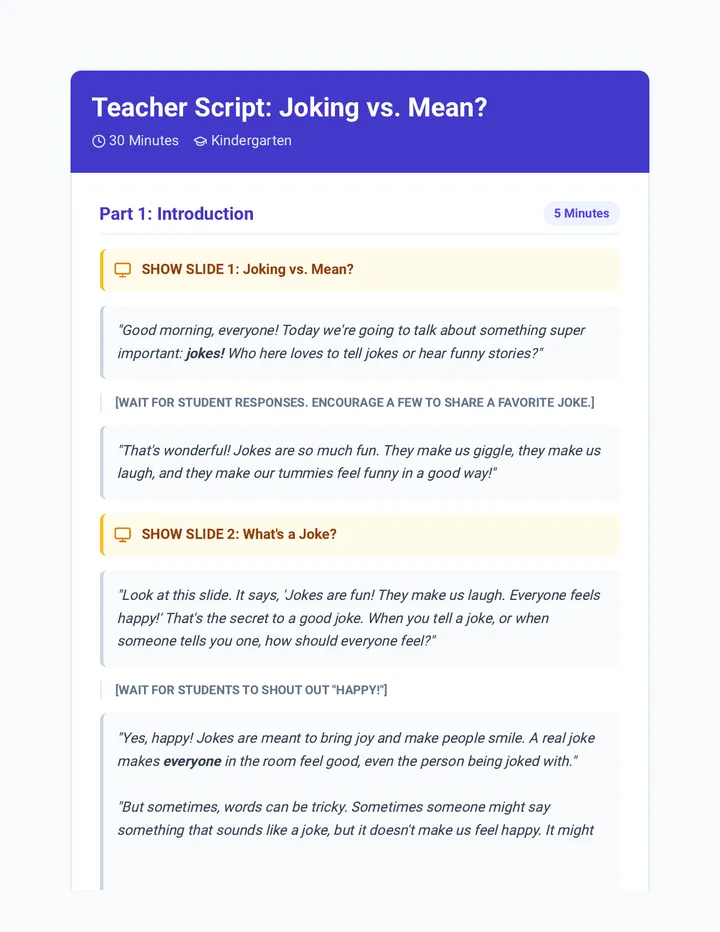
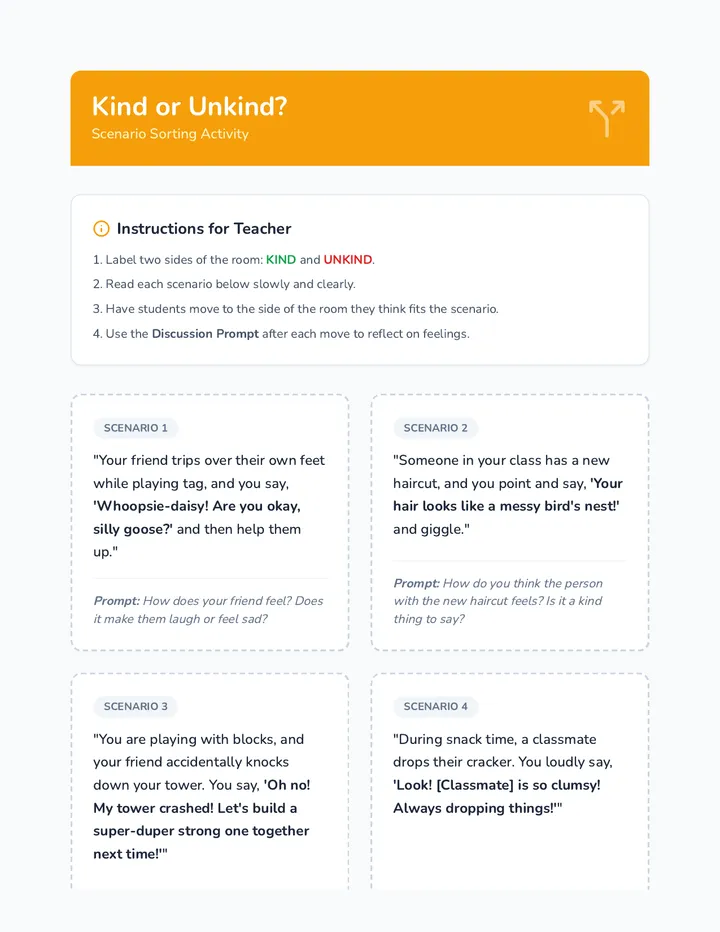
A 30-minute Kindergarten lesson that helps students distinguish between playful jokes and hurtful remarks using discussion, visual slides, and interactive scenario practice.
An introductory lesson on emotional awareness using the Mood Meter framework. Students learn to identify, categorize, and regulate their emotions through four color-coded quadrants: Red, Blue, Green, and Yellow.
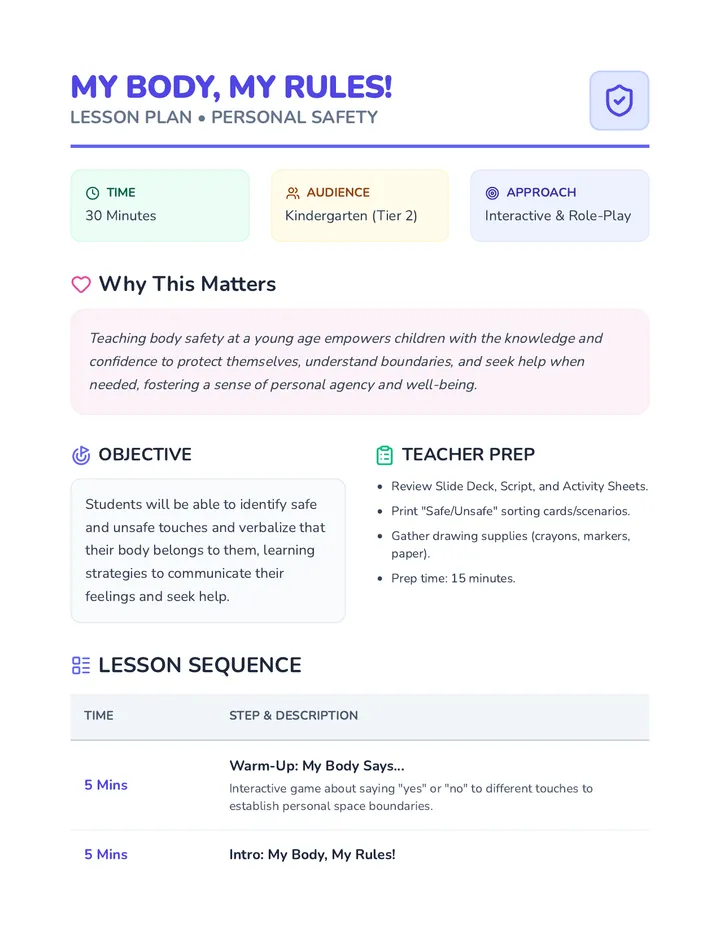
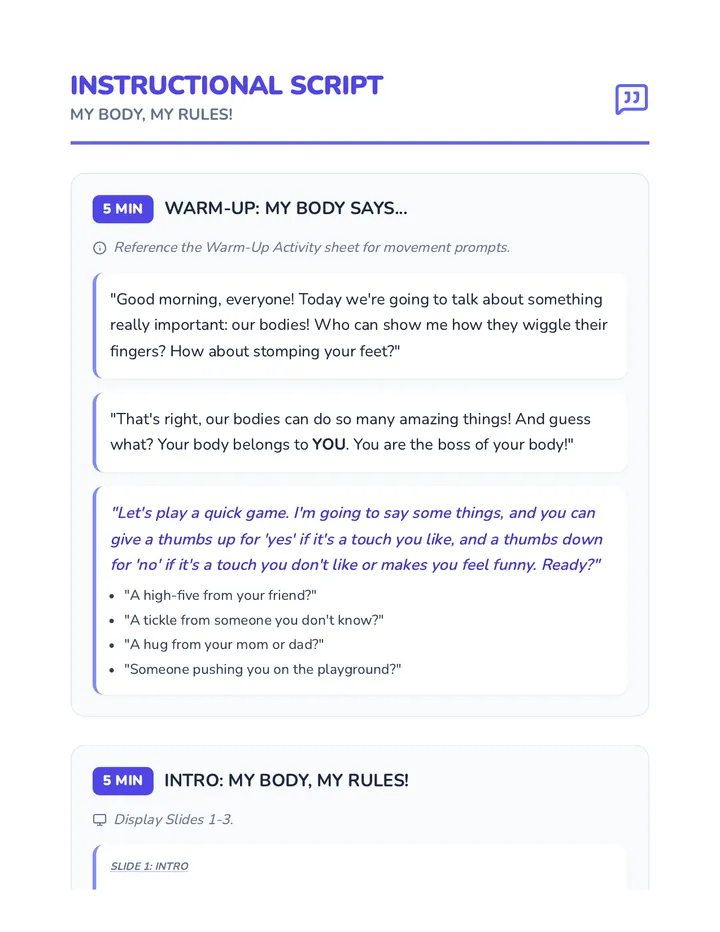
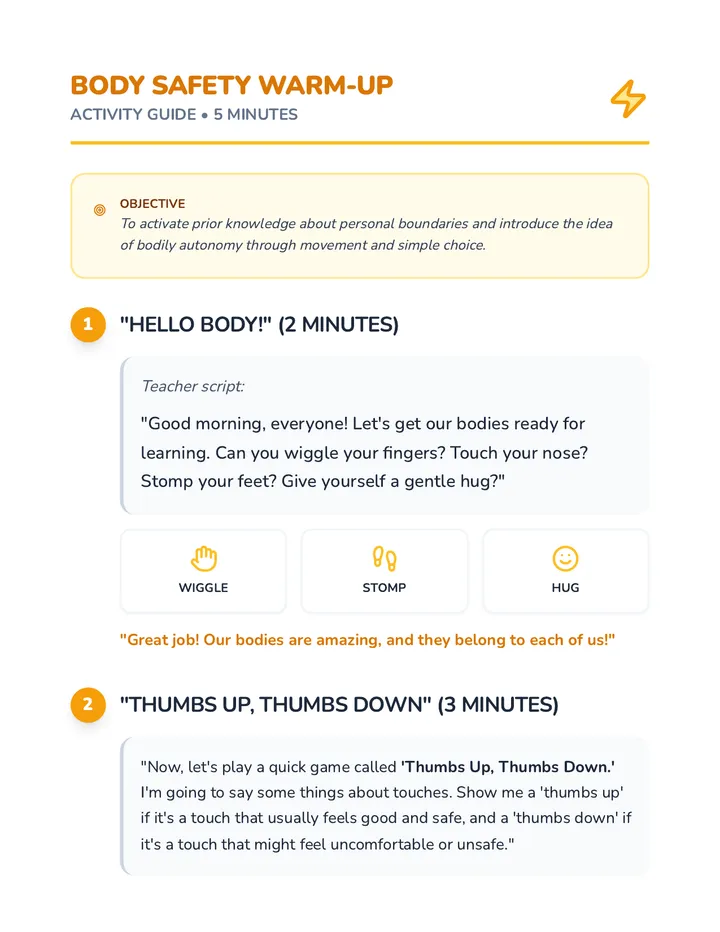
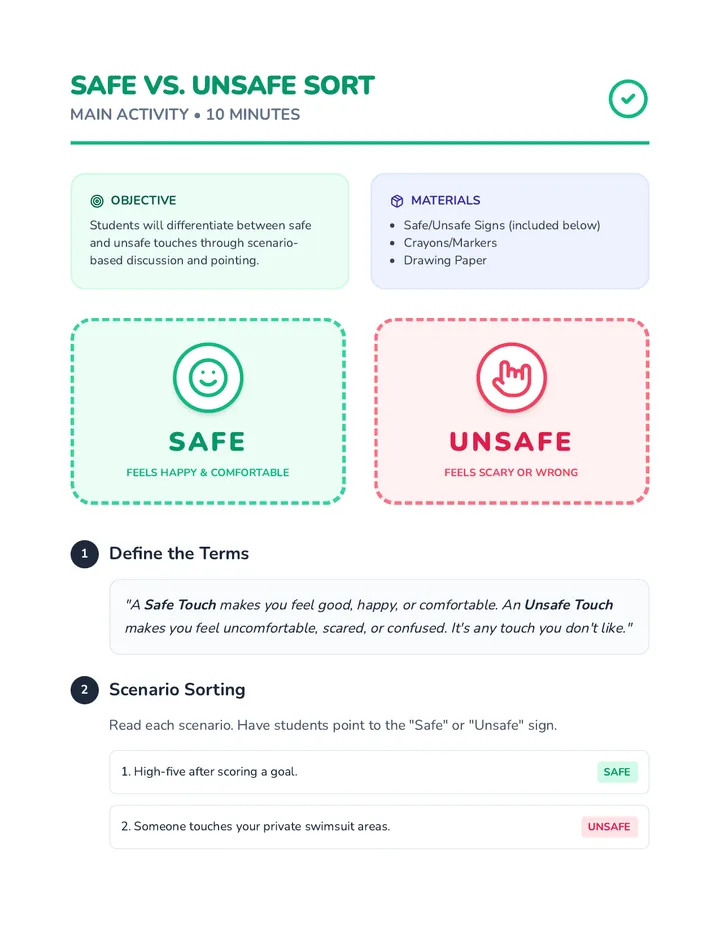
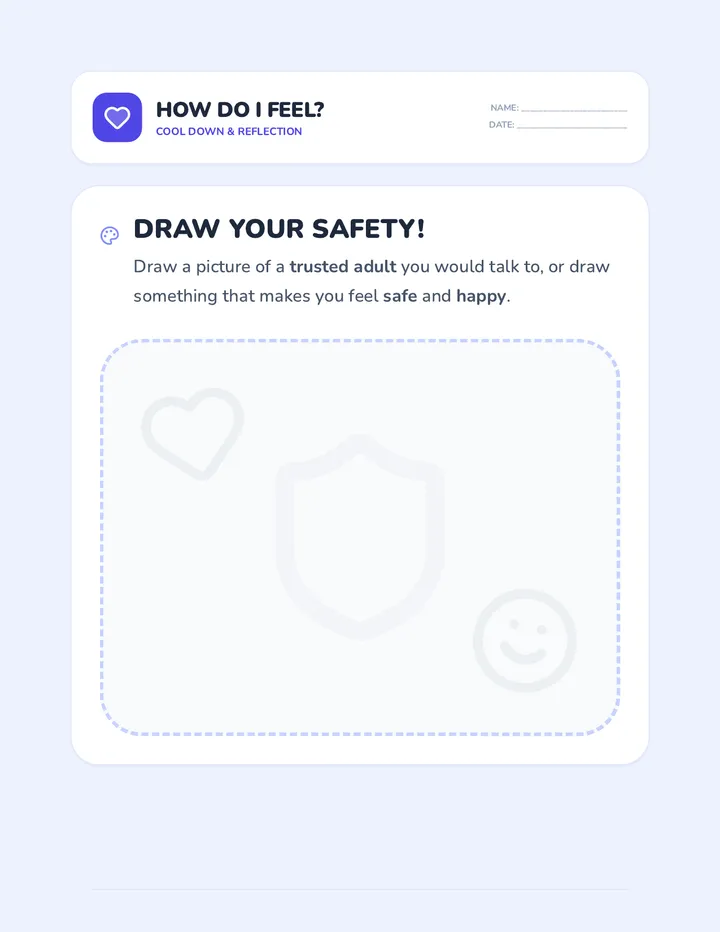
This Tier 2 small group lesson empowers Kindergarten students to understand personal boundaries, identify safe and unsafe touches, and practice using their voices to seek help from trusted adults.