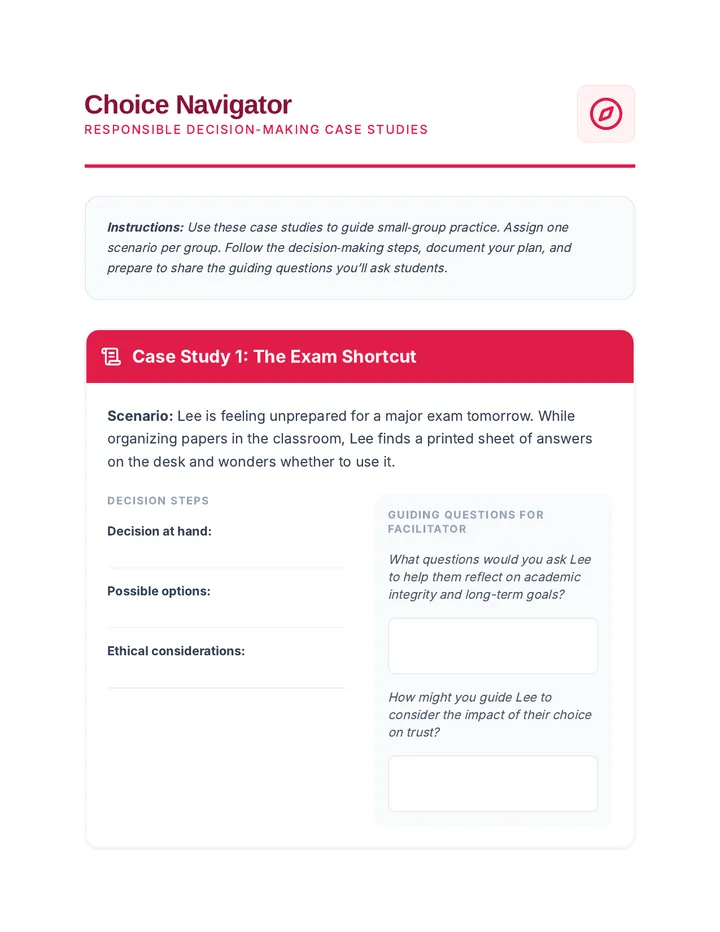
Systematic moral reasoning using utilitarian, deontological, and virtue-based perspectives. Guides students through evaluating consequences, duties, and character in real-world decision-making scenarios.
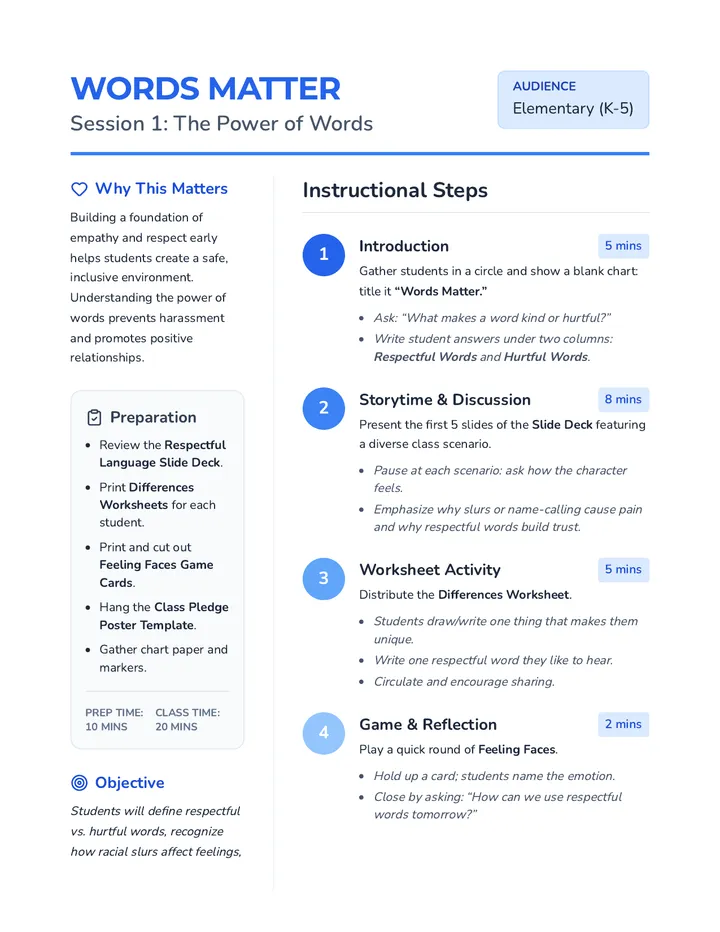
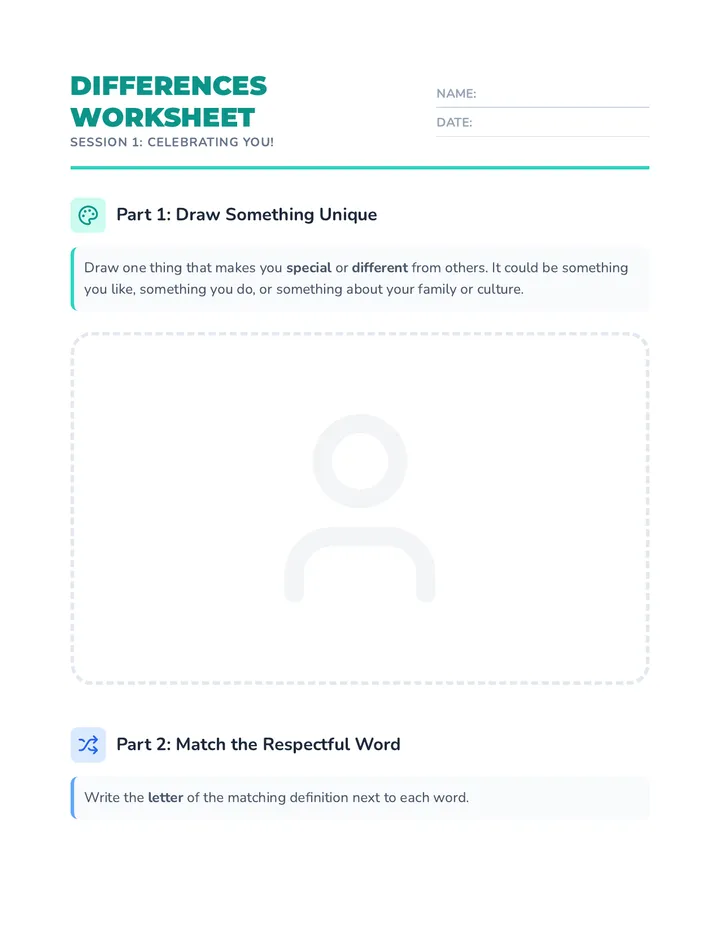
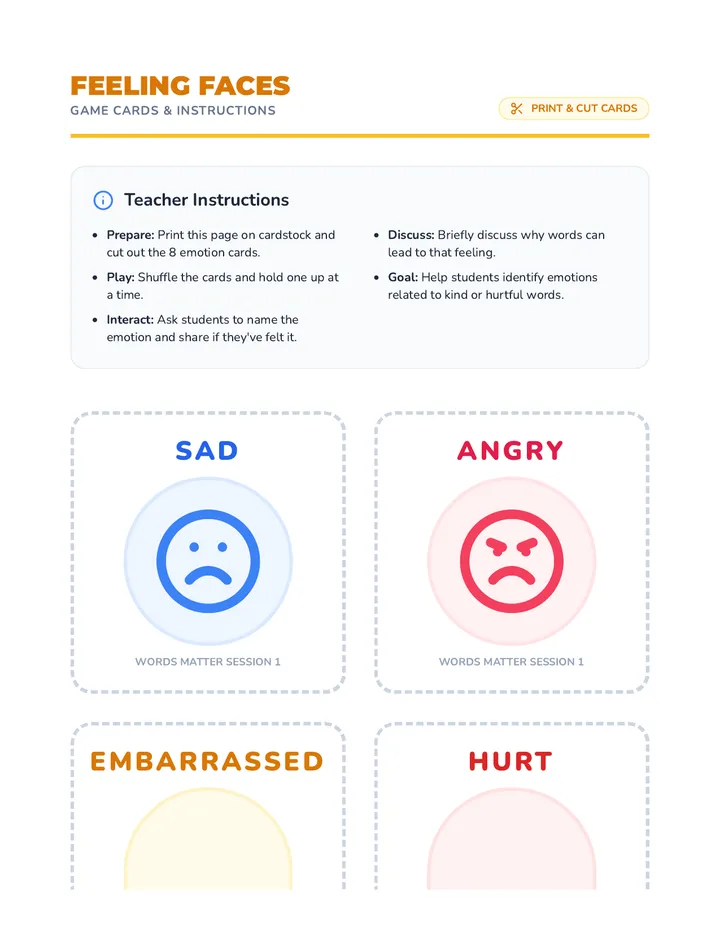
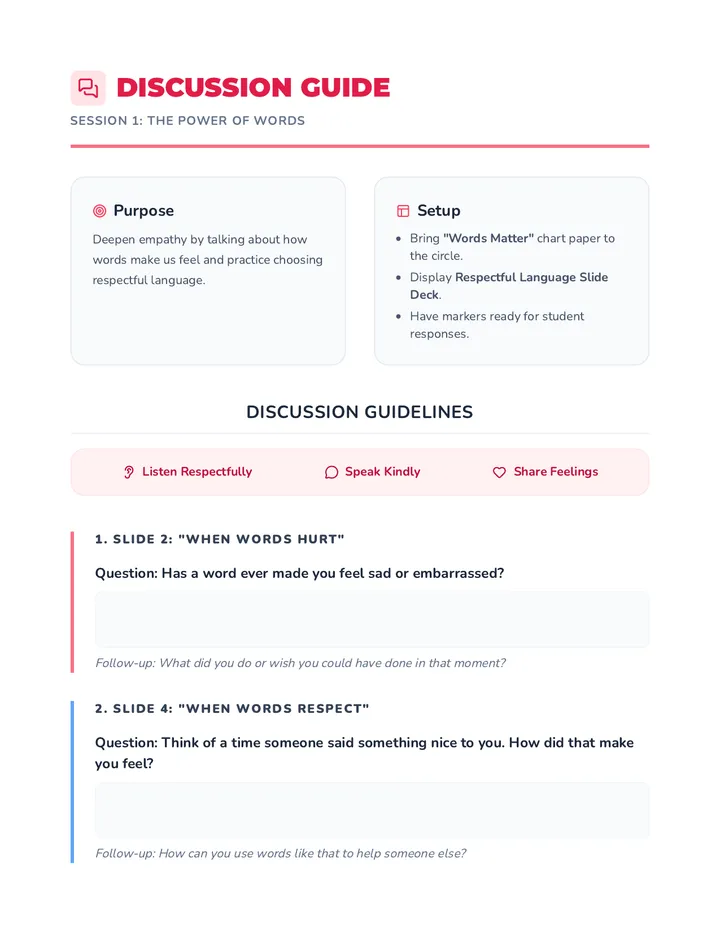
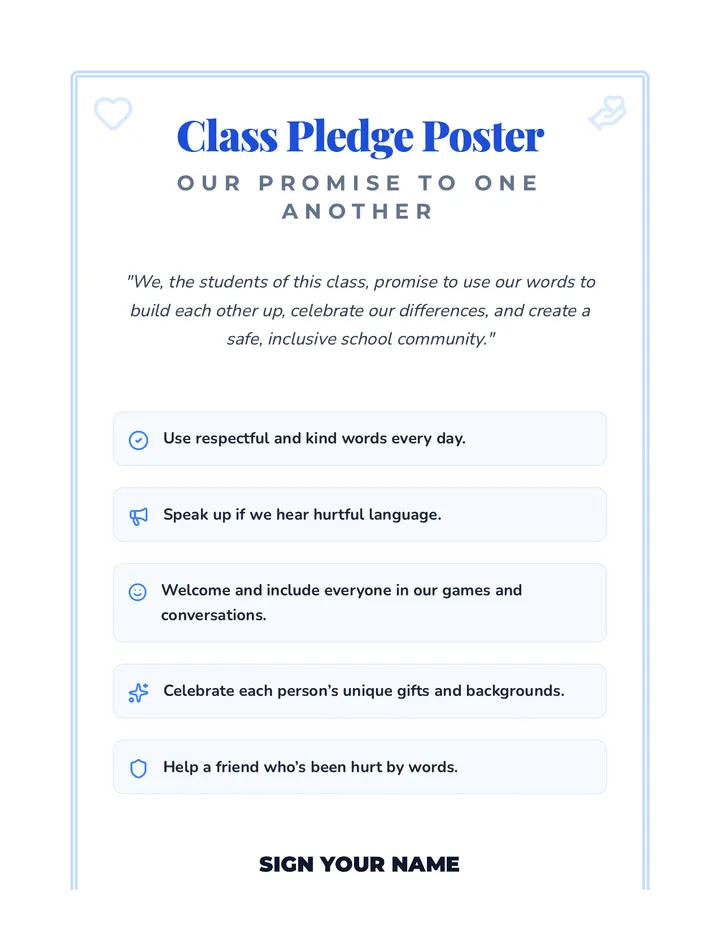
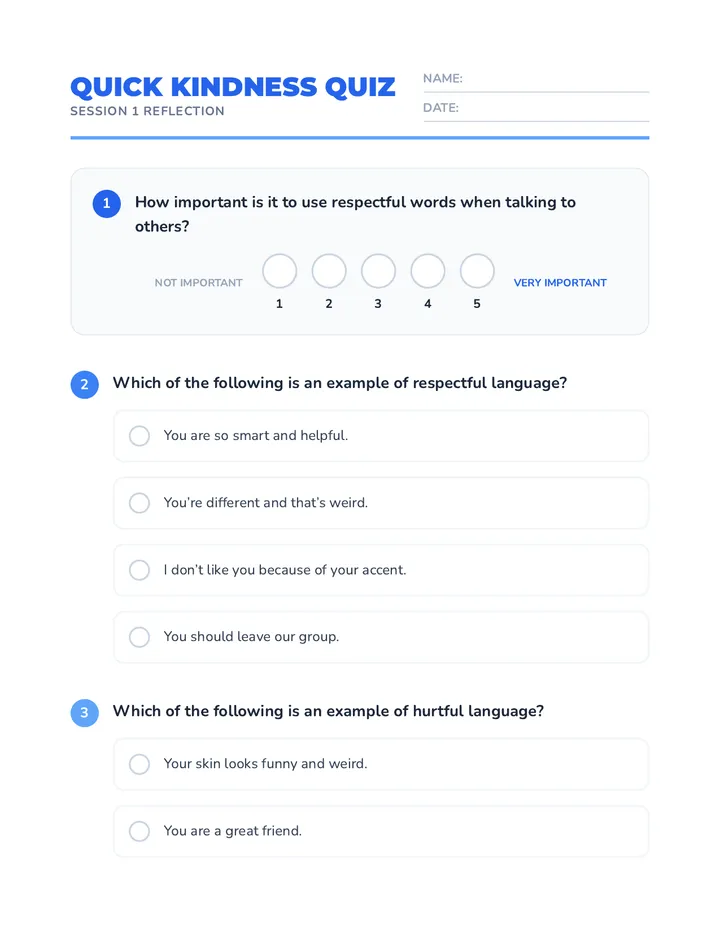
A 4-session Tier 1 sequence for K-5 students focused on racial slur prevention, respectful language, and celebrating diversity. Students learn empathy through role-play, sharing traditions, and creating a collective class pledge.
A 10-day SEL semester cycle for 9th graders, cycling through the five CASEL competencies to support high school adjustment and community projects.
A five-session unit teaching 1st and 2nd graders the foundational concepts of respect, including self-respect, respecting others, and caring for the environment and community.
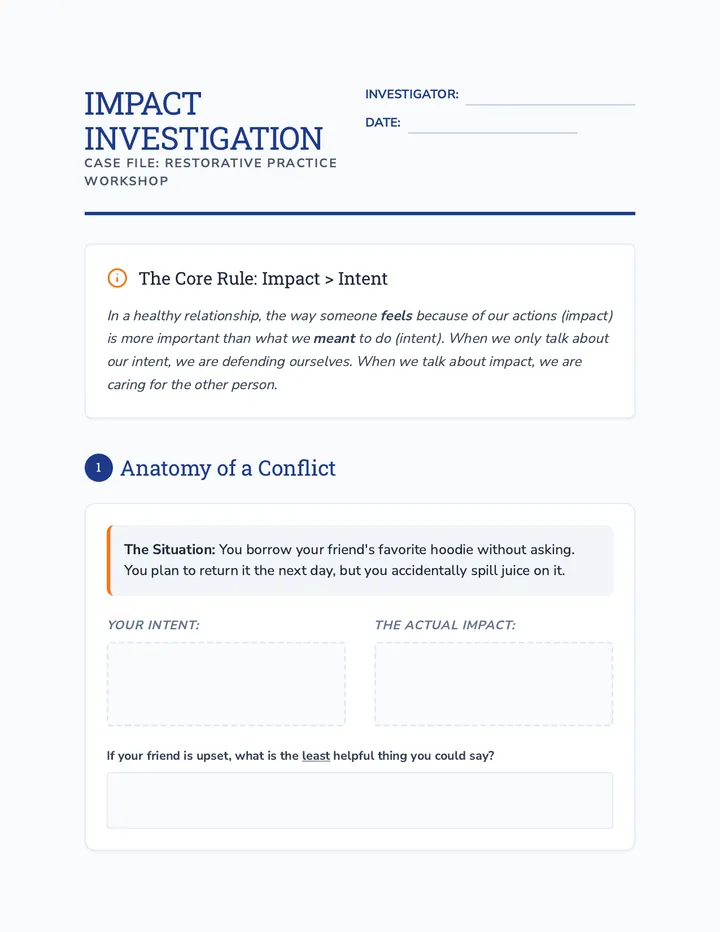
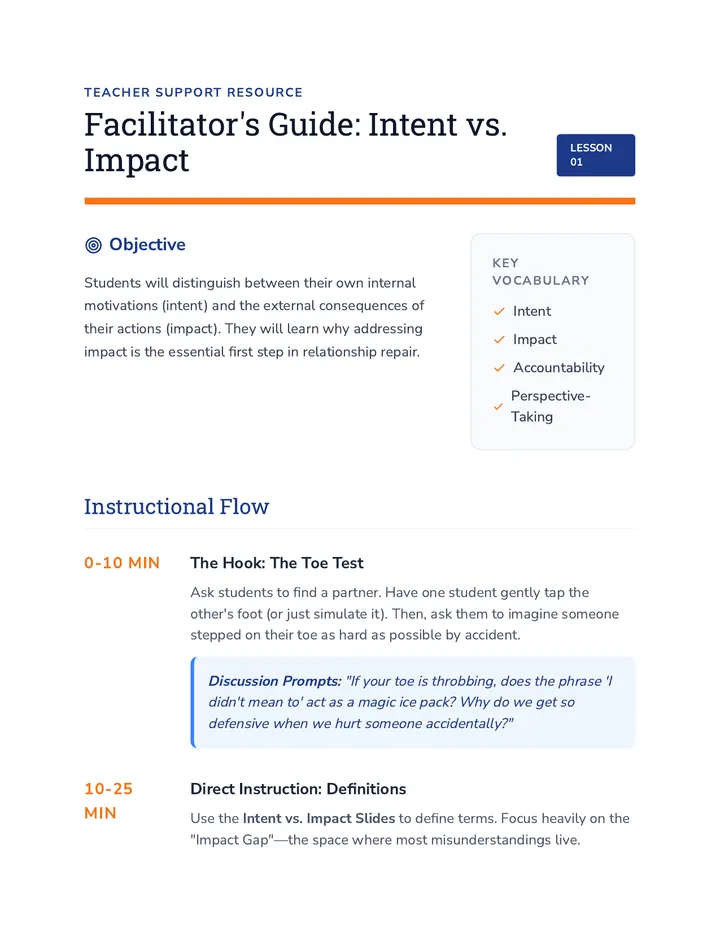
A 5-lesson sequence for 7th grade students focusing on restorative practices, the difference between intent and impact, crafting genuine apologies, and the long-term process of rebuilding trust after conflict.
A kindergarten sequence exploring the difference between bossy behavior and responsible leadership. Students learn that true power comes from helping others, using words instead of force, and following fair rules that apply to everyone.
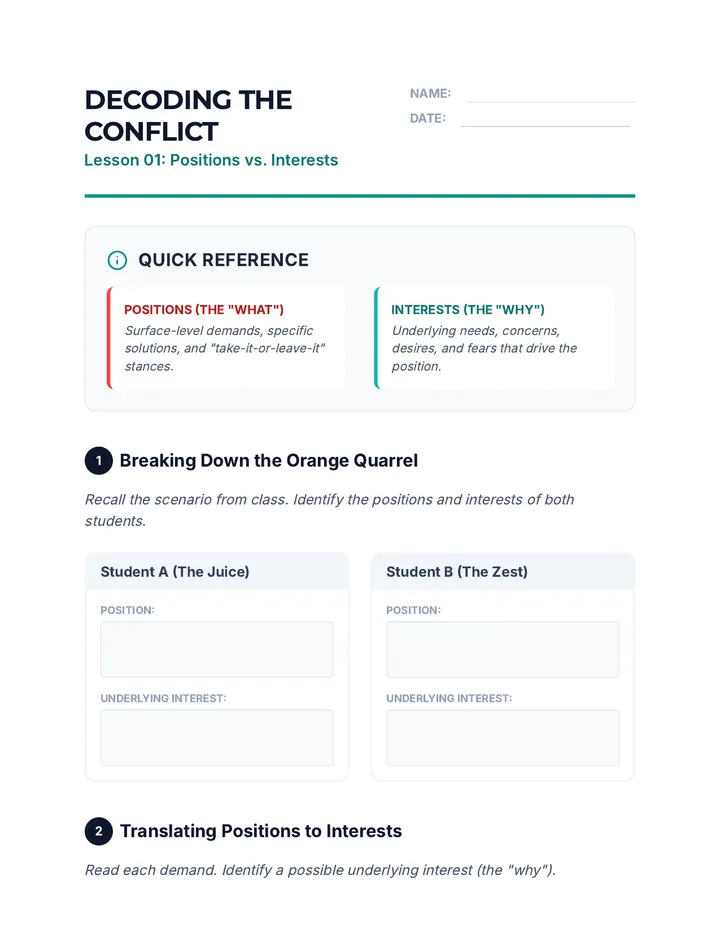
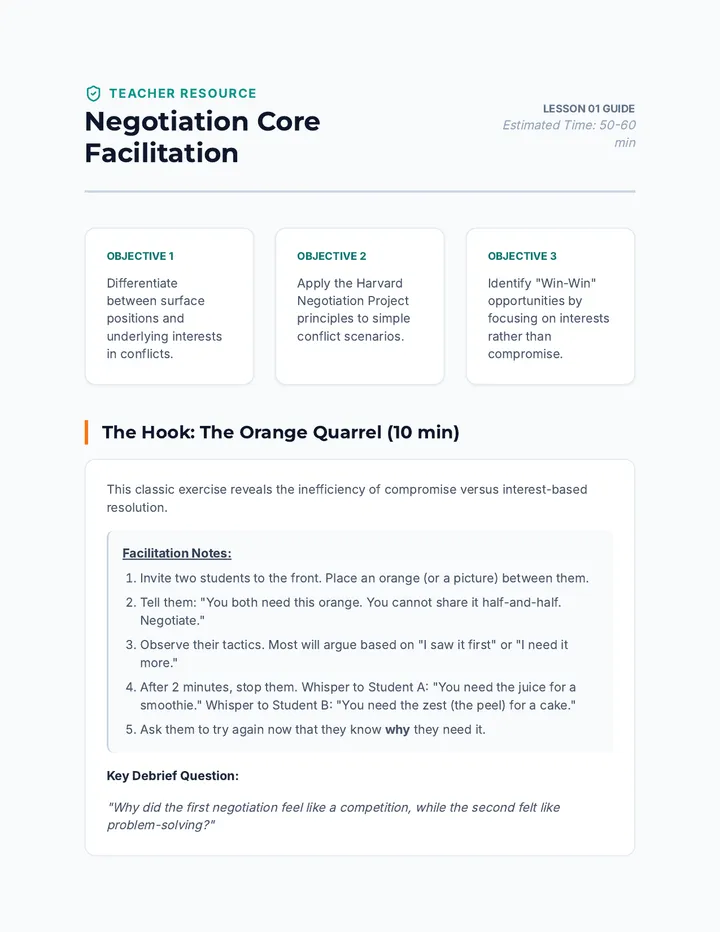
A comprehensive high school unit on interest-based negotiation and formal mediation. Students move from understanding individual interests to facilitating multi-party resolutions using the Harvard Negotiation Project framework and professional mediation stages.
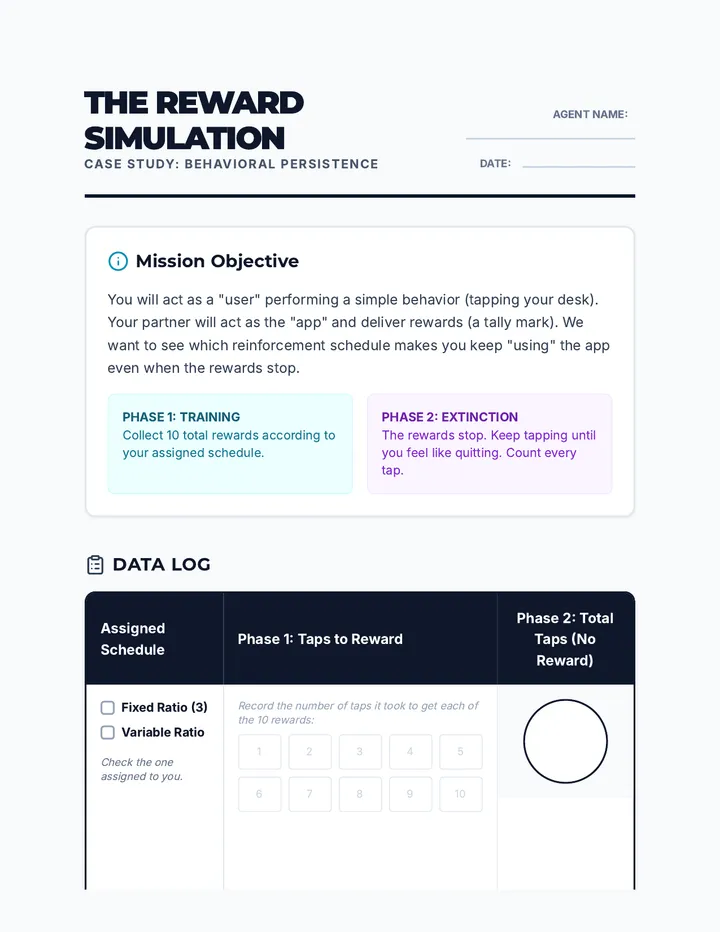
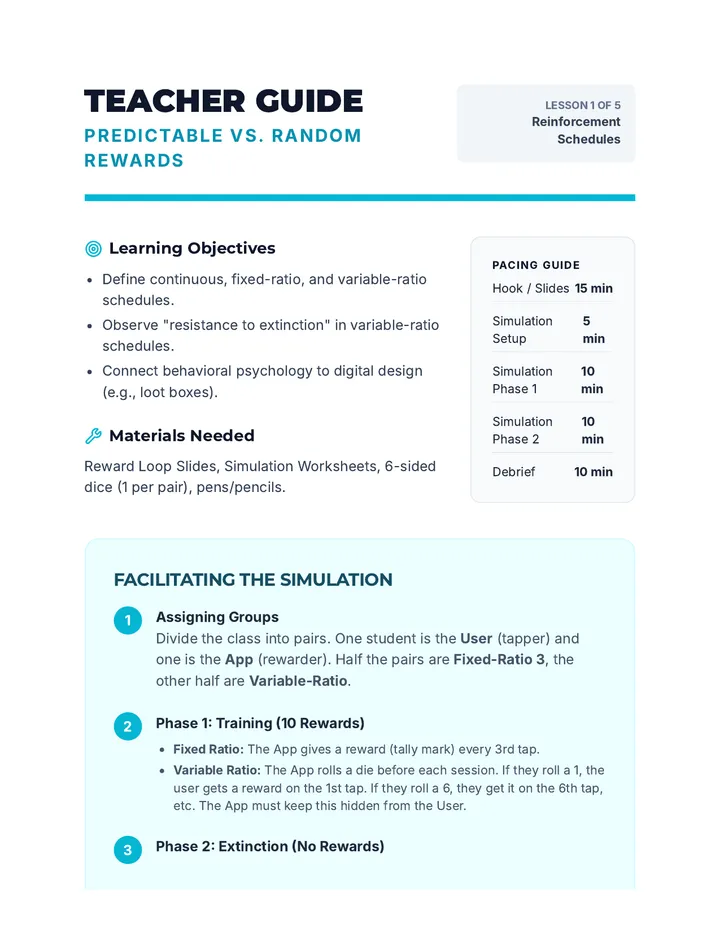
A 5-lesson sequence exploring how technology uses schedules of reinforcement (fixed and variable) to drive engagement. Students analyze gamification, social media mechanics, and ethical design to build digital literacy.
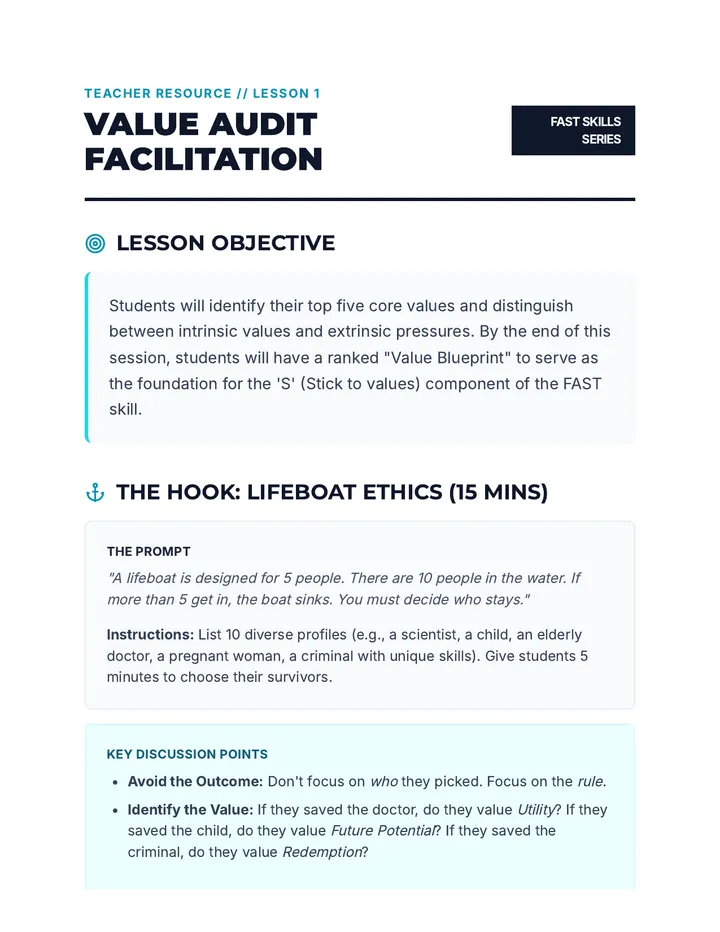
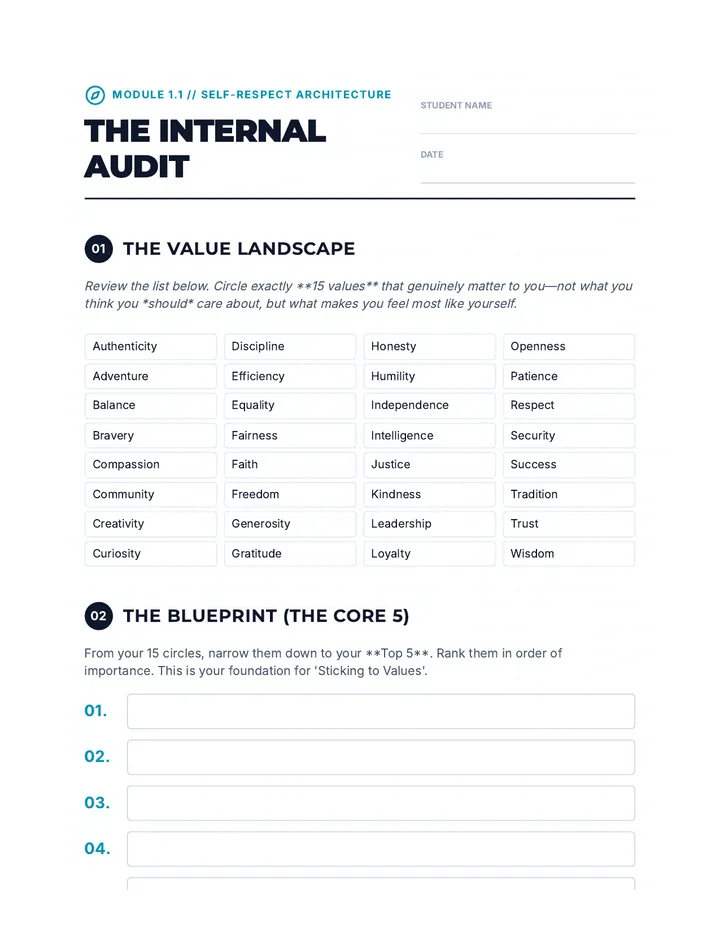
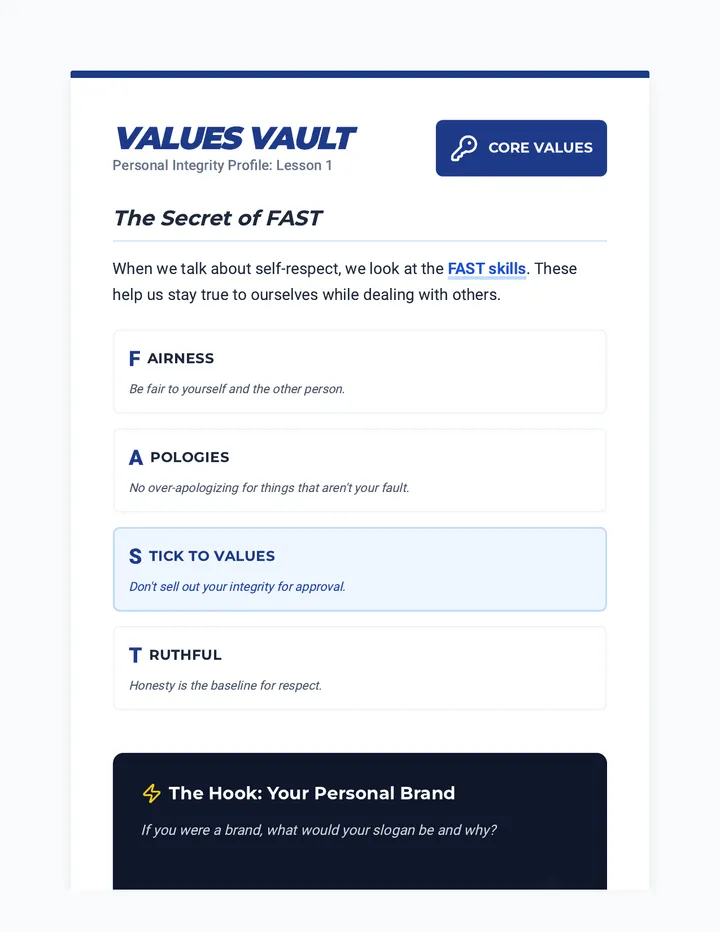
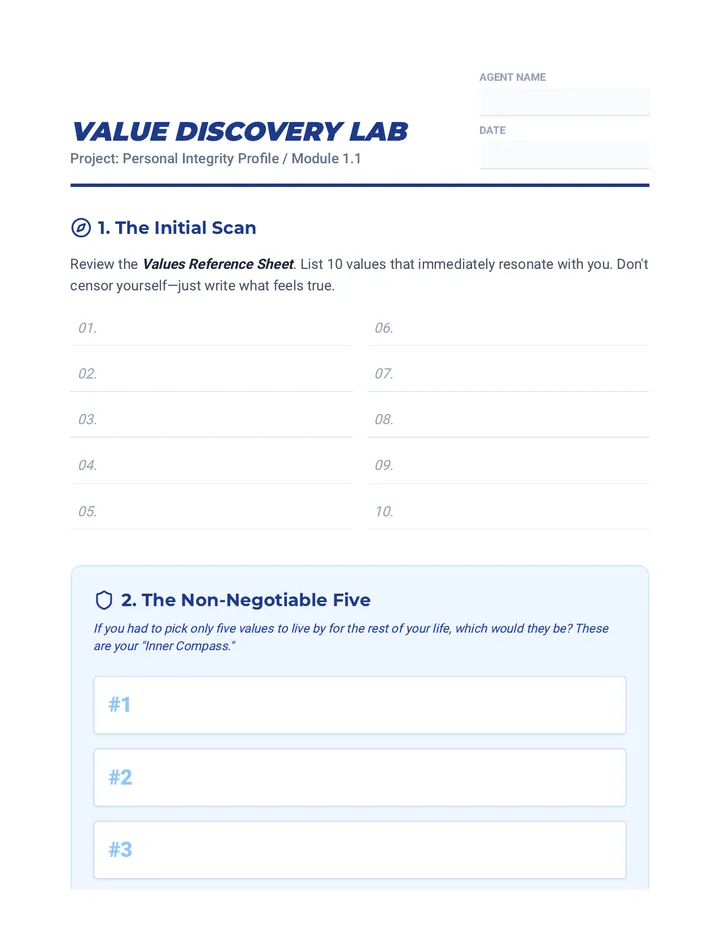
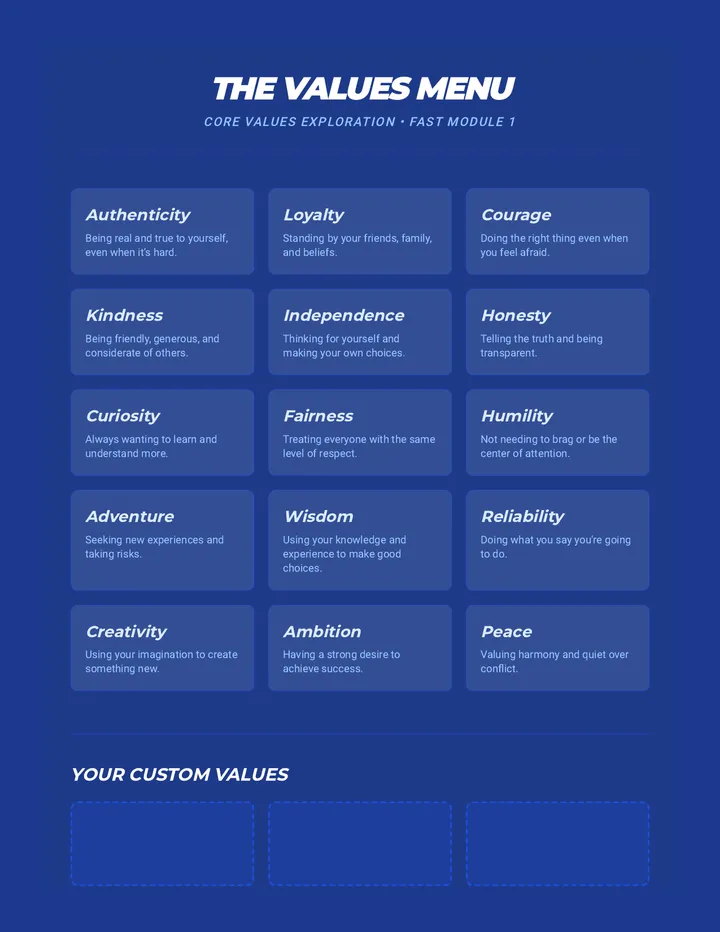
A 12th-grade sequence on FAST skills for self-respect, focusing on personal ethics, integrity in communication, and maintaining values in the face of external pressure and digital influence.
A project-based sequence for 6th graders to develop self-respect using FAST skills. Students explore personal values, digital authenticity, boundaries, and assertive communication to create a comprehensive 'Personal Code of Conduct' manifesto.
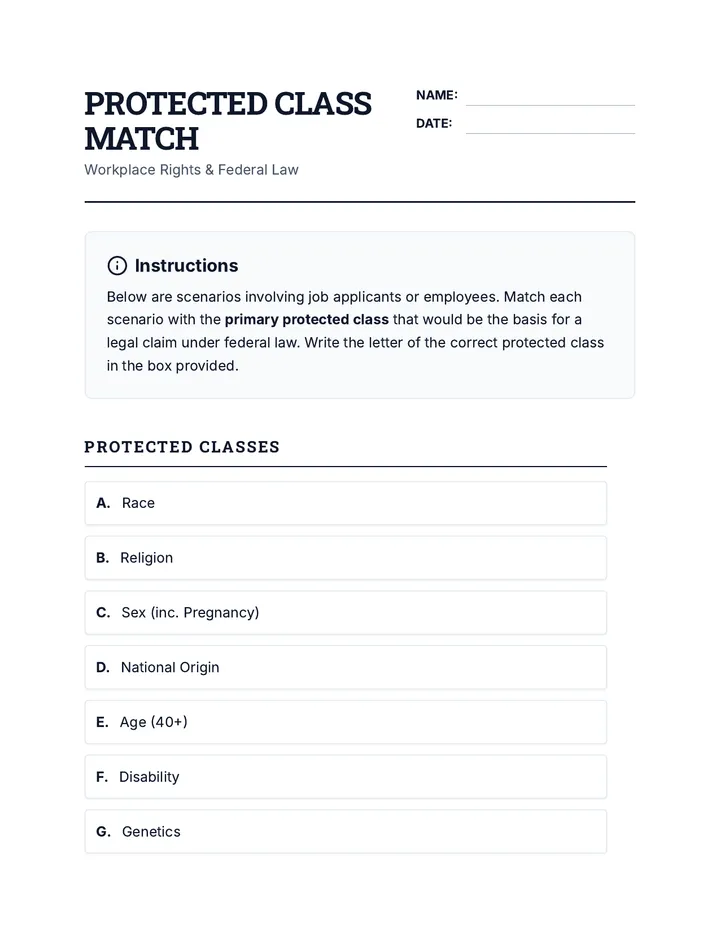
This sequence provides 10th-grade students with a comprehensive understanding of federal anti-discrimination laws in the workplace, covering protected classes, major legislative acts, legal theories of discrimination, and practical compliance application.
An advanced course for graduate students exploring the intersection of neurobiology, psychological theory, and organizational leadership. Students develop high-level social and emotional competencies to navigate complex professional environments and foster psychological safety.
A high-level sequence for 11th graders focusing on the legal, ethical, and operational standards of professional telecommunications through the lens of quality assurance and management.
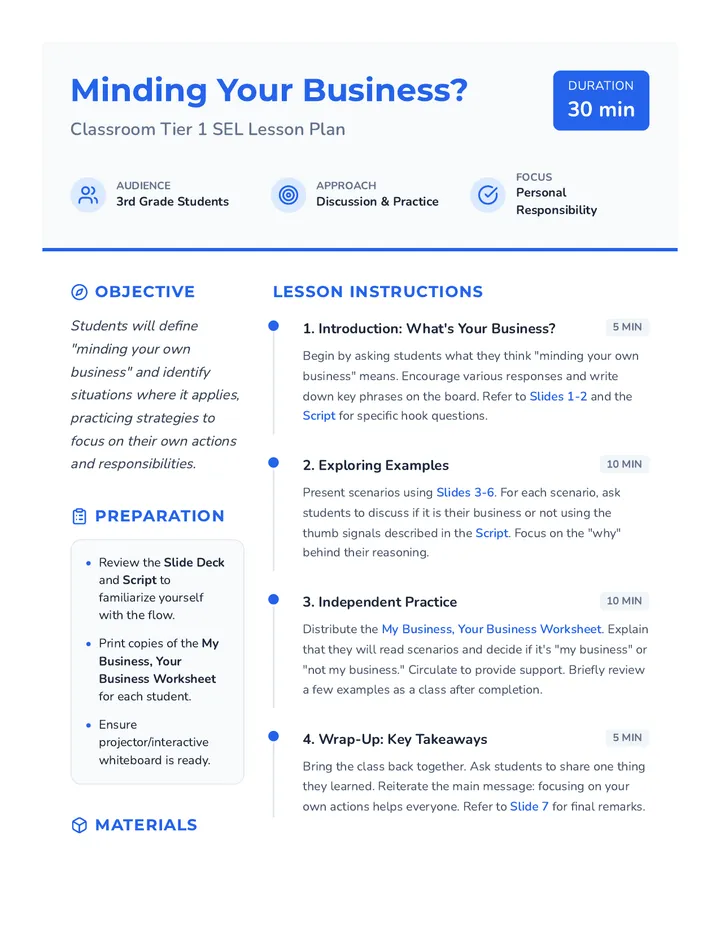
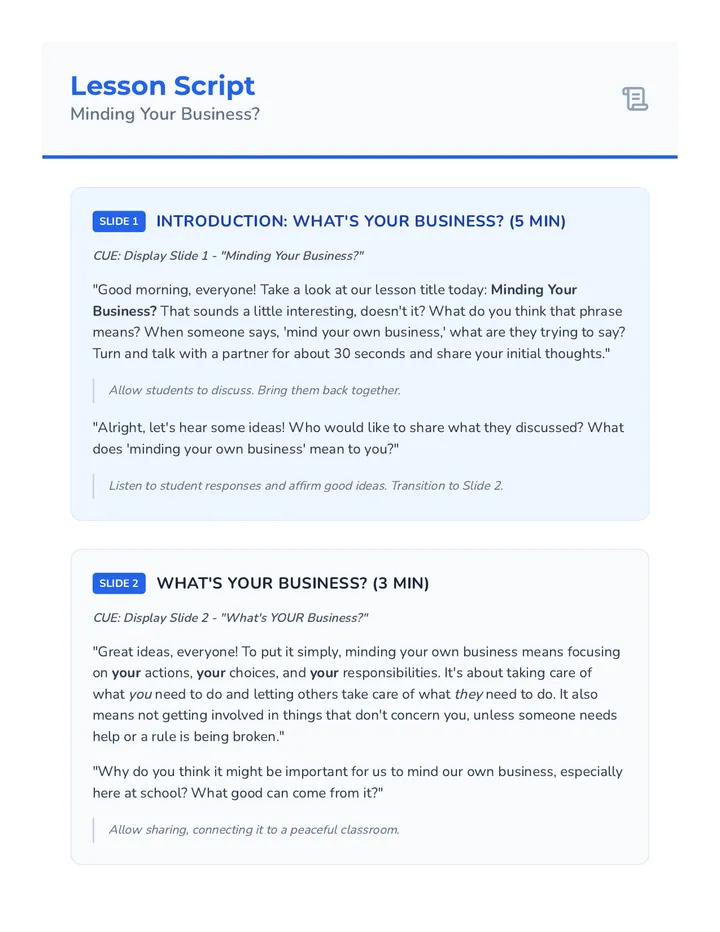
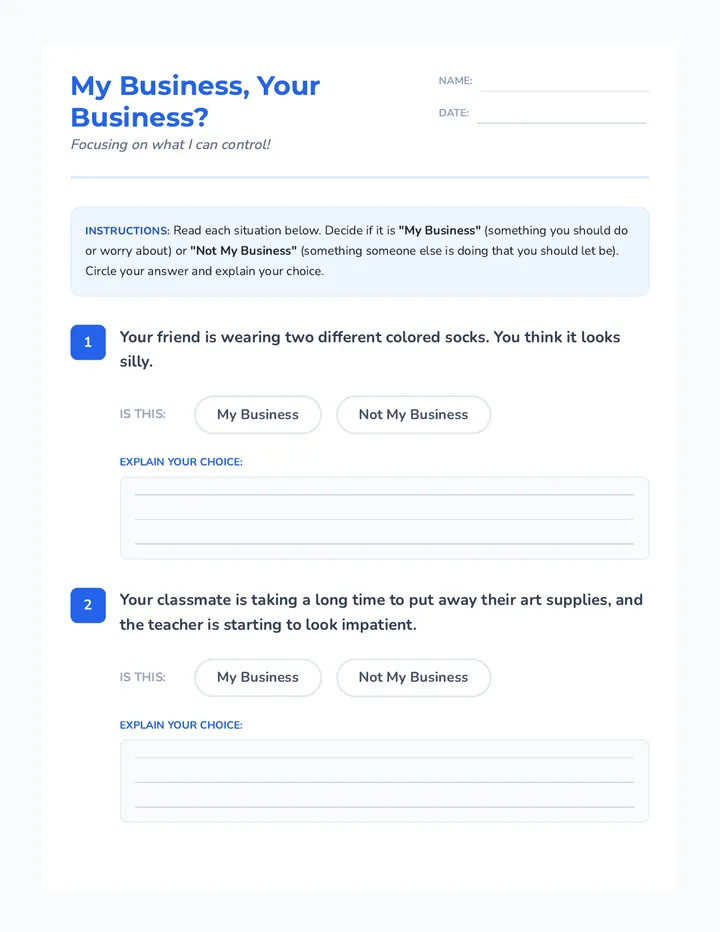
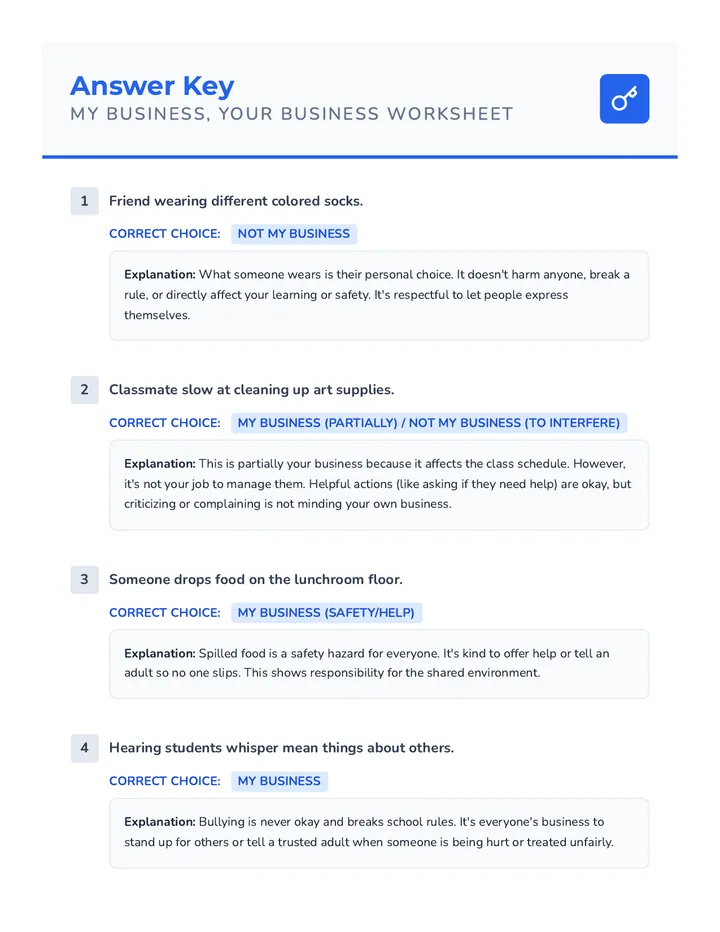
A 30-minute social-emotional learning lesson for 3rd graders that teaches the difference between personal responsibility and interfering in others' affairs through scenarios and discussion.
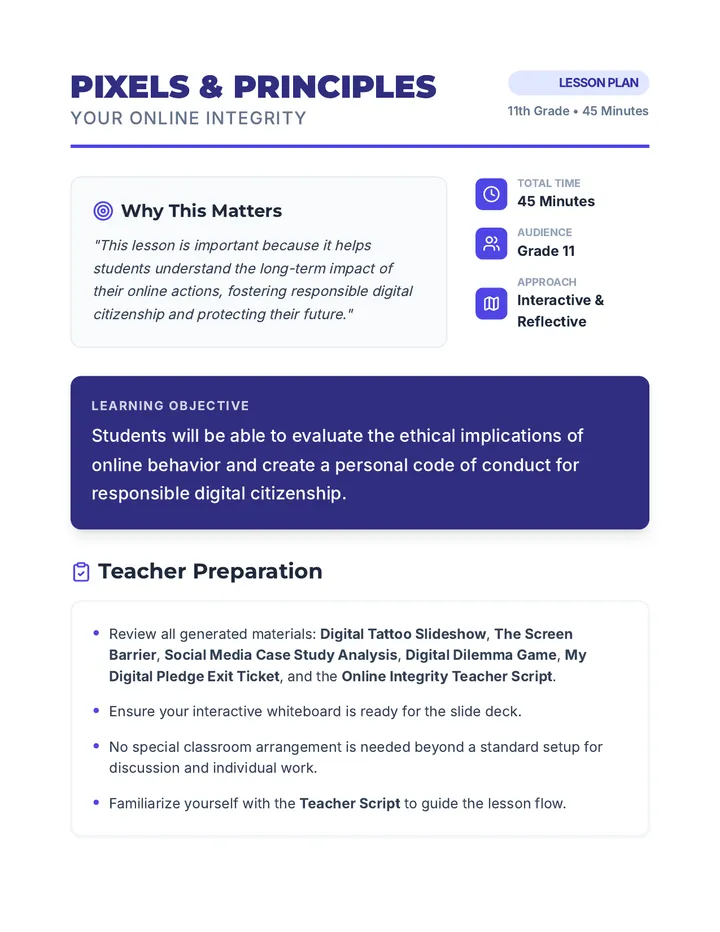
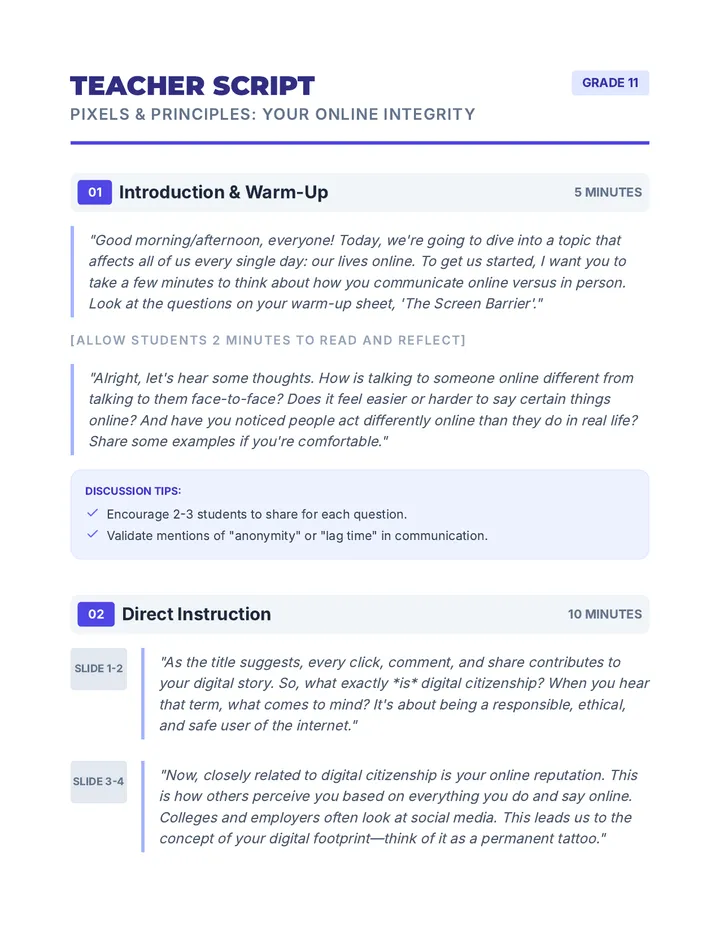
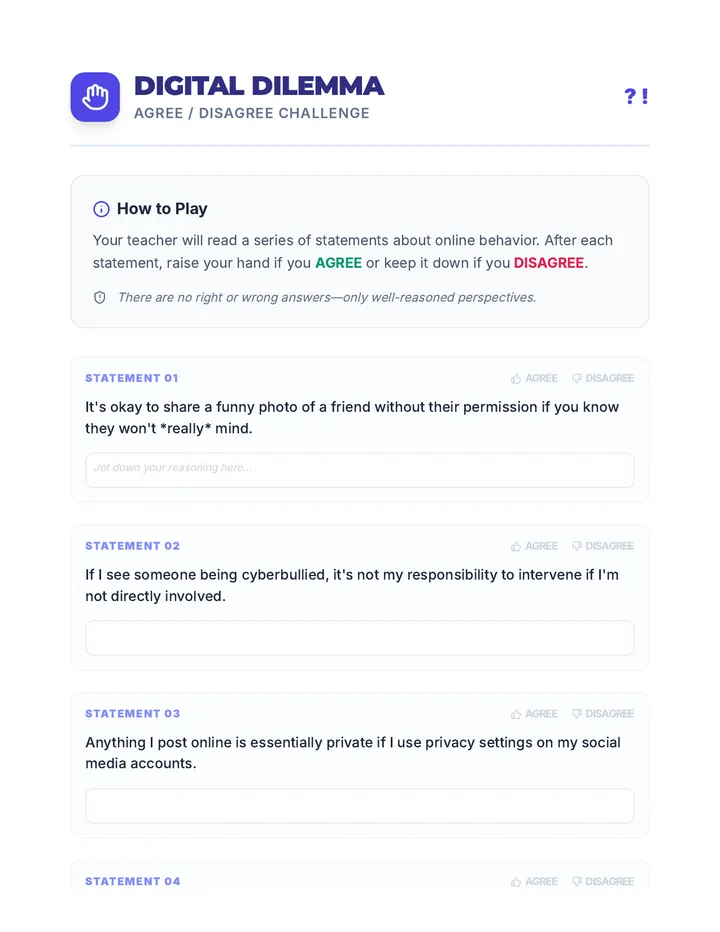
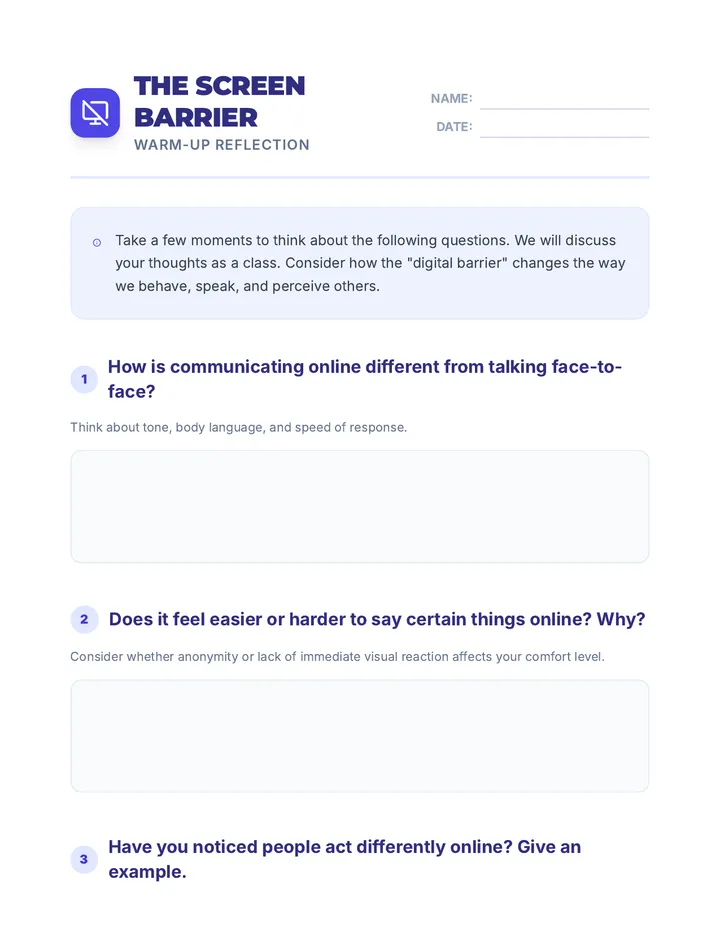
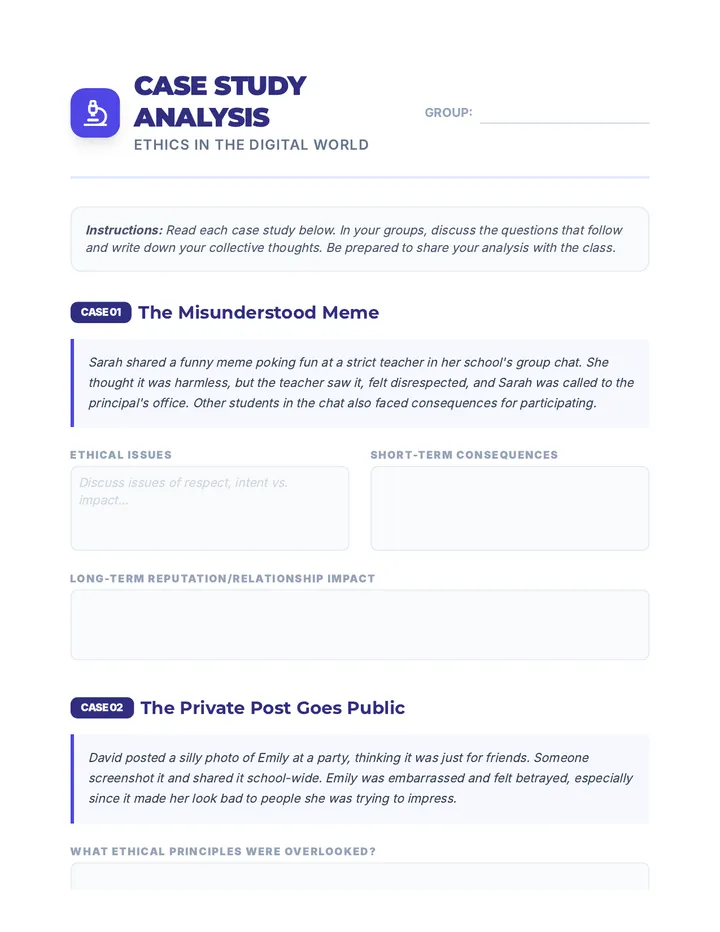
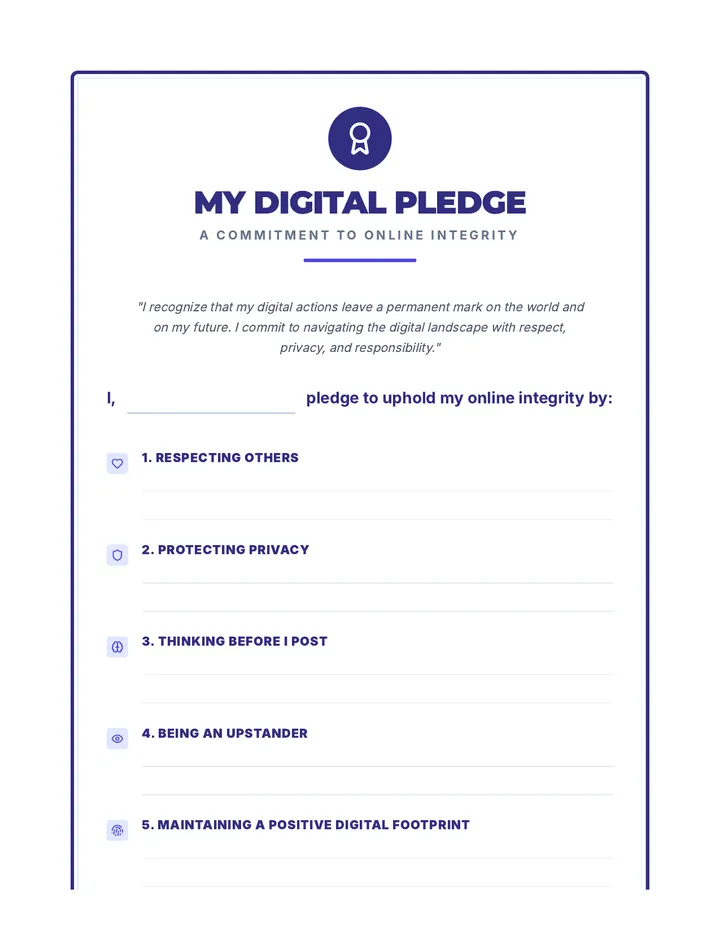
This lesson empowers 11th-grade students to critically evaluate ethical online behavior and develop a personal code for responsible digital citizenship through case studies, discussions, and a personal pledge.
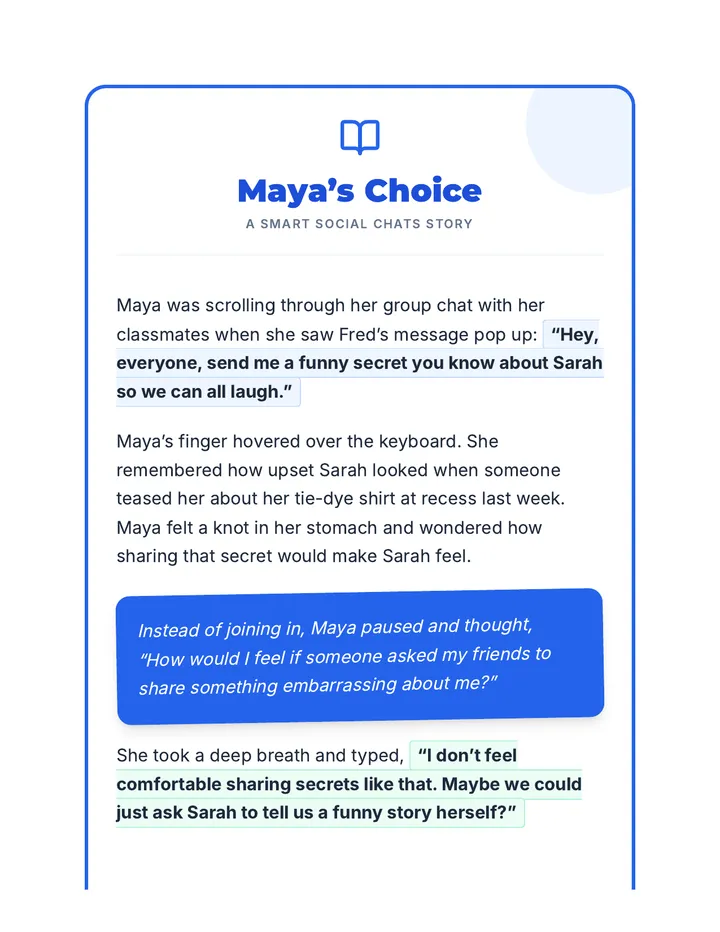
A 30-minute Tier 2 group lesson for 4th graders focused on responsible social media use, group chat etiquette, and digital safety through scenario-based learning and interactive play.
A 30-minute Tier 1 lesson for 4th graders focused on defining accountability and practicing taking responsibility for actions through scenario analysis and personal reflection.
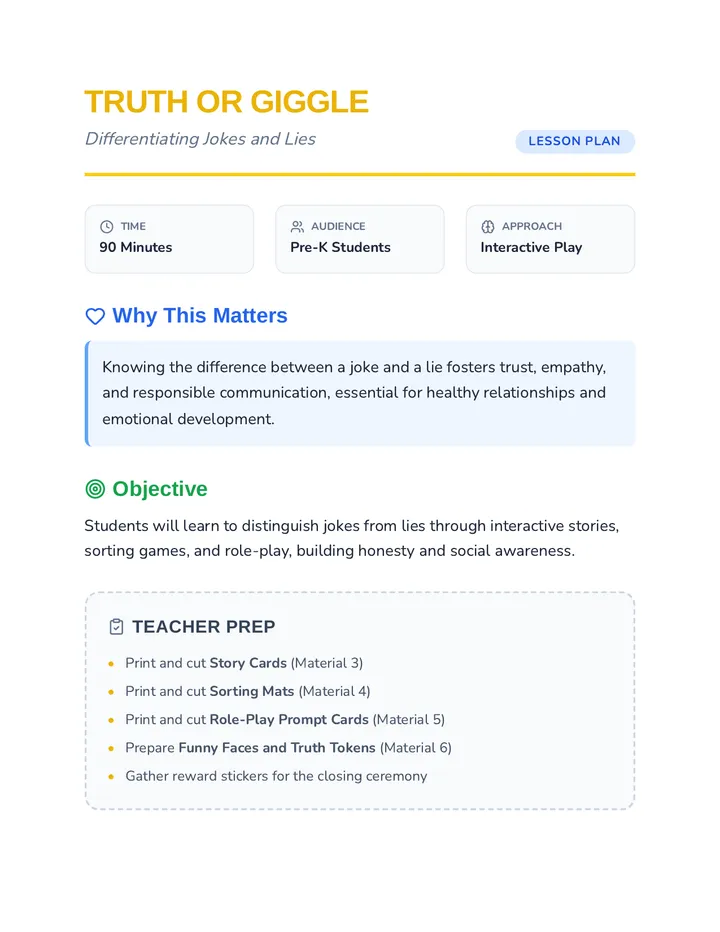
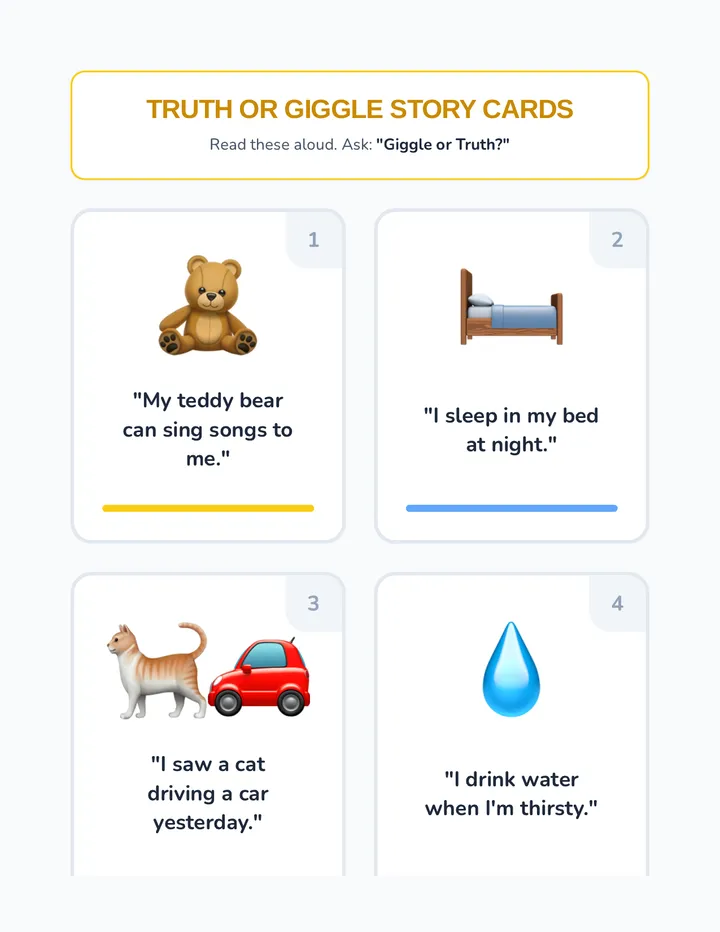
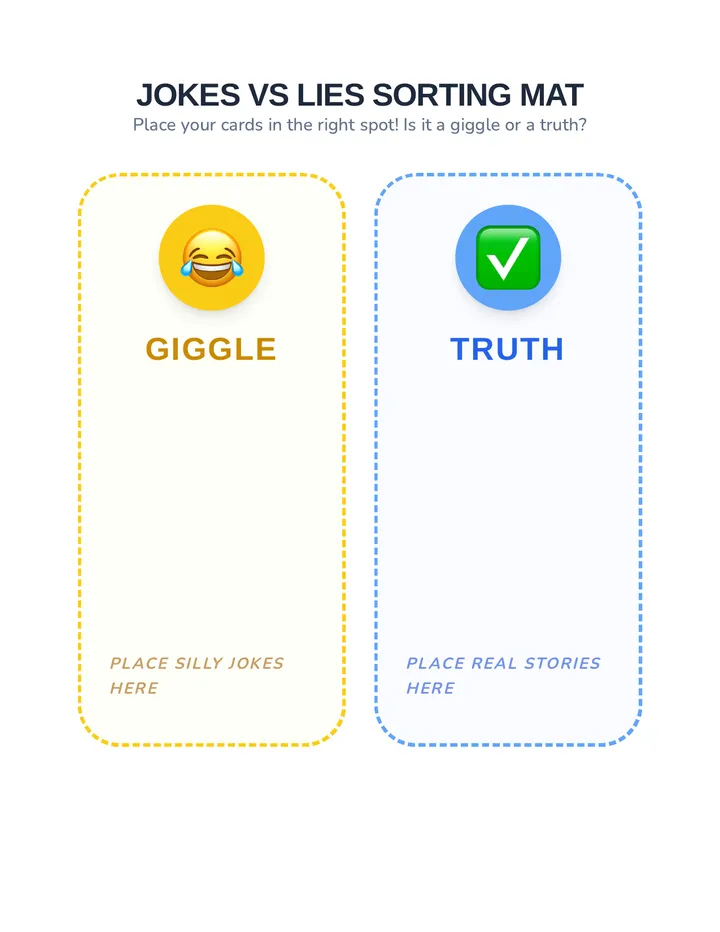
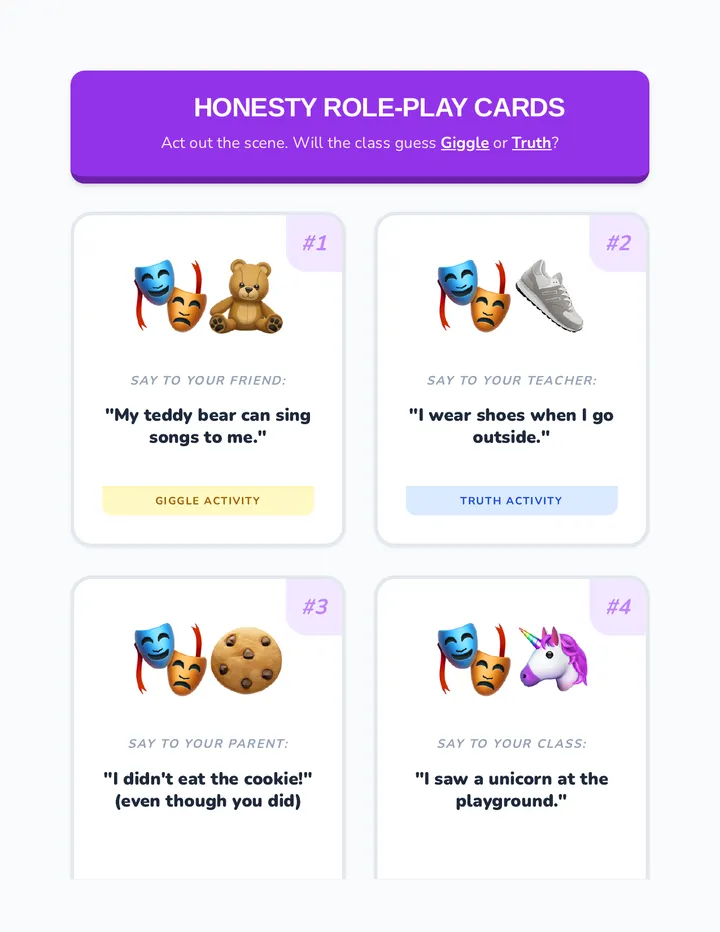
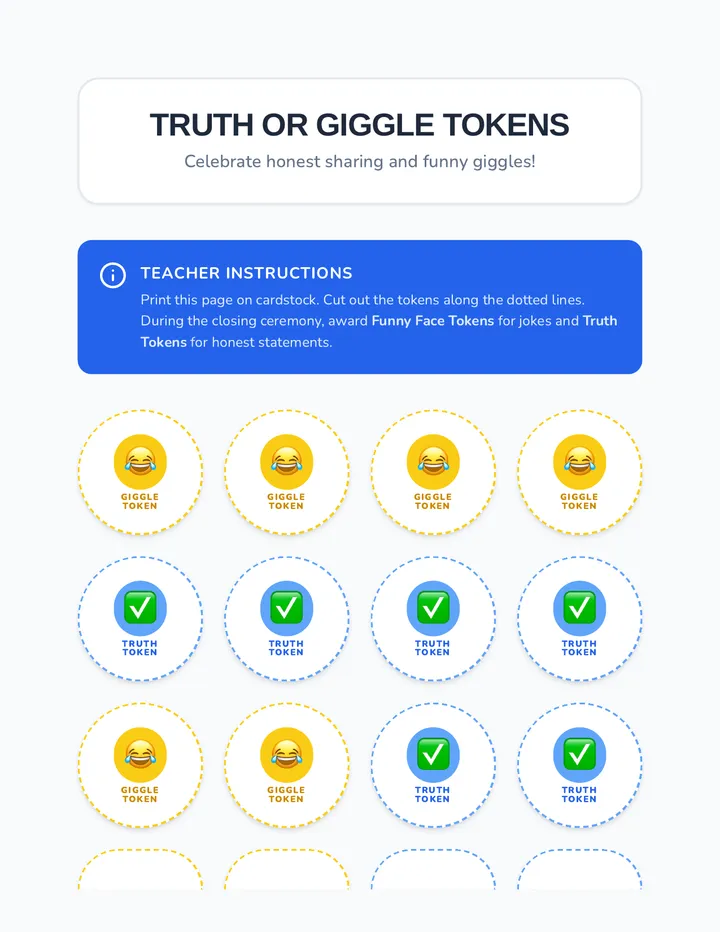
In this fun 90-minute pre-K lesson, students will explore the difference between jokes and lies through storytelling, role-play, and interactive games. Learning this skill helps children develop honesty and social understanding essential for healthy relationships.
An interactive lesson for 11th-grade students focused on developing empathy and perspective-taking skills to foster ethical relationships and resolve conflicts. Students engage in discussions, scenario analysis, and personal reflection to understand the impact of empathy on social interactions.
Students will learn and practice Kelso's Choices, a set of nine strategies for resolving small conflicts independently, through role-play and interactive games.
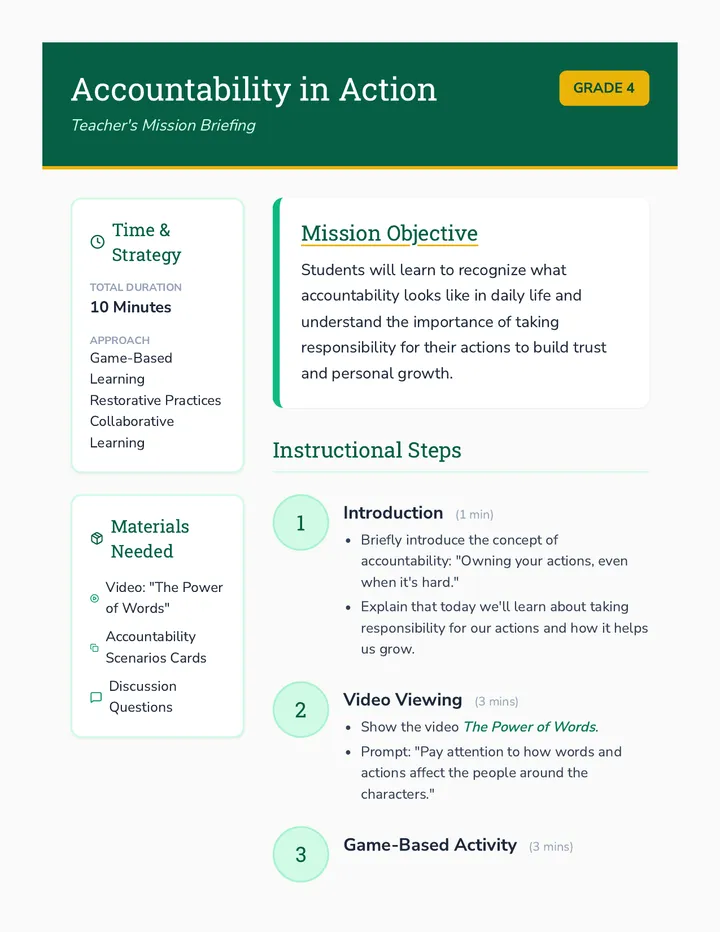
This lesson introduces 4th-grade students to the concept of accountability through a short video, a collaborative game, and a guided discussion. Students learn the importance of taking responsibility for their actions to build trust and personal growth.
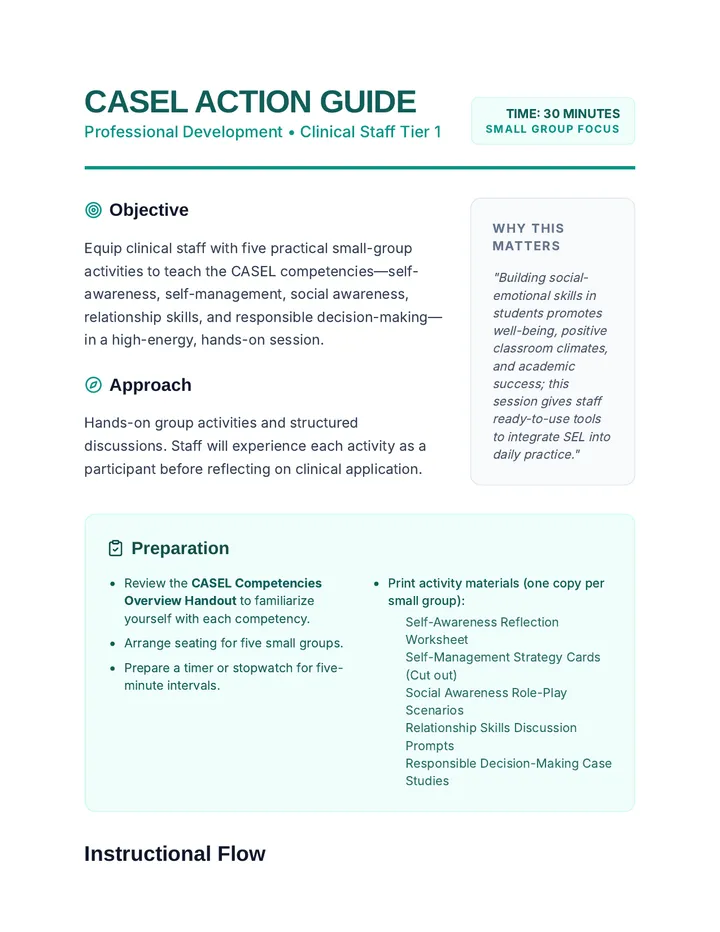
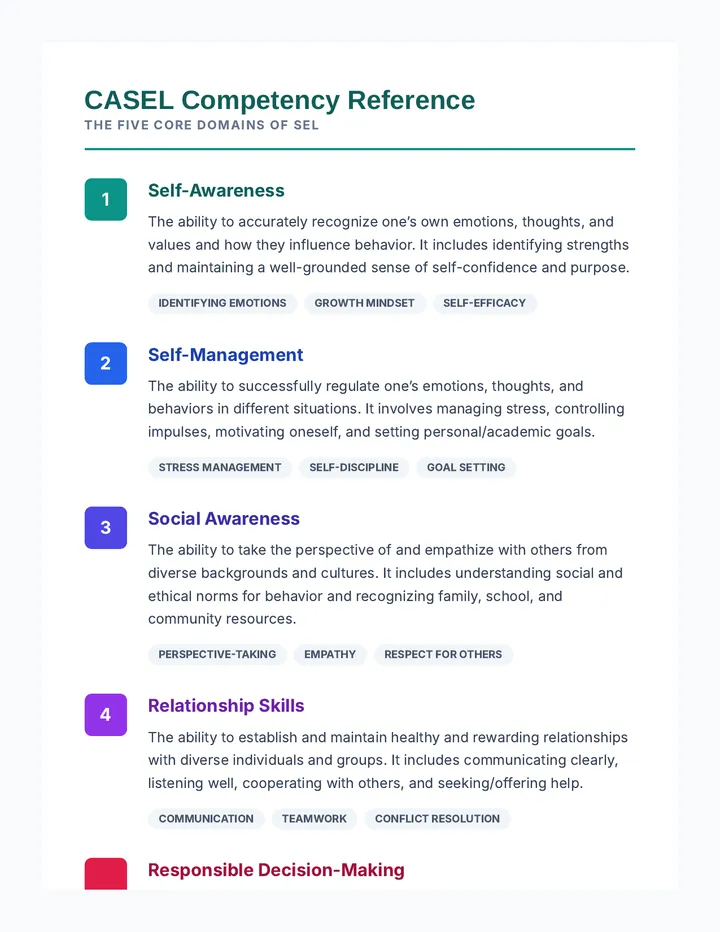
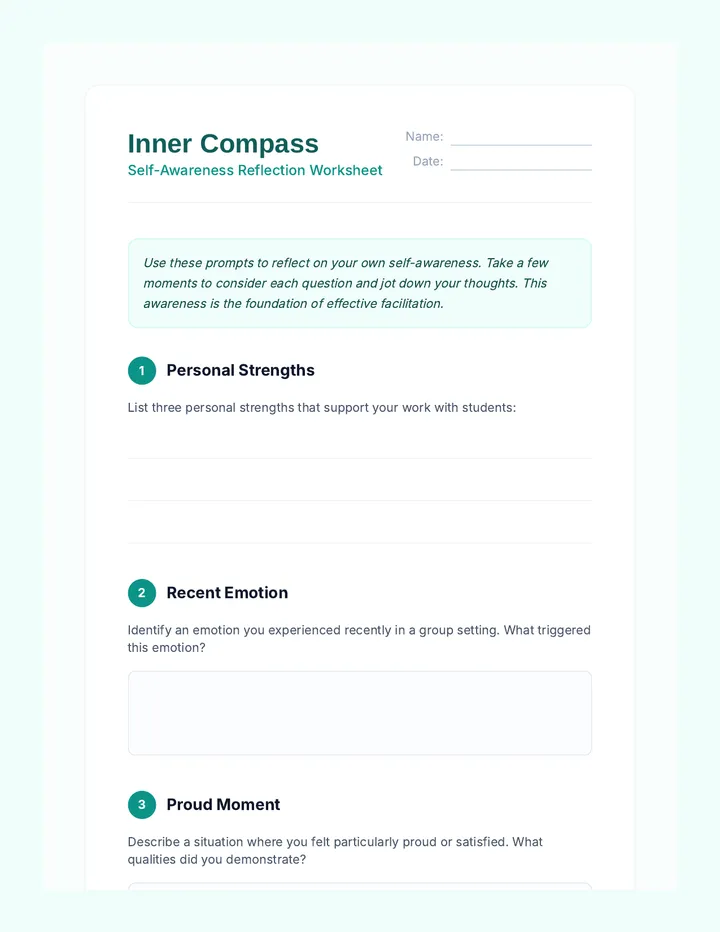
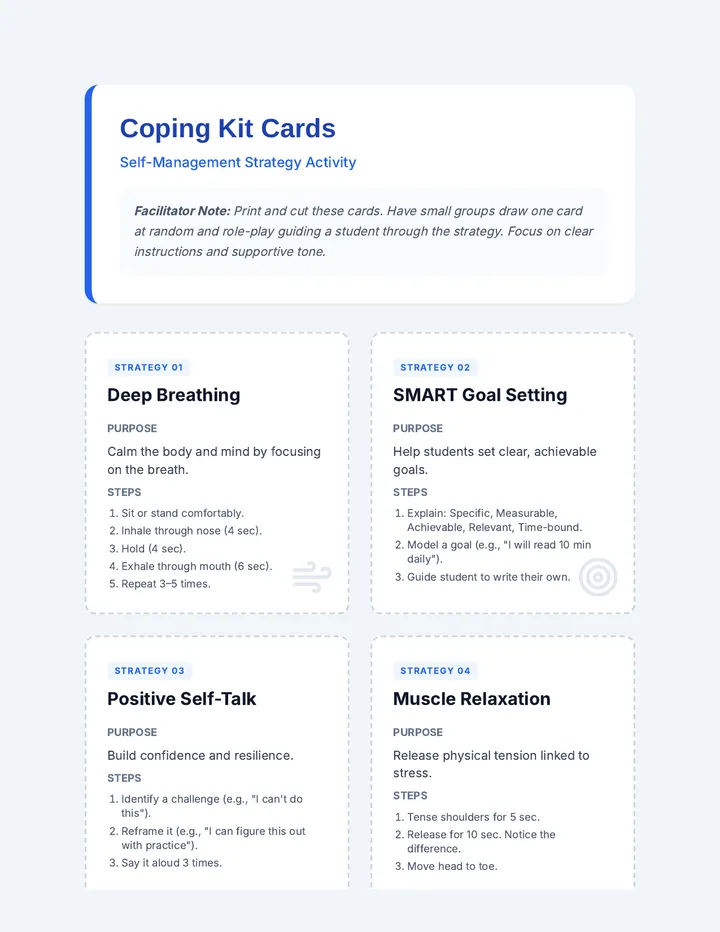
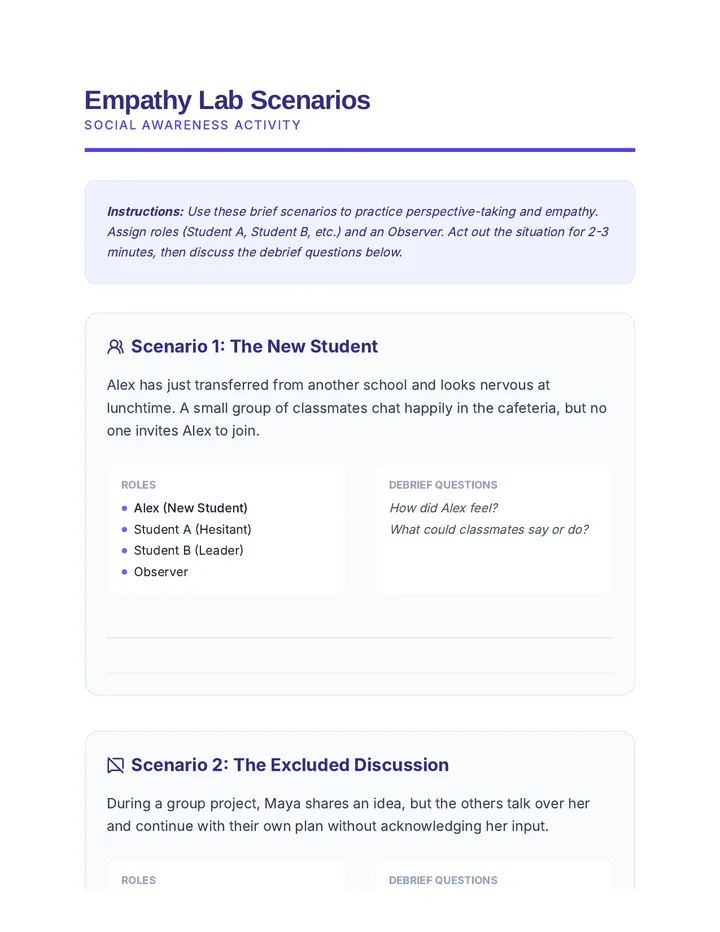
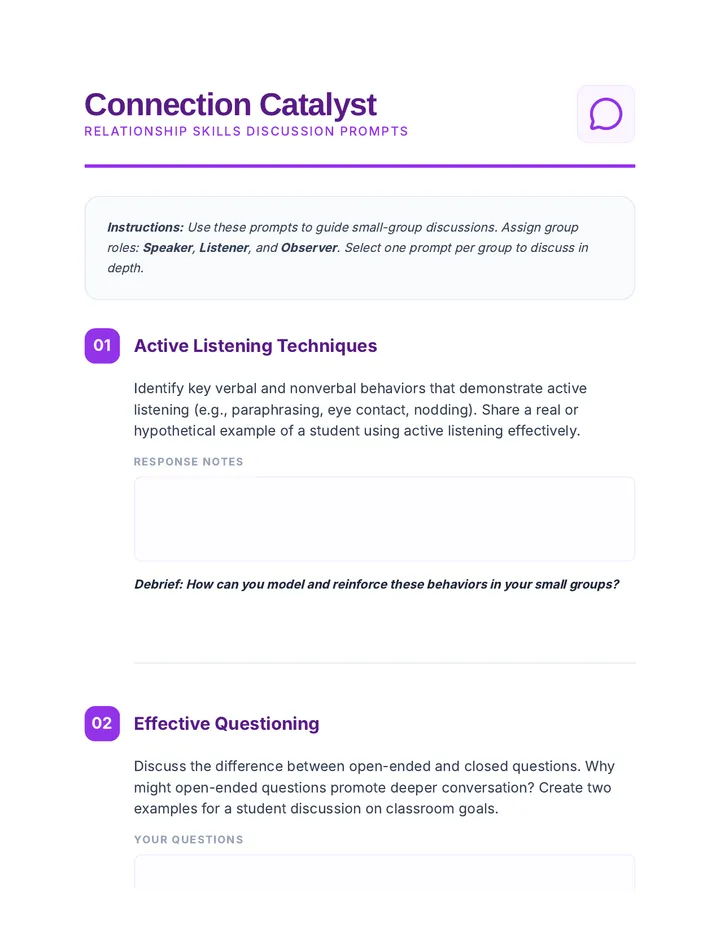
A 30-minute professional development session for clinical staff to master five practical small-group activities centered on CASEL social-emotional competencies.
A 30-minute lesson for 3rd graders on differentiating between kind humor ('laughing with') and hurtful humor ('laughing at'), fostering empathy and a respectful classroom culture.
A 1-hour lesson for IGCSE students focusing on the consequences of actions and decisions through the metaphor of the ripple effect. Students engage in discussions, scenario mapping, and reflective activities to develop responsible decision-making skills.
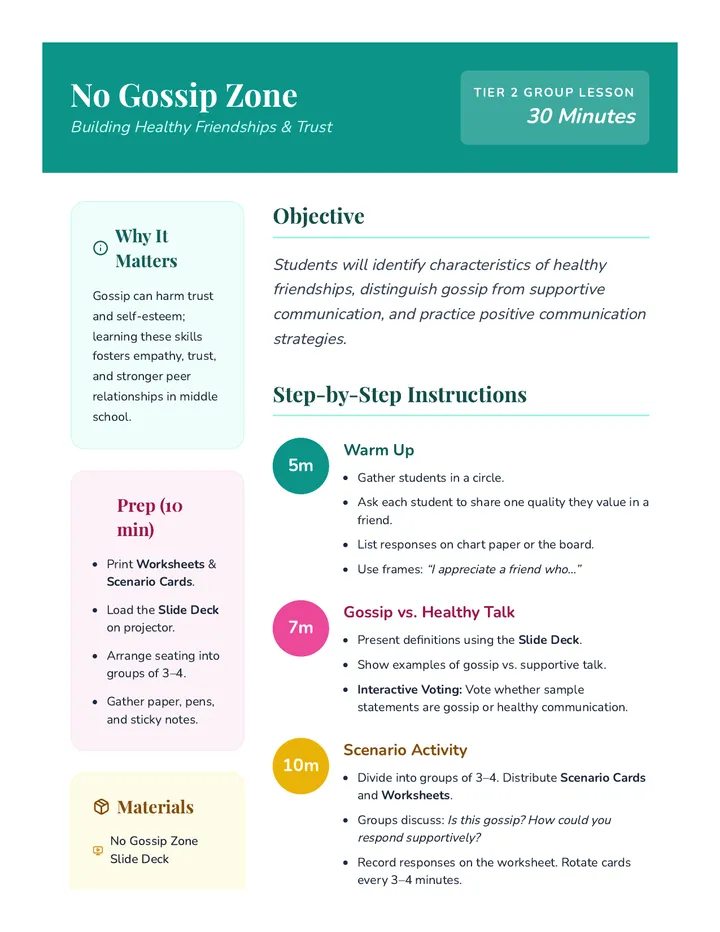
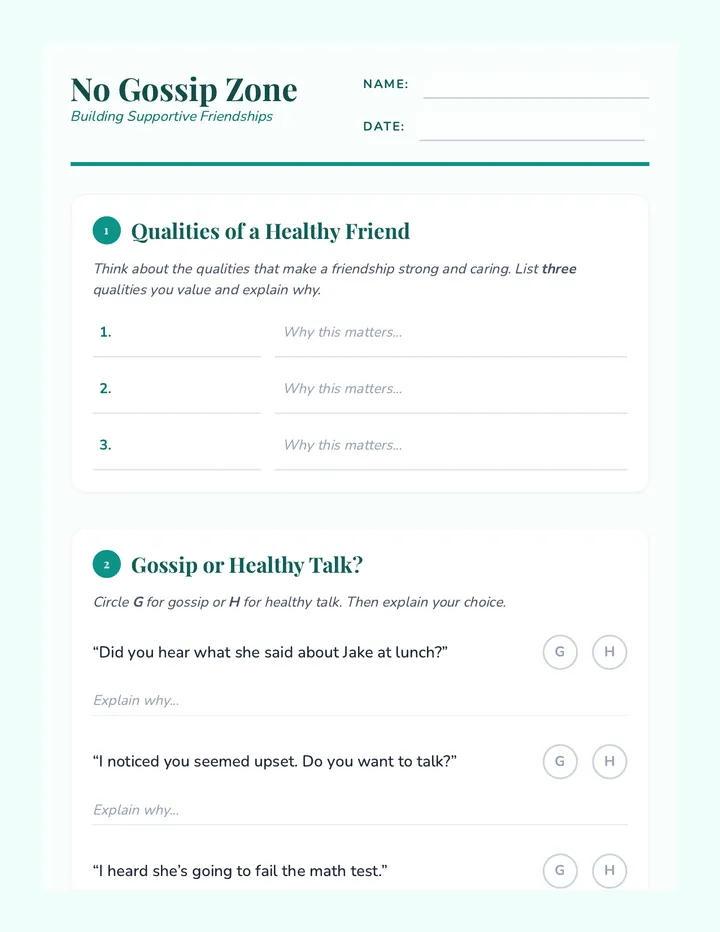
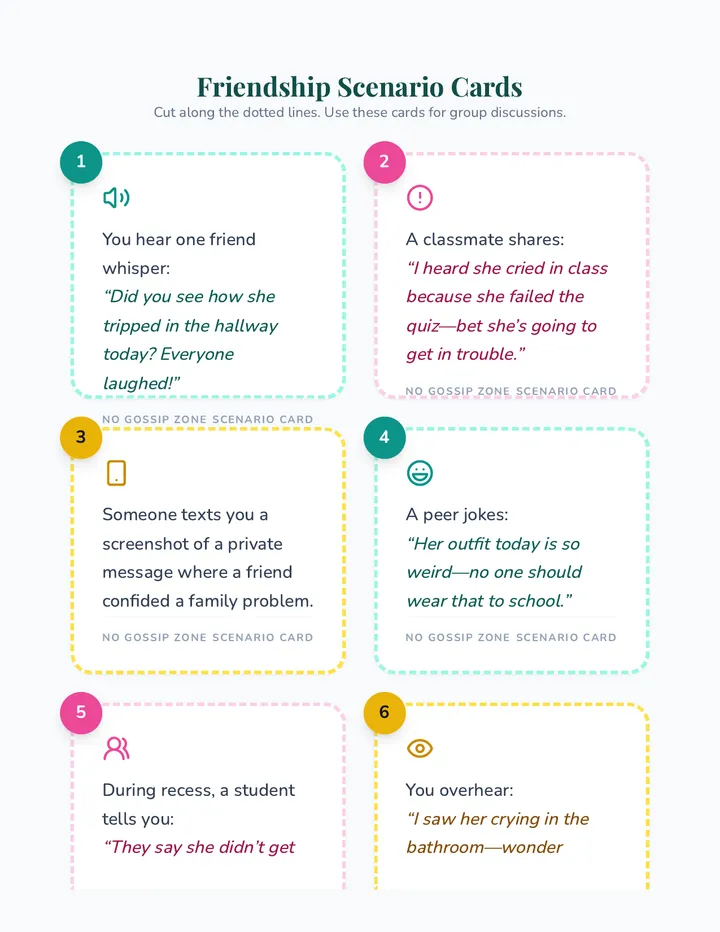
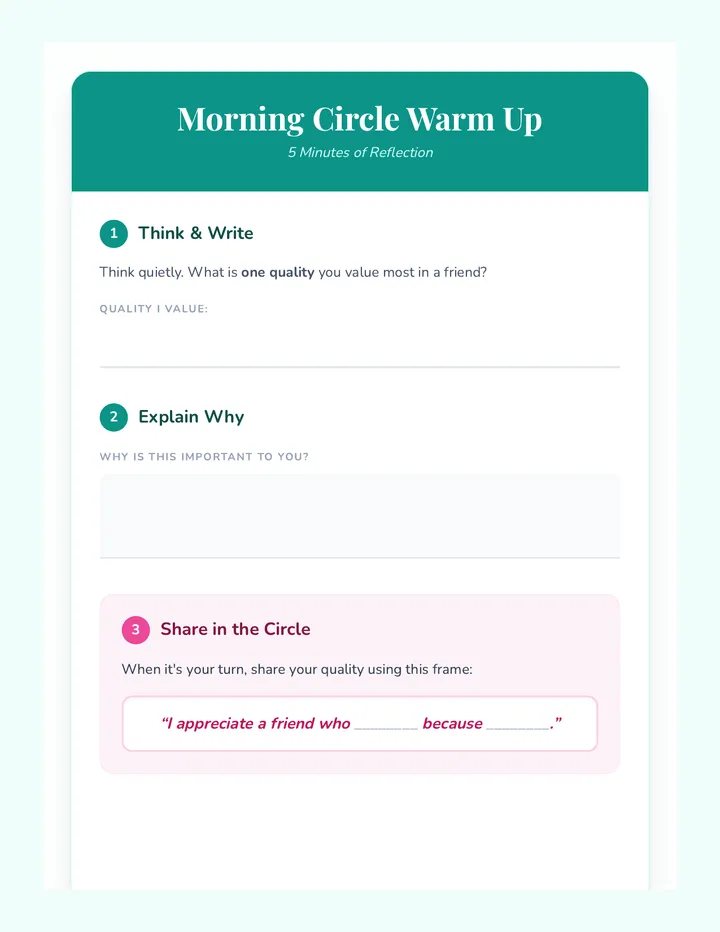
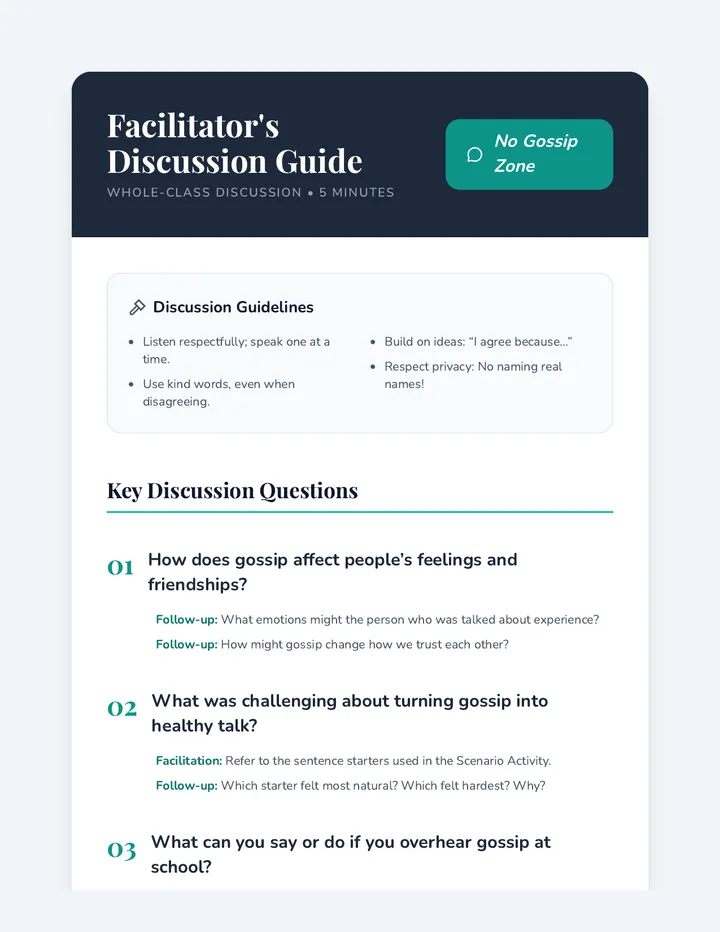
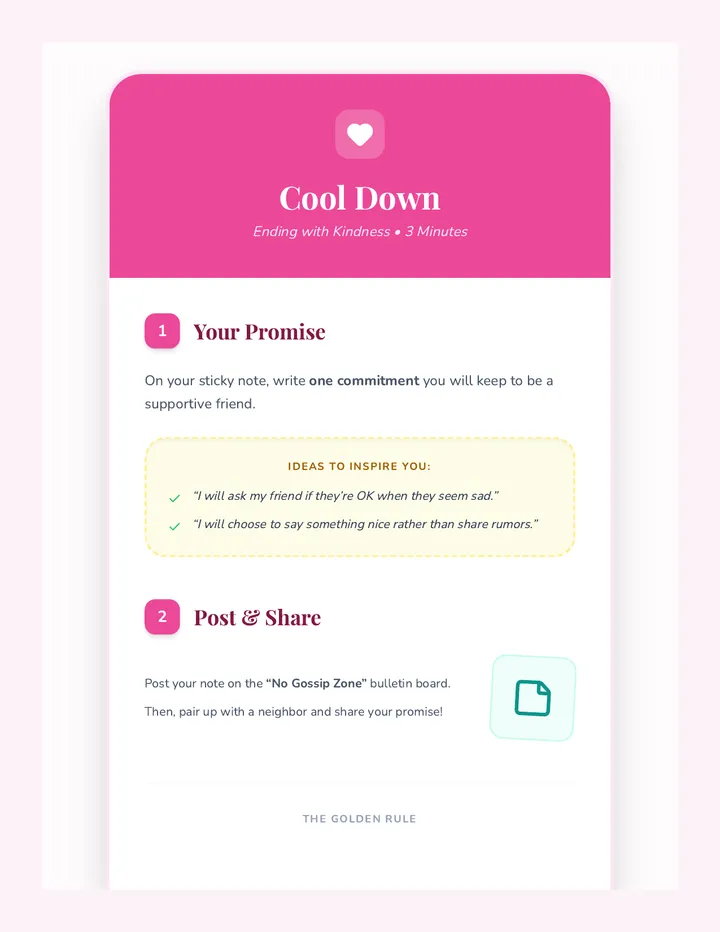
A 30-minute group lesson for 6th grade girls focused on building healthy friendships, identifying gossip, and practicing supportive communication. Students engage in interactive discussions and scenario-based activities to foster empathy and trust.