Establishes structured reinforcement systems using symbolic rewards to motivate specific behavioral changes. Includes strategies for defining target behaviors, setting exchange rates, and phasing out tokens.
A 6-session small-group course for 2nd grade boys designed to build self-control, manage impulsivity, and handle frustration using the 'Stop, Think, Shine' framework.
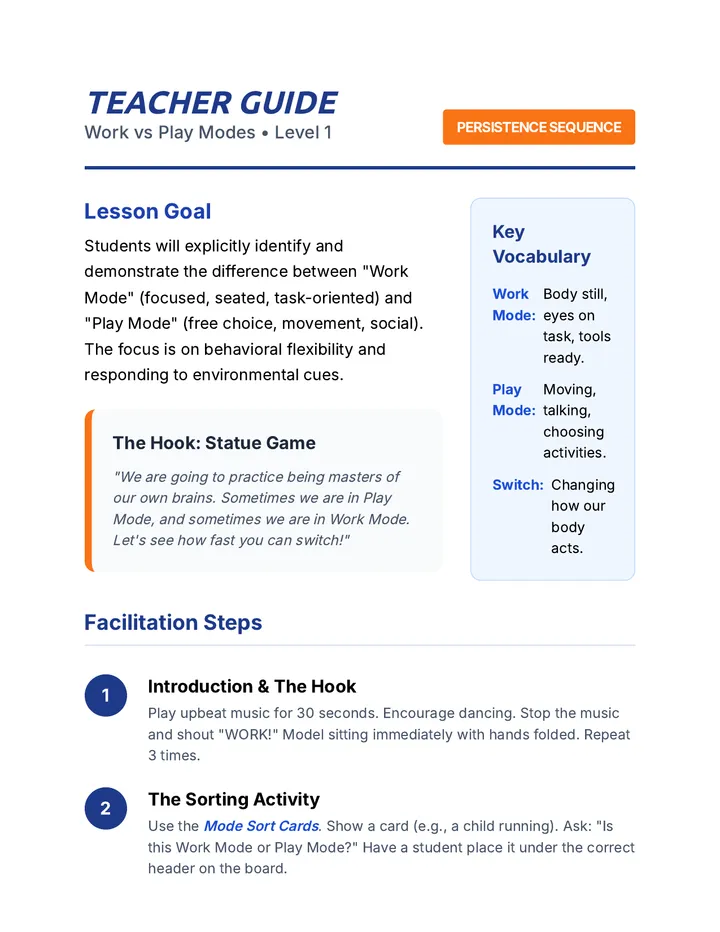
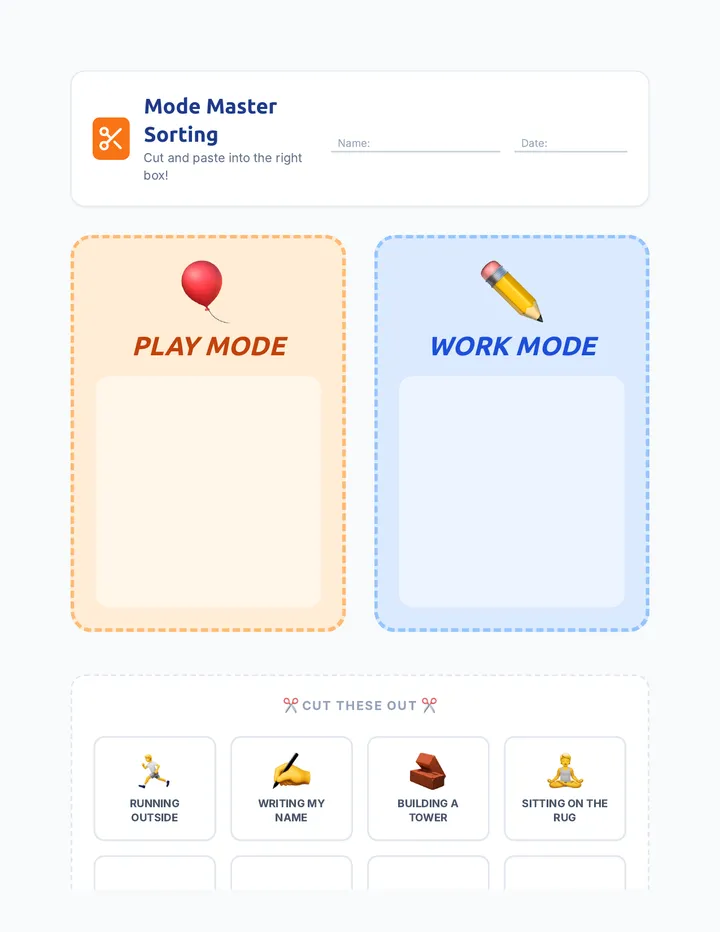
A Kindergarten sequence focused on building task persistence and management through visual supports, routines, and incremental stamina building. Students learn to use timers, First/Then boards, and self-monitoring tools to sustain attention.
A comprehensive sequence for undergraduate students in counseling or education, focusing on the interpersonal and technical implementation of behavior tracking systems. Students will learn to build buy-in, deliver high-fidelity feedback, manage reinforcement schedules, provide non-shaming correction, and systematically fade supports for long-term autonomy.
A 6-session small-group course for 2nd grade boys focused on managing impulsivity and frustration through the "Stop, Think, Shine" strategy. Students engage in games, role-plays, and reflections to build self-control and social skills.
This sequence applies Organizational Behavior Management (OBM) principles to improve employee performance and organizational systems through positive reinforcement, pinpointing, and evidence-based training models.
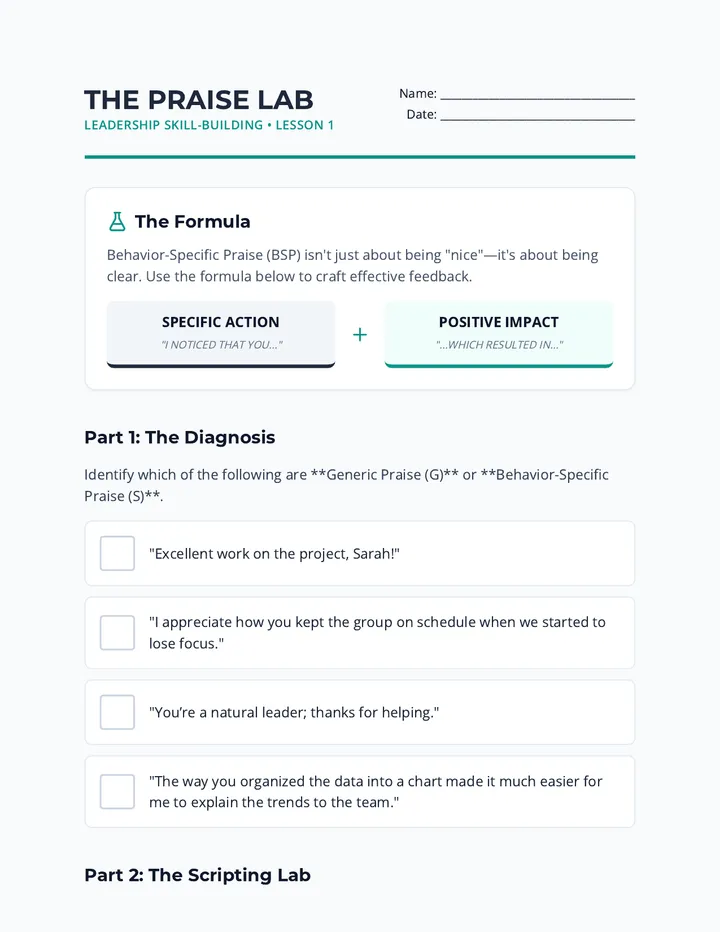
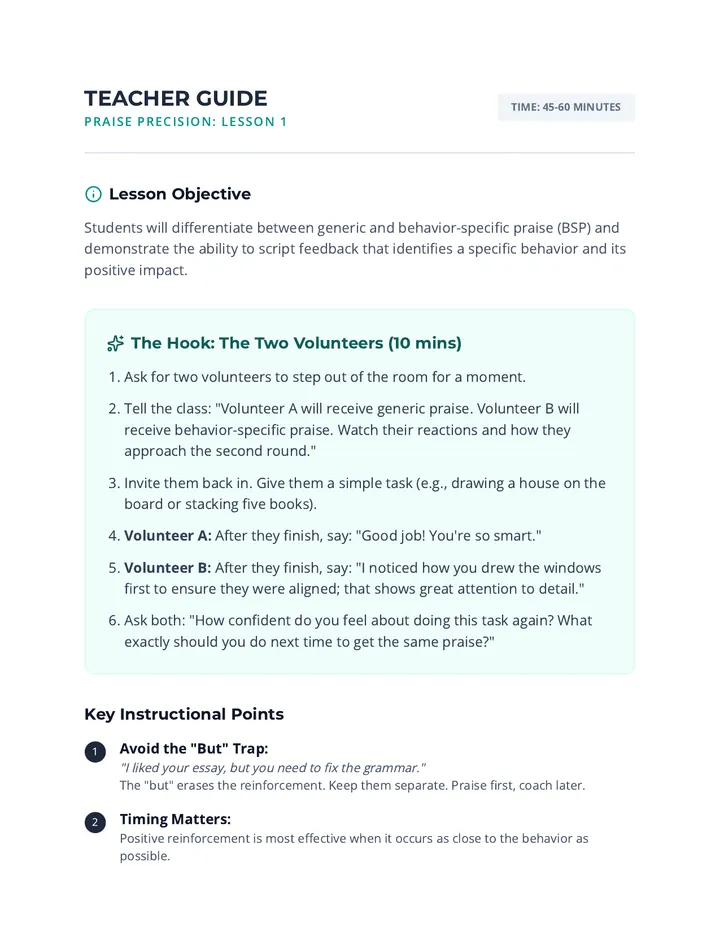
This sequence explores the strategic use of positive reinforcement in leadership and peer counseling. Students progress from basic praise techniques to designing complex incentive systems and navigating the ethics of behavioral influence.
This sequence explores the interpersonal application of positive reinforcement in leadership, coaching, and mentoring contexts. Students examine how leaders influence group culture and individual performance through specific praise and recognition systems.
A comprehensive sequence for 12th-grade students exploring the psychology of positive reinforcement through the lens of leadership and management. Students learn to distinguish reinforcement from bribery, deliver high-impact praise, design motivational systems, and resolve performance issues using behavioral science.
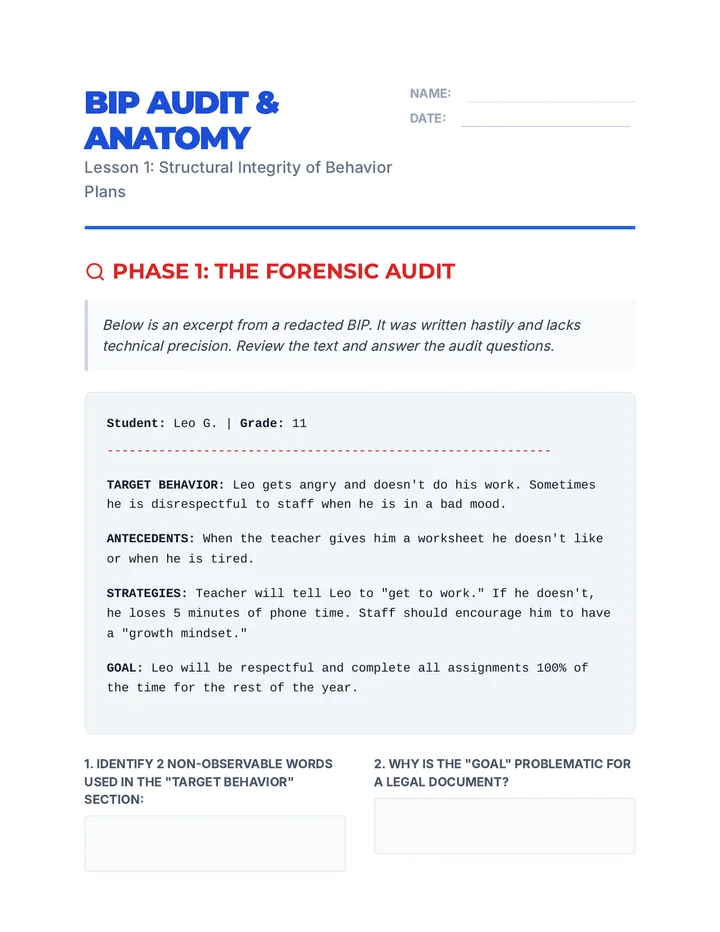
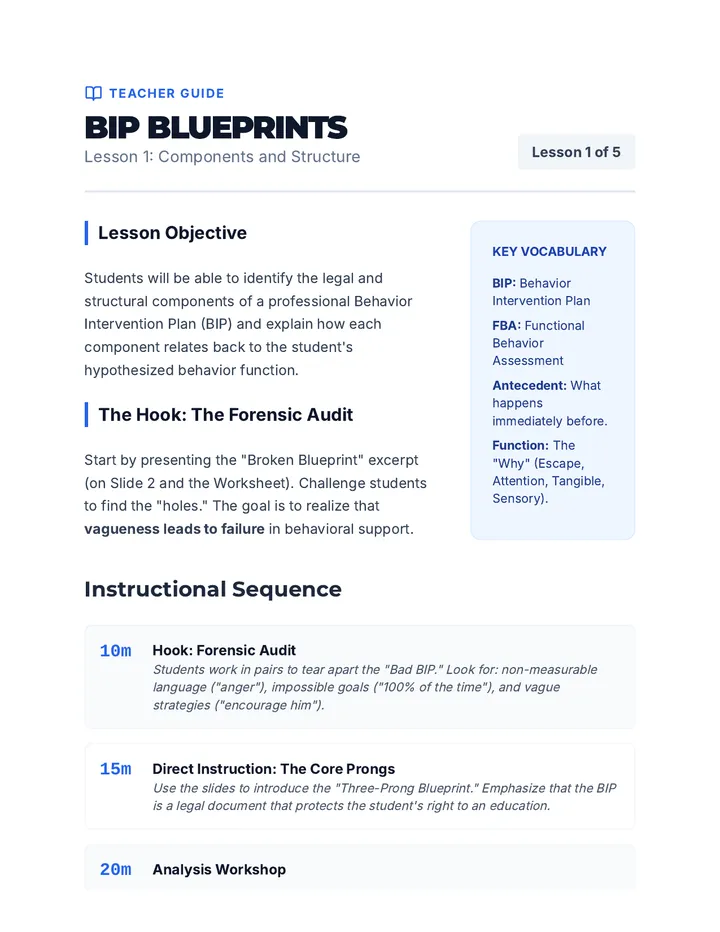
A capstone sequence for 11th-grade students to synthesize assessment, prevention, and teaching strategies into a comprehensive Behavior Intervention Plan (BIP). Students learn about reinforcement systems, crisis management, and data-based decision-making to create sustainable and ethical behavioral supports.
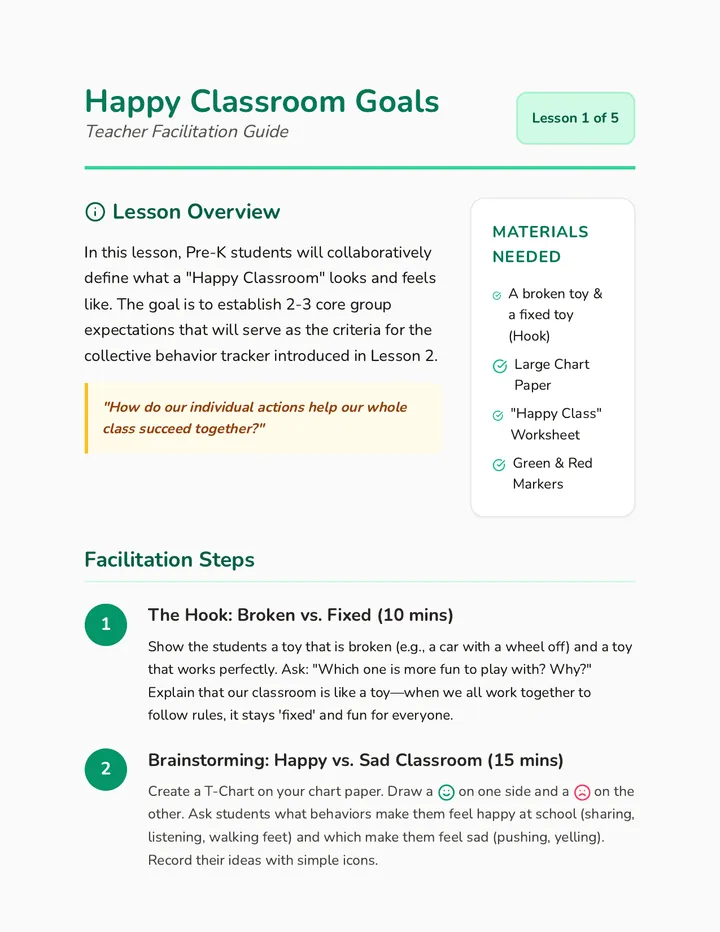
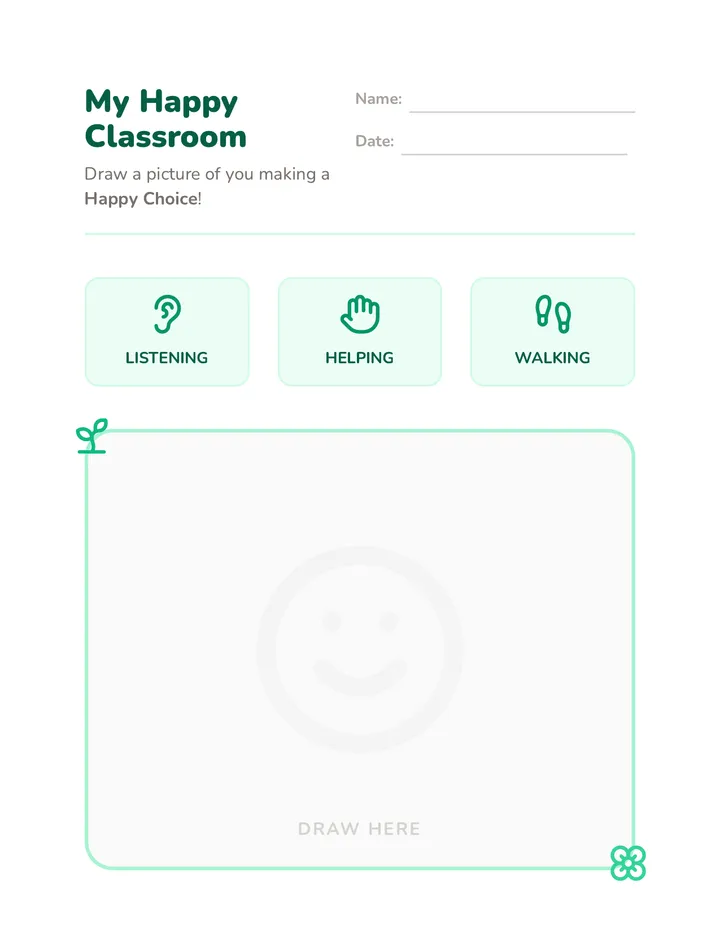
This sequence introduces Pre-K students to the concept of collective responsibility and group goals through a shared behavior tracking system. Using a 'Good Choice Garden' theme, students learn to set goals, track their group's progress, observe positive behaviors in their peers, and celebrate their combined success.
This sequence prepares undergraduate students in counseling and education to adapt standard behavioral check-in procedures (like Check-In/Check-Out) for diverse populations. It emphasizes cultural responsiveness, developmental appropriateness, neurodiversity, and modern remote contexts to ensure equity and accessibility in behavioral support.
This graduate-level sequence examines the ethical and systemic implications of behavioral surveillance in schools. Students will critique traditional tracking methods through the lenses of privacy law, psychological theory, and cultural equity to design more humane, dignity-affirming support systems.
A 30-minute Tier 3 individual lesson designed to teach elementary students positive strategies for seeking attention. Through role-play, games, and reflection, students learn to build confidence and social skills by choosing appropriate ways to interact with peers and adults.
This 30-minute Tier 3 individual lesson plan helps a 1st-grade student overcome work avoidance through frequent positive reinforcement and clear expectations. It's important because it empowers students to engage with their learning and build positive work habits.
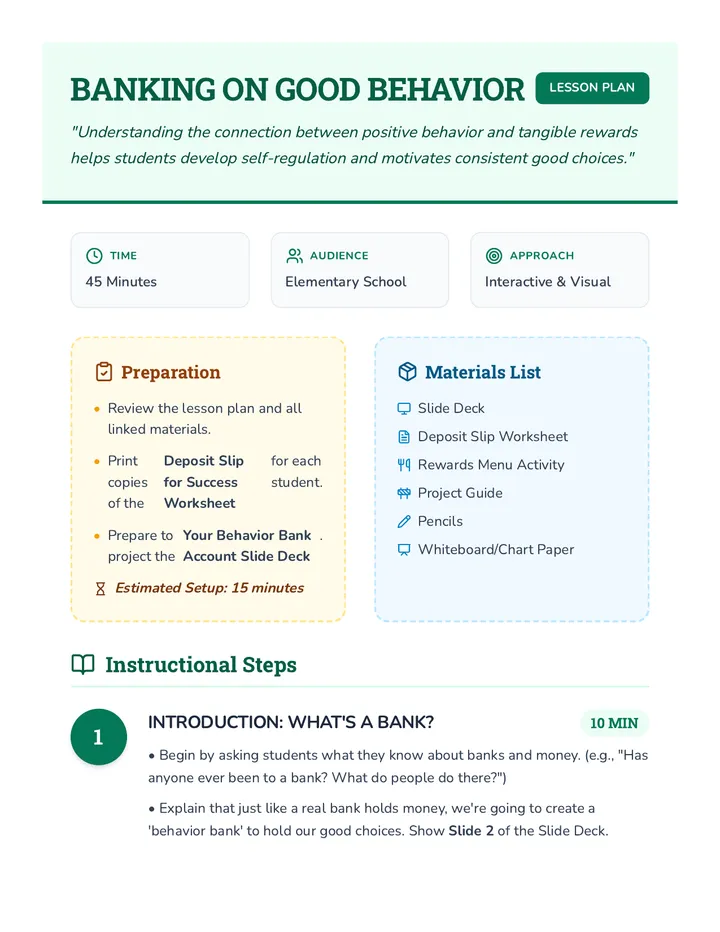
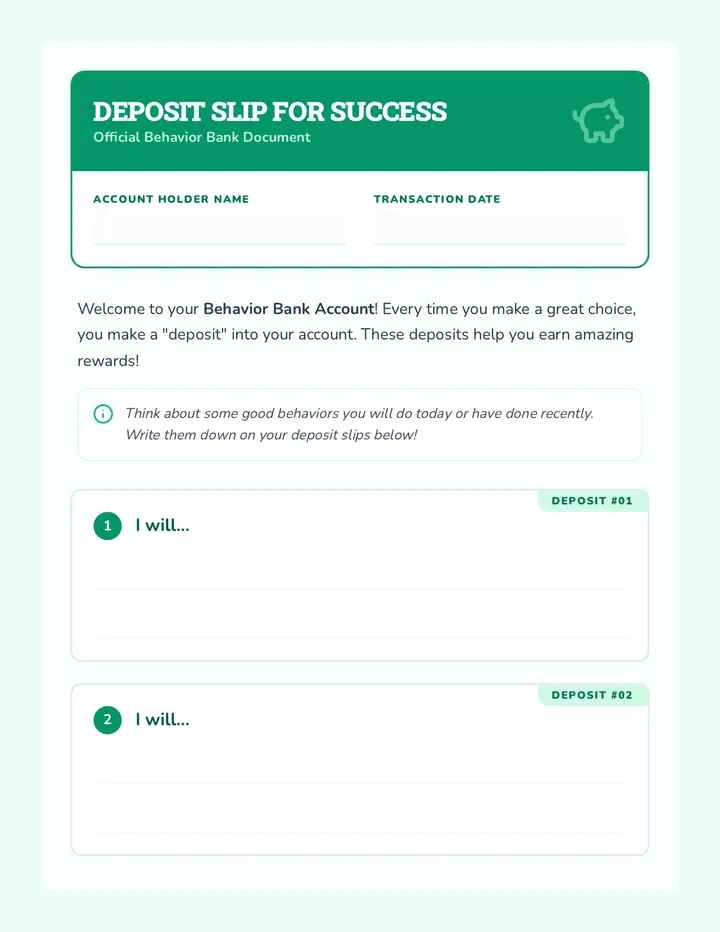
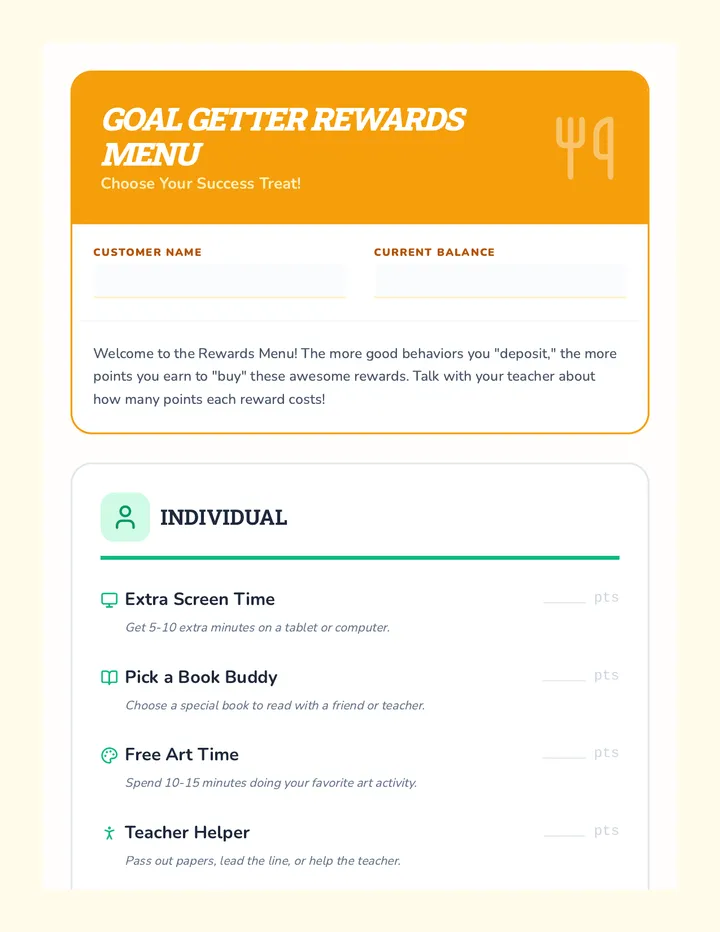
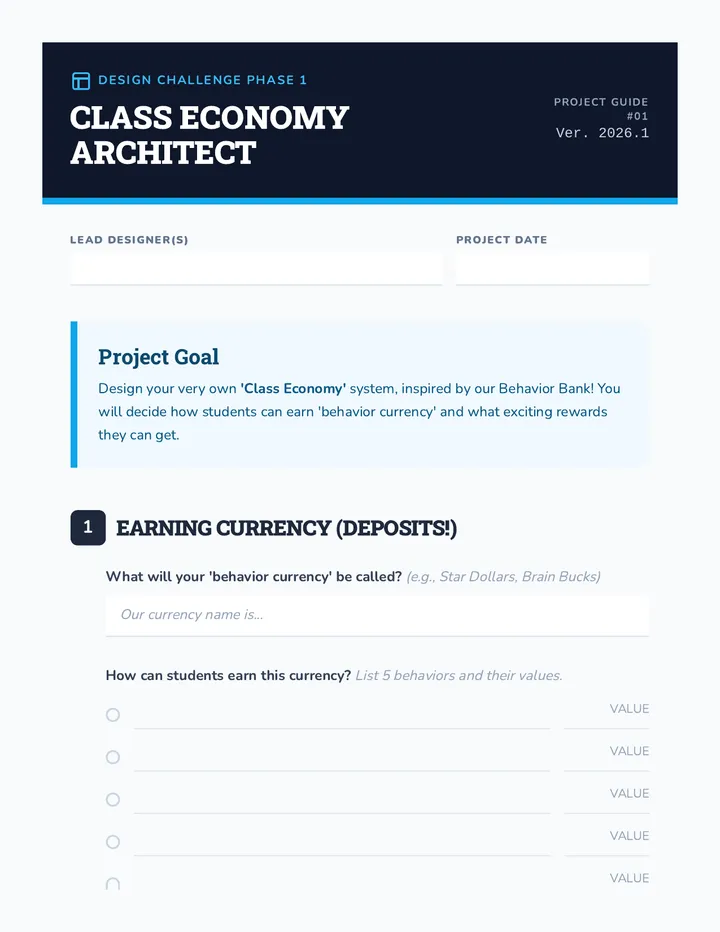
Students learn the value of positive choices through a 'behavior bank' system, where good deeds act as deposits toward individual and class rewards.
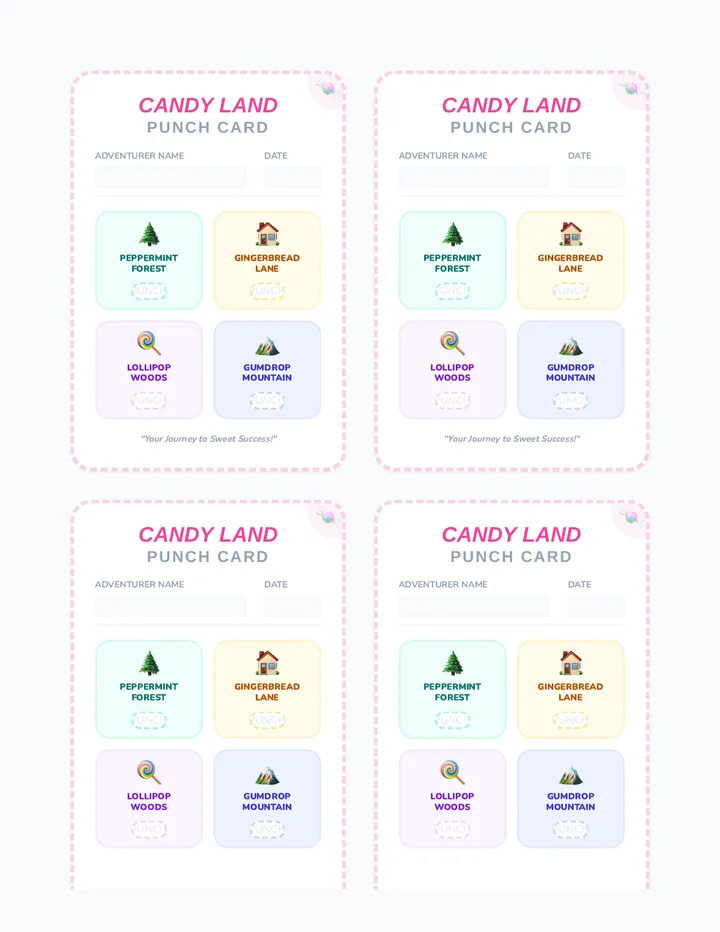
A fun, 30-minute Kindergarten lesson that uses a Candy Land-themed punch card system to gamify positive behavior and academic achievement. Students 'travel' through themed locations like Peppermint Forest and Gumdrop Mountain by completing tasks and earning punches.
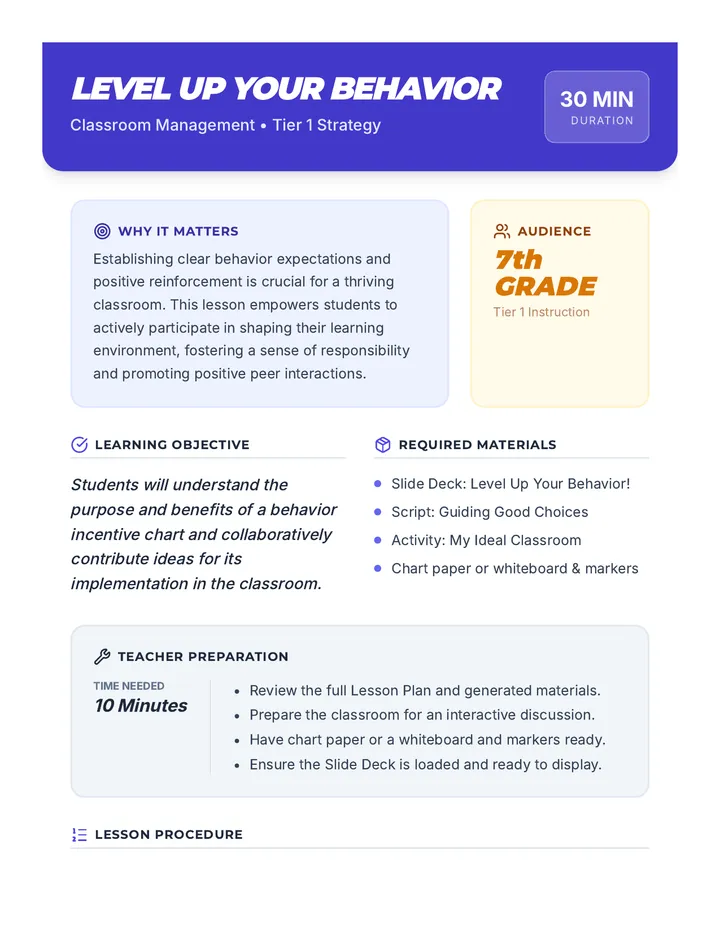
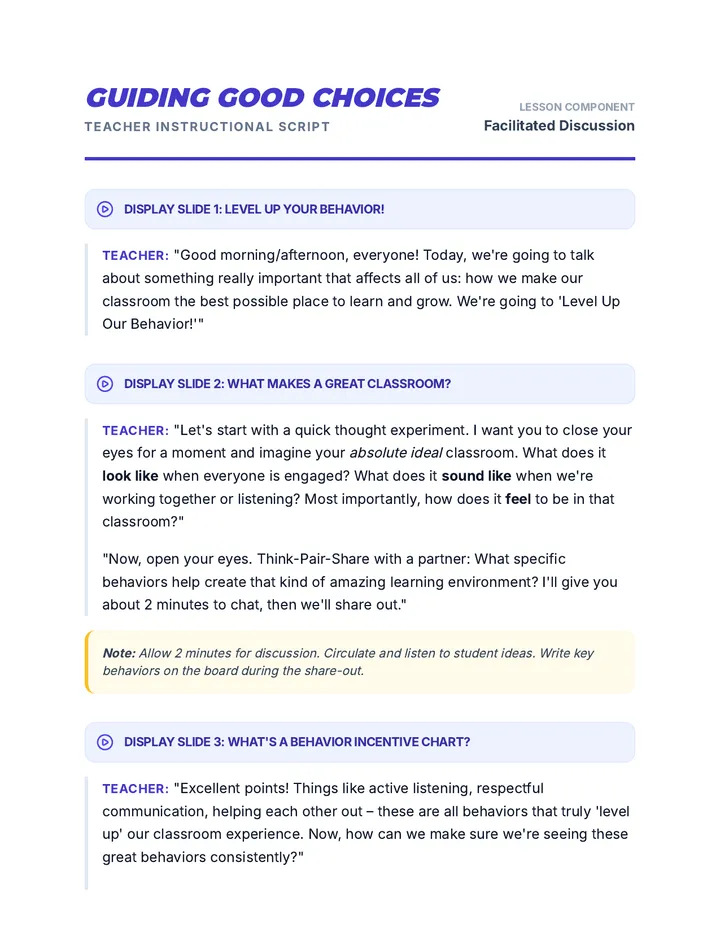
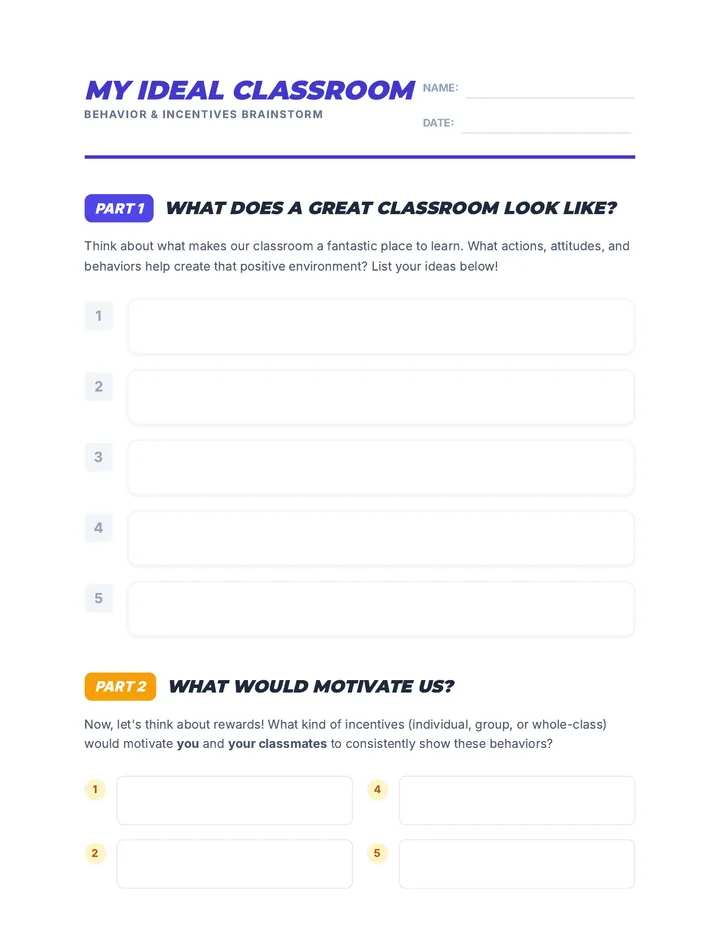
This lesson introduces 7th-grade students to behavior incentive charts, empowering them to take ownership of their conduct and collaboratively design a positive classroom culture using a 'level up' gaming theme.
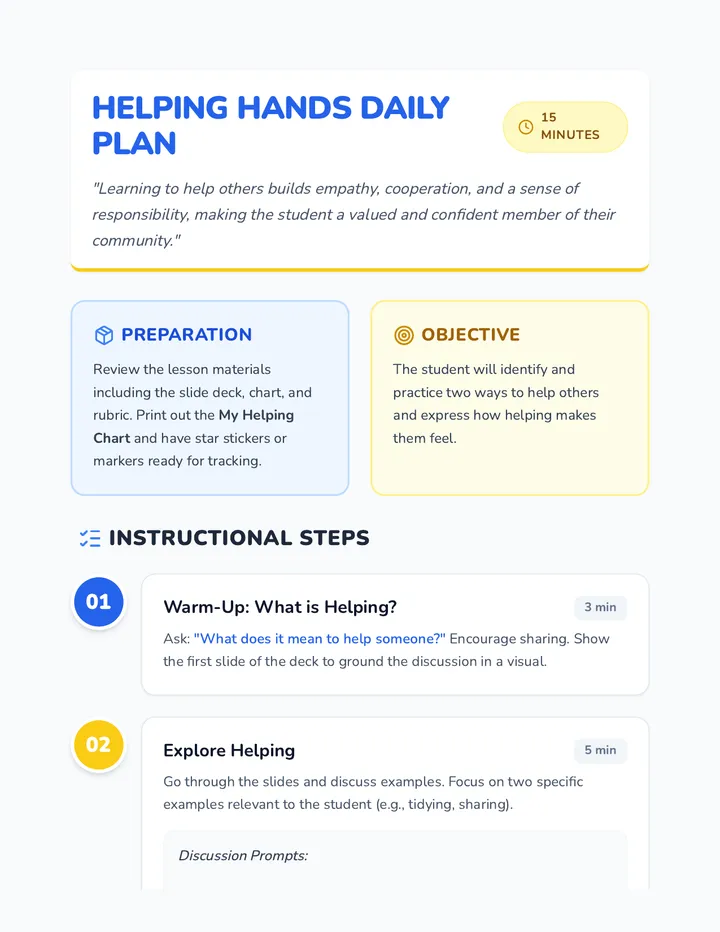
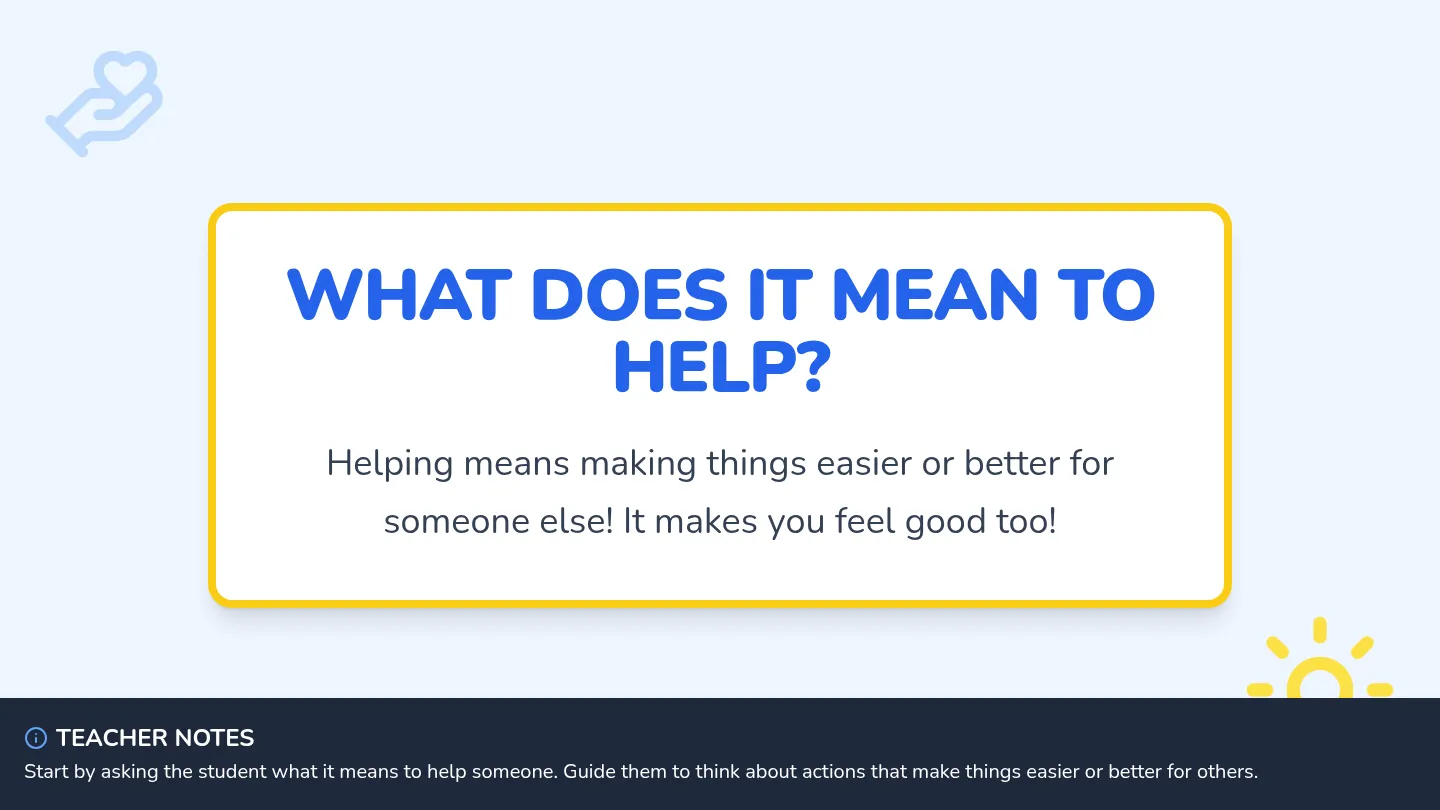
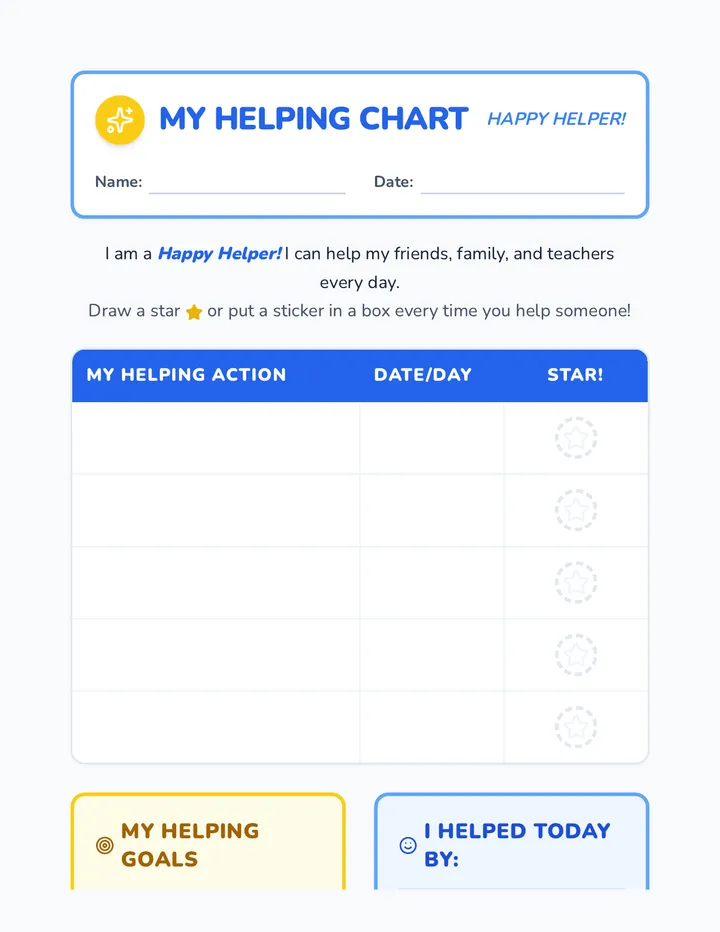
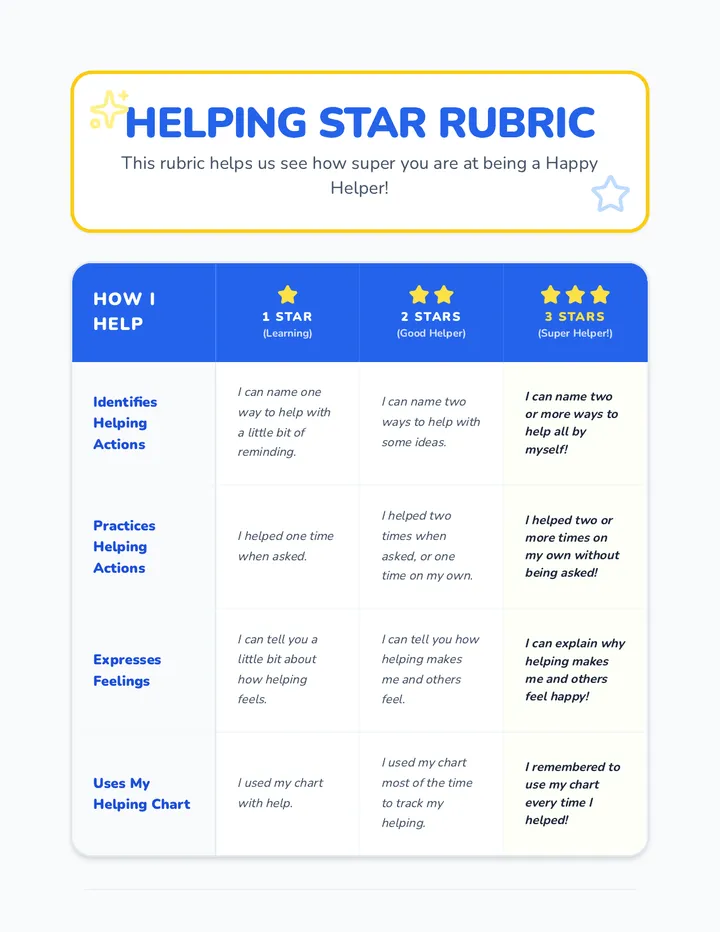
A Tier 3 behavioral lesson for Kindergarten students focused on identifying and practicing prosocial helping behaviors through visual aids, tracking, and reflection.
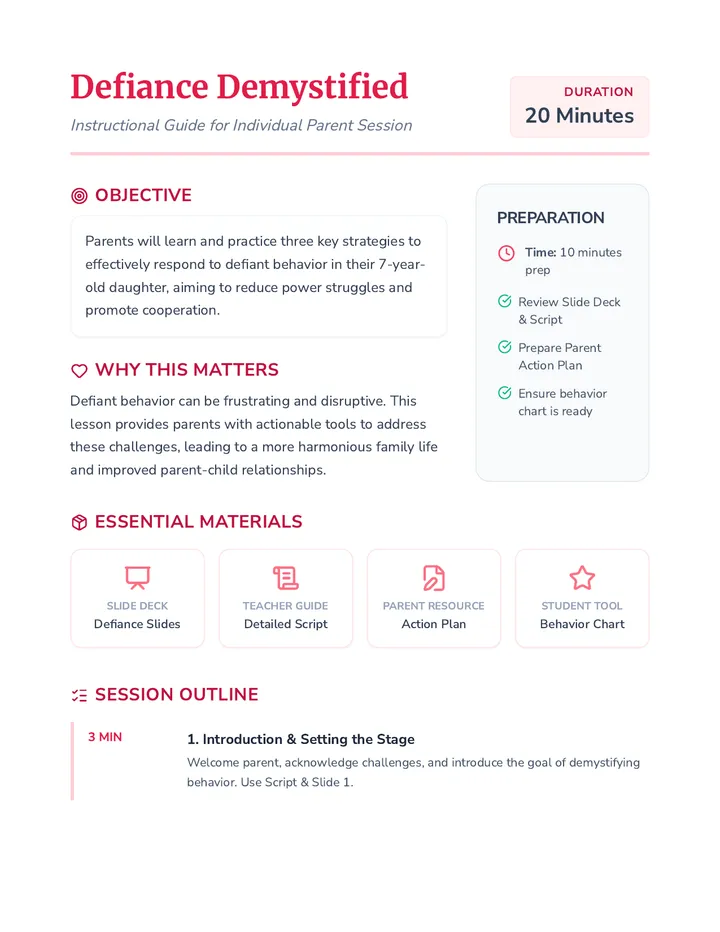
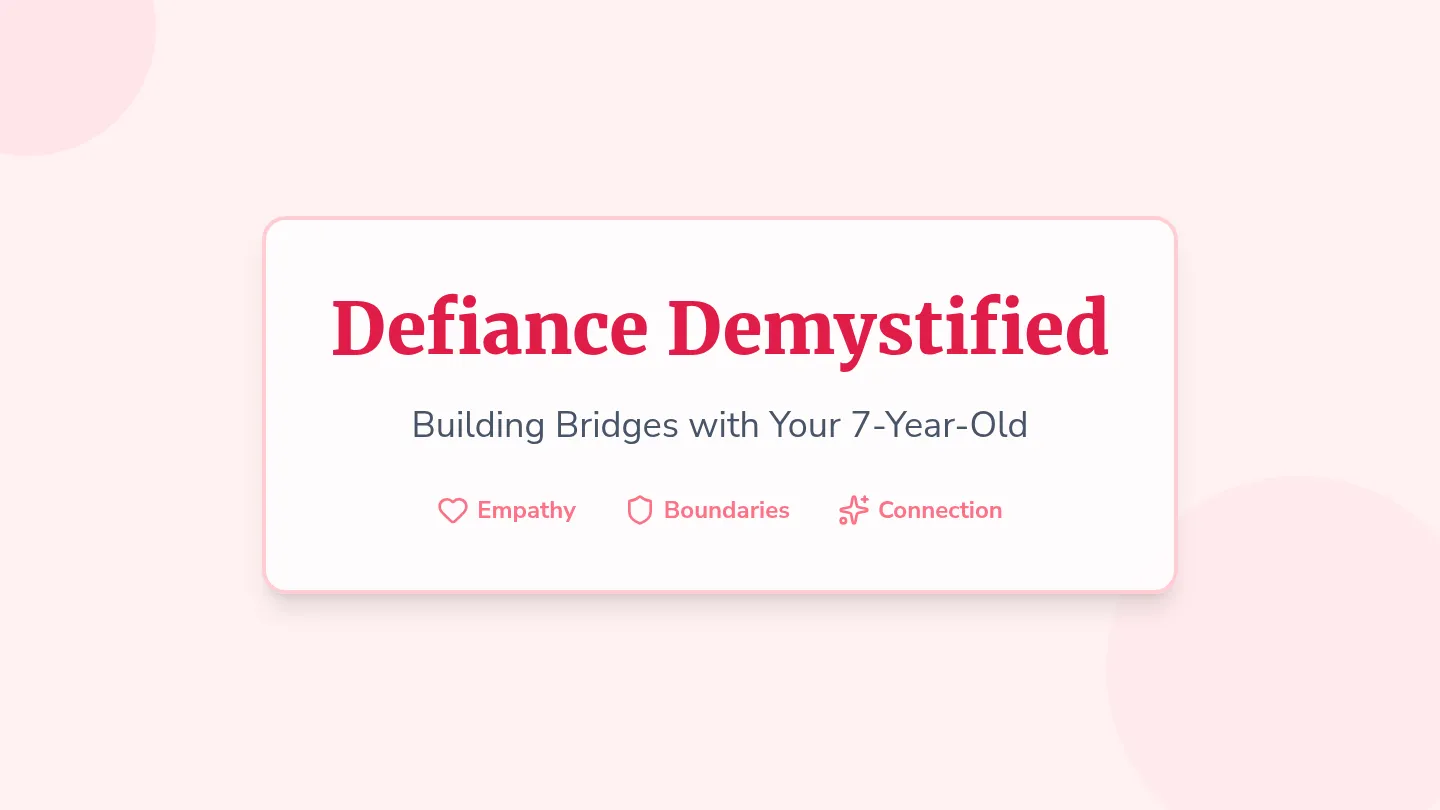
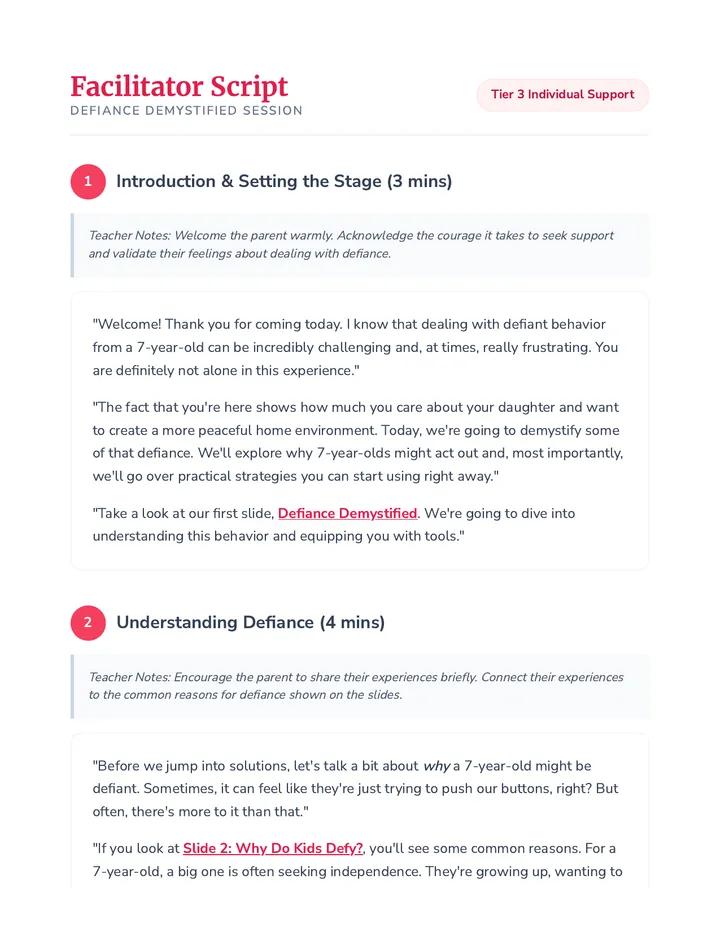
A 20-minute individual lesson for parents of 7-year-old girls to understand and address defiant behavior using empathy, clear boundaries, and positive reinforcement.
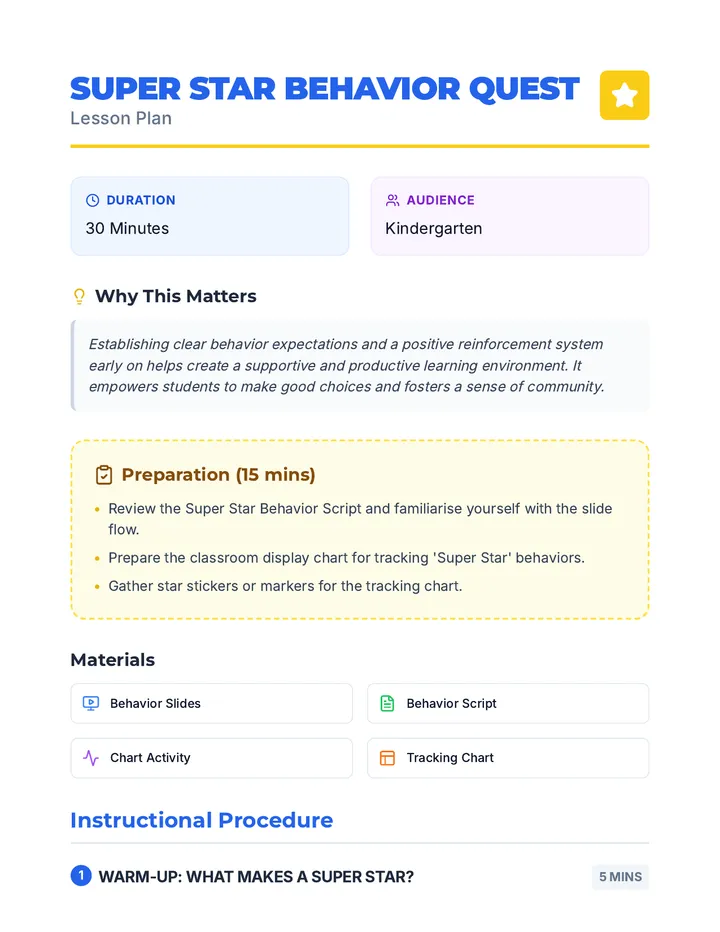
A 30-minute introductory lesson for Kindergarteners to learn about positive behavior expectations and a classroom tracking system through interactive discussion and scenario-based practice.
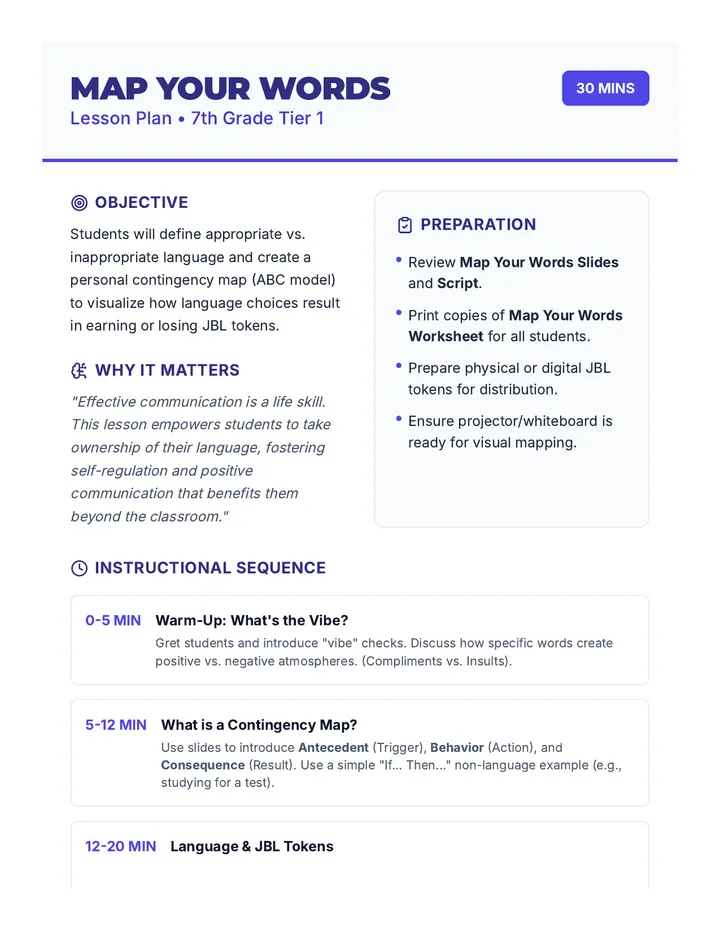
A 30-minute interactive lesson teaching 7th-grade students to use contingency mapping (Antecedent-Behavior-Consequence) to manage their language choices and understand the impact on their JBL tokens.
A 30-minute, one-on-one LEGO-themed Tier 3 lesson for 1st graders targeting attention, impulse control, and personal boundaries through hands-on building challenges and quest-based reflection.
A fun, gamified 30-minute Kindergarten lesson that uses a Candy Land-themed punch card to motivate students and reinforce positive behavior or academic goals.
A 30-minute Tier 3 individual lesson designed for a 1st-grade student to overcome work avoidance through positive reinforcement, visual scheduling, and 'Work Warrior' strategies.