Lenny.com
Explore
Create
ActivitiesNewMathEnglish Language ArtsScience & EngineeringSocial StudiesGlobal LanguagesHealth & Physical EducationSpecial EducationCounseling & Life SkillsArts & CreativityESL
Lenny.com
Lenny.com
Explore
Create
ActivitiesNewMathEnglish Language ArtsScience & EngineeringSocial StudiesGlobal LanguagesHealth & Physical EducationSpecial EducationCounseling & Life SkillsArts & CreativityESL
Lenny.com
Lenny.com

Solutions

Lenny for EducatorsLenny for SchoolsLenny for Districts

Product

ExploreSign inCreateSupportAbout

Resources

Getting startedMTSS Acceleration Program

Newsletters

School Funding Newsletter

© 2026 Lenny Learning Inc.

TermsPrivacyAccessibility
LinkedInInstagramX
Lenny

Recognizing Depression Signs

Identification of behavioral shifts, persistent sadness, and withdrawal from social activities. Examines physical and emotional indicators of clinical depression across various age groups.

Counseling & Life SkillsSelf-AwarenessBasic Emotion RecognitionComplex Emotion IdentificationEmotional Nuance & Mixed FeelingsBuilding Positive Self-ImageRecognizing Strengths & Growth AreasAccurate Self-AssessmentPersonal Values IdentificationCultural & Individual Identity ExplorationValues-Based Decision MakingSelf-ManagementStop-and-Think StrategiesDelaying GratificationIndependent Impulse ManagementIdentifying Stress TriggersShort-Term Goal SettingSMART Goals DevelopmentGoal Monitoring & AdjustmentBuilding Perseverance & ResilienceInternal Motivation DevelopmentComprehensive Stress Reduction PlanningSocial AwarenessRecognizing Others' FeelingsDemonstrating EmpathyRespecting Individual DifferencesUnderstanding Cultural DiversityComplex Empathetic ResponsesMultiple Viewpoint ConsiderationMulti-Perspective AnalysisChallenging Stereotypes & BiasRelationship SkillsActive ListeningClear Verbal & Nonverbal CommunicationBuilding Positive FriendshipsWorking Cooperatively in GroupsCommunicating Personal BoundariesRespecting Others' BoundariesAssertive ExpressionPeaceful Problem-SolvingContributing to Team GoalsComplex Conflict NavigationMediation & NegotiationHealthy Romantic RelationshipsResponsible Decision-MakingDaily Problem IdentificationBrainstorming Multiple SolutionsEvaluating Pros & ConsRecognizing Risks & ConsequencesApplying Ethical FrameworksInformed Risk-Benefit DecisionsRoot Cause AnalysisMindfulnessMindful BreathingBody Scan MeditationDaily Mindfulness ApplicationDaily Self-Care RoutinesBalancing Life DemandsAdvocating for Wellness NeedsMental Health SupportUnderstanding Anxiety SymptomsWorry Management StrategiesProgressive Muscle RelaxationRecognizing Depression SignsBuilding Mood-Supporting RoutinesBehavioral Activation for MoodUnderstanding Grief StagesHealthy Grief CopingCreative Expression of LossBehavioral SupportDaily Check-In ProceduresDaily Goal Setting & ReviewRecognizing Escalation Warning SignsRequesting Breaks & SupportSelf-Calming During DistressUnderstanding Positive ReinforcementToken Economy ImplementationBehavior Chart TrackingAnalyzing Behavior PatternsIdentifying Antecedents & ConsequencesDetermining Behavior FunctionFunction-Based InterventionsIndividualized Behavior ContractsData-Driven Behavior AdjustmentTherapeutic ApproachesThoughts-Feelings-Behaviors ConnectionRecognizing Thinking PatternsChallenging Negative ThoughtsPositive Self-Talk PracticeThought Record TrackingAdvanced Cognitive RestructuringComprehensive CBT PlansBehavioral Activation TechniquesBuilding Positive ExperiencesExposure Hierarchies for AnxietyPresent-Moment AwarenessNon-Judgmental ObservationSelf-Soothing & DistractionComplex Emotion LabelingReducing Emotional Vulnerability (PLEASE)DEAR MAN CommunicationGIVE Skills for RelationshipsFAST Skills for Self-RespectRadical Acceptance PracticeCrisis Survival Skills (TIPP)Understanding Trauma EffectsTrauma Responses & TriggersIdentifying Trauma FeelingsGrounding TechniquesRegulation During Trauma DistressSafe Place VisualizationProcessing Through NarrativeDeveloping Trauma StoryPersonalized Safety PlanningGroup SupportTurn-Taking & SharingGroup Conversation SkillsSharing in Supportive EnvironmentLearning from Similar ChallengesBuilding Community & BelongingNavigating Peer RelationshipsGroup Skill PracticeGroup Mental Health EducationStress & Anxiety UnderstandingCrisis Support & SafetyKnowing When to Seek HelpIdentifying Mental Health CrisesGrounding During CrisisUsing Crisis HotlinesBuilding Support NetworksAccessing Mental Health ResourcesWarning Signs & Coping StrategiesDeveloping Personal Safety PlansUnderstanding Suicide Warning SignsGatekeeper Skills for PeersDigital LiteracySocial MediaTechnology BasicsProductivity ToolsInternet and Online ResearchWeb Design and PublishingDigital CitizenshipOnline Safety and PrivacyEmerging TechnologiesFinancial LiteracyMaking Financial DecisionsBanking and AccountsConsumer SkillsSaving and InvestingCredit and DebtEmployment and IncomeTaxesInsuranceMajor PurchasesEconomic ConceptsFinancial PlanningCollege & Post-Secondary PlanningCareer ExplorationUnderstanding Post-Secondary OptionsCollege Research & SelectionAdmission RequirementsCollege Application ProcessPersonal Statement WritingFAFSA CompletionScholarship Search & ApplicationsUnderstanding Student LoansContinuing Education PlanningInterview PreparationResearching EmployersCommon Interview QuestionsSTAR Method ResponsesProfessional Interview PresenceVirtual Interview SkillsInterview Follow-UpJob Search SkillsUnderstanding Job PostingsEffective Job Search StrategiesNetworking for OpportunitiesResume Writing BasicsAction Verbs & AchievementsTailoring Resumes to JobsCover Letter WritingProfessional ReferencesProfessional CommunicationBusiness Email EtiquettePhone & Voicemail ProfessionalismMeeting ParticipationPresentation SkillsProfessional Work EthicTime Management & ProductivityTeamwork & CollaborationAdaptability & FlexibilityProblem-Solving at WorkConstructive FeedbackWorkplace RightsUnderstanding Employment LawsPay & Benefits UnderstandingWorkplace SafetyAnti-Discrimination & Harassment

Videos

"I'm Fine" - Learning To Live With Depression | Jake Tyler | TEDxBrighton

"I'm Fine" - Learning To Live With Depression | Jake Tyler | TEDxBrighton

In this moving and humorous TEDx talk, Jake Tyler shares his personal journey of navigating severe depression and suicidal ideation. He begins by deconstructing the reflex of saying "I'm fine" and opens up about his "rock bottom" moment where he forgot what happiness felt like. Tyler details how a pivotal phone call to his mother and a reframing question from his doctor helped him distinguish between wanting to die and simply wanting his pain to stop. The talk explores Tyler's recovery strategy, which centered on physical movement and connection with nature. He recounts his experience walking 3,000 miles around Great Britain, which evolved from a personal fitness challenge into a journey of community connection. He introduces the metaphor of depression being the "biggest club in the world" that convinces you that you are the only member, highlighting the irony of isolation in mental health struggles. For educators, this video is a powerful tool for Social Emotional Learning (SEL), Health, and Psychology classes. It destigmatizes mental health discussions, introduces the concept of "movement" versus "exercise," and demonstrates how vulnerability can lead to strength. The narrative arc moves from despair to a triumphant desire to "live forever," offering a hopeful perspective on resilience and recovery.

TEDx TalksTEDx Talks

16mins 5s

What is mental health stigma?

What is mental health stigma?

This educational video provides a clear and compassionate definition of mental health stigma, explaining how negative attitudes and beliefs can harm individuals struggling with their mental well-being. It breaks down what stigma looks like in everyday life, from casual language use to discriminatory behaviors, and clarifies that mental health conditions are influenced by complex factors like biology, environment, and genetics rather than personal choices.

Brain Health BootcampBrain Health Bootcamp

3mins 20s

10 Things Depression Makes Us Do

10 Things Depression Makes Us Do

This animated video provides an empathetic and accessible overview of ten common behaviors associated with depression. Rather than focusing solely on clinical definitions, the video explores the functional impact of depression on daily life, illustrating how the disorder affects basic tasks like hygiene, sleep, eating habits, and social interaction. It uses simple, relatable animation to depict the internal struggle of living with a mental health disorder. The video covers key themes such as the cycle of isolation, the physical exhaustion of depression (often mistaken for laziness), cognitive distortions like catastrophizing, and the paralysis of decision-making. It breaks down complex psychological symptoms into tangible examples, such as the difficulty of cleaning a messy room or the overwhelming nature of personal care, making the abstract concept of "depression" concrete and understandable. For educators and counselors, this resource is invaluable for Social Emotional Learning (SEL) and Health curriculums. It serves as a powerful tool to destigmatize mental illness by reframing behaviors often judged as "lazy" or "antisocial" as symptoms of a health condition. It can spark critical classroom discussions about empathy, warning signs, and the importance of seeking help, helping students recognize these patterns in themselves or their peers.

Psych2GoPsych2Go

4mins 35s

are you okay? | Award-Winning Short Film

are you okay? | Award-Winning Short Film

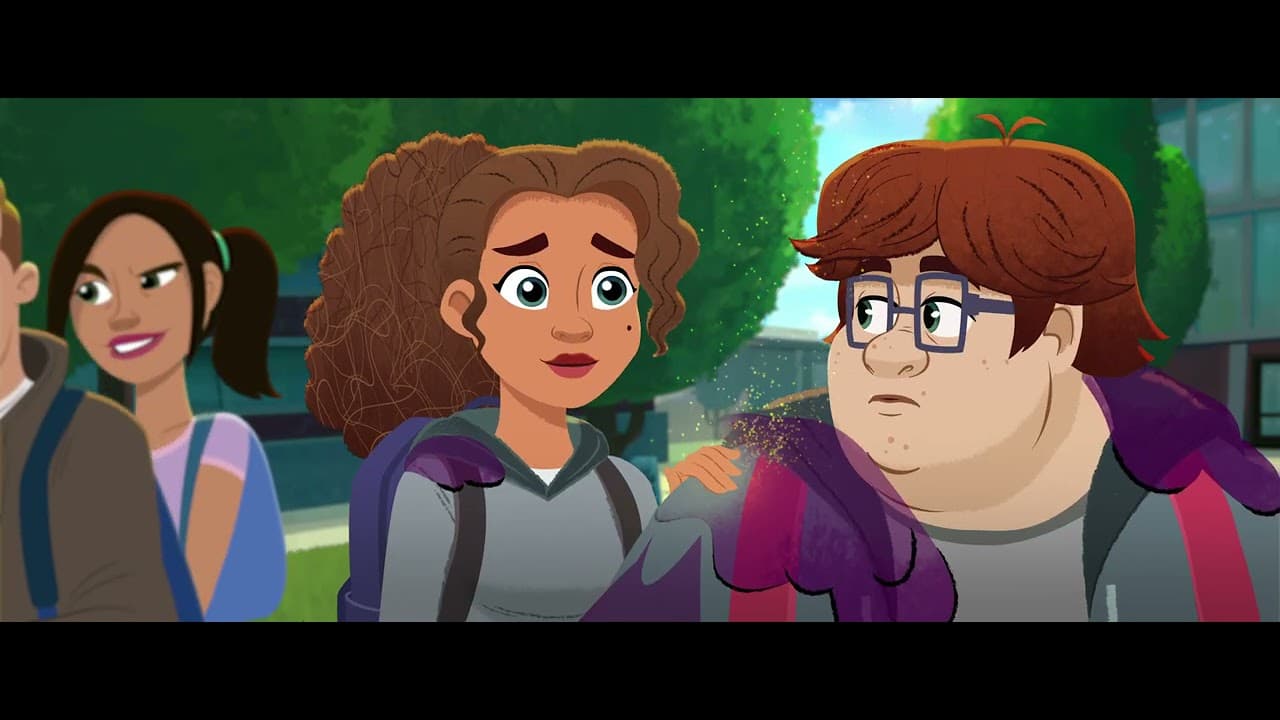
This poignant animated short film explores the suffocating impact of cyberbullying through the eyes of two students, Raquelle and Noah. The narrative follows Raquelle, a quiet artist who witnesses Noah being bullied both physically and online. When she attempts to help by reporting the incident to a school counselor, the system fails her; her anonymity is compromised, and she becomes the new target of harassment, labeled "Rat-quelle." The film utilizes a powerful visual metaphor—a heavy, purple sludge—to represent the lingering emotional weight of shame and abuse that clings to the victims, isolating them from their peers and families. Key themes include the failure of adult support systems, the reality of digital harassment, and the healing power of empathy. The story critically examines well-meaning but ineffective adult advice, such as a father telling his daughter to "just block them" or a counselor claiming they cannot "police the internet." It highlights the disconnect between the adult perception of online bullying and the visceral, 24/7 reality experienced by students. The narrative arc moves from isolation to connection, demonstrating how shared vulnerability can bridge the gap between victims. For educators, this video is a vital tool for Social-Emotional Learning (SEL) and digital citizenship curricula. It moves beyond generic "don't bully" messaging to address the nuance of bystander intervention and the emotional aftermath of harassment. The visual metaphor of the sludge provides a concrete language for students to articulate feelings of depression and anxiety. It is particularly useful for sparking discussions about how to genuinely support friends, the limitations of current anti-bullying policies, and the profound difference a simple check-in like "Are you okay?" can make.

Fight Child AbuseFight Child Abuse

8mins 46s

Why getting help early is important

Why getting help early is important

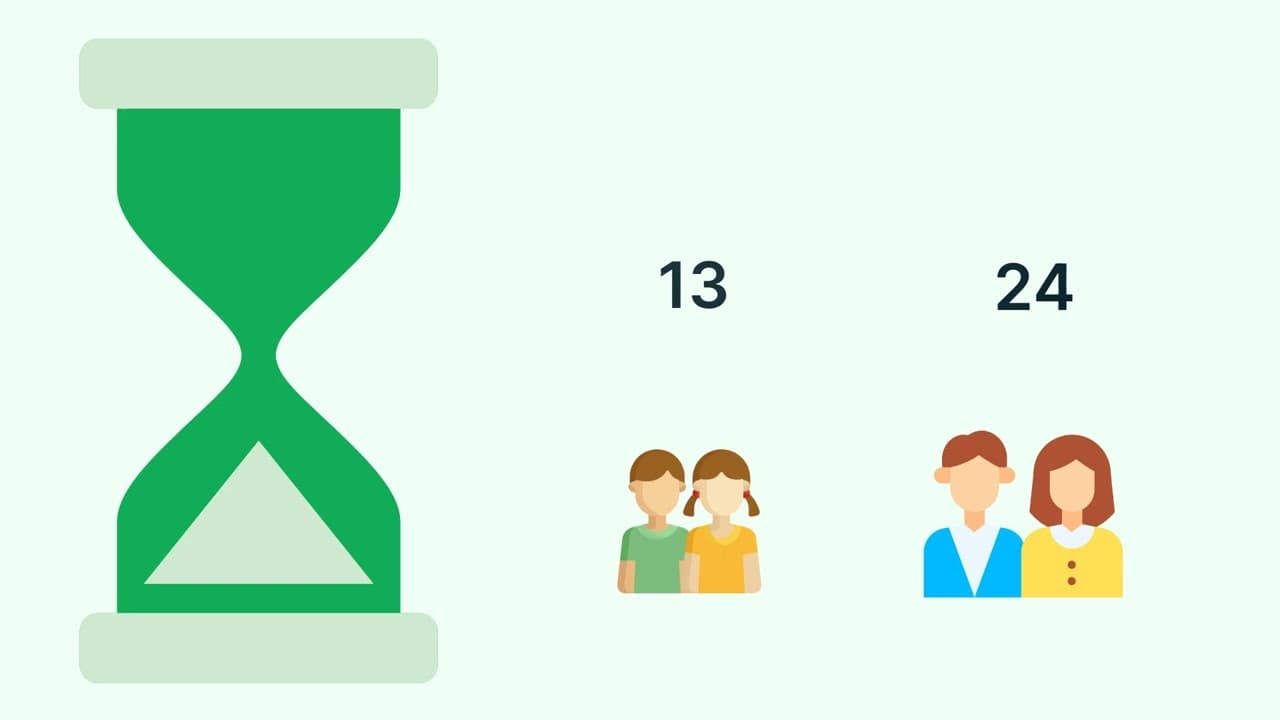
This educational video addresses the critical importance of early intervention in mental health care. It explains the common barriers to seeking help—such as not understanding symptoms or fear of judgment—and highlights the significant gap between the onset of symptoms and treatment, which averages 11 years. By comparing mental illness to physical illness, the video normalizes treatment and emphasizes that mental health conditions are manageable with professional support. Key themes explored include the stigma surrounding mental health, the tangible benefits of early intervention, and the potential consequences of untreated mental illness, such as homelessness and involvement in the justice system. It also provides sobering statistics about suicide rates among youth to underscore the urgency of the issue. The video is a vital resource for health education, counseling sessions, and social-emotional learning (SEL) curricula. It empowers students by providing actionable resources, such as the Crisis Text Line and NAMI (National Alliance on Mental Illness), making it an excellent tool for initiating difficult conversations about well-being and encouraging help-seeking behaviors.

Brain Health BootcampBrain Health Bootcamp

3mins 9s

What is bipolar disorder? - Helen M. Farrell

What is bipolar disorder? - Helen M. Farrell

This animated educational video explores the complexities of bipolar disorder, a mental health condition characterized by extreme shifts in mood, energy, and activity levels. It breaks down the differences between Type 1 and Type 2 bipolar disorder, detailing the symptoms of both manic and depressive episodes. The video explains the biological mechanisms behind the disorder, including neural pruning and neurotransmitter imbalances, while emphasizing that it is a treatable medical condition, not a personal failure. The content delves into the neuroscience of the disorder, explaining how the brain's wiring and pruning processes differ in those with bipolar disorder compared to neurotypical brains. It highlights the role of genetics and environmental factors in triggering the condition. The narrative moves from the physiological causes to the social and personal impact, addressing the stigma often associated with mental illness and the challenges of diagnosis. For educators, this video serves as a crucial resource for health and psychology curriculums. It provides a scientifically accurate yet accessible explanation of a complex psychiatric condition, helping to destigmatize mental illness in the classroom. It creates opportunities to discuss brain development, the importance of empathy, and the biological basis of mental health, supporting social-emotional learning (SEL) goals alongside biology and psychology standards.

TED-EdTED-Ed

5mins 58s

Materials

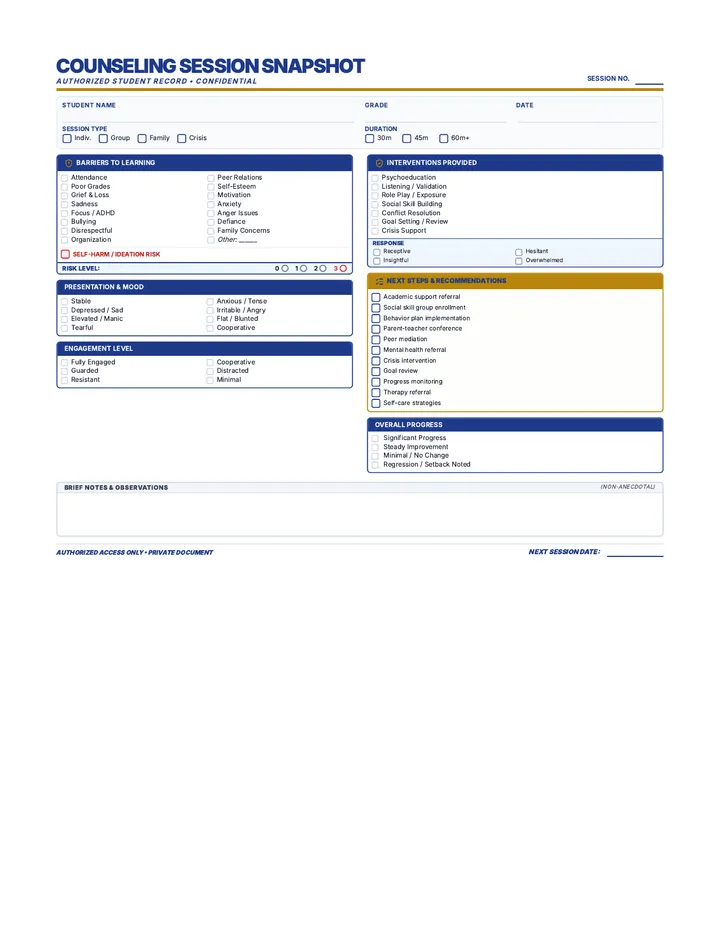
Counseling Session Snapshot Template

Counseling Session Snapshot Template

An optimized one-page school counseling session record with reduced spacing to fit A4 paper. It maintains the professional blue and gold theme while consolidating intake barriers, mood assessment, interventions, and next-step recommendations into a clean, checkbox-driven layout.

EM

Elizabeth Muvumba

Green Stats Flyer

Green Stats Flyer

A comprehensive community flyer combining youth and adult mental health statistics, featuring a centered and enlarged Thrive Center logo along with contact information. Includes a powerful closing quote from Fred Rogers.

YT

Yvette Trevino

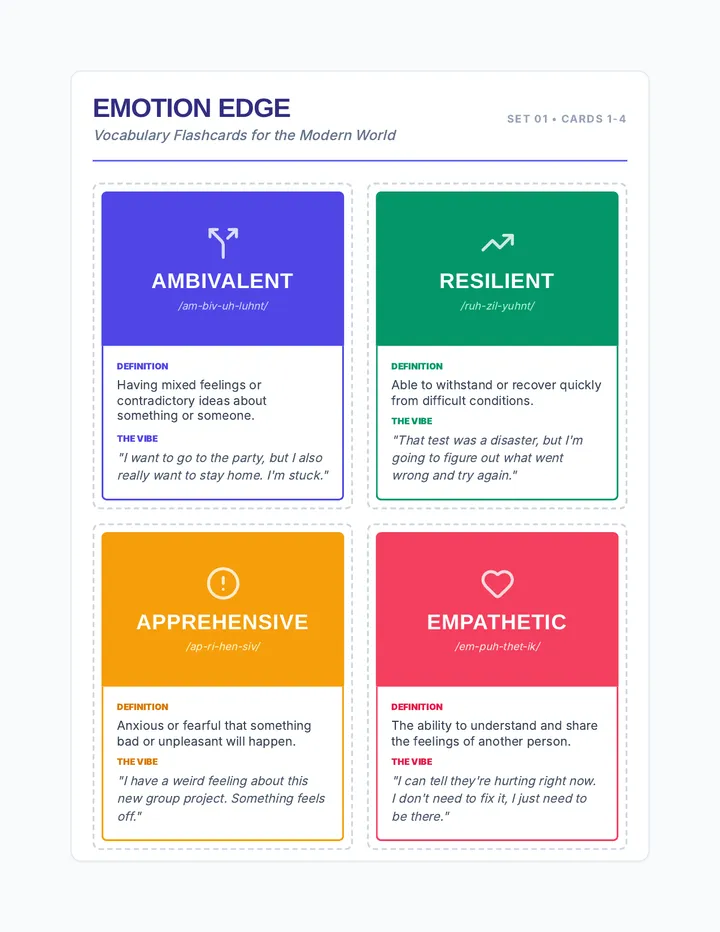
Emotion Edge Flashcards

Emotion Edge Flashcards

A set of 16 modern, high-contrast flashcards designed for adolescents to expand their emotional vocabulary. This expanded set includes 12 nuanced emotions and 4 foundational ones (Happy, Sad, Angry, Content), each featuring phonetic pronunciation and relatable 'vibe' scenarios.

MS

Maria Sarina

Feeling Meter Poster Detailed 10-Scale Planning

Feeling Meter Poster Detailed 10-Scale Planning

A detailed feelings thermometer poster with a 1-10 scale and color-coded zones: Green (1-3), Yellow (4-5), Orange (6-7), and Red (8-10). The green zone has been lightened to the palest shades to ensure a soft visual base while maintaining the light-to-dark gradient across the entire scale. Writing lines are included for student responses.

MS

Mary-Elizabeth Solomita

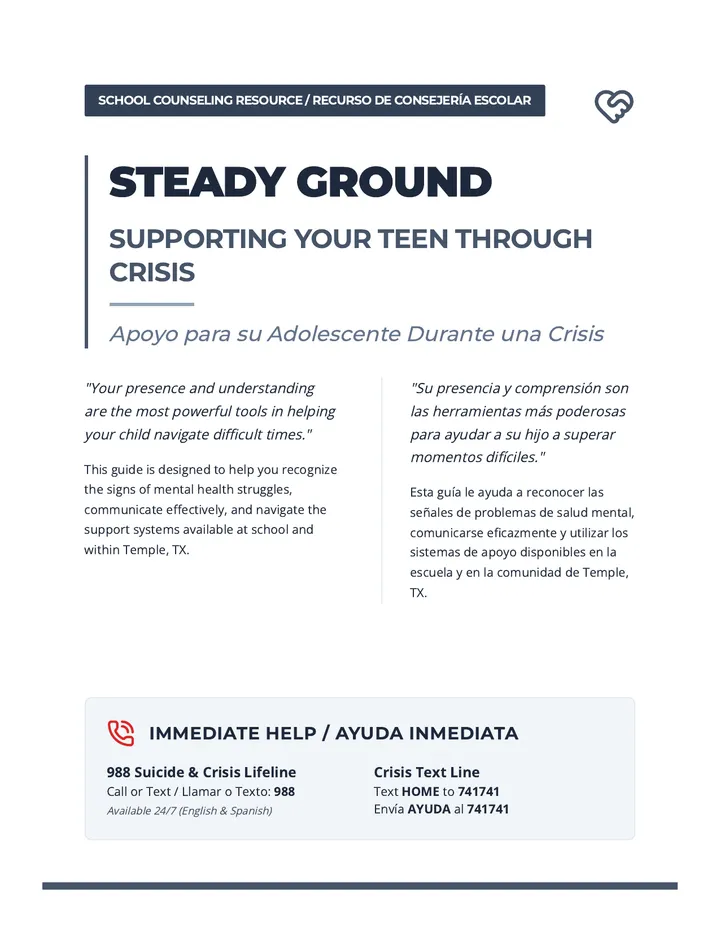
Steady Ground Support Guide

Steady Ground Support Guide

A comprehensive, bilingual (English/Spanish) parent guide for supporting teenagers through mental health crises. Includes warning signs, communication strategies, school support navigation (IEP/504), and specific community resources for Temple, TX. Revised for better page-breaking and text contrast.

Sequences

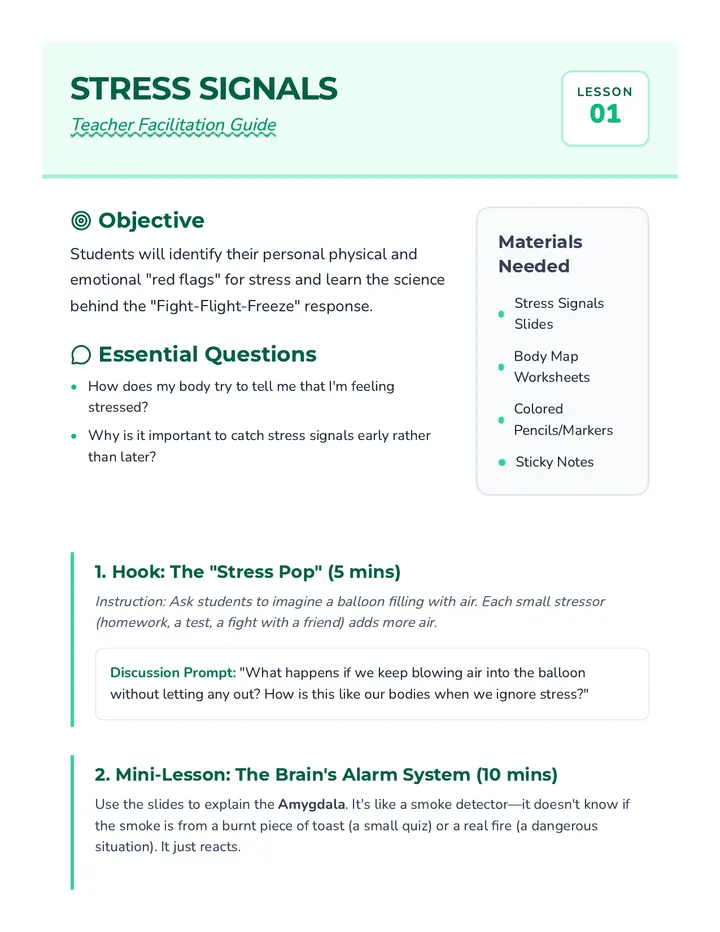
Stress Signals Teacher Guide

Mindful Masters

A 3-week comprehensive curriculum for middle schoolers focusing on identifying stress signals, developing healthy coping mechanisms, mastering positive self-talk, and building long-term resilience through interactive group activities and personal reflection.

KJ

Kayle Jordan

27
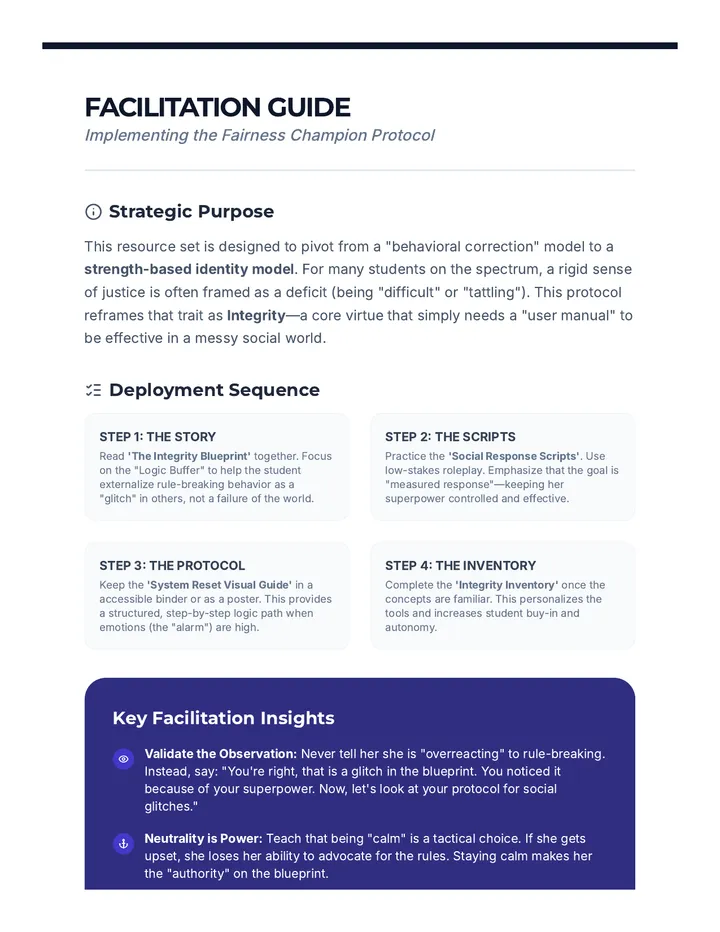
Champion Navigation Teacher Guide

Fairness Champion Curriculum

A 6-week social-emotional learning curriculum for a 13-year-old girl on the autism spectrum, focusing on managing specific triggers through a strength-based "Integrity Blueprint" lens.

MS

Minakshi Singal

18
DBT Group Teacher Guide

DBT Group Skills

A comprehensive 13-week curriculum for middle school students focused on the four core modules of Dialectical Behavior Therapy: Mindfulness, Interpersonal Effectiveness, Emotion Regulation, and Distress Tolerance. Students learn and practice key coping strategies in a supportive group setting.

IY

ilana yakubovich

23
Alert System Facilitator Guide

Emotion Engineers

A comprehensive 4-week small group counseling curriculum designed for grades 3-6, focusing on emotional regulation, identifying triggers, and building a toolkit of coping strategies for anger and frustration.

MA

Melissa Avery

17
Coping Skills Master List

Calm Connection

A four-part therapeutic sequence designed to help quiet students develop and implement coping skills for anxiety and depression, focusing on seeking support, journaling, and creative expression.

YB

Yvonne Brown

15
Mission Briefing Slides Final Version

Anxiety Investigators Agency

A 6-week small group program for middle schoolers that uses a detective and scientist theme to teach anxiety management, cognitive reframing, and coping skills.

KJ

Kayle Jordan

45

Lessons

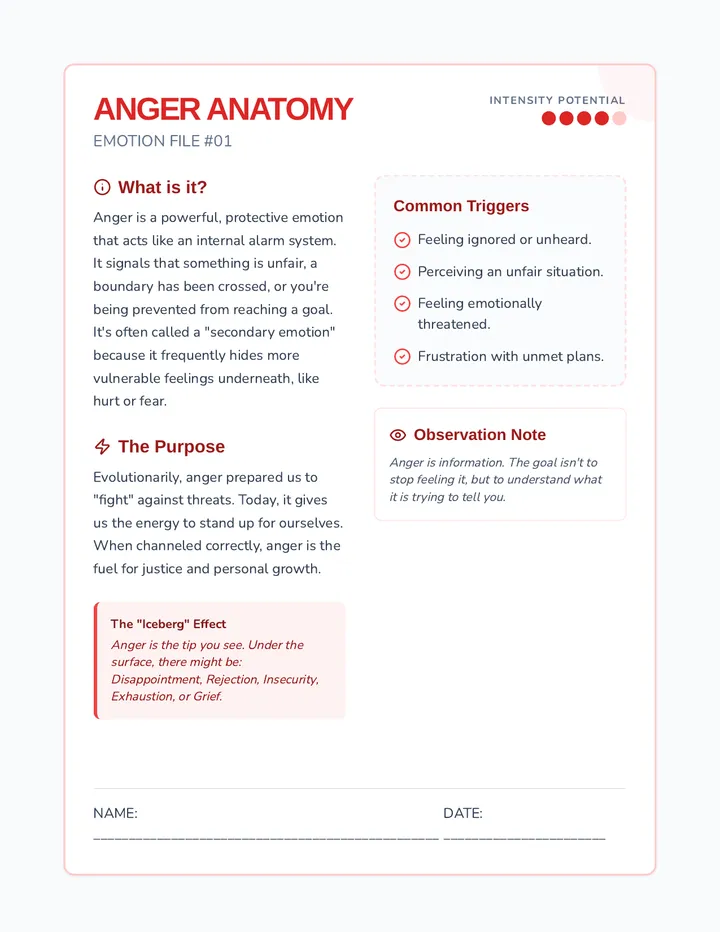
Anger Anatomy Worksheet

Inner Explorer Manual

A comprehensive set of emotional literacy and CBT-based worksheets designed for teenagers to explore, understand, and manage complex emotions. Each module includes descriptive content and structured reflection areas for thoughts, behaviors, and physical sensations.

C

Clara

9
Feelings Wheel Worksheet

What's in a Feeling

A 35-minute social-emotional learning lesson for 7th graders focused on identifying emotions through physical body cues and expanding emotional vocabulary beyond basic terms. Students will learn to 'decode' feelings like anxiety and sadness by observing their internal reactions.

M

mrivera

5
Relationships and Emotions Semester 2 Final Exam

Relationships and Emotions Final Exam

A comprehensive final exam for a high school Relationships and Emotions course, covering emotional literacy, grief, power dynamics, boundaries, and communication. The lesson includes the 50-question traditional exam and a detailed answer key.

BF

Brandi Flanigan

3
System Architecture Slides

Anxiety Security Systems

An introductory lesson that reframes anxiety as an over-sensitive internal security system, teaching students to audit their reactions and install new coping 'tools'.

SM

Suzanna Mangray

8
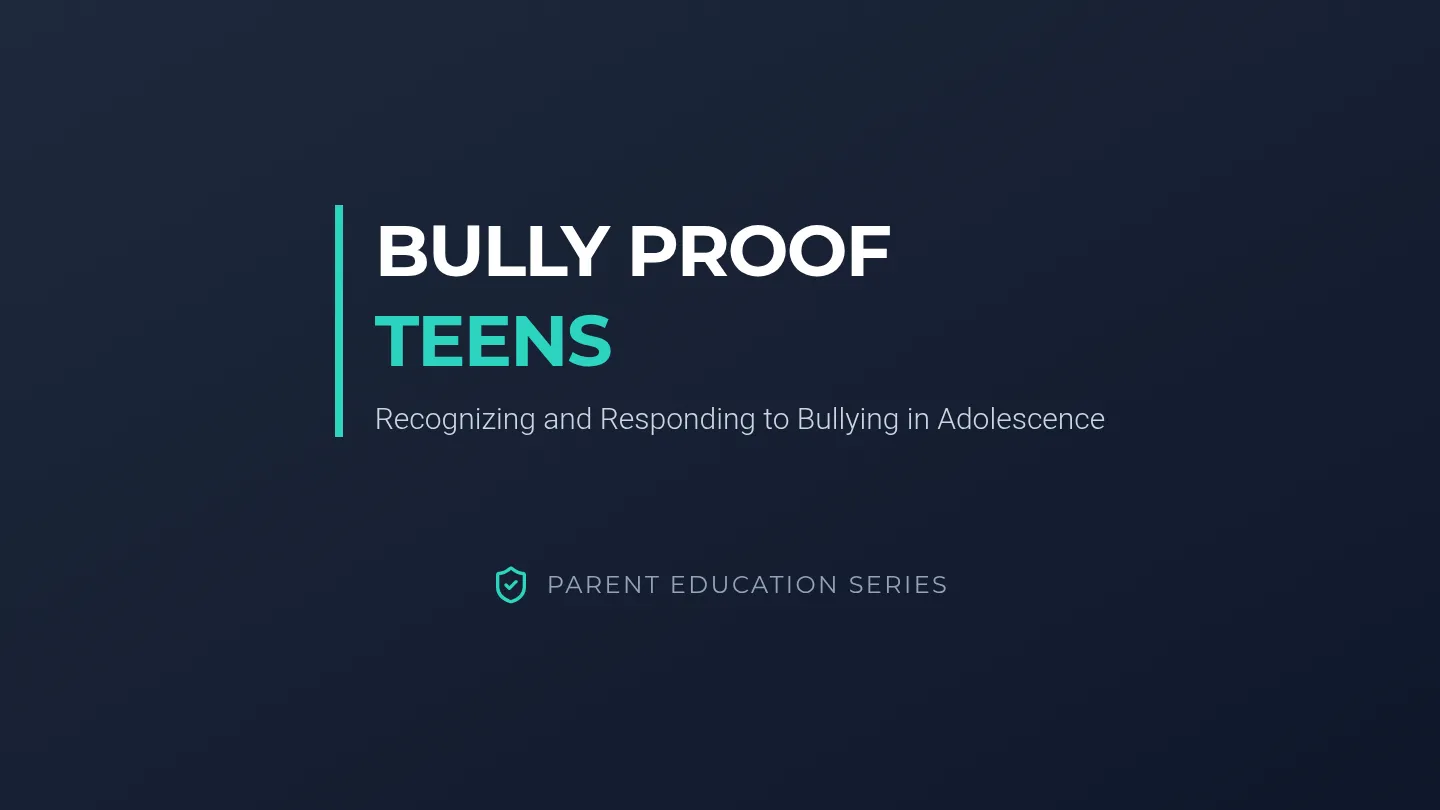
Bully Proof Presentation

Bully Proof Parents

A 25-minute parent education session focused on identifying bullying in adolescents, understanding its mental health impact, and providing actionable communication and intervention strategies.

MO

Muriel Ortiz

3
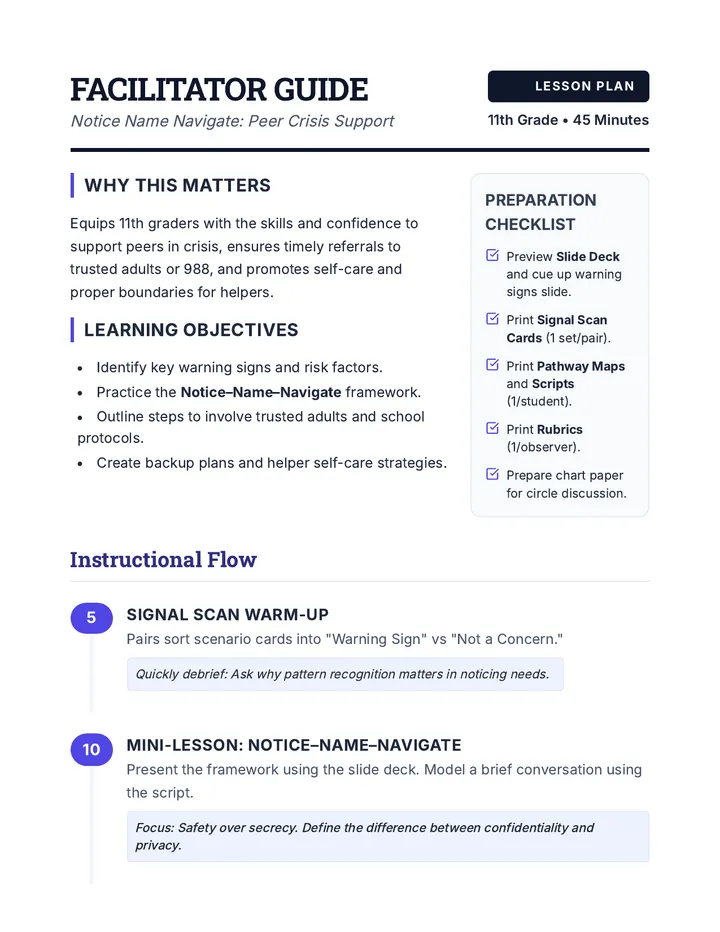
Facilitator Guide with Protocol Flowchart

Notice Name Navigate

A 45-minute lesson for 11th graders on recognizing peer crisis warning signs and using the Notice–Name–Navigate framework to connect friends to support safely while maintaining self-care boundaries.

KS

Kimest Sanders

11