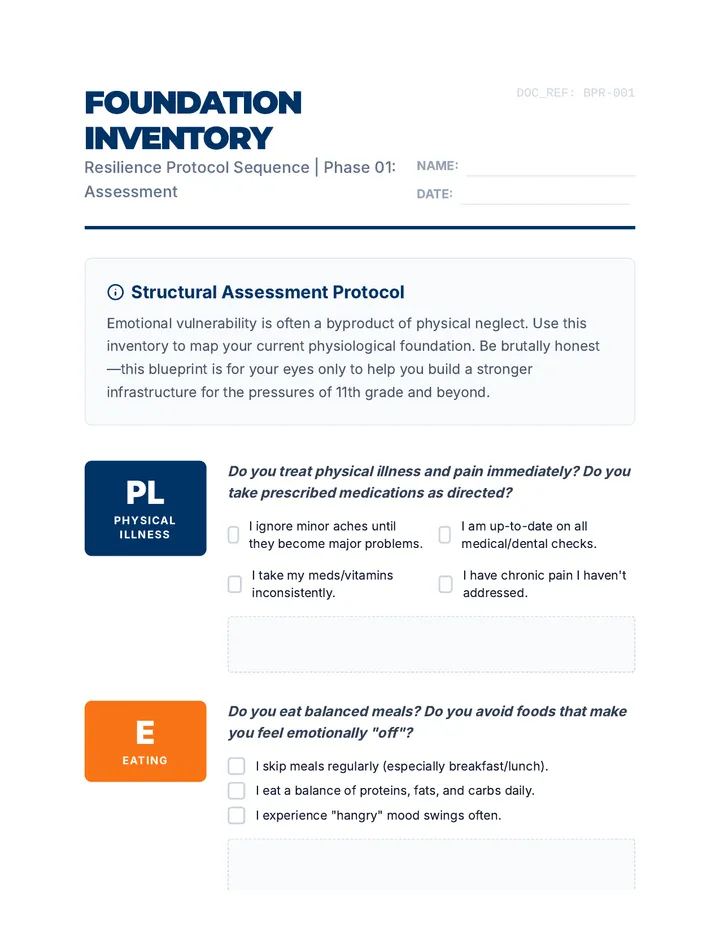
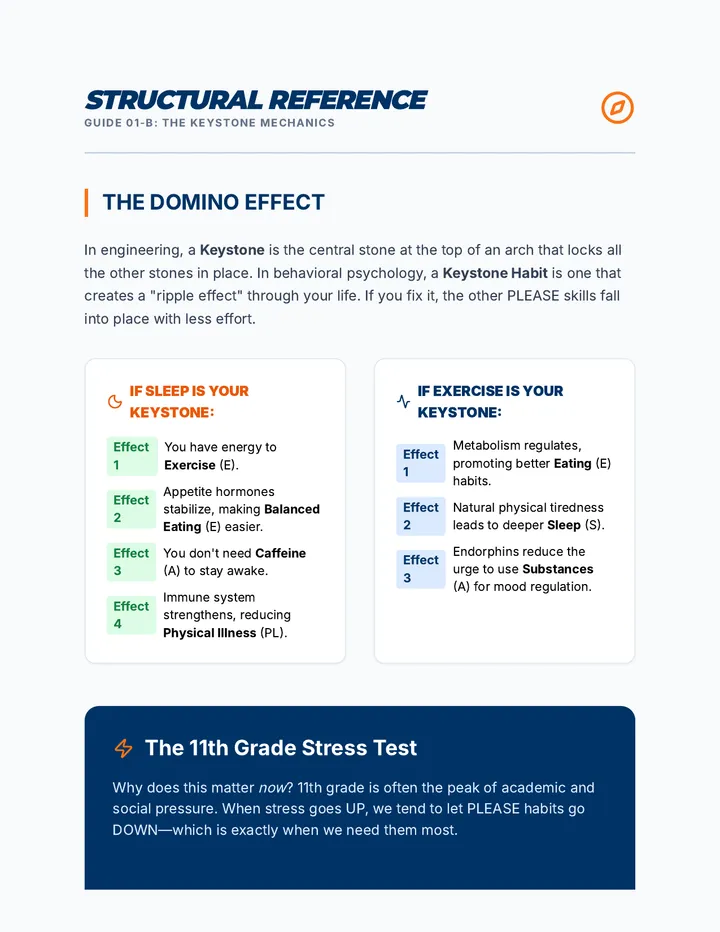
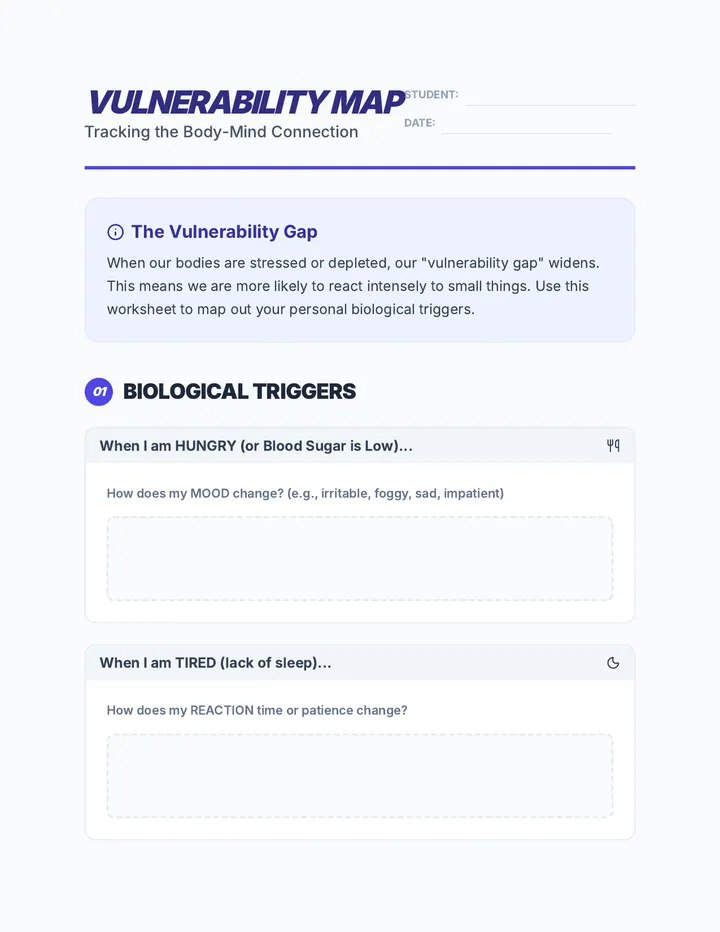
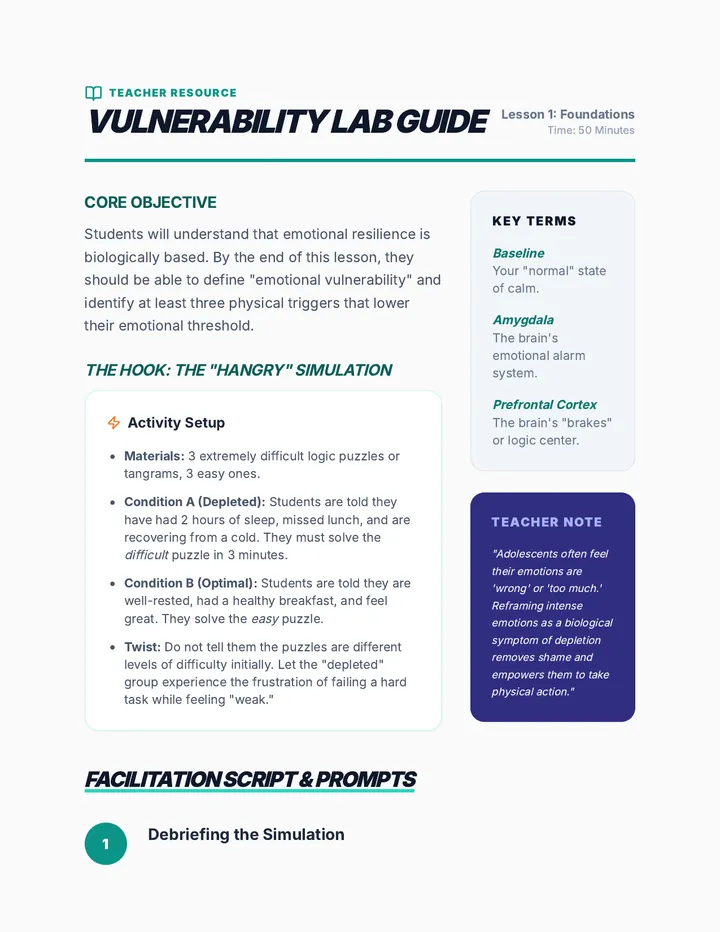
DBT-based strategies for managing physical health to decrease emotional sensitivity. Targets sleep hygiene, balanced nutrition, exercise, and physical illness management to build emotional resilience.
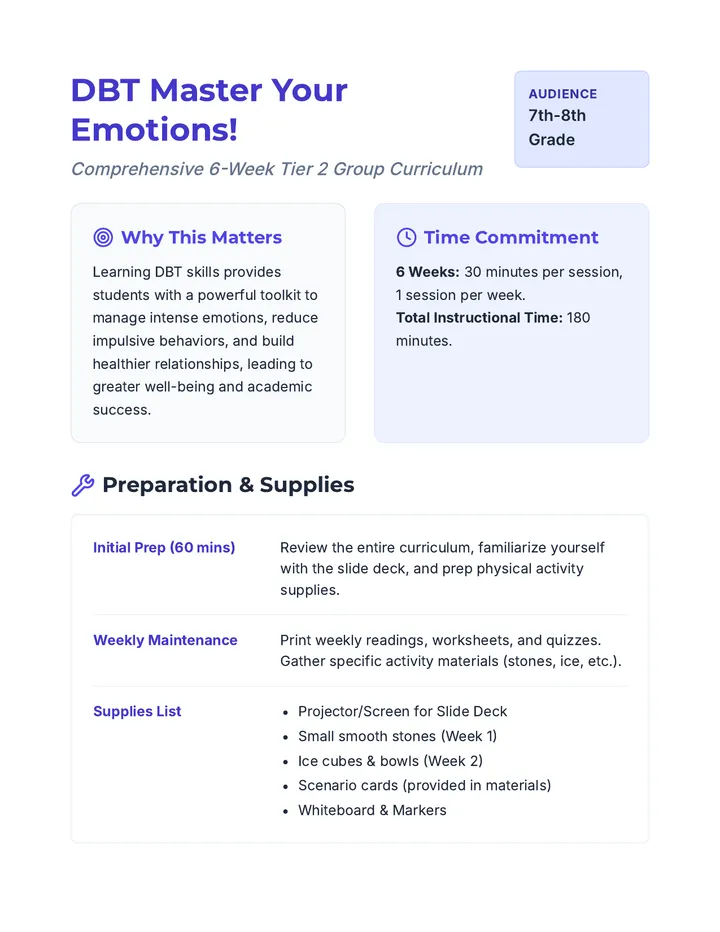
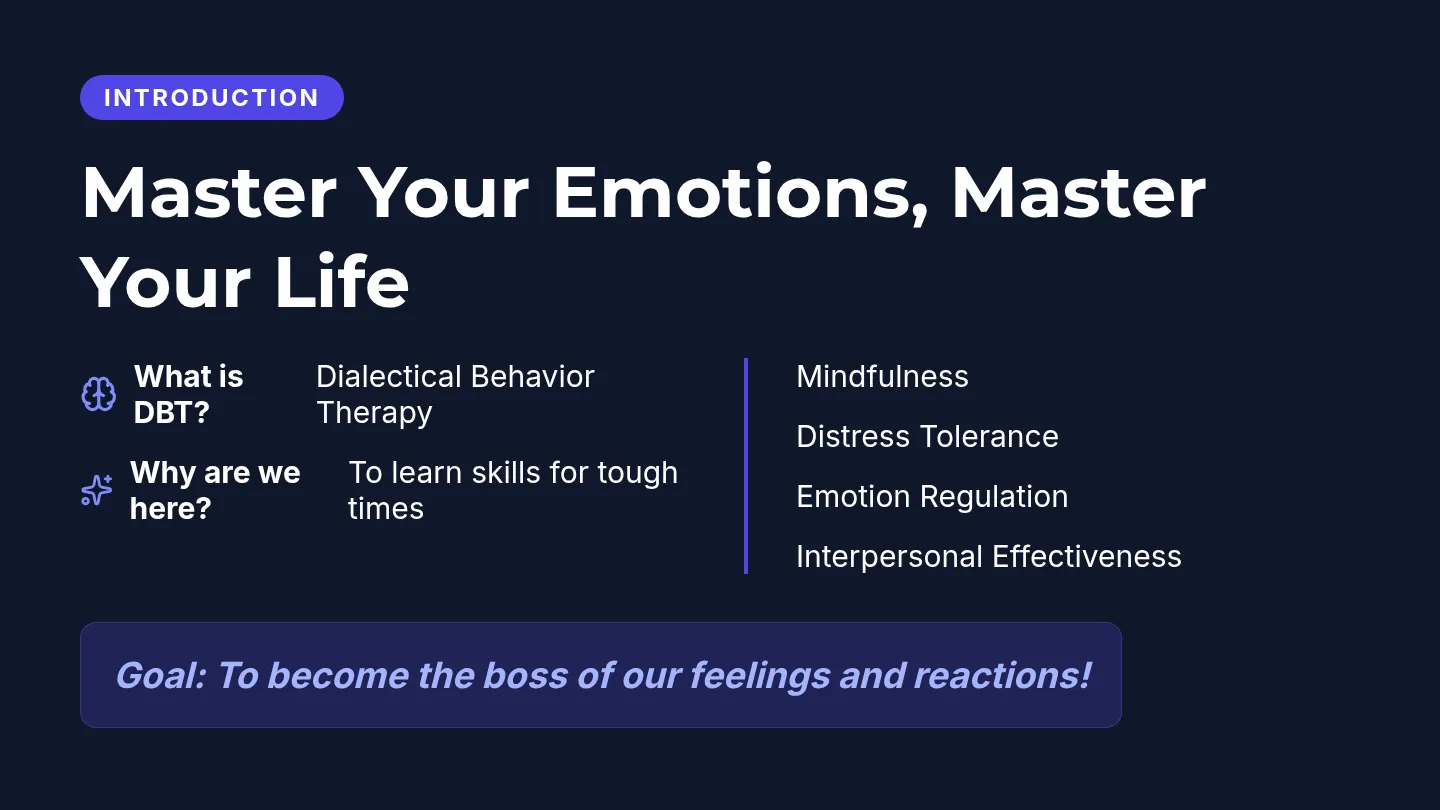
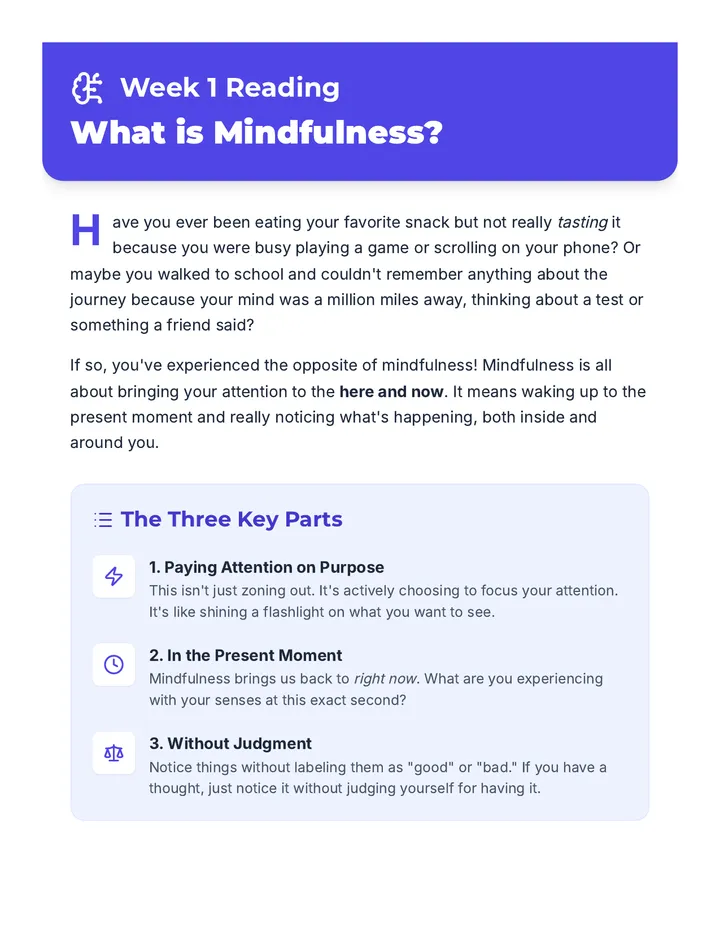
A comprehensive six-week DBT (Dialectical Behavior Therapy) skills curriculum for middle schoolers, focusing on mindfulness, distress tolerance, emotion regulation, and interpersonal effectiveness.
A comprehensive four-session individual DBT intervention designed for 10th-grade students to build foundational skills in mindfulness, distress tolerance, emotion regulation, and interpersonal effectiveness.
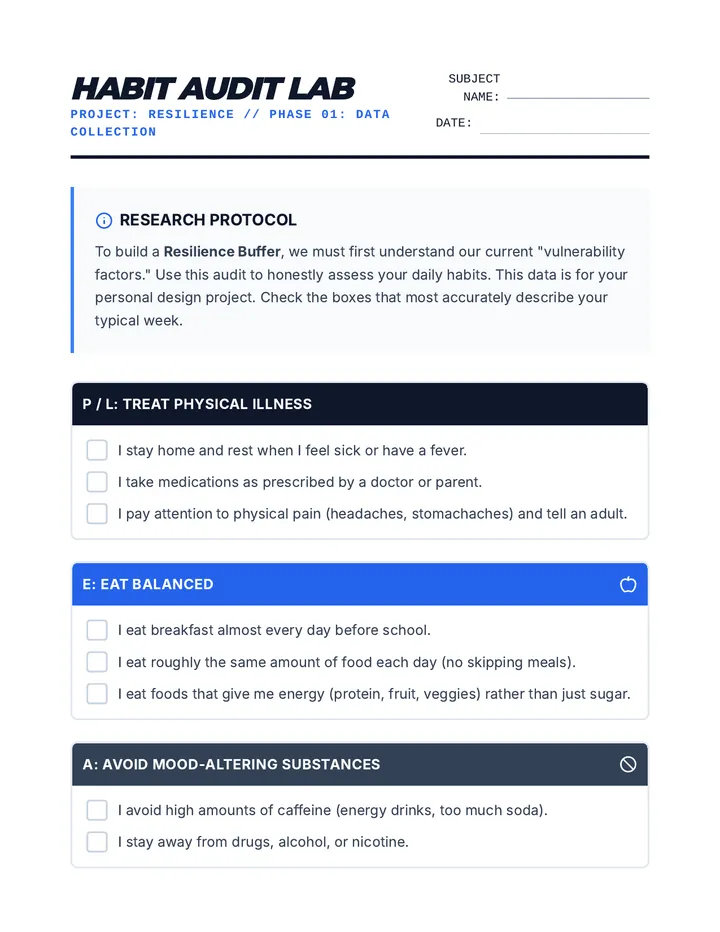
A project-based sequence where 6th-grade students treat their daily routines as a design challenge to reduce emotional vulnerability. Using the DBT PLEASE skills, students audit their habits and design a personalized 'Resilience Routine' for physical and emotional wellness.
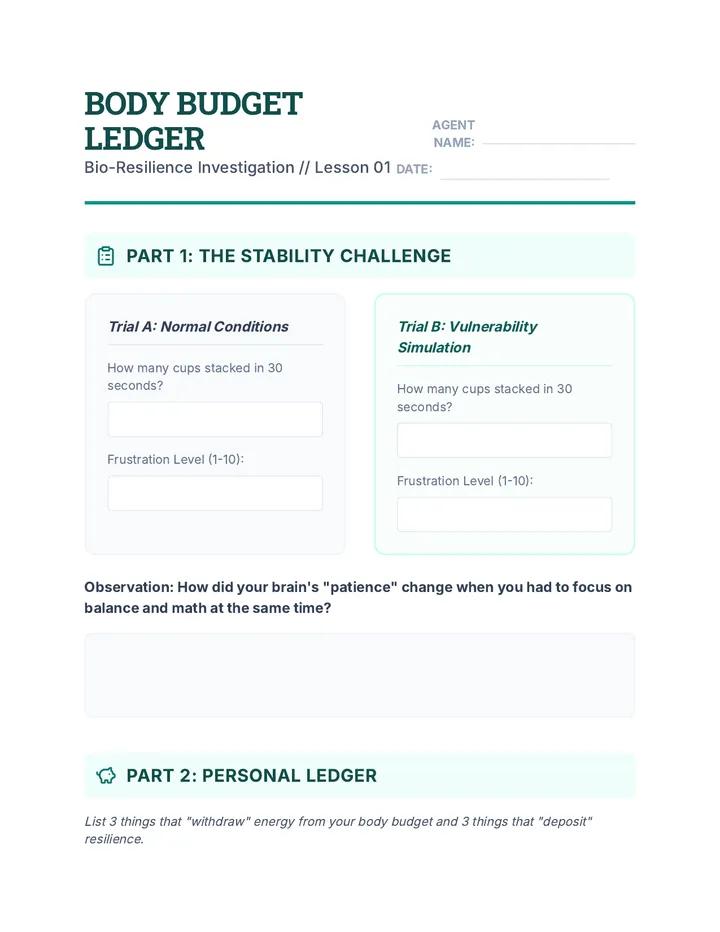
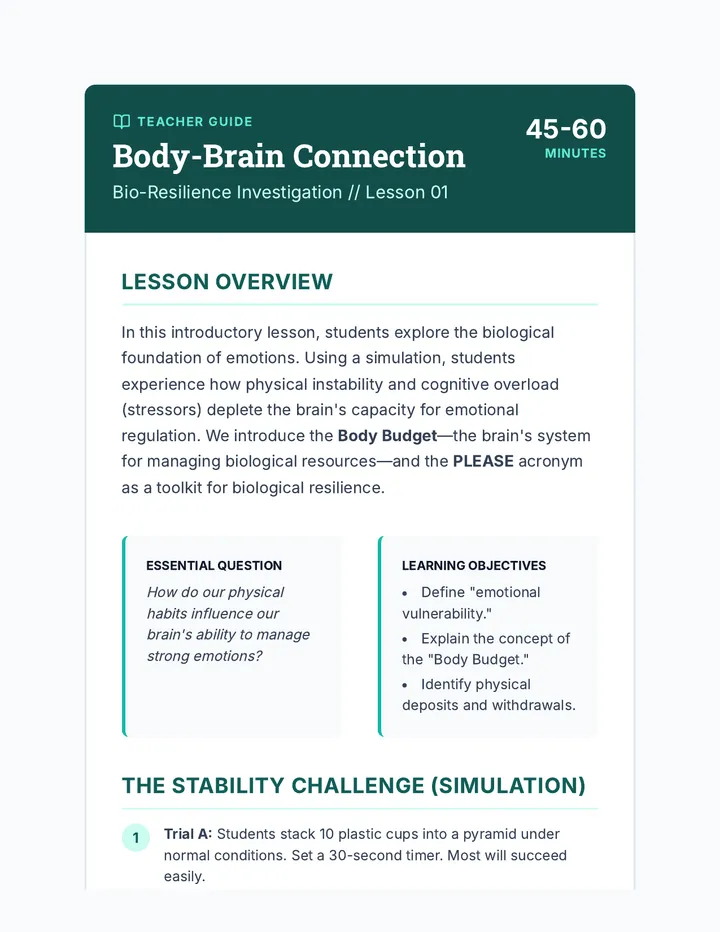
A 5-lesson inquiry into how physical health (the PLEASE skills) creates biological resilience against emotional vulnerability, designed for 6th-grade students.
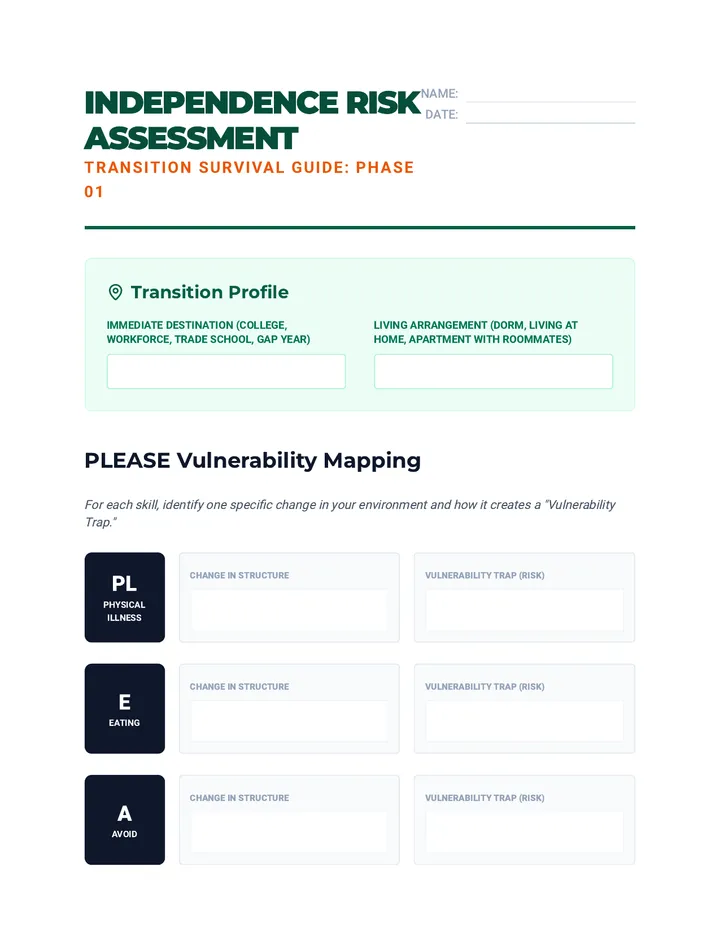
This project-based sequence prepares 12th graders for independent living by applying the PLEASE skills to future scenarios. Students identify potential disruptions to their physical and emotional health during major life transitions and develop a 'Transition Survival Guide' to maintain emotional stability.
This sequence examines the PLEASE skills (Physical illness, Lunch/Eating, Avoid mood-altering substances, Sleep, Exercise) through a Social Determinants of Health lens. Undergraduate counseling students will learn to adapt these therapeutic interventions for clients facing systemic barriers such as food insecurity, housing instability, and physical disability.
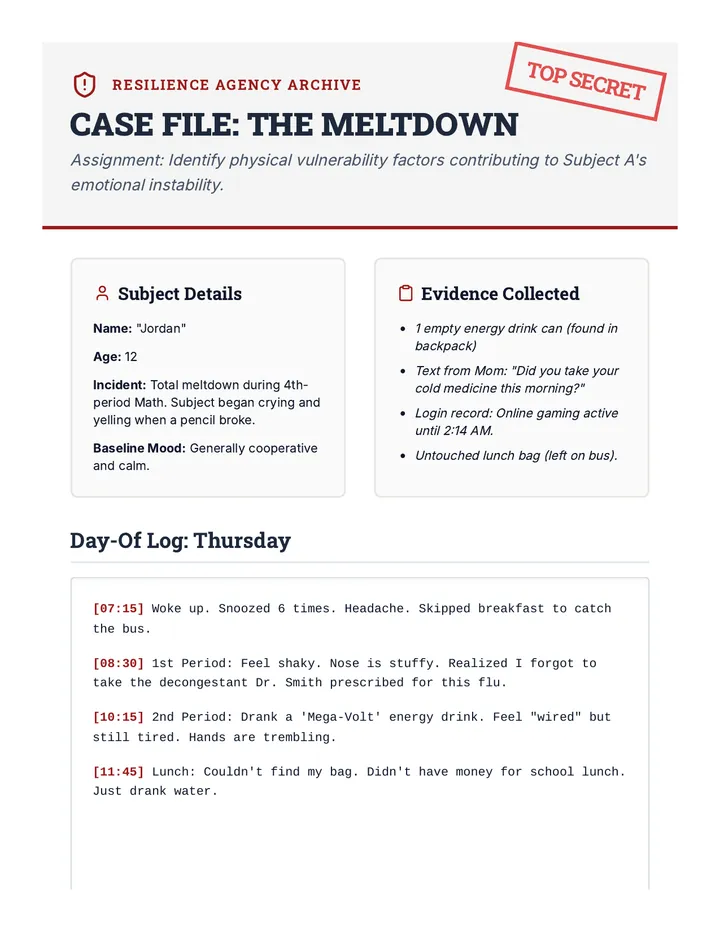
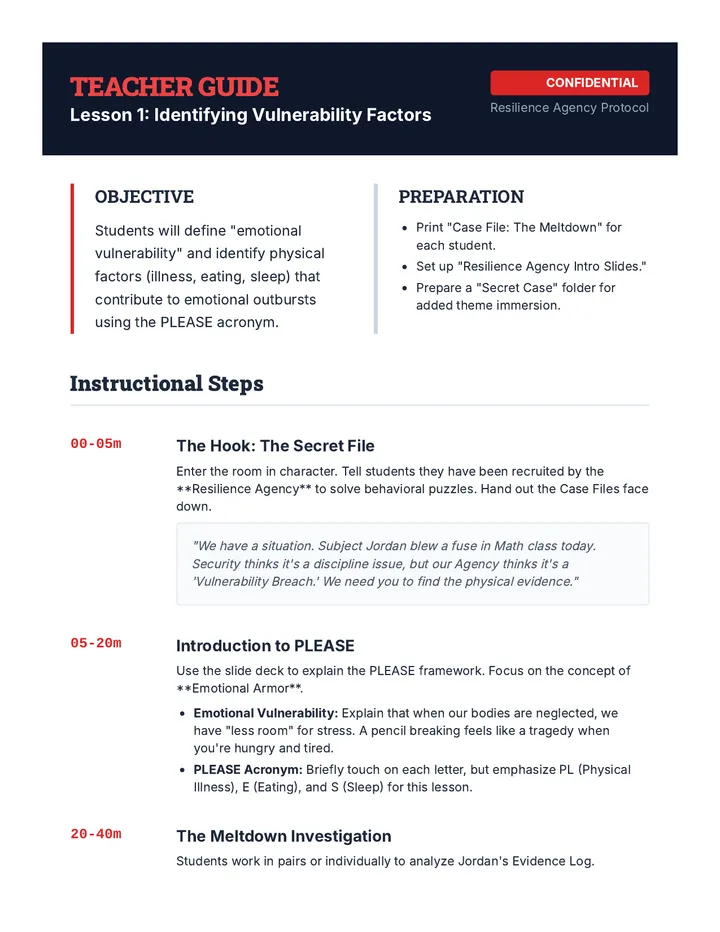
A case study-based sequence where 6th-grade students act as 'Resilience Consultants' to analyze how physical self-care (the PLEASE framework) reduces emotional vulnerability and prevents interpersonal conflict.
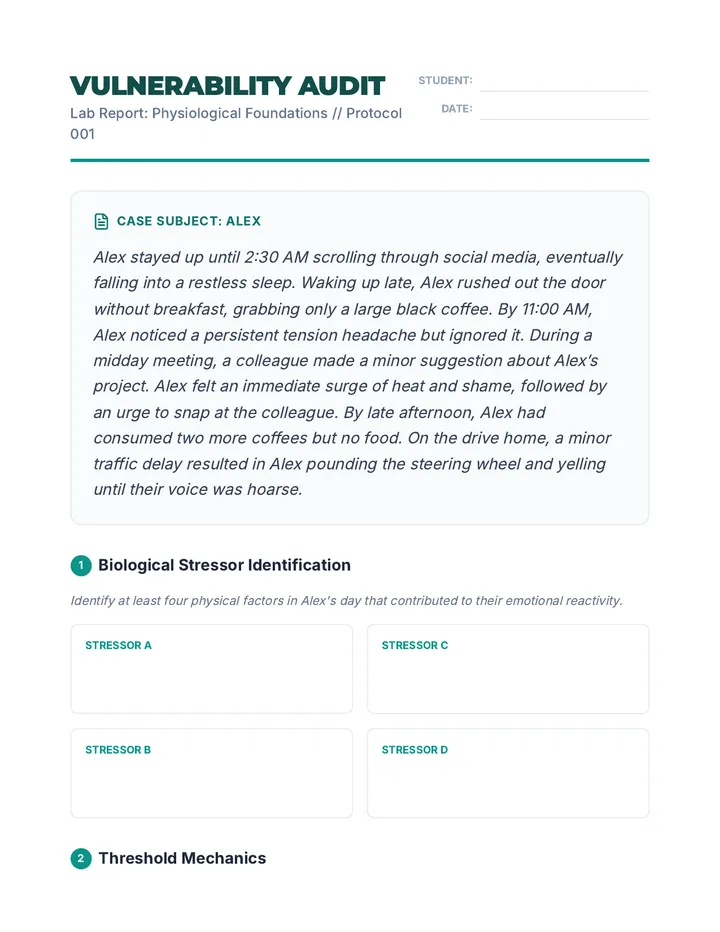
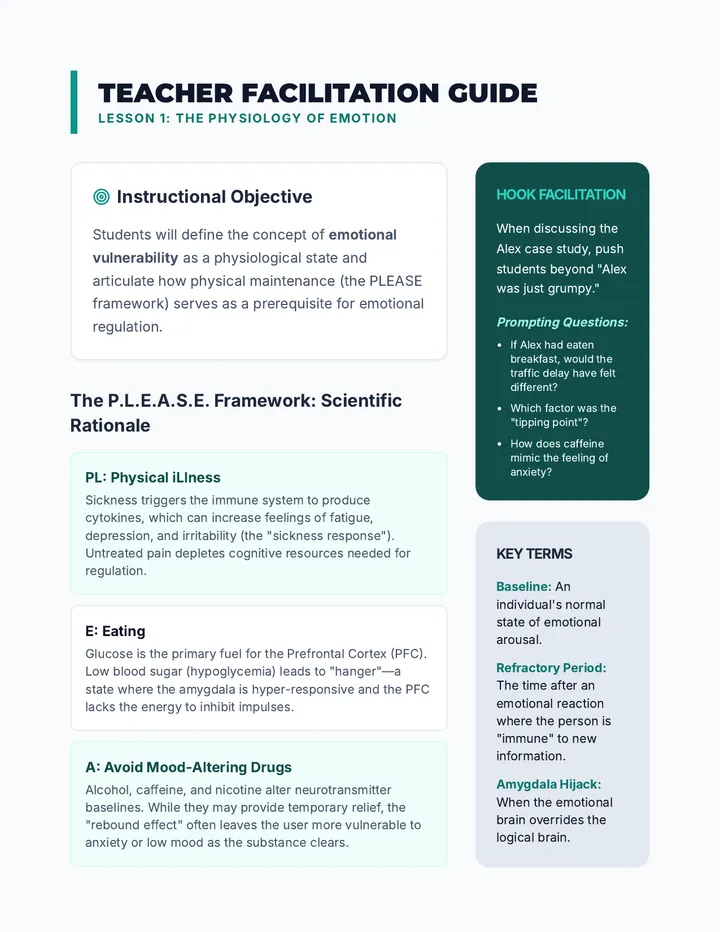
This sequence guides 12th-grade students through the physiological foundations of emotional regulation, focusing on the science behind the DBT 'PLEASE' skills. Students investigate how physical health factors like sleep, nutrition, and substance use create a biological threshold for emotional sensitivity.
A comprehensive 5-lesson sequence for 11th-grade students focused on mastering the PLEASE skills (DBT therapeutic approach) to reduce emotional vulnerability. Students move from self-assessment to crisis planning, data analysis, and peer consultancy, culminating in a professional 'Resilience Portfolio' designed for their transition to young adulthood.
This 5-lesson sequence for 8th graders explores the DBT-based PLEASE skills to understand the biological foundations of emotional regulation. Students learn how managing physical health—sleep, nutrition, and movement—acts as 'armor' against emotional vulnerability and reactivity.
This sequence explores the physiological foundations of the DBT 'PLEASE' skills. Students investigate the neurobiological mechanisms through which physical health impacts emotional regulation, focusing on sleep, nutrition, and exercise.
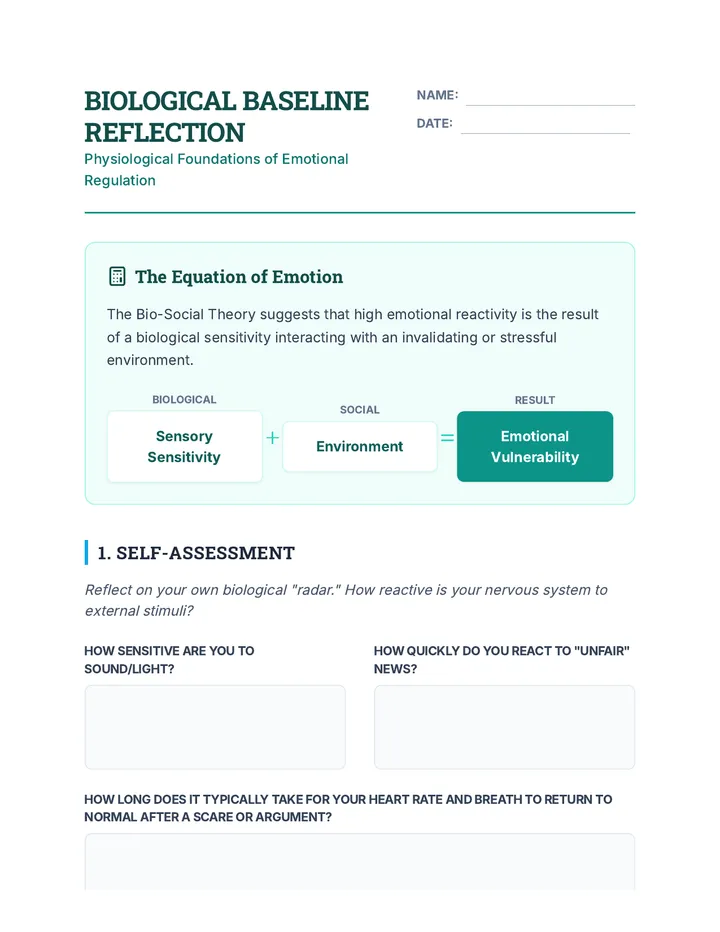
An 11th-grade sequence exploring the physiological foundations of emotional regulation, focusing on the Bio-Social Theory and the 'Treating Physical Illness' (PL) component of the PLEASE skills. Students investigate how physical health serves as the primary defense against emotional vulnerability.
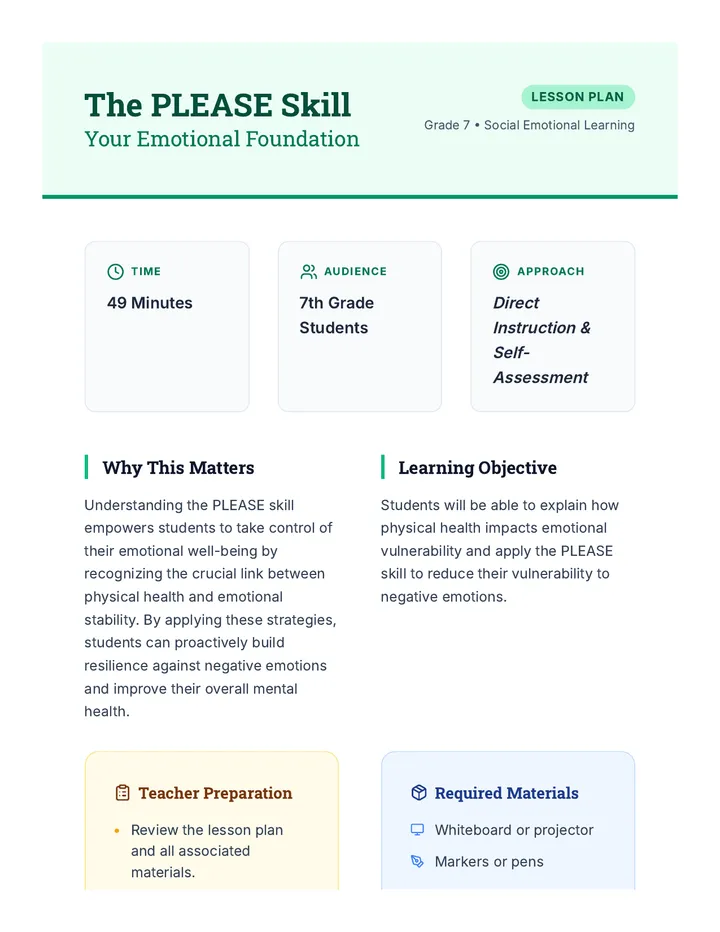
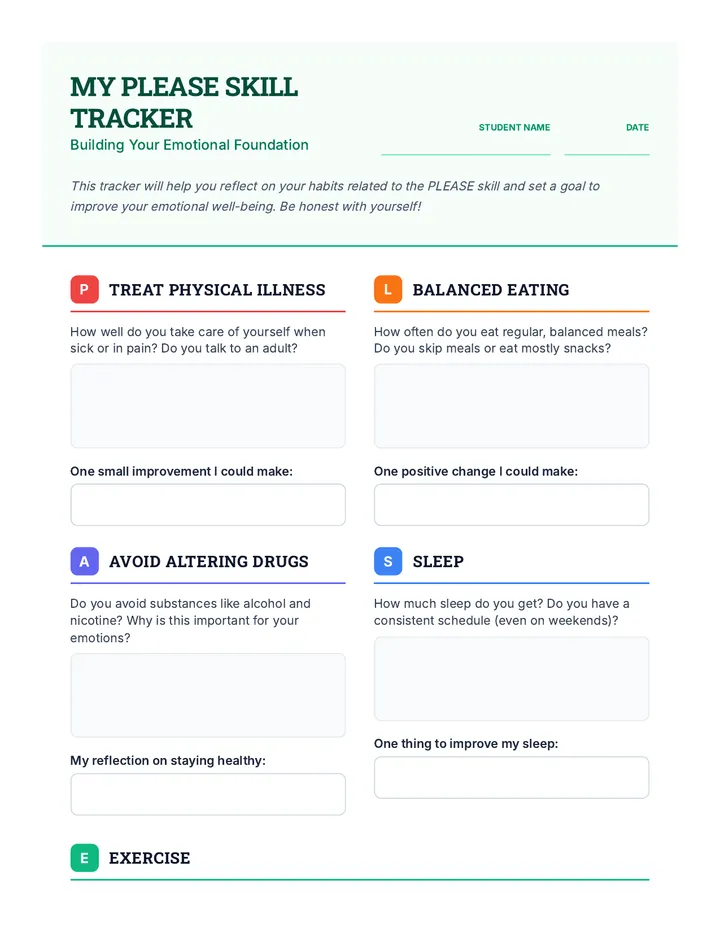
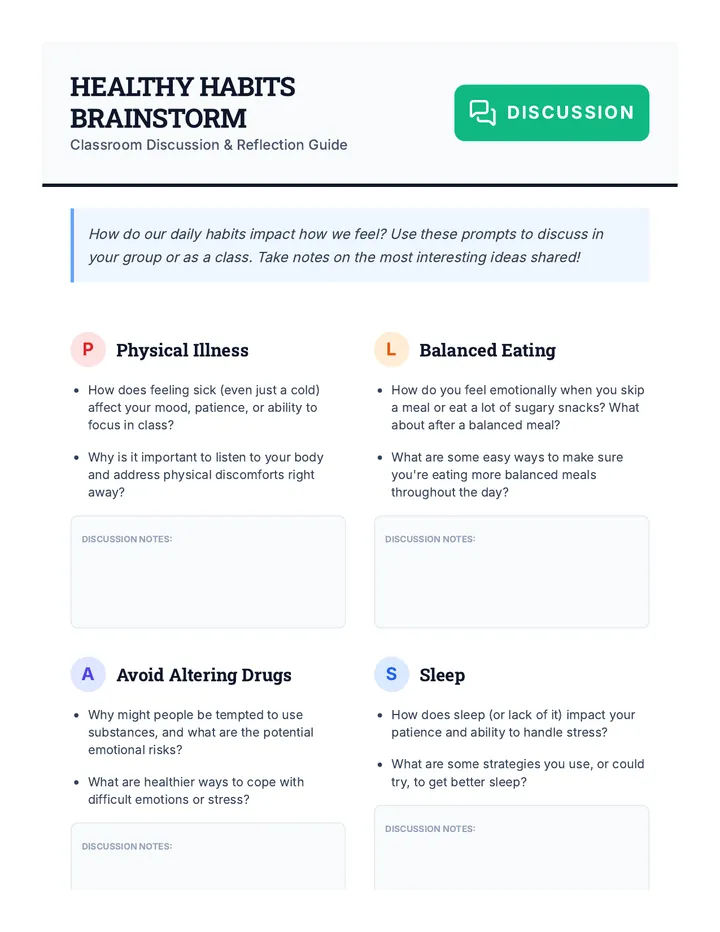
This lesson introduces 7th-grade students to the PLEASE skill, a powerful tool for understanding how physical health influences emotional vulnerability. Students will learn the components of the PLEASE acronym and apply it to their own lives to build a stronger emotional foundation.
A 30-minute interactive lesson for undergraduate students focused on identifying stressors, building healthy coping mechanisms, and understanding the role of counseling in personal growth.
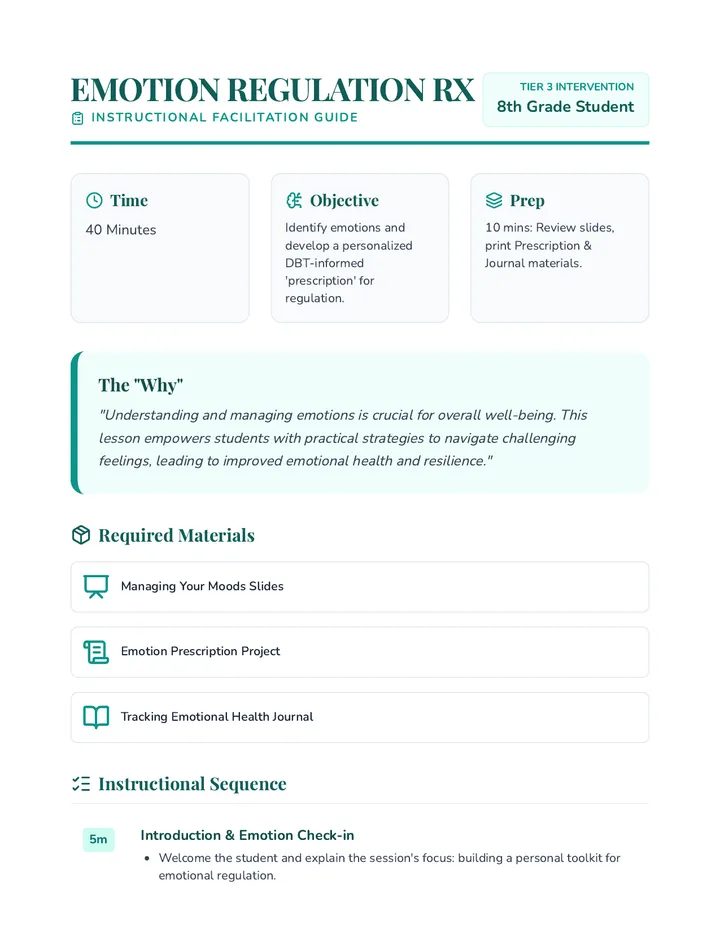
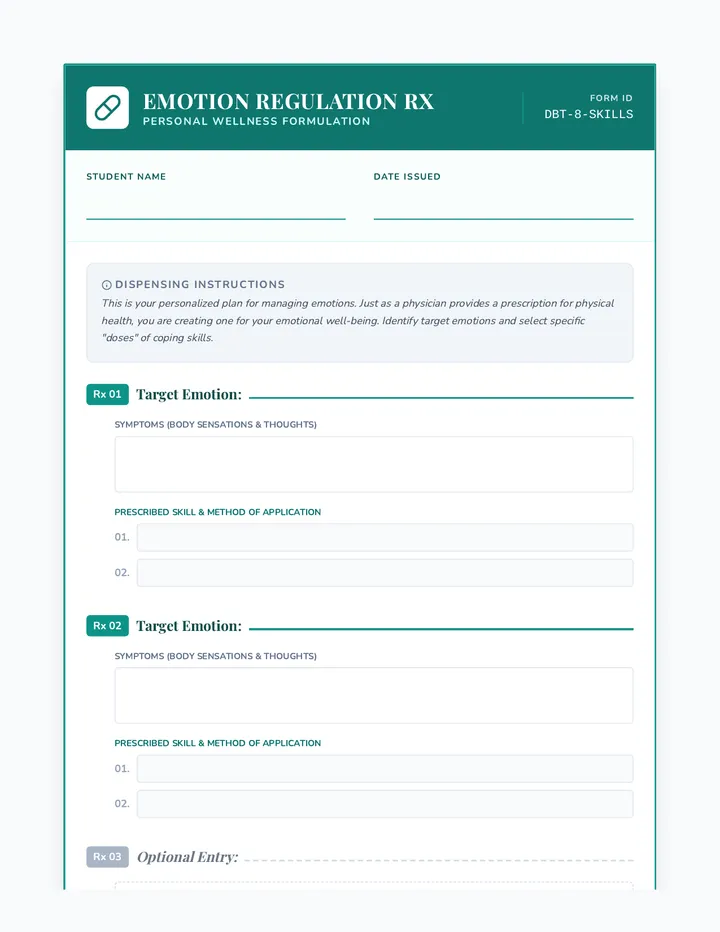
A personalized Tier 3 intervention for 8th-grade students to develop DBT-informed coping skills and create a custom 'prescription' for emotional regulation.
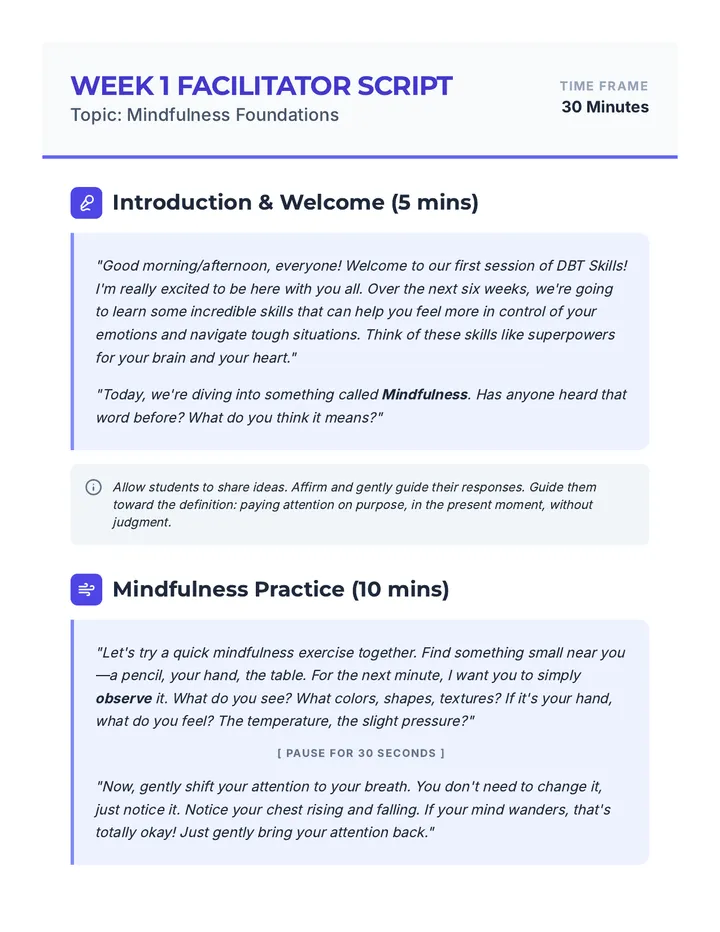
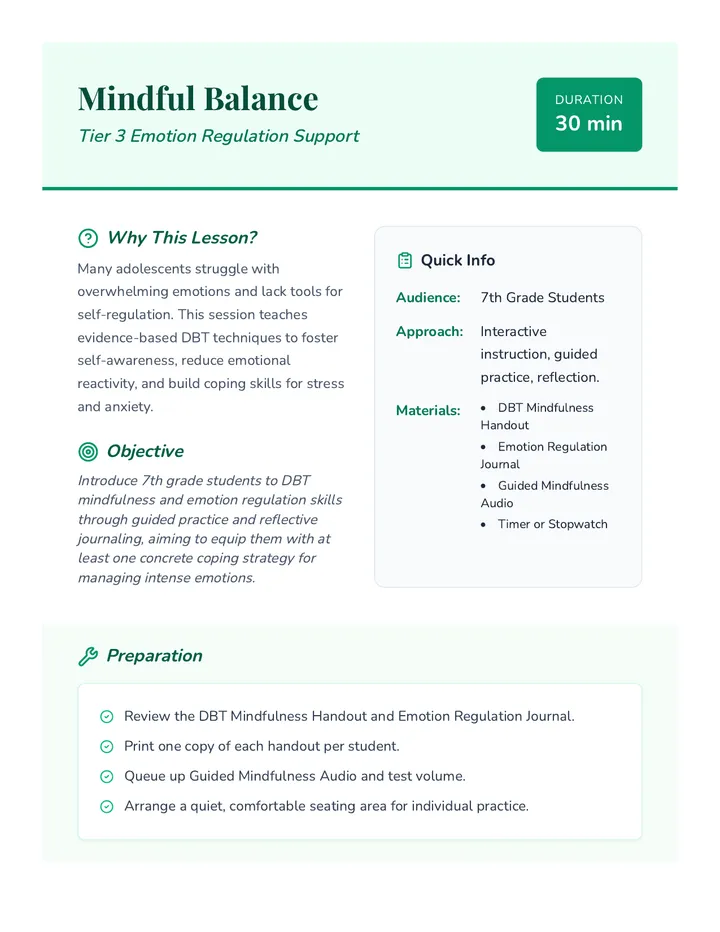
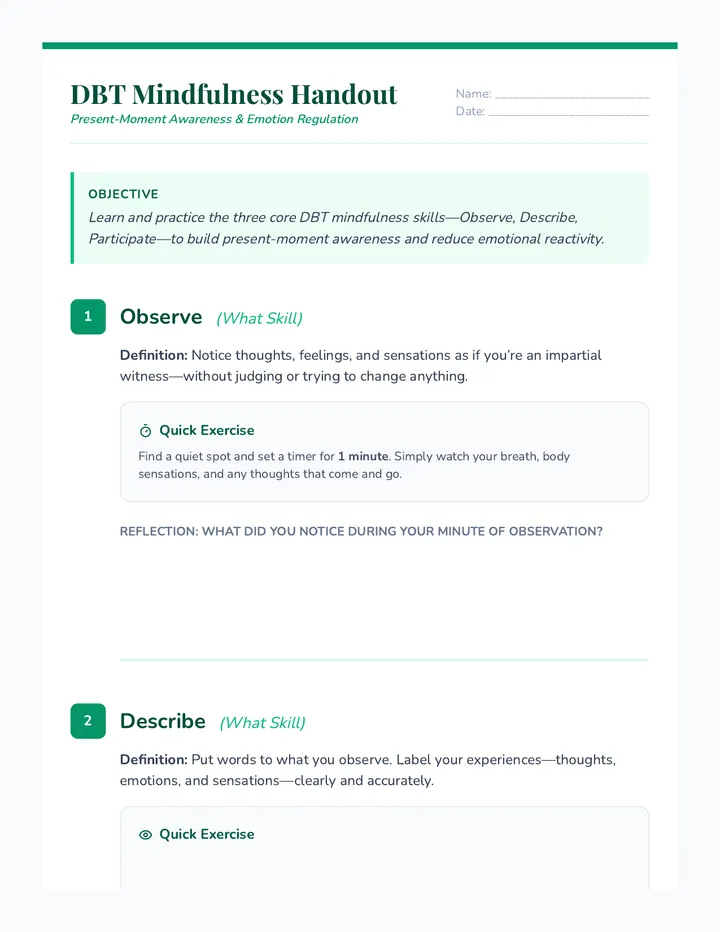
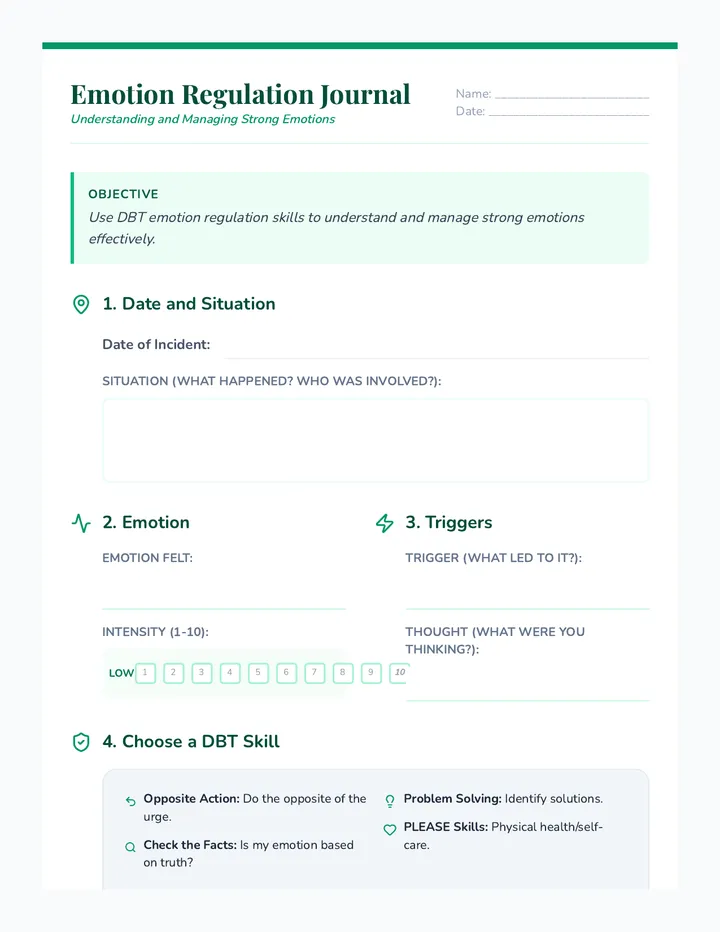
A 30-minute individualized session for 7th graders introducing DBT skills, focusing on mindfulness and emotion regulation to manage intense emotions.
This lesson focuses on helping students understand and practice emotion regulation techniques through guided discussion and active learning. It equips high schoolers with essential skills for emotional well-being, academic performance, and interpersonal relationships using a trauma-informed approach.