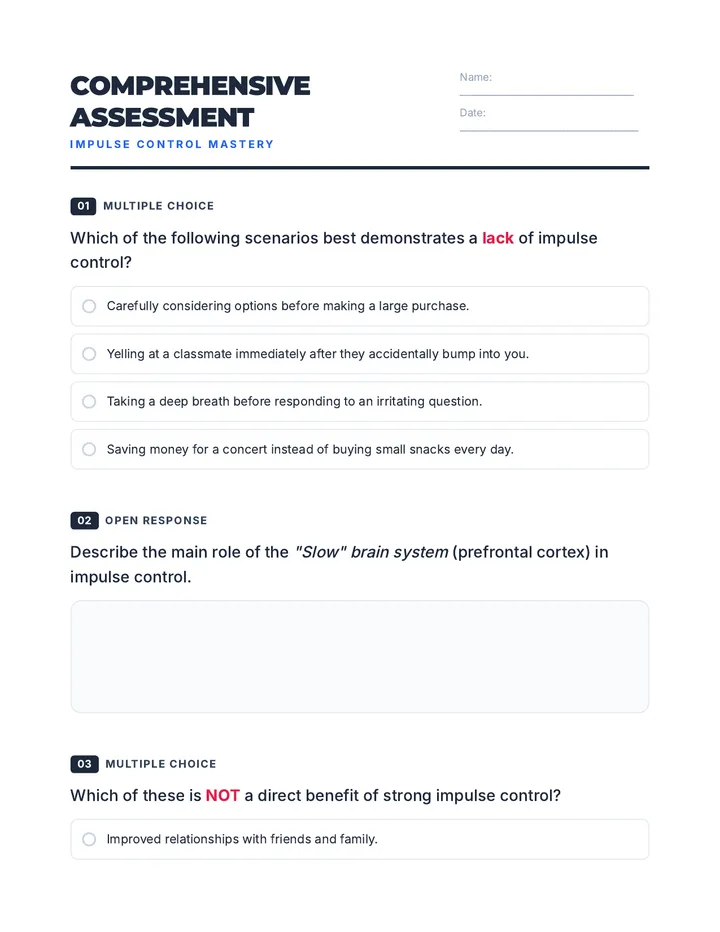
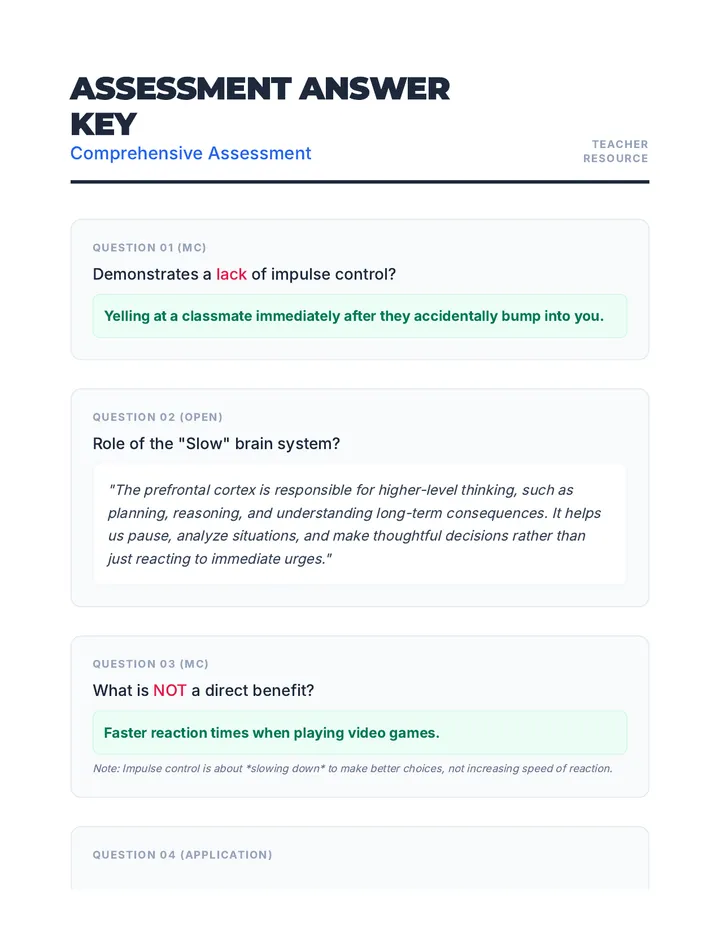
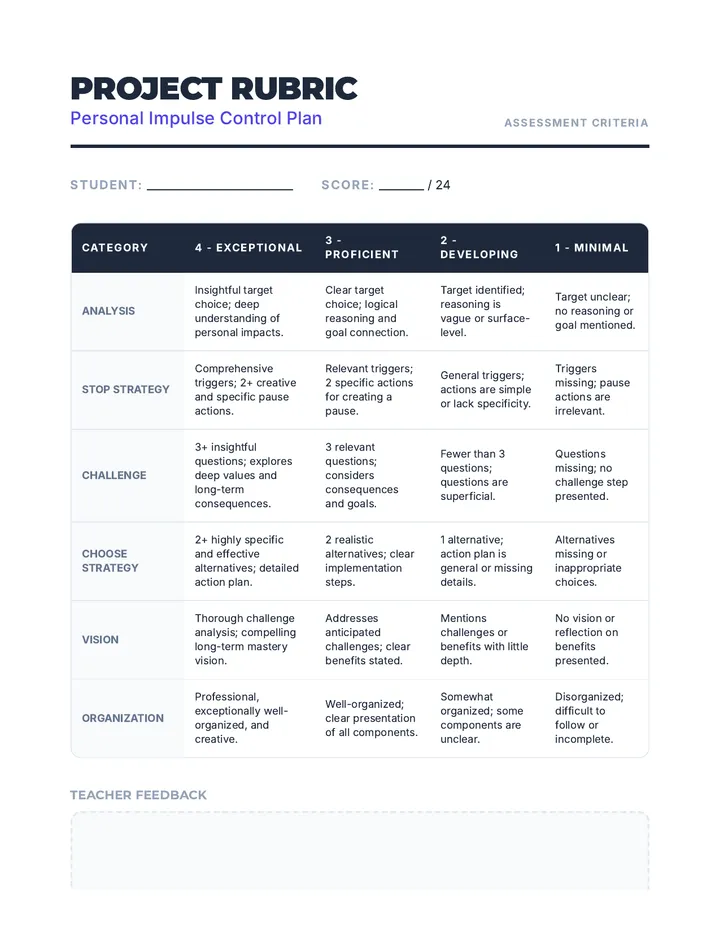
Impulse control strategies and techniques for prioritizing long-term rewards over immediate satisfaction. Strengthens self-regulation through goal-setting exercises and patience-building activities.
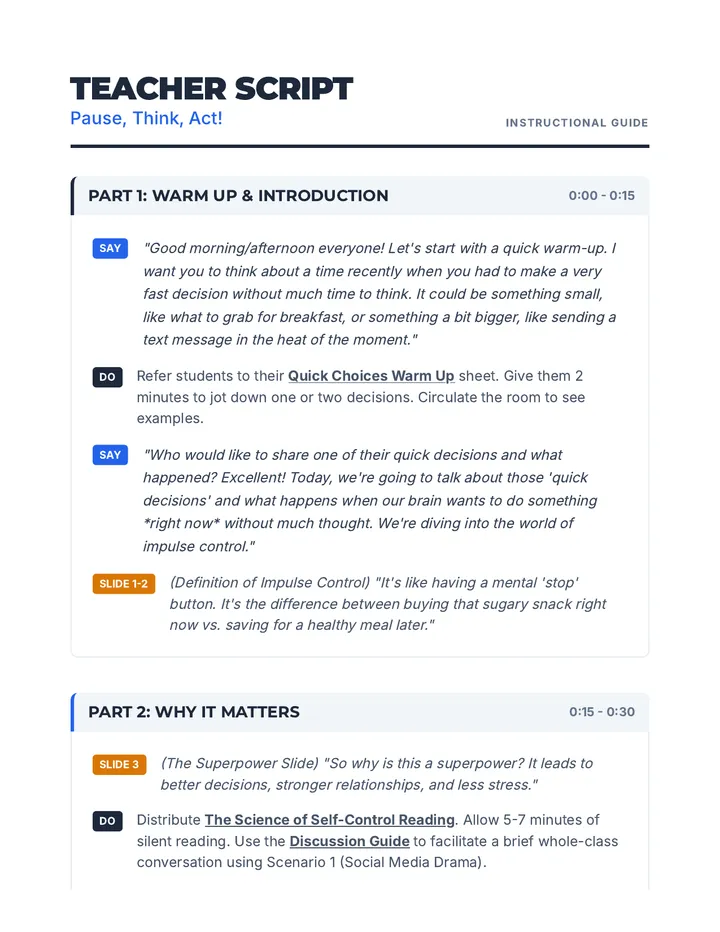
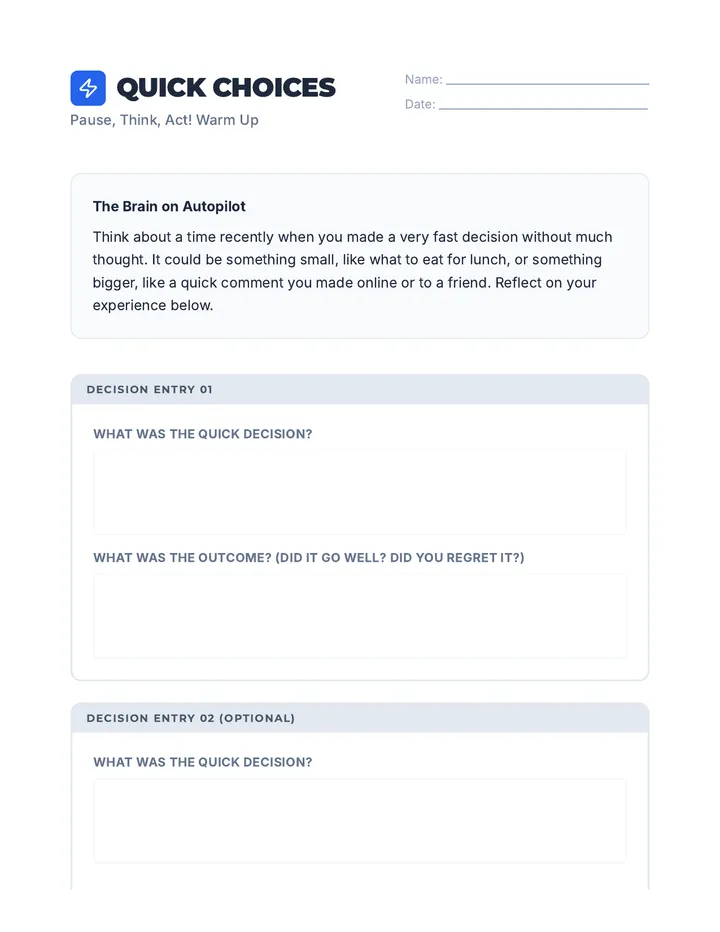
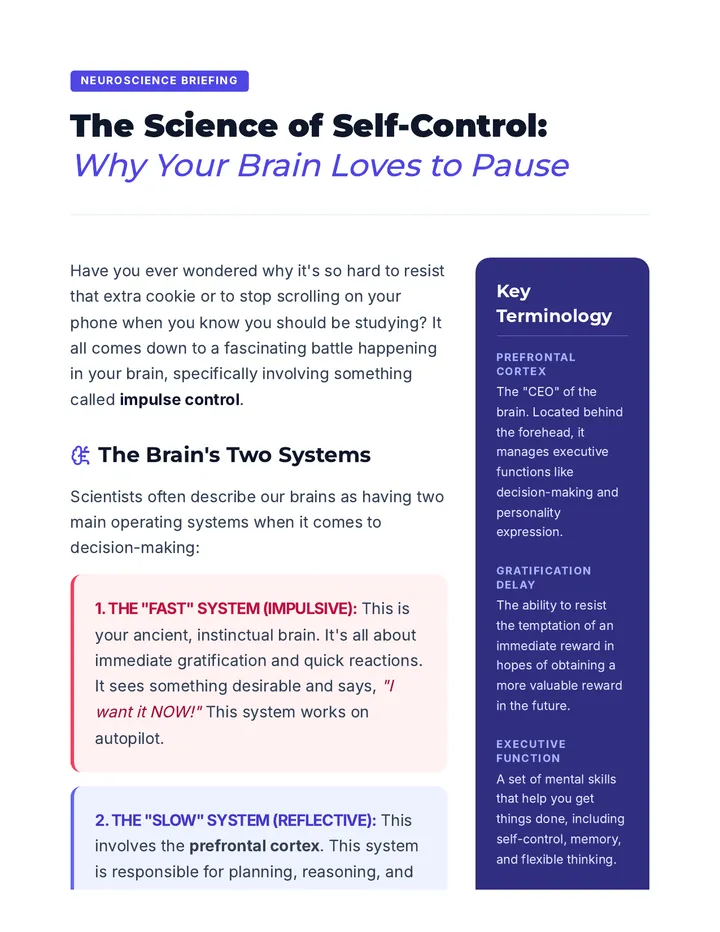
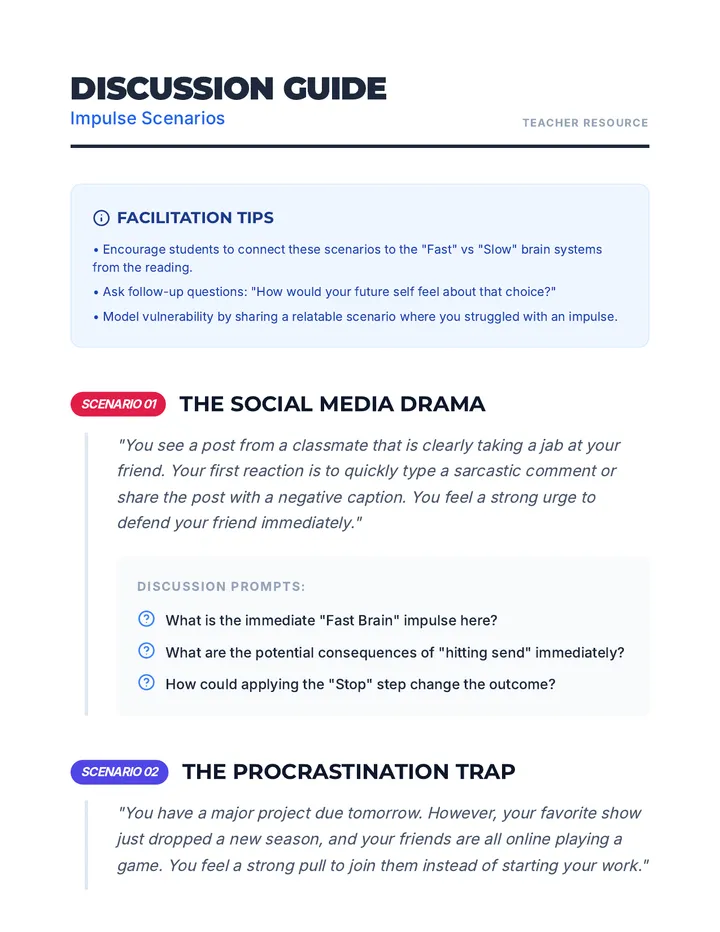
A comprehensive two-part unit for Secondary 1 and 2 students focusing on developing impulse control. Students learn to navigate immediate urges using the 'Pause, Think, Act' and 'Pause, Process, Proceed' frameworks through interactive activities, real-world scenarios, and personal planning.
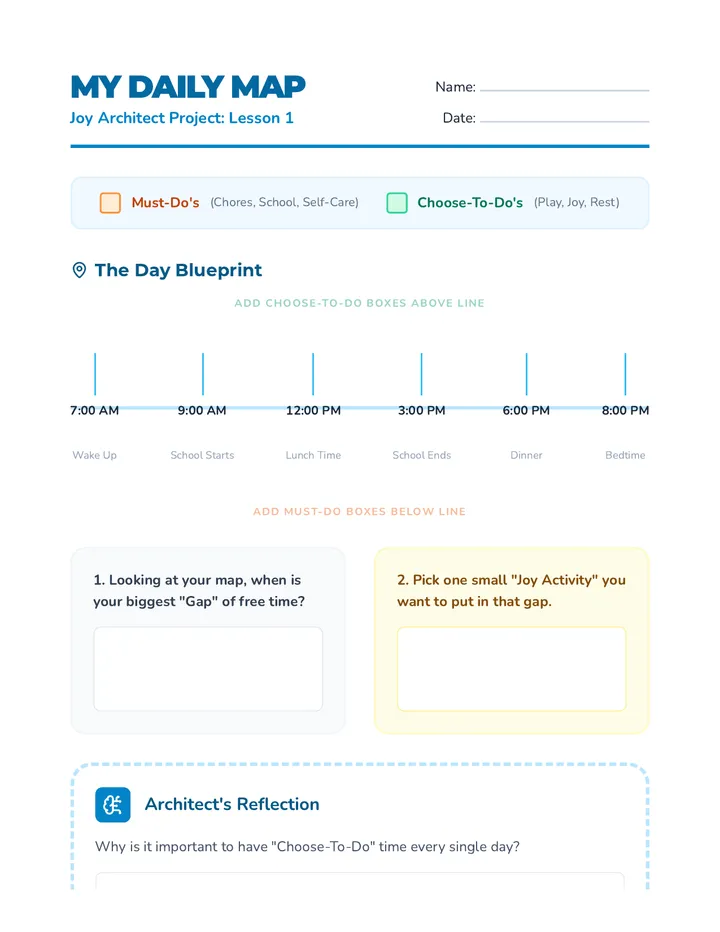
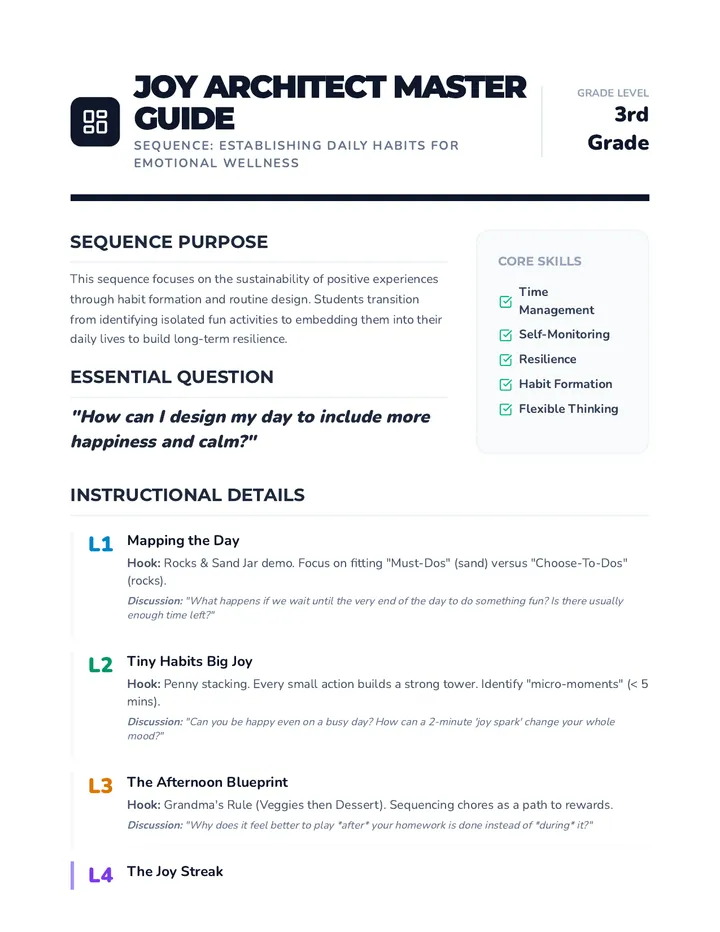
A 5-lesson unit for 3rd graders focused on building emotional resilience through habit formation. Students learn to audit their time, identify small 'micro-moments' of joy, and design balanced daily schedules that prioritize positive experiences.
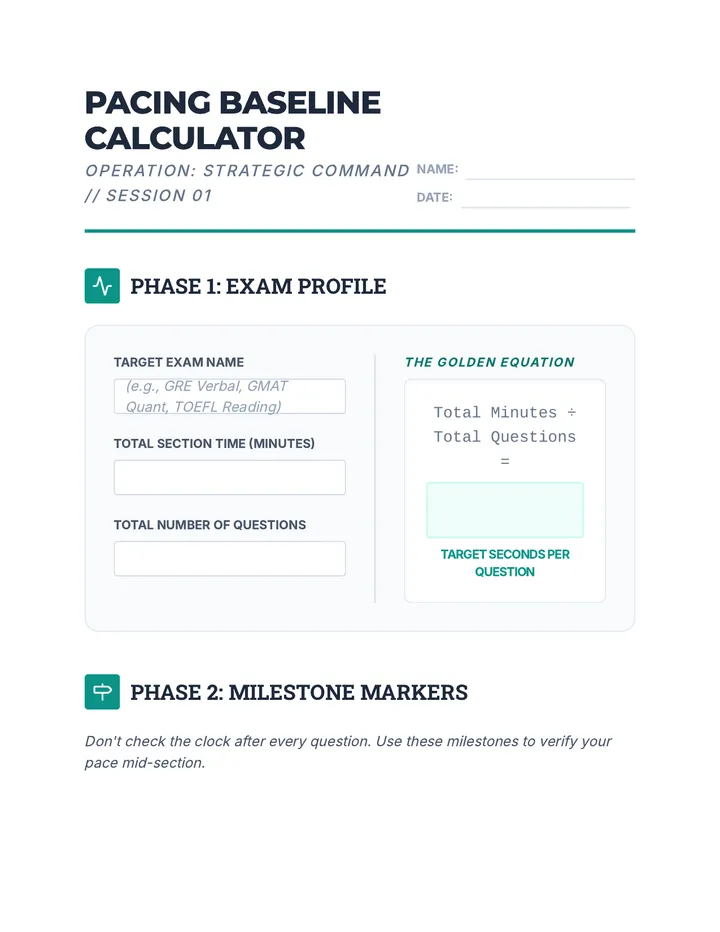
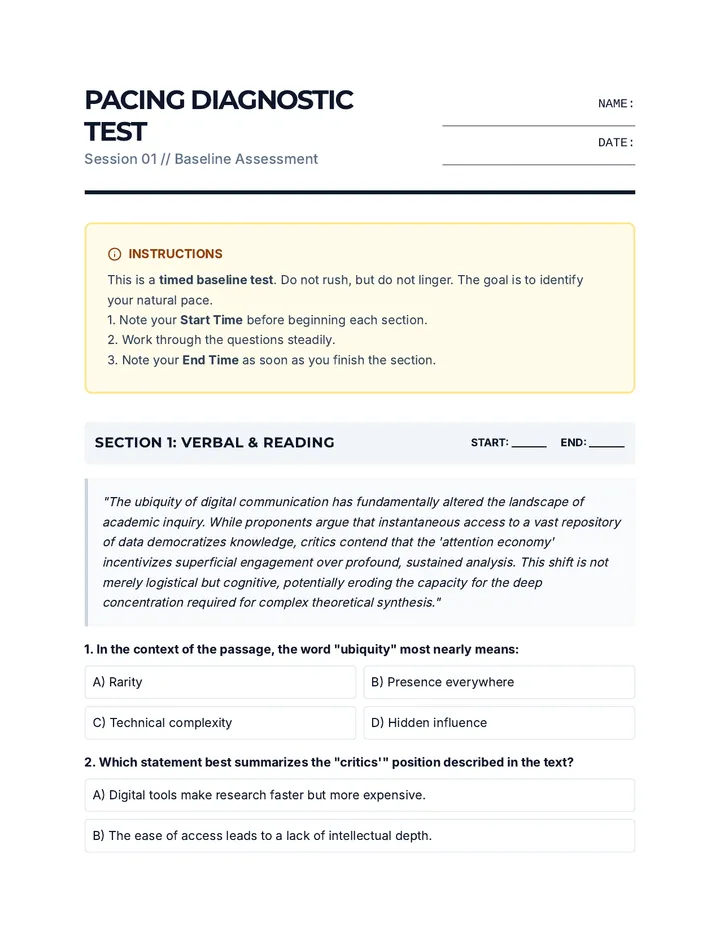
A comprehensive graduate-level sequence focused on the psychological and logistical aspects of high-stakes testing, including time management, anxiety reduction, and strategic decision-making.
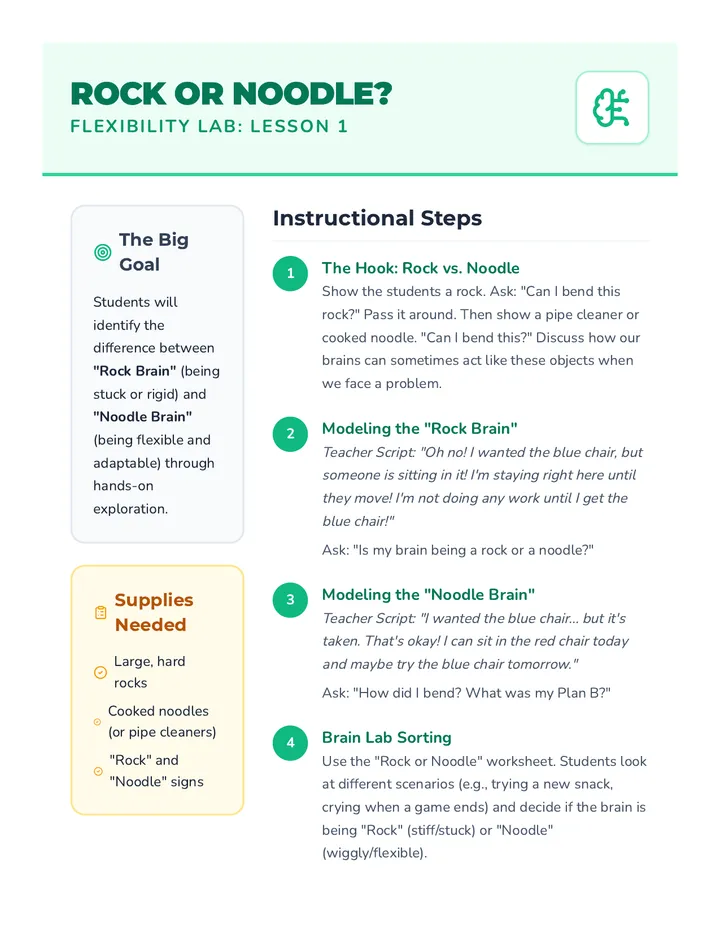
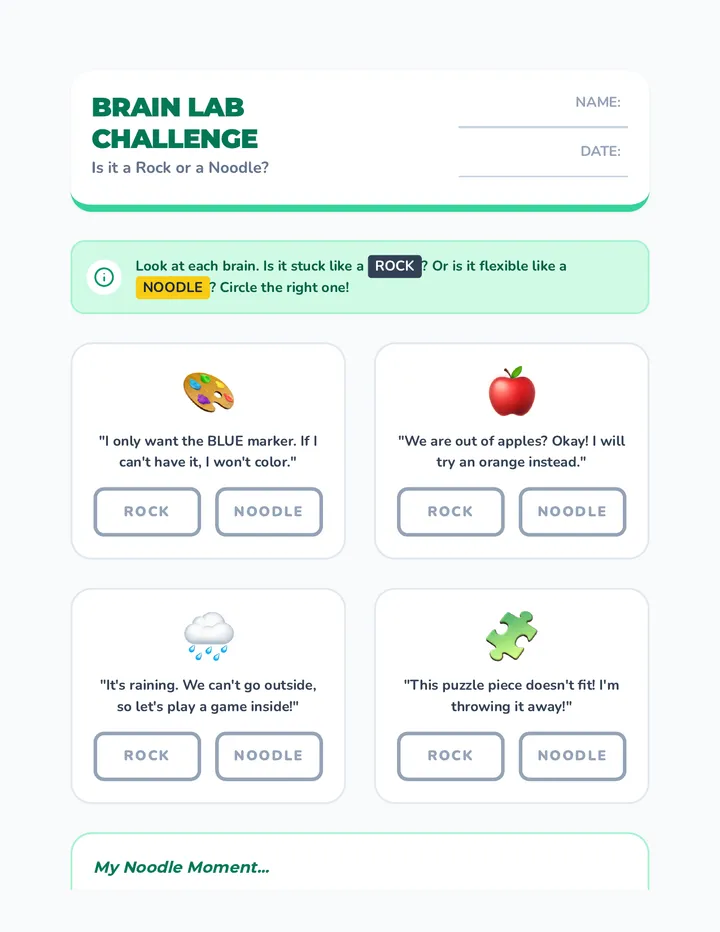
A 5-lesson unit for 1st-grade students focusing on cognitive flexibility. Students learn to navigate obstacles, tool breakage, schedule changes, and unavailability using the 'Rock Brain' vs. 'Noodle Brain' metaphor and the 'Plan B' framework.
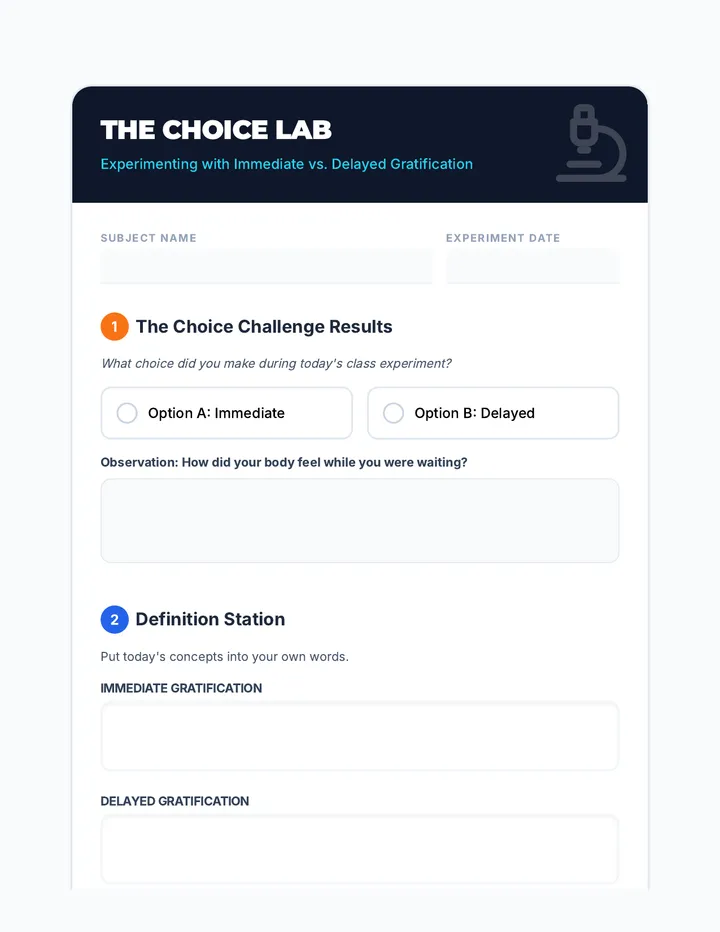
This sequence explores the psychological and neurological mechanisms of delayed gratification, moving beyond willpower to evidence-based strategies like commitment devices and environmental architecture. Students will analyze hyperbolic discounting, fMRI brain studies, and implementation intentions to build a personalized framework for long-term goal achievement.
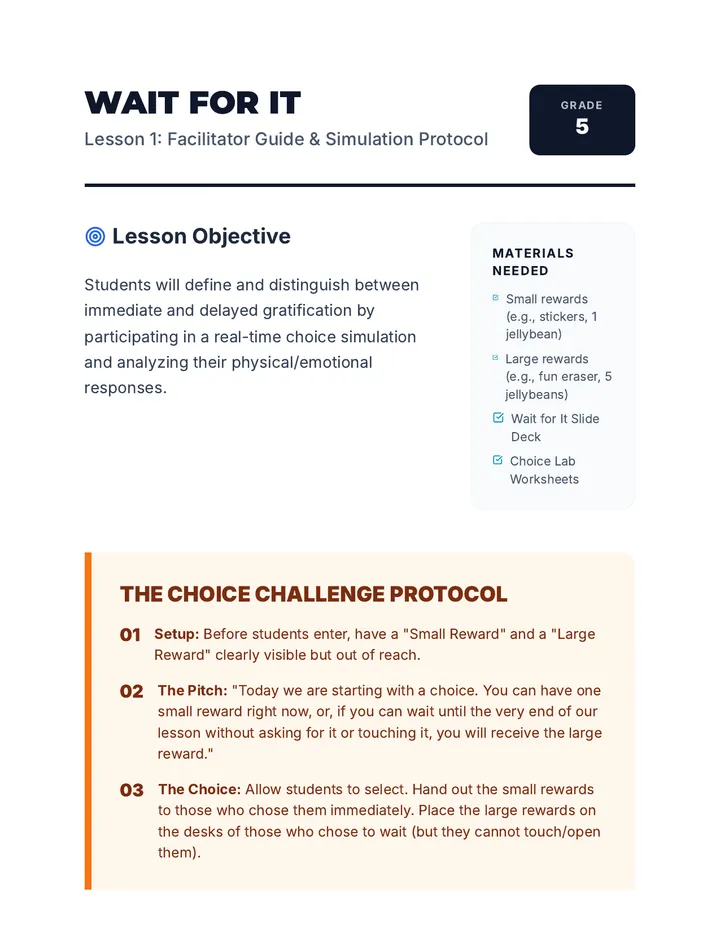
A comprehensive 5-lesson sequence designed to help 5th-grade students understand, identify, and manage impulses through cognitive strategies. Students progress from defining immediate versus delayed gratification to applying advanced distraction and reframing techniques in complex social situations.
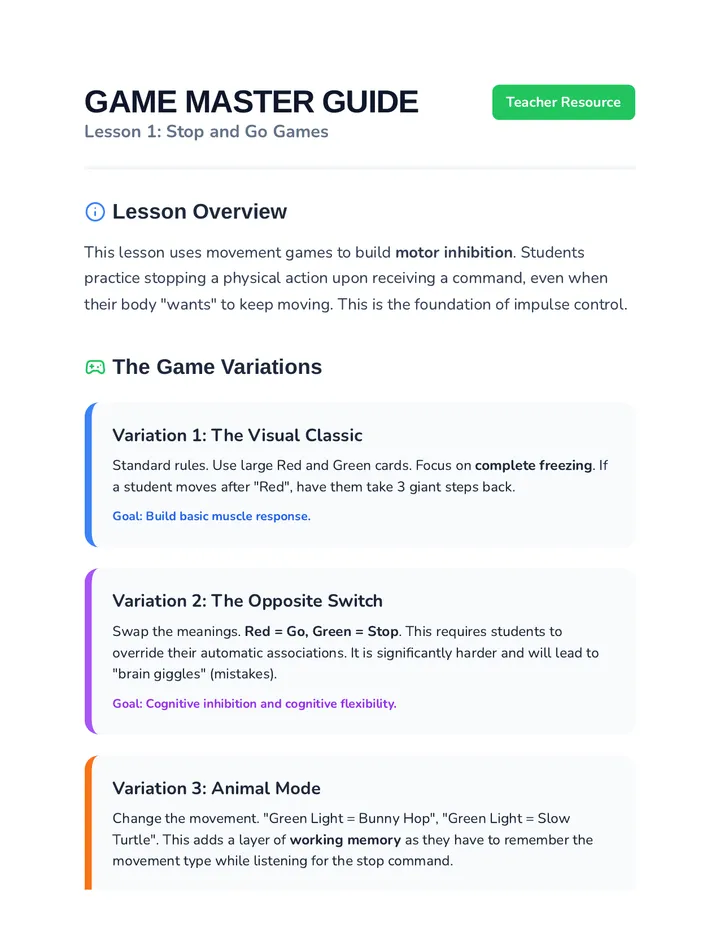
A 5-lesson unit for 1st-grade students focused on building impulse control and executive function through active games and cognitive strategies. Students progress from physical motor inhibition to more complex decision-making models using the 'Stop, Think, Go' framework.
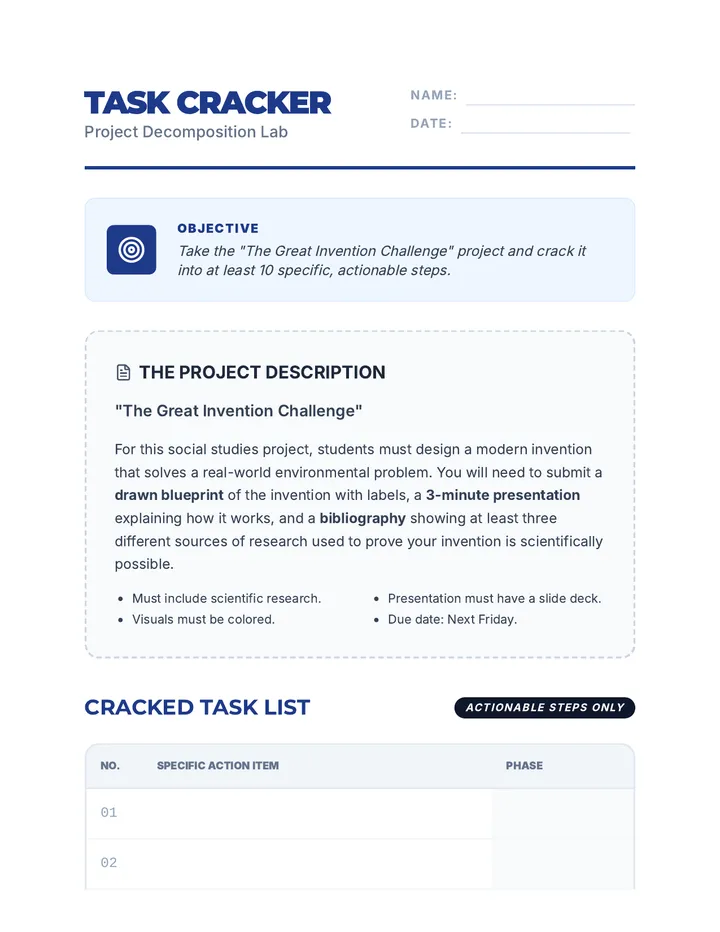
A project-based sequence for 7th-grade students to master 'Backwards Planning' by breaking down complex projects into manageable milestones, estimating time accurately, and developing accountability strategies to overcome procrastination.
A Kindergarten sequence focused on building task persistence and management through visual supports, routines, and incremental stamina building. Students learn to use timers, First/Then boards, and self-monitoring tools to sustain attention.
A Kindergarten sequence focused on introducing financial literacy through the lens of delayed gratification, goal setting, and visual progress tracking. Students learn that waiting and saving can lead to greater rewards through hands-on simulations and visual tools.
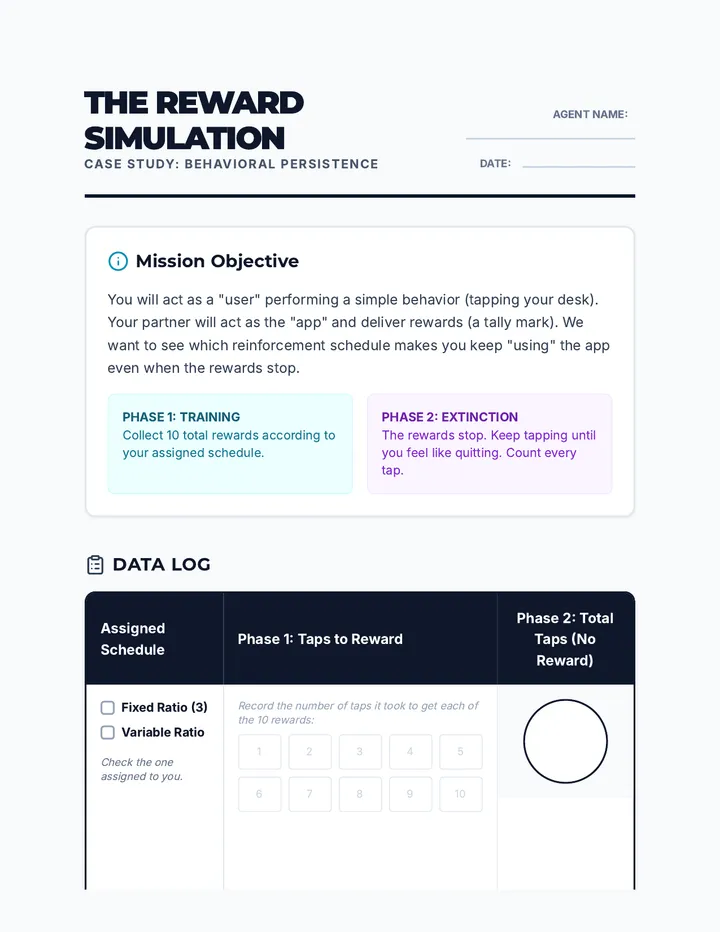
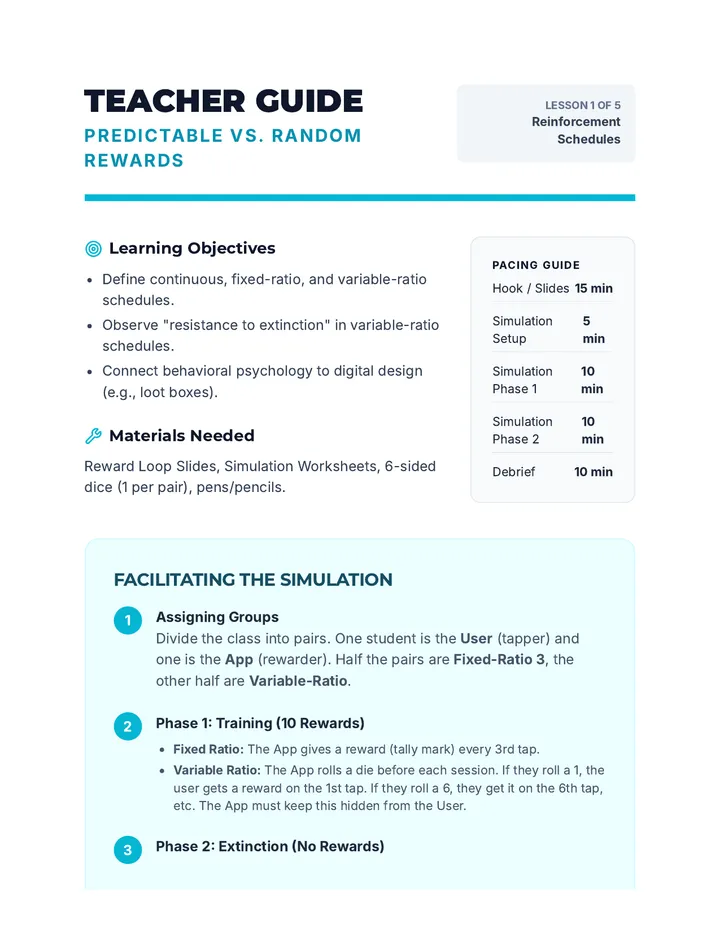
A 5-lesson sequence exploring how technology uses schedules of reinforcement (fixed and variable) to drive engagement. Students analyze gamification, social media mechanics, and ethical design to build digital literacy.
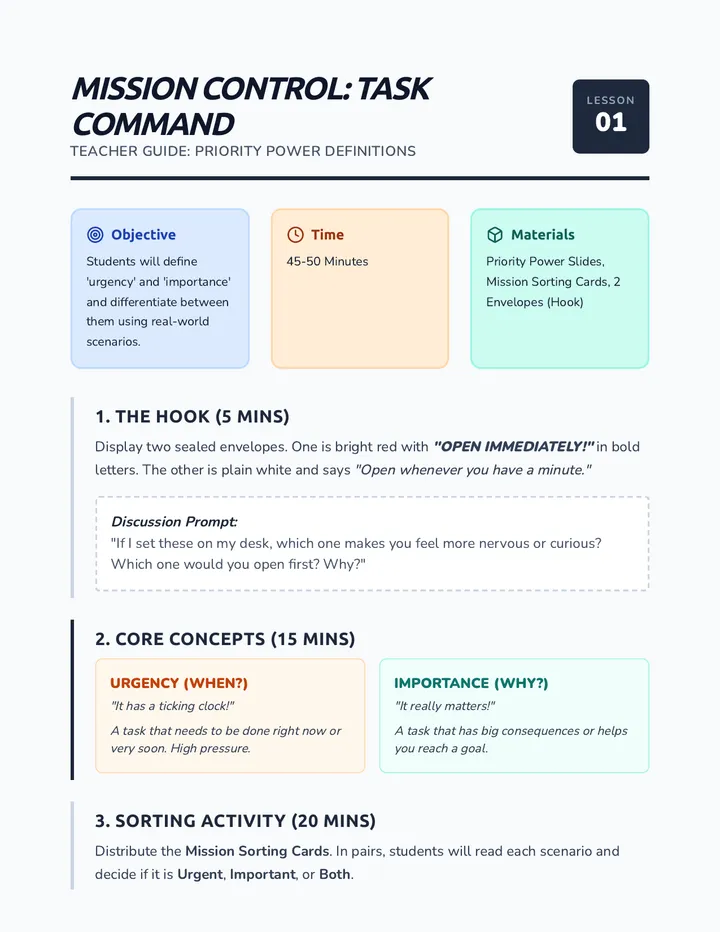
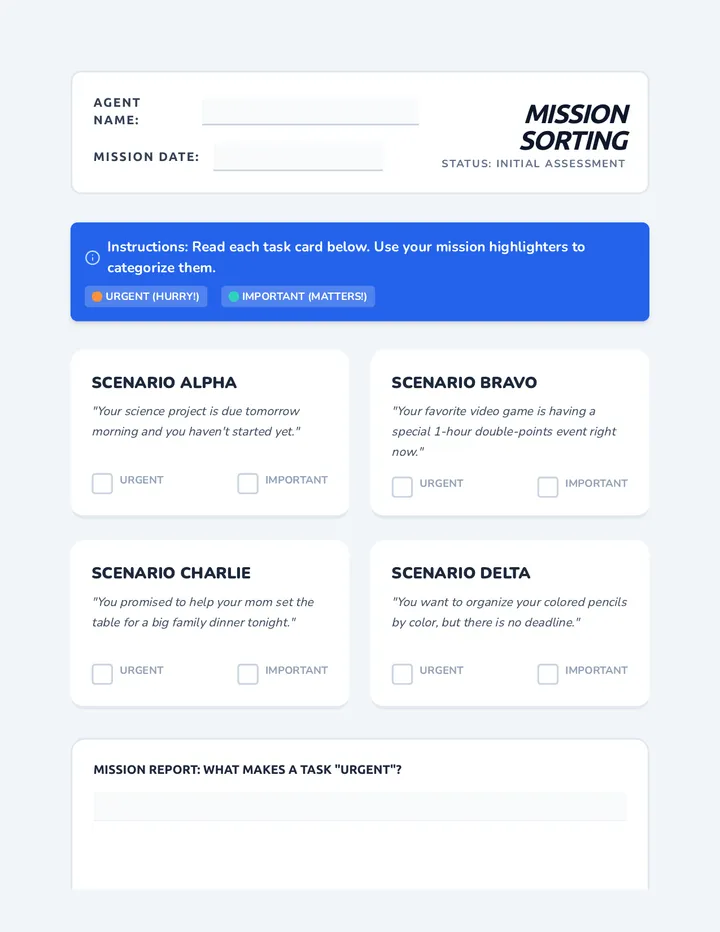
A 5-lesson sequence designed to help 4th-grade students master task prioritization using visual matrices and executive functioning strategies. Students progress from defining urgency and importance to applying a 2x2 priority matrix to their own real-world schedules.
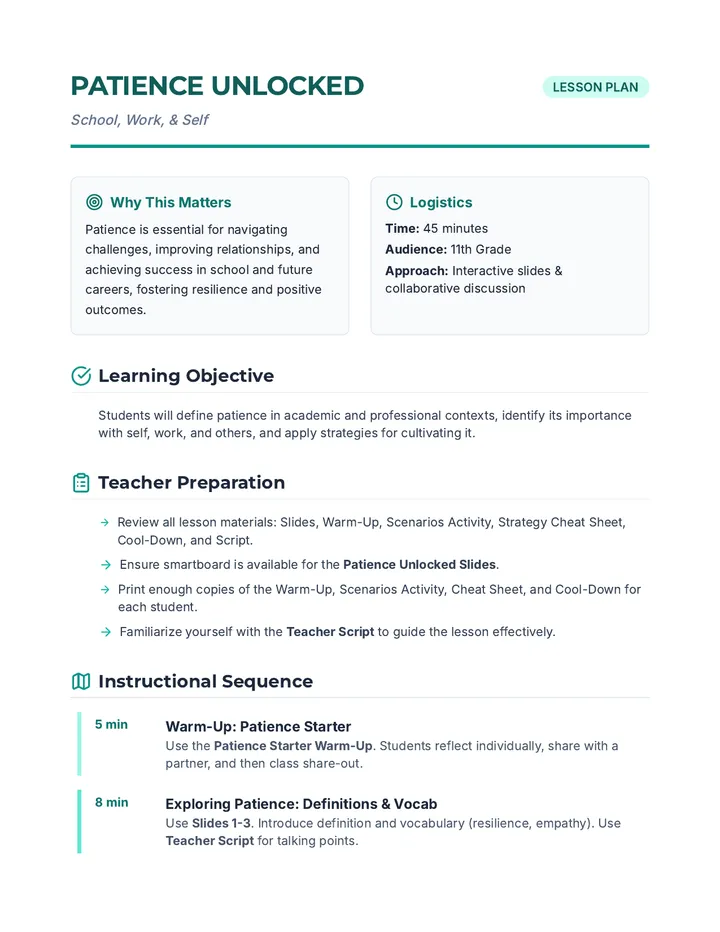
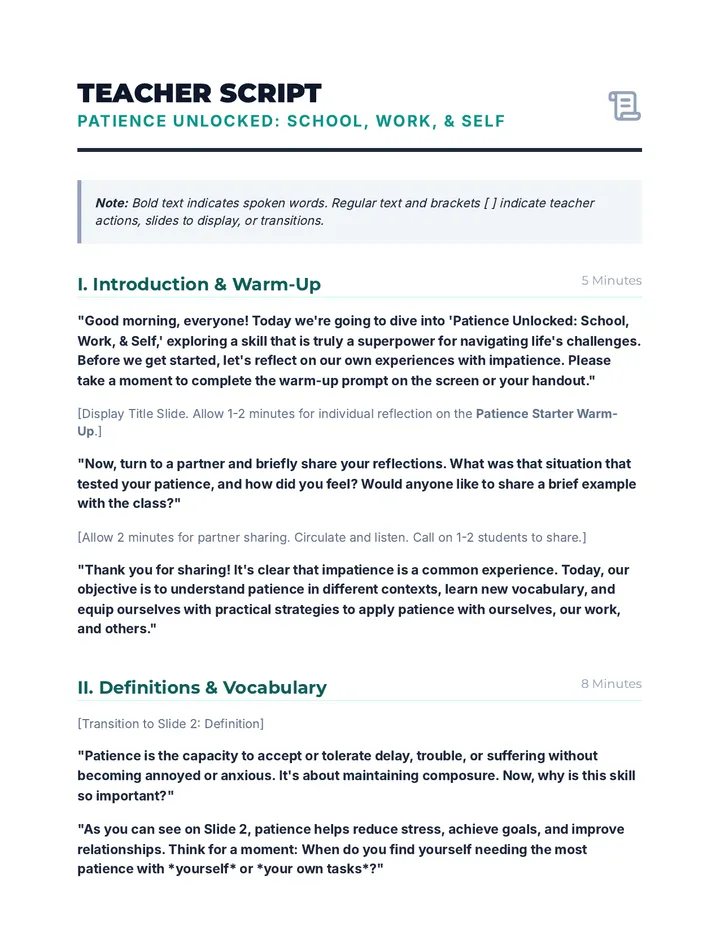
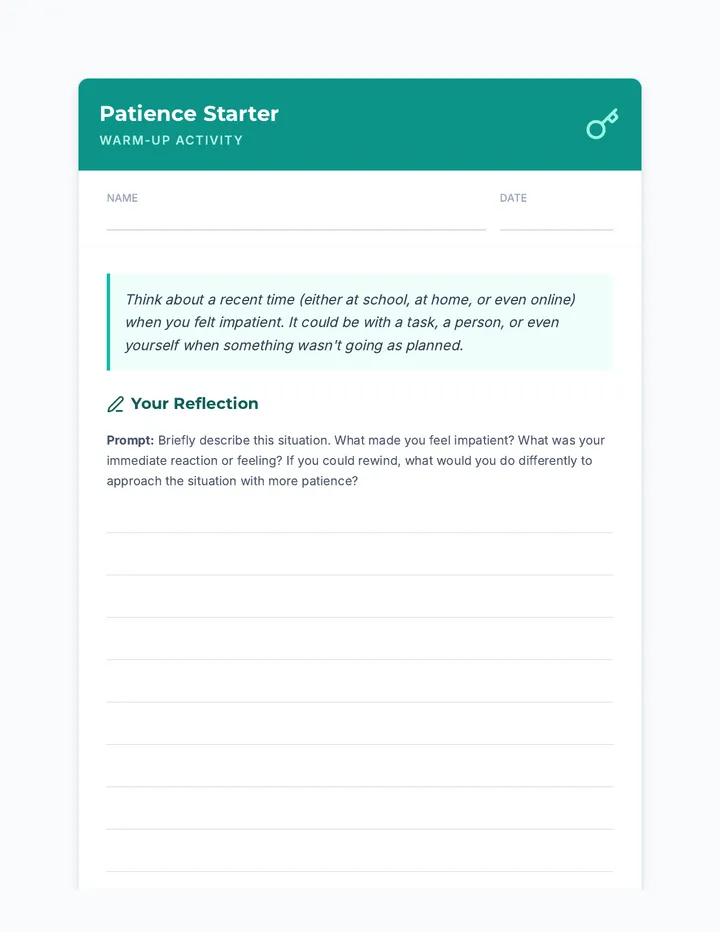
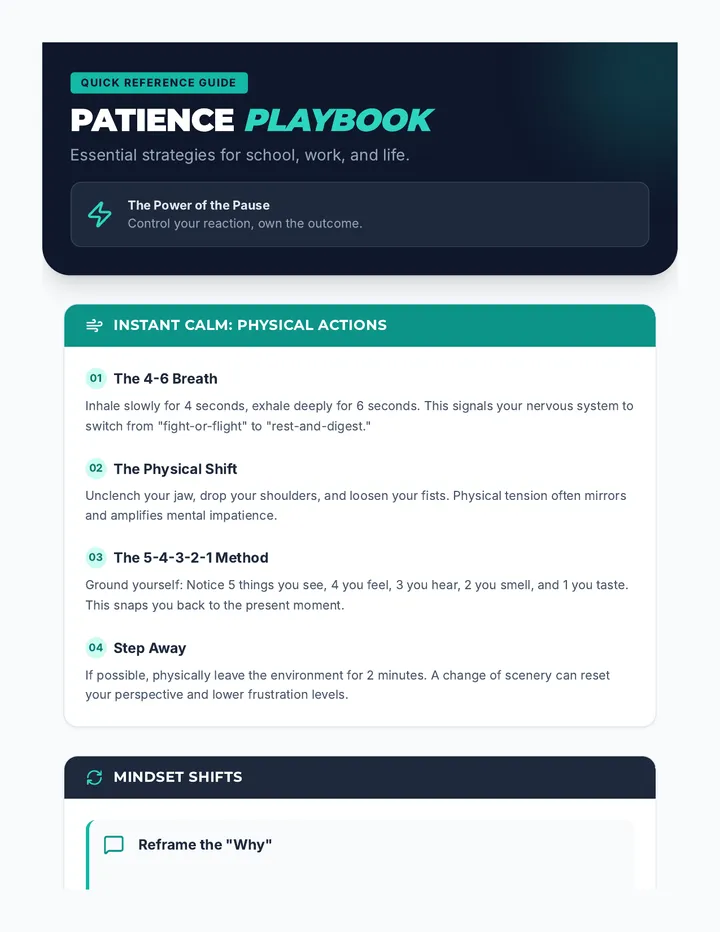
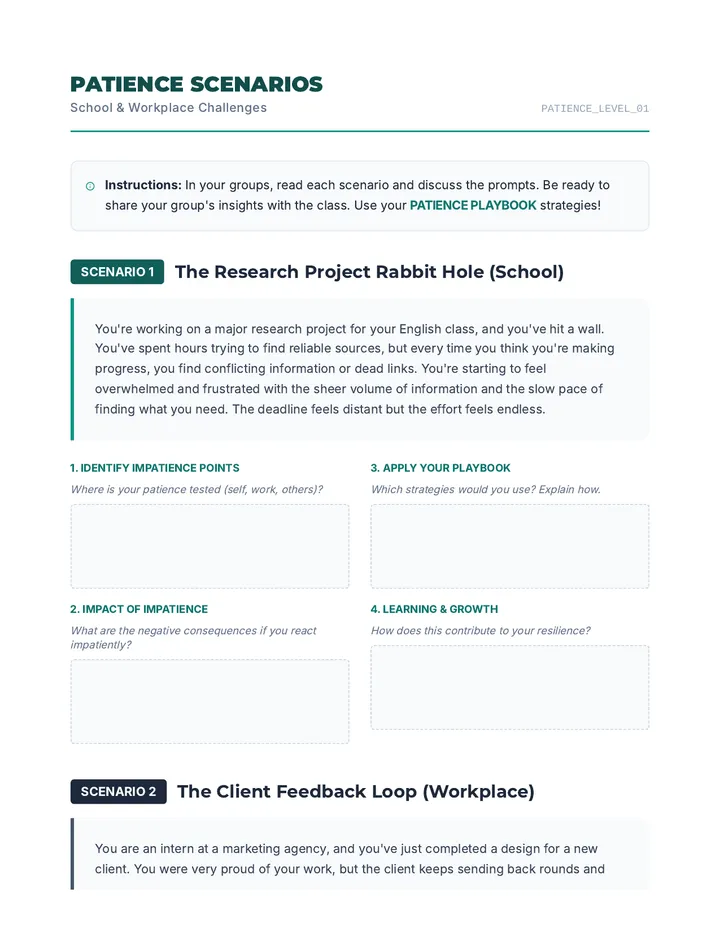
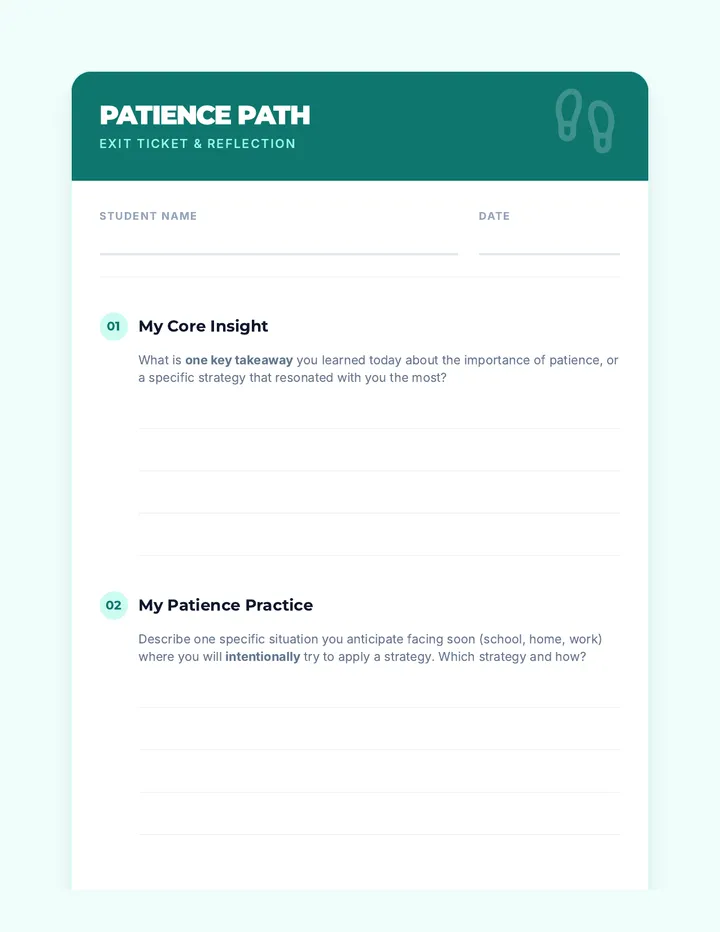
This lesson empowers 11th-grade students to cultivate patience as a critical skill in academic and professional settings. Students will explore strategies for managing impatience with themselves, their work, and others, fostering resilience and positive relationships.
A 45-minute lesson for 9th-grade students to master the Eisenhower Matrix, learning to distinguish between urgent and important tasks to boost efficiency and reduce stress.
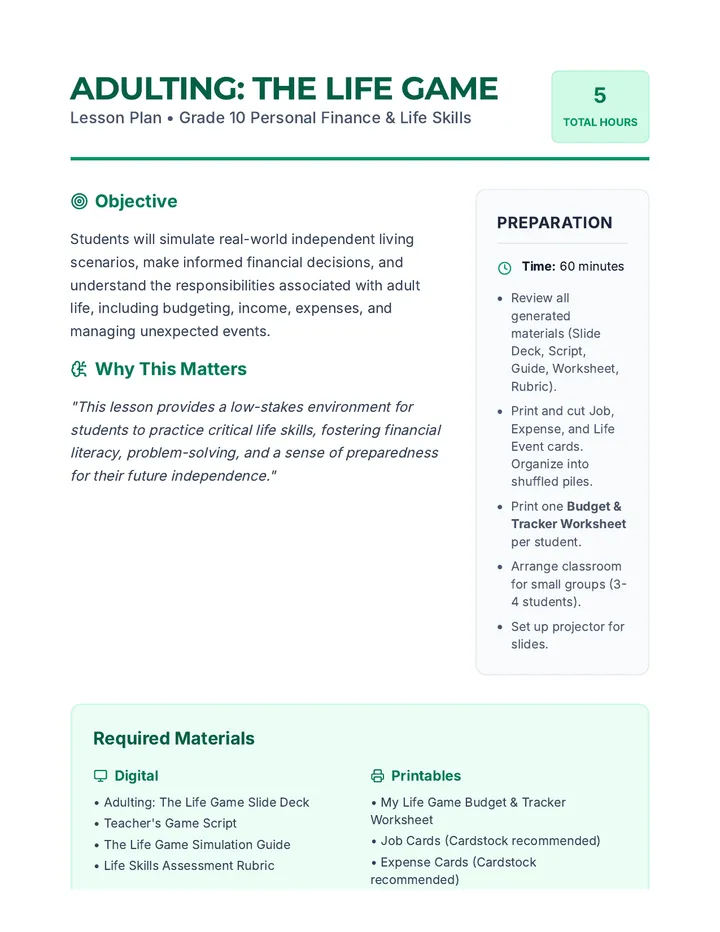
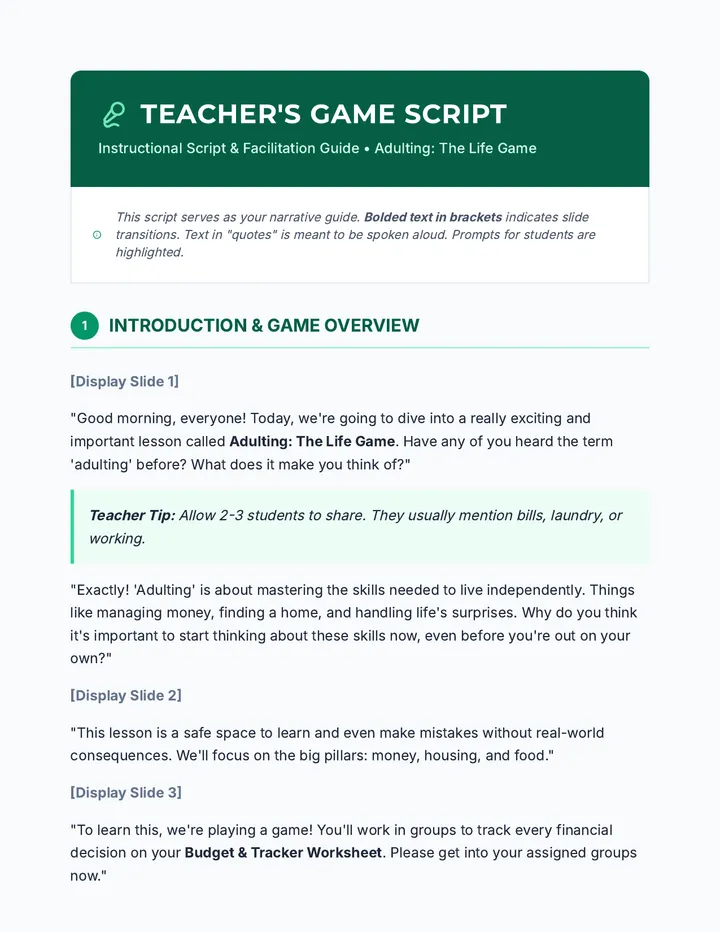
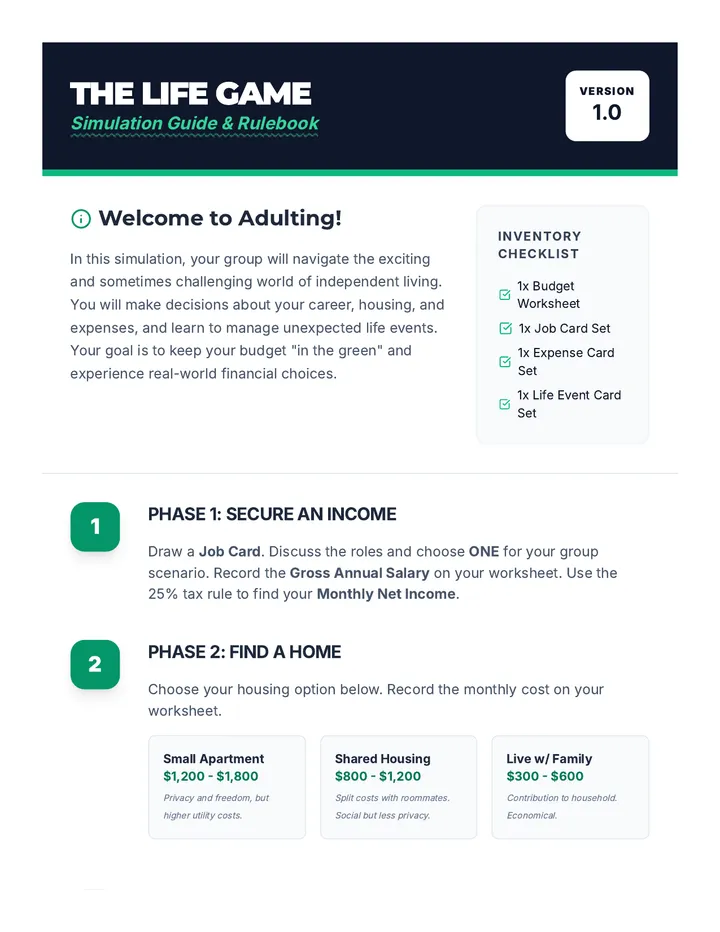
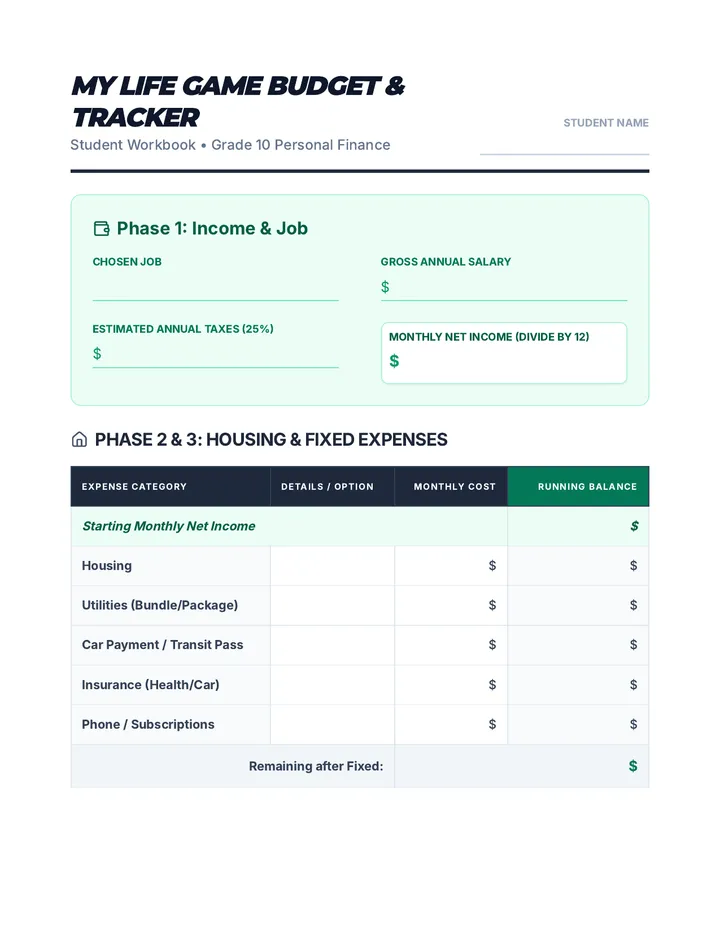
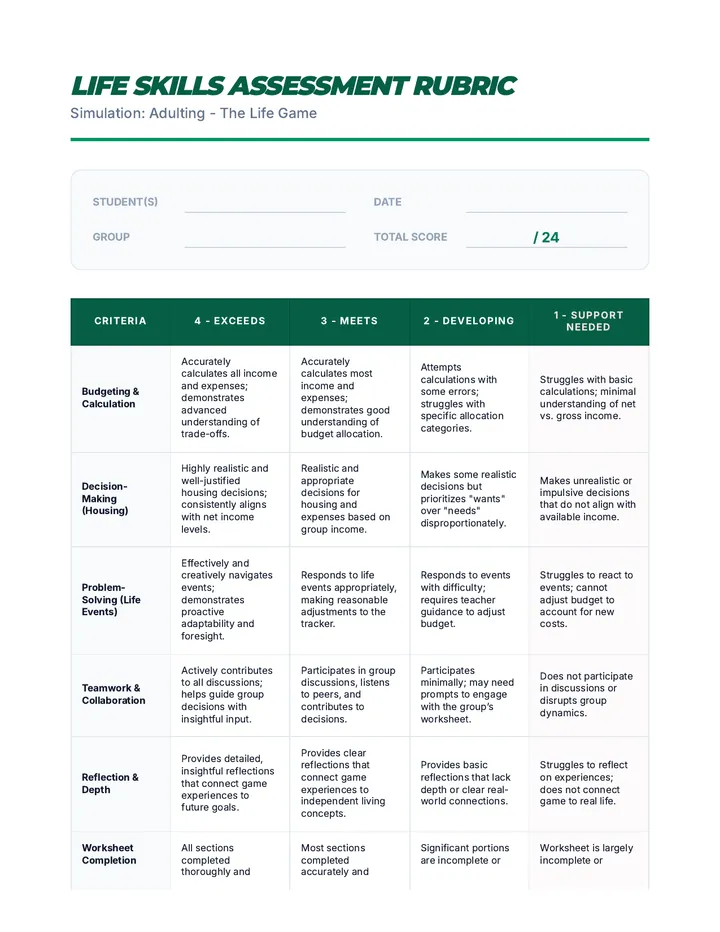
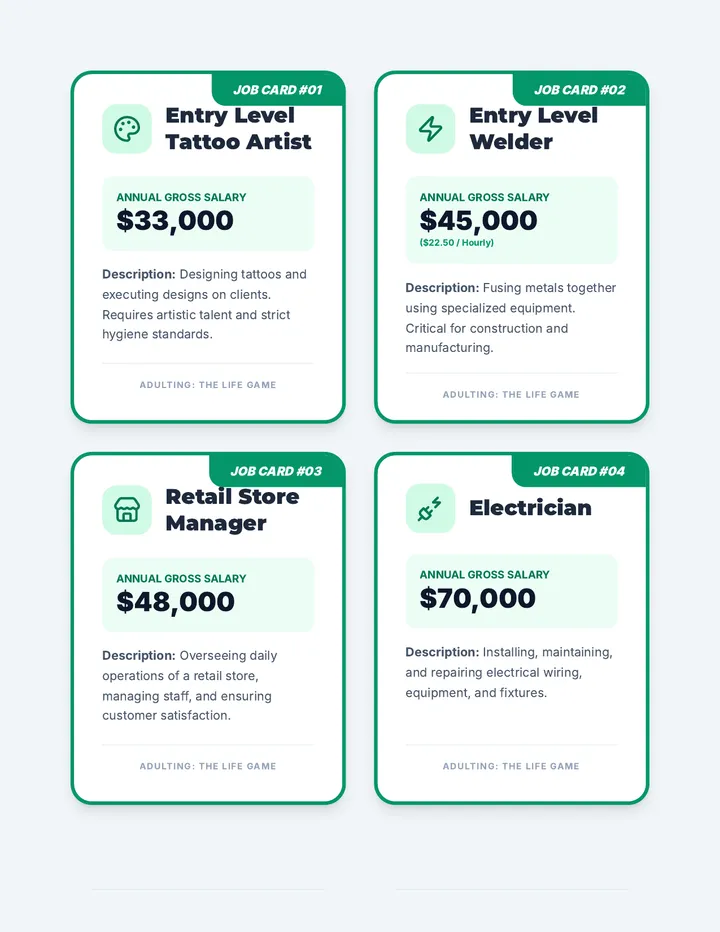
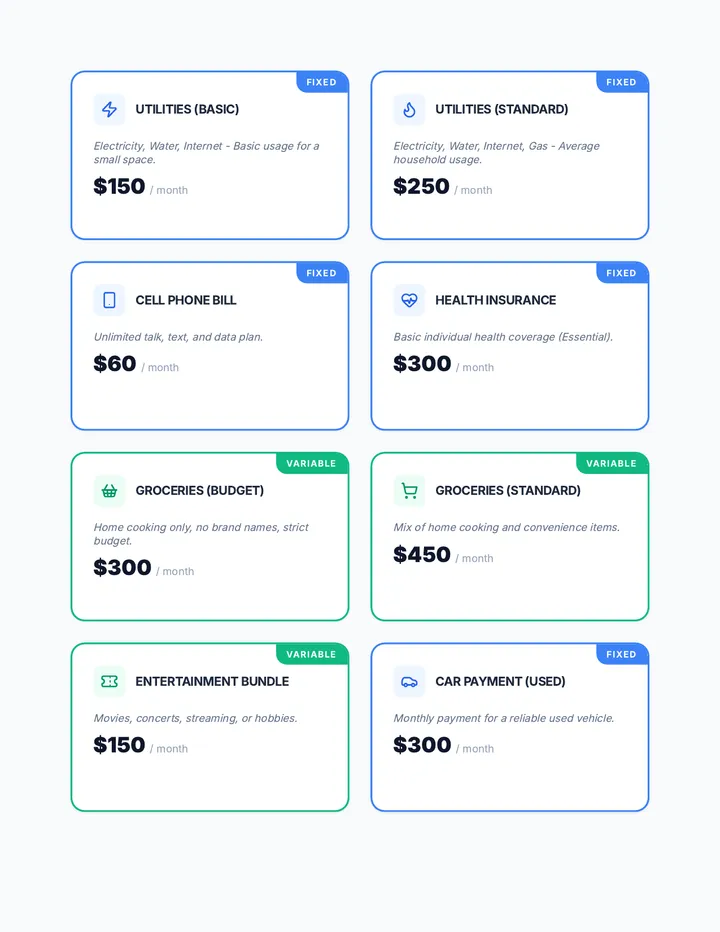
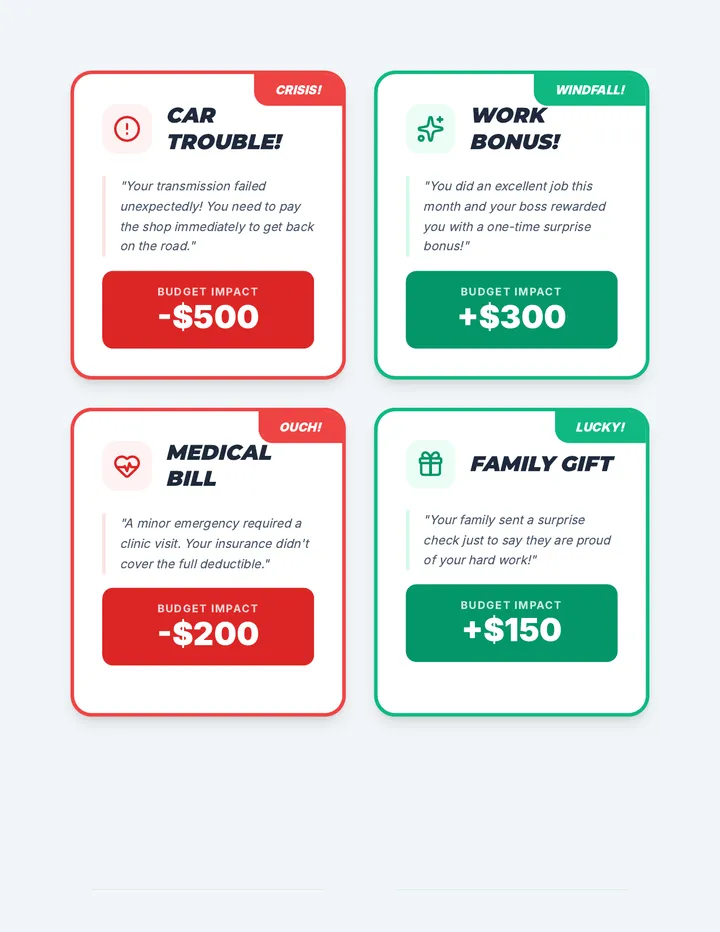
A comprehensive simulation-based lesson for 10th-grade students to practice essential adulting skills, including budgeting, career selection, and managing unexpected life events.
In this engaging 30-minute lesson, kindergarten students will learn why and how to raise their hands before speaking. Through interactive modeling, practice activities, and positive reinforcement, children gain confidence and classroom-ready communication skills.
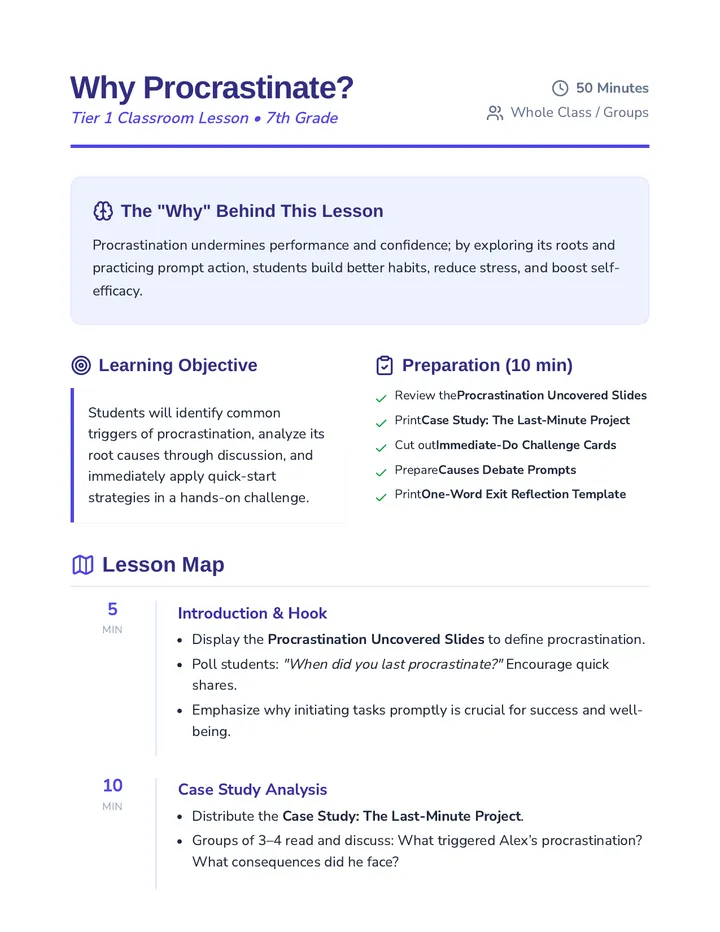
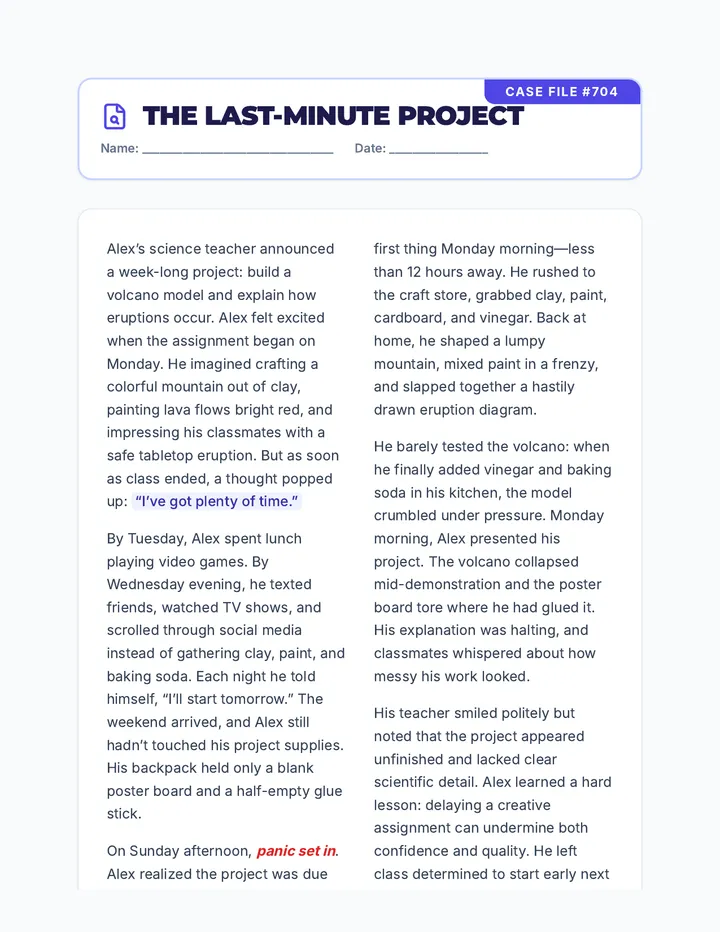
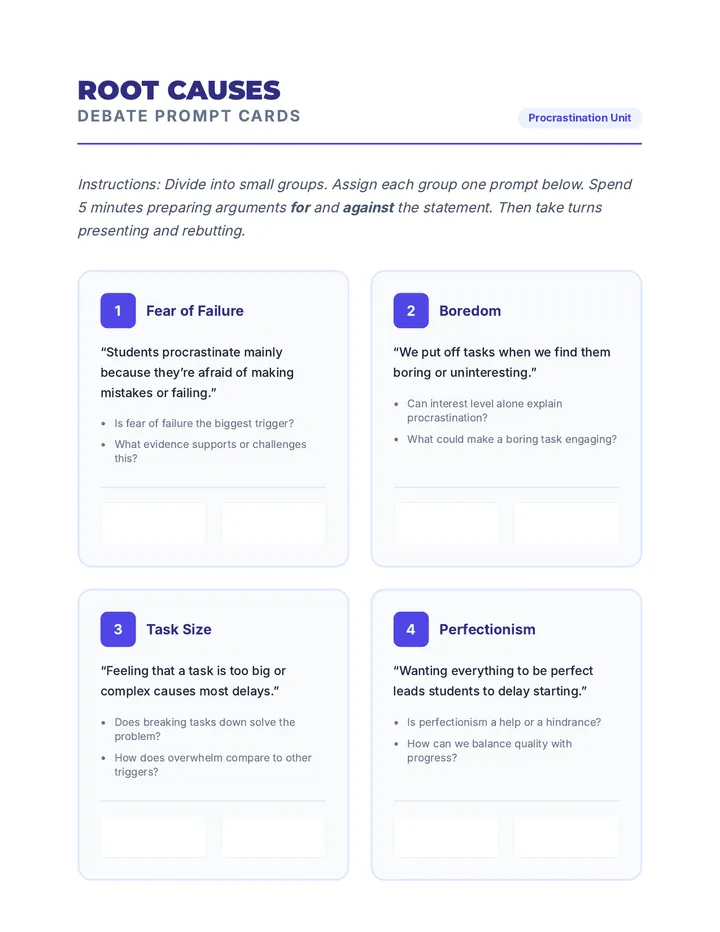
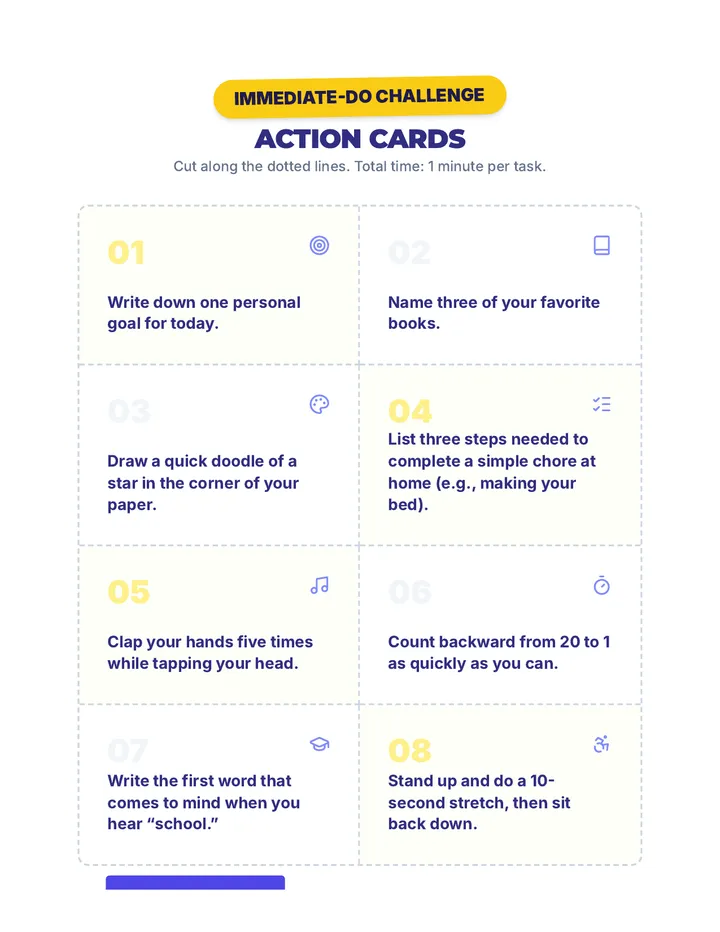
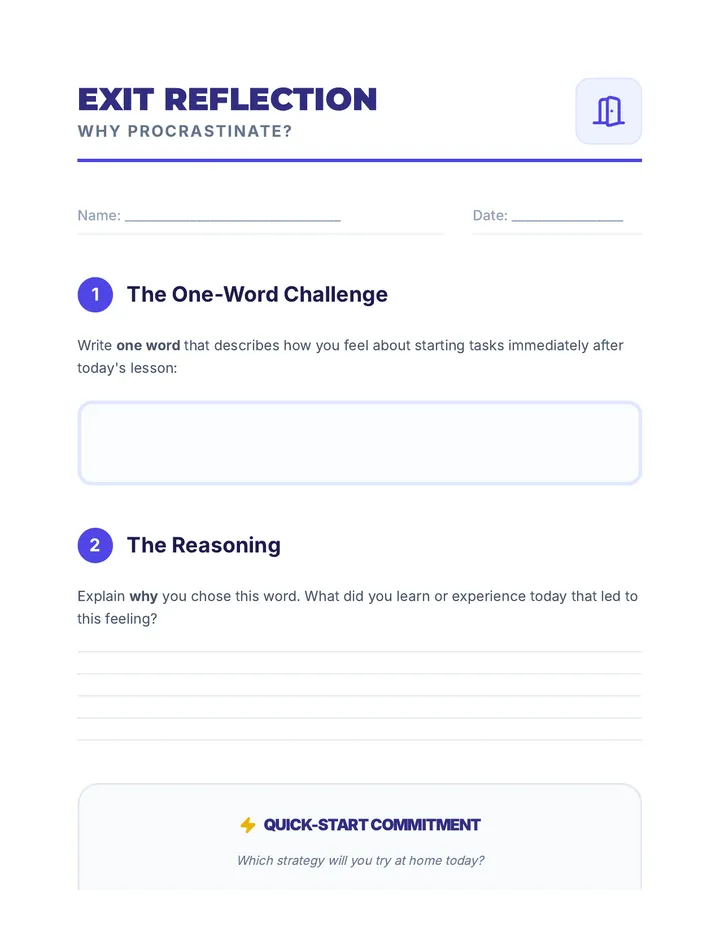
A 50-minute Tier 1 lesson for 7th graders that explores the psychological roots of procrastination and teaches immediate action techniques through a case study, debate, and hands-on challenge.
A comprehensive 50-minute lesson for grades 8-12 focused on the SEAL decision-making model. Students explore the connection between choices and consequences through scenarios, case studies, and structured reflection.
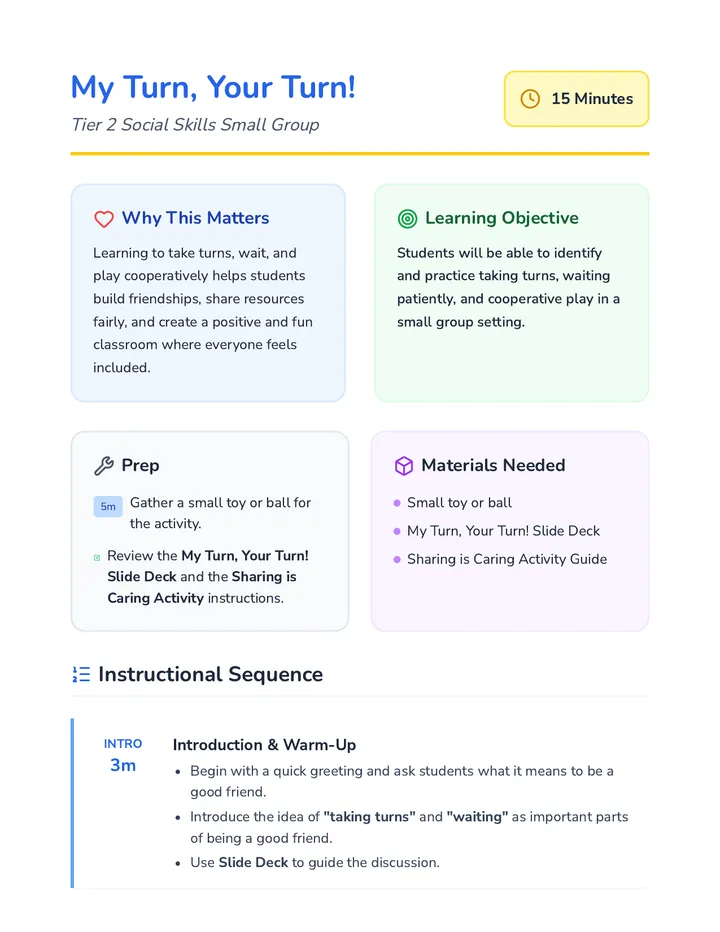
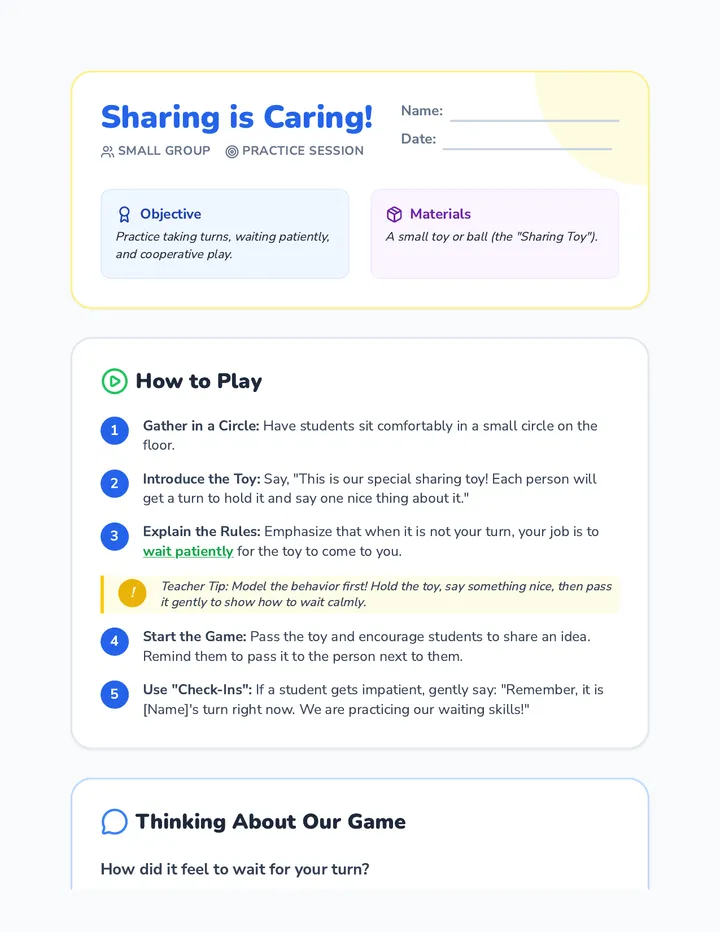
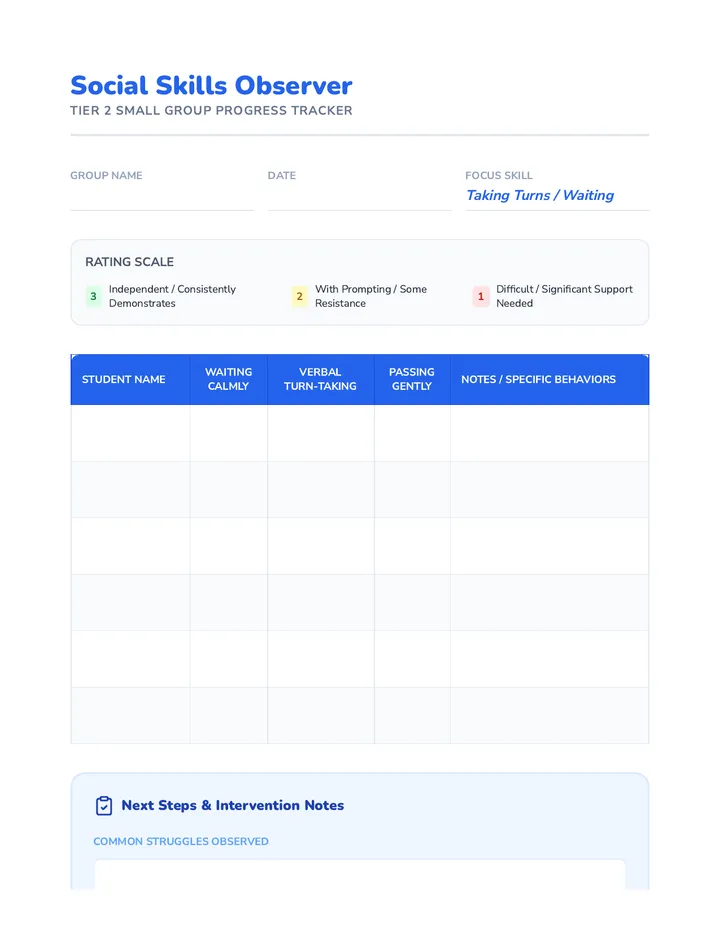
A 15-minute Tier 2 small group lesson for Kindergarten students to develop social skills like taking turns, waiting patiently, and cooperative play through guided discussion and a structured game.
A 65-minute individual Tier 3 lesson for 12th graders to identify procrastination triggers and implement actionable strategies like the Pomodoro Technique and time blocking.
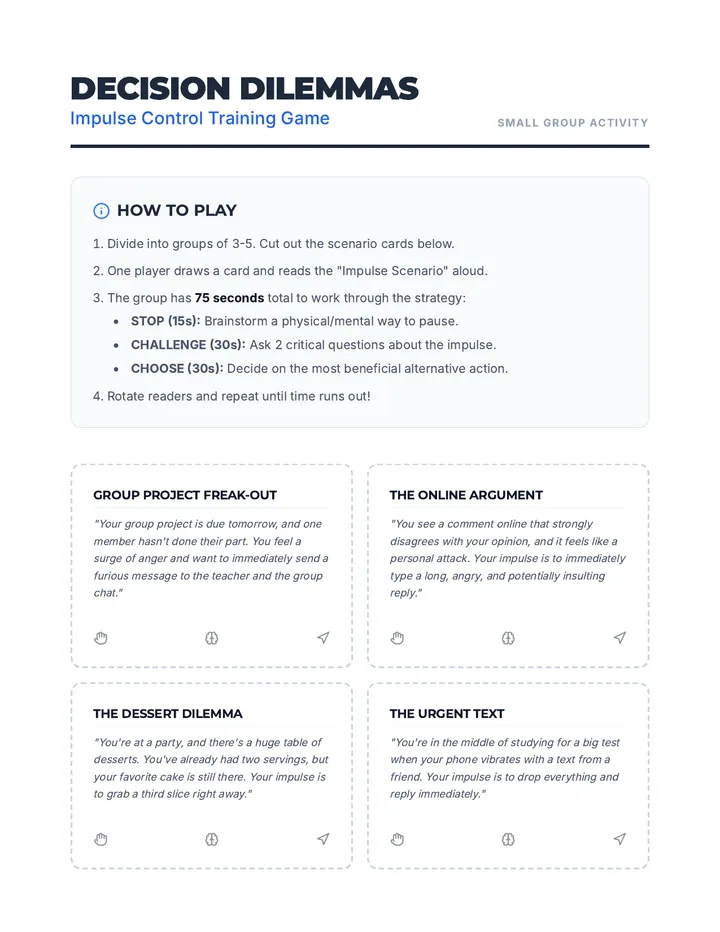
A game-based social-emotional learning lesson for middle schoolers to practice impulse control through real-world scenarios and strategic decision-making.
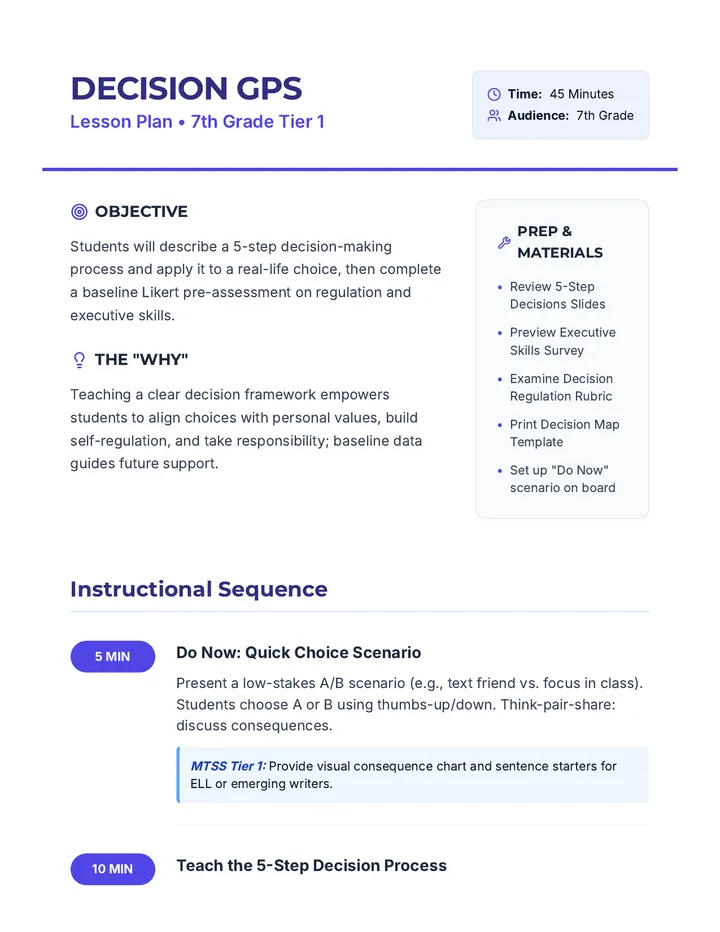
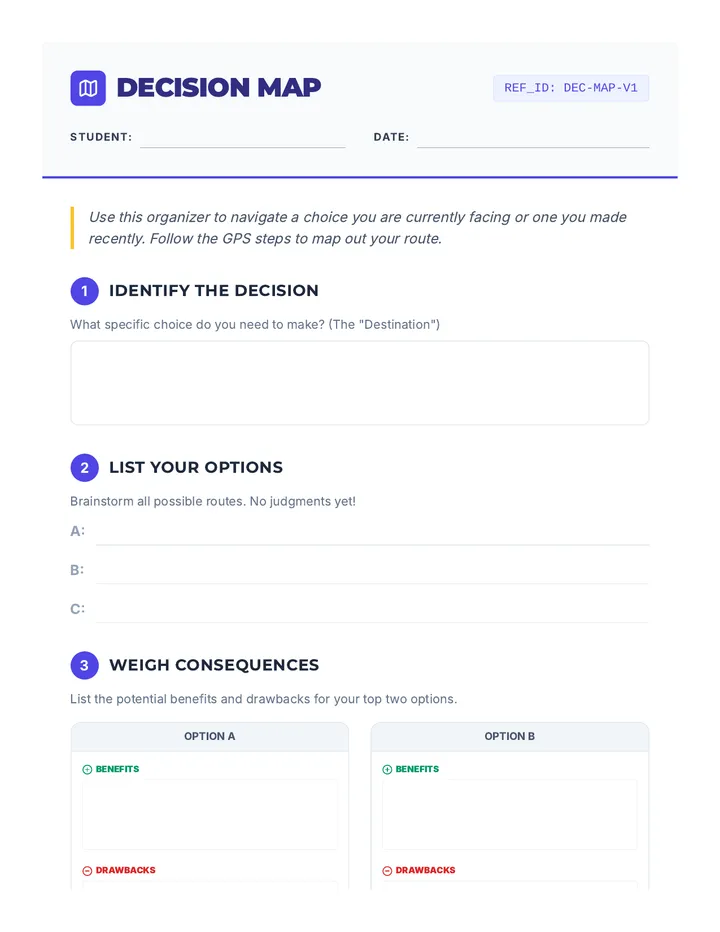
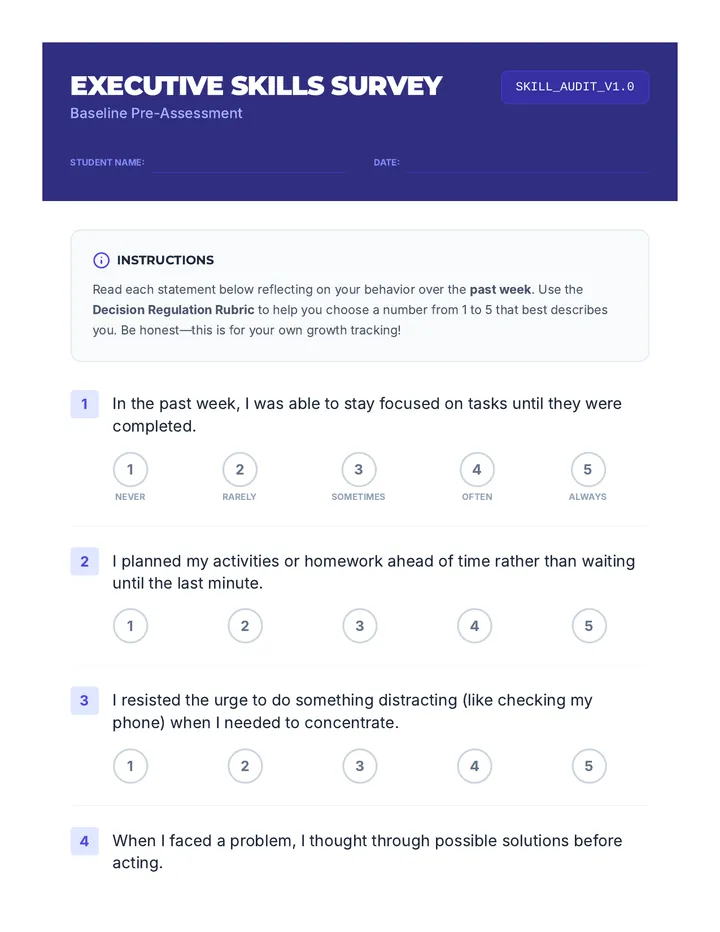
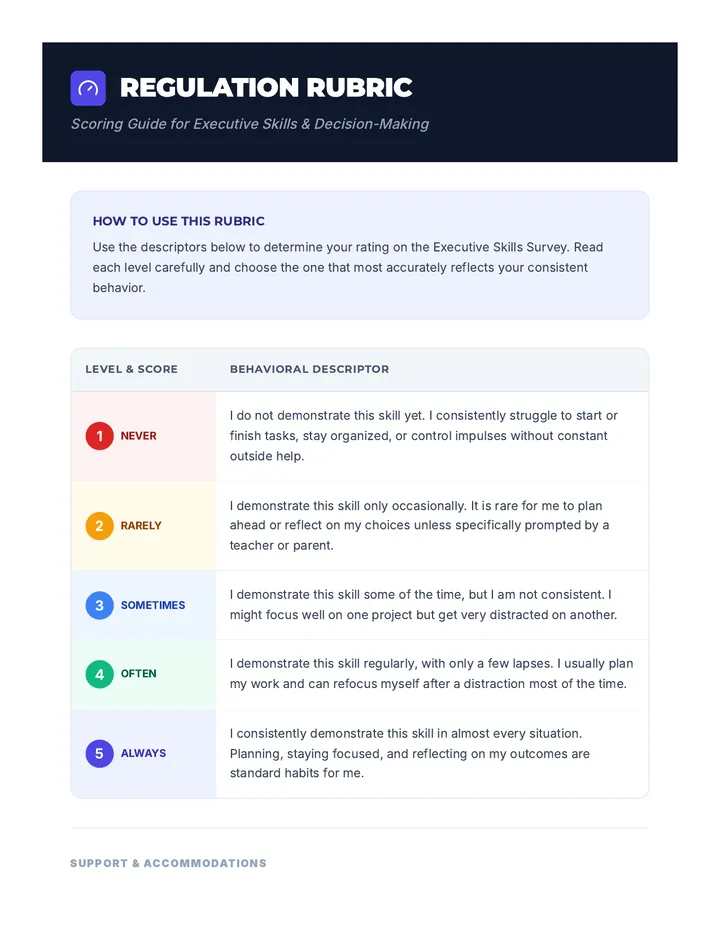
A 45-minute 7th Grade session where students learn a 5-step decision-making process, map out a real-life choice, and complete a baseline assessment on regulation and executive skills. Students explore how values influence choices and practice taking responsibility for their actions.
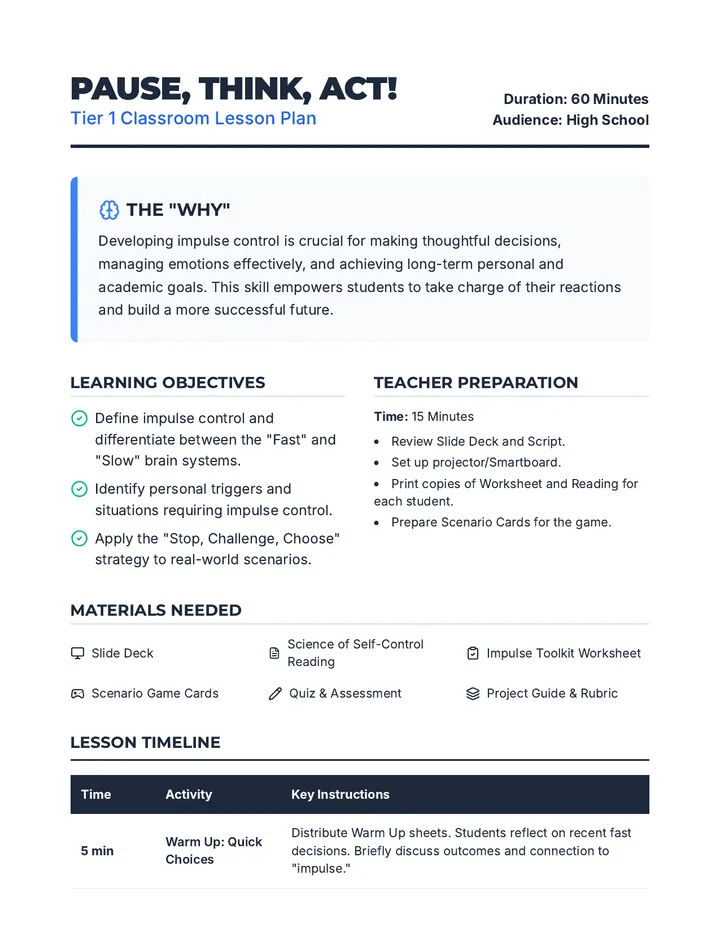
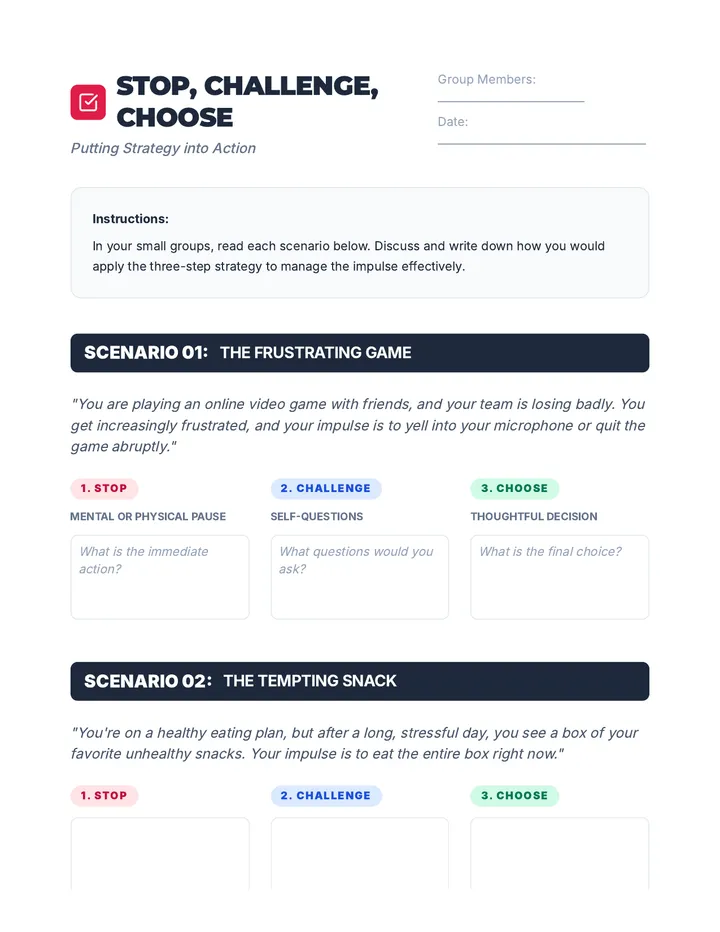
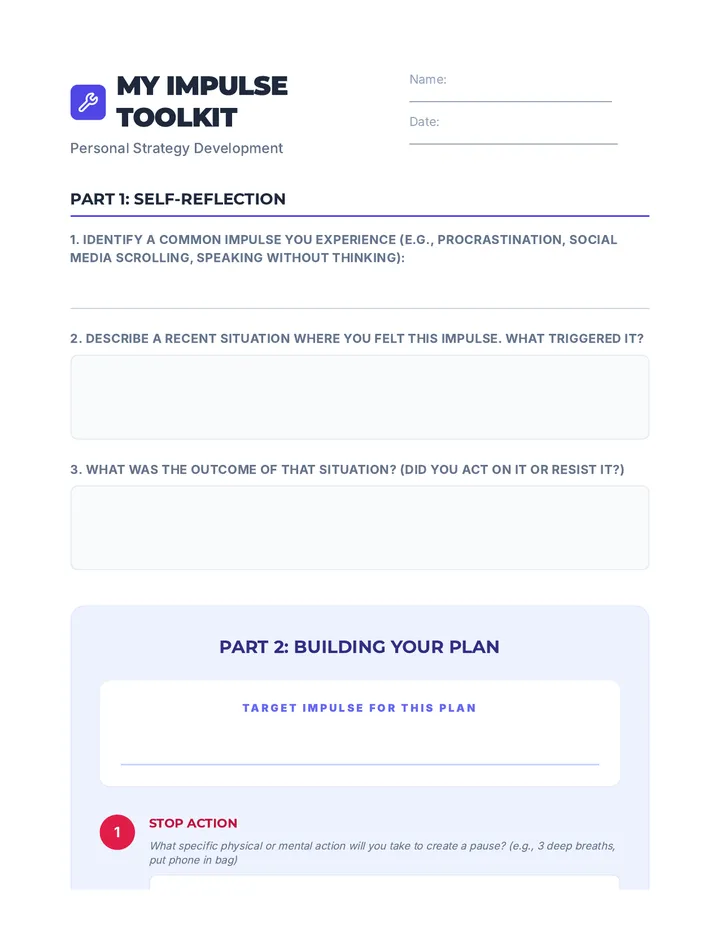
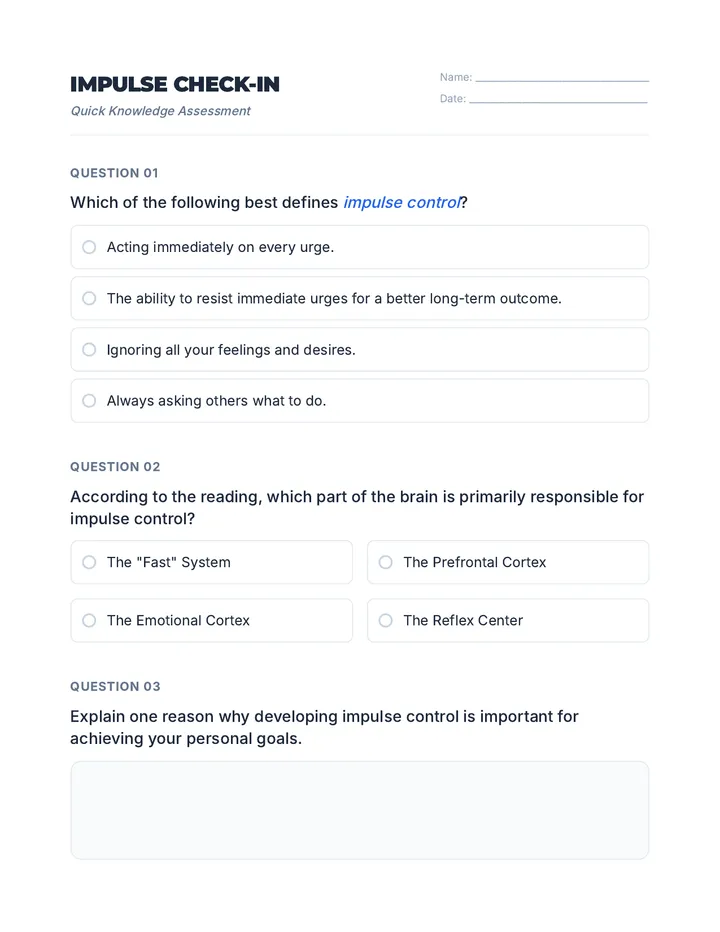
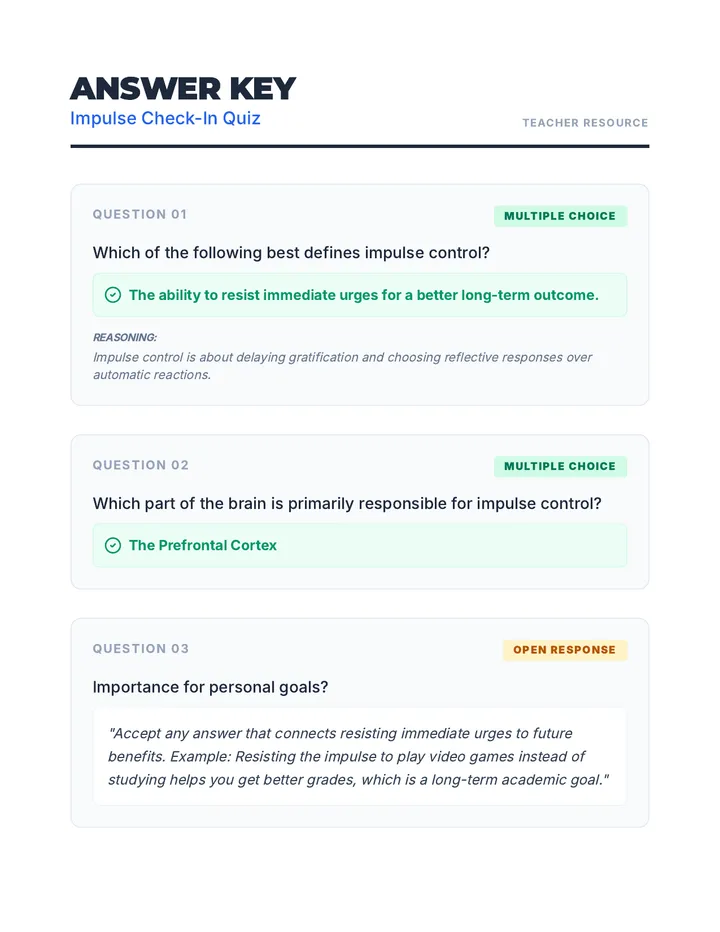
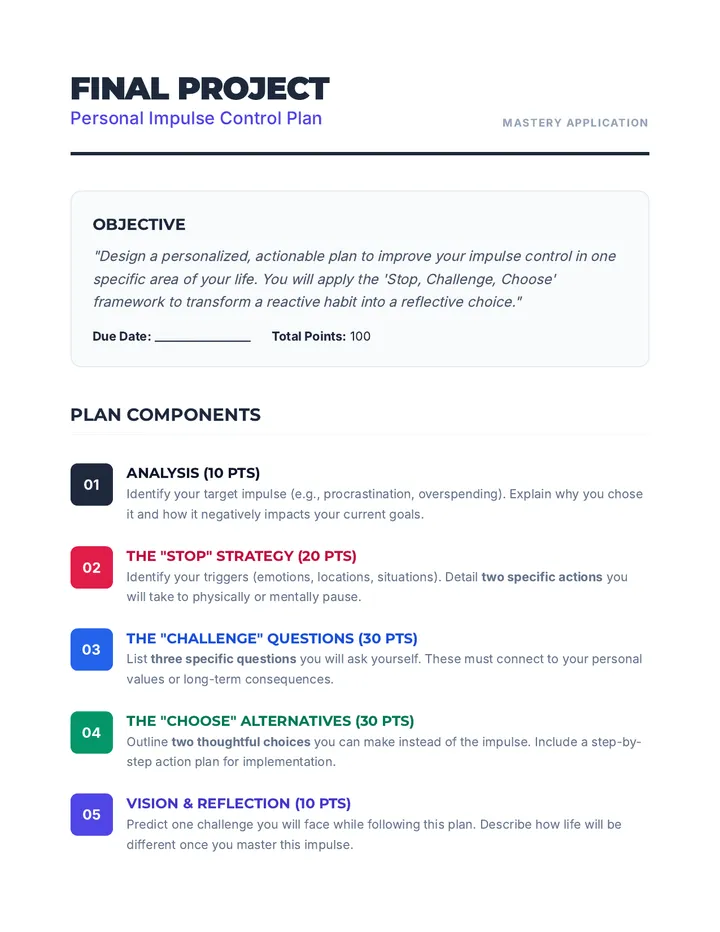
A high school lesson focused on developing impulse control skills through the 'Stop, Challenge, Choose' framework, helping students manage emotions and achieve long-term goals.
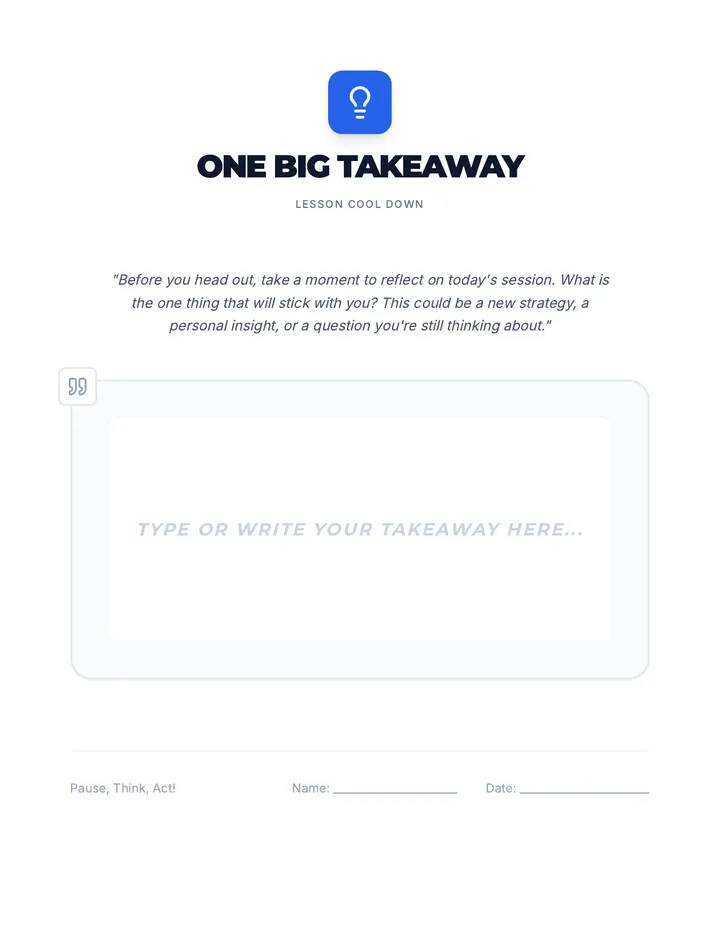
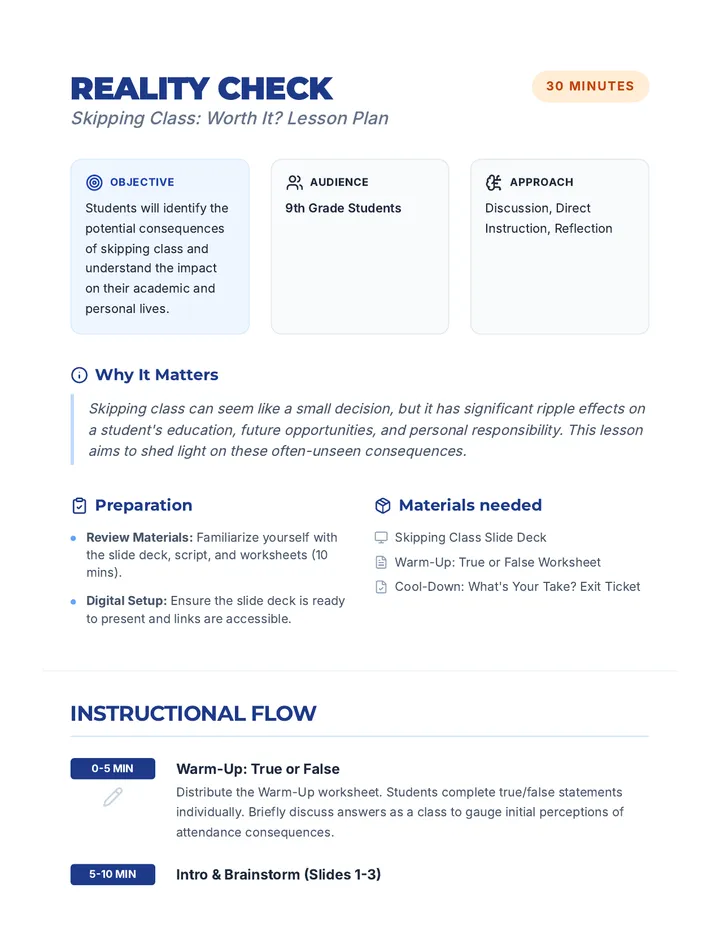
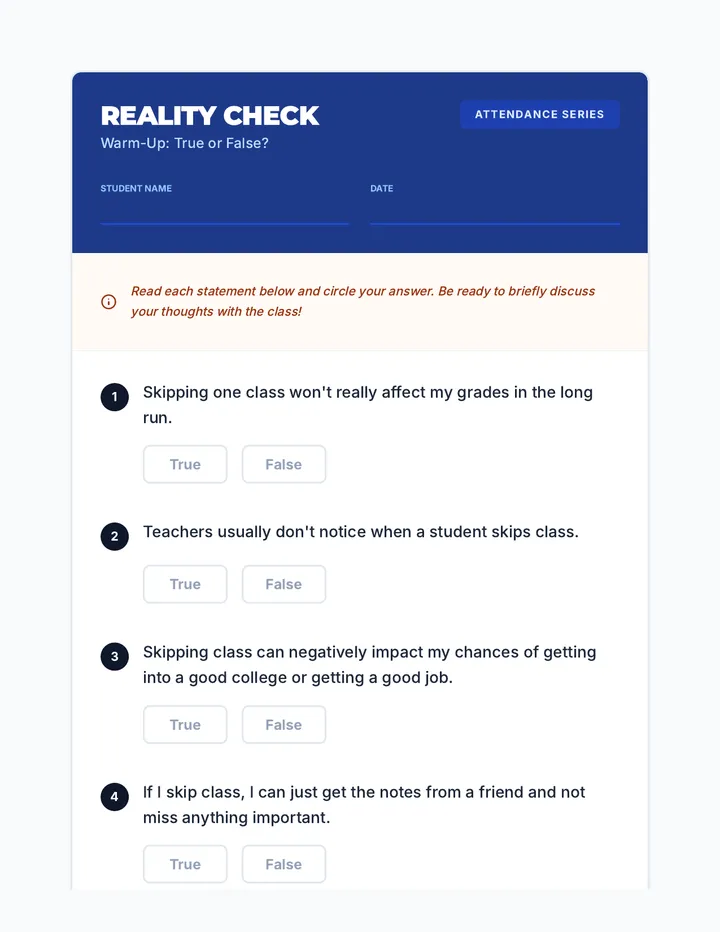
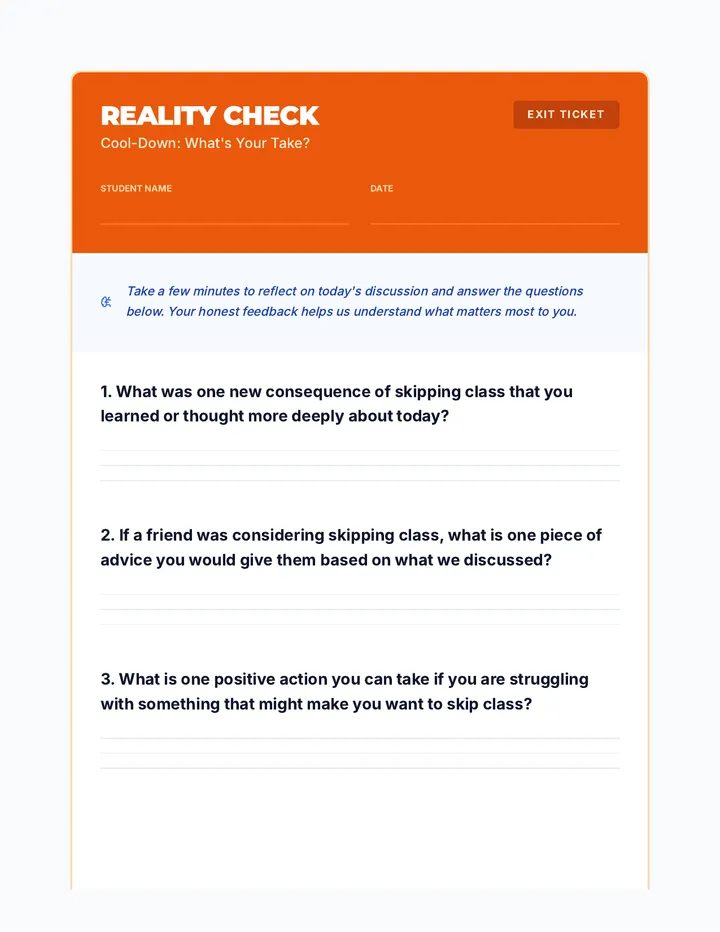
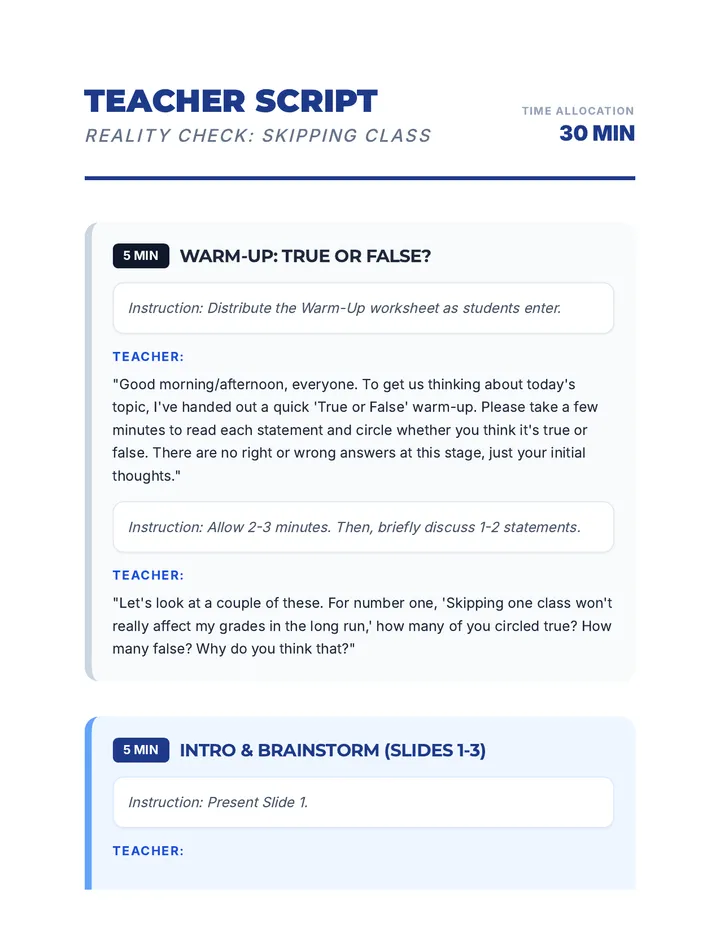
This 30-minute lesson for 9th graders examines the immediate and long-term consequences of skipping class, empowering students to make informed decisions about their attendance and academic success.