Lenny.com
Explore
Create
ActivitiesNewMathEnglish Language ArtsScience & EngineeringSocial StudiesGlobal LanguagesHealth & Physical EducationSpecial EducationCounseling & Life SkillsArts & CreativityESL
Lenny.com
Lenny.com
Explore
Create
ActivitiesNewMathEnglish Language ArtsScience & EngineeringSocial StudiesGlobal LanguagesHealth & Physical EducationSpecial EducationCounseling & Life SkillsArts & CreativityESL
Lenny.com
Lenny.com

Solutions

Lenny for EducatorsLenny for SchoolsLenny for Districts

Product

ExploreSign inCreateSupportAbout

Resources

Getting startedMTSS Acceleration Program

Newsletters

School Funding Newsletter

© 2026 Lenny Learning Inc.

TermsPrivacyAccessibility
LinkedInInstagramX
Lenny

Building Mood-Supporting Routines

Daily habits for emotional stability including sleep hygiene, regular physical activity, and nutritional awareness. Equips individuals with habit-stacking techniques and tools for monitoring mental health trends.

Counseling & Life SkillsSelf-AwarenessBasic Emotion RecognitionComplex Emotion IdentificationEmotional Nuance & Mixed FeelingsBuilding Positive Self-ImageRecognizing Strengths & Growth AreasAccurate Self-AssessmentPersonal Values IdentificationCultural & Individual Identity ExplorationValues-Based Decision MakingSelf-ManagementStop-and-Think StrategiesDelaying GratificationIndependent Impulse ManagementIdentifying Stress TriggersShort-Term Goal SettingSMART Goals DevelopmentGoal Monitoring & AdjustmentBuilding Perseverance & ResilienceInternal Motivation DevelopmentComprehensive Stress Reduction PlanningSocial AwarenessRecognizing Others' FeelingsDemonstrating EmpathyRespecting Individual DifferencesUnderstanding Cultural DiversityComplex Empathetic ResponsesMultiple Viewpoint ConsiderationMulti-Perspective AnalysisChallenging Stereotypes & BiasRelationship SkillsActive ListeningClear Verbal & Nonverbal CommunicationBuilding Positive FriendshipsWorking Cooperatively in GroupsCommunicating Personal BoundariesRespecting Others' BoundariesAssertive ExpressionPeaceful Problem-SolvingContributing to Team GoalsComplex Conflict NavigationMediation & NegotiationHealthy Romantic RelationshipsResponsible Decision-MakingDaily Problem IdentificationBrainstorming Multiple SolutionsEvaluating Pros & ConsRecognizing Risks & ConsequencesApplying Ethical FrameworksInformed Risk-Benefit DecisionsRoot Cause AnalysisMindfulnessMindful BreathingBody Scan MeditationDaily Mindfulness ApplicationDaily Self-Care RoutinesBalancing Life DemandsAdvocating for Wellness NeedsMental Health SupportUnderstanding Anxiety SymptomsWorry Management StrategiesProgressive Muscle RelaxationRecognizing Depression SignsBuilding Mood-Supporting RoutinesBehavioral Activation for MoodUnderstanding Grief StagesHealthy Grief CopingCreative Expression of LossBehavioral SupportDaily Check-In ProceduresDaily Goal Setting & ReviewRecognizing Escalation Warning SignsRequesting Breaks & SupportSelf-Calming During DistressUnderstanding Positive ReinforcementToken Economy ImplementationBehavior Chart TrackingAnalyzing Behavior PatternsIdentifying Antecedents & ConsequencesDetermining Behavior FunctionFunction-Based InterventionsIndividualized Behavior ContractsData-Driven Behavior AdjustmentTherapeutic ApproachesThoughts-Feelings-Behaviors ConnectionRecognizing Thinking PatternsChallenging Negative ThoughtsPositive Self-Talk PracticeThought Record TrackingAdvanced Cognitive RestructuringComprehensive CBT PlansBehavioral Activation TechniquesBuilding Positive ExperiencesExposure Hierarchies for AnxietyPresent-Moment AwarenessNon-Judgmental ObservationSelf-Soothing & DistractionComplex Emotion LabelingReducing Emotional Vulnerability (PLEASE)DEAR MAN CommunicationGIVE Skills for RelationshipsFAST Skills for Self-RespectRadical Acceptance PracticeCrisis Survival Skills (TIPP)Understanding Trauma EffectsTrauma Responses & TriggersIdentifying Trauma FeelingsGrounding TechniquesRegulation During Trauma DistressSafe Place VisualizationProcessing Through NarrativeDeveloping Trauma StoryPersonalized Safety PlanningGroup SupportTurn-Taking & SharingGroup Conversation SkillsSharing in Supportive EnvironmentLearning from Similar ChallengesBuilding Community & BelongingNavigating Peer RelationshipsGroup Skill PracticeGroup Mental Health EducationStress & Anxiety UnderstandingCrisis Support & SafetyKnowing When to Seek HelpIdentifying Mental Health CrisesGrounding During CrisisUsing Crisis HotlinesBuilding Support NetworksAccessing Mental Health ResourcesWarning Signs & Coping StrategiesDeveloping Personal Safety PlansUnderstanding Suicide Warning SignsGatekeeper Skills for PeersDigital LiteracySocial MediaTechnology BasicsProductivity ToolsInternet and Online ResearchWeb Design and PublishingDigital CitizenshipOnline Safety and PrivacyEmerging TechnologiesFinancial LiteracyMaking Financial DecisionsBanking and AccountsConsumer SkillsSaving and InvestingCredit and DebtEmployment and IncomeTaxesInsuranceMajor PurchasesEconomic ConceptsFinancial PlanningCollege & Post-Secondary PlanningCareer ExplorationUnderstanding Post-Secondary OptionsCollege Research & SelectionAdmission RequirementsCollege Application ProcessPersonal Statement WritingFAFSA CompletionScholarship Search & ApplicationsUnderstanding Student LoansContinuing Education PlanningInterview PreparationResearching EmployersCommon Interview QuestionsSTAR Method ResponsesProfessional Interview PresenceVirtual Interview SkillsInterview Follow-UpJob Search SkillsUnderstanding Job PostingsEffective Job Search StrategiesNetworking for OpportunitiesResume Writing BasicsAction Verbs & AchievementsTailoring Resumes to JobsCover Letter WritingProfessional ReferencesProfessional CommunicationBusiness Email EtiquettePhone & Voicemail ProfessionalismMeeting ParticipationPresentation SkillsProfessional Work EthicTime Management & ProductivityTeamwork & CollaborationAdaptability & FlexibilityProblem-Solving at WorkConstructive FeedbackWorkplace RightsUnderstanding Employment LawsPay & Benefits UnderstandingWorkplace SafetyAnti-Discrimination & Harassment

Videos

What Happens to Your Body When You Get Angry

What Happens to Your Body When You Get Angry

This educational video explores the biological and psychological mechanisms behind anger, helping children understand why they feel mad and how their bodies react. Host Jessi and her robot mouse friend Squeaks begin by identifying facial expressions associated with different emotions, transitioning into a detailed explanation of the physiological "fight" response. The video explains that anger is actually the brain's way of preparing the body to face a perceived threat, triggering reactions like rapid breathing, muscle tension, and the release of adrenaline. The content breaks down complex biological concepts—such as the fight-or-flight response and adrenaline release—into kid-friendly terms, using clear animations and examples. It compares human reactions to animal behaviors, noting how dogs growl or cats arch their backs for similar reasons. The narrative emphasizes that while this response was useful for survival against physical threats, it often activates today during non-dangerous situations, like losing a game or being told "no." Ideally suited for Social-Emotional Learning (SEL) and elementary science curriculums, this resource provides practical strategies for emotional regulation. The video concludes by teaching students specific techniques to manage their anger, such as deep breathing, counting to ten, and ensuring they are well-rested and fed. It serves as an excellent tool for normalizing difficult emotions while empowering students with the science behind their feelings and the tools to control them.

SciShow KidsSciShow Kids

4mins 34s

You Don't Find Happiness, You Create It | Katarina Blom | TEDxGöteborg

You Don't Find Happiness, You Create It | Katarina Blom | TEDxGöteborg

In this engaging TEDx talk, psychologist Katarina Blom challenges the common misconception that happiness is something we stumble upon, instead arguing that it is a skill we must actively practice. Drawing on neuroscience and psychology, she explains why the human brain is evolutionarily wired for negativity—prioritizing survival over happiness—and how this "negativity bias" impacts our daily lives and relationships. Blom explores the science behind our thoughts and emotions, revealing that positive thinking alone is insufficient because our minds naturally wander and focus on threats. Instead, she advocates for "positive action"—concrete behavioral changes that rewire our brains for well-being. She emphasizes that we are socially driven creatures and that strengthening our relationships is the most powerful "psychological smoothie" for long-term happiness. For educators, this video is a powerful tool for teaching Social Emotional Learning (SEL) concepts. It provides a scientific basis for gratitude, kindness, and relationship-building. The content is practical and relatable, offering students tangible strategies to manage anxiety, build resilience, and cultivate a supportive community within the classroom.

TEDx TalksTEDx Talks

15mins 33s

3 Ways to Boost your Self Esteem

3 Ways to Boost your Self Esteem

This engaging animated video serves as a practical primer on understanding and improving self-esteem. Recognizing that many adolescent struggles—from peer pressure to assertiveness—stem from how we view ourselves, the video introduces a 6-week series dedicated to self-acceptance. It breaks down the abstract concept of self-esteem into manageble, actionable advice that connects mental wellness directly to physical health and happiness. The content focuses on three specific, manageable exercises to immediately lift one's mood and self-perception. First, it addresses the link between procrastination and negative self-talk, urging viewers to silence their inner critic by completing a nagging task. Second, it explores the scientifically proven benefits of gratitude. Finally, it presents the "crux" of self-esteem: learning to treat yourself with the same kindness and validation you would offer a best friend. For educators, this video is an excellent hook for Social Emotional Learning (SEL) units. It provides a non-threatening entry point for discussing mental health, negative self-talk, and resilience. The simple, whiteboard-animation style makes complex psychological concepts accessible for students from upper elementary through high school, offering them concrete tools they can use immediately inside and outside the classroom.

watchwellcastwatchwellcast

3mins 51s

What is bipolar disorder? - Helen M. Farrell

What is bipolar disorder? - Helen M. Farrell

This animated educational video explores the complexities of bipolar disorder, a mental health condition characterized by extreme shifts in mood, energy, and activity levels. It breaks down the differences between Type 1 and Type 2 bipolar disorder, detailing the symptoms of both manic and depressive episodes. The video explains the biological mechanisms behind the disorder, including neural pruning and neurotransmitter imbalances, while emphasizing that it is a treatable medical condition, not a personal failure. The content delves into the neuroscience of the disorder, explaining how the brain's wiring and pruning processes differ in those with bipolar disorder compared to neurotypical brains. It highlights the role of genetics and environmental factors in triggering the condition. The narrative moves from the physiological causes to the social and personal impact, addressing the stigma often associated with mental illness and the challenges of diagnosis. For educators, this video serves as a crucial resource for health and psychology curriculums. It provides a scientifically accurate yet accessible explanation of a complex psychiatric condition, helping to destigmatize mental illness in the classroom. It creates opportunities to discuss brain development, the importance of empathy, and the biological basis of mental health, supporting social-emotional learning (SEL) goals alongside biology and psychology standards.

TED-EdTED-Ed

5mins 58s

How to Be #Happier Today

How to Be #Happier Today

In this insightful video, Joshua Becker explores the concept of happiness not as a fleeting emotion, but as a deliberate, long-term state of joy and satisfaction. He challenges the common misconception that happiness is dependent on perfect external circumstances and instead frames it as a series of daily choices and disciplines. Becker outlines eight specific, actionable steps individuals can take immediately to cultivate a deeper sense of fulfillment, ranging from shifting one's mindset to practical lifestyle changes. The video delves into key themes such as the corrosive nature of comparison, the power of gratitude and generosity, and the fallacy of consumerism. Becker argues that modern society often confuses acquiring possessions with achieving happiness, leading to wasted resources and distraction. He emphasizes the importance of nurturing relationships, maintaining physical health, and looking beyond oneself to find meaning through serving others. For educators and parents, this video serves as an excellent tool for social-emotional learning (SEL). It provides a structured framework for discussing mental well-being, character development, and values. The content is practical and accessible, making it suitable for classroom discussions on mindfulness, consumer culture, and building healthy communities. It encourages students to take agency over their own happiness rather than waiting for external validation.

Joshua BeckerJoshua Becker

6mins 18s

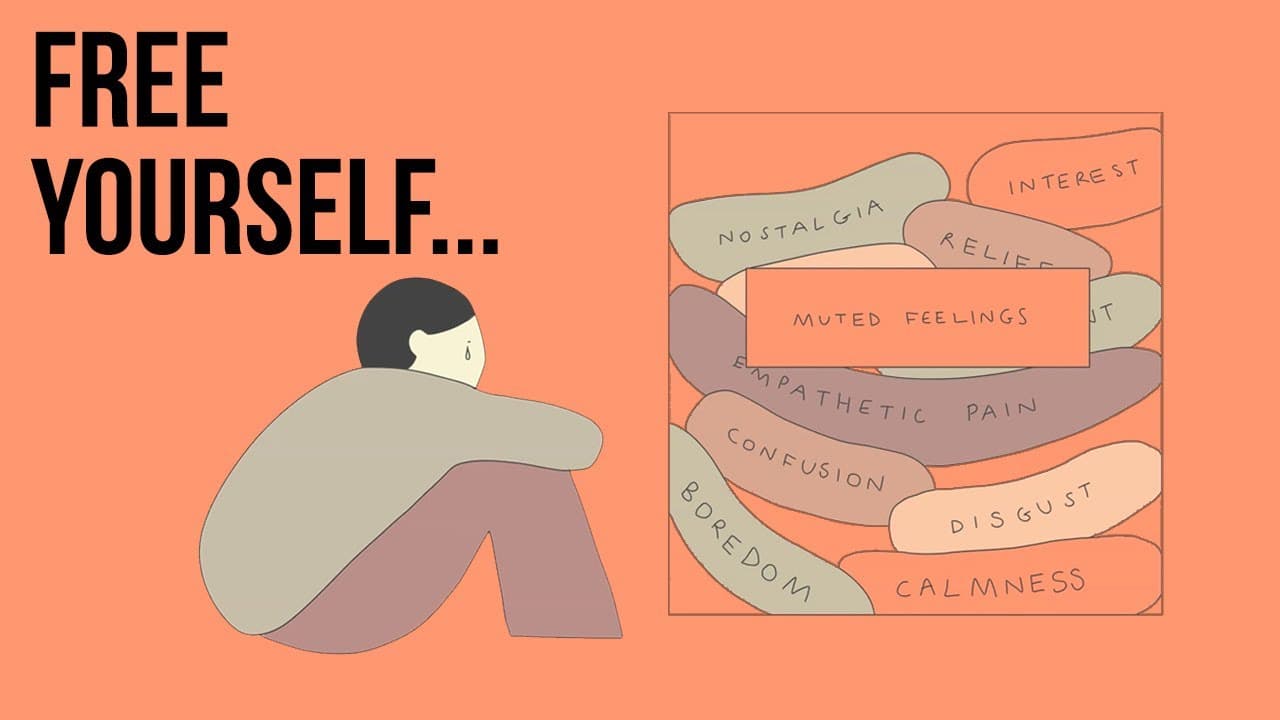
How to Deal with Negative Emotions: Daily Proven Techniques

How to Deal with Negative Emotions: Daily Proven Techniques

This animated video by The School of Life explores the importance of identifying and processing suppressed emotions to maintain psychological well-being. It argues that modern life often causes us to ignore our true feelings because they are too shocking, sad, or inconvenient to address in the moment. The video explains how "unfelt feelings" accumulate and manifest as anxiety, depression, or physical tension. Key themes include emotional intelligence, self-reflection, the mind-body connection, and the practice of introspection. The narrator suggests a specific daily technique involving quiet solitude and body scanning to "decode" these hidden emotions. It emphasizes that acknowledging difficult feelings like anger, grief, or resentment is necessary to transform them into manageable states and achieve peace of mind. For educators and students, this resource is a valuable tool for social-emotional learning (SEL). It provides a practical framework for understanding why we feel overwhelmed or anxious without an obvious cause. The video can be used to teach self-regulation strategies, mindfulness, and the vocabulary of emotions, helping students move from reactive states to responsive, self-aware behaviors.

The School of LifeThe School of Life

4mins 7s

Materials

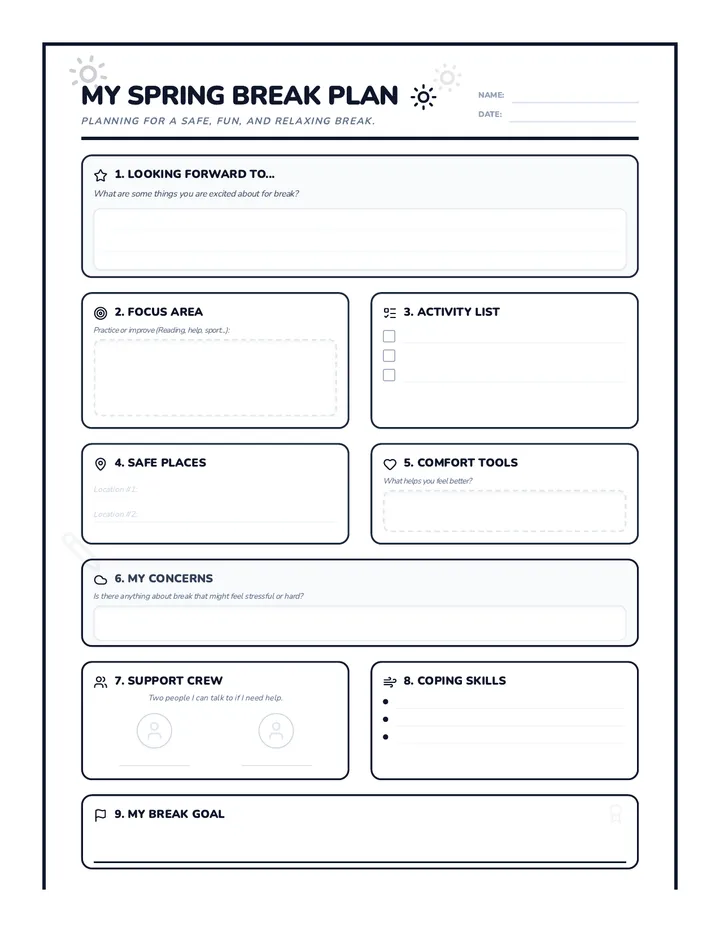
Spring Break Plan Worksheet Final Sun Theme V4 Final Final Final Final Final Final One Page Fixed One Page Fixed Fixed Fixed Fixed Fixed Fixed Fixed Final Final Final Final

Spring Break Plan Worksheet Final Sun Theme V4 Final Final Final Final Final Final One Page Fixed One Page Fixed Fixed Fixed Fixed Fixed Fixed Fixed Final Final Final Final

A finalized, single-page Spring Break Planner for middle school counseling. It features 9 journal-style sections optimized for black and white printing with a sun-themed aesthetic and explicitly listed crisis resources in a discrete footer.

A

angela_candelaria

Weekly Pulse Tracker Document

Weekly Pulse Tracker Document

A comprehensive 2-page middle school counseling check-in and multi-week tracking document. Page 1 features an interactive visual check-in with energy gauges, emotional state selectors, academic and SEL balance radars, goal reflections, a dedicated social worker discussion agenda, and a prominent crisis safety check and 24/7 support resources box. Page 2 provides a 6-week trend matrix, pattern reflection prompts, strategy vault with emergency contacts, and collaborative notes log.

GG

Gwendolyn Gunn-Ingram

Color Mood Tracker Worksheet

Color Mood Tracker Worksheet

An elegant, two-page Year in Color Mood Tracker for the 2026-2027 school year (August to May). It features a compact color rubric on each page and dedicated Monday-Friday calendar sections for each month with precise date numbering, plus beautiful reflective spaces for a mid-year check-in in December and a year-end review in May with optimized, spacious student handwriting areas.

LN

Leah Nickols

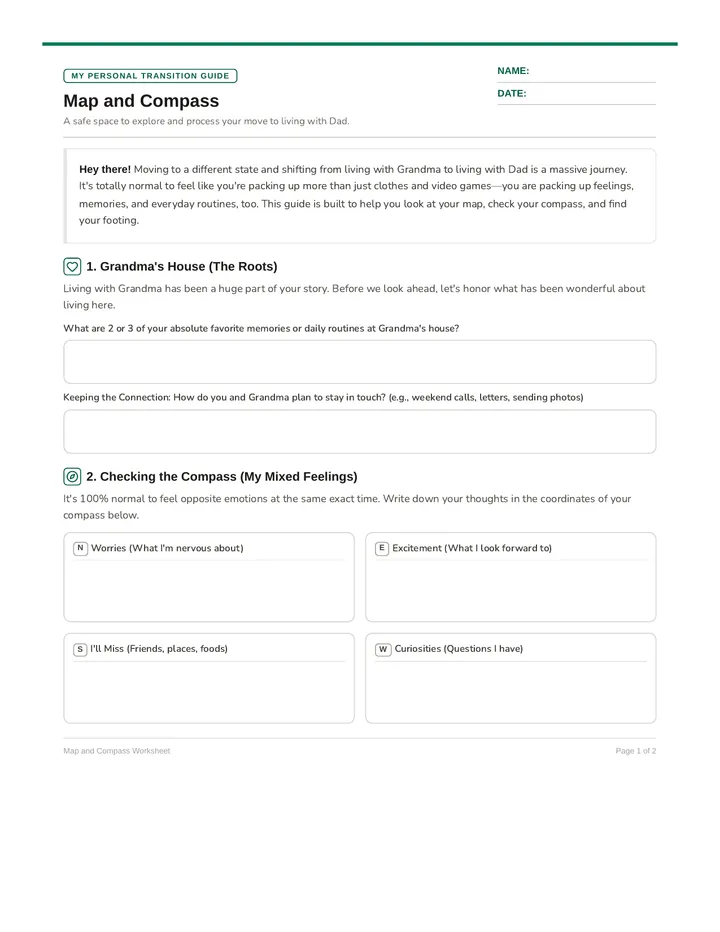
Map and Compass Worksheet

Map and Compass Worksheet

A reflective, gentle 2-page worksheet designed to help a 6th-grade student process thoughts, emotions, and practical transitions when moving from living with their grandmother to living with their dad in a new state. Fully redesigned with an ink-friendly, all-white print theme with fine borders and layout safety margins.

AH

Amaly H

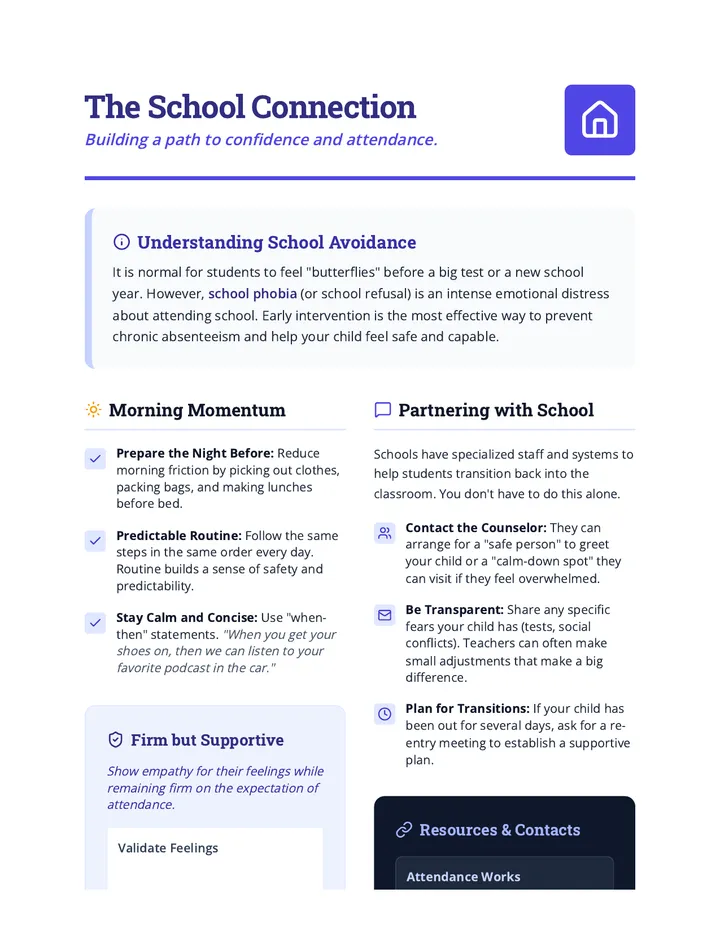
School Success Handout

School Success Handout

A refined one-page parent guide on school phobia and chronic absenteeism, featuring strategies for routines, supportive home environments, and school partnership with dedicated space for contact info.

SO

Scott O'Brien

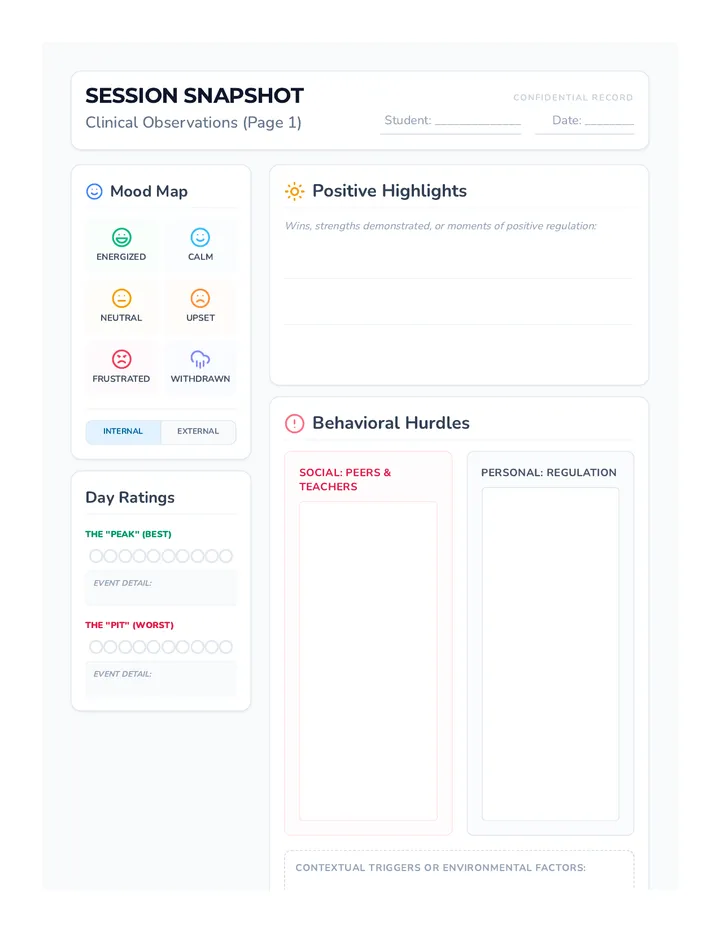
Session Snapshot Notes Expanded Fixed Final v1

Session Snapshot Notes Expanded Fixed Final v1

A comprehensive two-page session note-taking template for counselors. Page one tracks observation data like mood, day ratings, and behavior hurdles, while page two provides extensive space for clinical narrative, session synthesis, and planning. Strict page containment prevents messy overlap between printed pages.

G

gwadsworth

Sequences

Orientation Key Points Visual v2

DBT Skills for Young Explorers

A comprehensive DBT skills training sequence for elementary schools, split into K-2 and 3-5 curricula. This program covers Mindfulness, Distress Tolerance, Emotion Regulation, and Interpersonal Effectiveness using age-appropriate activities and narratives.

MB

Megan Bjork

173
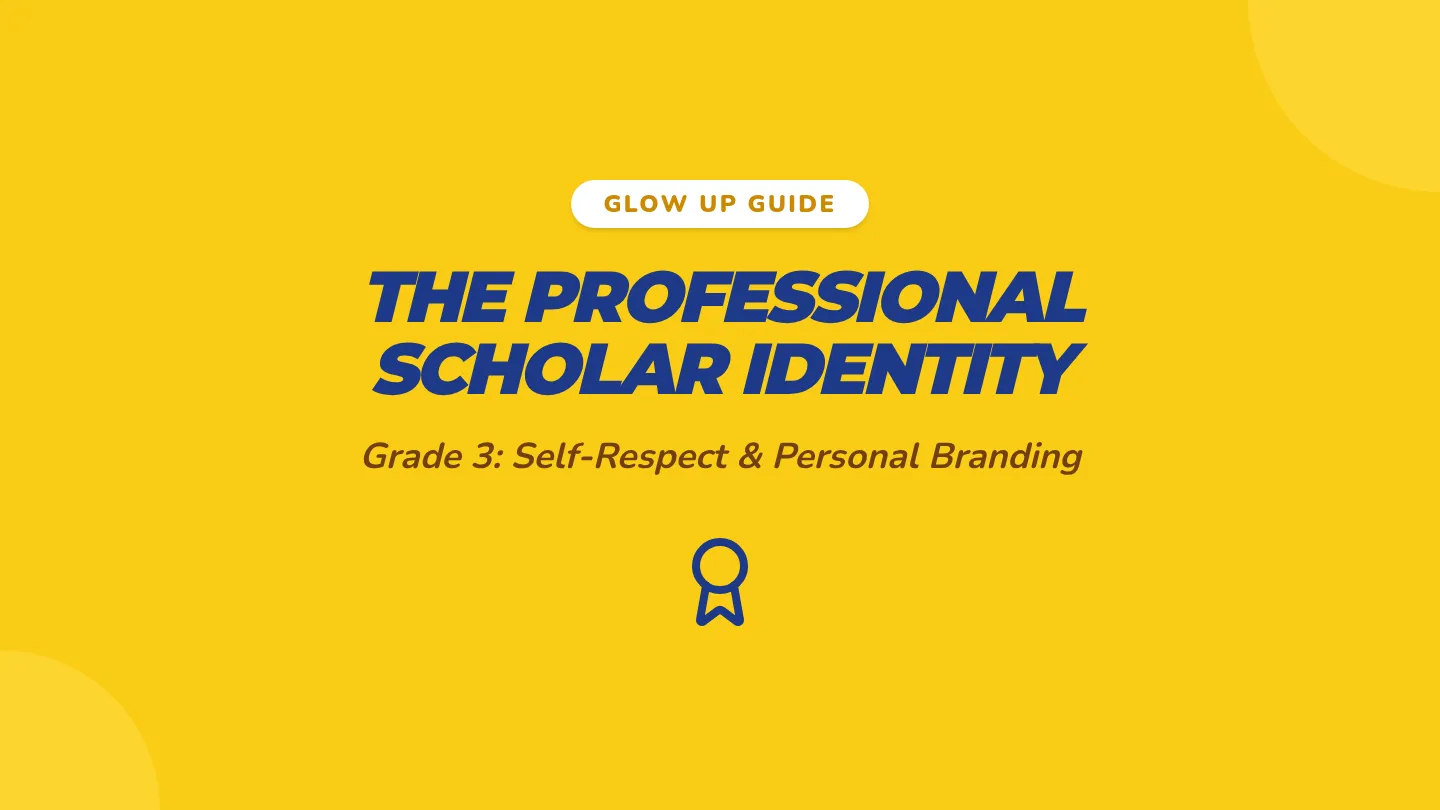
Freshness Slides (3) v2

Glow Up Guide (K-4)

A comprehensive SEL-integrated hygiene curriculum for elementary scholars (K-4), focusing on self-awareness, social impact, and personal responsibility through the lens of a 'Glow Up'.

T

tkeya.void

86
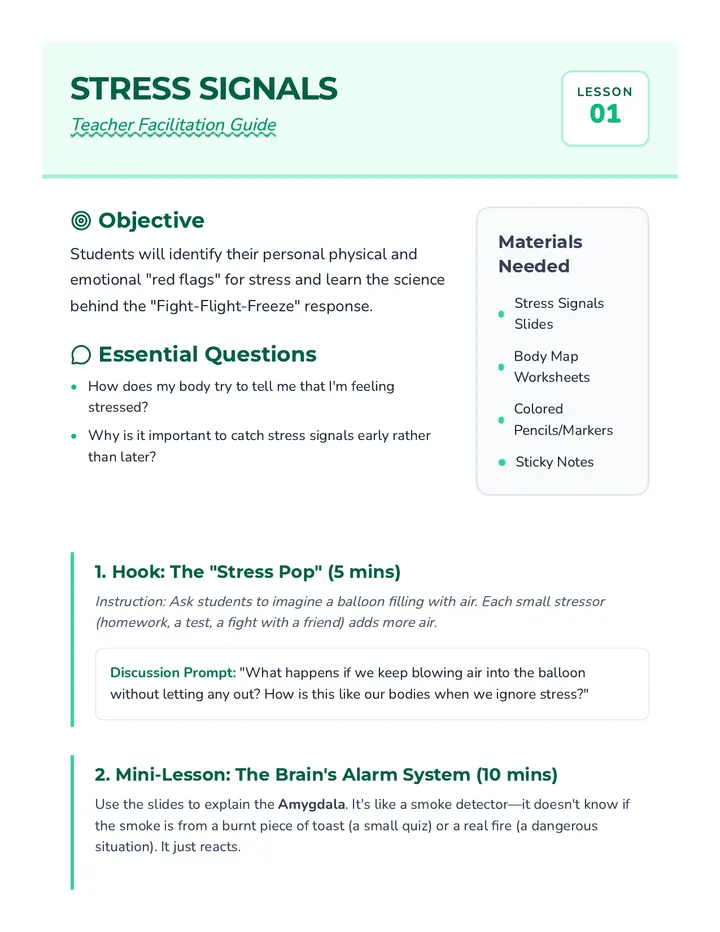
Stress Signals Teacher Guide

Mindful Masters

A 3-week comprehensive curriculum for middle schoolers focusing on identifying stress signals, developing healthy coping mechanisms, mastering positive self-talk, and building long-term resilience through interactive group activities and personal reflection.

KJ

Kayle Jordan

27
Body Scan Activity Sheet

Inner Strength Lab

A comprehensive 9-week social-emotional learning curriculum for 8th graders focusing on anxiety, self-esteem, and healthy relationships. Designed for two 2-hour sessions per week, with structured instruction on Day 1 and independent creative or research projects on Day 2.

D

dmartinez

37
Stress Survival Handout

The Launchpad

A comprehensive year-long curriculum for high school seniors focusing on college readiness, career planning, financial literacy, and social-emotional well-being. This sequence guides students through the complexities of post-secondary transitions with a special focus on arts-based pathways.

AM

Acacia McCombs

73
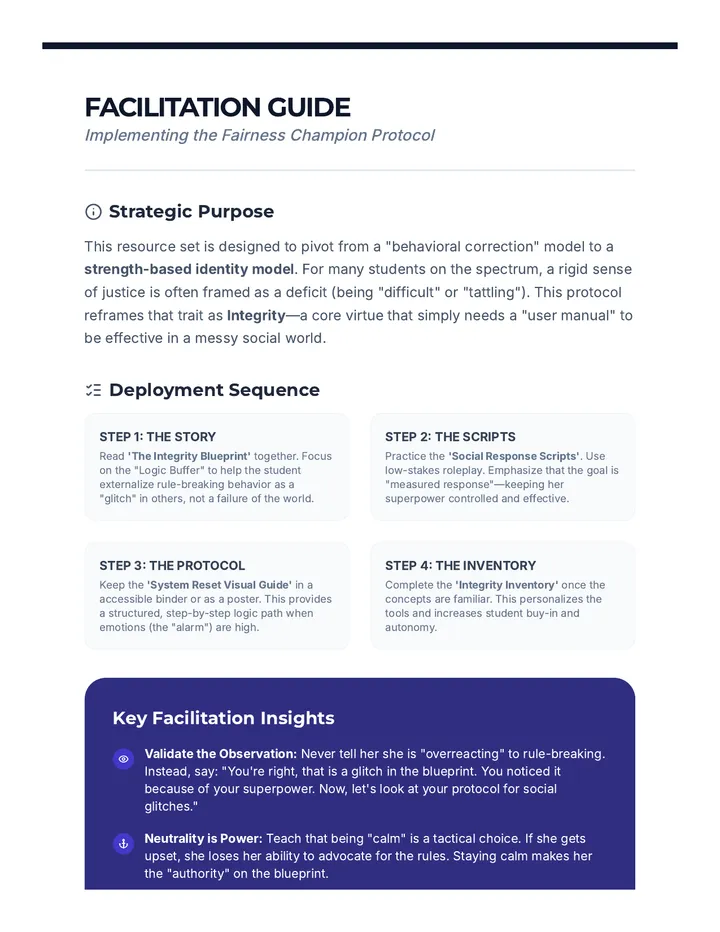
Champion Navigation Teacher Guide

Fairness Champion Curriculum

A 6-week social-emotional learning curriculum for a 13-year-old girl on the autism spectrum, focusing on managing specific triggers through a strength-based "Integrity Blueprint" lens.

MS

Minakshi Singal

18

Lessons

Calm and Capable Teacher Guide

Calm and Capable Testing

A comprehensive lesson focused on mindfulness and anxiety reduction strategies for students preparing for the ACAP assessment, featuring classroom activities and home support guides.

MS

MELBA SHANKS

12
Money Mastery Slides

Adulting Essentials

A comprehensive guide to essential adulting skills covering financial literacy, career development, health navigation, and civic responsibilities.

KM

Keyarow Mosley

18
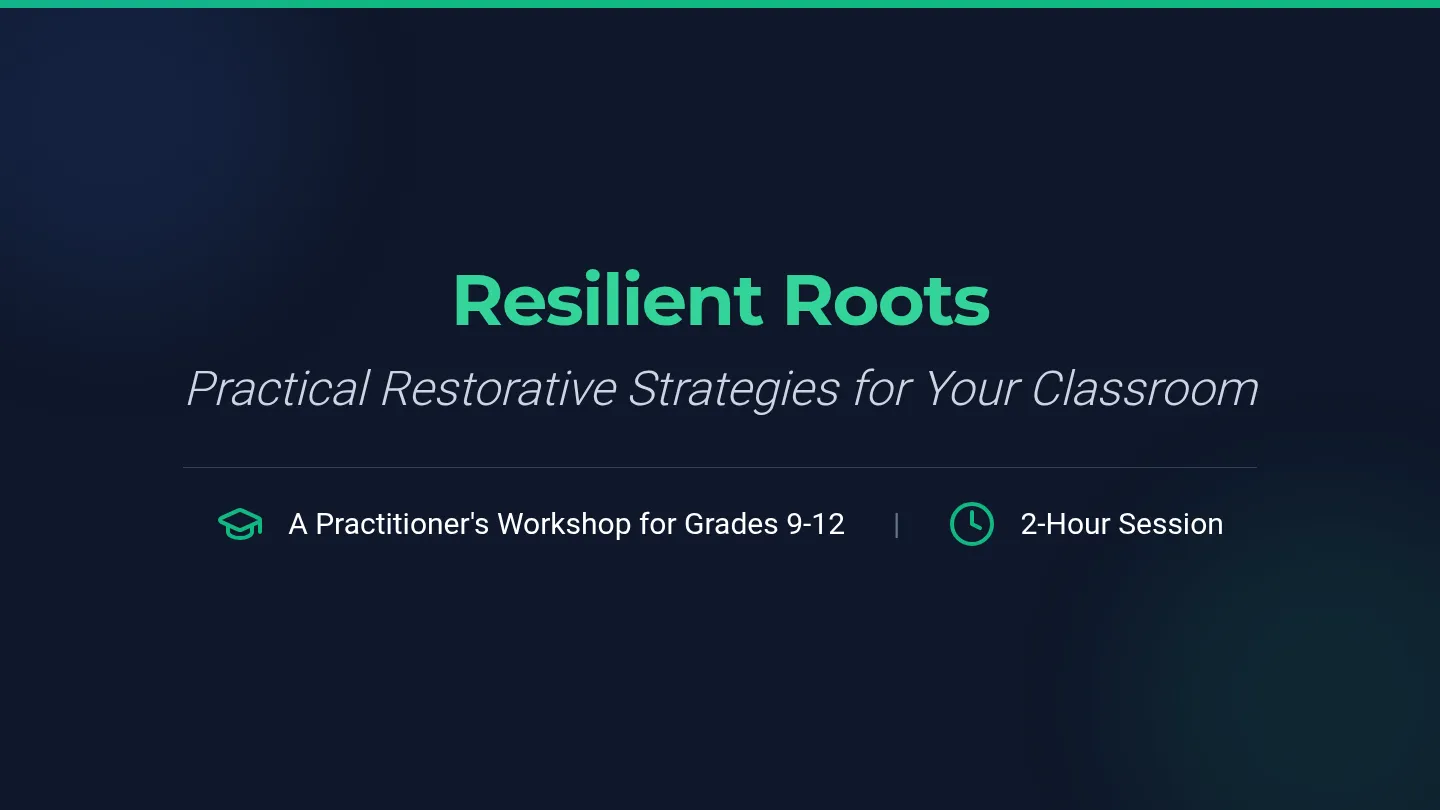
Resilient Roots Slides

Resilient Roots

A professional development session for high school teachers focusing on restorative practices, emotional regulation, and the implementation of proactive care plans. This lesson equips educators with the tools to handle chronic emotional challenges and foster deep connection with students in grades 9-12.

S

sadams4

5
Community Connections Flyer

Edgewood Intermediate Family Kit

A collection of resources, handouts, and intake forms specifically branded for Edgewood Intermediate School families in Franklin Township, Indiana to support their transition back to school.

DM

Danielle Maiden

4
Slide Deck Reference Sheet

Your Brain Your Boss

A 45-minute lesson for 6th graders on executive functioning and study skills, using the 'Inner CEO' metaphor to help students master organization, planning, and task management.

JS

Jordan Sicknick

6
Summer Chill Slides

Summer Mindfulness

A lesson designed to help students transition into summer break with mindfulness and coping strategies to manage end-of-year nerves and summer stressors.

SA

Sarah Adams

3