Lenny.com
Explore
Create
ActivitiesNewMathEnglish Language ArtsScience & EngineeringSocial StudiesGlobal LanguagesHealth & Physical EducationSpecial EducationCounseling & Life SkillsArts & CreativityESL
Lenny.com
Lenny.com
Explore
Create
ActivitiesNewMathEnglish Language ArtsScience & EngineeringSocial StudiesGlobal LanguagesHealth & Physical EducationSpecial EducationCounseling & Life SkillsArts & CreativityESL
Lenny.com
Lenny.com

Solutions

Lenny for EducatorsLenny for SchoolsLenny for Districts

Product

ExploreSign inCreateSupportAbout

Resources

Getting startedMTSS Acceleration Program

Newsletters

School Funding Newsletter

© 2026 Lenny Learning Inc.

TermsPrivacyAccessibility
LinkedInInstagramX
Lenny

Accessing Mental Health Resources

Identification of professional support networks, crisis hotlines, and community-based mental health services. Equips users to navigate insurance, school resources, and emergency intervention protocols for immediate care.

Counseling & Life SkillsSelf-AwarenessBasic Emotion RecognitionComplex Emotion IdentificationEmotional Nuance & Mixed FeelingsBuilding Positive Self-ImageRecognizing Strengths & Growth AreasAccurate Self-AssessmentPersonal Values IdentificationCultural & Individual Identity ExplorationValues-Based Decision MakingSelf-ManagementStop-and-Think StrategiesDelaying GratificationIndependent Impulse ManagementIdentifying Stress TriggersShort-Term Goal SettingSMART Goals DevelopmentGoal Monitoring & AdjustmentBuilding Perseverance & ResilienceInternal Motivation DevelopmentComprehensive Stress Reduction PlanningSocial AwarenessRecognizing Others' FeelingsDemonstrating EmpathyRespecting Individual DifferencesUnderstanding Cultural DiversityComplex Empathetic ResponsesMultiple Viewpoint ConsiderationMulti-Perspective AnalysisChallenging Stereotypes & BiasRelationship SkillsActive ListeningClear Verbal & Nonverbal CommunicationBuilding Positive FriendshipsWorking Cooperatively in GroupsCommunicating Personal BoundariesRespecting Others' BoundariesAssertive ExpressionPeaceful Problem-SolvingContributing to Team GoalsComplex Conflict NavigationMediation & NegotiationHealthy Romantic RelationshipsResponsible Decision-MakingDaily Problem IdentificationBrainstorming Multiple SolutionsEvaluating Pros & ConsRecognizing Risks & ConsequencesApplying Ethical FrameworksInformed Risk-Benefit DecisionsRoot Cause AnalysisMindfulnessMindful BreathingBody Scan MeditationDaily Mindfulness ApplicationDaily Self-Care RoutinesBalancing Life DemandsAdvocating for Wellness NeedsMental Health SupportUnderstanding Anxiety SymptomsWorry Management StrategiesProgressive Muscle RelaxationRecognizing Depression SignsBuilding Mood-Supporting RoutinesBehavioral Activation for MoodUnderstanding Grief StagesHealthy Grief CopingCreative Expression of LossBehavioral SupportDaily Check-In ProceduresDaily Goal Setting & ReviewRecognizing Escalation Warning SignsRequesting Breaks & SupportSelf-Calming During DistressUnderstanding Positive ReinforcementToken Economy ImplementationBehavior Chart TrackingAnalyzing Behavior PatternsIdentifying Antecedents & ConsequencesDetermining Behavior FunctionFunction-Based InterventionsIndividualized Behavior ContractsData-Driven Behavior AdjustmentTherapeutic ApproachesThoughts-Feelings-Behaviors ConnectionRecognizing Thinking PatternsChallenging Negative ThoughtsPositive Self-Talk PracticeThought Record TrackingAdvanced Cognitive RestructuringComprehensive CBT PlansBehavioral Activation TechniquesBuilding Positive ExperiencesExposure Hierarchies for AnxietyPresent-Moment AwarenessNon-Judgmental ObservationSelf-Soothing & DistractionComplex Emotion LabelingReducing Emotional Vulnerability (PLEASE)DEAR MAN CommunicationGIVE Skills for RelationshipsFAST Skills for Self-RespectRadical Acceptance PracticeCrisis Survival Skills (TIPP)Understanding Trauma EffectsTrauma Responses & TriggersIdentifying Trauma FeelingsGrounding TechniquesRegulation During Trauma DistressSafe Place VisualizationProcessing Through NarrativeDeveloping Trauma StoryPersonalized Safety PlanningGroup SupportTurn-Taking & SharingGroup Conversation SkillsSharing in Supportive EnvironmentLearning from Similar ChallengesBuilding Community & BelongingNavigating Peer RelationshipsGroup Skill PracticeGroup Mental Health EducationStress & Anxiety UnderstandingCrisis Support & SafetyKnowing When to Seek HelpIdentifying Mental Health CrisesGrounding During CrisisUsing Crisis HotlinesBuilding Support NetworksAccessing Mental Health ResourcesWarning Signs & Coping StrategiesDeveloping Personal Safety PlansUnderstanding Suicide Warning SignsGatekeeper Skills for PeersDigital LiteracySocial MediaTechnology BasicsProductivity ToolsInternet and Online ResearchWeb Design and PublishingDigital CitizenshipOnline Safety and PrivacyEmerging TechnologiesFinancial LiteracyMaking Financial DecisionsBanking and AccountsConsumer SkillsSaving and InvestingCredit and DebtEmployment and IncomeTaxesInsuranceMajor PurchasesEconomic ConceptsFinancial PlanningCollege & Post-Secondary PlanningCareer ExplorationUnderstanding Post-Secondary OptionsCollege Research & SelectionAdmission RequirementsCollege Application ProcessPersonal Statement WritingFAFSA CompletionScholarship Search & ApplicationsUnderstanding Student LoansContinuing Education PlanningInterview PreparationResearching EmployersCommon Interview QuestionsSTAR Method ResponsesProfessional Interview PresenceVirtual Interview SkillsInterview Follow-UpJob Search SkillsUnderstanding Job PostingsEffective Job Search StrategiesNetworking for OpportunitiesResume Writing BasicsAction Verbs & AchievementsTailoring Resumes to JobsCover Letter WritingProfessional ReferencesProfessional CommunicationBusiness Email EtiquettePhone & Voicemail ProfessionalismMeeting ParticipationPresentation SkillsProfessional Work EthicTime Management & ProductivityTeamwork & CollaborationAdaptability & FlexibilityProblem-Solving at WorkConstructive FeedbackWorkplace RightsUnderstanding Employment LawsPay & Benefits UnderstandingWorkplace SafetyAnti-Discrimination & Harassment

Videos

What is Psychosis?

What is Psychosis?

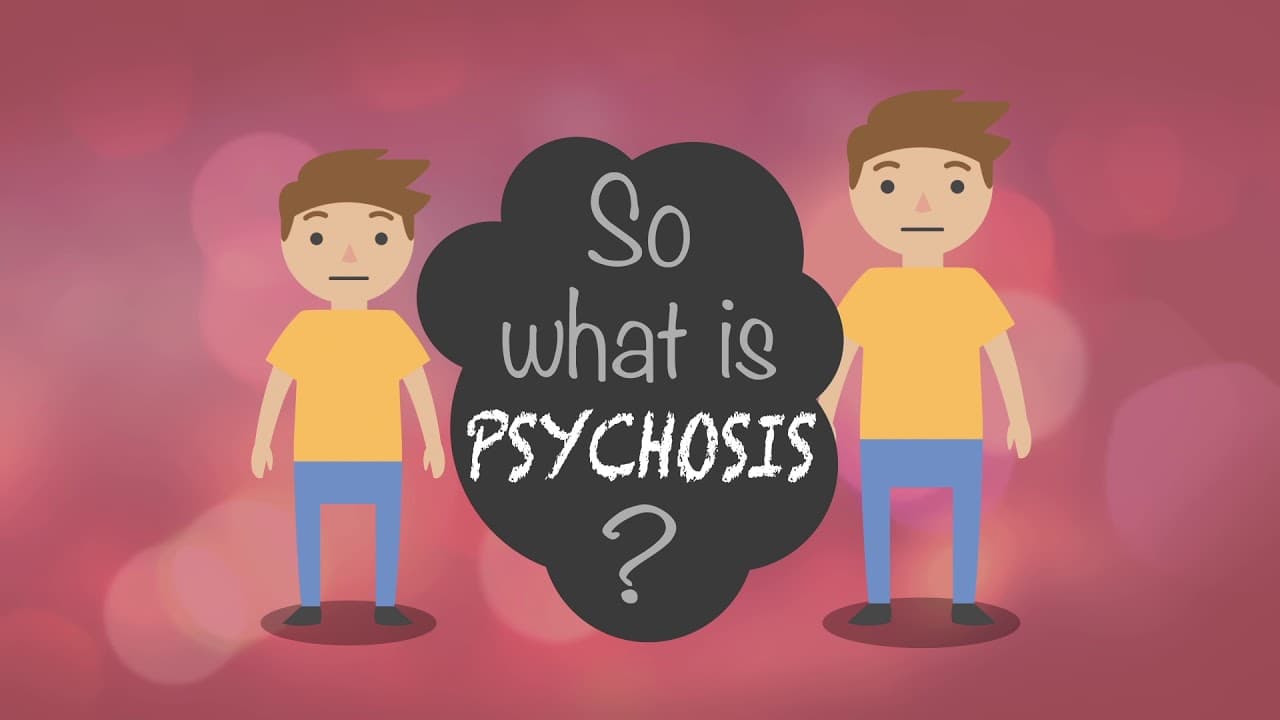
This educational animation provides a clear, compassionate, and scientifically grounded introduction to psychosis, a condition affecting millions of people. It opens with a first-person simulation of a psychotic episode in a restaurant setting, helping viewers build empathy by experiencing the confusion and fear associated with auditory and visual hallucinations. The video transitions from this narrative hook into hard data, explaining that psychosis typically first occurs between ages 15 and 30 and affects a diverse range of people across all income and education levels. The content systematically breaks down the primary symptoms of psychosis, including visual hallucinations (seeing shapes or shadows), auditory hallucinations (hearing voices), disorganized thinking, and delusions (believing in special powers or surveillance). Crucially, the video addresses and dismantles harmful stigmas, clarifying that individuals with psychosis are rarely dangerous or "crazy," but rather withdrawn, confused, and frightened. It emphasizes that experiences are unique to each individual. For educators, this video is a vital tool for mental health literacy units in high school and college settings. It serves as an excellent primer for psychology classes or health curriculum, providing a safe entry point into a complex topic. By focusing on early intervention and the reality of recovery through therapy and medication, the video empowers students to recognize signs in themselves or peers and seek help, moving the conversation from fear to understanding and action.
The Center for Health Care Services - Bexar CountyThe Center for Health Care Services - Bexar County

3mins

Ways to Stop Bullying

Ways to Stop Bullying

This animated video provides a practical, four-step guide for students dealing with bullying, framing the issue not as a personal failure but as a common challenge faced even by successful celebrities. Through engaging whiteboard animations, it outlines a concrete action plan: boosting self-confidence by listing personal strengths, building a supportive social circle, ignoring bullies to deny them a reaction, and seeking help from trusted adults or hotlines when situations feel unsafe. The content explores key themes of self-worth, social resilience, and safety strategies. It actively reframes 'nerdy' or 'different' traits as unique strengths that will be valued in adulthood, directly countering the isolation victims often feel. By emphasizing that bullying often stems from the aggressor's personal issues rather than the victim's flaws, the video helps students detach their self-image from the abuse they receive. For educators, this video serves as an excellent social-emotional learning (SEL) tool. It provides a structured framework for difficult conversations about harassment and safety. The clear, actionable steps (Confidence, Army, Ignore, Talk) give students a mental checklist they can use in real-world scenarios. Teachers can use the suggested exercises—like writing down positive traits or identifying a "support army"—as classroom activities to build a culture of empathy and resilience.

watchwellcastwatchwellcast

5mins 31s

How to Get Out of an Unhealthy Relationship

How to Get Out of an Unhealthy Relationship

This animated video provides a compassionate and practical guide for young people on recognizing and leaving unhealthy relationships. It begins by contrasting the feelings associated with healthy versus unhealthy dynamics, such as safety and support versus fear and anxiety. The video clearly outlines "red flags" including teasing, blaming, controlling behavior, and physical harm, helping viewers identify toxic patterns in their own lives. The core of the video focuses on a step-by-step "breakup plan" designed to keep the individual safe and supported. It advises on choosing the right method of communication (phone, text, or public place), using clear language to state that the relationship isn't working, and setting boundaries without feeling obligated to manage the other person's emotions. It emphasizes the critical importance of involving a trusted adult, especially if safety is a concern. Finally, the video addresses the emotional aftermath of a breakup, validating feelings of sadness and loss even when the relationship was bad. It encourages self-care strategies like hobbies and spending time with friends. This resource is invaluable for health and guidance curriculums, providing students with the vocabulary and actionable steps needed to navigate difficult interpersonal situations and prioritize their emotional and physical well-being.

AMAZE OrgAMAZE Org

2mins 54s

Why getting help early is important

Why getting help early is important

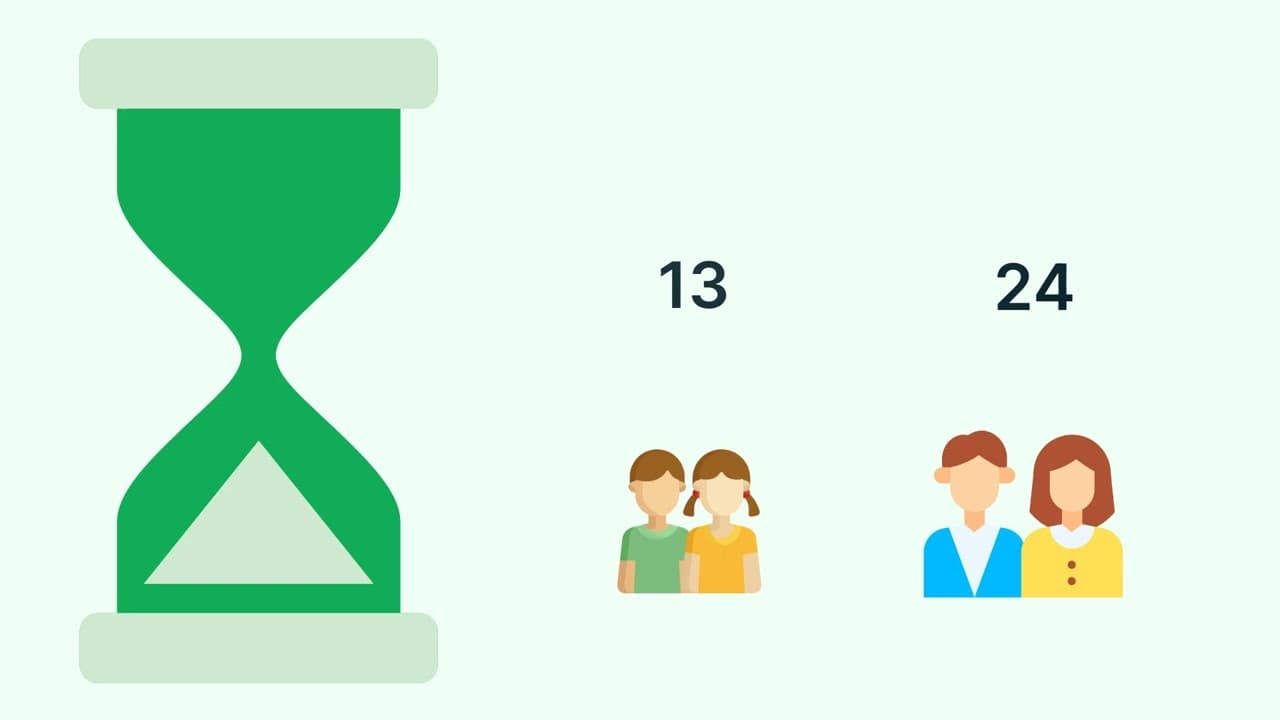
This educational video addresses the critical importance of early intervention in mental health care. It explains the common barriers to seeking help—such as not understanding symptoms or fear of judgment—and highlights the significant gap between the onset of symptoms and treatment, which averages 11 years. By comparing mental illness to physical illness, the video normalizes treatment and emphasizes that mental health conditions are manageable with professional support. Key themes explored include the stigma surrounding mental health, the tangible benefits of early intervention, and the potential consequences of untreated mental illness, such as homelessness and involvement in the justice system. It also provides sobering statistics about suicide rates among youth to underscore the urgency of the issue. The video is a vital resource for health education, counseling sessions, and social-emotional learning (SEL) curricula. It empowers students by providing actionable resources, such as the Crisis Text Line and NAMI (National Alliance on Mental Illness), making it an excellent tool for initiating difficult conversations about well-being and encouraging help-seeking behaviors.

Brain Health BootcampBrain Health Bootcamp

3mins 9s

Developing a Crisis Plan

Developing a Crisis Plan

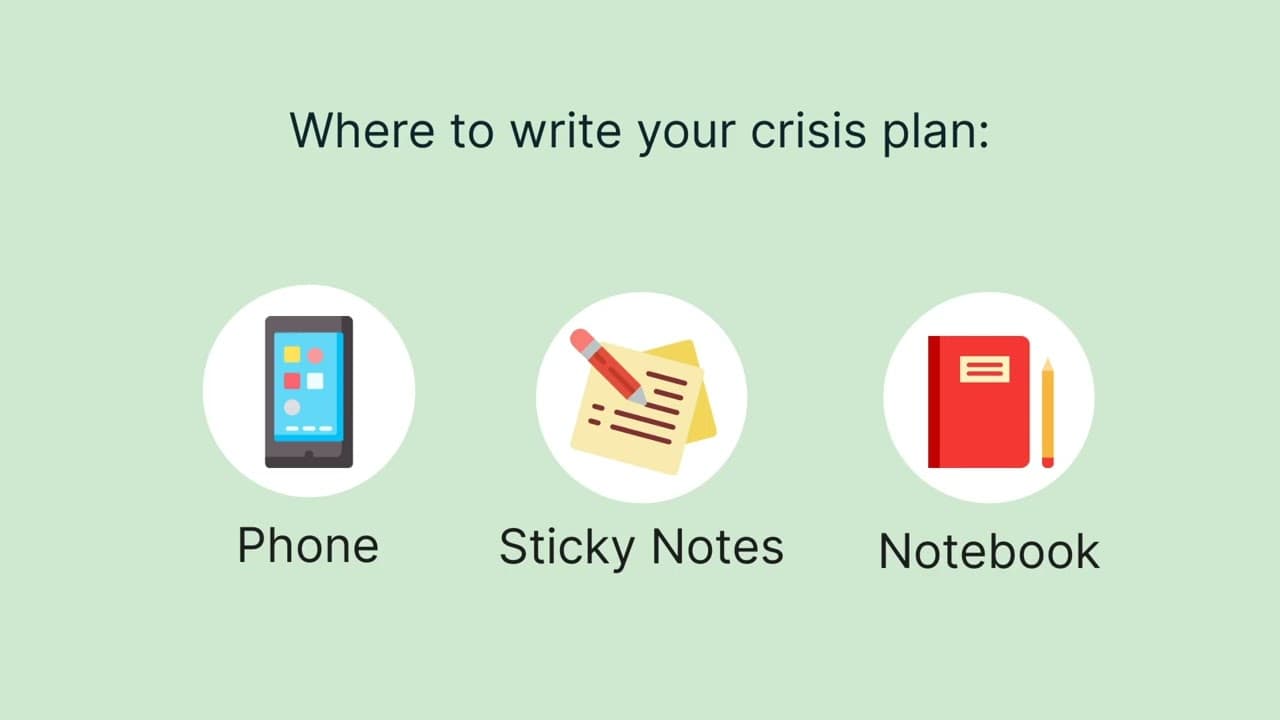
This concise and practical video guide explains the concept, importance, and components of a mental health crisis plan. It defines a crisis plan as a proactive strategy created before an emergency occurs, designed to help individuals navigate mental health crises when they may not be thinking clearly. The video outlines exactly where to store this plan—such as in a phone or notebook—and details the specific information it should contain, ranging from medical history to personal coping strategies. The video explores key themes of mental health preparedness, self-advocacy, and safety planning. It emphasizes that crises can happen unexpectedly, even when someone is in treatment, and normalizes the need for preparation. The content breaks down the essential elements of a safety plan, including contact information for support networks, medication details, triggers (what makes things worse), and glimmers (what helps), as well as logistical details like nearby emergency centers. For educators and mental health professionals, this video serves as an excellent introduction to Social Emotional Learning (SEL) and health education. It provides a concrete, actionable tool for students to manage their well-being. It moves beyond abstract awareness of mental health to practical application, teaching students how to build a safety net for themselves or loved ones. It is particularly useful for health classes, advisory periods, or counseling sessions focused on emotional regulation and safety.

Brain Health BootcampBrain Health Bootcamp

1min 49s

Materials

Poster Collection Giant Newspaper

Poster Collection Giant Newspaper

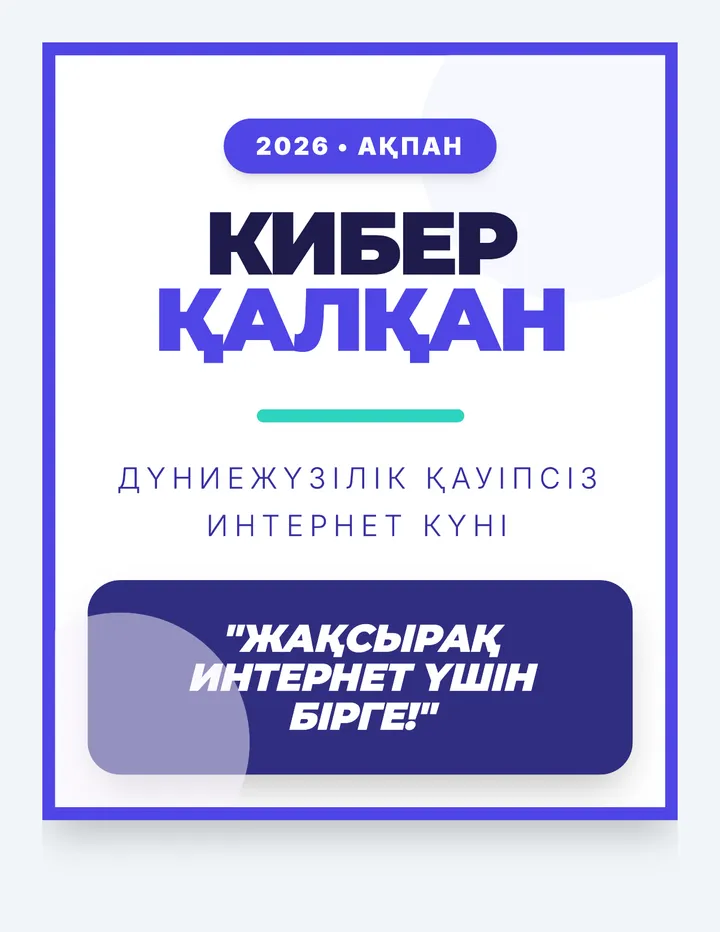
Set of 5 individual large-format posters for a school wall newspaper. Includes: Title Poster, Primary School Guide (1-4), Middle School Guide (5-9), Video/QR Poster, and an Interactive Quiz/Sticker Zone. Each page is designed as a high-visibility, standalone piece for World Safer Internet Day.

AT

Aidana Tusupova

Spring Break Plan Worksheet Final Sun Theme V4 Final Final Final Final Final Final One Page Fixed One Page Fixed Fixed Fixed Fixed Fixed Fixed Fixed Final Final Final Final

Spring Break Plan Worksheet Final Sun Theme V4 Final Final Final Final Final Final One Page Fixed One Page Fixed Fixed Fixed Fixed Fixed Fixed Fixed Final Final Final Final

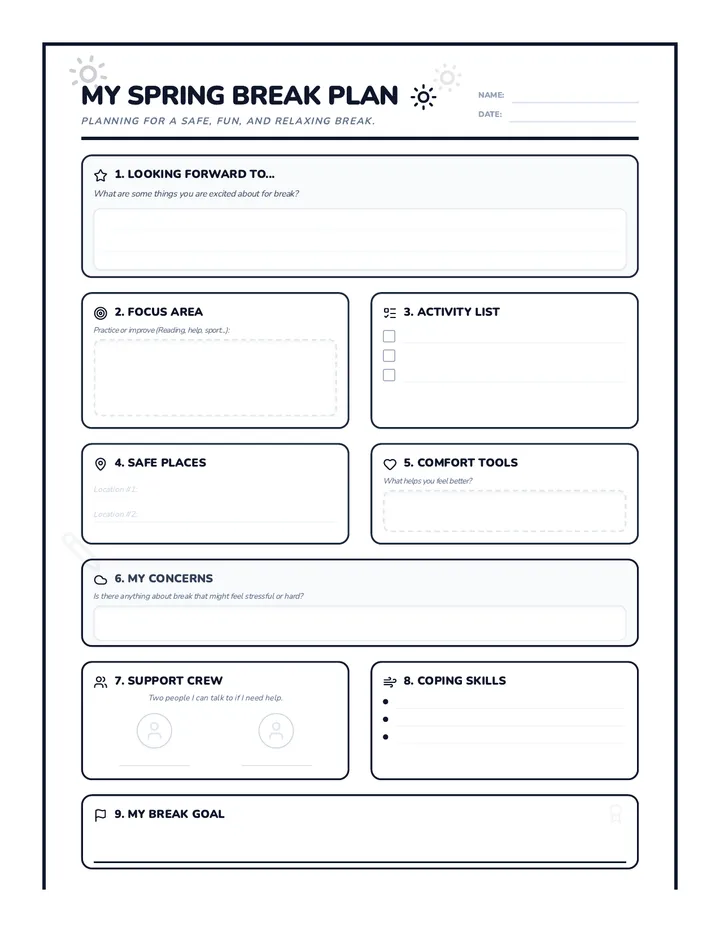
A finalized, single-page Spring Break Planner for middle school counseling. It features 9 journal-style sections optimized for black and white printing with a sun-themed aesthetic and explicitly listed crisis resources in a discrete footer.

A

angela_candelaria

Utah Campus Care Guide

Utah Campus Care Guide

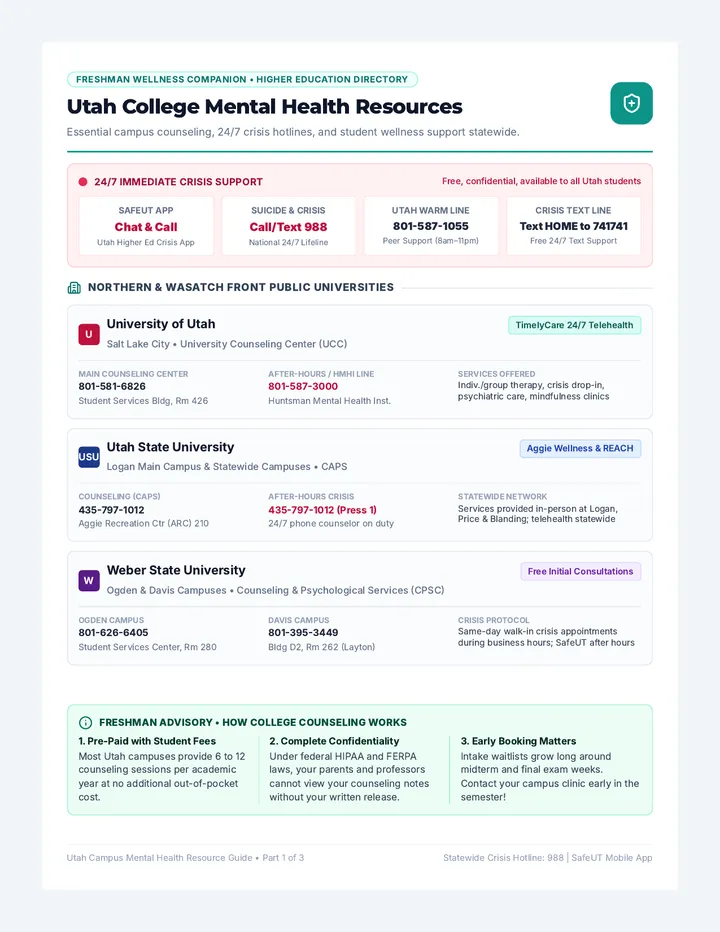
A comprehensive 3-page printable reference directory of mental health and crisis support services across all Utah colleges and universities, designed specifically for incoming freshmen.

AM

Anna Marie Isaacson

Weekly Pulse Tracker Document

Weekly Pulse Tracker Document

A comprehensive 2-page middle school counseling check-in and multi-week tracking document. Page 1 features an interactive visual check-in with energy gauges, emotional state selectors, academic and SEL balance radars, goal reflections, a dedicated social worker discussion agenda, and a prominent crisis safety check and 24/7 support resources box. Page 2 provides a 6-week trend matrix, pattern reflection prompts, strategy vault with emergency contacts, and collaborative notes log.

GG

Gwendolyn Gunn-Ingram

Morning Landing HalfPage Slip

Morning Landing HalfPage Slip

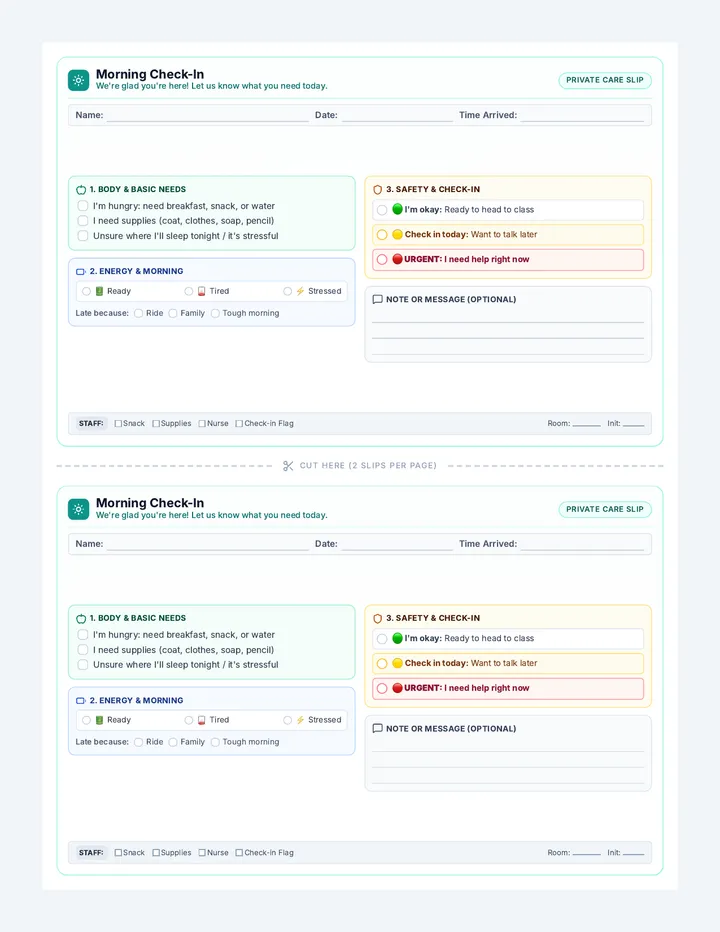
A simplified, two-per-page printable half-page check-in slip for quick morning needs assessments, covering basic essentials, energy, safety flags, and personal notes.

LS

Laura Stevens

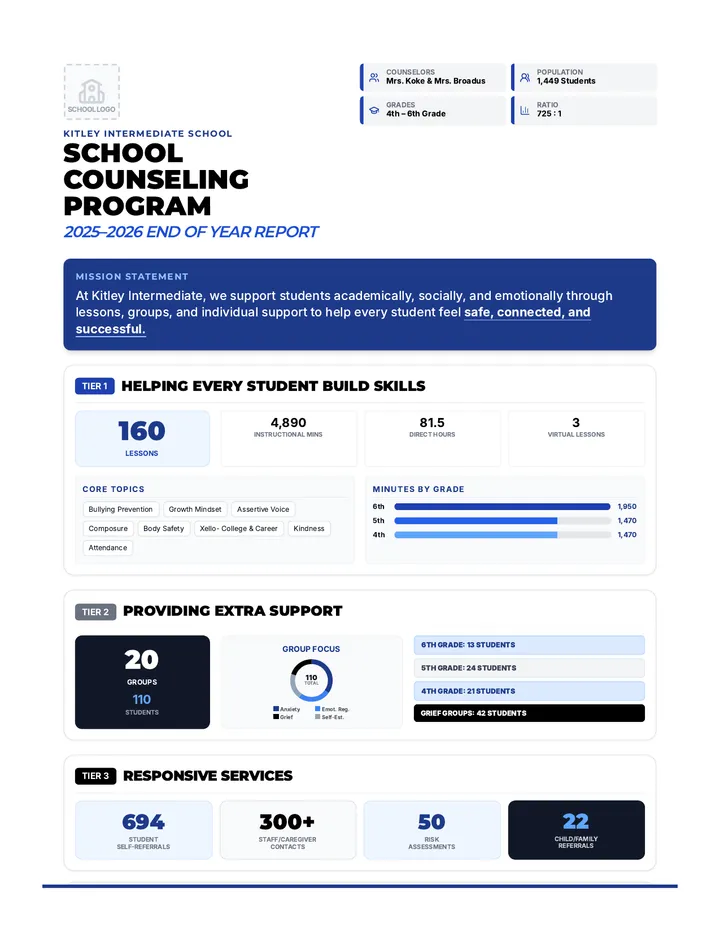
Kitley Counseling Program Report

Kitley Counseling Program Report

A redesigned front-and-back school counseling report for Kitley Intermediate School, optimized for print with tight layouts ensuring all Tier 1-3 data, outcome goals, and student growth metrics fit onto two pages. Includes placeholder boxes for school logos.

H

Heather.Koke

Sequences

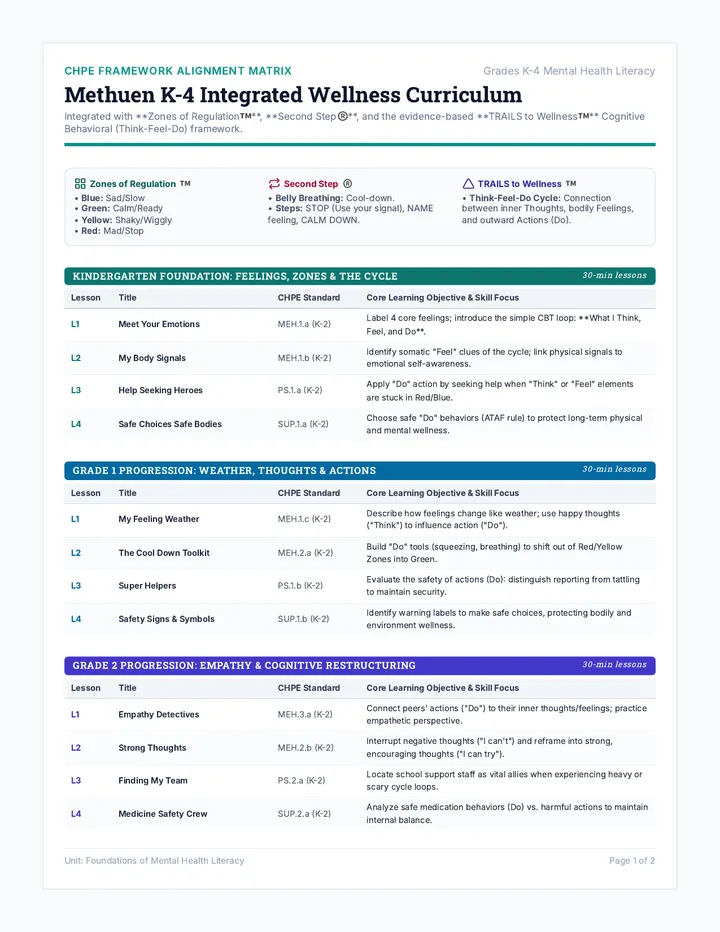
Methuen Wellness Curriculum Reference Sheet

Methuen K-4 Integrated Wellness Curriculum

A comprehensive, developmentally appropriate mental health literacy curriculum for elementary students (Grades K-4) aligned with the CHPE Framework. This curriculum delivers structured lessons across multiple grades covering emotion identification, physical body signals, trusted helpers, and safe choices, integrated with Zones of Regulation, Second Step, and TRAILS to Wellness.

JC

John Crocker

61
Kinder Hero Heart Slides

Shield Squad Bullying Prevention

A comprehensive bullying prevention curriculum for PK-6 students, featuring two distinct 30-minute sessions for every individual grade level. The program uses mentor texts by Kathryn Otoshi, Trudy Ludwig, Julia Cook, and others to scaffold concepts of power imbalance, upstander strategies, and school culture change.

R

robin.fishman

25
DBT Group Teacher Guide

DBT Group Skills

A comprehensive 13-week curriculum for middle school students focused on the four core modules of Dialectical Behavior Therapy: Mindfulness, Interpersonal Effectiveness, Emotion Regulation, and Distress Tolerance. Students learn and practice key coping strategies in a supportive group setting.

IY

ilana yakubovich

23
Summer Safety Hero Slides

Summer Safety Academy

A multi-grade social-emotional learning unit focused on 'Summer Safety Heroes'. Lessons are tailored for different developmental levels, from 1st-grade foundations to 3rd-grade scientific mastery and risk management.

HM

Heidi Moore

26
Speak Up Stand Tall Lesson Plan

Brave Voices Strong Hearts

A six-lesson series for K-3 students with communication IEPs, specifically those who stutter. The sequence focuses on defining bullying, identifying feelings, building self-advocacy through brave words and I-statements, and fostering empathy to become upstanders.

M

malone_jennifer

42
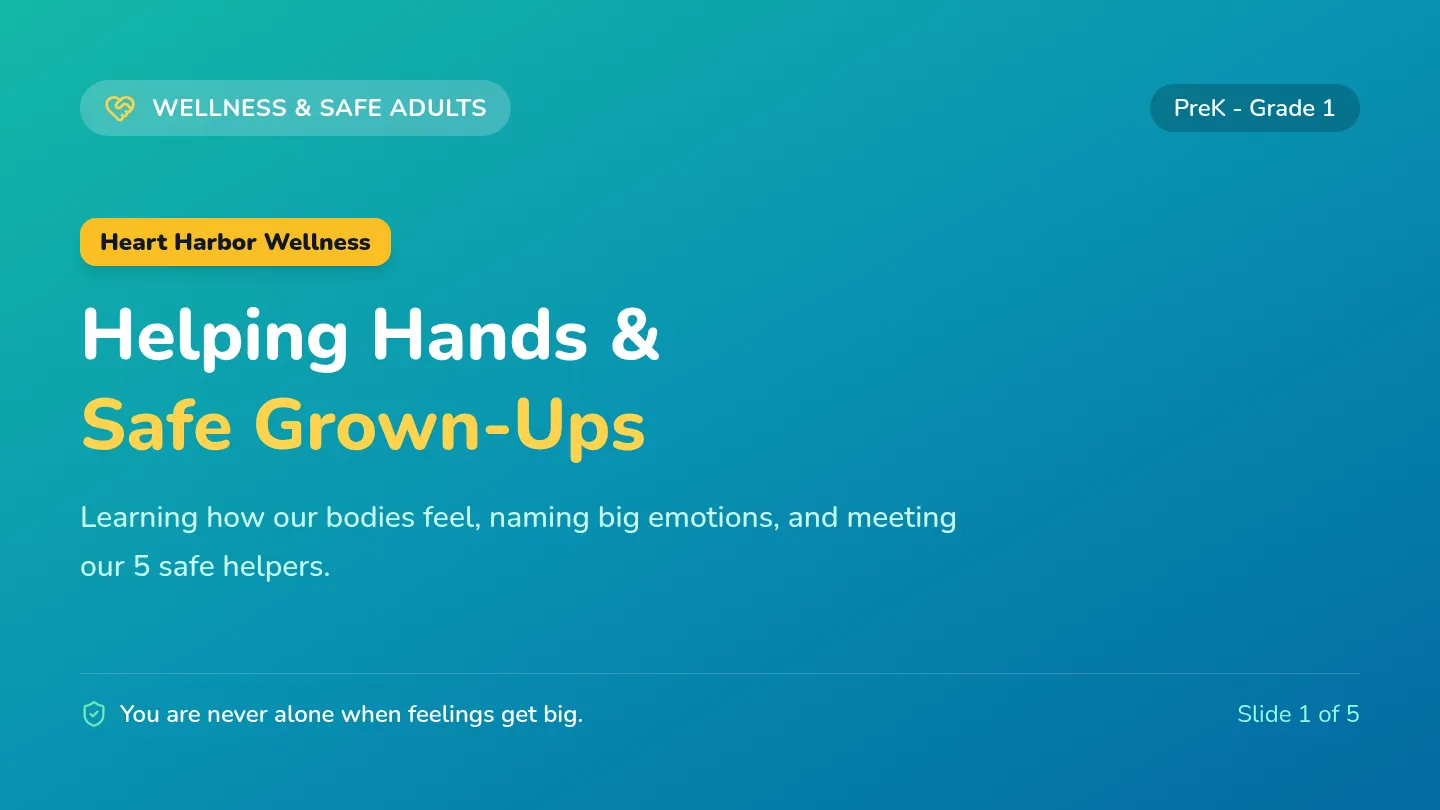
Helping Hands Slides

Heart Harbor Wellness

A comprehensive PreK-5 mental wellness and prevention curriculum fostering emotional literacy, self-regulation, trusted adult safety networks, and proactive help-seeking.

JR

Janice Rourk

9

Lessons

Community Connections Flyer

Edgewood Intermediate Family Kit

A collection of resources, handouts, and intake forms specifically branded for Edgewood Intermediate School families in Franklin Township, Indiana to support their transition back to school.

DM

Danielle Maiden

4
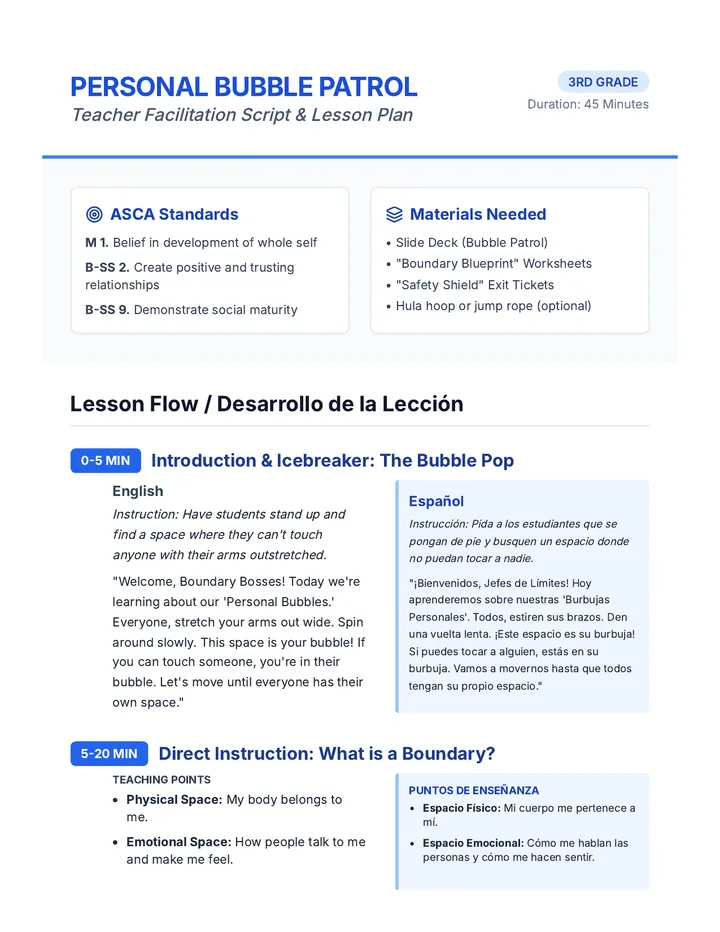
Bubble Patrol Teacher Script

Personal Bubble Patrol

A 45-minute guidance lesson for 3rd graders focused on personal boundaries and safety. Aligned with ASCA standards, this lesson uses the 'Personal Bubble' metaphor to teach physical and emotional space.

KG

Kimberly Gordon

8
Size of the Problem Grade 3-4 Worksheet

Size of the Problem Strategies

A comprehensive lesson that teaches students how to identify and categorize the size of problems using a mountain climbing metaphor. Students will learn appropriate strategies for Small, Medium, and Large problems.

CO

Christy Olivieri

5
Brave Bridge Slides

The Brave Bridge

A presentation and workshop for parents and caregivers to understand school avoidance and how to break the accommodation cycle in middle schoolers.

BH

Bennett Higgins

6
Chat Commander Guide

Chat Code

A 45-minute lesson designed for middle schoolers to navigate the social complexities of group chats, focusing on digital empathy, tone interpretation, and being a supportive 'upstander' in digital spaces.

KJ

Kayle Jordan

20
Grief and Loss Lesson Plan

Coping with Grief and Loss

A compassionate lesson for high school students to understand the non-linear stages of grief and develop healthy coping mechanisms for navigating loss.

CO

Colleen O'Donoghue

5