Resilience Roadmap Newsletter
Resilience Roadmap
Mental Health & Life Skills Series
Parent Edition
February 2026
"Resilience is not about never falling; it's about how quickly we get back up and what we learn in the process."
What is Resilience?
Resilience is the ability to adapt well in the face of adversity, trauma, or significant stress. It is not an innate trait that children either have or don't have; rather, it involves behaviors, thoughts, and actions that can be **learned and developed** in anyone.
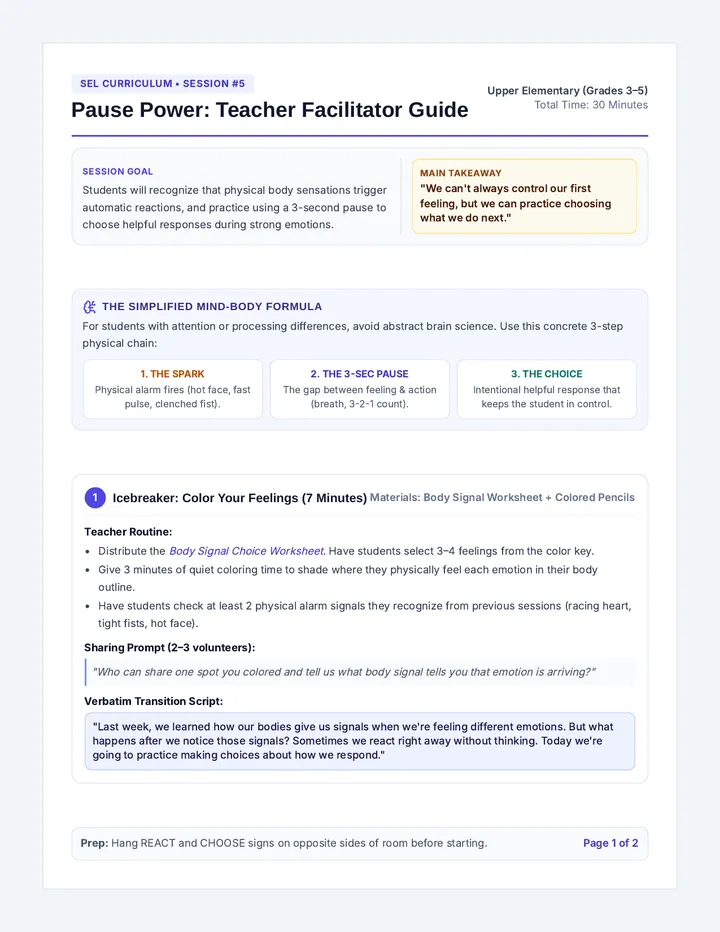
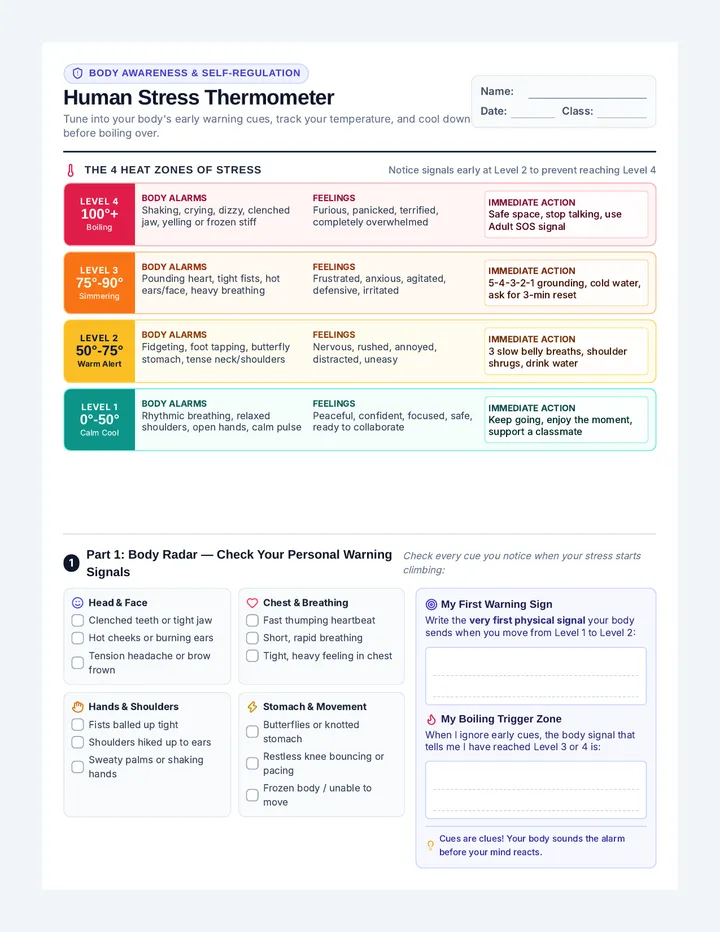
For our students, resilience means having the "inner grit" to navigate a difficult test score, a disagreement with a friend, or the everyday pressures of growing up. We aren't removing stress—we're teaching management.
3 Strategies for Home
01
Promote Solving Over Rescuing
When your child faces a challenge, resist the urge to immediately fix it for them. Instead, ask: "What are some ways you think you could handle this?" This builds their confidence in their own ability to navigate obstacles.
02
Model Healthy Coping Skills
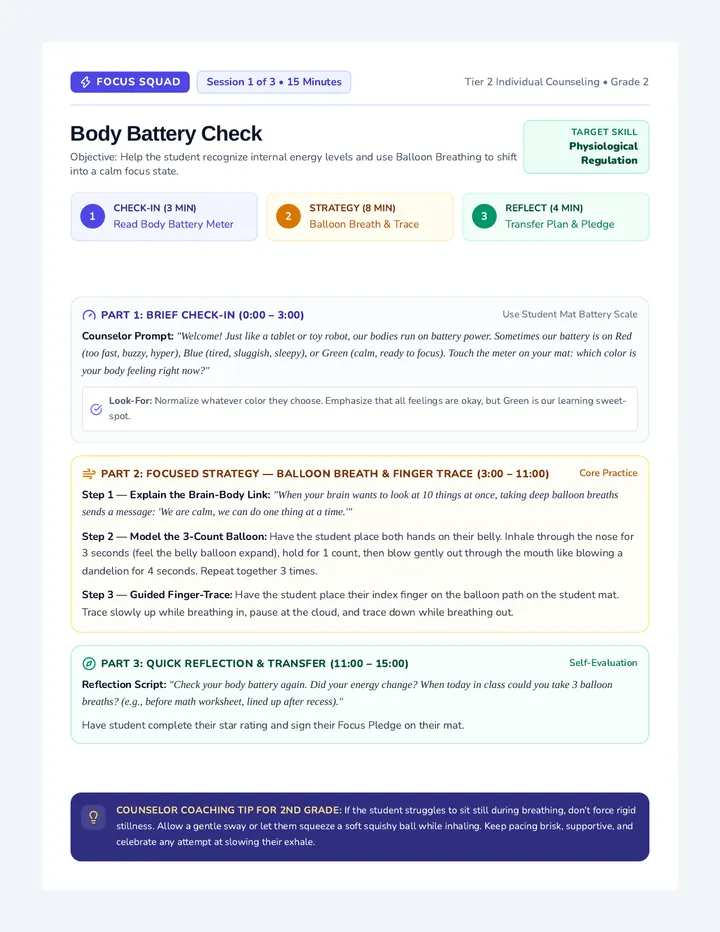
Narrate your own stress management. Say out loud, "I'm feeling a bit overwhelmed, so I’m going to take a walk to clear my head." Children learn resilience primarily by watching how the adults in their lives handle frustration.
03
Reframe Mistakes as Learning
Change the narrative around "failure." If a project doesn't go well, focus on the effort. Ask, "What's one thing you'd do differently next time?" This fosters a growth mindset, which is the foundation of resilience.
Table Talk
Try asking these at dinner tonight:
- "What was something tricky you tried today?"
- "What's a mistake you made that taught you something?"
- "Who is a resilient person you admire?"
External Support Toolkit
Child Mind Institute
childmind.org
APA Resilience Guide
apa.org/topics
Crisis Text Line
Text HOME to 741741
NAMI Support
nami.org
School Counseling Team
[School Phone]
[Counselor Email]