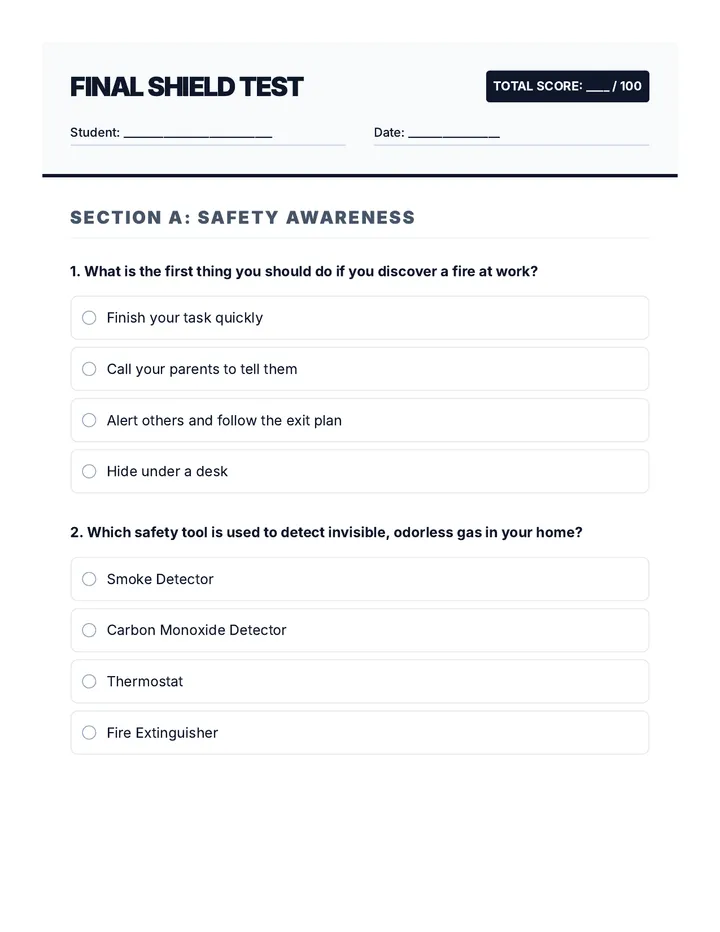
OSHA standards, hazard identification, and emergency response protocols for professional environments. Strengthens understanding of employee rights regarding protective equipment and incident reporting.
This curriculum equips transition-age learners (18–22) with essential life and work skills needed for independence and community engagement, covering daily living, financial literacy, job readiness, and more.
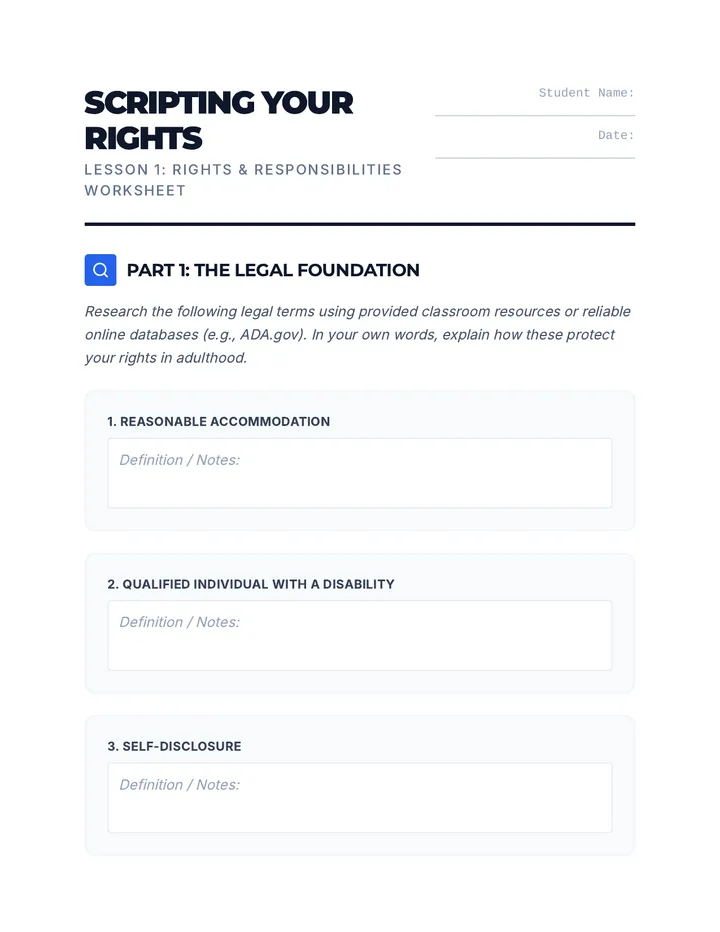
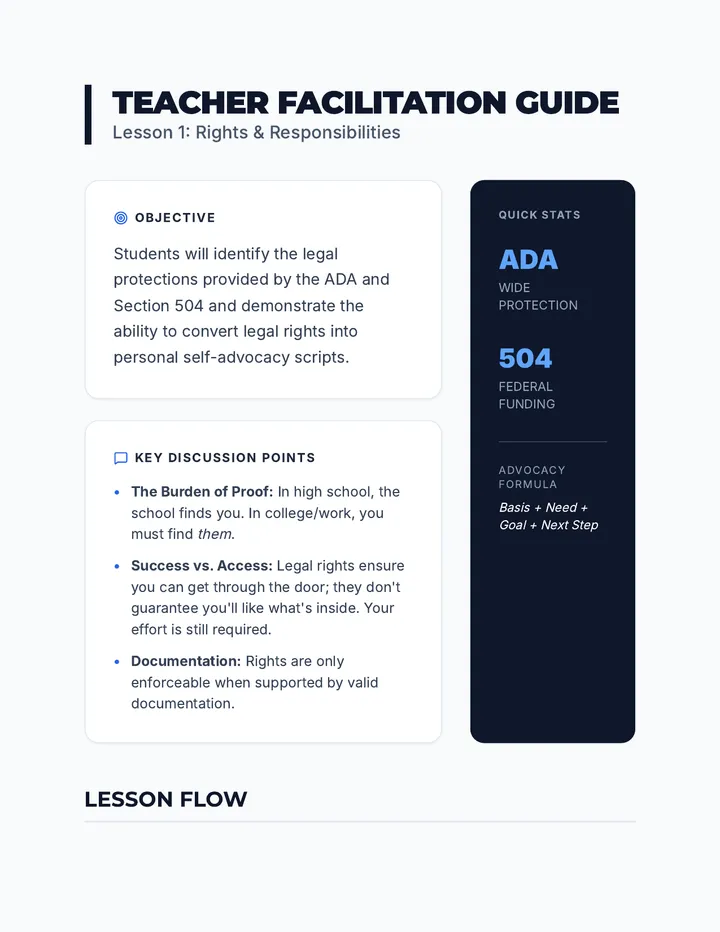
A comprehensive transition sequence for 12th-grade students focused on disability rights, the nuances of disclosure, and the practical application of self-advocacy scripts in post-secondary and workplace settings.
A high-level sequence for 11th graders focusing on the legal, ethical, and operational standards of professional telecommunications through the lens of quality assurance and management.
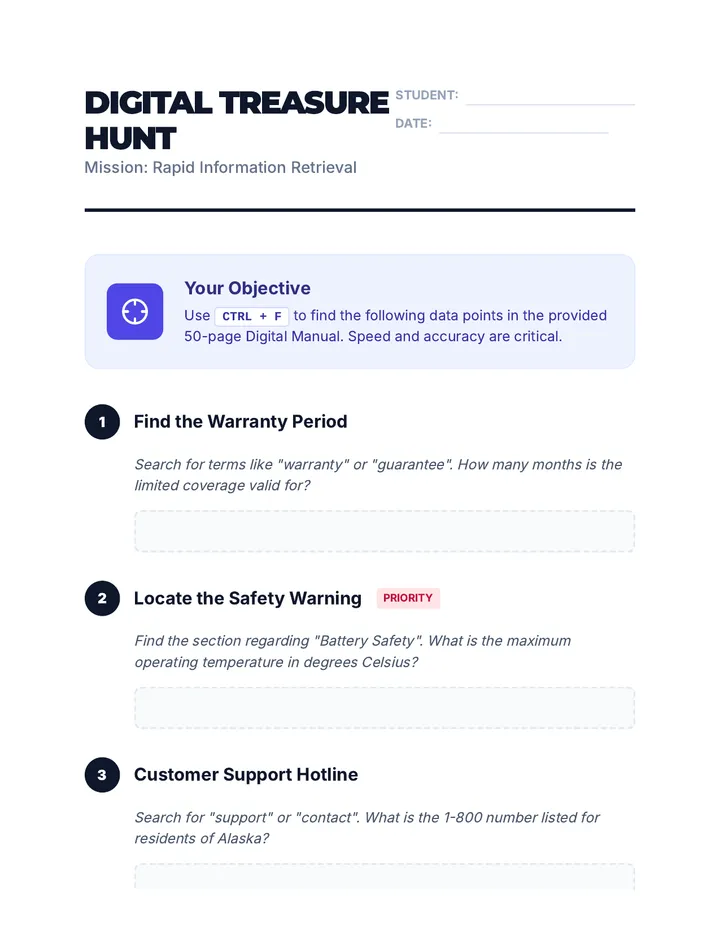
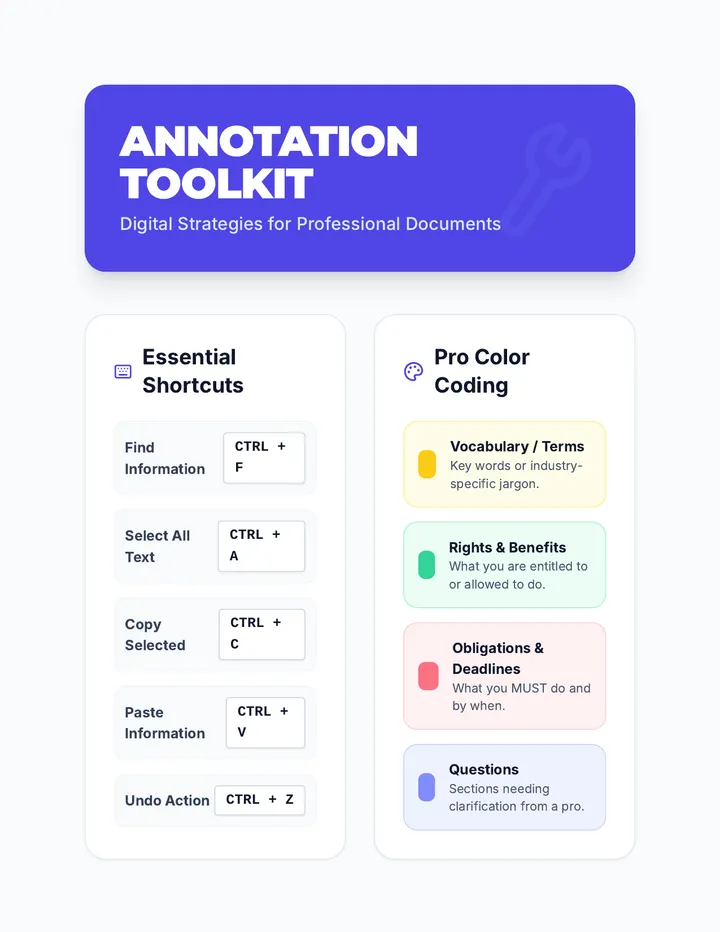
A comprehensive unit for 12th-grade students focusing on translating traditional annotation skills to digital interfaces and professional documents. Students will learn to navigate digital tools, manage non-linear web texts, analyze legal leases, collaborate in shared documents, and troubleshoot using technical manuals to prepare for post-secondary life.
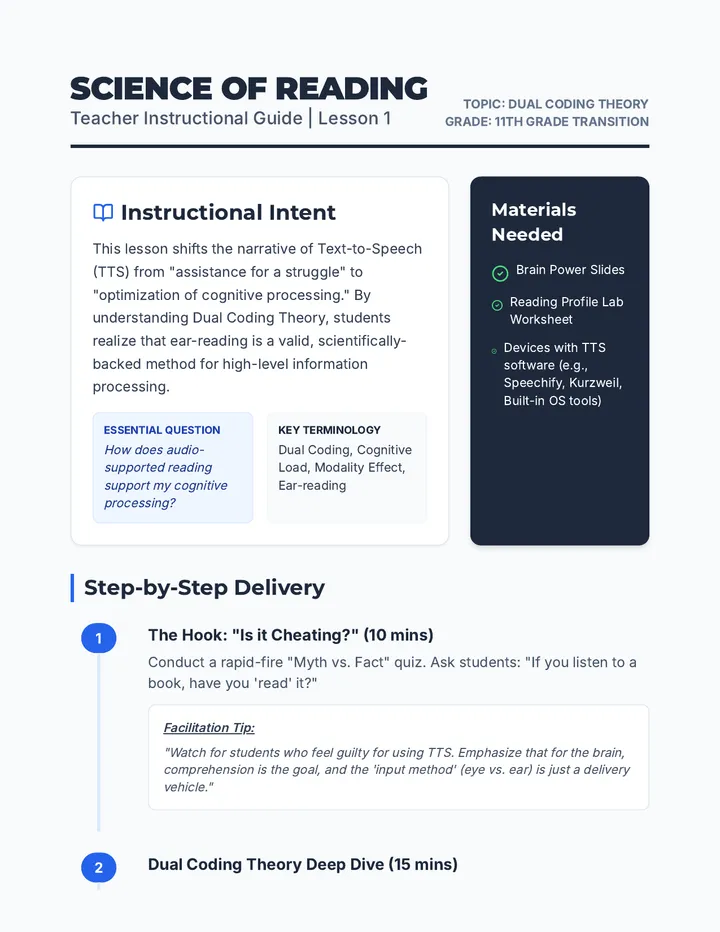
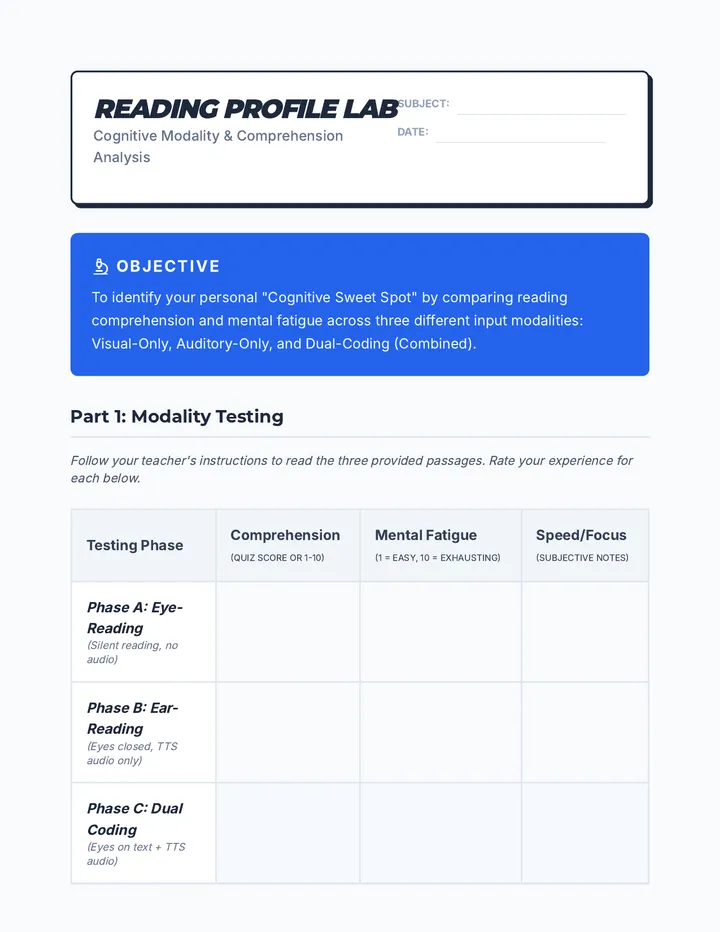
A comprehensive sequence for 11th-grade students focusing on the metacognitive and self-advocacy skills needed for using Text-to-Speech (TTS) technology in post-secondary environments. Students investigate cognitive science, legal frameworks, and practical communication strategies to ensure accessibility in college and career.
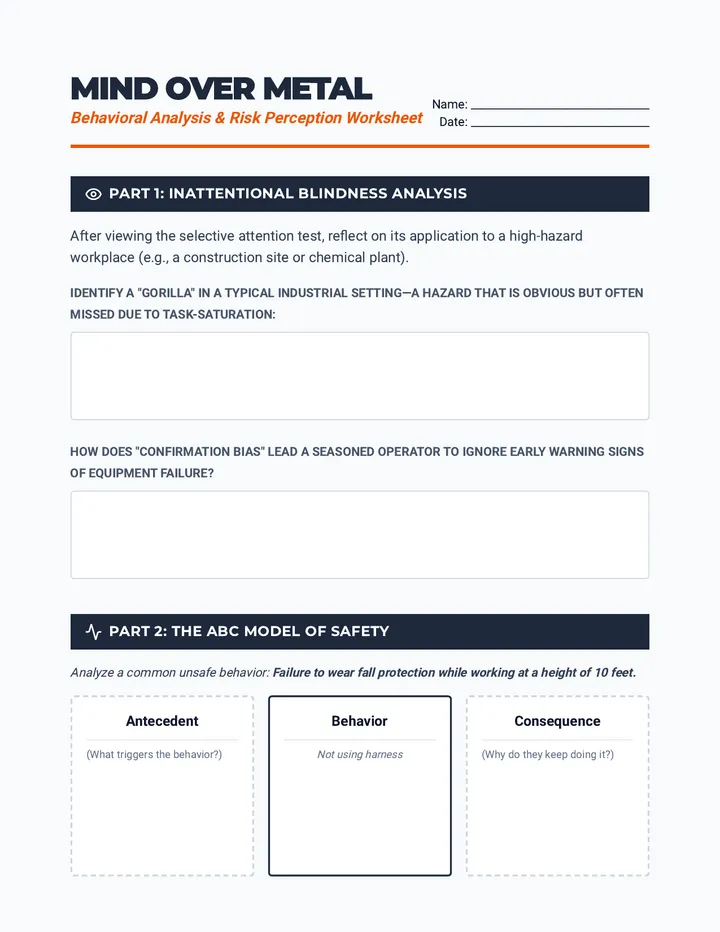
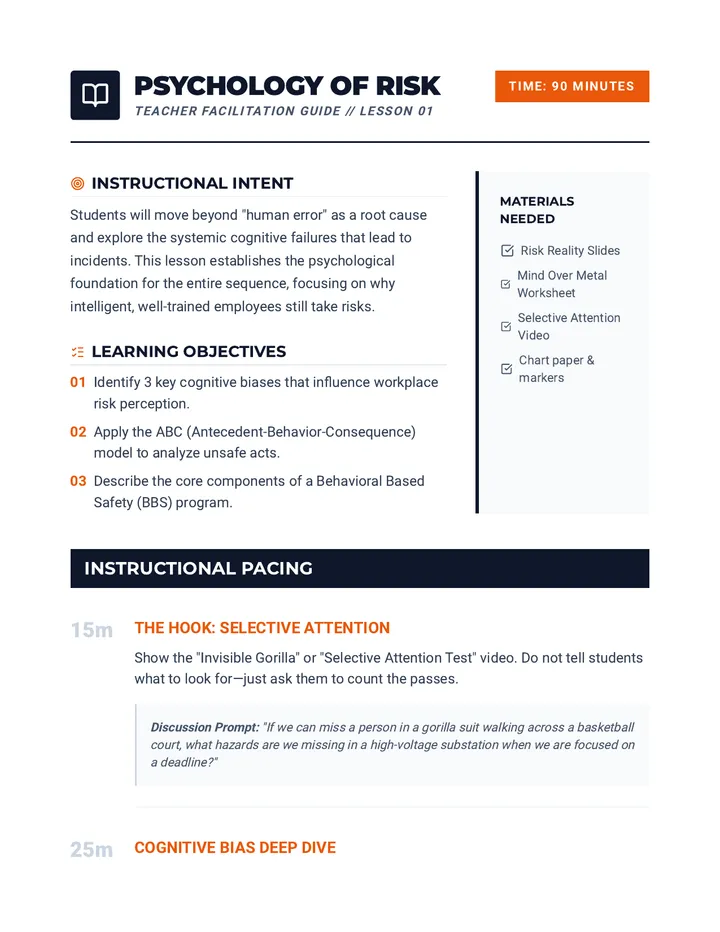
An advanced graduate-level exploration of the intersection between organizational psychology and workplace safety, focusing on Behavioral Based Safety, whistleblower protections, and the cultivation of a 'Just Culture' that encourages transparent incident reporting.
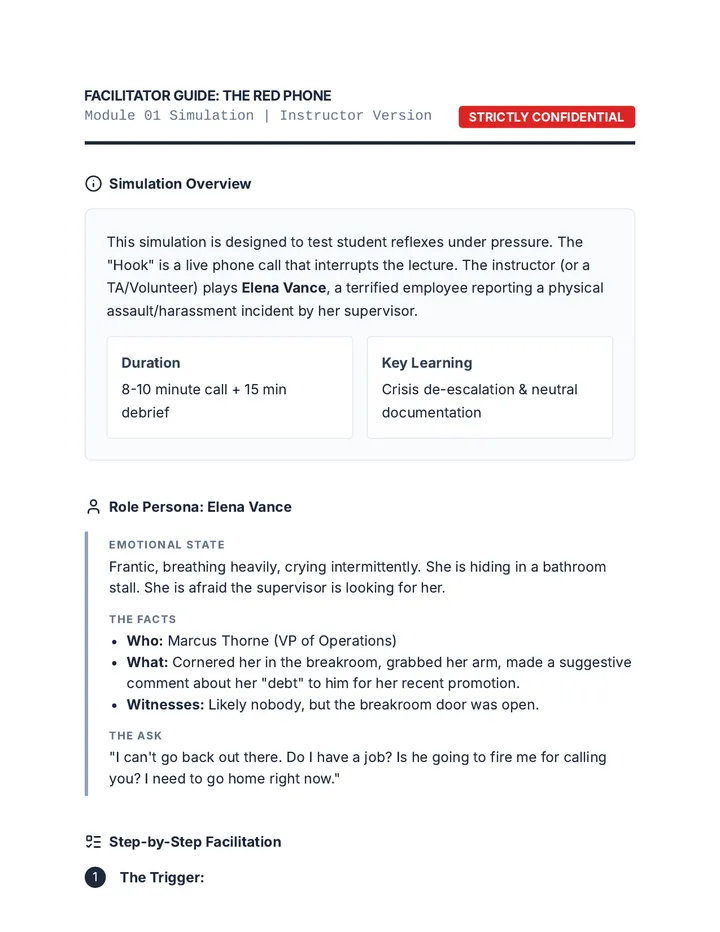
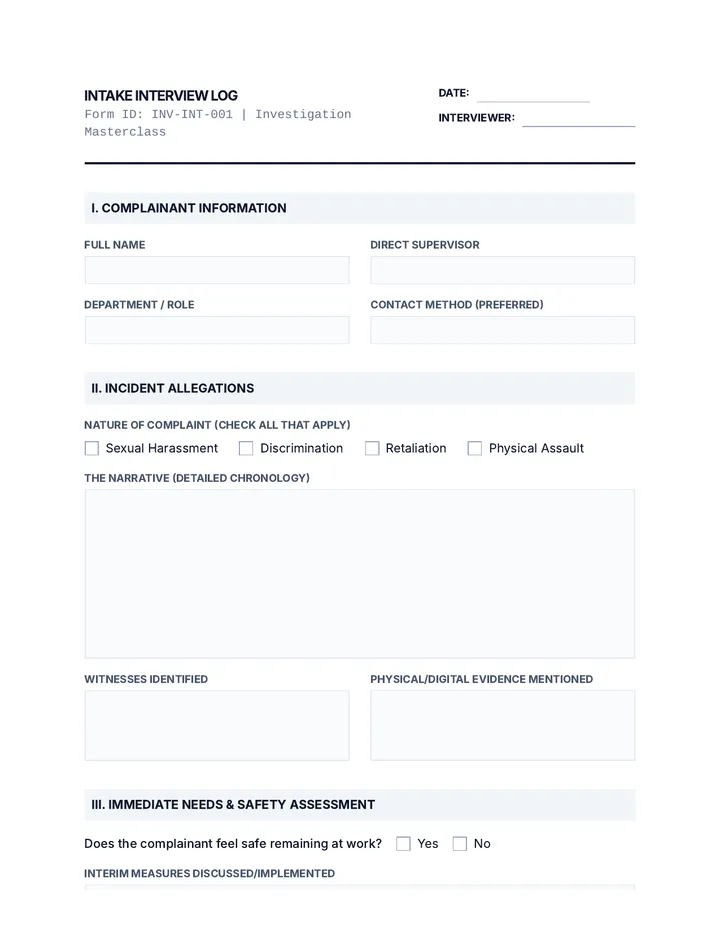
A comprehensive graduate-level simulation-based course on handling workplace harassment and discrimination complaints. Students progress from initial intake to final report writing, focusing on procedural fairness, neutrality, and evidence-based determination.
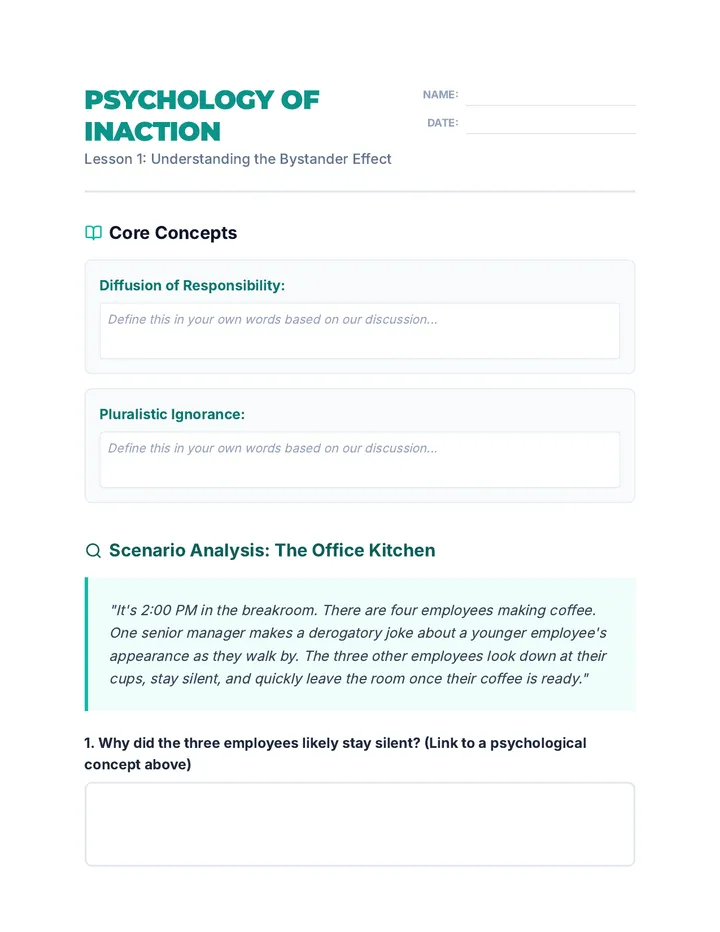
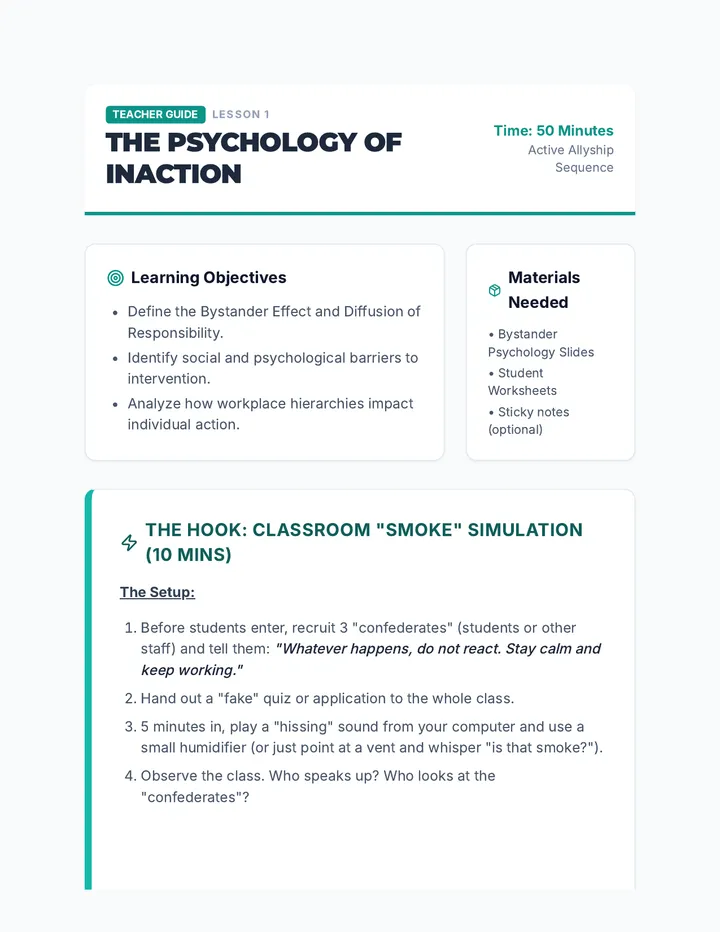
This sequence trains 9th-grade students in bystander intervention techniques and active allyship within a workplace context. Students explore the psychological barriers to action (the bystander effect) and master the '4 Ds'—Direct, Distract, Delegate, and Delay—to safely interrupt harassment and support colleagues.
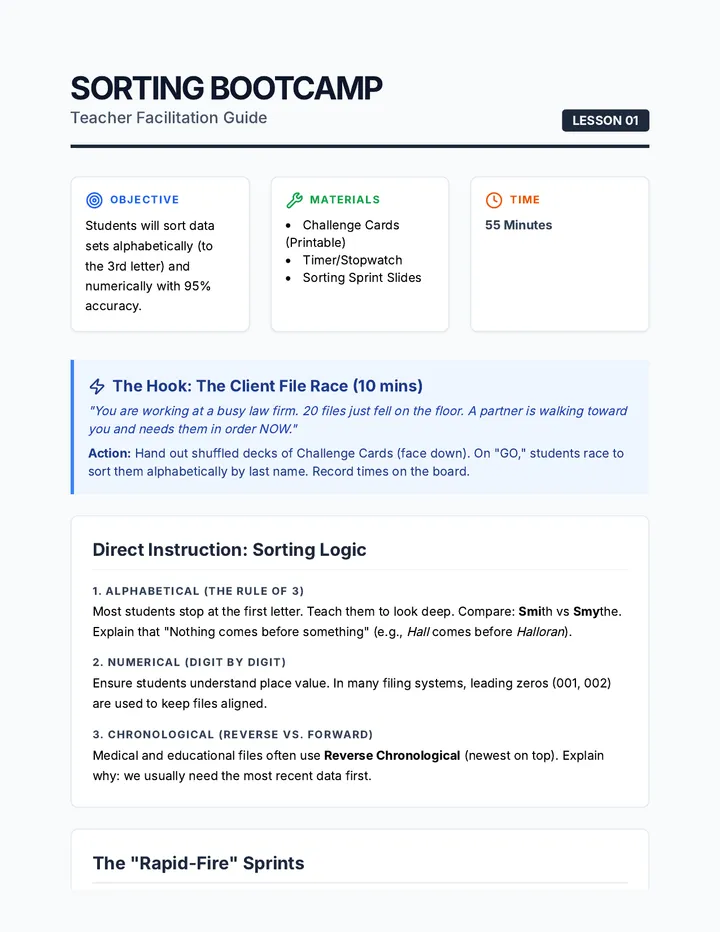
A comprehensive sequence focused on professional clerical skills, teaching students to master alphabetical, numerical, and color-coded filing systems, alongside data tracking and confidentiality protocols.
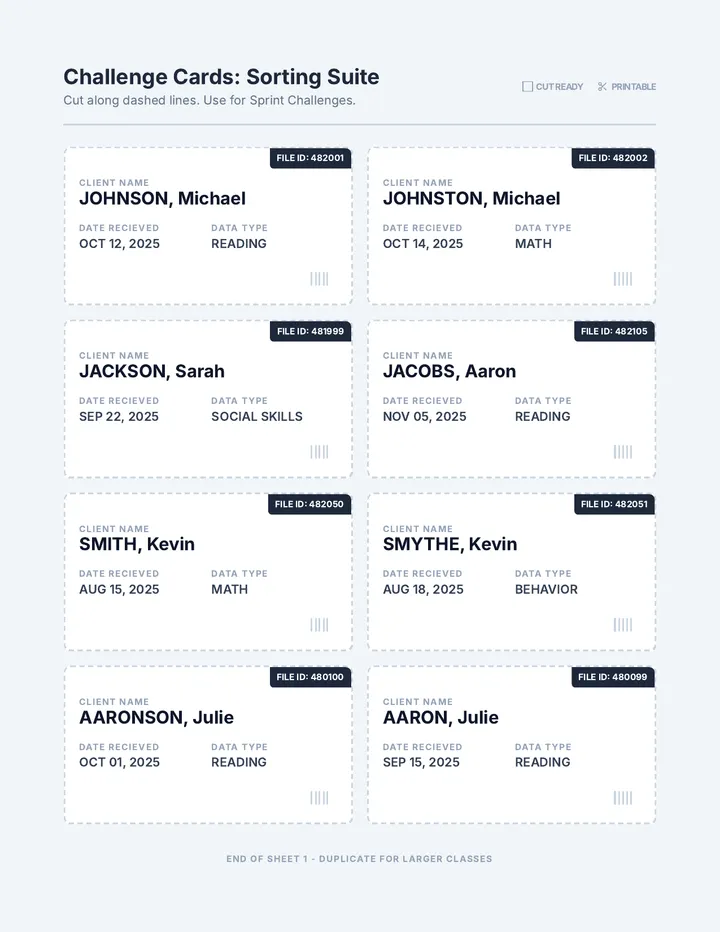
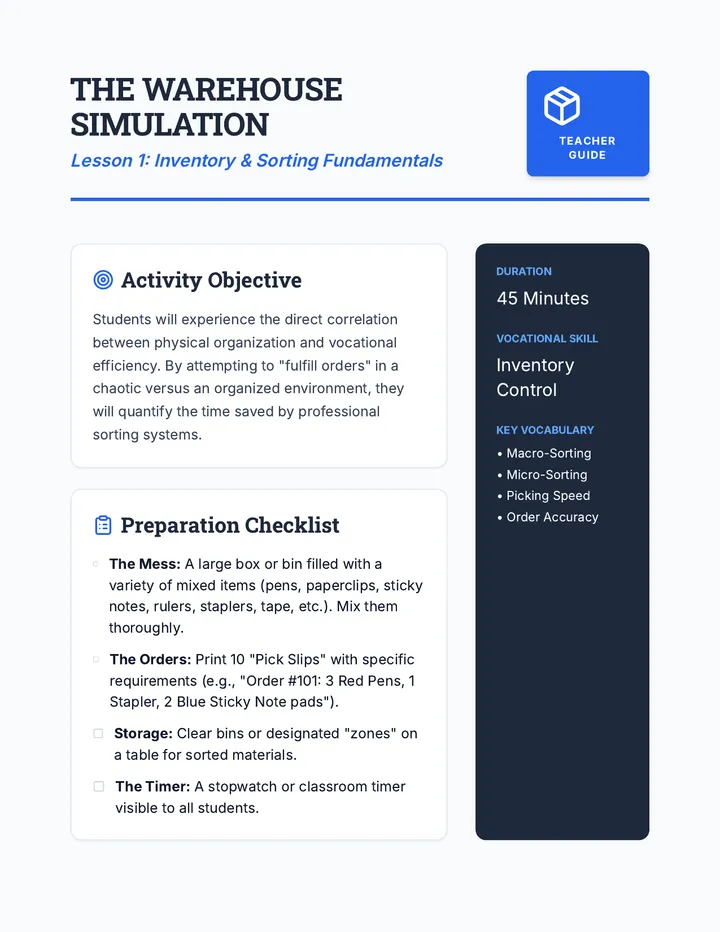
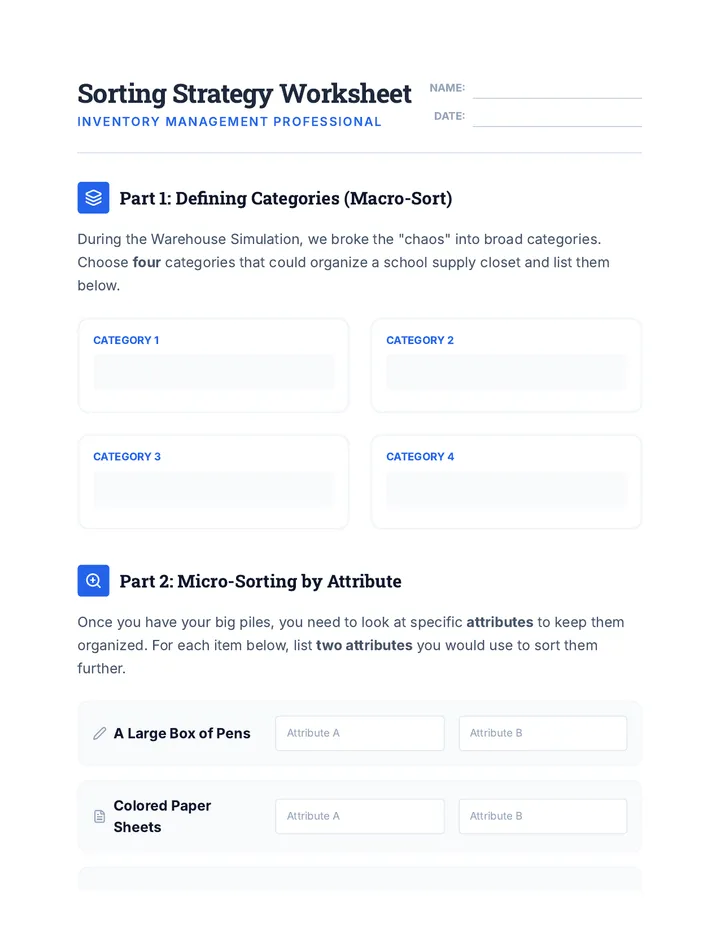
This sequence focuses on vocational and executive function skills, treating organization as a professional competency. Students simulate roles like office managers or resource coordinators to learn sorting, filing, ergonomics, and hybrid digital-physical tracking.
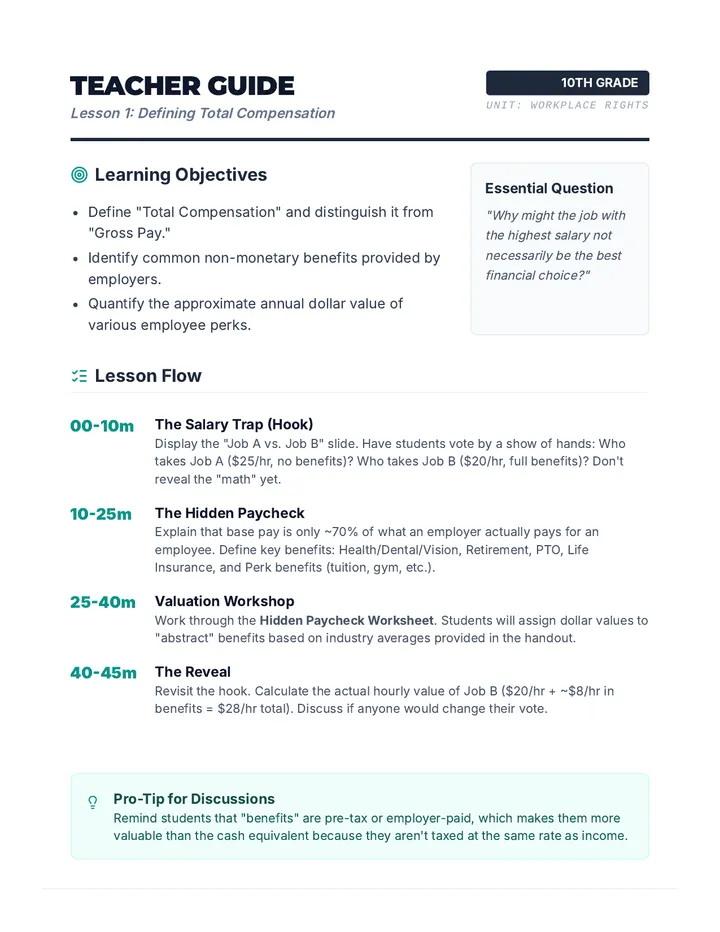
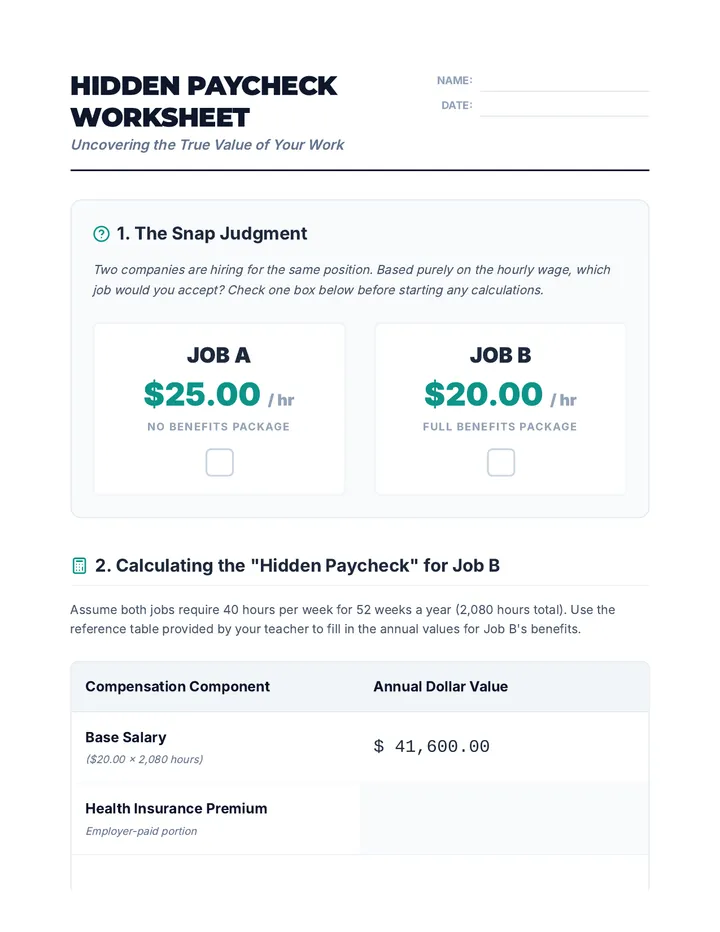
This sequence guides 10th-grade students through the complex world of employee benefits, shifting focus from hourly wages to total compensation. Students learn to value health insurance, retirement matches, and paid leave to make informed career decisions.
An advanced graduate-level sequence focused on the synthesis and application of federal employment laws (FLSA, Title VII, ADA, FMLA) in organizational leadership. Students act as consultants to audit policies, resolve complex personnel disputes, and design strategic compliance frameworks that balance legal risk with ethical culture.
This lesson helps 11th-grade students apply a collaborative problem-solving model to make responsible and safe decisions in vocational shop scenarios. It's crucial for developing teamwork and critical thinking skills in a real-world context.
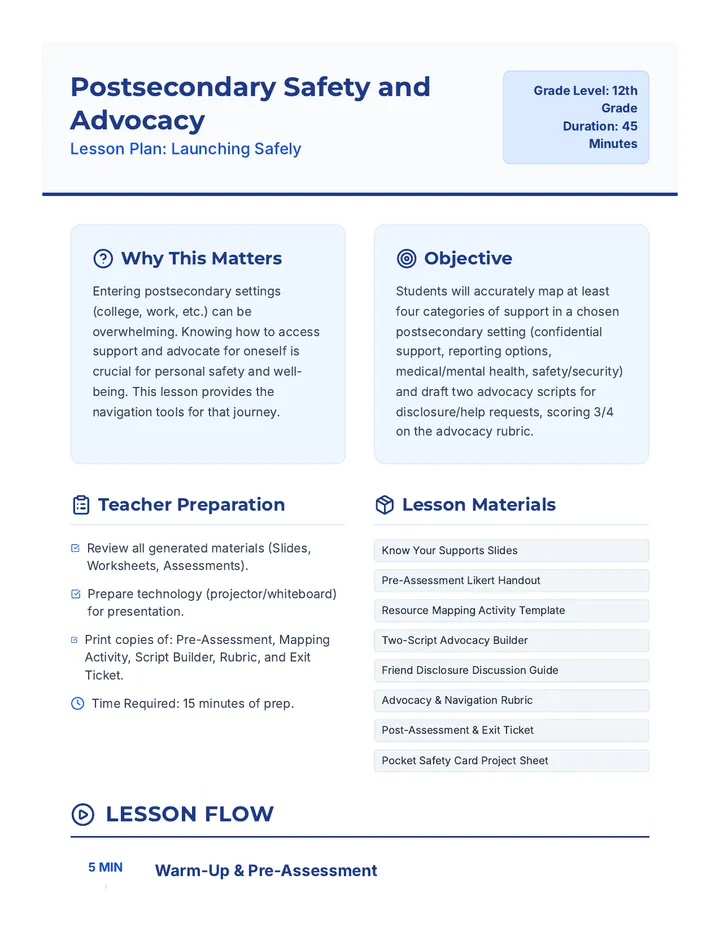
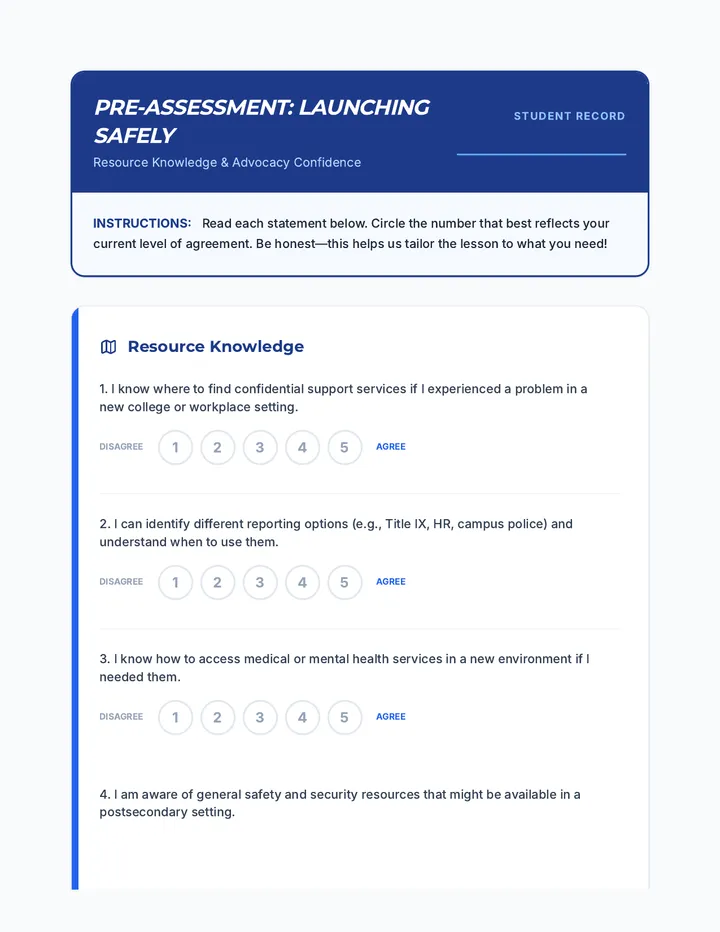
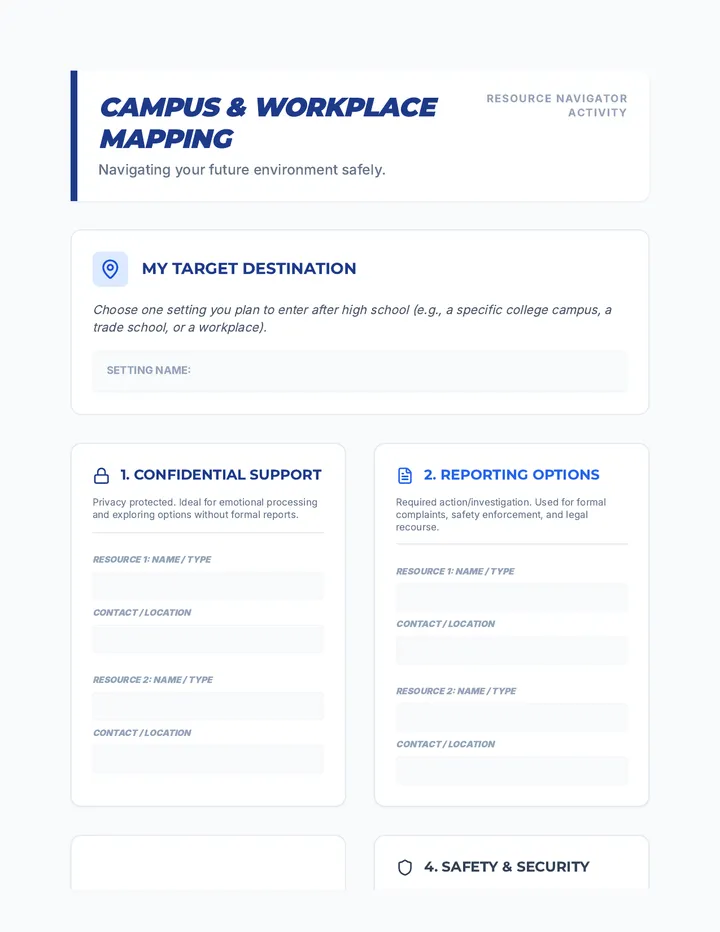
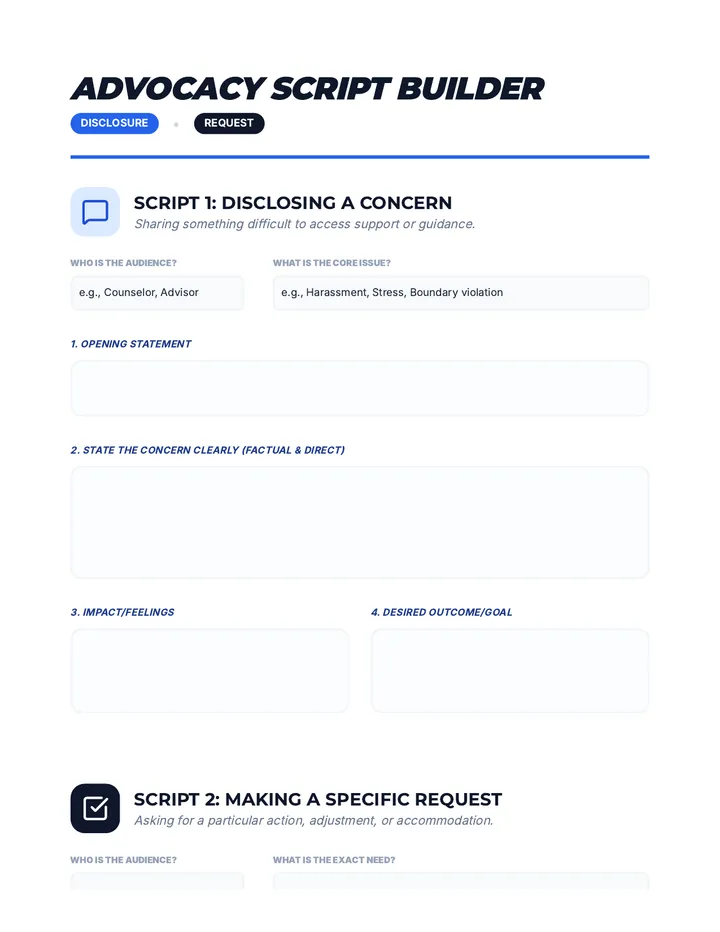
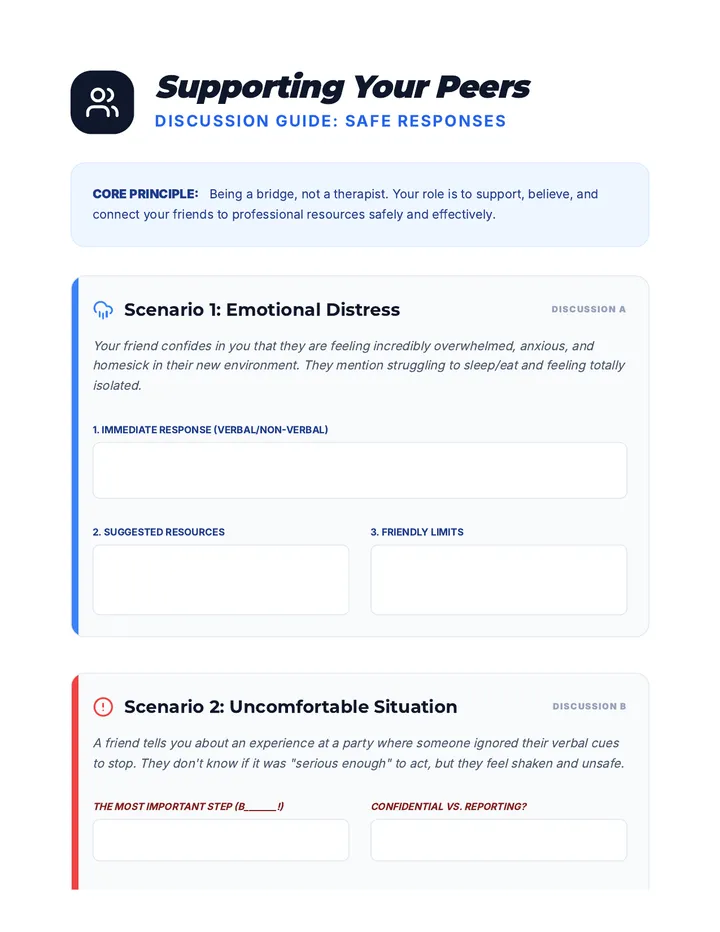
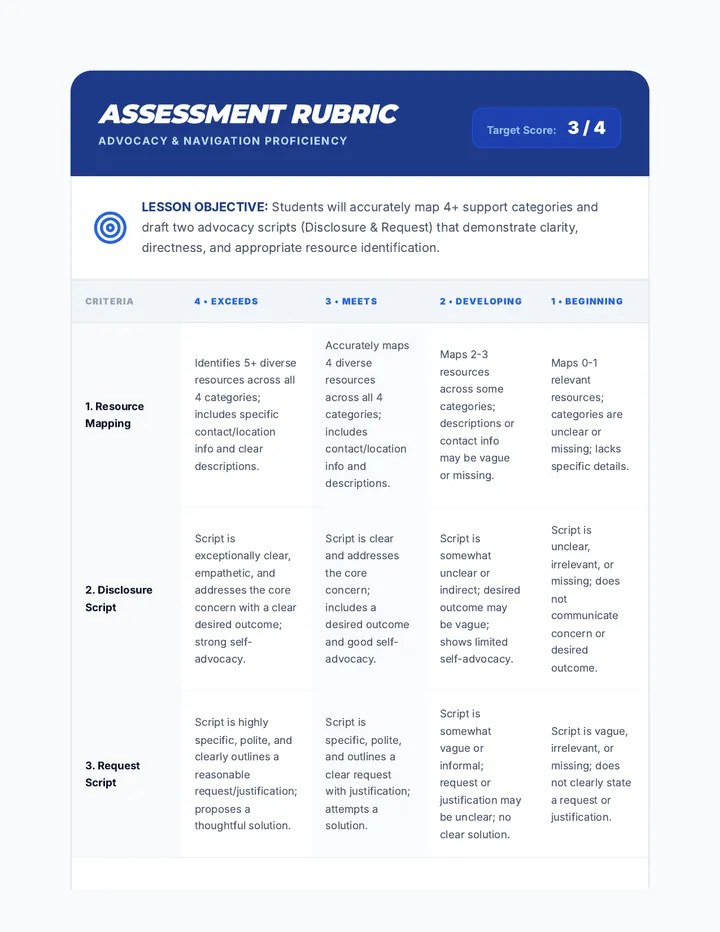
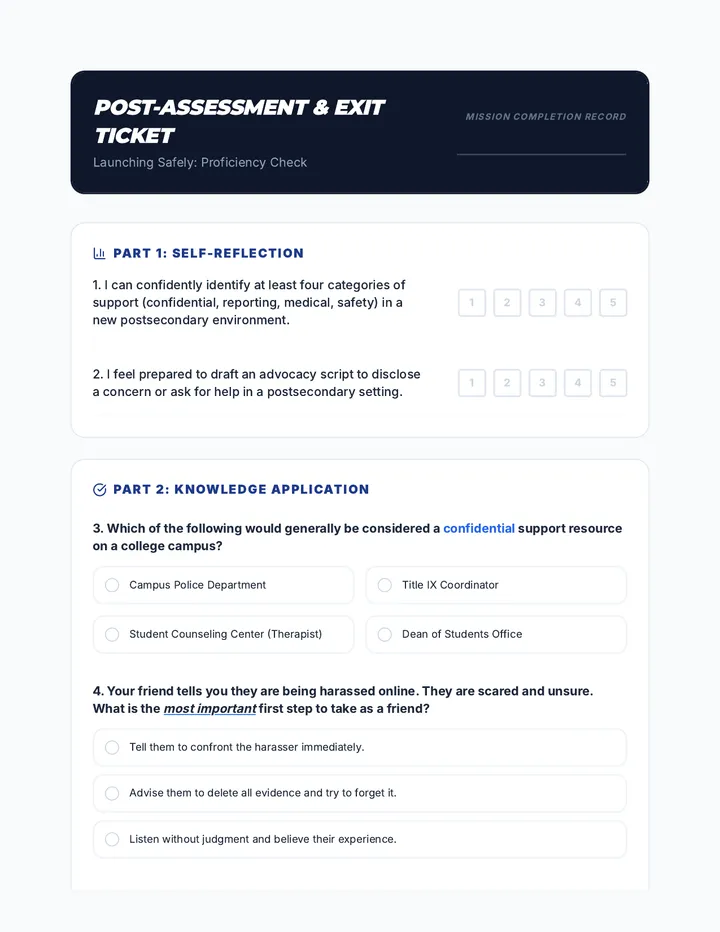
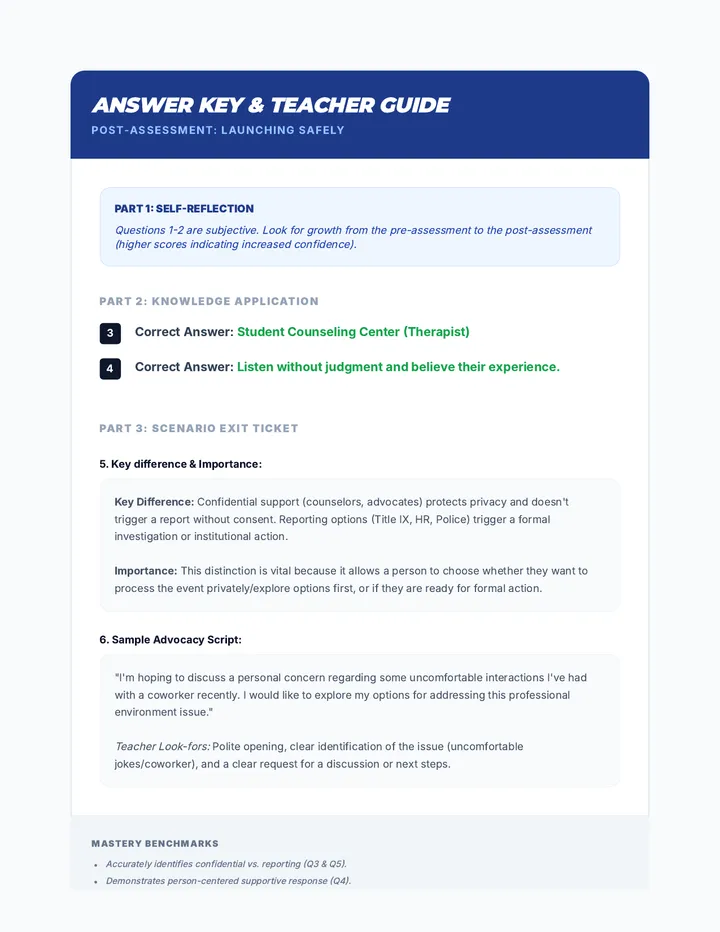
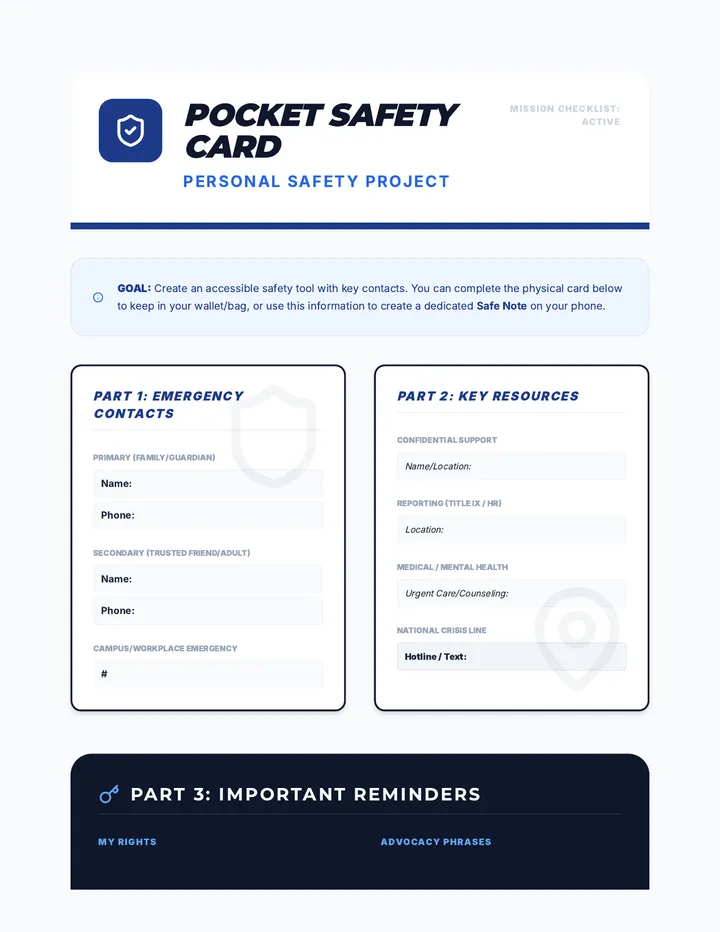
This 45-minute lesson for 12th-grade students helps them identify and utilize safety resources in postsecondary settings and develop effective advocacy skills. Students will gain practical tools for navigating new environments safely and confidently.
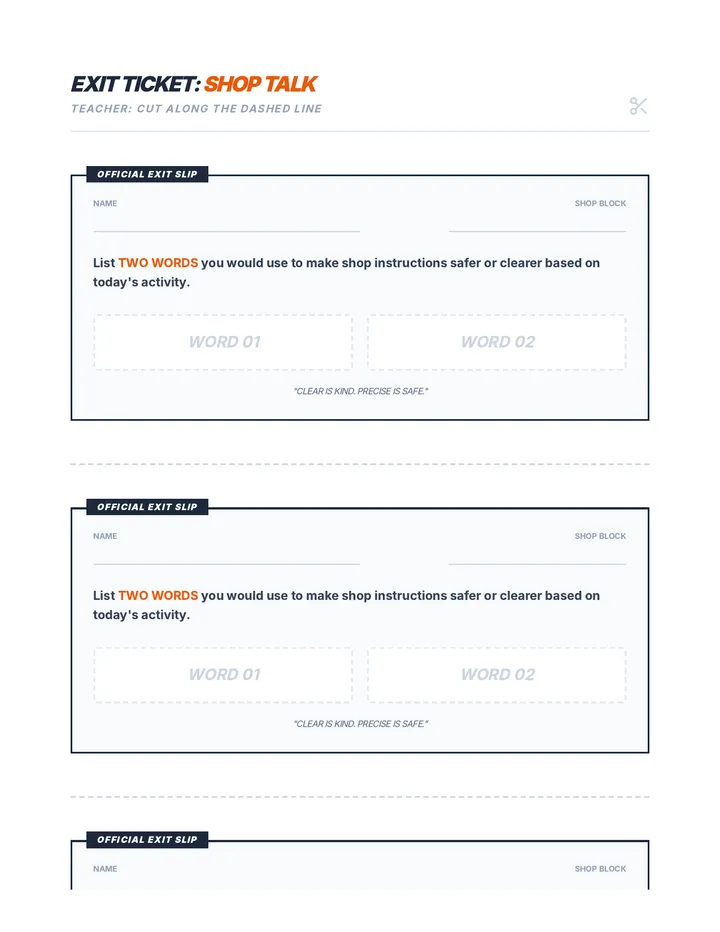
A 45-minute lesson for 10th graders on the importance of precise verbal instructions, feedback loops, and safety protocols in a shop environment through a collaborative building activity.
A 30-minute introductory lesson for 7th graders on workplace health and safety (WHS), preventing harassment, and the 'YouMeUs' approach to shared responsibility. Students learn to identify hazards, understand boundaries, and know how to report concerns.
A 45-minute lesson for 10th-grade students on the importance of clear, precise communication and safety protocols in practical environments like shops or labs. Students practice giving and receiving instructions through interactive scenarios and a collaborative activity.
A 30-minute empowering session designed for adults using wheelchairs to understand their rights under the ADA and build practical self-advocacy skills for the workplace.
This lesson introduces 9th-grade students to essential workshop safety procedures and equipment, including hazard identification, Safety Data Sheets (SDS), and emergency protocols.
A 30-minute Tier 1 training for Kindergarten staff on recognizing unsafe situations and prioritizing personal safety through de-escalation and strategic responses.
Students co-create a 'Code of Reliability' for the vocational shop, focusing on safety, teamwork, and professional ethics through scenarios and collaborative brainstorming.
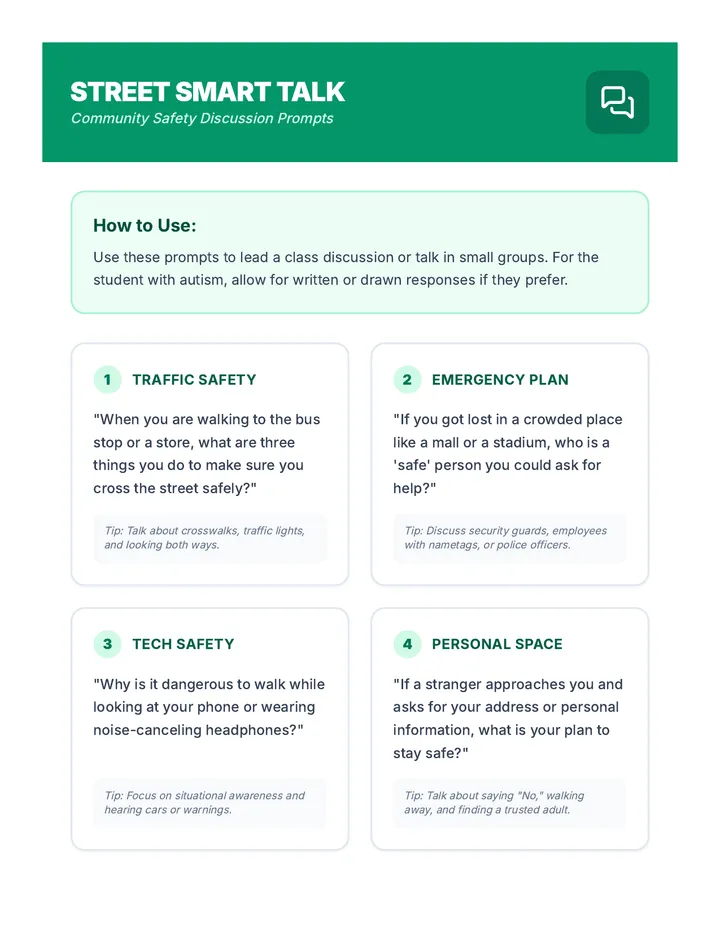
A comprehensive 120-minute lesson on personal safety at home, in the community, and at the workplace, designed for high school students with inclusive accommodations.
This lesson empowers an adult male with disabilities with strategies for maintaining employment, assertively addressing workplace issues, and confidently communicating without fear of negative reactions.
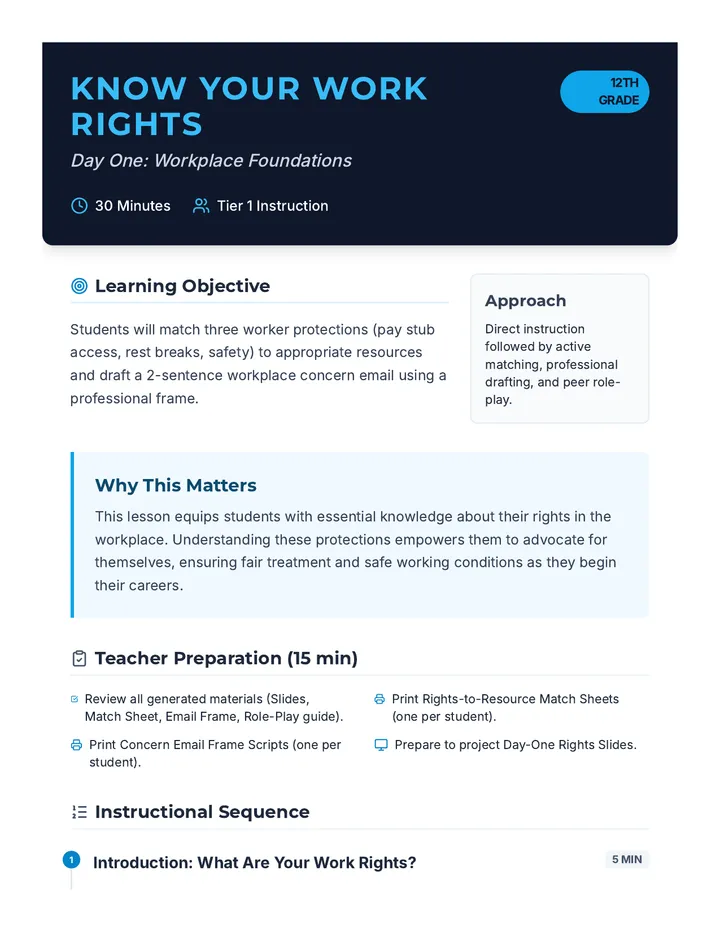
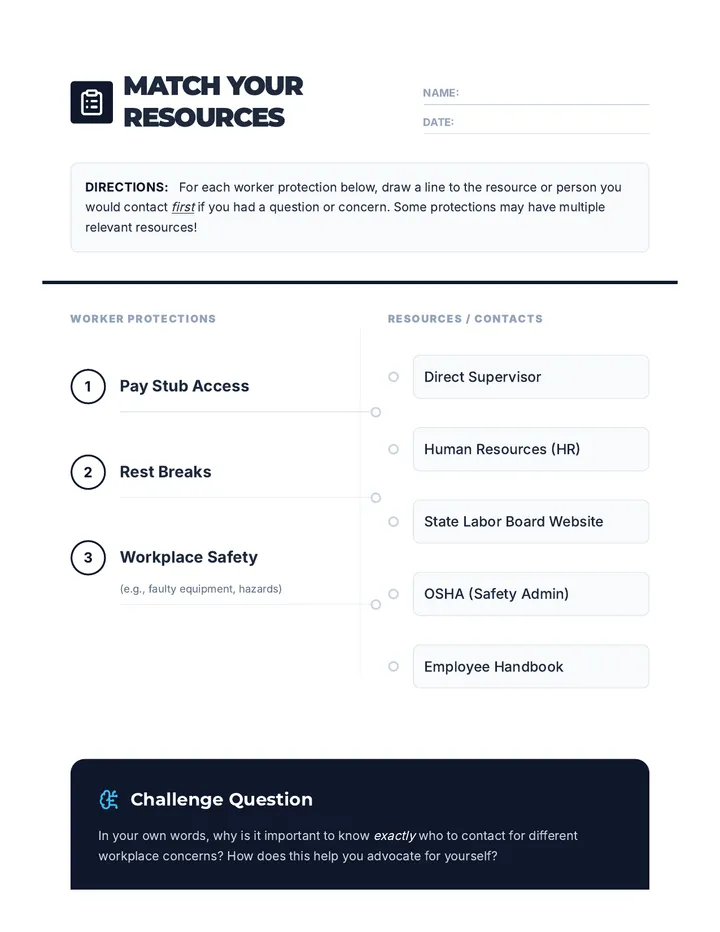
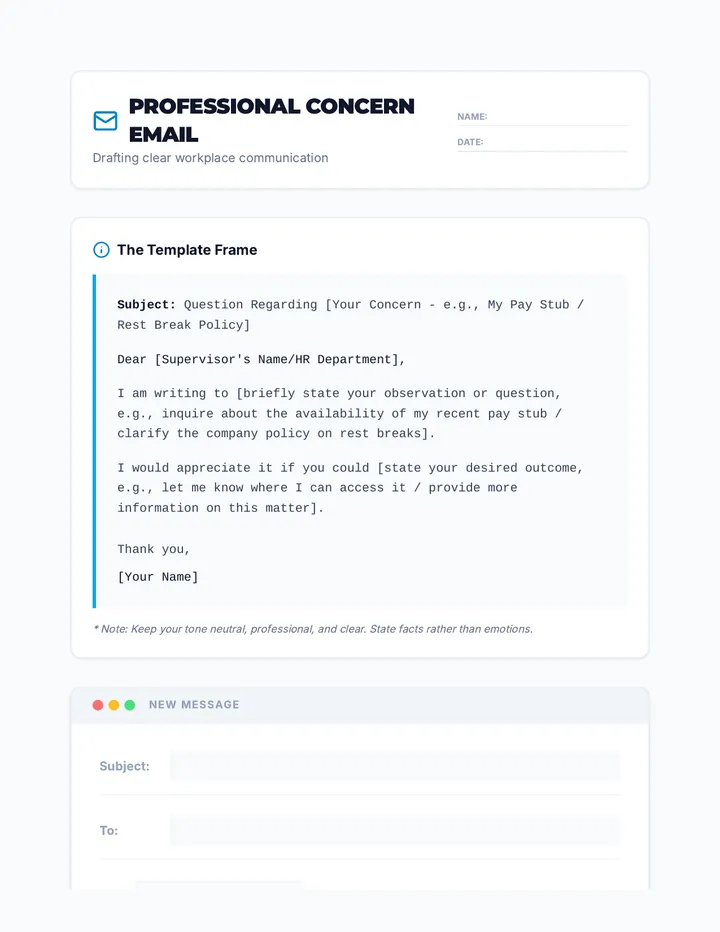
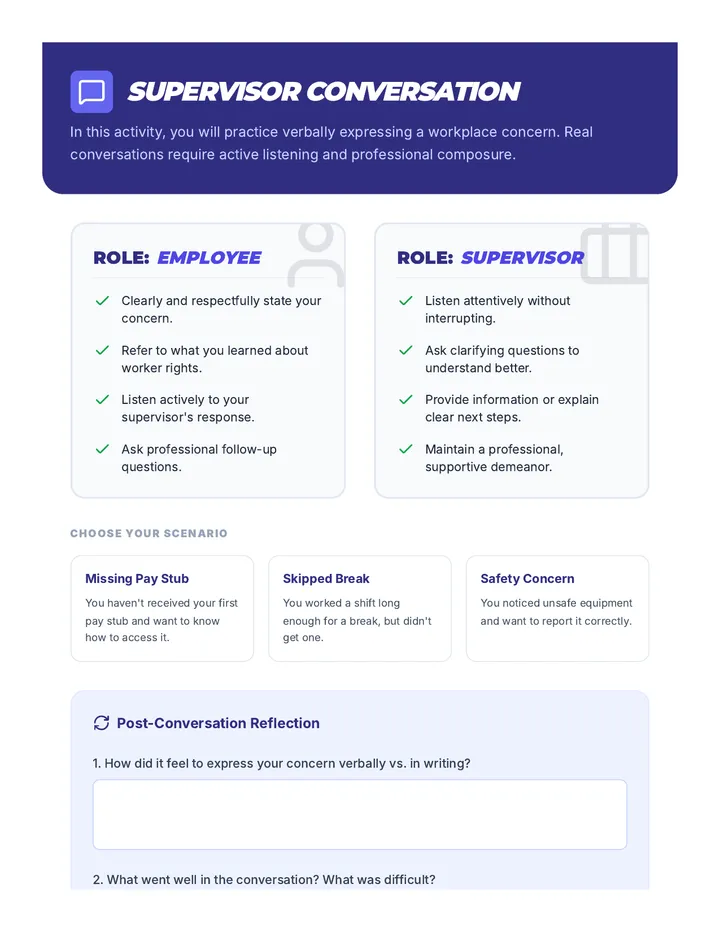
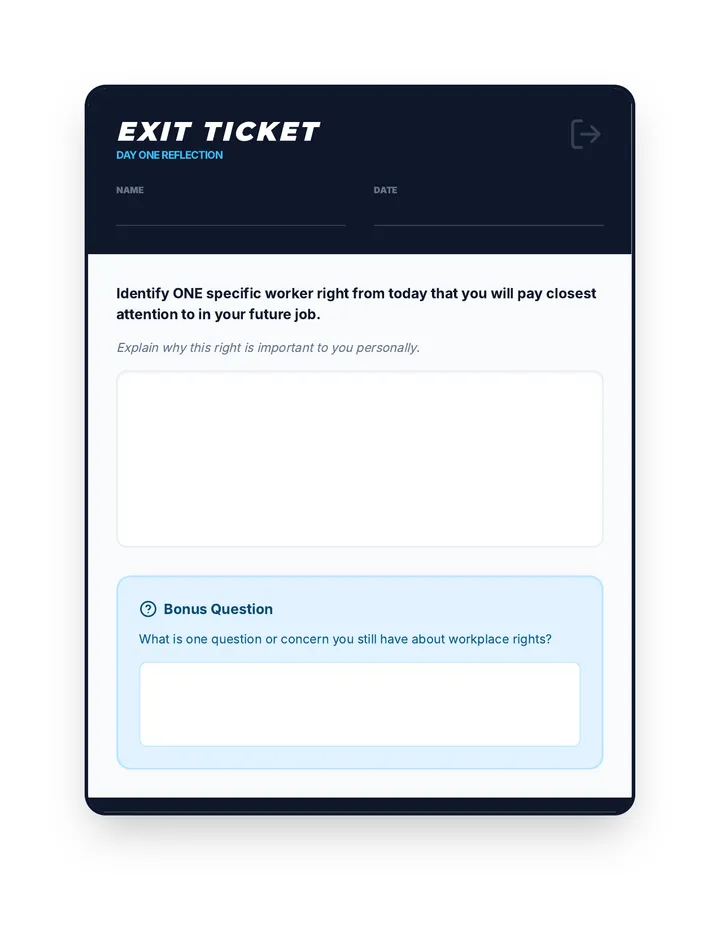
A comprehensive 30-minute introductory lesson for 12th graders on fundamental workplace rights, including pay stub access, rest breaks, and safety. Students learn to identify protections, locate resources, and communicate workplace concerns professionally.