Words Matter Lesson Plan Words Matter
Choosing Respectful Language
Duration: 30 Minutes Target: Middle School
Learning Objective
Students will be able to identify the impact of profane language and successfully replace profanity with appropriate, respectful alternatives in various social scenarios.
Key Approach
Trauma-Informed Teaching
Restorative Practices
Inquiry-Based Learning
Active Role-Playing
Required Materials
Reading: The Power of Words
Worksheet: Language Replacement Practice
Activity: Role-Playing Scenarios
Words Matter Slide Deck
Lesson Flow
5m
Introduction: The Weight of Words
Begin with a brief discussion on the power of words. Words aren't just sounds; they carry weight. Ask: "Have you ever heard someone use a word that immediately changed the 'vibe' of the room?"
Ask students to share impact examples (positive or negative).
10m
Reading: The Power of Words
Distribute the reading material. Have students read individually or in pairs.
Teacher Note: Encourage students to highlight or underline key points about *how* language influences environments and relationships.
10m
Practice: Language Replacement
Hand out the 'Language Replacement Practice' worksheet. Students work on replacing profane phrases with appropriate alternatives.
Prompt: "Why does the alternative feel different? How does it change the way people see your point?"
5m
Action: Role-Playing
In small groups, provide scenario cards. Groups act out scenarios using respectful language.
Restorative Tip: Focus on how the *listener* feels in each version of the scenario.
5m
Closure: Setting Goals
Reflect on what was learned. Ask students to commit to one personal goal for their language use this week.
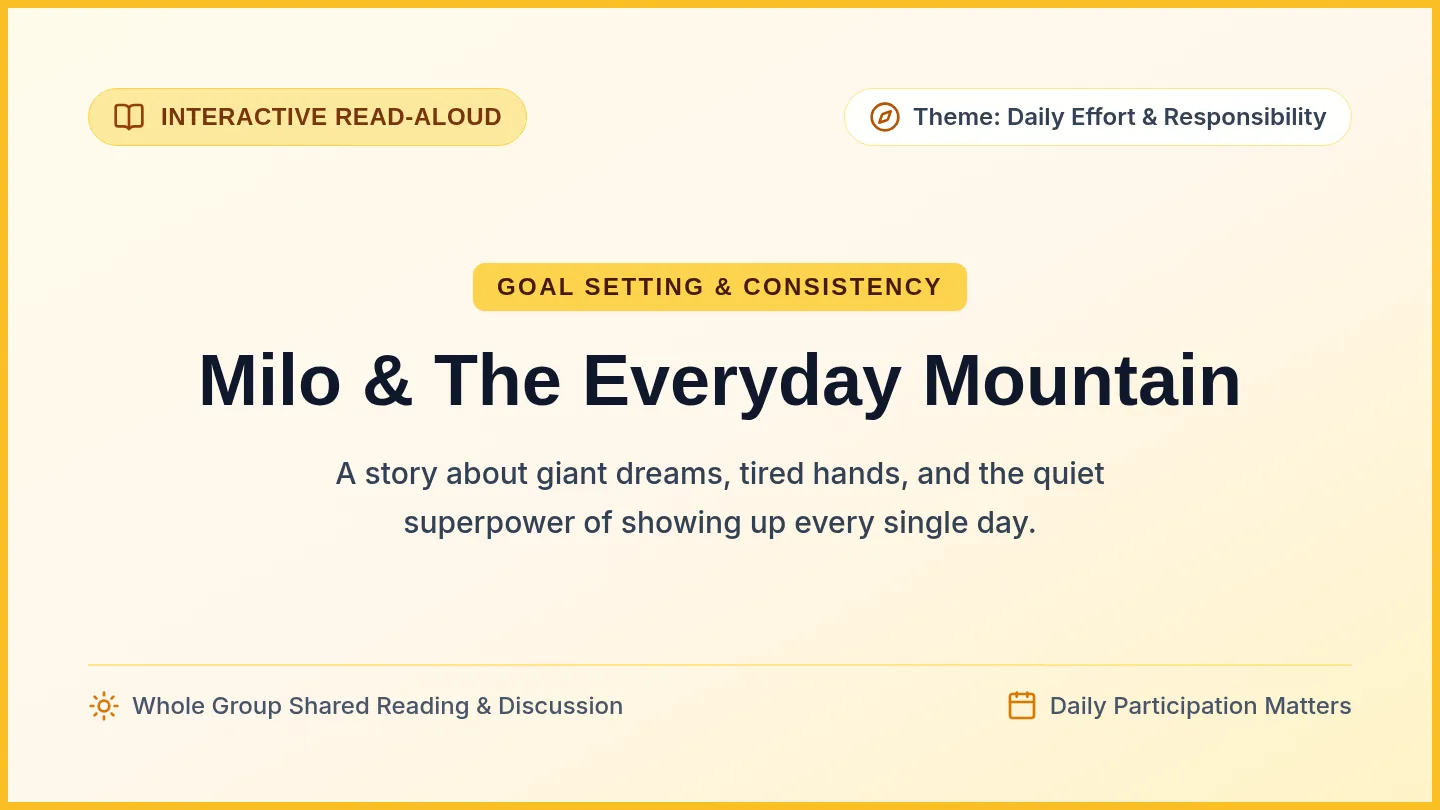
Power of Words Reading The Power of Words
Exploring the Weight and Impact of Our Language
Words have the power to build up or tear down. They are the tools we use to navigate our world, yet we often forget how sharp they can be. Every sentence we speak acts like a brick in a wall—either building a bridge toward someone else or a barrier that keeps them away.
They can inspire, motivate, and create a sense of belonging, or they can hurt, alienate, and create conflict. When we choose our words carefully, we aren't just being "polite"—we are actively choosing what kind of environment we want to live in.
"By choosing language that is respectful and considerate, we can improve our relationships and contribute to a more harmonious community."
Understanding the impact of our words is crucial in fostering a positive and respectful environment. Profanity often acts as a shortcut for intense feelings, but it can also hide our true meaning and unintentionally cause harm to those around us. By swapping shortcuts for clear, respectful language, we gain more control over how we are heard and understood.
Restorative Practice Resource • Middle School Edition
ACTIVITY: Read carefully. Highlight or underline three key points that explain WHY choosing respectful words matters to you personally.
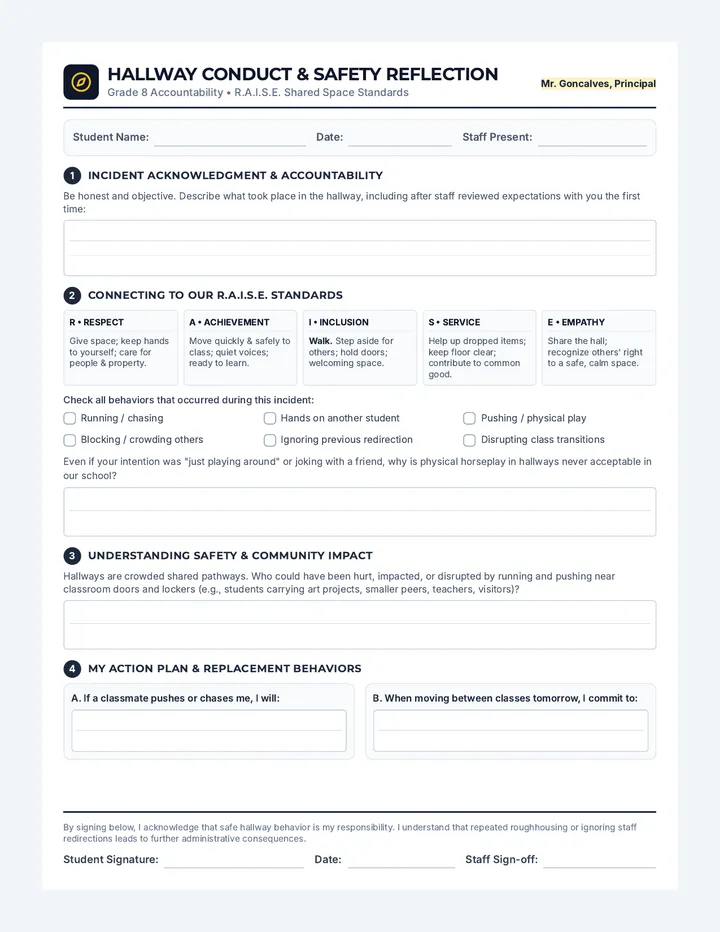
Language Replacement Worksheet Language Replacement
Restorative Vocabulary Practice
Name:
Date:
The Goal: Swapping Shortcuts
Profanity is often a "shortcut" for an emotion. By replacing it with specific, respectful language, you communicate more clearly and maintain respect in your environment. Practice swapping the phrases below.
1
Scenario: Sudden Shock or Surprise
The Old Shortcut
"What the [profanity]!"
Provide three respectful alternatives for shock or surprise:
Example: "What in the world!"
2
Scenario: Expressing Deep Frustration
Thought Challenge
Think of a time you were so frustrated you wanted to use profanity. Instead of the "shortcut," how could you express that feeling respectfully?
State the Emotion Clearly
Example: "I am feeling really overwhelmed right now."
Request a Solution/Need
Example: "I need a five-minute break to cool down."
Reflection
Why is choosing an alternative like "This is frustrating" actually more powerful than using profanity?
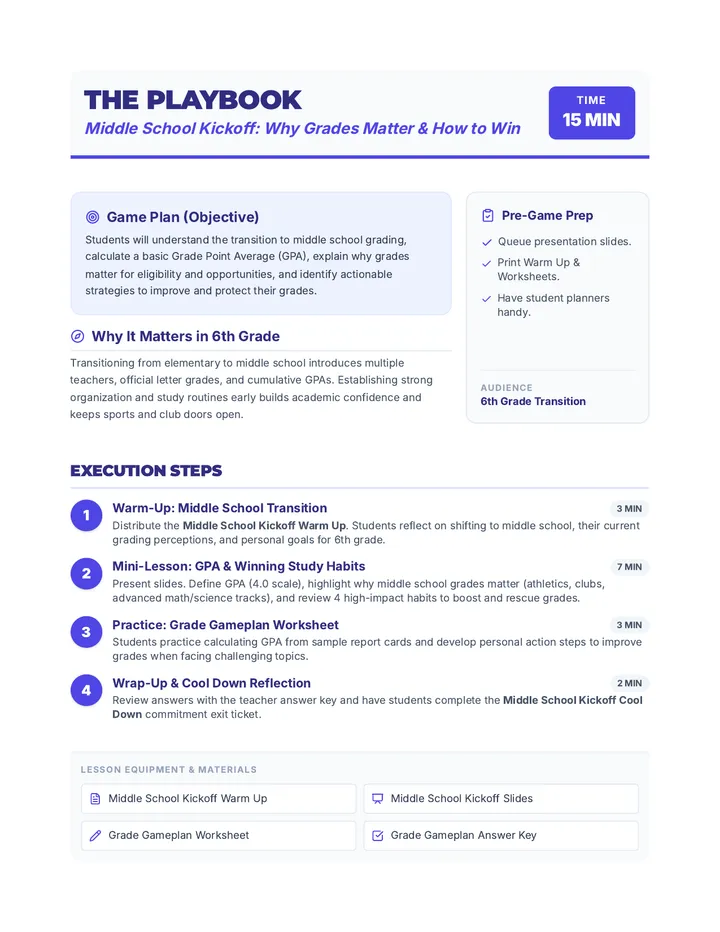
Respectful Role Play Cards Scenario Action Cards
Practice choosing respectful language in real-world moments. Act out each scenario and discuss how the choice of words changes the outcome.
1
The Juice Spill
A friend accidentally spills juice all over your final math homework that you spent hours on. Your first instinct might be to react with anger.
Challenge
Respond using respectful language that expresses your frustration without attacking your friend.
2
The Hallway Echo
You overhear a classmate using loud profanity in the hallway near a group of younger students.
Challenge
Address this situation respectfully. What can you say to remind them of the "Words Matter" culture without starting a fight?
3
The Project Slackers
You're frustrated because your group project members aren't doing their share of the work. You're worried about your grade.
Challenge
Express your feelings and your need for help without using profanity to vent your stress.
4
The Online Glitch
While playing a game with friends, a glitch causes you to lose a high-score run right at the end. Everyone is listening on the mic.
Challenge
React to the sudden loss in a way that is respectful to everyone listening and doesn't rely on cursing.
Cut along the lines to create individual scenario cards for group work.
Words Matter Slides Words Matter
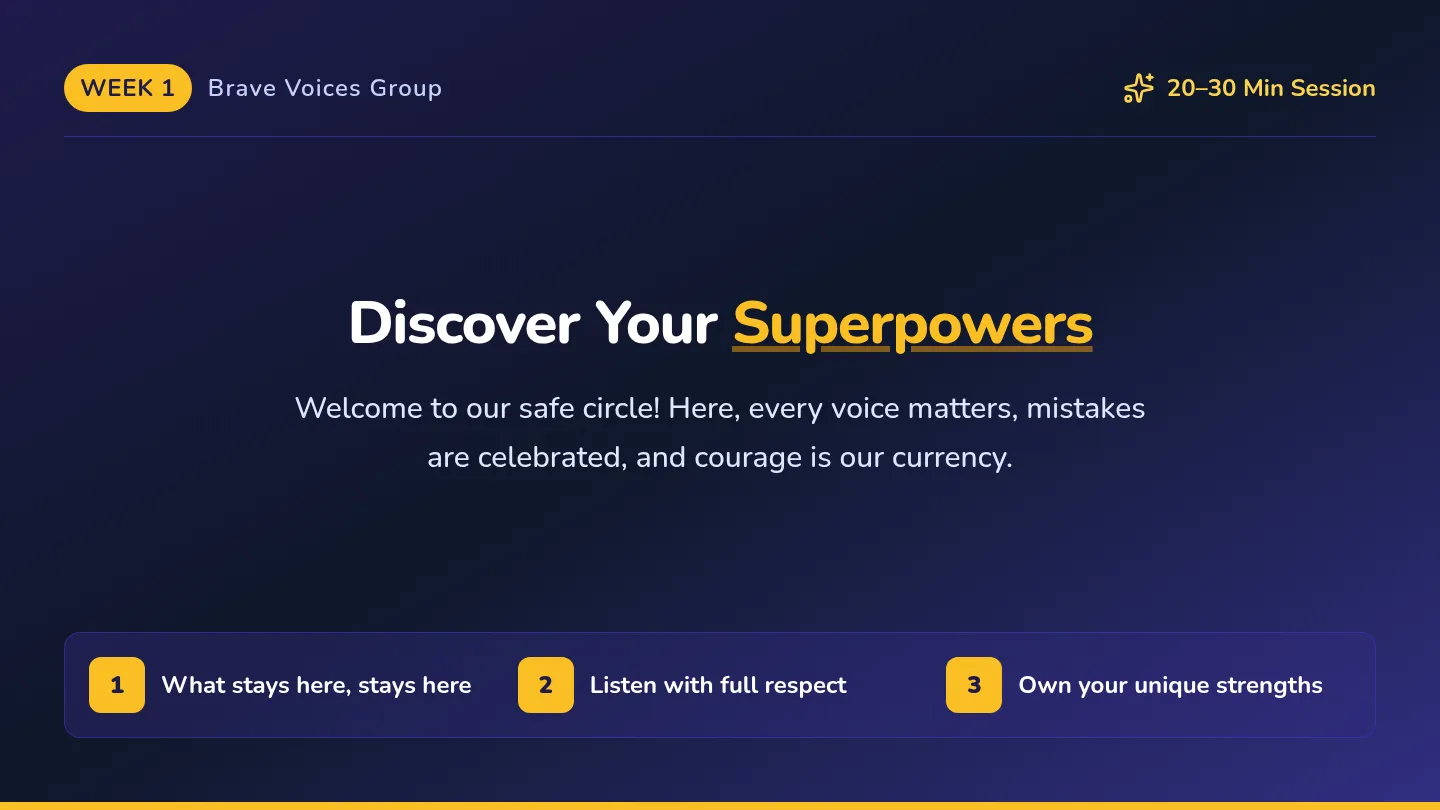
Choosing Respectful Language
Restorative Practice Lesson
The "Vibe" Check
Have you ever heard someone use a word that immediately changed the energy in the room?
"The Power of Words"
Words aren't just sounds—they are actions. They carry weight and leave an impact long after they are spoken.
Every sentence is a brick.
Building Bridges
Words that create connection, safety, and respect.
Building Barriers
Words that shut people out or create conflict.
Which one are you building right now?
The "Shortcut" Problem
Profanity
Often a lazy shortcut for strong emotions like anger or surprise.
Real Language
Clear, descriptive words that actually say what you mean.
"When you use real language instead of a shortcut, you stay in control of the conversation."
Scenario Challenge
Get into your small groups.
Read your Scenario Card.
Act it out WITHOUT using the "shortcut" word.
Discuss: How did it feel for the listener?
Choose Your Words
What is one personal goal you have for your language this week?
Words Matter. Choose wisely.