Lenny.com
Explore
Create
ActivitiesNewMathEnglish Language ArtsScience & EngineeringSocial StudiesGlobal LanguagesHealth & Physical EducationSpecial EducationCounseling & Life SkillsArts & CreativityESL
Lenny.com
Lenny.com
Explore
Create
ActivitiesNewMathEnglish Language ArtsScience & EngineeringSocial StudiesGlobal LanguagesHealth & Physical EducationSpecial EducationCounseling & Life SkillsArts & CreativityESL
Lenny.com
Lenny.com

Solutions

Lenny for EducatorsLenny for SchoolsLenny for Districts

Product

ExploreSign inCreateSupportAbout

Resources

Getting startedMTSS Acceleration Program

© 2026 Lenny Learning Inc.

TermsPrivacyAccessibility
LinkedInInstagramX
Lenny
Counseling & Life SkillsSelf-AwarenessBasic Emotion RecognitionComplex Emotion IdentificationEmotional Nuance & Mixed FeelingsBuilding Positive Self-ImageRecognizing Strengths & Growth AreasAccurate Self-AssessmentPersonal Values IdentificationCultural & Individual Identity ExplorationValues-Based Decision MakingSelf-ManagementStop-and-Think StrategiesDelaying GratificationIndependent Impulse ManagementIdentifying Stress TriggersShort-Term Goal SettingSMART Goals DevelopmentGoal Monitoring & AdjustmentBuilding Perseverance & ResilienceInternal Motivation DevelopmentComprehensive Stress Reduction PlanningSocial AwarenessRecognizing Others' FeelingsDemonstrating EmpathyRespecting Individual DifferencesUnderstanding Cultural DiversityComplex Empathetic ResponsesMultiple Viewpoint ConsiderationMulti-Perspective AnalysisChallenging Stereotypes & BiasRelationship SkillsActive ListeningClear Verbal & Nonverbal CommunicationBuilding Positive FriendshipsWorking Cooperatively in GroupsCommunicating Personal BoundariesRespecting Others' BoundariesAssertive ExpressionPeaceful Problem-SolvingContributing to Team GoalsComplex Conflict NavigationMediation & NegotiationHealthy Romantic RelationshipsResponsible Decision-MakingDaily Problem IdentificationBrainstorming Multiple SolutionsEvaluating Pros & ConsRecognizing Risks & ConsequencesApplying Ethical FrameworksInformed Risk-Benefit DecisionsRoot Cause AnalysisMindfulnessMindful BreathingBody Scan MeditationDaily Mindfulness ApplicationDaily Self-Care RoutinesBalancing Life DemandsAdvocating for Wellness NeedsMental Health SupportUnderstanding Anxiety SymptomsWorry Management StrategiesProgressive Muscle RelaxationRecognizing Depression SignsBuilding Mood-Supporting RoutinesBehavioral Activation for MoodUnderstanding Grief StagesHealthy Grief CopingCreative Expression of LossBehavioral SupportDaily Check-In ProceduresDaily Goal Setting & ReviewRecognizing Escalation Warning SignsRequesting Breaks & SupportSelf-Calming During DistressUnderstanding Positive ReinforcementToken Economy ImplementationBehavior Chart TrackingAnalyzing Behavior PatternsIdentifying Antecedents & ConsequencesDetermining Behavior FunctionFunction-Based InterventionsIndividualized Behavior ContractsData-Driven Behavior AdjustmentTherapeutic ApproachesThoughts-Feelings-Behaviors ConnectionRecognizing Thinking PatternsChallenging Negative ThoughtsPositive Self-Talk PracticeThought Record TrackingAdvanced Cognitive RestructuringComprehensive CBT PlansBehavioral Activation TechniquesBuilding Positive ExperiencesExposure Hierarchies for AnxietyPresent-Moment AwarenessNon-Judgmental ObservationSelf-Soothing & DistractionComplex Emotion LabelingReducing Emotional Vulnerability (PLEASE)DEAR MAN CommunicationGIVE Skills for RelationshipsFAST Skills for Self-RespectRadical Acceptance PracticeCrisis Survival Skills (TIPP)Understanding Trauma EffectsTrauma Responses & TriggersIdentifying Trauma FeelingsGrounding TechniquesRegulation During Trauma DistressSafe Place VisualizationProcessing Through NarrativeDeveloping Trauma StoryPersonalized Safety PlanningGroup SupportTurn-Taking & SharingGroup Conversation SkillsSharing in Supportive EnvironmentLearning from Similar ChallengesBuilding Community & BelongingNavigating Peer RelationshipsGroup Skill PracticeGroup Mental Health EducationStress & Anxiety UnderstandingCrisis Support & SafetyKnowing When to Seek HelpIdentifying Mental Health CrisesGrounding During CrisisUsing Crisis HotlinesBuilding Support NetworksAccessing Mental Health ResourcesWarning Signs & Coping StrategiesDeveloping Personal Safety PlansUnderstanding Suicide Warning SignsGatekeeper Skills for PeersDigital LiteracySocial MediaTechnology BasicsProductivity ToolsInternet and Online ResearchWeb Design and PublishingDigital CitizenshipOnline Safety and PrivacyEmerging TechnologiesFinancial LiteracyMaking Financial DecisionsBanking and AccountsConsumer SkillsSaving and InvestingCredit and DebtEmployment and IncomeTaxesInsuranceMajor PurchasesEconomic ConceptsFinancial PlanningCollege & Post-Secondary PlanningCareer ExplorationUnderstanding Post-Secondary OptionsCollege Research & SelectionAdmission RequirementsCollege Application ProcessPersonal Statement WritingFAFSA CompletionScholarship Search & ApplicationsUnderstanding Student LoansContinuing Education PlanningInterview PreparationResearching EmployersCommon Interview QuestionsSTAR Method ResponsesProfessional Interview PresenceVirtual Interview SkillsInterview Follow-UpJob Search SkillsUnderstanding Job PostingsEffective Job Search StrategiesNetworking for OpportunitiesResume Writing BasicsAction Verbs & AchievementsTailoring Resumes to JobsCover Letter WritingProfessional ReferencesProfessional CommunicationBusiness Email EtiquettePhone & Voicemail ProfessionalismMeeting ParticipationPresentation SkillsProfessional Work EthicTime Management & ProductivityTeamwork & CollaborationAdaptability & FlexibilityProblem-Solving at WorkConstructive FeedbackWorkplace RightsUnderstanding Employment LawsPay & Benefits UnderstandingWorkplace SafetyAnti-Discrimination & Harassment

True Blue Crew

An elementary character education lesson exploring loyalty, steadfast friendship, and community support through interactive discussion, relatable scenarios, and hands-on reflection.

AMAnthony mcleod

True Blue Crew

An elementary character education lesson exploring loyalty, steadfast friendship, and community support through interactive discussion, relatable scenarios, and hands-on reflection.

AMAnthony mcleod

Recite the 4-part True Blue Loyalty Code (Slide 6). Students complete the quick Exit Ticket for formative assessment.

True Blue Crew Teacher Guide • Character Series Page 1 of 2

Teacher Toolkit Implementation Strategies

Differentiation, Misconceptions & Extensions

Adapting the lesson across K–2 and 3–5 developmental bands with targeted prompts.

K-2

Primary Scaffolds

  • • Visual Prompts: Allow students to draw their answers inside the Loyalty Shield rather than writing sentences.
  • • Sentence Stems: Provide verbal frames: "I can be a loyal friend by..." and "I show loyalty at home when I..."
  • • Role-Play: Model positive playground choices physically (offering a ball, sitting next to a peer).
  • • Concrete Language: Emphasize "sticking together" and "being a helper."

3-5

Intermediate Extensions

  • • Ethical Nuance: Discuss the concept of "blind loyalty" vs. "principled loyalty" (standing by a friend without enabling bad habits).
  • • Written Justification: Require multi-sentence explanations on scenario responses detailing the "why".
  • • Community Project: Challenge students to create a class "Loyalty Charter" signed by all students.
  • • Literature Tie-in: Connect to books like Charlotte’s Web (friendship) or Amos & Boris.

Critical Misconceptions to Address

Misconception 1: "Loyalty means never disagreeing."

Teacher Script: "True friends can respectfully disagree. Being loyal means loving someone even when you have different opinions or feelings."

Misconception 2: "Loyalty means keeping hurtful secrets."

Teacher Script: "If a friend is doing something unsafe, loyalty means helping them stay safe by telling a trusted adult. That is courage and care."

Deeper Discussion Prompts

Friendship: "Has anyone ever stood up for you when you felt alone? How did your heart feel?"

Family: "What is one small daily habit you can do to prove to your family that they can rely on you?"

Classroom: "How does having a loyal classroom community help everyone feel brave enough to answer hard questions?"

Growth: "What can you say to a friend when you need to apologize for letting them down?"

Home Connection Activity: Encourage students to share their Loyalty Shield at dinner or before bed, and ask a caregiver: "Who is someone you have been loyal to for a long time?"

True Blue Crew Teacher Guide • Character Series Page 2 of 2
You might also like

Facilitator Curriculum Guide

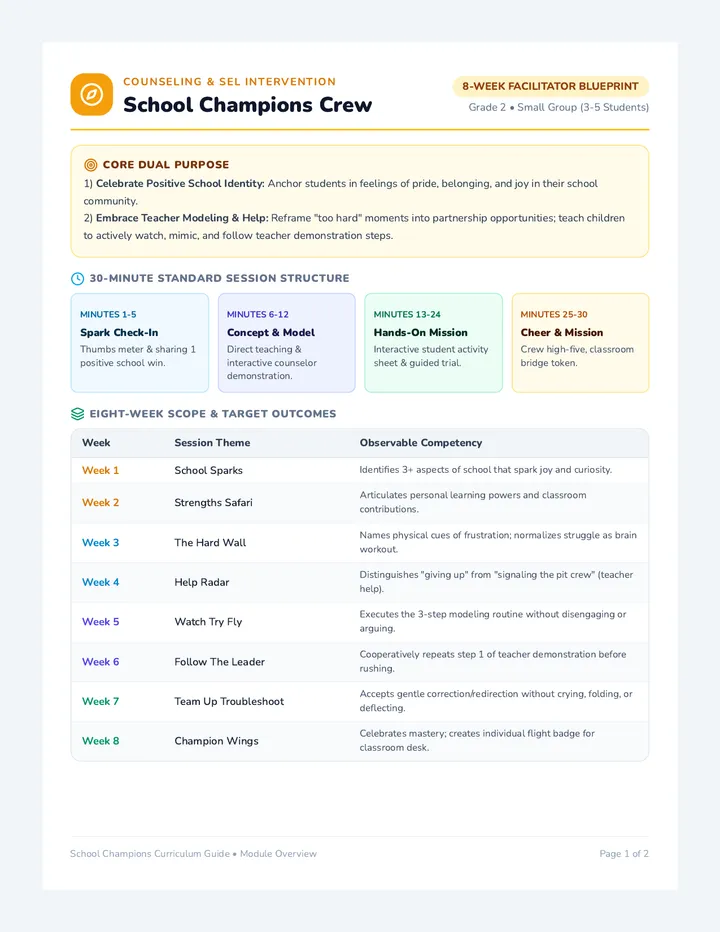
School Champions Crew

An eight-week small group counseling sequence for second graders designed to celebrate positive feelings about school and develop active receptivity to teacher modeling and academic support.

RF

Rebecca Farnham

10
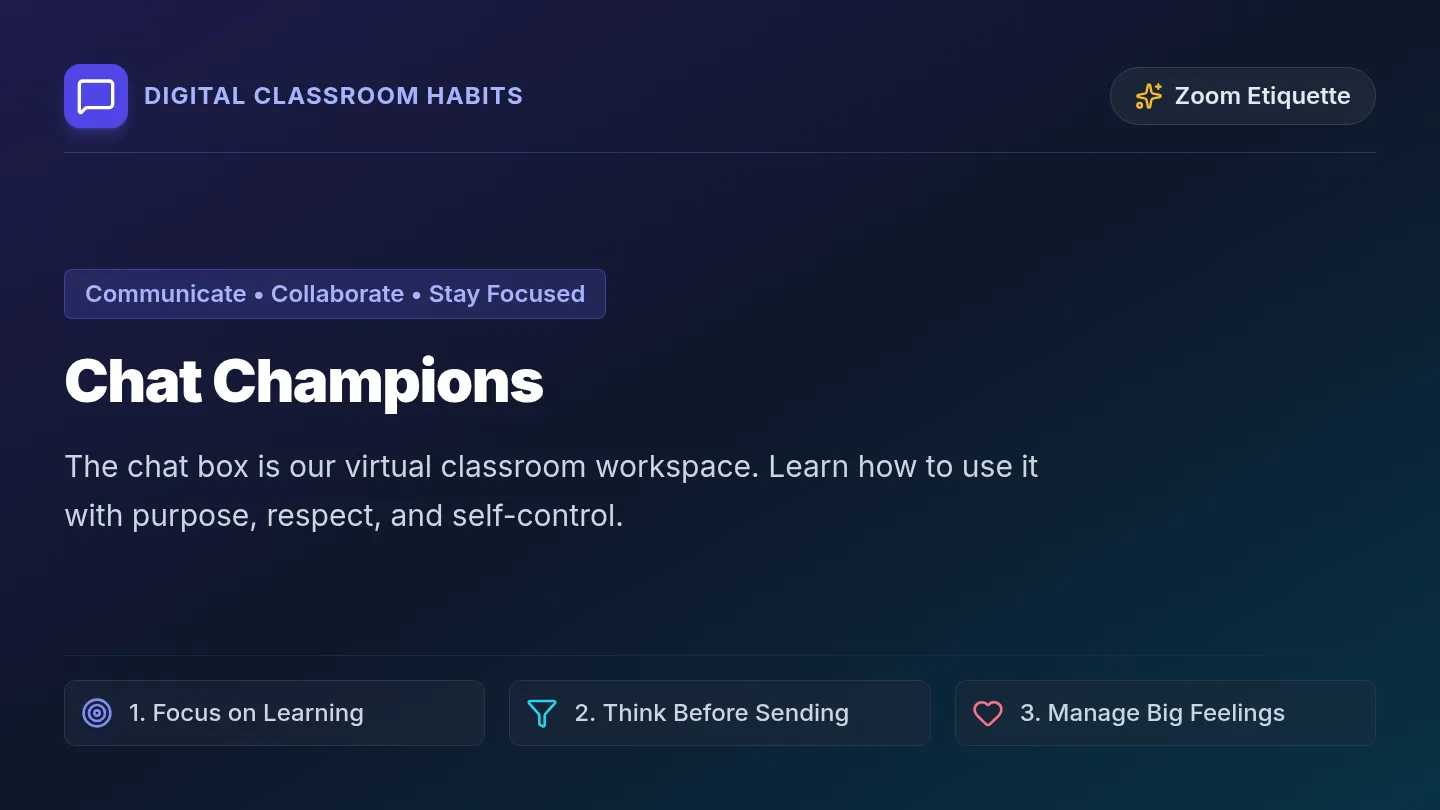
Chat Champions Slides

Chat Champions

A high-impact mini-lesson guiding students through clear Zoom chat expectations, self-regulation strategies, and mindful digital communication.

BR

Beverly Rogers

2
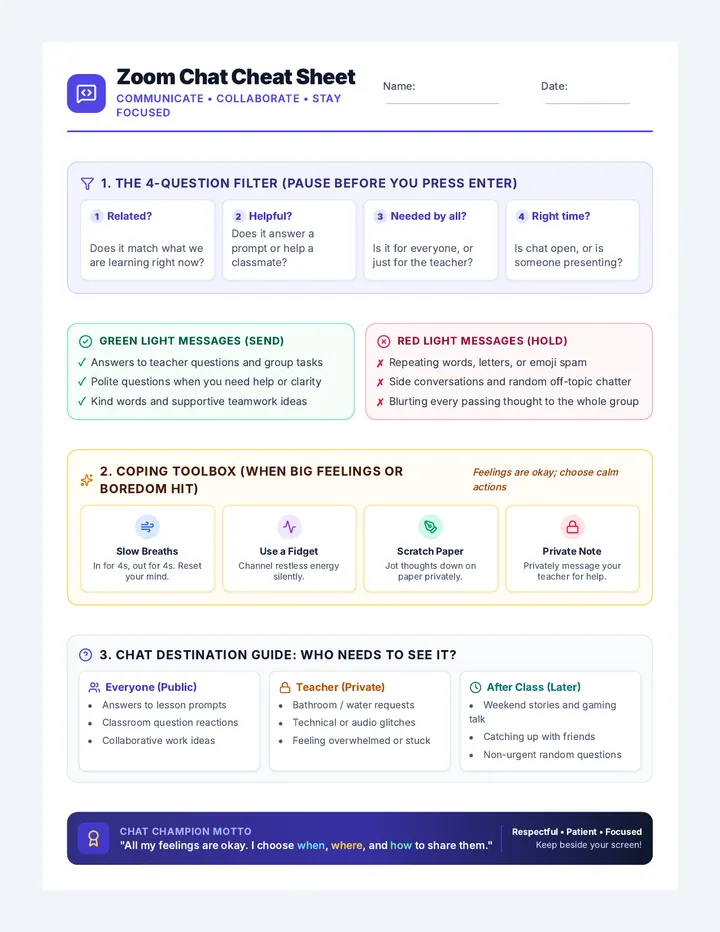
Chat Champions Cheat Sheet

Chat Champions Cheat Sheet

A student-facing one-page reference guide featuring the 4-question chat filter, green vs. red light messages, self-regulation coping tools, and public vs. private chat guidelines.

BR

Beverly Rogers

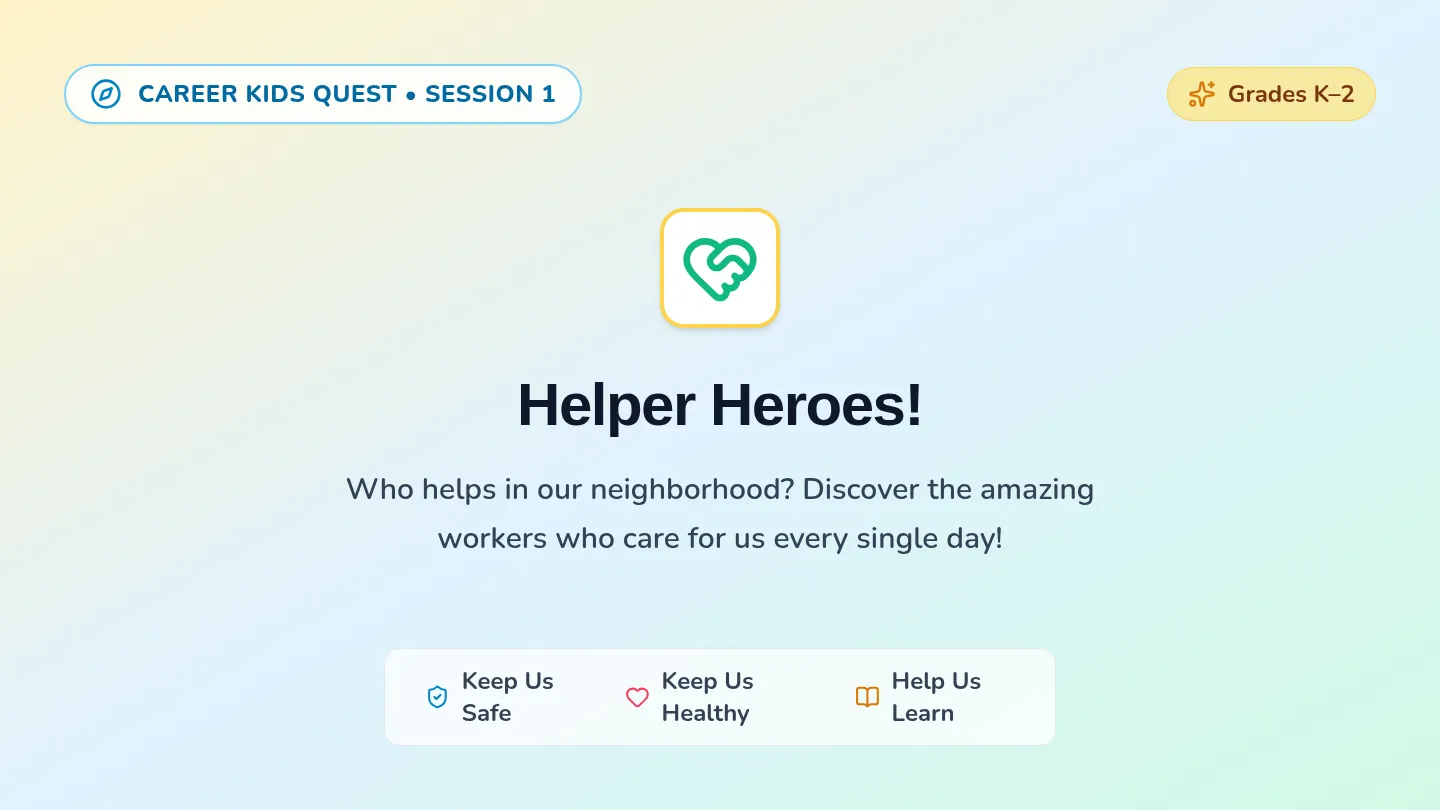
Helper Heroes Slides

Career Kids Quest

A vibrant 3-part elementary school counseling sequence designed for Kindergarten through 2nd grade students to discover community helpers, explore their own unique strengths, and envision exciting future career possibilities through play, discussion, and hands-on activities.

Lenny Avatar
Lenny
9
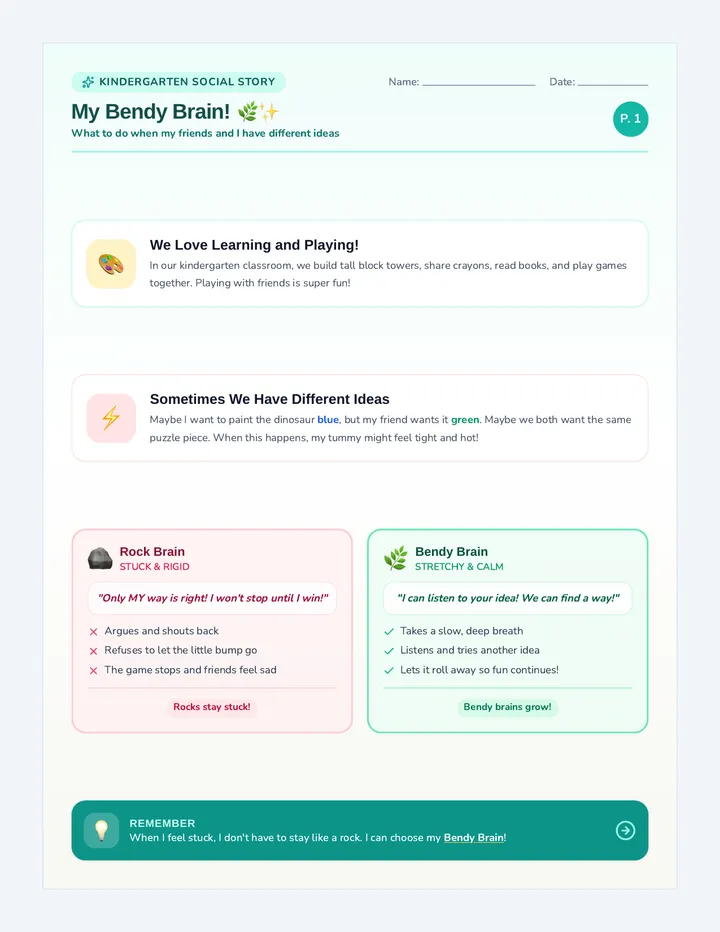
Bendy Brain Story

Bendy Brains

A kindergarten social-emotional learning intervention focused on flexible thinking, helping young learners navigate peer disagreements, listen to different ideas, and peacefully move on.

TT

Thissen Tricia

2
Chat Champions Slides

Chat Champions Slides

Engaging presentation slides breaking down Zoom chat expectations into clear, memorable rules, self-regulation coping strategies, and chat etiquette.

BR

Beverly Rogers

Trail Mix Station Slides

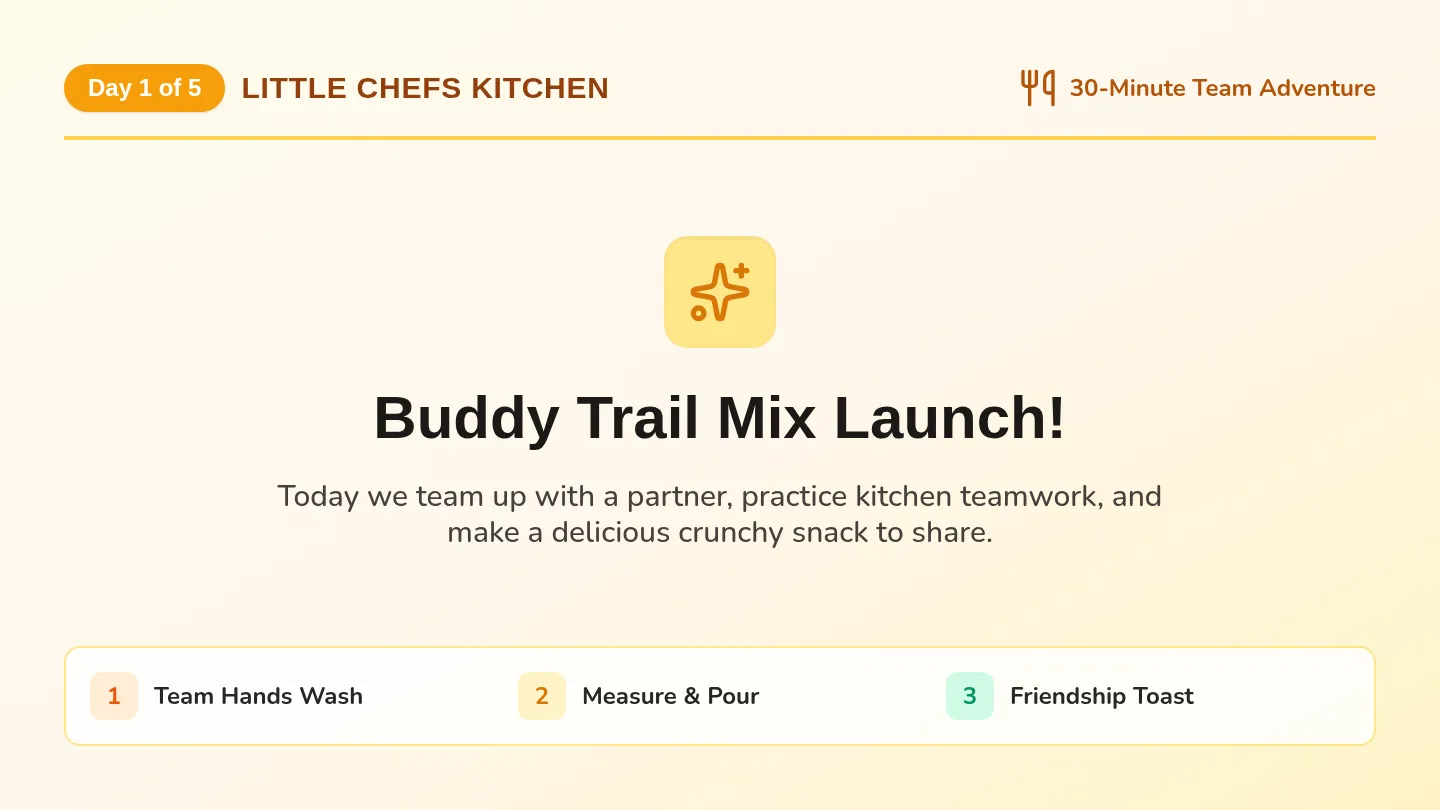
Little Chefs Kitchen

A vibrant five-day culinary and teamwork unit for K-3rd grade students where partners use simple no-cook recipes to build sharing, communication, and joyful friendship.

Lenny Avatar
Lenny
10
Reaction Radar Slides

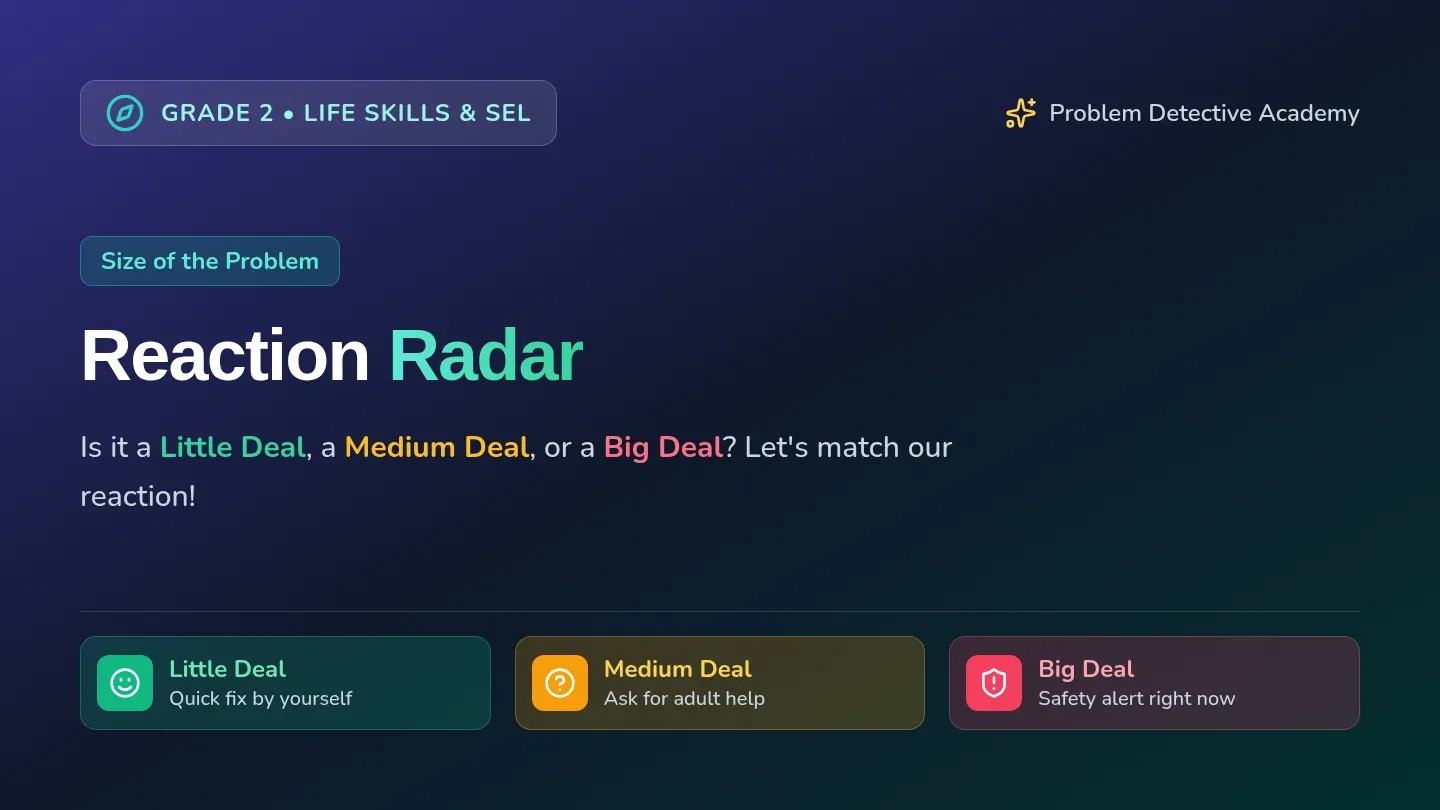
Reaction Radar

A social-emotional learning lesson for 2nd grade students exploring how to distinguish between little, medium, and big problems. Students learn to match their emotional reactions to problem sizes and practice sorting everyday school and home situations.

U

3
Reset Cue Cards

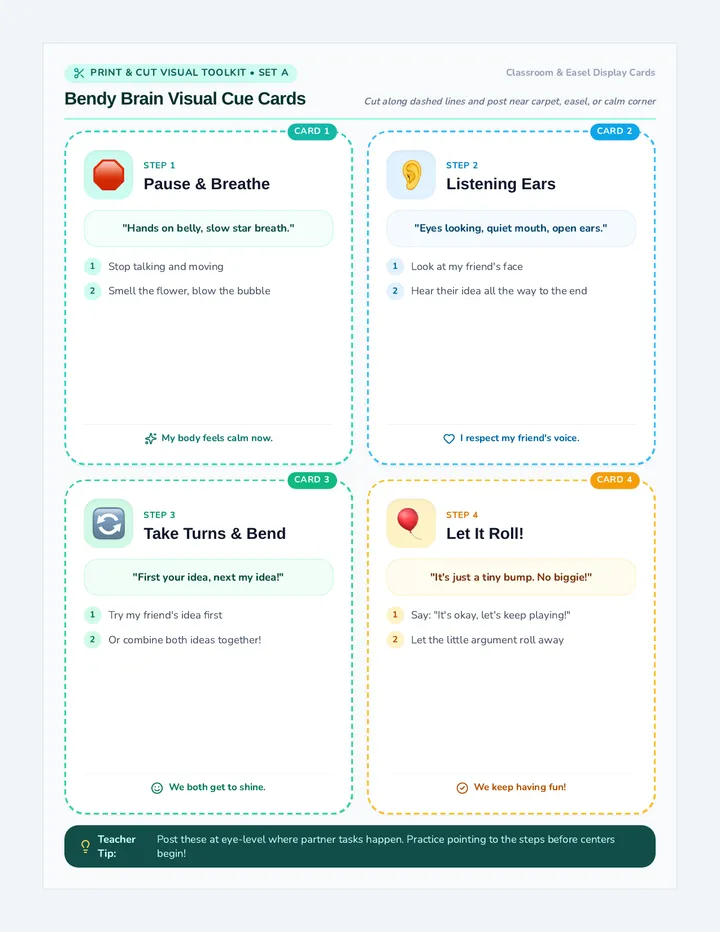
Reset Cue Cards

A print-ready 2-page visual reminder toolkit featuring 4 large classroom cue cards, 3 student desk strips, and 4 wearable lanyard prompt cards to guide listening, turn-taking, and flexible thinking.

TT

Thissen Tricia

Impact Intent Teacher Guide

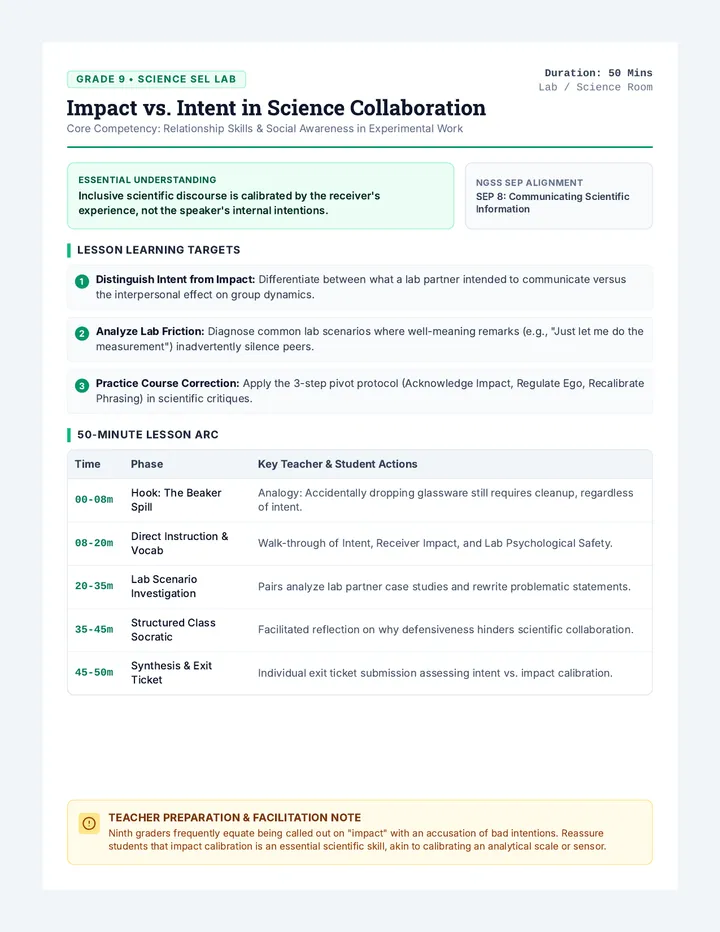
Science Class Dialogue

A high school science SEL sequence that builds positive teamwork, clear communication, and barrier-free collaboration between project partners in science class across grades 9 through 11.

J

jtoomey

27
Bridge the Gap Slides

Bridge the Gap

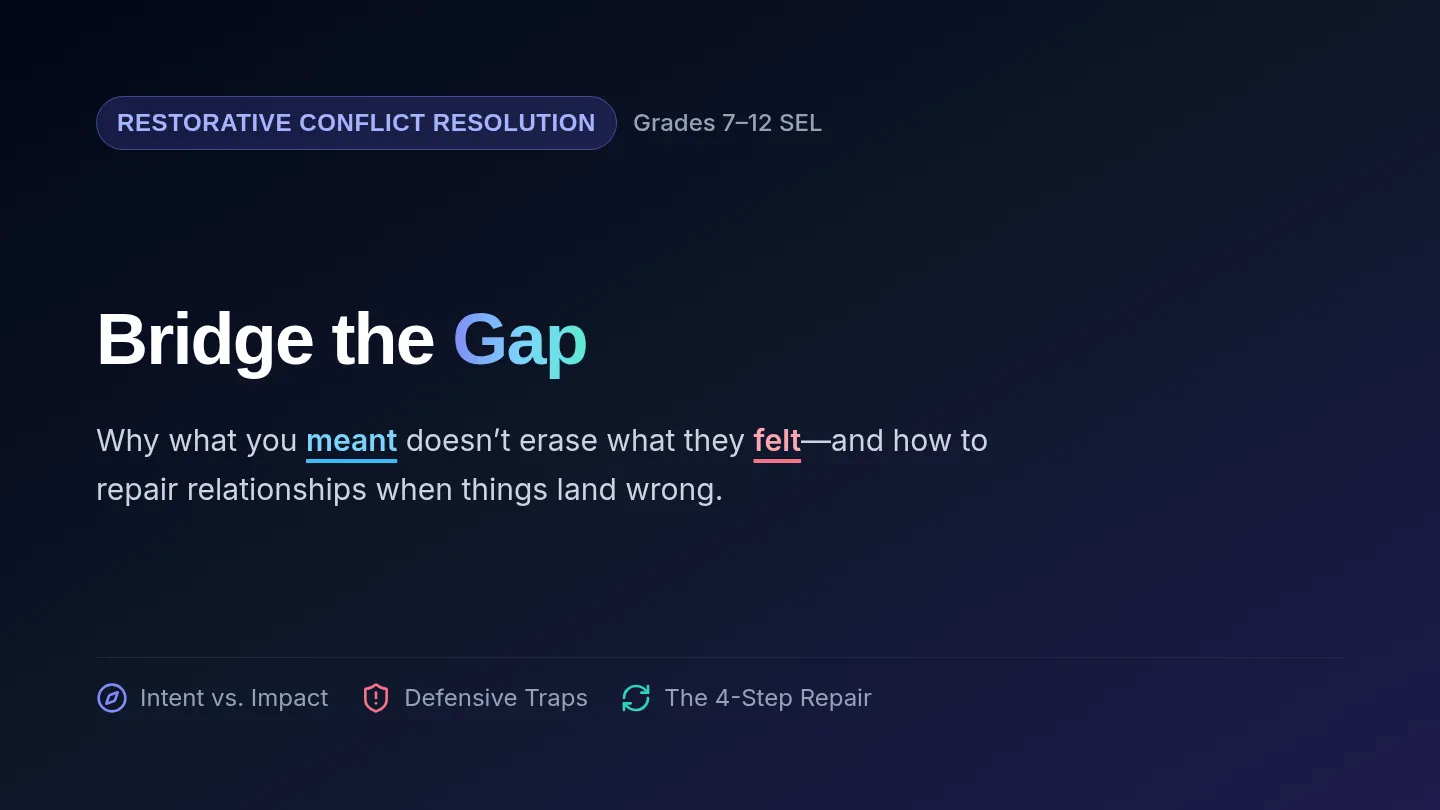
A comprehensive social-emotional learning lesson guiding students to distinguish between intention and impact during peer conflicts, de-escalate defensive reactions, and use a four-step restorative framework to repair relationships.

J

jwhite

4
Bendy Brain Story

Bendy Brain Story

A reassuring 2-page social story for kindergarteners teaching a 3-step 'Bendy Brain' routine to handle peer disagreements, listen to different perspectives, and peacefully let small issues go.

TT

Thissen Tricia