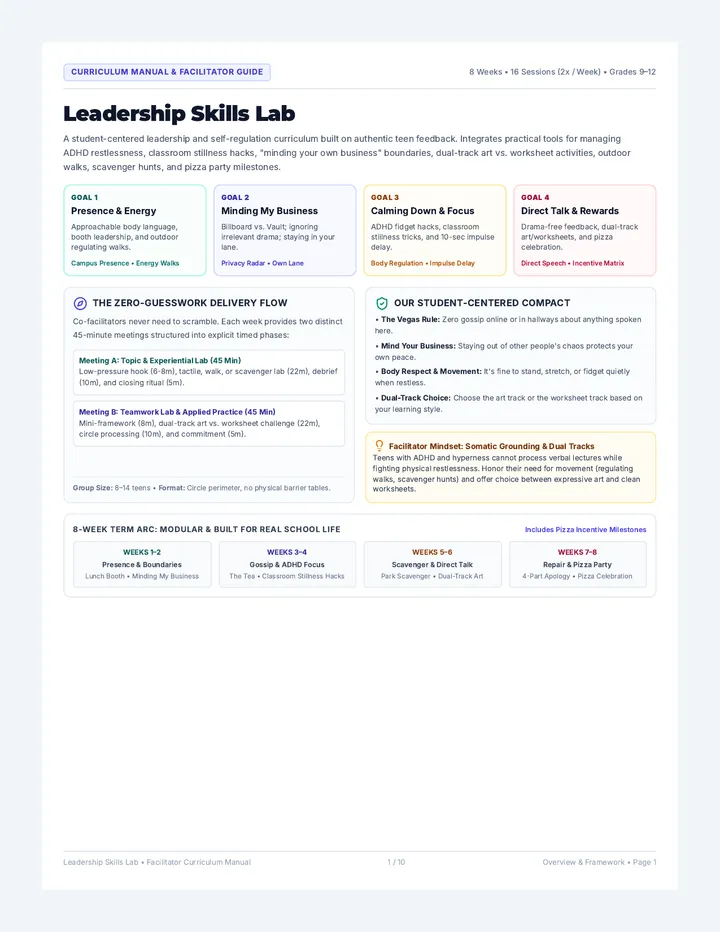
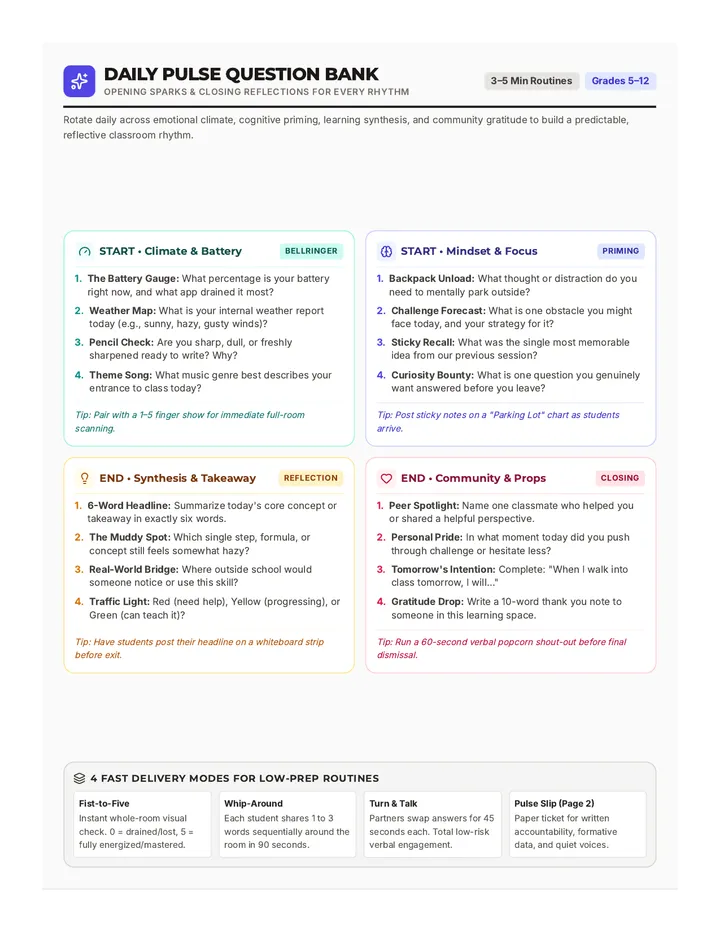
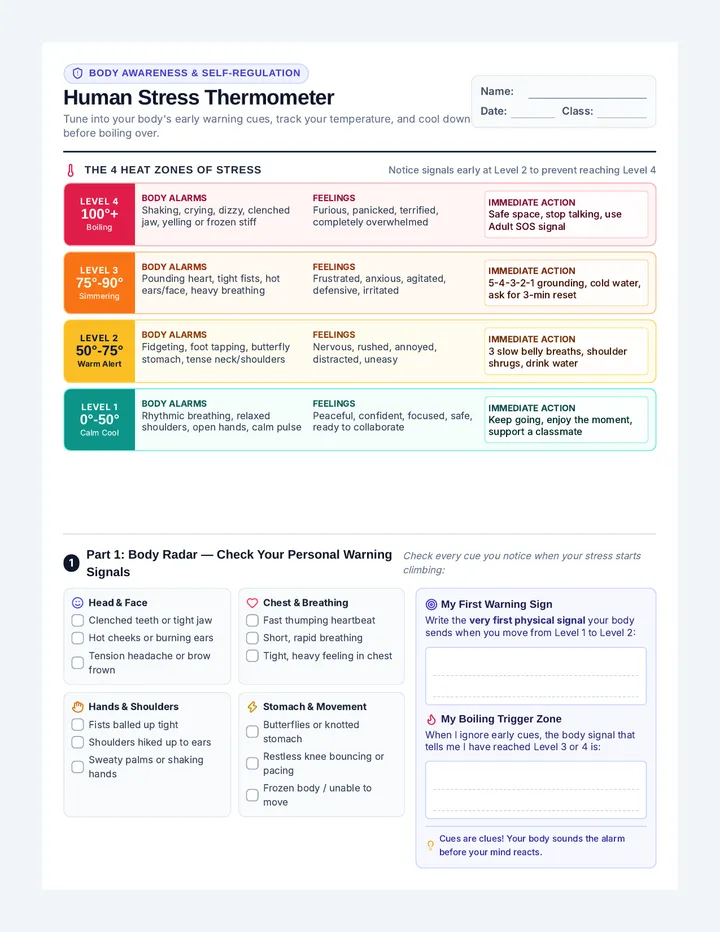
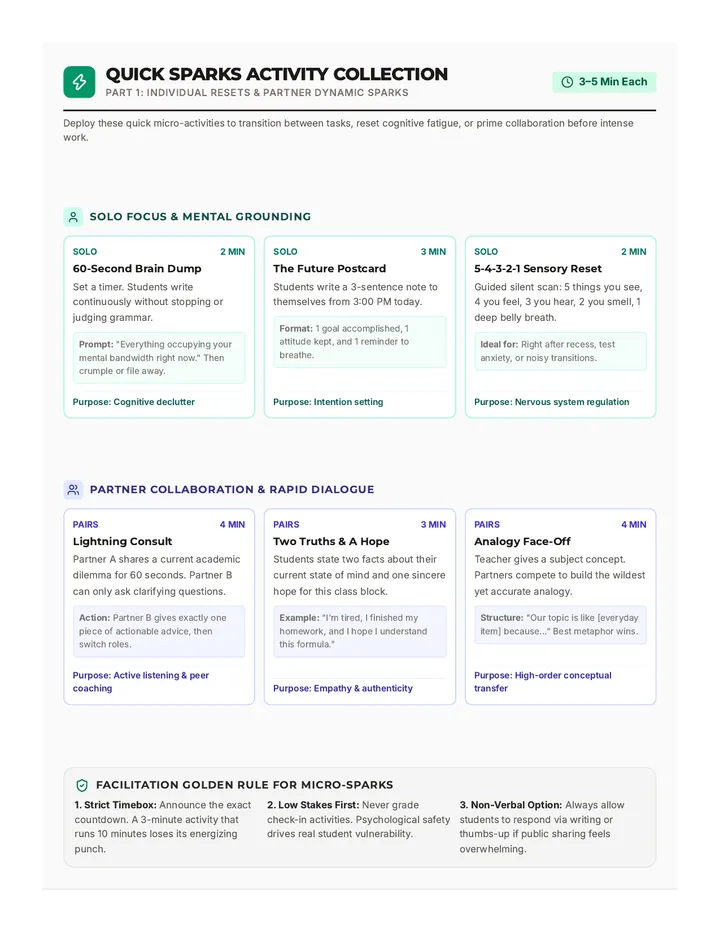
Safety Net Slides Advisory / Homeroom
Being a Supportive Friend
Recognizing Early Warning Signs & Psychosis
Think About This...
"If your friend broke their leg, you'd know exactly what to do."
"What if they started acting withdrawn or scared for no obvious reason?"
Video: What is Psychosis?
Embedded media
Watch for: The "Early Intervention" message.
Let's Discuss
The Simulation
How did the restaurant scene feel? Why didn't the friends notice what was happening?
The Statistics
"3% of people" or "11 Million." Why is it important to know that psychosis affects all types of people?
Recognizing the "Cloud"
Sensory
Seeing or hearing things others don't (Hallucinations)
Cognitive
Strange beliefs or feeling "watched" (Delusions)
Thinking
Thoughts getting mixed up or hard to follow
"People are more likely to be withdrawn, confused, or frightened than violent."
Notice & Ask
1
Notice the change
Watch for: Distraction, hesitation, or behaving like they are in a different world.
2
Ask without judgment
Use "I" statements. Focus on what you observe, not a diagnosis.
"I've noticed you seem distracted lately, is everything okay?"
Why Early Help Matters
"The earlier someone gets help, the better their outcomes will be."
Recovery is achievable through:
Support • Therapy • Medication
Role-Play Practice
Get into pairs. Use your scenario cards to practice the "Notice and Ask" method.
FRIEND A
Experiencing signs
FRIEND B
Practicing the script
Support Squad Scenarios Support Squad Scenarios
Practicing the "Notice & Ask" Method
Role-Play Activity
Instructions for Pairs
Take turns playing Friend A (the person experiencing a sign) and Friend B (the person noticing). Use the "Notice & Ask" approach: "I noticed [behavior], is everything okay?"
Scenario 1
The Lunch Table Gaze
Friend A: You are eating lunch. Suddenly, you think you see a shadow figure standing by the cafeteria door. You keep glancing at it, looking worried and distracted.
Friend B: You notice your friend hasn't touched their food and keeps staring at an empty corner with a scared expression.
Scenario 2
The Library Lag
Friend A: You are trying to study. You think you hear a voice whispering your name, but you're not sure. When your friend asks you a question, it takes you 10 seconds to respond because you're trying to figure out the voice.
Friend B: You ask your friend if they want to get water. They stare at you blankly for a long time before answering "Wait, what?"
Scenario 3
The Locker Theory
Friend A: You are convinced the school cameras are only watching you. You tell your friend you think the principal is sending you coded messages through the morning announcements.
Friend B: Your friend tells you a strange theory about the announcements. It sounds very unusual and doesn't make logical sense, but they seem very serious.
Scenario 4
The Word Jumble
Friend A: You are trying to explain why you didn't go to practice, but your thoughts feel like a "pink cloud." You start a sentence about practice but end it talking about how scissors look like squirrels.
Friend B: Your friend is talking, but their thoughts aren't connecting. They seem confused and their sentences are hard to follow.
Remember:
If a friend’s behavior seems dangerous to themselves or others, do not wait to "Ask." Tell a trusted adult, school counselor, or teacher immediately. Psychosis is confusing and scary for the person experiencing it; being a calm, non-judgmental presence is the best way to help.
Connection Check Exit Ticket Connection Check
Exit Ticket
Name:
Date:
1. Based on today's video and discussion, how would you define psychosis in your own words?
2. List two "early warning signs" that might indicate a friend is perceiving the world differently:
A
B
3. A friend seems very distracted and tells you they've been hearing whispers when no one is around. Practice your "Notice & Ask" script here:
What exactly would you say to start that conversation?
4. Why is early intervention so important for someone experiencing psychosis?
Your Safety Net
Remember: You don't have to be a doctor to be a good friend. Your job is to notice, ask, and connect them to help. If you're ever worried about a friend, speak to your school counselor or a trusted adult immediately.
Safety Net Teacher Guide Safety Net Friends
Teacher Facilitation Guide
Topic: Early Psychosis Intervention
Target: High School (Advisory)
Learning Objectives
Identify early warning signs of psychosis in peers.
Practice the "Notice and Ask" communication strategy.
Understand the critical role of early intervention in recovery.
Materials Needed
• Safety Net Slides
• Support Squad Scenarios
• Connection Check Exit Ticket
• Internet for Video Playback
Lesson Pacing
5 min
The Hook
Use Slide 2. Compare a physical injury (broken leg) to mental health withdrawal. Establish that we often feel less confident helping with things we can't "see."
10 min
Viewing & Discussion
Watch the "What is Psychosis?" video on Slide 3. Use the following pause points for impact:
Pause @ 0:22: Ask: "How did that restaurant scene feel? Scary? Confusing?" Establish empathy.
Pause @ 1:45: Ask students to categorize signs into Sensory (hearing/seeing) and Cognitive (beliefs/thoughts).
Pause @ 2:15: Discuss the "Dangerous" label. Where have they seen this stereotype in media? Why is it harmful?
20 min
Role-Play Practice
Distribute Support Squad Scenarios . Students work in pairs to practice the "Notice and Ask" script. Circulate and listen for non-judgmental language.
5 min
Closure & Exit Ticket
Distribute Connection Check Exit Ticket . Collect as students leave.
Extension Activity: Digital Safety Net
Have students pull out their phones and create a new contact titled "Supportive Friends Resource." Input the school counselor's name/number or a local resource like the POWER Program number from the video.
POWER Program: (210) 261-3143
National Crisis Line: 988
Definitions
Psychosis: Perceiving the world differently than reality.
Hallucinations: Sensory experiences (seeing/hearing) that aren't there.
Key Quote
"People experiencing psychosis are more likely to be withdrawn, confused, or frightened than violent."
Safety Net Resources Handout Safety Net Resources
Being a Supportive Friend
School Support
School Counselor
Office / Room Number
"If you're worried about a friend, tell a trusted adult at school immediately."
24/7 Hotlines
Crisis Lifeline 988
Crisis Text Line Text HOME to 741741
Early Psychosis Program
POWER Program (210) 261-3143
You don't need to be an expert to help. Just Notice, Ask, and Connect.
Safety Net Resources
Being a Supportive Friend
School Support
School Counselor
Office / Room Number
"If you're worried about a friend, tell a trusted adult at school immediately."
24/7 Hotlines
Crisis Lifeline 988
Crisis Text Line Text HOME to 741741
Early Psychosis Program
POWER Program (210) 261-3143
You don't need to be an expert to help. Just Notice, Ask, and Connect.