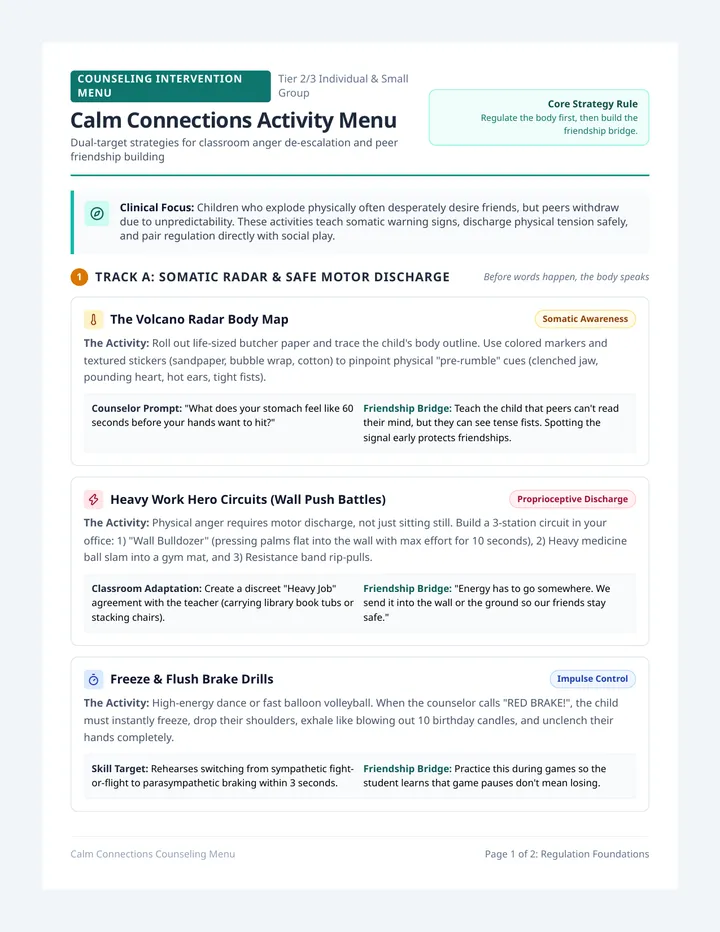
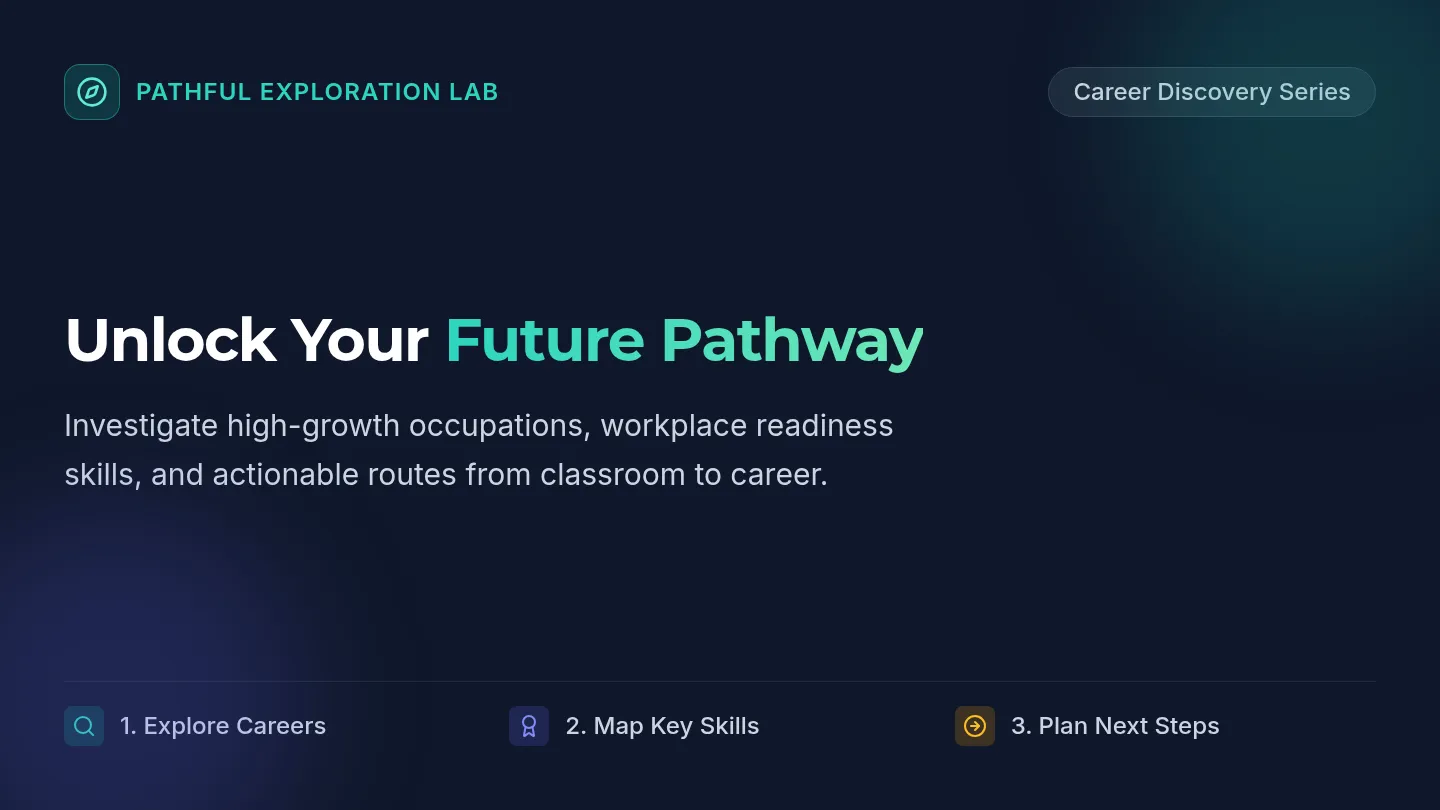
Future Blueprint Slides
Career Exploration & Readiness
Grade 9-12 Module
FUTURE BLUEPRINT
Mapping your passions, navigating postsecondary routes, and unlocking high-demand careers.
Self & Skills Audit
4 Post-Grad Pathways
Labor Market Intel
The Big Picture: Why Start Today?
Insight 01
Save Time & Capital
Exploring pathways early prevents costly college degree switches and unfulfilling training commitments.
Uncover Hidden Roles
Thousands of thriving, high-salary roles exist beyond the few traditional titles you see in TV and media.
Build In-Demand Skills
Align your current high school electives, certifications, and projects with real employer demands.
Discussion Prompt: What is one career you have heard of recently that intrigued you, and what makes it interesting?
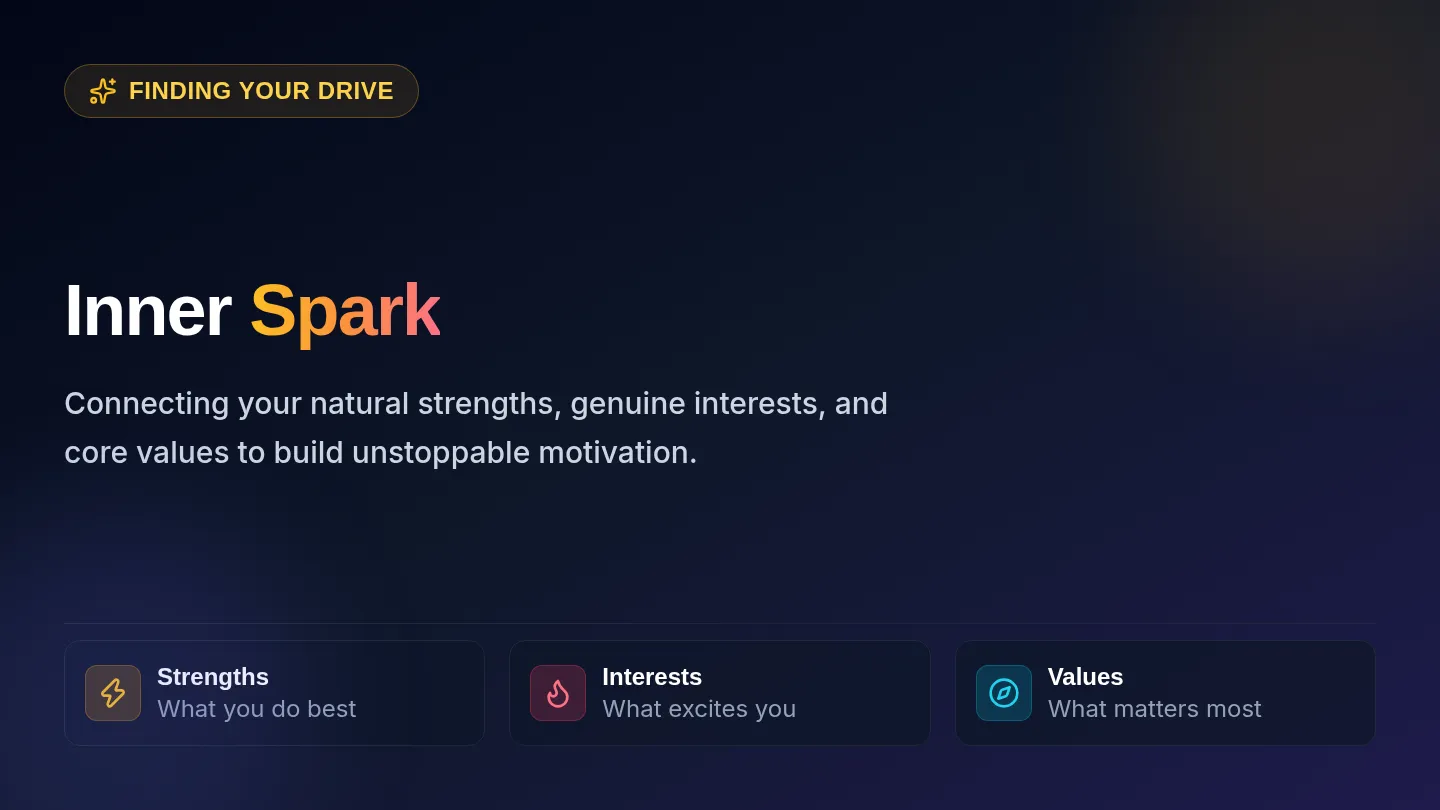
Know Your Foundation: The 3 Core Pillars
Insight 02
Pillar 1
Interests
What problems do you love solving? What topics keep you engaged without feeling like forced work?
Examples: Coding, hands-on building, helping people, storytelling.
Pillar 2
Aptitudes & Skills
What are your natural talents and acquired capabilities that others frequently rely on you for?
Examples: Spatial analysis, active listening, rapid troubleshooting.
Pillar 3
Core Work Values
What conditions must your career satisfy to provide long-term fulfillment and stability?
Examples: Independence, high earning, work-life balance, teamwork.
Formula: Passion + Competence + Economic Demand = Sweet Spot Self-Inventory on Page 1 of Worksheet
Post-Graduation: The 4 Major Routes
Insight 03
Registered Apprenticeship
Full-time paid employment combined with structured technical classroom instruction.
Zero Debt • Earn While Learning
Trade / Technical College
Targeted hands-on credentials (6 mos–2 yrs) preparing directly for certified industries.
Fast Entry • High Job Placement
2-Year & 4-Year College
Associate or Bachelor’s degrees offering broad academic depth, theory, and credentials.
Broad Options • Required for Many Licenses
Direct Workforce & Military
Immediate entry into employment, entrepreneurship, or military service with on-the-job training.
Immediate Income • Hands-on XP
Key Takeaway: There is no single "correct" pathway—the right choice depends on your career goal, learning style, and financial strategy.
Deep Dive: Apprenticeships & Skilled Technical Routes
Spotlight
How Apprenticeships Work
- • Earn a progressive paycheck from Day 1 that increases as skills expand.
- • Mentorship under certified master craftspersons or technical supervisors.
- • Nationally recognized credential upon completion without student loans.
Modern Technical Fields
Cybersecurity Analyst, Mechatronics, Electrician, Aircraft Maintenance, Precision Machinist, Biomedical Tech.
Comparing Costs & Early Earnings
4-Year College Route Avg. $30K-$100K+ Debt
Delayed full-time earnings until graduation (years 1-4).
Apprenticeship Route $0 Debt + Wages Earned
Earn average $15-$25+/hr while learning from day one.
💡 Hybrid Strategy: Many complete a trade or 2-year college first, then use employer tuition assistance to earn a 4-year degree debt-free!
Source: U.S. Dept of Labor Apprenticeship Data & BLS Workforce Metrics
Investigating Careers: The 3 Crucial Metrics
Investigation
1. Day-to-Day Tasks
What does a typical Tuesday look like? Are you at a desk, in an operating room, on a jobsite, or traveling?
Look beyond the title—check actual task logs and daily environments.
2. Entry Qualifications
What is the minimum barrier to entry? Certificate? State license? Bachelor’s? Portfolio or coding repo?
Identify specific certifications employers look for on resumes.
3. Outlook & Compensation
Is this industry expanding or declining? What is the median salary and top 10% ceiling in your region?
Reference the Bureau of Labor Statistics (BLS) Occupational Outlook Handbook.
Official Tool: bls.gov/ooh (Occupational Outlook Handbook)
Used for Page 2 Research Dossier
Career Readiness: What Employers Value Most
Core Competencies
Hard / Technical Skills
The teachable abilities and knowledge required to perform specific tasks.
• Data Analysis & Software Mastery (Excel, Python, CAD)
• Machinery Operation, Welding, or Diagnostic Testing
• Financial Accounting & Legal Compliance
Human / Durable Skills (High Demand)
The interpersonal and cognitive habits that enable teamwork and adaptability.
• Clear Communication: Concise writing & active listening
• Critical Problem Solving: Troubleshooting under pressure
• Dependability: Punctuality, integrity & self-direction
Industry Fact: 89% of hiring failures stem from lack of interpersonal readiness skills, not technical deficiencies.
Scenario Lab: Workplace Decision-Making
Class Discussion
The Client Deadline Crisis
You are working your first post-grad job at a regional firm. You committed to delivering a completed project file to your manager by 4:00 PM today for an important client. At 1:30 PM, you realize a critical software error corrupted half of the data, and fixing it properly will take at least 4 more hours.
Option A: Avoid & Scramble
Wait until 3:55 PM, hoping you might fix it in time. If you can't, send a quick text saying your computer crashed.
Option B: Proactive Communication
Notify your manager at 1:45 PM. Explain the exact issue, present two viable recovery solutions, and propose a revised timeline.
Discussion Question: How does Option B demonstrate career readiness, trust, and accountability? Turn & Talk (2 Min)
Your Mission: Complete The Career Navigator
Independent Work
1
Self-Audit & Values
Inventory your top 3 natural skills, favorite subject areas, and must-have work environment conditions.
2
Pathway Comparison
Evaluate college, trade school, apprenticeships, and direct work against your personal timeline and finances.
3
Target Career Dossier
Select one real career to research: daily duties, required degrees/certs, median wage, and 10-year growth outlook.
Grab your Career Navigator Worksheet and research device now.
Goal: Draft 1 Actionable 12-Month SMART Goal
Career Navigator Worksheet
Career Readiness Series
CAREER NAVIGATOR • PART 1
Self-Inventory & Postsecondary Pathway Analysis
Name:
Date:
Period:
SECTION 1
Personal Talent & Values Inventory
Top Skills & Talents
Natural strengths (logic, design, building, mediation):
Fields of Interest
Industries & problems you love exploring:
Core Work Values
Must-haves (income, autonomy, helping others):
SECTION 2
Postsecondary Pathways Matrix
Rate your fit (1=Lowest, 5=Highest)
| Pathway | Duration & Cost | Core Feature / Advantage | Fit (1-5) |
|---|
| | | |
| Apprenticeship | | | |
Trades, Cyber, Tech | 2–5 yrs • $0 debt (paid) | Earn wages while receiving certified on-the-job & classroom mastery. |
|
|
Technical College
HVAC, Sonography, CAD | 6 mos–2 yrs • Low/Moderate | Fast workplace entry; highly focused vocational licenses and credentials. |
|
|
2-Yr / 4-Yr College
Associate / Bachelor's | 2–4 yrs • Moderate/High | Broad theoretical depth; prerequisite for medical, law, and corporate tracks. |
|
|
Workforce / Military
Sales, Logistics, Enlisted | Immediate • $0 initial cost | Early financial independence and real-world experience from day one. |
|
Pathway Analysis & Reasoning:
Which pathway above scored highest for you, and why does it fit your goals and lifestyle best?
Future Blueprint Curriculum • Student Handout Page 1 of 2 • Continue to Research Dossier
Career Readiness Series
CAREER NAVIGATOR • PART 2
Labor Market Research & Professional Skills Challenge
Device or Reference Guide Needed
SECTION 3
Career Investigation Dossier
Reference: bls.gov/ooh or O*NET
Target Career Title:
Industry Sector (e.g., Tech, Health, Trades):
Daily Duties
Core workplace tasks:
Entry Credentials
Required degree / certs:
Pay & Outlook
Wage & 10-yr growth:
Median Salary:
10-Yr Growth Rate:
SECTION 4
Future Blueprint Teacher Guide
Educator Instructional Guide
FUTURE BLUEPRINT • TEACHER GUIDE
Facilitation Framework, Pacing, and Discussion Prompts
Grades 9–12 Lesson Duration: 50–60 Min
Core Learning Targets
- • Identify personal strengths, workplace values, and career interests.
- • Compare 4 postsecondary routes: trade, apprenticeship, college, workforce.
- • Analyze labor market data (BLS duties, credentials, median pay, growth).
- • Formulate professional communication strategies for workplace dilemmas.
Standards Alignment
ASCA Mindsets & Behaviors: M 4 (self-motivation), B-LS 7 (long-term goal setting), B-SMS 1 (responsibility for actions).
Career Ready Practices (CTE): CRP 2 (technical skills), CRP 4 (effective communication), CRP 10 (plan education & career path).
Recommended Pacing Breakdown (50–60 Minutes)
10 Min Hook & Self-Audit Slides 1–3 + Worksheet Section 1
15 Min Pathway Contrast Slides 4–6 + Worksheet Section 2
20 Min Career Dossier Lab BLS research + Worksheet Section 3
10 Min Skills & Goal Setting Slides 7–9 + Worksheet Sec 4 & 5
Key Slide Facilitation Notes & Discussion Prompts
Slide Focus Key Concept to Emphasize Teacher Prompt / Check for Understanding
Slide 2: Why Explore Now? College tuition ROI, early exploration reduces costly major changes. "What is the financial cost of spending two years studying something you dislike?"
Slide 4–5: Post-Grad Routes Demystify apprenticeships; emphasize $0 student debt and paid training. "Why do you think high-paying technical trades are currently facing a worker shortage?"
Slide 7: Hard vs. Human Skills Technical skills get you the interview; communication keeps you employed. "Which skill is harder to learn: software navigation or conflict resolution?"
Slide 8: Dilemma Scenario Proactive transparency vs panic avoidance when missing deadlines. "How does owning a problem before being confronted change your manager's trust?"
Future Blueprint Curriculum • Educator Instructional Guide Page 1 of 2 • Evaluation & Extension
Assessment & Differentiation
EVALUATION RUBRIC & STRATEGIES
Curriculum Implementation
Exemplar Student Responses & Assessment Criteria
Section 4 (Workplace Dilemma) Exemplar Response:
"First, reach out directly to the coworker via phone/instant message with an urgent, direct check-in: 'I need your input on Section B by 11:00 AM to merge our files.' If no response, email the supervisor transparently: 'Our draft is 75% complete. I have finalized my sections and attempted to contact [Partner]. To hit tomorrow's deadline, I propose I either draft a provisional summary of their section or submit our completed chapters for preliminary review while awaiting their update.'"