Mastering My Emotions Lesson Plan Mastering My Emotions
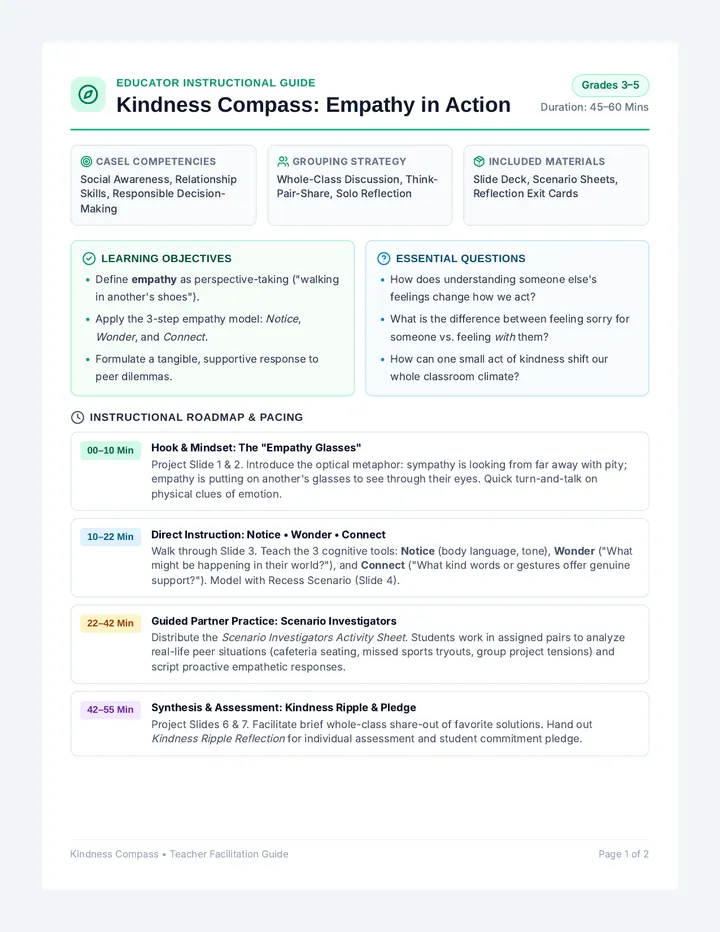
Lesson Plan • Tier 3 Individual Support
Grade Level
5th Grade
Why This Matters
This lesson fosters emotional awareness and self-regulation skills, which are essential for personal well-being and effective social interactions. For students requiring Tier 3 support, these skills provide a foundation for academic focus and conflict resolution.
Learning Objective
Help 5th-grade students understand and regulate their emotions in a supportive, individual learning environment using activities, discussion, and visual aids.
Duration
30 Minutes
Approach
Interactive, Individualized
Preparation
Review slide deck
Print Activity Sheet
Review Discussion Guide
Instructional Roadmap
1
Warm-Up & Introduction
5 MIN
Greet the student and introduce the topic of emotional awareness.
Use the Emotion Regulation Slide Deck to present key emotions and expressiveness.
Ask the student to share one emotion they felt recently to build immediate connection.
2
Main Activity: Navigating Feelings
15 MIN
Distribute and work through the Emotion Regulation Activity Sheet focusing on scenarios and identification.
Guide the student through identifying personal feelings and discuss possible regulation strategies.
Provide individual support and encouragement; validate all shared feelings.
3
Guided Discussion & Wrap-Up
10 MIN
Facilitate a discussion using the Emotion Regulation Discussion Guide to reflect on the activity outcomes.
Ask targeted questions to help the student articulate the steps to manage emotions.
Summarize key points and encourage the student to use these strategies in real-life situations.
Teacher Support Tip
In Tier 3 support, the relationship is the most powerful tool. Use "I" statements and share your own calm-down strategies to model vulnerability and emotional maturity. Ensure the student feels safe and heard throughout the session.
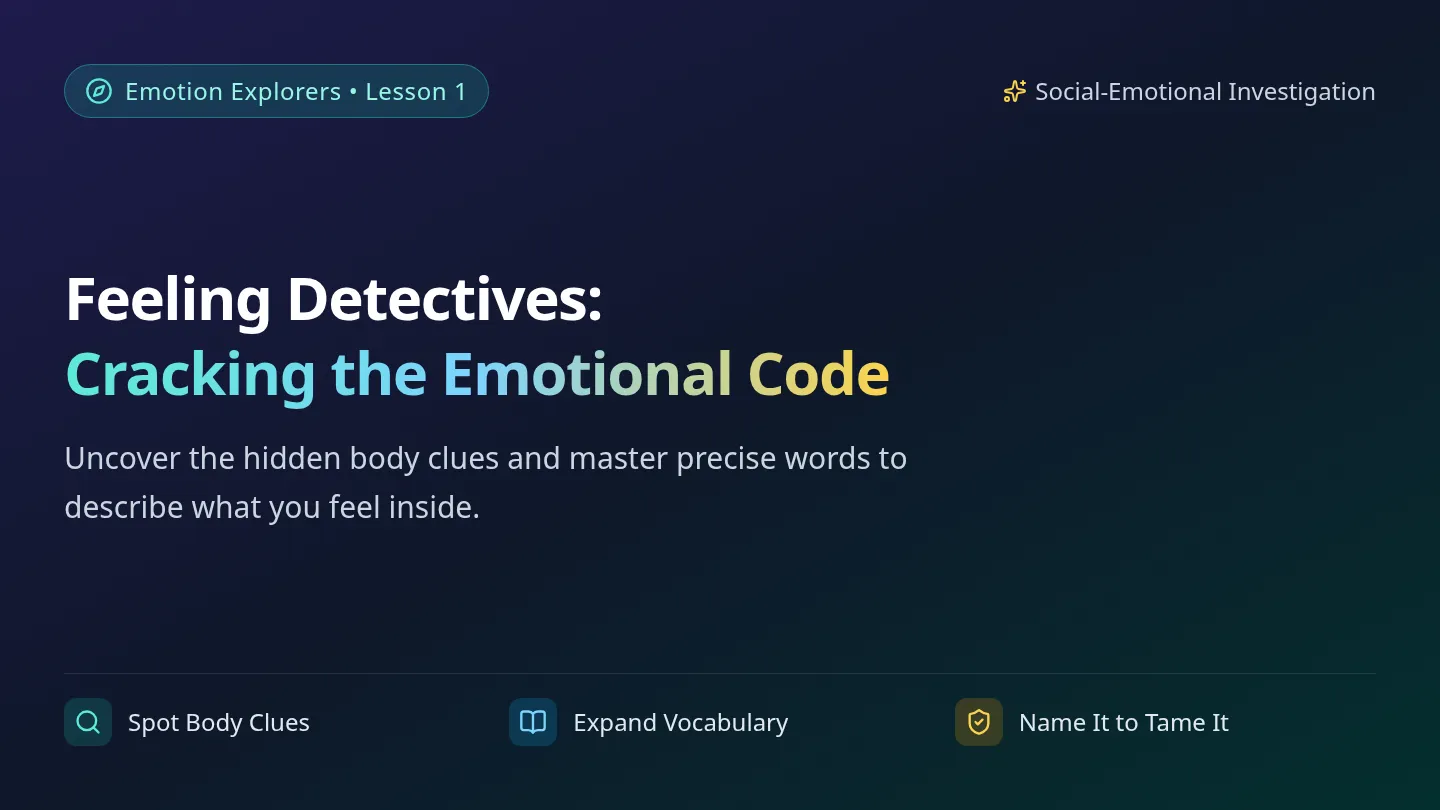
Emotion Regulation Slide Deck Mastering My Emotions
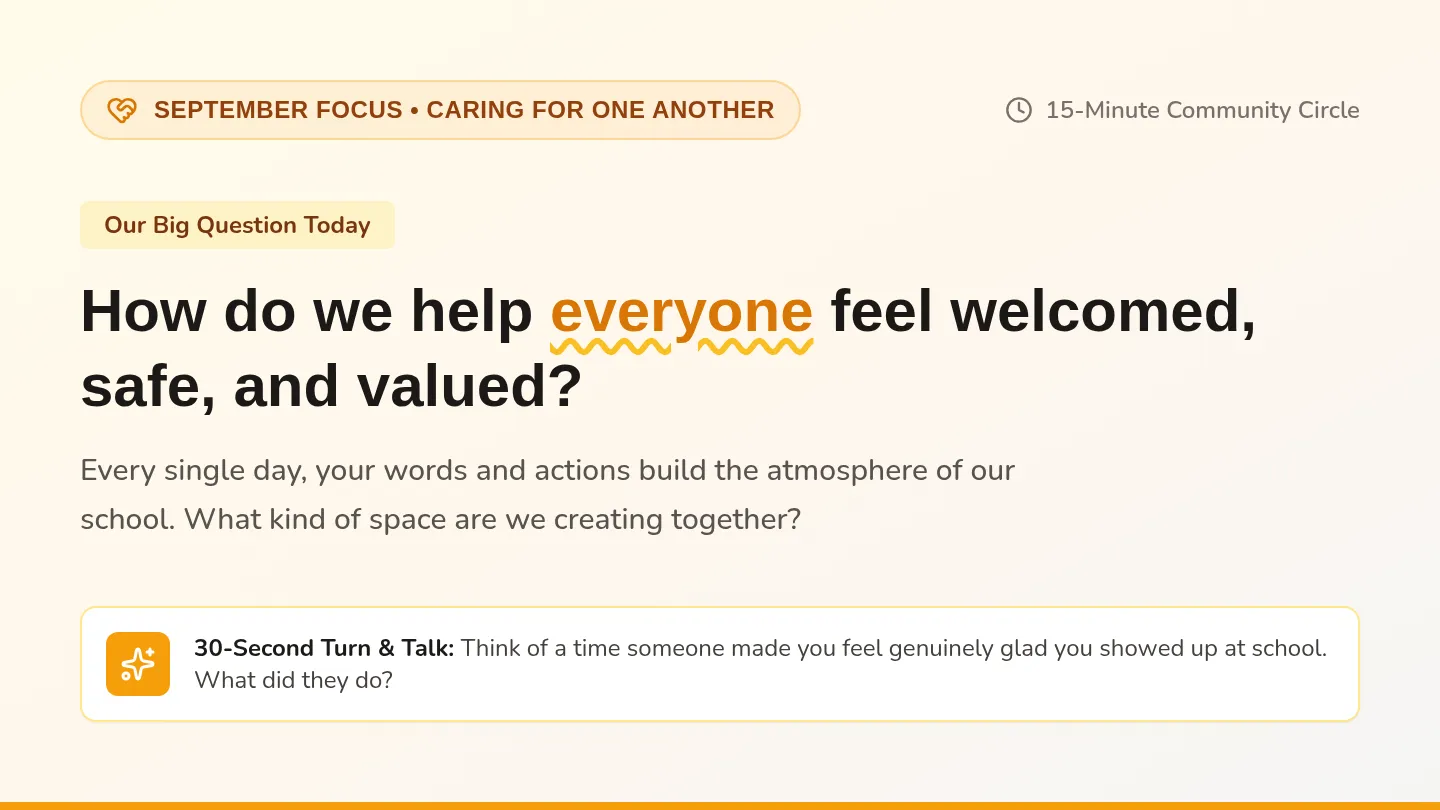
Today, we'll learn about our feelings and how to manage them!
Navigator Series
Teacher Notes: Introduce the session, welcome the student, and provide a brief overview of what will be covered.
What Are Emotions?
Emotions are feelings that we experience every day. They help us understand how we feel about different situations.
😊 Happiness
😢 Sadness
😡 Anger
😨 Fear
"Think of emotions like waves in the ocean. They come and go, and some are bigger than others!"
Teacher Notes: Explain the concept of emotions in simple terms, using examples the student can relate to.
Identifying Your Feelings
Think of a time you felt something strongly.
What was the emotion?
How did your body feel?
Let's talk about it together.
Teacher Notes: Use interactive questioning: ask the student to share a time when they felt a specific emotion.
What Triggers Emotions?
Triggers are things that make us feel emotions. They can be events, people, or even our thoughts.
Disagreements with friends
Challenges at school
"Knowing your triggers is like having a map for your feelings!"
Teacher Notes: Discuss triggers in a friendly manner, with relatable examples such as disagreements with friends.
Strategies to Manage
Deep Breaths
Slowly breathe in and out to help your body feel calm.
Talk About It
Sharing how you feel with someone you trust makes it easier.
Counting Down
Counting slowly from 10 can give your brain time to reset.
Teacher Notes: Share simple strategies. Mention deep breaths or talking to someone as practical examples.
Wrap-Up
We learned how to identify feelings, understand triggers, and use strategies to manage them.
Final Question:
How can you use these strategies in your daily life?
Teacher Notes: Review the key points covered and invite the student to share something they learned.
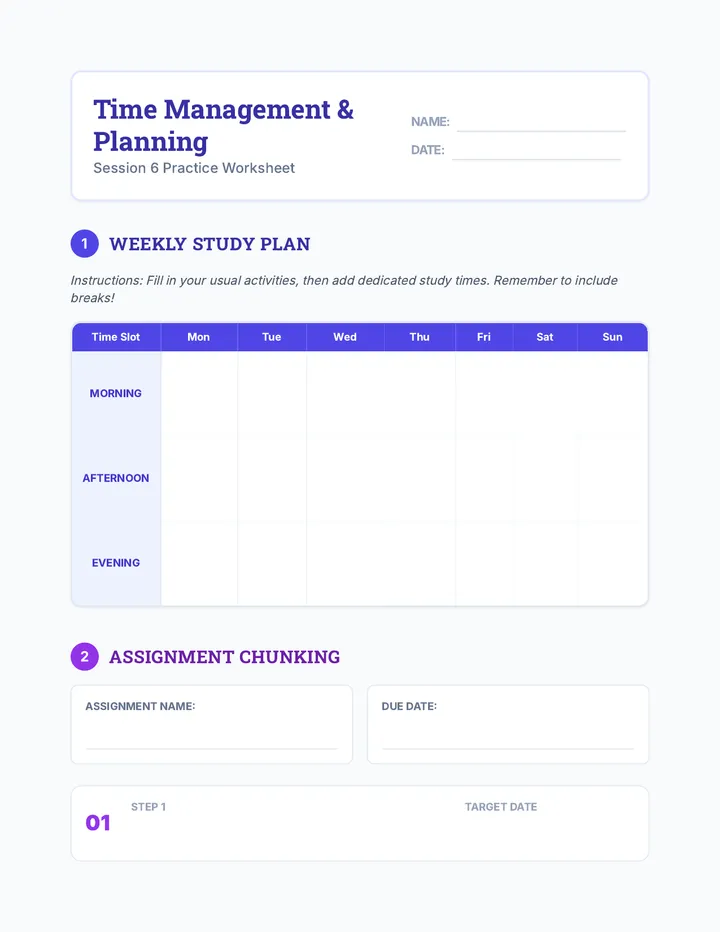
Emotion Regulation Activity Sheet Emotional Navigator
Activity Sheet • Grade 5
NAME:
DATE:
This activity sheet is designed to help you think about your emotions and practice ways to manage them effectively. Work on each section carefully. Remember: there are no wrong answers when exploring your feelings!
1
Part 1: Identifying Emotions
Scenario: Imagine you lost your favorite toy or game. How might you feel?
Scenario: You just received amazing praise on a big school project. What emotions do you notice?
2
Part 2: Understanding Triggers
Look at the scenarios above. What do you think triggered (caused) your emotions in each case?
Losing your toy:
Receiving praise:
3
Part 3: Regulation Strategies
For each scenario, think about a strategy (like breathing or talking) that could help you manage your feelings if they get too strong.
Case 1: Losing your toy
Strategy:
Why might it help?
Case 2: Receiving praise
Strategy:
Why might it help?
4
Part 4: Personal Reflection
Reflect on a time when you felt a strong emotion recently. What happened? Would a different strategy have helped you feel better?
Great job! Keep this sheet as your map for managing big feelings.
Emotion Regulation Discussion Guide Navigator Debrief
Emotion Regulation Discussion Guide
STUDENT:
NAVIGATOR:
This guide is designed to help you reflect on your "Navigator" journey. Use these questions to think about what you learned and how you can manage your emotions every day.
Opening Reflection
1. What is one emotion you felt strongly this week? How did you recognize it in your body or mind?
2. Can you think of a time when you used a strategy (like deep breaths) to calm yourself? Describe what happened.
Reflecting on the Activity
1. Why do you think different situations make us feel different emotions? (Is everyone's "map" the same?)
2. Which part of today's lesson did you find most helpful? Identifying triggers or finding strategies? Why?
Applying Strategies in Real Life
1. What are some new strategies you might try in the future when you feel overwhelmed at school or home?
2. How do you think practicing these strategies will help you interact better with friends and teachers?
Deepening Your Understanding
1. Think of a past situation where you reacted strongly. What could you have done differently with these new tools?
2. How can talking about your feelings with someone you trust help you navigate big emotions?
"Your feelings are important. Using these strategies helps you understand yourself better every day!"