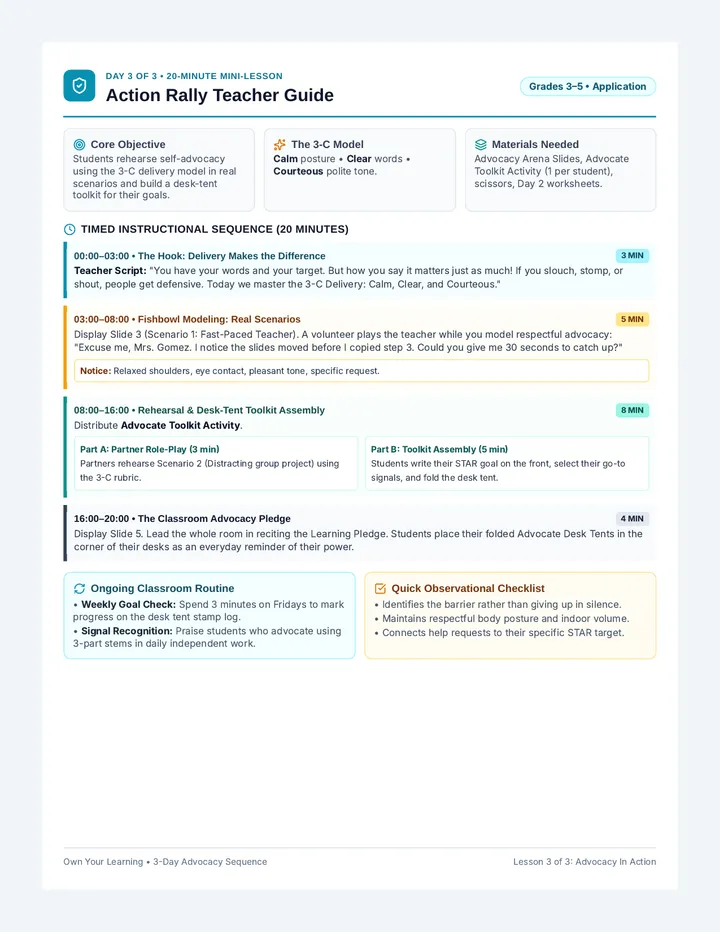
Flex Factor WorksheetFlex Factor Worksheet Gymnastics for your brain! Name: Date: 1. The Change-O-Matic The Scenario: You were supposed to go to the park for recess, but it just started raining. Now you have to stay inside and do "Quiet Choice" time in the classroom. "Stuck Brain" Reaction Draw what a "Stuck Brain" looks or feels like when the plan changes. "Flex Brain" Reaction Draw what a "Flex Brain" looks or feels like when the plan changes. 2. The Thinking Flip Draw a line to match the "Stuck Thought" on the left to its "Flex Flip" on the right! "This is ruined! I only wanted to do the park." "I'm not doing anything else. It's not fair." "I hate when things don't go exactly my way." "Change is hard, but I can handle it and try a new plan." "I'm disappointed, but maybe I can draw or play a board game instead." "It's bummer news, but there are other fun things to do inside." 3. The Object Stretch Can you think of 3 ways to use a PAPERCLIP that aren't for holding paper? Thinking of new uses for old things is a great brain workout! Idea #1 Idea #2 Idea #3
Brain Flex SlidesBrain Flex The Ultimate Workout for Flexible Thinking What is it? It's like a rubber band! Flexible thinking is the ability to change your plan when something unexpected happens. Stuck vs. Flexible Stuck Brain "I only want it one way. I can't think of any other ideas." Flex Brain "The plan changed. That's okay! I can find another way." Flex Challenge! You're playing a game and your friend changes the rules in the middle. How do you react? Stuck: "Stop! You're cheating! I'm not playing." Flex: "Let's try the new rules and see if it's fun!" The "What If" Machine What if your favorite snack is sold out? What if the bus is 10 minutes late? What if you run out of blue paint for the sky? Stretch that brain!
Flex Master GuideFlex Master Guide Teacher Facilitation & Discussion Prompts Core Concepts Stuck Thinking (Rigid) Insisting on one "right" way. Trouble letting go of a plan. Frustration when rules change. Emotional "meltdown" over small changes. Flexible Thinking (Adaptive) Generating multiple solutions. "Going with the flow." Looking for the "silver lining." Willingness to try new perspectives. Facilitation Tips 1 Normalize Disappointment Remind students that it's okay to feel sad or frustrated when a plan changes. Flexibility doesn't mean you don't care; it means you can handle the feeling and keep going. 2 Model Your Own Flexibility When things go wrong in the classroom (e.g., technology fails, schedules shift), narrate your thought process: "I'm feeling a little stuck right now, but I'm going to flex my brain and try Plan B." 3 The "What Else?" Strategy When a student is stuck, ask "What else could we do?" or "What's another way to see this?" Encourage at least three alternatives before deciding. Bonus Discussion Scenarios Scenario A: The Missing Piece "You're building a Lego set and realize a critical piece is missing." Discussion: How would a Stuck Brain react? How would a Flex Brain use other pieces to make it work or change the design? Scenario B: The Choice Card "The teacher says you can work in a group, but the person you wanted to work with already found a partner." Discussion: How do you 'flex' to find a new partner or choose to work alone successfully? Scenario C: The New Way "Your parents take a new way home and it takes much longer than usual." Discussion: Instead of complaining about the time, what flexible thoughts can you use to enjoy the ride?