Sticker Price Teacher Guide Sticker Price vs. Net Price
Teacher Facilitation Guide
College Cash Quest: Lesson 1
Learning Objectives
Define **Sticker Price** and **Net Price** in the context of higher education.
Identify the components of **Cost of Attendance (COA)** including direct and indirect costs.
Understand that the published price is rarely the final price paid by families.
Pacing Guide (45-60 Minutes)
10 Mins
Hook: The Price is Right!
Students guess the tuition of famous schools vs. what students actually pay.
15 Mins
Direct Instruction: COA & Terminology
Walking through the components of COA (Tuition, Fees, Room, Board, Books, Travel).
20 Mins
Activity: The Net Price Calculator
Analyzing sample student profiles to see how "Net Price" is calculated.
10 Mins
Wrap-Up & Reflection
Exit ticket: Why should we never cross a school off based on sticker price?
Materials Needed
Sticker Price Slides
Price Quest Worksheet
Internet Access (Optional)
Key Terms
COA Sticker Price Net Price Indirect Costs
Teacher Tip
Students often get "sticker shock." Remind them that most private colleges have higher sticker prices but often give more aid, sometimes making them cheaper than public schools.
Discussion Prompts
Introductory
"Have you ever seen the price of a cool car or a fancy designer item? Do people always pay that exact price?"
"What are some things you might have to pay for in college besides just the classes?"
Deep Dive
"If a school costs $70,000 but gives you $60,000 in aid, vs. a school that costs $30,000 but gives $5,000 in aid—which is the better deal?"
"Why do you think colleges have a 'Net Price Calculator' on their websites?"
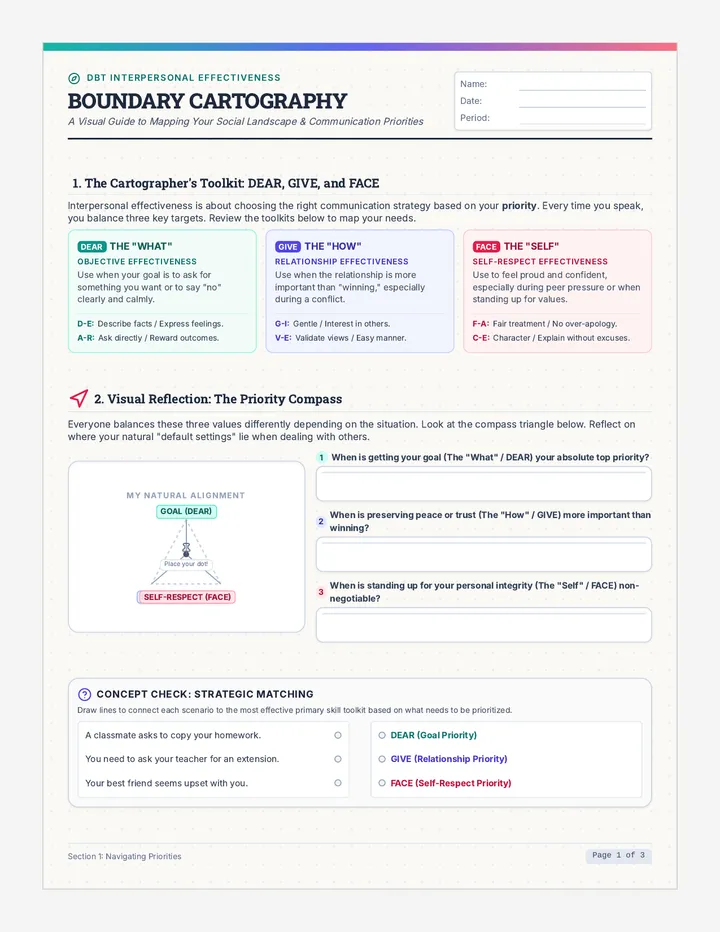
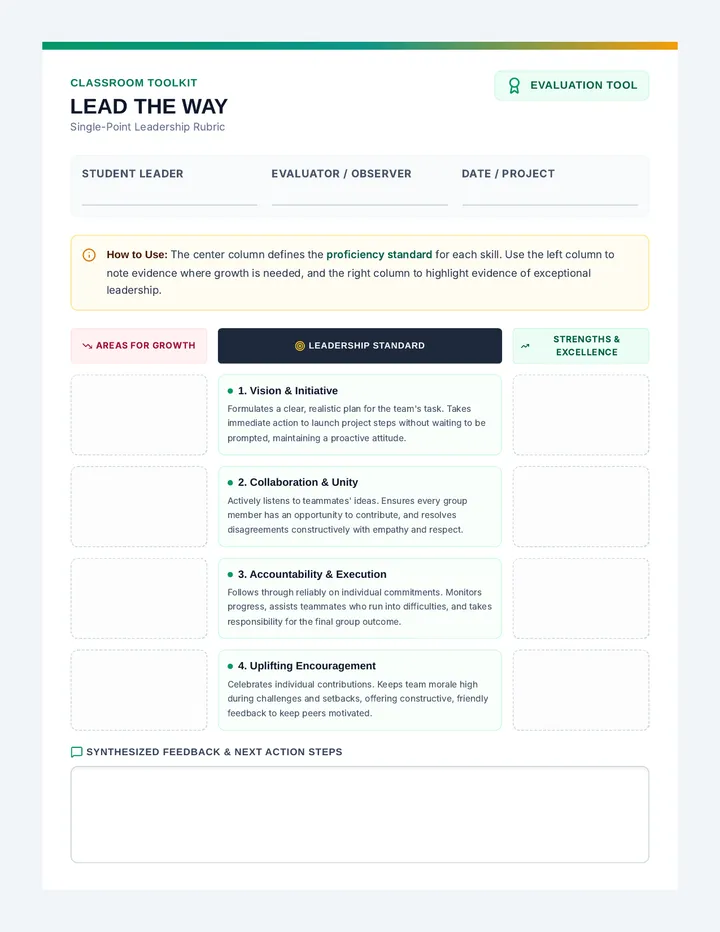
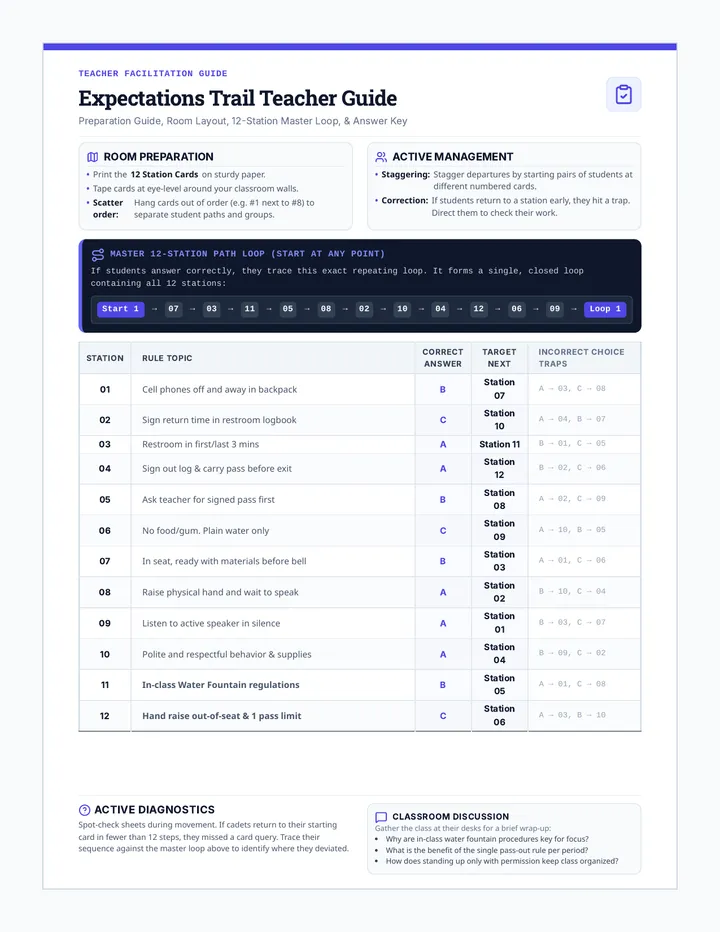
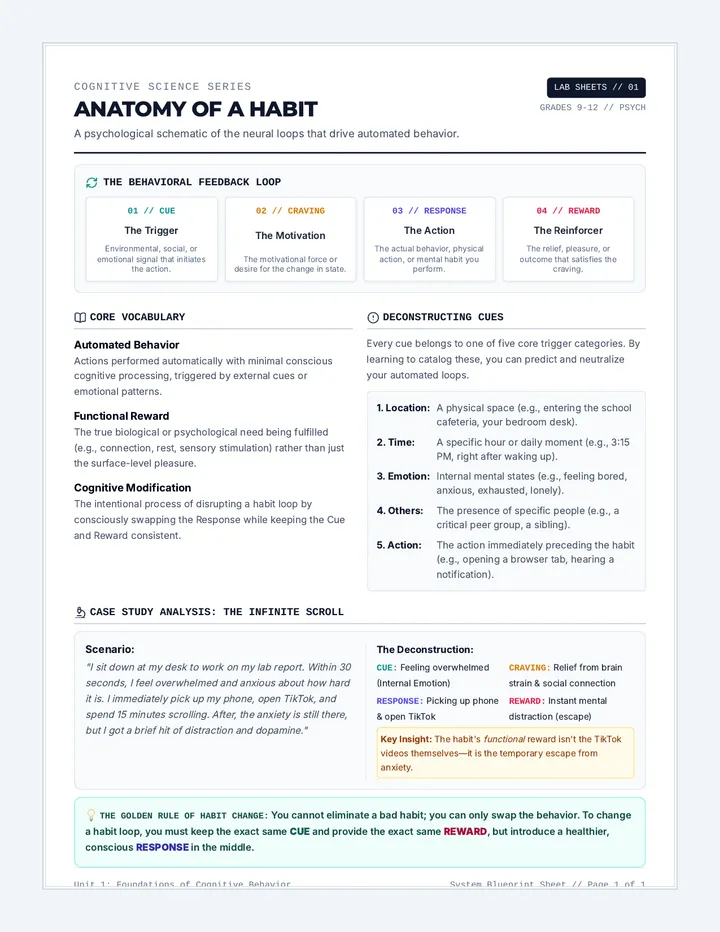
Sticker Price Slides College Cash Quest
Price Tag
Truths
Lesson 1: Understanding Sticker Price vs. Net Price
9th Grade Planning
The Price is Right!
"Come on down! Can you guess the published cost to attend these schools for ONE year?"
1 Harvard University
2 University of Alabama
3 Your Local State College
Guess!
Record your guesses on your worksheet!
What is "Sticker Price"?
The Official Tag
The total price of tuition and fees that the college publishes in their brochure or website.
Think of it as...
The MSRP on a car or the price on a hotel website before discounts.
Cost of Attendance (COA)
It's more than just classes! COA includes everything you need for 1 year:
Direct Costs
Paid directly to the school.
• Tuition
• Mandatory Fees
• On-Campus Housing
Indirect Costs
Paid to other places.
• Books & Supplies
• Food (Groceries/Meal Plan)
• Personal Expenses
Hidden Costs
Easy to forget!
• Travel home
• Parking permits
• Laundry / Toiletries
The Magic Formula
Sticker Price
$70,000
Financial Aid
$45,000
Net Price
$25,000
The "Net Price" is what YOU actually pay after all the free money (scholarships and grants) is deducted.
Your Quest: Part 1
On your Price Quest Worksheet:
Solve the "Sticker Math" challenges.
Classify costs as Direct or Indirect.
Calculate the Net Price for "Sam the Student".
15 MINUTES
Work with a partner or solo. Be ready to share your findings!
Price Quest Worksheet Price Quest Worksheet
Lesson 01: Sticker vs Net
Adventurer Name
Date
Activity 1
The Price is Right!
The Institution Your Guess (Sticker) Actual Sticker Price Average Net Price Harvard University Wait for reveal... Wait for reveal... Univ. of Alabama (Out of State) Wait for reveal... Wait for reveal... Your Closest State College Wait for reveal... Wait for reveal...
Activity 2
Cost of Attendance (COA) Detective
Classify each cost by placing an "X" in the correct category. Think about who you pay and how "required" the cost is.
Cost Type
Direct
Indirect
Wait, what is this?
Tuition (Classes)
Paid to university for instruction.
Textbooks
Often bought from 3rd parties or online.
Student Health Fee
Mandatory fee on your bill for the clinic.
Flight Home (Winter Break)
Travel expense depending on distance.
Activity 3
The Net Price Math Challenge
Case Study: Sam
Sam is looking at "Dream Tech University." The **Sticker Price** (COA) is **$52,000**. Sam applied for financial aid and received a "Gift Aid" package (scholarships and grants) totaling **$38,500**.
Show Your Work (Calculate the Net Price):
Sam's Net Price:
$
Critical Thinking Question:
If a different school had a lower sticker price of $30,000 but only gave Sam $2,000 in aid, which school is actually cheaper? Explain why.
Financial Aid Teacher Guide The Financial Aid Mix
Teacher Facilitation Guide
College Cash Quest: Lesson 2
Learning Objectives
Identify the four major types of financial aid: **Grants, Scholarships, Loans,** and **Work-Study**.
Distinguish between **Gift Aid** (money that does not need to be repaid) and **Self-Help Aid** (repaid or earned).
Understand the basic eligibility criteria for different aid types.
Pacing Guide (45-60 Minutes)
10 Mins
Hook: Sorting Play Money
Students sort a hypothetical aid package into 'Keep' vs. 'Pay Back' buckets.
20 Mins
Direct Instruction: Aid Deep Dive
Explaining each type of aid using the "Aid Mix" slides.
20 Mins
Activity: Aid Mix Match-Up
Students categorize scenarios into the four aid types on their worksheet.
10 Mins
Reflection: The Perfect Package
If you could build a $20,000 package, what percentage would you want in each category?
Materials Needed
Financial Aid Mix Slides
Aid Mix Worksheet
Optional: Play money/colored slips
Key Terms
Gift Aid Self-Help Aid FAFSA Subsidized
Teacher Tip
Many students think "Financial Aid" only means "Loans." Emphasize that grants and scholarships are the priority because they are "free money."
Activity Guidance: The Money Sort
Setup
Hand out or display the following "Award Letter" items:
• $5,000 Pell Grant
• $2,000 Merit Scholarship
• $3,500 Subsidized Loan
• $2,000 Work-Study
Ask students: "Which of these are yours to keep, and which come with strings attached?"
Debrief Points
Loans: Must be paid back with interest. It's borrowed money.
Work-Study: You have to work a job on campus to earn this. It's not just "given."
Scholarships: Often based on what you *did* (grades, sports).
Grants: Often based on what you *need* (family income).
Financial Aid Slides College Cash Quest
The Aid
Mixologist
Lesson 2: Breaking Down the 4 Types of Financial Aid
Two Main Buckets
Gift Aid
"Free money" that doesn't need to be repaid. You get it and keep it!
Grants Scholarships
Self-Help Aid
Money that you either have to repay or work to earn. You contribute!
Loans Work-Study
Type #1
Scholarships
"Merit-Based money. Awarded for what you've achieved."
High Grades / SAT Scores
Sports or Musical Talent
Community Service
Gift Aid
Gift Aid
Type #2
Grants
"Need-Based money. Awarded based on family finances."
Pell Grant (Federal)
State Grants
Institutional Grants
Type #3
Student Loans
"Borrowed money. Must be paid back with interest."
Key Terms:
Interest: The "rent" you pay for using someone else's money.
Subsidized: The government pays the interest while you're in school!
Self-Help Aid
Self-Help Aid
Type #4
Work-Study
"Earned money. You work a part-time job on campus."
Flexible for students
Builds your resume
Paid directly to you
The Key to the Kingdom: FAFSA
Free Application for Federal Student Aid
GOLDEN RULE
You MUST fill out the FAFSA to get any of these types of aid (except some private scholarships). It tells colleges how much help you need!
Aid Mix Worksheet The Aid Mix Match-Up
Lesson 02: Financial Aid Types
Student Name
Period
Activity 1
Defining the Mix
1. Scholarships
Based on merit (grades, talent).
Example: A track star gets $5,000 for their speed.
2. Grants
Based on financial need.
Example: A family with low income gets a federal grant.
3. Loans
Money that is borrowed.
Example: Borrowing $3k to pay for a dorm room.
4. Work-Study
Money earned through a job.
Example: Working in the library for 10 hours a week.
Activity 2
Gift vs. Self-Help Sort
Read each scenario and check whether it is Gift Aid (Keep it) or Self-Help Aid (Pay or Work for it).
Maria receives a $1,000 scholarship for her community service hours.
Gift
Self-Help
Josh takes out a Direct Subsidized Loan to pay for his books.
The Federal Government gives Elena a Pell Grant based on financial need.
Kevin gets a job as a Resident Assistant (RA) through Work-Study.
Activity 3
The FAFSA Secret
What is the FAFSA?
Explain it in your own words below.
Why is it so important to complete this form early in your senior year?
Scholarship Teacher Guide Introduction to Scholarships
Teacher Facilitation Guide
College Cash Quest: Lesson 3
Learning Objectives
Differentiate between **Merit-Based** and **Private** scholarships.
Understand that scholarship applications can start as early as 9th grade.
Practice searching for niche or "weird" scholarships that align with personal interests.
Pacing Guide (45-60 Minutes)
10 Mins
Hook: The Weirdest Scholarships
Present a list of real but unusual scholarships (Duck Calling, Zombie Apocalypse, etc.)
15 Mins
Mini-Lesson: Merit vs. Private
Where to find scholarships and the difference between university-led vs. external ones.
20 Mins
Activity: The Scholarship Profile Builder
Students brainstorm their own "Niche" factors and draft a potential scholarship search.
10 Mins
Exit Ticket: One Action Item
What is one thing you can do THIS year to improve your scholarship chances?
Materials Needed
Scholarship Slides
Profile Builder Worksheet
Internet Access (Optional)
Common Myth
"I'm not a straight-A student or a star athlete, so I won't get any scholarships."
Reality: There are thousands of scholarships for hobbies, heritage, local community involvement, and even height!
Search Strategies to Teach
Where to Look First:
Local organizations (Chamber of Commerce, Rotary Club).
Parent's workplace or union.
Specific interest sites (e.g., Fastweb, BigFuture).
College websites (under "Institutional Aid").
The 9th Grade Edge:
Keep a "Brag Sheet" starting NOW.
Volunteer for causes you actually care about.
Participate in contests (essays, art, coding).
Build relationships with teachers (future letters of rec!).
Scholarship Slides College Cash Quest
The Scholarship
Scavenger
Lesson 3: Finding Free Money for Your Unique Self
Is this Real Life?
1
The Duck Calling Scholarship
For students who are experts at calling ducks (Stuttgart, AR).
2
Zombie Apocalypse Scholarship
Write an essay about your plan for a zombie outbreak!
3
Tall Clubs International
You literally get money just for being tall (6'2"+ men, 5'10"+ women).
POINT: There is a scholarship for almost everything.
Where does it come from?
Institutional
"Money from the college itself."
Based on your application to the school.
Often awarded automatically if your grades are high enough.
Private / External
"Money from outside organizations."
Companies (Google, Coca-Cola), Charities, or Local Clubs.
You have to find and apply for these individually.
Start the Quest NOW
The Brag Sheet
List every award, club, and volunteer hour starting today.
Network
Be the student teachers want to write letters for later.
Enter Contests
Many art, essay, and STEM contests for 9th graders give prize money.
Search Early
Use "BigFuture" or "Fastweb" to see what's out there.
Your Turn!
"The Scholarship Profile Builder"
Identity
Talent
Community
Check your worksheet and start building your "Scholarship Hooks"!
Scholarship Profile Builder Worksheet The Scholarship Profile Builder
Finding your "Niche" to unlock free money for college.
Student Explorer
Today's Date
Step 1: Discover Your "Hooks"
Scholarships aren't just for straight-A students. They are for unique individuals. Fill in the boxes below with anything that makes you "YOU".
Identity & Background
(Heritage, first-generation, languages, hometown, etc.)
Talents & Hobbies
(Sports, music, coding, art, gaming, cooking, etc.)
Community & Service
(Volunteer work, clubs, religious groups, part-time jobs.)
Step 2: Master the Search
PRO TIP
To find private scholarships, use specific keywords.
Formula: [Your Hook] + Scholarship + [Your Grade Level]
Example Search Query:
"Video game design scholarship for 9th graders"
Your Custom Search Queries (Write 3):
"_____________________________________________________________________"
"_____________________________________________________________________"
"_____________________________________________________________________"
Step 3: 9th Grade Mission Control
The "Brag Sheet" Quick-Start
List 3 things you have done since 9th grade started (or plan to do) that would look good on a scholarship app.
My Top Quest Goal
What is ONE thing you will do this month to prepare for scholarships?
(Ex: Search for one hobby-based scholarship, or volunteer for 2 hours at the food bank...)
In-State Reality Teacher Guide In-State vs. Out-of-State Reality
Teacher Facilitation Guide
College Cash Quest: Lesson 4
Learning Objectives
Compare the cost differences between **In-State Public, Out-of-State Public,** and **Private** colleges.
Explain why residency status affects tuition rates at public universities.
Analyze how travel and living expenses change when attending an out-of-state school.
Pacing Guide (45-60 Minutes)
10 Mins
Hook: The Tuition Gap
Compare the tuition bill of two hypothetical best friends—one lives in-state, one lives next door across the state line.
15 Mins
Direct Instruction: Why the Difference?
Discussing tax contributions to state schools vs. private institutional funding.
20 Mins
Activity: The Cost Reality Check
Students analyze a case study comparing three types of schools for the same hypothetical student.
10 Mins
Discussion: Is it Worth it?
Under what conditions would you pay the out-of-state premium?
Materials Needed
Location & Price Slides
Cost Comparison Worksheet
Calculator
Key Terms
Residency Reciprocity Tuition Premium Private Nonprofit
Teacher Tip
Mention **Tuition Reciprocity** agreements (like WUE or MSEP) where some out-of-state schools offer reduced rates to neighbors. This is a "secret" way to save money!
The "Three-Way" Comparison
Explain to students that they are comparing three options for the exact same major:
Option A: In-State Public
Lowest tuition. Funded by parents' state taxes. Lowest travel costs.
Option B: Out-of-State Public
"Non-Resident" premium added. Can be 2x or 3x more expensive than Option A.
Option C: Private College
Same price for everyone. Highest sticker price, but often the most institutional aid.
Location Reality Slides College Cash Quest
The Border
Difference
Lesson 4: In-State vs. Out-of-State Reality
What is "Residency"?
In-State
"You live in the state where the public college is located."
The Reward:
You pay the lowest possible tuition because your family's state taxes help fund the school!
Out-of-State
"You live outside the state line of the public college."
The Reality:
You pay a Tuition Premium. Since you don't pay that state's taxes, the school charges you more.
The National Average (Tuition Only)
$10k
In-State Public
$28k
Out-of-State Public
$39k
Private College
**Average annual tuition prices. Does not include room, board, or books!
The Private
Plot Twist
"Private colleges don't care where you live. The price is the same for everyone."
High sticker price, but often higher aid.
They use their own money (endowments) to help students.
Don't assume!
A private college in Maine might be cheaper than a public college in California if you live in New York.
The Miles Cost Money
Flights & Gas
How many times a year will you come home? Holidays, breaks, and summer add up.
Moving & Storage
Shipping your stuff or renting a U-Haul across the country isn't free.
Quest Rule
Add $1,500 - $3,000 to your budget for every 1,000 miles from home!
Location Reality Worksheet The Location Reality Check
Lesson 04: Geography vs. Tuition
Student Name
State of Residence
Enter your home state...
Activity 1
Comparing Three Paths
The Case of "Alex"
Alex lives in Illinois and wants to major in Architecture. Alex has a strong GPA and has narrowed it down to three schools. Help Alex compare the sticker price of just Tuition and Fees for one year.
School Name Type Annual Tuition Travel Est. Univ. of Illinois In-State Public $17,138 $300 (Gas) Univ. of Michigan Out-of-State Public $57,273 $800 (Gas/Hotel) Illinois Inst. of Tech. Private $50,600 $300 (Local)
Activity 2
Crunching the Numbers
1. The Public Difference:
How much more does Alex have to pay in tuition to go to the out-of-state public school vs. the in-state school?
$
2. The Private Comparison:
Compare the Private school to the Out-of-State Public school. Which has a lower sticker price?
Why does Michigan (Public) charge Alex so much more than an Illinois resident? (Use what you learned about taxes).
Activity 3
The Travel Tax
Scenario: Dream School 1,500 miles away
"Alex decides to look at a school in California. It's beautiful, but it's far. List three extra costs Alex will have to budget for that aren't on the tuition bill."
The Big Decision:
If Alex gets a full scholarship to the In-State school, but no aid for the Out-of-State school, why might Alex still choose the more expensive option? Is it ever worth it?
Budgeting Game Teacher Guide The Budgeting Game
Teacher Facilitation Guide
College Cash Quest: Lesson 5
Learning Objectives
Manage a hypothetical budget using a college financial aid package.
Analyze the trade-offs between lifestyle choices (meal plans, dorms) and total debt.
Practice "financial resilience" by responding to unexpected "Life Happens" scenarios.
Game Setup & Pacing
10 Mins
Setup: Financial Aid Reveal
Students receive their "Starting Balance" (Grants + Loans + Savings).
15 Mins
Round 1: Lifestyle Decisions
Students choose their dorm, meal plan, and books (New vs. Used).
15 Mins
Round 2: Life Happens
The teacher presents random events (e.g., "Laptop Screen Cracks - Pay $200") that impact the ledger.
15 Mins
Debrief: Debt vs. Degree
Who finished with money left? Who went into extra debt? Why?
Materials Needed
Budget Game Slides
Semester Ledger Worksheet
Calculator
Game Win State
The goal isn't just to have the most money. It's to have a **Balanced Budget** where the student can finish the semester without taking out *more* loans than their original package.
"Life Happens" Scenario Bank
Bad Luck
"Lost your student ID. Replacement cost: **$25**."
Good Fortune
"Won a local essay contest! Add **$150** to your ledger."
Peer Pressure
"Your friends all want to order late-night pizza every Friday this month. Pay **$80**."
Hustle
"You picked up 5 extra hours at your Work-Study job. Add **$75**."
Budgeting Game Slides College Cash Quest: Finale
The Budget
Showdown
Can you survive the semester without going broke?
Your "Starting Hand"
Semester 1 Aid Package
You have been awarded the following for your first semester:
Grants/Scholars
$12,000
Student Loans
$3,500
Summer Savings
$1,500
Total Starting Balance:
$17,000
Lifestyle choices
Tuition is already paid. Now you must choose how you live!
1. Housing
The Suite Private Room -$6,500
Classic Dorm With Roommate -$4,500
2. Food
Unlimited All-Day Dining -$3,500
10 Meals/Wk Budget Plan -$2,000
3. Supplies
New Books From Bookstore -$1,200
Used/Rent Online Find -$400
Life Happens!
Watch the screen as the teacher reveals "Event Cards." Record the impact on your ledger!
?
?
?
Showdown Results
Look at your Final Balance:
Big Takeaway
"The way you live during college can be just as expensive as the degree itself. Choose wisely!"
Budgeting Game Ledger Worksheet The Semester Ledger
Can you balance your budget through Semester 1?
Player Name
Final Standing
Wait for final...
Starting Balance
(Grants + Loans + Savings)
$17,000
Round 1
Lifestyle Choices
Category Your Choice Cost (-) Housing Classic Dorm or Private Suite? -$ Meal Plan 10 Meals or Unlimited? -$ Course Books Used/Rent or New? -$
Subtotal (After Round 1):
$
Round 2
Life Happens Log
Event Description Amount (+/-) Scenario #1... Scenario #2...
|
| Scenario #3... |
|
| Scenario #4... |
|
The Final Balance
Final Semester Balance:
$
Victory Condition:
If your balance is POSITIVE, you graduated Semester 1 on budget. What will you do with the extra cash? (Savings? Pay down debt?)
Defeat Condition:
If your balance is NEGATIVE, you must take out an Emergency Loan. How will this impact your total college debt?
Quest Reflection
Looking back at all 5 lessons, what is the most important thing you learned about making college affordable?