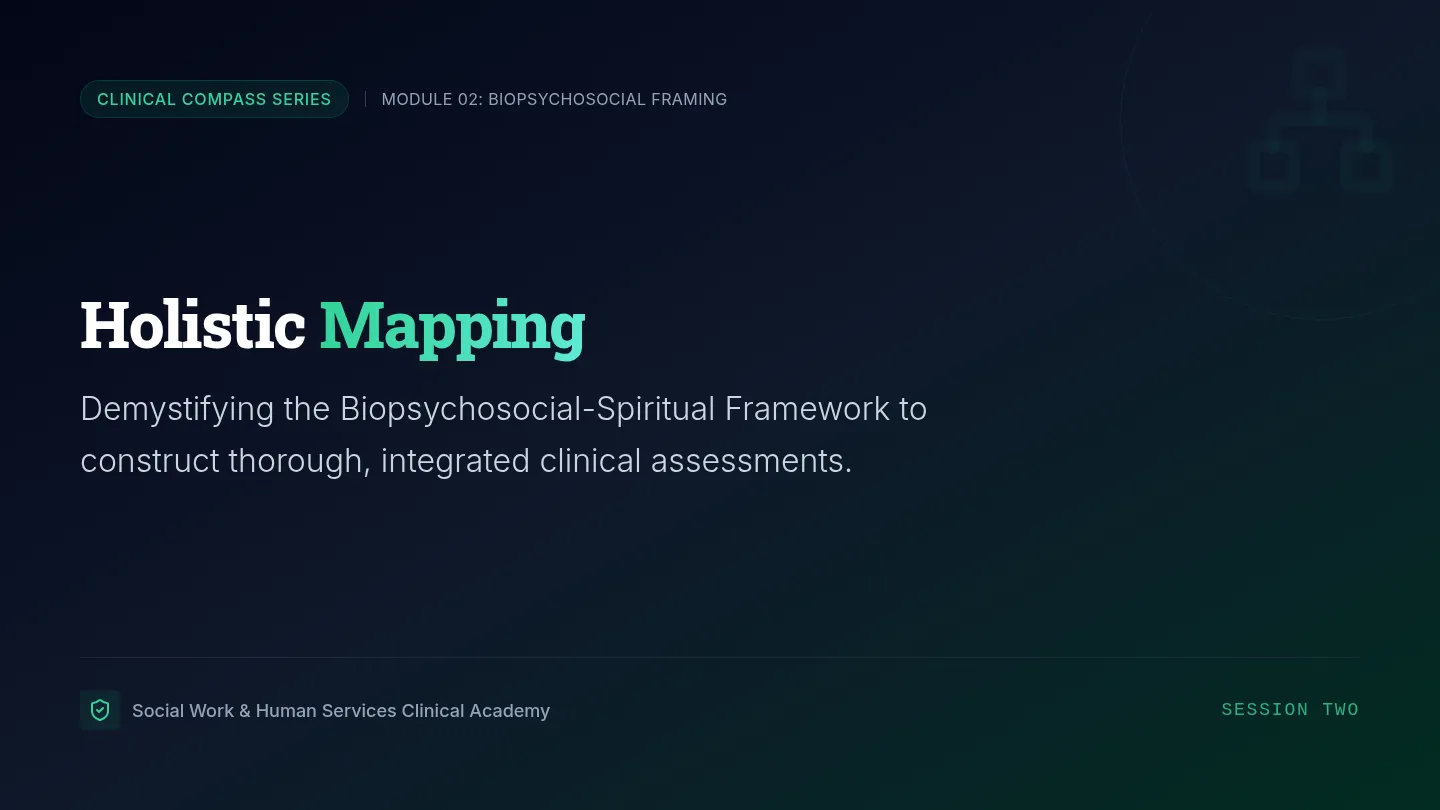
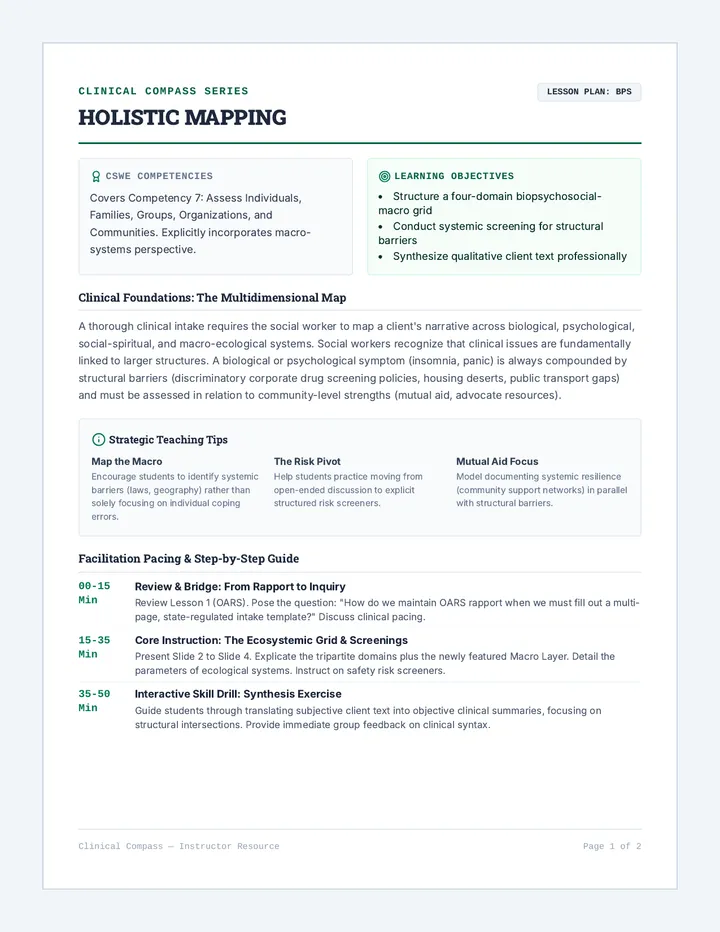
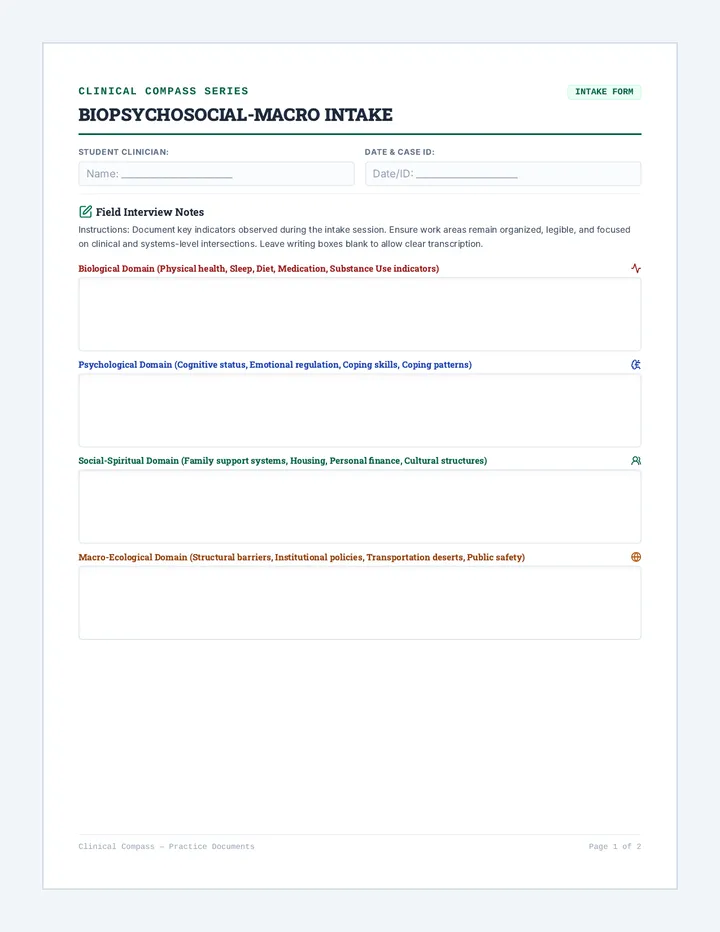
A training sequence for social work and human services students to master clinical intake. Focuses on balancing the interpersonal warmth of Motivational Interviewing with the structured inquiry of Biopsychosocial Assessments.
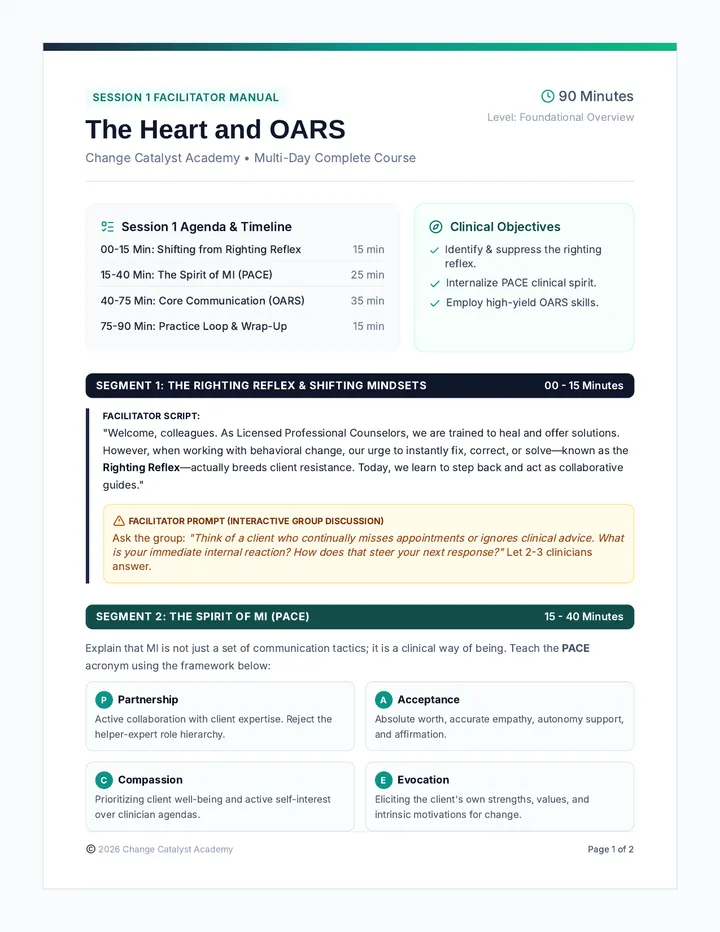
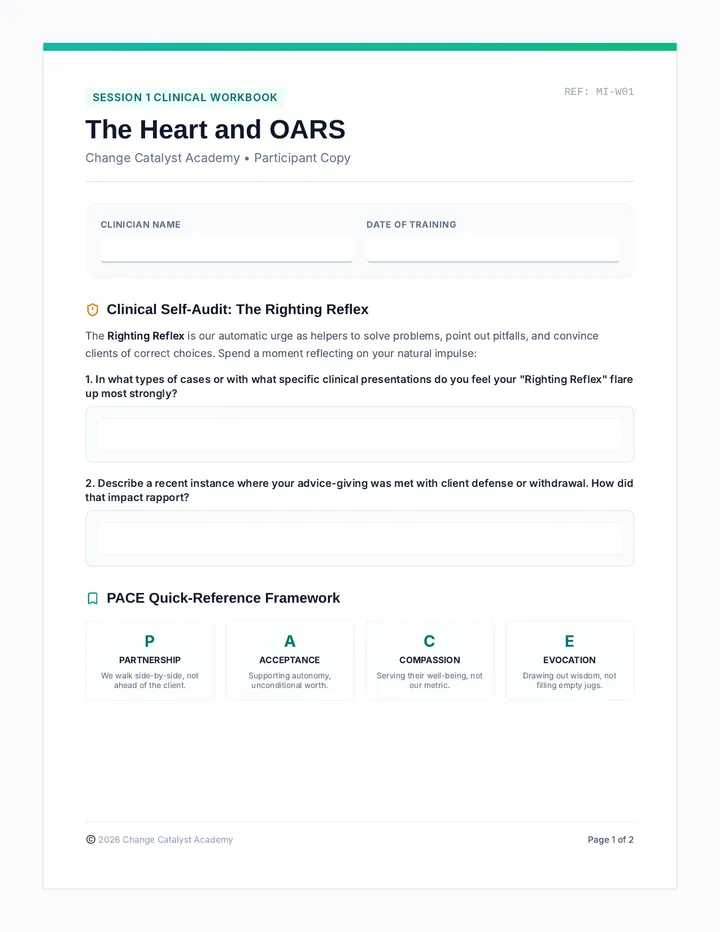
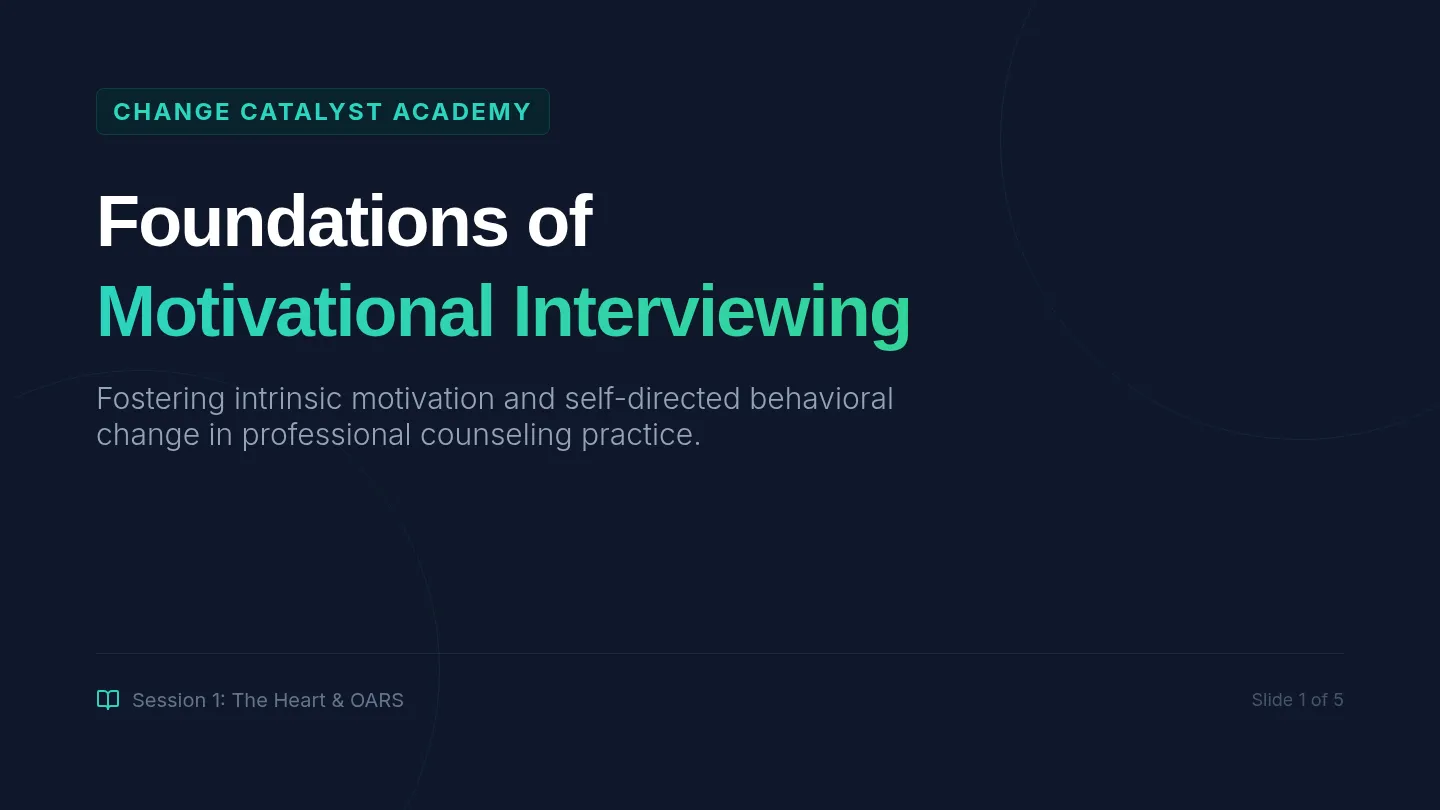
A comprehensive multi-day training curriculum on Motivational Interviewing for Licensed Professional Counselors. This deep-dive course equips clinicians with the theoretical foundations, practical communication skills (OARS), change talk identification, and resistance navigation techniques necessary to foster self-directed client change.
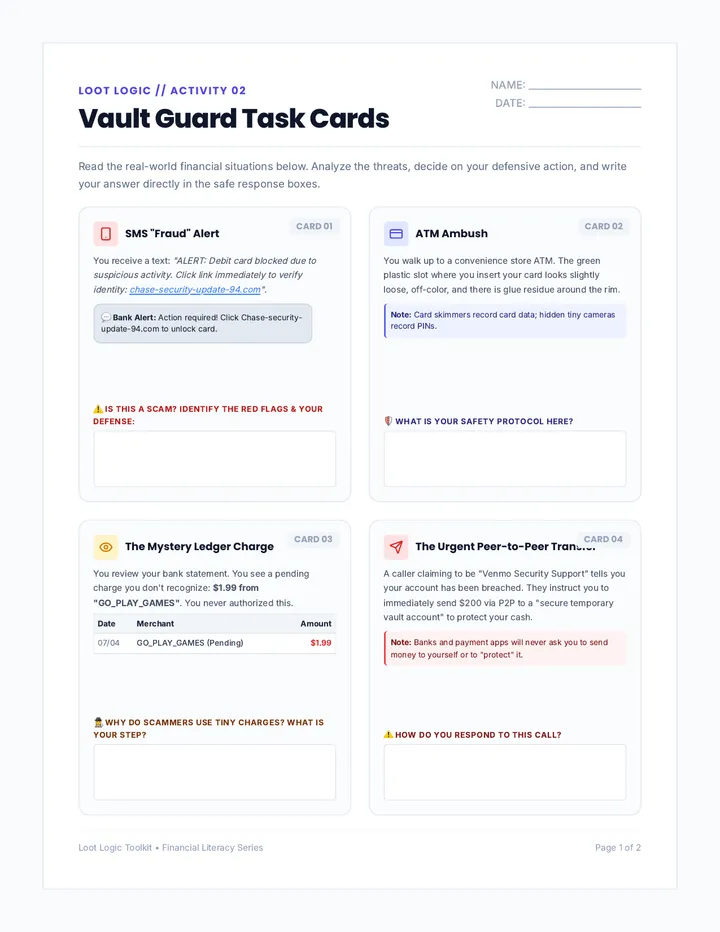
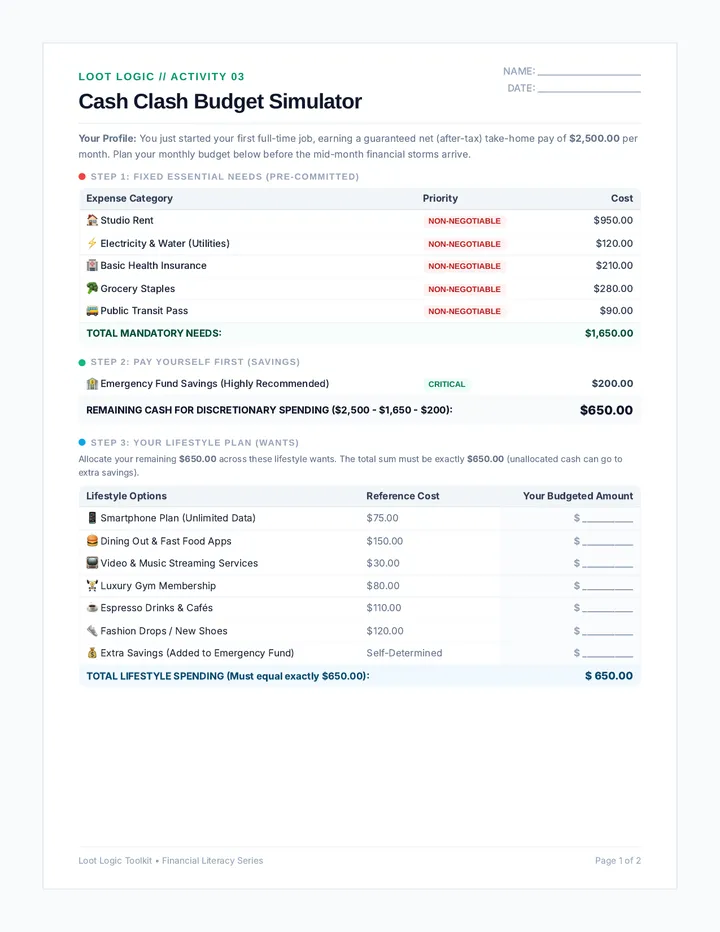
A hands-on personal finance unit for young adults, focusing on distinguishing needs from wants, managing bank accounts safely, avoiding scams, and navigating real-world budgeting challenges.
A simulated monthly budgeting ledger where students allocate a $2,500 income, select discretionary lifestyle expenses, and then navigate a series of four unpredictable, real-world 'Fate Event' financial emergencies.
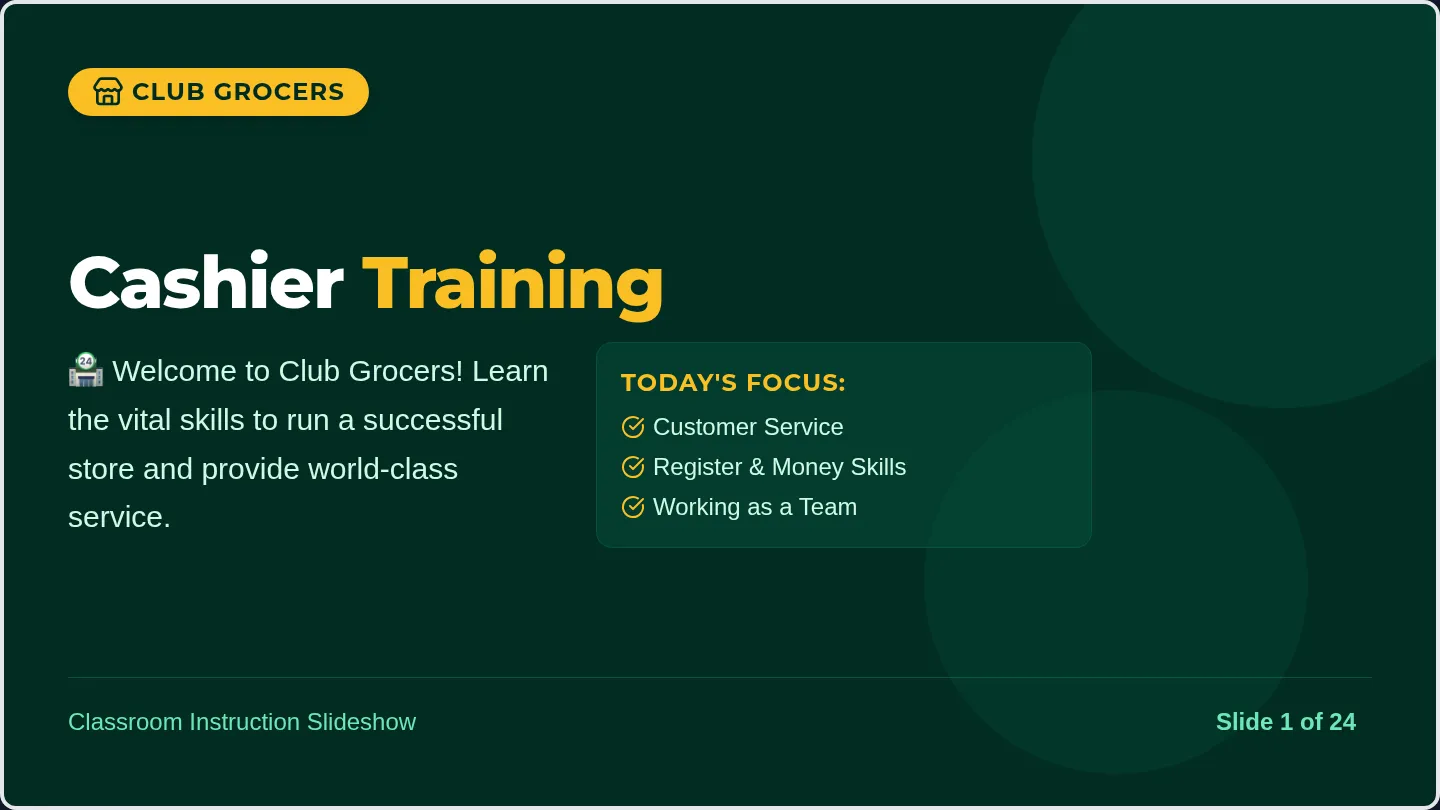
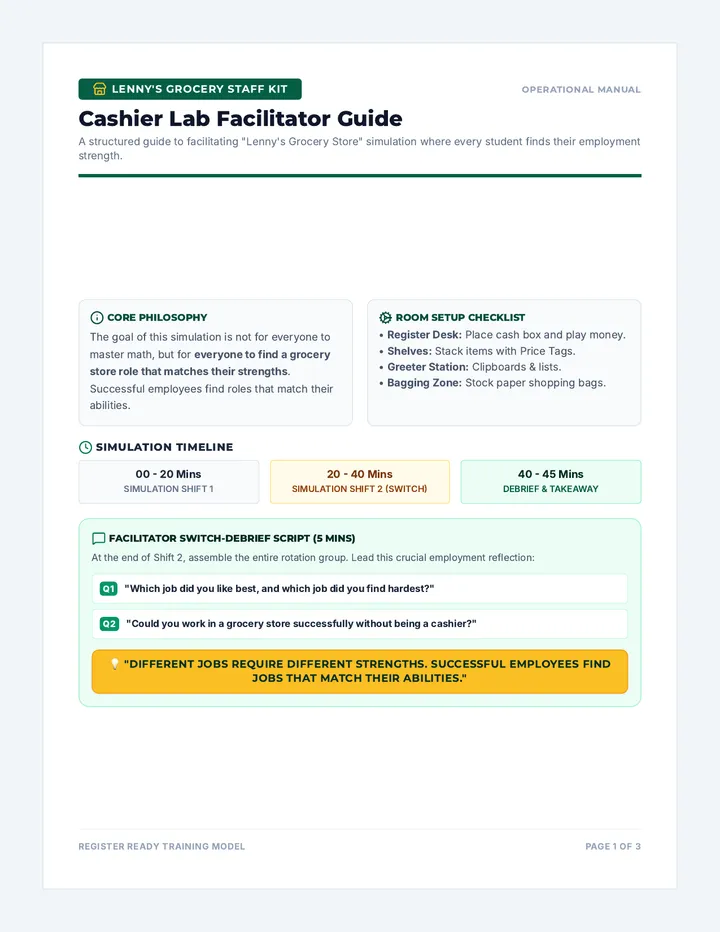
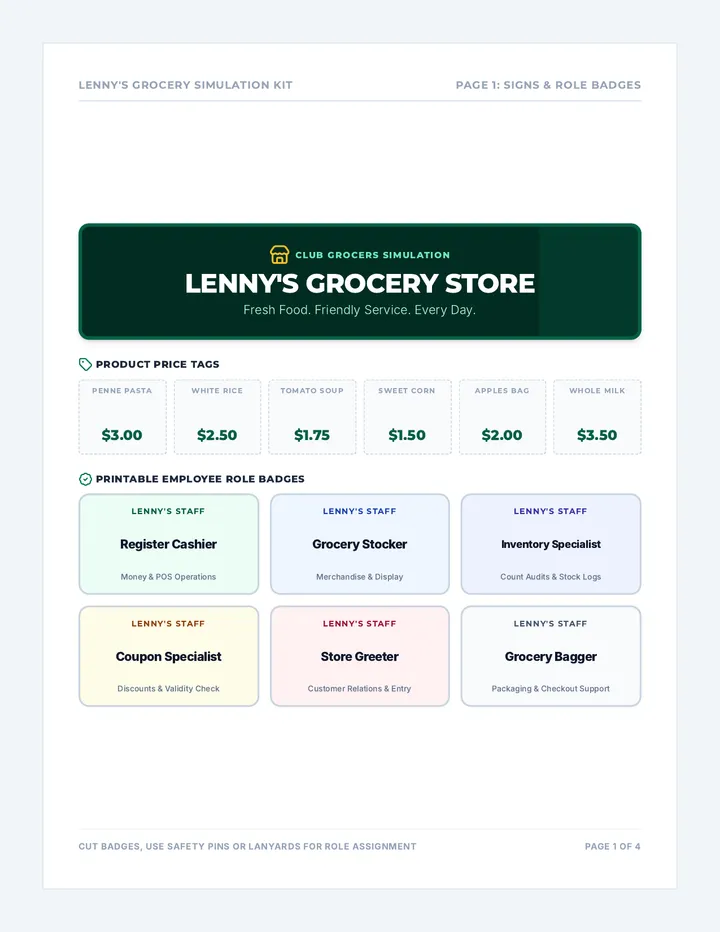
A comprehensive training program for real-world grocery cashier skills, featuring a classroom instruction slideshow and a hands-on store simulation lab.
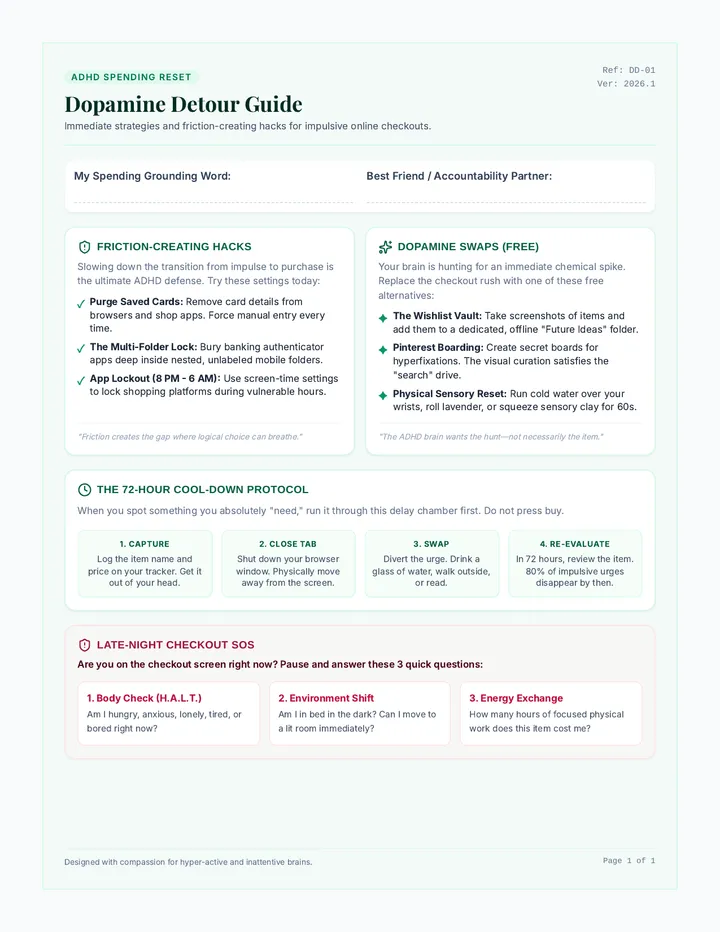
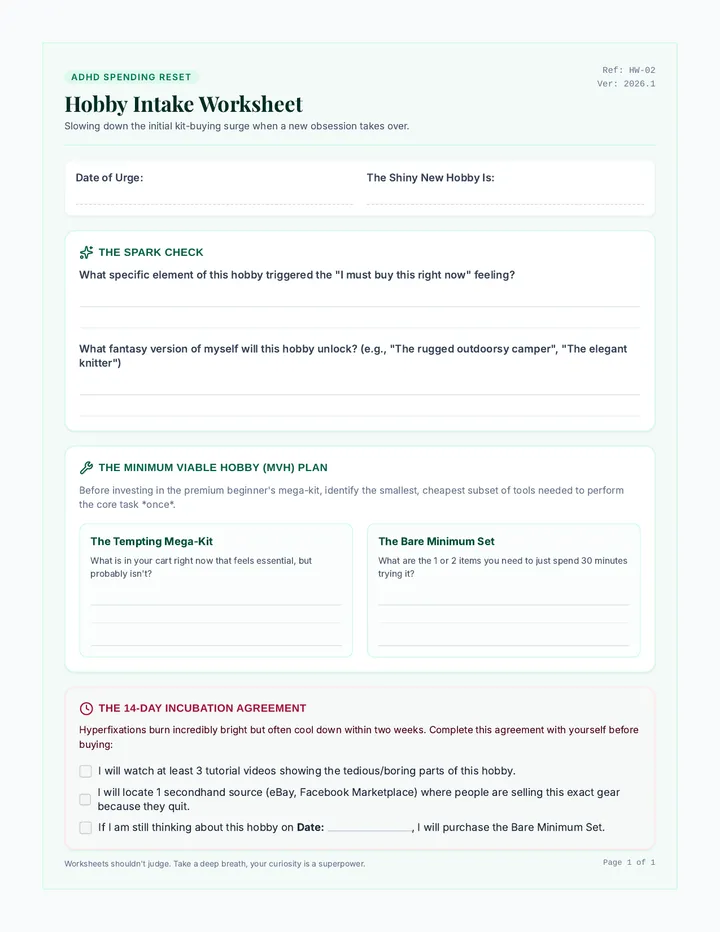
A supportive, ADHD-friendly resource bundle designed for women struggling with online impulse buying and hobby hyperfixations. The lesson provides concrete, low-barrier strategies, friction-creating frameworks, and immediate grounding tools to soothe the dopamine chase.
A set of 8 realistic task cards with integrated response sections teaching young adults critical digital banking literacy, debit card safety, and how to spot phishing, fake checks, and P2P payment scams.
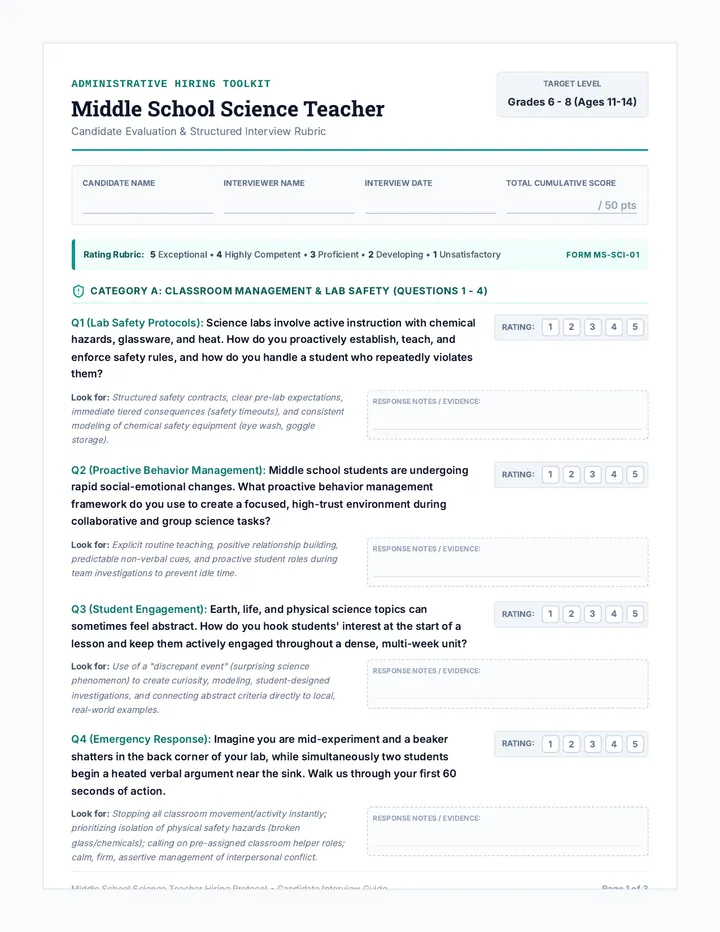
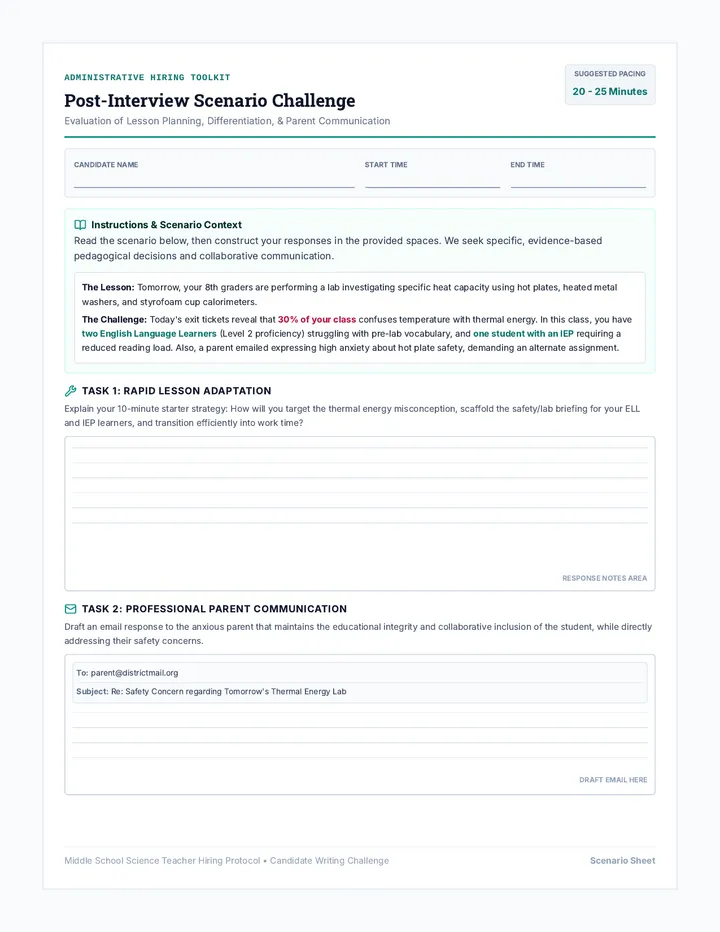
A comprehensive collection of hiring toolkits and interview evaluation resources for school administrators to recruit and select highly effective middle school educators. Each toolkit includes structured rubrics, specialized pedagogical questions, and realistic scenario challenges.
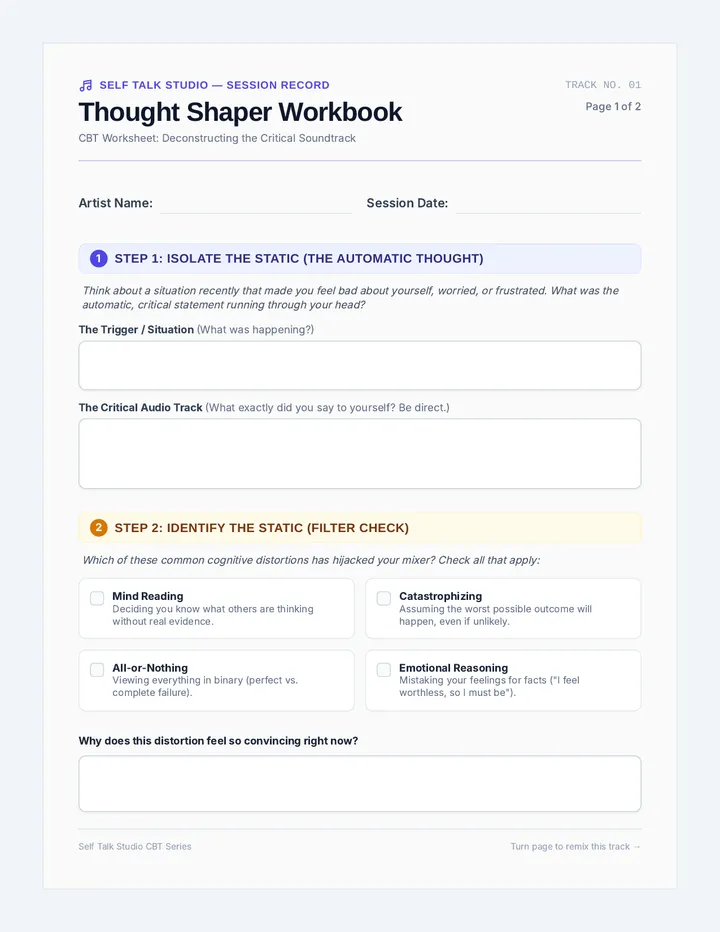
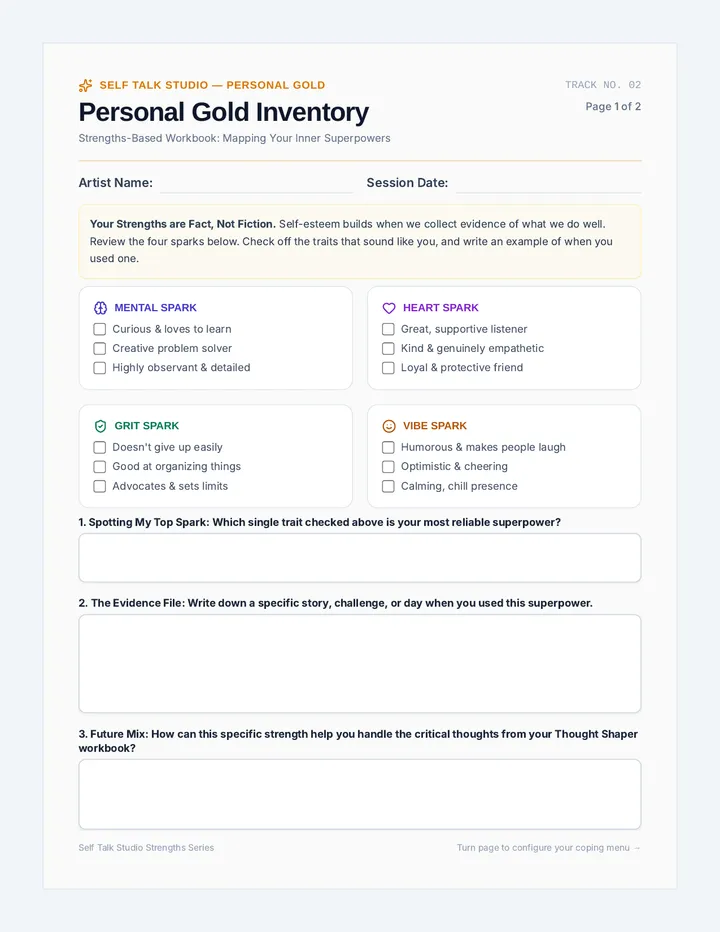
An engaging, therapeutic lesson that uses Cognitive Behavioral Therapy (CBT) and strengths-based approaches to help individuals identify cognitive distortions, reframe negative self-talk, and celebrate their personal superpowers.
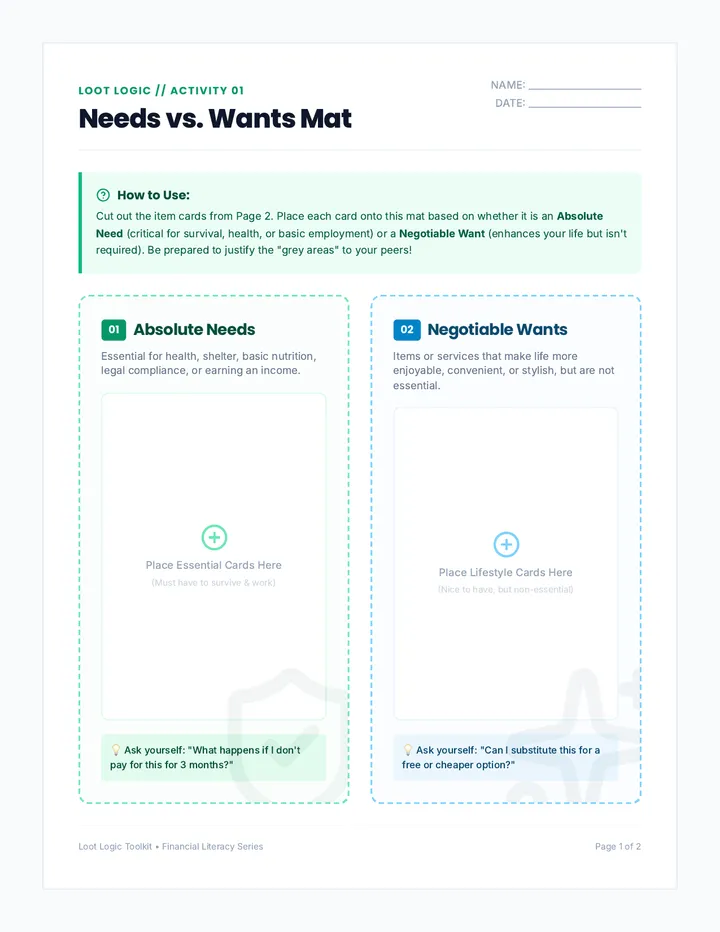
A visual sorting mat and a set of 12 item cards for young adults to categorize essential living expenses (Needs) versus discretionary lifestyle choices (Wants) while debating the grey areas in between.
A comprehensive, interactive 6-lesson conflict resolution and social skills program designed for adolescents and young adults (ages 12-25) in ABA settings. It covers de-escalation, assertive communication, compromise, boundaries, relationship repair, and physical touch safety with explicit role-plays and structured visual supports.
This lesson teaches students how to apply the biopsychosocial assessment framework to gather holistic client histories across physical, psychological, and social domains.
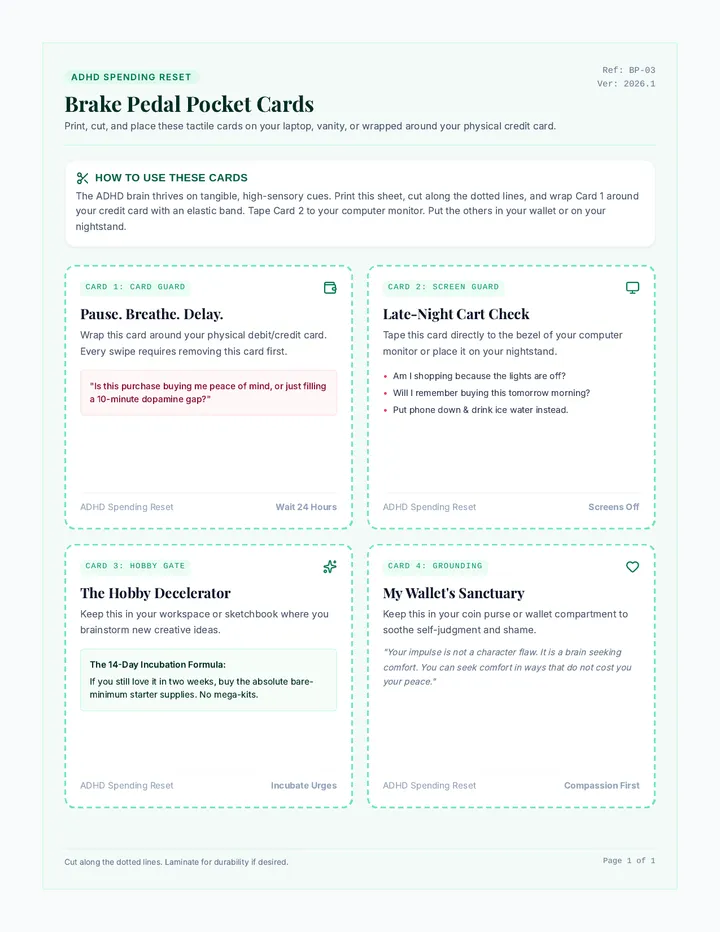
A printable sheet of four pocket-sized, cut-out grounding cards designed to block credit card swipes and soothe checkout impulses in the moment.