Lenny.com
Explore
Create
ActivitiesNewMathEnglish Language ArtsScience & EngineeringSocial StudiesGlobal LanguagesHealth & Physical EducationSpecial EducationCounseling & Life SkillsArts & CreativityESL
Lenny.com
Lenny.com
Explore
Create
ActivitiesNewMathEnglish Language ArtsScience & EngineeringSocial StudiesGlobal LanguagesHealth & Physical EducationSpecial EducationCounseling & Life SkillsArts & CreativityESL
Lenny.com
Lenny.com

Solutions

Lenny for EducatorsLenny for SchoolsLenny for Districts

Product

ExploreSign inCreateSupportAbout

Resources

Getting startedMTSS Acceleration Program

Newsletters

School Funding Newsletter

© 2026 Lenny Learning Inc.

TermsPrivacyAccessibility
LinkedInInstagramX
Lenny
Counseling & Life SkillsSelf-AwarenessBasic Emotion RecognitionComplex Emotion IdentificationEmotional Nuance & Mixed FeelingsBuilding Positive Self-ImageRecognizing Strengths & Growth AreasAccurate Self-AssessmentPersonal Values IdentificationCultural & Individual Identity ExplorationValues-Based Decision MakingSelf-ManagementStop-and-Think StrategiesDelaying GratificationIndependent Impulse ManagementIdentifying Stress TriggersShort-Term Goal SettingSMART Goals DevelopmentGoal Monitoring & AdjustmentBuilding Perseverance & ResilienceInternal Motivation DevelopmentComprehensive Stress Reduction PlanningSocial AwarenessRecognizing Others' FeelingsDemonstrating EmpathyRespecting Individual DifferencesUnderstanding Cultural DiversityComplex Empathetic ResponsesMultiple Viewpoint ConsiderationMulti-Perspective AnalysisChallenging Stereotypes & BiasRelationship SkillsActive ListeningClear Verbal & Nonverbal CommunicationBuilding Positive FriendshipsWorking Cooperatively in GroupsCommunicating Personal BoundariesRespecting Others' BoundariesAssertive ExpressionPeaceful Problem-SolvingContributing to Team GoalsComplex Conflict NavigationMediation & NegotiationHealthy Romantic RelationshipsResponsible Decision-MakingDaily Problem IdentificationBrainstorming Multiple SolutionsEvaluating Pros & ConsRecognizing Risks & ConsequencesApplying Ethical FrameworksInformed Risk-Benefit DecisionsRoot Cause AnalysisMindfulnessMindful BreathingBody Scan MeditationDaily Mindfulness ApplicationDaily Self-Care RoutinesBalancing Life DemandsAdvocating for Wellness NeedsMental Health SupportUnderstanding Anxiety SymptomsWorry Management StrategiesProgressive Muscle RelaxationRecognizing Depression SignsBuilding Mood-Supporting RoutinesBehavioral Activation for MoodUnderstanding Grief StagesHealthy Grief CopingCreative Expression of LossBehavioral SupportDaily Check-In ProceduresDaily Goal Setting & ReviewRecognizing Escalation Warning SignsRequesting Breaks & SupportSelf-Calming During DistressUnderstanding Positive ReinforcementToken Economy ImplementationBehavior Chart TrackingAnalyzing Behavior PatternsIdentifying Antecedents & ConsequencesDetermining Behavior FunctionFunction-Based InterventionsIndividualized Behavior ContractsData-Driven Behavior AdjustmentTherapeutic ApproachesThoughts-Feelings-Behaviors ConnectionRecognizing Thinking PatternsChallenging Negative ThoughtsPositive Self-Talk PracticeThought Record TrackingAdvanced Cognitive RestructuringComprehensive CBT PlansBehavioral Activation TechniquesBuilding Positive ExperiencesExposure Hierarchies for AnxietyPresent-Moment AwarenessNon-Judgmental ObservationSelf-Soothing & DistractionComplex Emotion LabelingReducing Emotional Vulnerability (PLEASE)DEAR MAN CommunicationGIVE Skills for RelationshipsFAST Skills for Self-RespectRadical Acceptance PracticeCrisis Survival Skills (TIPP)Understanding Trauma EffectsTrauma Responses & TriggersIdentifying Trauma FeelingsGrounding TechniquesRegulation During Trauma DistressSafe Place VisualizationProcessing Through NarrativeDeveloping Trauma StoryPersonalized Safety PlanningGroup SupportTurn-Taking & SharingGroup Conversation SkillsSharing in Supportive EnvironmentLearning from Similar ChallengesBuilding Community & BelongingNavigating Peer RelationshipsGroup Skill PracticeGroup Mental Health EducationStress & Anxiety UnderstandingCrisis Support & SafetyKnowing When to Seek HelpIdentifying Mental Health CrisesGrounding During CrisisUsing Crisis HotlinesBuilding Support NetworksAccessing Mental Health ResourcesWarning Signs & Coping StrategiesDeveloping Personal Safety PlansUnderstanding Suicide Warning SignsGatekeeper Skills for PeersDigital LiteracySocial MediaTechnology BasicsProductivity ToolsInternet and Online ResearchWeb Design and PublishingDigital CitizenshipOnline Safety and PrivacyEmerging TechnologiesFinancial LiteracyMaking Financial DecisionsBanking and AccountsConsumer SkillsSaving and InvestingCredit and DebtEmployment and IncomeTaxesInsuranceMajor PurchasesEconomic ConceptsFinancial PlanningCollege & Post-Secondary PlanningCareer ExplorationUnderstanding Post-Secondary OptionsCollege Research & SelectionAdmission RequirementsCollege Application ProcessPersonal Statement WritingFAFSA CompletionScholarship Search & ApplicationsUnderstanding Student LoansContinuing Education PlanningInterview PreparationResearching EmployersCommon Interview QuestionsSTAR Method ResponsesProfessional Interview PresenceVirtual Interview SkillsInterview Follow-UpJob Search SkillsUnderstanding Job PostingsEffective Job Search StrategiesNetworking for OpportunitiesResume Writing BasicsAction Verbs & AchievementsTailoring Resumes to JobsCover Letter WritingProfessional ReferencesProfessional CommunicationBusiness Email EtiquettePhone & Voicemail ProfessionalismMeeting ParticipationPresentation SkillsProfessional Work EthicTime Management & ProductivityTeamwork & CollaborationAdaptability & FlexibilityProblem-Solving at WorkConstructive FeedbackWorkplace RightsUnderstanding Employment LawsPay & Benefits UnderstandingWorkplace SafetyAnti-Discrimination & Harassment

Thought Check Worksheet

A two-page printable cognitive reframing worksheet for a 6th grade student to identify, evaluate, and replace harsh, unhelpful thoughts with realistic thoughts across schoolwork and home responsibilities without relying on metaphors.

ESErica Sullivan

Thought Check Worksheet

A two-page printable cognitive reframing worksheet for a 6th grade student to identify, evaluate, and replace harsh, unhelpful thoughts with realistic thoughts across schoolwork and home responsibilities without relying on metaphors.

ESErica Sullivan

You might also like

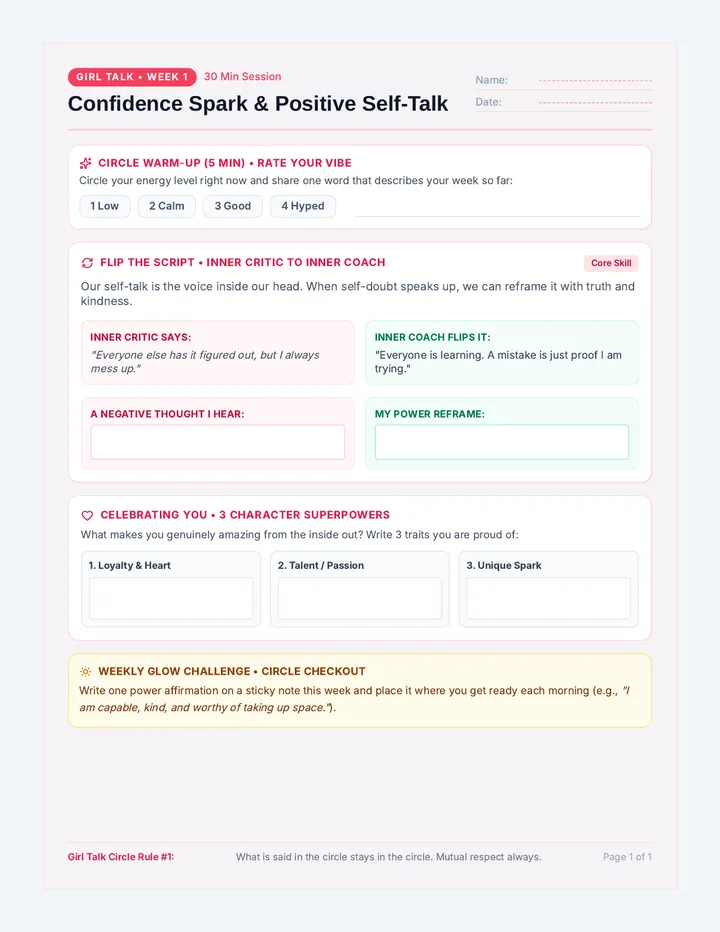
Confidence Spark Journal

Girl Talk Circle

A six-week small group curriculum for adolescent girls designed to build self-esteem, interpersonal loyalty, healthy boundaries, stress regulation, everyday etiquette, and future aspirations through engaging 30-minute weekly circles.

A

aiesha.olamiju

6
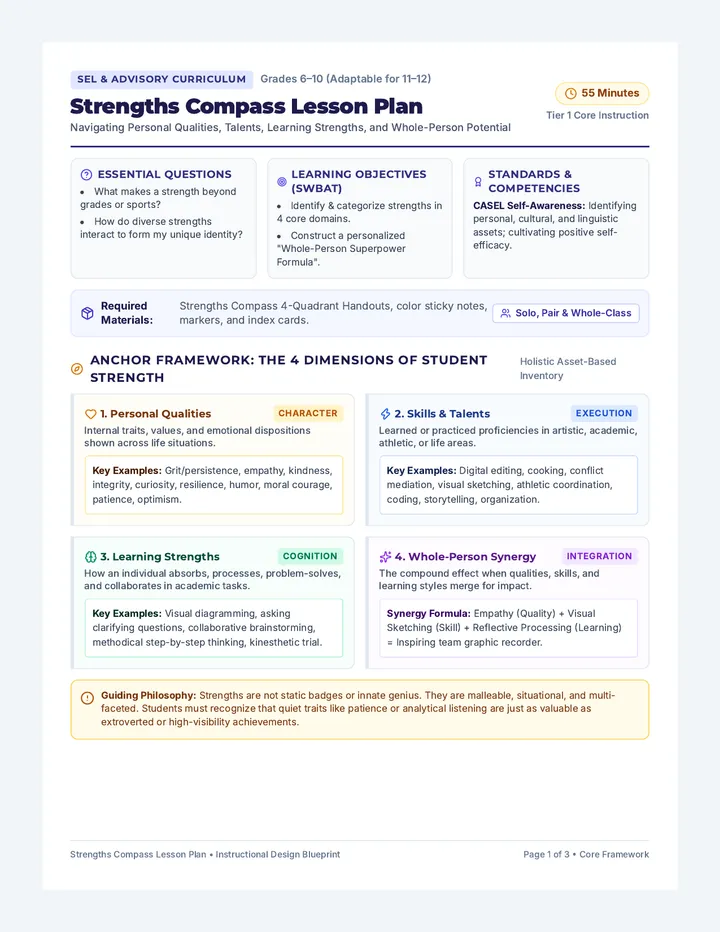
Strengths Compass Lesson Plan

Strengths Compass

An empowering social-emotional learning lesson for middle and high school students to explore personal qualities, skills, learning styles, and whole-person potential. Students map their multi-dimensional assets and synthesize them into actionable everyday strengths.

LF

Liz Ford

2
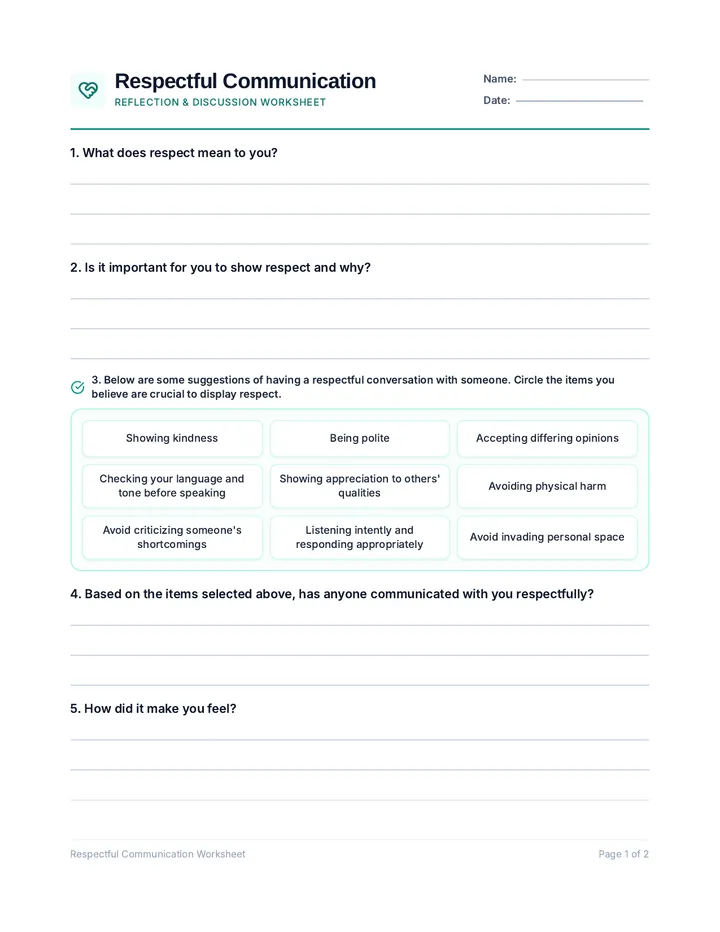
Respectful Communication Worksheet

Respectful Communication Worksheet

A clean, unbranded two-page student reflection worksheet on respectful communication, exploring personal definitions, core behaviors of respectful dialogue, and reflections on past respectful and disrespectful interactions.

EM

Elizabeth Martin

Initiation Hurdles Slides

Execution Lab

An executive functioning and work completion curriculum designed specifically for gifted middle schoolers. Students learn cognitive strategies to dismantle perfectionism paralysis, accurately pace multi-phase projects, and conquer the final submission hurdle.

MB

Michele Berning

6
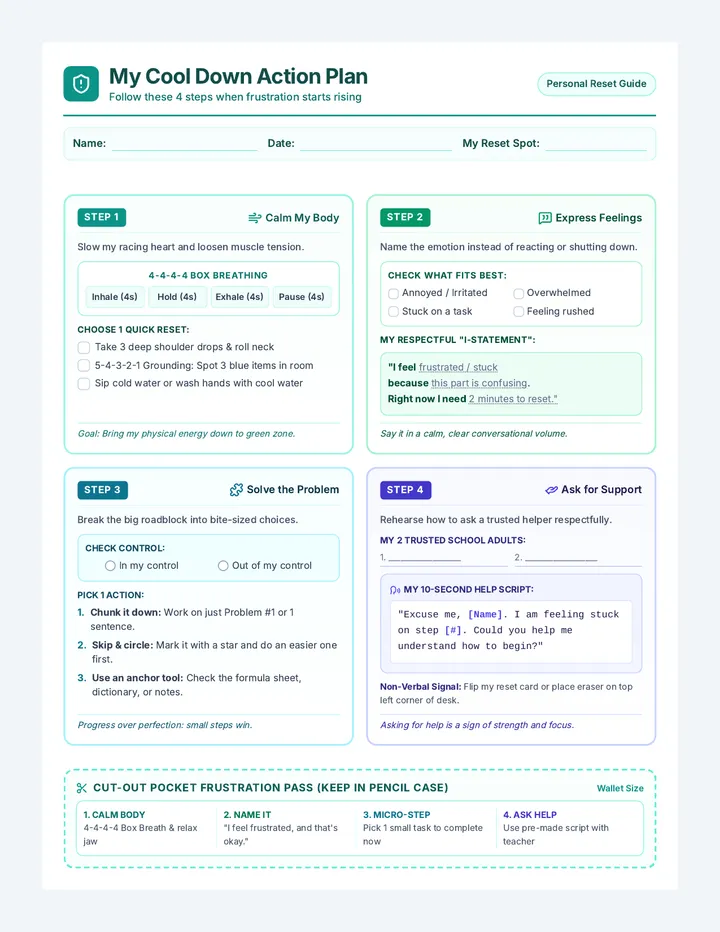
Cool Down Action Plan

Cool Down Code

A targeted social-emotional learning lesson designed to help students recognize the signs of frustration early, regulate their body and emotions, break down problems into actionable steps, and confidently ask for adult support.

TB

Tiffany Bluitt

4
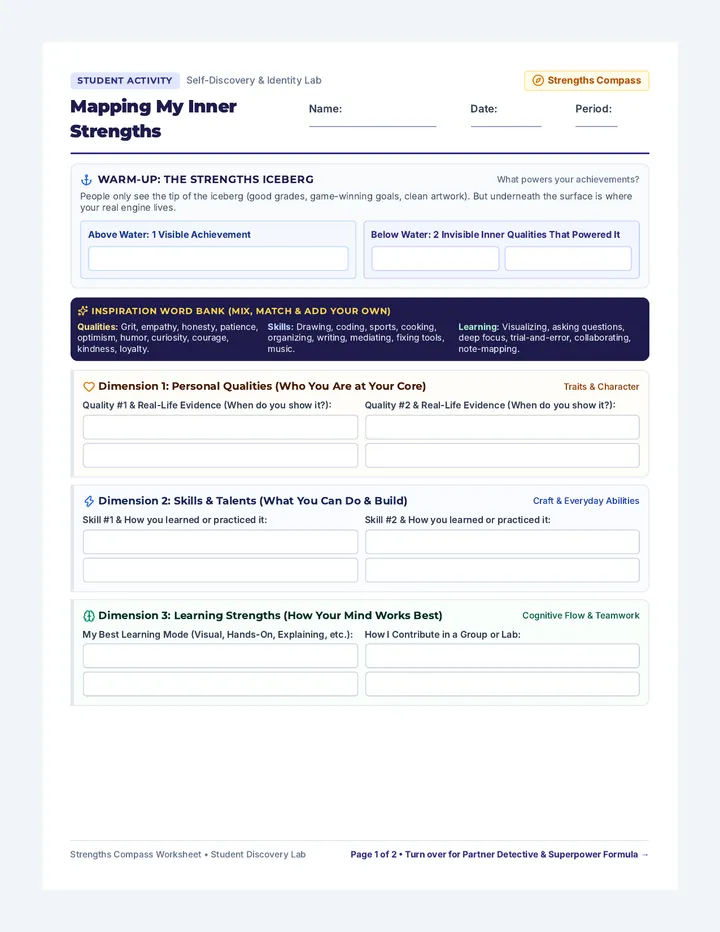
Strengths Compass Worksheet

Strengths Compass Worksheet

A 2-page print-ready student worksheet aligned with the Strengths Compass lesson plan. Students investigate the Iceberg of Strengths, inventory their traits across four dimensions, exchange peer affirmations, build their Superpower Synergy Equation, and complete a 3-2-1 reflection ticket.

LF

Liz Ford

Launch Ignition Slides

Spark to Finish

A structured multi-day sequence designed to build executive function routines, overcome task initiation friction, sustain momentum through completion, and cultivate self-confidence.

MB

Michele Berning

9
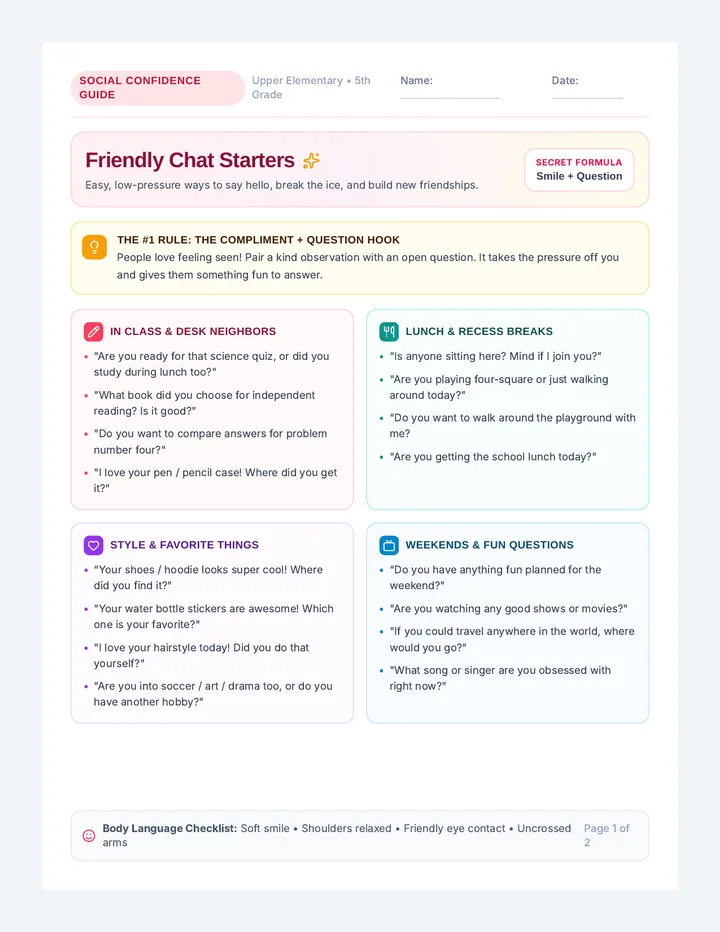
Chat Starters Reference Sheet

Sparking Friendships

A practical, empowering social-emotional learning lesson designed for upper elementary and fifth-grade girls to build social confidence, master natural conversation starters, and navigate peer interactions with ease. Students explore low-pressure conversation formulas, practice active listening, and role-play everyday school scenarios.

TT

Tiffany Thornton (Gargano)

5
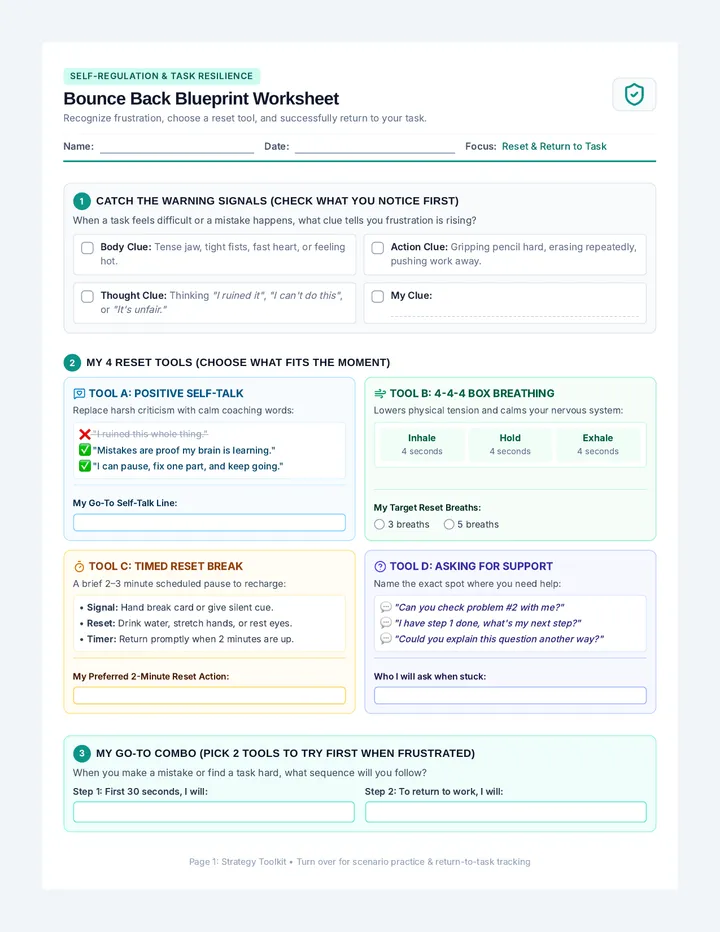
Bounce Back Blueprint Worksheet

Bounce Back Blueprint Worksheet

A two-page self-regulation and coping strategy worksheet designed to help students identify frustration signals, practice positive self-talk, deep breathing, break requests, and asking for support, and systematically plan to return to task.

KS

Kimberly Sanchez Flores

Ripple Effect Slides

Tick Tock Tactics

A three-part instructional sequence exploring punctuality, executive functioning, time perception, and the social ripples of being on time through engaging readings, structured reflections, and practical toolkits.

S

scorona

9
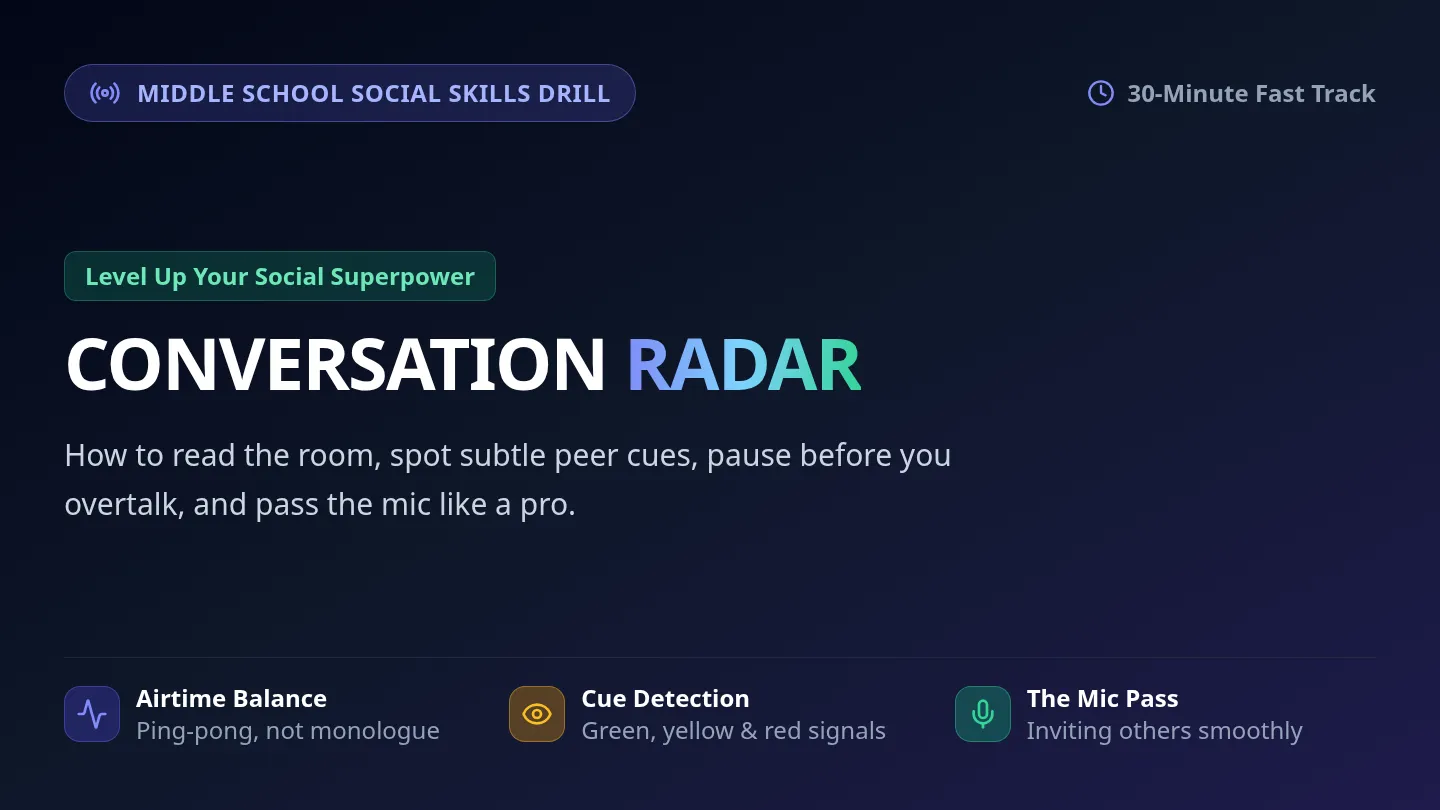
Conversation Radar Slides

Conversation Radar

A compact 30-minute practical social skills lesson for middle schoolers to identify conversational cues, monitor speaking airtime, and practice pausing and inviting peers into the dialogue.

Lenny Avatar
Lenny
3
Strengths Compass Lesson Plan

Strengths Compass Lesson Plan

A comprehensive, high-impact lesson plan for middle and high school educators exploring student strengths across personal qualities, skills, learning styles, and whole-person integration. It provides step-by-step facilitation sequences, classroom pacing, formative rubrics, and tiered differentiation supports.

LF

Liz Ford