Own It Slides
Character & Leadership
Interactive Workshop Deck
OWN IT.
Responsibility, Mistakes & Follow-Through
How to replace excuses with action, repair trust when things go wrong, and become someone everyone can count on.
Guiding Question: What creates true respect—never messing up, or how you handle it?
SLIDE 01
Definitions
SLIDE 02
Responsibility vs. Accountability
They sound similar, but they happen at two completely different moments.
Responsibility Before & During
The task, duty, or role you take on.
Knowing what needs to be done and accepting the duty to do it. It is your active commitment.
Example: It is your responsibility to finish the project by Friday at 3:00 PM.
Accountability During & After
Owning the outcome and the next move.
Answering for the results—success or setback—without passing blame, making excuses, or hiding.
Example: When the project hit a snag, you owned the delay and offered the solution.
Turn & Talk: Can someone have responsibility without taking accountability? What does that look like?
Skill 1: Owning Mistakes
SLIDE 03
The Natural Reaction: The Excuse Reflex
When we drop the ball, our instinct is self-defense. Spot these 3 common traps:
Deflecting Blame
"It was their fault because..."
Pointing fingers at teammates, teachers, parents, or busy schedules to escape scrutiny.
The Fake Apology
"I'm sorry, BUT you didn't..."
Saying "sorry" followed immediately by an excuse, undoing the apology and invalidating trust.
Hiding & Ghosting
"Maybe they will forget."
Staying silent or avoiding communication hoping nobody notices the mistake. It always backfires.
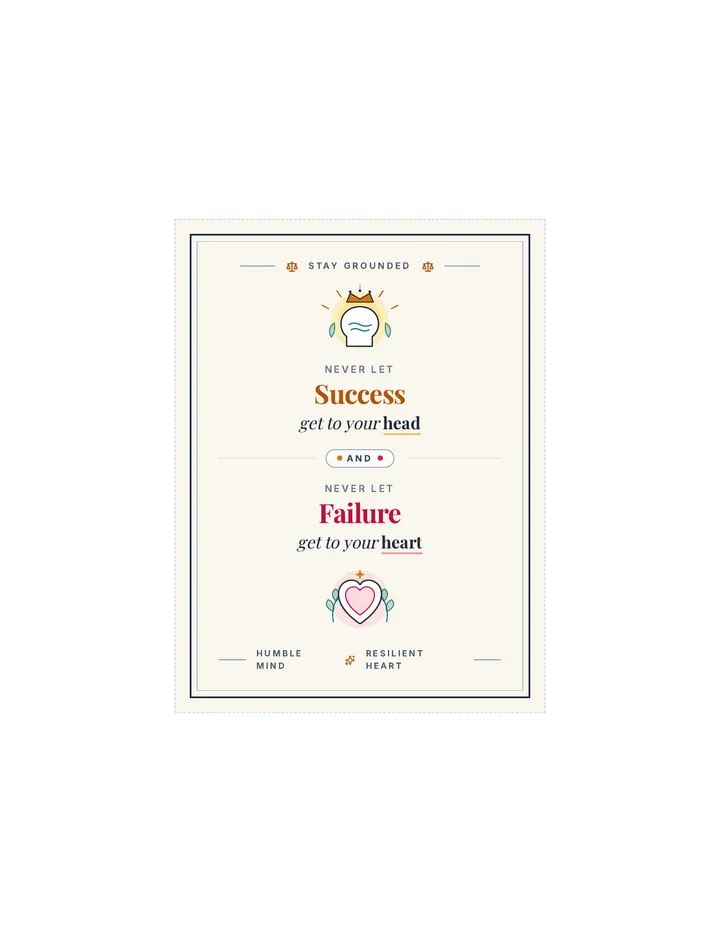
Core Reality: Mistakes do not ruin your reputation. How you react to mistakes defines your reputation.
The Formula
SLIDE 04
The 4-Step Mistake Reset
What taking responsibility without blame looks and sounds like in real time:
01
Own
State what happened clearly without justifying it.
"I dropped the ball and missed the deadline."
02
Acknowledge
Recognize how it affected other people.
"I know this stalled our whole team's work."
03
Repair
Offer an immediate practical solution.
"I will complete my slides by tonight at 7."
04
Adjust
Change the system so it doesn't repeat.
"I set reminders in my phone for milestones."
The Golden Rule: Never use the word "BUT" after an apology. Everything before "but" gets erased!
Real-World Drill 1
SLIDE 05
The Scenario
You promised your group you would bring printed research notes today. You stayed up late playing video games and left the notes on your bedroom desk.
The Blame Response
"My mom forgot to put them in my bag, and nobody told me we needed them first thing anyway!"
Impact: Teammates feel frustrated, lose trust, and stop relying on you.
The Ownership Response
"I left them on my desk—that's completely on me. I have the digital copy on my phone and can print them right now during homeroom."
Impact: Teammates respect the honesty and problem-solving. Trust stays intact.
Discussion: Why does the second response make people trust you MORE, even though you made a mistake?
Skill 2: Following Through
SLIDE 06
The Discipline of Follow-Through
Good intentions don't get things done. Reliable habits do.
1. Pin It Down
Vague commitments fail. Always define what, when, and how before walking away.
"I will finish by 5 PM" > "I'll do it later."
2. Externalize It
Never trust just your memory. Use planners, sticky notes, alarms, or task apps to protect commitments.
Put it on paper or in a calendar immediately.
3. Close the Loop
When you complete a task you promised someone, let them know. Never leave people wondering.
"Sent over! Let me know if you need changes."
Integrity Definition: Doing what you said you would do, long after the mood you said it in has passed.
Proactive Follow-Through
SLIDE 07
The "Ask Early" Rule
Asking for help is NOT quitting. It is how responsible people protect their commitments.
Late Distress 10 min before due
"I didn't understand the assignment so I couldn't do it."
Result: Looks like an excuse; no time left to solve the problem or assist you.
Proactive Help 2 days before due
"I started problem 3 and got stuck on step 2. Could you explain that part tomorrow?"
Result: Shows accountability, initiative, and dedication to high quality.
The 3-Part Help Script
1. What I tried: "I reviewed the chapter notes..." + 2. Where I'm stuck: "I'm unsure about the graph format..." + 3. What I need: "Can I check my draft with you at lunch?"
Real-World Drill 2
SLIDE 08
The Scenario
You turned your summative assignment in late. Your teacher hasn't updated the gradebook yet, so your posted grade is currently failing.
The Blame Reflex
"It's HER fault I'm failing! I turned it in and she's not doing her job!"
- • Ignores that your late submission caused the failing mark.
- • Expects the teacher to drop everything for your emergency.
The Ownership Response
"I'm failing because I missed the deadline. That's on me."
- • Politely verifies submission and asks about late grading windows.
- • Recognizes that on-time work rightfully gets graded first.
Discussion: Who actually created the failing grade? Why does blaming the teacher ruin your credibility?
Real-World Drill 3
SLIDE 09
The Scenario
You ask your teacher to use the bathroom, and she reminds you to be back in under 10 minutes. You stay out for 15+ minutes, and upon returning, she tells you you've lost your bathroom pass privilege.
The Blame Reflex
"That's so unfair! You're targeting me! Other people stay out way longer than 15 minutes!"
- • Argues about other students instead of acknowledging your agreement.
- • Escalates the conflict and proves you cannot manage the privilege.
The Ownership Response
"You gave me 10 minutes, and I stayed out over 15. That is on me. I understand."
- • Accepts the direct natural consequence of exceeding the agreed limit.
- • Shows self-control and maturity, establishing a fast path to regain trust.
Discussion: Why does arguing about the consequence prove to your teacher that you aren't ready for the privilege?
Real-World Drill 4
SLIDE 10
The Scenario
You are told an unverified rumor about an acquaintance. Without checking if it's true, you repeat it to a friend, who tells others. By lunchtime, it spreads across the entire grade.
The Blame Reflex
"I didn't start it! Someone else told me first, so don't blame me that everyone knows!"
- • Passes guilt backwards instead of acknowledging your role as the amplifier.
- • Ignores that rumors only survive and hurt people because carriers repeat them.
The Ownership Response
"I repeated something I didn't know was true. That caused harm, and that is on me."
- • Shuts down the chain: actively clarifies to everyone you told that it's unverified.
- • Apologizes directly to the person affected without adding defensive excuses.
Discussion: Why does saying "I didn't start it" fail to excuse the person who repeated it?
The Big Picture
SLIDE 11
The Trust Bank Account
Every interaction either deposits trust or withdraws trust.
Daily Deposits
- Doing what you said you would do without reminders.
- Owning a mistake immediately without blaming anyone.
- Stopping rumors cold instead of passing them along.
Costly Withdrawals
- Making excuses or hiding when you drop the ball.
- Saying "I'm sorry, but it was their fault..."
- Repeating rumors and claiming innocence because you didn't invent them.
Trust takes months of consistency to build, but only one defensive excuse to crack.
Personal Commitment
SLIDE 12
Your Personal Ownership Pledge
Accountability is not a punishment handed down from teachers or coaches. It is personal power you choose to claim.
1 Thing to Own Today
Identify one small mistake or unfinished task you have avoided or blamed on circumstances. Step up and address it today without any defensive excuses.
1 Apology with NO "But"
Think of a recent time you defended yourself or made an excuse. Give a clean reset: state what you did, own the impact, and refuse to say the word "but."
"Accountability is the bridge between intention and real results."