Systematic identification of underlying factors contributing to interpersonal or personal challenges. Employs techniques like the 5 Whys and fishbone diagrams to develop effective, long-term interventions.
A 10-week series of 30-minute group lessons for high school students exploring Cognitive Behavioral Therapy. Each session builds practical skills in identifying and reframing thoughts, managing emotions, and engaging in healthy behaviors through interactive activities. This Tier 2 program develops resilience and mental wellness.
A 6-week Tier 3 intervention for 4th graders to develop emotional regulation and problem-solving skills to manage frustration. students learn to recognize triggers, express feelings with I-statements, and implement action plans.
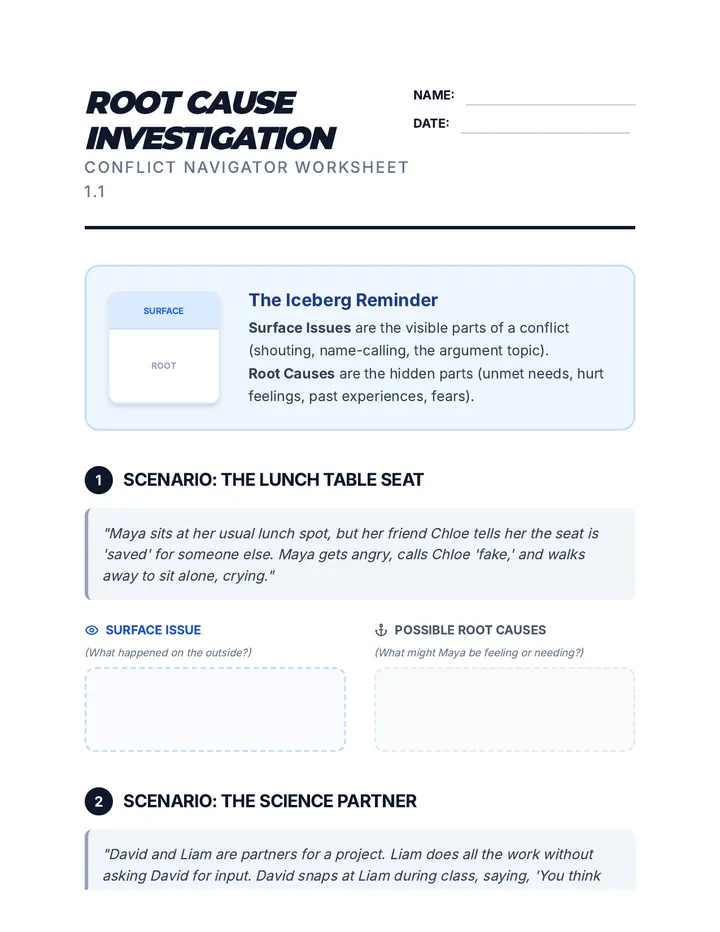
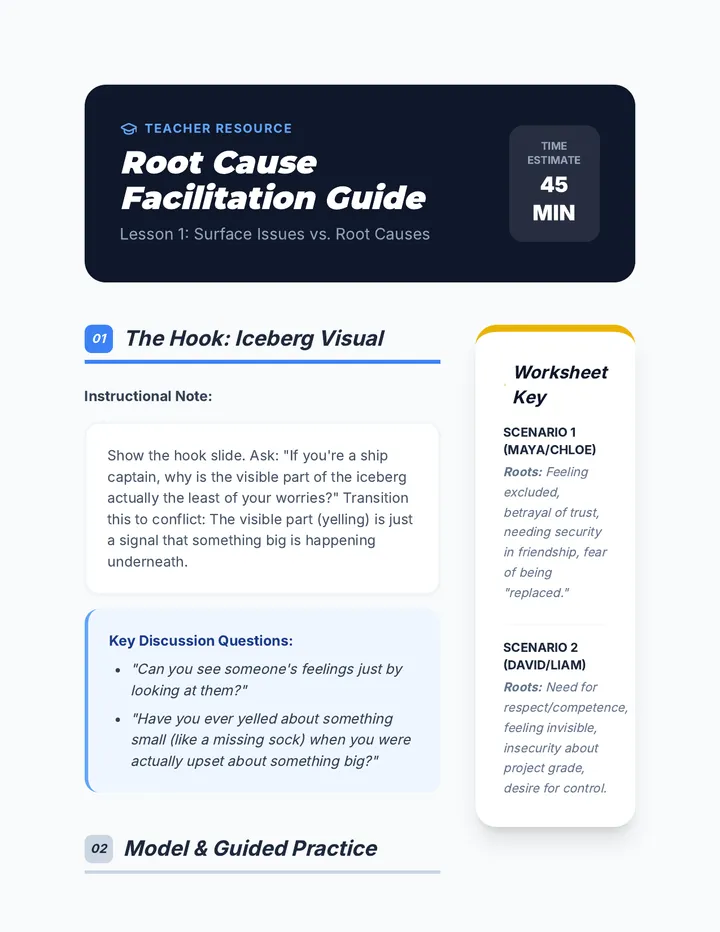
A comprehensive 6th-grade sequence on conflict navigation, teaching students to identify root causes, recognize personal conflict styles, practice perspective-taking, understand escalation, and diagnose complex disputes.
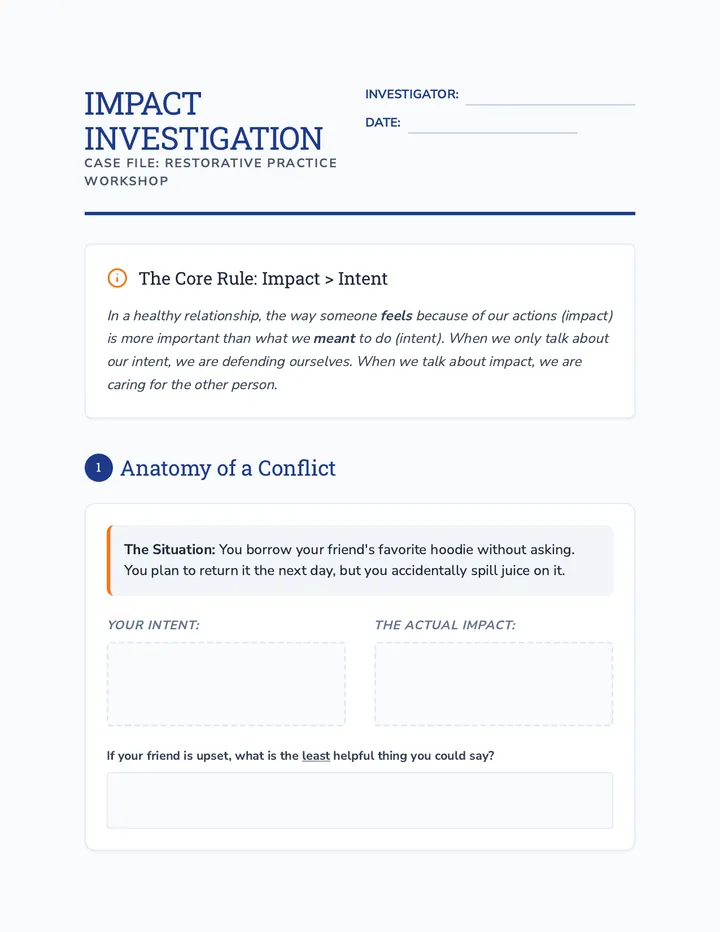
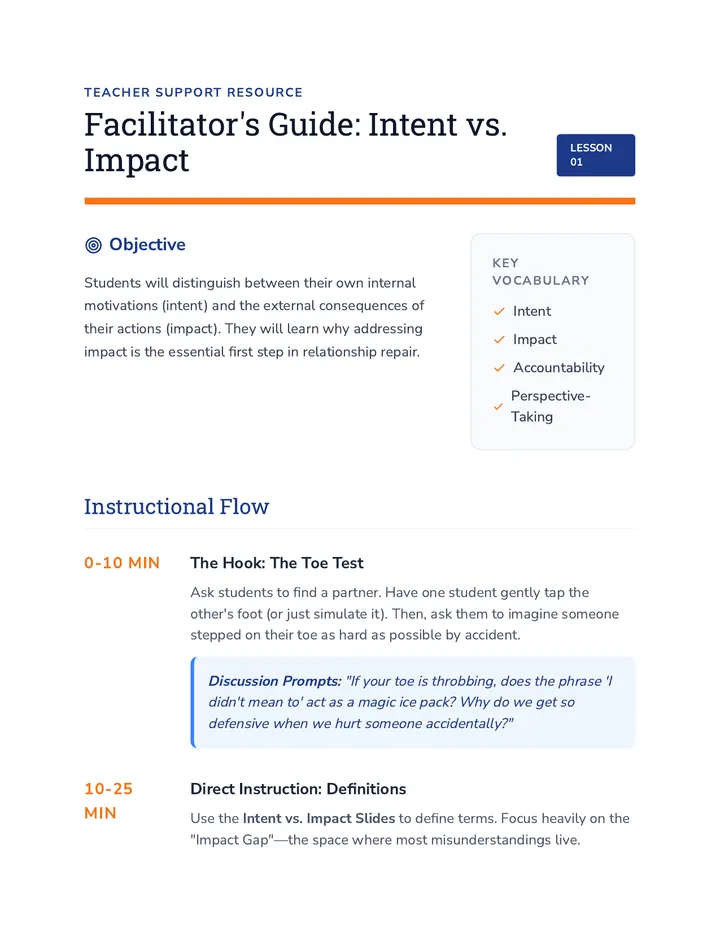
A 5-lesson sequence for 7th grade students focusing on restorative practices, the difference between intent and impact, crafting genuine apologies, and the long-term process of rebuilding trust after conflict.
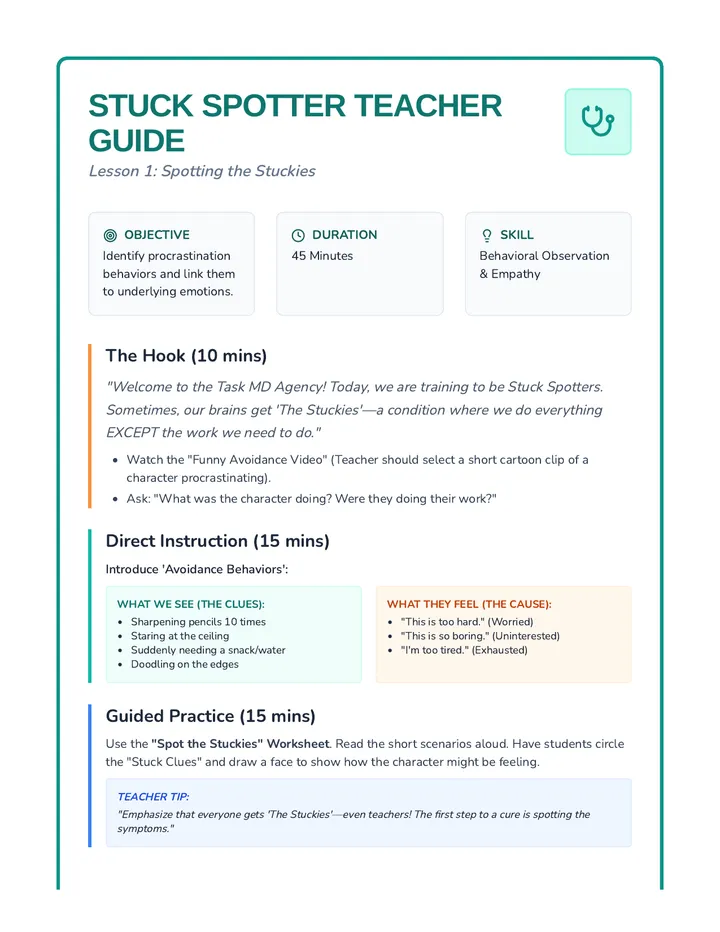
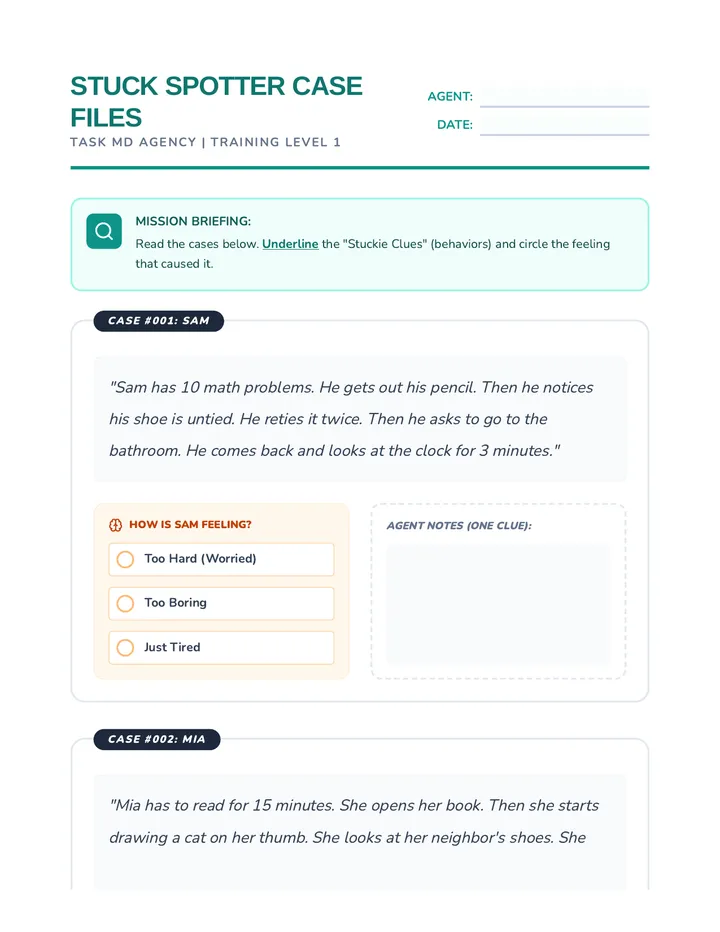
A sequence focused on helping students overcome emotional barriers to task initiation using a 'Task Doctor' theme. Students learn to identify avoidance behaviors, diagnose the root cause of being 'stuck', and prescribe effective self-talk solutions through role-play and reflection.
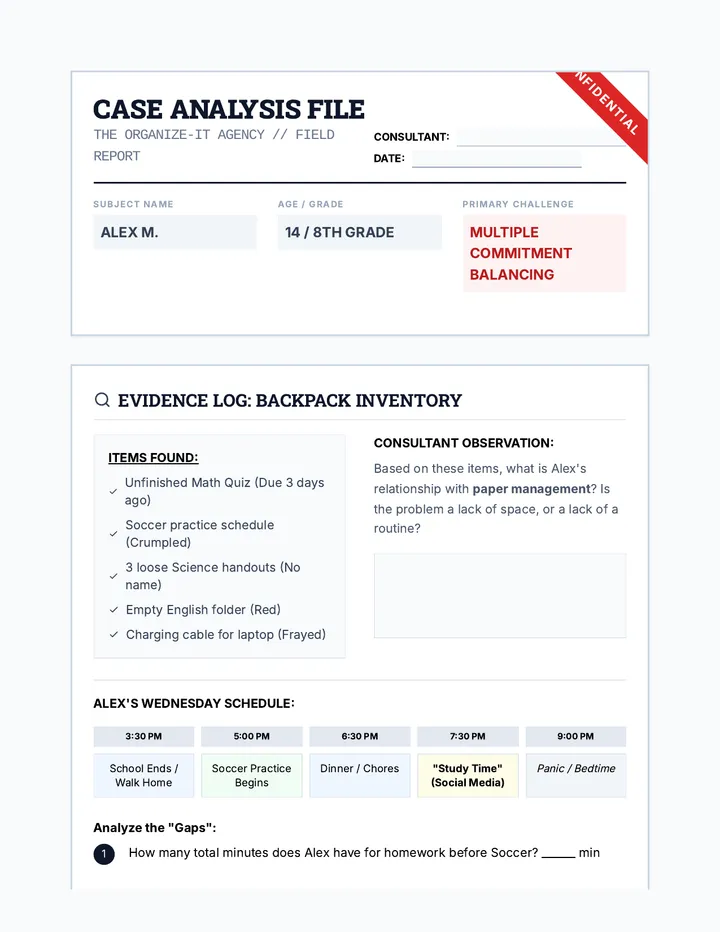
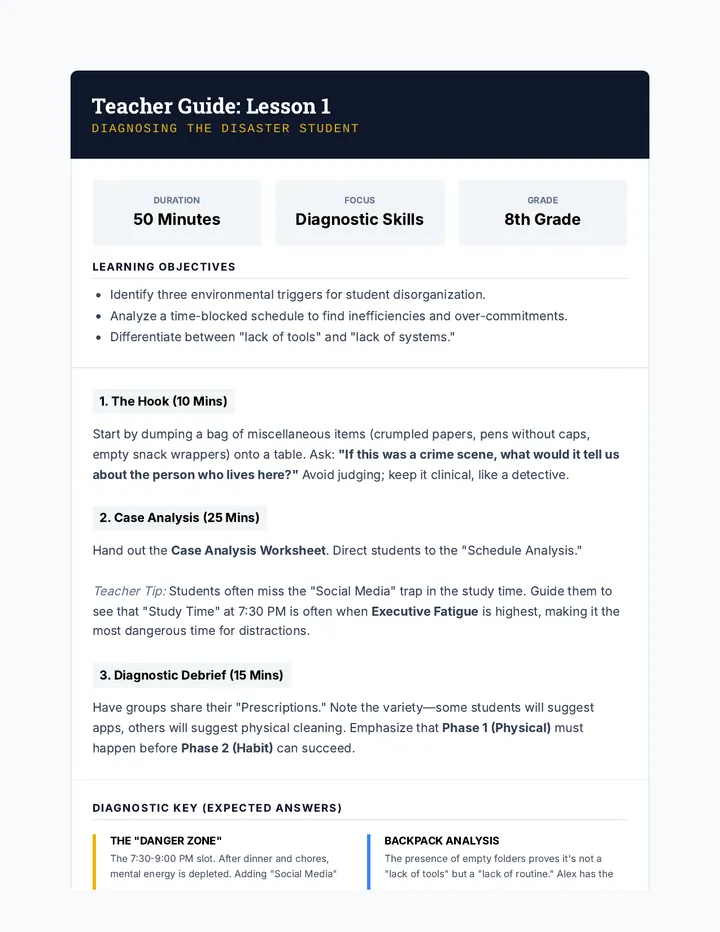
A comprehensive sequence where 8th-grade students act as 'organizational consultants' to diagnose and solve scheduling conflicts and executive functioning challenges through case studies. Students learn root cause analysis, professional self-advocacy, emotional regulation strategies for procrastination, and tool evaluation before creating a final consultancy report.
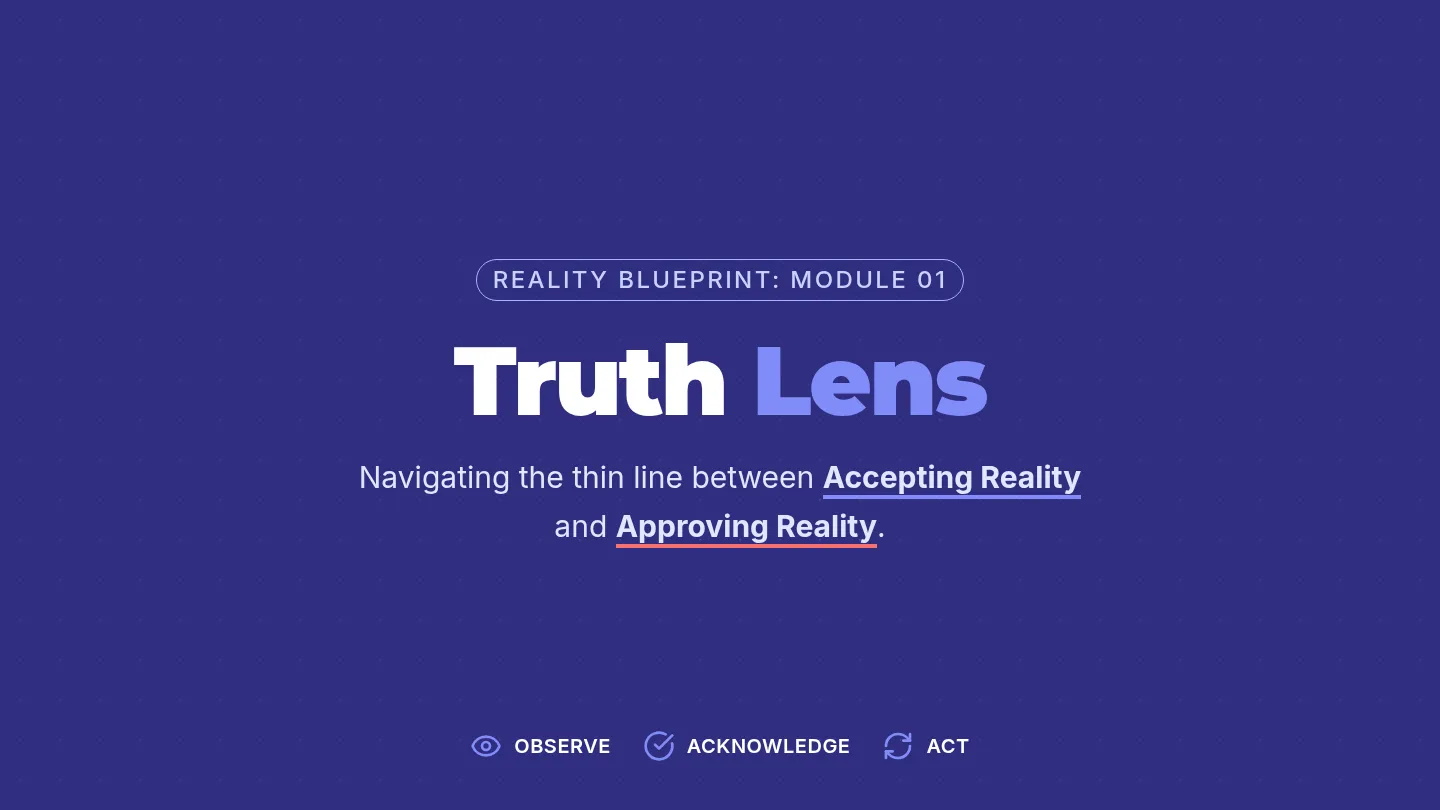
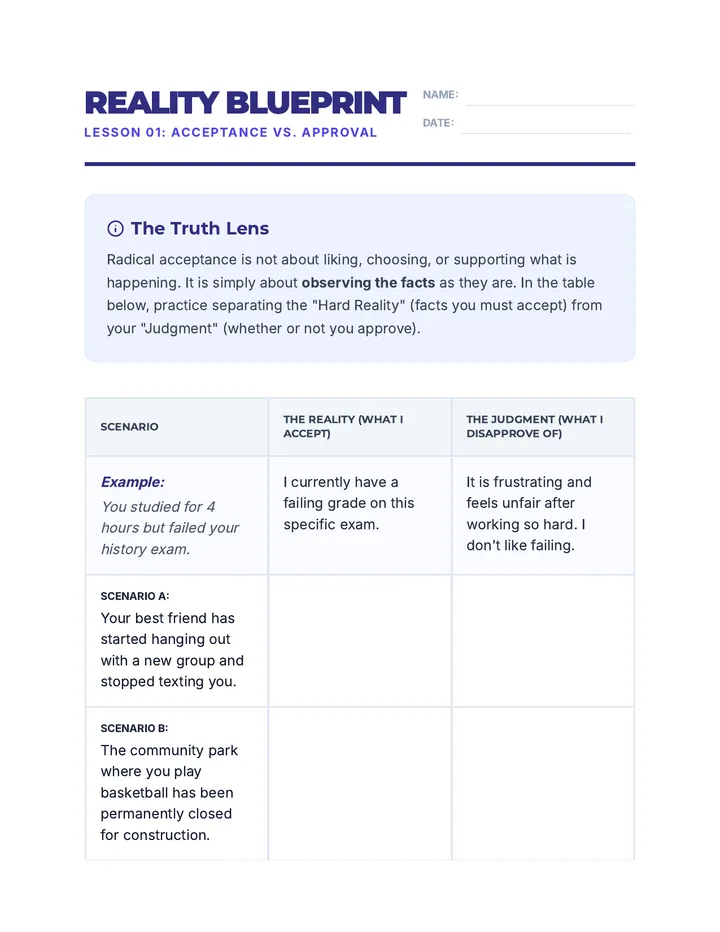
This sequence explores the psychological concept of Radical Acceptance, teaching students to distinguish between acceptance and approval. Students will analyze case studies, relationship dynamics, and civic advocacy to understand how acknowledging reality is the first step toward effective change.
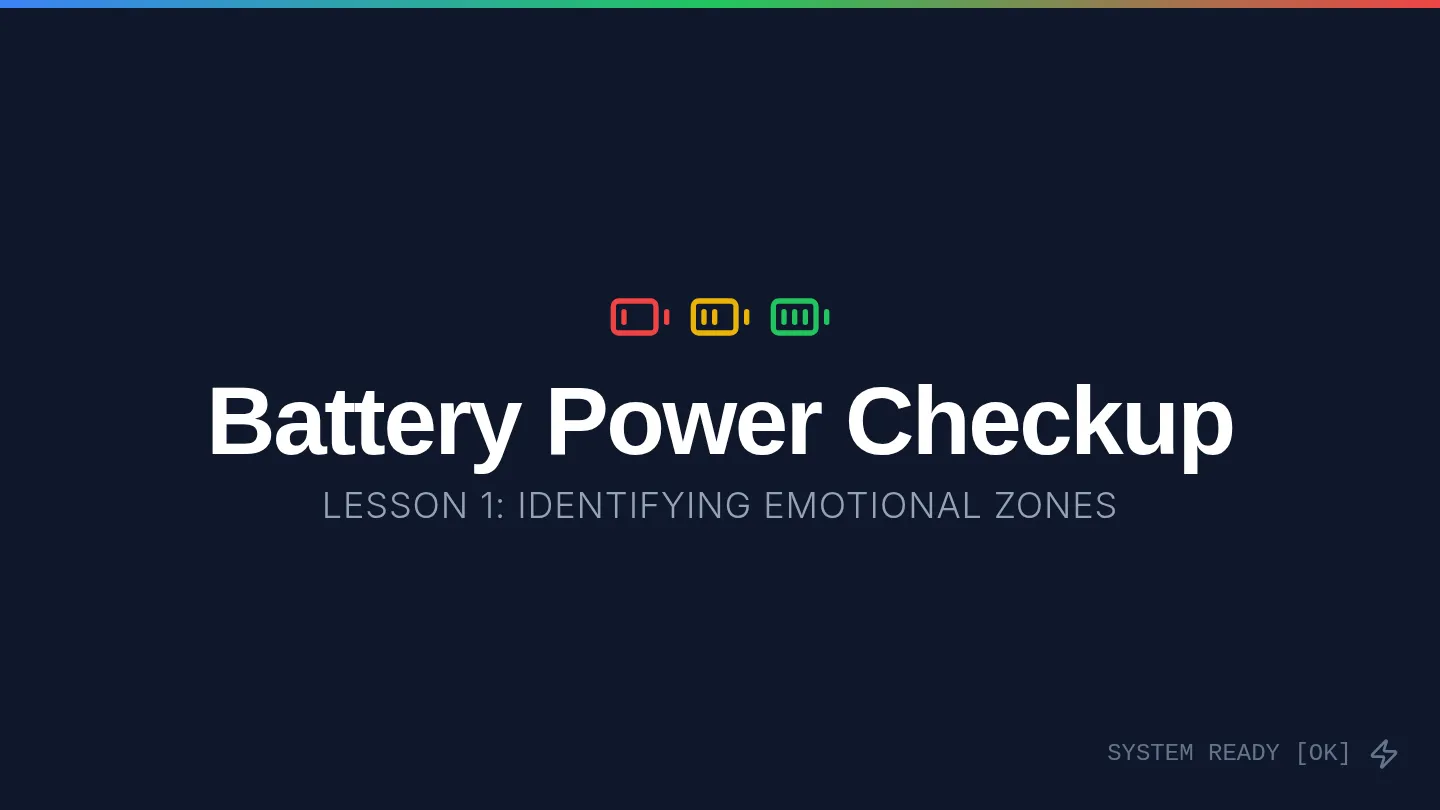
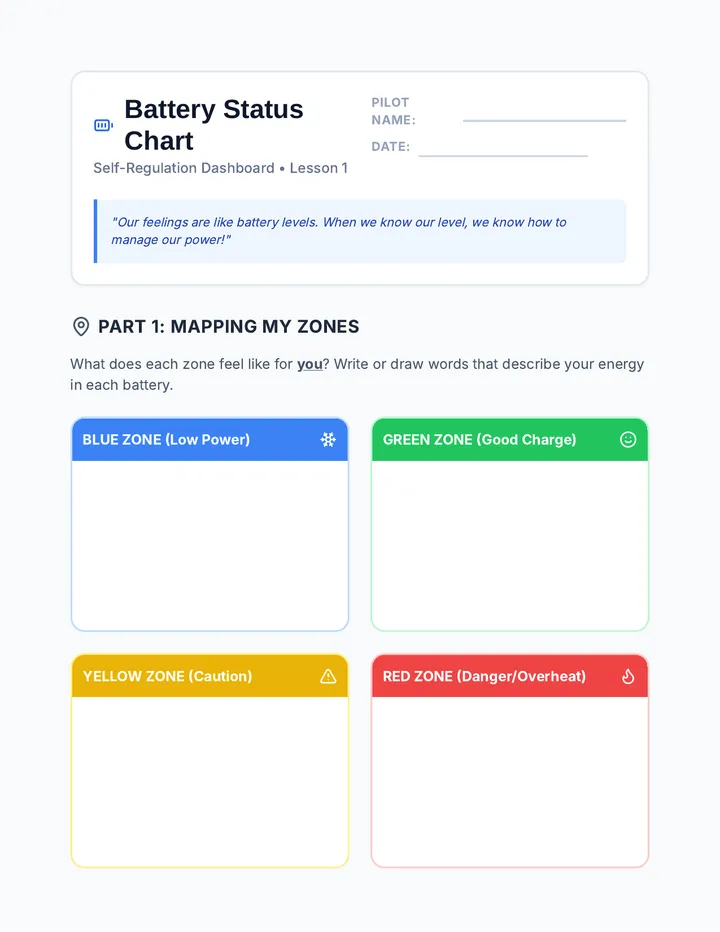
A comprehensive 5-lesson sequence designed to teach 4th-grade students self-regulation through daily emotional check-ins, goal setting, and non-verbal communication. Students learn to identify their internal state using a battery metaphor and connect it to their readiness for learning.
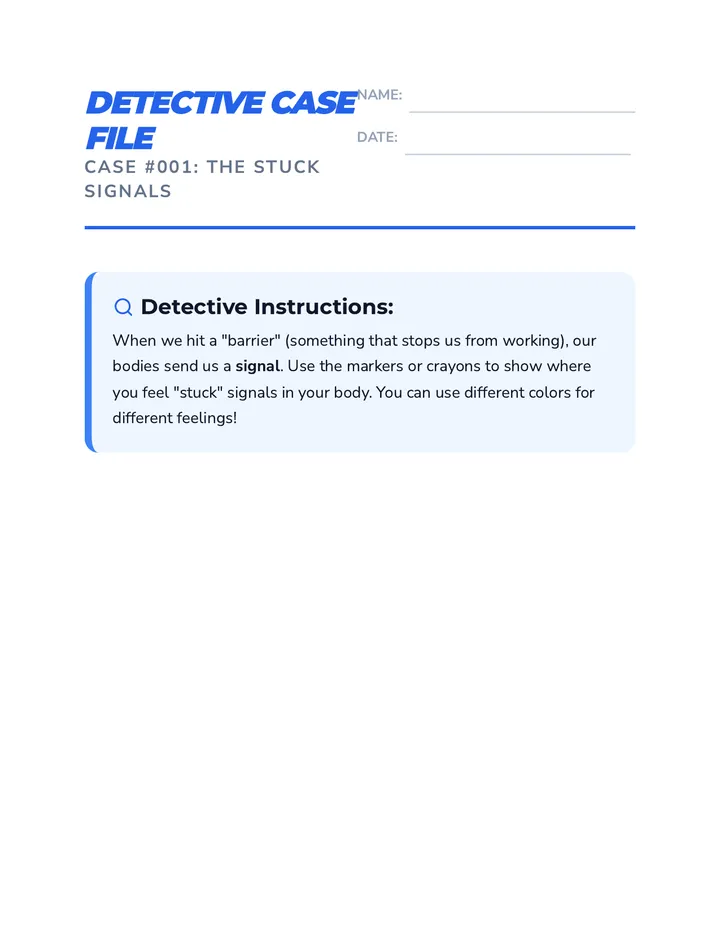
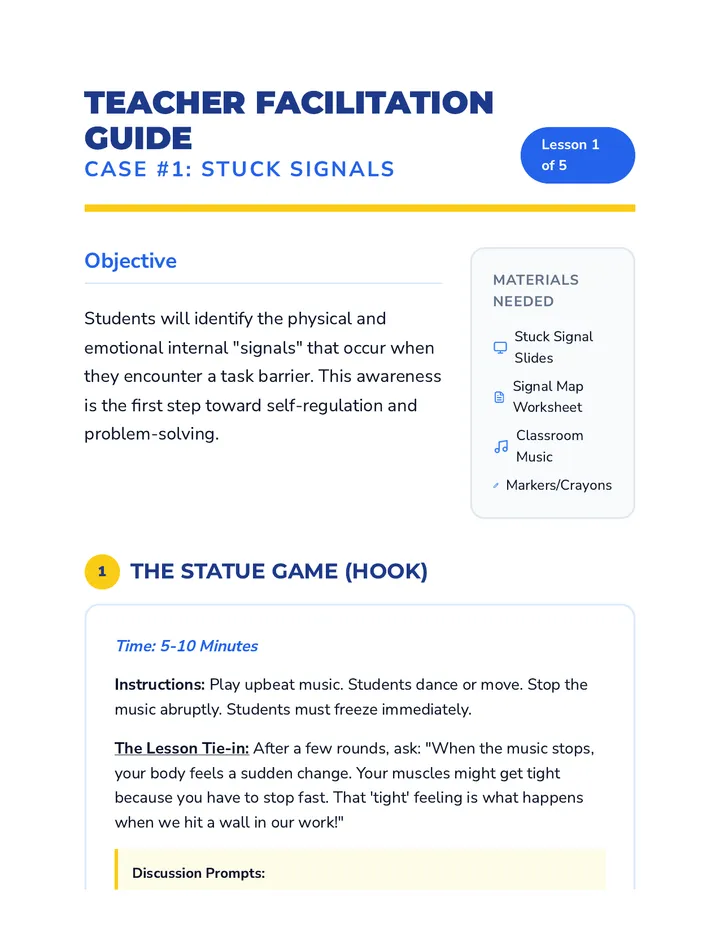
A 5-lesson unit for 3rd-grade students focused on identifying and categorizing obstacles that prevent task completion. Students learn to recognize internal emotional signals and external barriers (physical, informational, and environmental) to build self-advocacy and problem-solving skills.
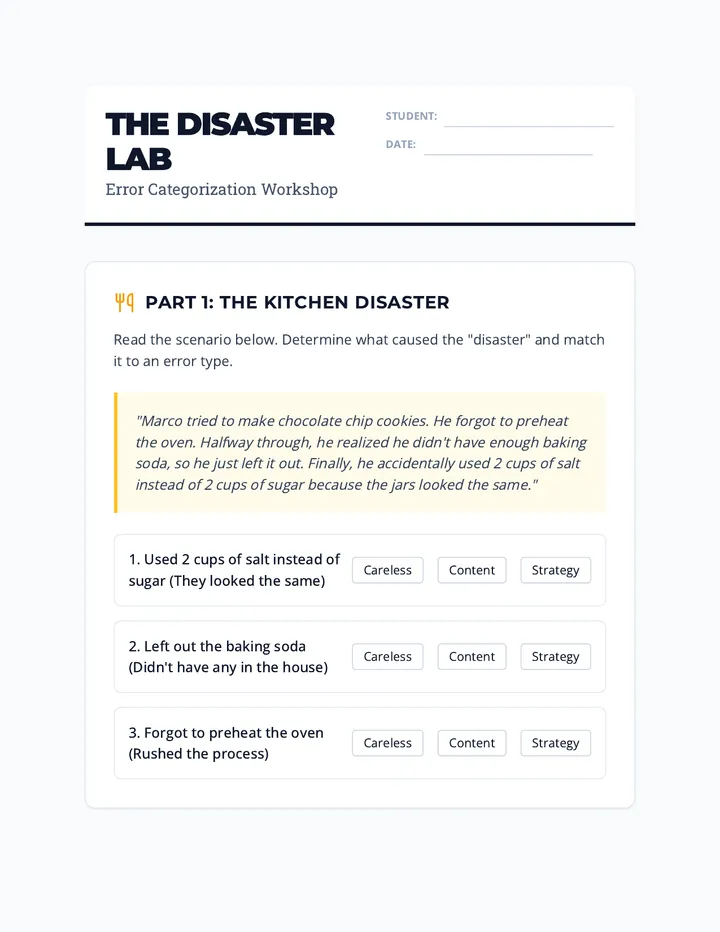
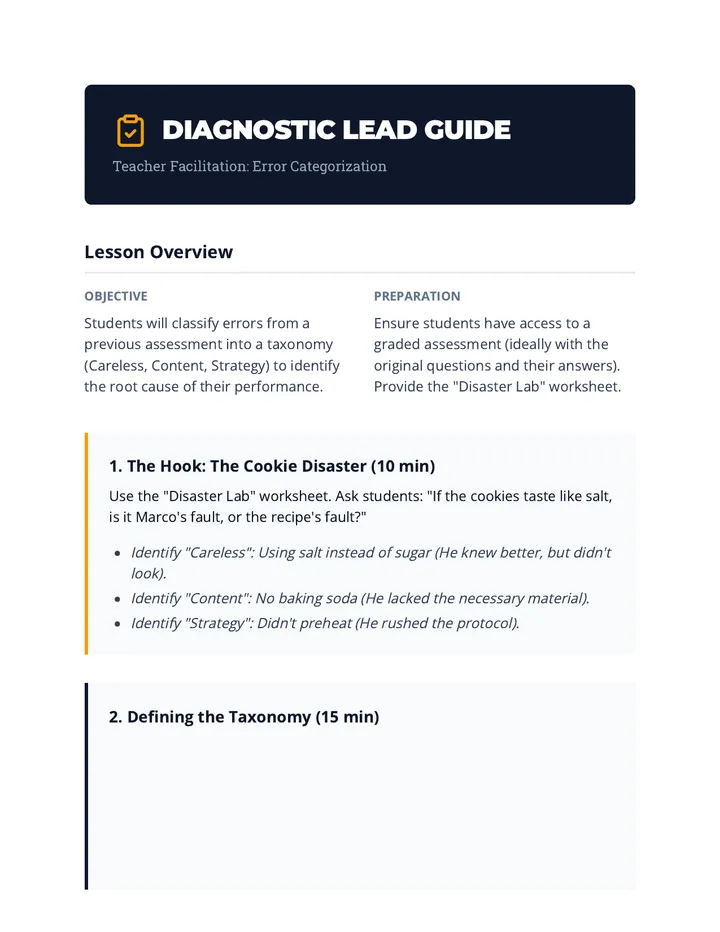
A comprehensive sequence on metacognitive error analysis, teaching students to categorize, analyze, and learn from their mistakes to improve test-taking performance. Students move from simple error classification to deep retrospective correction and personal strategy development.
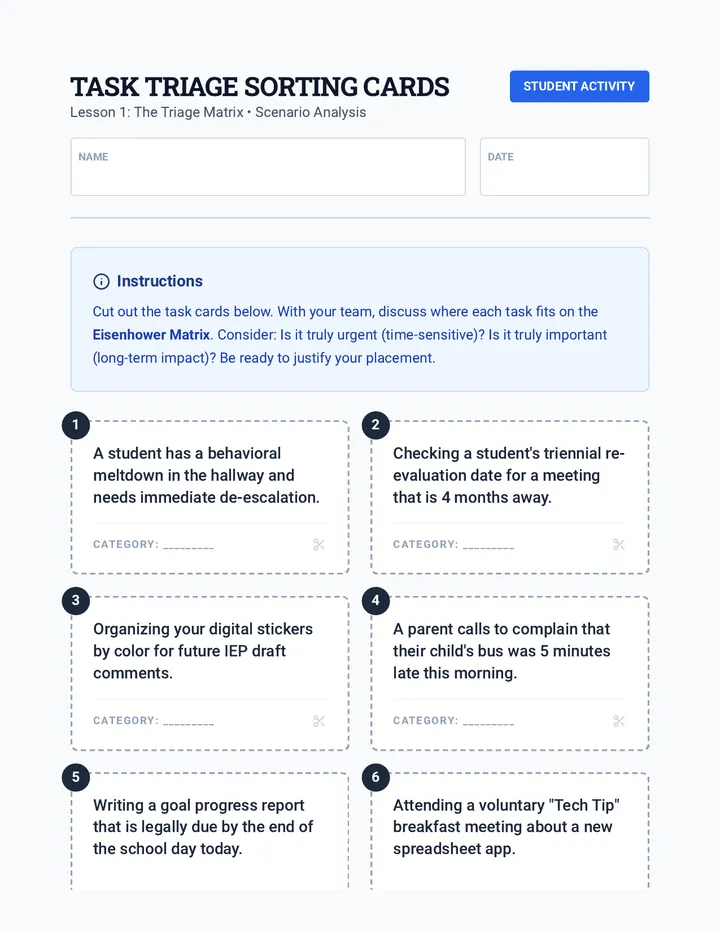
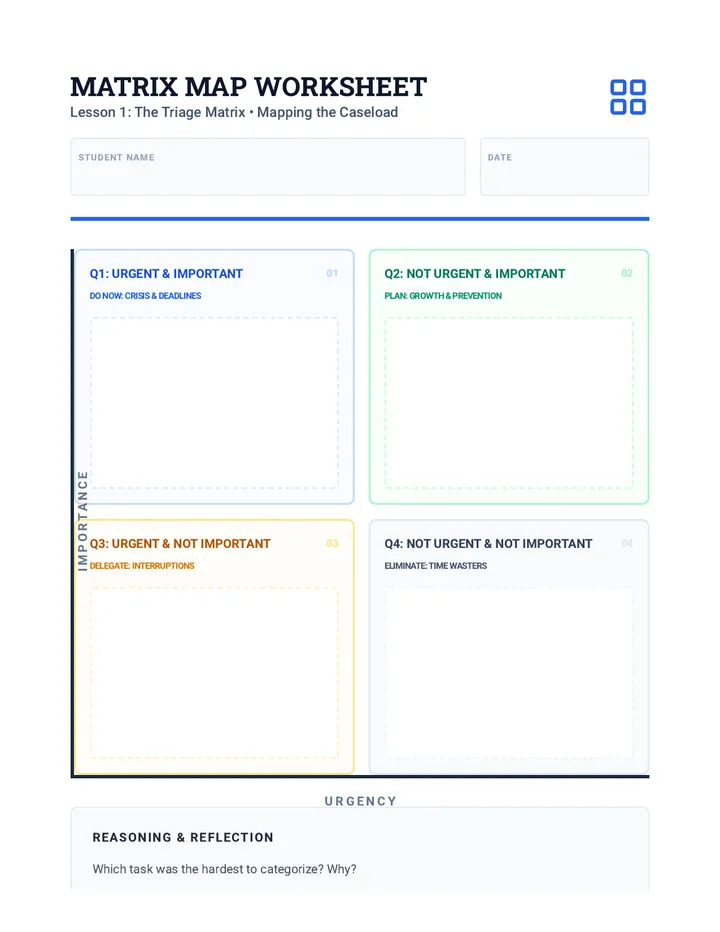
A high-stakes simulation for 12th graders transitioning to professional environments, focusing on prioritizing competing demands, managing interruptions, and professional communication in a special education caseload context.
This sequence explores the psychological and neurological mechanisms of delayed gratification, moving beyond willpower to evidence-based strategies like commitment devices and environmental architecture. Students will analyze hyperbolic discounting, fMRI brain studies, and implementation intentions to build a personalized framework for long-term goal achievement.
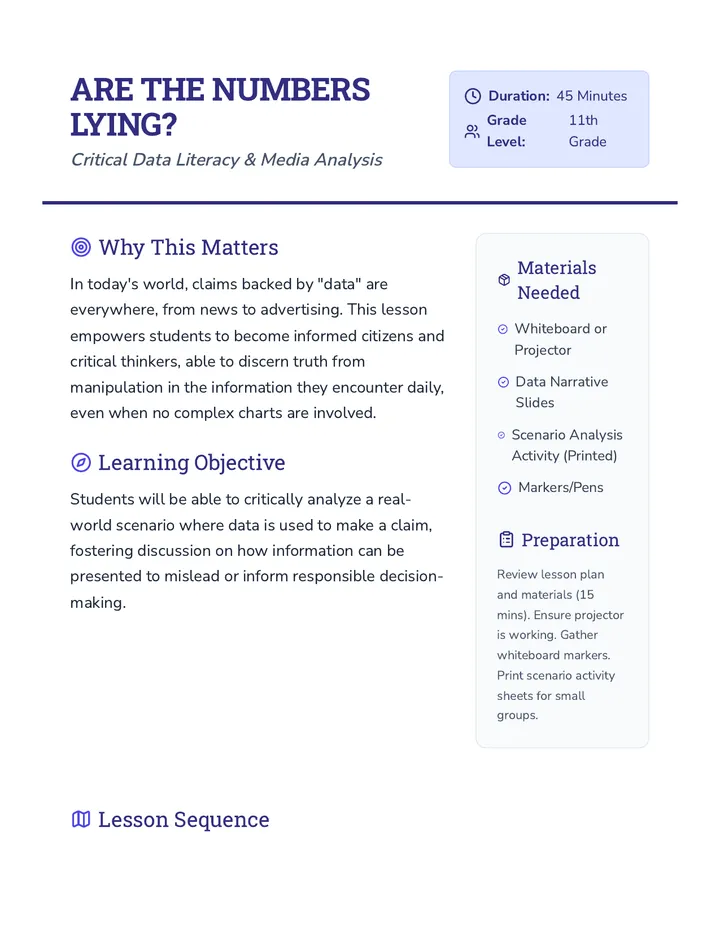
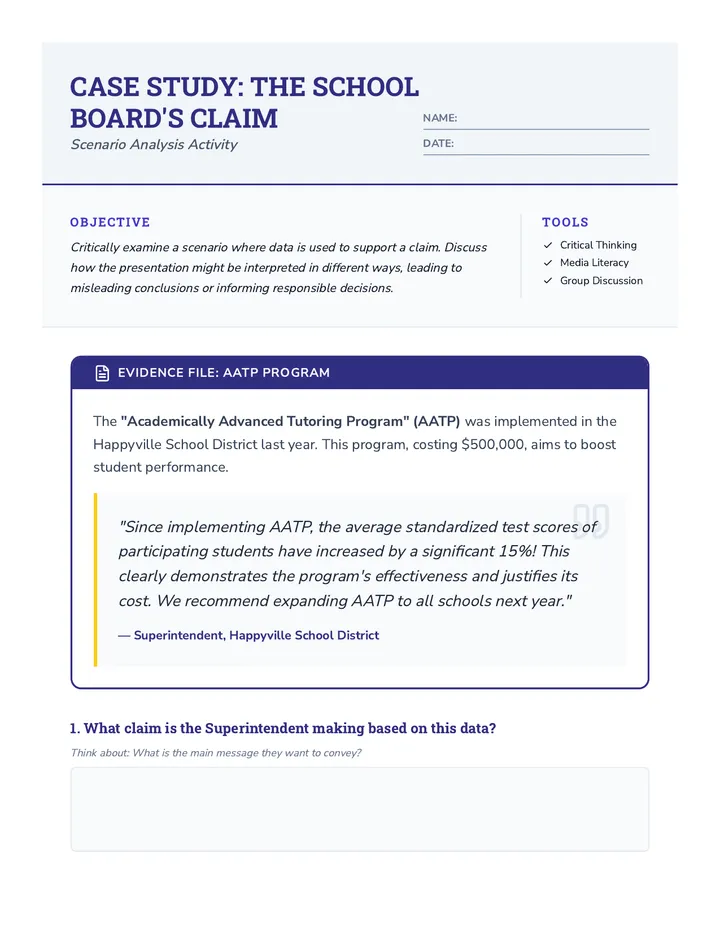
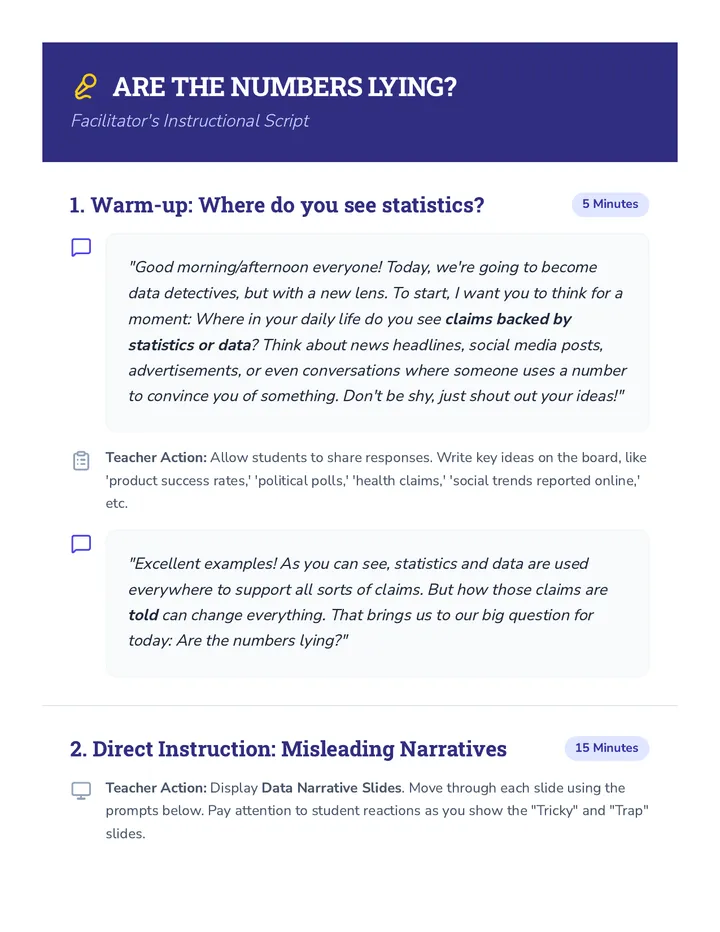
This 45-minute lesson for 11th-grade students explores how data narratives can be used to mislead or inform. Students critically analyze real-world scenarios to develop media literacy and responsible decision-making skills.
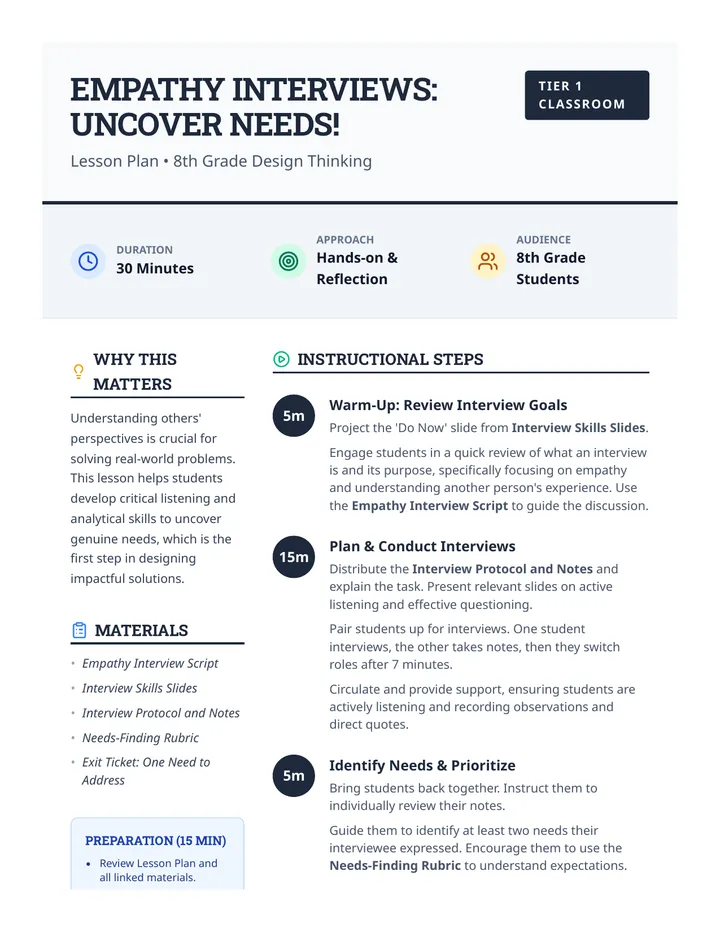
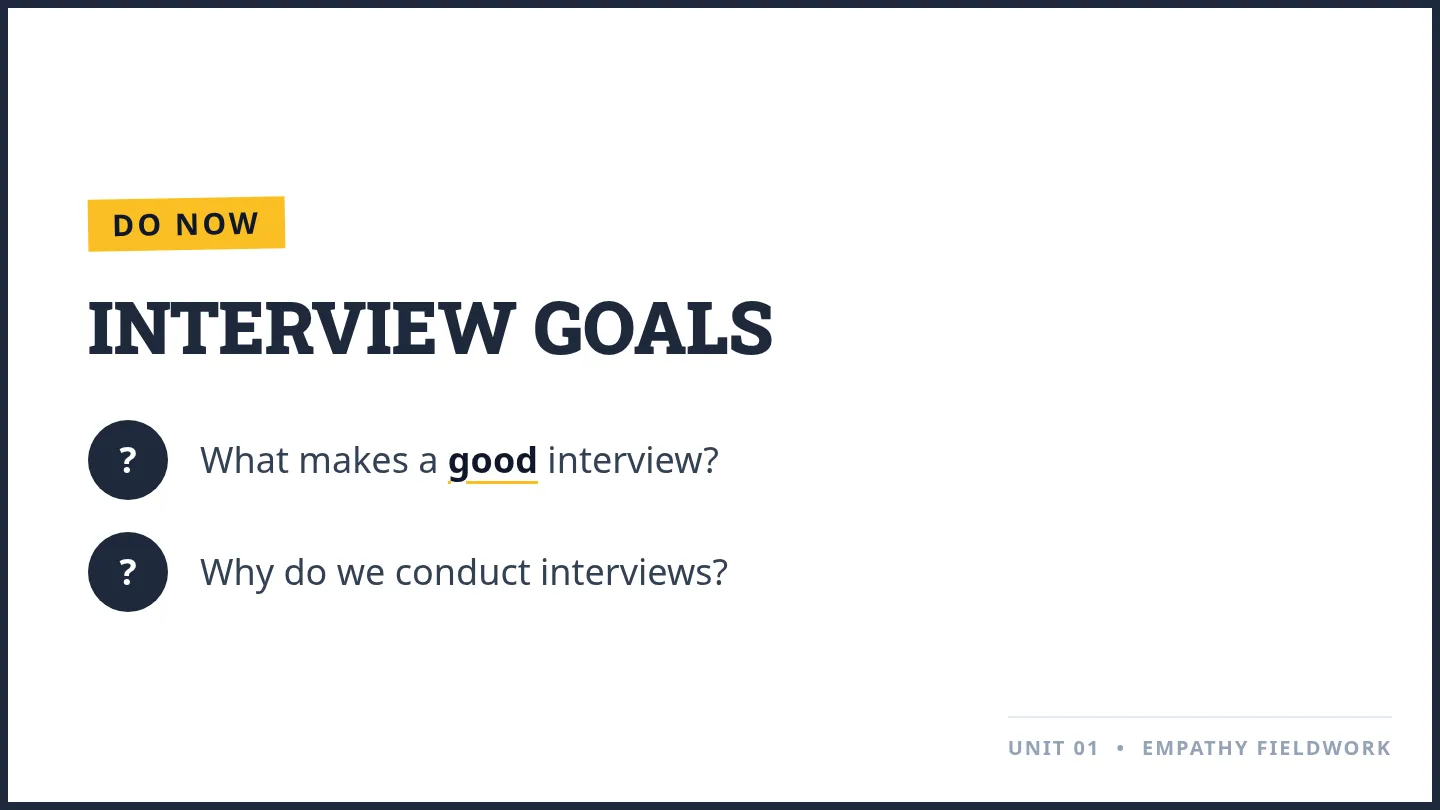
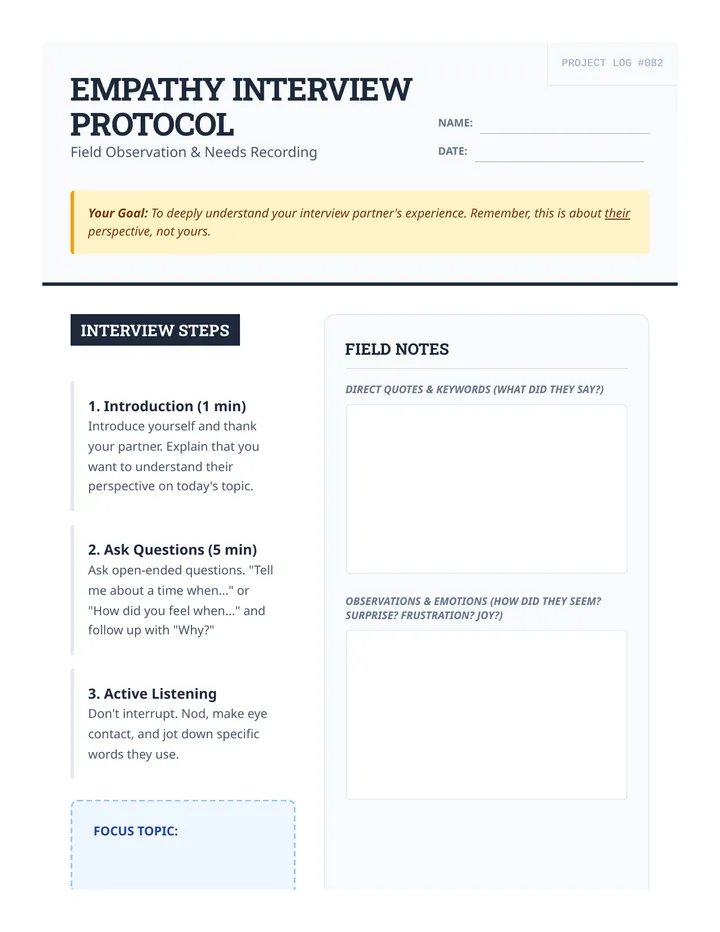
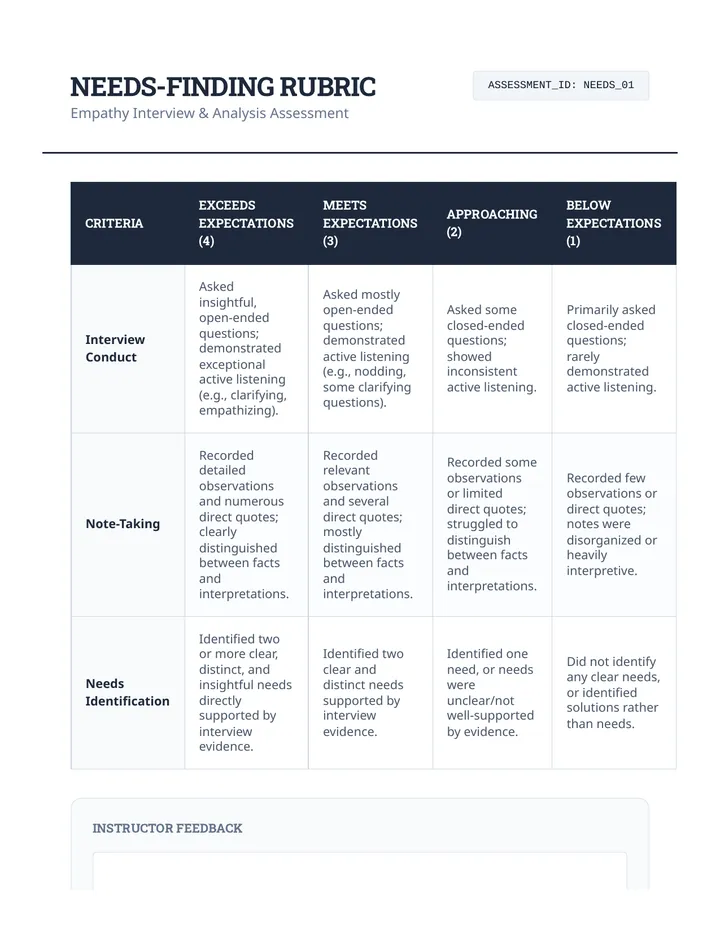
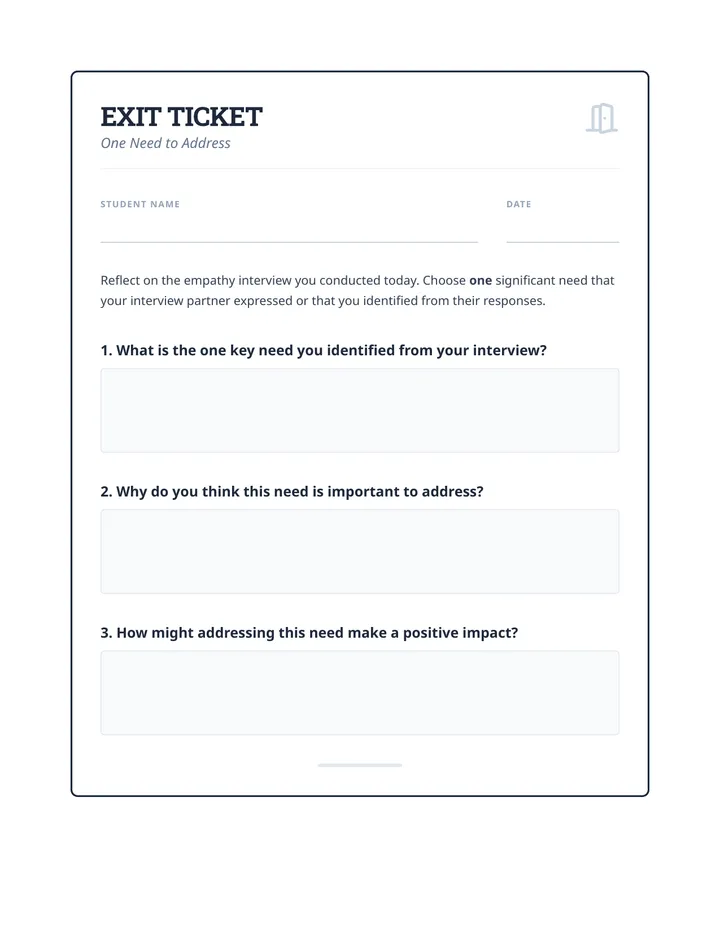
This 30-minute lesson introduces 8th-grade students to empathy interviewing, focusing on active listening and extracting core needs from user experiences. Students will conduct peer interviews to identify meaningful problems to solve in future design projects.
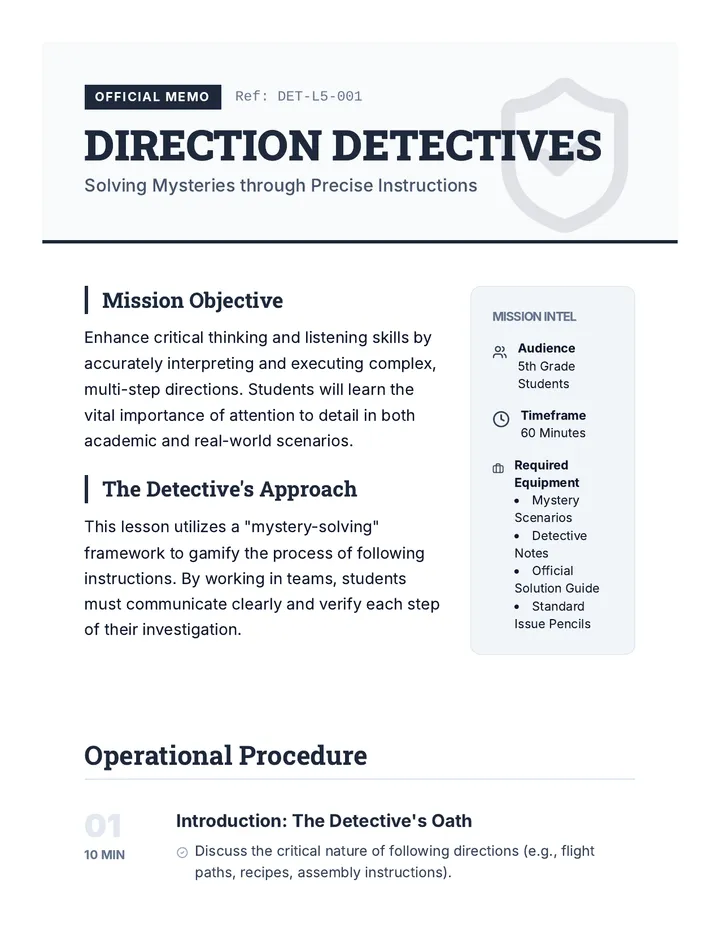
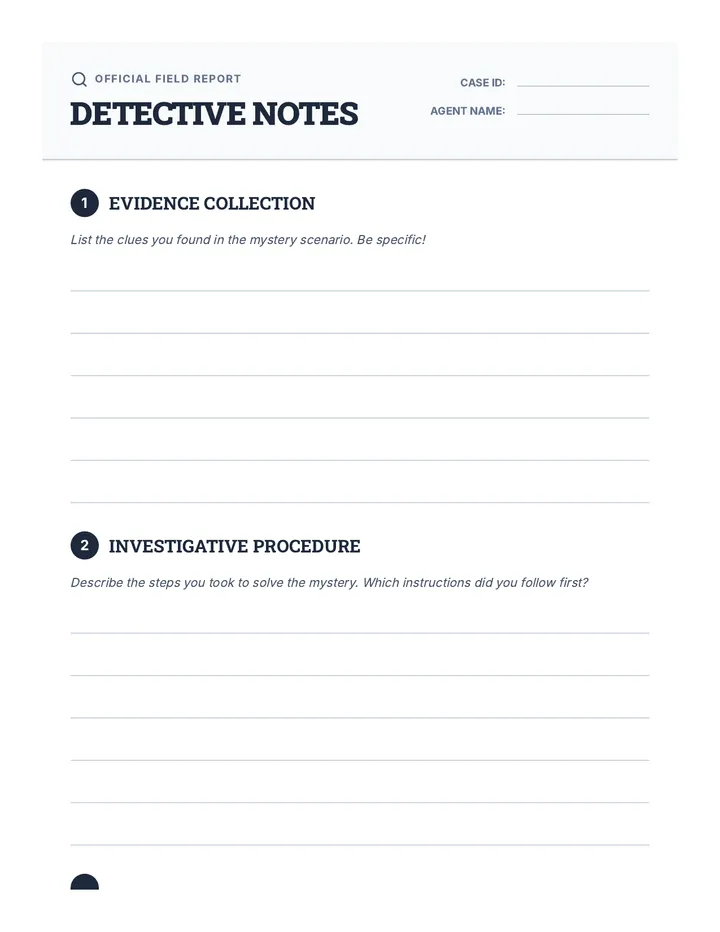
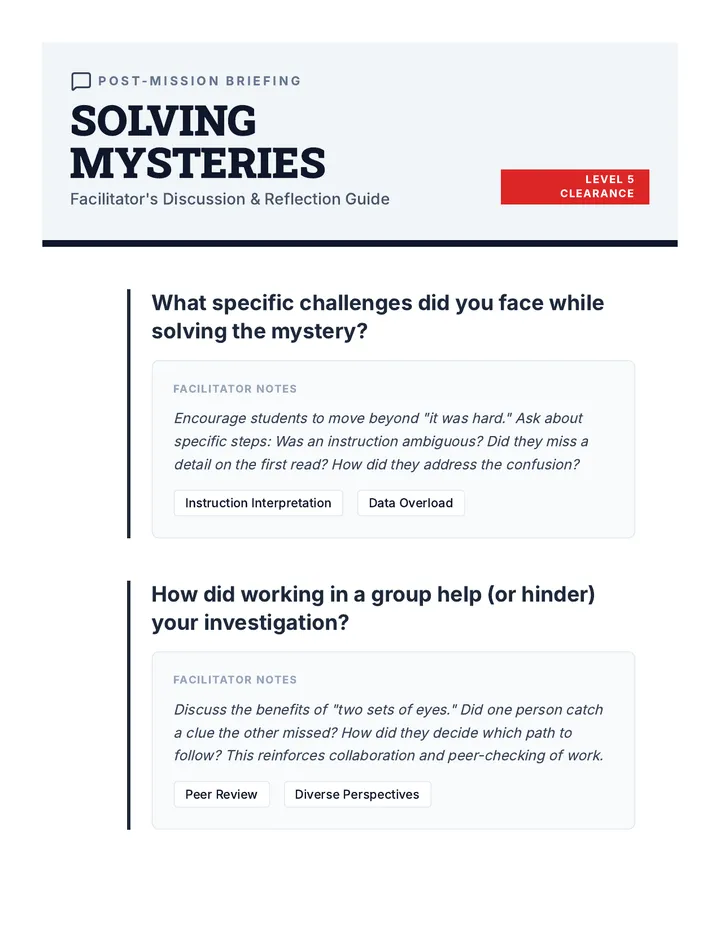
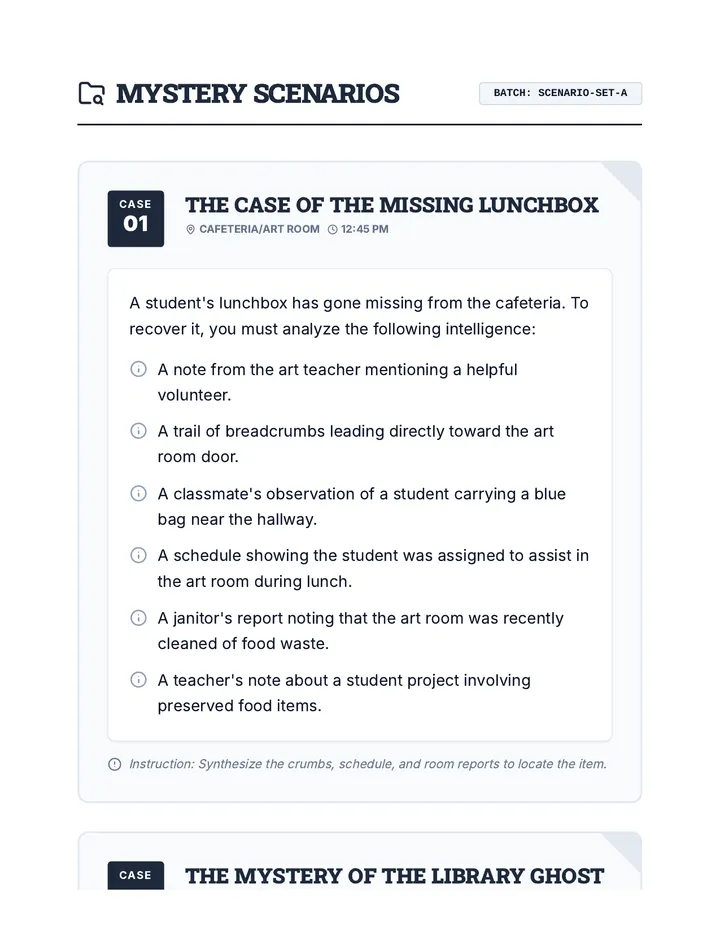
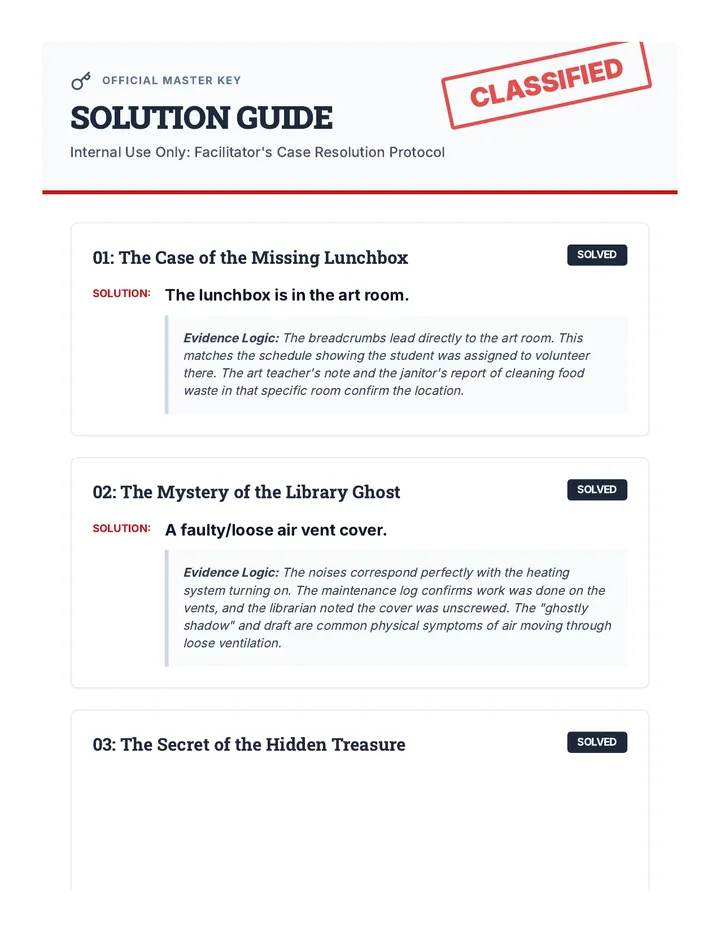
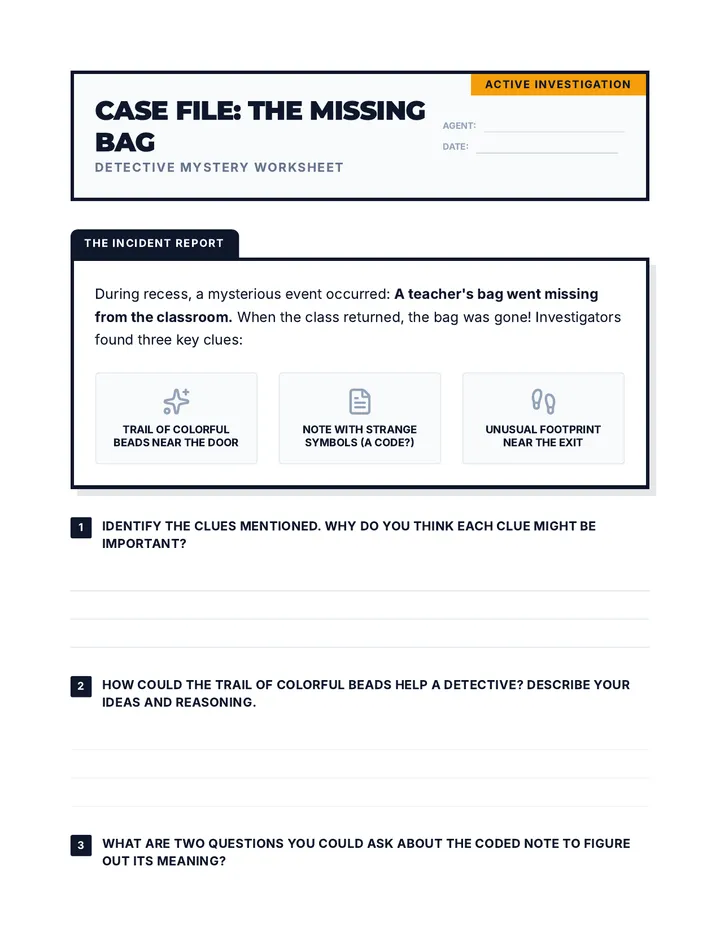
Students become detectives to solve mysteries by following multi-step instructions, enhancing critical thinking, listening skills, and attention to detail.
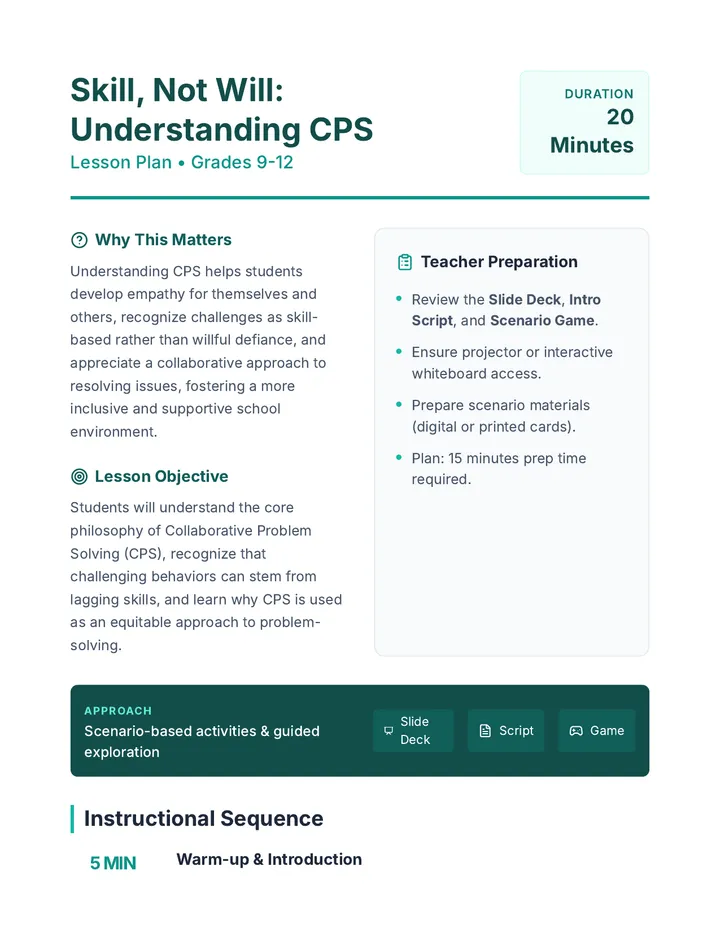
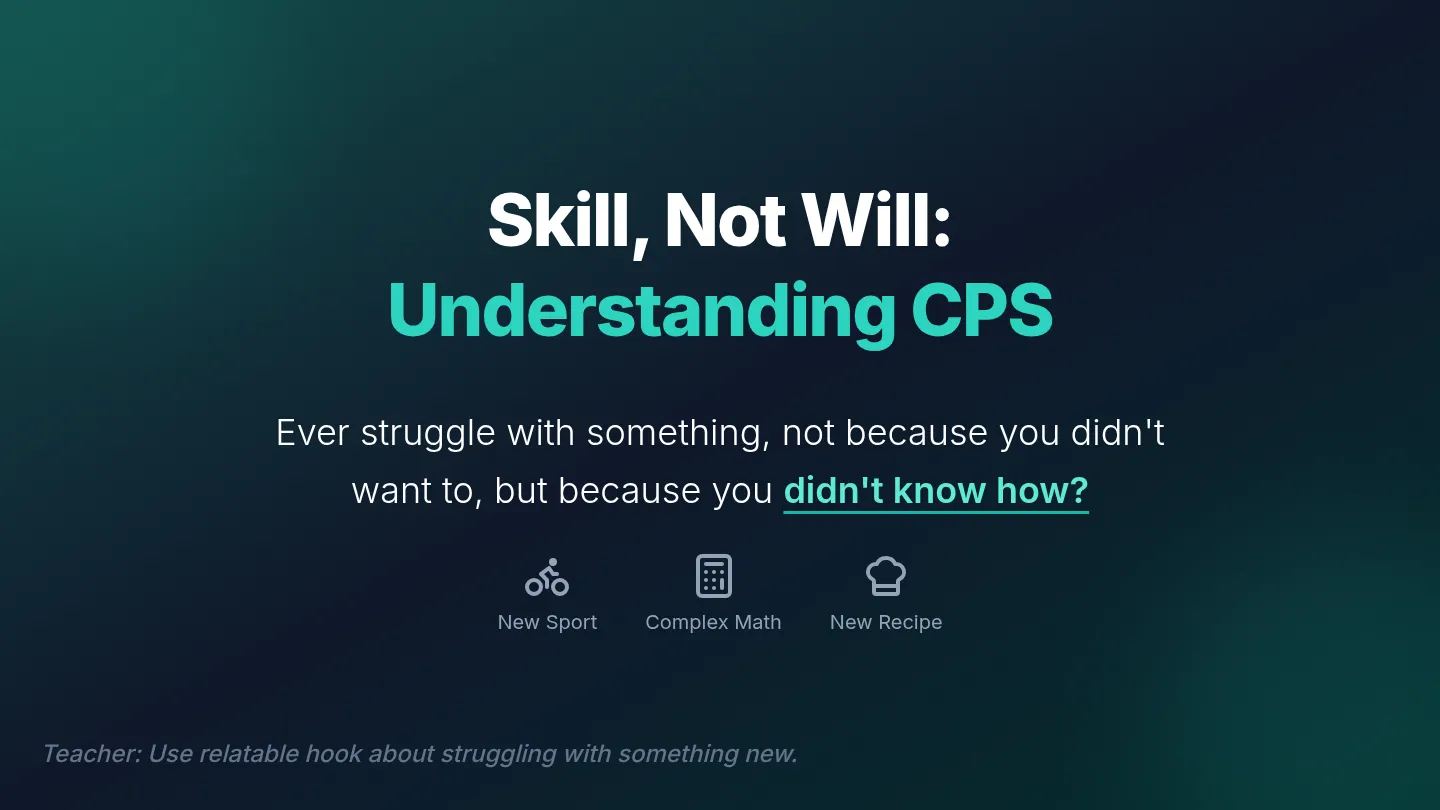
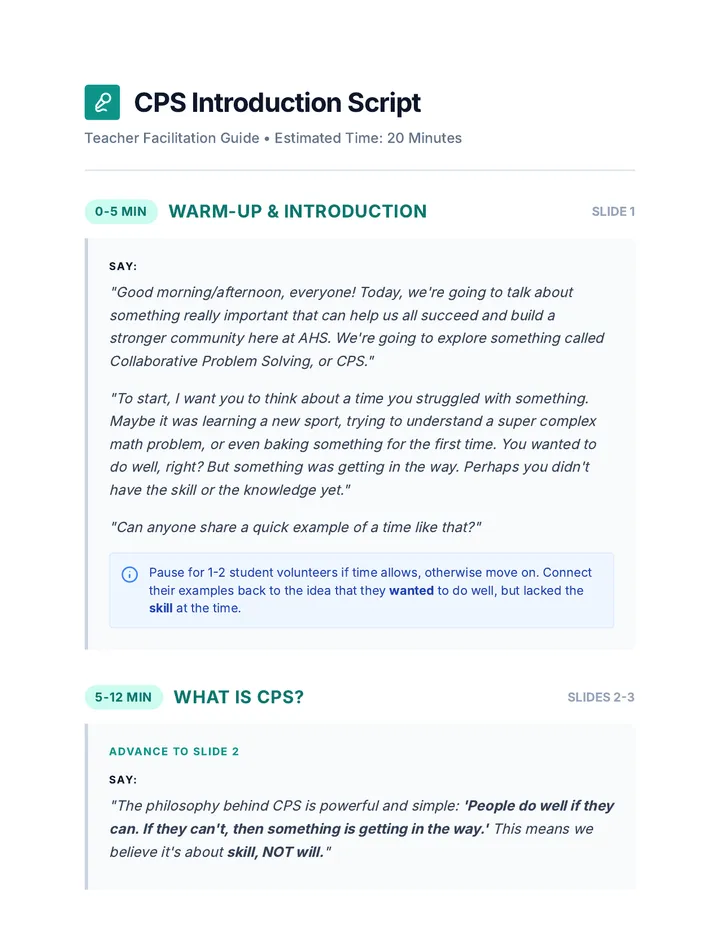
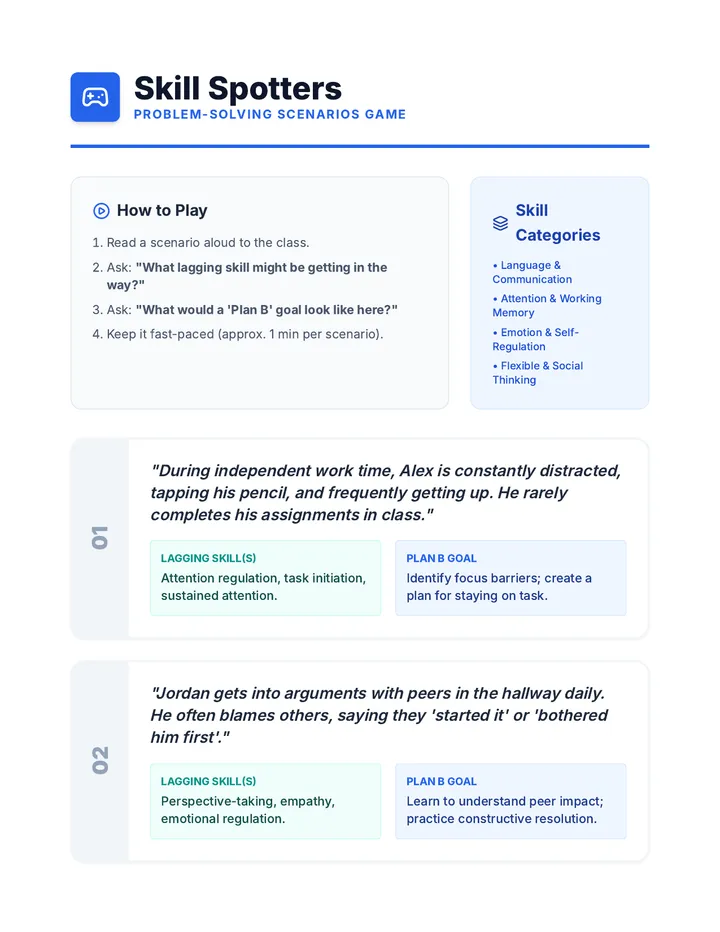
This lesson introduces high school students to Collaborative Problem Solving (CPS), emphasizing that behavioral challenges stem from a lack of skill rather than a lack of will. Students will explore lagging skills, the 'Plan B' conversation, and how this approach fosters equity and inclusion at their school.
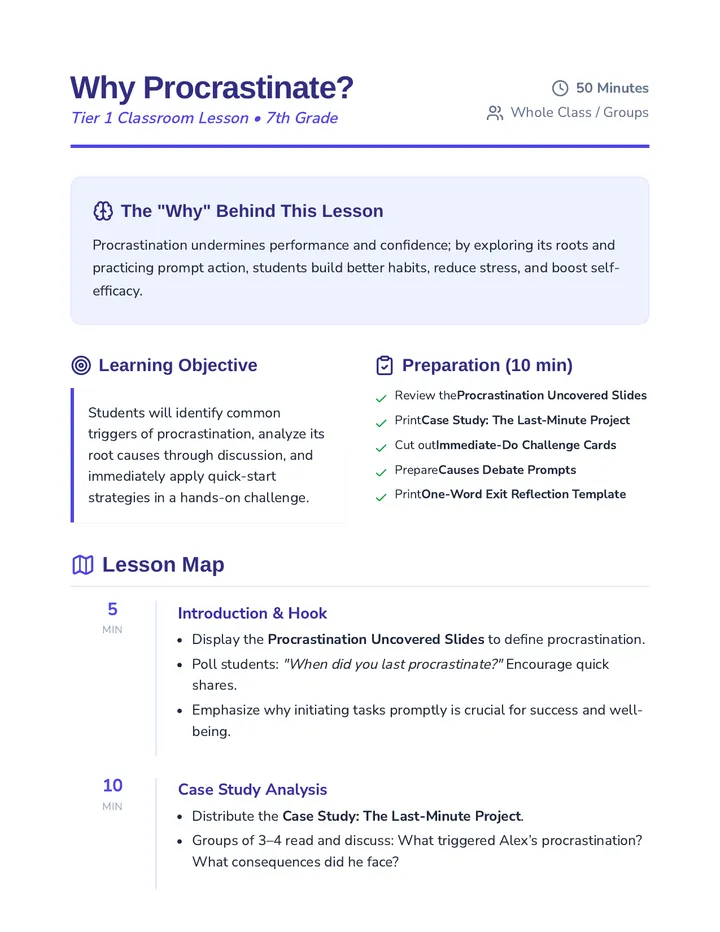
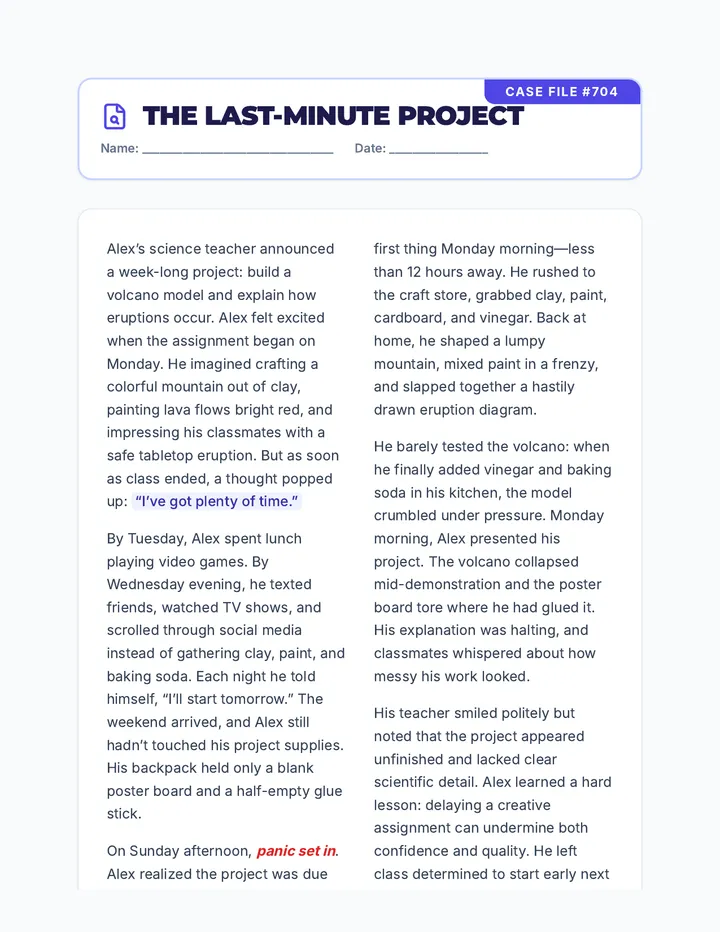
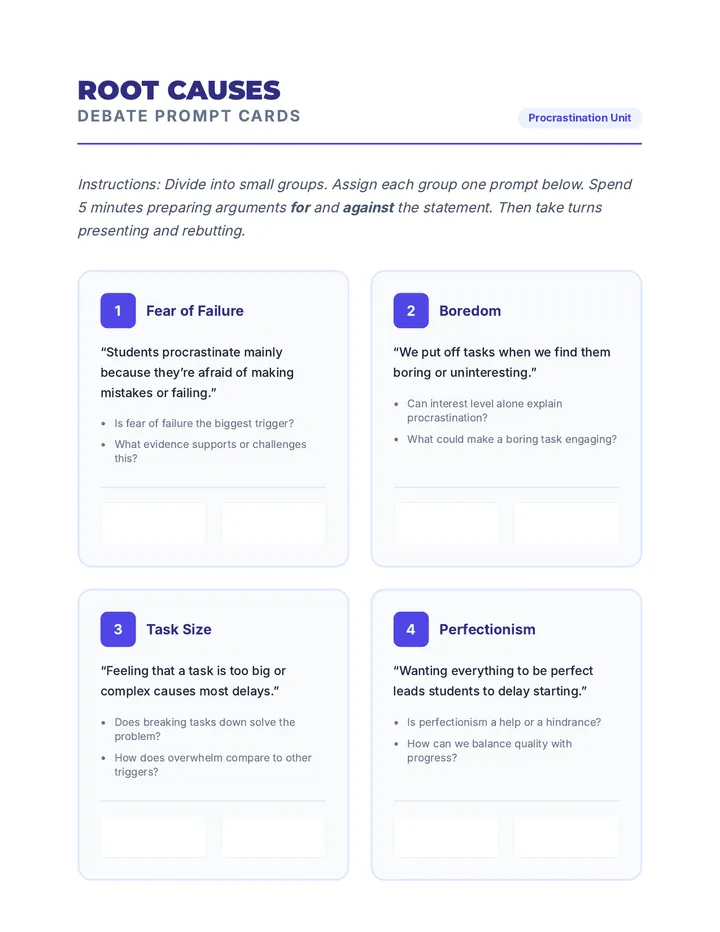
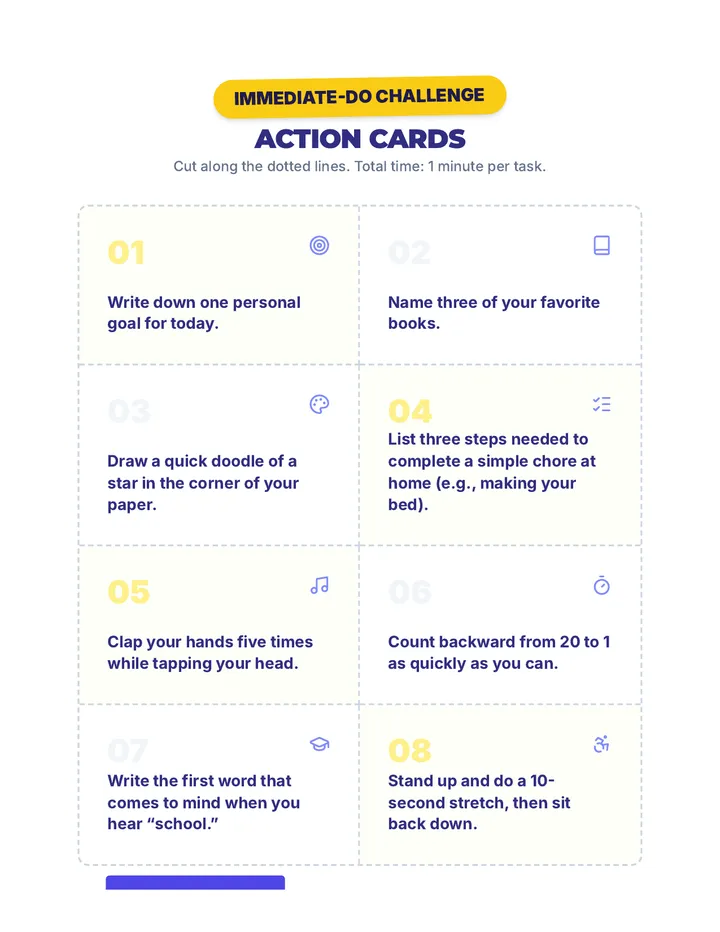
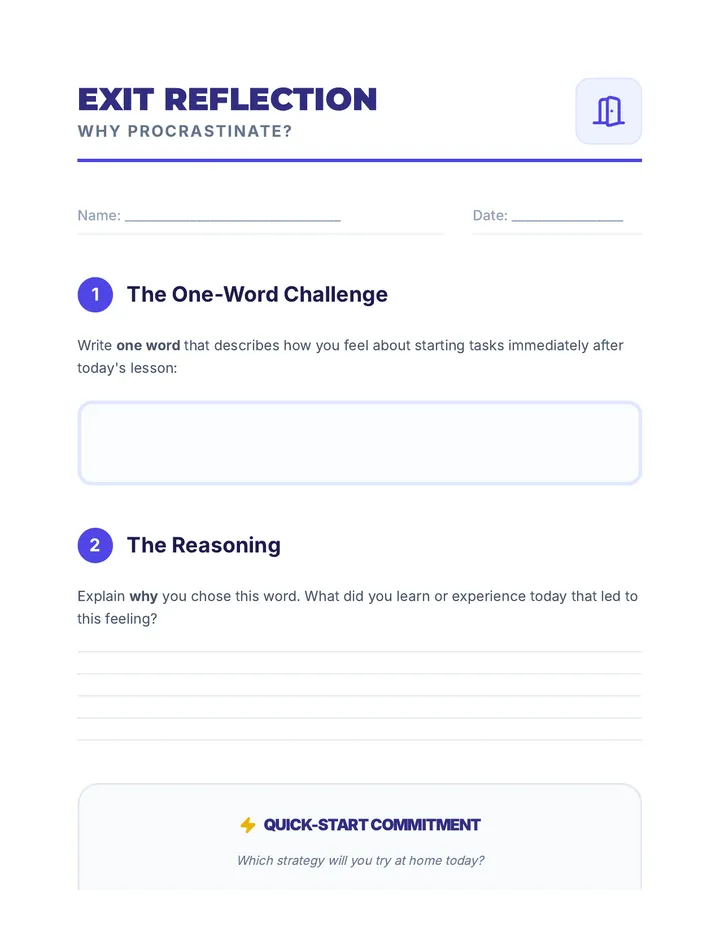
A 50-minute Tier 1 lesson for 7th graders that explores the psychological roots of procrastination and teaches immediate action techniques through a case study, debate, and hands-on challenge.
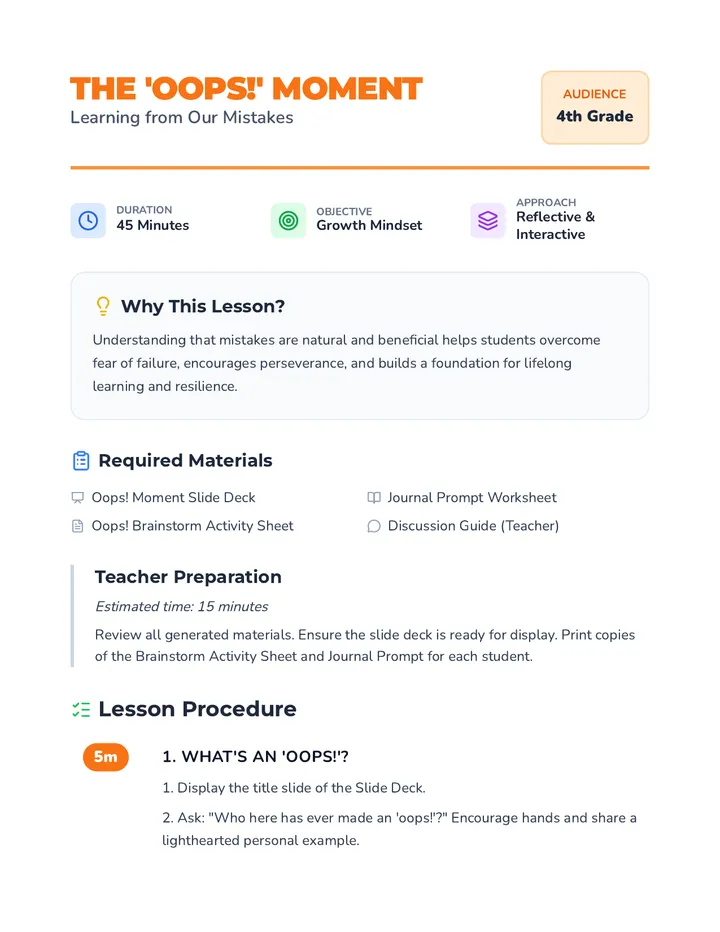
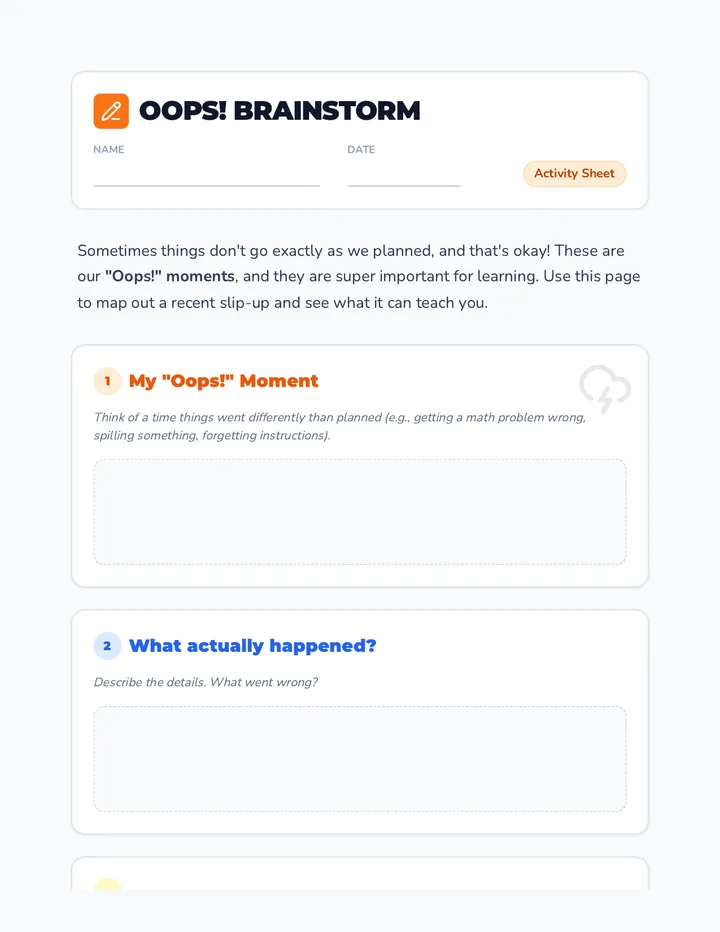
This lesson teaches 4th-grade students to view mistakes as opportunities for growth rather than sources of shame. The objective is to cultivate a growth mindset by helping students understand that everyone makes errors and that reflecting on these 'oops!' moments leads to valuable learning and resilience.
A Social-Emotional Learning lesson for 4th graders to develop empathy and perspective-taking skills through scenarios and role-play.
A 30-minute lesson for 7th-grade students to reframe failure as constructive feedback and foster a growth mindset through scenario analysis and reflection.
A 65-minute individual Tier 3 lesson for 12th graders to identify procrastination triggers and implement actionable strategies like the Pomodoro Technique and time blocking.
A 45-minute social-emotional learning lesson for 5th grade students to identify emotional triggers and practice cognitive reappraisal using the ABC model.
A 30-minute introductory lesson for 6th graders on evidence-based thinking and logical deduction using a detective mystery theme. Students practice observing clues, analyzing evidence, and drawing conclusions through interactive tasks and a case file simulation.
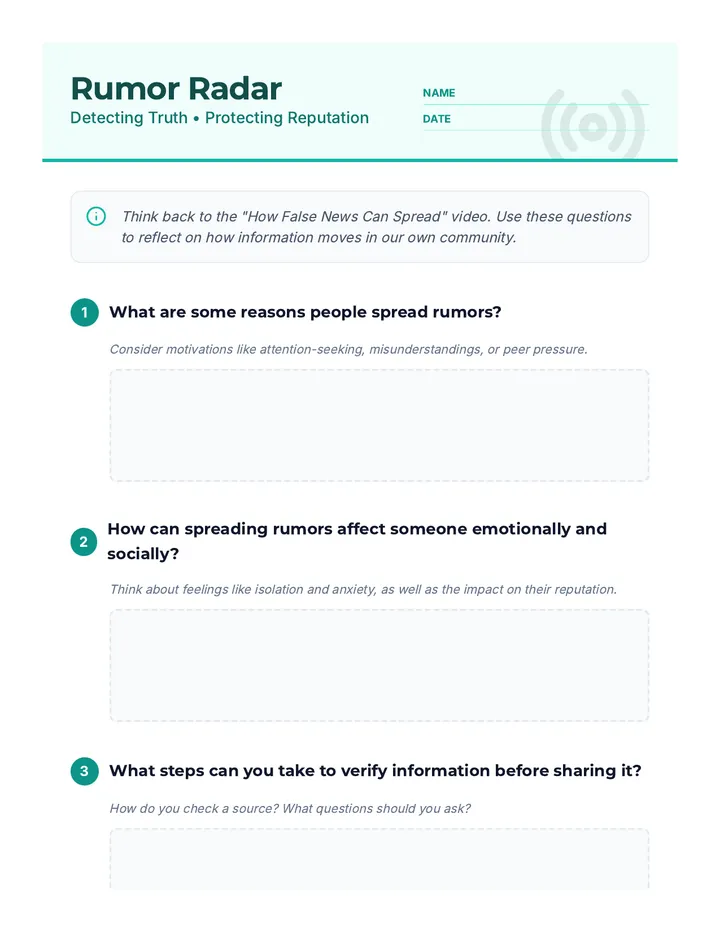
A 30-minute lesson for 7th grade girls exploring the mechanics of rumors, their social-emotional impact, and practical strategies for verifying information before sharing.