Oops Moment Lesson Plan The 'Oops!' Moment
Learning from Our Mistakes
Audience 4th Grade
Duration
45 Minutes
Objective
Growth Mindset
Approach
Reflective & Interactive
Why This Lesson?
Understanding that mistakes are natural and beneficial helps students overcome fear of failure, encourages perseverance, and builds a foundation for lifelong learning and resilience.
Required Materials
Teacher Preparation
Estimated time: 15 minutes
Review all generated materials. Ensure the slide deck is ready for display. Print copies of the Brainstorm Activity Sheet and Journal Prompt for each student.
Lesson Procedure
5m
1. What's an 'Oops!'?
Display the title slide of the Slide Deck.
Ask: "Who here has ever made an 'oops!'?" Encourage hands and share a lighthearted personal example.
Introduce the idea that mistakes are normal parts of learning, not sources of shame.
10m
2. Good Mistakes vs. Bad Mistakes
Lead class discussion using Slide Deck (Slides 4-5) and Teacher Discussion Guide.
Differentiate between mistakes from trying new things vs. mistakes from carelessness.
Focus on how both types offer unique learning paths.
15m
3. Oops! Brainstorm
Distribute the Brainstorm Activity Sheet.
Ask students to think of a personal 'oops!' and map out the learning and the "next time" plan.
Circulate and prompt students to think deeper about the "Why" behind their learning.
10m
4. Journal Reflection
Distribute the Journal Prompt.
Give silent time for personal reflection on growth.
Remind students this is private but they can share if they choose.
5m
5. Growth Mindset Power!
Review main takeaways from final slides.
Reiterate that mistakes are stepping stones, not end points.
Conclude with a collective positive affirmation.
Oops Moment Slide Deck Growth Mindset
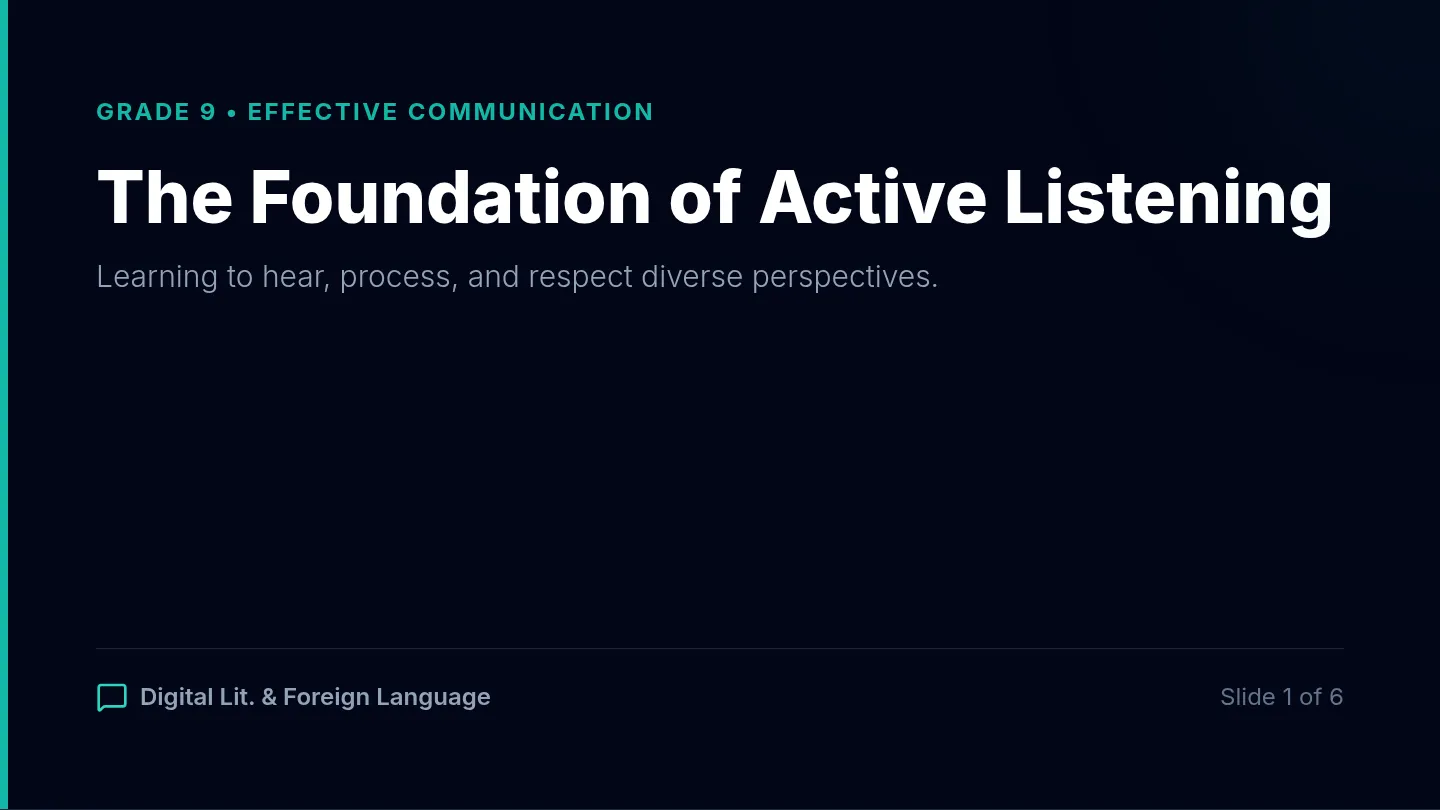
The "Oops!" Moment
Learning from Our Mistakes!
Who here has had an "Oops!" moment?
It's okay! We all do. Every single one of us.
What's one small "Oops!" you remember?
What's an "Oops!" anyway?
An "Oops!" is a mistake, a slip-up, or when something doesn't go exactly as planned.
But guess what? They're actually SUPER important for learning and growing!
Two Kinds of "Oops!" Moments
The "Stretch" Oops
Happens when you're being brave and trying something new and challenging.
The "Careless" Oops
Happens when you're rushing or not quite paying enough attention.
Learning From ALL Moments
Trying New Things
Shows us what works and what doesn't. Like a scientist!
Being Careless
Helps us remember to slow down and focus next time.
Your "Oops!" Brainstorm
Time to use your activity sheet!
1
Pick a moment
2
Explain the learning
3
Plan for next time
Time to Reflect
Open your journal. Write about a personal "Oops!" moment.
"What happened? How did it feel? How did it help me grow?"
This is your private space to be honest with yourself.
Mistakes are Stepping Stones!
Try Again
Stronger
Wiser
Success!
Embrace Your "Oops!" Moments!
Don't be afraid to try, to stumble, and to learn. That's how we grow into our best selves!
Oops Brainstorm Activity Sheet Oops! Brainstorm
Name
Date
Activity Sheet
Sometimes things don't go exactly as we planned, and that's okay! These are our "Oops!" moments , and they are super important for learning. Use this page to map out a recent slip-up and see what it can teach you.
1 My "Oops!" Moment
Think of a time things went differently than planned (e.g., getting a math problem wrong, spilling something, forgetting instructions).
2 What actually happened?
Describe the details. What went wrong?
3 What did I learn from this?
Think about what you understand now that you didn't before. What is the "lesson" in the mess?
4 What can I do differently next time?
How can you use what you learned to try a new approach or make a different choice?
"Mistakes are proof that you are trying!"
Good Mistakes Bad Mistakes Discussion Guide Good Mistakes,
Bad Mistakes
Teacher Discussion Guide
Timing 10-12 Minutes
Objective
To help students understand that not all mistakes are the same, and all mistakes offer opportunities for learning—whether they come from a place of bravery or a place of carelessness.
1
Introduction
Teacher Prompt:
"We all make 'Oops!' moments, right? But have you ever noticed that some 'Oops!' moments feel different from others? Today, we're going to talk about two kinds and how we can learn from both."
2
The Two Kinds of "Oops!"
Prompt 1: Trying New Things vs. Carelessness
Focus on differentiating the context of the mistake.
Bike Scenario: "Imagine you are learning to ride a bike, and you fall. Is that a 'bad' mistake? Why or why not?"
Homework Scenario: "Now imagine you're rushing through your homework and you forget to do a whole section. Is that different? How?"
Key Insight: The bike-riding mistake comes from effort and stretching, while the homework mistake comes from rushing. Both are fixable!
The "Stretch" Oops (Good Mistakes)
"What kinds of mistakes happen when we are brave and try new, challenging things?" (Example ideas: new math problem, speaking up, new sport)
"How do these help us grow smarter or stronger?"
Emphasis: These are signs of effort, courage, and brain growth.
The "Careless" Oops (Still Helpful!)
"What kinds of mistakes happen when we are a little careless or rush? (Example ideas: forgetting lunch, skipping instructions, breaking something)"
"Even though these feel annoying, how can they still teach us important lessons?"
Emphasis: These teach us about self-correction, focus, and preparation.
3
Closing the Circle
Final Question:
"Can anyone share (without naming names!) an example of how you learned something really important from an 'Oops!' moment?"
My Oops Moment Journal Prompt My Reflection
Growth Mindset Journal
Name
Every "Oops!" is a Lesson
Mistakes are perfectly normal! They teach us how to do better next time. This journal is a safe place to share your thoughts and feelings. There are no right or wrong answers, just your honest reflections.
1. What was your "Oops!" moment?
Describe what happened in detail.
2. How did it feel when it happened?
Were you embarrassed, frustrated, or something else?
3. What did you learn from this "Oops!"?
What new understanding or skill did you gain?
4. How will this help you in the future?
What will you do differently, or what will you remember for next time?
Private Reflection Space