Home Matters Session Outline Plan Home Matters
Session Outline & Facilitation Guide
Duration
50 Minutes
The Why
Research consistently demonstrates that strong home engagement is a primary driver of academic achievement and emotional well-being. This session moves beyond theory, equipping families and students with data-driven insights and practical tools to co-create a supportive learning ecosystem outside the classroom.
Objective
Participants will examine the synergy between home and school support, identify current strengths in their home environment, and commit to 2-3 actionable strategies to strengthen student success.
Prep Checklist
Review Home vs. School Impact Charts (Slides)
Print Impact Brainstorm Worksheets (1 per participant)
Review Family Voices Panel Guide
Arrange projector and audio for slides
Instructional Sequence
5 MIN
Impact Brainstorm Warm-Up
Distribute the Impact Brainstorm Worksheet to everyone upon arrival.
Participants reflect individually on how their home environment supports learning.
Invite 2–3 volunteers to share one specific insight with the whole group.
10 MIN
Home vs. School Presentation
Display the Home vs. School Impact Charts slide deck.
Walk through data comparing support hours and emotional safety.
Emphasize the GPA correlation to parental involvement.
Address questions regarding the data points shown.
20 MIN
Family Voices Panel Discussion
Facilitate using the Family Voices Panel Guide .
Host a panel of 3–4 family members (or read the curated quotes provided in the guide).
Discuss routines, emotional check-ins, and school communication.
Invite audience reflection after each prompt.
15 MIN
Reflection & Action Planning
Closing active work and commitment phase.
Ask participants to write 2–3 specific actions on the back of their worksheets.
Pair-share commitments with a neighbor for peer accountability.
Closing: 1-2 volunteers share their "one goal" for the upcoming month.
Home vs School Impact Charts Slides Family Session
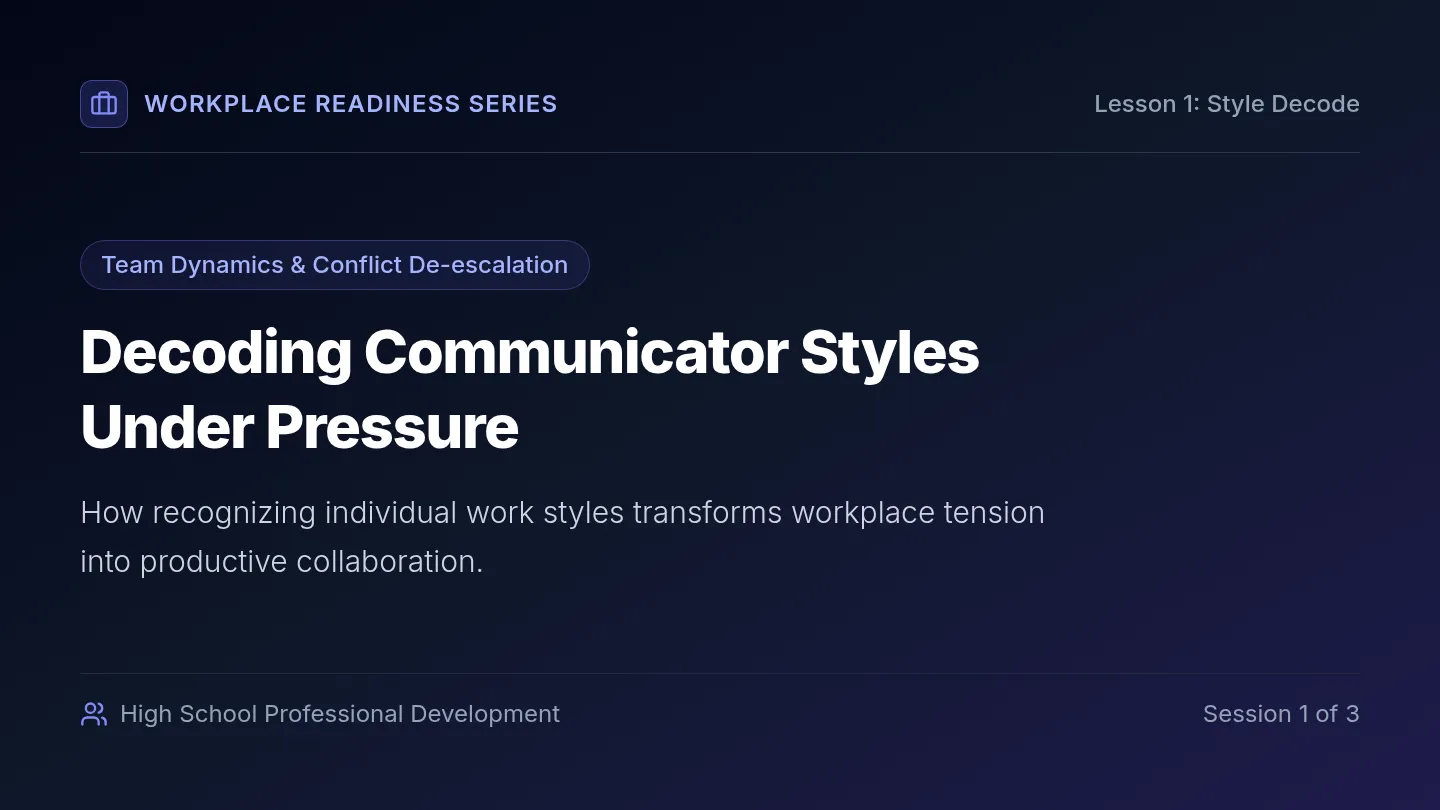
Why Does Home Matter?
Exploring the powerful connection between home support, academic achievement, and student well-being.
SUPPORTING SUCCESS BEYOND THE CLASSROOM
TEACHER NOTES: Introduce the purpose of this slide deck: to compare key support dimensions at home versus school and examine their impact on student success.
Academic Support Comparison
While school provides the foundation, home support offers the consistency and 1-on-1 attention that fuels mastery.
Home: Structured Homework Help
School: Tutoring & Study Halls
5 Hours
Home
3 Hours
School
Weekly Hours
TEACHER NOTES: Point out each bar in the chart. Explain that on average, students receive 5 hours of structured homework support at home versus 3 hours of after-school tutoring at school per week.
Emotional & Social Support
Emotional safety is the prerequisite for learning. Home-based Check-ins are the strongest indicator of student confidence.
75%
Feel supported via Home Check-ins
60%
Feel supported via School Counseling
TEACHER NOTES: Highlight that 75% of students report feeling emotional support at home, whereas 60% report feeling it through school counseling or peer programs.
Parental Involvement vs. GPA
4.0
0.0
Involvement Index
Avg GPA: 2.7
Avg GPA: 3.6
The Involvement Effect
Students with high home engagement (Score 7-10) see an average +0.9 GPA increase compared to those with lower home involvement.
TEACHER NOTES: Describe the positive correlation between parental involvement scores (survey-based index) and average GPA. Emphasize that higher home engagement often aligns with better grades.
Key Takeaways
Amplify Gains
Home support multiplies the effects of academic and emotional instruction.
Critical Structure
School programs provide the necessary frameworks and specialized resources.
The Power of "And"
Coordinated home-school engagement maximizes student success across the board.
Ready for the Family Voices Panel?
TEACHER NOTES: Summarize the data: combining efforts at home and school yields the strongest outcomes. Prepare to transition into the panel discussion.
Family Voices Panel Guide Family Voices Panel
Discussion & Facilitation Guide
Session Part
Part 3 of 4
Purpose
Engage families and students in an authentic conversation about effective home-based support strategies. Hearing real stories builds understanding and inspires action.
Setup (5 Minutes)
• Arrange 3–4 family panelists at the front.
• Provide panelists with these questions in advance.
• No live panel? Use the curated quotes on Page 2.
Core Discussion Prompts (15 Minutes)
1
Homework & Study Rhythms
"What routines or habits in your home have most helped your student stay on top of homework or studying?"
2
Emotional Check-Ins
"How do you regularly check in on your student’s emotional well-being?"
3
School Communication
"Describe one way you’ve communicated with teachers or staff that helped support your student's learning."
Curated Family Voices
Use these real-world examples if you do not have a live panel present.
On Study Routines
"We instituted a 'phone-on-the-counter' rule from 7:00 PM to 8:30 PM. It wasn't about being strict; it was about protecting her time. Once the phone was away, the focus shifted immediately. We even do it as parents now to model the behavior."
— Maria, Parent of a Junior
On Emotional Safety
"I stopped asking 'How was school?' as soon as they walked in. They were too drained. Instead, we started 'High-Low' during dinner. Everyone shares the best and worst part of their day. It makes the conversation safe because even I share my frustrations."
— David, Parent of Two
On Communication
"I used to be terrified of emailing teachers, thinking I was a bother. But once I started sending short 'Thank You' notes when my son enjoyed a project, the relationship changed. Now, when he struggles, I feel totally comfortable reaching out for a check-in."
— Sarah, Parent of a Freshman
Facilitation Tip
If using these quotes, read one aloud and then ask the audience: "Does this remind you of a routine in your home? Or is this something you've considered trying?"
Impact Brainstorm Warmup Worksheet Impact Brainstorm
How My Home Supports My Learning
Name:
Date:
Phase 1: Brainstorm (5 Mins)
List examples of how your home environment currently supports learning in each category below. Think about habits, spaces, and people. Be specific!
Academic Support
Help with homework, feedback...
Emotional Support
Check-ins, encouragement...
Study Routines
Set times, phone-free zones...
Environment
Desk, lighting, internet...
Turn over for Action Planning →
Reflection & Action Plan
Commitments for Home Success
Which strategy from the Panel Discussion resonated most?
My 2–3 Specific Actions
1
2
3
My "One Goal" Accountability
Share this with your partner or a family member. What is the very first step you'll take?
Supporting student success, one home routine at a time.