A DBT-skills-inspired orientation that teaches middle school students to master the controls of their minds using a flight dashboard metaphor.
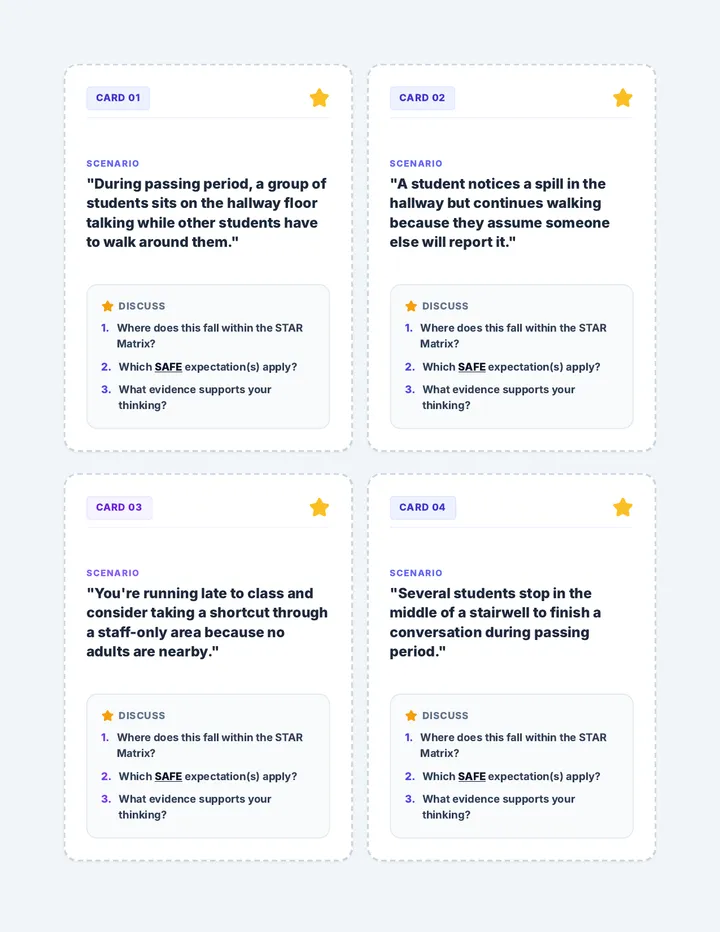
A PBIS sequence focusing on safety expectations, school matrices, and positive student behaviors in multiple school environments.
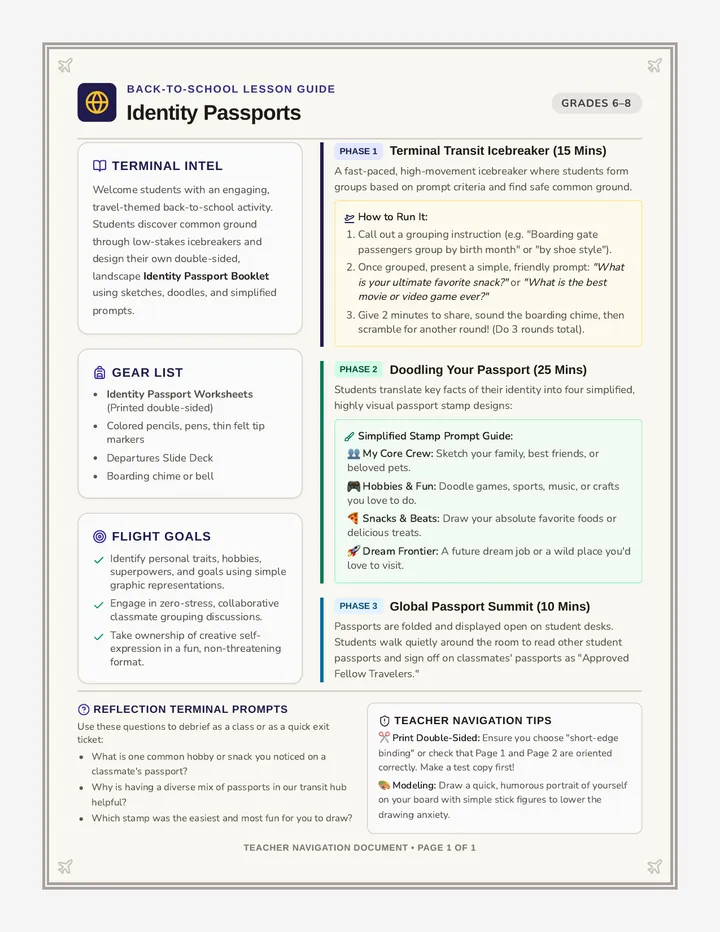
A creative, travel-themed back-to-school lesson for middle schoolers. Students connect through low-stakes collaborative 'boarding gate' icebreakers and design a multi-page personal 'Identity Passport' using custom visa doodles and reflective stamps.
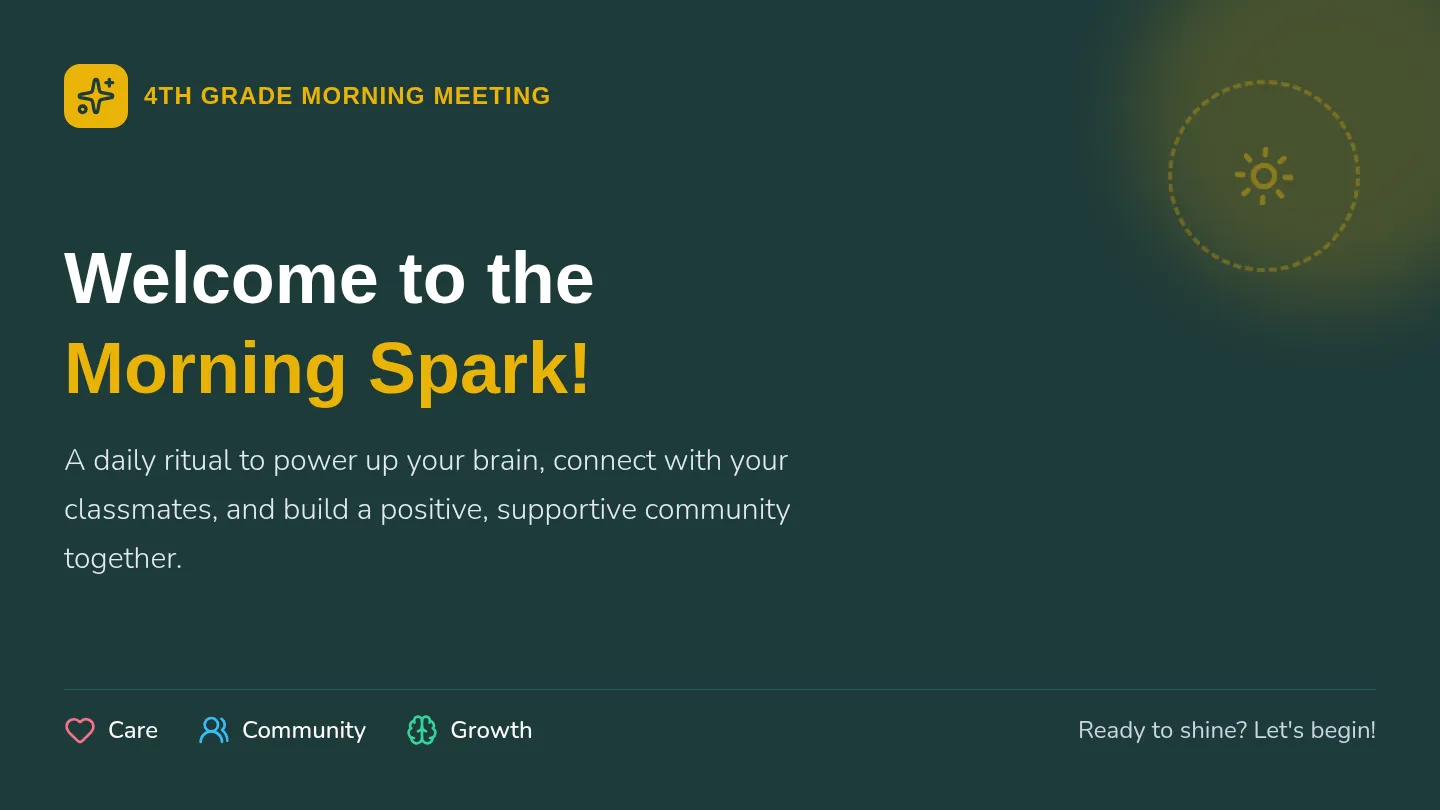
A comprehensive, year-long morning meeting curriculum for 4th graders designed to integrate social-emotional learning, community building, and a growth mindset.
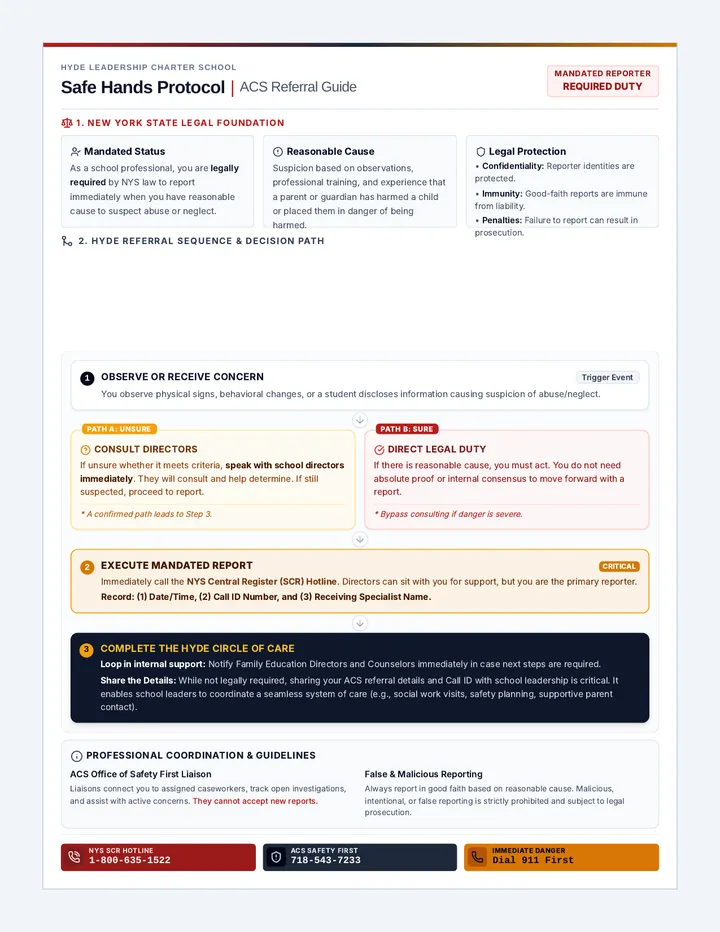
School-wide safety and mandated reporting procedures for Hyde Leadership Charter School, combining New York State legal requirements and school-specific collaboration guidelines.
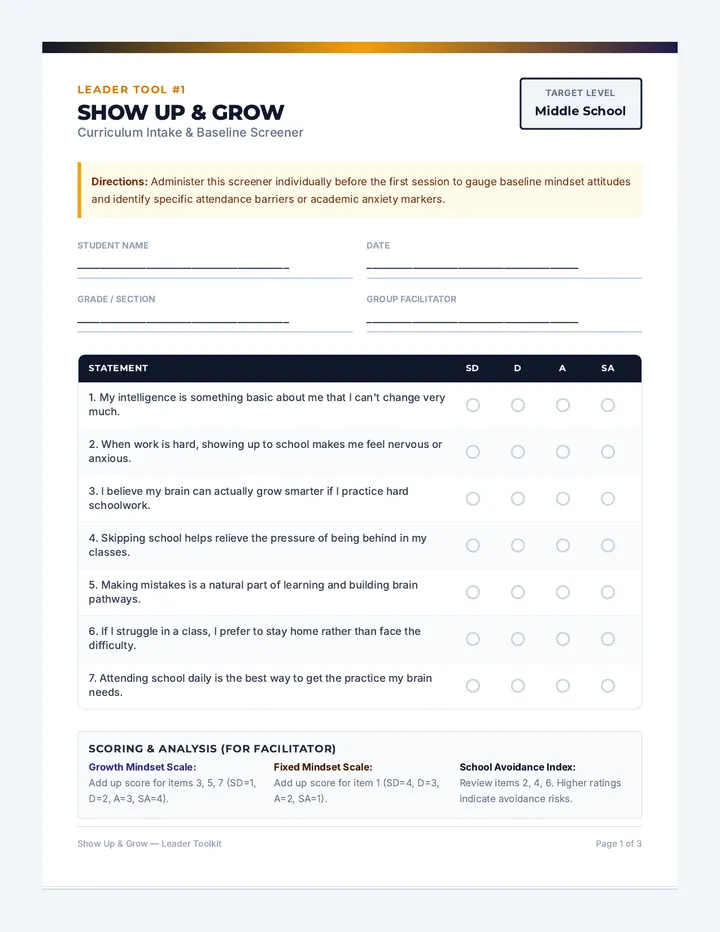
A comprehensive 6-week psychoeducational group curriculum designed for middle school students. This sequence bridges growth mindset and school attendance by framing showing up as necessary brain repetitions and providing concrete tools to overcome academic anxiety.
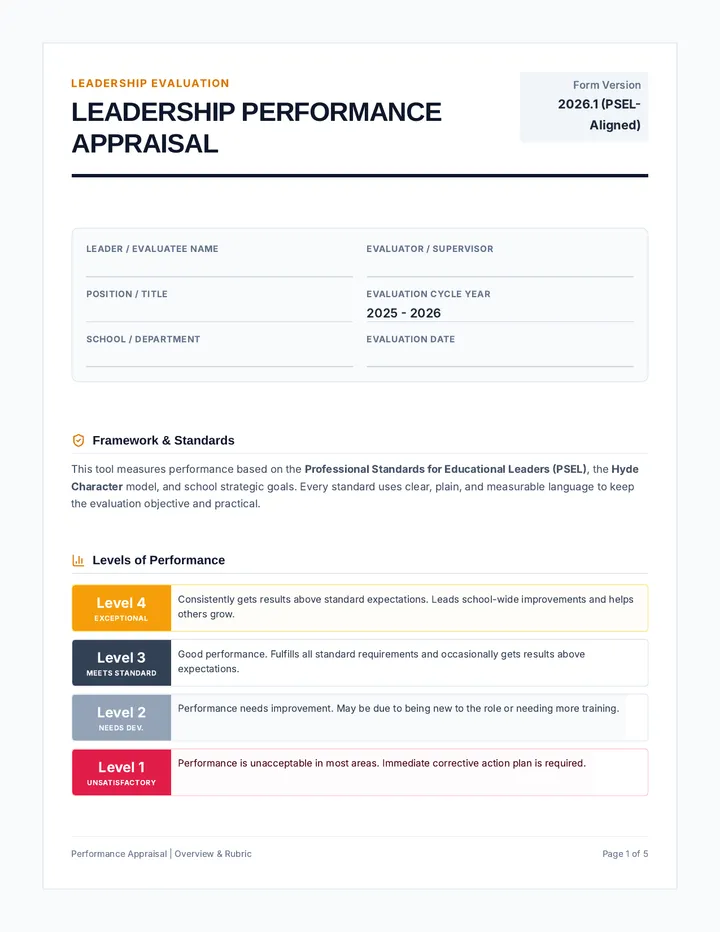
A comprehensive framework for evaluating educational leaders based on measurable indicators, PSEL standards, and Hyde character metrics, aligned with organizational strategic plans.
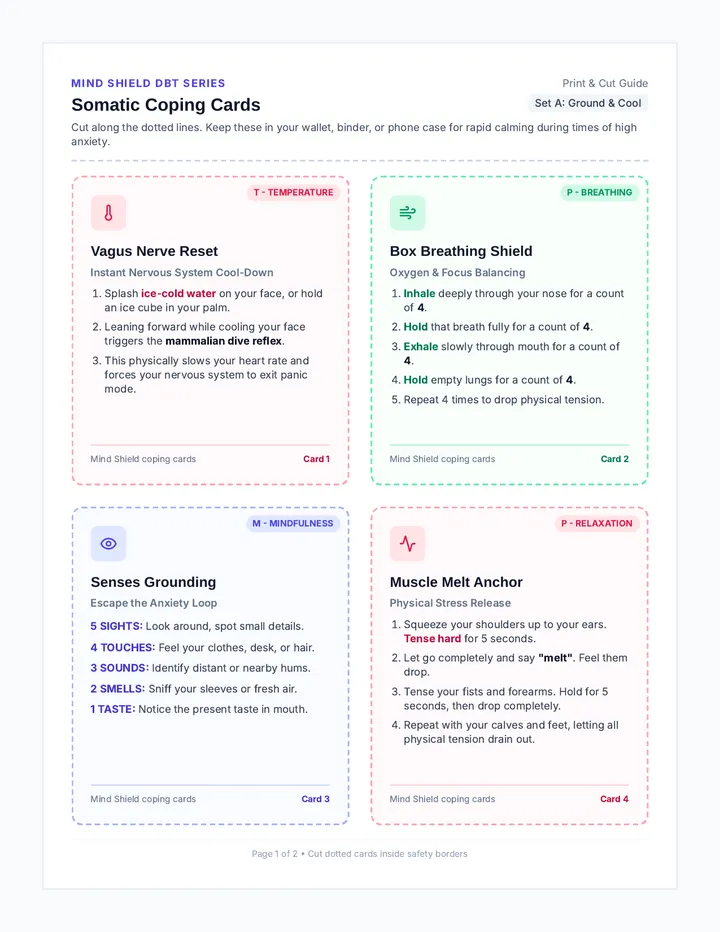
An 8-week Dialectical Behavior Therapy (DBT) group curriculum for high schoolers experiencing anxiety, combining somatic mindfulness, distress tolerance, emotion regulation, and interpersonal effectiveness skills.
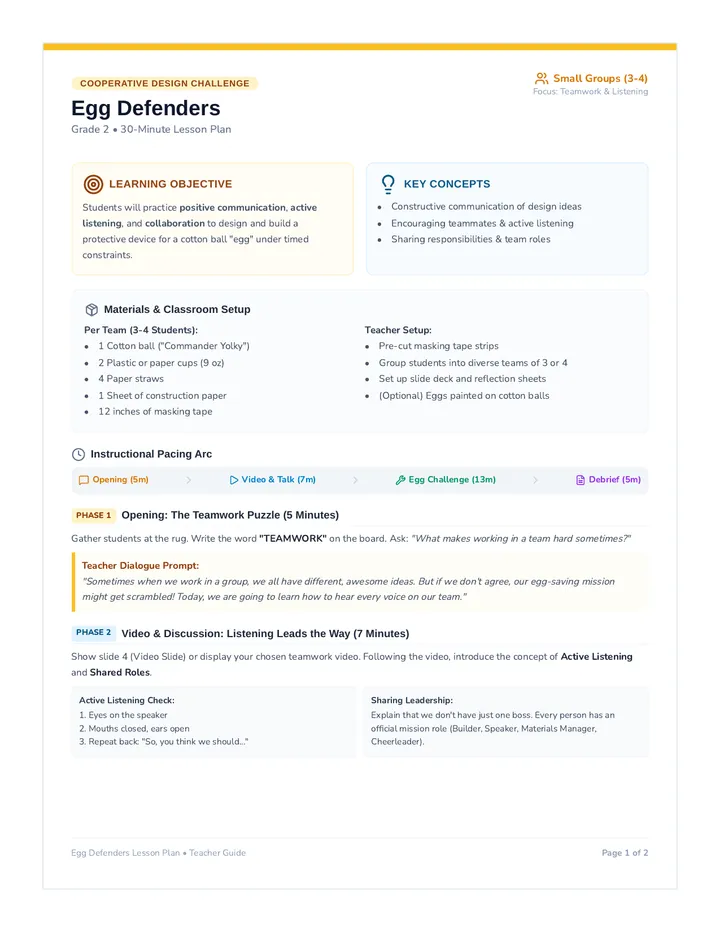
A 30-minute cooperative design challenge for second-grade students focused on building positive communication, active listening, and sharing leadership roles. Students work in small teams to build a protective device for a cotton ball 'egg' using limited materials.
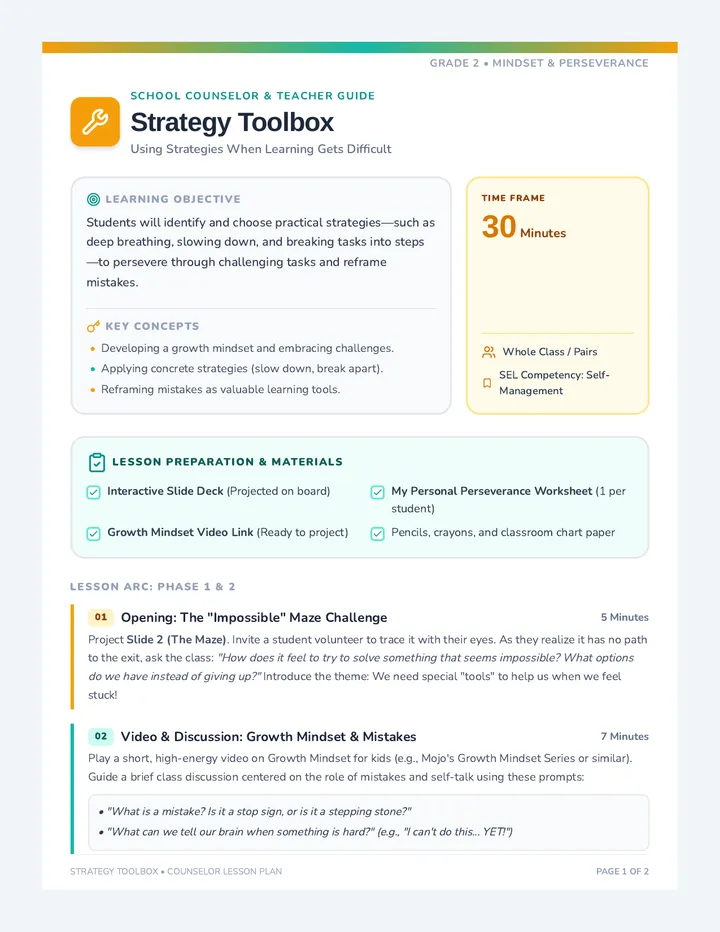
A 30-minute school counselor or teacher-led lesson for 2nd graders to build perseverance. Students learn practical growth mindset strategies—like taking deep breaths, breaking tasks down, and positive self-talk—to tackle challenging tasks and reframe mistakes as learning tools.
Students engage in collaborative peer-to-peer review using Quiz-Quiz-Trade task cards to evaluate school behavior scenarios against the STAR matrix.