Mind Over Mood Lesson Plan Mind Over Mood
Individual Counseling Session (Tier 3)
Duration
30 Mins
Why This Matters
Understanding how our thoughts impact our emotions and actions is crucial for developing resilience. This lesson provides a foundational understanding of CBT, empowering students with tangible tools to navigate challenging emotions and foster a more positive mindset.
Learning Objective
Students will identify the connection between thoughts, feelings, and behaviors, and learn initial strategies from Cognitive Behavioral Therapy (CBT) to challenge negative thought patterns related to depression.
Session Details
Audience
8th Grade Individual
Approach
Interactive discussion & thought record activity
Materials Needed
Mind Over Mood Slide Deck
Thought Detective Worksheet
Writing Utensils
Teacher Preparation (10 mins)
Review the Mind Over Mood Slide Deck to familiarize yourself with the flow.
Print the Thought Detective Worksheet (single-sided).
Ensure a comfortable and private setting for the session.
Have the Session Script ready for reference.
Instructional Sequence
Phase & Time Instructional Activities Introduction & Hook
5 Minutes
|
Greet the student warmly and establish rapport.
Introduce the "Thought Detective" concept: "Have you ever noticed how a small thought can change everything?"
Use Slides 1-2 .
|
|
What is CBT?
5 Minutes
|
Define CBT simply: Thoughts (Cognitive) + Actions (Behavioral).
Explain the Thought-Feeling-Behavior Triangle .
Emphasize that we can control our reactions by looking at thinking patterns.
Use Slides 3-4 .
|
|
Thought Detective Activity
15 Minutes
|
Core Skill Practice
Introduce the Thought Detective Worksheet .
Model one example (e.g., tripping in the hall) using Slide 6 .
Guide the student to identify a recent negative thought, the resulting feeling, and behavior.
Collaborate to find an alternative thought and identify its impact.
|
|
Wrap-Up
5 Minutes
|
Summarize: "Our thoughts are powerful, but we have the power to challenge them."
Encourage daily practice of "detecting" unhelpful thoughts.
Discuss real-world applications.
Use Slide 7 .
|
Mind Over Mood Slides Mind Over Mood
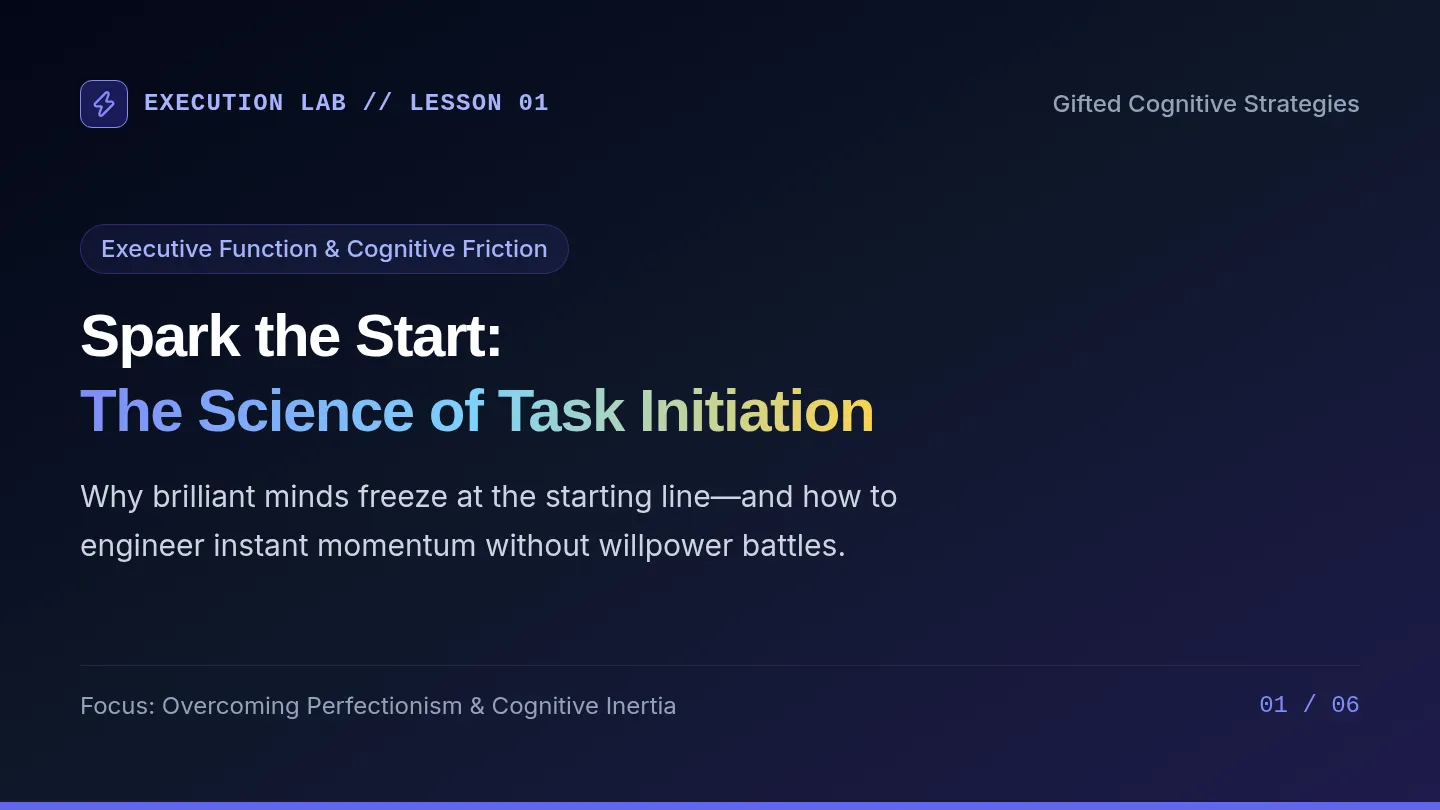
Becoming a Thought Detective
Unlocking the Power of Your Mind
Teacher Notes
Welcome the student and set a positive, confidential tone. Explain that today's session is about exploring how our minds work to feel better.
Ever Had a "Thought Storm"?
Have you ever noticed how sometimes a small thought can completely change your mood or how you act?
It's like a tiny spark that can light up a whole chain reaction!
Teacher Notes
Engage with a relatable question. This helps activate prior knowledge and introduces the core concept.
What is CBT?
Cognitive
Thoughts
What we think
Behavioral
Actions
What we do
Therapy
Support
Tools that help
CBT helps us manage our feelings and actions by looking at our thoughts!
Teacher Notes
Introduce CBT in an age-appropriate way. Emphasize that it's a skill they can learn.
The Connection
It's like a three-way street!
Thoughts
Feelings
Behaviors
"I'm going to fail this test."
Anxious
Avoid Studying
Teacher Notes
Visually represent the connection. Change one, and you can change the others!
Your Inner Detective Kit
Ready to put on your detective hat?
We're going to use a special worksheet to uncover how your thoughts work.
Thought Detective Worksheet
Spot Negative Thoughts
Catch the unhelpful stories.
Explore Feelings
Understand your emotions.
Find Perspectives
Discover new ways to look at things.
Teacher Notes
Explain the purpose. Reassure the student there are no "right" or "wrong" answers.
Case Study: The Hallway Trip
The Negative Pattern
Automatic Thought
"Everyone saw me, I'm so clumsy."
Feeling
Embarrassed, Sad
Behavior
Rush away, avoid eye contact
The Detective's Challenge
Alternative Thought
"Oops! That happens to everyone sometimes. No big deal."
New Feeling
Slightly Amused, Neutral
New Behavior
Thought Detective Worksheet Thought Detective Worksheet
Investigating the Connection: Thoughts, Feelings, & Behaviors
Detective:
Date:
Being a Thought Detective means noticing your thoughts and how they make you feel and act. Use this report to catch those tricky thoughts and look at them with fresh eyes!
Part 1: Catching the Thought
1. What happened?
(Briefly describe a situation where you felt upset or had a strong reaction.)
2. What was the automatic thought?
(What did you say to yourself in the moment?)
3. What feeling did you experience?
(e.g., Sad, Anxious, Angry, Hopeless, Embarrassed)
4. What did you do?
(What was your behavior or reaction?)
Part 2: Challenging the Thought
5. Is this thought 100% true?
(What evidence do you have that it's true? What evidence shows there's another way to look at it?)
6. What's another way to think about this situation?
(What advice would you give a friend? What's a more balanced or helpful thought?)
7. New Feeling?
(If you believed the new thought...)
8. New Behavior?
(What might you do differently?)
CBT Thought Record — Counseling Resource
Thought Detective Script Mind Over Mood: Session Script
Facilitation guide for the "Thought Detective" individual session.
1. Introduction & Hook
5 Minutes
Setup
Greet the student warmly and establish rapport.
Teacher
"Hi [Student Name], thanks for coming today. How are you doing? I'm glad we have this time to chat. Today, we're going to explore something really interesting about how our minds work."
Slide 2
Transition to "Ever Had a Thought Storm?" slide.
Teacher
"Have you ever noticed how sometimes a thought, even a small one, can totally change how you feel or what you do? It's like a tiny spark that can light up a whole chain reaction! Today, we're going to become 'Thought Detectives' and explore how our thoughts, feelings, and actions are all connected, and how understanding this can help us feel better. Does that sound interesting?"
2. What is CBT?
5 Minutes
Slide 3
Transition to "What is CBT?" slide.
Teacher
"So, what exactly are we talking about? We're going to learn about something called CBT, which stands for Cognitive Behavioral Therapy. Don't let the big words scare you! In simple terms, 'Cognitive' means thoughts, 'Behavioral' means actions, and 'Therapy' just means help or support."
Teacher
"CBT helps us understand that while we can't always control what happens to us, we can learn to control how we react to it by changing our thinking patterns. It's like learning a new superpower for your brain!"
Slide 4
Transition to "The Connection" slide.
Teacher
"Think of it like a three-way street. Our thoughts, feelings, and behaviors are constantly interacting. If you have the thought, 'I'm going to fail this test,' how might you feel?"
Student
Wait for student response (e.g., "Anxious", "Nervous").
Teacher
"Exactly. And if you feel anxious, what might you do? ... Right, you might procrastinate studying, or even avoid class. See how one thought can lead to a whole chain of events?"
3. Thought Detective Activity
15 Minutes
Slide 5
Transition to "Your Inner Detective Kit" slide.
Teacher
"Now it's your turn to put on your detective hat! We're going to use a special tool called the Thought Detective Worksheet to uncover how your own thoughts work. This is your kit! It helps you spot negative thoughts, understand feelings, and notice your actions."
Action
Hand over the Thought Detective Worksheet and a pen.
Slide 6