A 30-minute 9th-grade Tier 1 lesson where students explore Maslow's Hierarchy of Needs to build self-awareness, empathy, and goal-setting skills.
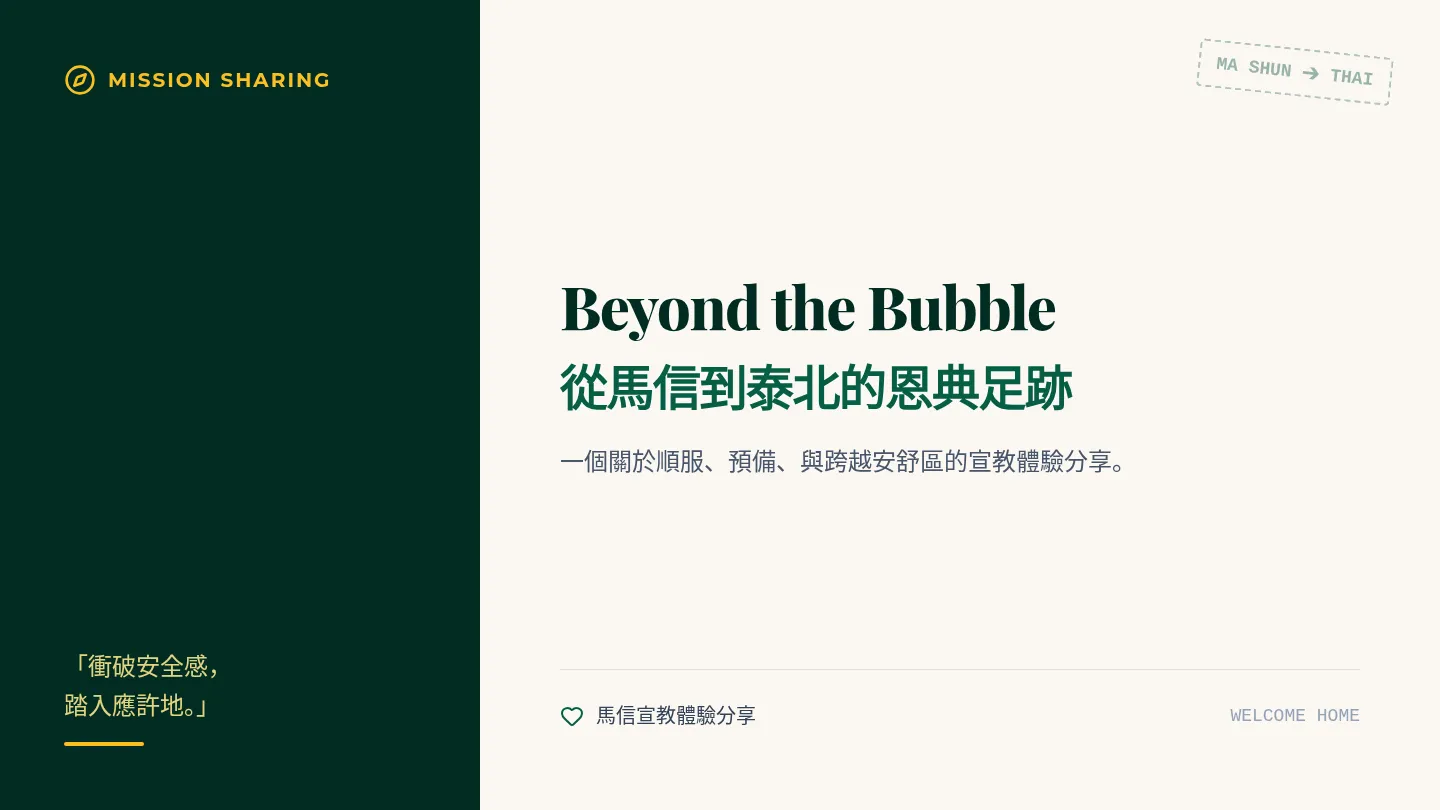
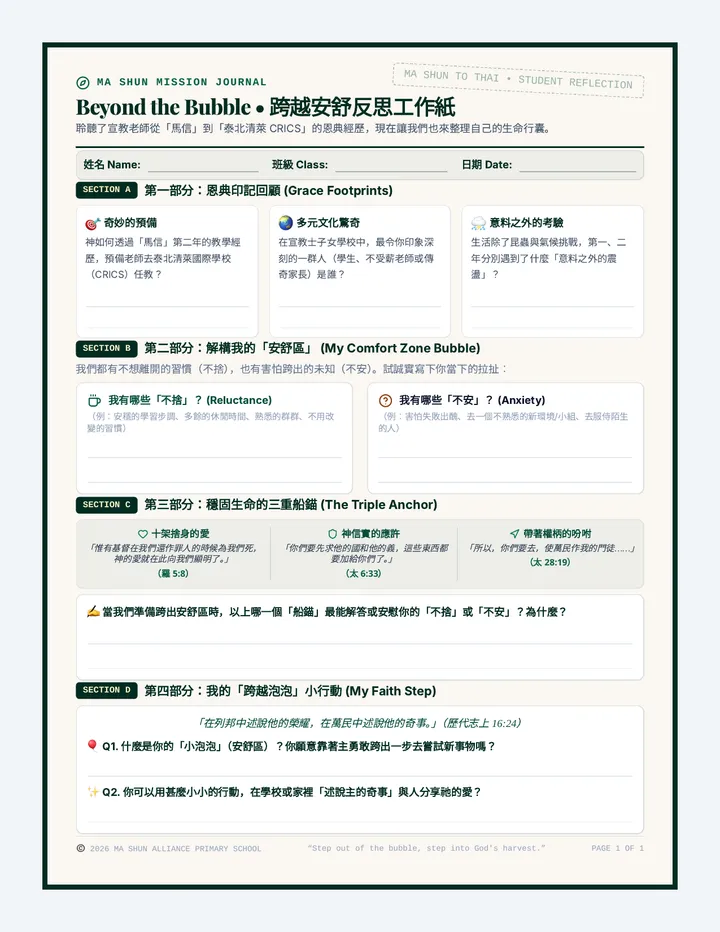
A testimony-based lesson exploring the journey of stepping out of one's comfort zone, overcoming fears through faith, and embracing God's mission in Thailand.
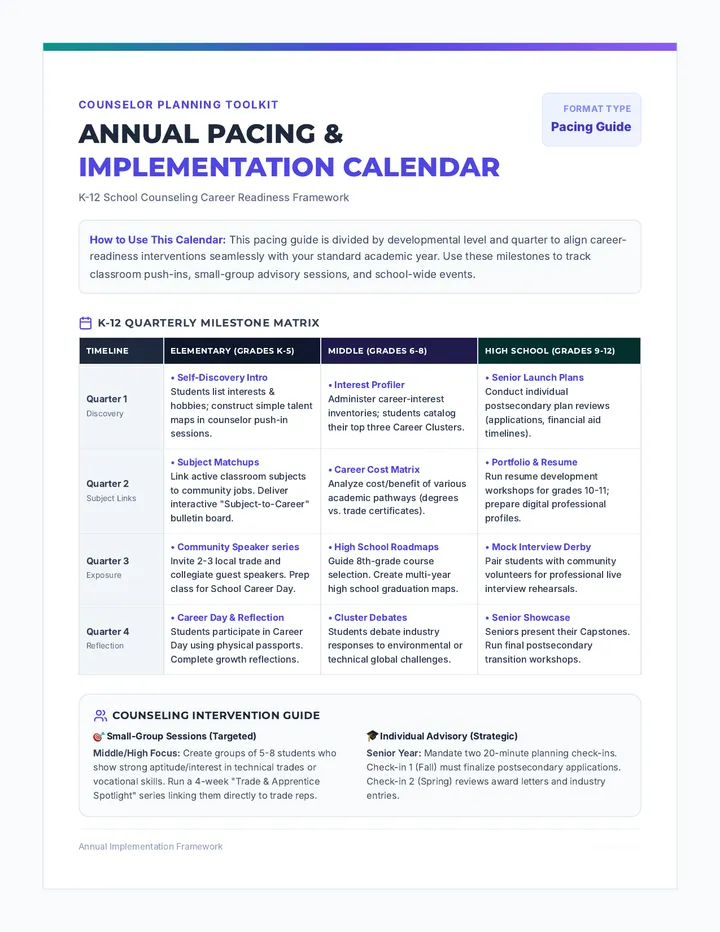
Actionable planning resources, school-wide career day guides, and implementation templates for school counselors to deploy career readiness curricula.
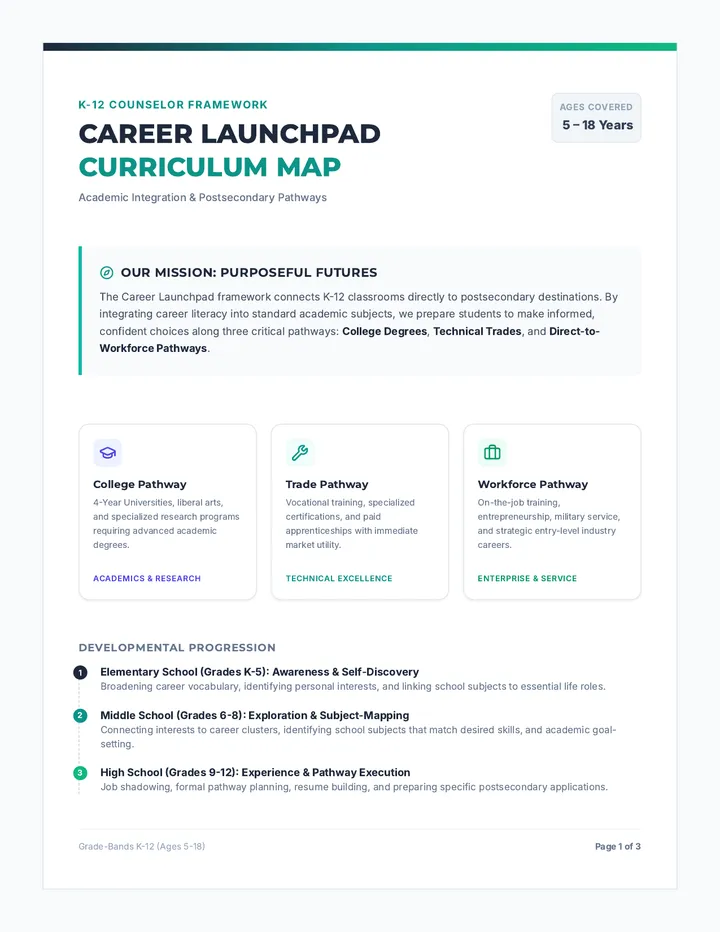
High-level scope, sequence, and developmental milestones for elementary, middle, and high school career exploration. This framework links classroom subjects to real-world college, trade, and workforce pathways.
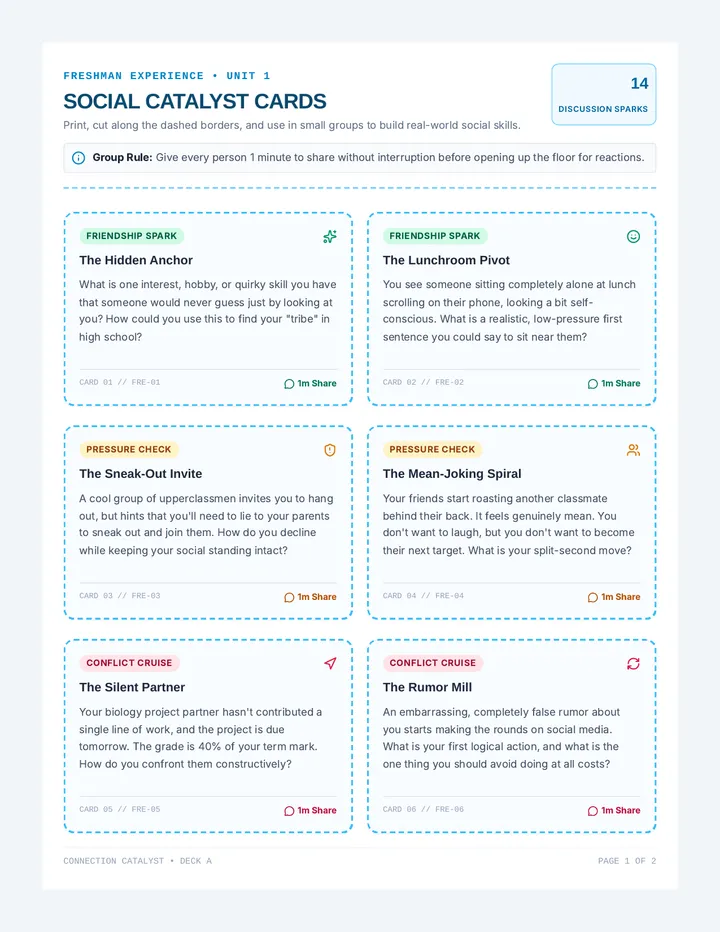
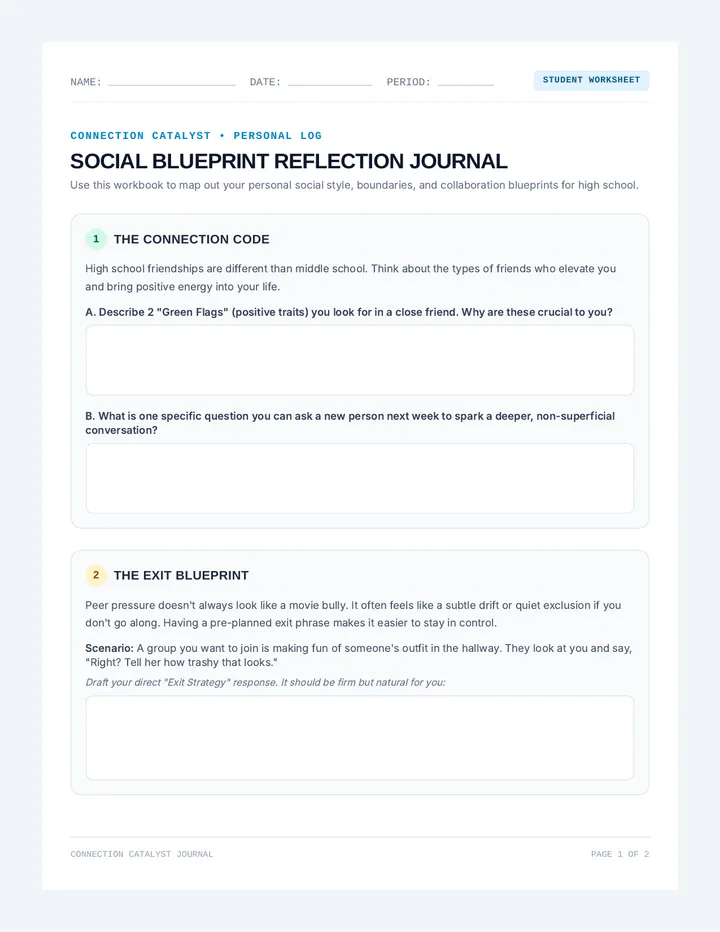
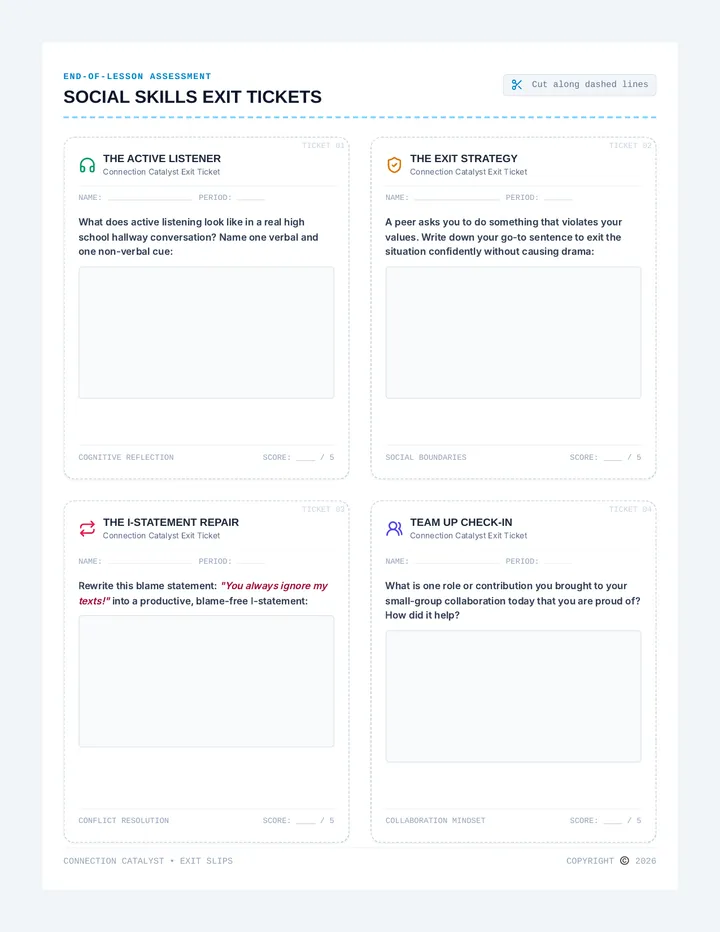
A dynamic social-emotional learning lesson designed for high school freshmen to master relationship and social skills. Students explore techniques for initiating friendships, navigating peer pressure, resolving conflicts constructively, and collaborating effectively in high school environments.
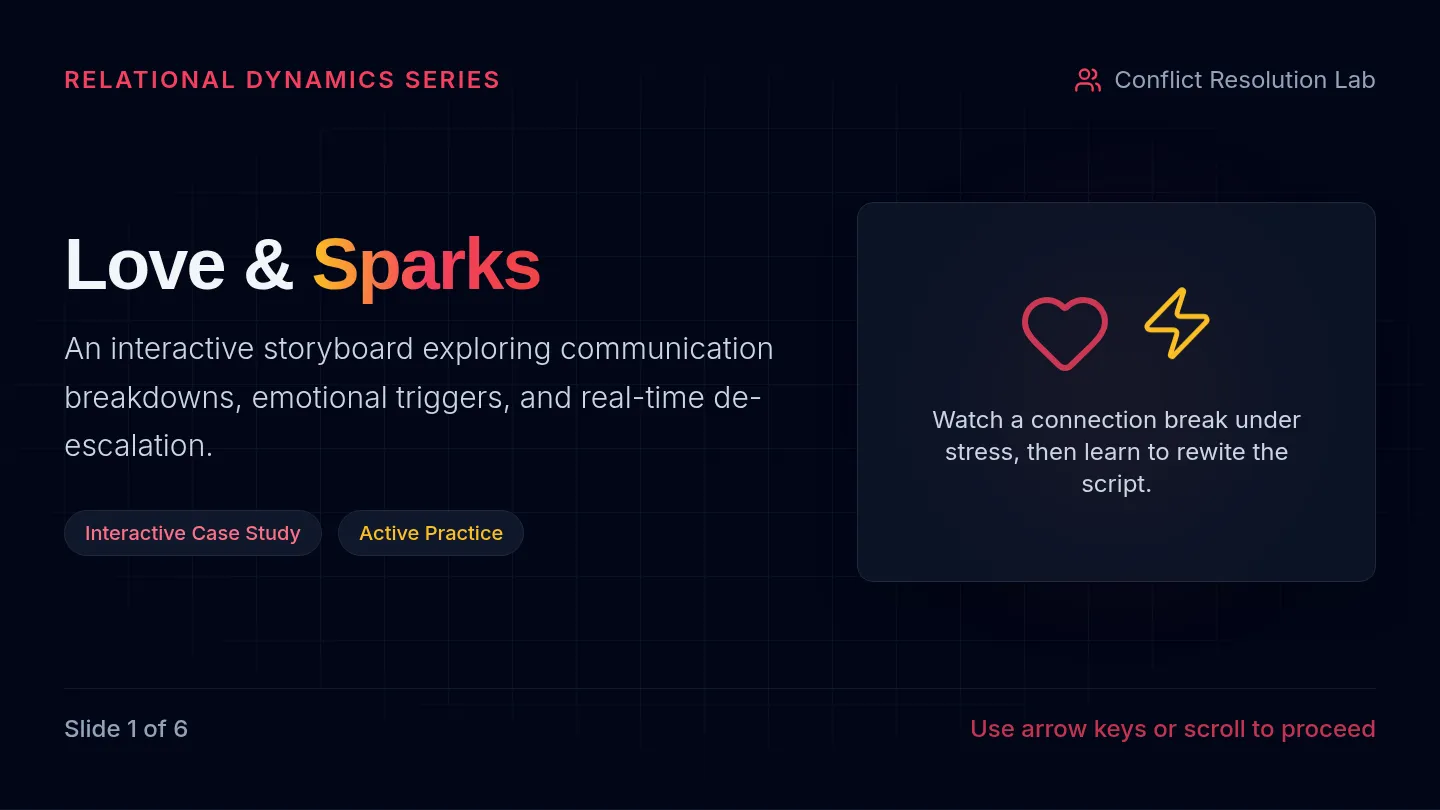
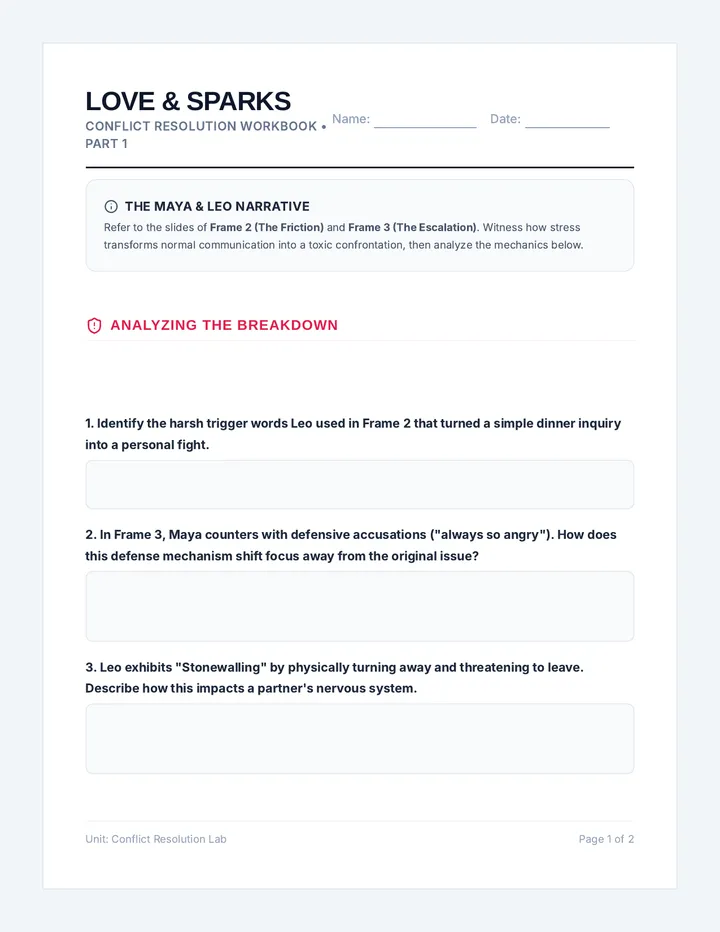
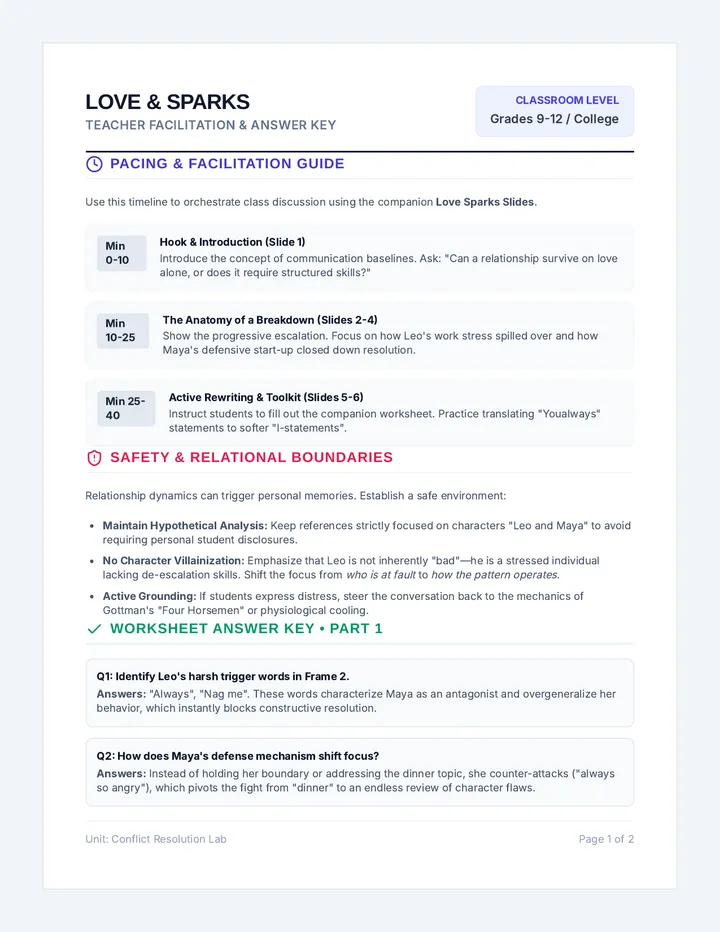
An instructional lesson centered on identifying communication breakdowns, analyzing relational friction, and applying active de-escalation strategies. Features interactive storyboard-driven slides and activities.
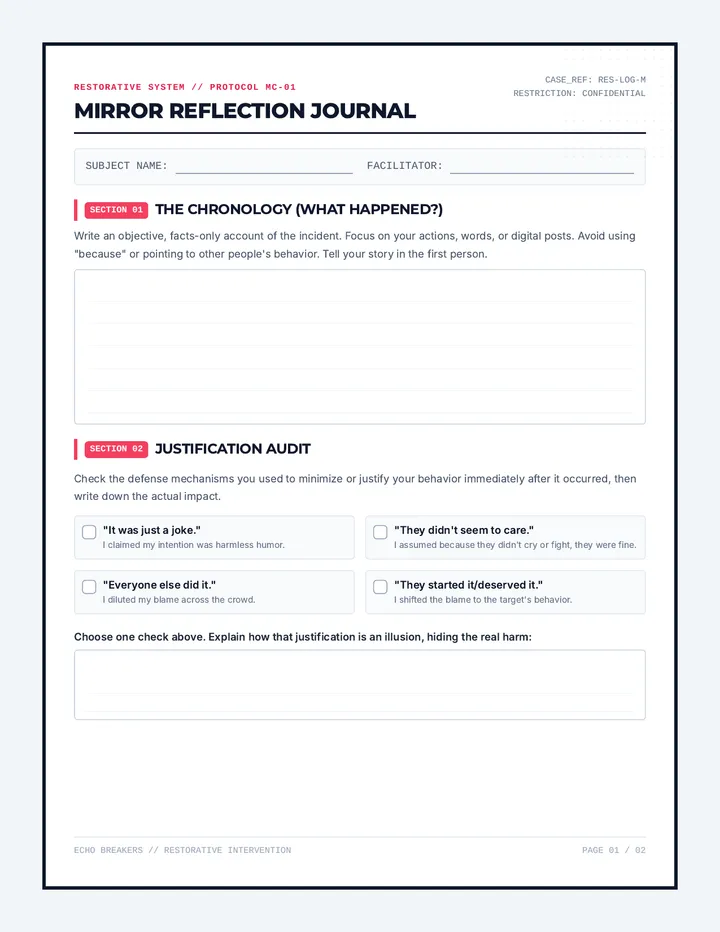
A restorative, intervention-focused lesson designed to address active bullying, social exclusion, or bystander behaviors. Provides a structured, objective, and deeply empathetic framework for restorative justice, self-reflection, and behavior correction.
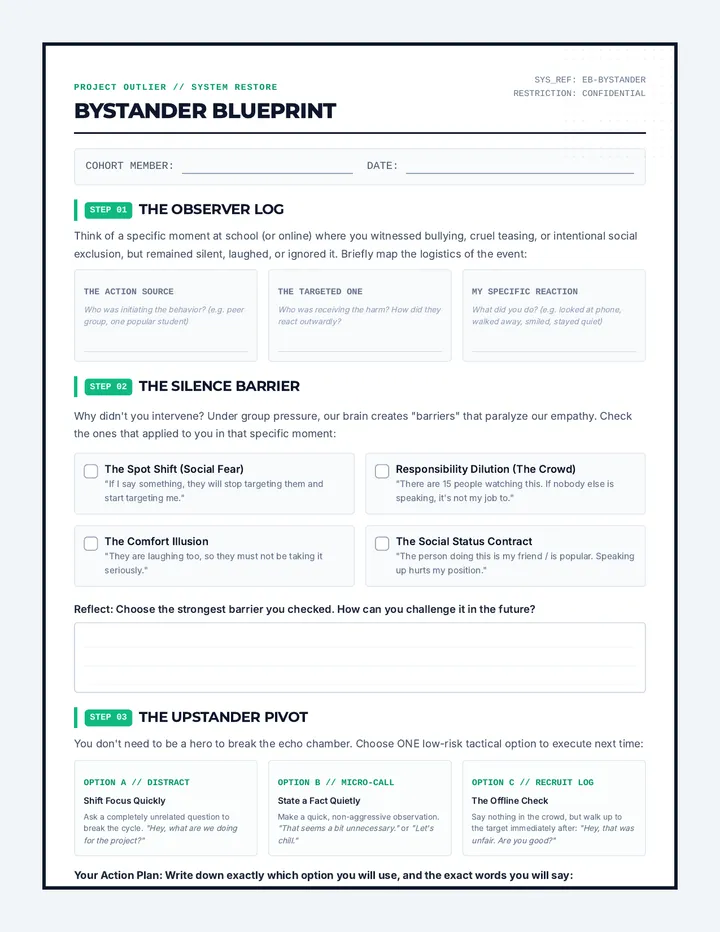
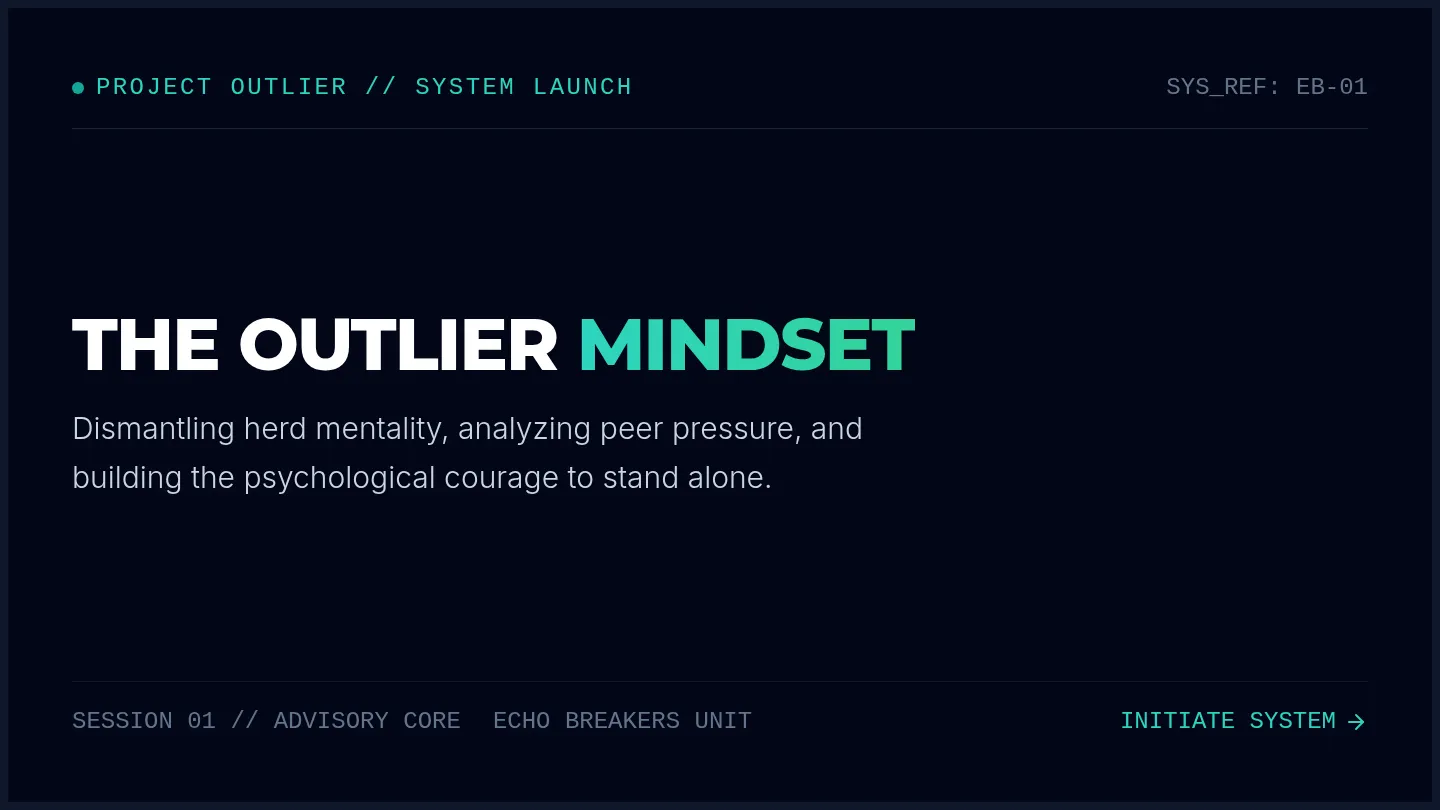
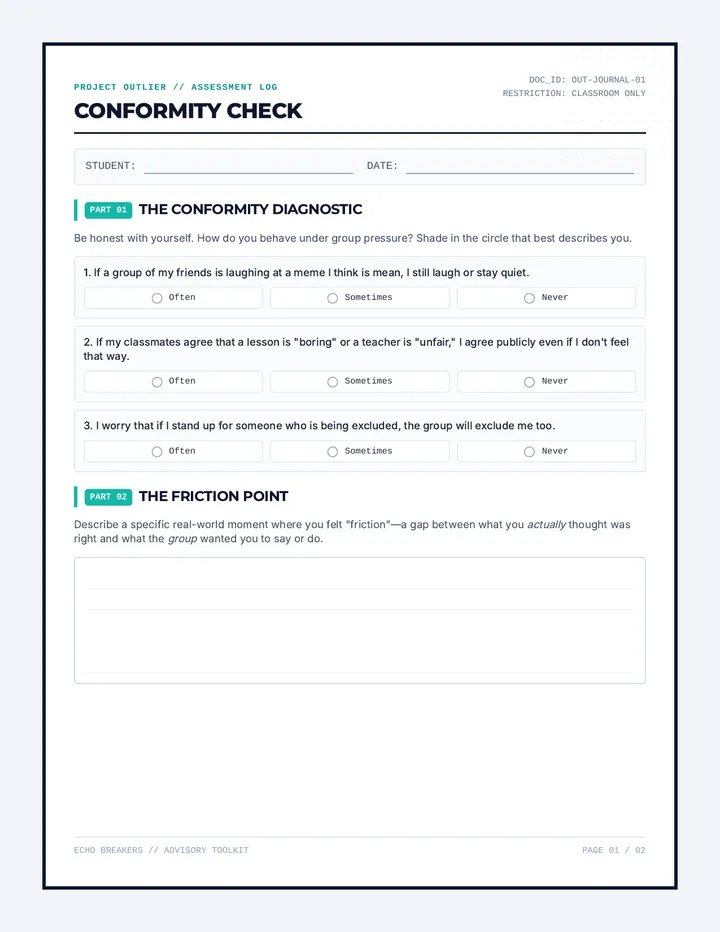
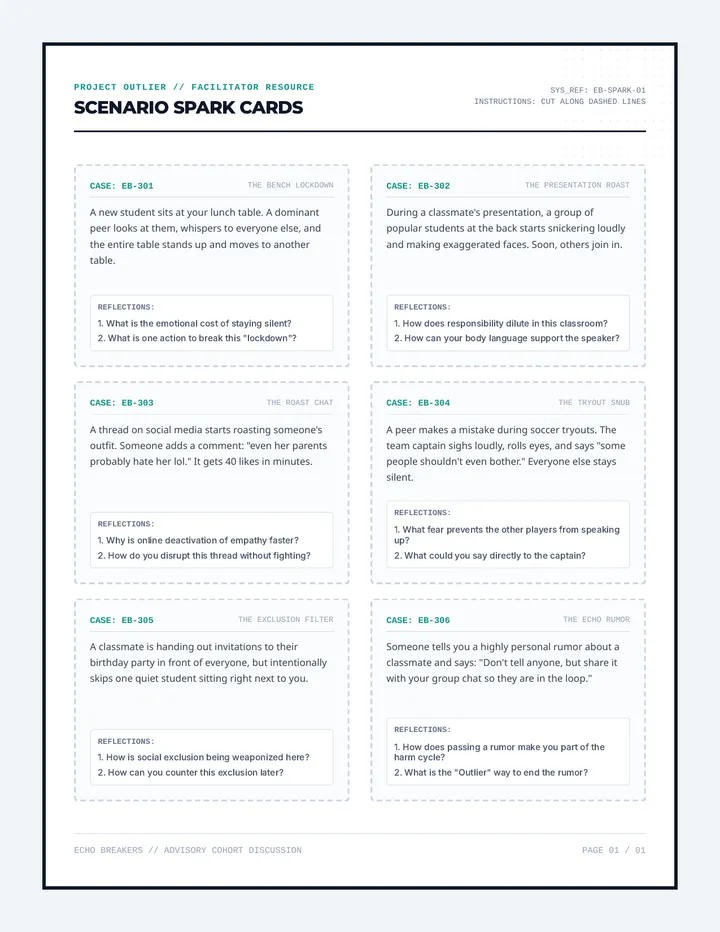
A preventative Advisory-focused lesson that analyzes peer pressure, the psychological mechanics of herd mentality, and the courage required to stand alone. Students engage in self-reflection, case analysis, and scenario-based writing prompts to develop an 'outlier' mindset.
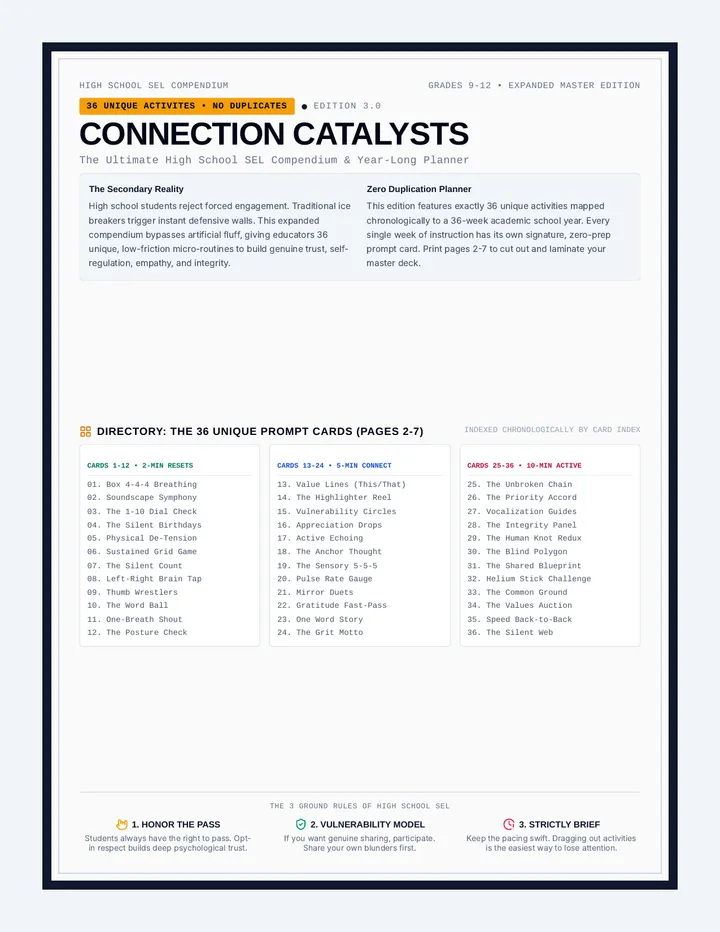
A powerful social-emotional learning lesson series designed for high school teachers to foster relationship-building, self-regulation, active communication, self-awareness, and integrity through quick daily classroom routines.
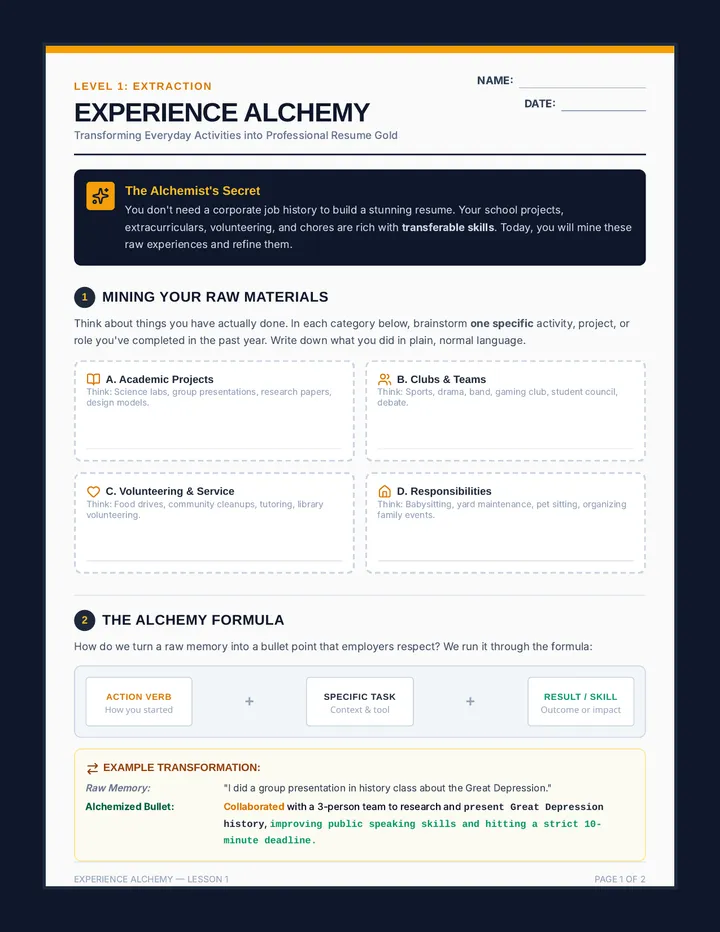
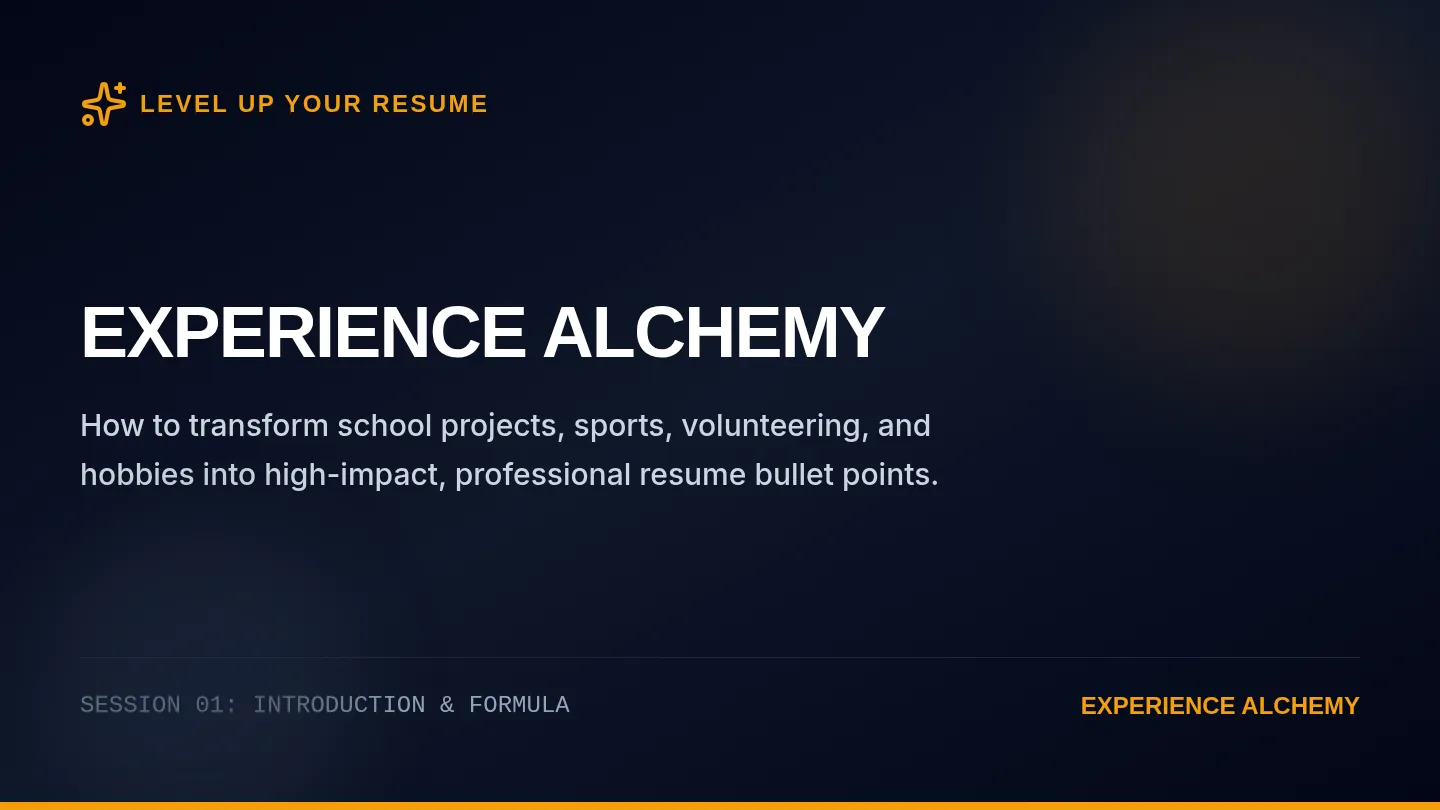
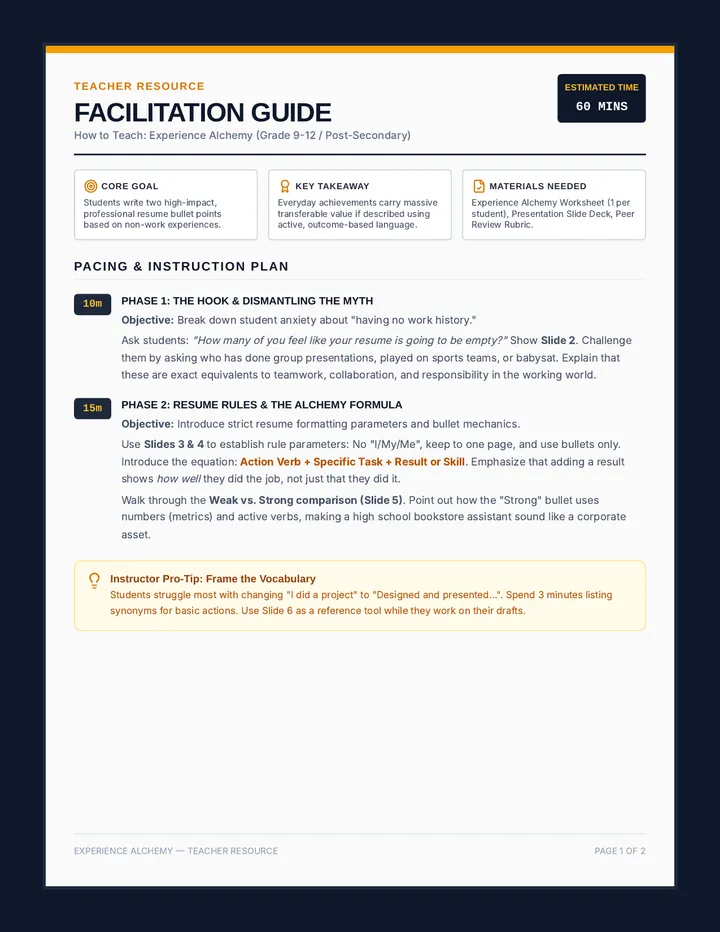
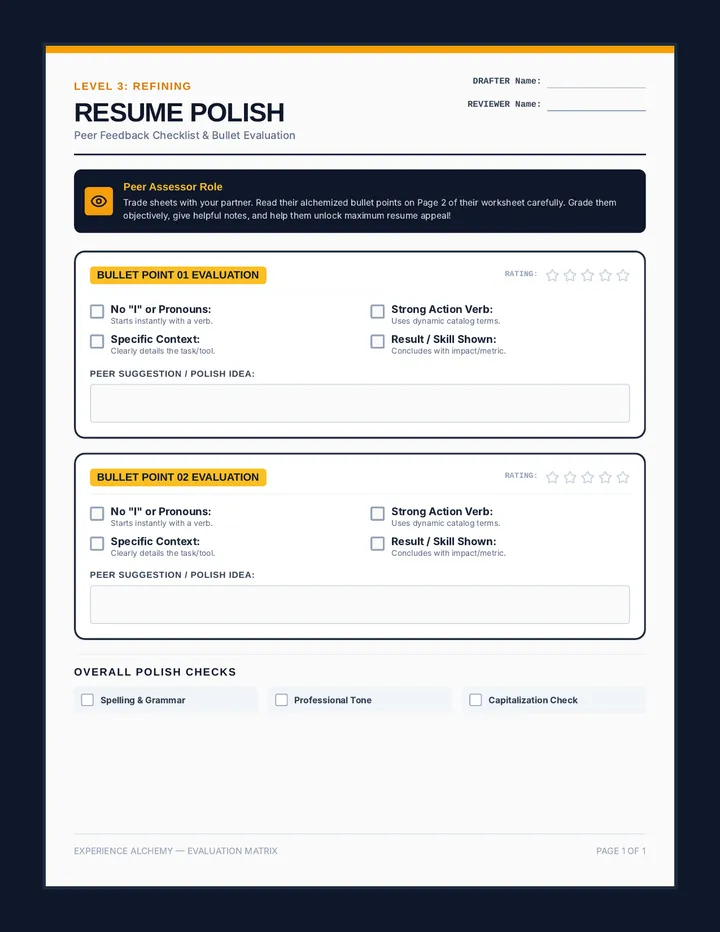
A complete lesson designed for first-time job seekers (students) to transform their school projects, volunteering, and extracurricular activities into professional resume bullet points. Includes a structured teacher guide, instructional presentation slides, a student drafting worksheet, and a peer feedback checklist.
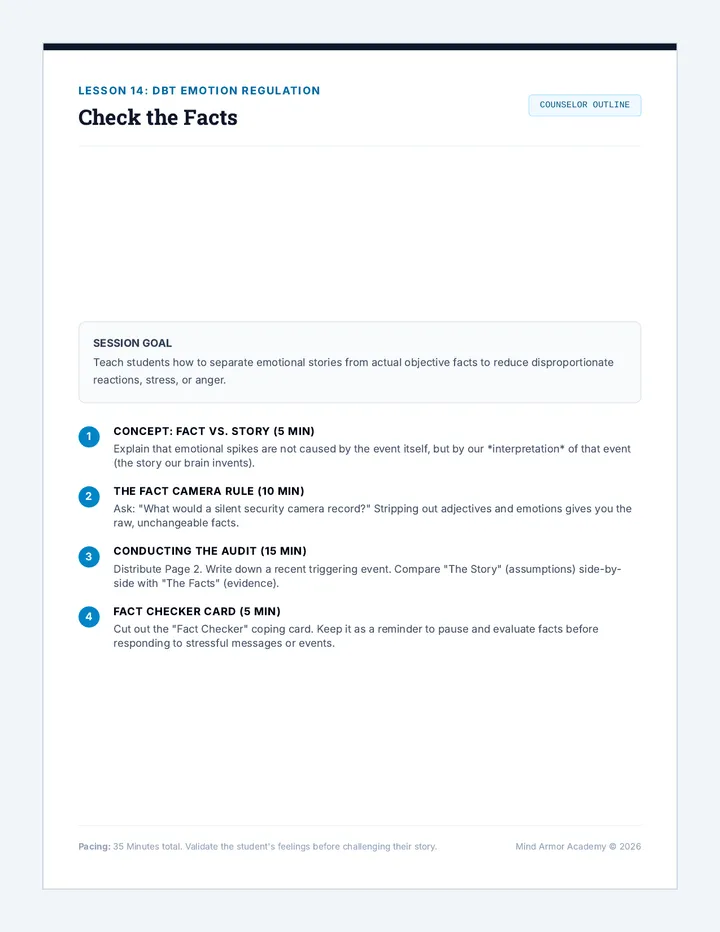
DBT emotion regulation session teaching 'Check the Facts' to verify if emotional reactions match the actual objective facts of a school or social situation.
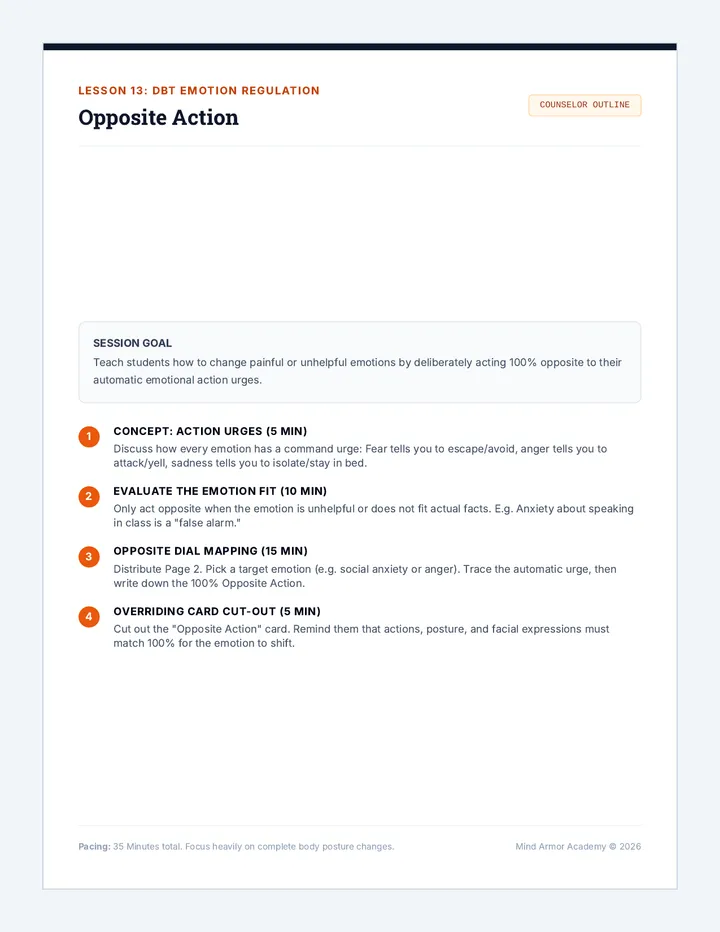
DBT emotion regulation session teaching 'Opposite Action' to change painful or unhelpful emotions by deliberately acting contrary to emotional urges.
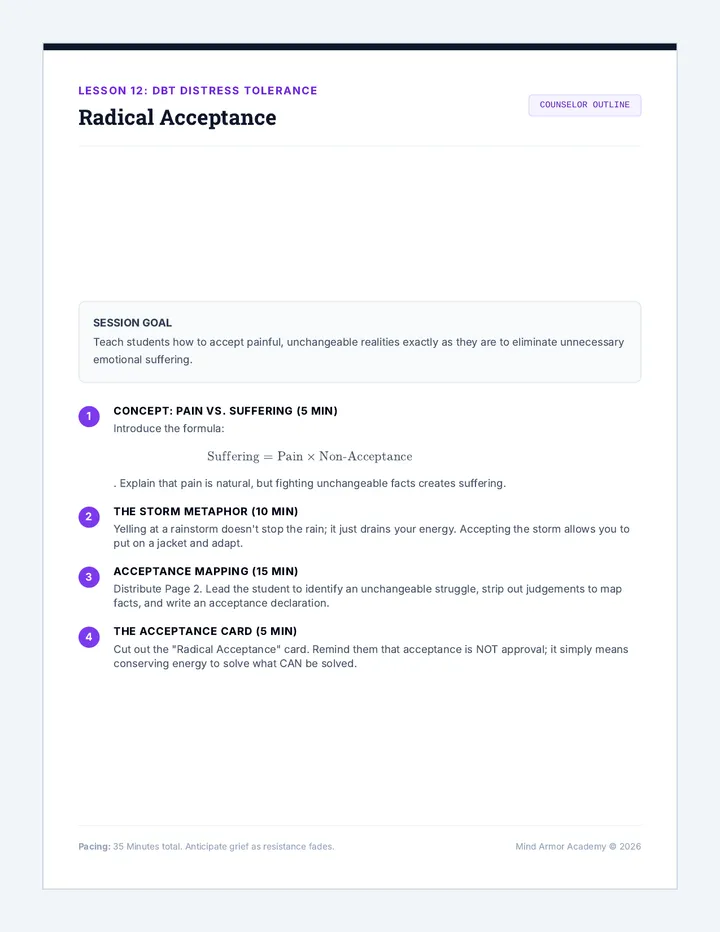
DBT distress tolerance session teaching 'Radical Acceptance' to tolerate painful realities that cannot be changed immediately without making them worse.
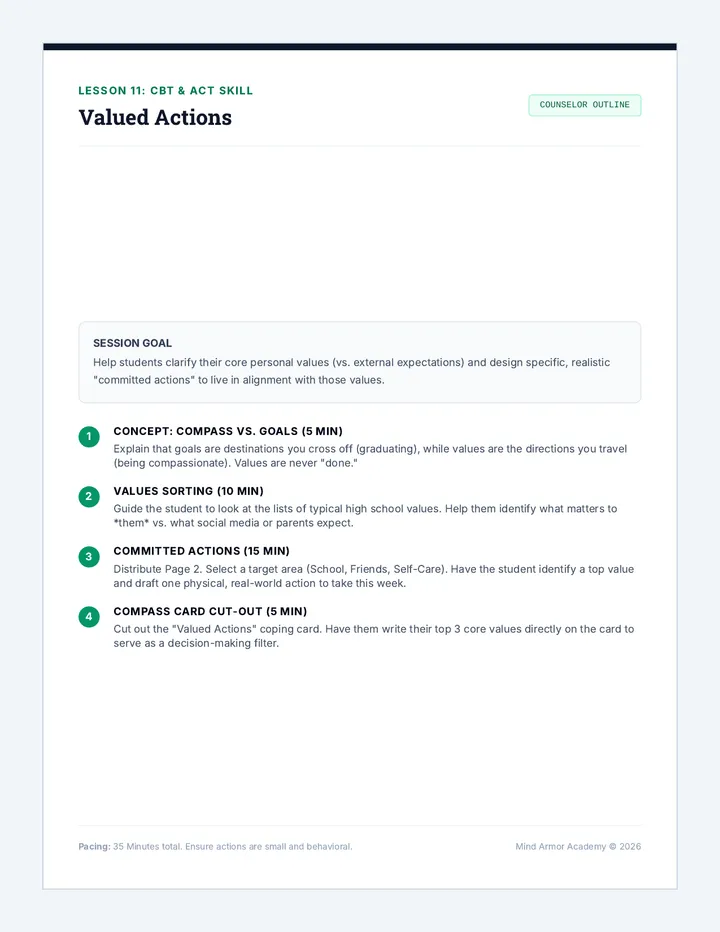
CBT and ACT session focusing on identifying core personal values and taking committed action steps toward them in school and life.
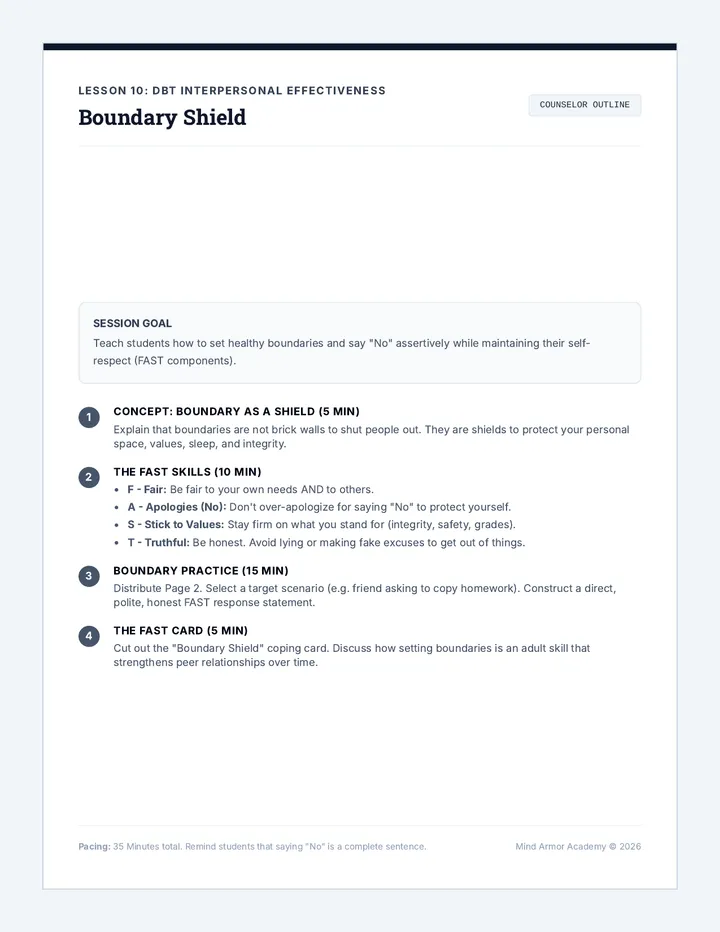
Interpersonal effectiveness session covering DBT FAST skills (Fair, Apologies, Stick to values, Truthful) to build self-respect and set healthy personal boundaries with peers.
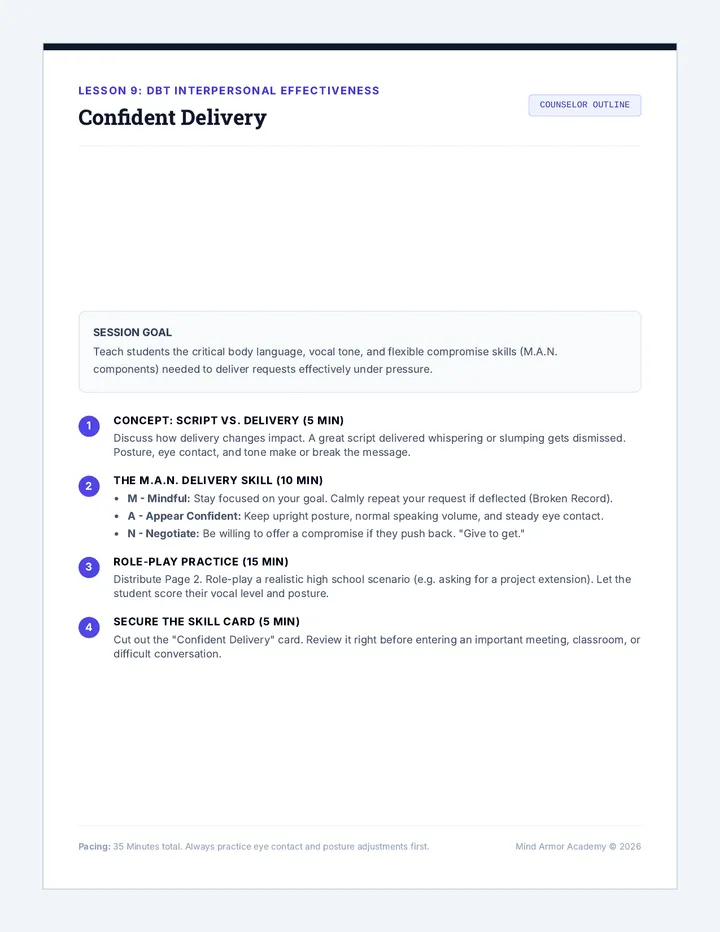
Interpersonal effectiveness session covering the second half of DBT DEAR MAN (Mindful, Appear confident, Negotiate) to guide active communication delivery and conflict negotiation.
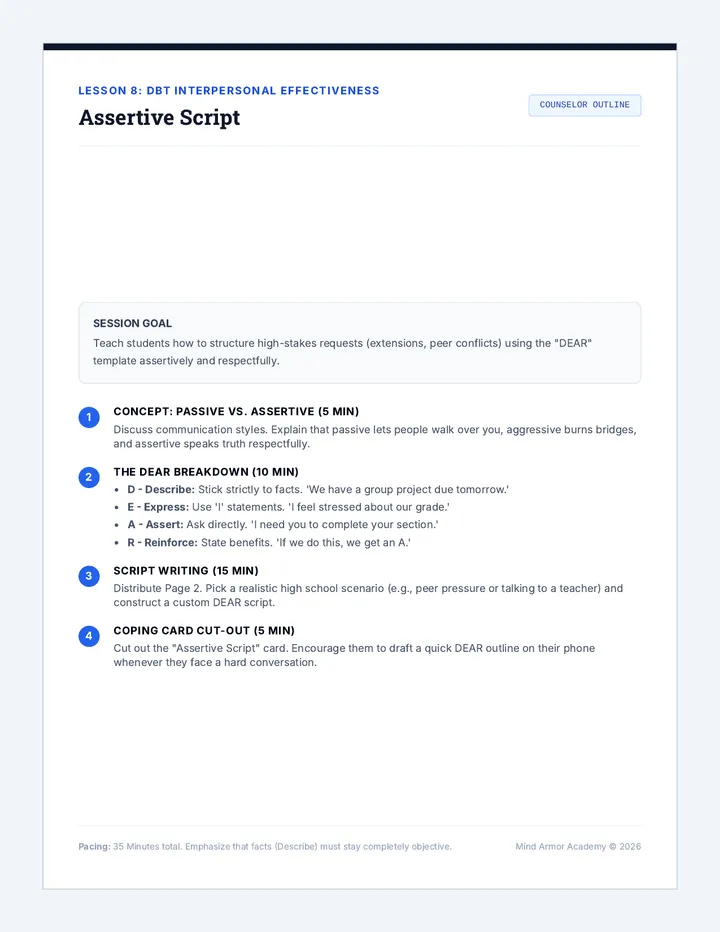
Interpersonal effectiveness session covering the first half of DBT DEAR MAN (Describe, Express, Assert, Reinforce) to teach structured assertive communication.
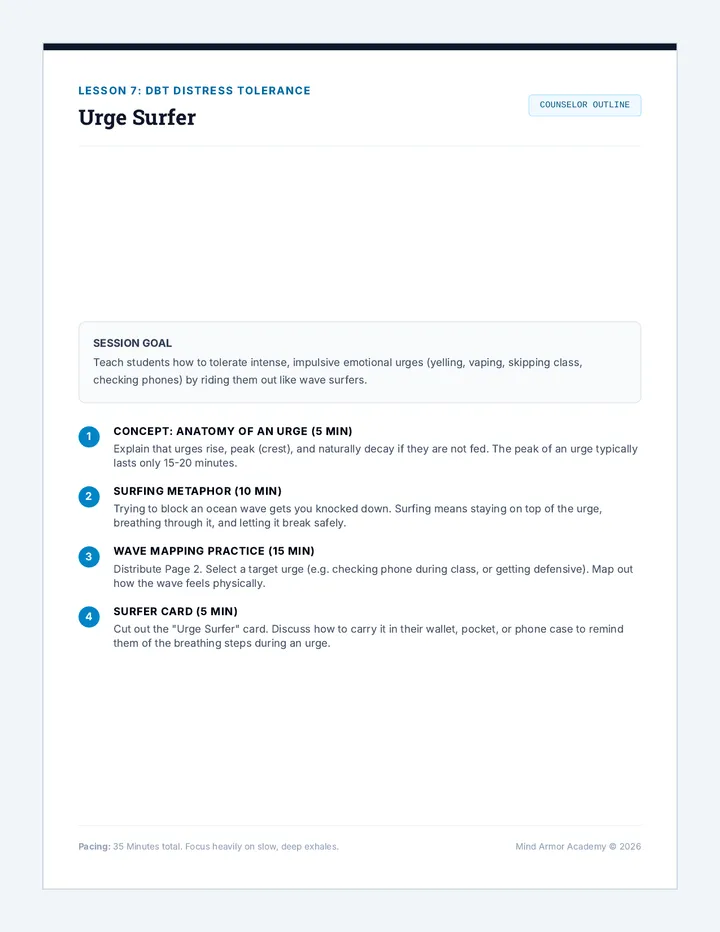
DBT session focusing on the 'Urge Surfing' technique to ride out intense emotional impulses and urges without acting on them destructively.