Lenny.com
Explore
Create
ActivitiesNewMathEnglish Language ArtsScience & EngineeringSocial StudiesGlobal LanguagesHealth & Physical EducationSpecial EducationCounseling & Life SkillsArts & CreativityESL
Lenny.com
Lenny.com
Explore
Create
ActivitiesNewMathEnglish Language ArtsScience & EngineeringSocial StudiesGlobal LanguagesHealth & Physical EducationSpecial EducationCounseling & Life SkillsArts & CreativityESL
Lenny.com
Lenny.com

Solutions

Lenny for EducatorsLenny for SchoolsLenny for Districts

Product

ExploreSign inCreateSupportAbout

Resources

Getting startedMTSS Acceleration Program

© 2026 Lenny Learning Inc.

TermsPrivacyAccessibility
LinkedInInstagramX
Lenny

Communicating Personal Boundaries

Assertive communication techniques and 'I' statements for articulating physical and emotional limits. Equips learners with strategies for identifying personal comfort levels and responding to boundary violations.

Counseling & Life SkillsSelf-AwarenessBasic Emotion RecognitionComplex Emotion IdentificationEmotional Nuance & Mixed FeelingsBuilding Positive Self-ImageRecognizing Strengths & Growth AreasAccurate Self-AssessmentPersonal Values IdentificationCultural & Individual Identity ExplorationValues-Based Decision MakingSelf-ManagementStop-and-Think StrategiesDelaying GratificationIndependent Impulse ManagementIdentifying Stress TriggersShort-Term Goal SettingSMART Goals DevelopmentGoal Monitoring & AdjustmentBuilding Perseverance & ResilienceInternal Motivation DevelopmentComprehensive Stress Reduction PlanningSocial AwarenessRecognizing Others' FeelingsDemonstrating EmpathyRespecting Individual DifferencesUnderstanding Cultural DiversityComplex Empathetic ResponsesMultiple Viewpoint ConsiderationMulti-Perspective AnalysisChallenging Stereotypes & BiasRelationship SkillsActive ListeningClear Verbal & Nonverbal CommunicationBuilding Positive FriendshipsWorking Cooperatively in GroupsCommunicating Personal BoundariesRespecting Others' BoundariesAssertive ExpressionPeaceful Problem-SolvingContributing to Team GoalsComplex Conflict NavigationMediation & NegotiationHealthy Romantic RelationshipsResponsible Decision-MakingDaily Problem IdentificationBrainstorming Multiple SolutionsEvaluating Pros & ConsRecognizing Risks & ConsequencesApplying Ethical FrameworksInformed Risk-Benefit DecisionsRoot Cause AnalysisMindfulnessMindful BreathingBody Scan MeditationDaily Mindfulness ApplicationDaily Self-Care RoutinesBalancing Life DemandsAdvocating for Wellness NeedsMental Health SupportUnderstanding Anxiety SymptomsWorry Management StrategiesProgressive Muscle RelaxationRecognizing Depression SignsBuilding Mood-Supporting RoutinesBehavioral Activation for MoodUnderstanding Grief StagesHealthy Grief CopingCreative Expression of LossBehavioral SupportDaily Check-In ProceduresDaily Goal Setting & ReviewRecognizing Escalation Warning SignsRequesting Breaks & SupportSelf-Calming During DistressUnderstanding Positive ReinforcementToken Economy ImplementationBehavior Chart TrackingAnalyzing Behavior PatternsIdentifying Antecedents & ConsequencesDetermining Behavior FunctionFunction-Based InterventionsIndividualized Behavior ContractsData-Driven Behavior AdjustmentTherapeutic ApproachesThoughts-Feelings-Behaviors ConnectionRecognizing Thinking PatternsChallenging Negative ThoughtsPositive Self-Talk PracticeThought Record TrackingAdvanced Cognitive RestructuringComprehensive CBT PlansBehavioral Activation TechniquesBuilding Positive ExperiencesExposure Hierarchies for AnxietyPresent-Moment AwarenessNon-Judgmental ObservationSelf-Soothing & DistractionComplex Emotion LabelingReducing Emotional Vulnerability (PLEASE)DEAR MAN CommunicationGIVE Skills for RelationshipsFAST Skills for Self-RespectRadical Acceptance PracticeCrisis Survival Skills (TIPP)Understanding Trauma EffectsTrauma Responses & TriggersIdentifying Trauma FeelingsGrounding TechniquesRegulation During Trauma DistressSafe Place VisualizationProcessing Through NarrativeDeveloping Trauma StoryPersonalized Safety PlanningGroup SupportTurn-Taking & SharingGroup Conversation SkillsSharing in Supportive EnvironmentLearning from Similar ChallengesBuilding Community & BelongingNavigating Peer RelationshipsGroup Skill PracticeGroup Mental Health EducationStress & Anxiety UnderstandingCrisis Support & SafetyKnowing When to Seek HelpIdentifying Mental Health CrisesGrounding During CrisisUsing Crisis HotlinesBuilding Support NetworksAccessing Mental Health ResourcesWarning Signs & Coping StrategiesDeveloping Personal Safety PlansUnderstanding Suicide Warning SignsGatekeeper Skills for PeersDigital LiteracySocial MediaTechnology BasicsProductivity ToolsInternet and Online ResearchWeb Design and PublishingDigital CitizenshipOnline Safety and PrivacyEmerging TechnologiesFinancial LiteracyMaking Financial DecisionsBanking and AccountsConsumer SkillsSaving and InvestingCredit and DebtEmployment and IncomeTaxesInsuranceMajor PurchasesEconomic ConceptsFinancial PlanningCollege & Post-Secondary PlanningCareer ExplorationUnderstanding Post-Secondary OptionsCollege Research & SelectionAdmission RequirementsCollege Application ProcessPersonal Statement WritingFAFSA CompletionScholarship Search & ApplicationsUnderstanding Student LoansContinuing Education PlanningInterview PreparationResearching EmployersCommon Interview QuestionsSTAR Method ResponsesProfessional Interview PresenceVirtual Interview SkillsInterview Follow-UpJob Search SkillsUnderstanding Job PostingsEffective Job Search StrategiesNetworking for OpportunitiesResume Writing BasicsAction Verbs & AchievementsTailoring Resumes to JobsCover Letter WritingProfessional ReferencesProfessional CommunicationBusiness Email EtiquettePhone & Voicemail ProfessionalismMeeting ParticipationPresentation SkillsProfessional Work EthicTime Management & ProductivityTeamwork & CollaborationAdaptability & FlexibilityProblem-Solving at WorkConstructive FeedbackWorkplace RightsUnderstanding Employment LawsPay & Benefits UnderstandingWorkplace SafetyAnti-Discrimination & Harassment

Videos

The Power of Words -- OLD VERSION

The Power of Words -- OLD VERSION

This animated video explores the emotional impact of cyberbullying and provides young students with concrete strategies to handle negative online interactions. Through the story of two friends, 'Guts' (a yellow character) and a purple friend, the video demonstrates how mean comments in online games and social media can hurt just as much as face-to-face insults. It challenges the old adage "sticks and stones may break my bones, but words will never hurt me" by showing the reality of digital communication. The content focuses on three key themes: identifying cyberbullying behaviors (like trash-talking and mean comments), understanding the emotional consequences of online words, and learning the "STOP" acronym as a safety tool. The narrative validates a child's feelings of hurt when targeted online and emphasizes that they are not alone in these experiences. For educators, this video is a vital resource for Digital Citizenship curriculums. It provides a memorable mnemonic device (STOP: Step away, Tell a trusted adult, Okay sites first, Pause and think online) that serves as a practical classroom management tool. The video naturally sparks discussions about empathy, the "real person" behind every avatar, and the difference between friendly competition and bullying.

Common Sense EducationCommon Sense Education

2mins 43s

Ways to Stop Bullying

Ways to Stop Bullying

This animated video provides a practical, four-step guide for students dealing with bullying, framing the issue not as a personal failure but as a common challenge faced even by successful celebrities. Through engaging whiteboard animations, it outlines a concrete action plan: boosting self-confidence by listing personal strengths, building a supportive social circle, ignoring bullies to deny them a reaction, and seeking help from trusted adults or hotlines when situations feel unsafe. The content explores key themes of self-worth, social resilience, and safety strategies. It actively reframes 'nerdy' or 'different' traits as unique strengths that will be valued in adulthood, directly countering the isolation victims often feel. By emphasizing that bullying often stems from the aggressor's personal issues rather than the victim's flaws, the video helps students detach their self-image from the abuse they receive. For educators, this video serves as an excellent social-emotional learning (SEL) tool. It provides a structured framework for difficult conversations about harassment and safety. The clear, actionable steps (Confidence, Army, Ignore, Talk) give students a mental checklist they can use in real-world scenarios. Teachers can use the suggested exercises—like writing down positive traits or identifying a "support army"—as classroom activities to build a culture of empathy and resilience.

watchwellcastwatchwellcast

5mins 31s

How to Get Out of an Unhealthy Relationship

How to Get Out of an Unhealthy Relationship

This animated video provides a compassionate and practical guide for young people on recognizing and leaving unhealthy relationships. It begins by contrasting the feelings associated with healthy versus unhealthy dynamics, such as safety and support versus fear and anxiety. The video clearly outlines "red flags" including teasing, blaming, controlling behavior, and physical harm, helping viewers identify toxic patterns in their own lives. The core of the video focuses on a step-by-step "breakup plan" designed to keep the individual safe and supported. It advises on choosing the right method of communication (phone, text, or public place), using clear language to state that the relationship isn't working, and setting boundaries without feeling obligated to manage the other person's emotions. It emphasizes the critical importance of involving a trusted adult, especially if safety is a concern. Finally, the video addresses the emotional aftermath of a breakup, validating feelings of sadness and loss even when the relationship was bad. It encourages self-care strategies like hobbies and spending time with friends. This resource is invaluable for health and guidance curriculums, providing students with the vocabulary and actionable steps needed to navigate difficult interpersonal situations and prioritize their emotional and physical well-being.

AMAZE OrgAMAZE Org

2mins 54s

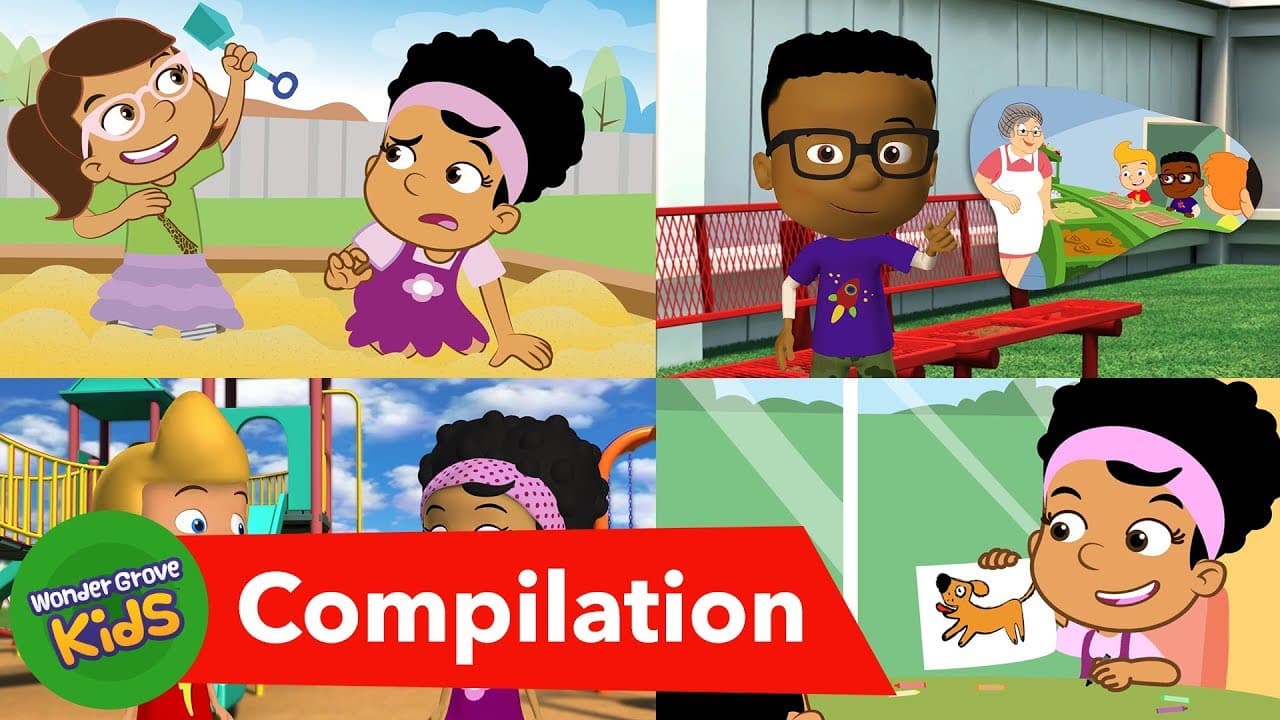
R.E.S.P.E.C.T. S8 E4

R.E.S.P.E.C.T. S8 E4

This comprehensive animated compilation features the Wonder Grove Kids exploring essential social-emotional skills through four distinct but related stories. The video covers critical topics for early childhood development: proper playground behavior, maintaining personal boundaries, using words instead of physical aggression, and respecting other people's property. Through relatable scenarios involving a cast of recurring characters like Maria, Peter, Dee, Chris, and Marcus, students witness both positive and negative examples of social interaction. Key themes include the "Golden Rule" (treating others how you want to be treated), the concept of personal space (visualized as an "invisible cone"), and the importance of asking for permission. The characters navigate common childhood conflicts—such as cutting in line, unwanted tickling, and taking items without asking—providing a safe, third-party context for students to analyze behavior and consequences without feeling personally targeted. For educators, this video serves as a versatile anchor for Social-Emotional Learning (SEL) units. It is particularly valuable for establishing classroom norms at the beginning of the year or addressing specific behavioral issues as they arise. The segmented nature of the video allows teachers to show specific clips relevant to immediate classroom needs, such as a lesson solely on "keeping hands to yourself" or a broader discussion on community respect.

WonderGrove KidsWonderGrove Kids

13mins 42s

Nietzsche - Overcome Shame, Become Who You Are

Nietzsche - Overcome Shame, Become Who You Are

This animated educational video explores Friedrich Nietzsche's philosophy on shame, authenticity, and freedom, drawing primarily from his work 'The Joyous Science'. The video argues that true freedom is the ability to 'become who you are'—to realize one's innate potential like an acorn growing into an oak tree. It posits that toxic shame acts as a barrier to this self-actualization because it stems from comparing one's authentic self to societal ideals or 'shoulds', leading individuals to adopt false personas to gain acceptance. The narrative delves into key psychological themes including the 'true self' versus the 'false self', the origins of conscience and social conditioning, and the isolating effects of performing a role for others. Through the relatable case study of 'Timmy', a sensitive artistic boy who adopts a hyper-masculine persona to please his mother, the video illustrates the high cost of conformity: alienation, loneliness, and the loss of one's unique identity. For educators, this video serves as a powerful tool for Social Emotional Learning (SEL), philosophy, and psychology classes. It provides a framework for discussing identity formation, peer pressure, and mental health. The approachable animation style makes complex philosophical concepts accessible to high school students, fostering deep discussions about the difference between doing what one 'wants' versus what one 'should' do, and the courage required to live authentically.
Freedom in ThoughtFreedom in Thought

10mins 7s

Materials

Poster Collection Giant Newspaper

Poster Collection Giant Newspaper

Set of 5 individual large-format posters for a school wall newspaper. Includes: Title Poster, Primary School Guide (1-4), Middle School Guide (5-9), Video/QR Poster, and an Interactive Quiz/Sticker Zone. Each page is designed as a high-visibility, standalone piece for World Safer Internet Day.

AT

Aidana Tusupova

Voice Power Quest Game Board

Voice Power Quest Game Board

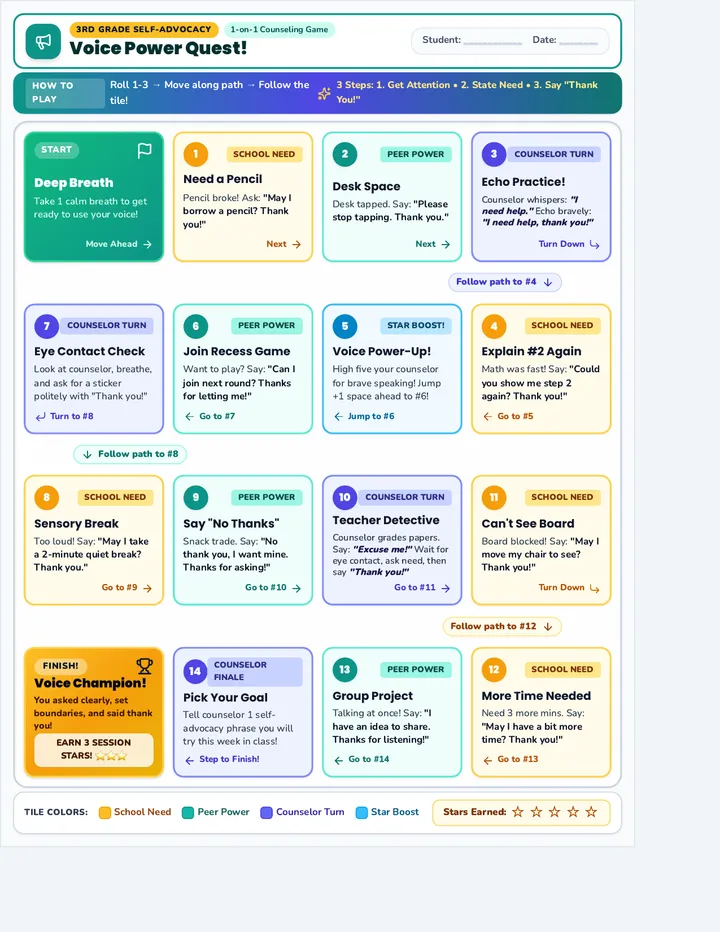
A streamlined 2-page self-advocacy game kit for 3rd grade counseling. Features a high-visibility, self-contained winding board game on Page 1 and the complete counselor facilitation guide, desk pocket sentence strips, and enlarged printable tokens on Page 2.

J

jcoates

Guiding Good Choices Bilingual Flyer

Guiding Good Choices Bilingual Flyer

A comprehensive single-page bilingual (English & Spanish) flyer for the Guiding Good Choices parenting curriculum. It includes all 5 curriculum lessons/sessions, the Phoenix House Texas logo at the top left, larger fonts filling the 8.5x11 page, a soft light-green palette, and write-in blanks for the school liaison contact.

L

Lidia

Conscious Discipline Monthly Guides

Conscious Discipline Monthly Guides

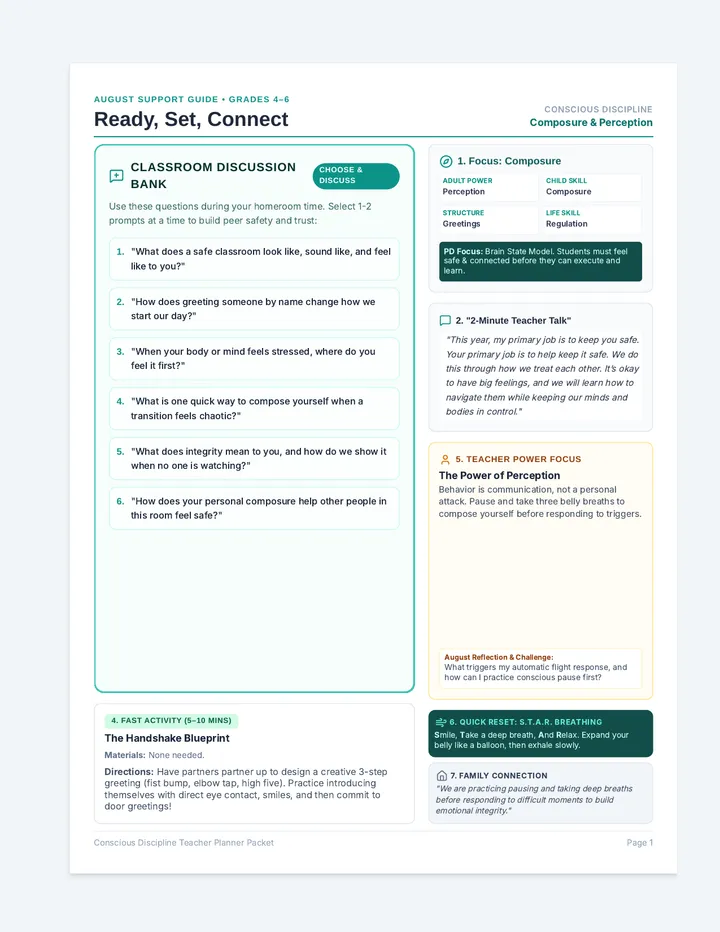
A professional, highly encouraging 9-page planner packet of monthly classroom support guides for elementary educators. Designed with the Classroom Discussion Bank as the dominant visual focal point on each page, featuring a dedicated list of highly engaging questions for grades 4–6 without subcategories, set to be utilized during homeroom time. Features 4 quick activity options (Connect, Calm, Commit, Celebrate) on each page. Optimized to fit perfectly on standard printable pages with zero layout overflow, with custom Kitley Counseling branding in the footer.

H

Heather.Koke

Healthy Relationships Slides

Healthy Relationships Slides

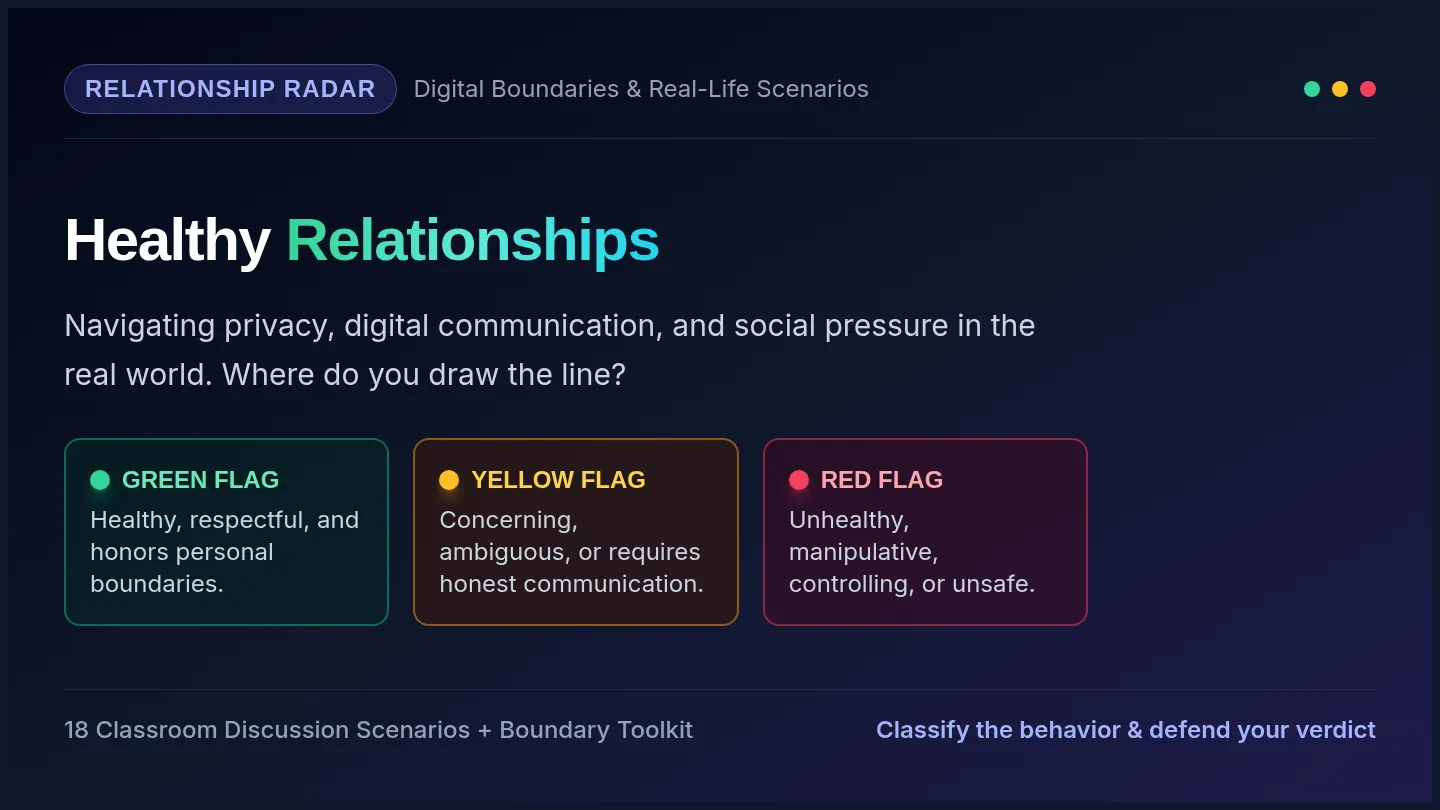
An interactive 20-slide presentation exploring 18 real-world relationship and digital boundary scenarios for students, complete with a dedicated Boundary Formula toolkit slide and a Green-Yellow-Red classification system.

C

cahearn

My Anchor Desk Card

My Anchor Desk Card

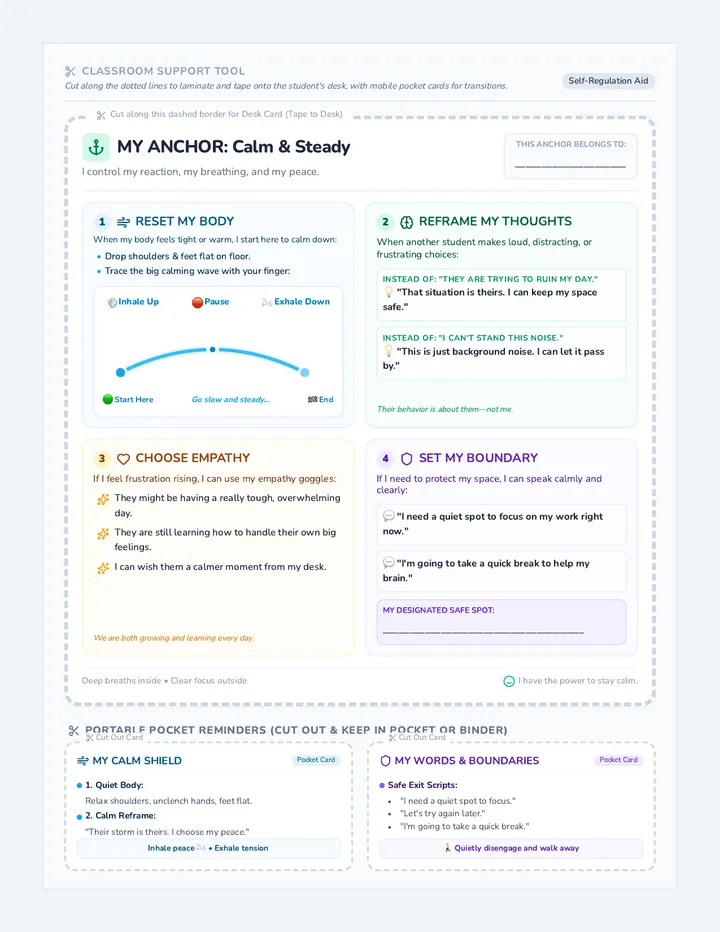
An updated desk-sized anchor chart featuring a much larger, visually prominent finger-tracing wave graphic for physical grounding, paired with neutral reframing scripts, empathy tools, and boundary phrases.

CN

Chad Nichols

Sequences

Orientation Key Points Visual v2

DBT Skills for Young Explorers

A comprehensive DBT skills training sequence for elementary schools, split into K-2 and 3-5 curricula. This program covers Mindfulness, Distress Tolerance, Emotion Regulation, and Interpersonal Effectiveness using age-appropriate activities and narratives.

MB

Megan Bjork

173
Freshness Slides (3) v2

Glow Up Guide (K-4)

A comprehensive SEL-integrated hygiene curriculum for elementary scholars (K-4), focusing on self-awareness, social impact, and personal responsibility through the lens of a 'Glow Up'.

T

tkeya.void

86
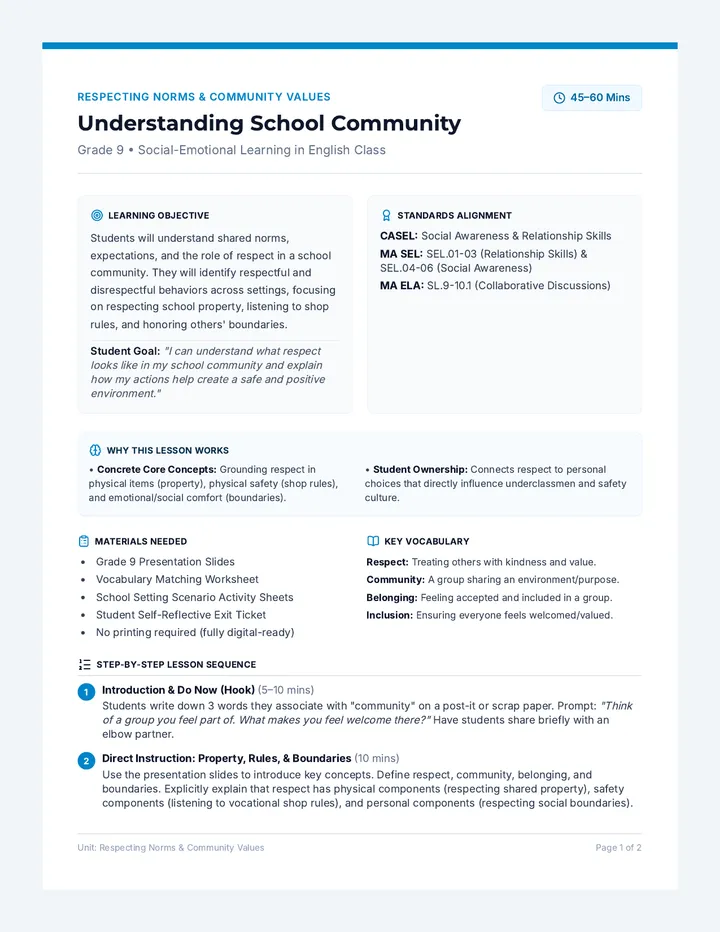
Understanding School Community Teacher Guide

Respecting Norms and Community Values

A comprehensive four-year scaffolded social-emotional learning unit for high schoolers (Grades 9-12) focused on building community, active communication, personal responsibility, and leadership around community norms and values.

J

jtoomey

36
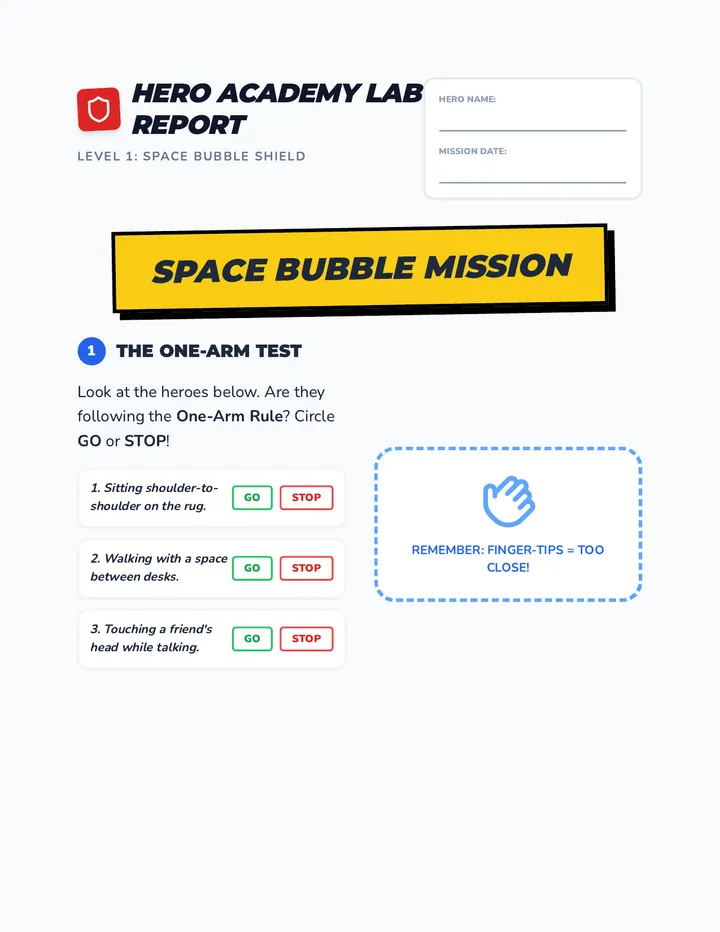
Space Bubble Shield Worksheet

Hero Habits Academy

A 10-lesson curriculum designed for 2nd-grade boys to develop focus, personal space awareness, and kind communication through a superhero-themed 'Hero Habits' program. Students learn to 'Power Up' their social skills using comic-book-inspired visual aids and reflective activities.

K

KatheV

34
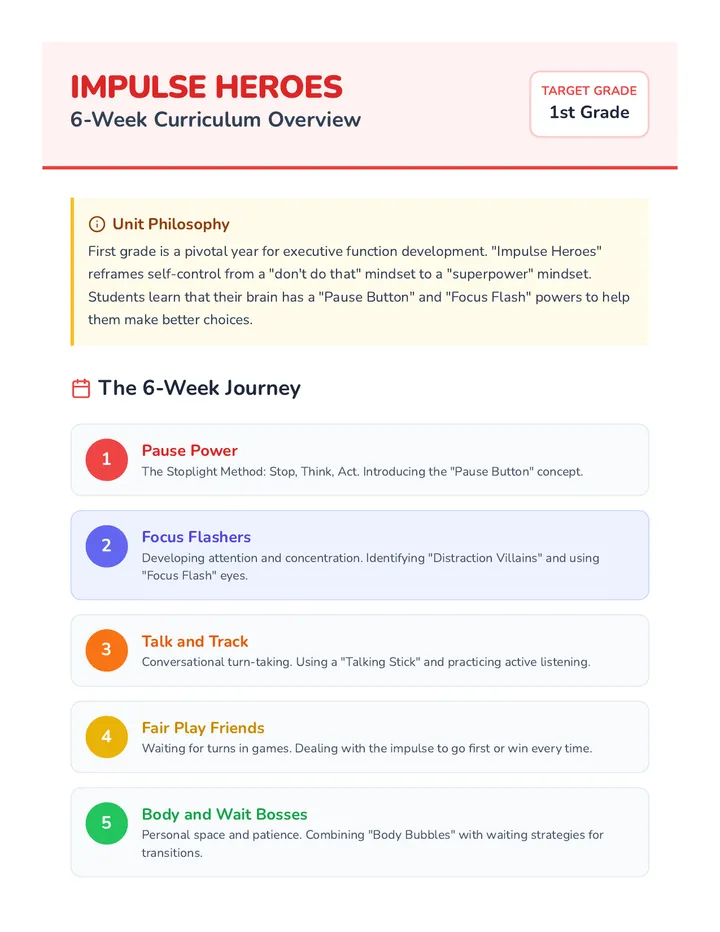
Impulse Heroes Teacher Guide

True North Identity Lab

A 6-week identity and self-esteem program for 5th graders titled 'True North: The Identity Lab.' Students explore their core values, strengths, mindset, and authentic selves through a scientific 'discovery' theme, preparing them for the social transitions of middle school.

BR

Beverly Rogers

41
Body Scan Activity Sheet

Inner Strength Lab

A comprehensive 9-week social-emotional learning curriculum for 8th graders focusing on anxiety, self-esteem, and healthy relationships. Designed for two 2-hour sessions per week, with structured instruction on Day 1 and independent creative or research projects on Day 2.

D

dmartinez

37