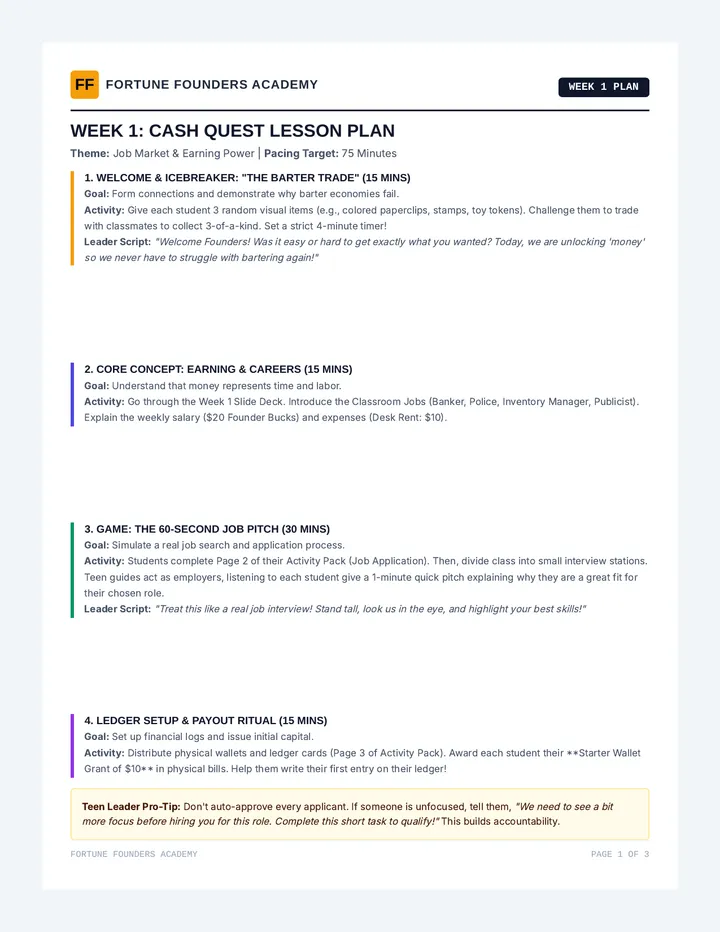
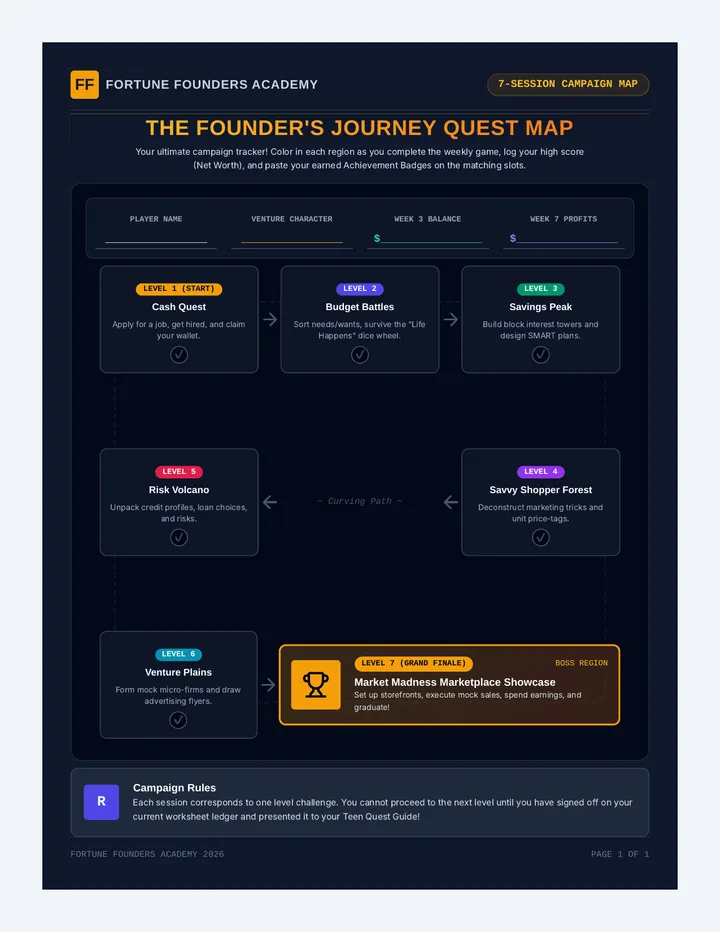
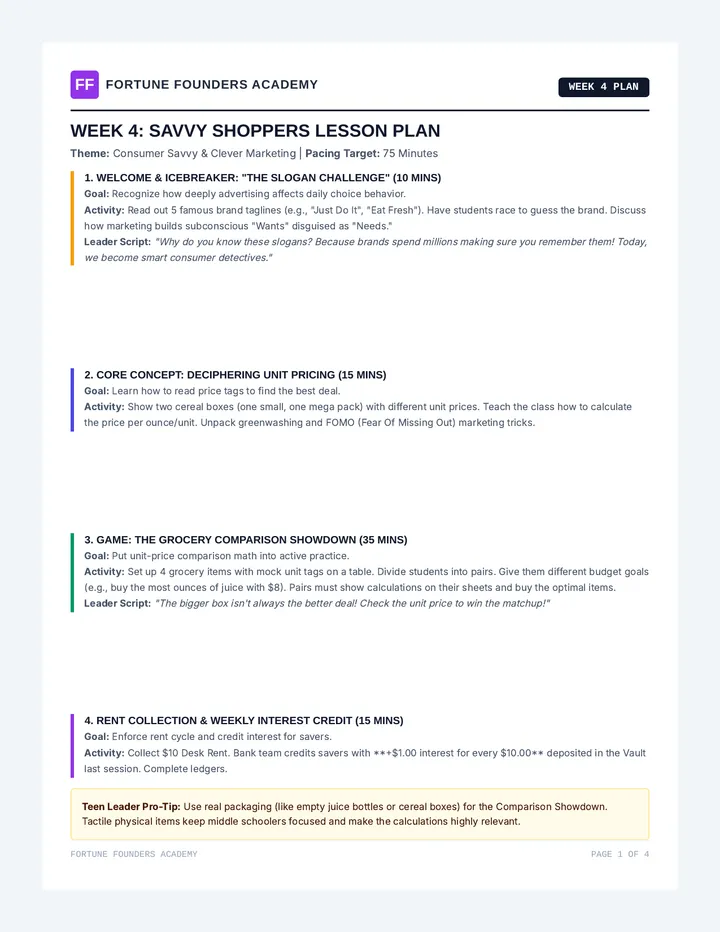
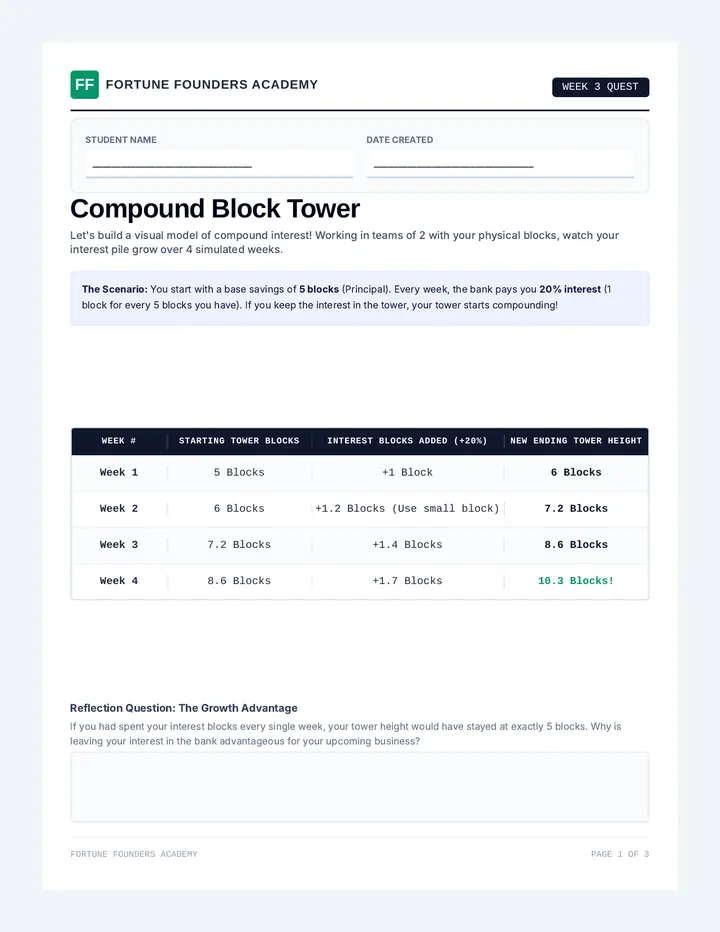
Alarm System Slides Neuroscience Lab 01
The Brain's Alarm System
Investigating why our bodies react to "danger" before our minds even know what's happening.
The Startle Response
Think back to that sudden sound. Your heart raced, your muscles jumped, and you took a sharp breath.
"Why did your body react before your brain knew what the sound was?"
In the wild, waiting to 'think' could mean the difference between life and death.
Biological Reflex
Meet the Amygdala
A
The Security Guard
A tiny, almond-shaped part of the brain that scans the environment for threats 24/7.
Reacts in milliseconds
Bypasses the "logical" brain
Triggers the Survival Response
The Survival Response
Fight
The body prepares to face the threat head-on. Irritability, clenched muscles, high energy.
Flight
The body prepares to run away. Racing heart, fast breathing, urge to leave the room.
Freeze
The body holds still to stay unnoticed. Feeling "stuck," spacing out, mind going blank.
When the System Misfires
The False Alarm
Sometimes, the Amygdala confuses Uncomfortable with Dangerous .
Raising your hand in class is uncomfortable , but your brain treats it like a predator .
This is how anxiety works—it's a high-functioning alarm system that's a bit too sensitive.
SYSTEM ACTIVE
Event: Public Speaking
Response: INCREASE CORTISOL
Result: PANIC RESPONSE
Our Mission
This week, we are going to act as Neuro-Scientists to investigate these false alarms and learn how to recalibrate our brain's alarm system.
Brain Blueprint Worksheet Neuro-Lab Report: The Brain's Alarm System
Unit: Science of Habituation & Avoidance
Scientist:
Date:
1
Anatomy of an Alarm
The Amygdala is a small, almond-shaped cluster in your brain. Its primary job is survival. In the box below, describe what the Amygdala does when it senses a potential threat.
Sketch where you think the Amygdala is located within the brain silhouette above (mental visualization).
2
The Response Modes
Identify how the body reacts in each mode. Write 2 physical symptoms for each.
Fight
Flight
Freeze
3
True Alarm vs. False Alarm
A True Alarm is when your body reacts to actual danger. A False Alarm is when your body reacts to something uncomfortable but safe. Label the following scenarios.
1. Hearing a smoke detector beep while you are cooking dinner.
True Alarm
False Alarm
2. Seeing a small spider across the room while reading a book.
True Alarm
False Alarm
3. Standing up to give a presentation to your classmates.
True Alarm
False Alarm
The Scientist's Reflection
Think of a "False Alarm" you've experienced recently. Why do you think your Amygdala thought that situation was dangerous?
Alarm System Teacher Guide Teacher Facilitation Guide
Lesson 1: The Brain's Alarm System
Lesson Objective
Students will demystify the physical sensation of anxiety by framing it as a biological survival mechanism (the amygdala) that sometimes produces "false alarms." This reduces shame and provides a scientific foundation for behavioral change.
Essential Question
"Why does the brain's alarm system react to safety as if it were danger?"
1
The Startle Hook (5-7 mins)
Action: Without warning, play a sudden, loud sound (like a foghorn or a loud clap). Immediately ask students to notice their bodies.
Discussion Prompt: "Did you decide to be startled? Did you think, 'Hmm, that sound is loud, I should probably increase my heart rate'?"
Key Point: Your body reacted before your thinking brain (Prefrontal Cortex) even processed the sound. That is the Amygdala at work.
2
Direct Instruction (15-20 mins)
Use the Alarm System Slides to explain the Amygdala and the three response modes.
"The Amygdala is like a security guard that isn't very smart. It can't tell the difference between a burglar and the mailman—it just screams 'DANGER!' for both."
3
Independent Investigation (15 mins)
Distribute the Brain Blueprint Worksheet . Monitor students as they categorize scenarios. Pay close attention to scenario #3 (Public Speaking).
Check for Understanding: Ask why public speaking feels like a "True Alarm" to our bodies even though there is no physical predator.
Common Misconceptions
"Anxiety is a choice." Clarify that the initial biological reaction is involuntary; however, how we respond to that reaction is what we can learn to control.
"The Amygdala is bad." Emphasize that we need it! It keeps us alive. We don't want to kill the security guard; we just want to give them better training.
Scaffolding
Provide a "Symptom Word Bank" for the worksheet (e.g., sweaty palms, shaky legs, tight chest) for students who struggle with descriptive language.
Extension
Ask students to research "Cortisol" and "Adrenaline" to explain the chemical messengers used by the Amygdala.
Habituation Lab Slides Neuroscience Lab 02
Investigating Habituation
Discovering how the brain "tunes out" the world—and why that matters for overcoming fear.
The Nose Blindness Test
Have you ever noticed that you can't smell your own house, but you can smell your friend's house the second you walk in?
Your brain is actively ignoring the smell of your home.
This biological process is called Habituation .
Your House
Stimulus: CONSTANT
Brain: "IGNORE IT"
Friend's House
Stimulus: NEW
Brain: "PAY ATTENTION"
Habituation Definition
ha·bit·u·a·tion
The process where your brain decreases its response to a stimulus after being exposed to it repeatedly.
In other words: "Getting used to it."
Visual Habituation
Experiment 01: The Fade
If you stare at a blurry image for 30 seconds without blinking, the colors will start to disappear. This is called the Troxler Effect .
Instructions:
Stare at the center dot.
Do not blink.
Watch as your brain "deletes" the steady colors.
Habituation's Greatest Enemy
Exposure
Staying with the stimulus until your brain habituates.
RESULT: REDUCED FEAR
Avoidance
Leaving the stimulus before habituation can happen.
RESULT: FEAR STAYS THE SAME
"Avoidance is like hanging up the phone before the caller can tell you it's a safe person."
The Habituation Curve
DISTRESS
TIME
Initial Reaction
Habitutation Reached
Sensory Lab Report Lab Report: Sensory Habituation
Investigating Biological Stimulus Adaptation
Lead Investigator:
Date:
Test 01: The Troxler Effect
Procedure
Stare at the blurry color image without blinking for 45 seconds. Keep your gaze fixed on the center dot.
Observation
What happened to the colors after 15 seconds? 30 seconds?
Conclusion
Why did the image change? What was your brain doing with the "steady" visual information?
Test 02: Steady State Sound
Listen to the constant white noise or fan sound in the room. Rate your level of "noticeability" over time (1 = Not noticing it at all, 10 = Very distracting).
Minute 0
Minute 3
Minute 5
The Fear Paradox
If your brain can "get used to" smells and sights, it can also "get used to" feelings of anxiety. But there's a catch: you have to stay with the feeling for habituation to work.
Case Study Question:
Imagine you are scared of elevators. You step inside, but the second the doors close, you feel panicky and run out before the elevator moves.
Did your brain have a chance to habituate? Why or why not?
Habituation Reference Sheet The Neuro-Pathways of Fear
Scientific Comparison: Habituation vs. Avoidance
Habituation
Retraining the brain through exposure.
What Happens:
You stay in the situation even though your "alarm" (amygdala) is going off. Over time, the brain realizes there is no actual danger and stops the alarm.
The Long-Term Result:
Confidence increases.
The fear shrinks over time.
Your "world" gets bigger.
Avoidance
Fueling the fear through escape.
What Happens:
You leave or avoid the situation immediately to stop the feeling of anxiety. This gives temporary relief but "confirms" to your brain that the situation was dangerous.
The Long-Term Result:
Fear is "locked in" and grows.
Confidence decreases.
Your "world" gets smaller.
The Cycle of Fear
1
FEAR TRIGGER
Something scary happens.
2
ALARM ACTIVE
Amygdala screams.
3
AVOIDANCE
You run away.
4
FEAR GROWS
Brain says "Good thing we left!"
The only way to break the cycle is to stay in Step 2 until habituation happens.
Case Files Presentation Confidential Archive
Case Files: Phobias
Analyzing real-world evidence of people who retrained their brains and won.
Subject 01: The Performer
The Facts:
Global superstar with multiple Grammy awards.
Suffered from severe Stage Fright (Glossophobia).
Would physically shake and even get sick before shows.
"I'm scared of audiences. One show in Amsterdam, I was so nervous I escaped through the fire exit."
Adele
The Recovery Map
The Start
Performed for very small groups of friends and family where it felt "safe" but still made her heart race.
The Middle
Performed at tiny clubs. Stayed on stage even when she wanted to leave (Exposure!).
She didn't wait for the fear to go away before performing. She performed until the fear habituated.
Subject 02: Arachnophobia
A teenager named Leo couldn't even look at a cartoon spider without his heart rate hitting 120 BPM.
He used a Fear Ladder (Hierarchy) to habituate.
Step 1: Look at a black and white drawing.
Step 2: Watch a video of a spider.
Step 3: Be in the same room as a spider in a jar.
The Secret Formula
STAY + REPEAT
Habituation only happens if you stay long enough for the alarm to shut off.
Your Turn
We are going to analyze Recovery Maps . You will identify the SUDS (Subjective Units of Distress) levels and find the moments where habituation finally won.
Recovery Map Activity Case File: The Recovery Map
Analyzing the Timeline of Habituation
Analyst:
Scientific Metric: SUDS
Scientists use SUDS (Subjective Units of Distress Scale) to measure anxiety. It's like a thermometer for fear: 0 is totally relaxed, and 10 is the most scared you've ever been.
Subject Profile
Subject Name
Maya
Primary Phobia
Cynophobia (Fear of Dogs)
History
Maya was barked at by a large dog as a toddler. Now, she crosses the street if she sees anyone walking a dog.
Exposure Data
Experiment Action Start SUDS End SUDS (After 20 mins) Looking at pictures of puppies 4 1 Watching a dog play through a window 6 2 Standing 10 feet away from a leashed dog 8 3 Petting a calm, small dog 10 4
1
Data Visualization
Graph Maya's "Start SUDS" (Red Dot) and "End SUDS" (Green Dot) for each experiment to show the habituation occurring in each session.
1086420
Puppy PicsWindow View10 Feet AwayPetting Dog
SUDS LEVEL
2
Scientist's Analysis
1. Why did the SUDS level drop during every single session?
2. If Maya had run away (avoided) as soon as she saw the dog through the window (SUDS 6), what would her SUDS level likely be the next time she saw a dog?
3. Looking at the data, what is the "secret" to retraining the brain's alarm system?
Case Study Answer Key Answer Key & Teacher Guide
Lesson 3: Case Studies in Phobias
Worksheet Answer Guide
1. Why did the SUDS level drop during every single session?
Answer: Biological habituation occurred. By staying in the situation for 20 minutes, Maya's brain realized the dog was not an active threat, causing the amygdala to "stand down" and lower the cortisol/adrenaline response.
2. If Maya had run away (avoided) as soon as she saw the dog through the window (SUDS 6), what would her SUDS level likely be the next time she saw a dog?
Answer: The SUDS level would likely stay at a 6 or even increase. Avoidance prevents habituation and reinforces the brain's "false alarm" that dogs are dangerous.
3. Looking at the data, what is the "secret" to retraining the brain's alarm system?
Answer: Gradual exposure (climbing the ladder) and staying in the situation long enough for the distress to drop (Habituation).
Facilitation Tips
Analyzing the Graph
Ensure students are plotting two dots per experiment—one for the start and one for the end. The "slope" of the line between them represents the habituation process.
The "Adele" Hook
Use the Adele example to show that even high-achieving, successful people have "false alarms." This helps normalize anxiety and removes the "character flaw" stigma.
The Takeaway for Students
"Fear is a biological signal, not a command. Scientists don't run from data; they examine it. When we stay with our fear, we are collecting data that proves we are safe. Eventually, the amygdala gets the memo."
Science of Safety Slides Neuroscience Lab 04
The Science of Safety
Acting as a scientist to separate evidence-based danger from emotion-based "misfires."
Fear on Trial
Today, we are putting a common fear on trial. Is it actually guilty of being dangerous, or is it innocent and just "uncomfortable"?
The Judge (your brain) needs EVIDENCE to make a ruling.
"Feelings are not facts."
The Burden of Proof
To convict a situation of being "dangerous," we must find actual evidence that harm is likely.
Collecting Data
The Amygdala's "Evidence"
"I feel really scared."
"My heart is racing."
"What if something bad happens?"
"I have a bad feeling about this."
Scientific Verdict:
EMOTIONAL REASONING
The Scientist's Evidence
"How many times has this actually harmed me?"
"What are the actual statistics?"
"What is the most likely outcome?"
"Have I survived this before?"
Scientific Verdict:
EVIDENCE-BASED REALITY
Reframing the Thought
Fear Hypothesis
"If I raise my hand, everyone will think I'm stupid."
Evidence Reality
"I've seen others raise their hands and nobody laughed. My teacher welcomes questions."
We don't try to "think positive." We try to "think realistic."
Your Lab Mission
Use the Evidence Collector to cross-examine a "False Alarm" and prepare your opening statement for the Mock Trial.
The truth will set your Amygdala free!
Evidence Collector Worksheet The Evidence Collector
Investigation File #04: Safety vs. Danger
Chief Investigator:
Scientists don't just rely on "gut feelings." They look at data. When your Amygdala sends an alarm, it's often a hypothesis (a guess) that you are in danger. Your job is to collect evidence to see if that hypothesis is true.
The Fear Hypothesis
What is your "False Alarm" telling you? (e.g., "If I talk to someone new, they will laugh at me.")
"If I ___________________________________________________________________"
Evidence FOR Danger
What feelings or "what-ifs" make this feel dangerous?
Evidence AGAINST Danger
What actual facts or past experiences prove it's safe?
The Scientist's Verdict
Final Verdict
Safe / Innocent
Dangerous / Guilty
The "New Thought" Hypothesis
Rewrite your fear as a realistic fact (e.g., "Even if they don't talk back, I am still safe.")
Opening Statement
Based on your evidence, write a 1-2 sentence statement defending why this situation is safe for the "Fear on Trial" activity.
Fear on Trial Activity Script Class Activity: Fear on Trial
Case No.
ALARM-2026
The Amygdala (Prosecution)
Argues that the situation IS dangerous. Uses feelings, "what-ifs," and scary predictions as evidence.
The Scientist (Defense)
Argues that the situation IS safe. Uses facts, statistics, past experiences, and logic as evidence.
The Prefrontal Cortex (Judge)
Listens to both sides. Decides which side has "hard data" and makes the final ruling.
Trial Proceedings
01
The "Charge" is Read
Example: "Spiders are on trial for the charge of being deadly and terrifying."
02
The Amygdala Presents
"Your Honor, look at how fast the subject's heart is beating! They feel terrified. That must mean the spider is a killer!"
03
The Scientist Presents
"Objection! Feelings are not facts. Statistically, this specific spider is harmless to humans. It is only 1 centimeter long and has no venom. The subject has seen 50 spiders in their life and has been bitten exactly 0 times."
04
The Prefrontal Cortex Rules
"Based on the evidence, the spider is NOT GUILTY of being dangerous. The alarm is a false alarm. Habituation is ordered immediately."
Post-Trial Reflection
Which evidence was more "convincing" to the Judge? Why?
MythBusters Methodology Slides The Grand Finale
Fear MythBusters
Designing behavioral experiments to test your brain's "False Alarm" hypotheses.
Exposure = Data Collection
Most people see exposure as "facing a fear." Scientists see it as collecting data to see if a prediction is true.
The Core Mission:
"I am going to test if my prediction actually happens."
Hypothesis:
"If I give a wrong answer, everyone will laugh."
Experiment:
"Deliberately give one wrong answer and count the number of laughs."
Step-by-Step Methodology
Success!
Step 4 (SUDS 10)
Step 3 (SUDS 7)
Step 2 (SUDS 5)
Step 1 (SUDS 3)
The Hierarchy Rules
Gradual: Start small (SUDS 3-4).
Repeat: Do each step until SUDS drop.
Stay: Don't leave until habituation happens!
MythBusting Social Fear
The Fear Myth:
"If I wear a weird hat to school, people will point and talk about me all day."
The Scientific Test:
The Experimenter (you) will:
1. Wear a slightly unusual hat.
2. Count how many people actually point.
3. Record your SUDS level every hour.
Lab Design Phase
You are now a Certified Neuro-Investigator . Your mission is to design one full exposure hierarchy for a common "False Alarm" hypothesis.
Science starts now.
Exposure Experiment Designer Worksheet Exposure Experiment Designer
Building a Fear Ladder for Neuro-Recalibration
Scientist:
Step 1: The Fear Hypothesis
Describe the "False Alarm" myth you want to bust. What is your brain predicting will happen in this situation?
"My brain predicts that if I __________________________, then __________________________."
Step 2: The Experiment Hierarchy
Break your fear into small, manageable steps. Start with something that feels like a "3" on the SUDS scale and build up to the "10".
SUDS 10
Target Goal: _________________________________________
SUDS 7
Hard Challenge: ______________________________________
SUDS 5
Moderate Step: _______________________________________
SUDS 3
Easy Start: __________________________________________
The Safety Protocol
Crucial Habituation Rule:
You must stay in the exposure task until your SUDS level drops by at least half. What is your plan for staying in the situation if your amygdala tries to make you leave?
Expected Result:
If your hypothesis is a "False Alarm," what data do you expect to collect that will prove your brain's alarm system was misfiring?
Habitutation Unit Exit Ticket Exit Ticket: Unit Reflection
Investigating Habituation & Avoidance
Neuro-Scientist
Date
1
What is the most important piece of "data" you learned about your amygdala this week?
2
In your own words, explain why avoidance makes a "False Alarm" stronger over time.
3
Fill in the blank: Habituation is like a brain ______ that proves a situation is actually safe.
e.g., experiment, update, recalibration...
"Data collection complete. Unit finalized."