An engaging, fast-paced small group game where students bust common mindset myths and discover growth mindset truths.
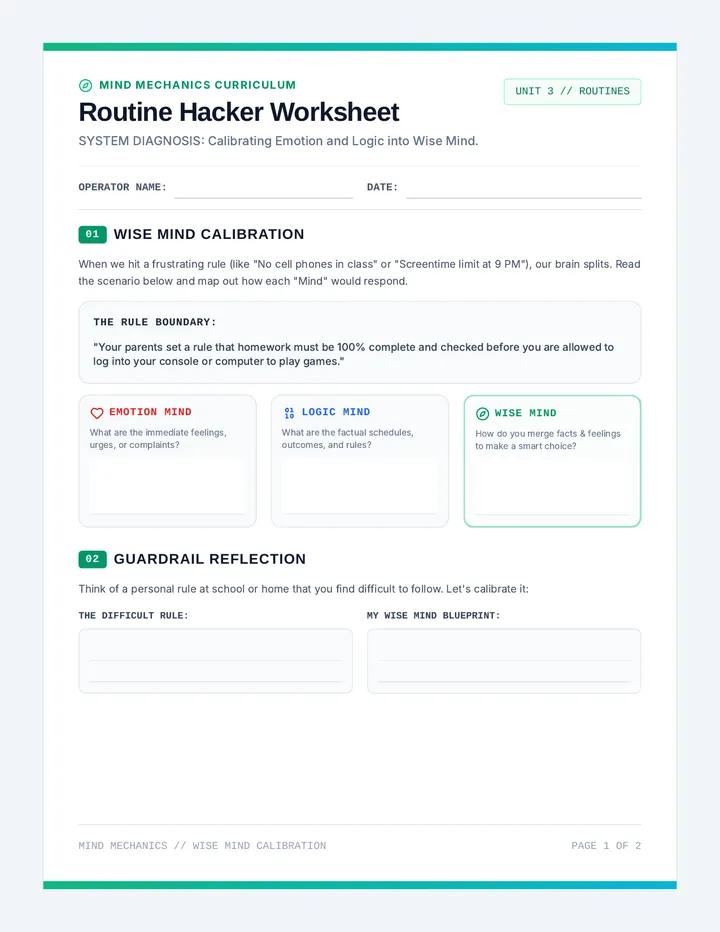
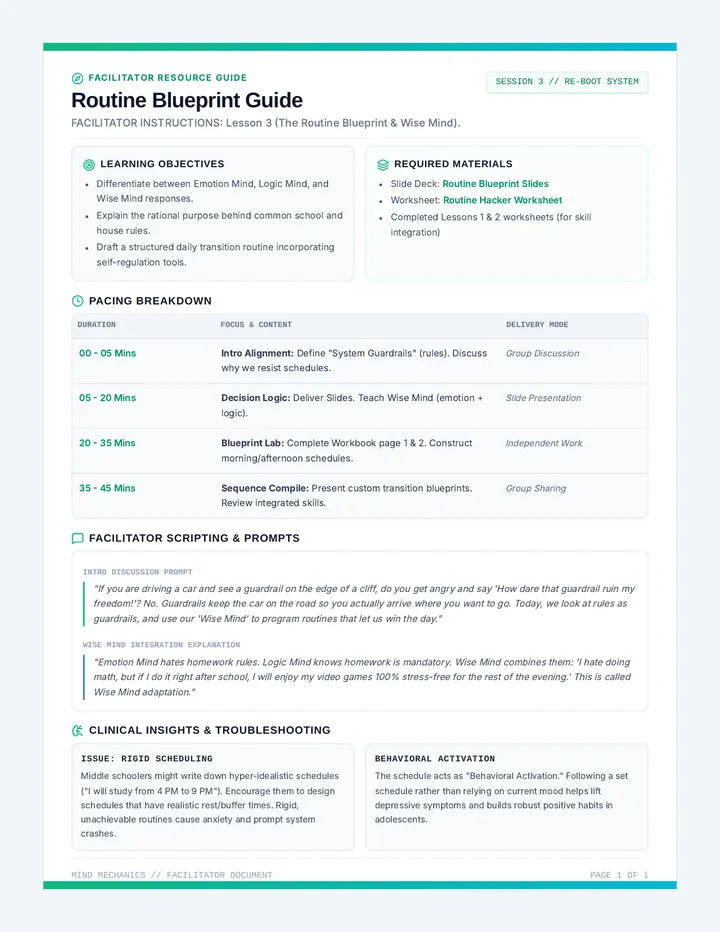
A three-part DBT and CBT curriculum designed to help middle school students build patience, reframe negative mindsets, and comfortably adapt to school and home routines.
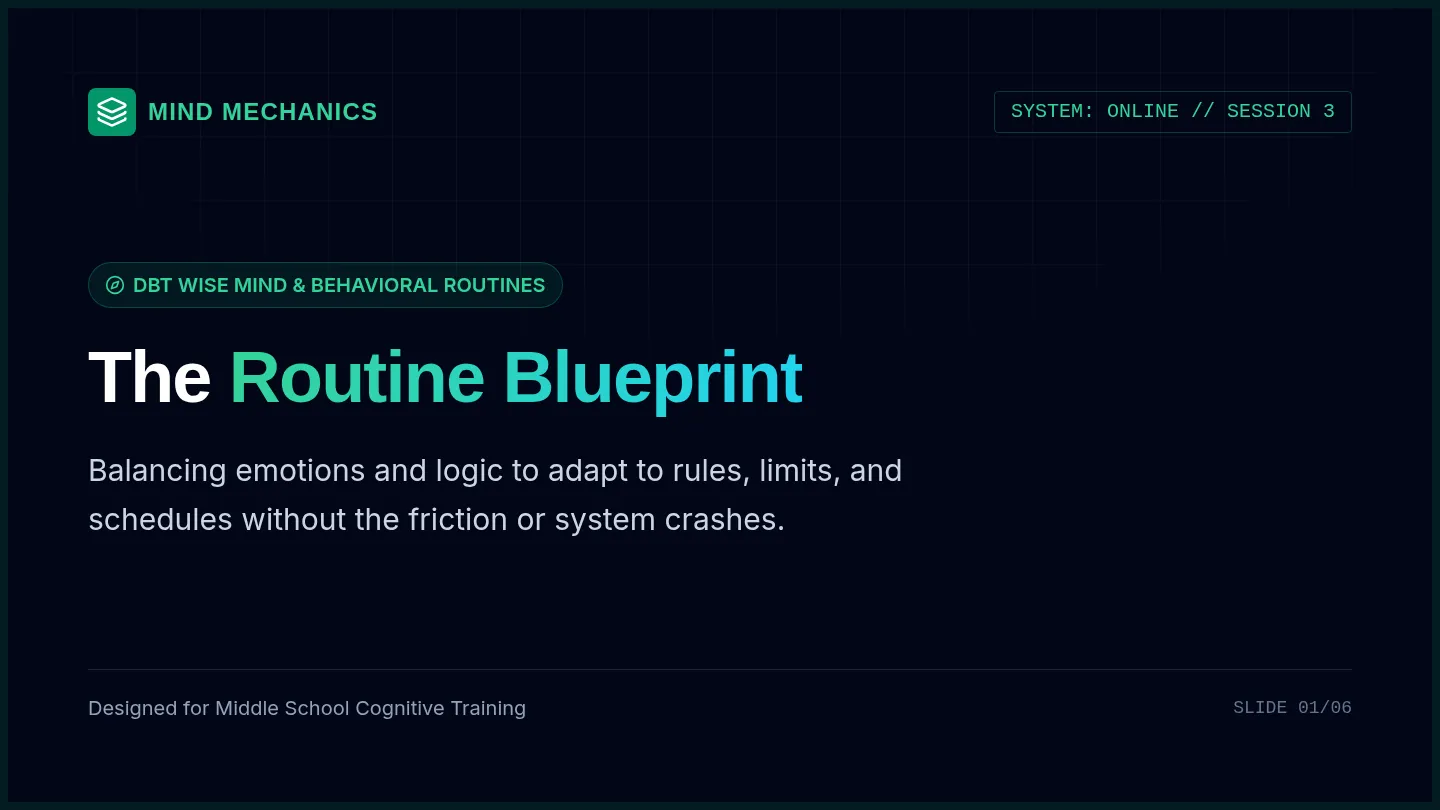
Focuses on adapting to rules, boundaries, and schedules by blending Wise Mind decision-making with practical self-regulation routines.
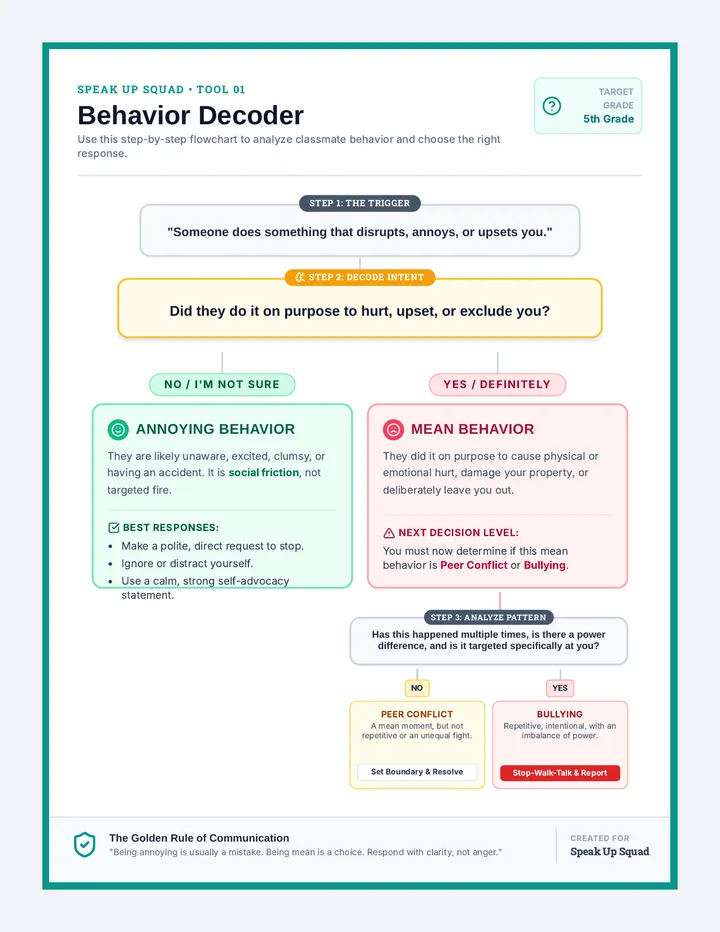
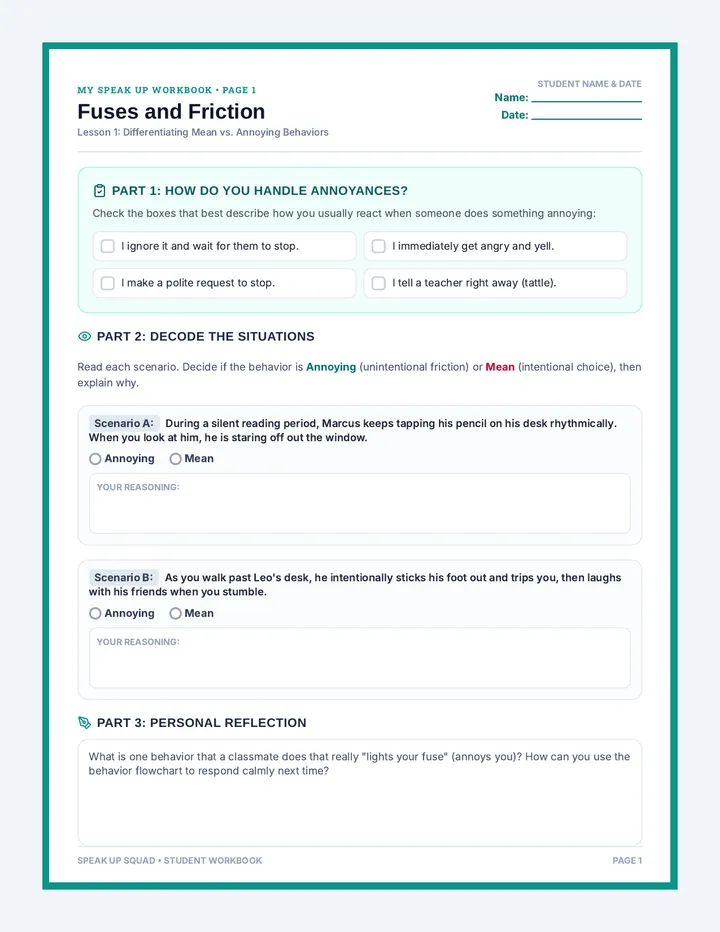
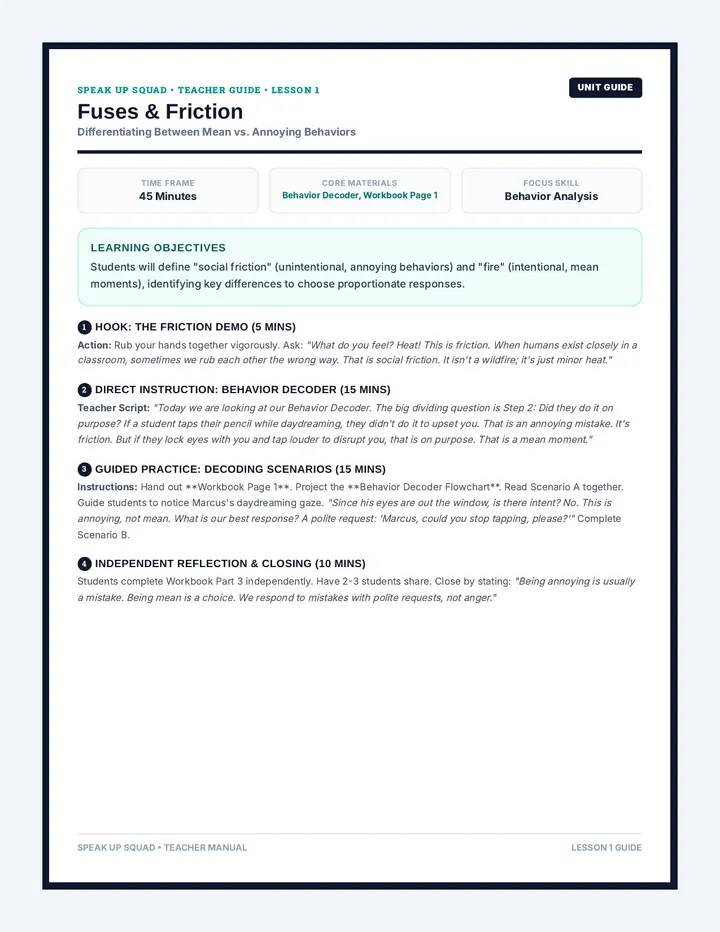
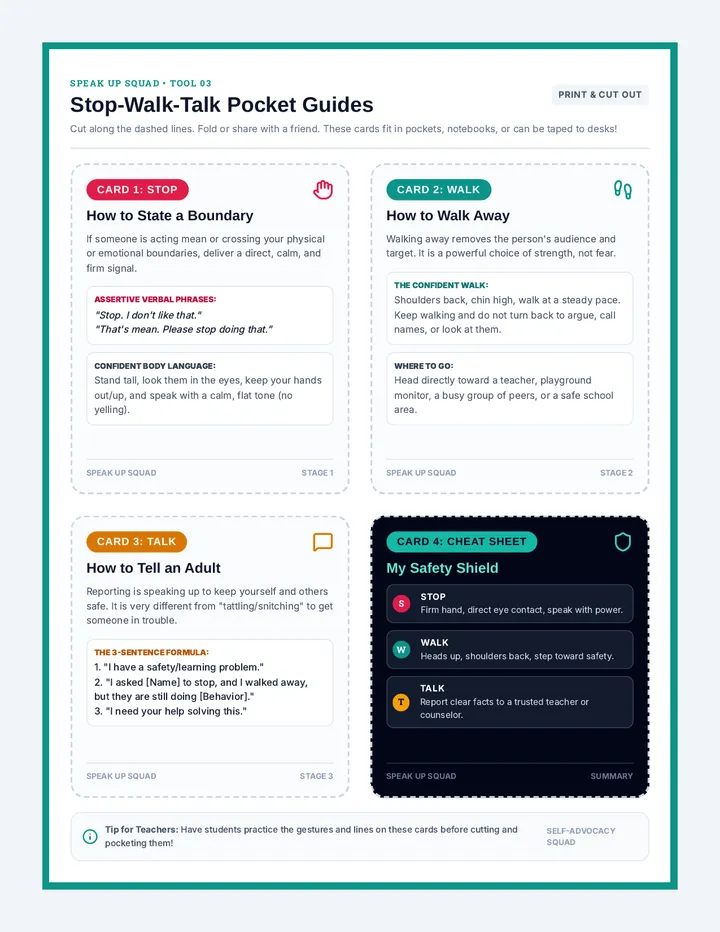
A comprehensive social self-advocacy unit for 5th graders to develop assertive communication, decode social intents, and confidently navigate peer conflicts and bullying.
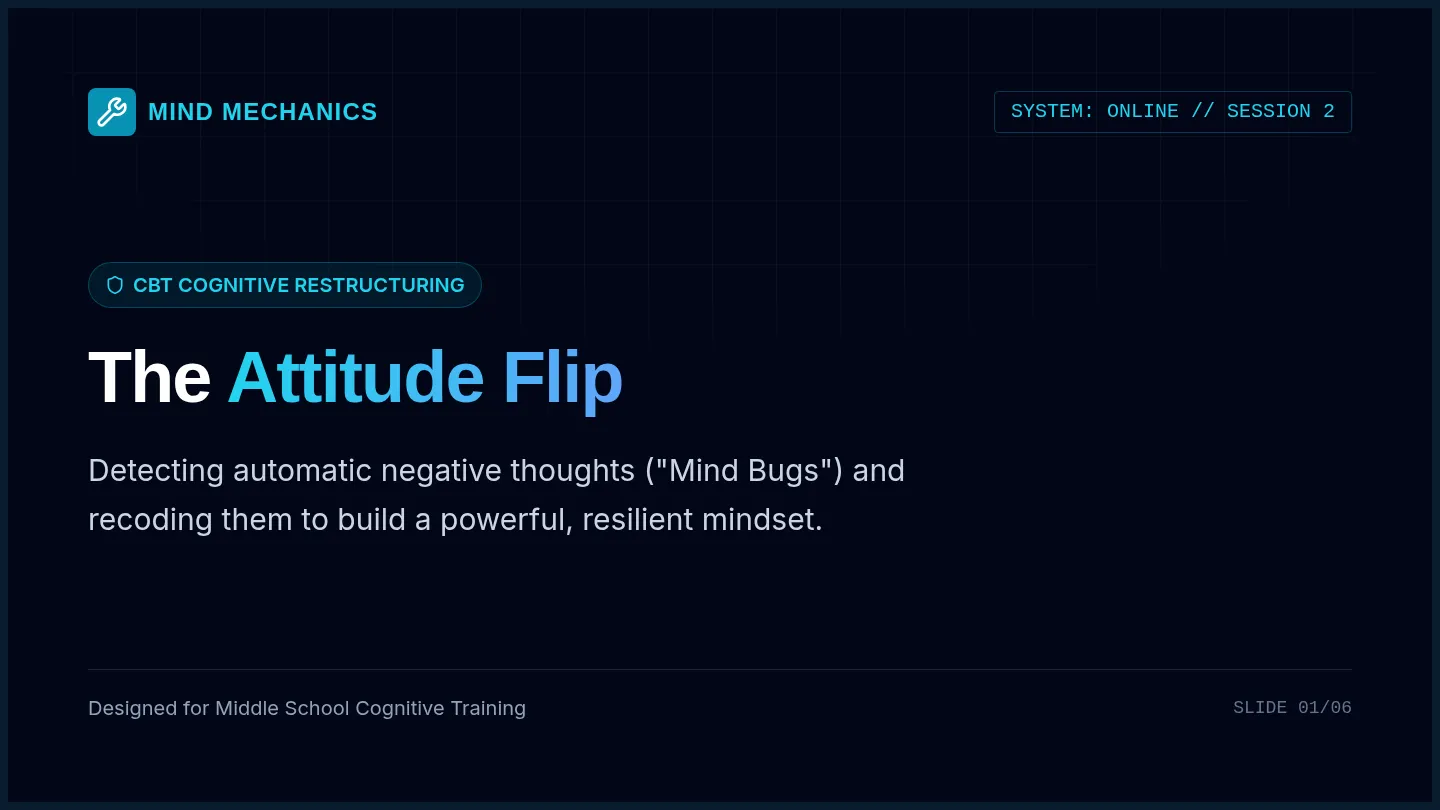
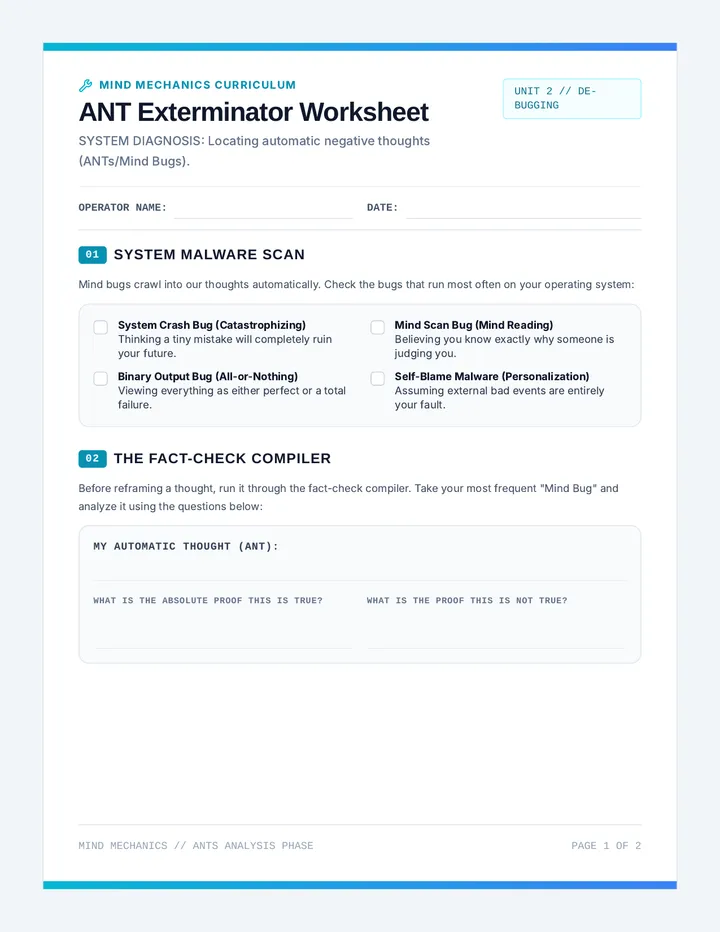
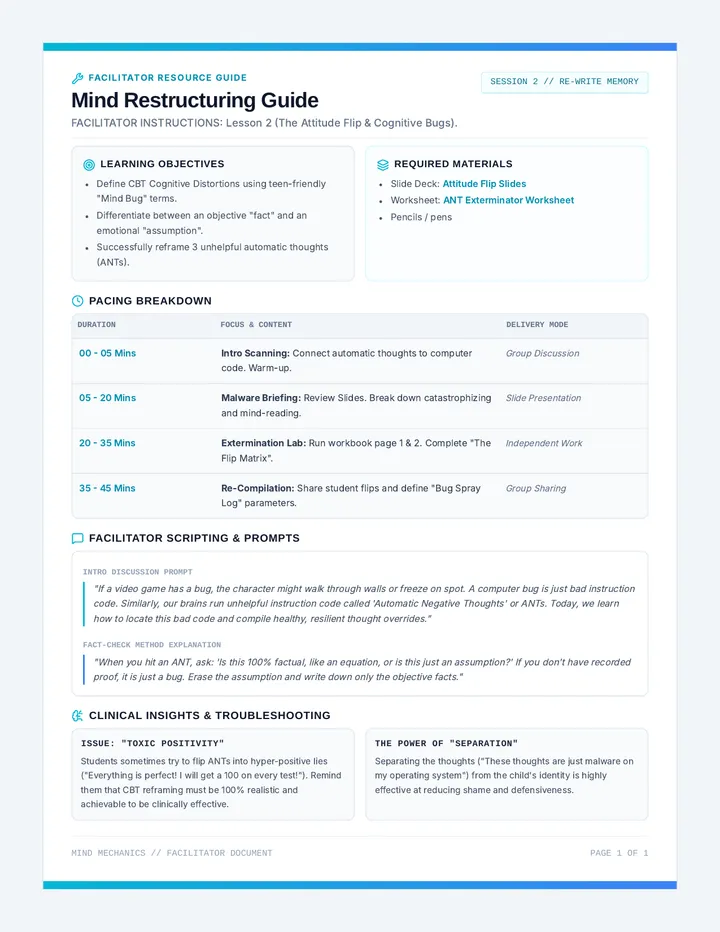
Teaches cognitive restructuring to identify automatic negative thoughts (ANTs), challenge cognitive distortions, and actively reframe mindsets for a more positive and adaptive attitude.
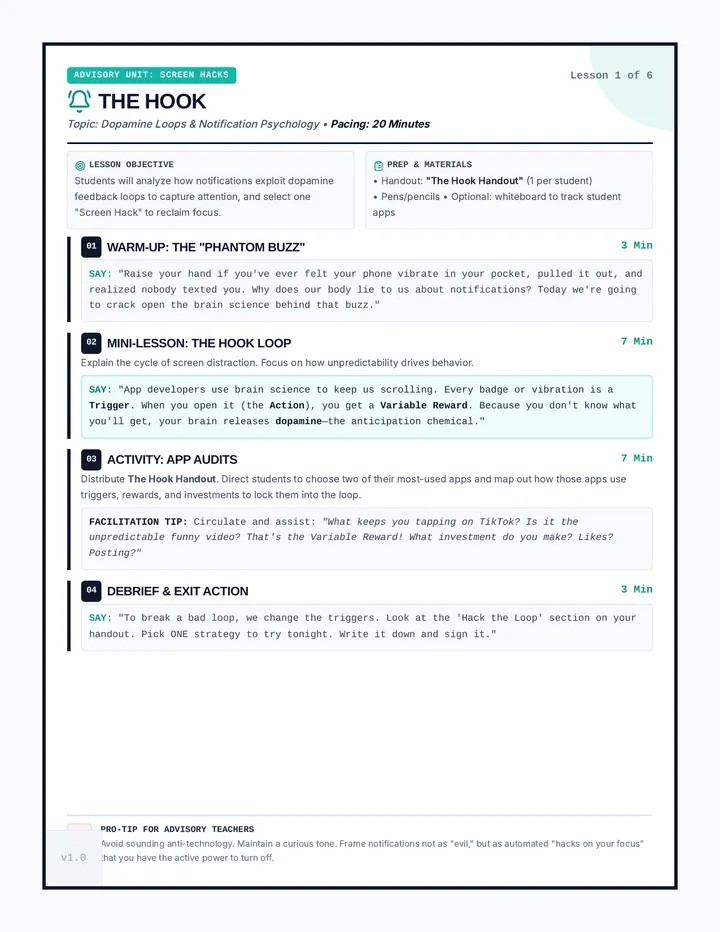
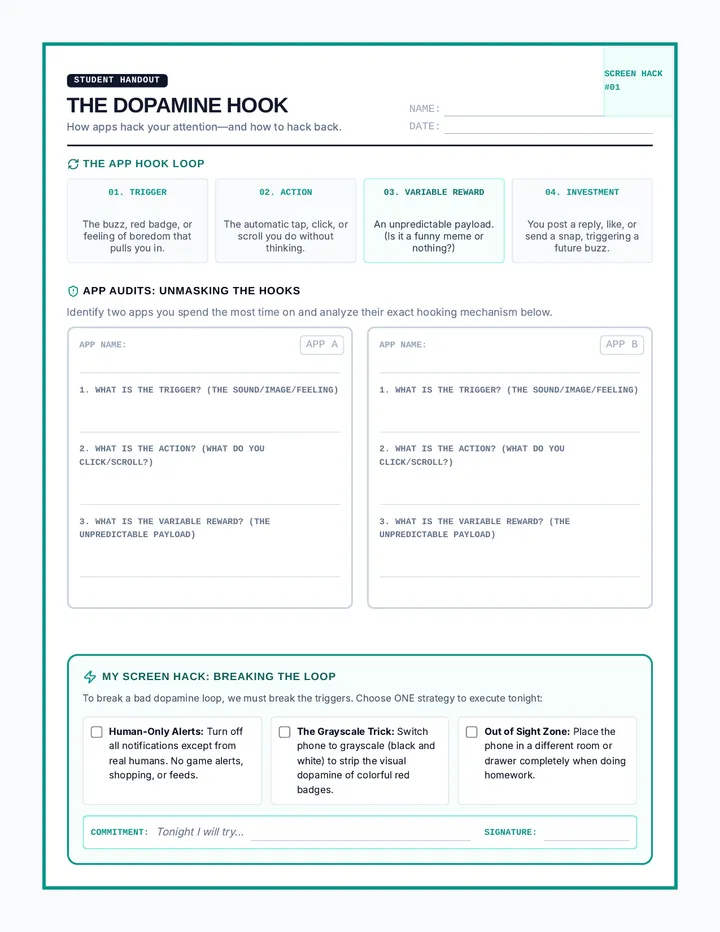
A six-lesson junior high advisory curriculum designed to help middle schoolers navigate screen addiction, notification loops, multitasking myths, sleep loss, social comparison, and group chat drama. Each lesson contains a 20-minute teacher facilitation guide and a corresponding student reflection handout.
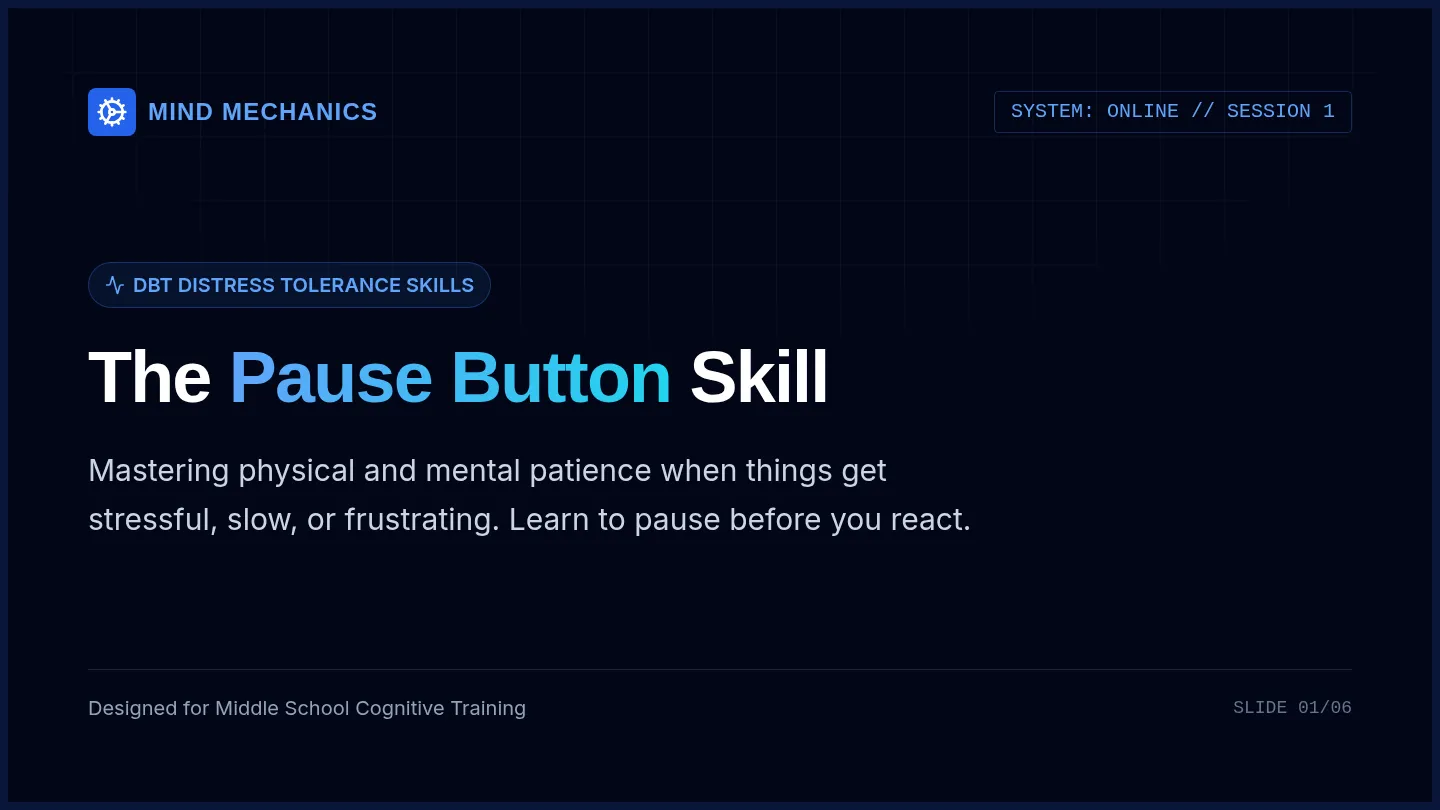
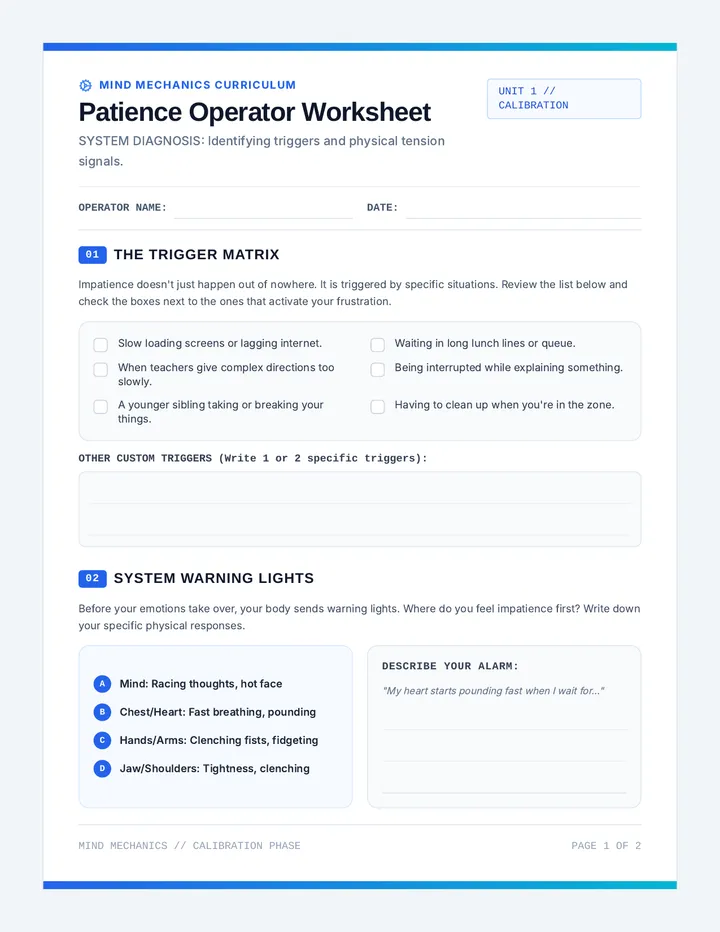
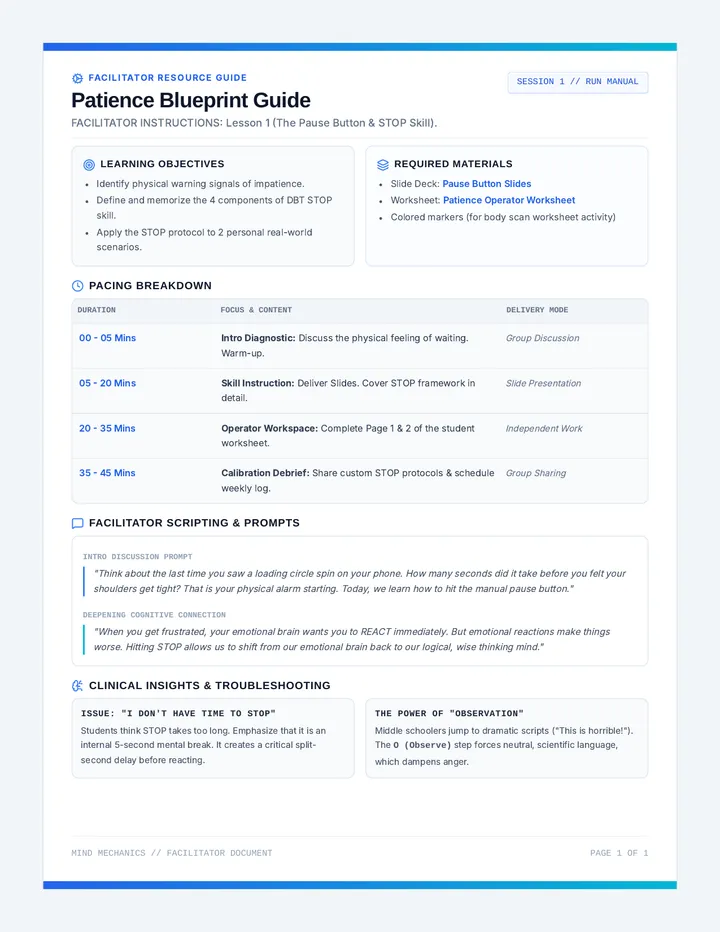
Focuses on building physical and mental patience under distress using the DBT STOP skill (Stop, Take a step back, Observe, Proceed mindfully).
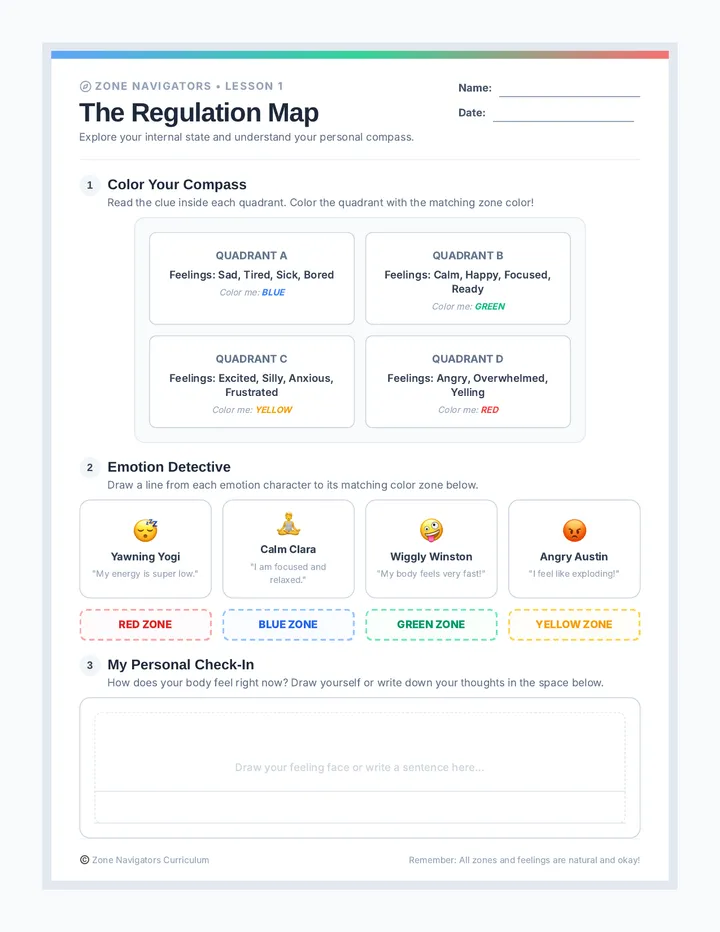
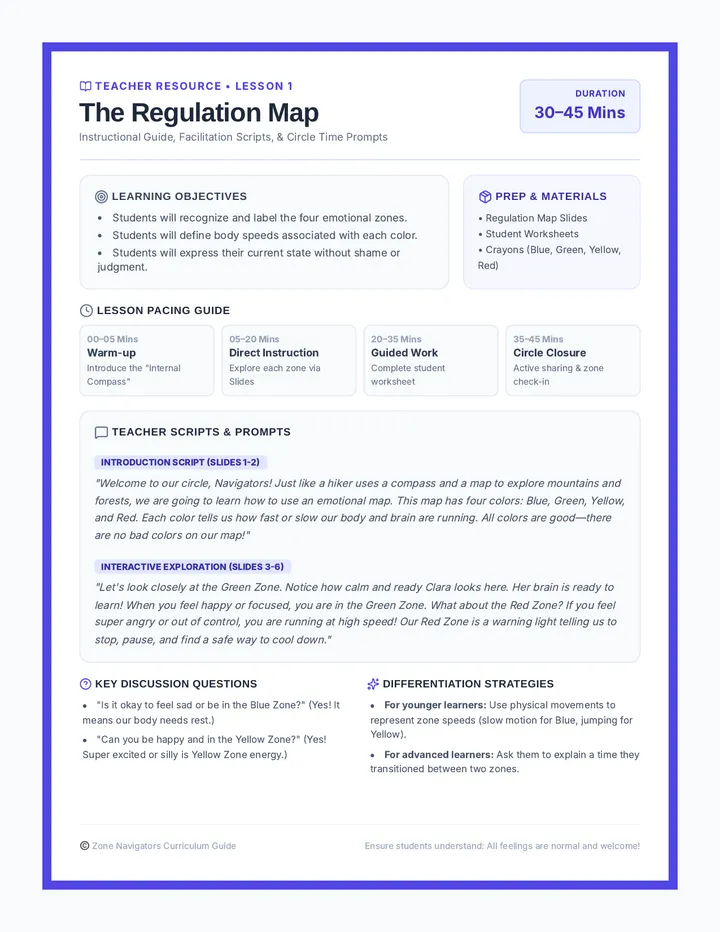
A comprehensive social-emotional learning curriculum designed to teach emotional regulation based on the four-zone framework. Students learn to recognize emotional states, identify body cues, and construct a personalized coping toolbox to transition between zones safely.
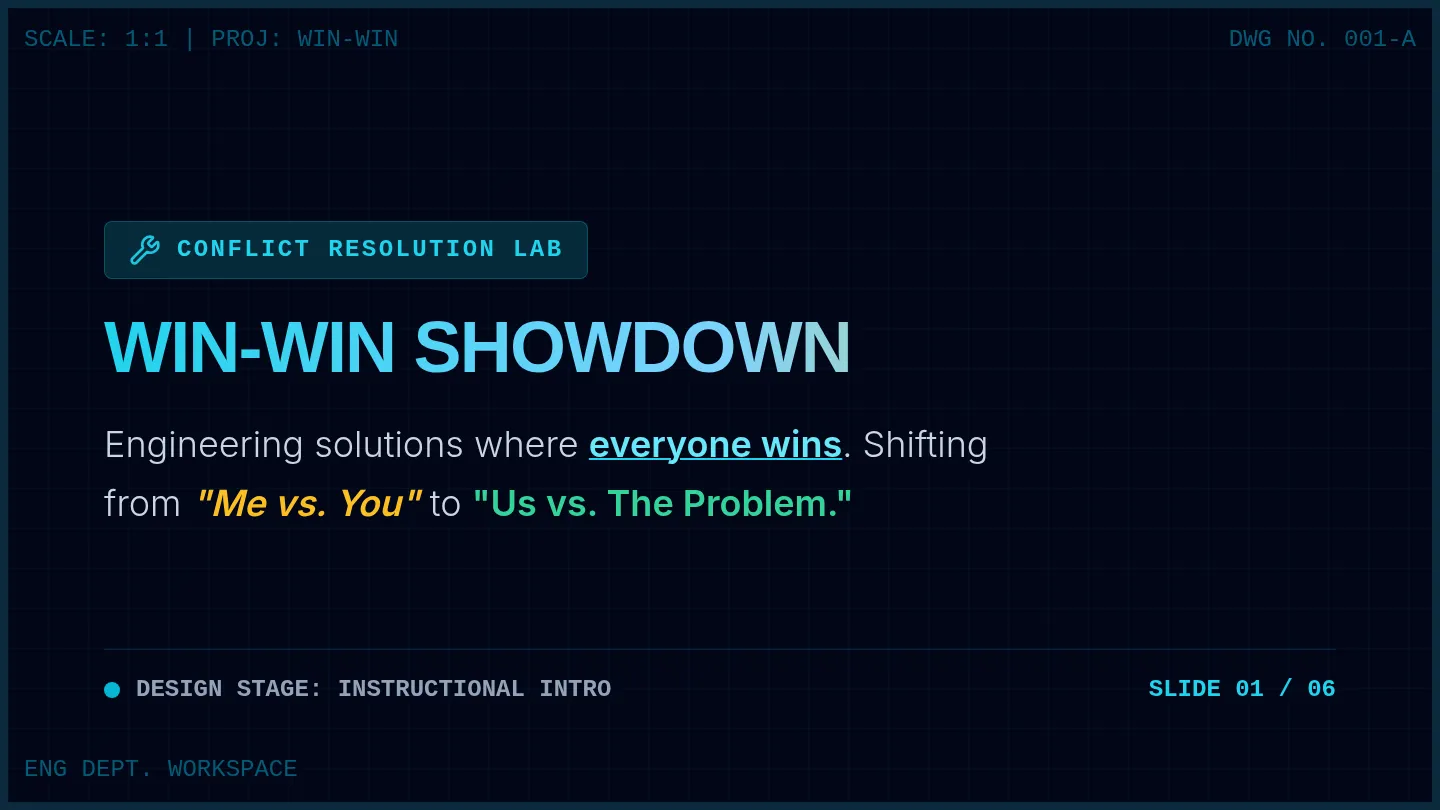
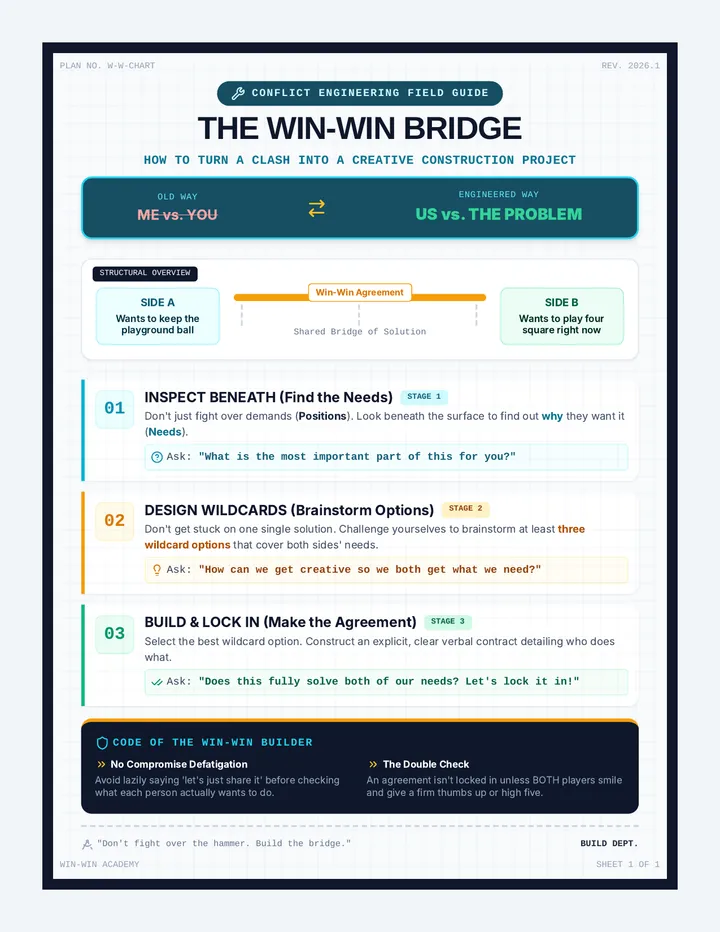
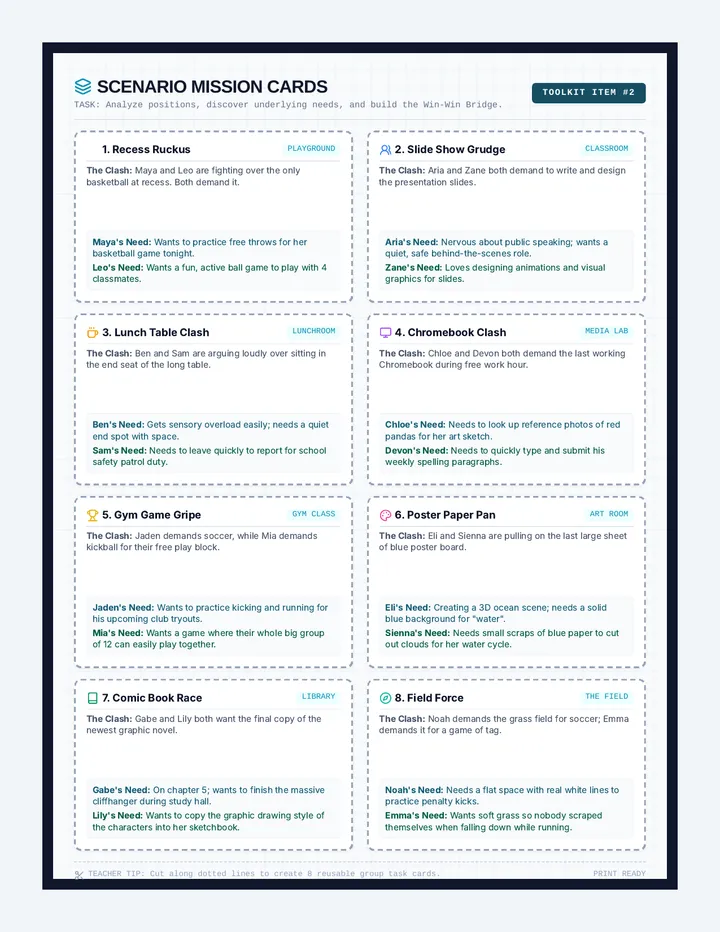
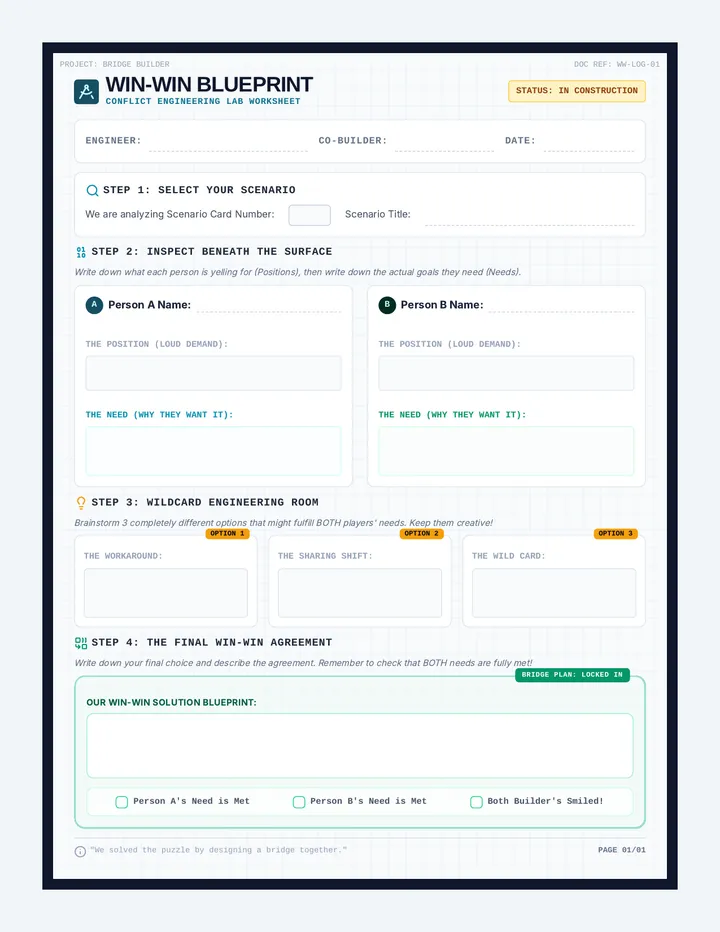
A dynamic conflict resolution lesson for 4th and 5th graders focusing on collaborative win-win negotiation. Students learn to move from 'Me vs. You' to 'Us vs. The Problem' by engineering solutions that satisfy everyone's underlying needs.
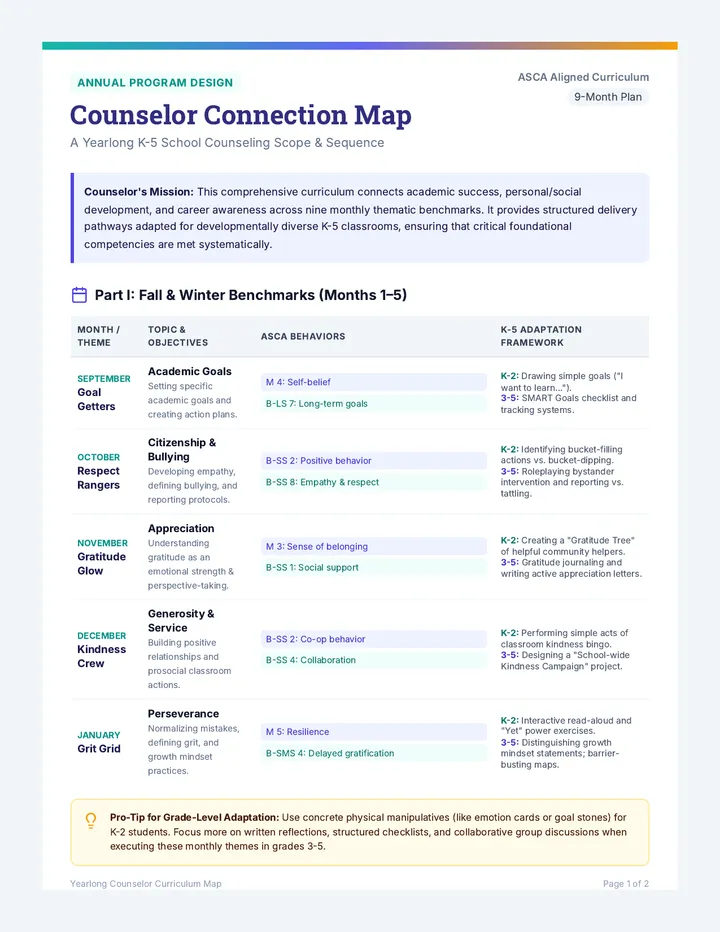
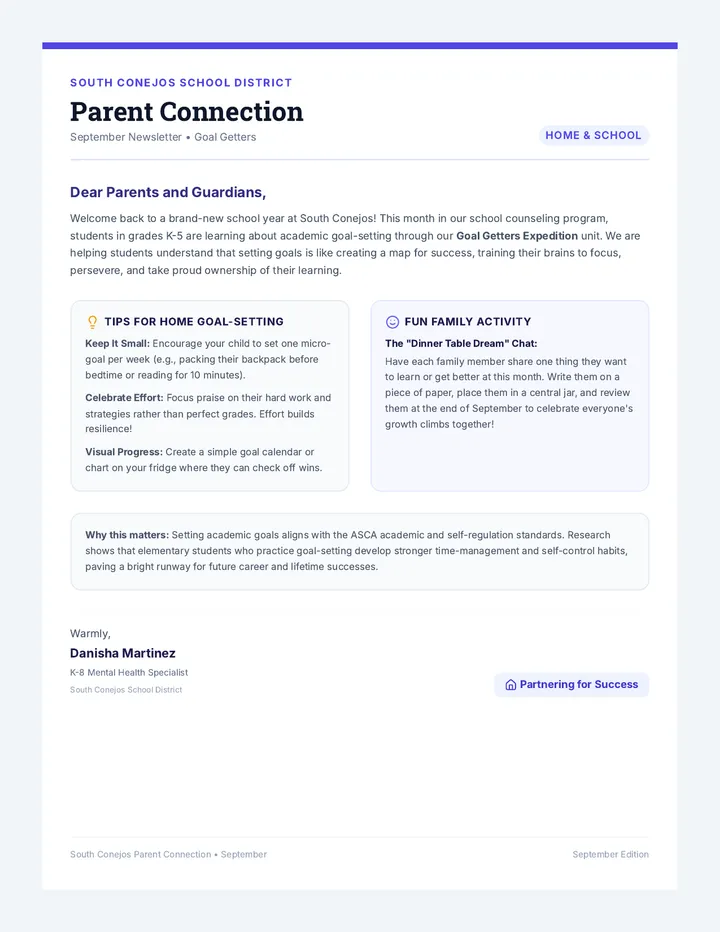
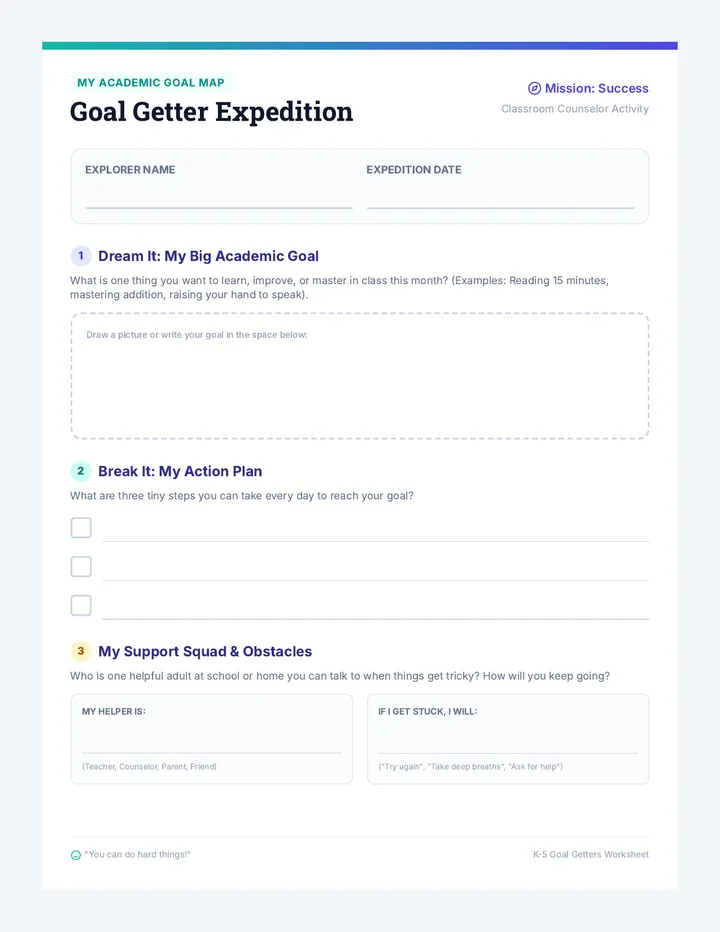
A comprehensive, yearlong K-5 school counseling curriculum bridging social-emotional learning, academic growth, and career exploration. Rooted in ASCA Student Standards, this curriculum provides counselors with structured lesson maps, slide presentations, and student worksheets to cultivate student success throughout the school year.
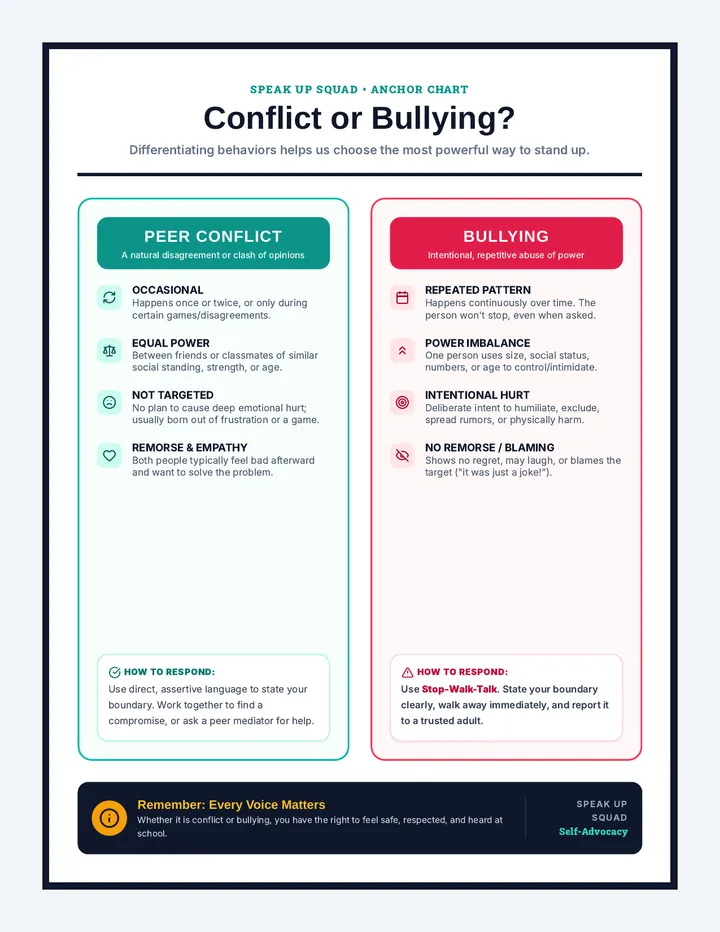
Students analyze the specific criteria of bullying—imbalance of power, repetition, and intent—contrasting it with normal peer conflict.
Students learn clear criteria for when to assert boundaries, when to walk away from a situation, and when to seek support from a trusted adult.