Gentle Hands Parent Guide
Home & School Partnership Guide Kindergarten Social-Emotional Growth
Gentle Hands & Strong Brakes
Nurturing Safe Play, Respectful Resets, and Big Energy in Bright, Spirited Boys
Team Approach Consistent home-school cues
1
Behind the Behavior: Decoding What We See
Intense Desire to Connect
Rough play, grabbing, or wrestling is rarely mean-spirited. For high-energy boys, it is often a fast, physical bid to join fun when verbal skills lag behind excitement.
The Only-Child Shift
At home with adults, rough play is naturally absorbed or controlled. On the school playground, peers have differing boundaries, requiring new social calibration.
Bright Mind, Lagging Brakes
Being verbally sharp does not mean motor impulse control is equally mature. When adrenaline surges, physical brakes fail before logic can kick in.
2
Safe Body Skills to Practice at Home
Proactive Coaching
The "Ask with Words, Not Hands" Rule
Rehearse joining high-demand toys (tricycles, swings) before recess excitement takes over.
Try Home Script: "Tap once on shoulder or wave. Say: 'Can I have a turn after you?' or 'Let's share this track!'"
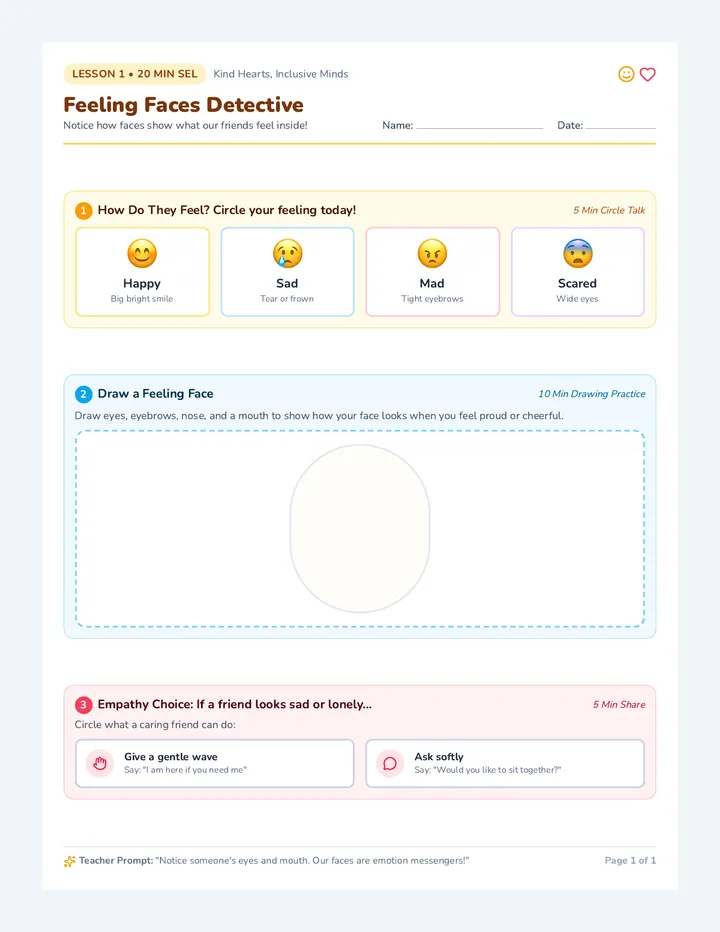
The "Check Their Face" Radar
Train him to spot whether a playmate is truly enjoying rough play or feeling hurt.
Home Activity: Freeze mid-tickle. "Look at my face—smiling or frowned? Laughing means keep playing; frowning means hands down immediately."
"No Necks, No Clothes" Rule
Establish a clear, absolute physical boundary for all peer contact. Teach where safe hands go.
Mantra: "Neck and clothing are off-limits—ever. If we high-five or tag, two fingers on shoulders only."
One-Second Emergency Stop
Rough-and-tumble play at home is allowed ONLY when paired with rapid compliance training.
Game: When wrestling at home, shout "FREEZE!" He must drop hands in 1 second. Fast freeze earns 2 more minutes of fun.
3
Daily "Heavy Work": Satisfying the Sensory Motor Need
Regulate Before Recess
Children who pull, shove, or wrestle often crave proprioceptive input (joint and muscle feedback). Providing deep muscle pressure at home prevents them from seeking it through peer collisions at school.
Pillow Sandwich Gently press a large couch cushion over him with playful pressure.
Wall Push-Ups Challenge him to "keep the wall from falling" for 20 strong seconds.
Laundry Cart Tow Load a basket with blankets or books for him to push across the carpet.
Bear & Crab Crawls Race on hands and feet across the living room before leaving for school.
Gentle Hands Parent Guide • Kindergarten Support Page 1 of 2 • Turn over for Boundary Scripts & Reset Routines
Setting Calm Limits & Handling Refusals
Tools for Defiance & Big Feelings
4
When He Says "No" to Sitting Out / Resetting
De-escalate Power Struggles
Bright, capable children frequently push back with "No!" when their play is interrupted because their brain perceives sitting out as public defeat or loss of control. Reframe the reset:
Low Voice, Close Body
Never debate across the room. Walk over, crouch to eye level, and place a steady hand nearby. Calm physical presence disarms adrenaline.
Key cue: "I will stay right here until your body is still."
"Reset, Not Punishment"
Frame the bench/break as pit-stop refueling, not exile. Emphasize that fast cooperation gets him back into the game quickest.
Say: "A reset is a pit stop for race cars. Three deep breaths, check hands, back to track."
Two Controlled Choices
Bright children crave agency. Instead of asking "Will you sit down?", give two options that both accomplish the safety reset.
Say: "You can sit on the green bench or on the curb. You choose."
5
Talking About Recess Incidents (Without Shame or Defensiveness)
Constructive Debrief
Step 1: Connect First
Avoid grilling in the car or at pickup. Provide a snack, water, and 15 minutes of movement first. Defensiveness is highest when blood sugar and nervous energy are depleted.
Step 2: Fact-Check Calmly
Avoid: "Why did you pull that boy?!" (Invites denial). Try: "Your teacher told me you had super big energy and wanted the trike so much you grabbed a friend's neck. Tell me what was happening in that moment."
Step 3: Coach the Repair
Empower him to make it right: "Everyone makes mistakes when excited. Tomorrow, how will you show your friend your hands are safe? Let's practice saying: 'Sorry I pulled you, are you okay?'"
Quick Reference Anchor: Common Triggers & Best Responses
| Moment / Trigger |
What Child is Experiencing |
Immediate Adult Action |
| Wants a toy / trike someone has |
Impulse surge; fears he won't get a turn unless he takes it now. |
Prompt: "Hands behind back. Use words: 'Can I have next turn?'" |
| Tackle / neck-grab in play |
High sensory excitement; misjudging peer physical resilience. |
Firm physical interrupt: "Hands down. Neck contact stops the game." |
| Refusing to reset ("NO!") |
Threat response, embarrassment, fear of losing autonomy. |
Quiet tone: "Sit on bench or curb. Game pauses until reset is done." |
A Bright Future: With clear physical rules, daily heavy work, and calm boundaries, his leadership and sweet nature will flourish in the peer group.
Let's stay connected!
Gentle Hands Parent Guide • Kindergarten Support Page 2 of 2 • Printable Resource